I spent a long time thinking countertops were the one decision in a kitchen you could get away with rushing, as long as the cabinets and the paint looked right. They don't fix anything. A beautiful cabinet run with the wrong countertop just makes the countertop look worse by comparison, and I learned that the hard way with a slab that seemed fine under store lighting and looked tired within a year.
The finishes that hold up best in daily life tend to be the ones that don't announce themselves. Mid tone colors with some movement or flecking hide water spots, crumbs, and the small scratches that happen no matter how careful you are. Pure white looks incredible for about three weeks and then shows every coffee ring. Very dark surfaces show dust and fingerprints more than people expect. Something in the gray, warm beige, or soft stone range, with a bit of pattern to it, just asks less of you day to day.
How it ages depends a lot on the material, but the habits that protect any countertop are the same. Wipe up anything acidic, citrus, wine, vinegar, right away rather than letting it sit. Use a cutting board every time, even on the surfaces that claim to be scratch resistant, because claim and reality are two different things once a knife is involved. Reseal natural stone on the schedule the fabricator gives you, not whenever you remember, and test it by dropping a little water on the surface. If it beads up, you're fine. If it soaks in and darkens the stone, it's time.
Before anything gets installed, there are a few checks worth doing with your own hands rather than taking someone's word for it. Run your palm along any seam and feel for a ridge. Look at the edge profile straight on in good light, not at an angle, since that's where uneven cuts show up first. Open and close a cabinet door or drawer near the sink area to make sure the fittings underneath weren't an afterthought, because plumbing and hardware installed around a countertop rather than planned with it causes most of the headaches later.
If someone's starting from nothing, a mid tone quartz with subtle veining is the easiest first move. It resists stains without any sealing routine, handles heat better than people assume, and looks settled in a kitchen rather than showroom new. Natural stone has a warmth quartz can't fake, but it asks more of you.
The detail that makes a good one worth having is small: a faucet set far enough back that there's real counter space in front of it, so you can actually set something down without it getting in your way.
 Aisha's pickGray Countertops for Kitchens of Every Size

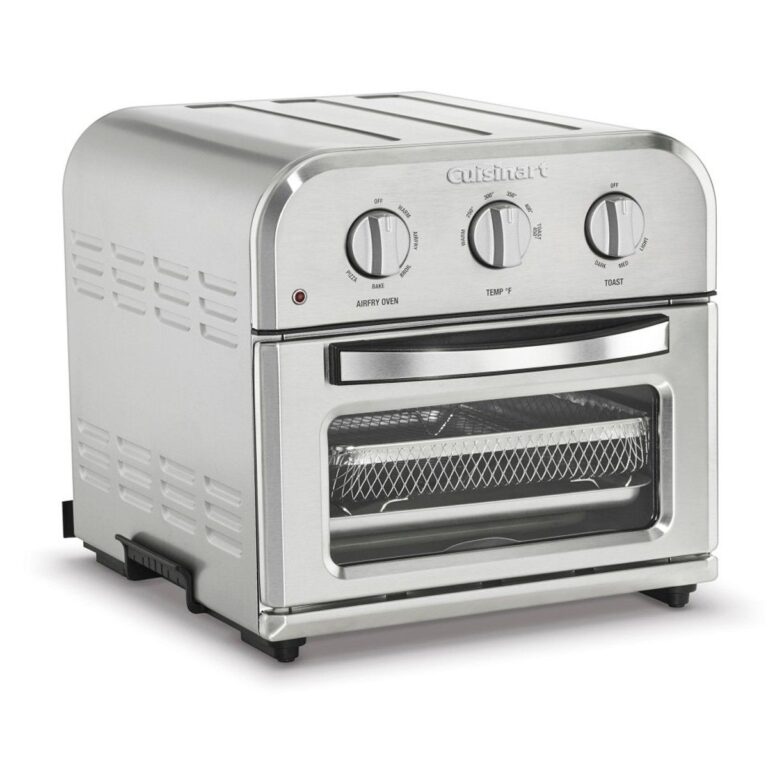 Aisha's pickStainless Pizza Ovens That Look Good Up Close
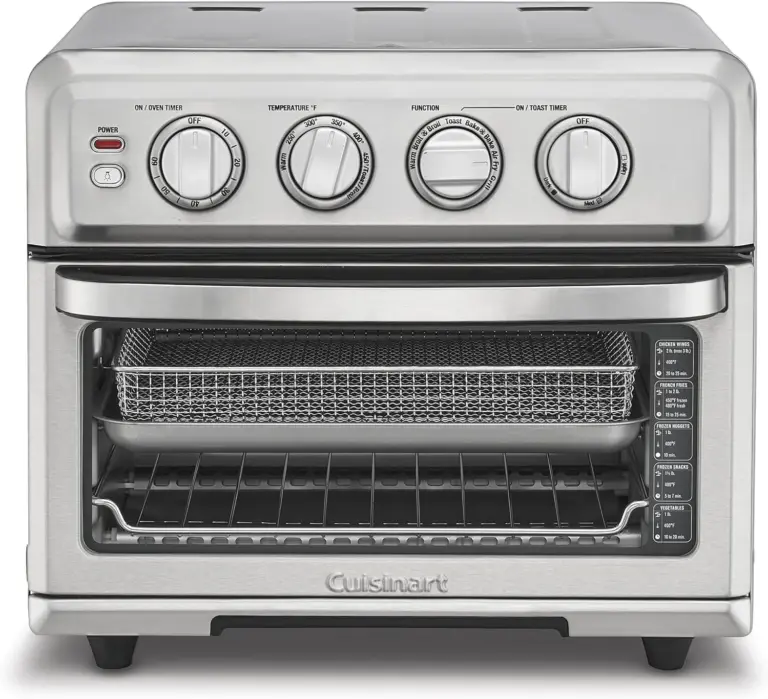
 Aisha's pickKitchen Backsplashes Worth Knowing About
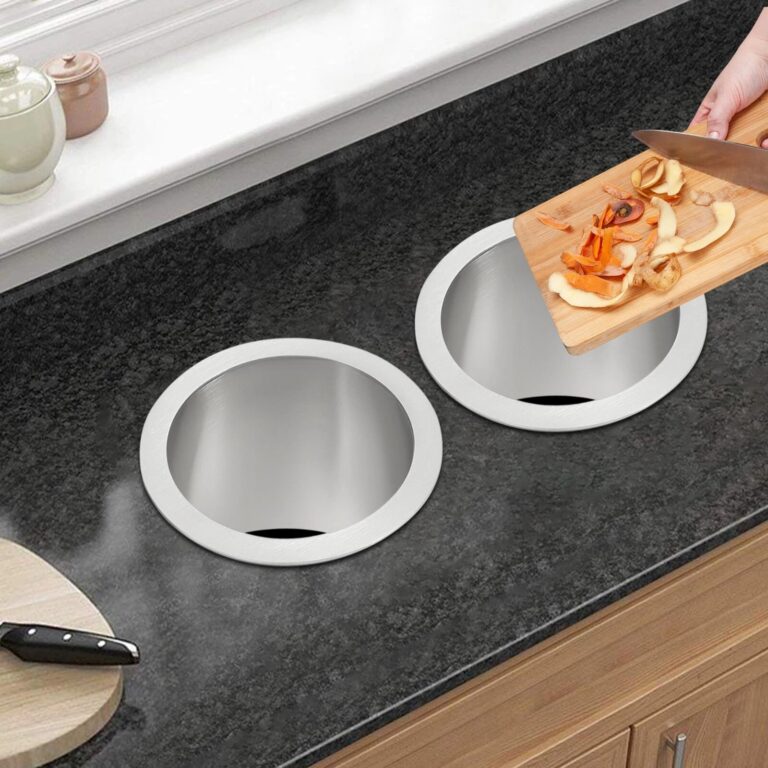 Aisha's pickStainless Steel Kitchen Countertops for People Who Know What They Like

 Aisha's pickKitchen Countertops That Lift a Tired Room
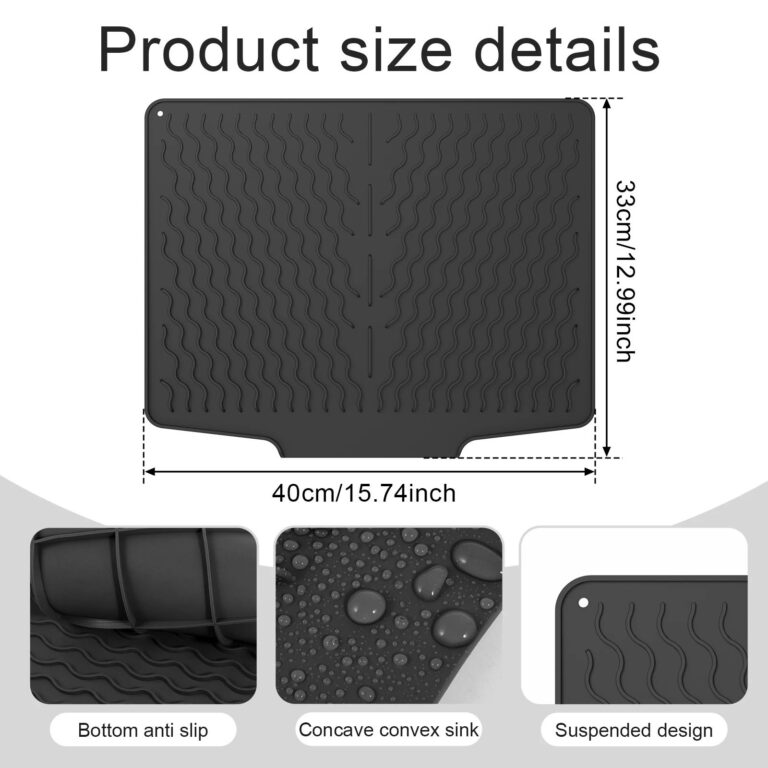
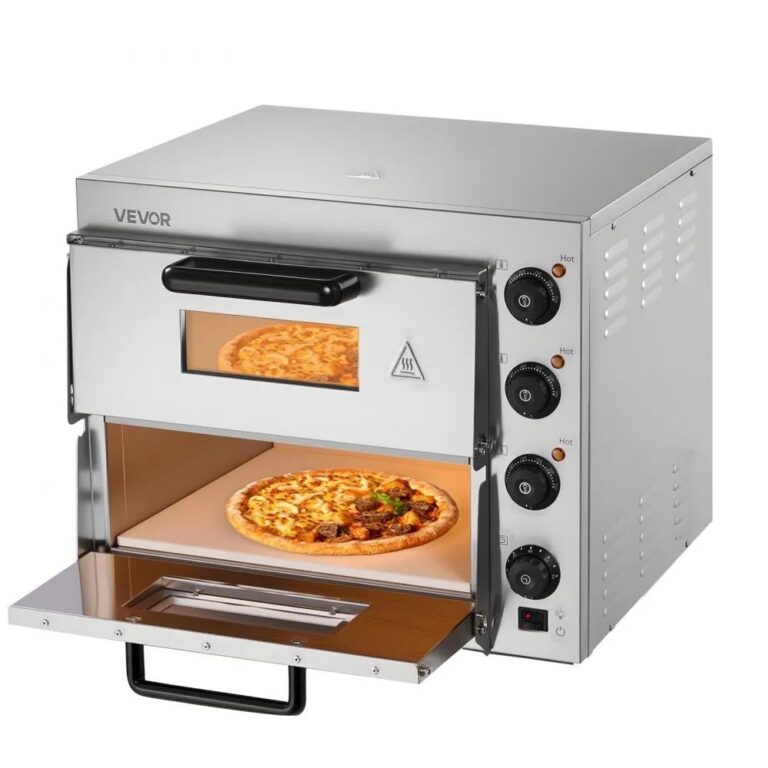 Aisha's pickDecent Stainless Steel Pizza Ovens Without the Hassle
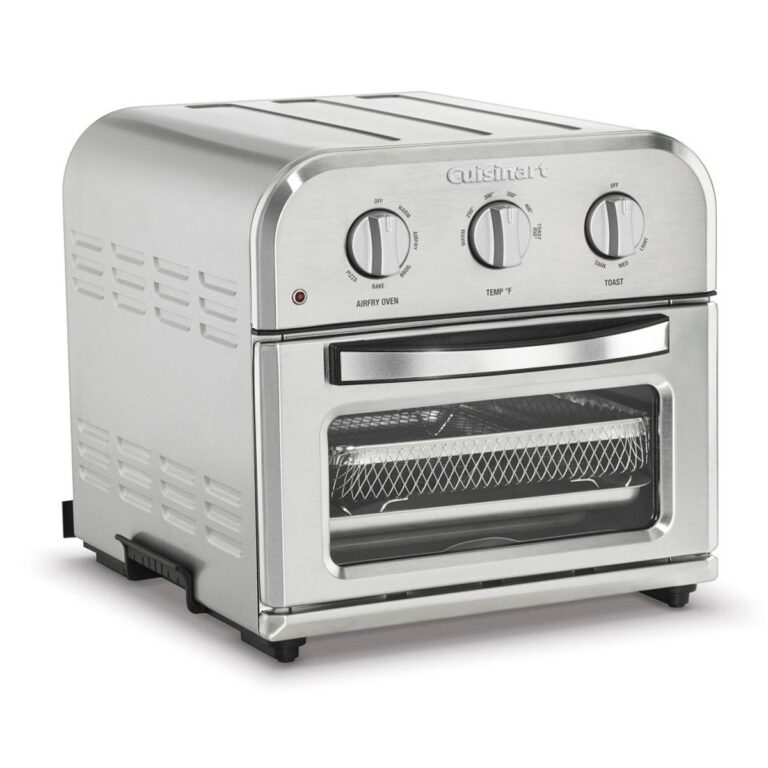
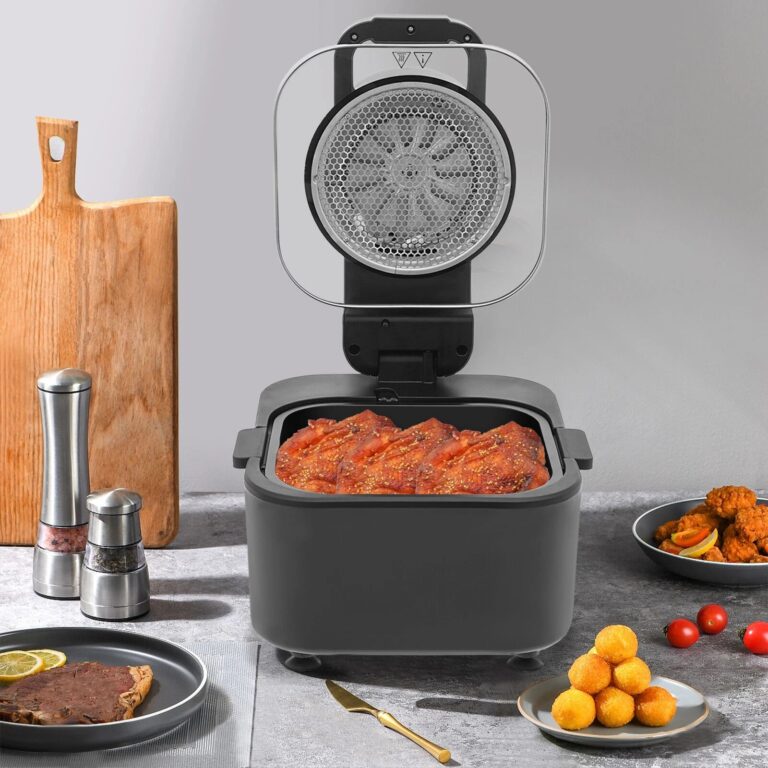 Aisha's pickLarge Black Countertops That Are Easy to Fit
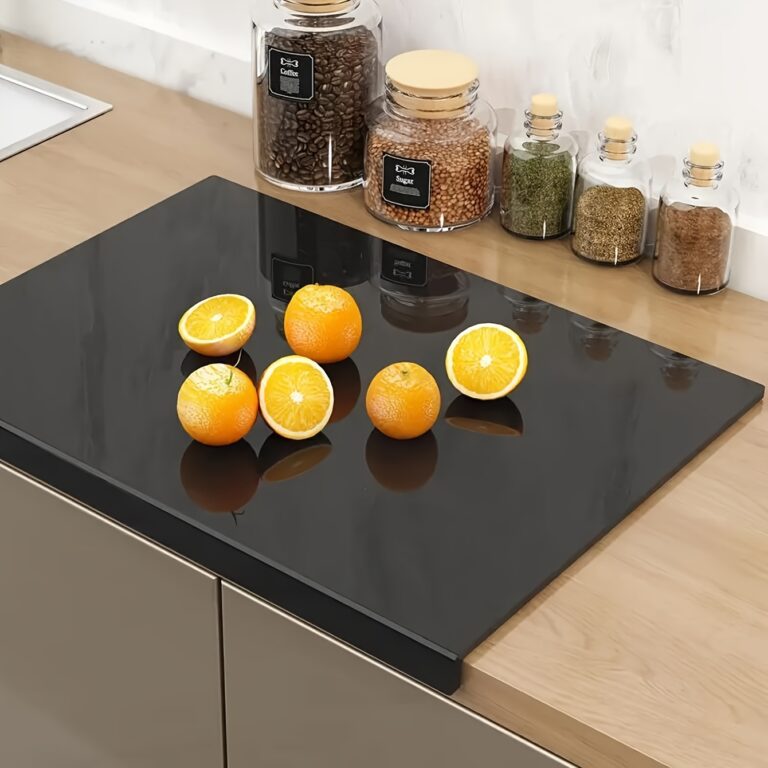
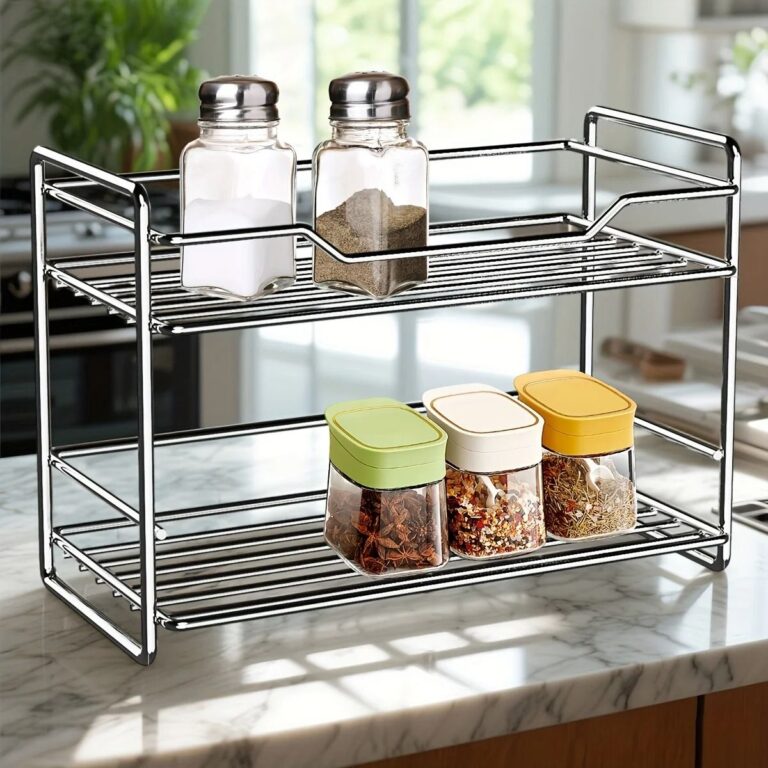 Aisha's pickStainless Steel Countertops for Weekend Projects
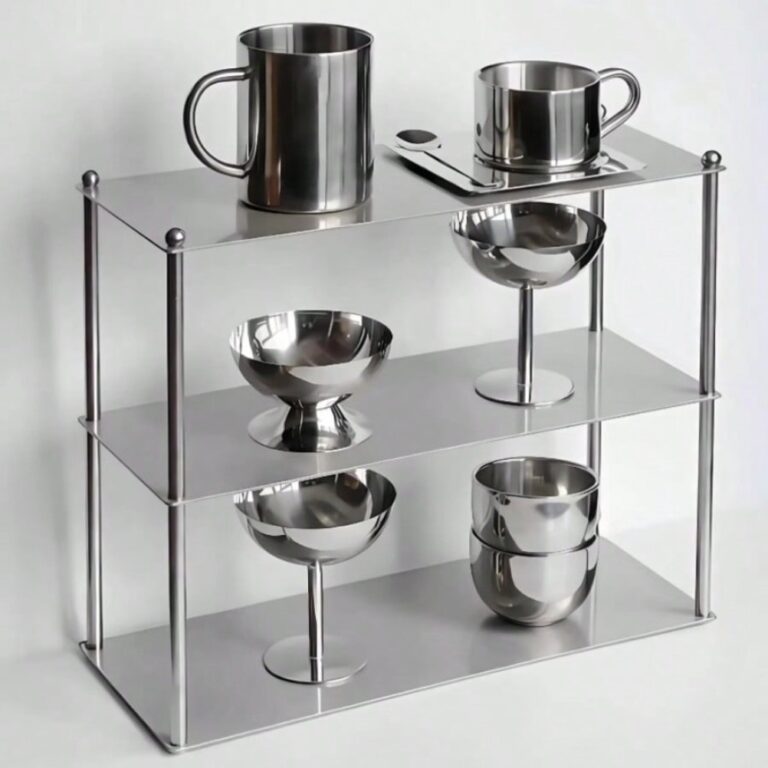
 Aisha's pickLarge Kitchen Countertops That Lift a Tired RoomAlso worth a lookPlates, Bowls & DinnerwareMismatched dinnerware looks curated for about five minutes and then it just looks like you never finished unpacking after a move.See the collections →

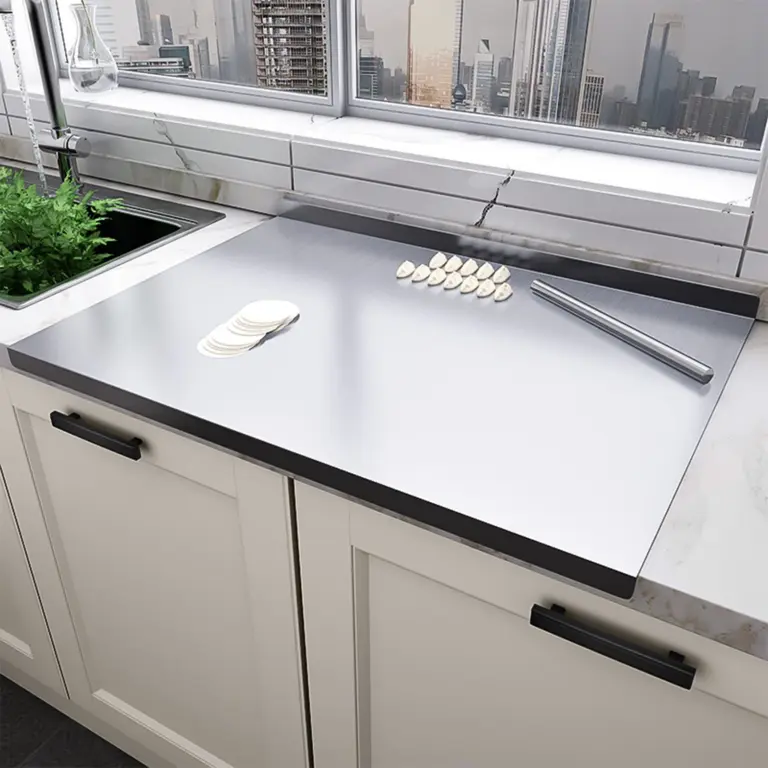 Aisha's pickStainless Steel Countertops for Kitchen That Do the Job Right
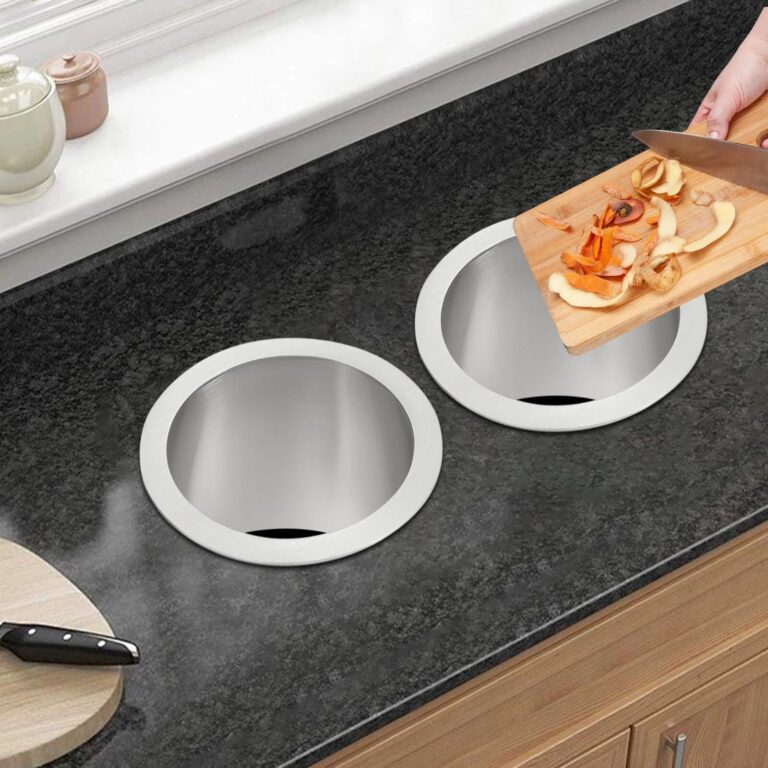
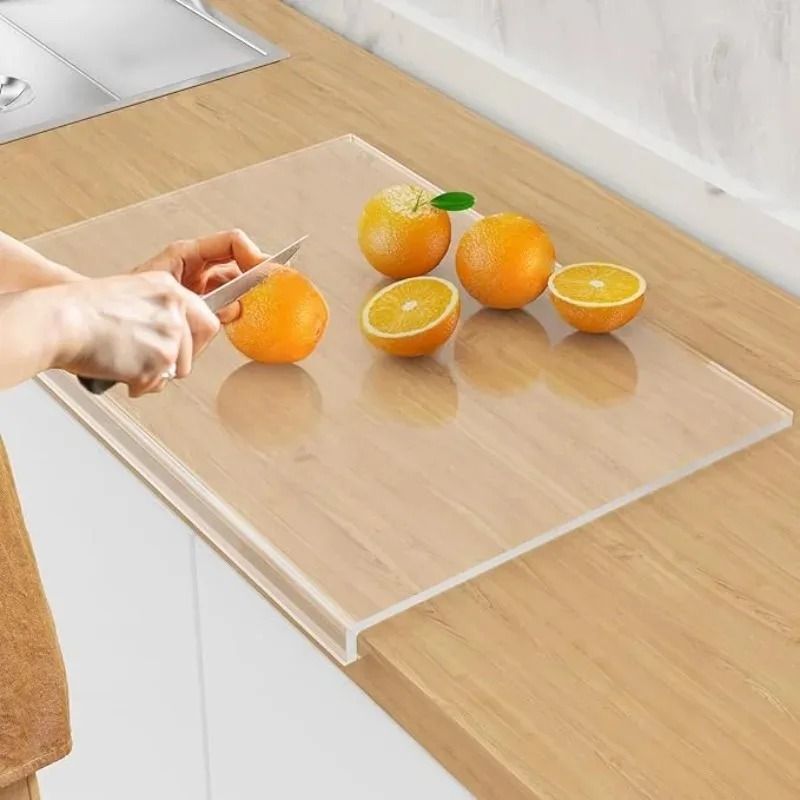 Aisha's pickAcrylic Countertops That Make Cooking a Bit Nicer
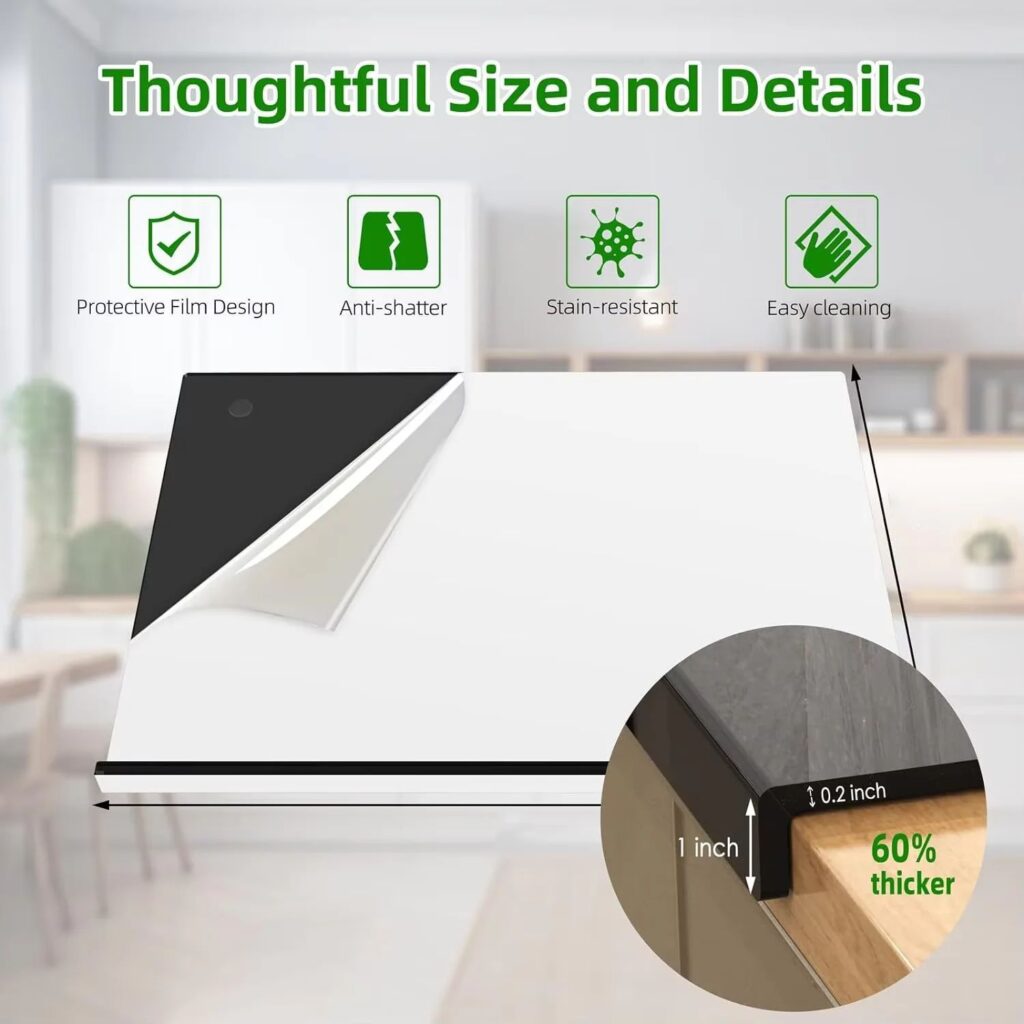
 Aisha's pickLarge Pizza Ovens We’d Buy Again

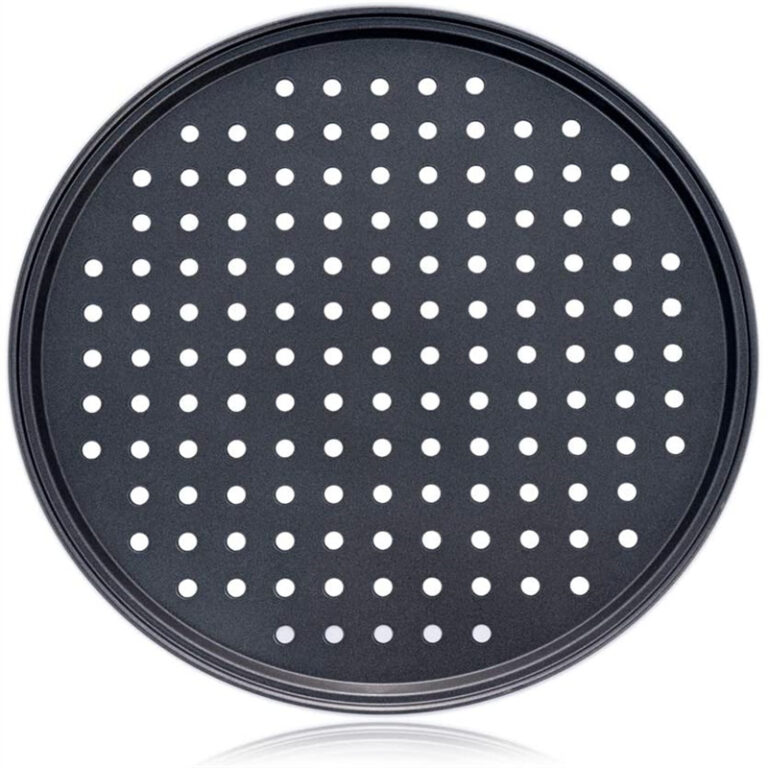 Aisha's pickSteel Pizza Ovens That Are Easy to Fit
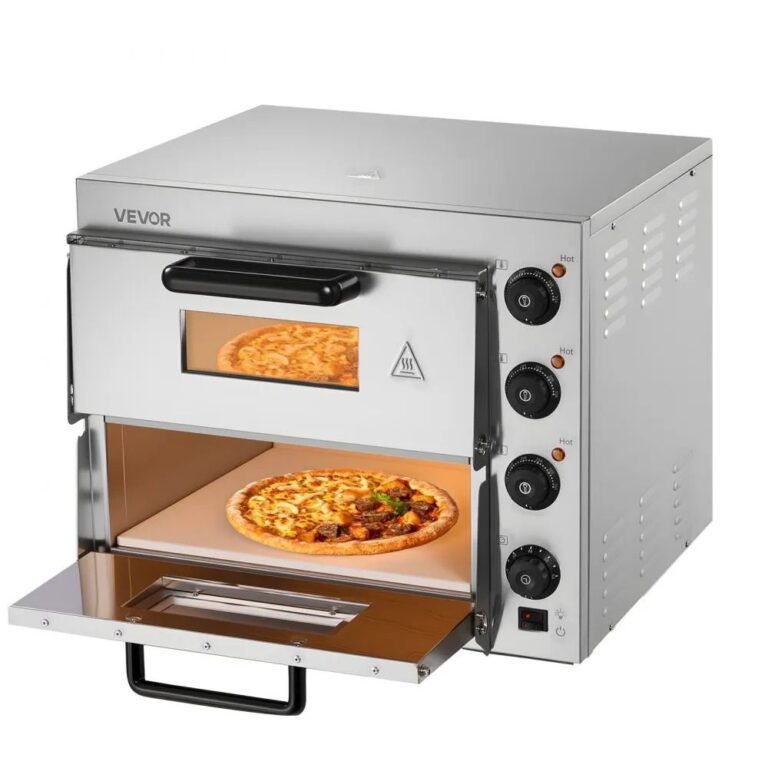
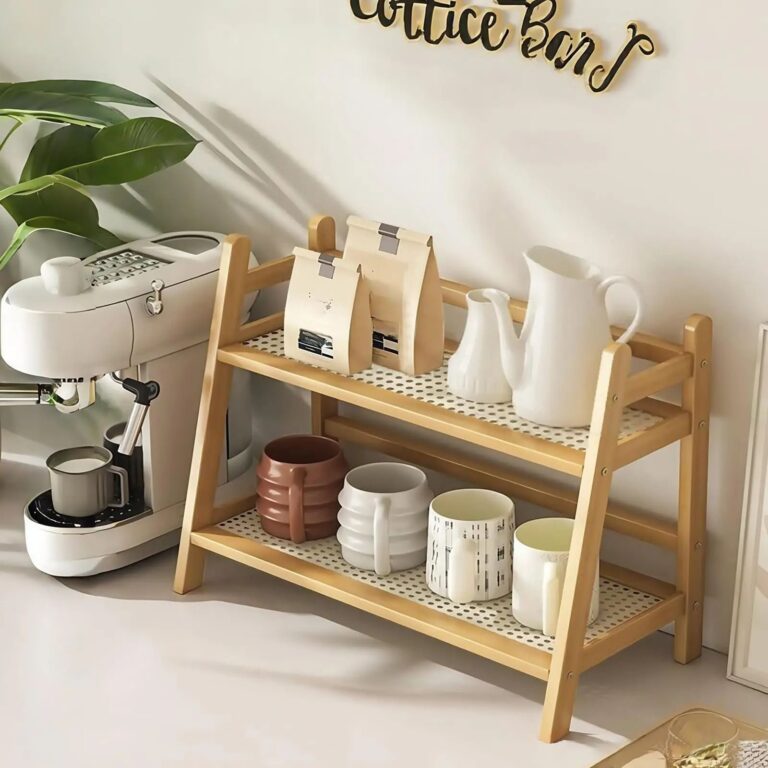 Aisha's pickBamboo Countertops That Lift a Tired Room
 Aisha's pickLarge Countertops for Kitchens of Every Size
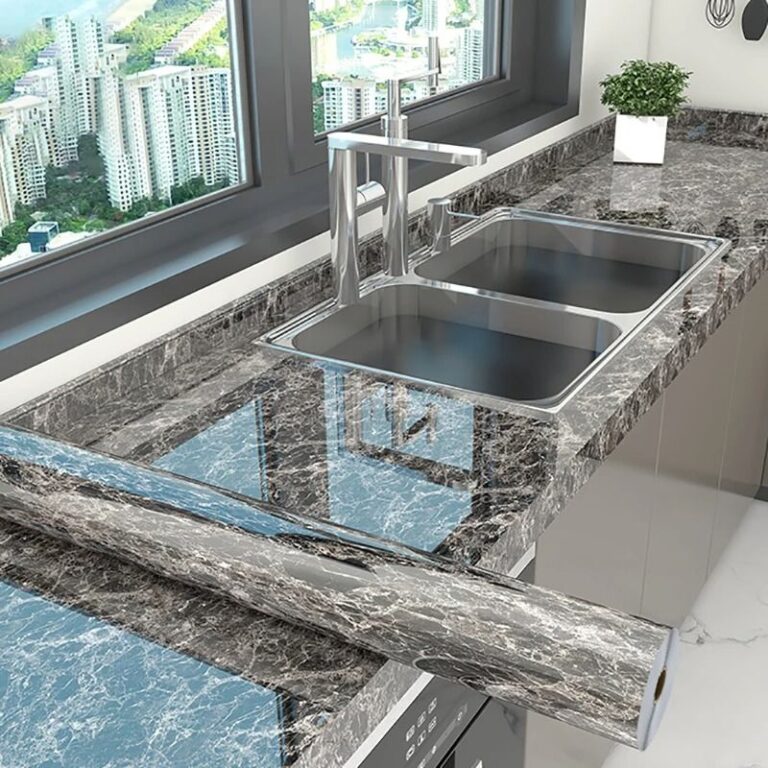
 Aisha's pickTraditional Countertops We’d Use on Our Next Project
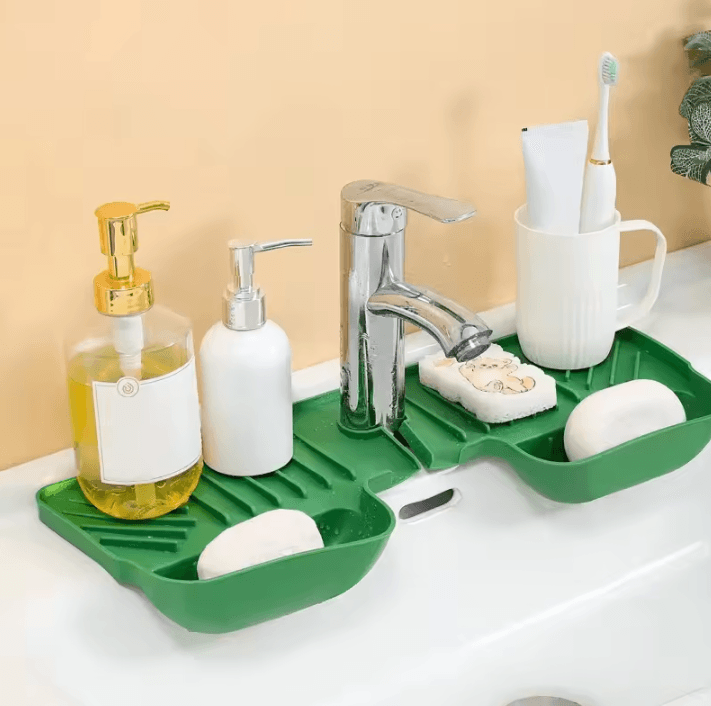
 Aisha's pickBlack Kitchen Countertops That Look Better in Real Life

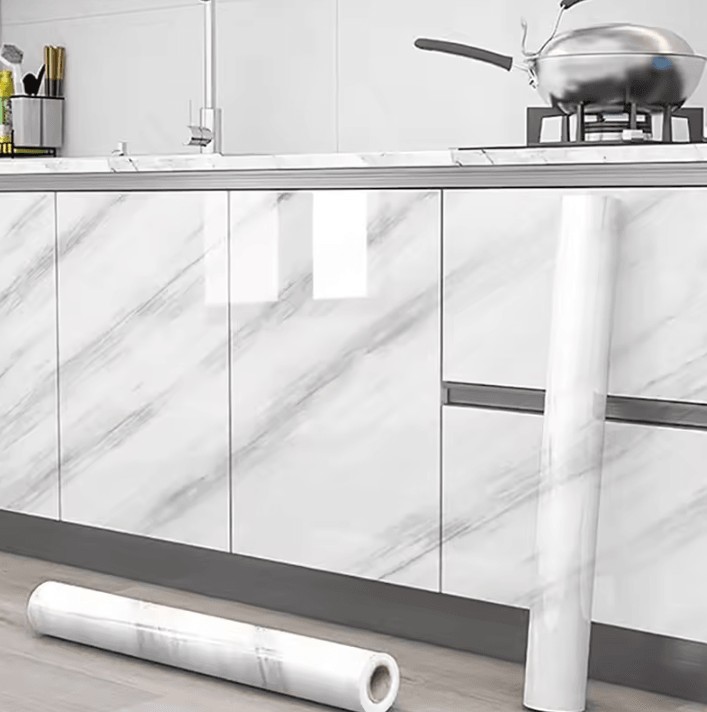 Aisha's pickMarble Countertops for Kitchens of Every SizeAlso worth a lookGlasses & DrinkwareThe thing nobody tells you is that most glassware chips or cracks within the first year, not from…See the collections →
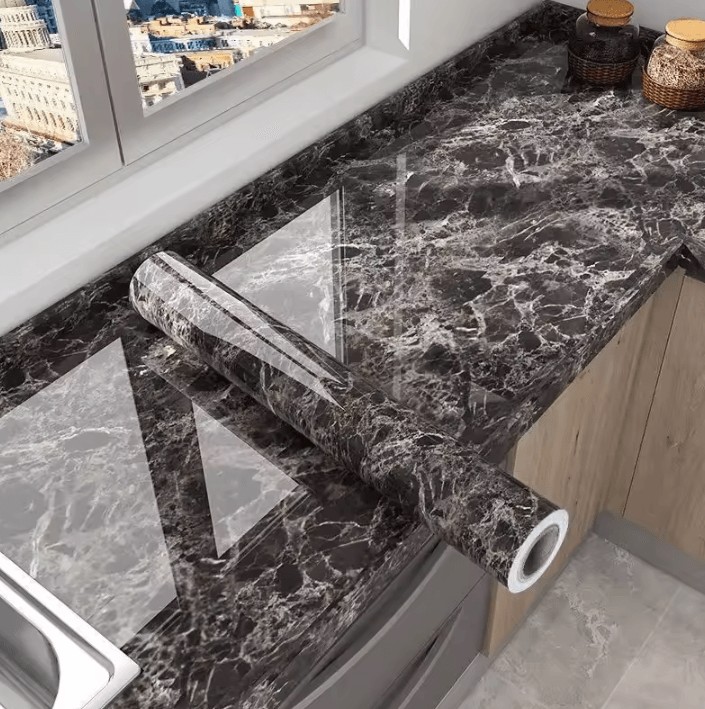
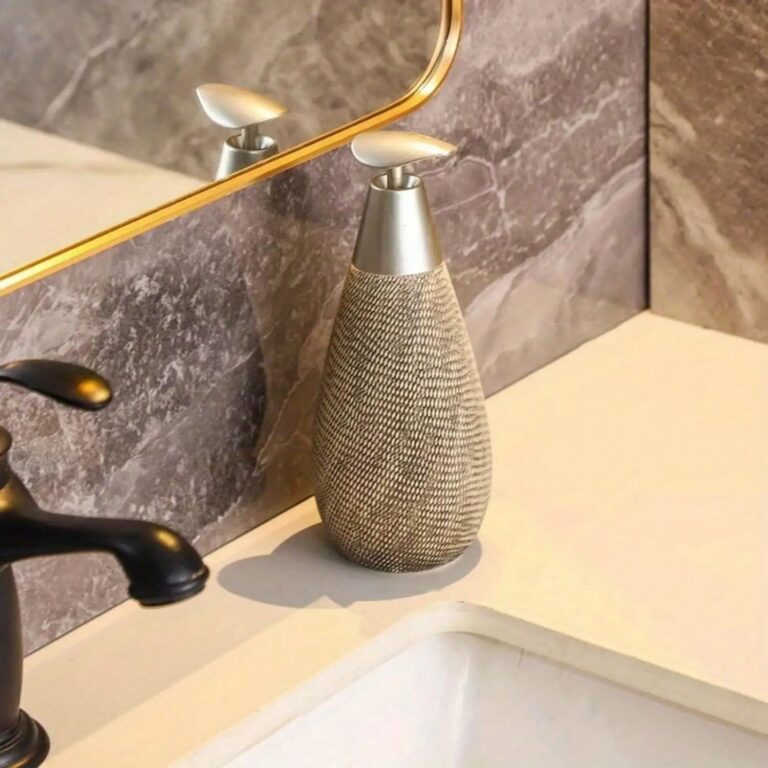 Aisha's pickVintage Kitchen Countertops That Make Cooking a Bit Nicer
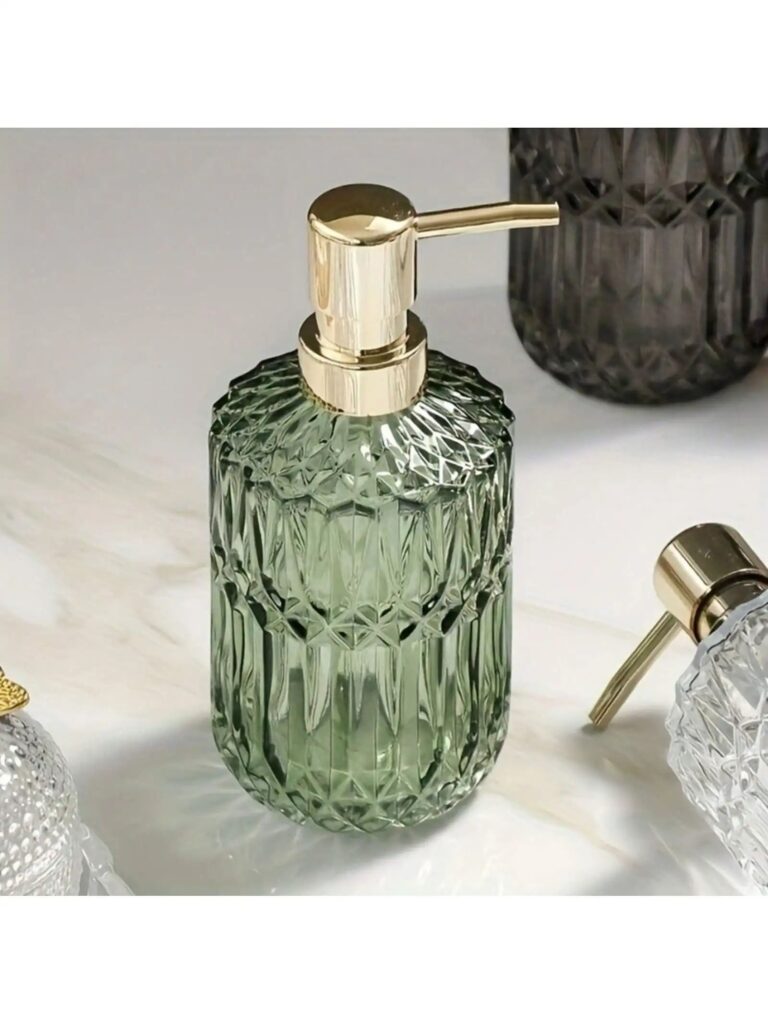
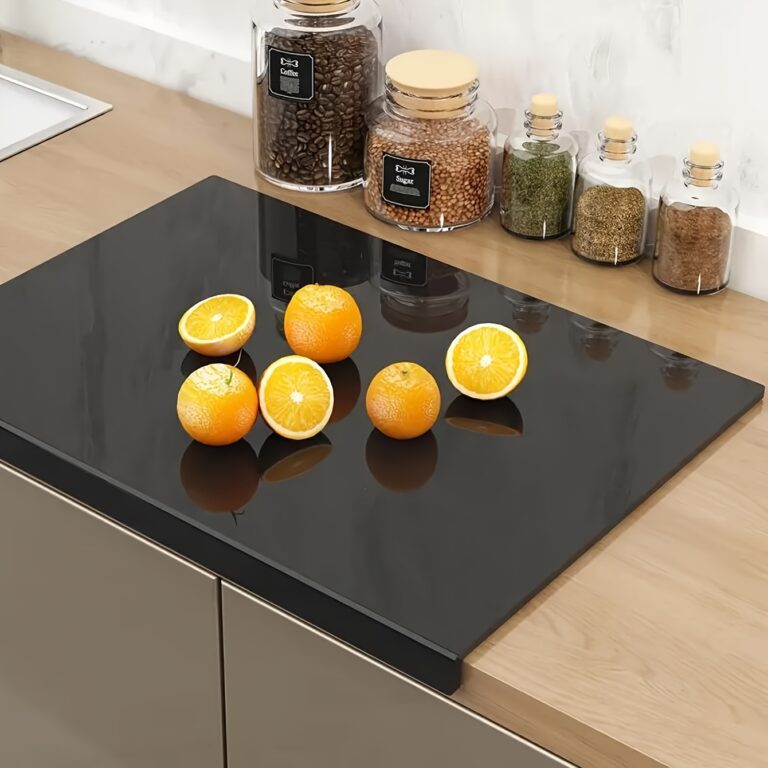 Aisha's pickBlack Countertops That Cope With Steam and Splashes
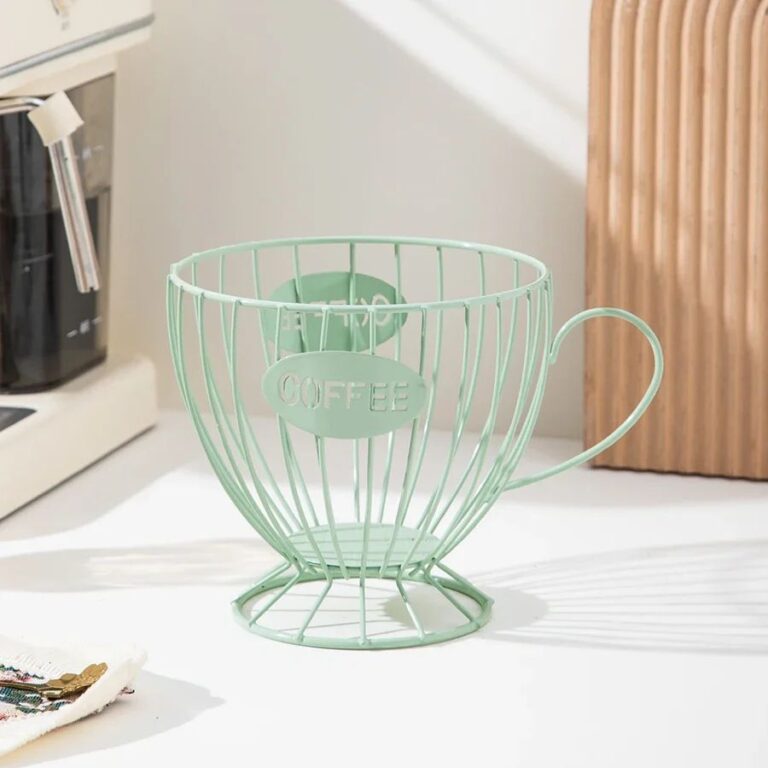
 Aisha's pickMinimalist Countertops for Busy Kitchens
 Aisha's pickVintage Countertops for Busy Kitchens
 Aisha's pickBlack Countertops for Kitchen You Won’t Want to Hide Away

 Aisha's pickModern Kitchen Countertops That Work in Old Houses and New Ones

 Aisha's pickWhite Kitchen Countertops That Cope With Steam and Splashes

 Aisha's pickWhere to Start With Contemporary Countertops

 Aisha's pickModern Countertops That Make a Big Difference for Not MuchAlso worth a lookCoastersA good coaster sits flat on the table without rocking, grips the bottom of a glass so it…See the collections →
 Aisha's pickWhite Countertops for Busy Kitchens

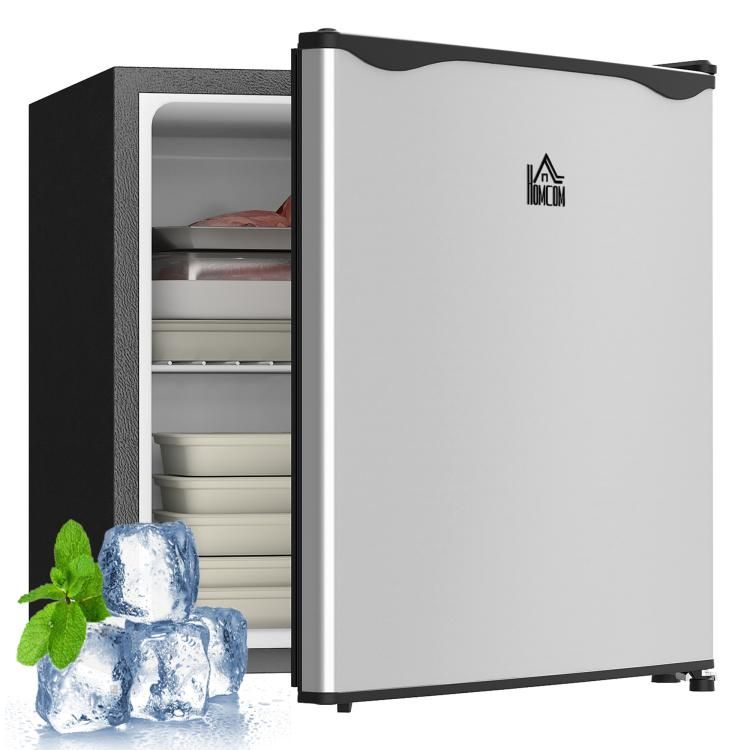 Aisha's pickCream Countertops That Hold Up to Everyday Life
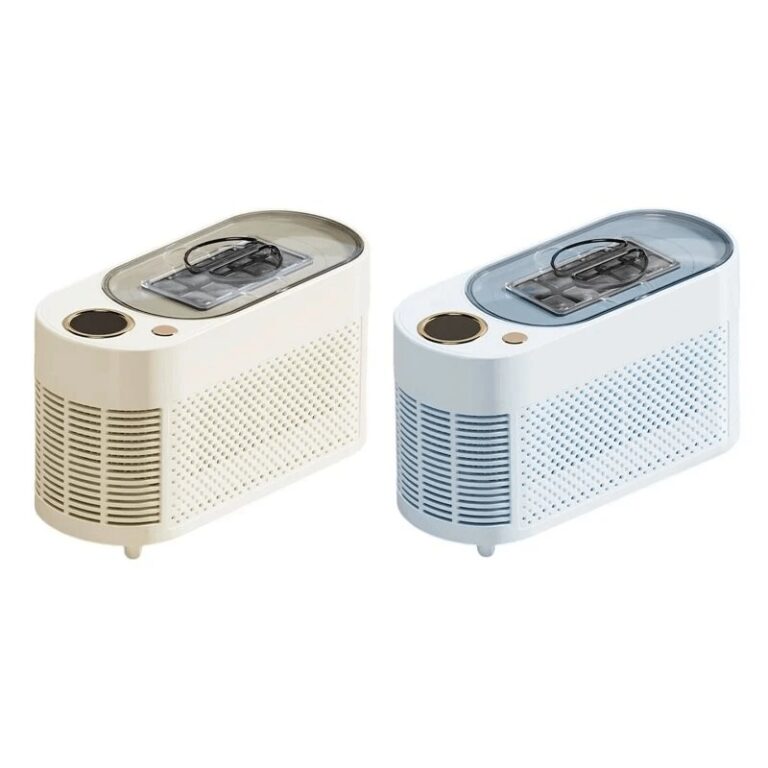
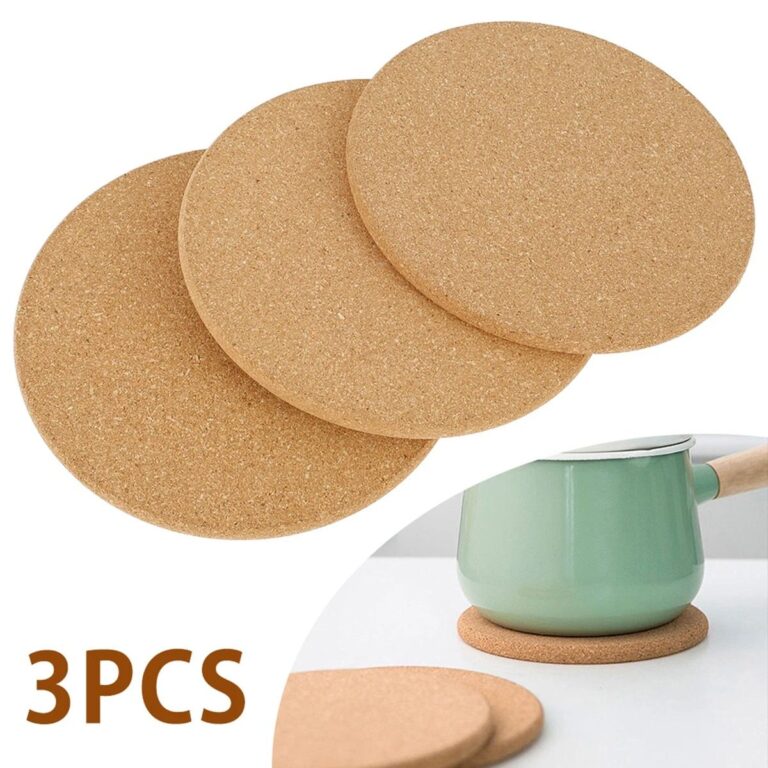 Aisha's pickOak Countertops for Kitchens of Every Size
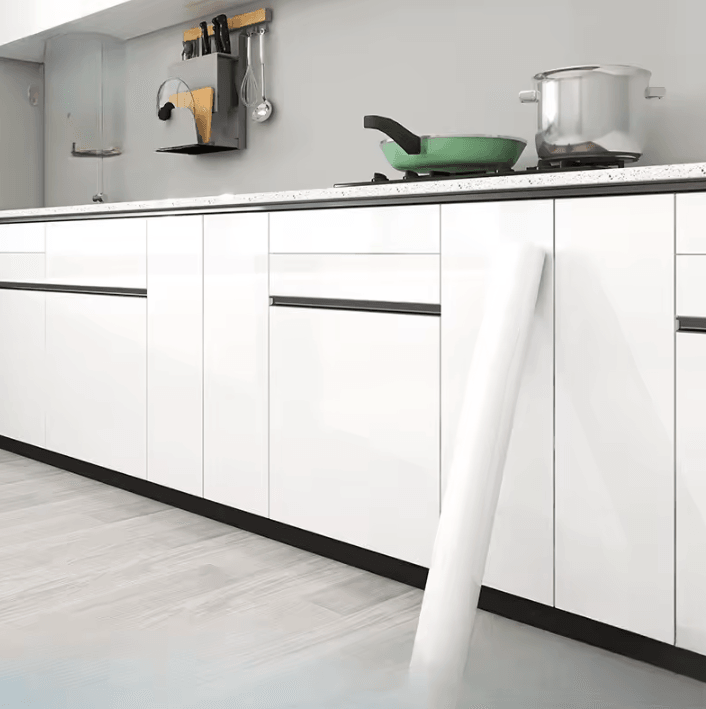 Aisha's pickWhite Countertops for Kitchen That Finish a Job Off Right

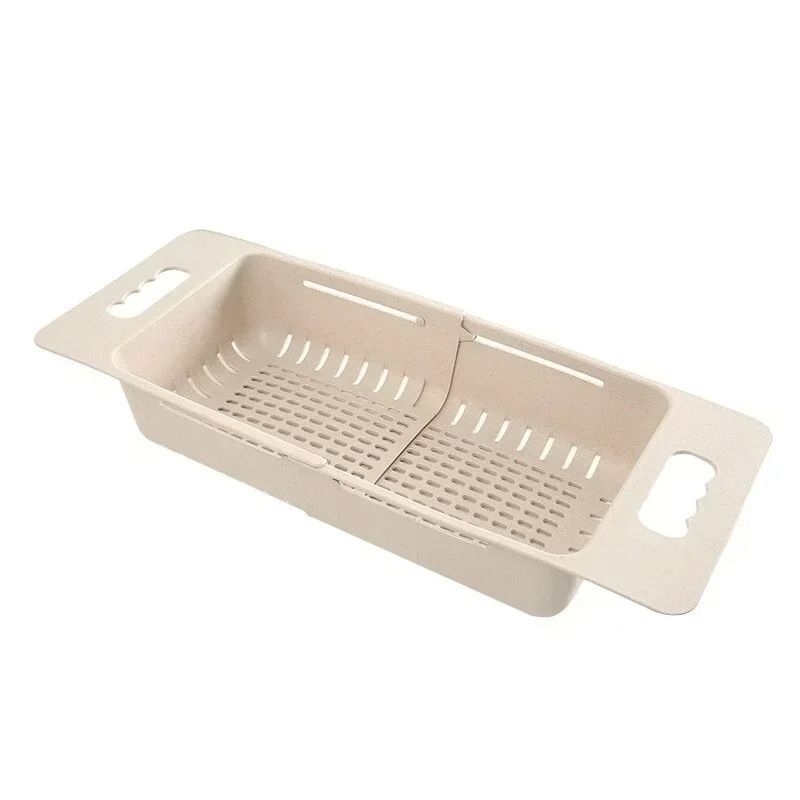
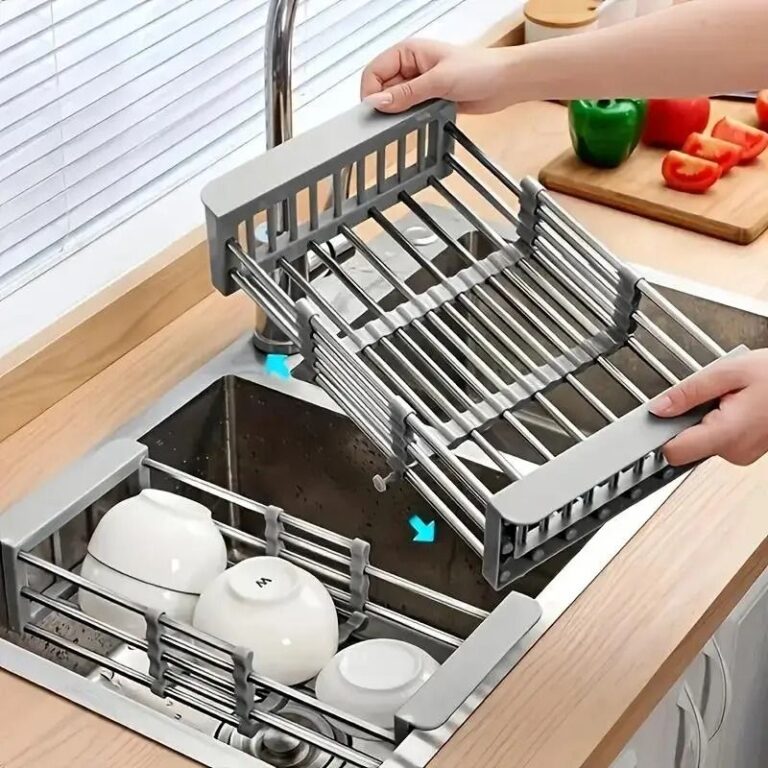 Aisha's pickDish Drainers From Brands You Know and a Few You Won’t
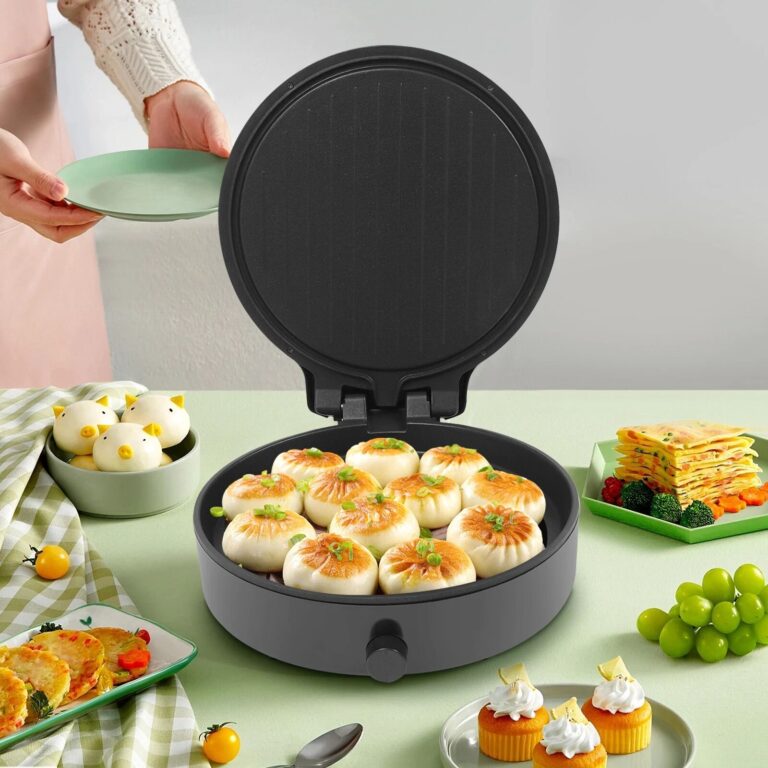 Aisha's pickPizza Ovens That Don’t Shout About It
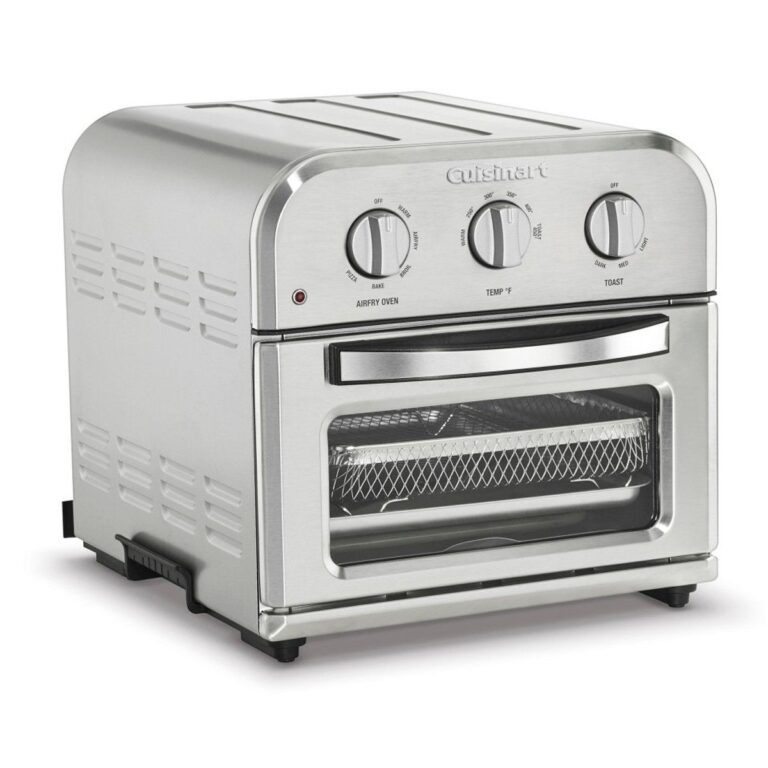
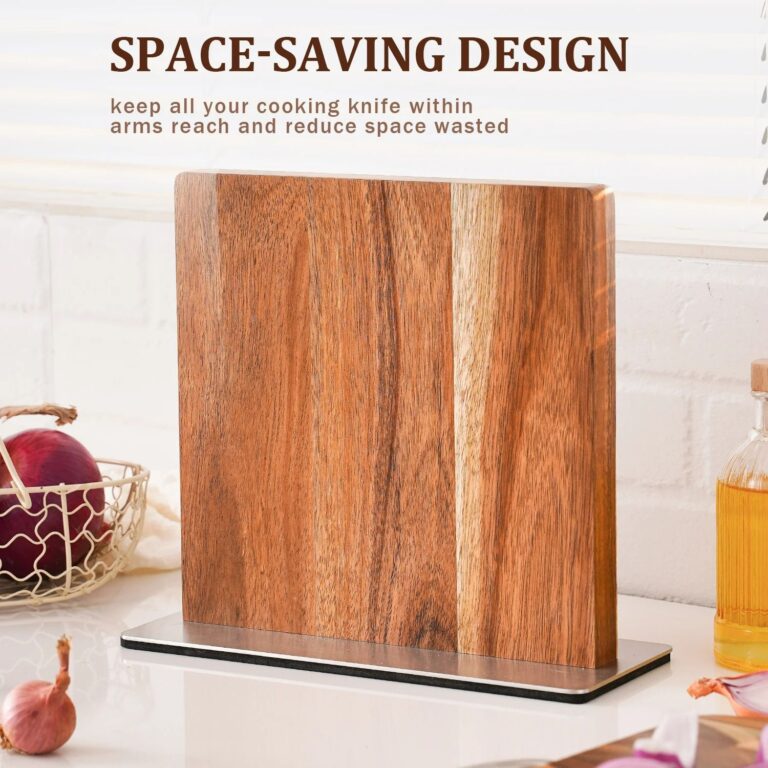 Aisha's pickWide Countertops We’d Use on Our Next Project

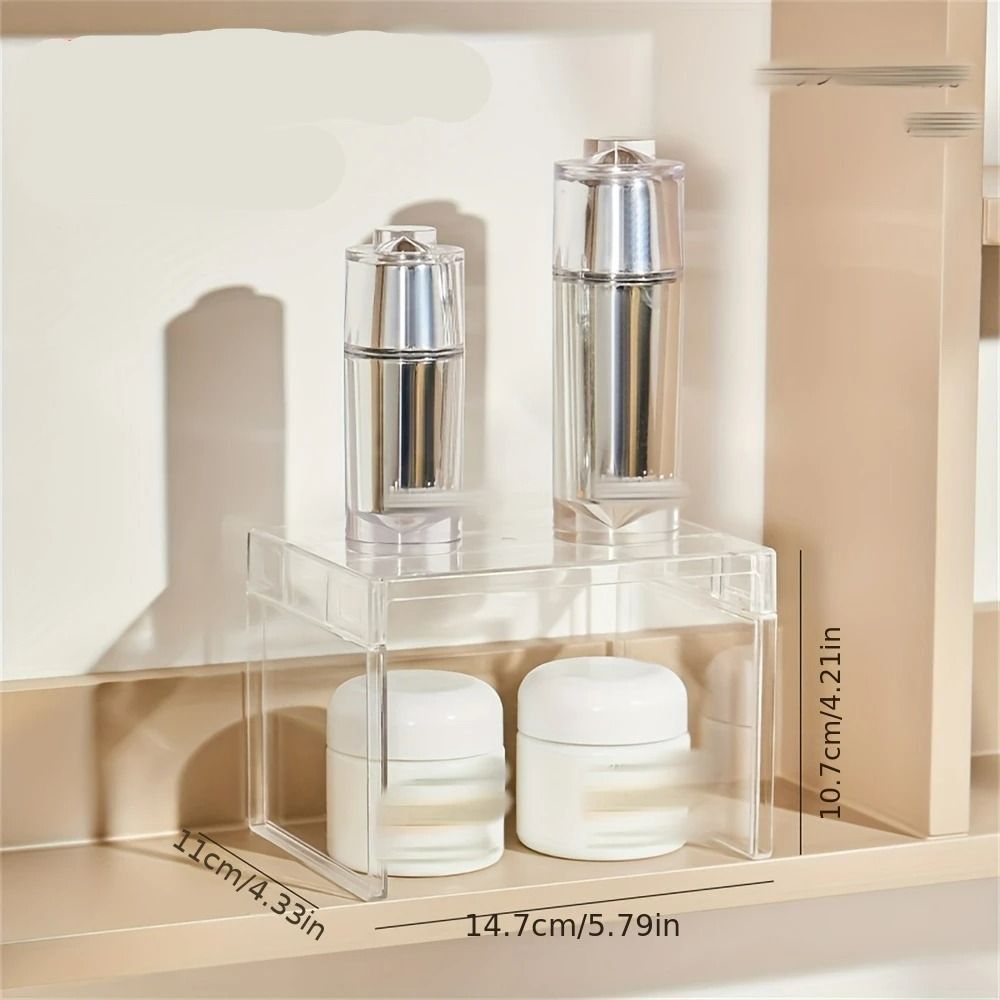 Aisha's pickThe Glass Kitchen Countertops Worth Your Cash