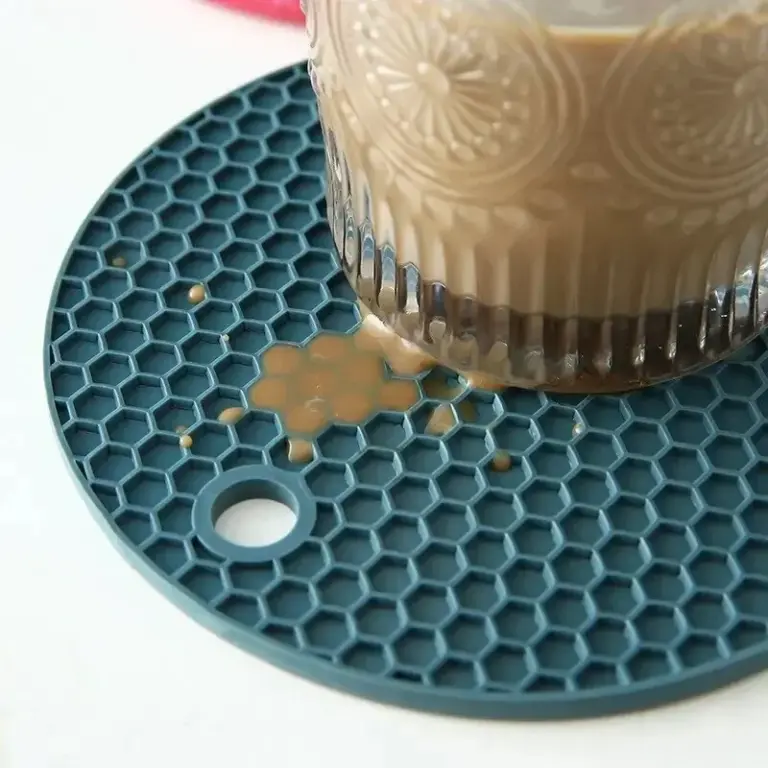
A good coaster sits flat on the table without rocking, grips the bottom of a glass so it doesn't skate across the surface when someone bumps the table, and takes a sweating cold drink or a hot mug without flinching. You should be able to pick it up after and not find a ring left behind on the wood underneath. That's the whole job, and it's surprising how many of them fail at it within the first month.
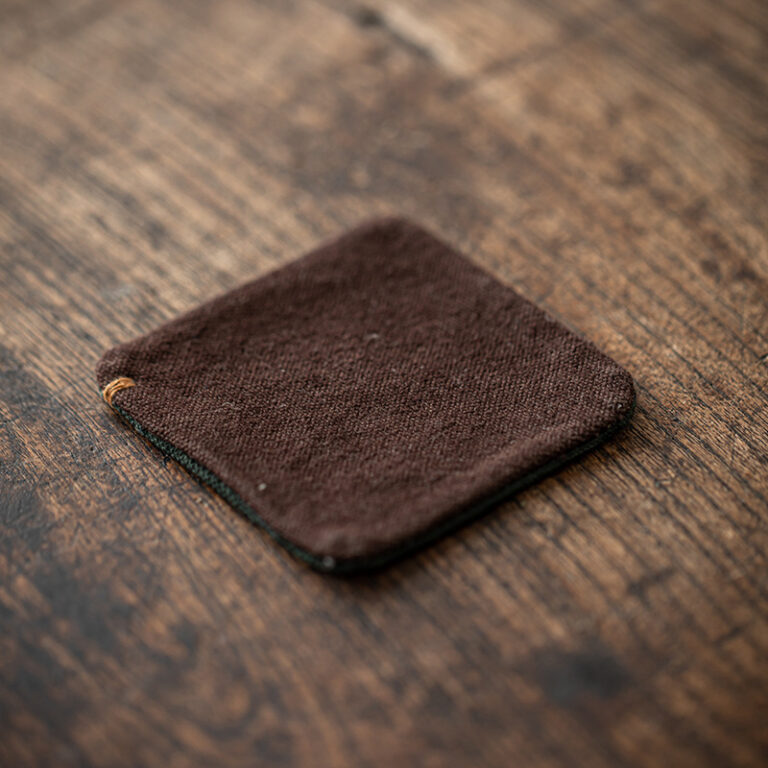
Cork and stone ones can scratch a softer wood tabletop if you drag them instead of lifting them, so on anything with a delicate finish, pine, reclaimed wood, anything oiled rather than lacquered, go for a felt backed coaster rather than raw stone or unfinished cork. Metal coasters look sharp on a glass or marble table but they're a bad match for wood, since any grit caught underneath turns them into sandpaper the moment someone slides their glass. And patterned ceramic ones that look lovely in a kitchen can disappear or clash on a table with a busy wood grain or a heavily patterned runner underneath, so keep them plain if the surface they're sitting on already has a lot going on.
Size matters more than people think. Measure the base of your largest mug and your widest wine glass before you buy a set, because a coaster that's slightly too small will let the glass overhang the edge, and that overhang is exactly where condensation runs down and pools on the table anyway, defeating the point entirely. Four inches across covers most mugs and tumblers, but if anyone in the house drinks from oversized bowls or stemless wine glasses, go closer to four and a half. The other mistake is buying a set that's too thick and stacks awkwardly in a drawer, or too thin and soft so it slides around on a glossy table instead of staying put.
They're not going to protect a table from a hot pan or a dish straight out of the oven, that's a trivet's job, and asking a coaster to do it will leave you with a warped bit of cork and a table with a mark anyway. They also won't do much for a table that already has a cheap finish wearing thin, since the real risk there is the daily use, not just drinks.
A set that matches how you actually drink, in terms of size and surface, beats one that just photographs well on a shelf.
 Aisha's pickBlack Coasters We Use More Than the Best China
 Aisha's pickLarge Coasters That Make a Weeknight Meal Feel Special

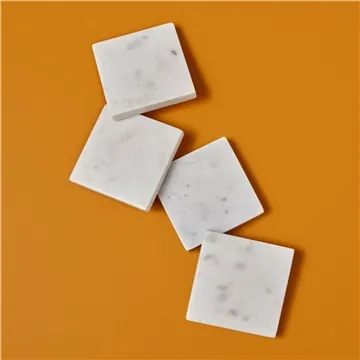 Aisha's pickSquare Coasters Hunted Down So You Don’t Have To
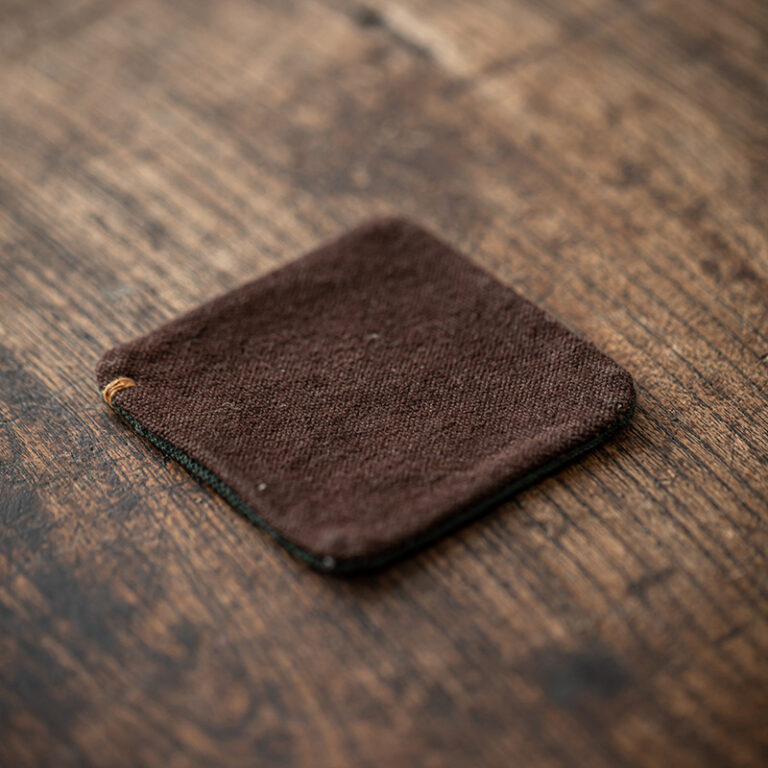
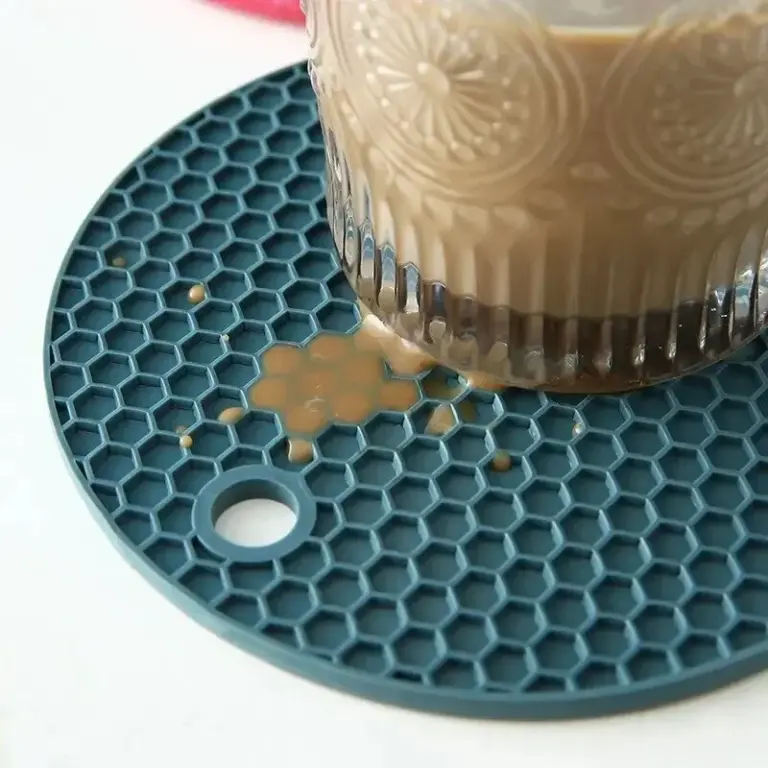 Aisha's pickBlue Coasters You Won’t Want to Hide Away
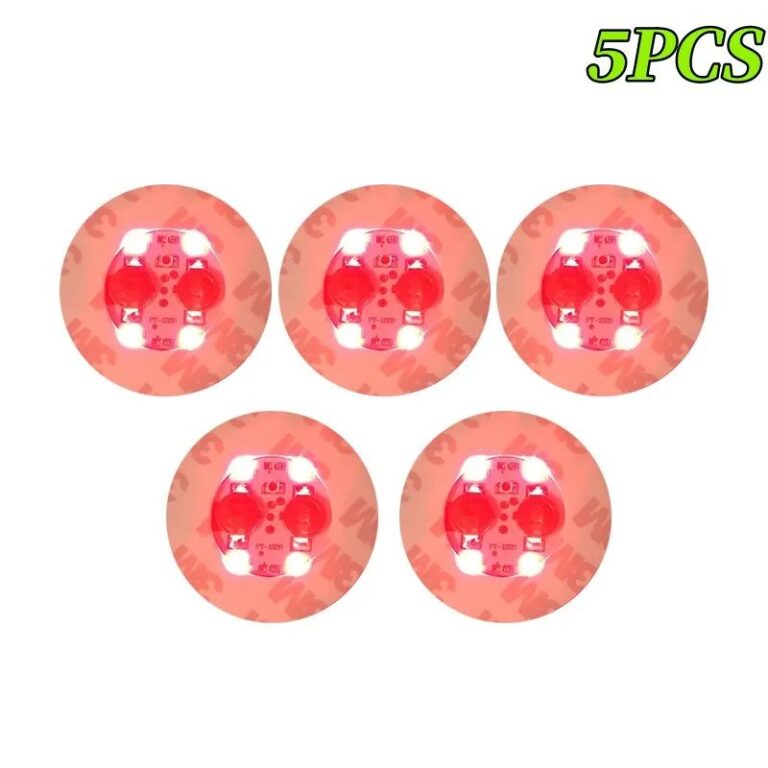
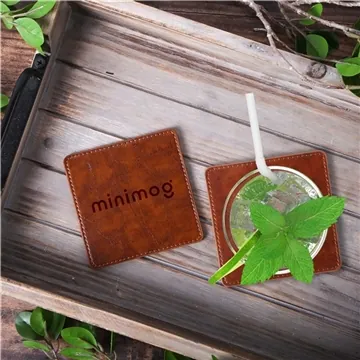 Aisha's pickLeather Coasters We Use More Than the Best China

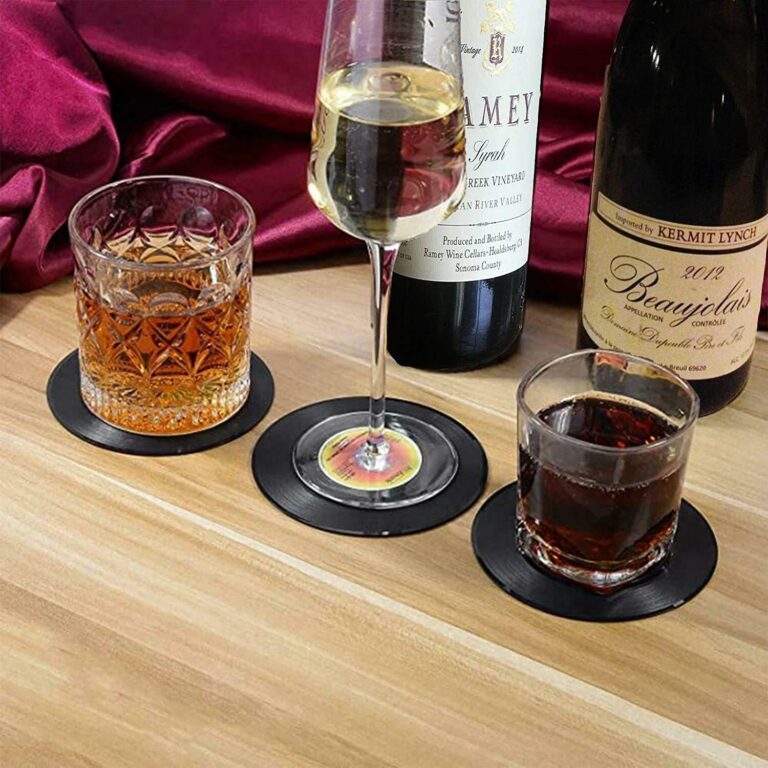 Aisha's pickVintage Coasters With a Bit More About Them
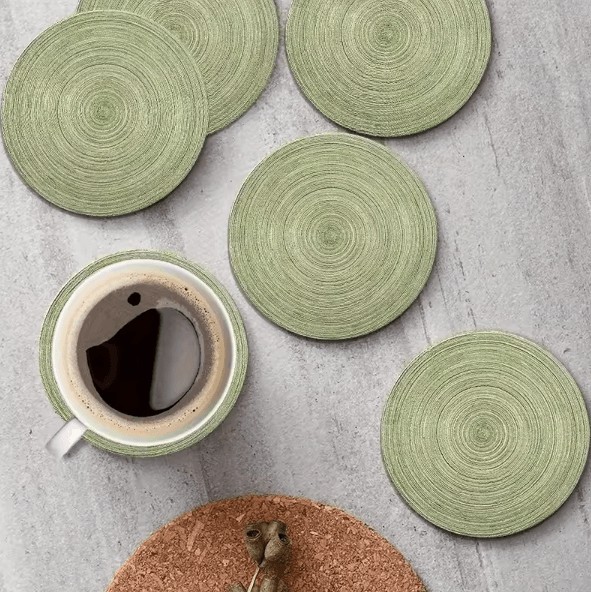
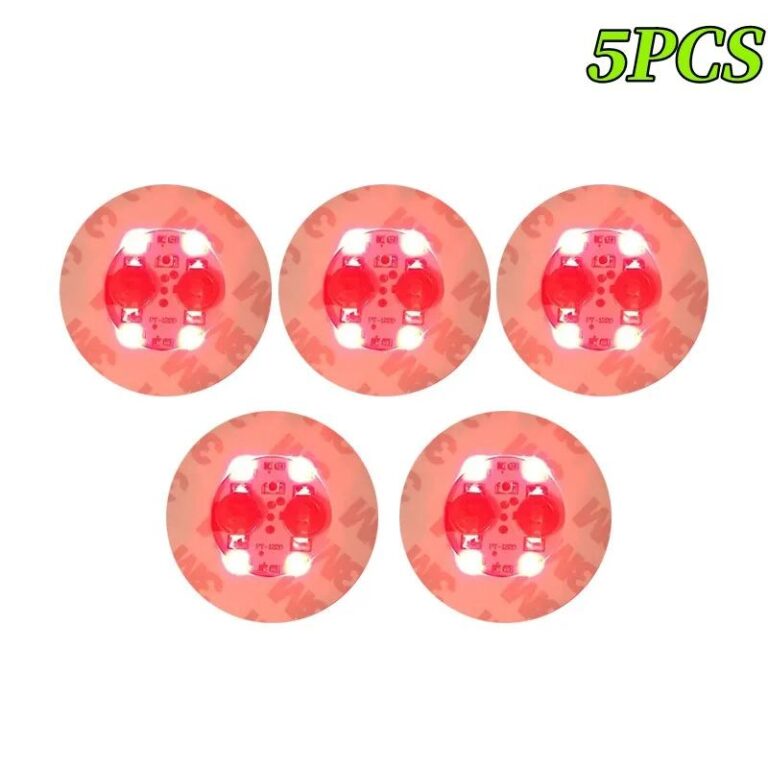 Aisha's pickBlue Coasters That Don’t Need Babying
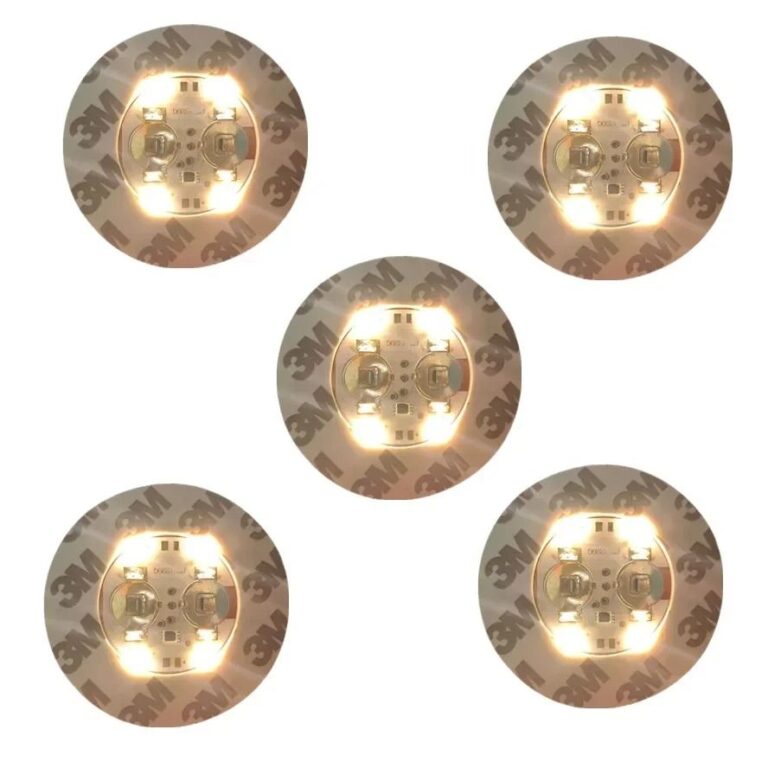
 Aisha's pickLeather Coasters Without the Silly Price Tag
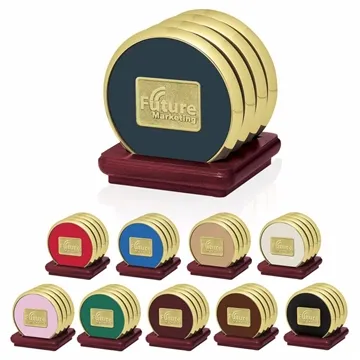
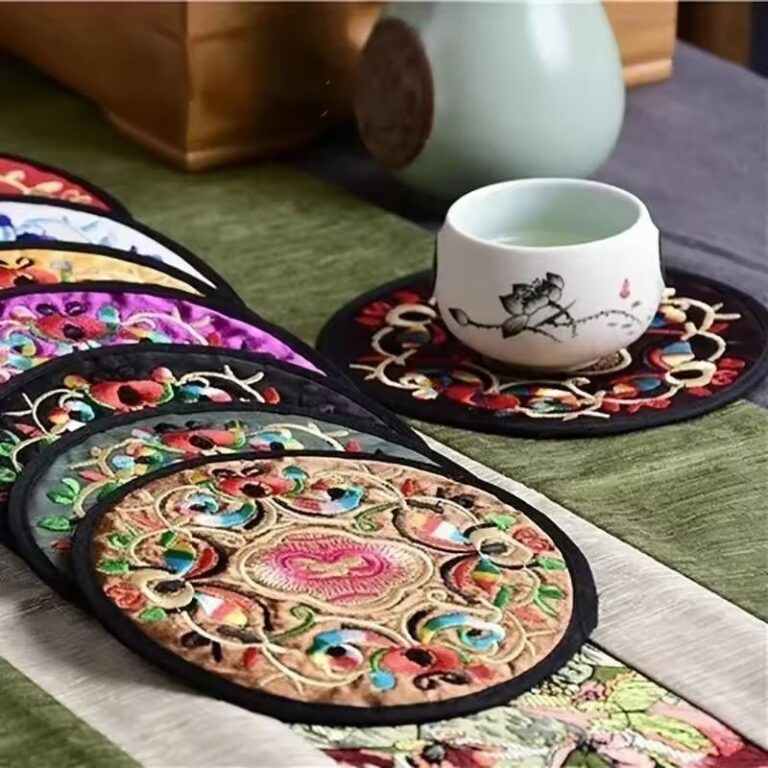 Aisha's pickVintage Coasters That Look Good Up CloseAlso worth a lookPlates, Bowls & DinnerwareMismatched dinnerware looks curated for about five minutes and then it just looks like you never finished unpacking after a move.See the collections →
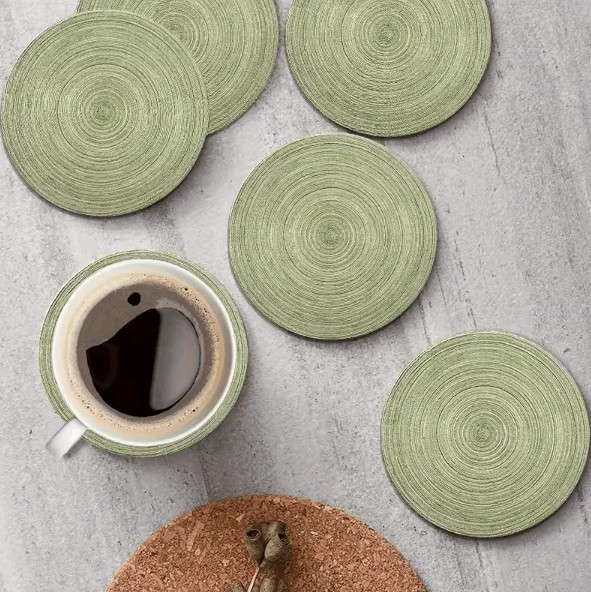
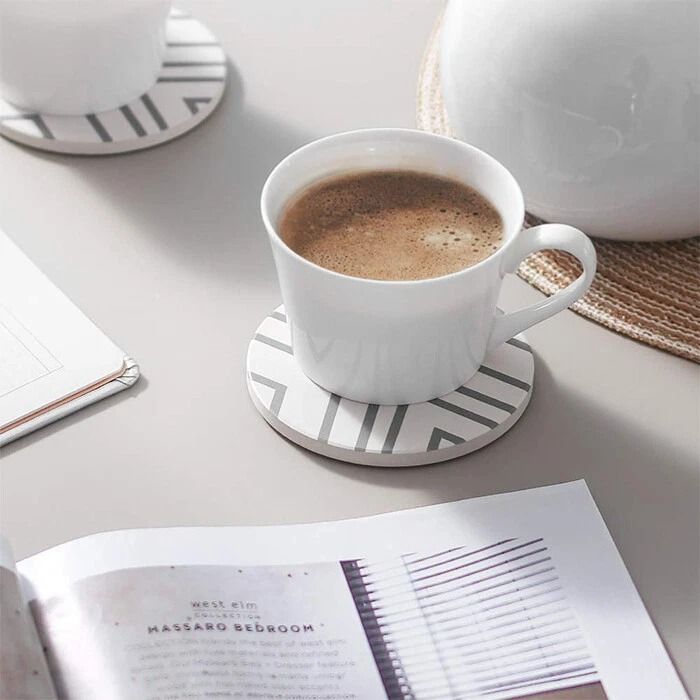 Aisha's pickCeramic Coasters That Visitors Always Ask About
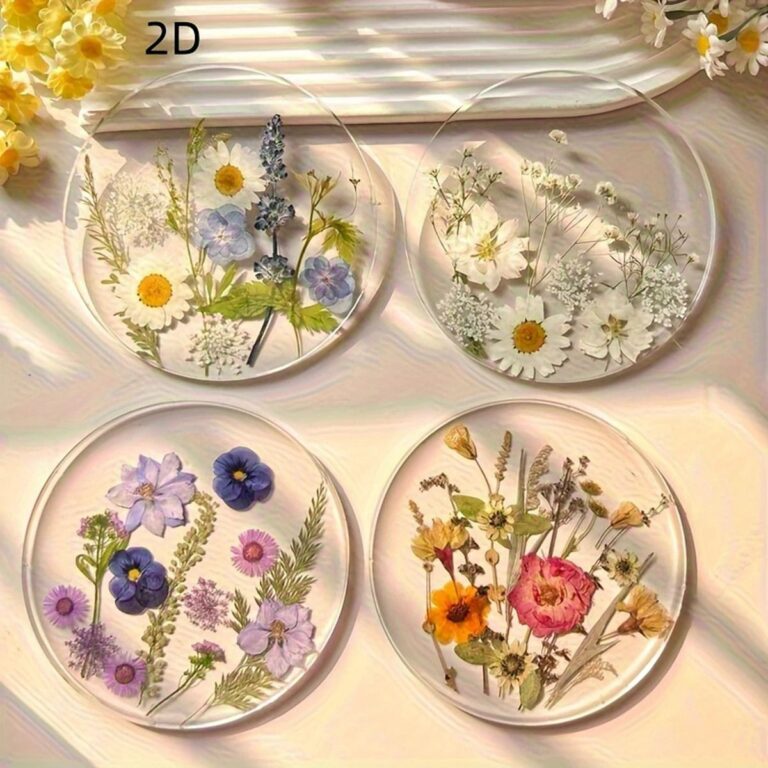
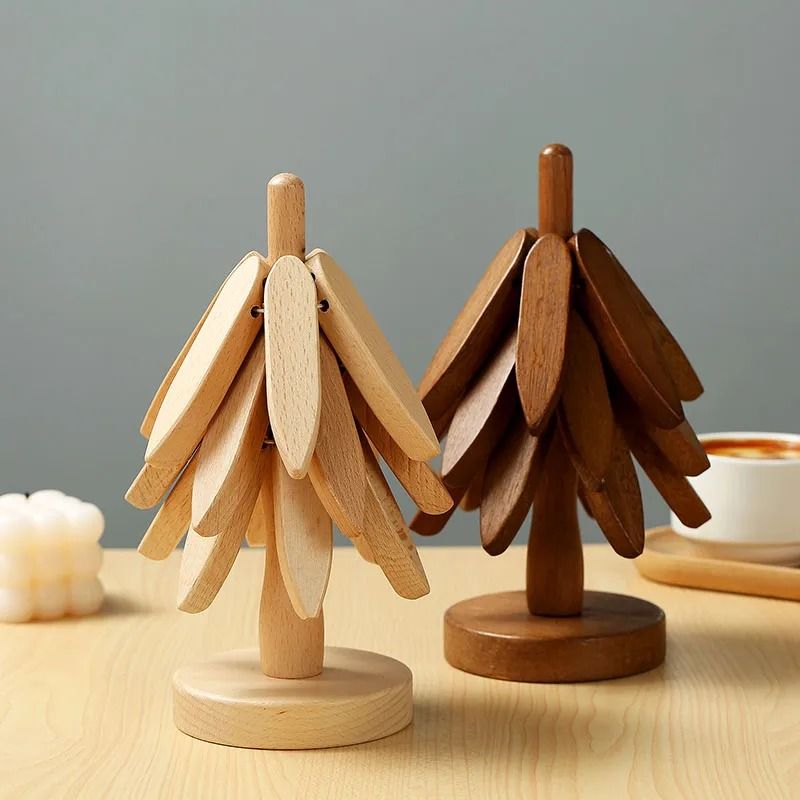 Aisha's pickMarble Coasters Picked by People Who Care Too Much
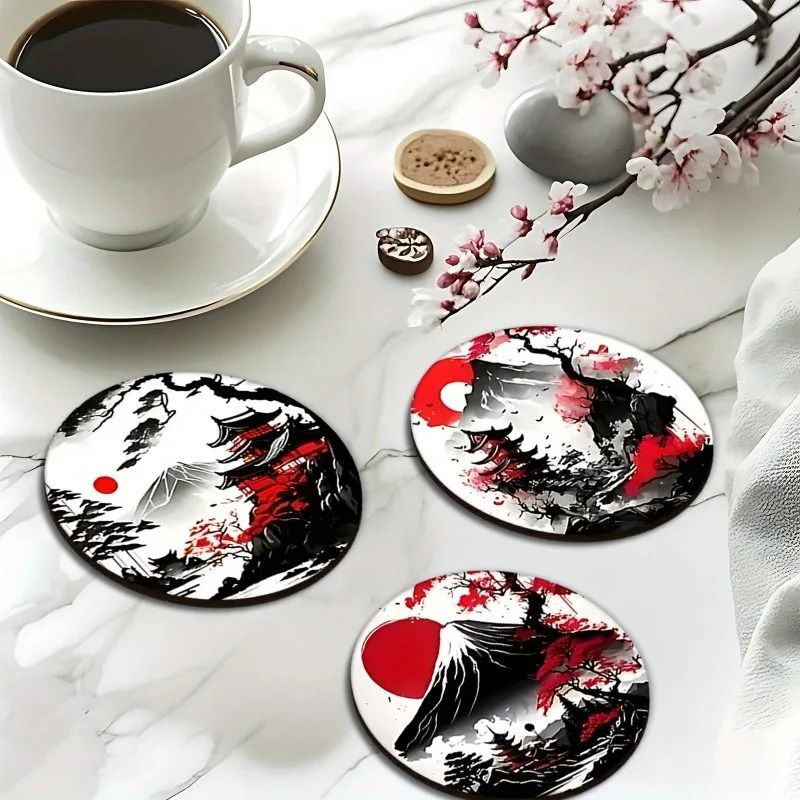
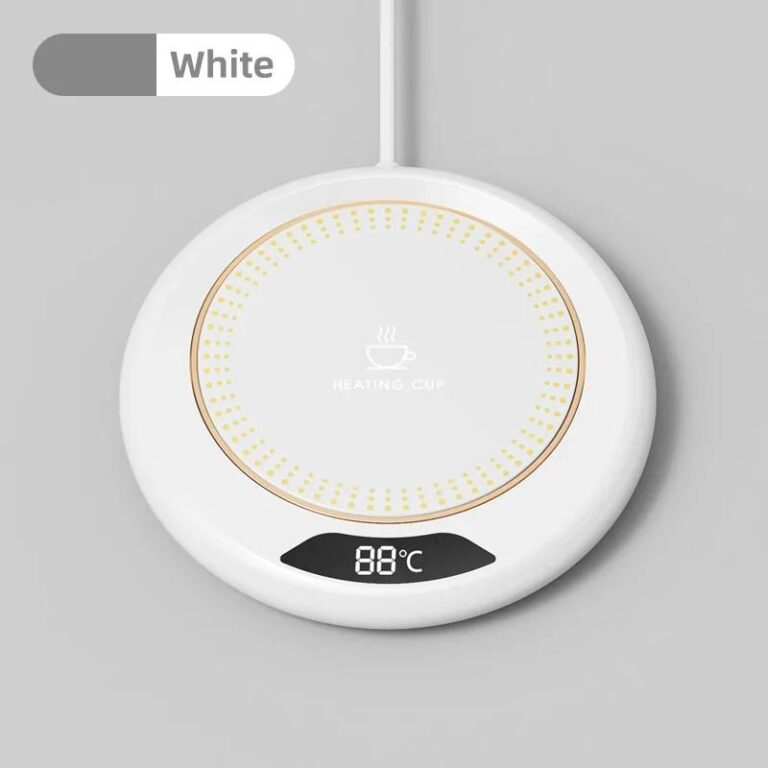 Aisha's pickWaterproof Coasters for Hosting Without the Stress
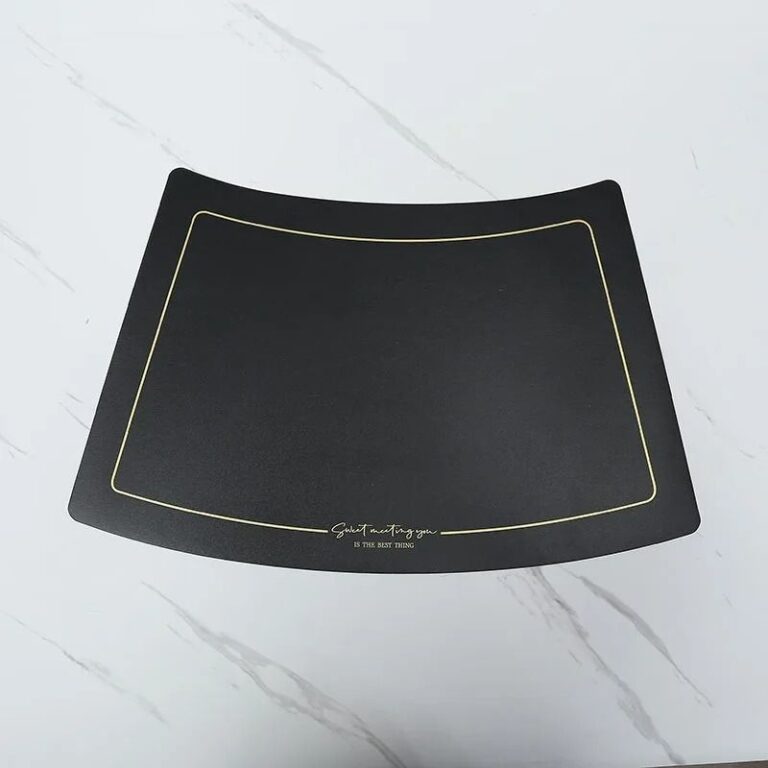
 Aisha's pickCoasters That Mix and Match Nicely
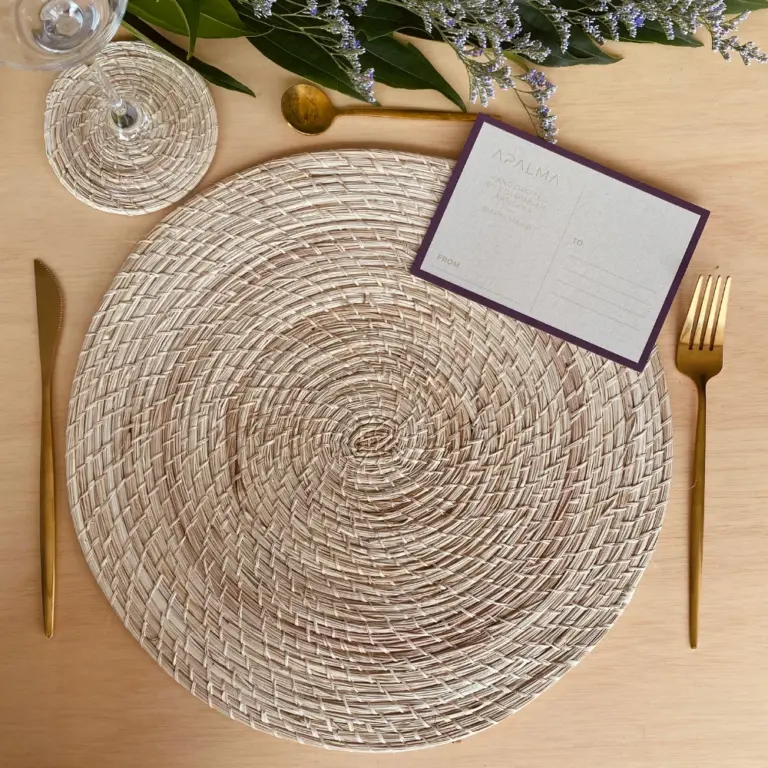
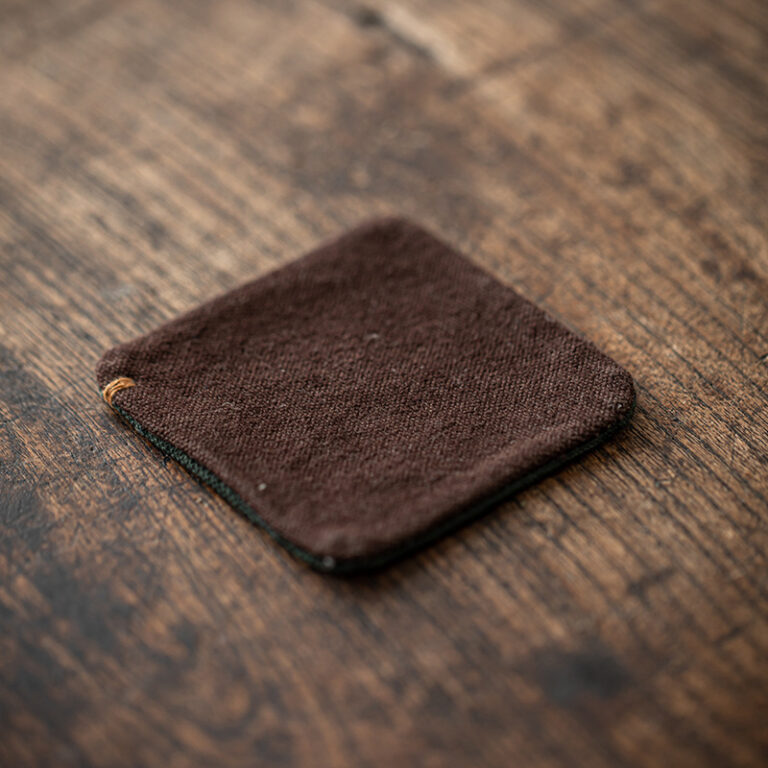 Aisha's pickModern Coasters Without the Silly Price Tag
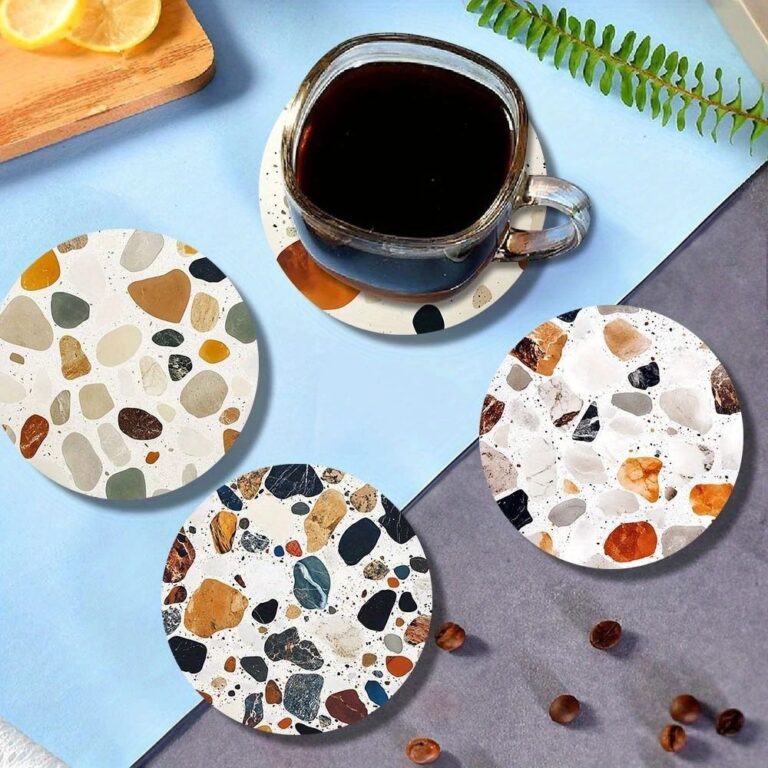
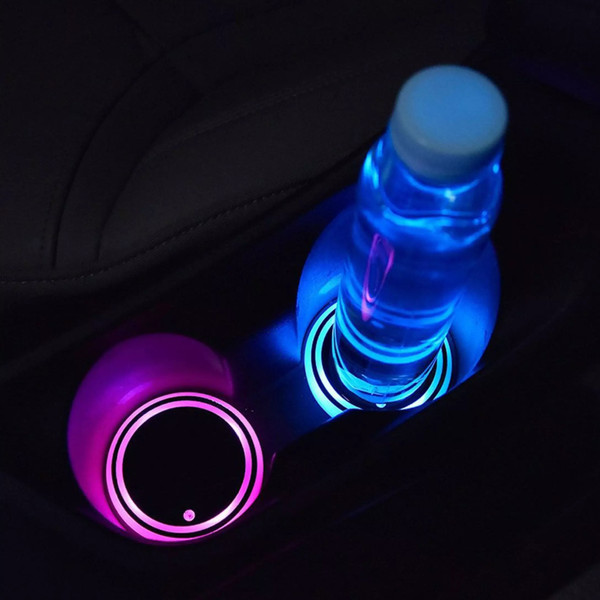 Aisha's pickWaterproof Coasters Without the Silly Price Tag
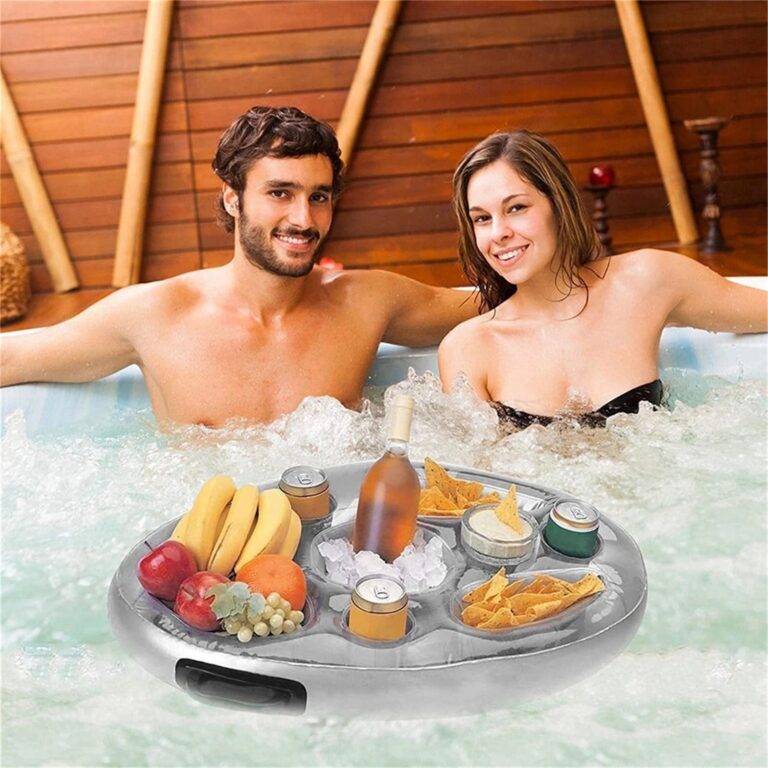
 Aisha's pickDecent Coasters for Dining Table Without the Hassle
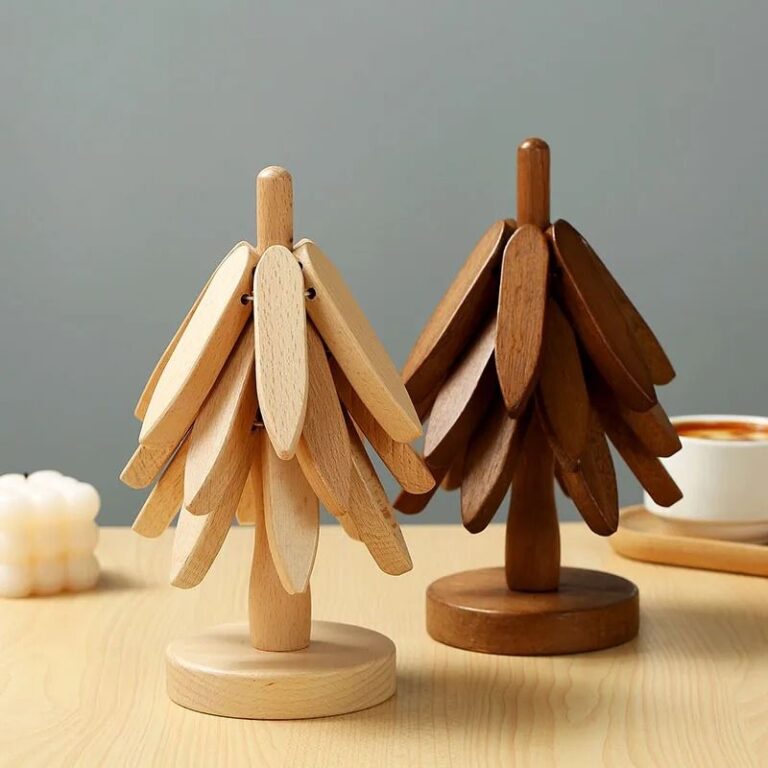
 Aisha's pickModern Coasters at Every Price Point
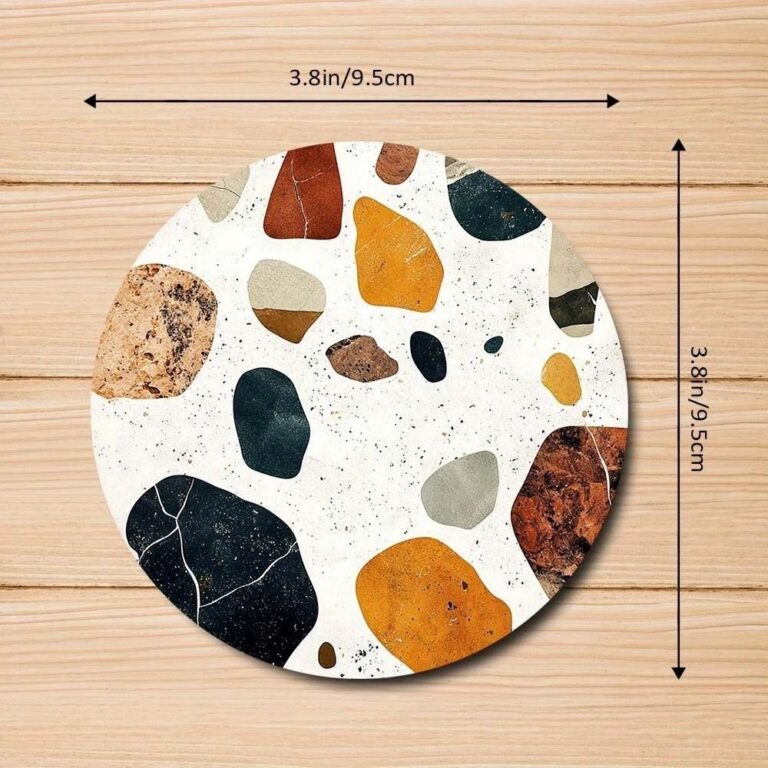
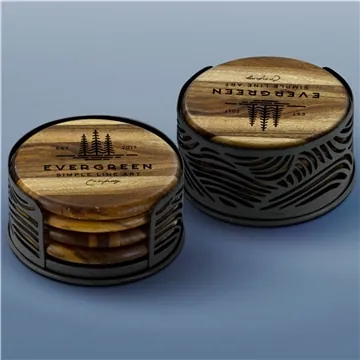 Aisha's pickWhite Coasters That Look Good on Open ShelvesAlso worth a lookGlasses & DrinkwareThe thing nobody tells you is that most glassware chips or cracks within the first year, not from…See the collections →
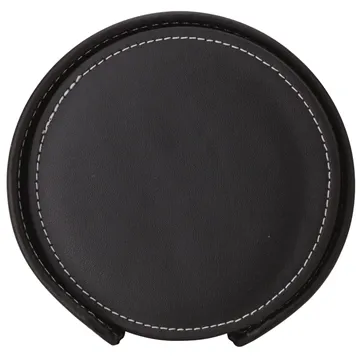
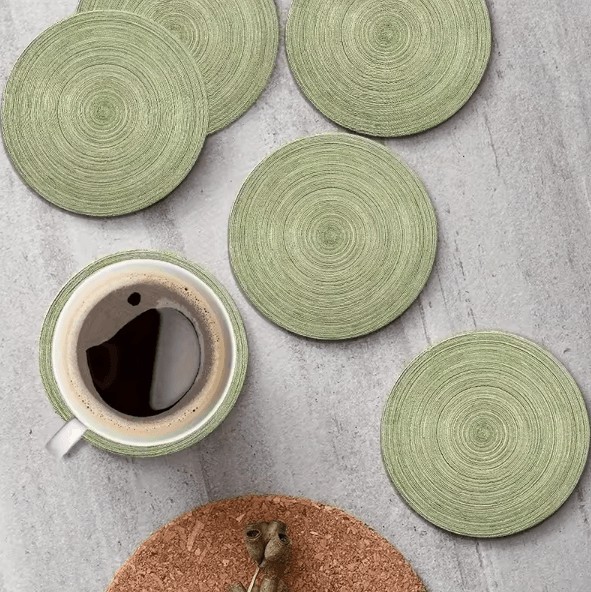 Aisha's pickCoasters for Round Table That Look Better in Real Life
 Aisha's pickNon Slip Coasters for Dinner Parties and Tuesday Dinners
 Aisha's pickWhite Coasters With a Bit More About Them
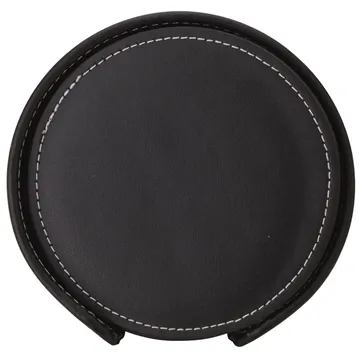
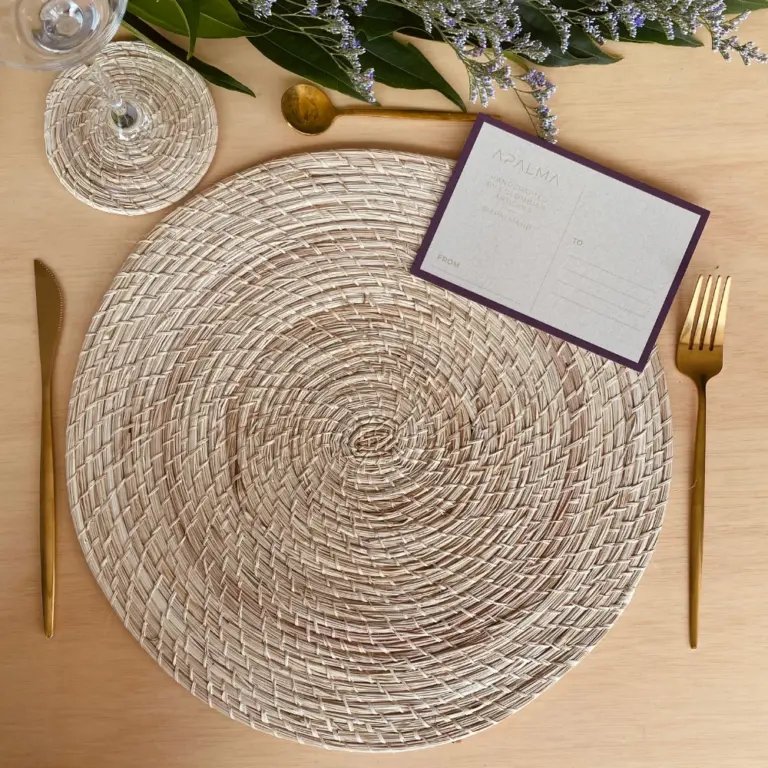 Aisha's pickCoasters That Don’t Need Babying
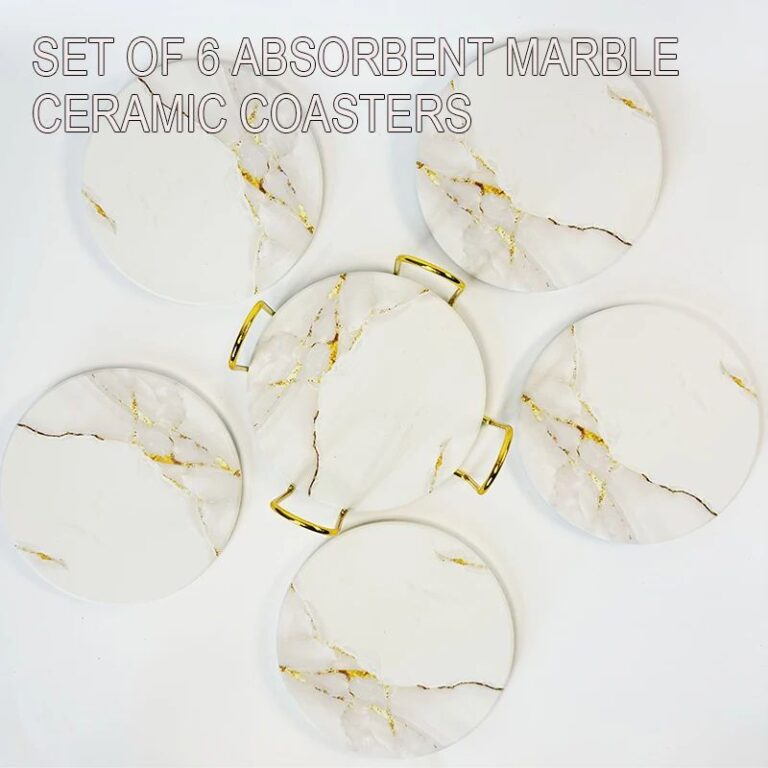
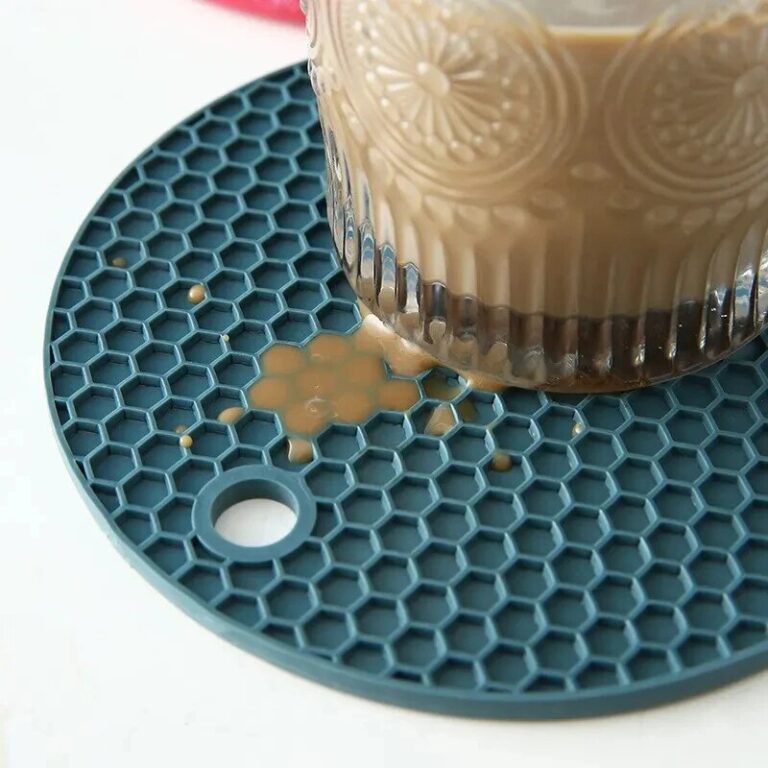 Aisha's pickNon Slip Coasters for People Who Know What They Like
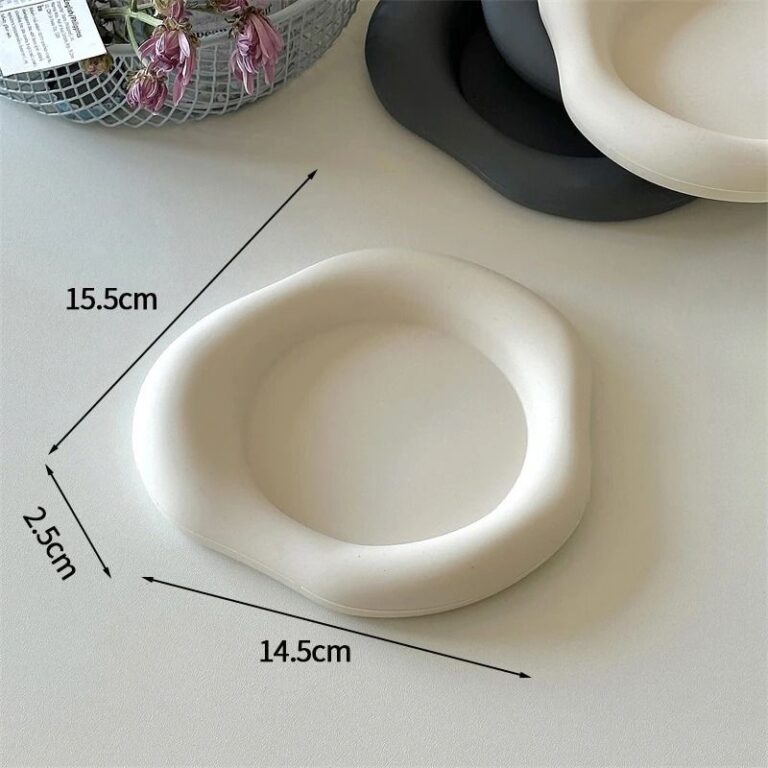
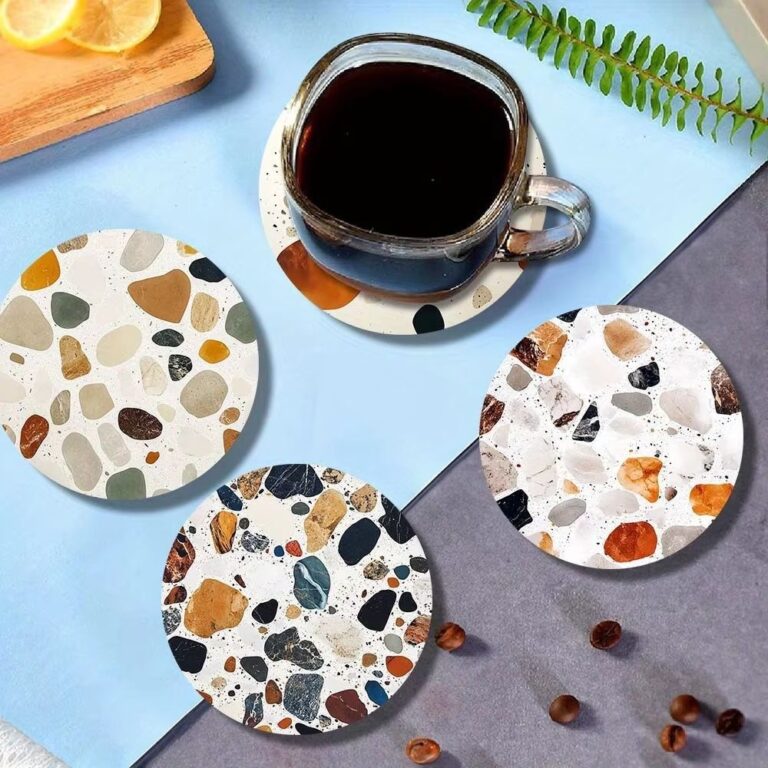 Aisha's pickWooden Coasters for Dinner Parties and Tuesday Dinners
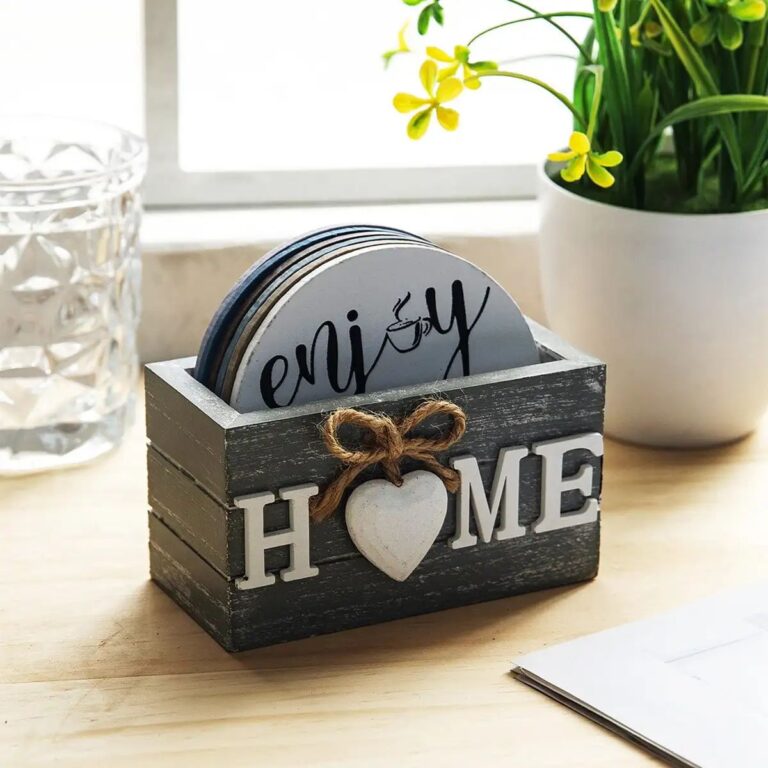
 Aisha's pickCoasters for Dining Table That Hold Up to Everyday Life
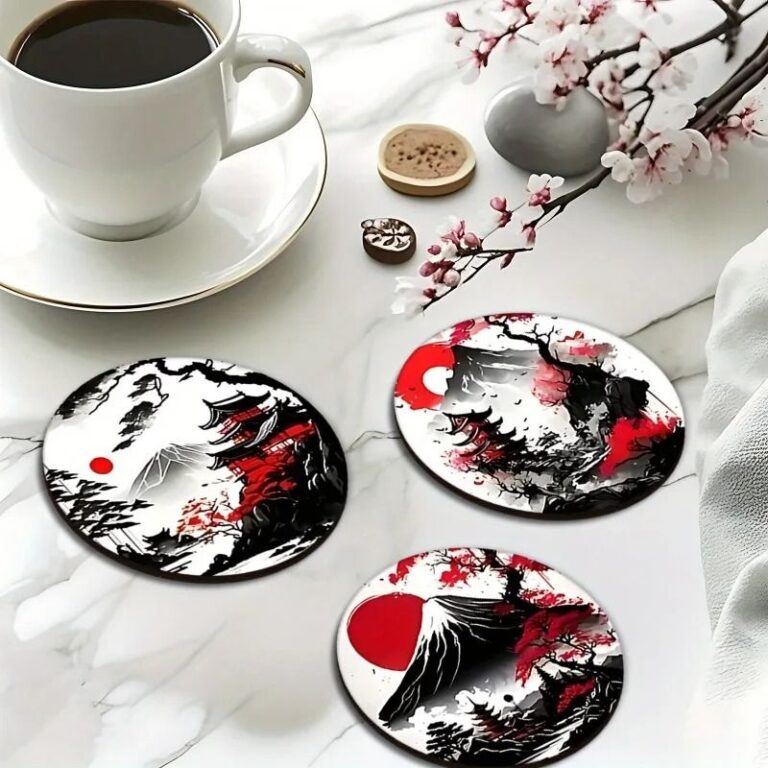
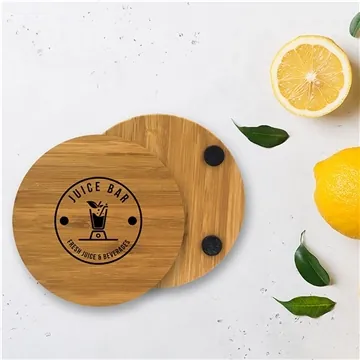 Aisha's pickRound Coasters That Make a Weeknight Meal Feel Special
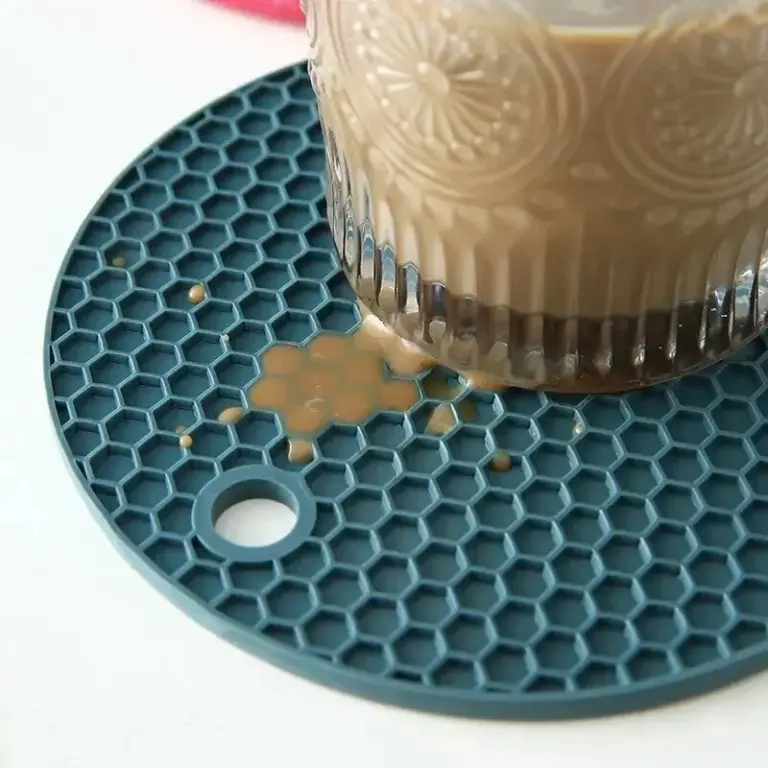
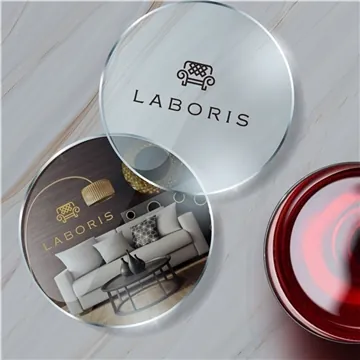 Aisha's pickCoasters for Round Table That Look Good on Open ShelvesAlso worth a lookCountertops & Kitchen FittingsI spent a long time thinking countertops were the one decision in a kitchen you could get away…See the collections →

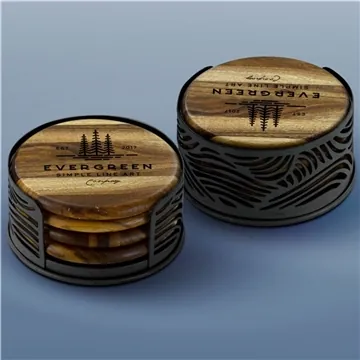 Aisha's pickRound Coasters That Visitors Always Ask About
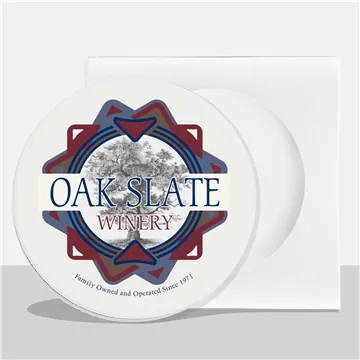
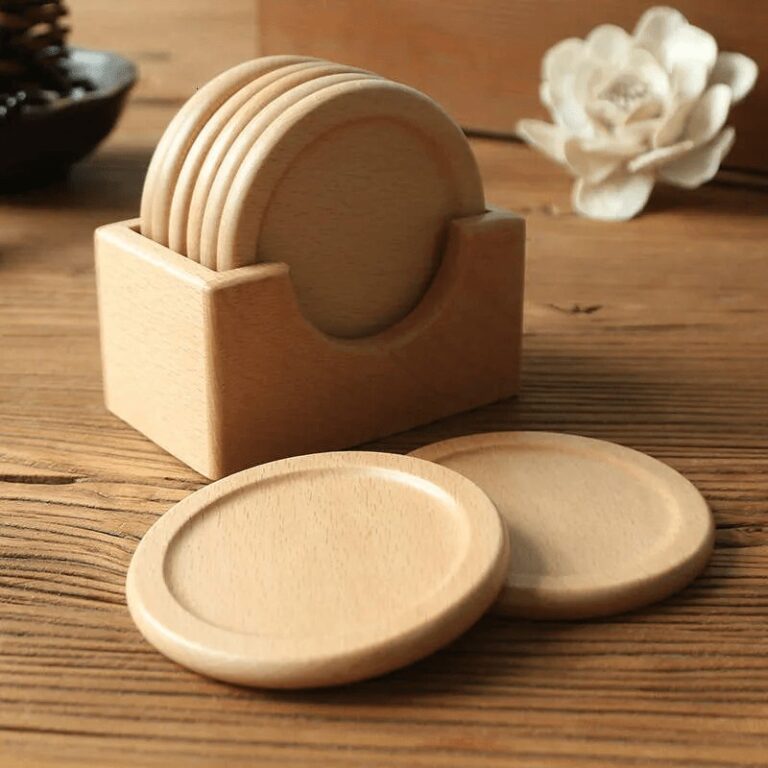 Aisha's pickCork Coasters Picked From the Stores We Trust
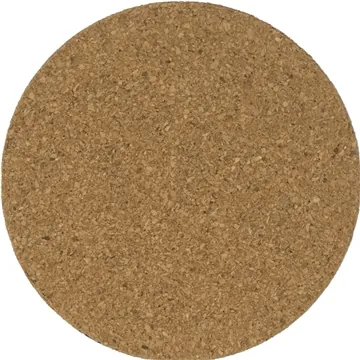
 Aisha's pickSets of 4 Coasters for When the Old Ones Give Up

 Aisha's pickFelt Coasters That Look Good on Open Shelves

 Aisha's pickSets of 6 Coasters That Earn Their Keep

 Aisha's pickFurniture Coasters That Won’t Let You Down

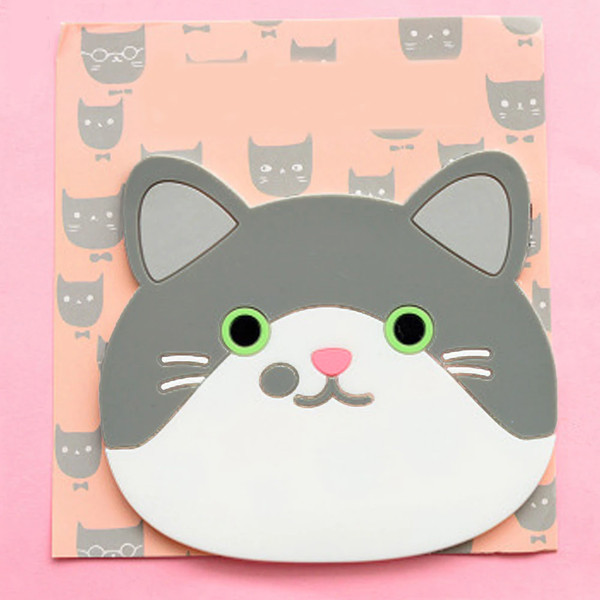 Aisha's pickSilicone Coasters for Dinner Parties and Tuesday Dinners
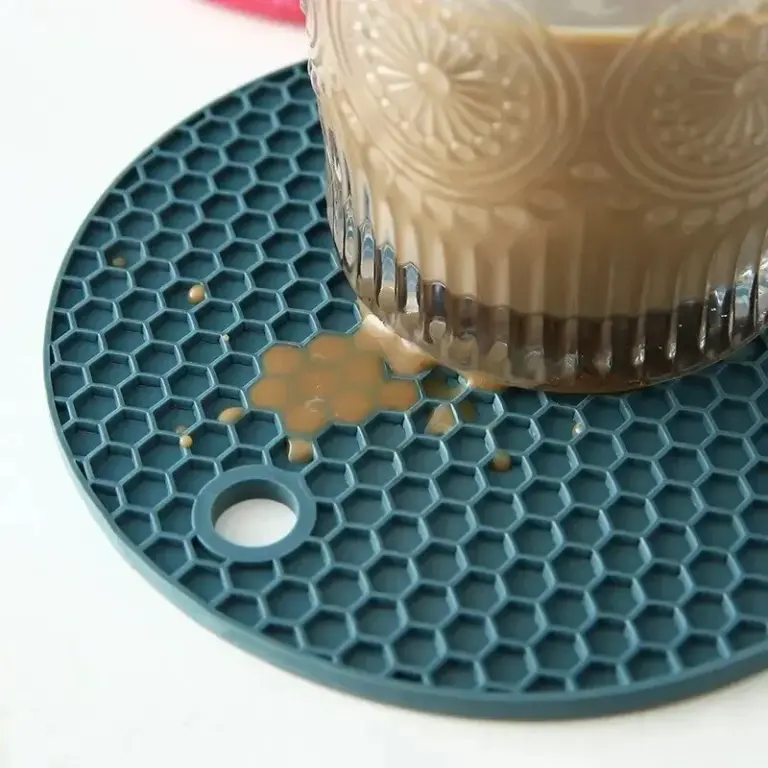
 Aisha's pickAcrylic Coasters Tough Enough for Everyday Use