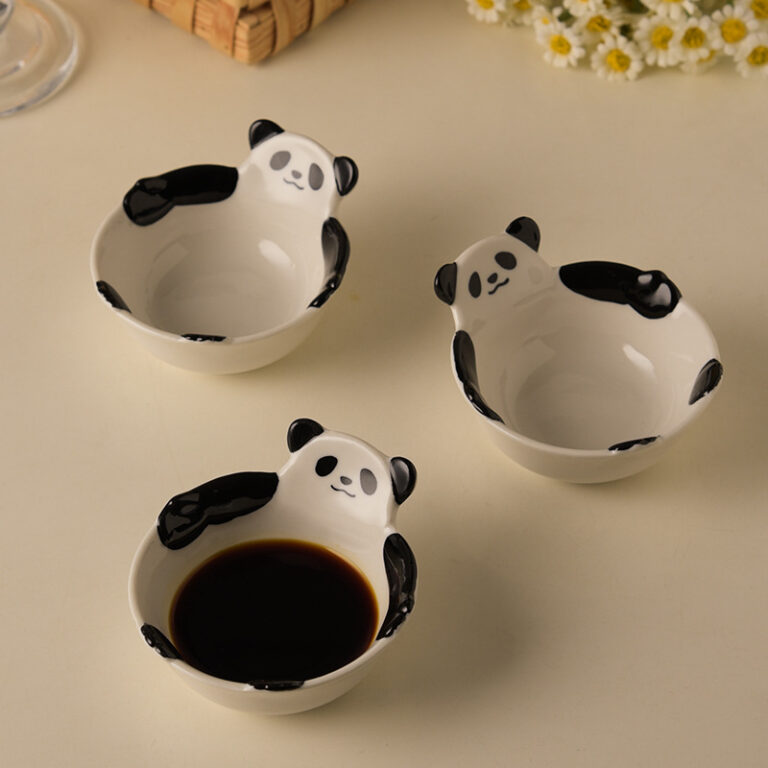
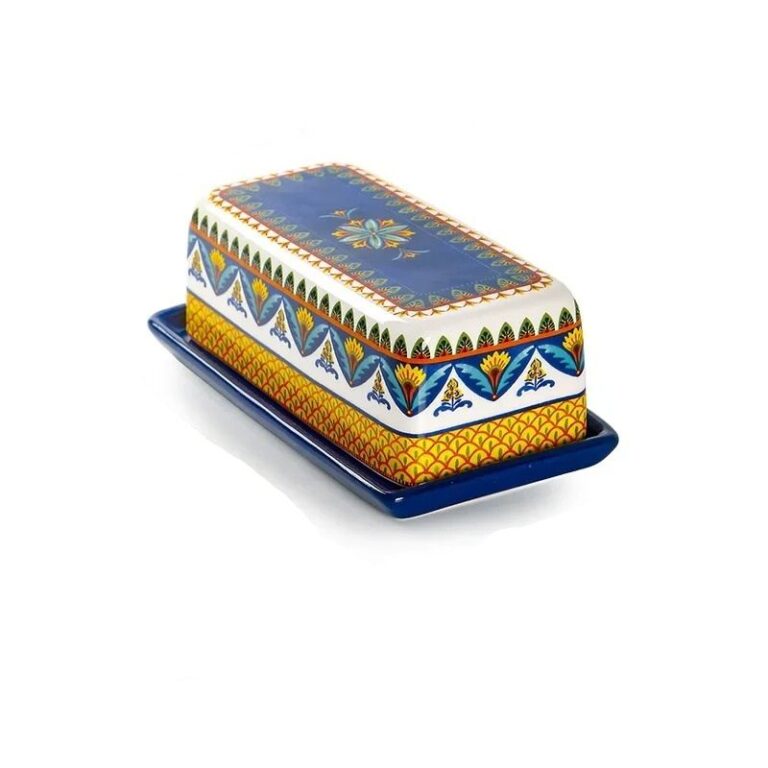
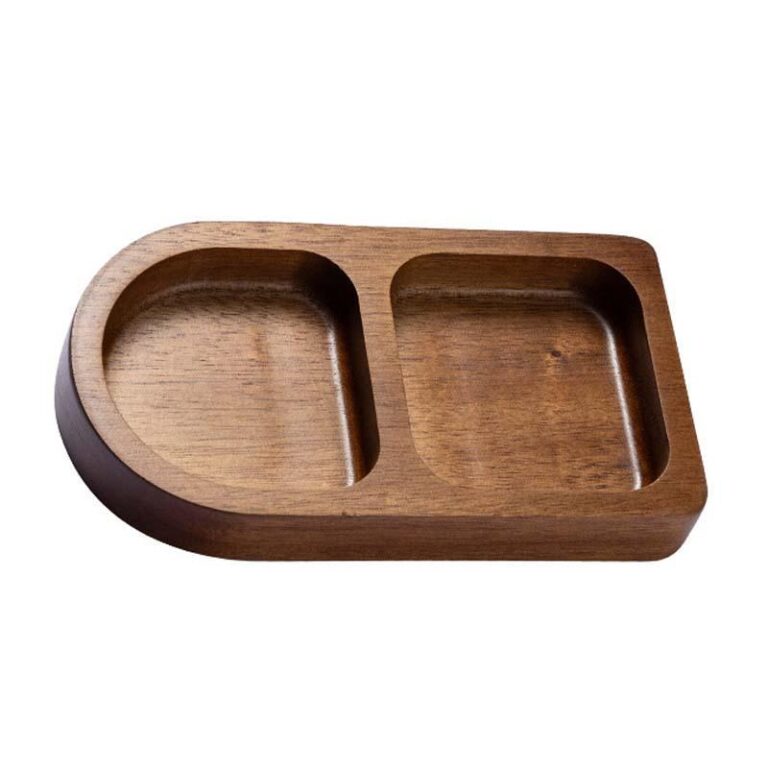
There is a moment at every big dinner when the table runs out of room and you need one dish that can hold the whole pot of rice, or all the roasted vegetables, not three small bowls fighting for space. That is when a good serving piece earns its keep. You set it down in the middle of everything, people start passing it hand to hand, and you realize this is the thing holding the meal together, not the plates underneath it.
Good serving pieces age well if you treat them right. Stoneware and ceramic ones get better with use, the glaze settling into a softer shine, small marks showing up on the bottom from years of forks and spoons, but nothing that looks bad, more like a pair of boots breaking in. Hand washing keeps the glaze looking newer longer, though most can take a dishwasher if you are not precious about it. What actually kills these pieces is thermal shock, pulling a cold dish straight from the fridge and setting it over direct heat, or dropping something hot into a dish you just rinsed under cold water. Let things come to room temperature first.
Where they go wrong is mixing finishes that do not belong together, a rustic speckled platter next to a sleek white bowl, both fighting for attention on the same table. Pick one finish family and stick with it, matte with matte, glossy with glossy, and let the food provide the color instead of the dishware trying to.
Measuring matters more than people expect. A serving bowl that looked generous in a shop photo can turn out to only hold enough pasta for four once you actually spoon it in. Before you buy, think about what you are serving most often and size up, not down, because a half empty large bowl looks intentional and a stuffed small one looks like a mistake. Leave at least two inches of clearance around a serving piece on the table so people can actually reach it without knocking over a glass.
On delivery day, check the base is flat and sits without rocking, run a hand around the rim for any rough or uneven spots, and hold it up to the light if it is ceramic, since hairline cracks near the handles show up that way before they show up anywhere else. Lids should sit snug, not loose enough to slide.
A serving dish that can take a crowd and still look right alone on a shelf is worth more than half the plates in your cupboard.
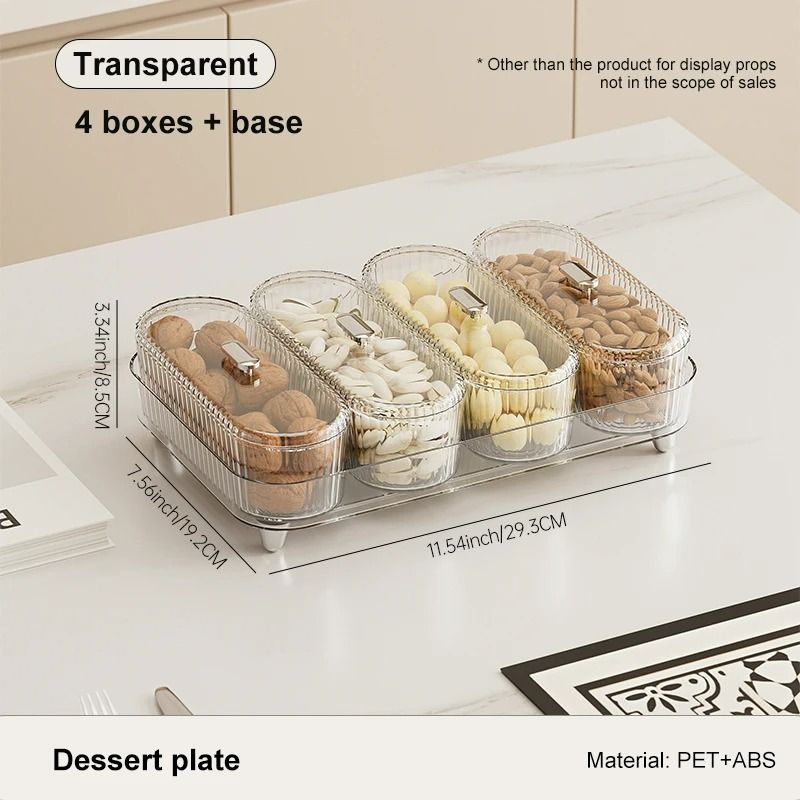 Aisha's pickOur Shortlist of Ceramic Serving Platters
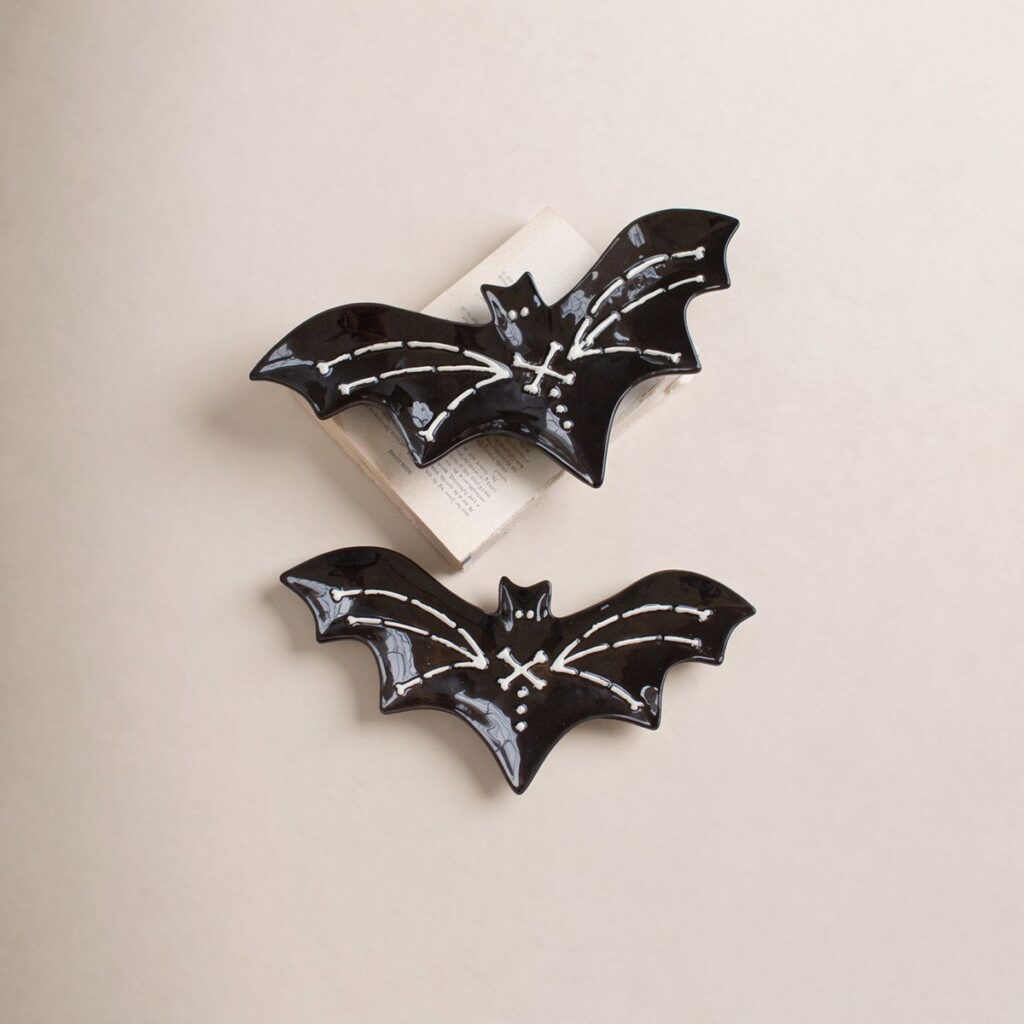
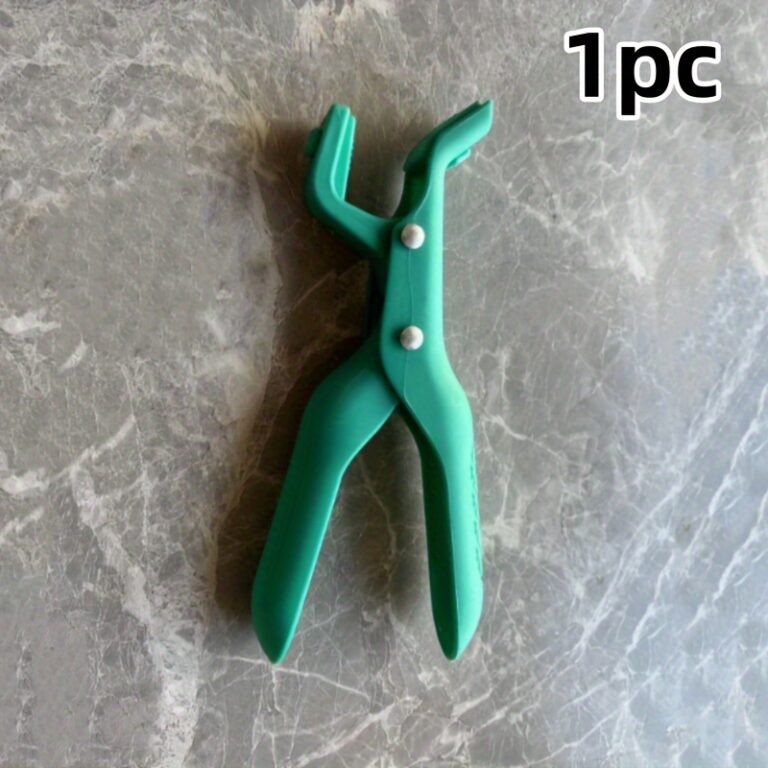 Aisha's pickServing Bowls That Look Good Up Close
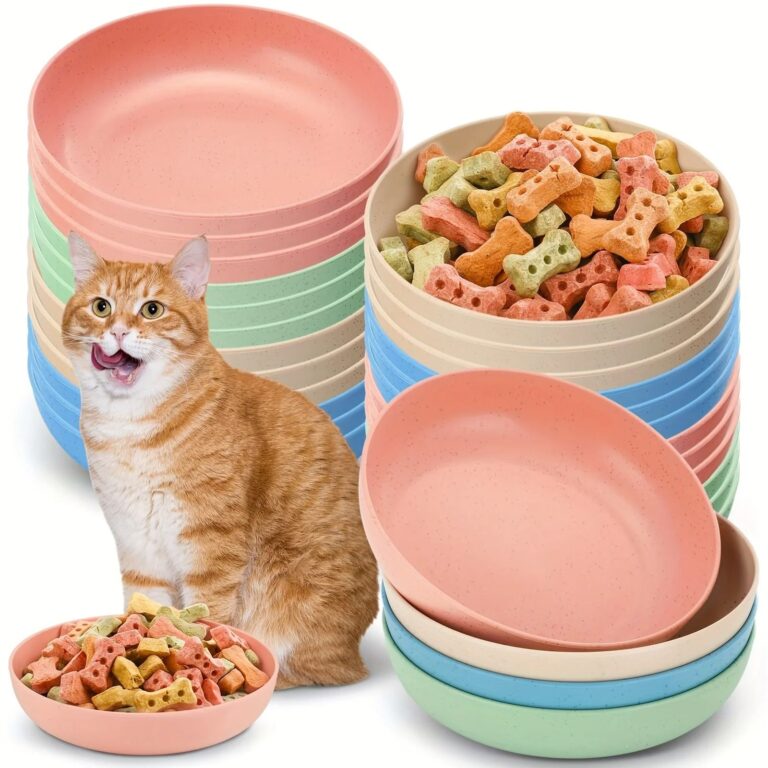
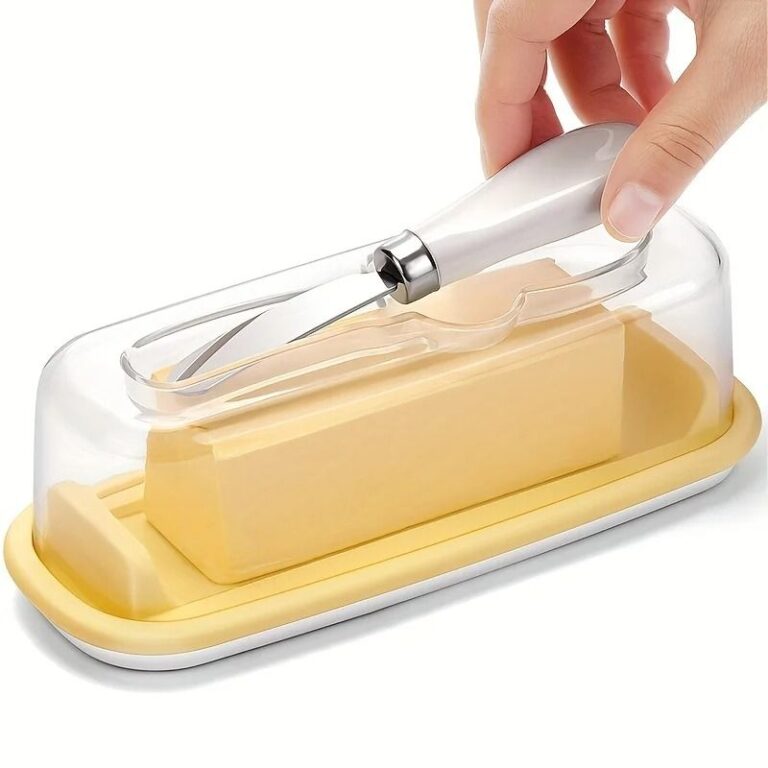 Aisha's pickGood White Serving Dishes That Don’t Cost a Fortune
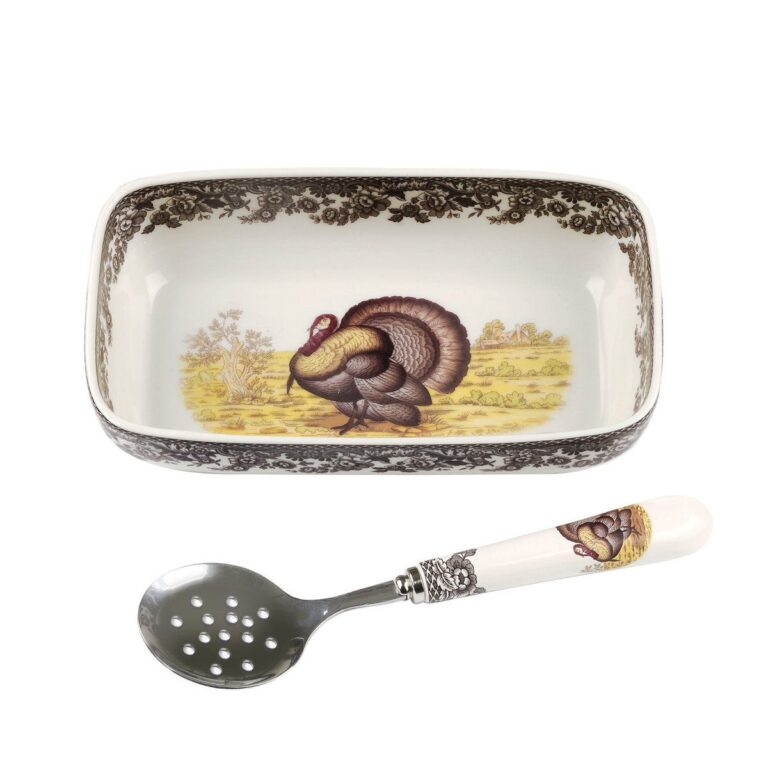
 Aisha's pickCream Serving Dishes That Go With Most Rooms

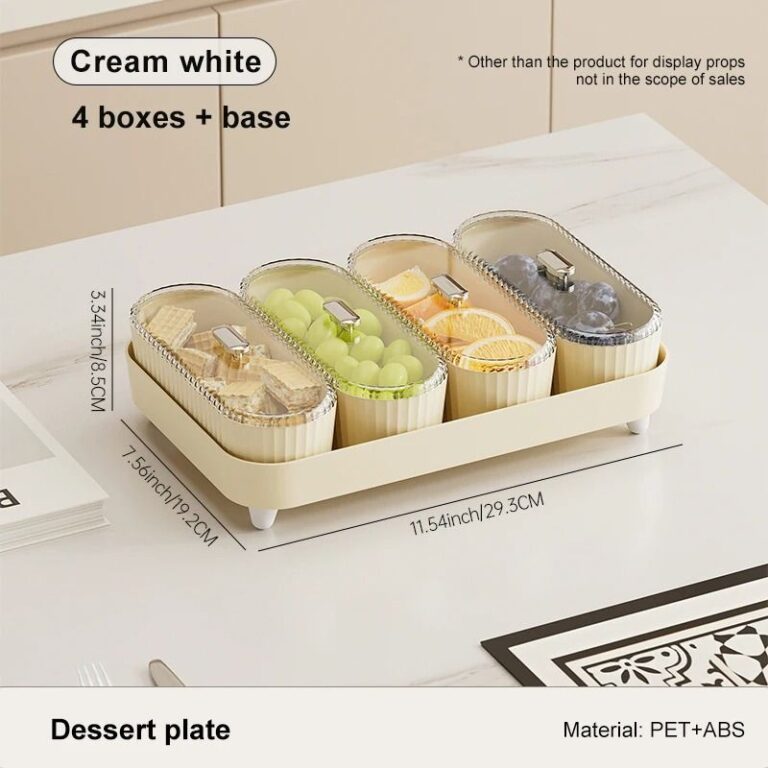 Aisha's pickServing Bowls for 2 That Work in Old Houses and New Ones
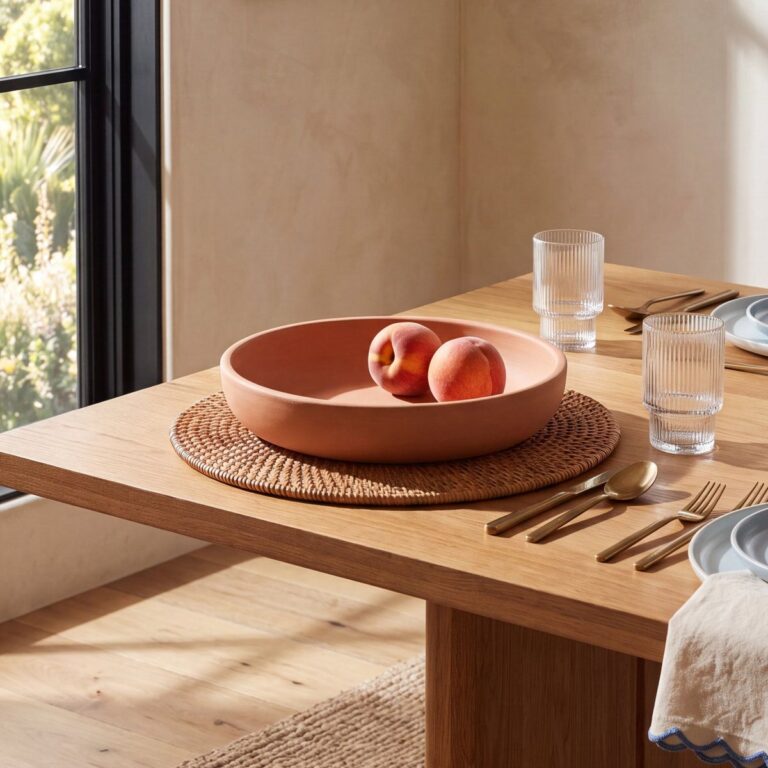
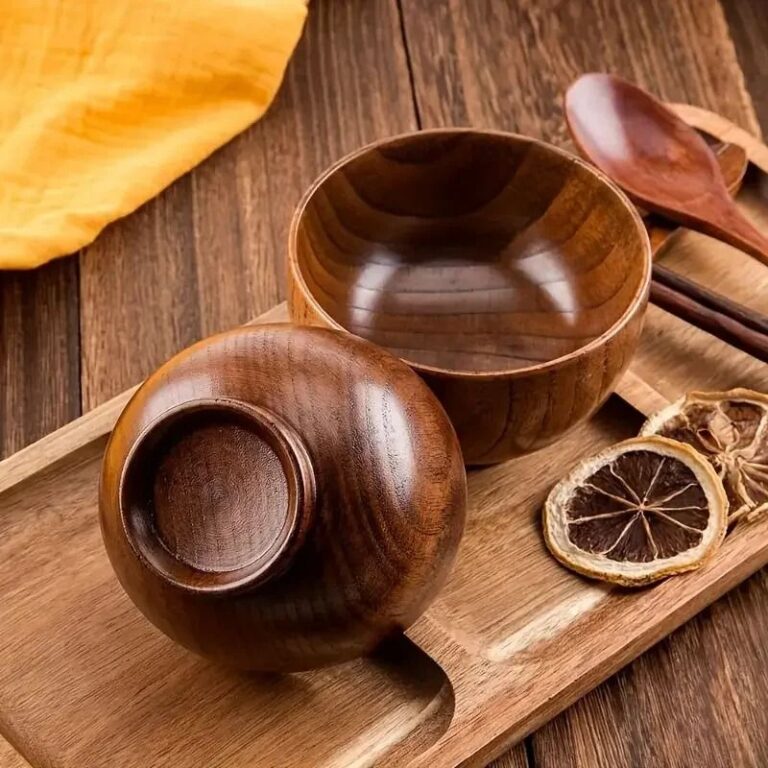 Aisha's pickWooden Serving Bowls That Make a Weeknight Meal Feel Special
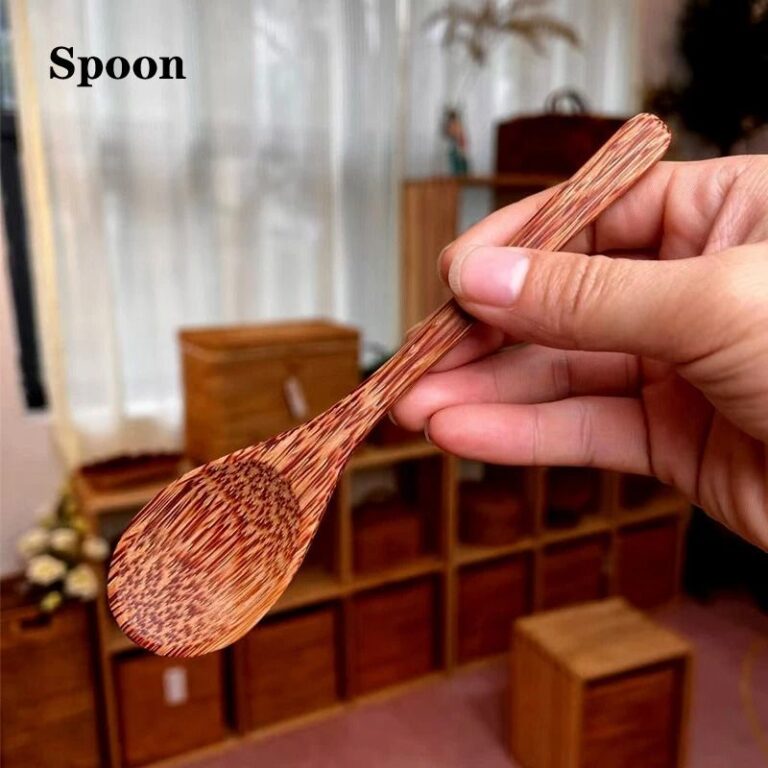
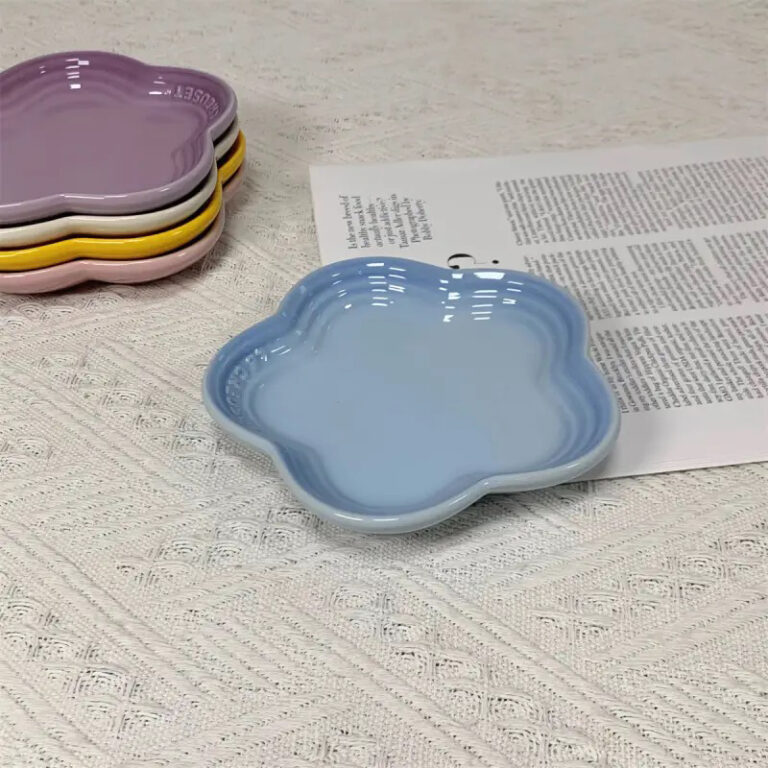 Aisha's pickDishwasher Safe Serving Bowls That Don’t Chip at the First Knock
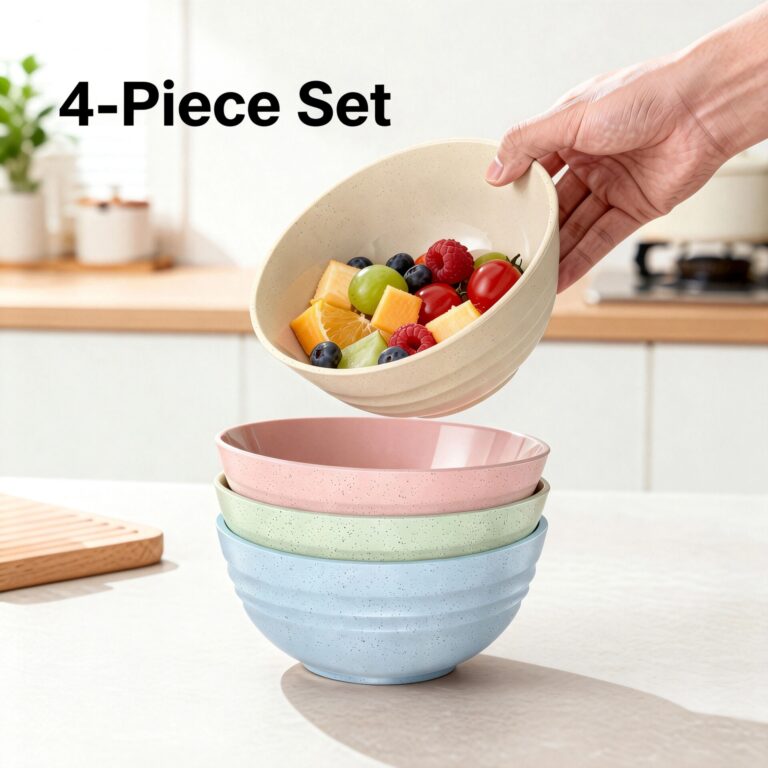
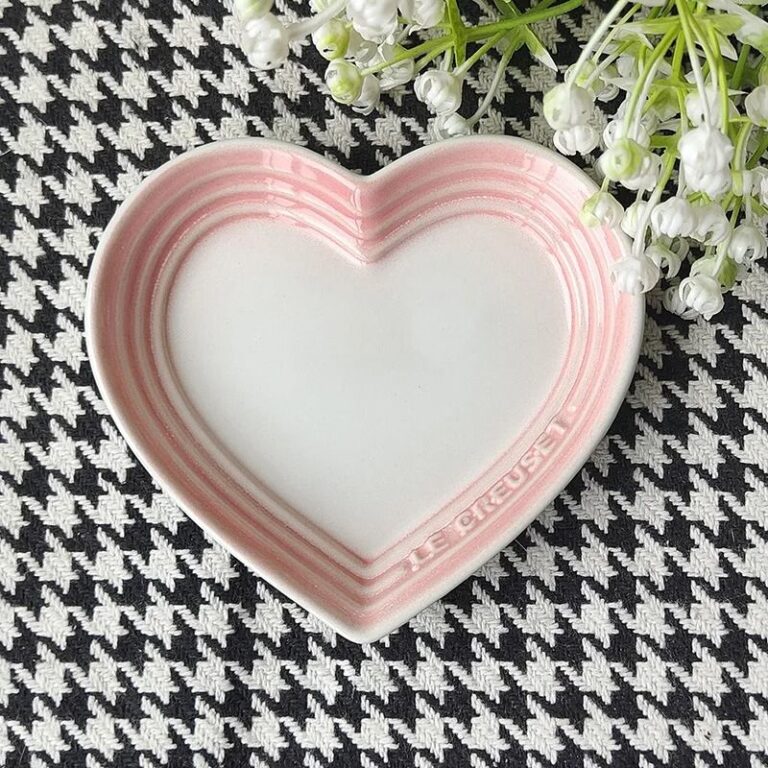 Aisha's pickServing Bowls for 4 That Look Good on Open Shelves
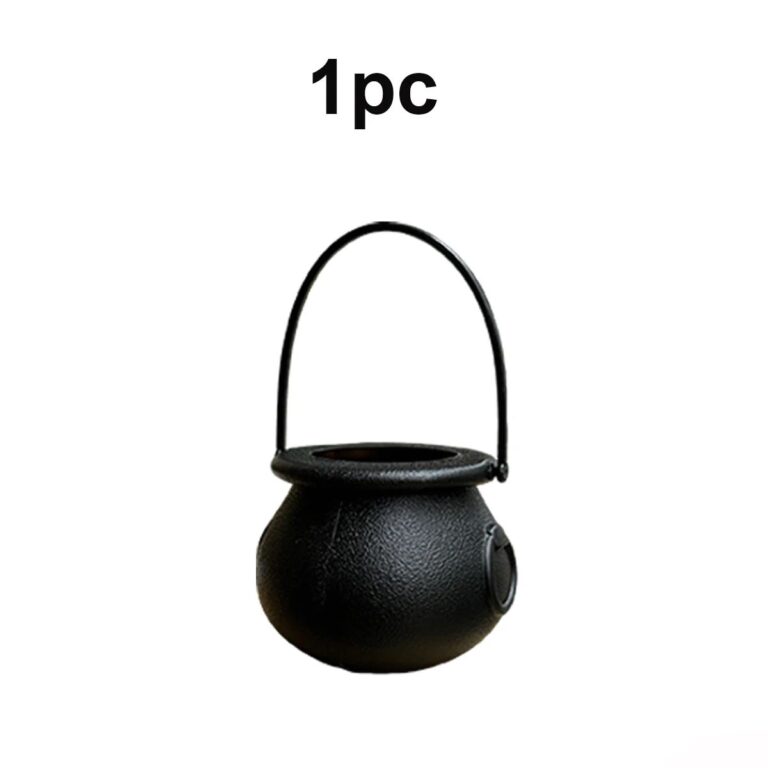
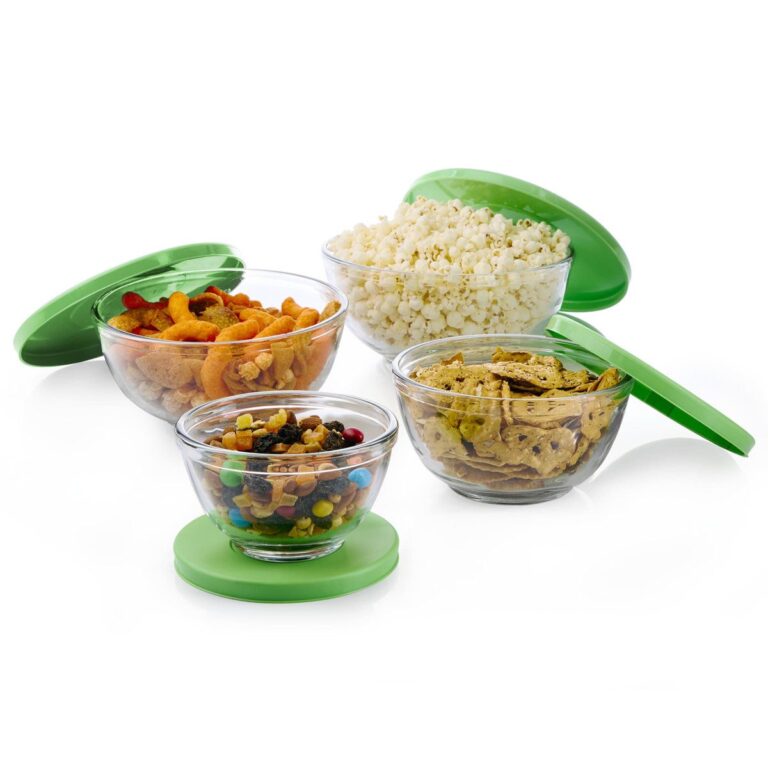 Aisha's pickGlass Serving Bowls That Go With Most RoomsAlso worth a lookBowlsA good bowl should feel slightly too heavy for its size, and if it doesn't, you'll resent it within a month.See the collections →
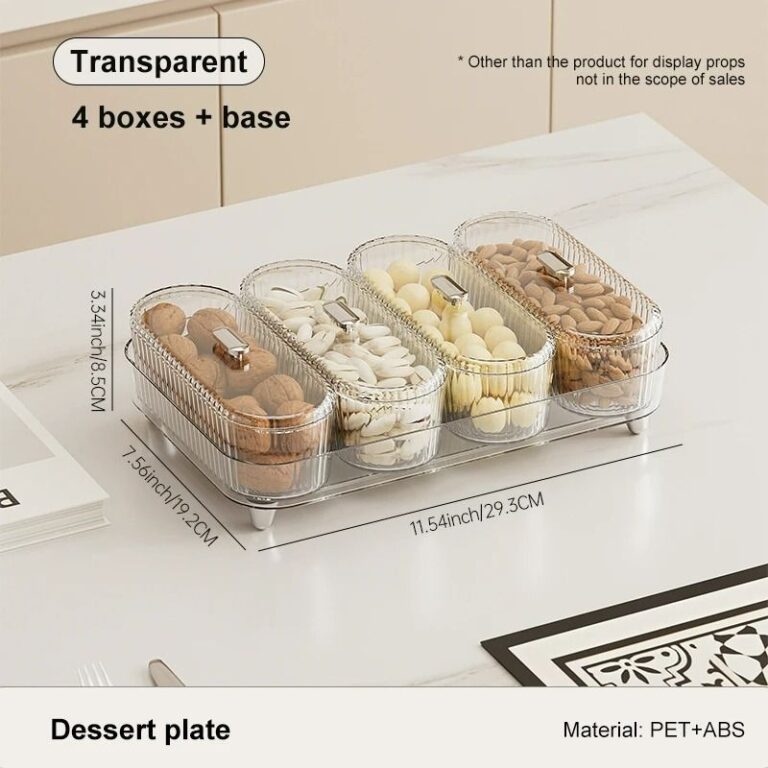
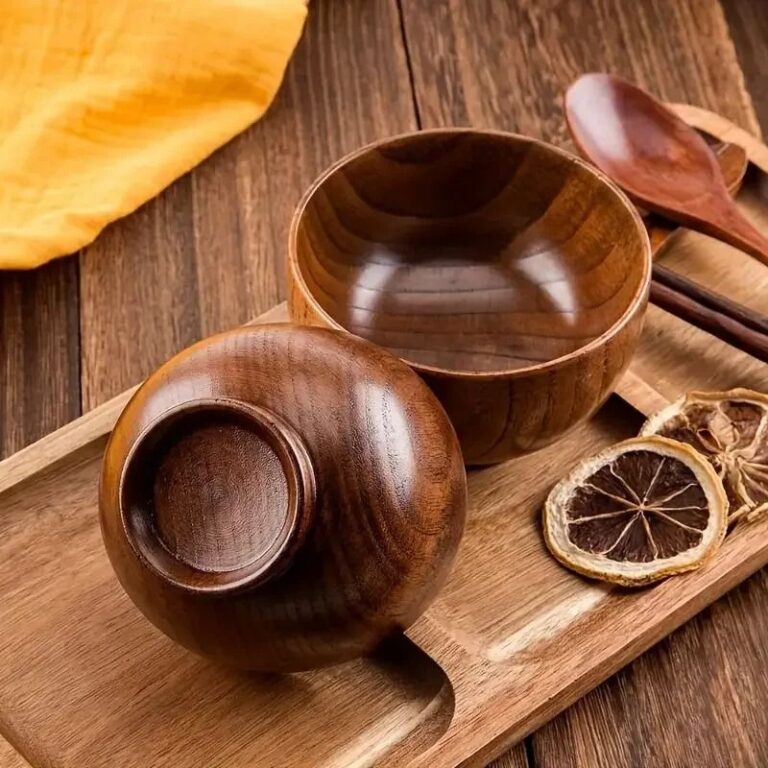 Aisha's pickServing Bowls for 6 That Make Rented Places Feel Like Home
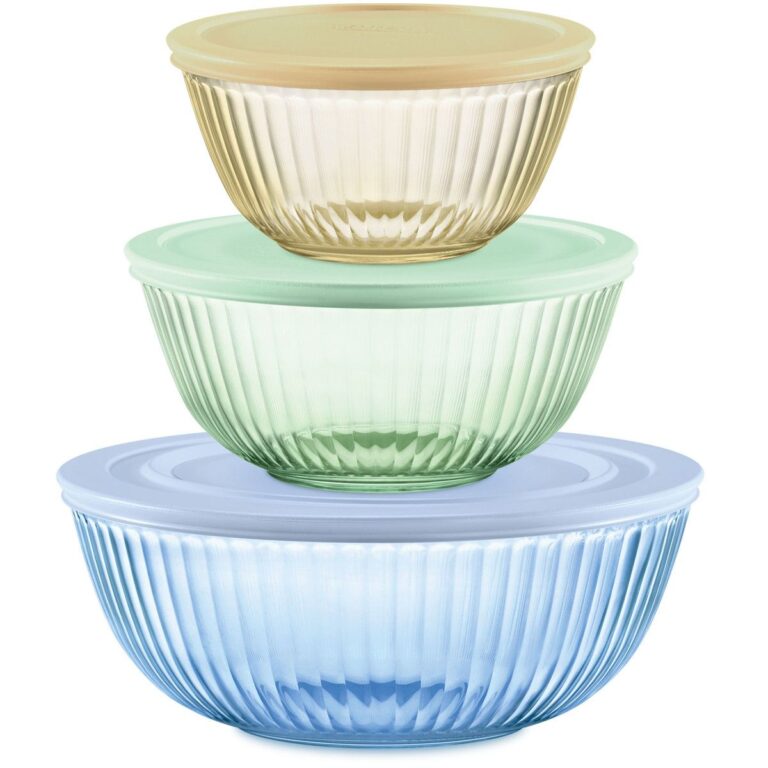
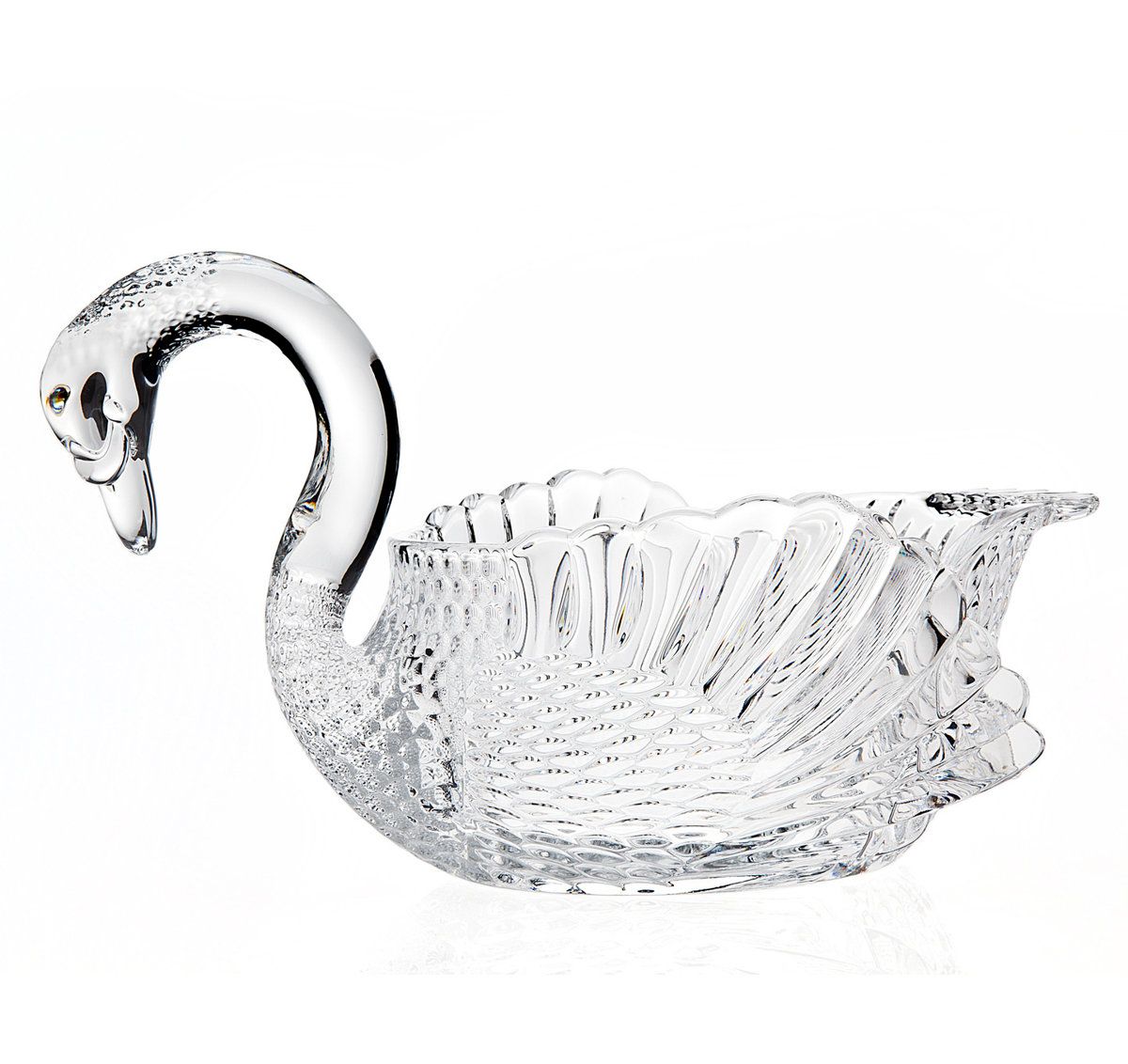 Aisha's pickGlass Serving Dishes That Make a Weeknight Meal Feel Special
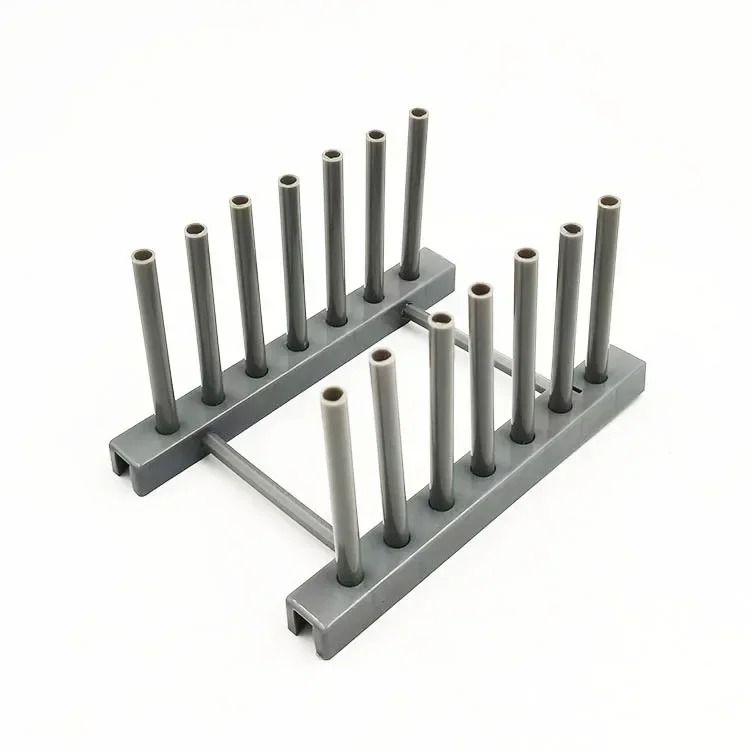
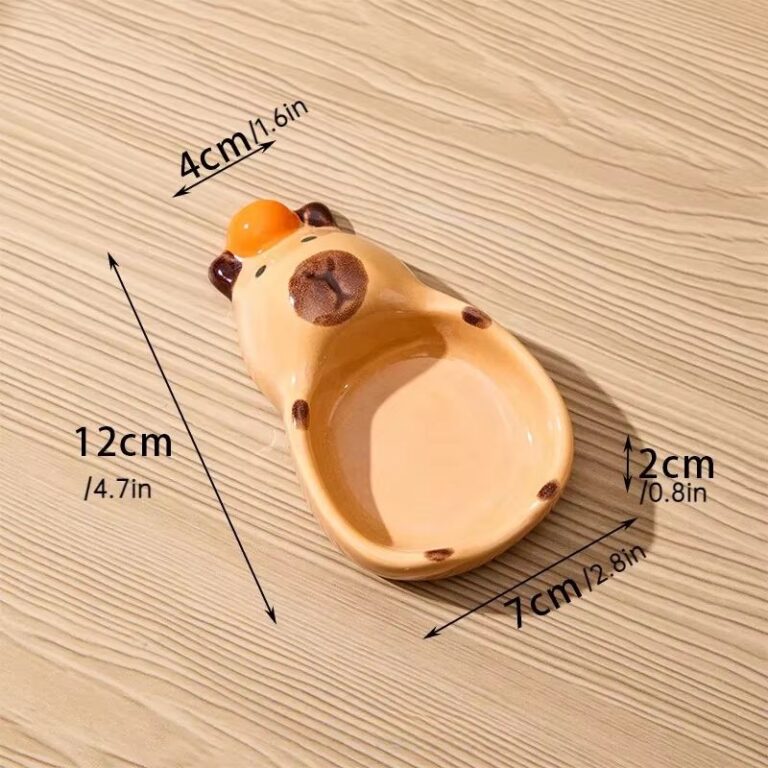 Aisha's pickServing Dishes Tough Enough for Everyday Use
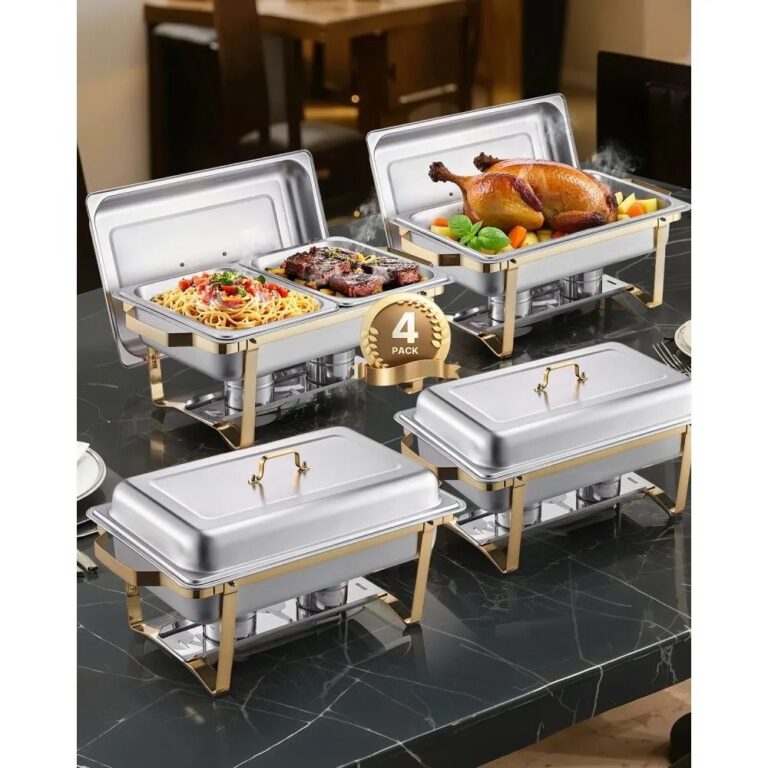
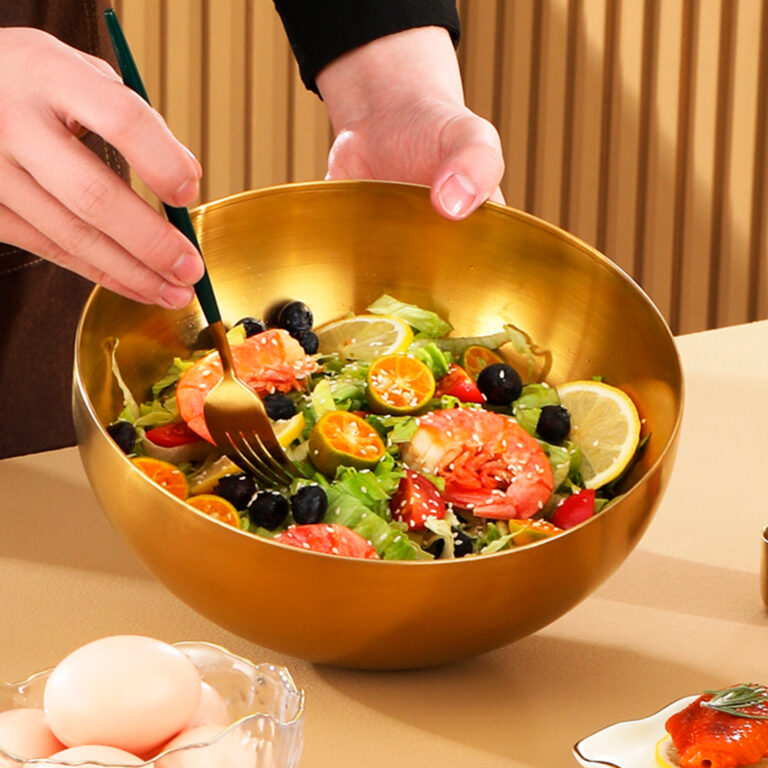 Aisha's pickLarge Serving Bowls Worth Knowing About

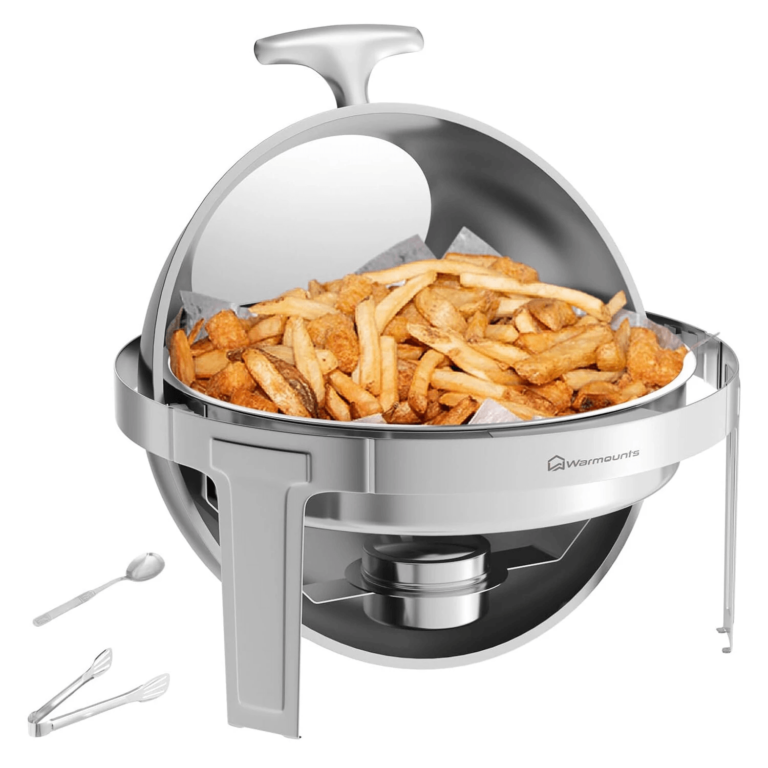 Aisha's pickServing Dishes for 2 That Won’t Let You Down
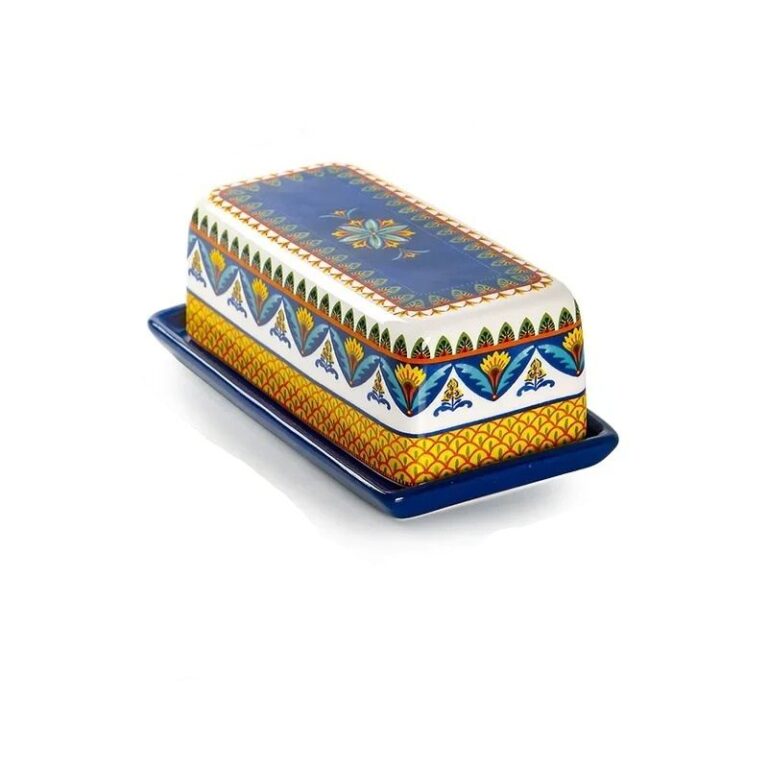
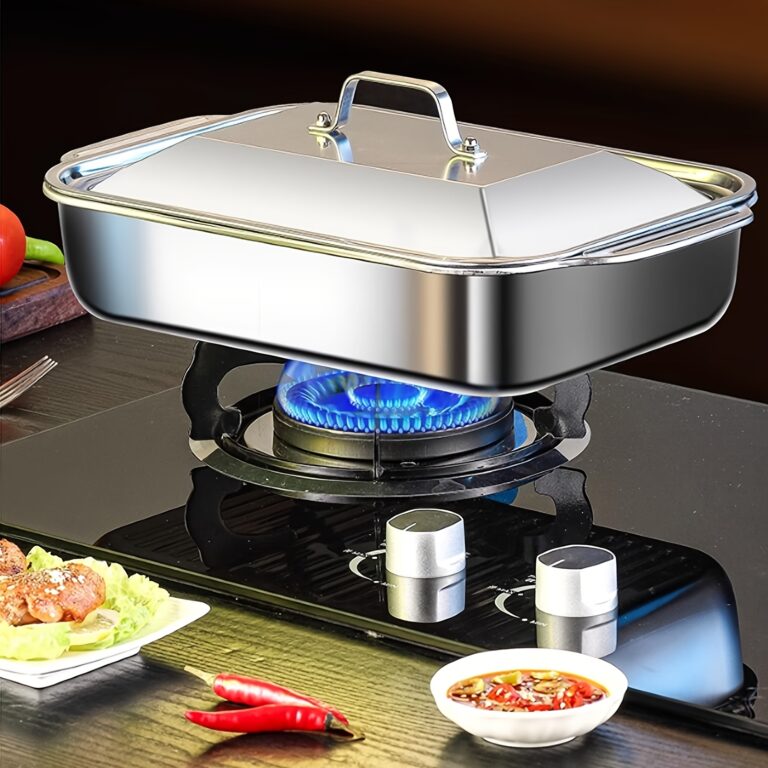 Aisha's pickLarge Serving Dishes That Won’t Let You Down
 Aisha's pickServing Dishes for 4 That Make a Room Feel Finished
 Aisha's pickLarge Serving Platters That Go With Most Rooms
 Aisha's pickServing Dishes for 8 That Visitors Always Ask AboutAlso worth a lookPlatesStand in the aisle and pick one plate up with one hand, the way you would if your hand were wet and your mind was on six other things.See the collections →
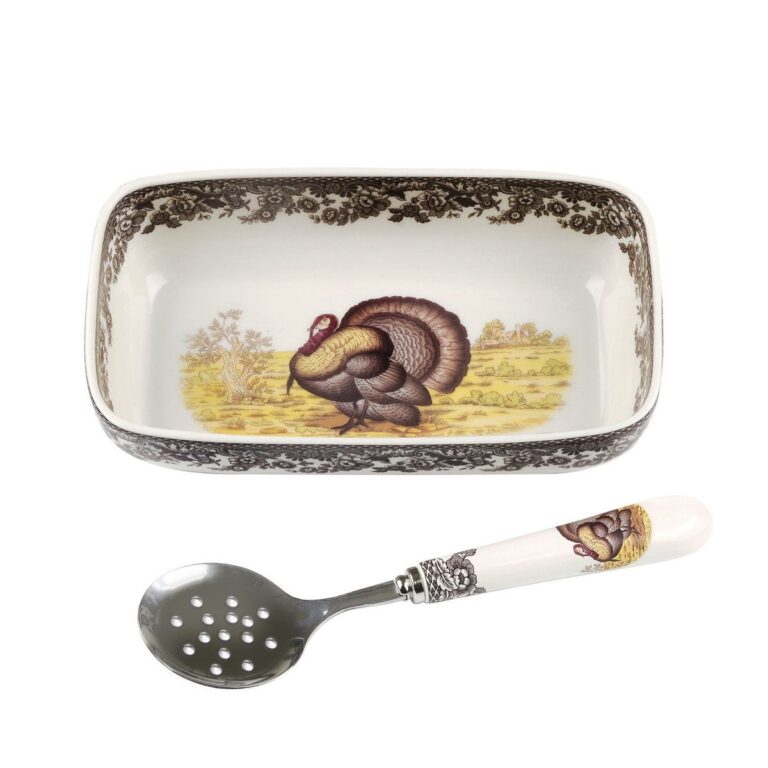
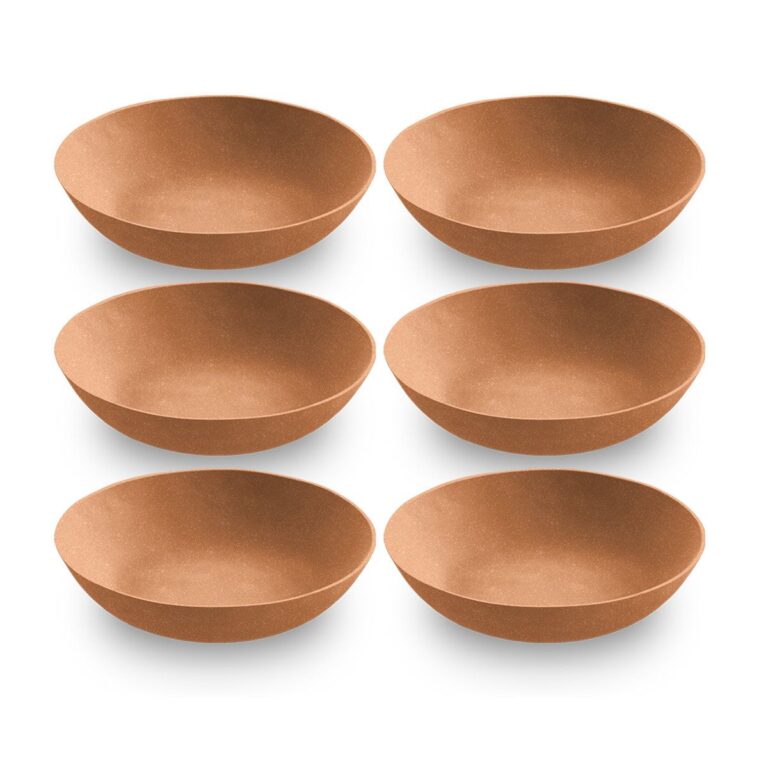 Aisha's pickMicrowave Safe Serving Bowls That Don’t Chip at the First Knock
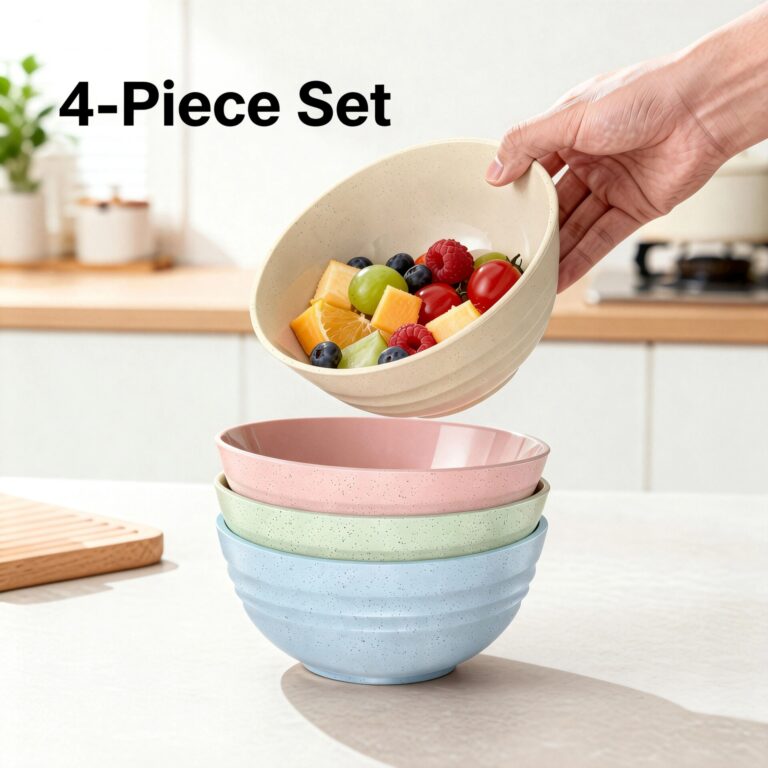
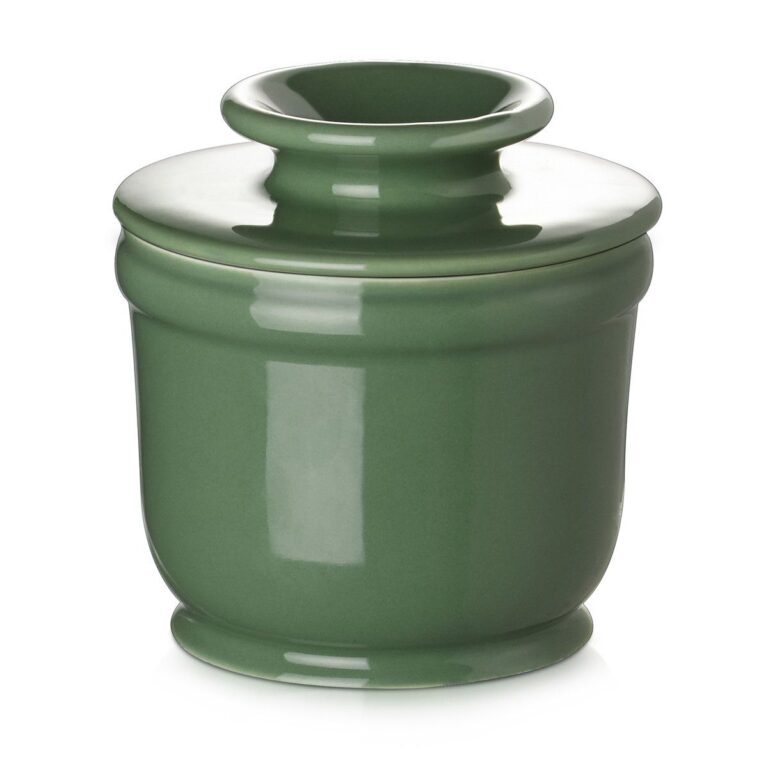
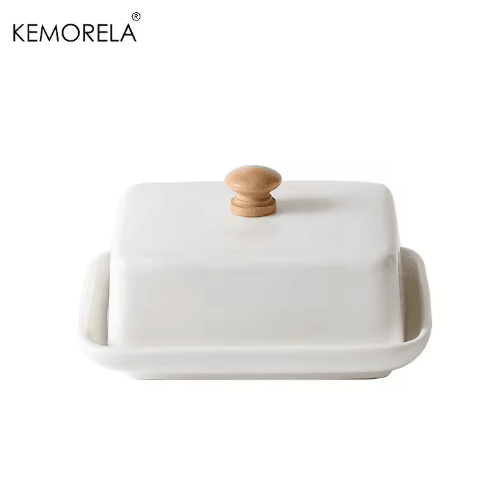
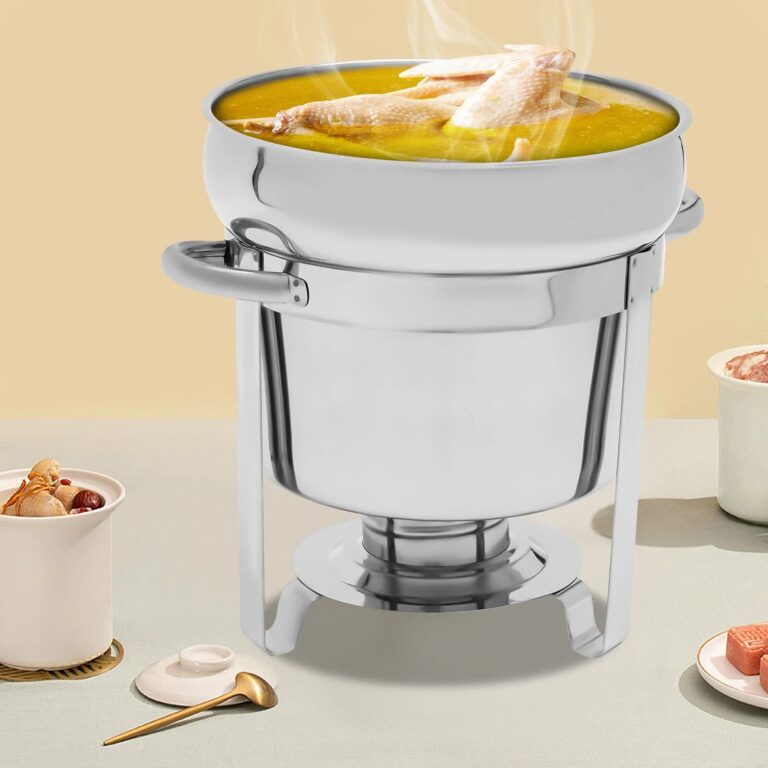 Aisha's pickServing Dishes with Lid We Use More Than the Best China
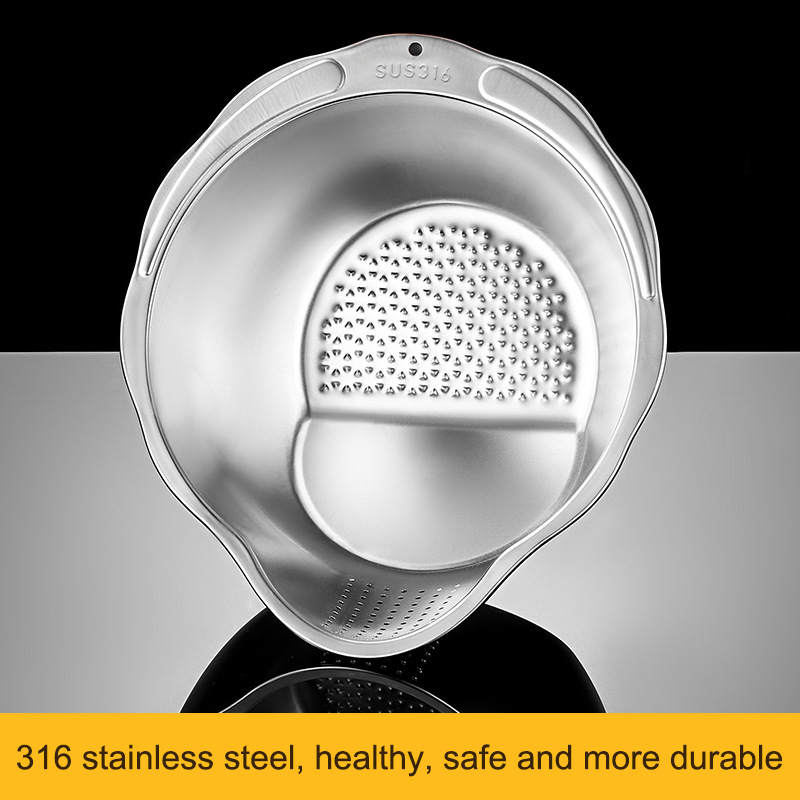 Aisha's pickModern Serving Bowls That Visitors Always Ask About
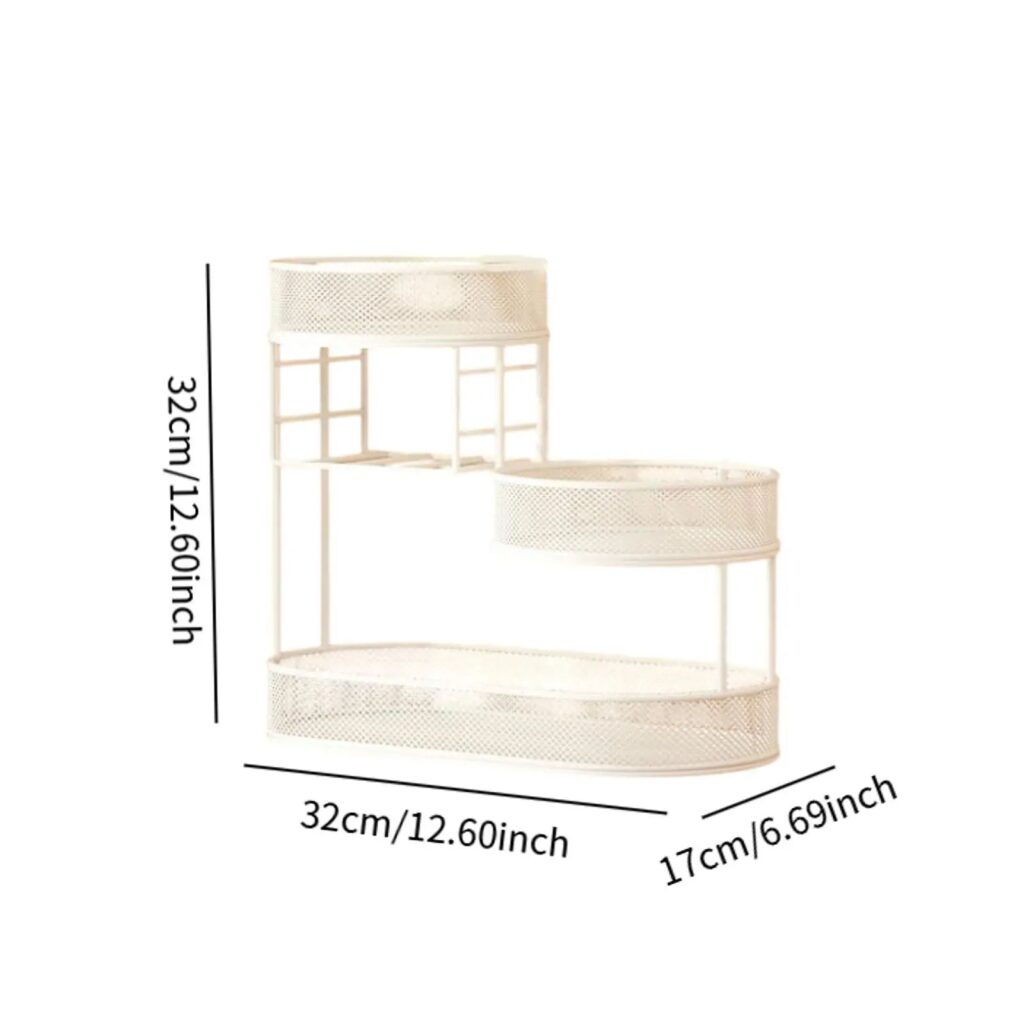
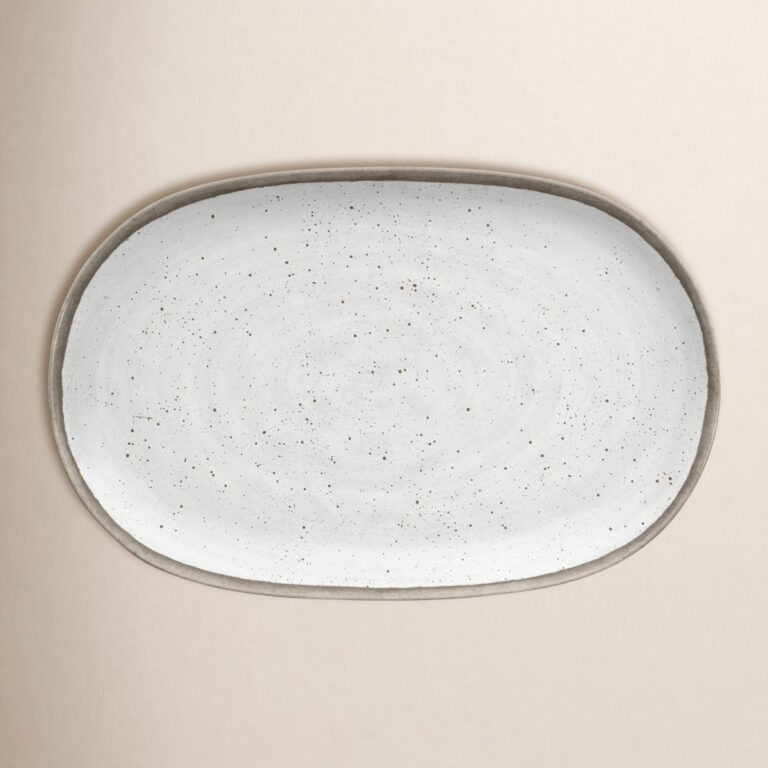 Aisha's pickServing Platters for Dinner Parties and Tuesday Dinners
 Aisha's pickModern Serving Dishes With a Bit More About Them
 Aisha's pickServing Platters for 6 That Won’t Date in a Year
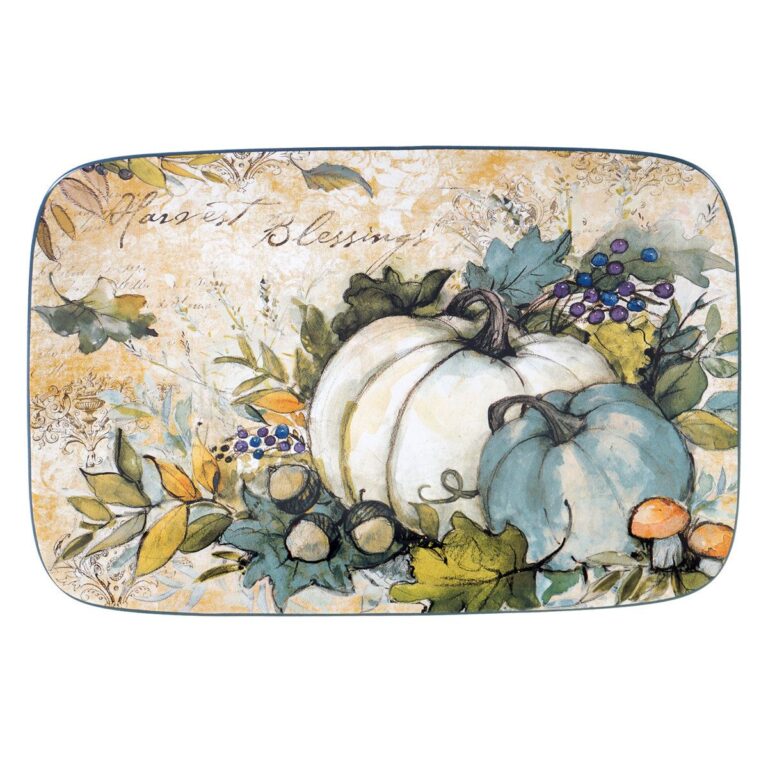
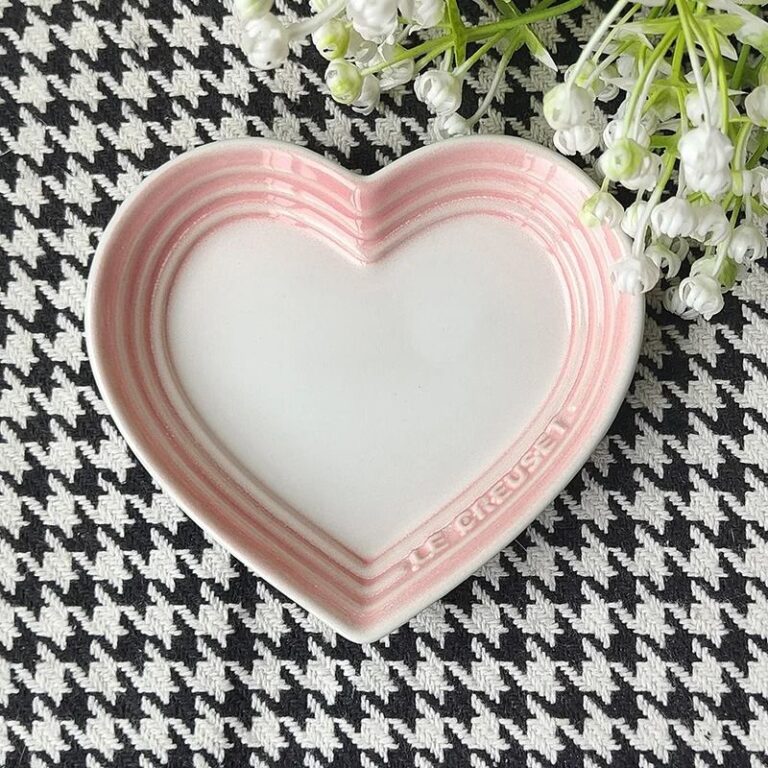 Aisha's pickPorcelain Serving Bowls From Brands You Know and a Few You Won’t
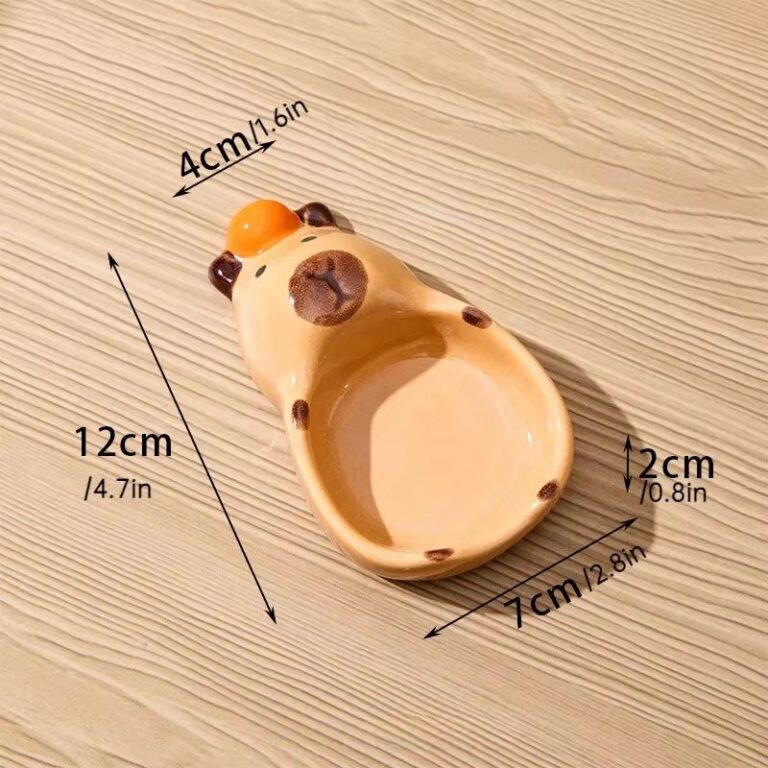
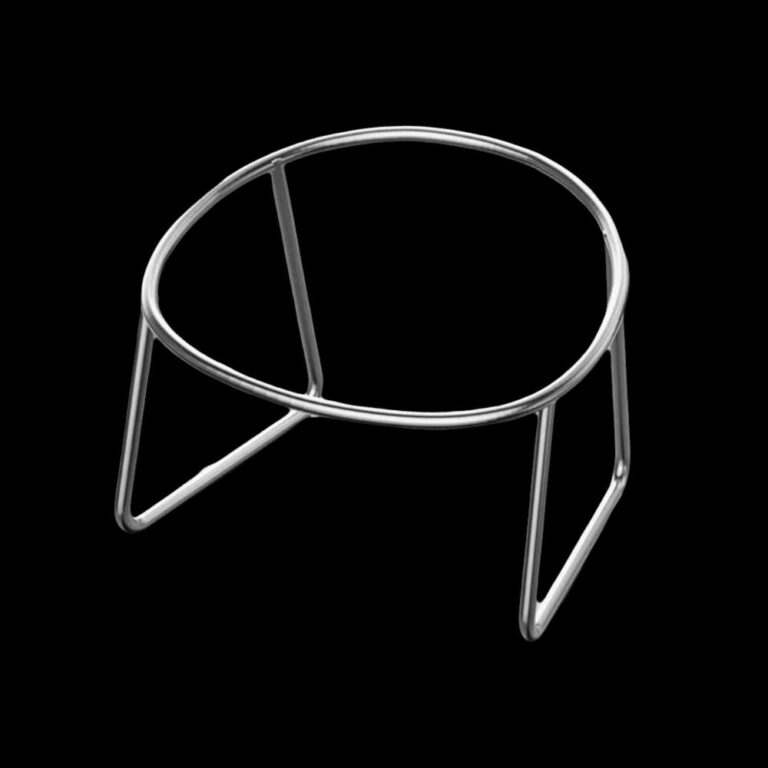 Aisha's pickSmall Serving Bowls That Look Good on Open Shelves
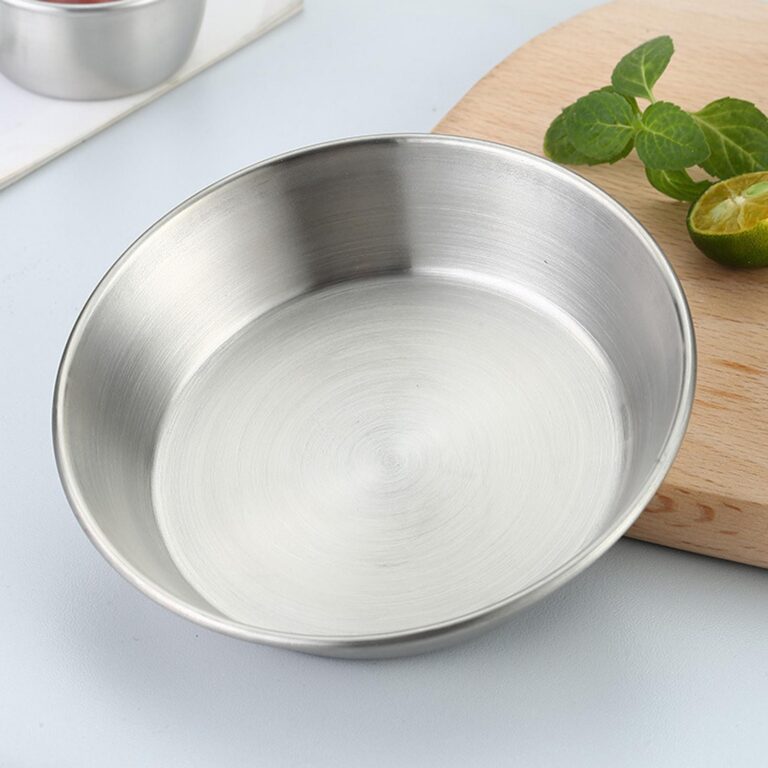 Aisha's pickRound Serving Bowls for Dinner Parties and Tuesday DinnersAlso worth a lookBowl SetsA bowl set only earns its spot in the cabinet if every piece in it can do more…See the collections →
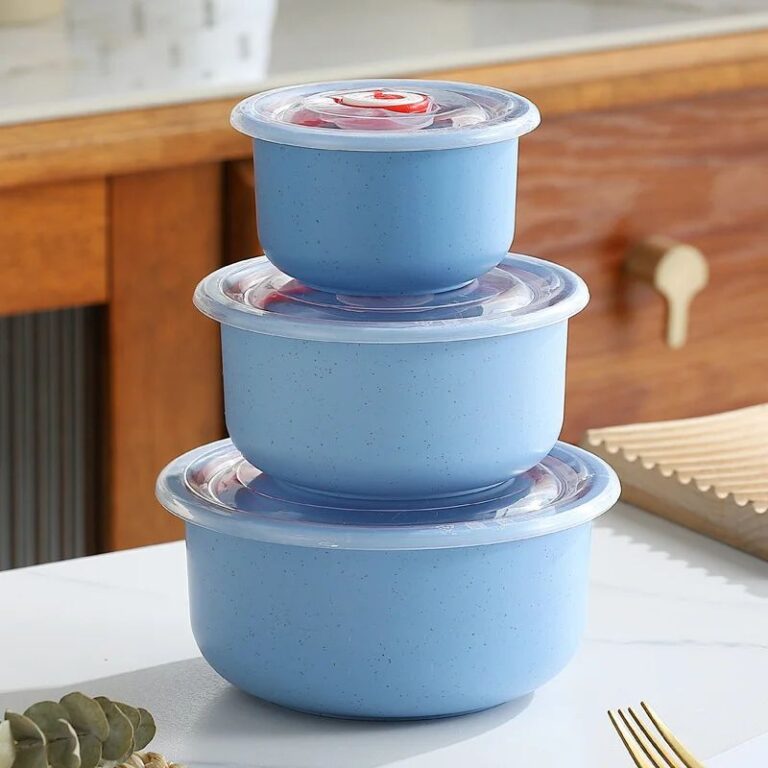
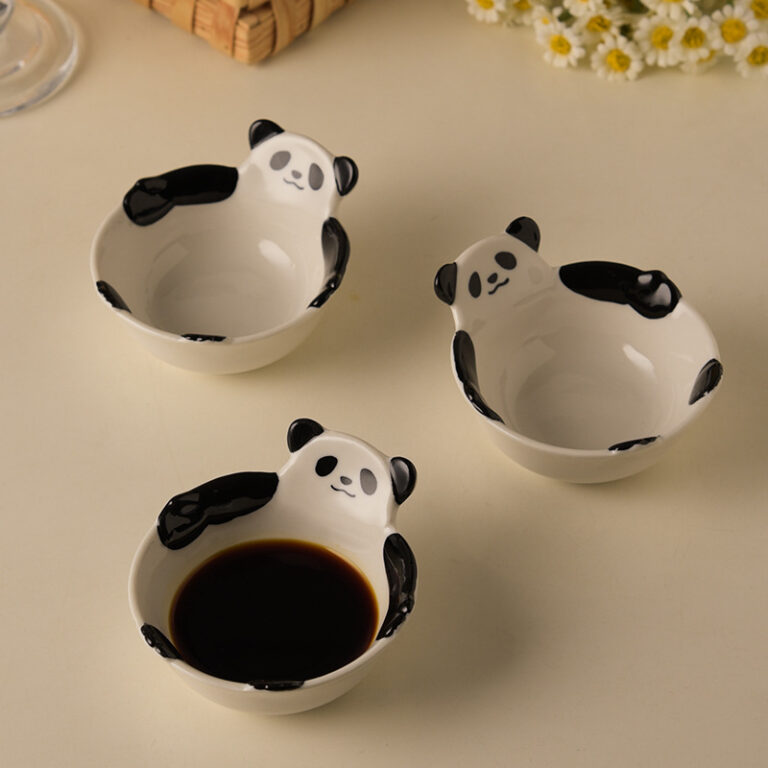 Aisha's pickSmall Serving Dishes You Won’t Want to Hide Away
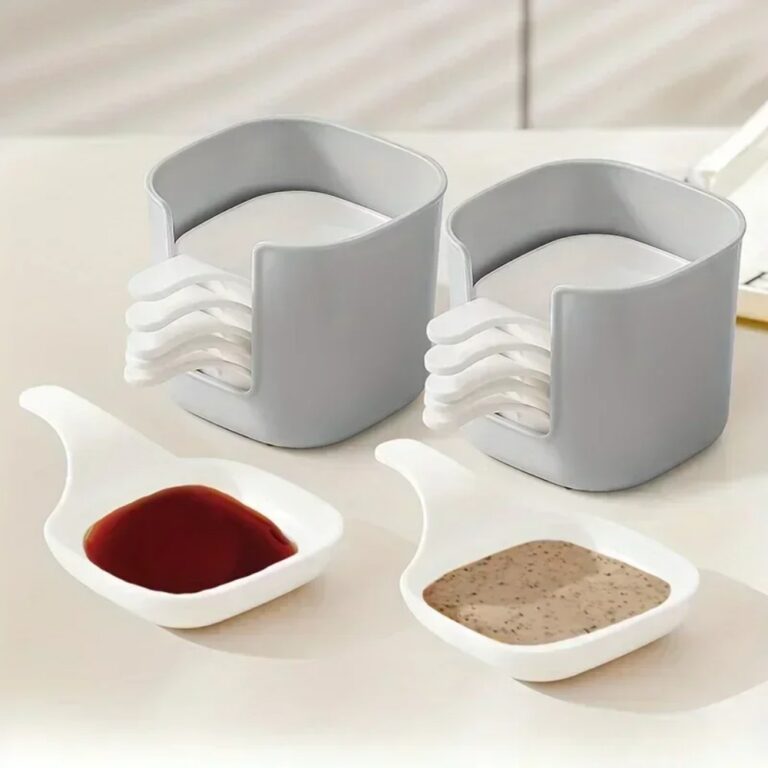
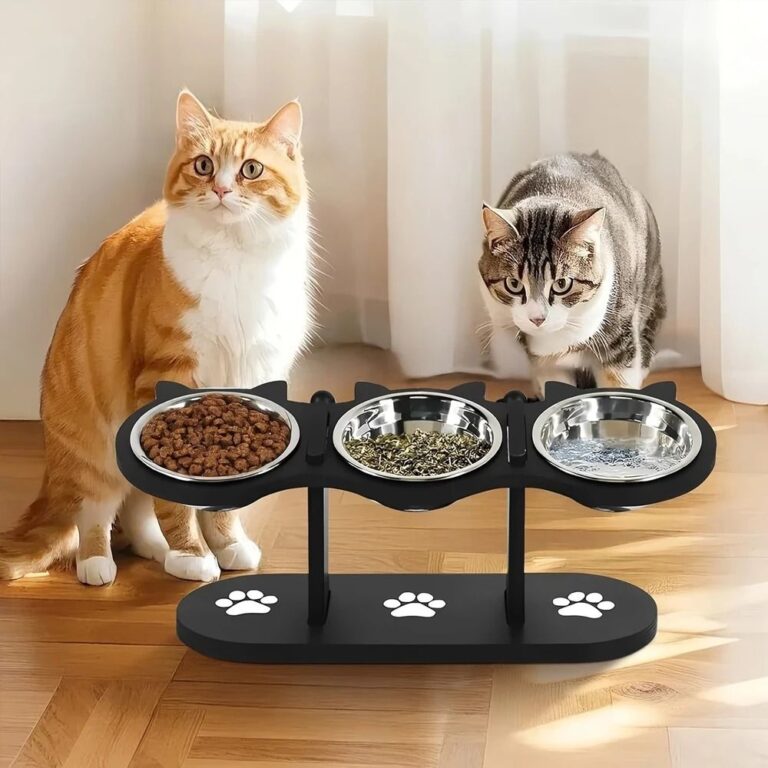 Aisha's pickBlack Serving Bowls That Earn Their Keep
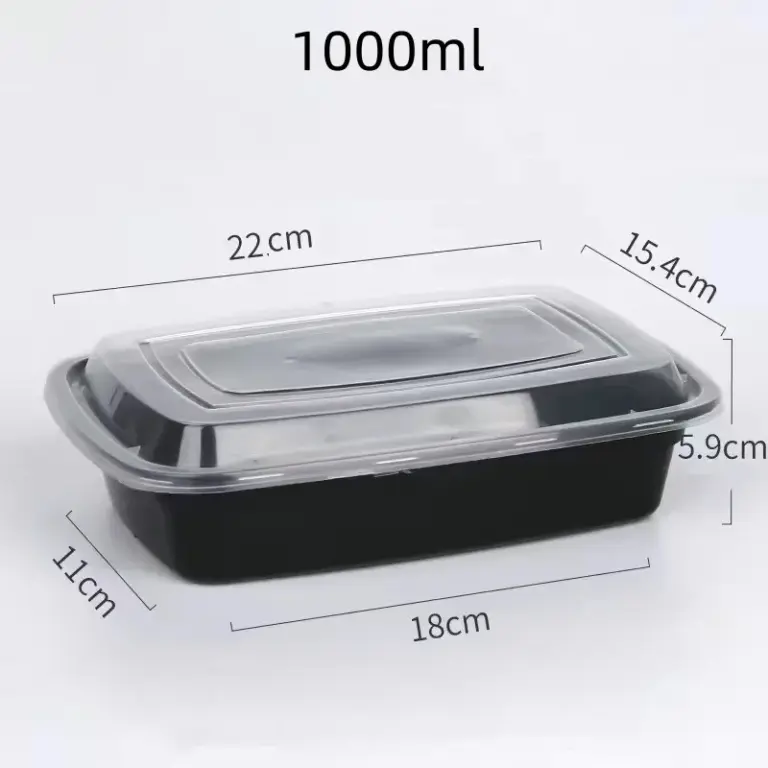
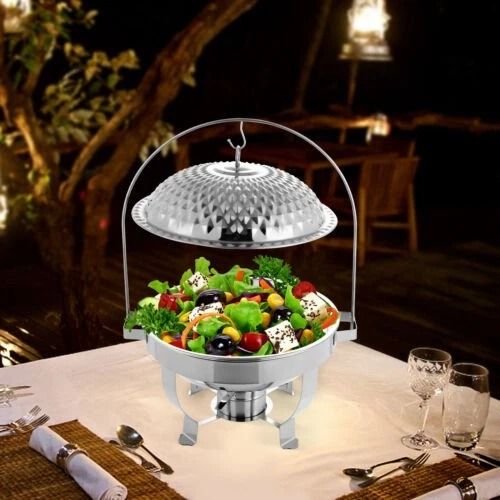 Aisha's pickShopping for Round Serving Dishes? Start Here
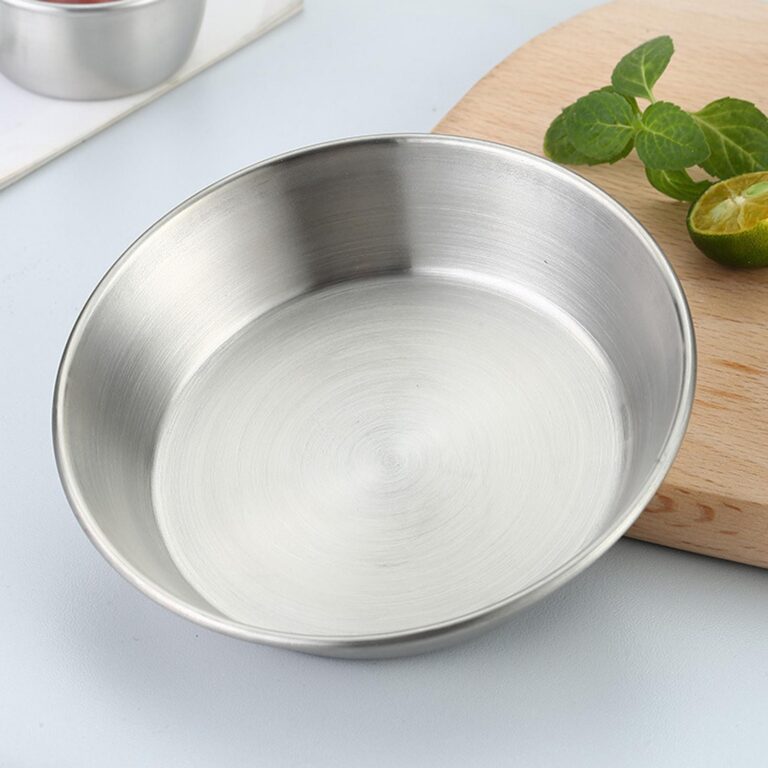
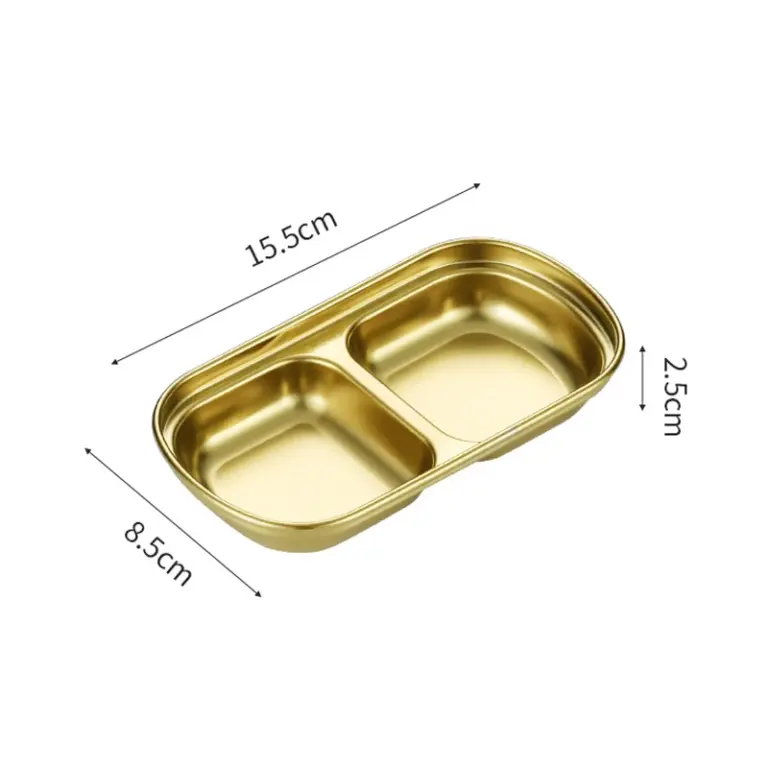 Aisha's pickSquare Serving Dishes Tough Enough for Everyday Use
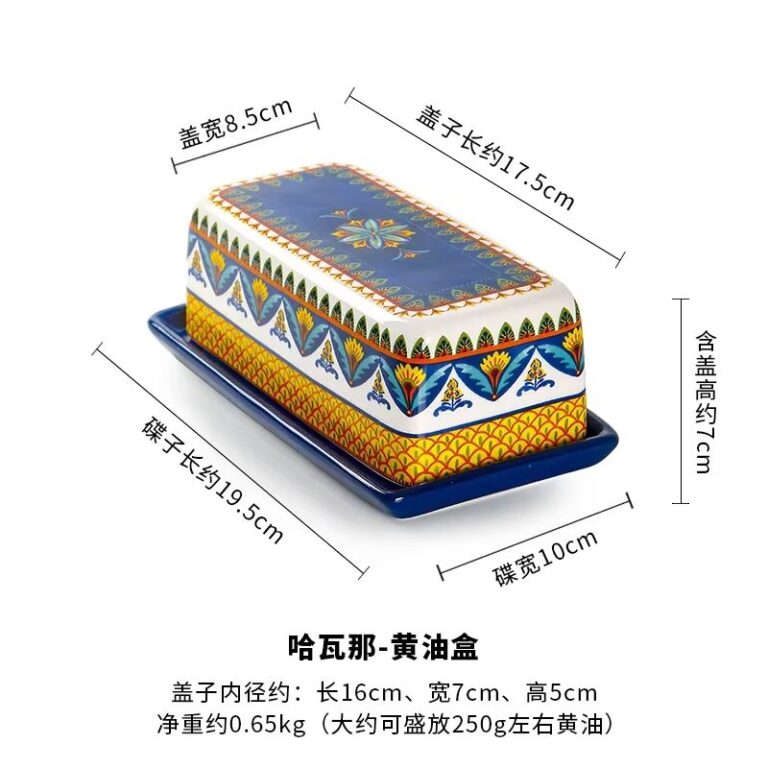
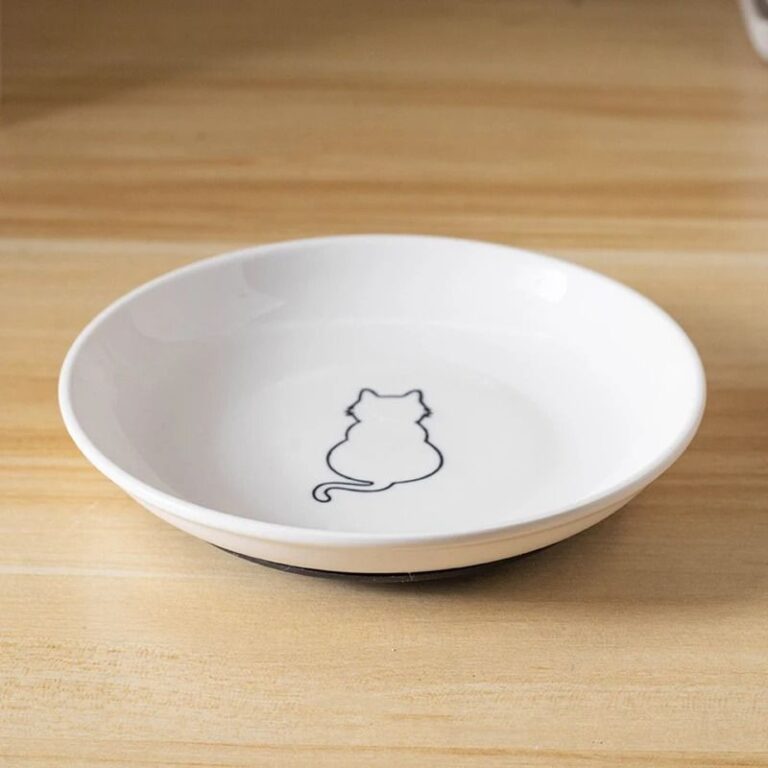 Aisha's pickThe Ceramic Serving Bowls Worth Your Cash
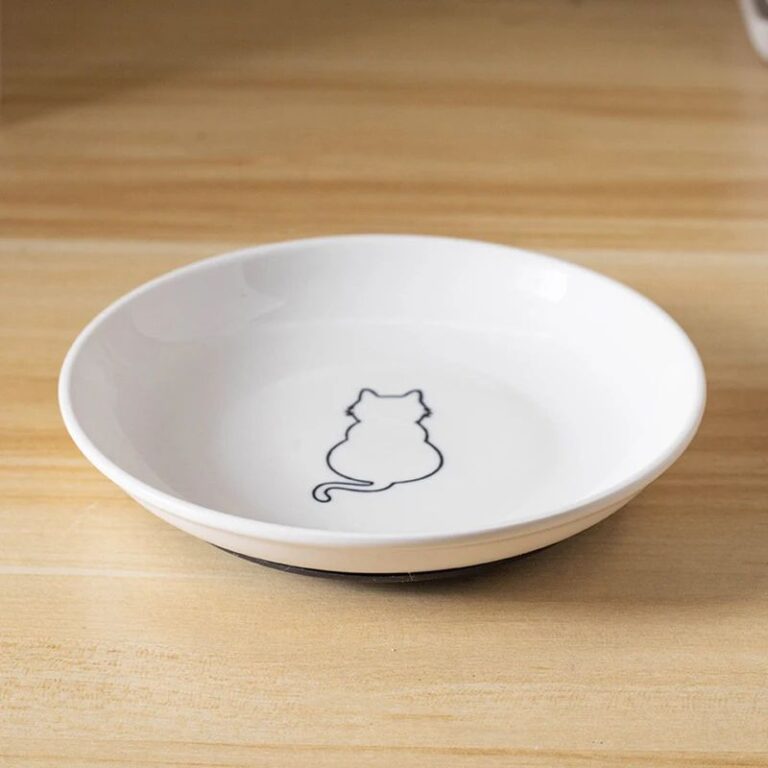
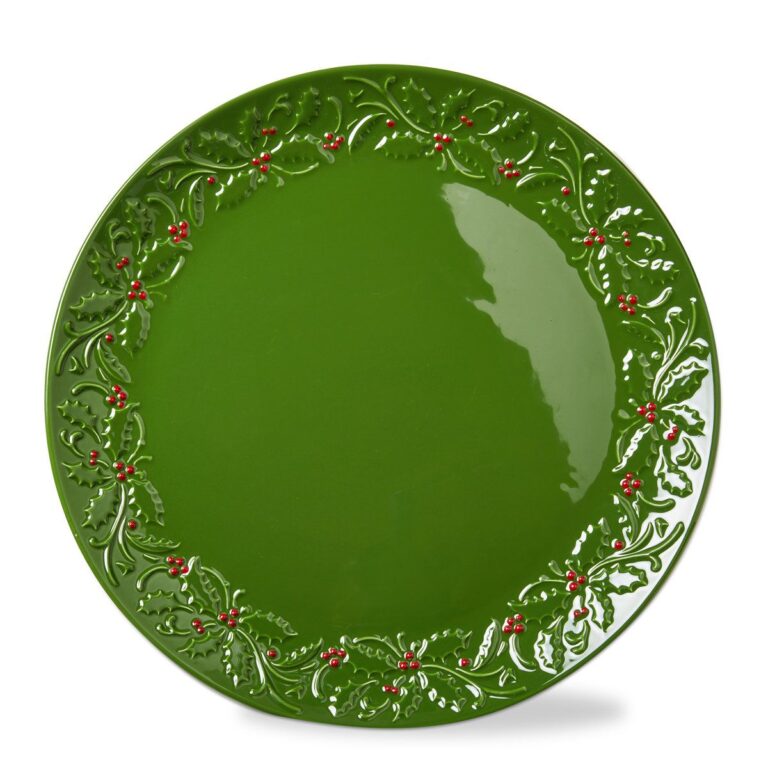 Aisha's pickRound Serving Platters We Use More Than the Best China
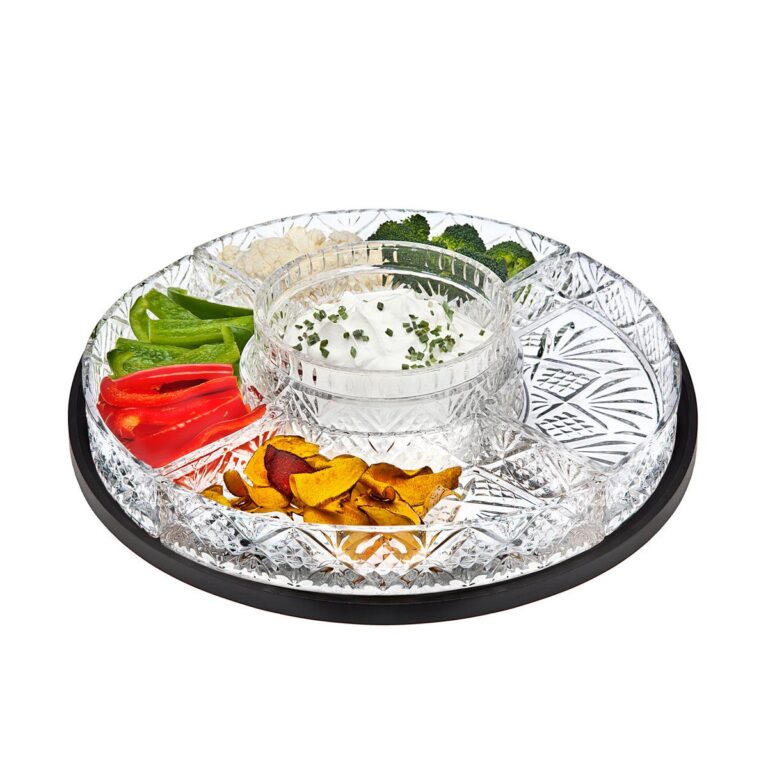
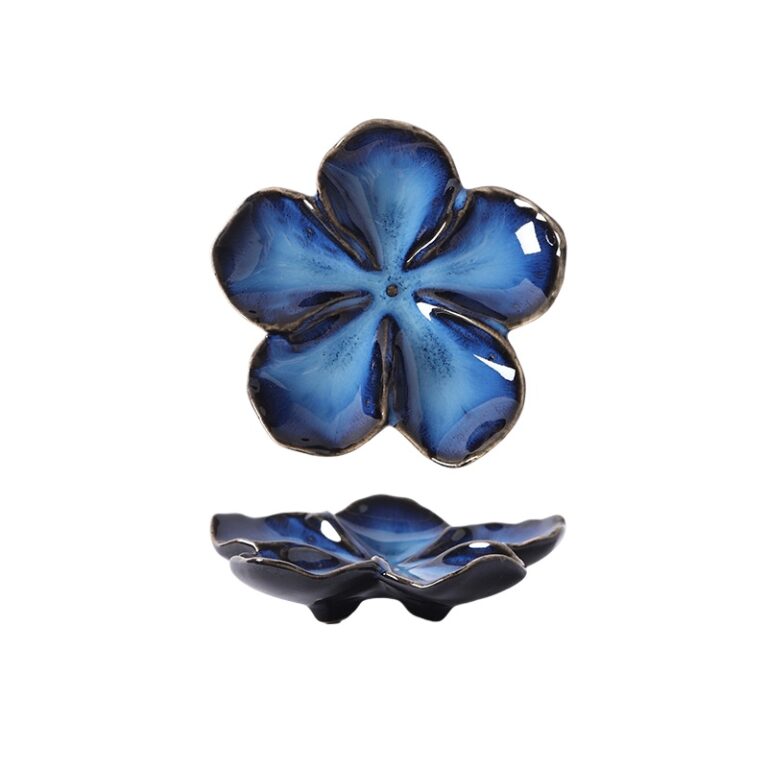 Aisha's pickVintage Serving Dishes That Make a Room Feel Finished
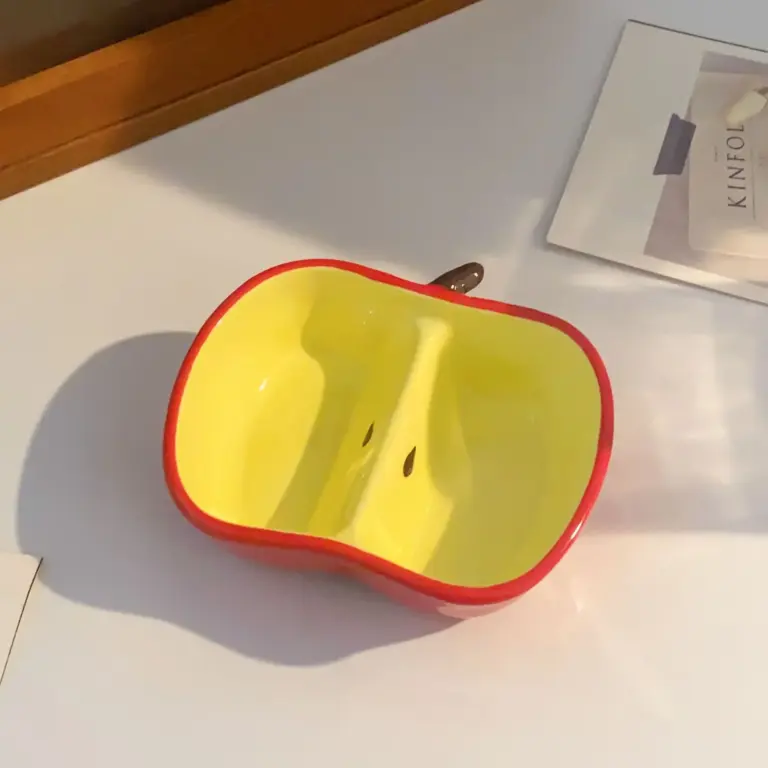 Aisha's pickCeramic Serving Dishes That Make a Weeknight Meal Feel Special