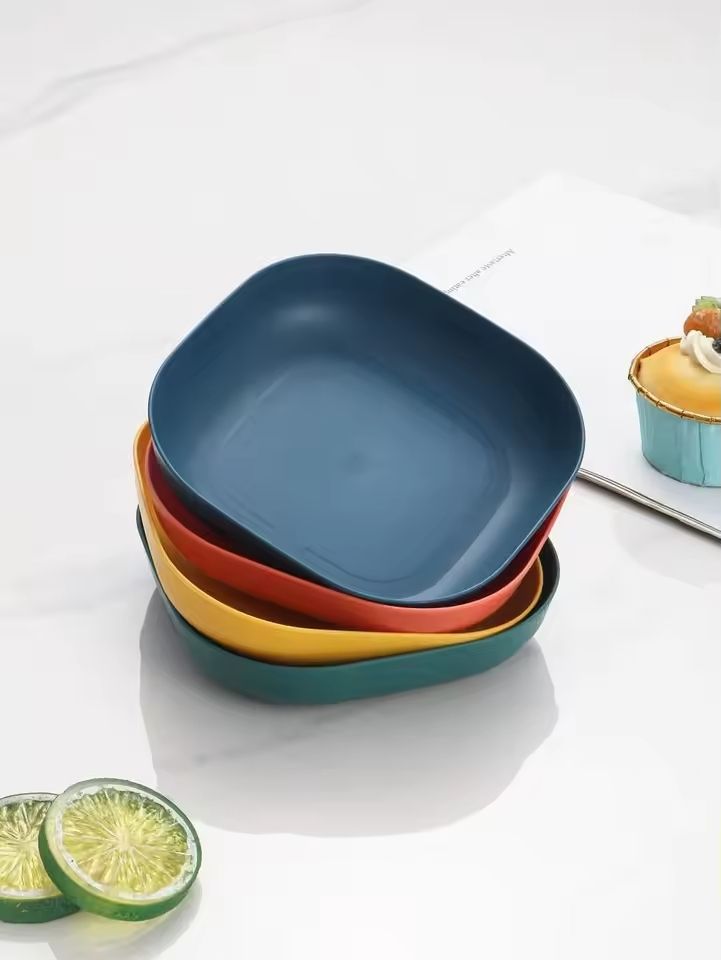
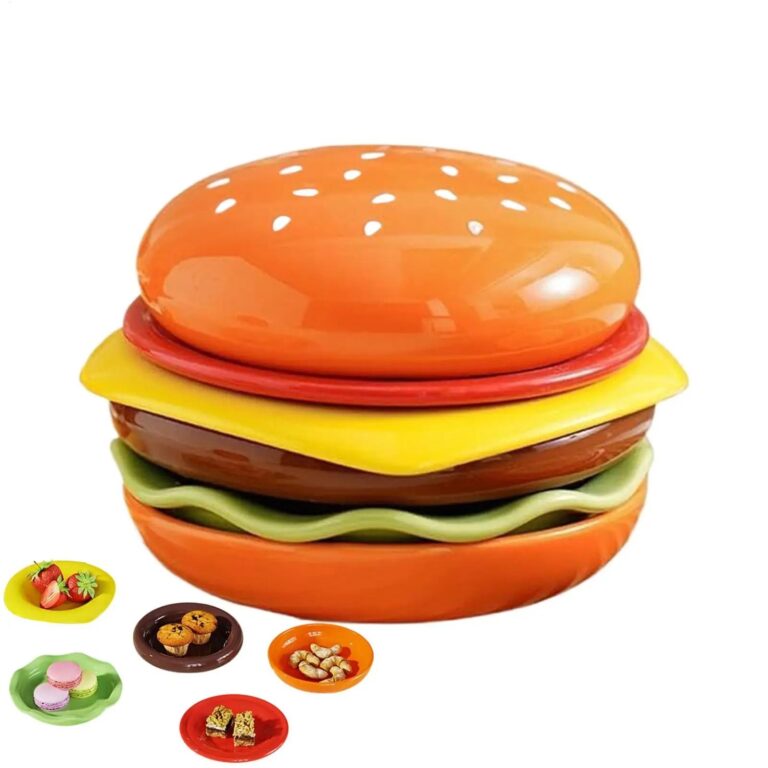
Stand in the aisle and pick one plate up with one hand, the way you would if your hand were wet and your mind was on six other things. If it feels like it might slip, or the rim is so thin you can imagine it chipping against the tap, put it back. You want something with a bit of weight to it, a plate that sounds solid when you set it down on a wood table, not a thin clatter but a dull, settled sound. Check the underside too, run a finger around the foot ring, because that's where glaze pools and bubbles and rough spots show up, and that's the part that'll scratch your table over time if it's not finished properly.
When you're measuring, think about your cabinet before you think about the table. I've bought plates that looked completely reasonable in a shop and then discovered they were a full inch too wide for the shelf, so they sat on their sides, slightly tilted, for a year like they were sulking about it. Measure the shelf depth and height with the stack already in mind, leave room for a stack of eight or ten, not just the two you're carrying out. For the table itself, a dinner plate around ten to eleven inches is the safe range for an ordinary table setting, anything much bigger starts eating into elbow room the second you add a side plate and a glass, and a crowded table is a miserable table no matter how good the food is.
A good set sits easily with plain linen, a wooden board, mismatched glasses, it doesn't need matching anything else to look right, which is part of why I stopped buying ornate patterns years ago, nobody notices the painted edge once there's food on it anyway. What separates a plate that lasts from one that doesn't is mostly in the body and the glaze, a dense, evenly fired clay with a glaze that's smooth under your thumb at the rim, no pinholes, no grainy patches. Cheap ones chip at the edge within a month because the glaze is thin where it matters most. Stoneware holds up to daily use better than most bone china pretends to, and it should feel steady in the hand, not light in a way that makes you nervous.
I'd put a good set of these in the kitchen first, within reach of the table, somewhere you'll actually use it on a Tuesday and not just when someone's coming over.
 Aisha's pickCharger Plates for Hosting Without the Stress
 Aisha's pickThe Side Plates for 8 Worth Your Cash
 Aisha's pickWhite Wall Plates From Brands You Know and a Few You Won’t
 Aisha's pickContemporary Wall Plates That Go in the Dishwasher

 Aisha's pickSide Plates We Keep Coming Back To
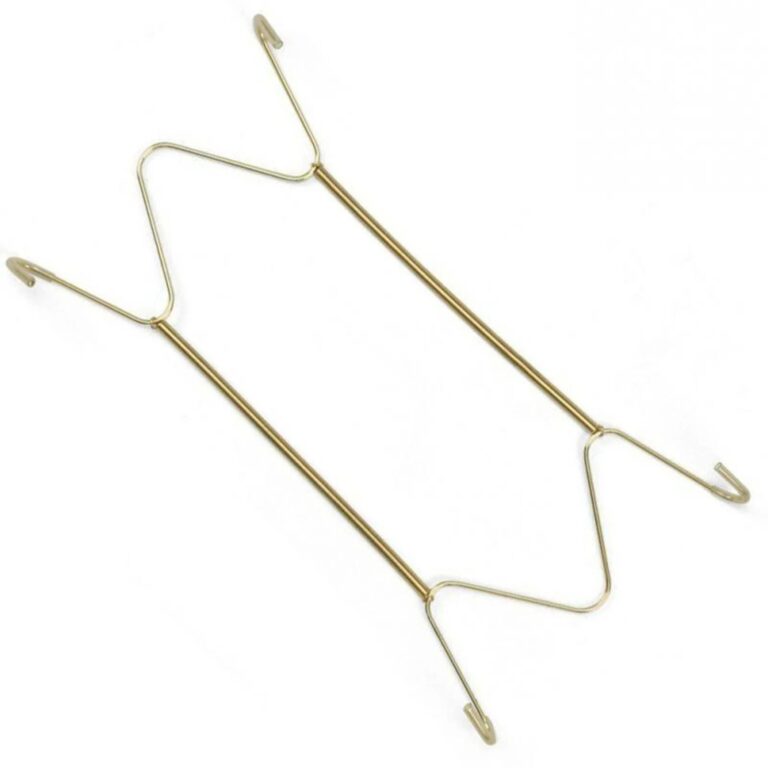 Aisha's pickDecorative Wall Plates That Do the Job Right
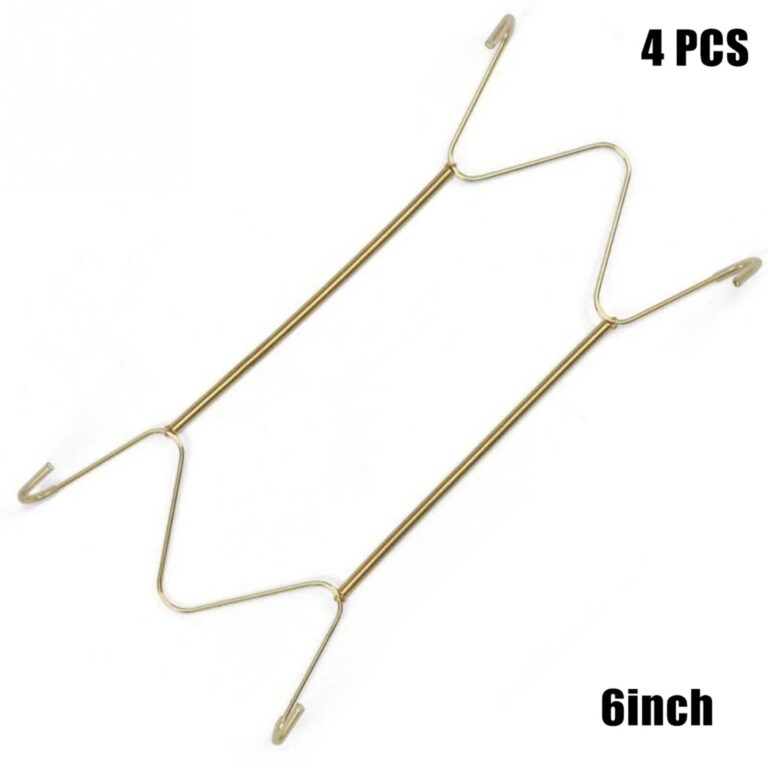
 Aisha's pickSide Plates for 2 That Don’t Look Mass Produced
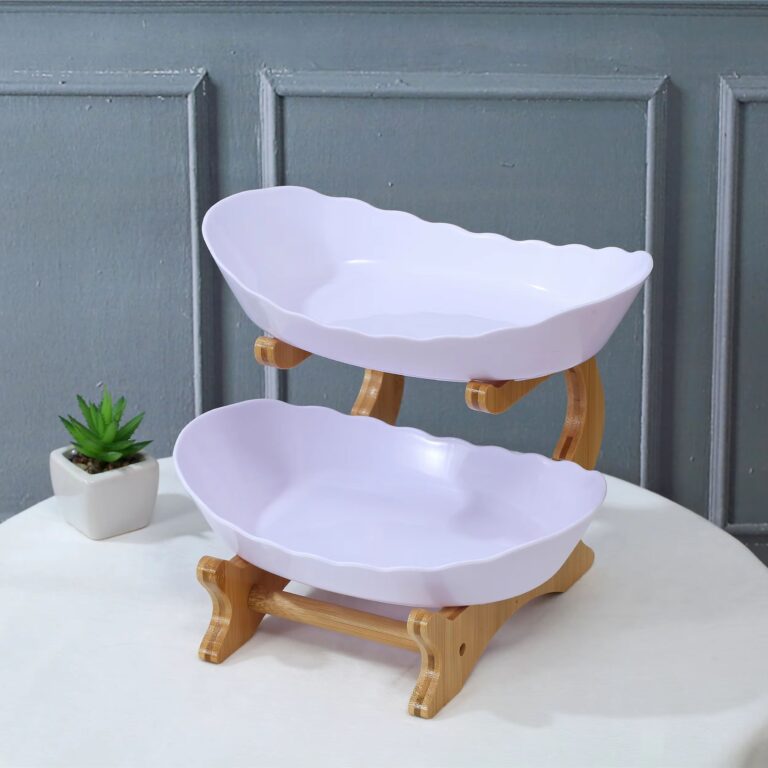
 Aisha's pickDessert Plates That Make a Weeknight Meal Feel Special
 Aisha's pickSide Plates for 4 We Use More Than the Best ChinaAlso worth a lookBowlsA good bowl should feel slightly too heavy for its size, and if it doesn't, you'll resent it within a month.See the collections →
 Aisha's pickDessert Plates for 4 That Hold Up to Everyday Life
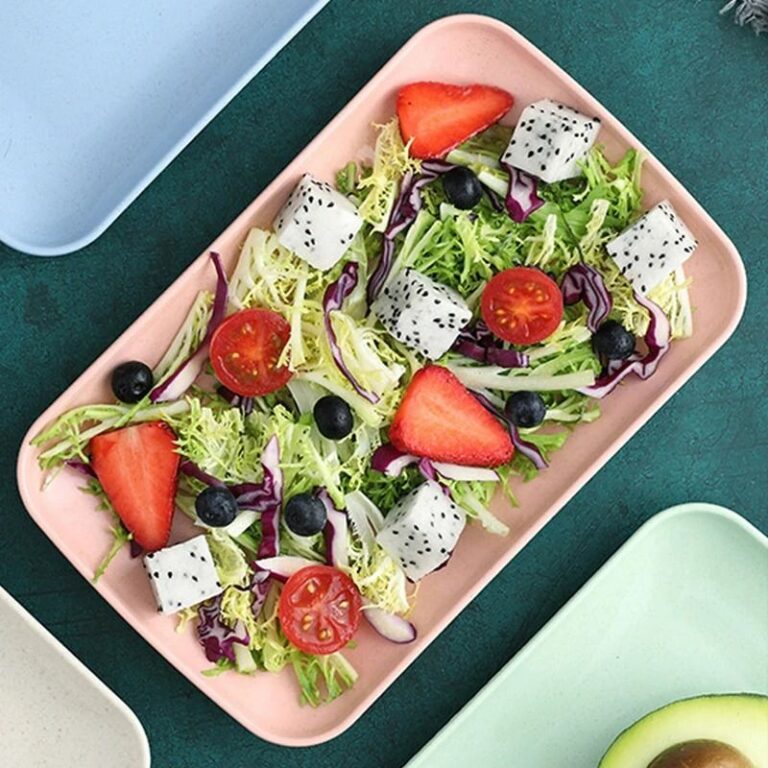
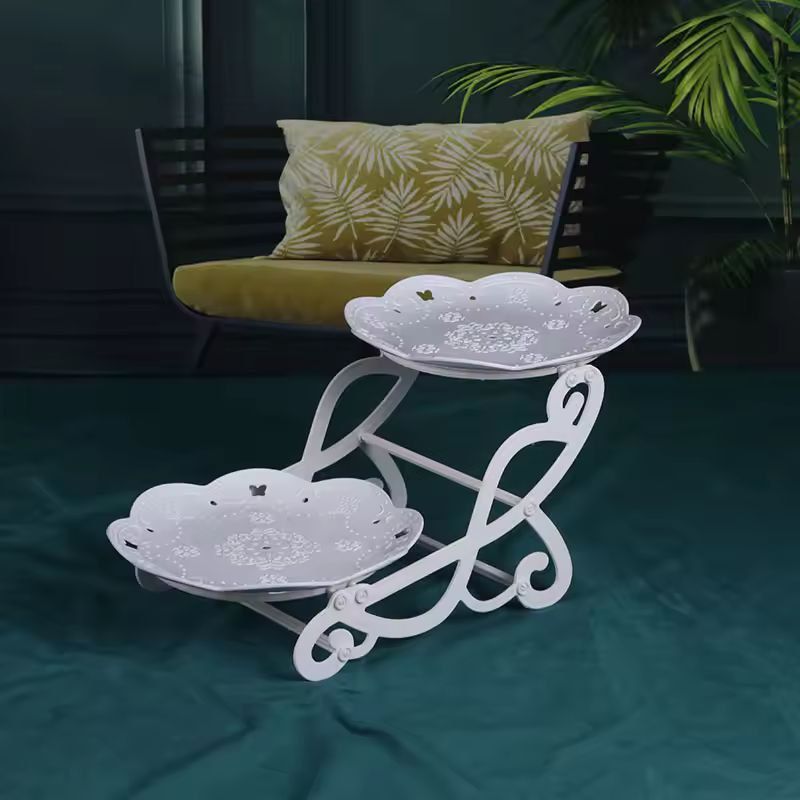 Aisha's pickSmall Dessert Plates That Make a Weeknight Meal Feel Special
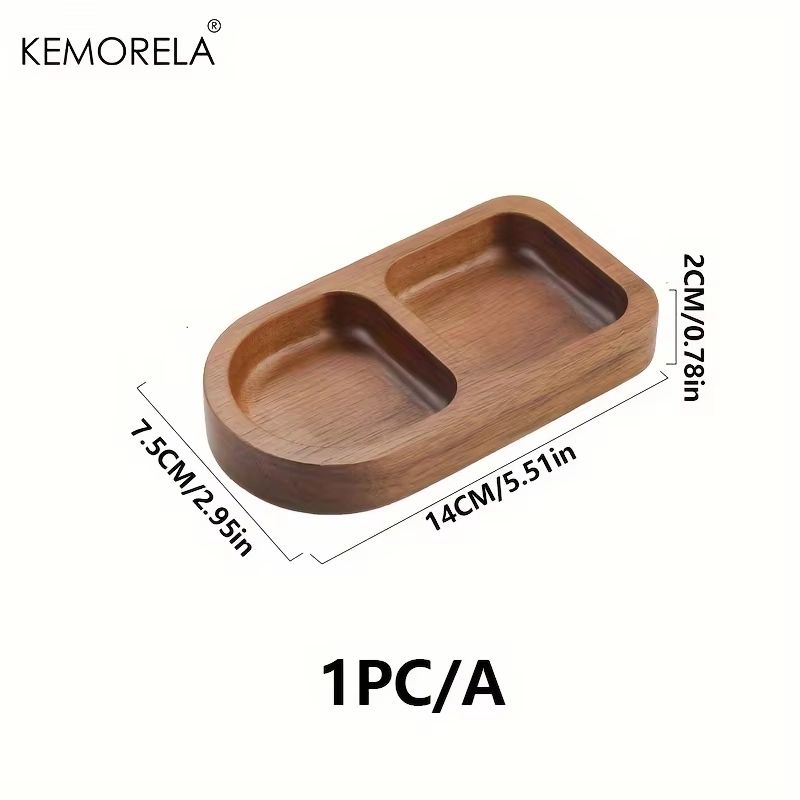
 Aisha's pickGold Wall Plates That Go in the Dishwasher

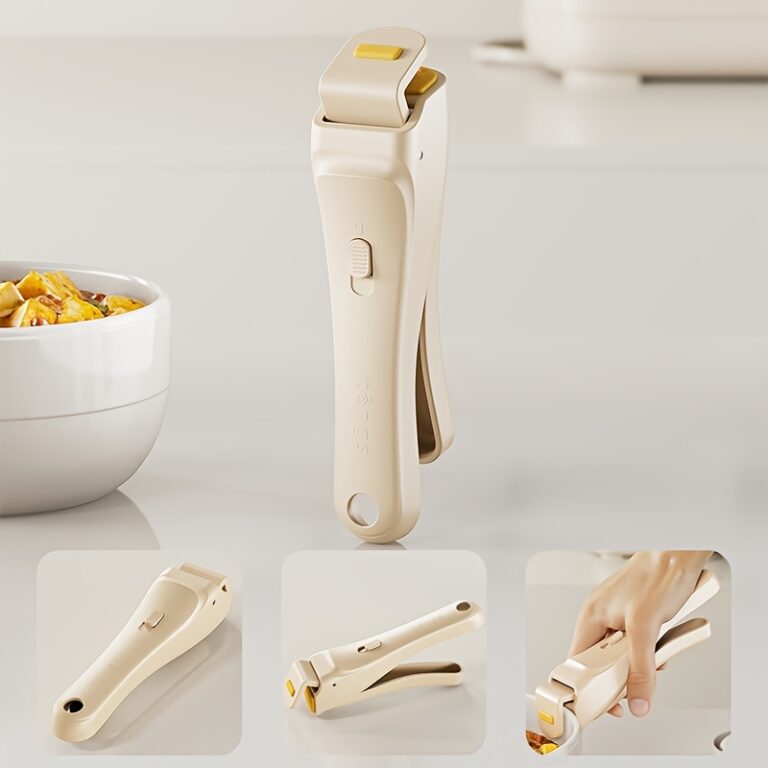 Aisha's pickSmall Side Plates Picked by People Who Care Too Much
 Aisha's pickLarge Side Plates for Hosting Without the Stress
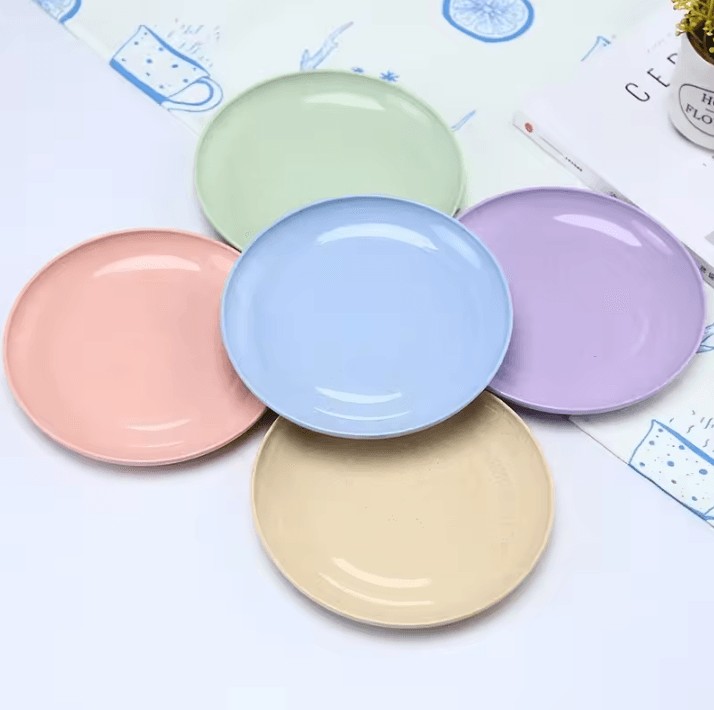
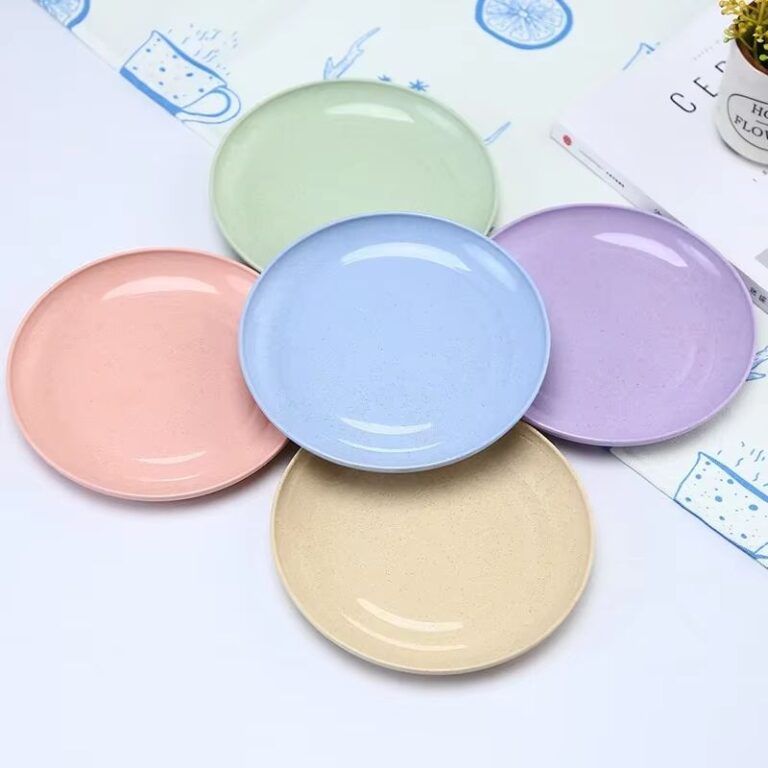 Aisha's pickSmall Side Plates We Use More Than the Best China
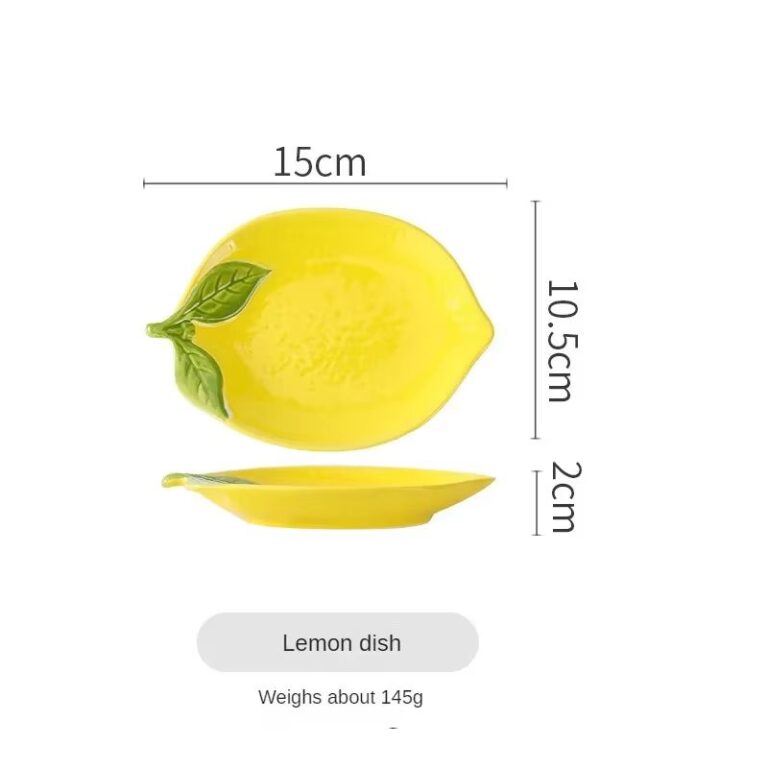
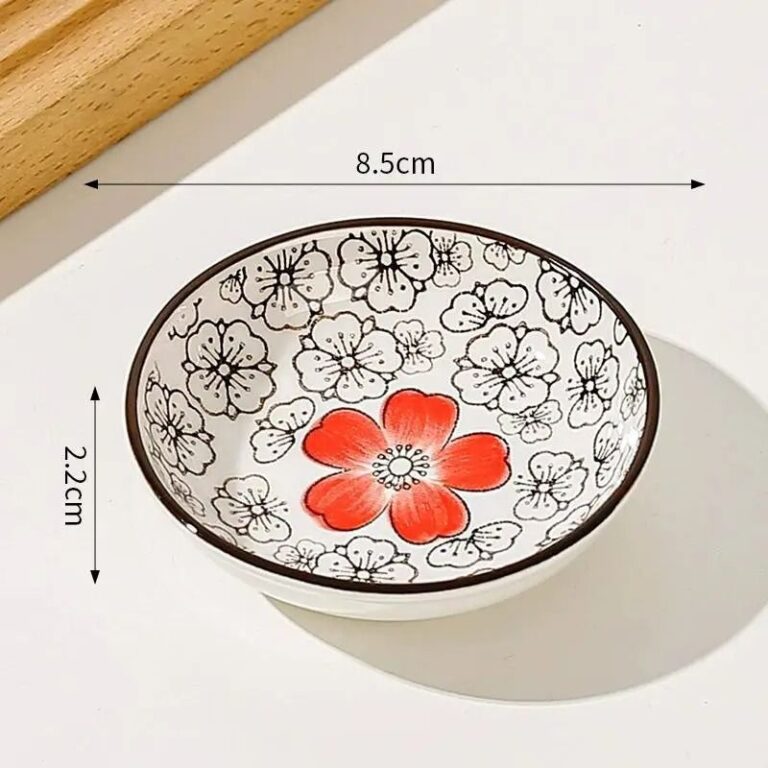 Aisha's pickLarge Side Plates We Keep Coming Back To
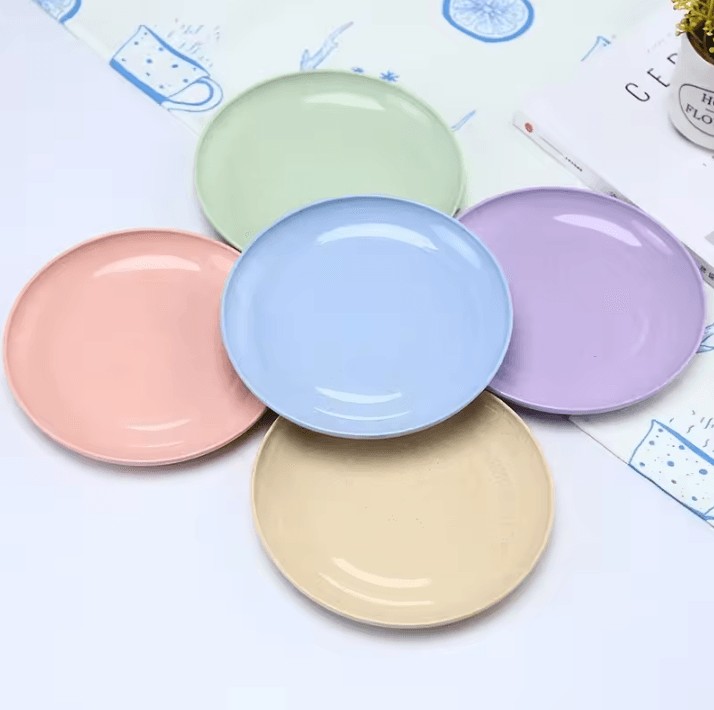
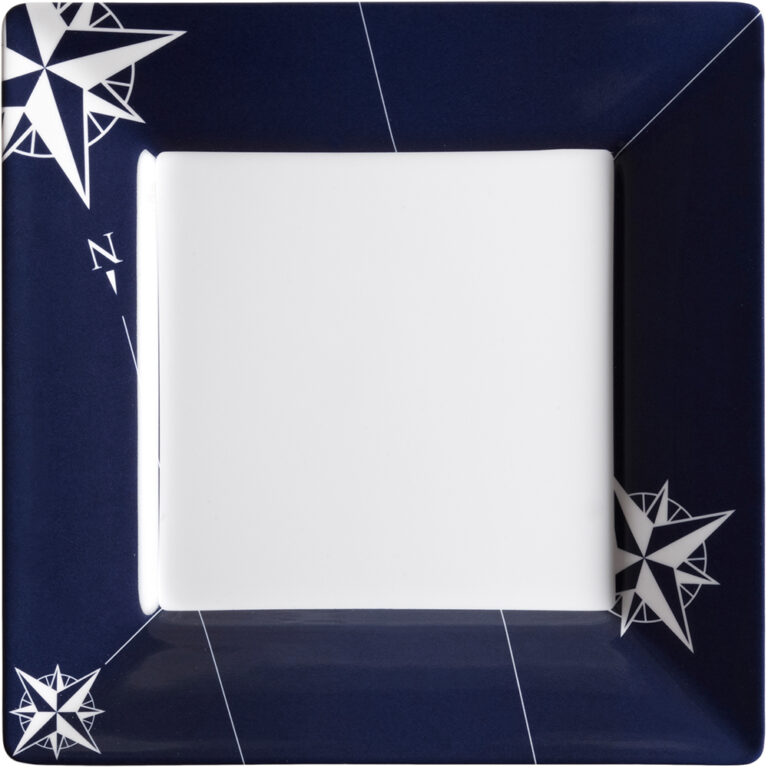 Aisha's pickSquare Dessert Plates With Some Character
 Aisha's pickGood Microwave Safe Dessert Plates That Don’t Cost a FortuneAlso worth a lookServing DinnerwareThere is a moment at every big dinner when the table runs out of room and you need…See the collections →
 Aisha's pickWall Plates That Mix and Match Nicely
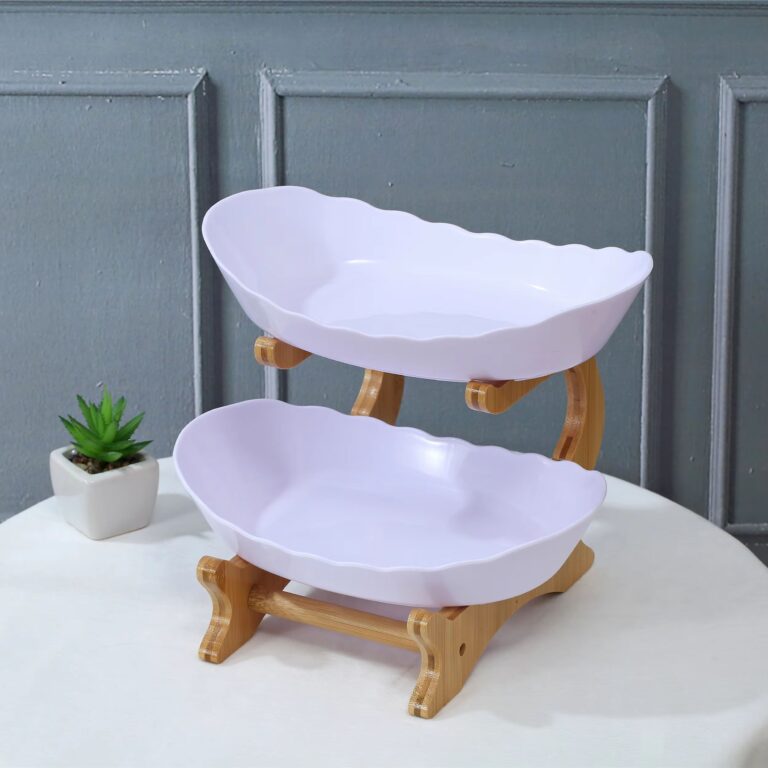 Aisha's pickModern Dessert Plates That Survive Kids and Pets
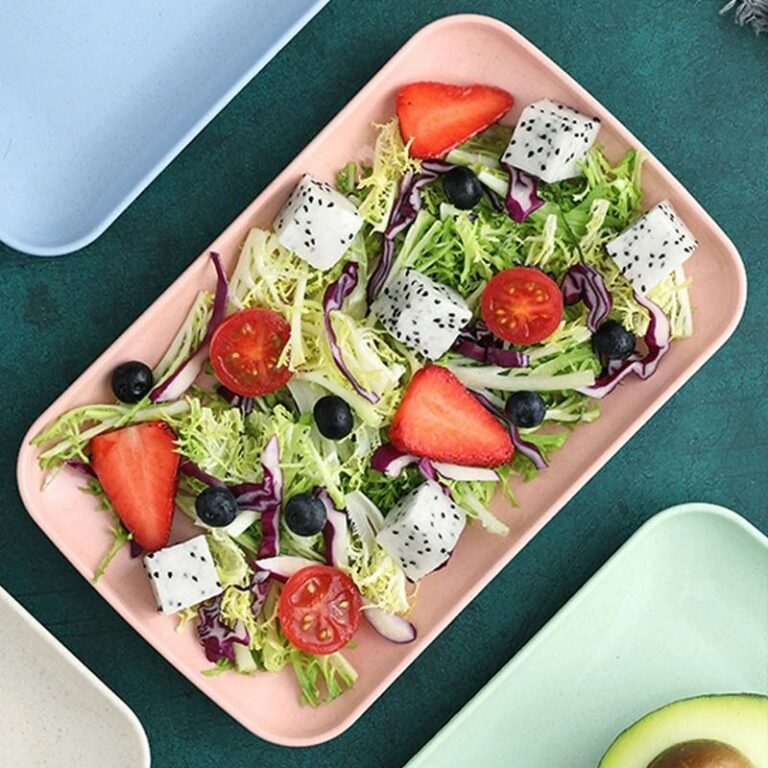
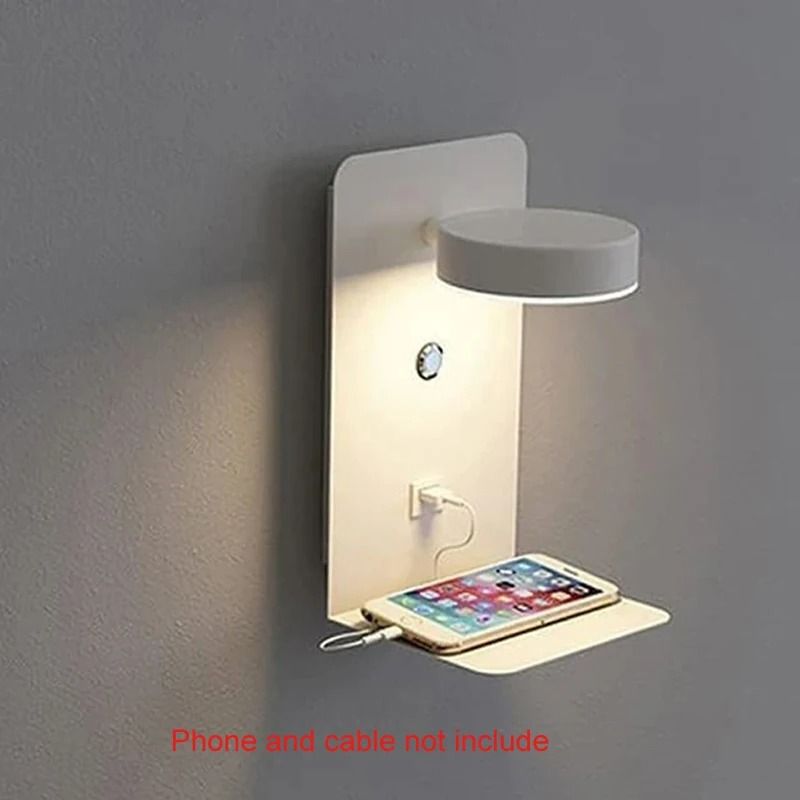 Aisha's pickWall Plates for Bedroom That Don’t Chip at the First Knock
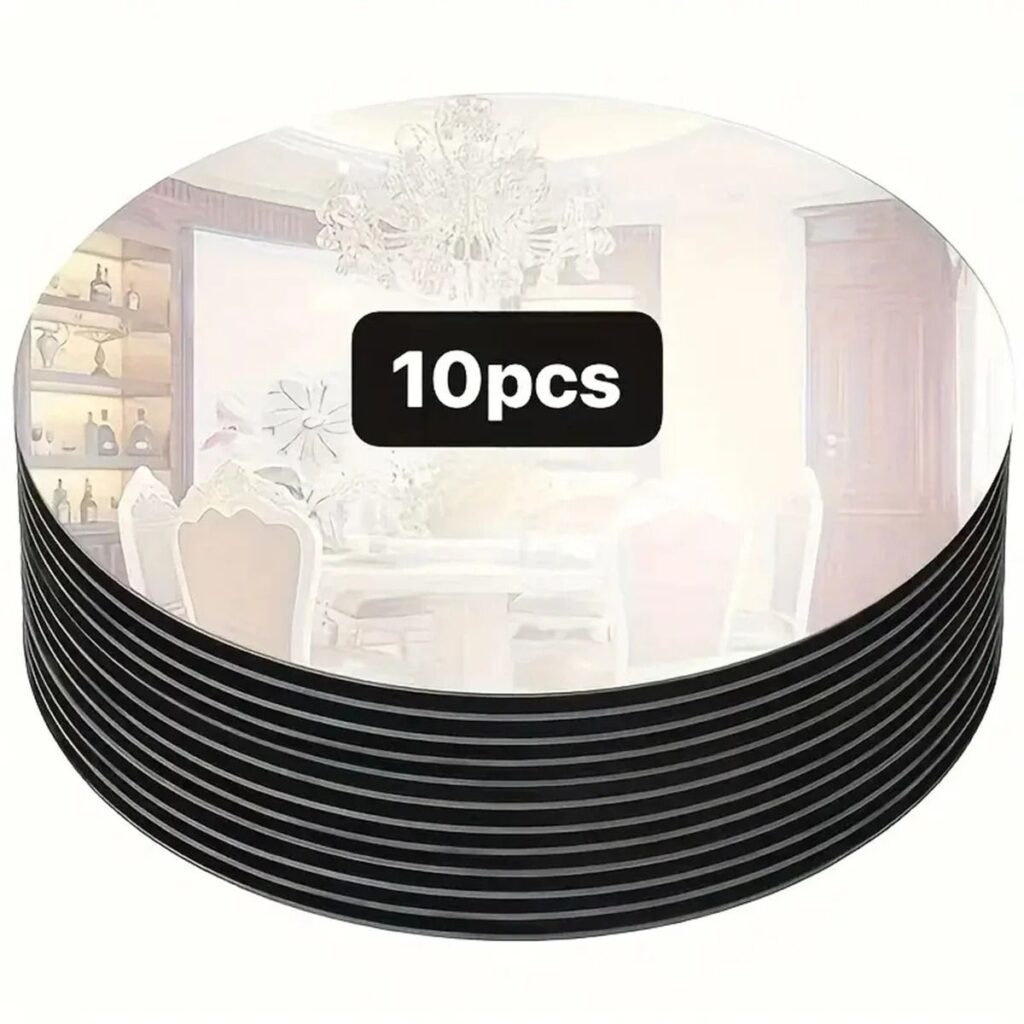
 Aisha's pickModern Wall Plates That Don’t Chip at the First Knock

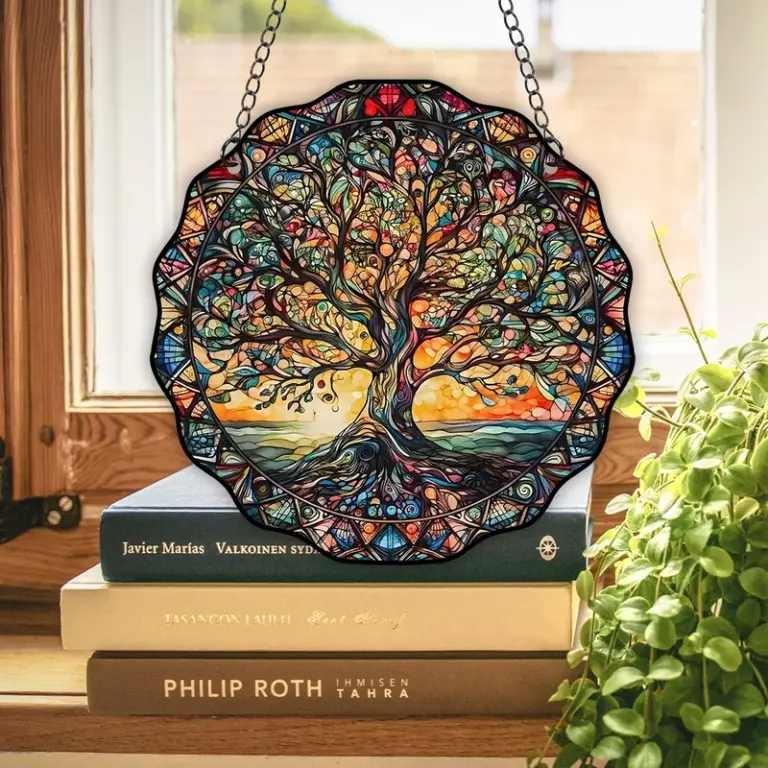 Aisha's pickWall Plates for the Yard That Shrug Off the Rain
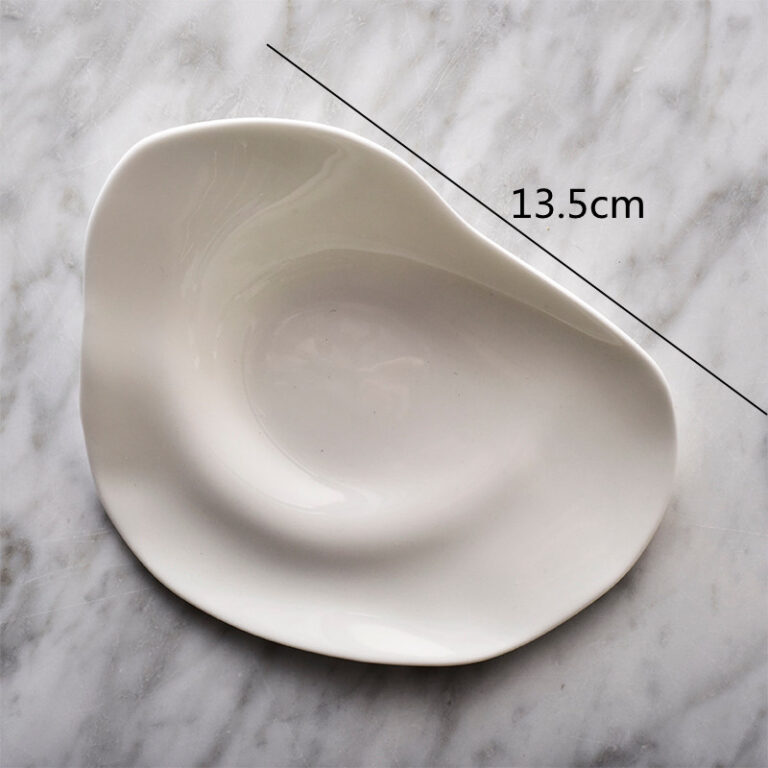 Aisha's pickRound Dessert Plates That Go With Most Rooms
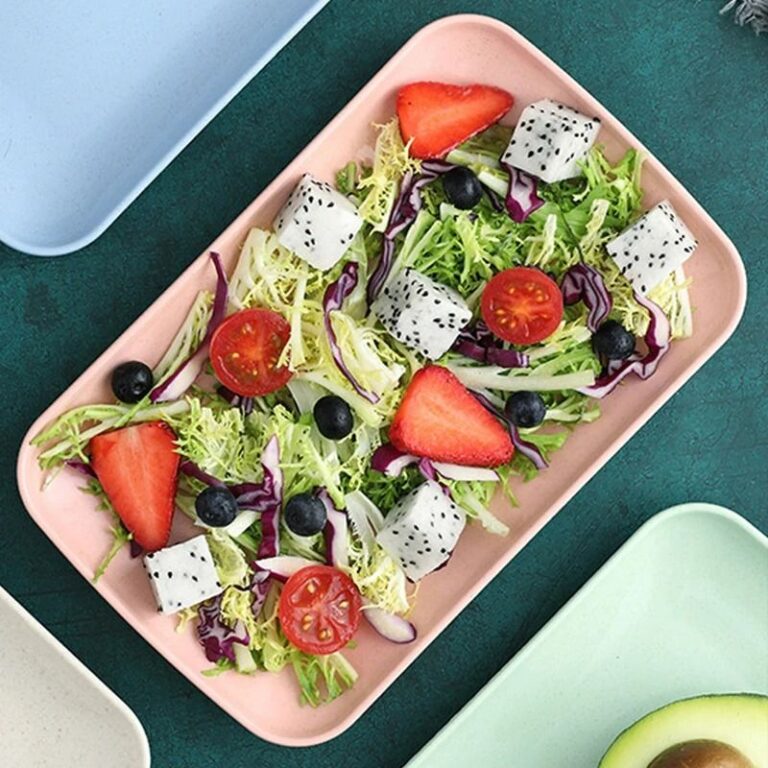
 Aisha's pickWall Plates for Kitchen That Make a Weeknight Meal Feel Special
 Aisha's pickSalad Plates for People Who Know What They Like
 Aisha's pickWall Plates for Office That Keep the Desk ClearAlso worth a lookBowl SetsA bowl set only earns its spot in the cabinet if every piece in it can do more…See the collections →

 Aisha's pickBlack Side Plates We Keep Coming Back To
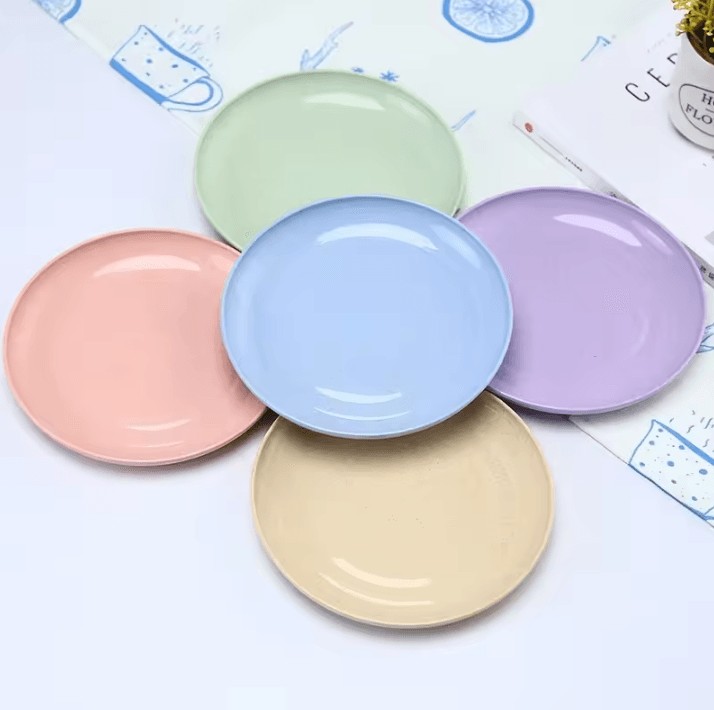 Aisha's pickSide Plates Worth Knowing About
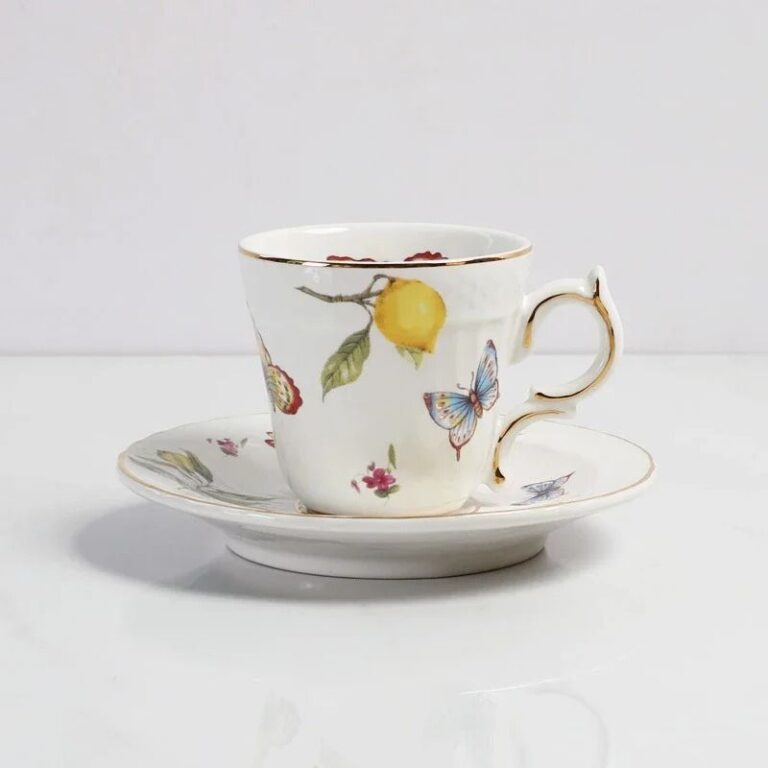
 Aisha's pickWall Plates for Outdoors That Stand Up to the Weather
 Aisha's pickBlack Wall Plates That Make a Weeknight Meal Feel Special

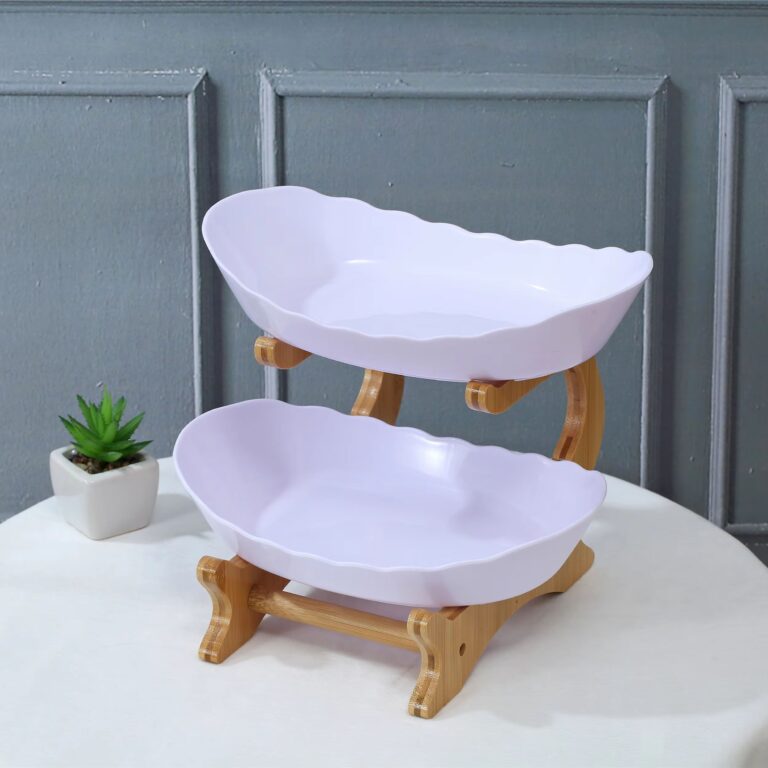 Aisha's pickSide Plates for 2 Tough Enough for Everyday Use
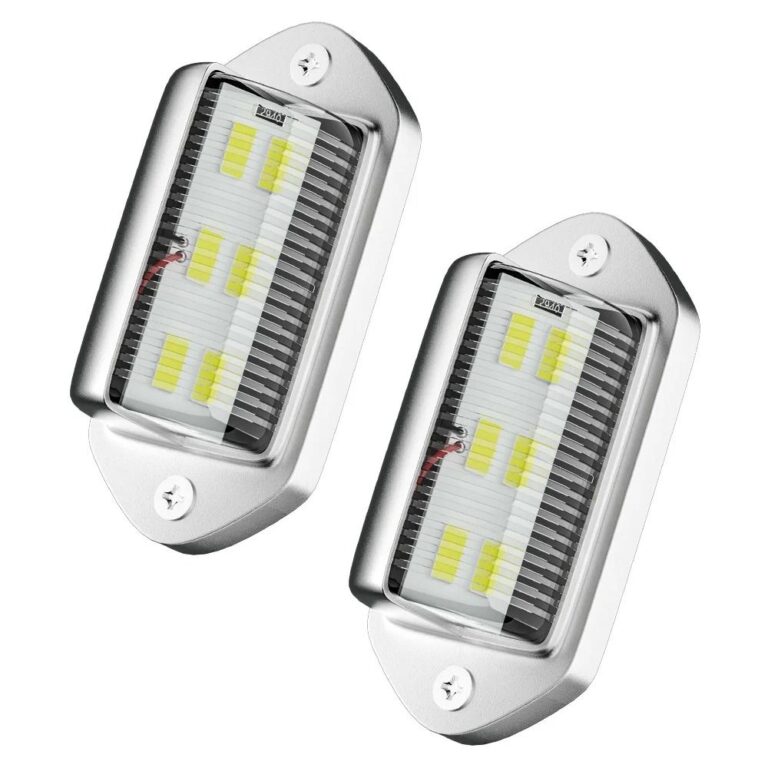
 Aisha's pickWhite Side Plates Tough Enough for Everyday Use
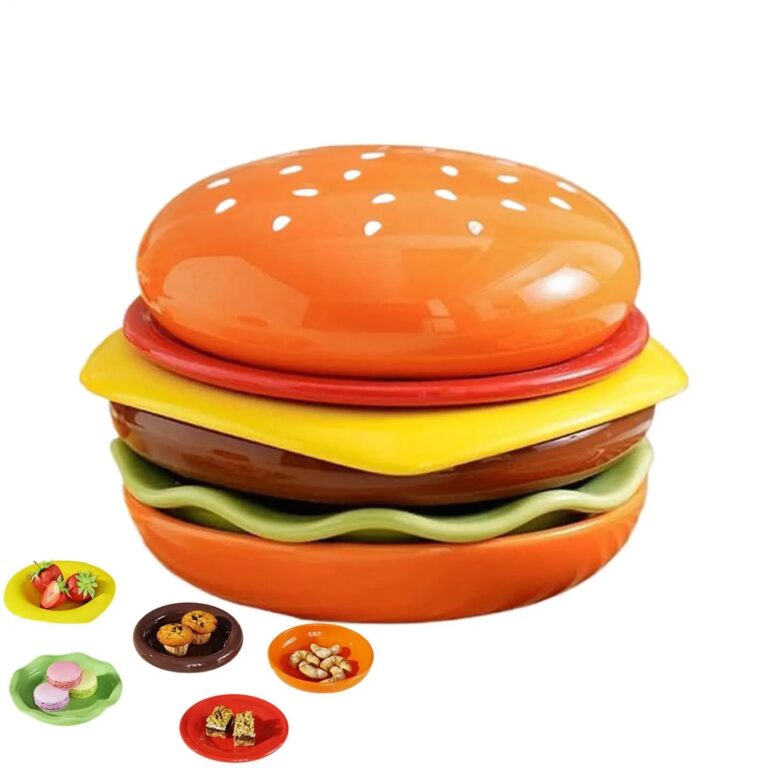
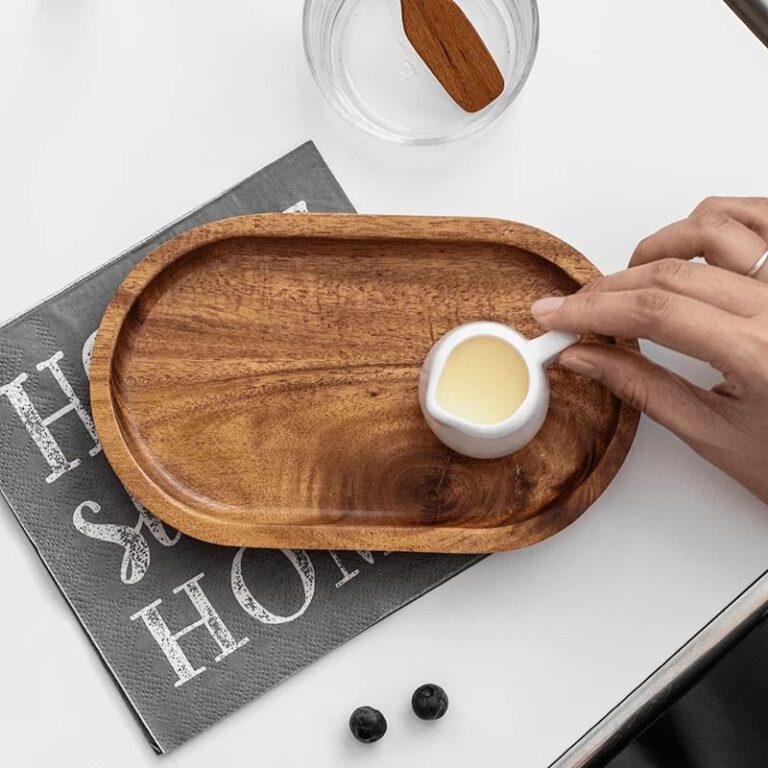 Aisha's pickCeramic Dessert Plates That Make Rented Places Feel Like Home
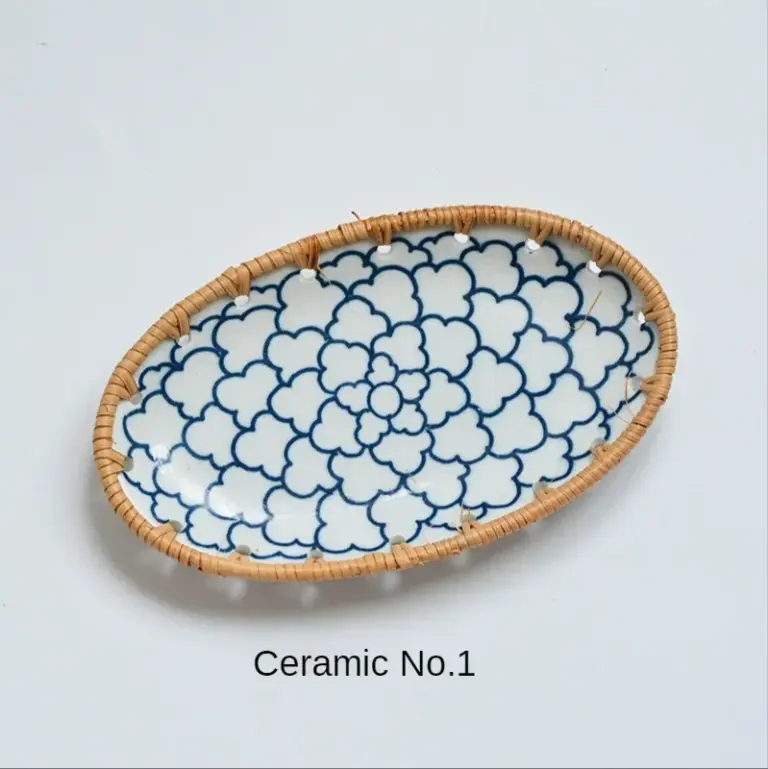
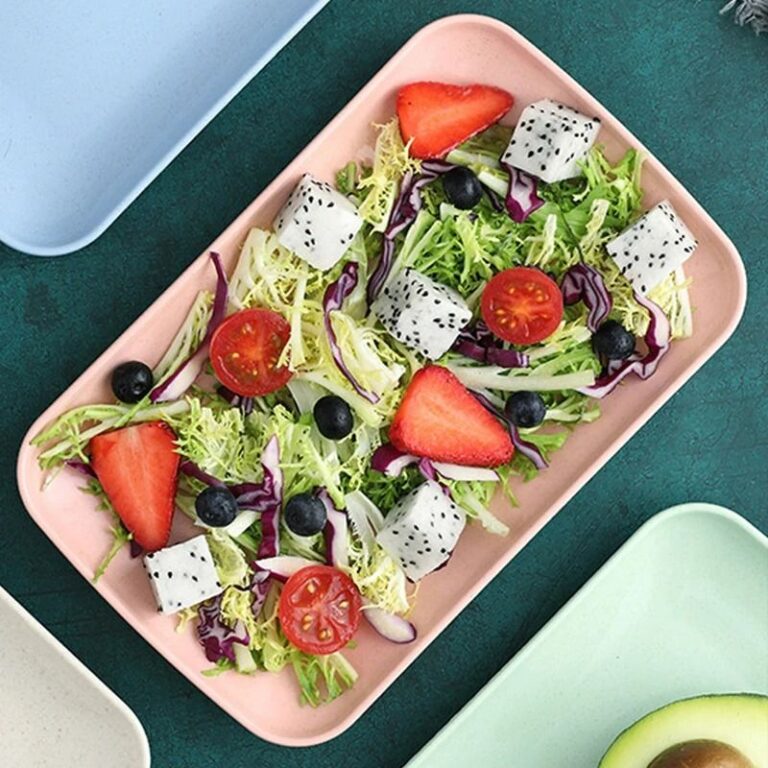 Aisha's pickSide Plates for 4 That Work in Old Houses and New Ones