Dinner plates make the most sense for households that cook real meals most nights and want the table to feel a little considered without any fuss, apartments with small kitchens included, since a good plate does a lot of visual work on its own. If your meals are mostly eaten standing at the counter or out of containers, or you genuinely only ever need two at a time, a full set is more cabinet space than most people have to spare, and that's fine to admit.
Size is where people get it wrong most often. A plate that looks right in a shop display can be too big for a cabinet shelf or too small for the kind of dinners you actually cook, rice and beans and a protein and something green, which needs real surface area. Measure your cabinet depth first, not just the width, because plates stack taller than you think and a half inch over on diameter means they stop fitting under the shelf above. For most tables, something in the ten to eleven inch range for dinner plates handles everything from pasta to a full plate at a holiday meal, with a smaller companion plate for salads or dessert. Skip anything with a pronounced rim or sculptural edge unless you've actually held one with food on it, because the mistake is buying for how it looks on a shelf, not for how it balances on a lap when there isn't room at the table.
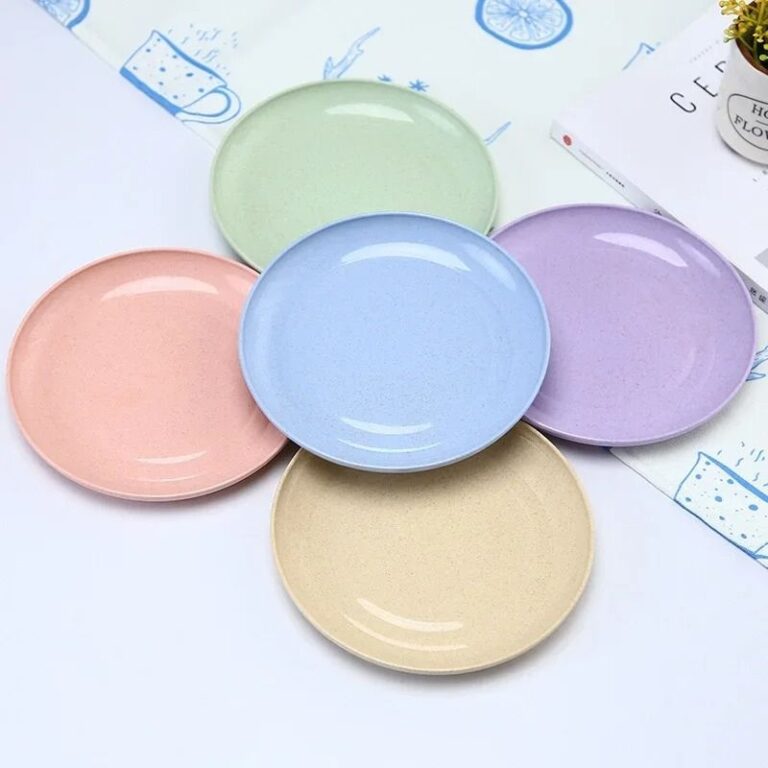
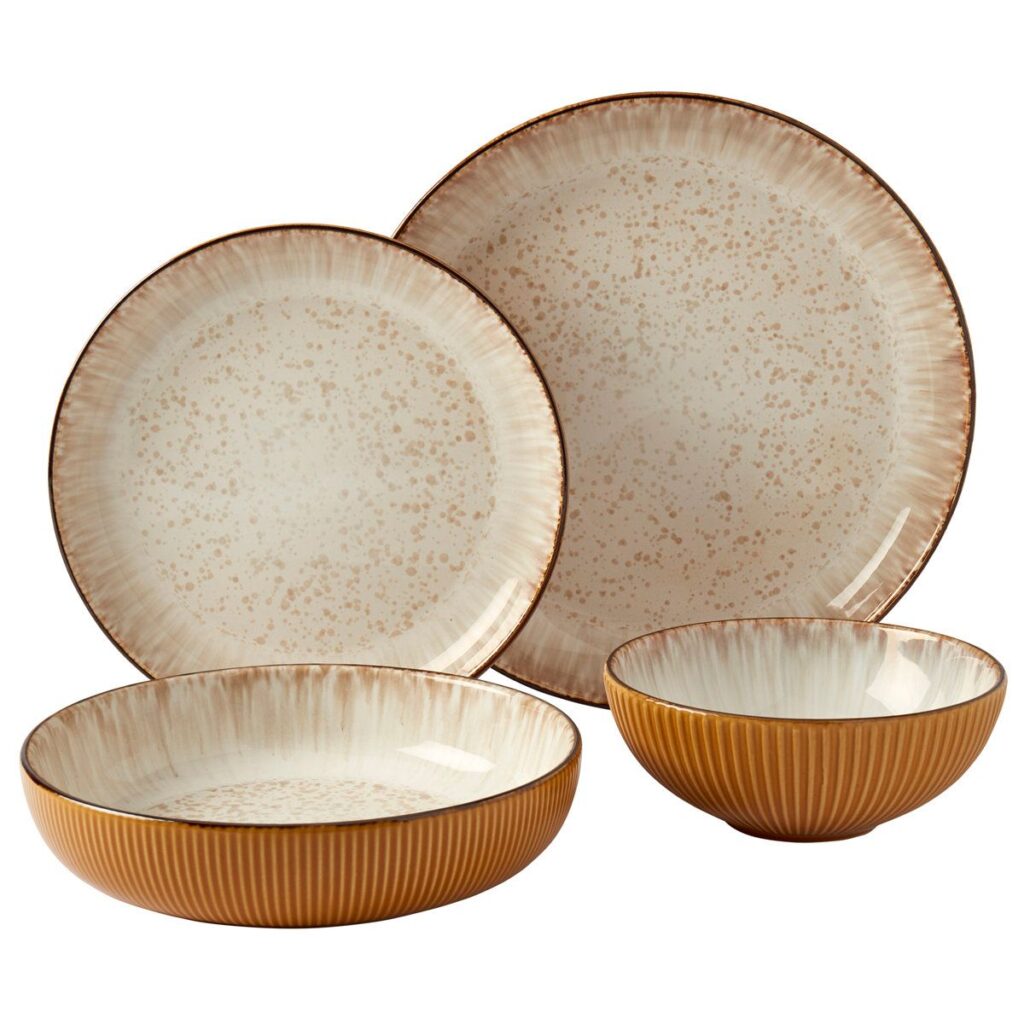
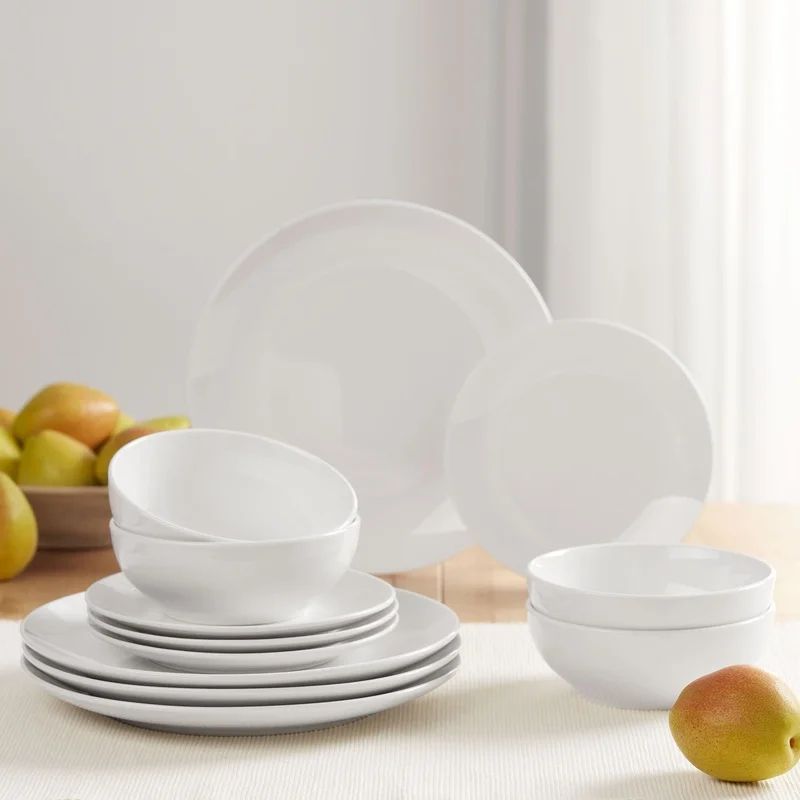
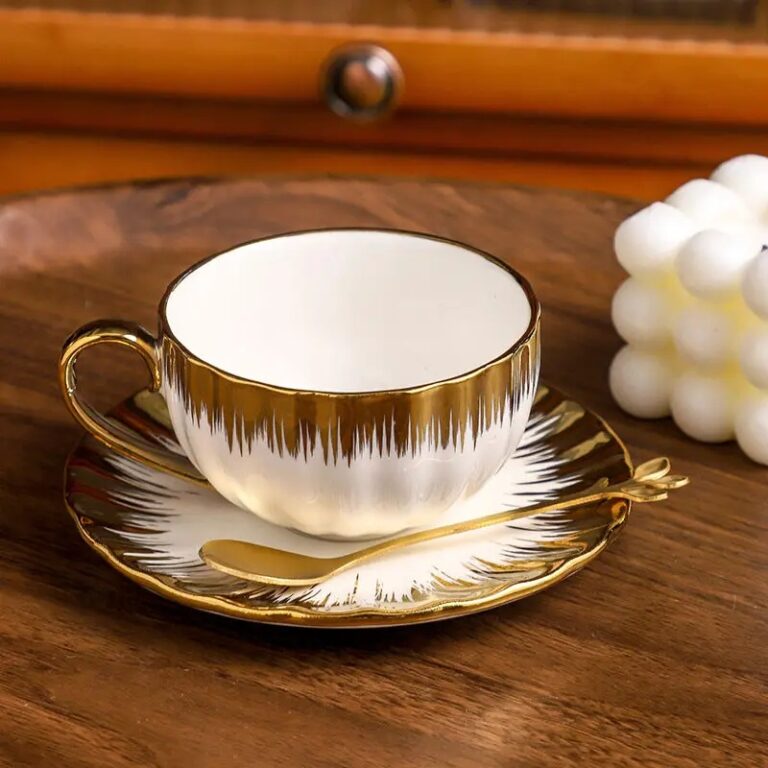
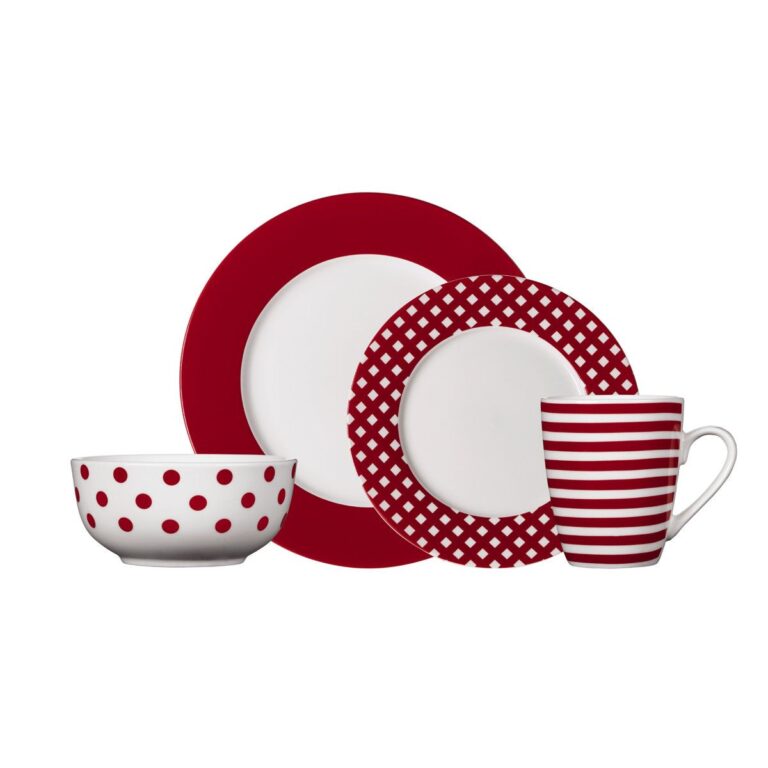
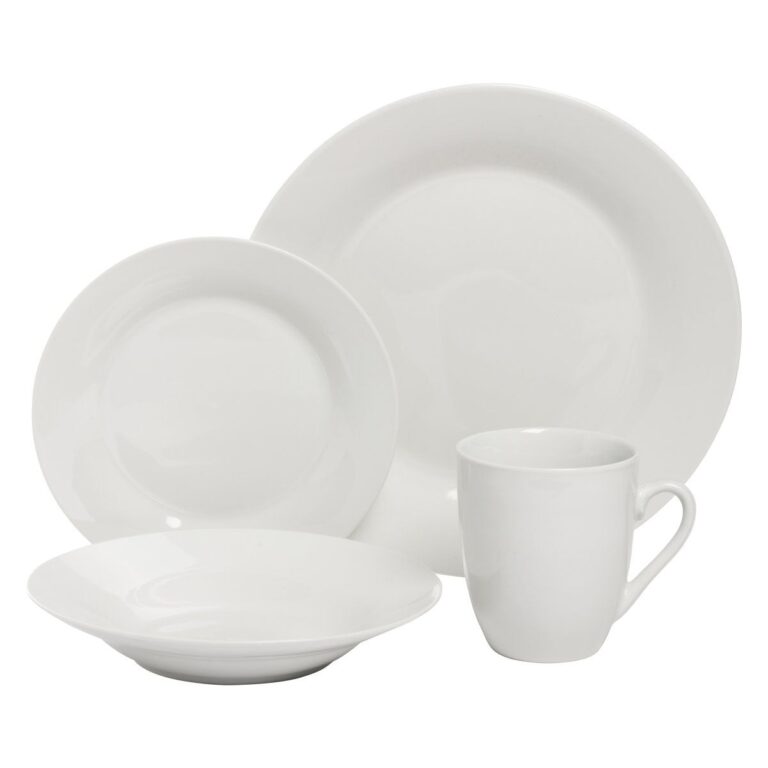
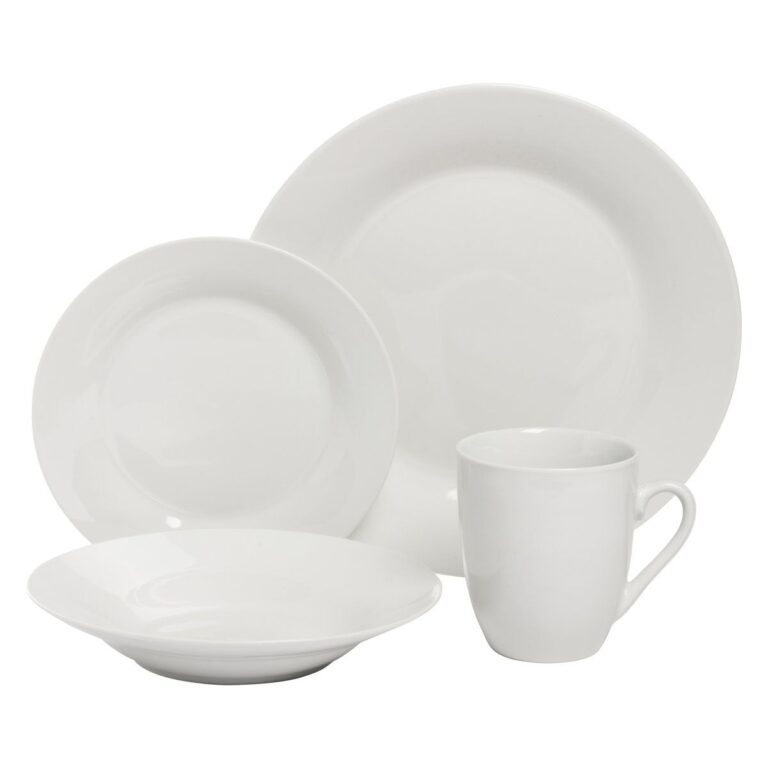
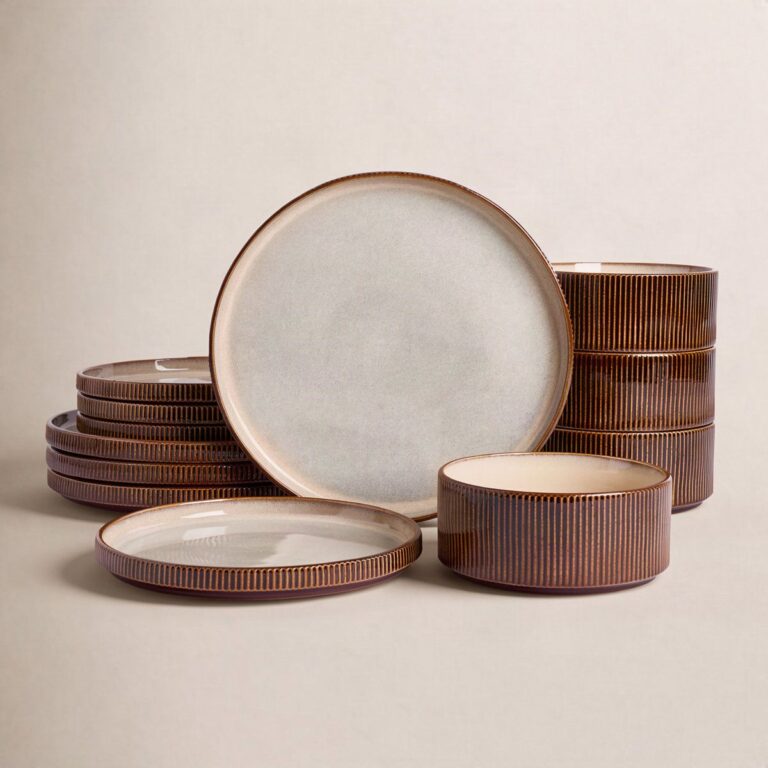
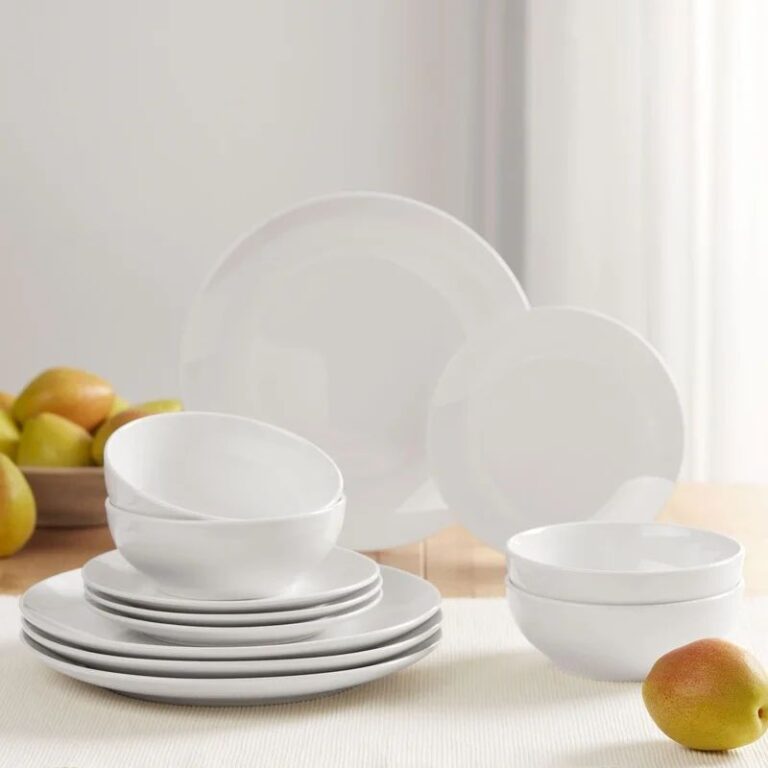
On color, plain white or a soft off white earns its keep because it goes under any food, any tablecloth, any mismatched glassware you've collected over the years, and it photographs fine without you trying. A warm stoneware glaze in a creamy or speckled finish is forgiving of chips in a way that pure white shows up immediately. I'll say the honest thing about bold patterned plates: they're lovely for about six months, then you're tired of looking at a giant sunflower every time you eat toast. Where dinner plates genuinely fall short is delicate hand painted or gold rimmed pieces that can't go in the dishwasher or the microwave, those are for display cabinets, not for a Tuesday, and if a set demands hand washing after every meal, that's a real cost you're paying every single day, not just once.
The detail that makes a plate worth having isn't the pattern, it's the weight in your hand when it comes out of the cabinet, substantial enough that it doesn't feel like it'll crack if your kid sets it down too hard, light enough that carrying four at once from the stove to the table doesn't feel like a chore.
 Aisha's pickDinner Plates for 8 That Don’t Shout About It
 Aisha's pickWhite Dinner Plates From Stores Big and Small
 Aisha's pickLuxury Dinnerware Sets That Mix and Match Nicely
 Aisha's pickDinner Plates You’ll Keep for Years

 Aisha's pickWhite Dinner Plates You’ll Still Like in Five Years
 Aisha's pickMatte Dinnerware Sets That Get the Family Around the Table
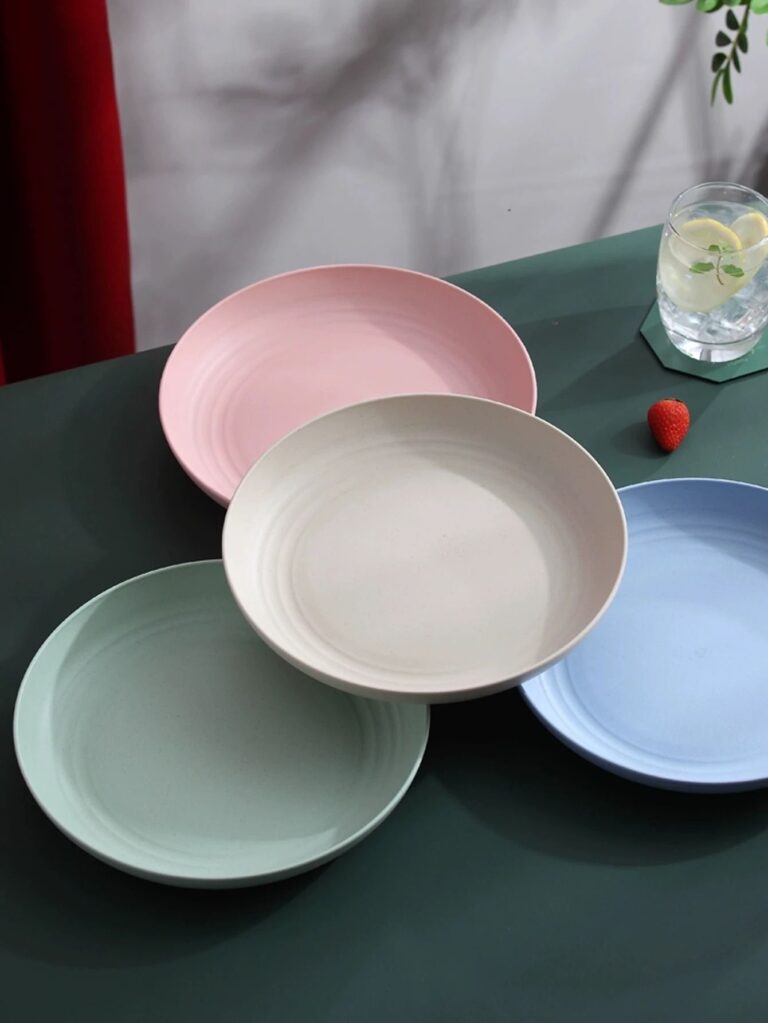
 Aisha's pickDinner Plates for 4 From Stores Big and Small

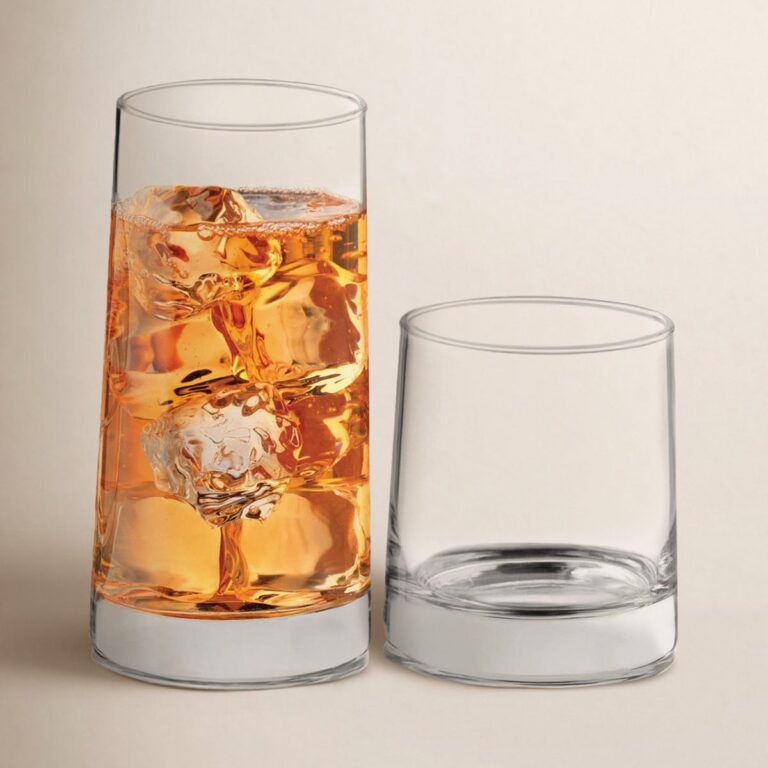 Aisha's pick16 Piece Dinnerware Sets That Get the Family Around the Table
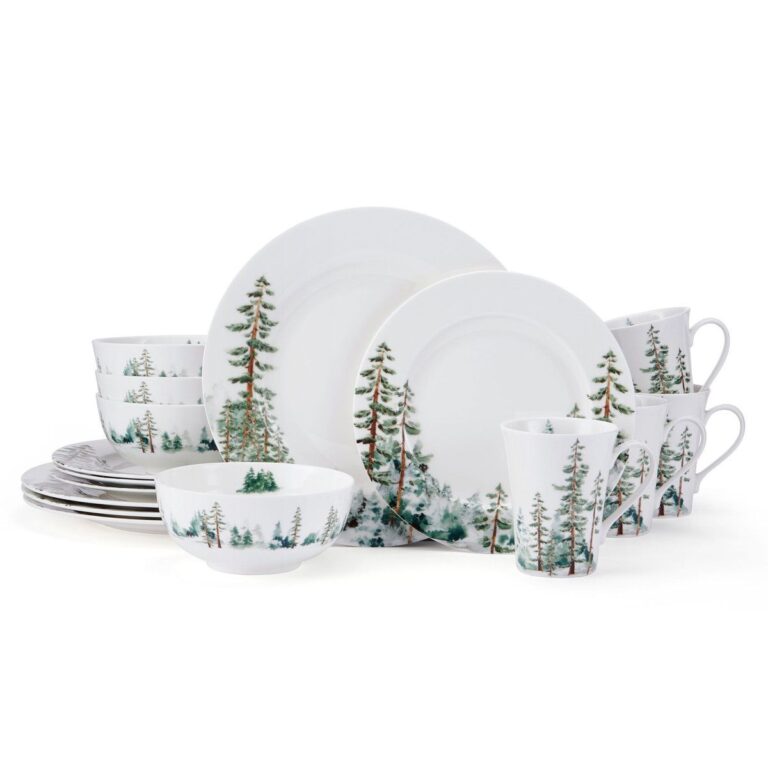
 Aisha's pickModern Dinnerware Sets for Hosting Without the StressAlso worth a lookDinnerware SetsMy first set came in a box with twelve pieces and a cartoon chip on the rim before I'd even run the dishwasher once.See the collections →
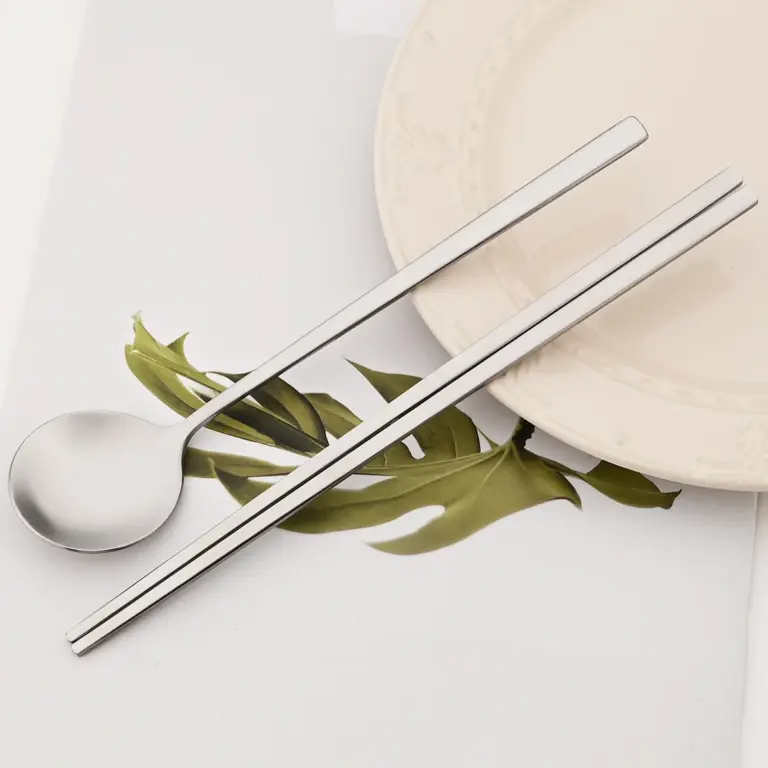
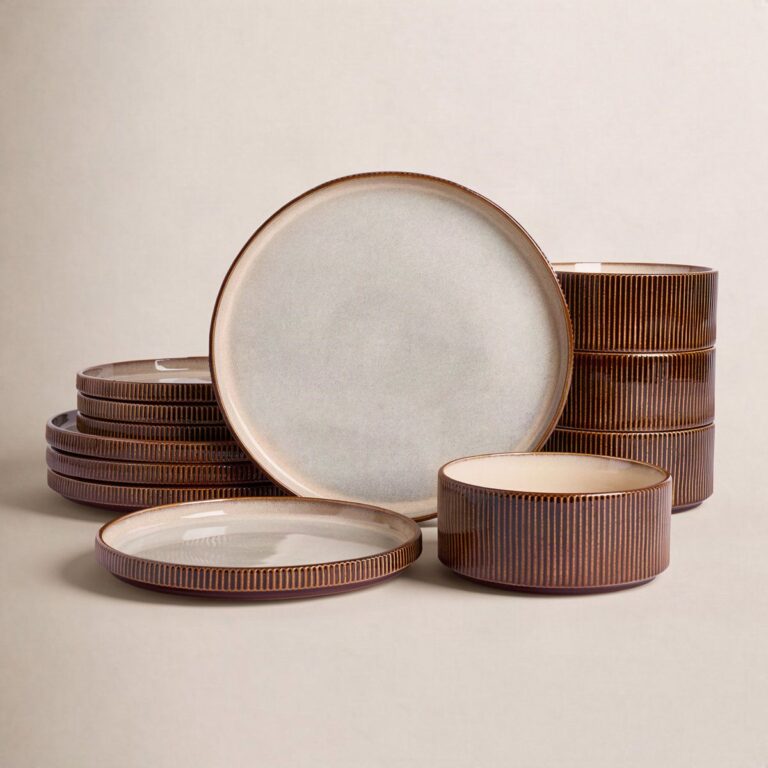 Aisha's pickDinner Plates for 8 at Every Price Point
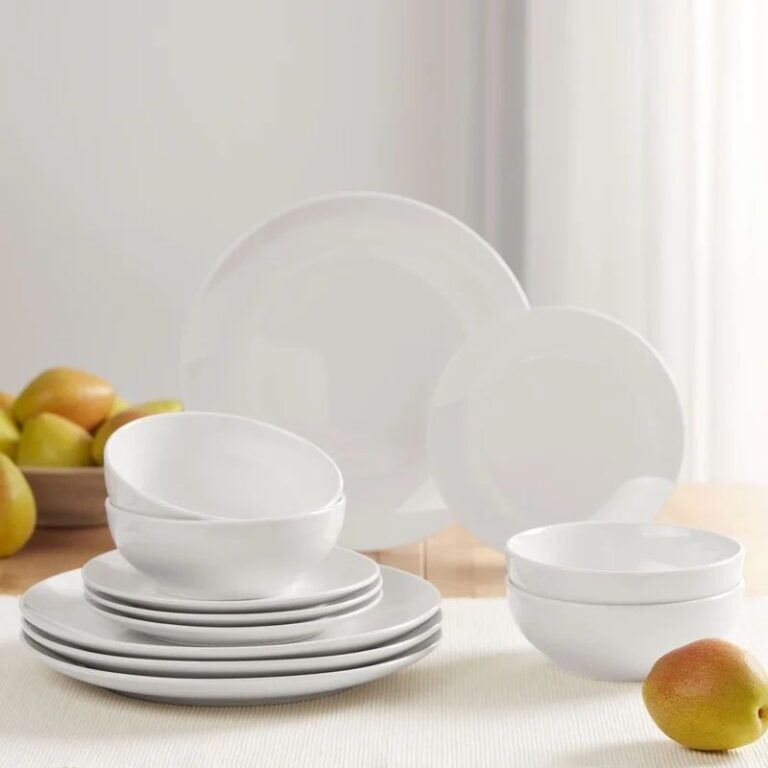
 Aisha's pickBlack Dinnerware Sets That Don’t Chip at the First Knock

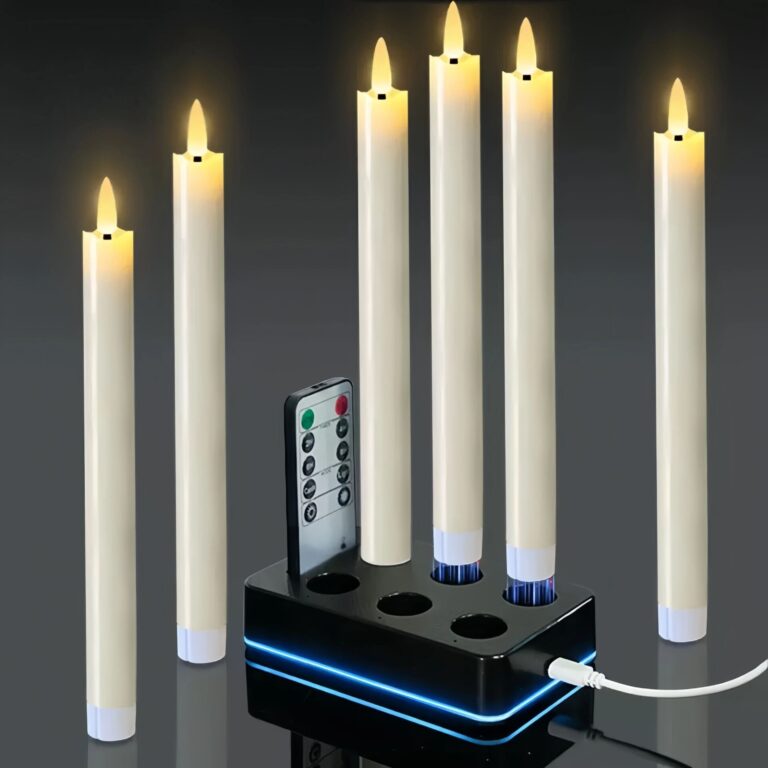 Aisha's pickRound Dinnerware Sets That Look Good on Open Shelves
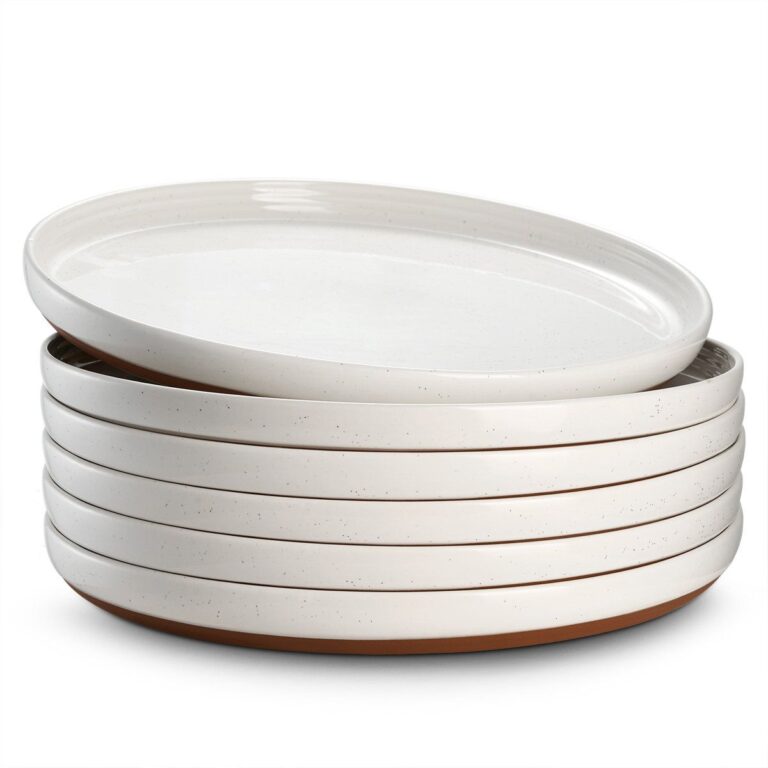
 Aisha's pickLarge Dinner Plates That Make Small Changes Feel Big

 Aisha's pickBlue Dinnerware Sets for Hosting Without the Stress
 Aisha's pickRustic Dinnerware Sets Picked by People Who Care Too Much
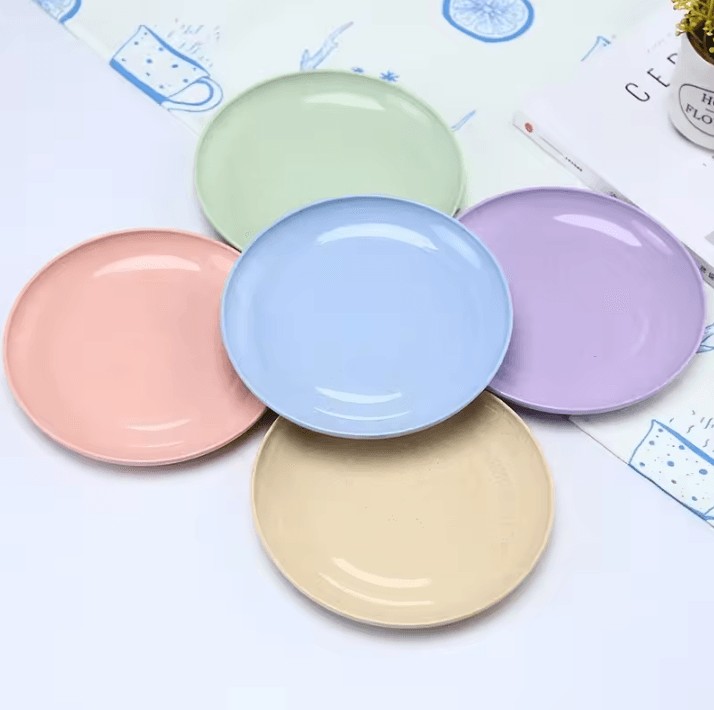 Aisha's pickLarge Dinner Plates at Every Price Point

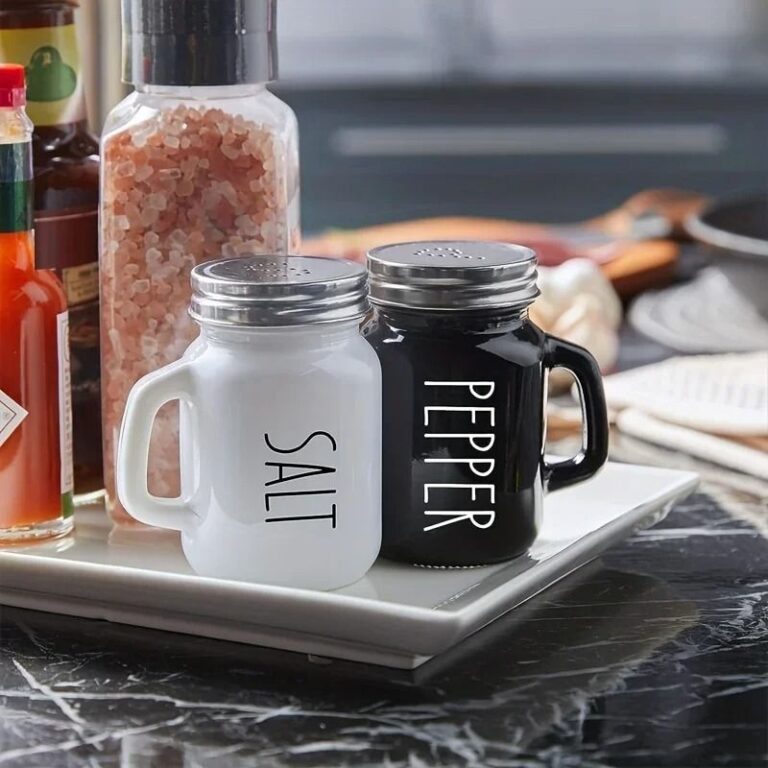 Aisha's pickDinnerware Sets for Hosting Without the Stress
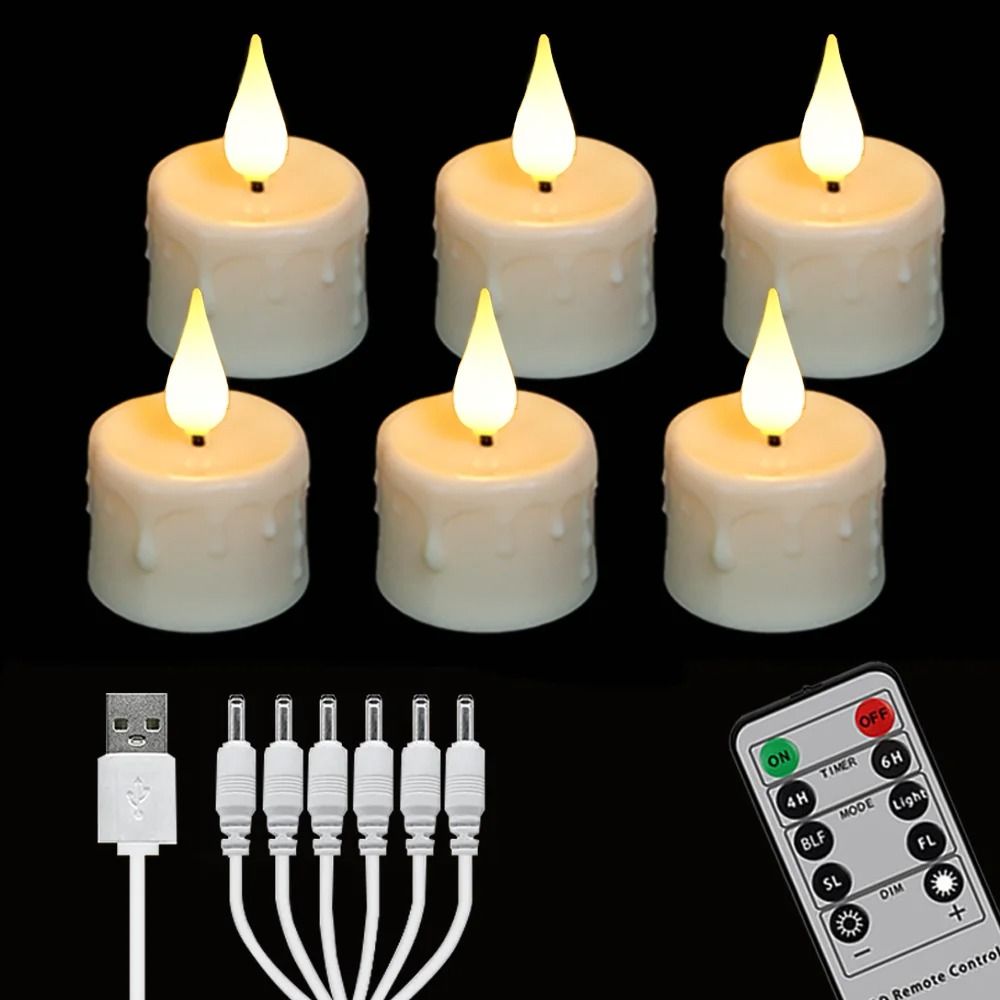
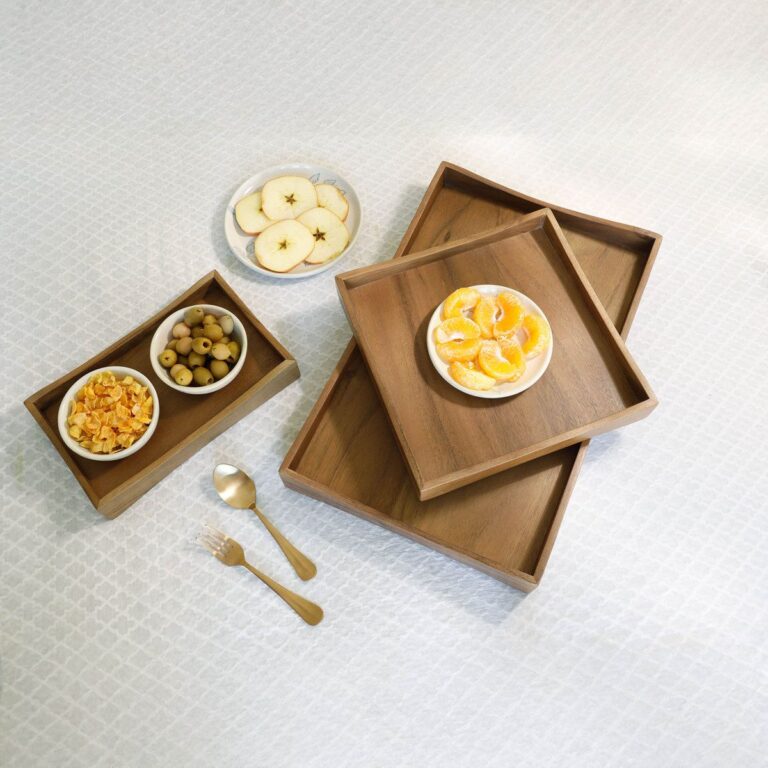 Aisha's pickDecent Small Dinnerware Sets Without the HassleAlso worth a lookBowlsA good bowl should feel slightly too heavy for its size, and if it doesn't, you'll resent it within a month.See the collections →
 Aisha's pickPorcelain Dinner Plates Picked by People Who Care Too Much
 Aisha's pickDinnerware Sets for 2 That Visitors Always Ask About

 Aisha's pickSquare Dinnerware Sets With a Bit More About Them

 Aisha's pickPorcelain Dinner Plates Tough Enough for Everyday Use
 Aisha's pickDinnerware Sets for 4 That Fit Into Real Life
 Aisha's pickStoneware Dinnerware Sets You Won’t Want to Hide Away
 Aisha's pickRound Dinner Plates Worth Knowing About
 Aisha's pickDinnerware Sets for 6 That Make Small Changes Feel Big
 Aisha's pickThe Vintage Dinnerware Sets Worth Your CashAlso worth a lookServing DinnerwareThere is a moment at every big dinner when the table runs out of room and you need…See the collections →
 Aisha's pickGood Black Dinner Plates That Don’t Cost a Fortune
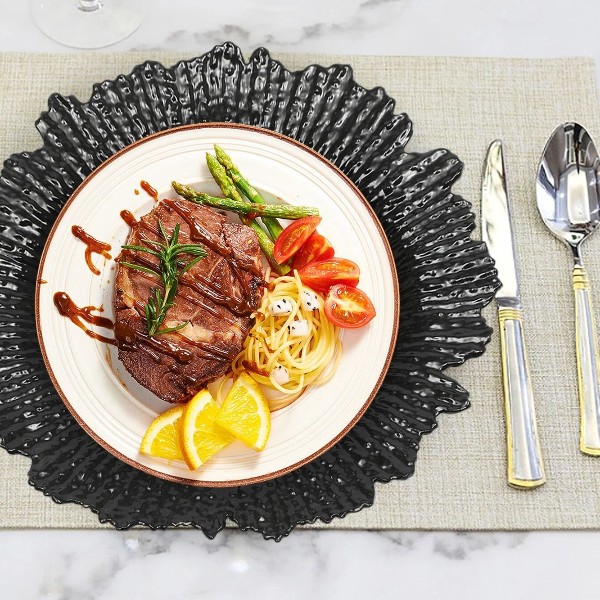 Aisha's pickRound Dinner Plates That Don’t Shout About It
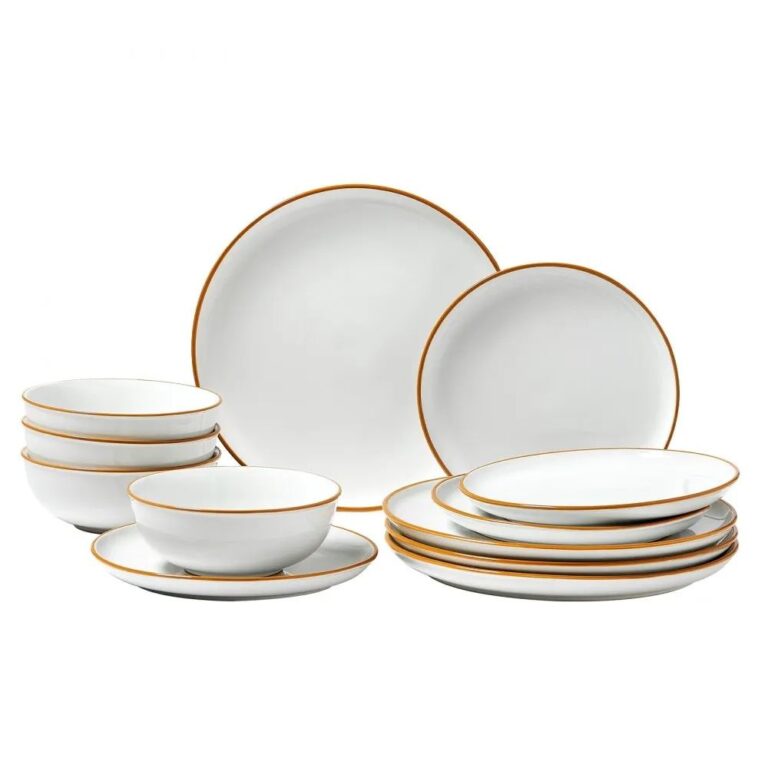
 Aisha's pickDinnerware Sets for 8 You Won’t Want to Hide Away

 Aisha's pickWhite Dinnerware Sets We’d Buy Again
 Aisha's pickShopping for Black Dinner Plates? Start Here
 Aisha's pickWhere to Start With Small Dinner Plates
 Aisha's pickDishwasher Safe Dinnerware Sets Tough Enough for Everyday Use
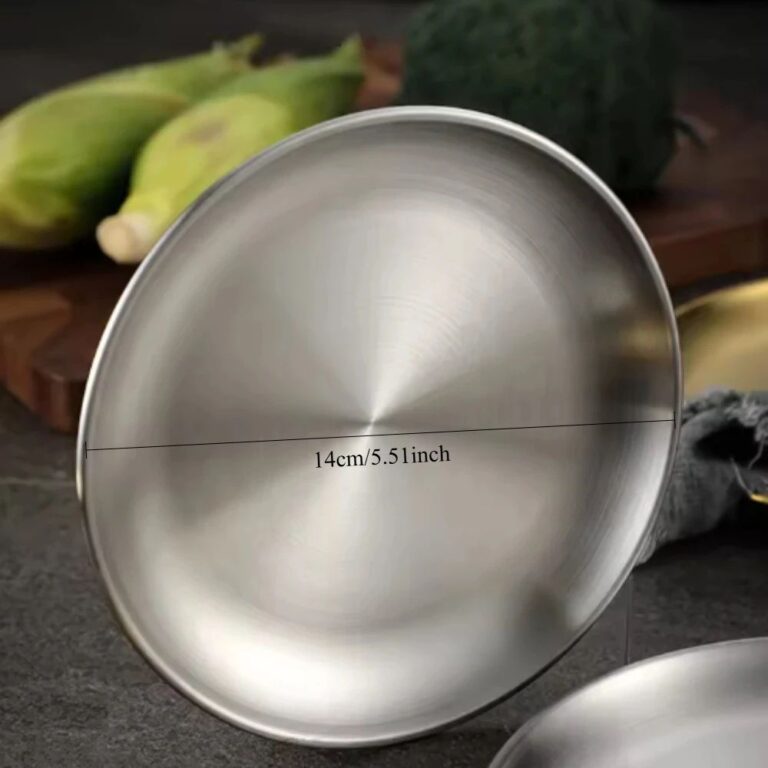 Aisha's pickCeramic Dinner Plates That Look Good on Open Shelves