The first thing I look at is the line work, because that is where tree wall art lives or dies. A good piece has branches that thin out naturally as they reach the edges, the way a real tree actually grows, with some gaps and some crowding, nothing too symmetrical. A bad piece looks like it was made with a stencil and a ruler, every branch the same weight, spaced like a chain link fence. I have hung both kinds. Only one of them still gets a second look after the first week.
This sort of piece suits rooms that need a bit of quiet rather than a bit of noise, a hallway, a stairwell, the wall behind a bed in a room that otherwise has a lot going on with pattern and color. It works in rented apartments as well as it works in an older house, because it does not ask the wall any questions about trim or molding, it just needs space to breathe, at least a foot of clear wall on every side if you can manage it. In a small room one good sized tree print can do more than three small ones scattered around trying to make a gallery wall happen. Crowd it next to a mirror or a cluster of family photos and it stops reading as art and starts reading as wallpaper you forgot to finish choosing.
Checking it in person or the day it arrives, look at the frame first, not just the print, since a flimsy frame will warp within a year in anywhere with real humidity, which is most houses I have worked on. Check the paper or canvas for a sheen that looks printed rather than painted, which is fine as long as you are not paying painted prices for it. If it is a larger piece, check the hanging hardware is rated for the actual weight, because sawtooth hangers on anything over a few pounds will pull loose from drywall eventually, usually at an inconvenient time.
Over the months it holds up well if you keep it out of direct sun, since black and white line art especially will yellow or fade unevenly at the edges where the frame overlaps the backing. A soft cloth dusting now and then is really all it needs, no cleaners, no water near the print itself. The frame might need a wipe with a damp cloth once a year if it is in a kitchen or anywhere with grease in the air.
Measure your wall width and take off a third for breathing room on each side before you decide on a size.

 Aisha's pickTree Print Sets That Hold Up to Everyday Life
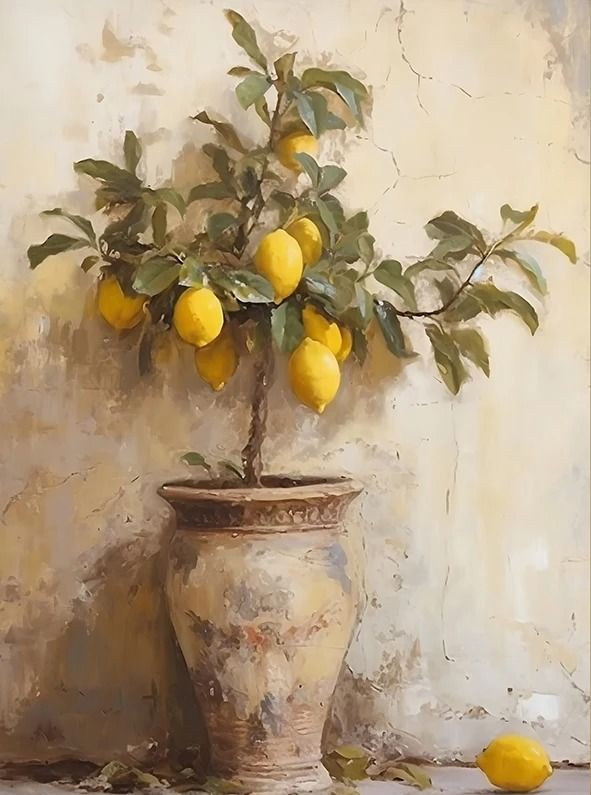
 Aisha's pickTree Wall Art That Earns Its Place

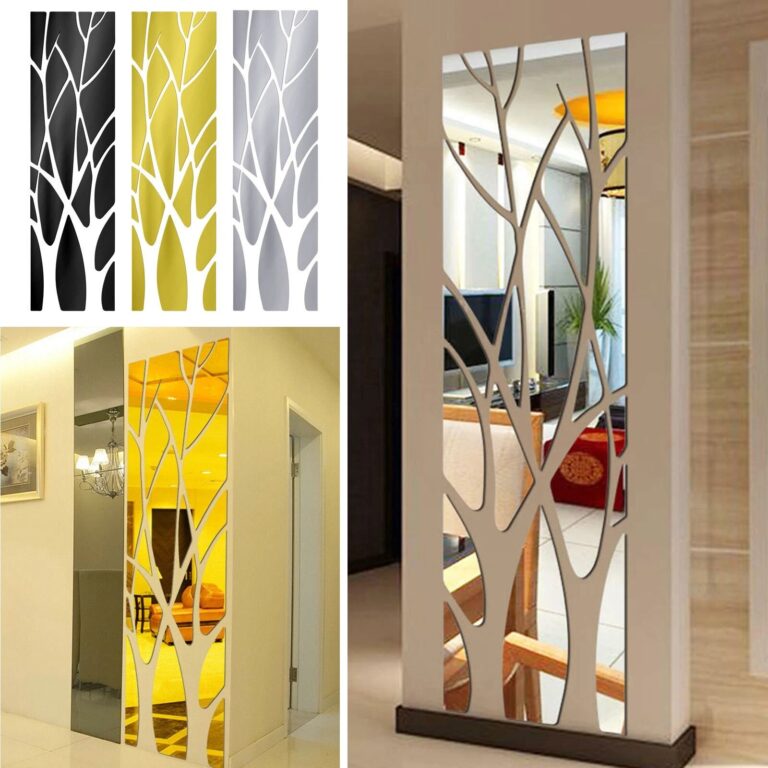 Aisha's pickTree Wall Art for Bedroom Worth Your Money
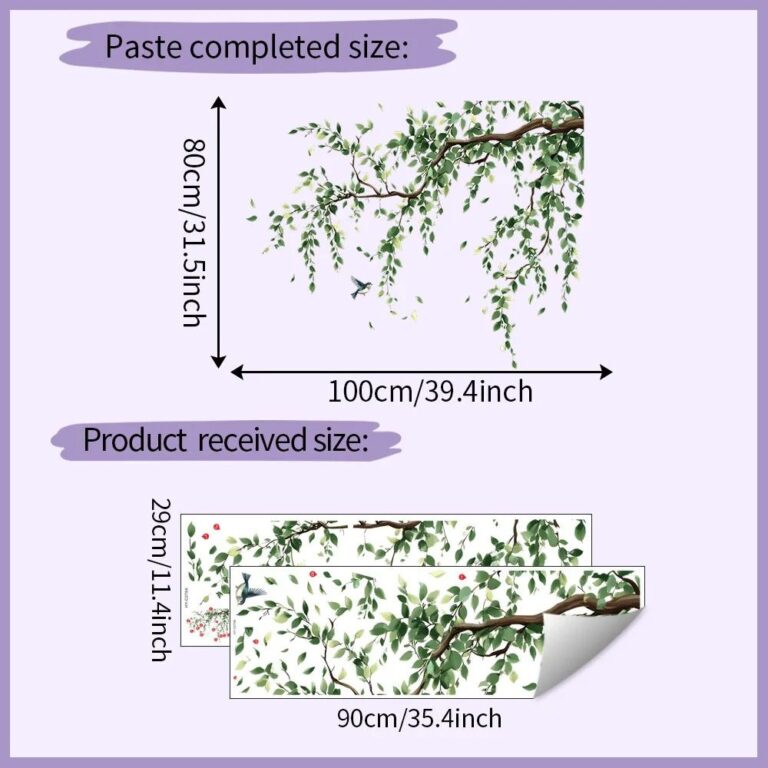
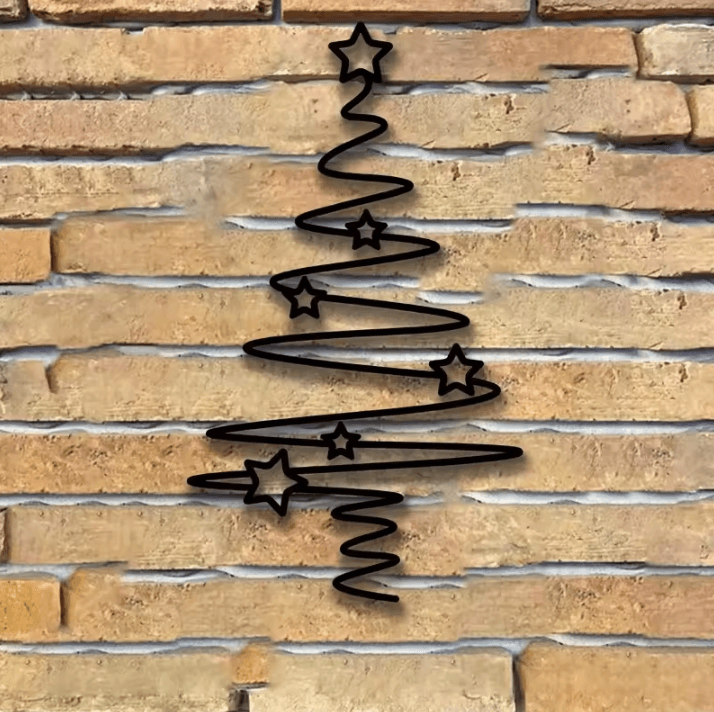 Aisha's pickNo Fuss Tree Wall Art for Living Room
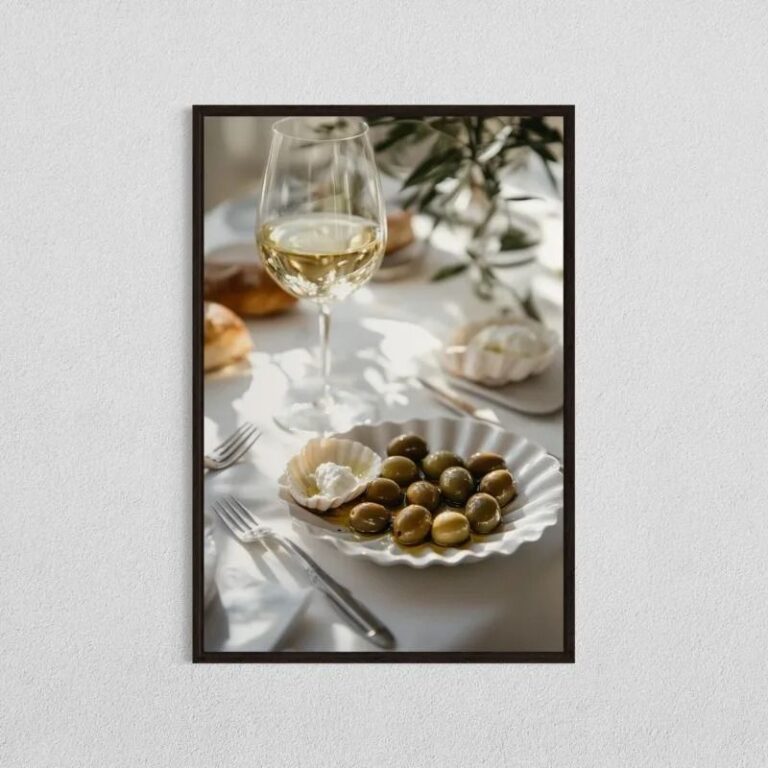
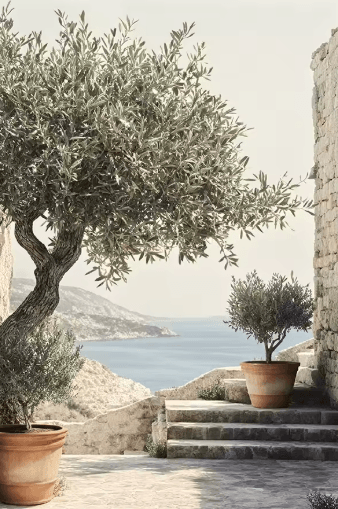 Aisha's pickGood Tree Wall Art Sets That Don’t Cost a Fortune
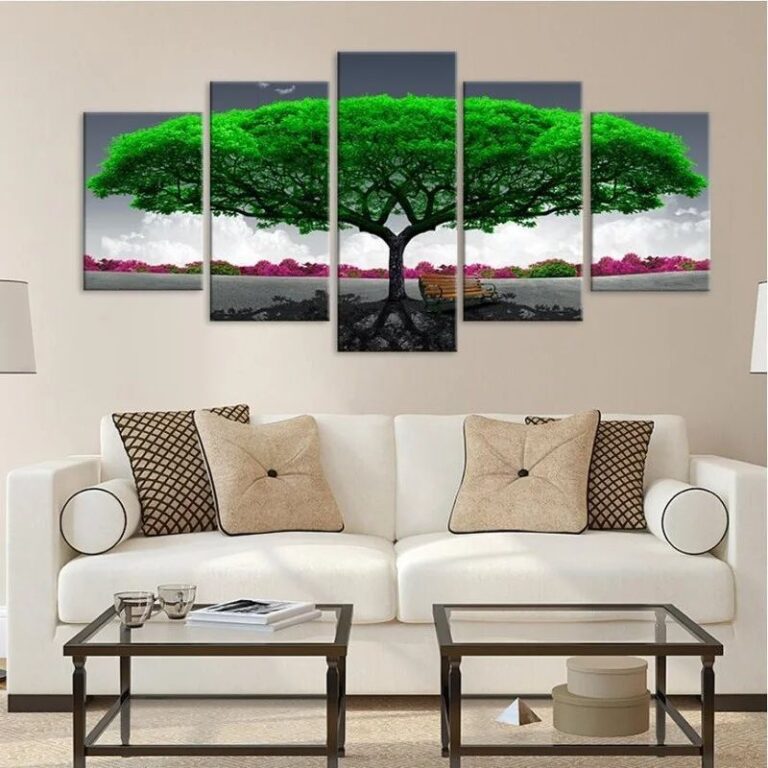
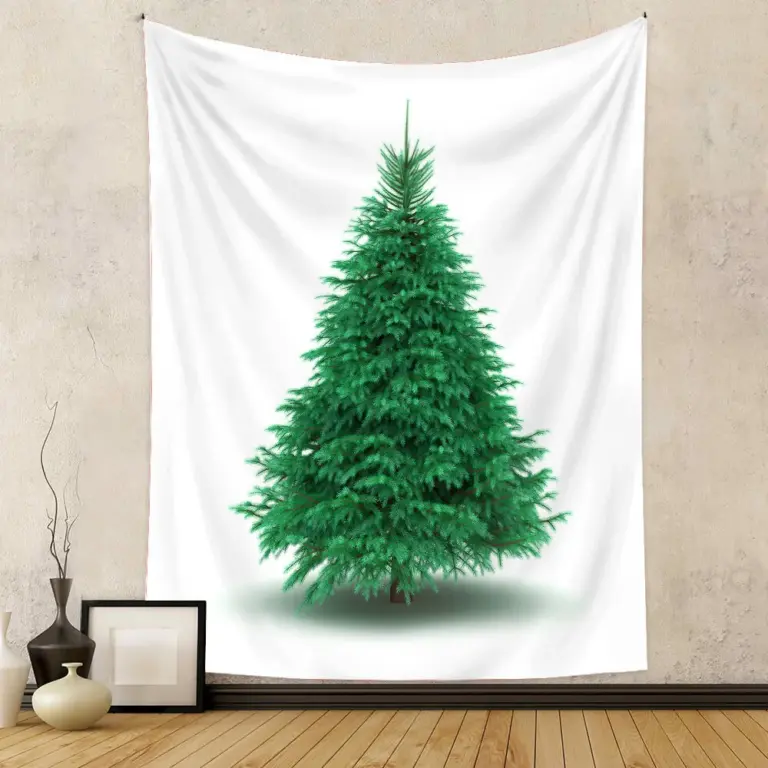 Aisha's pickGreen Tree Wall Art Picked by People Who Care Too Much

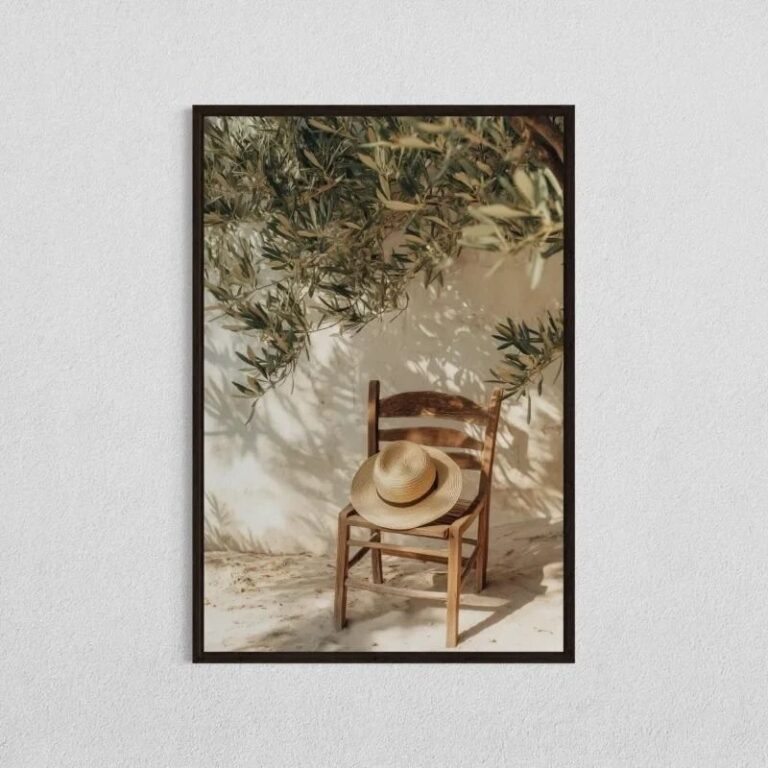 Aisha's pickTree Wall Posters for Rooms That Feel a Bit Bare
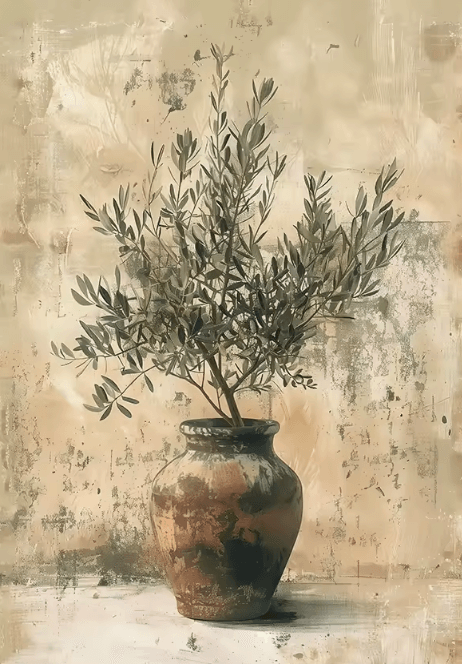
 Aisha's pickWhere to Start With Large Tree Wall Art

 Aisha's pickThe White Tree Wall Art Worth Your CashAlso worth a lookPrintsThe thing nobody tells you about a print is that it changes with the light, and you won't…See the collections →
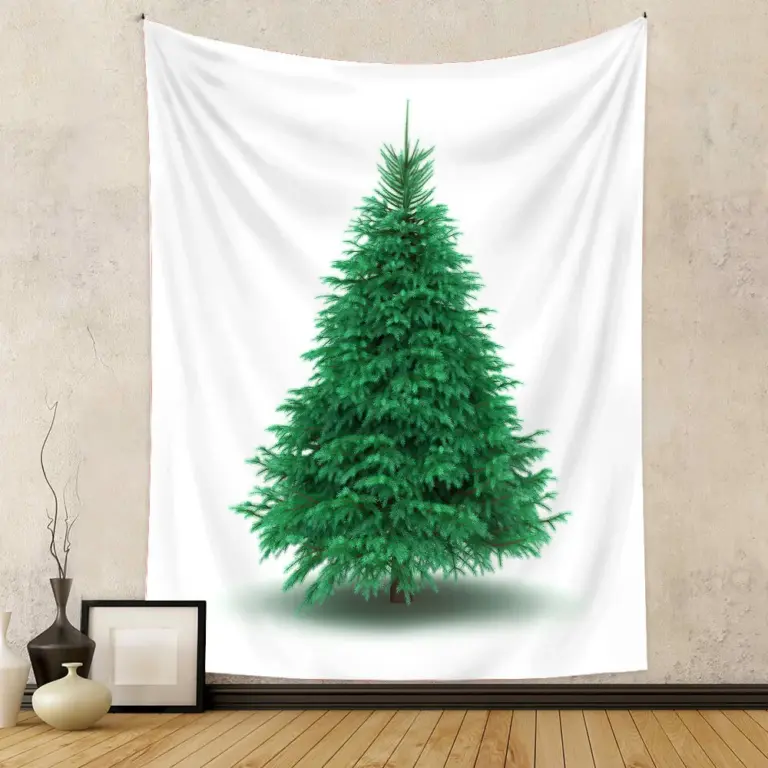
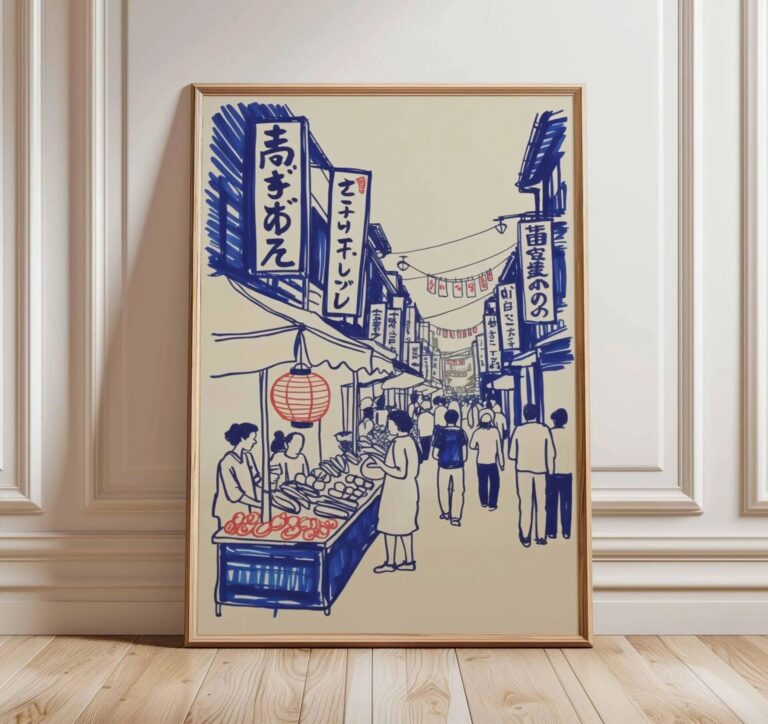 Aisha's pickRed Tree Wall Art That Looks the Part

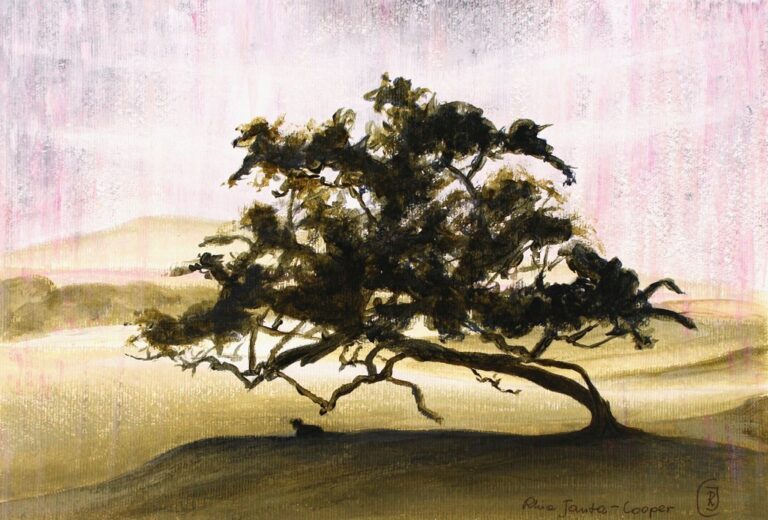 Aisha's pickTree Acrylic Paintings We’d Make Room For

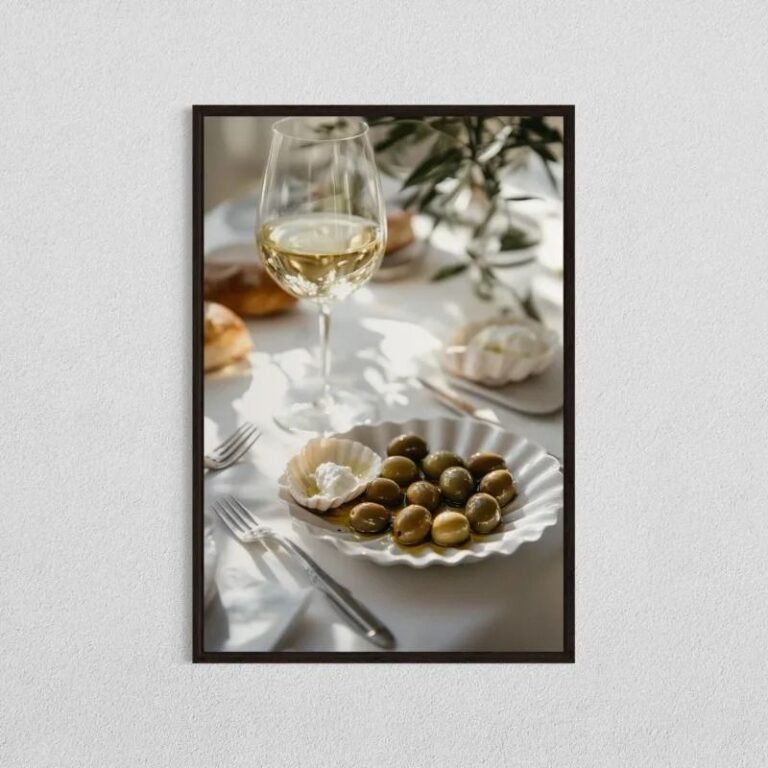 Aisha's pickTree Art Prints That Give a Room Some Personality
 Aisha's pickTree Art Prints for Living Room Hunted Down So You Don’t Have To

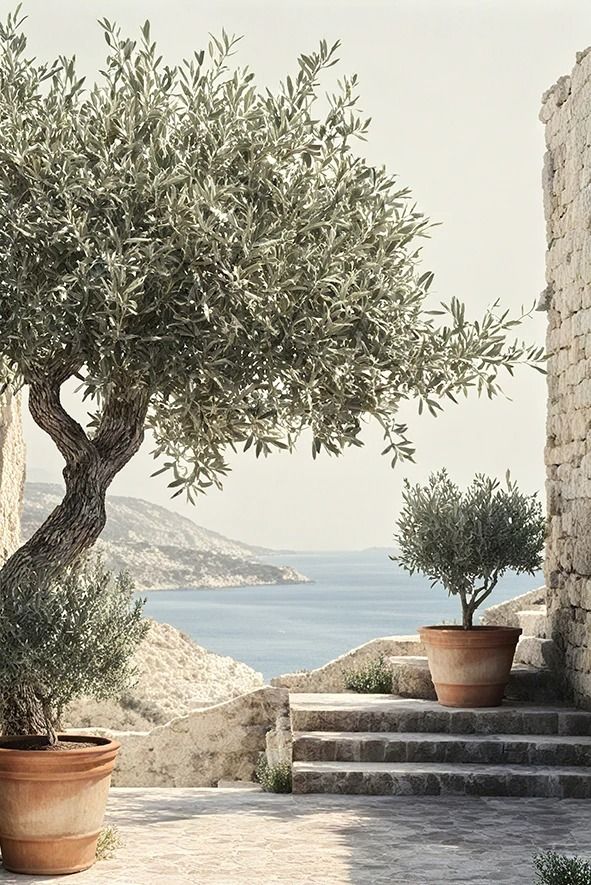 Aisha's pickTree Canvas Art for Making a House Feel Like Yours
 Aisha's pickTree Canvas Paintings for Filling an Awkward Gap
 Aisha's pickTree Posters That Catch the Eye Without Taking Over