Most people buy red art the way they buy a red sweater, on impulse, in a shop that lit it flatteringly, and get it home to find it fights with every other color in the room instead of sitting in it. Red is not a neutral, whatever anyone tells you, and it does not forgive a wall that has not been thought about.
It works best where you already have a strong anchor color or a room that can take some drama, a dining room, a hallway with good bones, a den with dark wood trim or navy walls that red can play off instead of compete with. In a small, pale bedroom meant for sleeping, it tends to overpower rather than finish the room. It also suits houses more than it suits apartments you expect to leave quickly, since a bold red piece commits a room to a mood in a way that a landscape print or a black and white photograph never does. If you have none yet, start with one piece in a smaller, more muted red, a rust or a brick tone rather than a true fire engine red, hung somewhere with evening light rather than harsh noon sun, so you can live with the color before you commit a whole wall to it.
The difference between a red piece that holds up and one that looks cheap after a year has almost nothing to do with the image and everything to do with how it was made. A good one is printed with real pigment ink on proper paper or canvas, so the red stays deep and does not shift toward pink or orange as it ages. A disappointing one uses dye based ink that fades fast, especially anywhere it catches sun, and within a year looks like a photocopy of itself. Frames matter just as much, a solid wood frame with a mitered corner and a proper rabbet to hold the piece will outlast a thin composite frame that warps the first humid summer, which in a lot of houses is every summer.
When you are looking at one in person or unboxing it at delivery, run a hand along the back edge for splinters or glue mess, check the corners are square and tight rather than gapped, and look at the surface in raking light to make sure the red is even and not blotchy where the ink laid down thin. Check the hanging hardware is screwed in, not just stapled to cardboard backing, because that is where a lot of these fail within a month.
Even a well made piece will fade some over years of direct sun, and no amount of good framing stops that entirely.

 Aisha's pickThe Red Prints Worth Your Cash
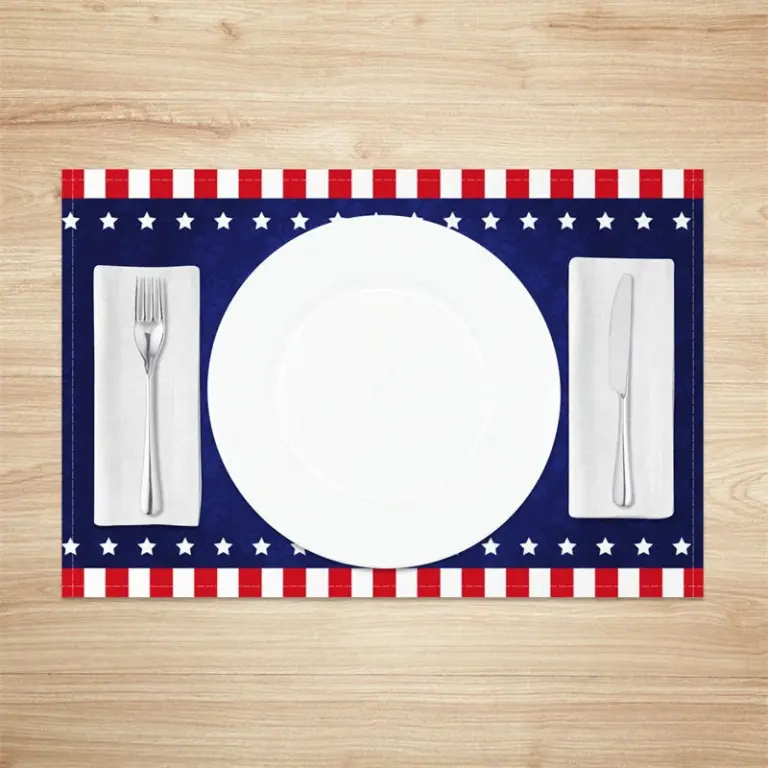 Aisha's pickRed Print Sets for Blank Walls and Empty Shelves
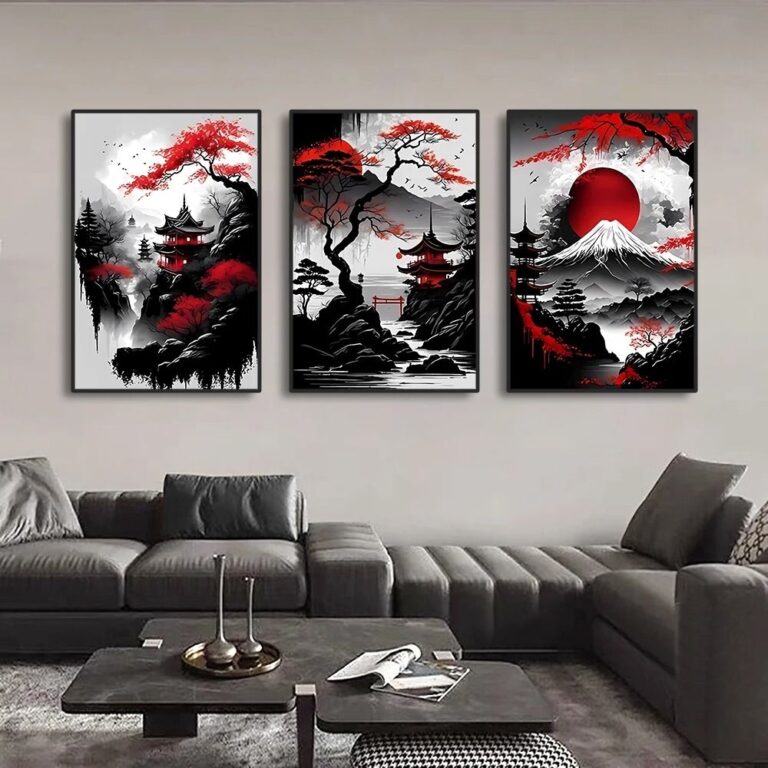
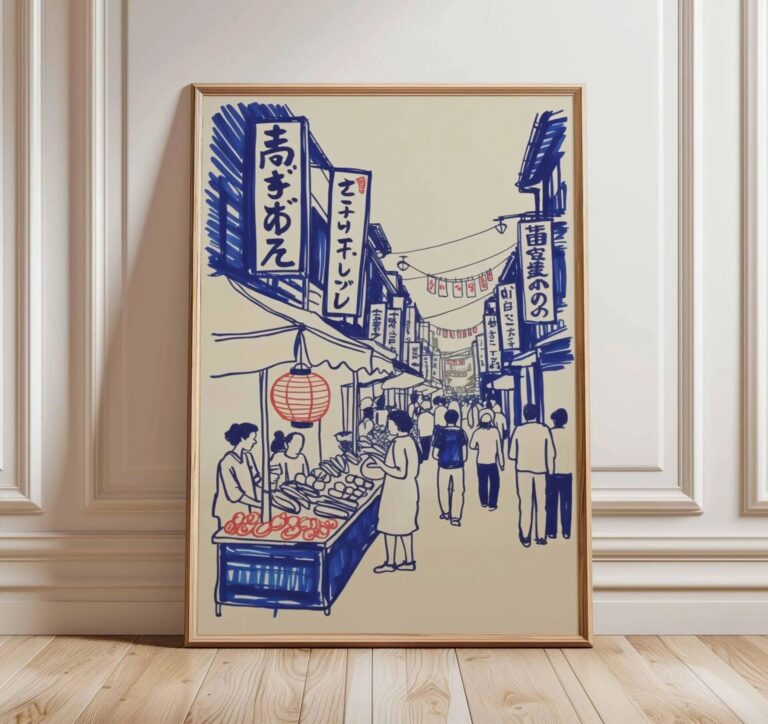 Aisha's pickRed Tree Wall Art That Looks the Part

 Aisha's pickRed Vintage Wall Art With a Bit More About It
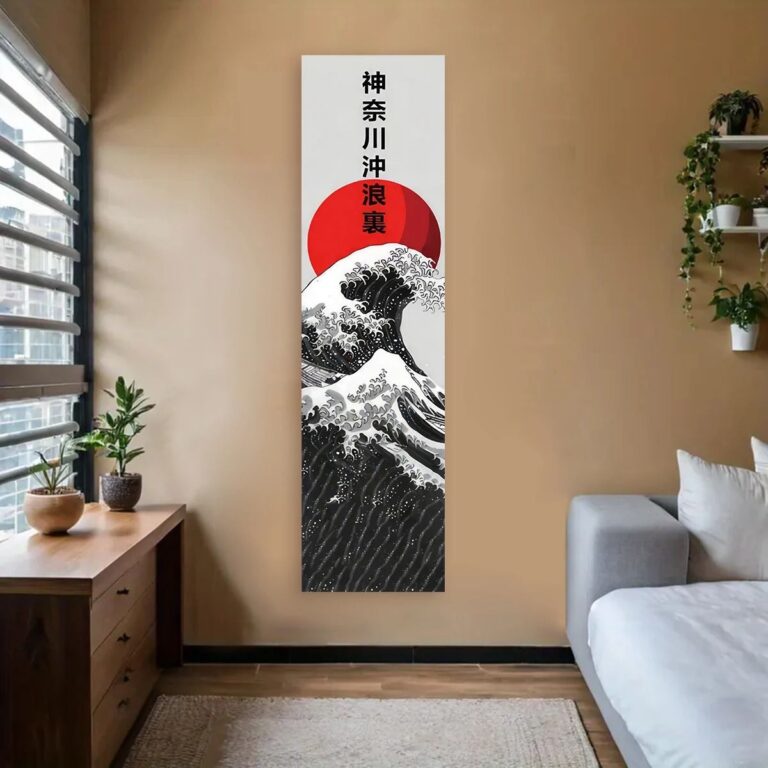
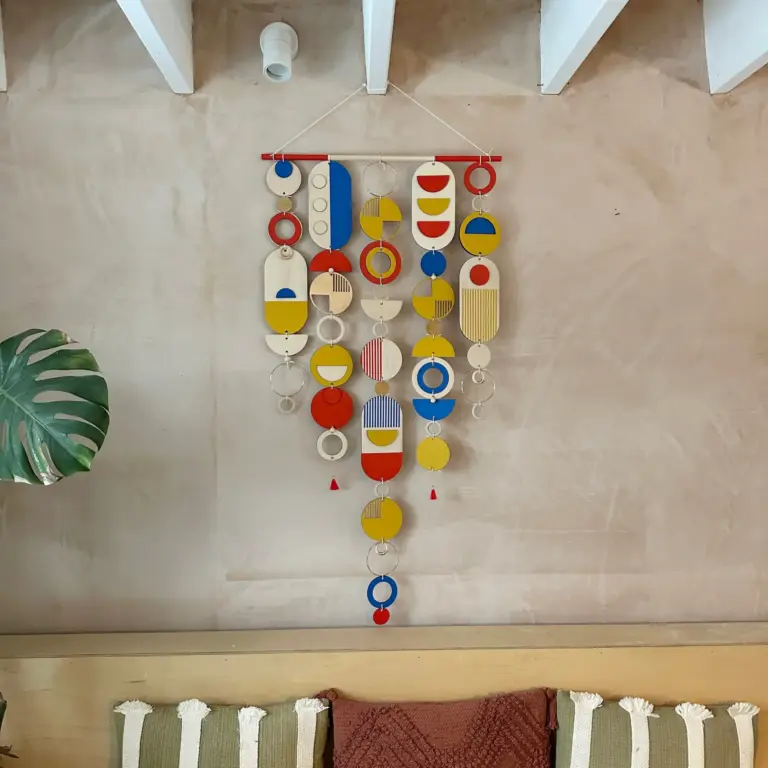 Aisha's pickRed Wall Art That Doesn’t Cost a Fortune
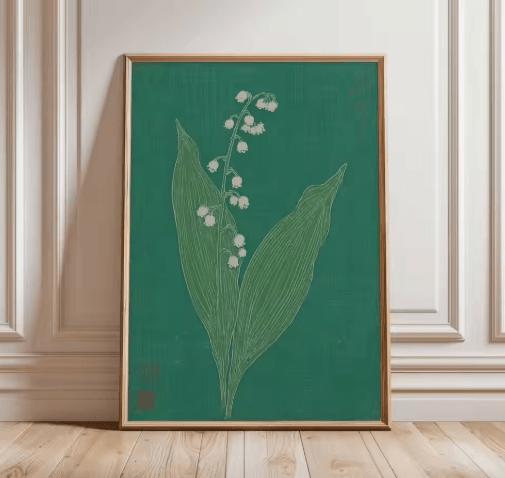
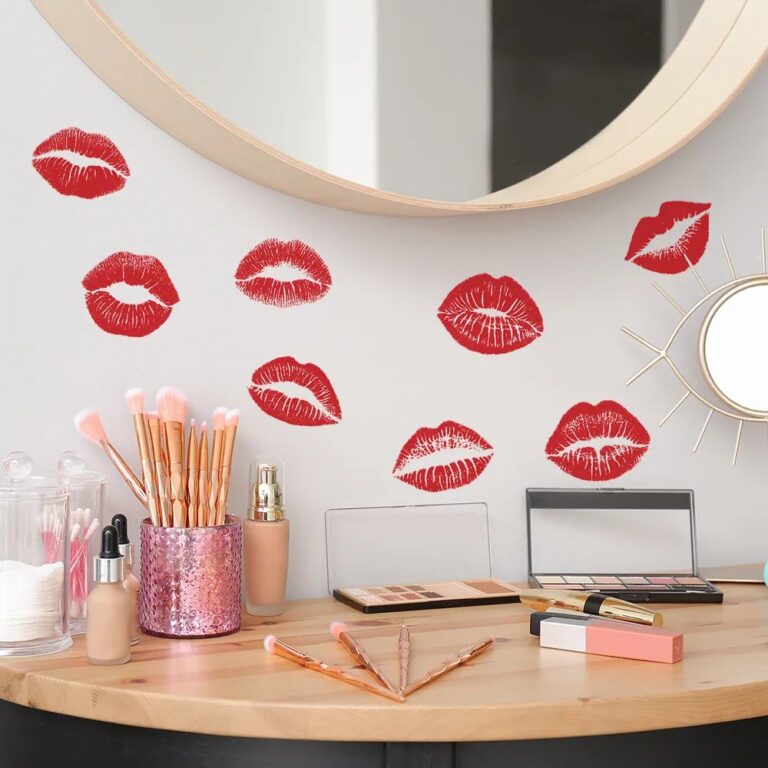 Aisha's pickRed Wall Decals Picked From the Stores We Trust
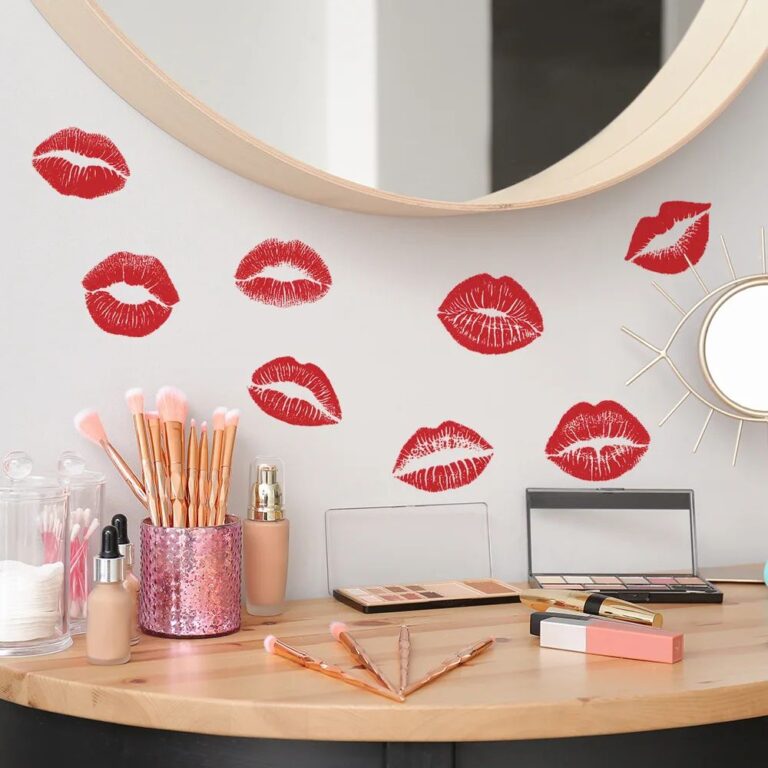
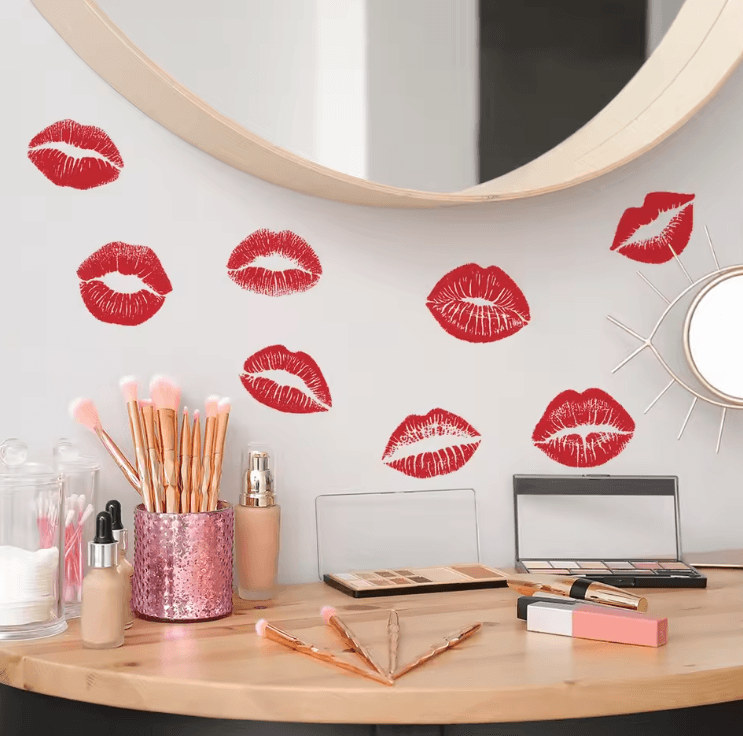 Aisha's pickRed Wall Decals That Give a Room Some Personality
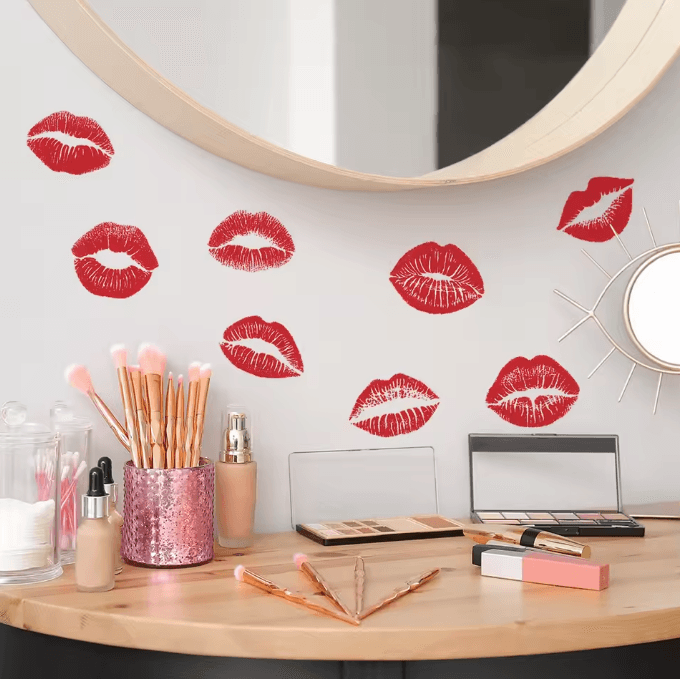
 Aisha's pickRed Wall Posters That Catch the Eye Without Taking Over

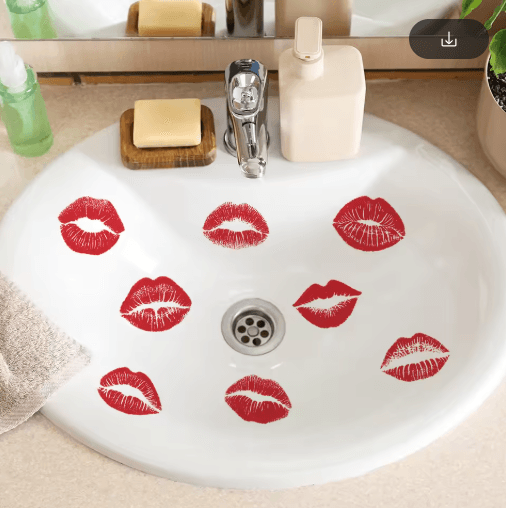 Aisha's pickRed Wall Stickers That Feel Personal, Not Store BoughtAlso worth a lookPrintsThe thing nobody tells you about a print is that it changes with the light, and you won't…See the collections →
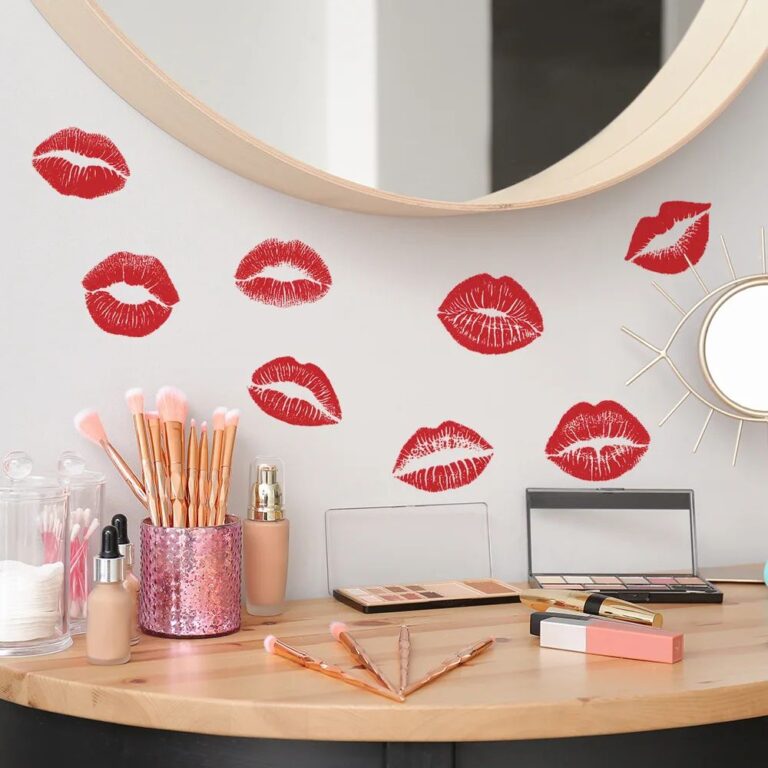
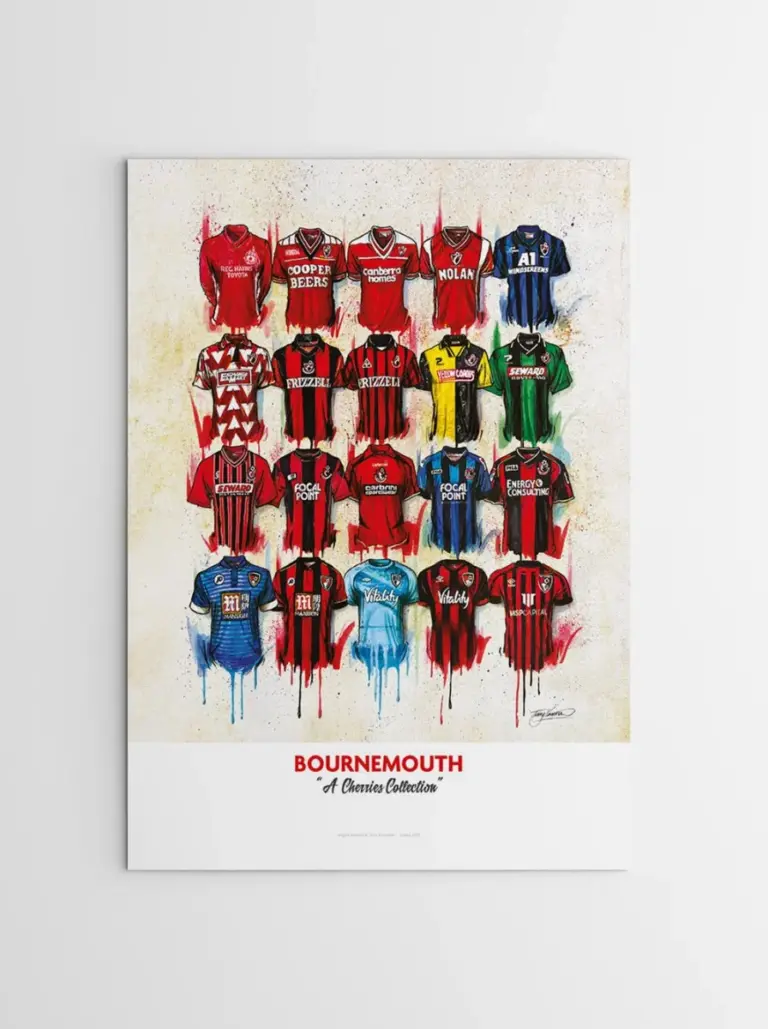 Aisha's pickRed Art Prints That Do the Job Right
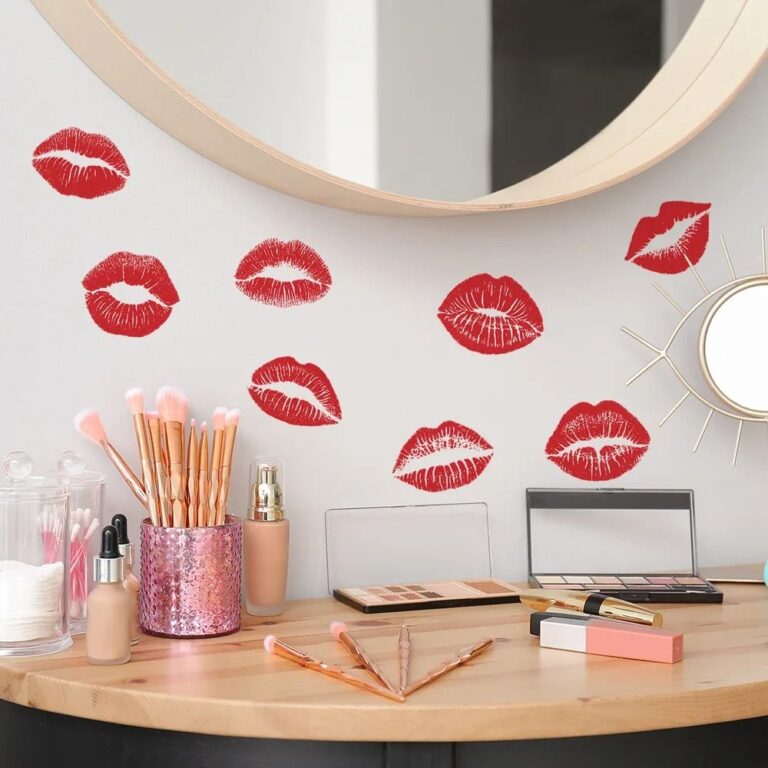
 Aisha's pickRed Wall Stickers That Work in Old Houses and New Ones

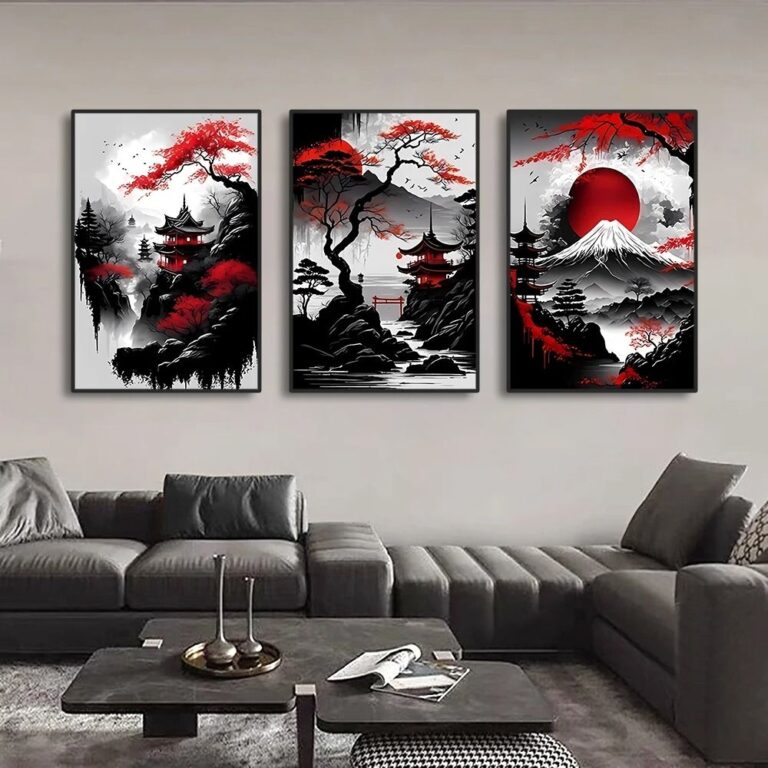 Aisha's pickGood Red Canvas Art Without the Big Price Tag
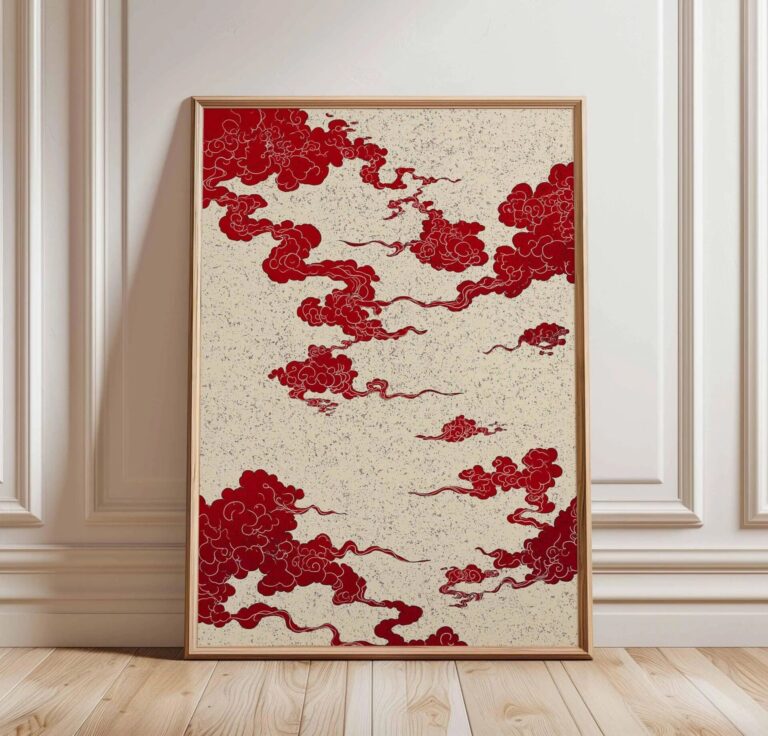
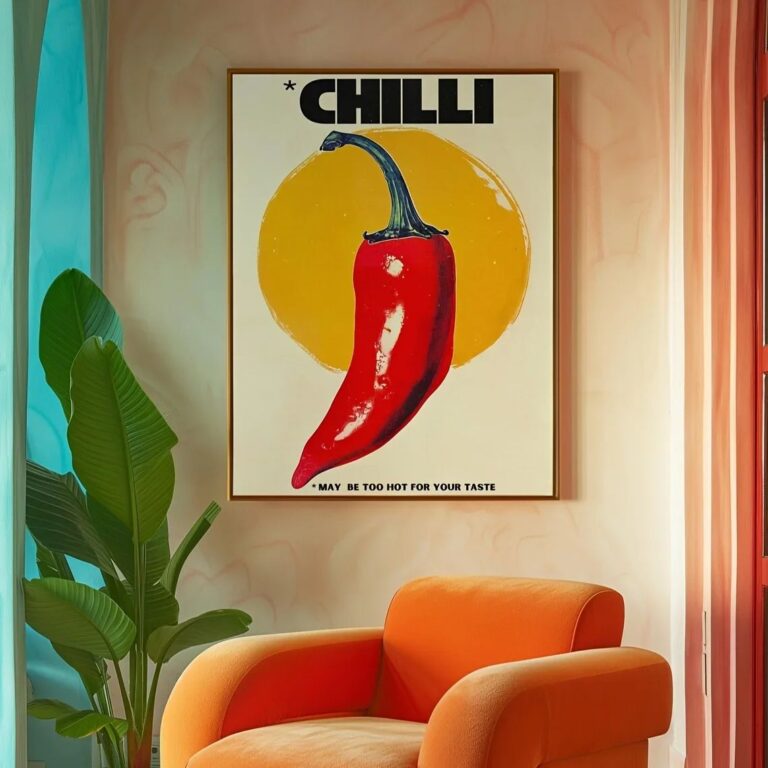 Aisha's pickWine Prints That Don’t Shout About It
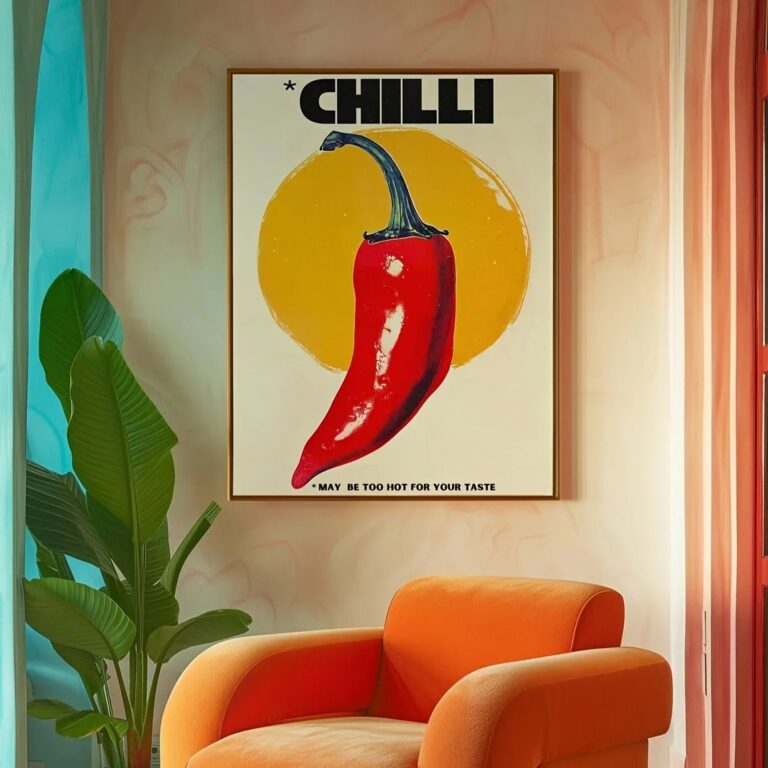
 Aisha's pickRed Canvas Paintings That Feel Personal, Not Store Bought

 Aisha's pickRed Canvas Prints That Catch the Eye Without Taking Over
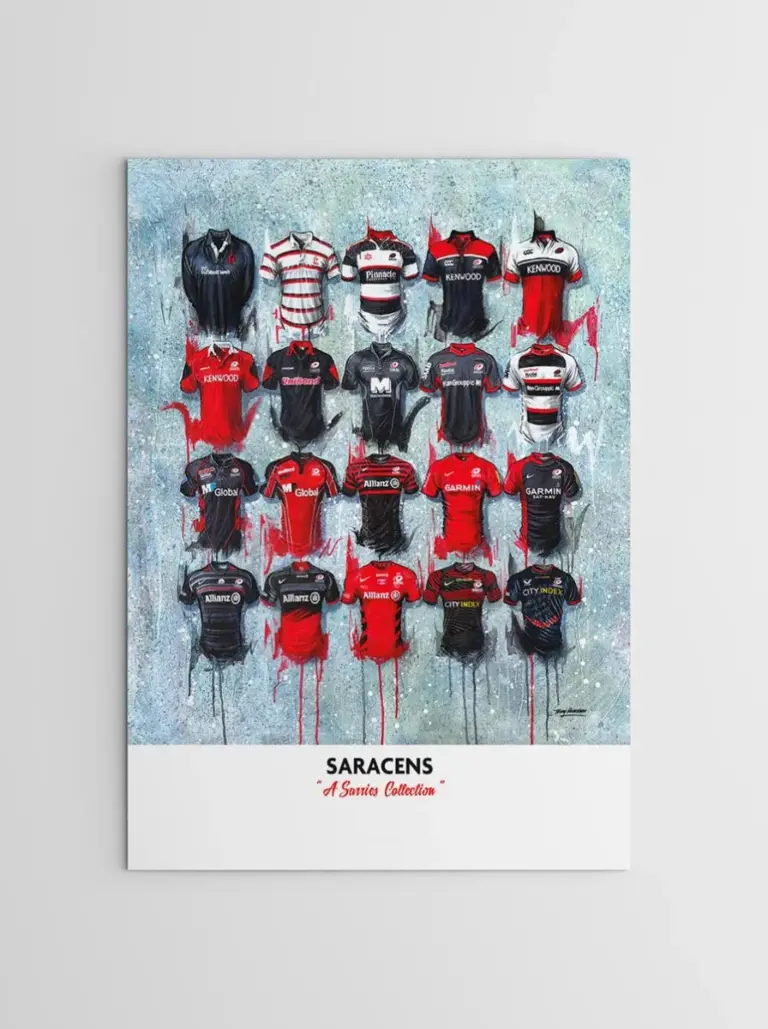
 Aisha's pickRed Canvas Wall Art That Doesn’t Cost a Fortune