I avoided matching frame sets for years because every one I saw in a shop looked like it had been chosen by whoever did the lighting in a dentist's office, same wood tone, same mat size, marched up a wall in a dead straight line. What changed my mind was seeing a set broken up and used loosely on a long console table, mismatched photos, gaps left on purpose, and realizing the "set" part was really just a shortcut to buying frames that already agree with each other, not a demand that you hang them like a chart.
Where they go wrong is in rooms that already have a lot of pattern or a strong wood tone doing its own thing, a busy wallpaper or a dark walnut sideboard will fight a set of black metal frames for attention, and neither wins. Get the scale right before anything else: measure the actual wall space or shelf run you have, lay the frames out on the floor in the shapes you're considering, and only then commit, because the single most common mistake is buying a set sized for a showroom wall and ending up with five frames crammed onto a narrow hallway strip, or three tiny ones lost on a wall over a bed. A good rule is to let the whole arrangement take up somewhere between a third and two thirds of the furniture or wall section below it, not the entire thing, and not some lonely little island in the middle. If the set comes with mixed sizes, resist the urge to use every single one just because it was in the box, sometimes four frames read better than seven.
Check materials with your hand, not just your eyes. Painted wood frames feel warm and take knocks without showing it much, but cheap ones chip at the corners fast. Metal frames, especially thin gold or brushed brass ones, scratch more easily than they look like they should, and a hairline scratch under a shop light is invisible until it catches afternoon sun at home. Open the backs before you buy, the little clips and stands matter more than people admit, flimsy ones bend the first time you swap a photo, and a frame that won't stand up straight on its own is a frame you'll be adjusting every week. Glass versus the plastic look alike matters too, real glass sits flatter against a photo and doesn't yellow, the cheaper stuff can warp slightly over a year or two.
Over time the wood ones mellow and pick up small dents that honestly make them look more lived in rather than worn out, while painted metal frames tend to lose a little shine at the edges where hands reach in to adjust a picture, which just ends up being its own kind of record of how often that shelf gets touched.

 Aisha's pickGreen Frame Sets That Get Better With Age
 Aisha's pickDecent Large Frame Sets Without the Hassle

 Aisha's pickModern Frame Sets That Make a Shelf Look Styled

 Aisha's pickMounted Frame Sets for Making a House Feel Like Yours

 Aisha's pickNatural Frame Sets That Fit Into Real Life
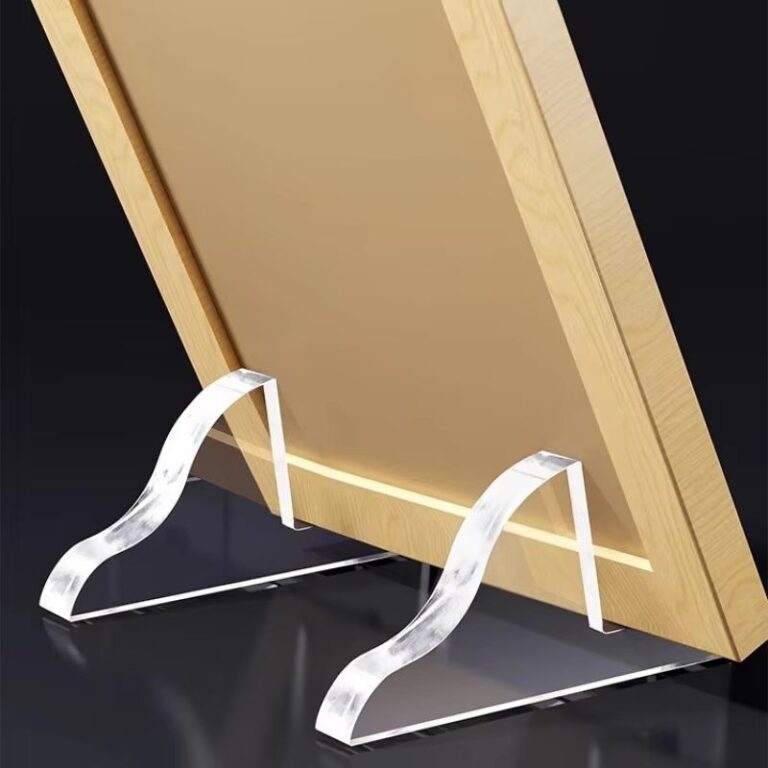 Aisha's pickAcrylic Frame Sets With a Story to Them
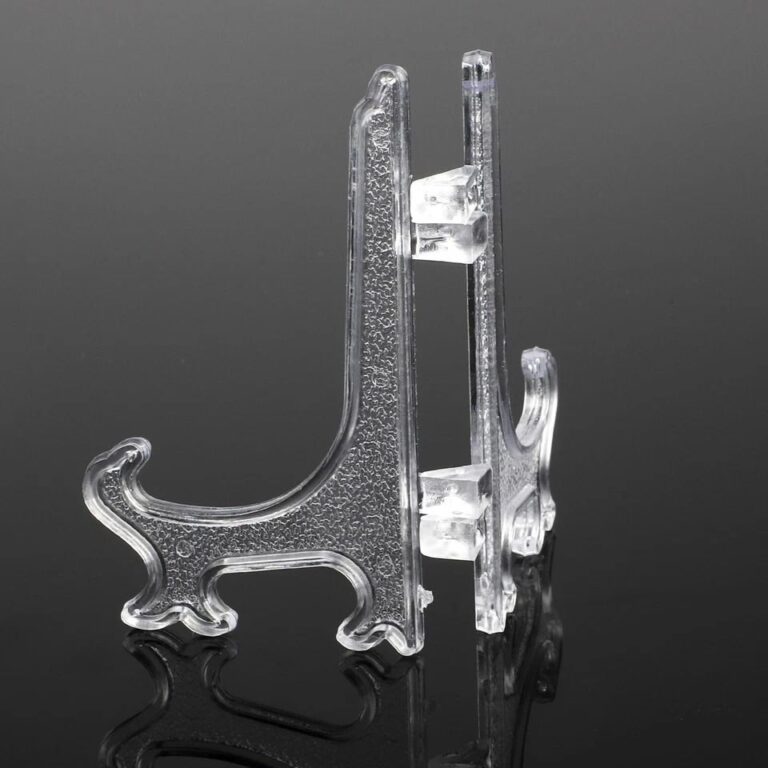
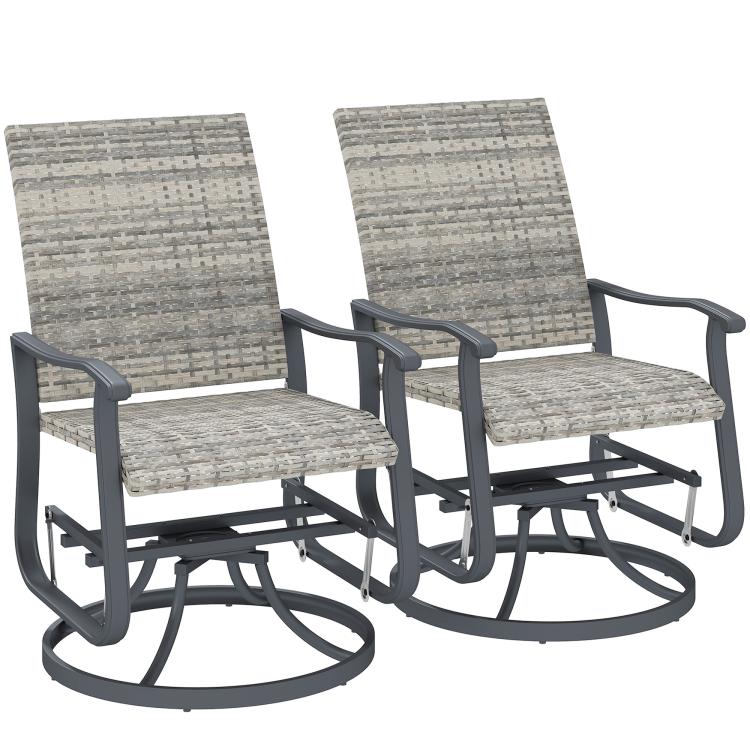 Aisha's pickRattan Frame Sets That Catch the Eye Without Taking Over
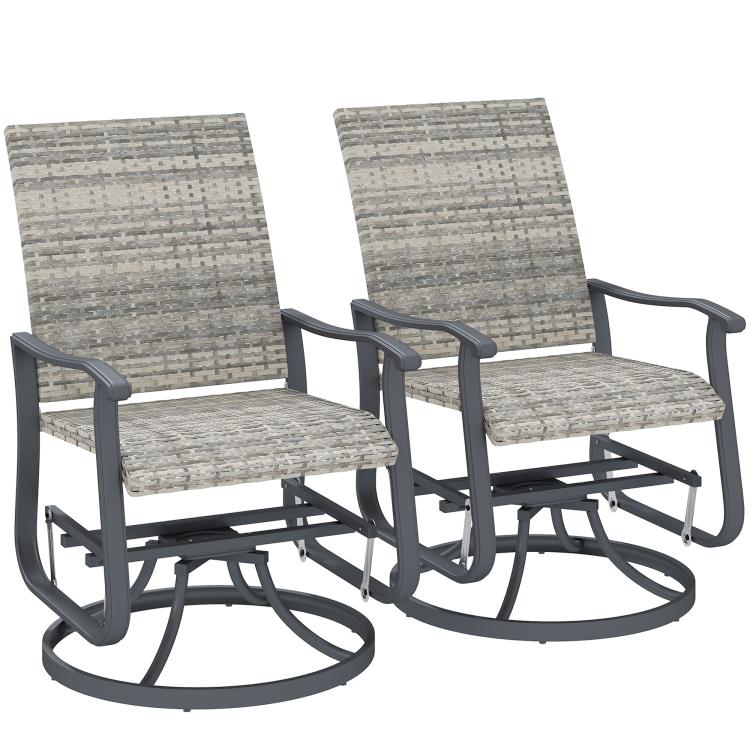
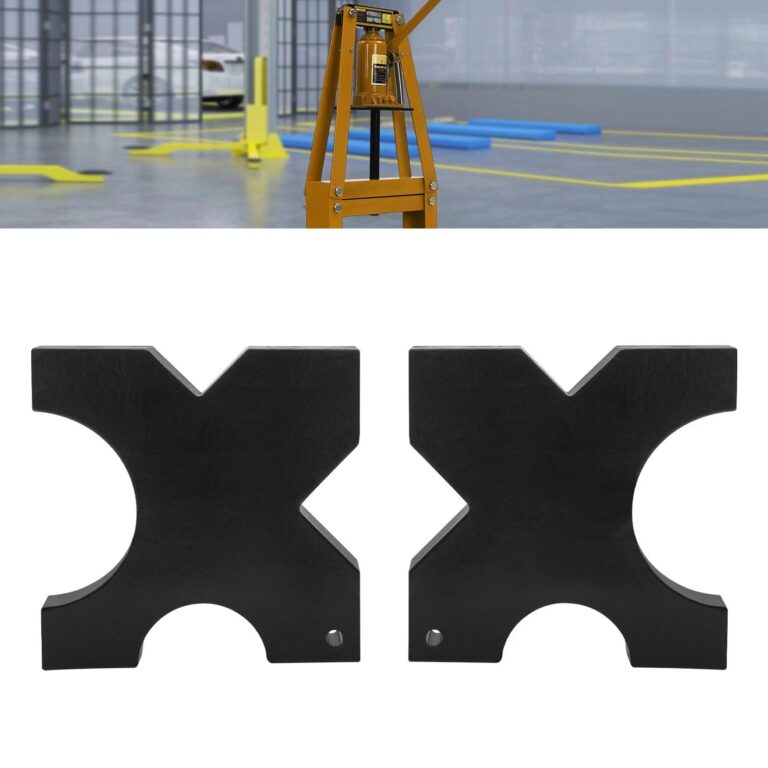 Aisha's pickBlack Frame Sets That Give a Room Some Personality

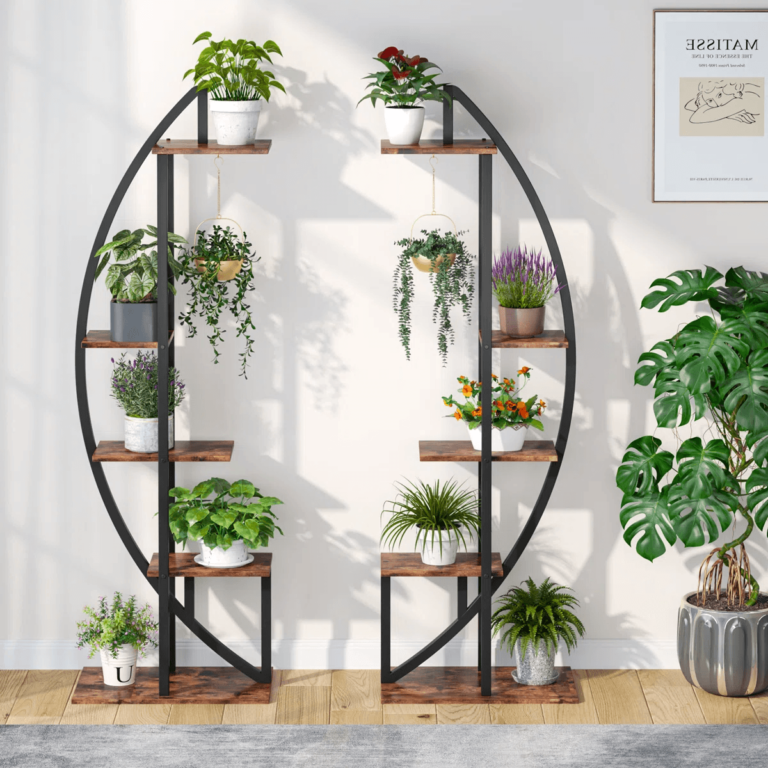 Aisha's pickRustic Frame Sets for Filling an Awkward GapAlso worth a lookPicture FramesMy first frames came in a pack of six, thin black plastic, and I filled them with photos within an hour of getting home.See the collections →

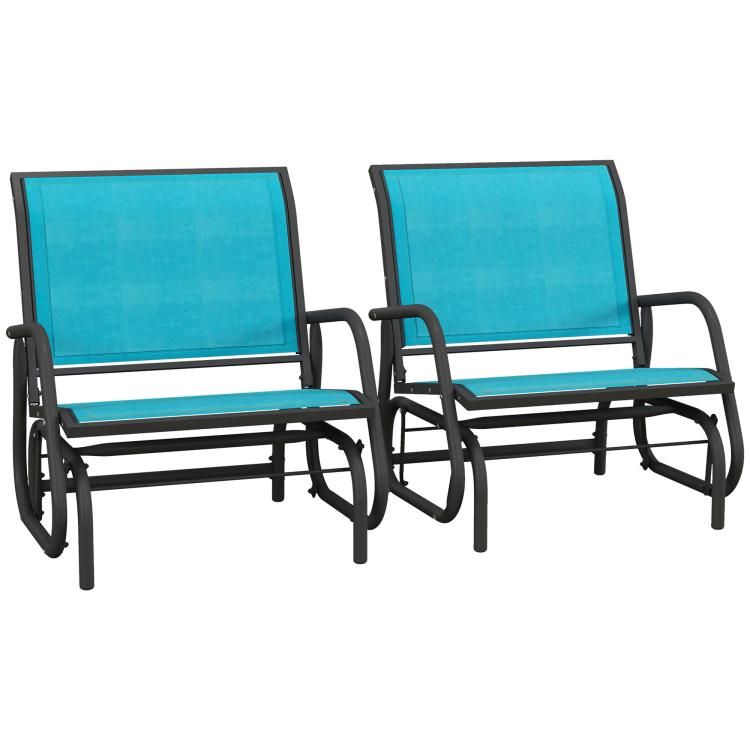 Aisha's pickBlue Frame Sets That Make a Shelf Look Styled
 Aisha's pickSilver Frame Sets That Catch the Eye Without Taking Over
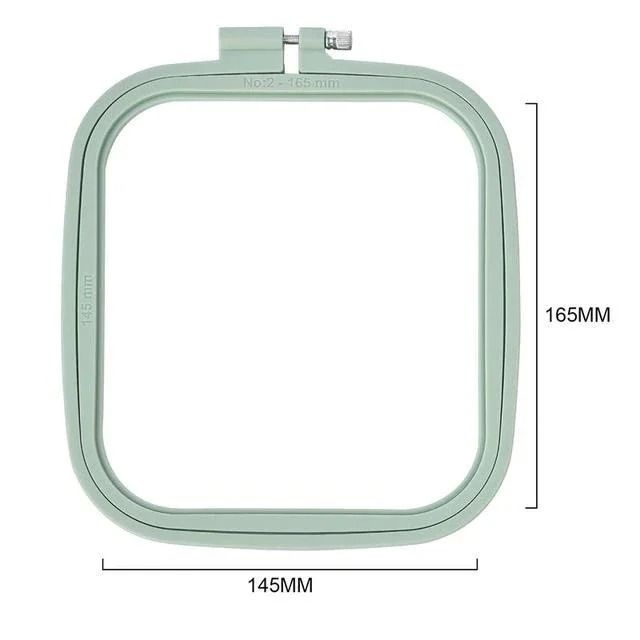 Aisha's pickBrass Frame Sets That Start Conversations
 Aisha's pickSmall Frame Sets That Catch the Eye Without Taking Over

 Aisha's pickExtra Large Frame Sets for Filling an Awkward Gap
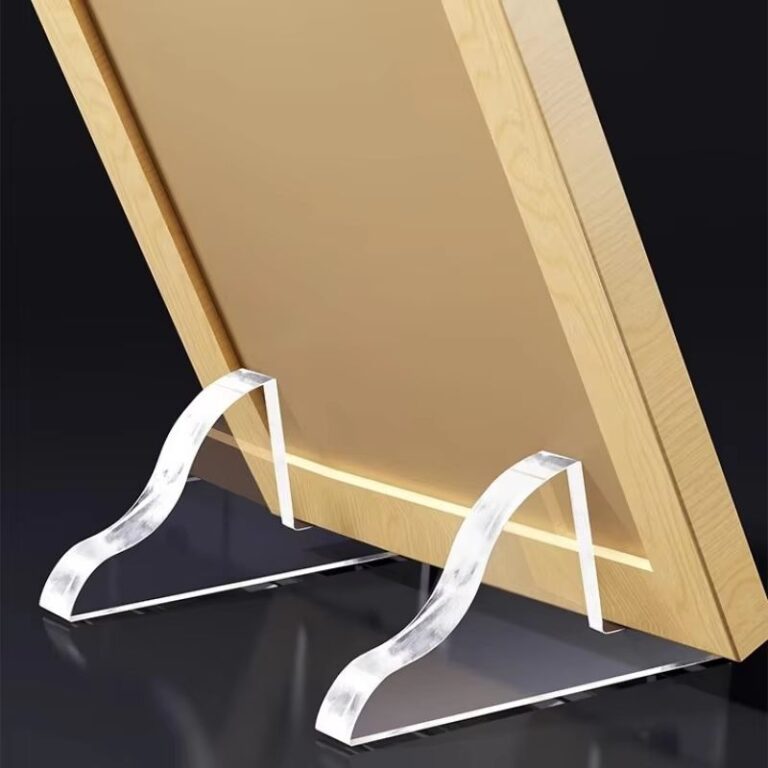 Aisha's pickTabletop Frame Sets for Rooms That Feel a Bit Bare

 Aisha's pickFrame Sets for Filling an Awkward Gap
 Aisha's pickVintage Frame Sets That Start Conversations

 Aisha's pickFrame Sets for Desk That Make the Spare Room Feel Like an OfficeAlso worth a lookBox FramesWhat you don't notice until the third or fourth month is the way the shadow gap behind the glass changes with the light.See the collections →

 Aisha's pickWhite Frame Sets That Catch the Eye Without Taking Over
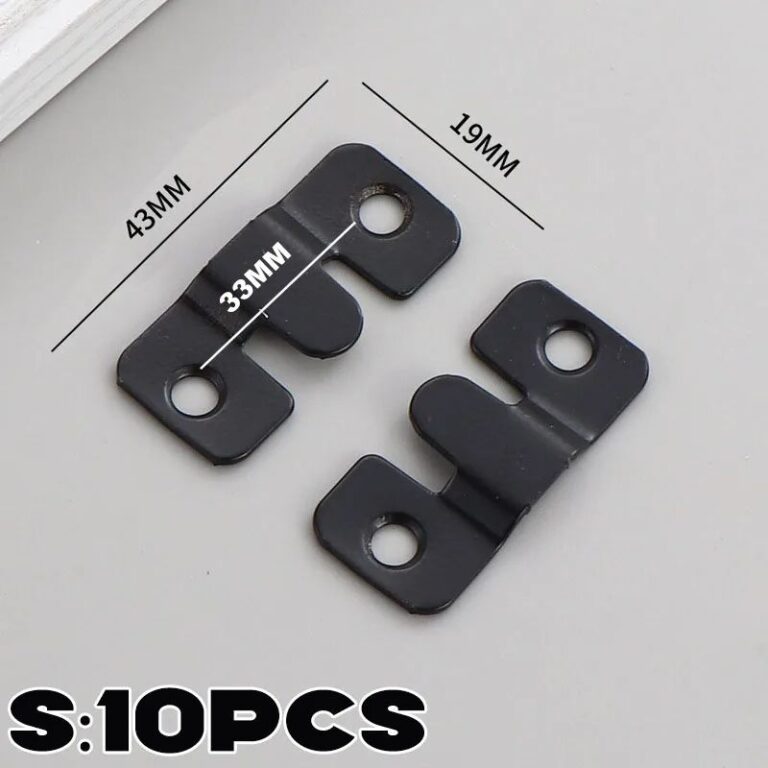 Aisha's pickFrame Sets for Wall That Give a Room Some Personality

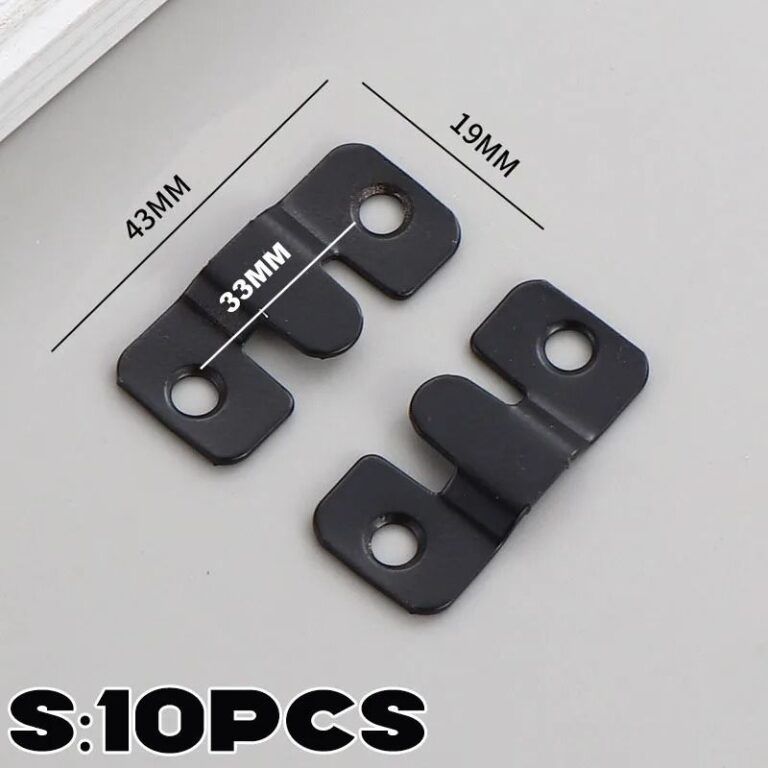 Aisha's pickWide Frame Sets That Give a Room Some Personality

 Aisha's pickFrame Sets with Mount That Hold Up to Everyday Life

 Aisha's pickWooden Frame Sets That Don’t Need Babying

 Aisha's pickGlass Frame Sets From Brands You Know and a Few You Won’t