The question I get most about photo frames is whether it matters where they come from, since a frame is just a frame until it isn't. It does matter, and the gap shows up faster than you'd expect, usually within a season of dusting.
A cheap frame tells on itself quickly. The back is thin cardboard that bows, the little turn tabs that hold the backing in place snap off after two or three openings, and the glass is often plastic that scratches if you so much as breathe on it with a cloth. A well made frame has some actual weight to it, wood or solid metal rather than a thin veneer glued over something lighter, mitered corners that meet cleanly instead of overlapping with a bead of glue showing, and a backing held by proper metal clips or a sturdy latch, not a bent nail you have to fight with. Finish matters too. A good painted or stained frame has an even coat that doesn't chip at the edges the first time it gets knocked against a shelf, and a good metal one has a weight and a cool, solid feel rather than that hollow, light rattle you get from something stamped out thin. Box frames in particular live or die on depth and a backing that actually stays flat, since anything deep enough to hold a dried flower or a ticket stub needs real structure behind the glass, not a flimsy foam board that will bow within a year.
Where they sit matters as much as how they're made. A single frame rarely does much on its own, but a cluster on a console table, a run along a hallway wall, or a grouping on top of a dresser gives a room a sense of a life being lived in it, especially in a rented place where you can't paint or hang anything permanent. Mixing a few neutral frames in similar tones, rather than matching every single one, tends to look more like a home and less like a display case. They also do a quiet job of softening a shelf full of books or breaking up a bare stretch of wall above a sofa without turning into the main event.
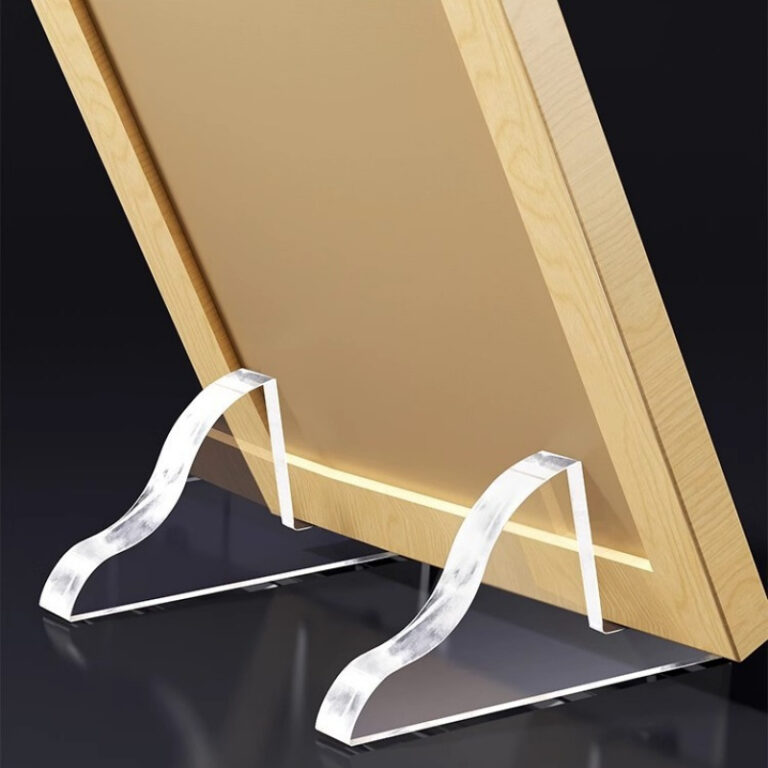
The things worth checking before you leave the shop, or the moment a box arrives, are simple but easy to skip. Open the back and check the clips move freely. Check the glass for scratches under a light, not just a glance. Give the frame a gentle twist to see if the corners flex. And check it actually stands on its own without leaning, because a lot of frames look fine lying flat in a box and lean sideways the second they're upright on a shelf.
Get the basics right and a frame disappears into the room in the best way, holding what matters without asking for attention itself.

 Aisha's pickBox Frames for Desk That Make the Spare Room Feel Like an Office
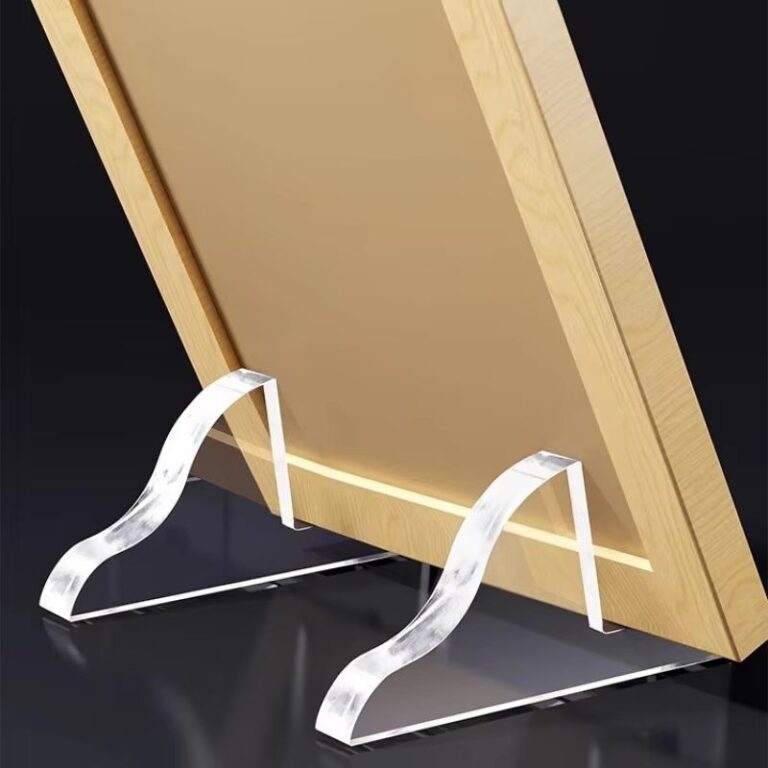 Aisha's pickAcrylic Frame Sets With a Story to Them
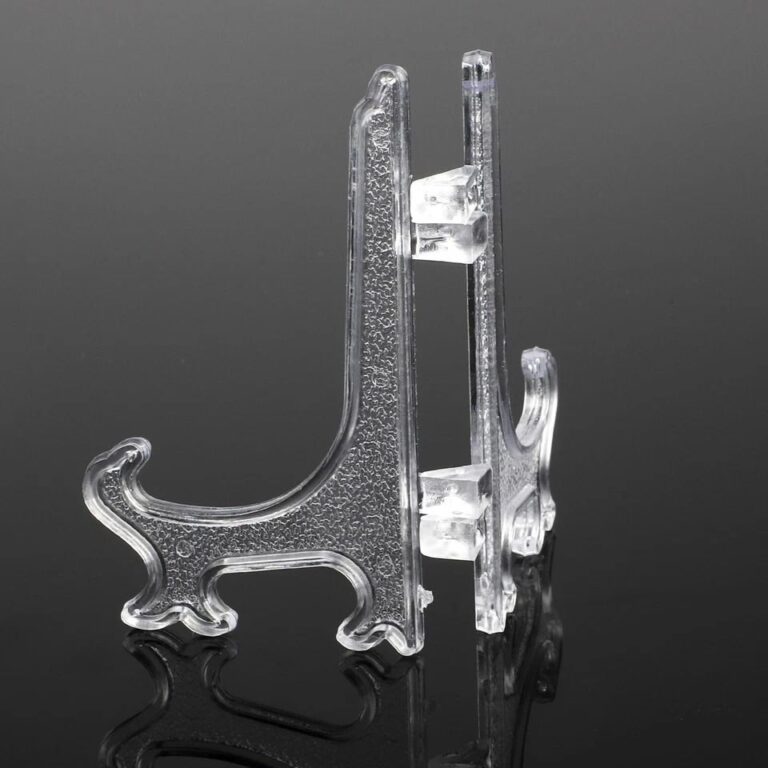
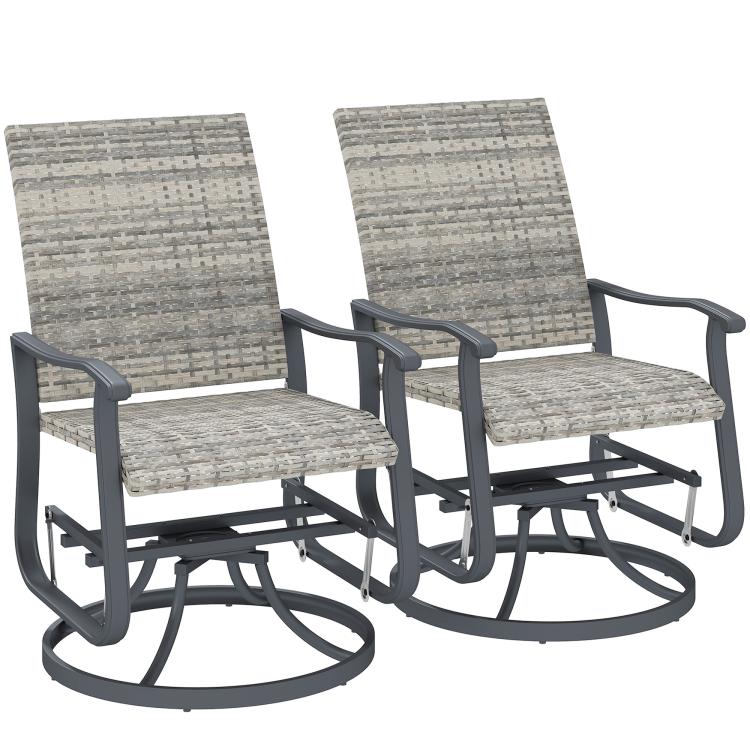 Aisha's pickRattan Frame Sets That Catch the Eye Without Taking Over
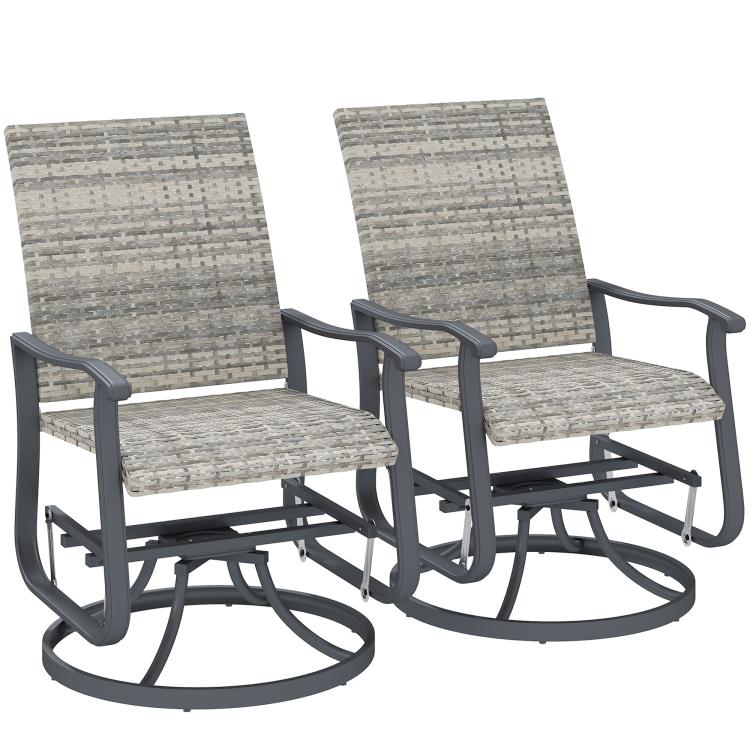
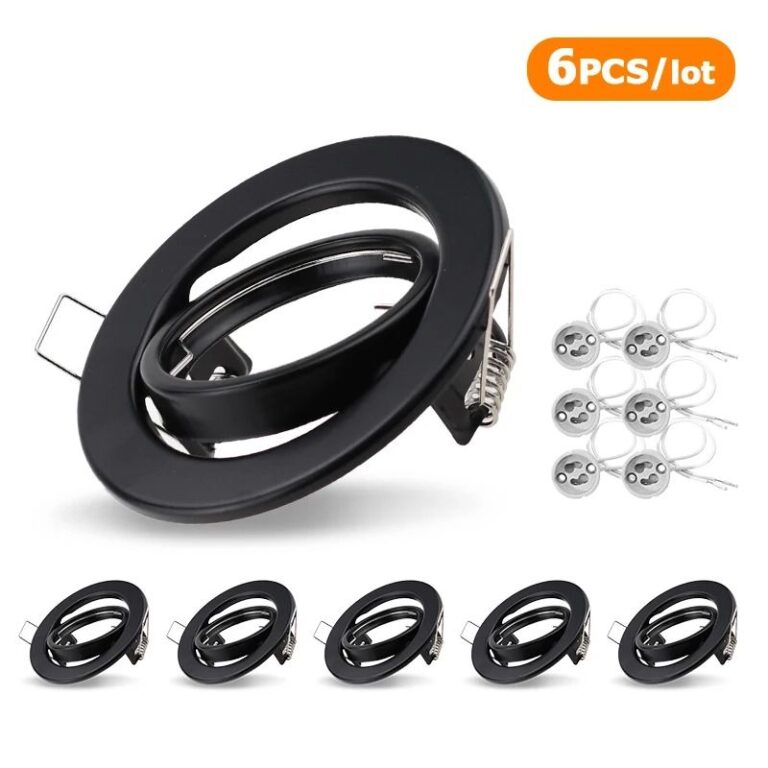 Aisha's pickWhite Gallery Frames That Make Great Housewarming Gifts
 Aisha's pickBlue Photo Frames That Go With Most Rooms
 Aisha's pickGallery Frames for Wall We’d Make Room For
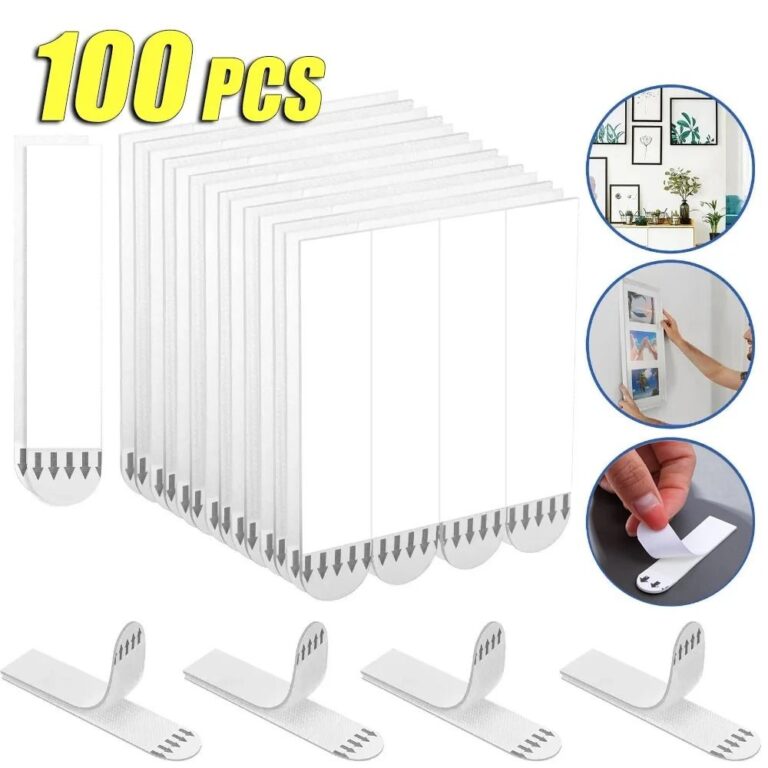 Aisha's pickMetal Canvas Frames for Rooms That Feel a Bit Bare
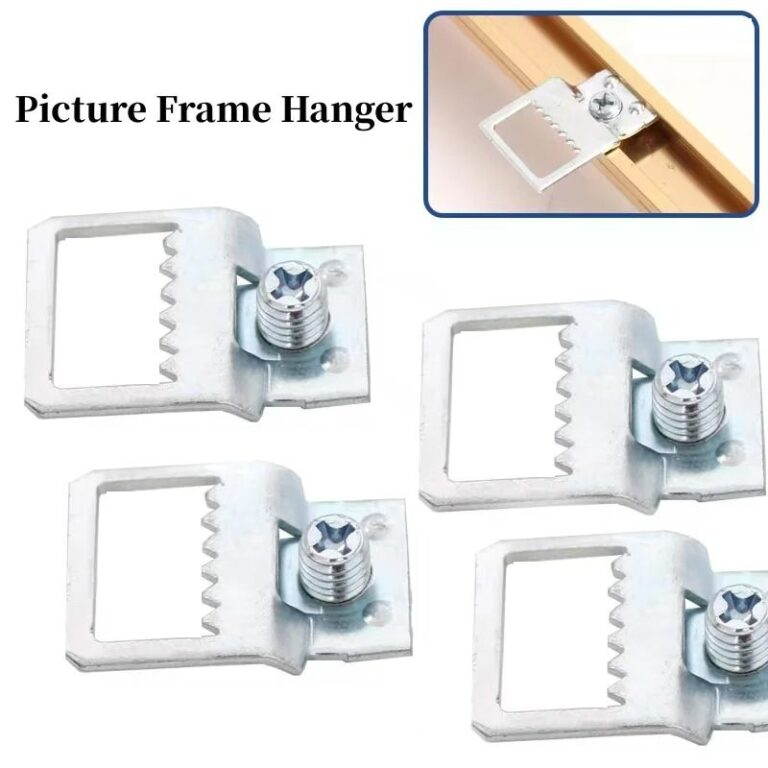
 Aisha's pickPhoto Frames for Desk That Make the Spare Room Feel Like an Office
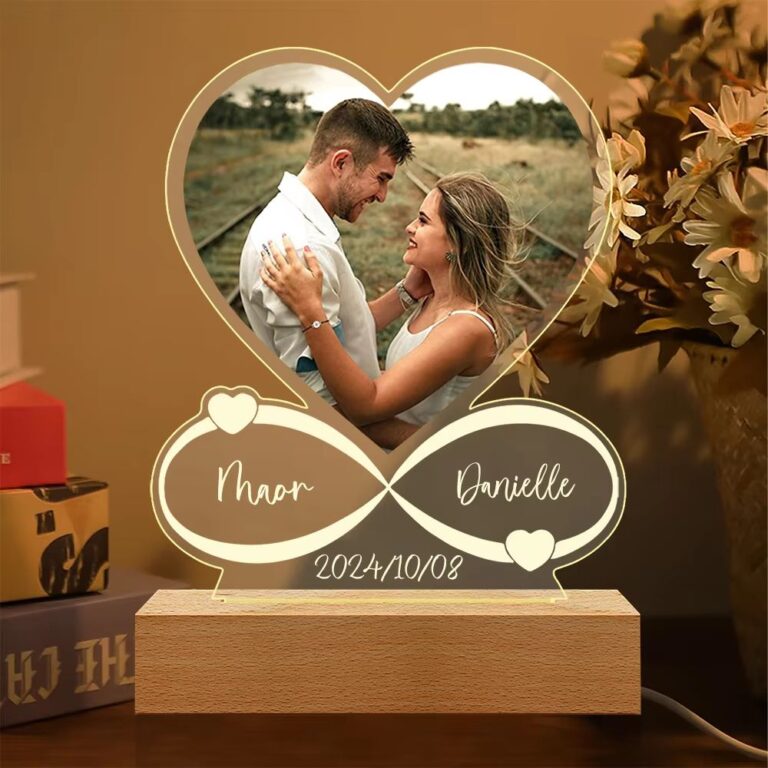
 Aisha's pickWooden Photo Frames That Make a Shelf Look StyledAlso worth a lookPicture FramesMy first frames came in a pack of six, thin black plastic, and I filled them with photos within an hour of getting home.See the collections →
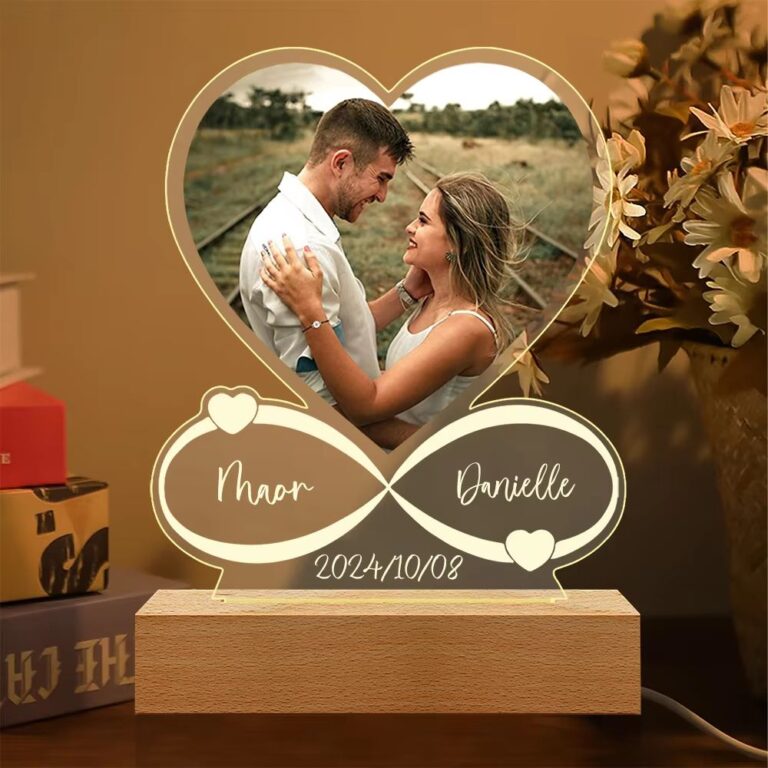
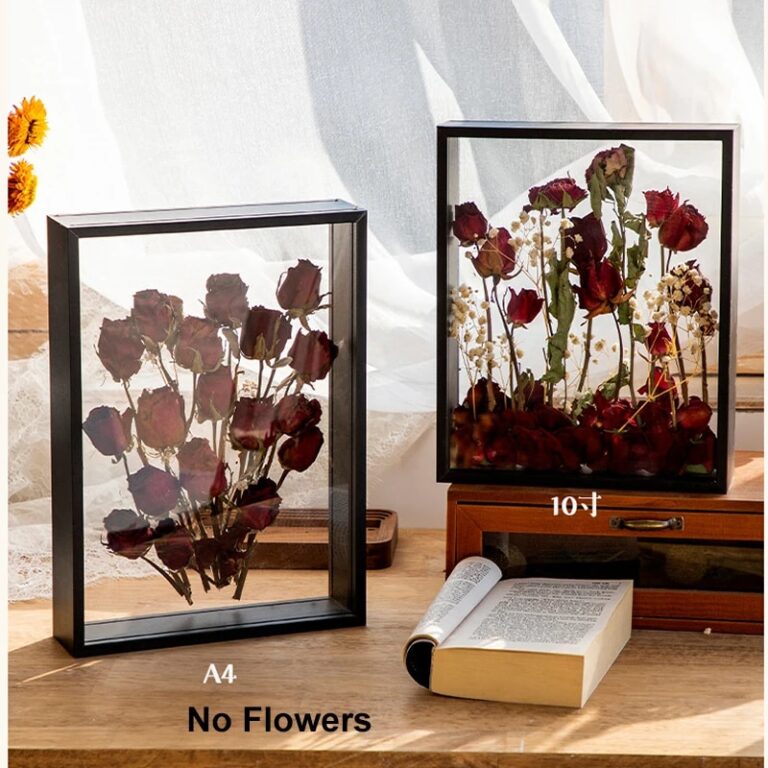 Aisha's pickNatural Picture Frames for Filling an Awkward Gap
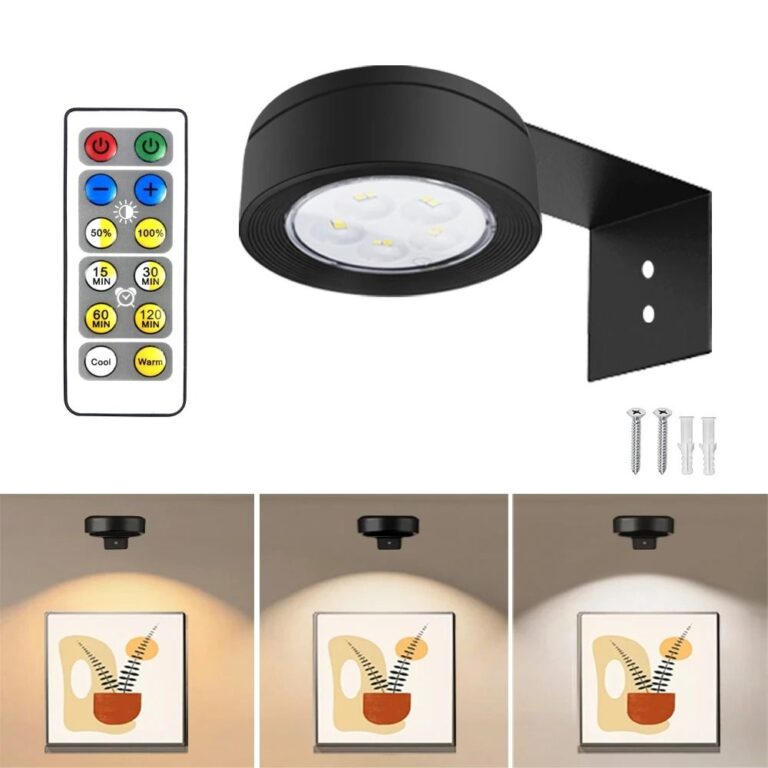
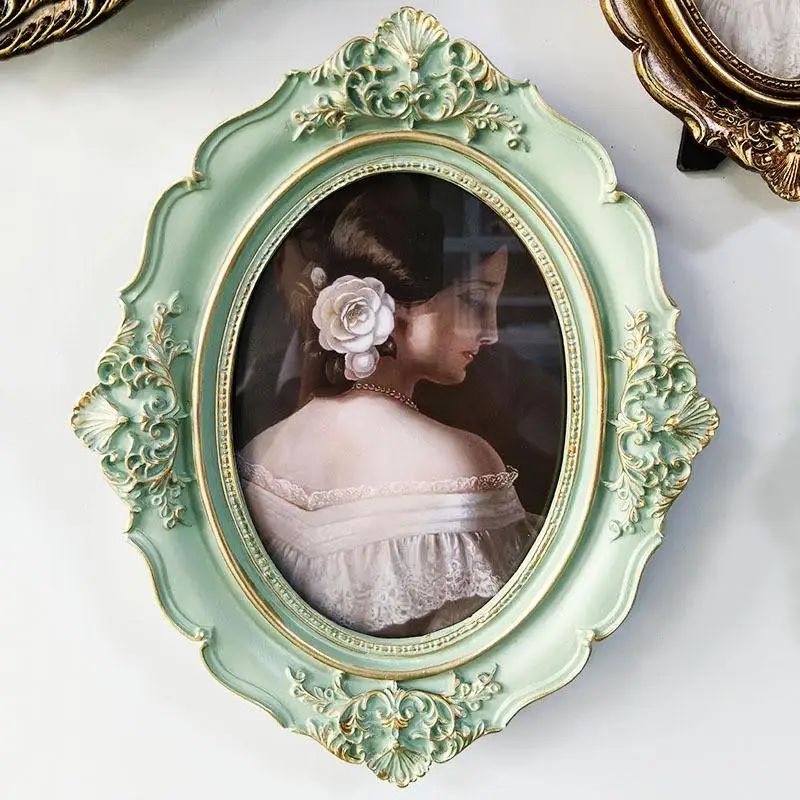 Aisha's pickBox Frames for Wall That Give a Room Some Personality

 Aisha's pickBlack Frame Sets That Give a Room Some Personality

 Aisha's pickRustic Frame Sets for Filling an Awkward Gap
 Aisha's pickWhite Photo Frames That Feel Personal, Not Store Bought
 Aisha's pickCanvas Frames With a Bit More About Them

 Aisha's pickGlass Canvas Frames That Catch the Eye Without Taking Over
 Aisha's pickMetal Clip Frames That Give a Room Some Personality

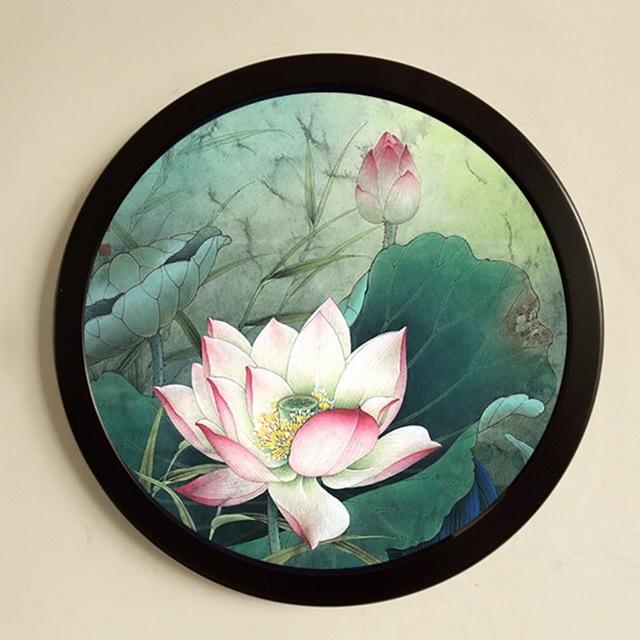 Aisha's pickPhoto Frames for Wall Hunted Down So You Don’t Have ToAlso worth a lookFrame SetsI avoided matching frame sets for years because every one I saw in a shop looked like it…See the collections →
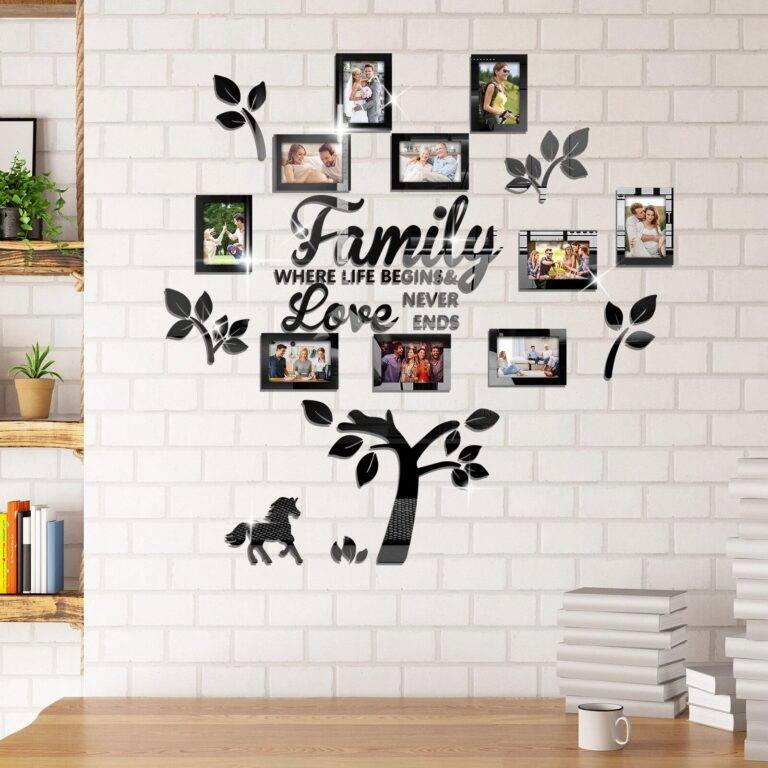
 Aisha's pickWooden Photo Frames That Earn Their Keep
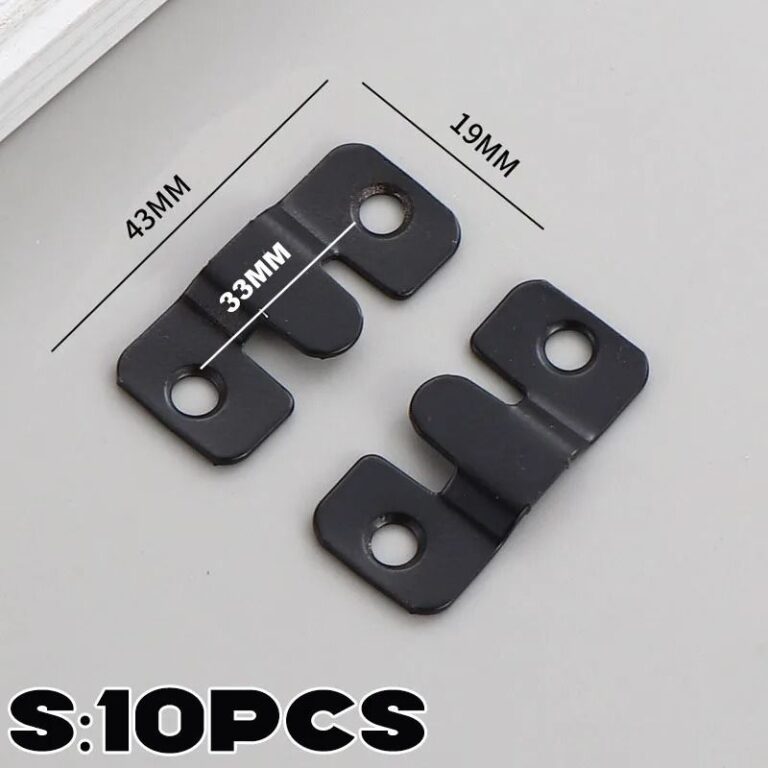
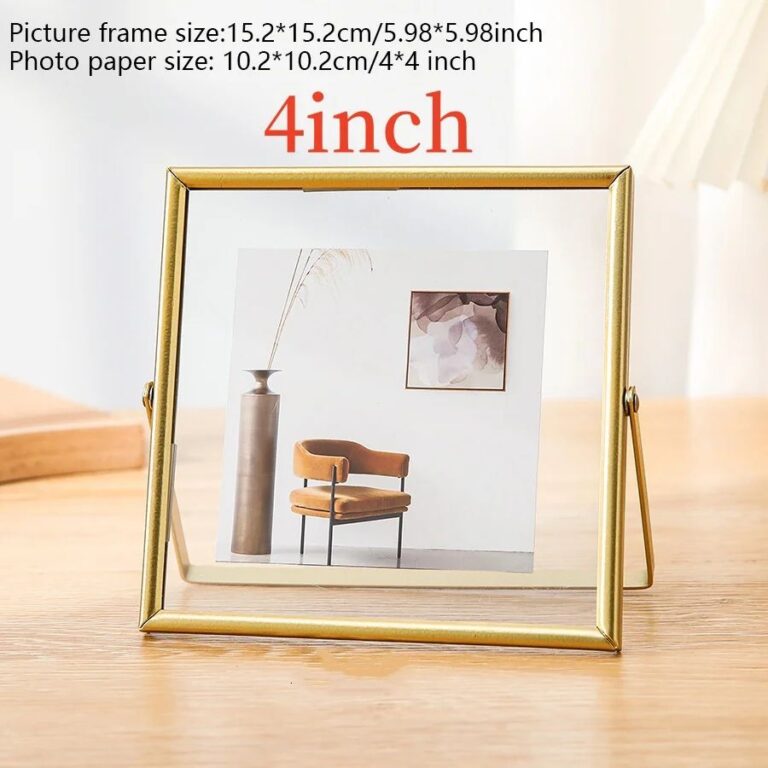 Aisha's pickPicture Frames With a Story to Them
 Aisha's pickFreestanding Box Frames With a Bit More About Them
 Aisha's pickBlue Frame Sets That Make a Shelf Look Styled
 Aisha's pickSilver Frame Sets That Catch the Eye Without Taking Over
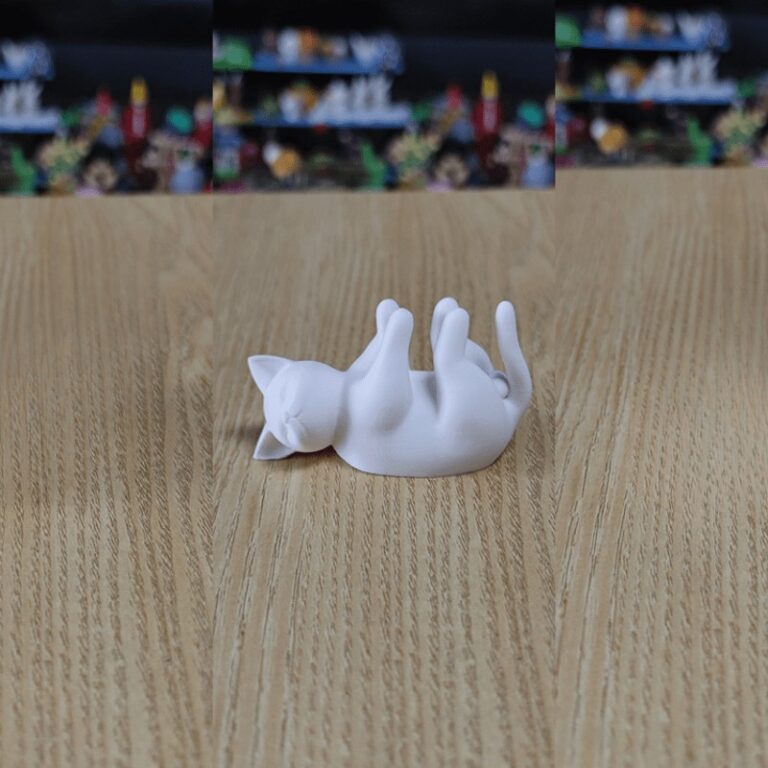 Aisha's pickWhite Photo Frames That Give a Room Some Personality
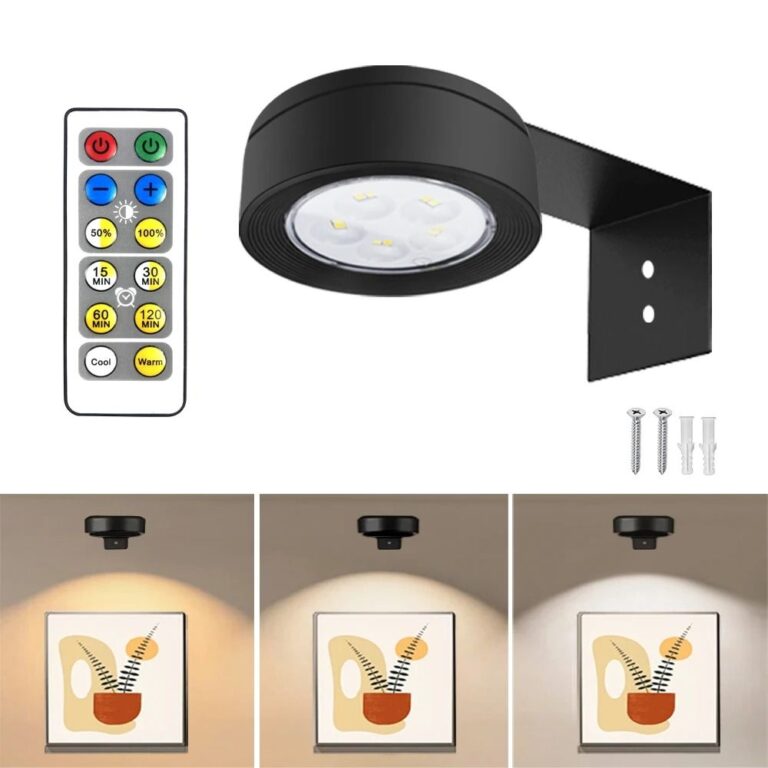
 Aisha's pickCanvas Frames for Wall That Make Small Changes Feel Big

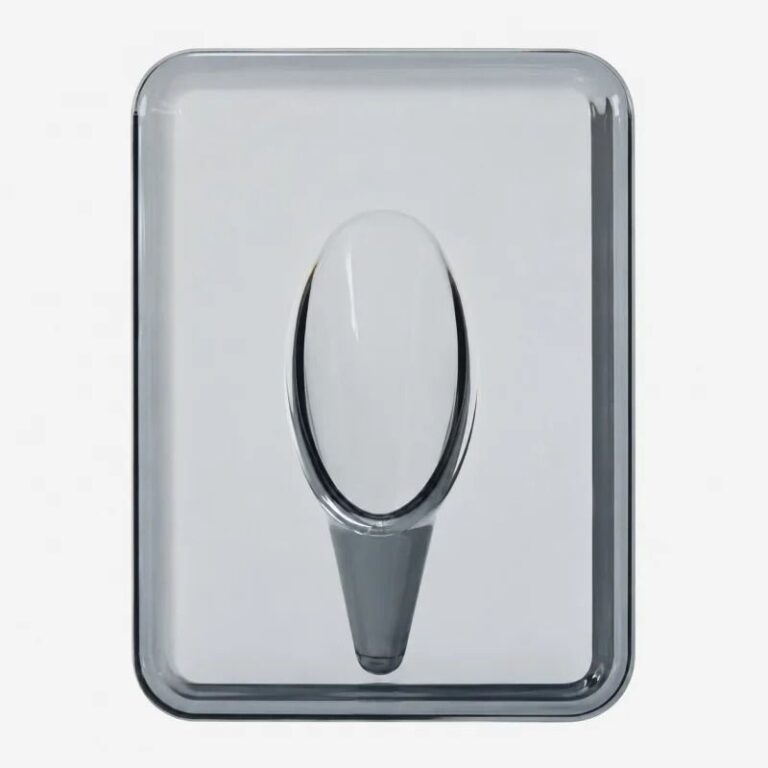 Aisha's pickGlass Photo Frames That Feel Personal, Not Store Bought
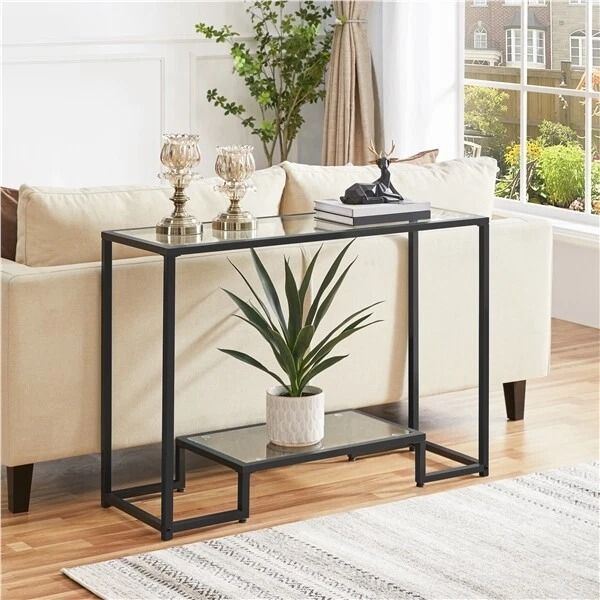
 Aisha's pickDecent Metal Photo Frames Without the HassleAlso worth a lookBox FramesWhat you don't notice until the third or fourth month is the way the shadow gap behind the glass changes with the light.See the collections →

 Aisha's pickPink Photo Frames That Give a Room Some Personality
 Aisha's pickA4 Picture Frames for People Who Know What They Like
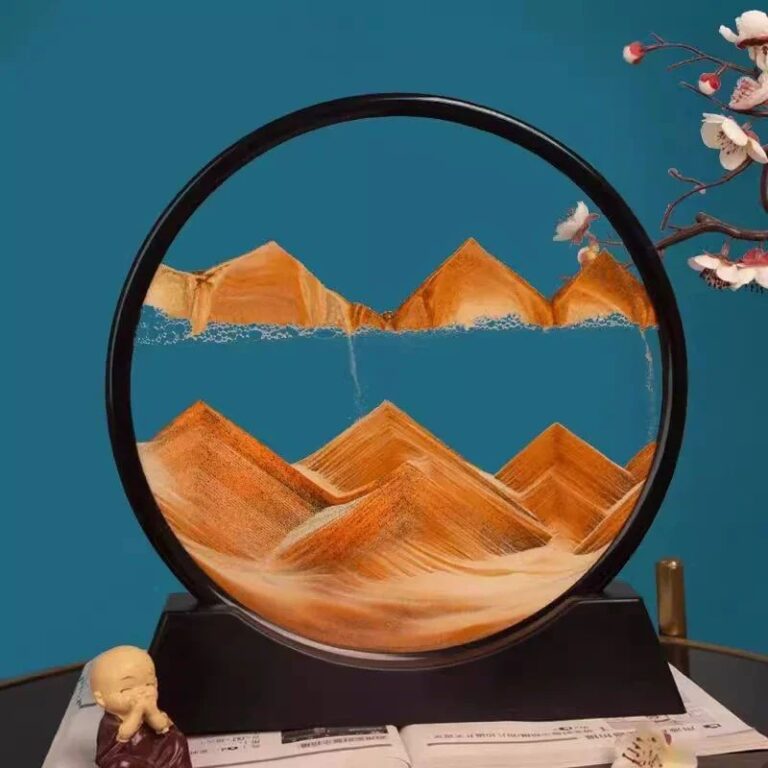 Aisha's pickPicture Frames for Wall That Look Good Up Close
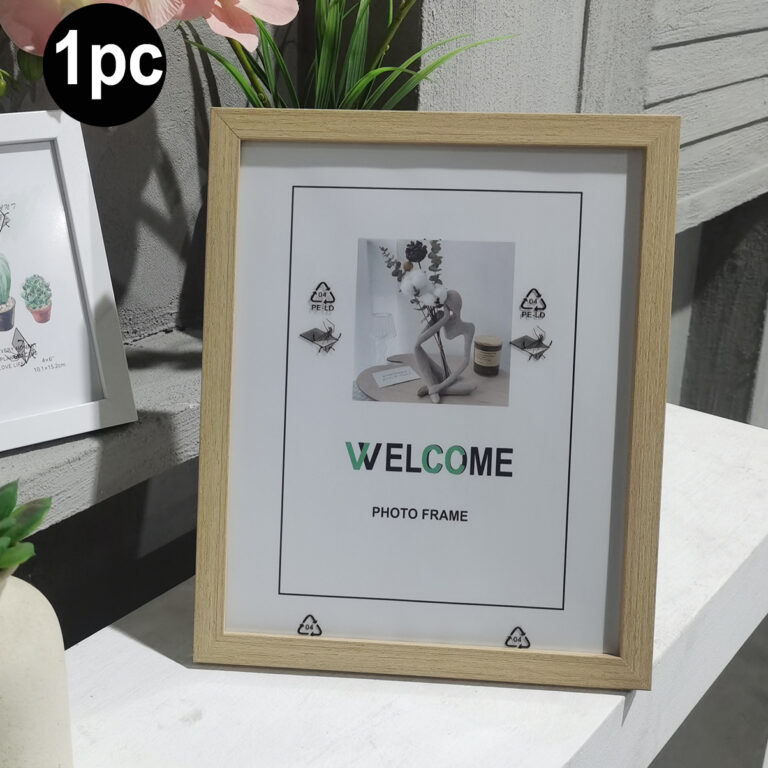
 Aisha's pickGlass Box Frames for Filling an Awkward Gap
 Aisha's pickBrass Frame Sets That Start Conversations
 Aisha's pickSmall Frame Sets That Catch the Eye Without Taking Over

 Aisha's pickA3 Poster Frames That Start Conversations
 Aisha's pickCertificate Frames That Earn Their Keep