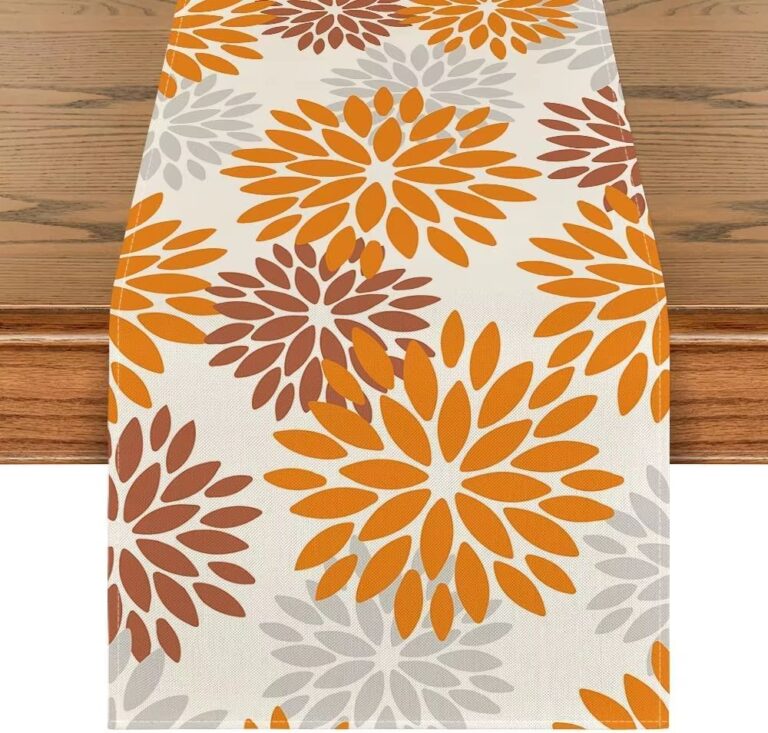
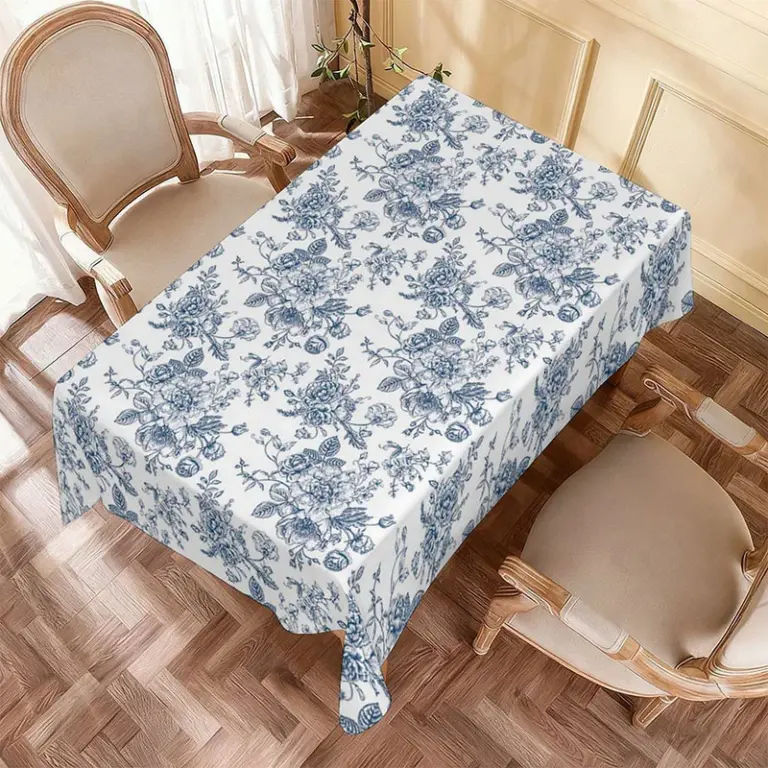
Most table decor earns its spot by accident, not on purpose. I used to buy whatever filled the gap on a console or coffee table, a candle here, a bowl there, and within a year the whole surface looked like a going out of business sale. The stuff that actually holds up on a table is the stuff you chose because you wanted to look at it, not because the table looked bare.
The difference between a piece that lasts and one that ends up in a donation box shows up in the details you can check with your hands before you even get it home. Pick it up. Solid wood and real stone have a weight to them that resin and painted composite don't, and a heavier base usually means it won't slide around every time someone bumps the table. Run a thumb along any seam or joint, a bowl with a cast seam you can feel is a bowl that was made fast and cheap. Glazed ceramic should feel smooth and even, no pinholes, no spots where the glaze pooled and left a rough patch. Metal pieces should feel cool and dense, not light and tinny, and the finish shouldn't rub off on your fingers when you handle it. For colors and finishes, go for the ones that disappear into a room rather than announce themselves, warm woods, matte stoneware in clay or bone tones, brushed brass or aged bronze over anything shiny and chrome, because shine shows dust and fingerprints in a way that makes you resent it within a month. If you're starting from nothing, one good tray does more work than three small objects, it gives everything else a reason to sit together instead of looking scattered, and you can build around it slowly.
Live with it for a while and you'll see how it actually ages, which tells you more than any shop visit. Wood will take on small scratches and a bit of a patina, which is fine, that's it settling in rather than falling apart. Ceramic and stone are fairly forgiving day to day, just lift them to dust and wipe underneath, since rings and dust shadows build up faster than you'd expect. Metal needs an occasional wipe with a dry cloth to keep the oils from your hands from dulling the finish, and keep anything with a painted or lacquered surface away from direct sun on a windowsill table, because that finish will yellow and crack long before the piece itself gives out.
Buy fewer pieces, heavier ones, and your table will look finished on day one and still look right in five years.
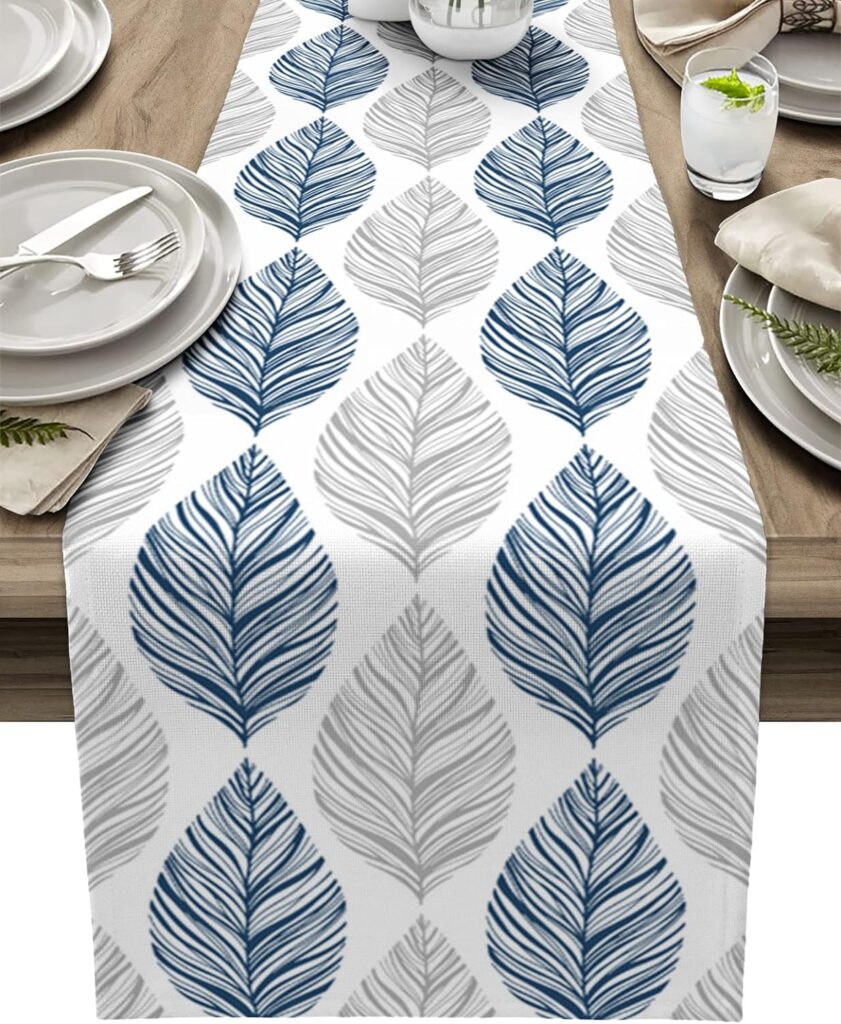
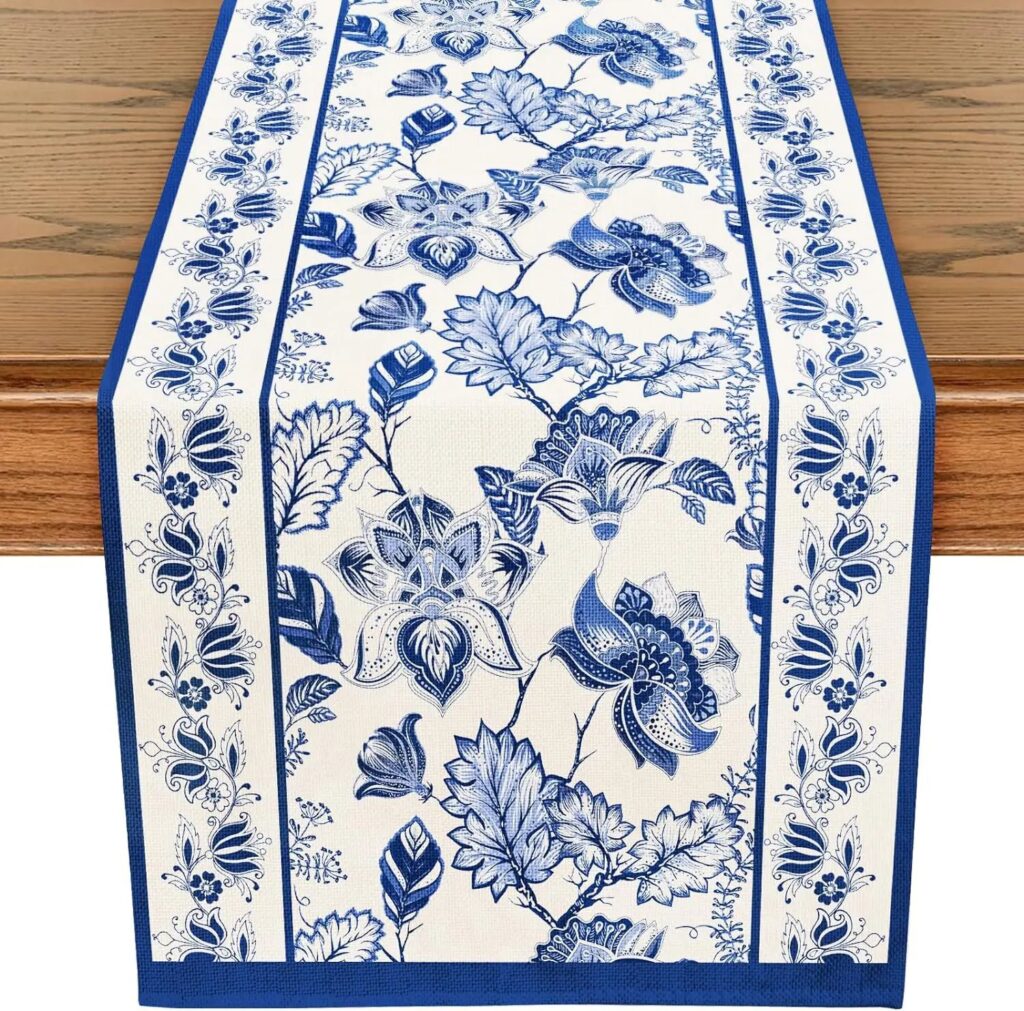 Aisha's pickBlue Table Decor Pulled From Dozens of Stores
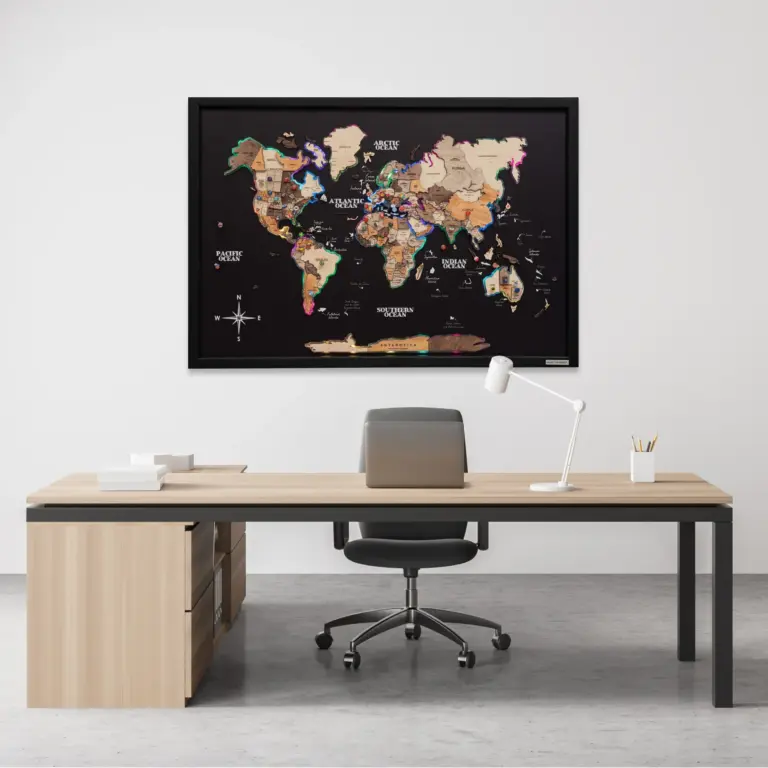 Aisha's pickModern Table Decor Pulled From Dozens of Stores
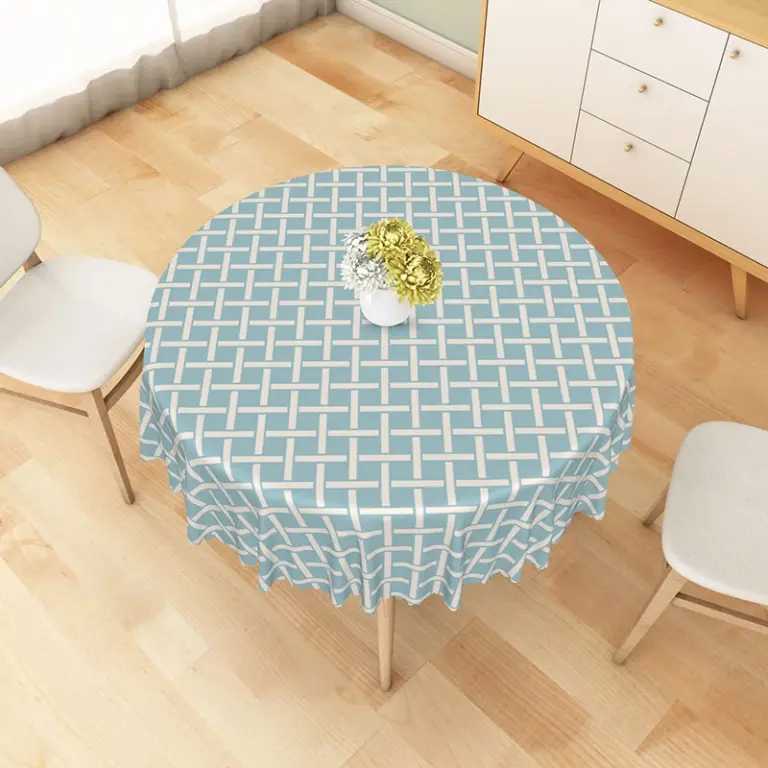
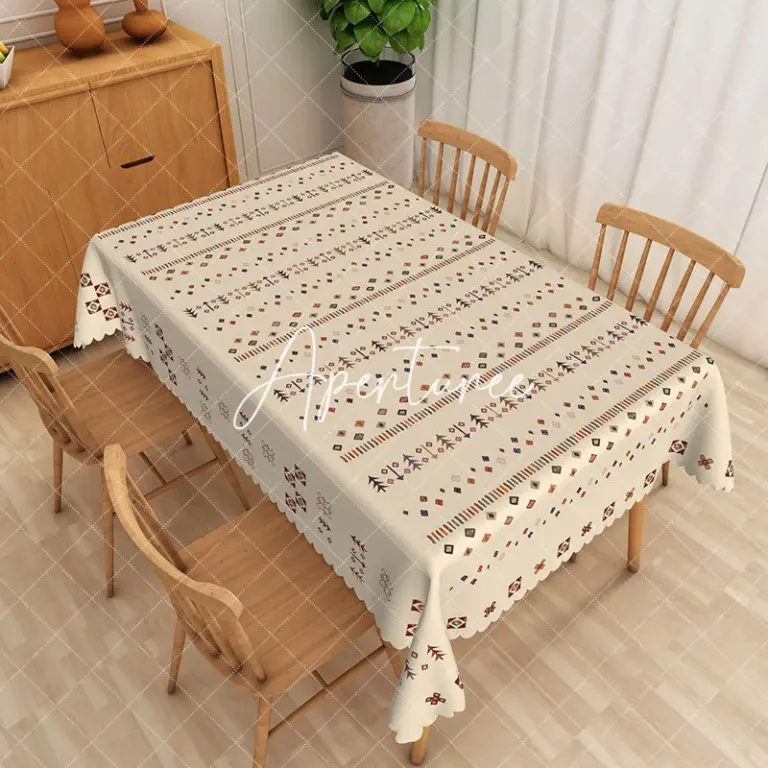 Aisha's pickWaterproof Table Decor That Earns Its Place
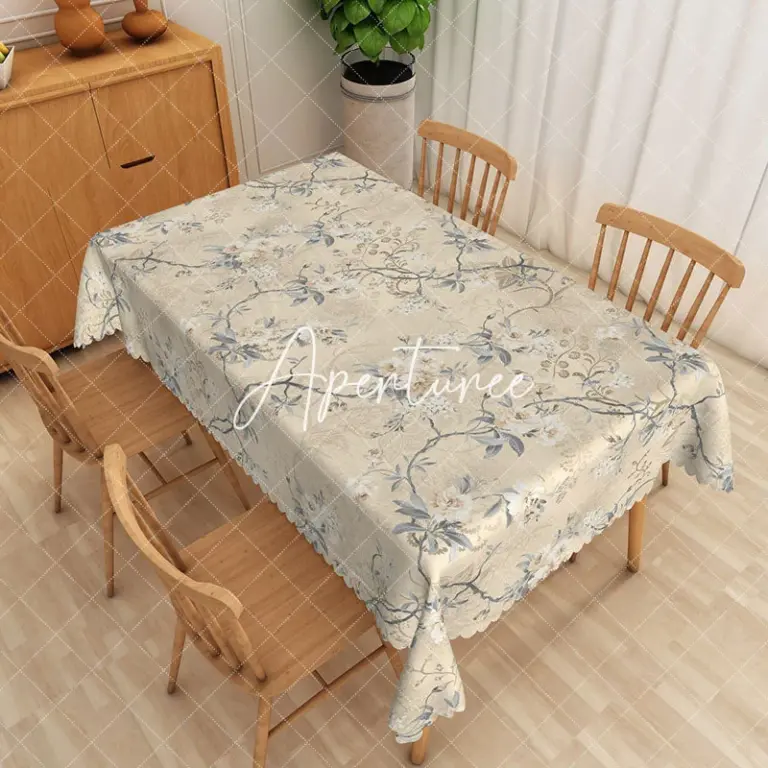
 Aisha's pickBoho Table Decor That Looks the Part
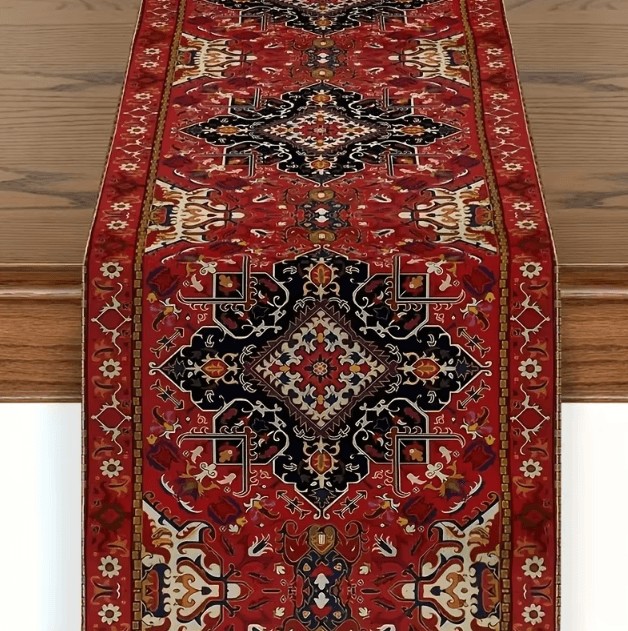
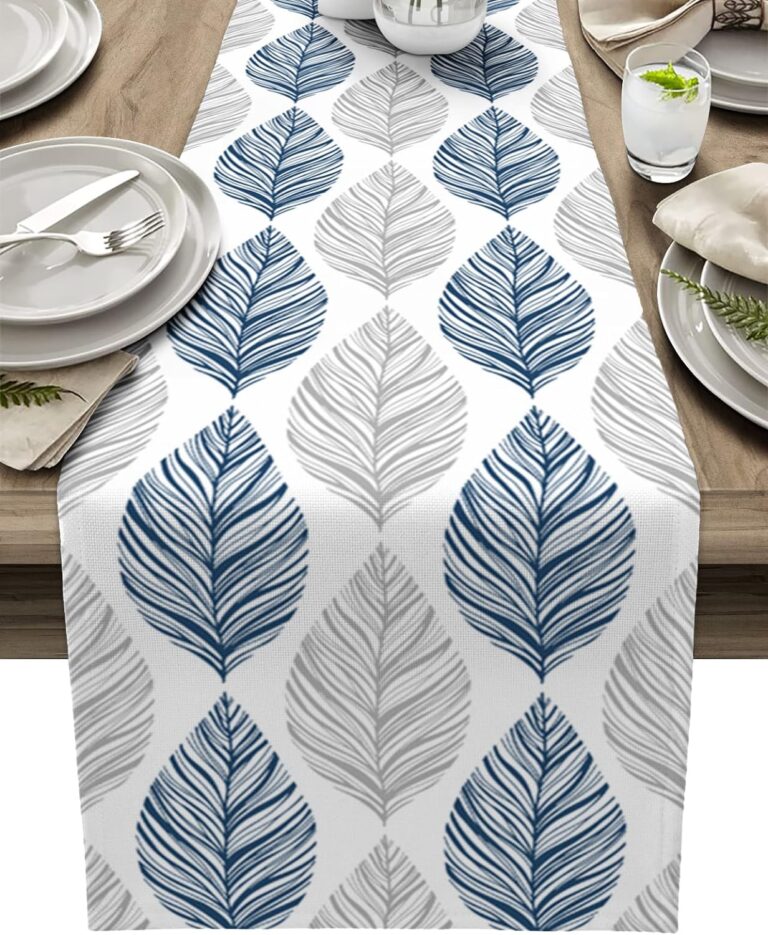 Aisha's pickNavy Table Decor Worth Your Money
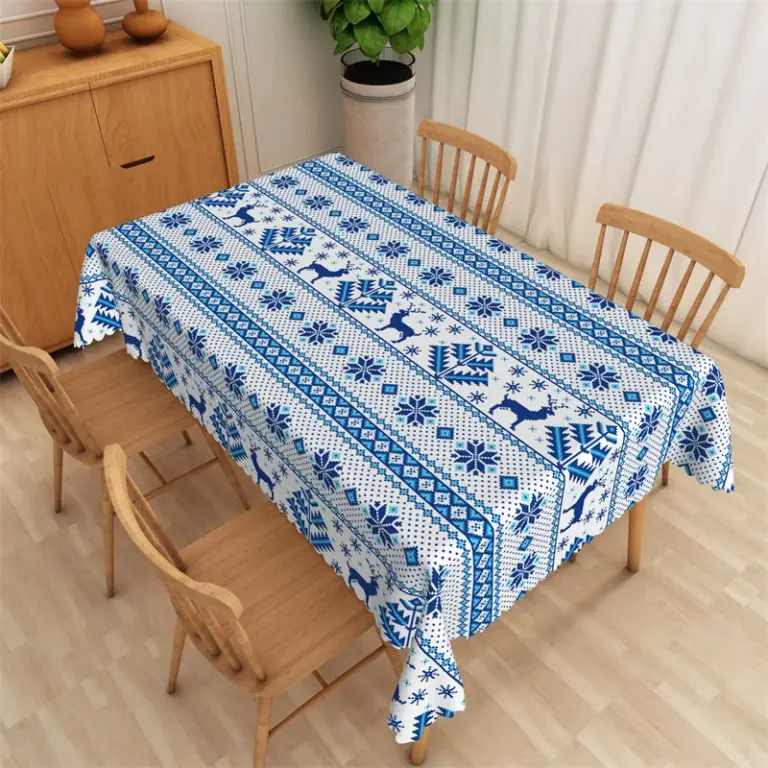
 Aisha's pickWhite Table Decor That Earns Its Place
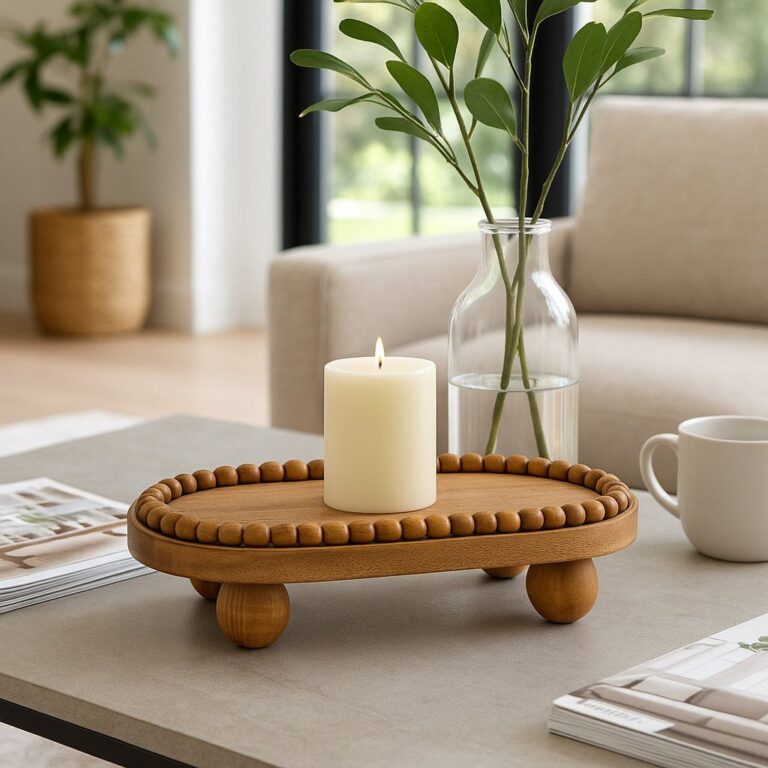 Aisha's pickBrown Table Decor Pulled From Dozens of Stores

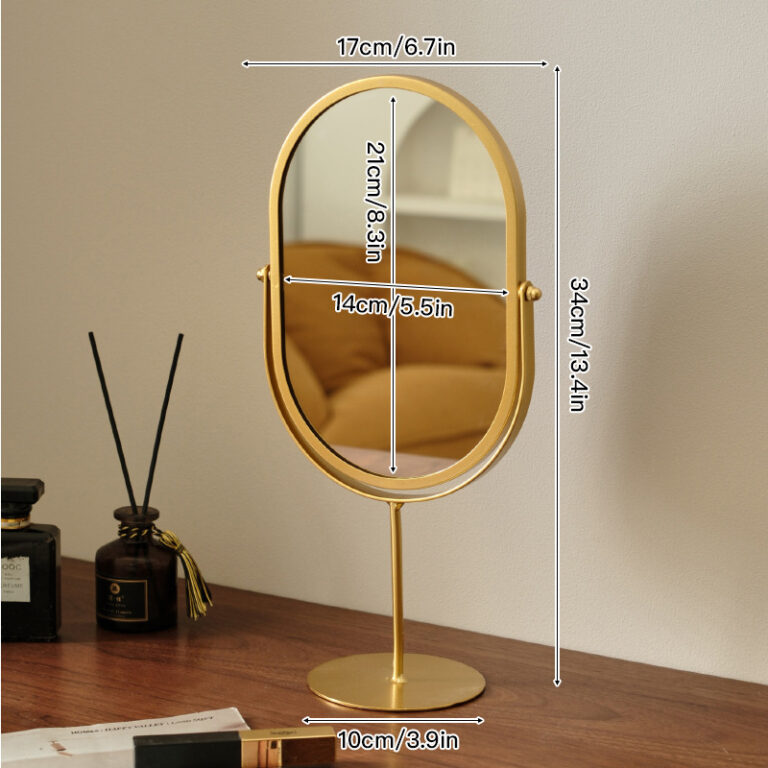 Aisha's pickOval Table Decor We Keep Buying
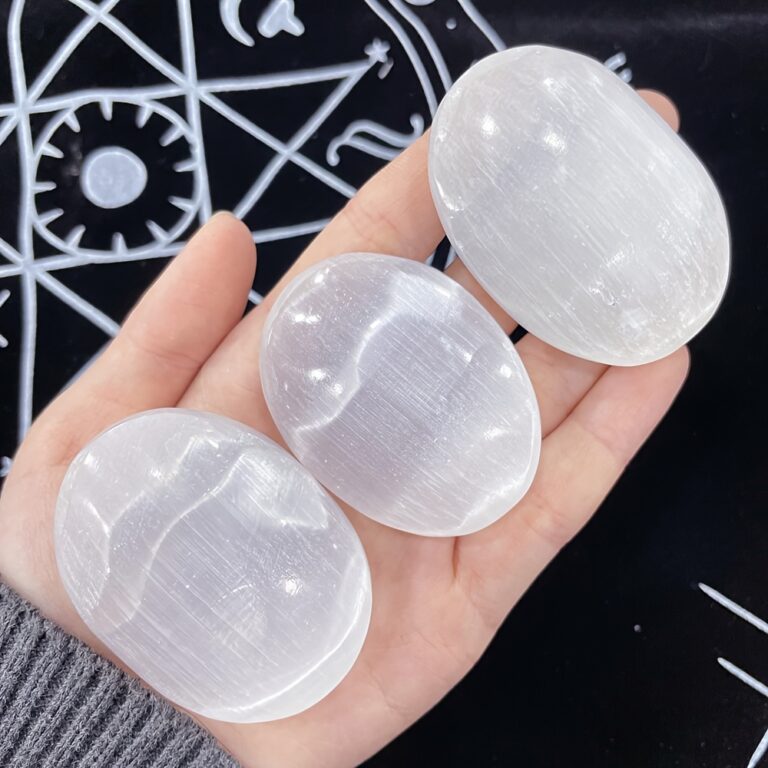
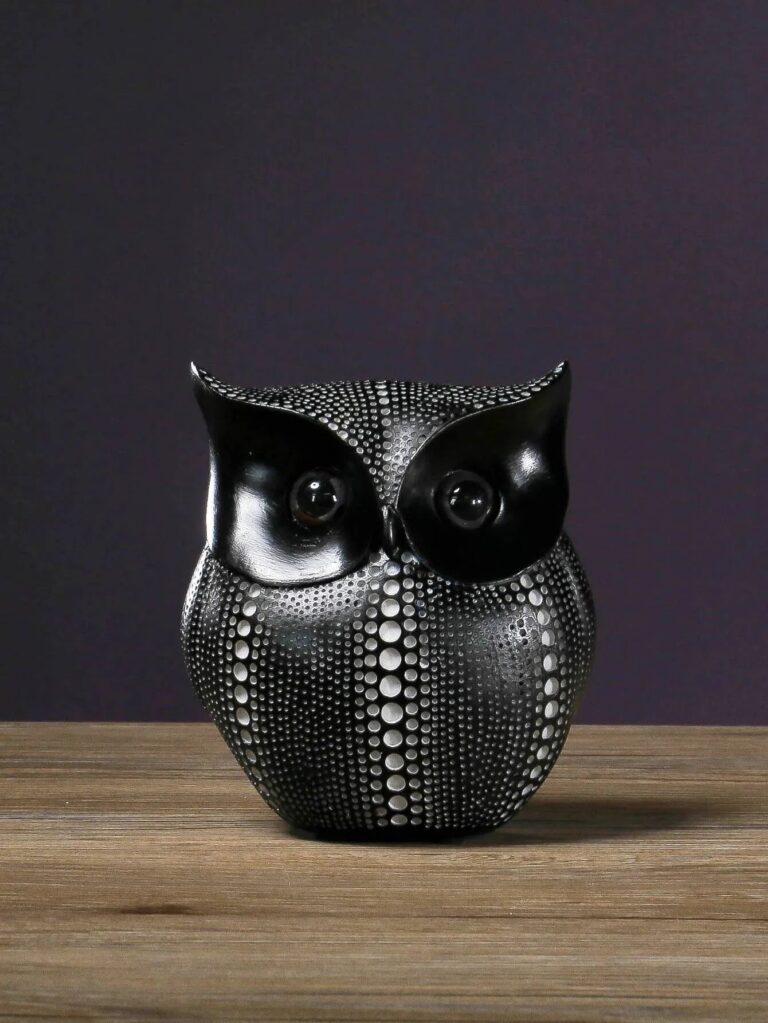 Aisha's pickWhite Table Sculptures That Feel Personal, Not Store BoughtAlso worth a lookDecorDecor is the stuff that doesn't do anything useful at all, and that's exactly the point of it.See the collections →
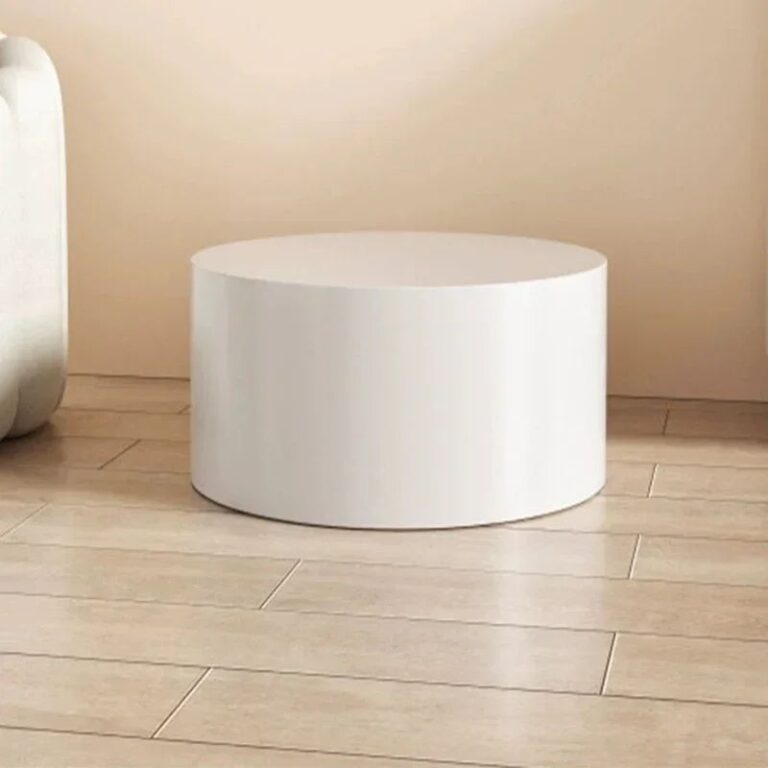
 Aisha's pickPlaid Table Decor We Keep Buying
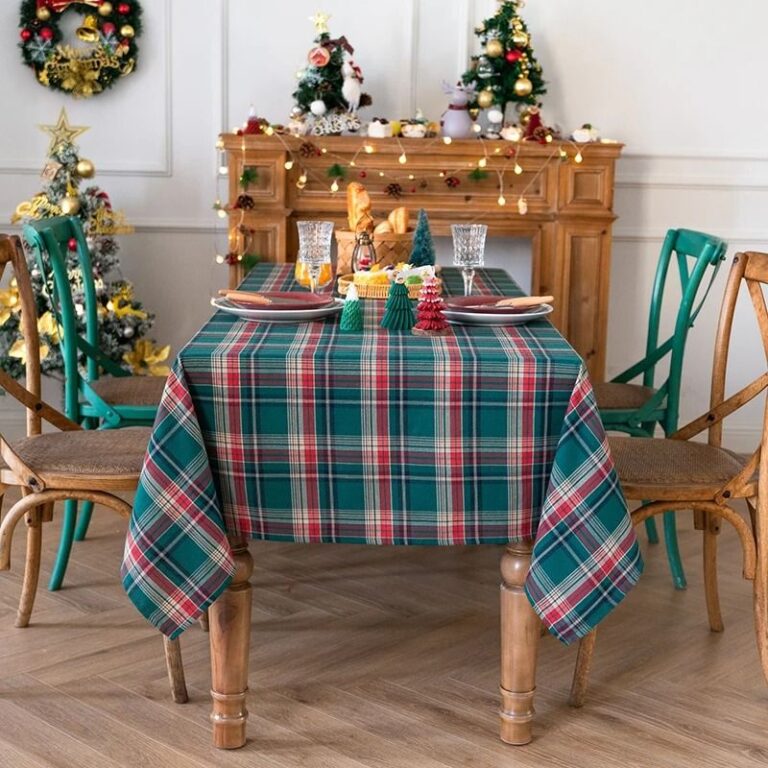
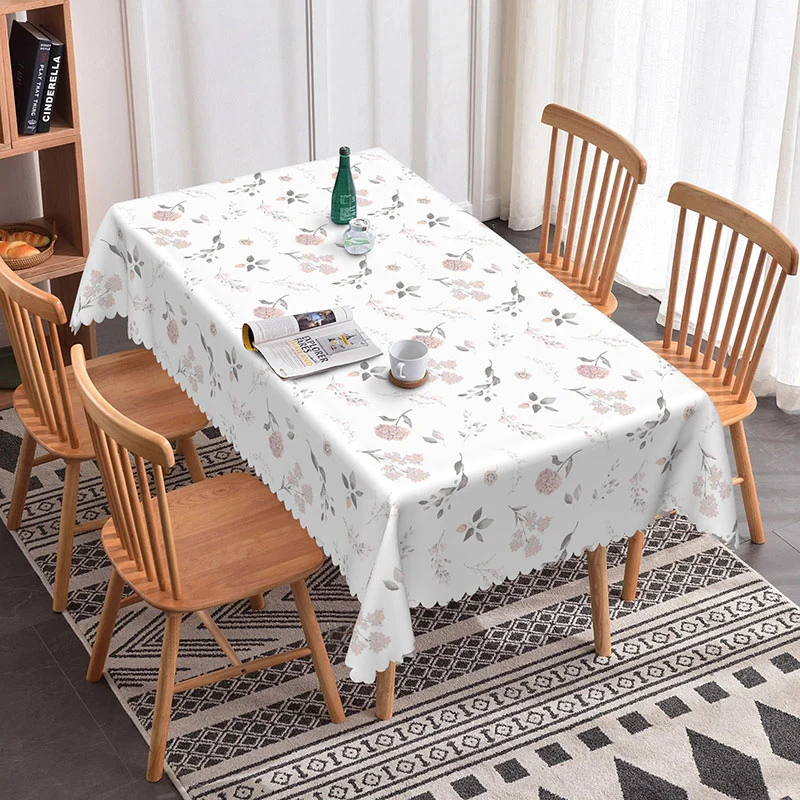 Aisha's pickPink Table Decor That Earns Its Place
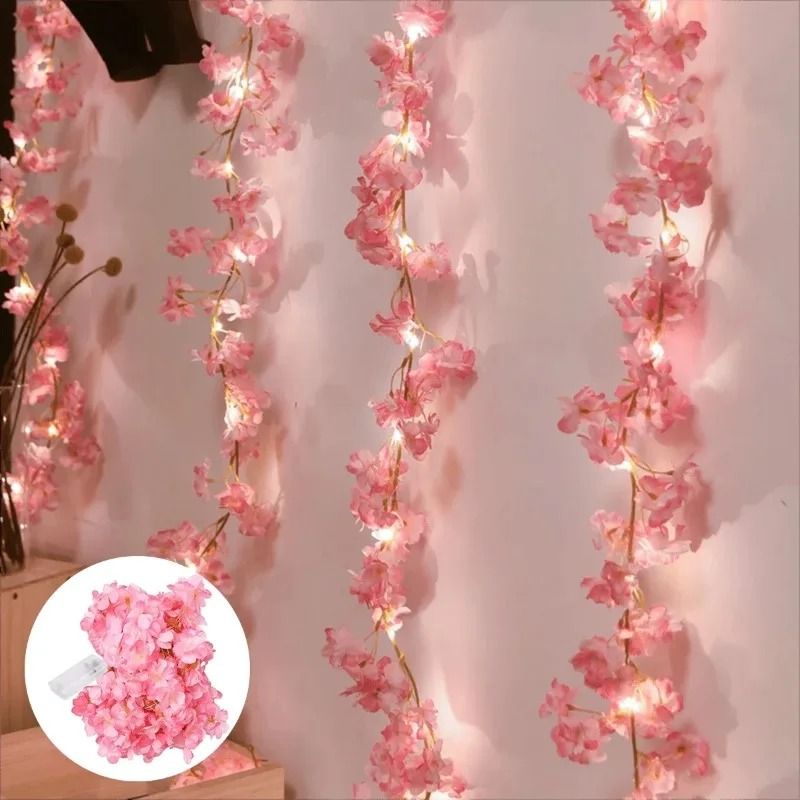
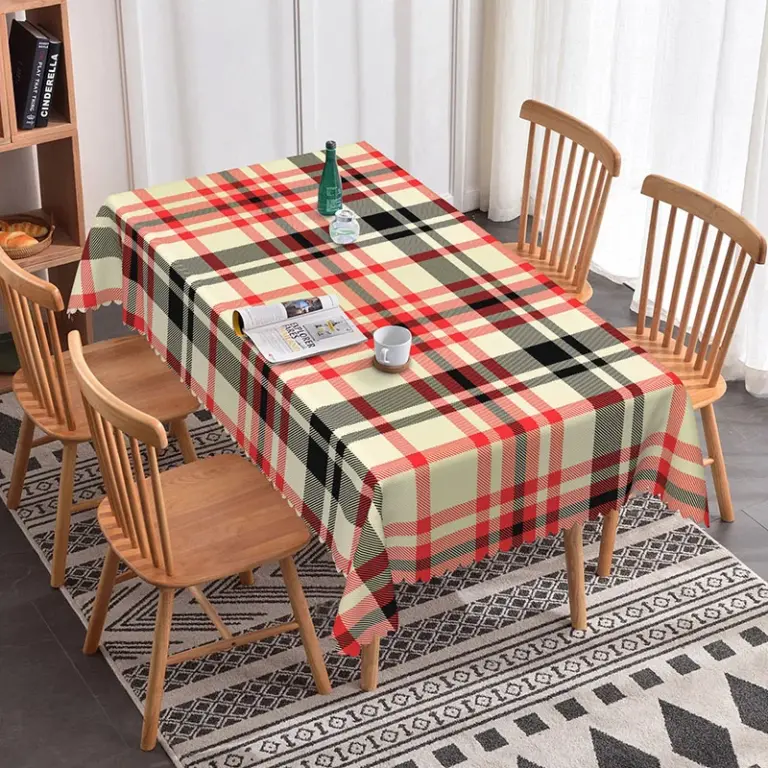 Aisha's pickWoven Table Decor With a Bit More About It
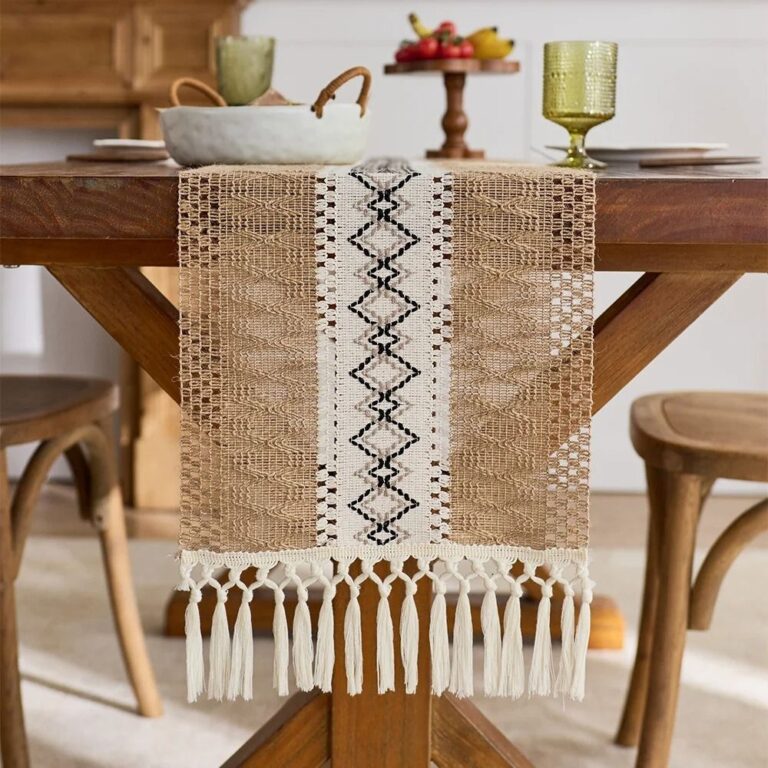
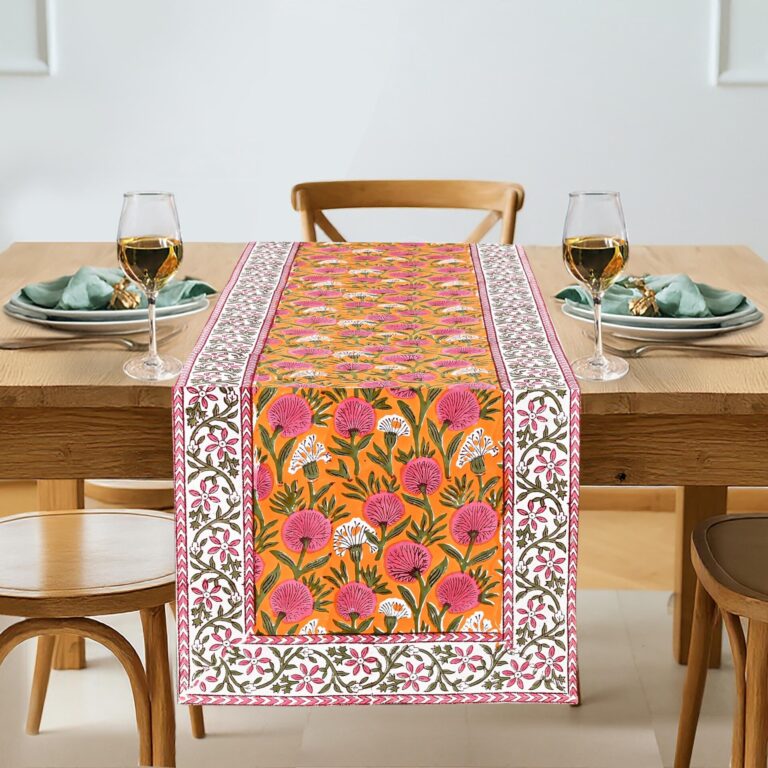 Aisha's pickGood Cotton Table Decor Without the Big Price Tag
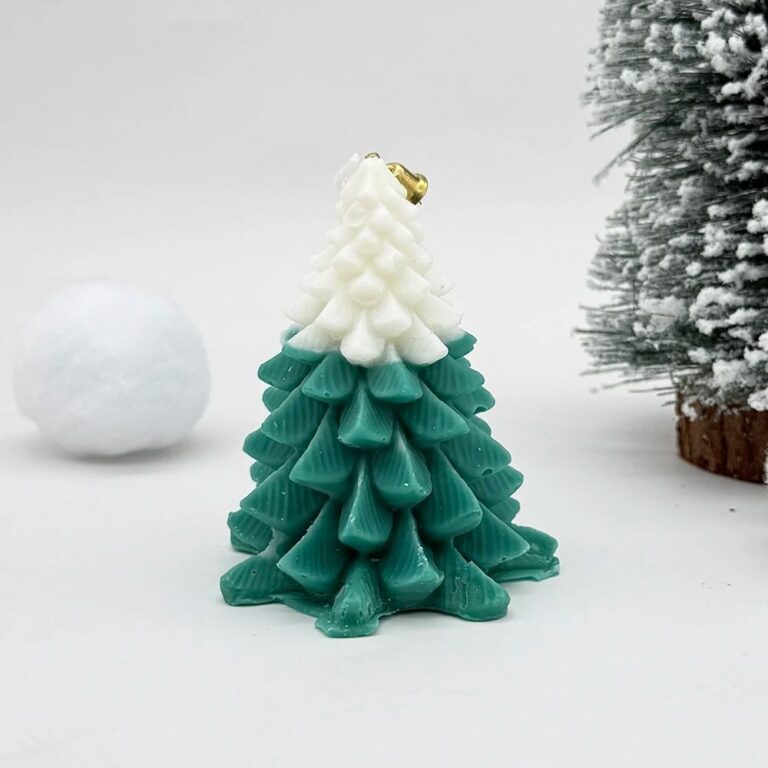
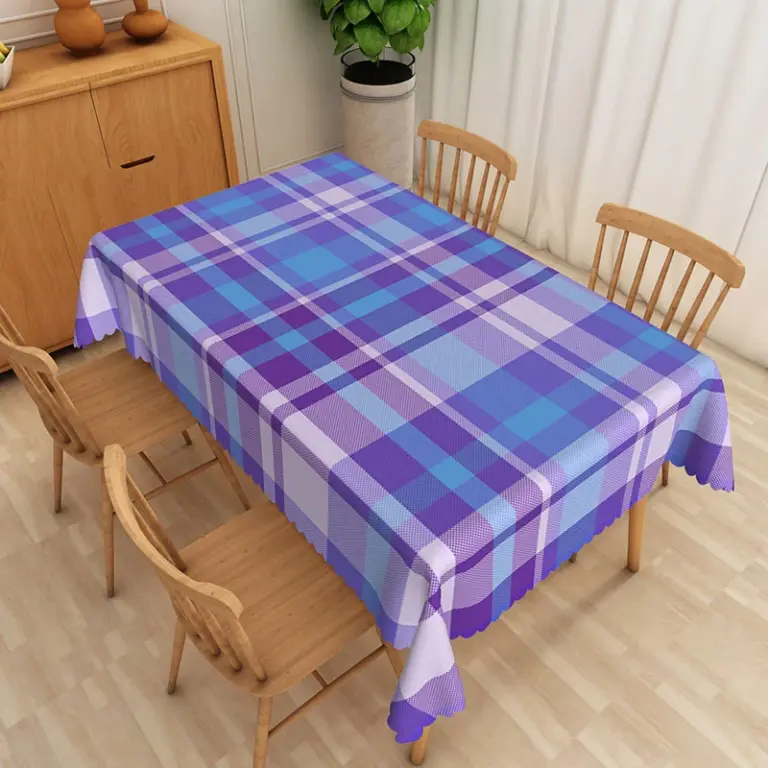 Aisha's pickPlaid Table Decor You’ll Live With Happily for Years
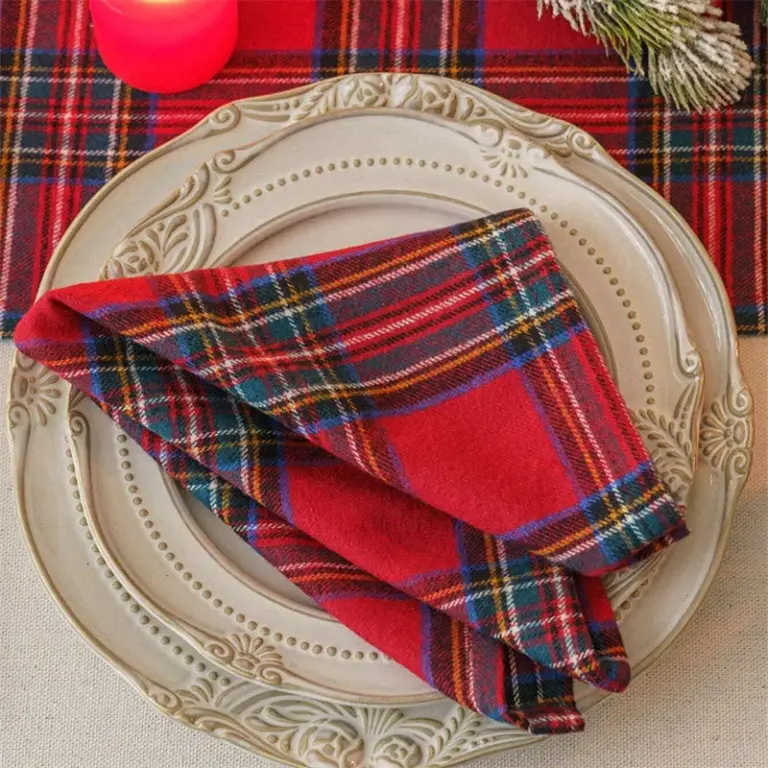
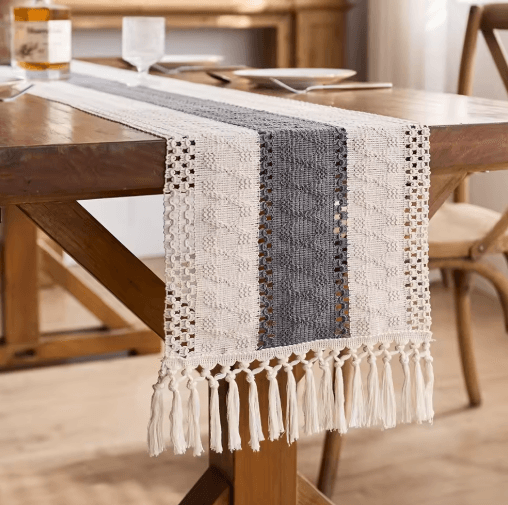 Aisha's pickCream Table Decor That Holds Up
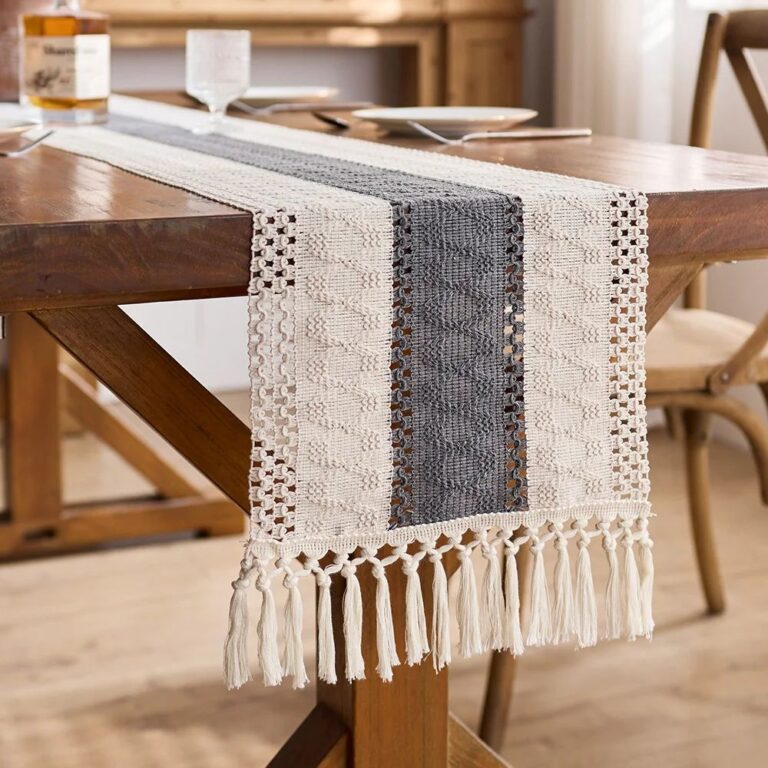
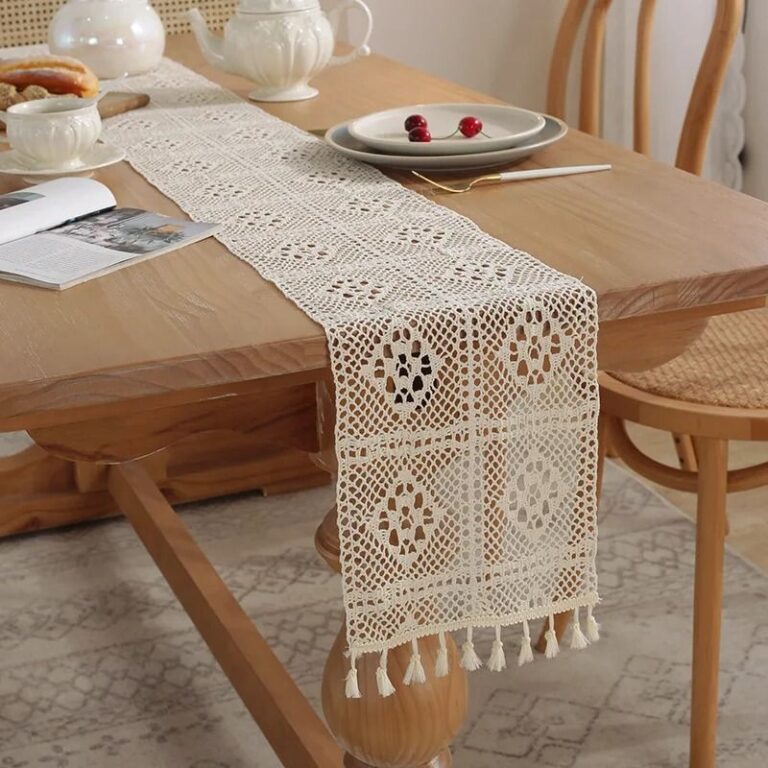 Aisha's pickRectangular Table Decor for When the Old Ones Give Up
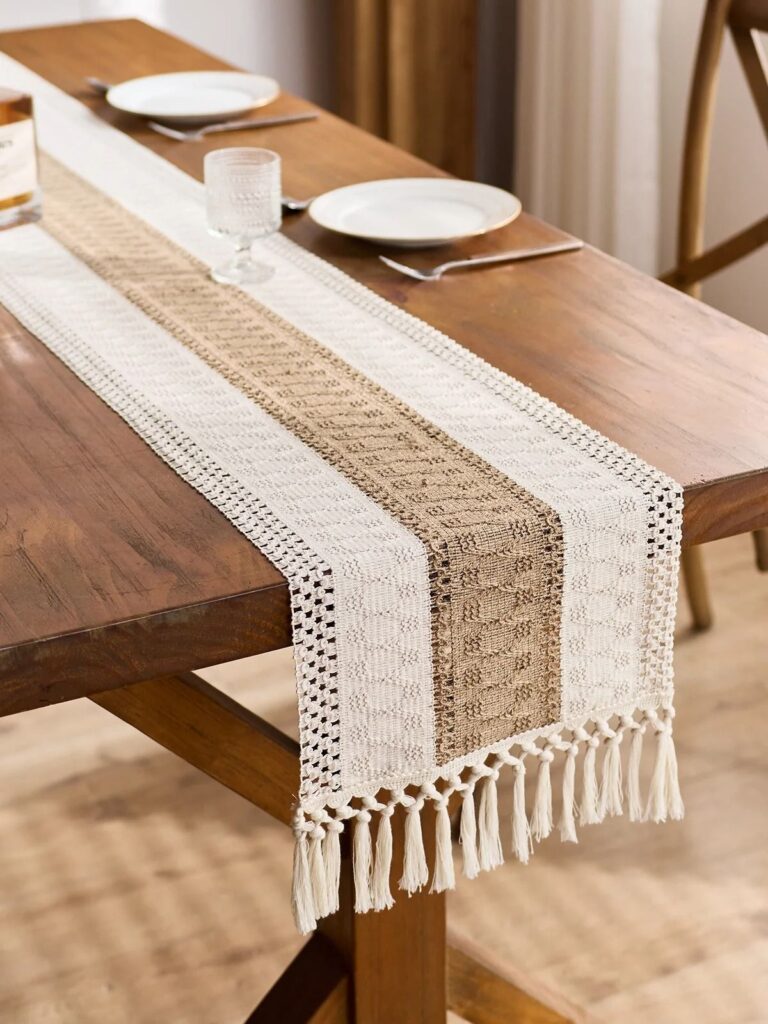
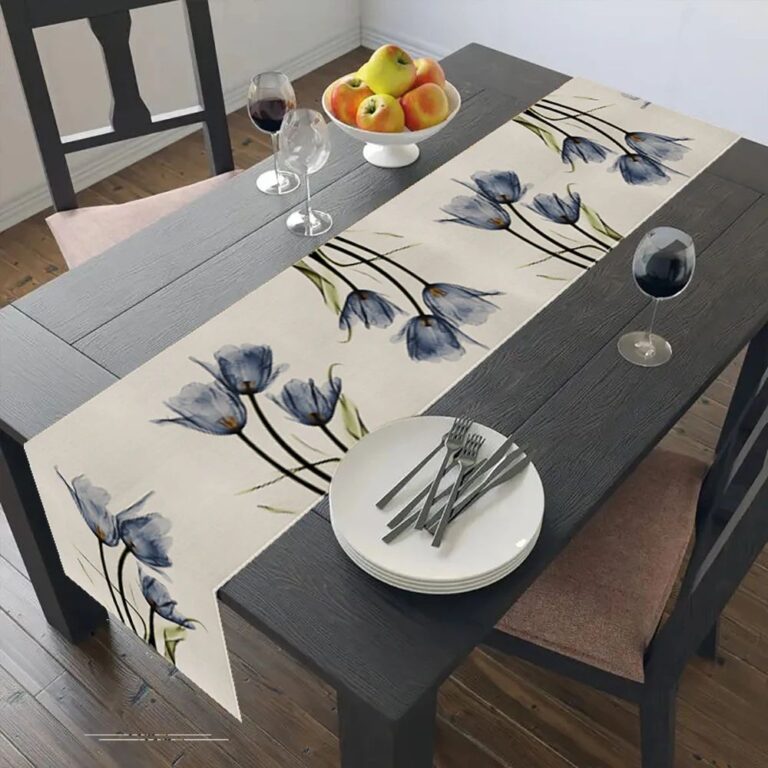 Aisha's pickOur Shortlist of Farmhouse Table Decor
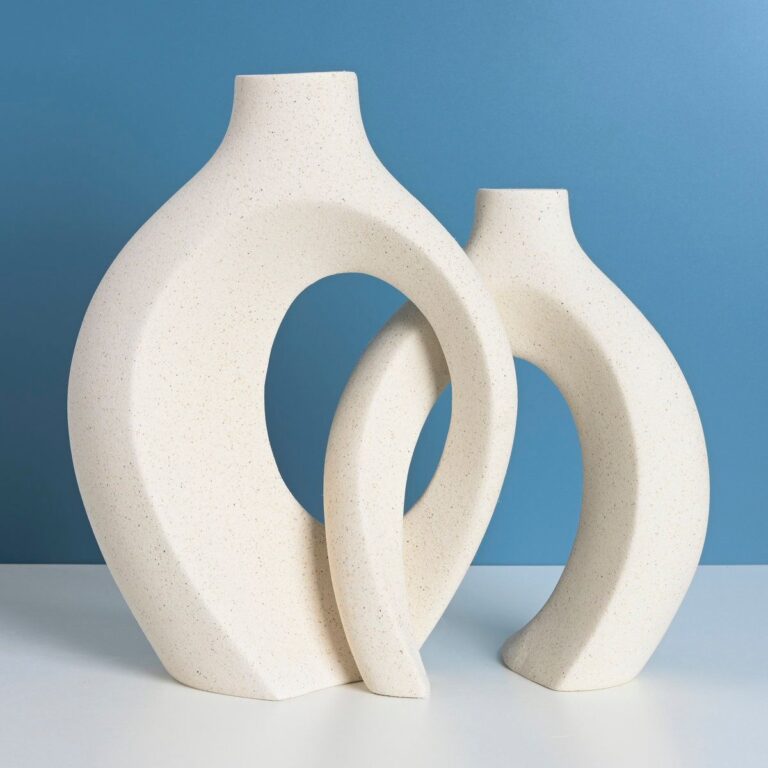
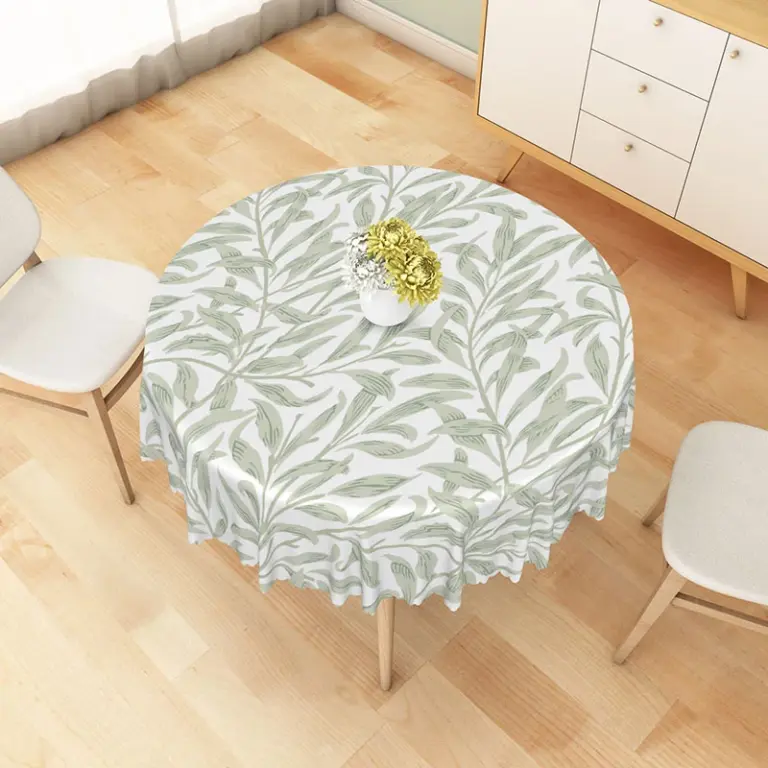 Aisha's pickRound Table Decor That Doesn’t Cost a FortuneAlso worth a lookModern DecorYou know the moment. You've finally got the boring stuff sorted, the sofa's in, the curtains hang right,…See the collections →
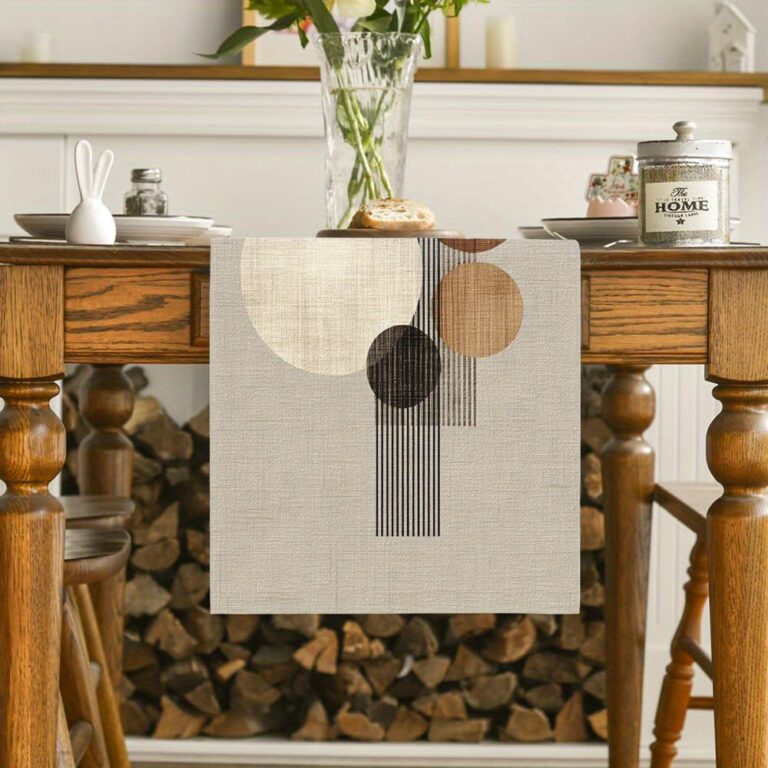
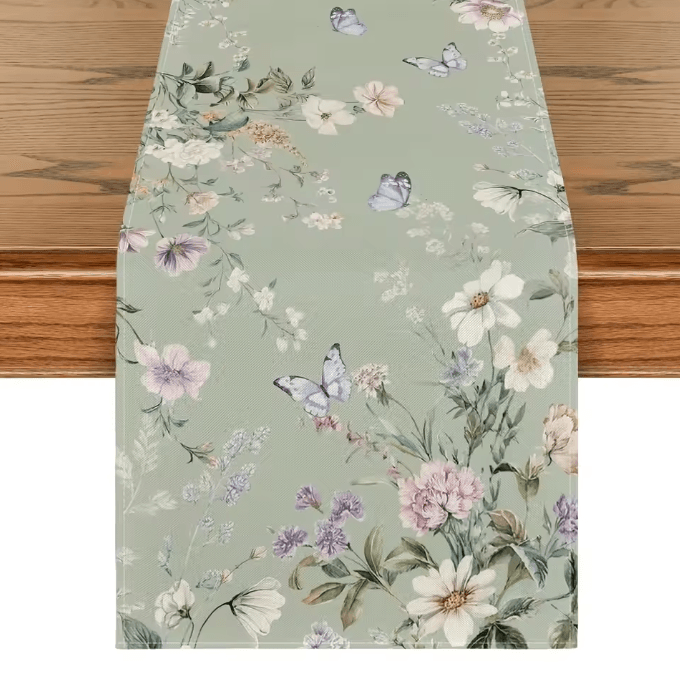
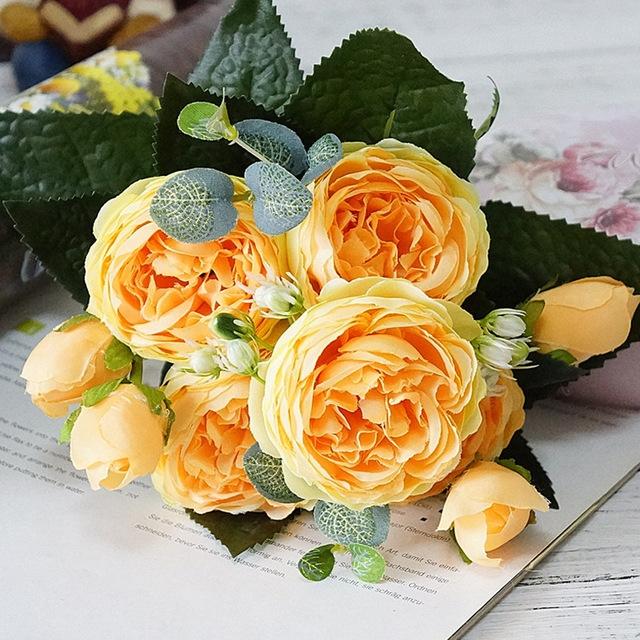 Aisha's pickOur Shortlist of Floral Table Decor
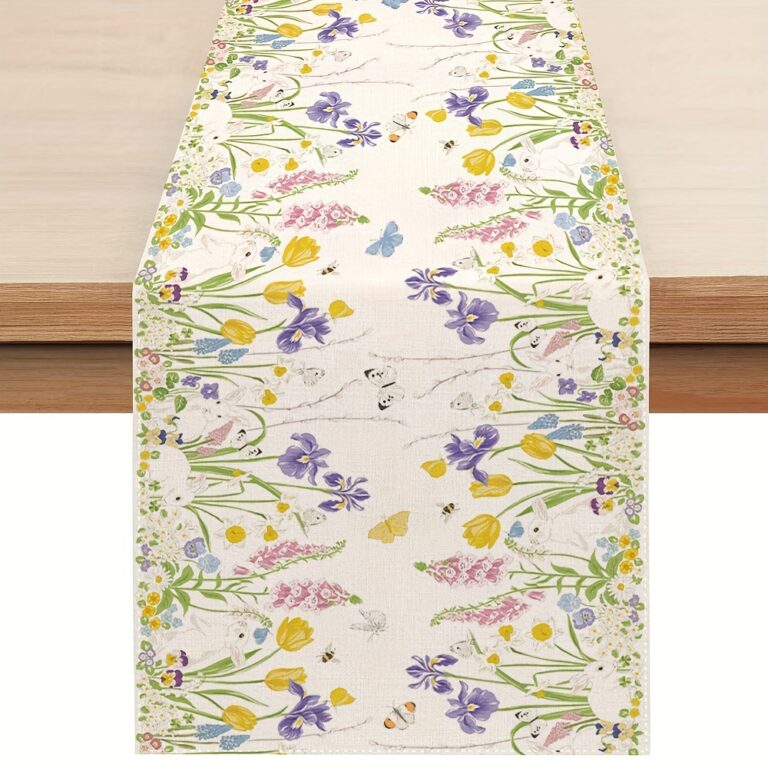
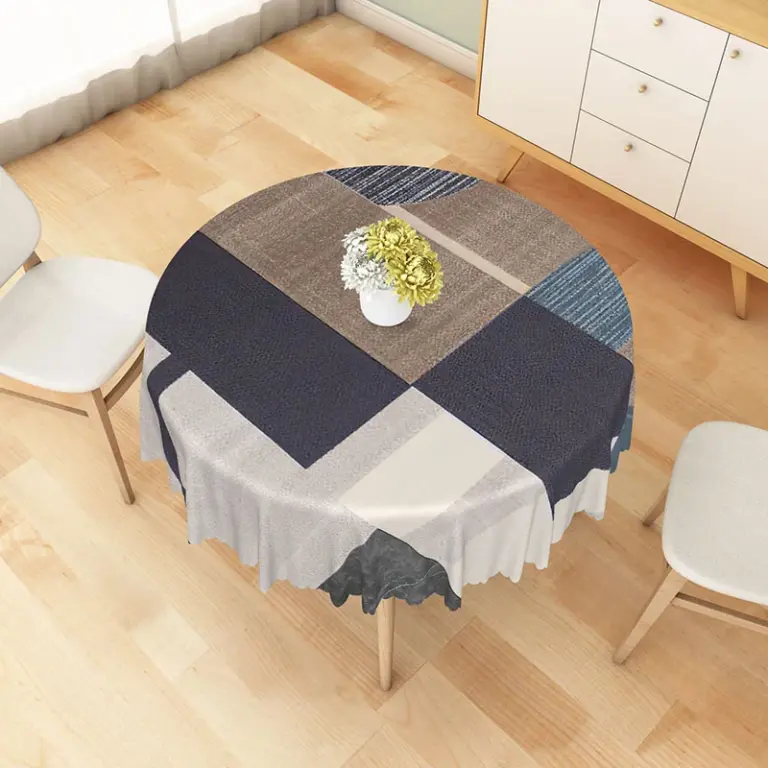 Aisha's pickRustic Table Decor That Doesn’t Cost a Fortune
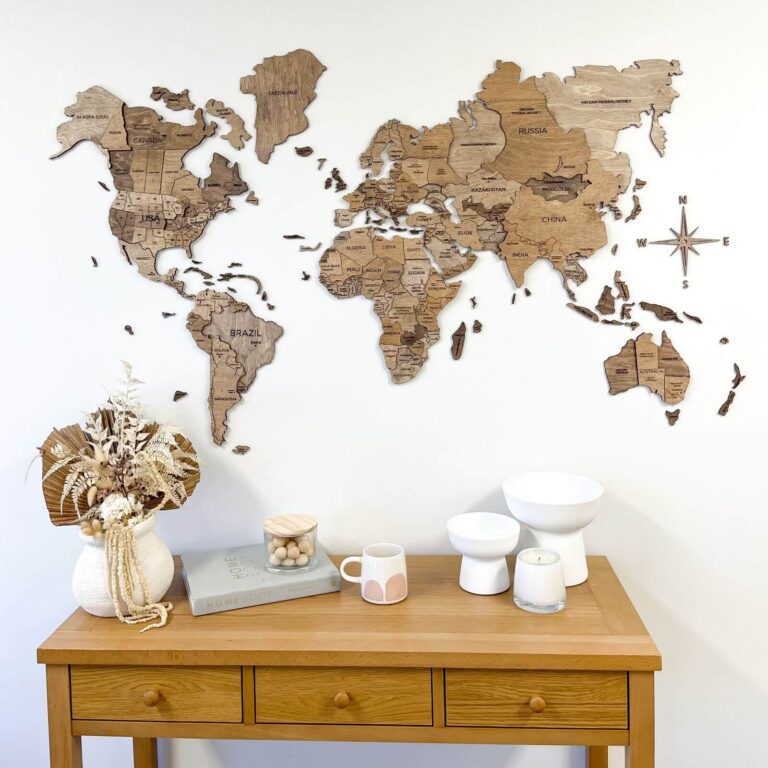
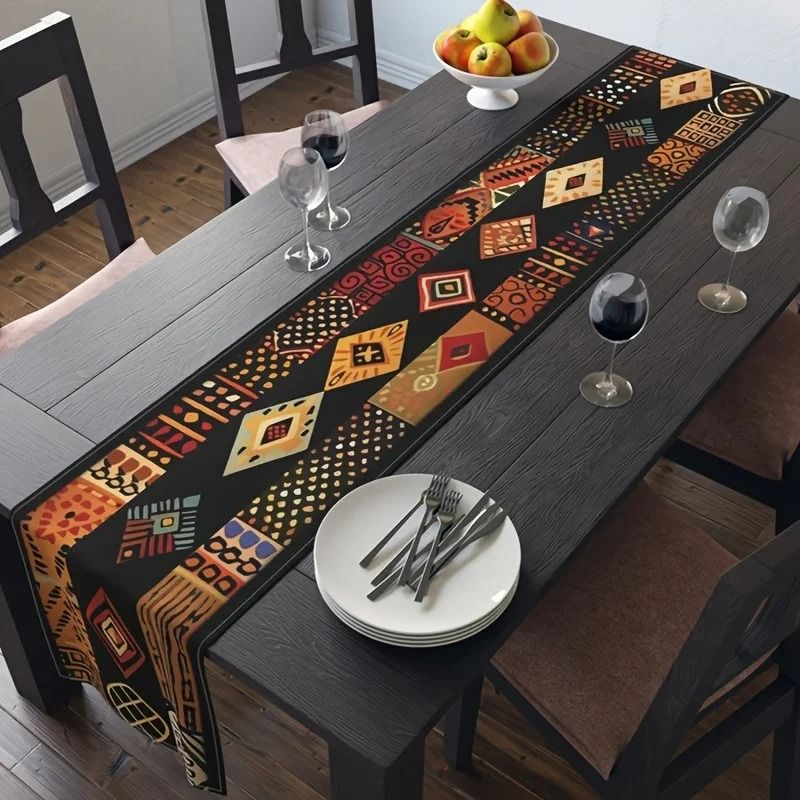 Aisha's pickGood Geometric Table Decor Without the Big Price Tag
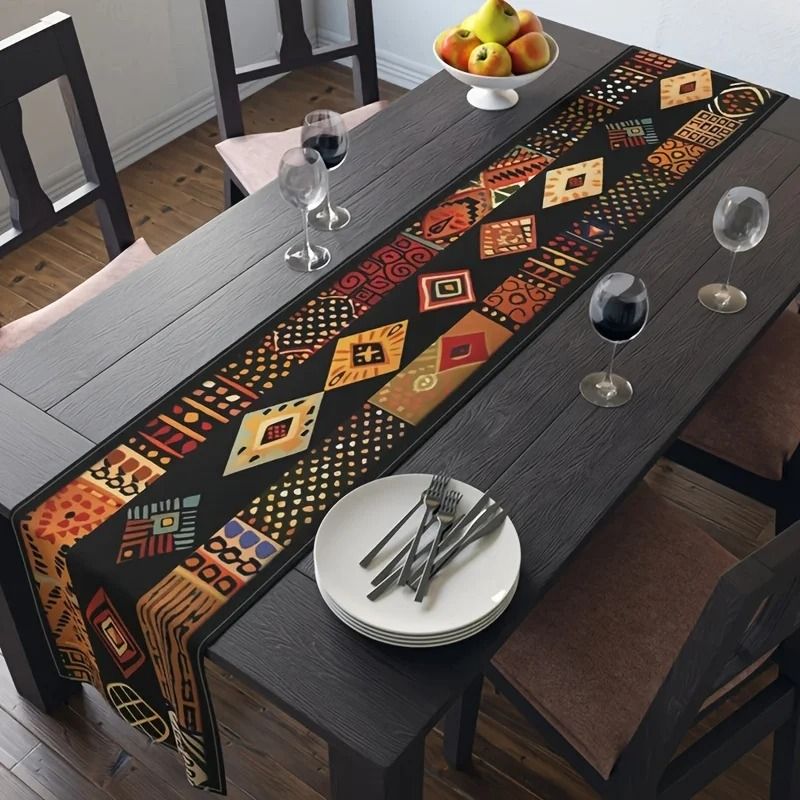
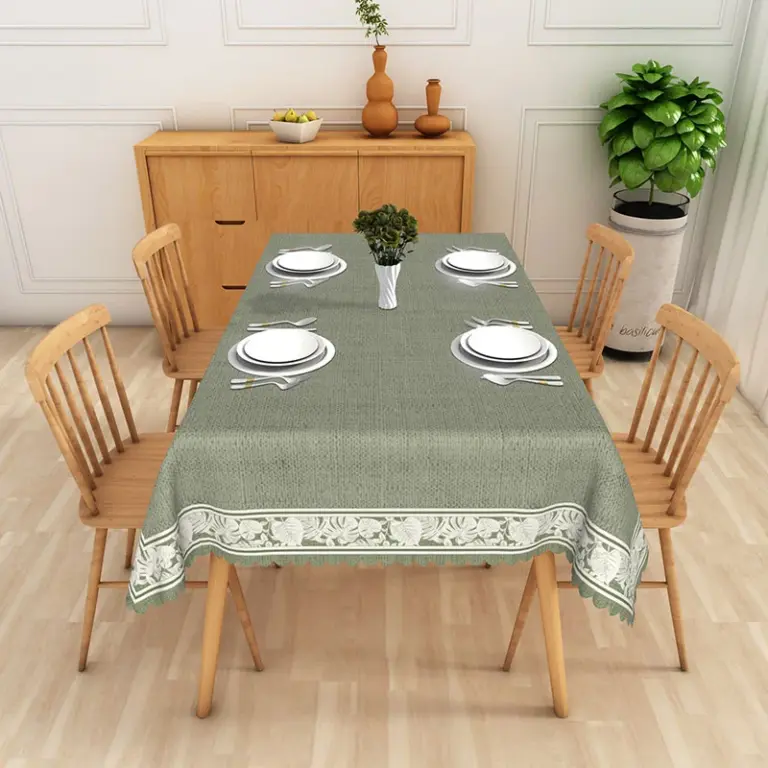 Aisha's pickGood Sage Green Table Decor Without the Big Price Tag
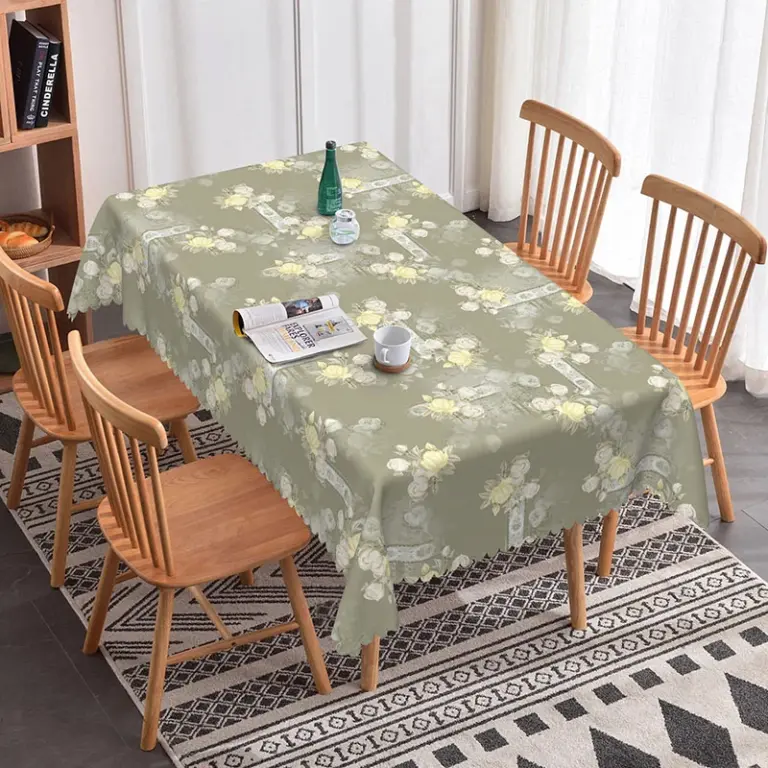
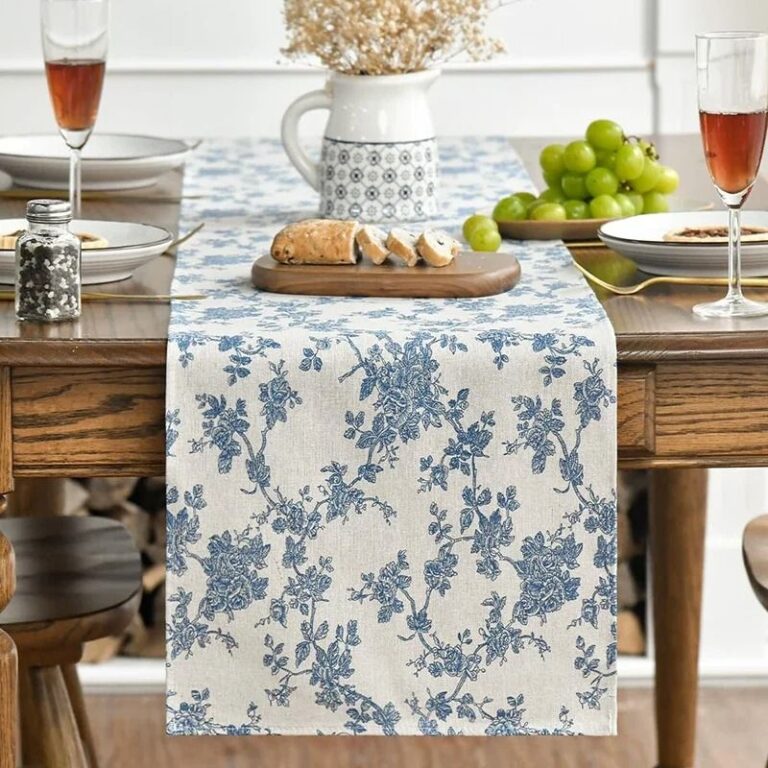 Aisha's pickGingham Table Decor With Some Character
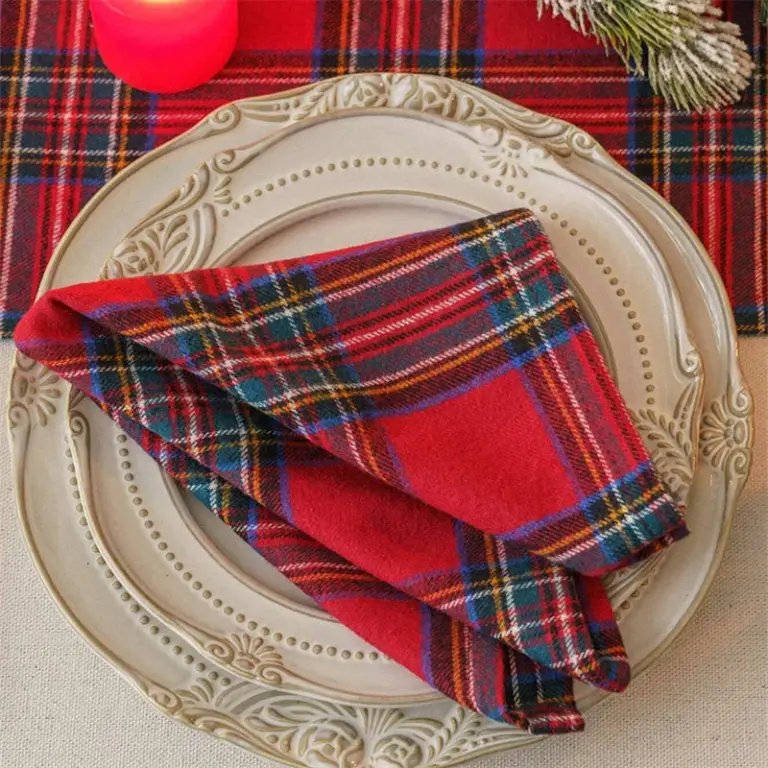
 Aisha's pickSmall Table Decor for Making a House Feel Like Yours
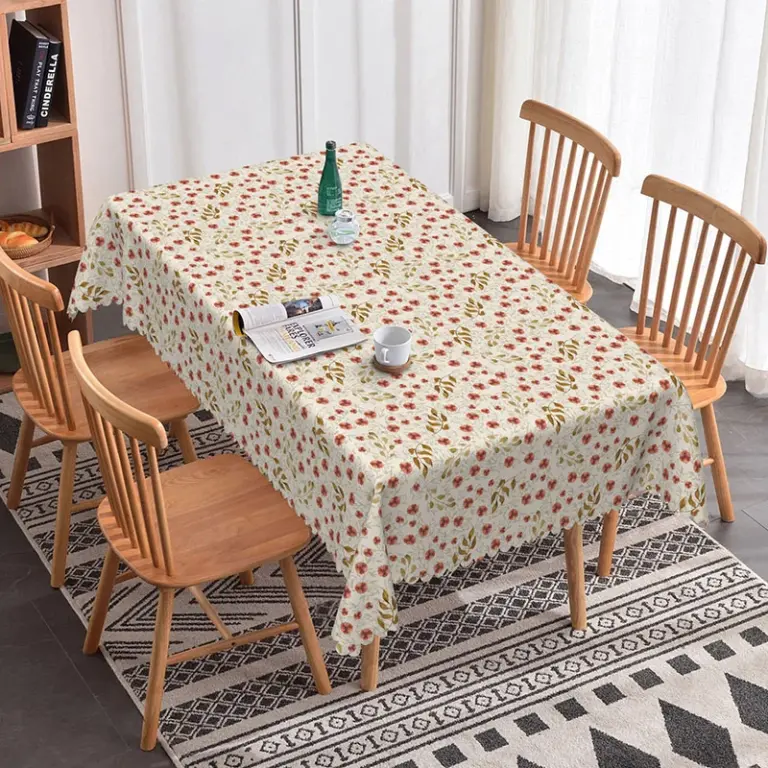
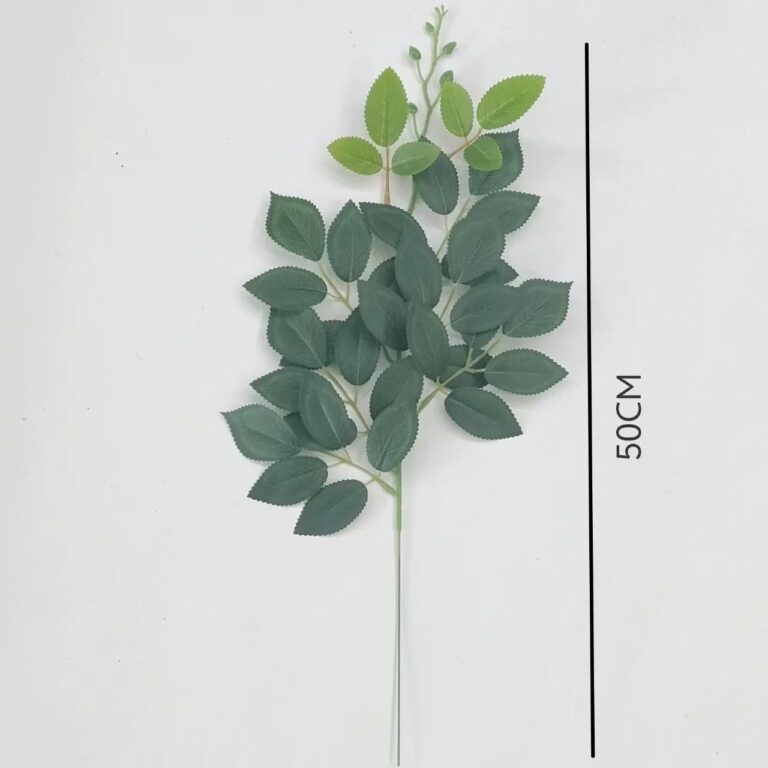 Aisha's pickGood Green Table Decor That Don’t Cost a Fortune
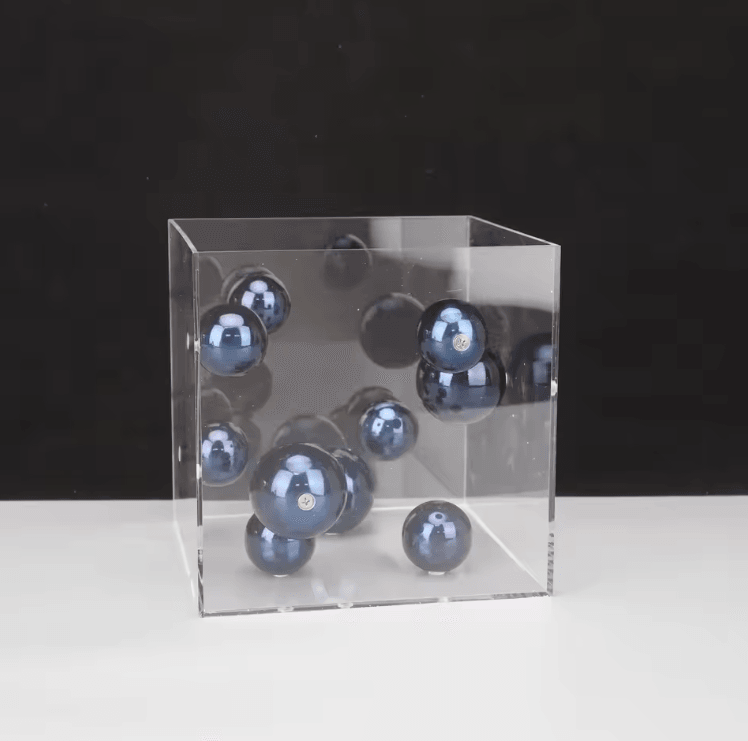 Aisha's pickSquare Table Decor That Does What It Should
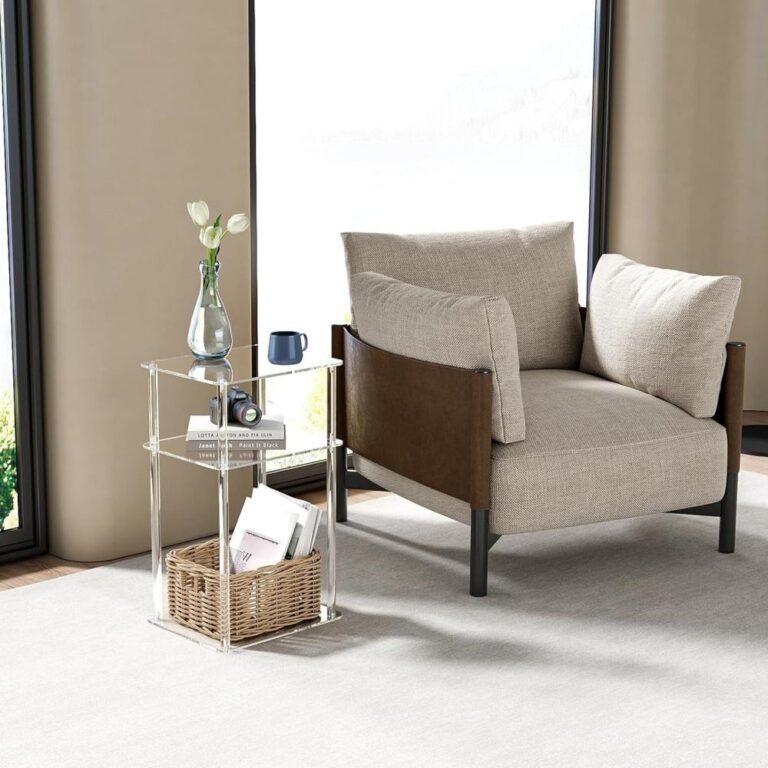
 Aisha's pickGray Table Decor We Keep BuyingAlso worth a lookMetal DecorThe question I get most, usually from someone standing in front of a blank wall holding a tape measure, is whether metal decor reads cold.See the collections →
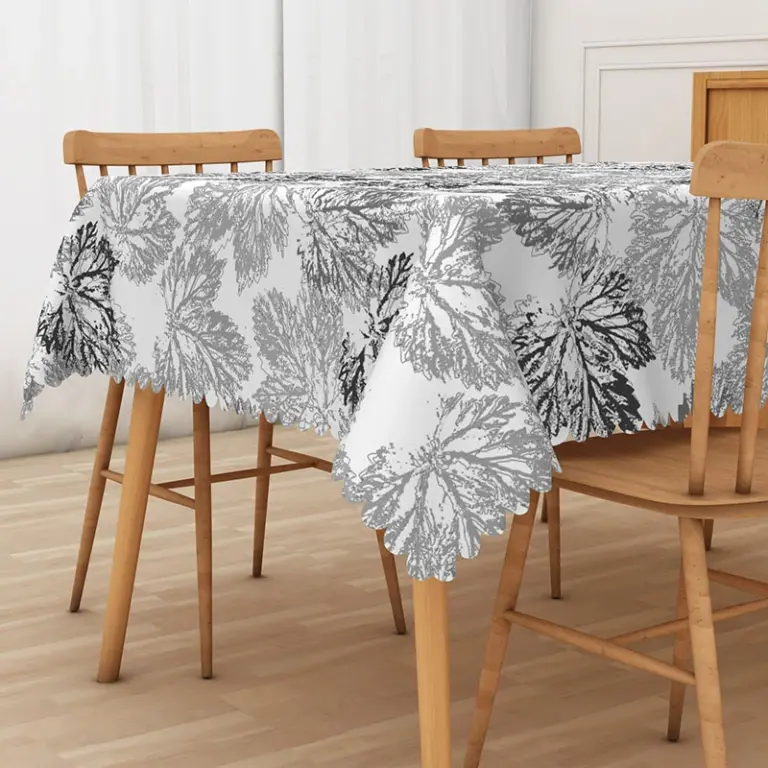
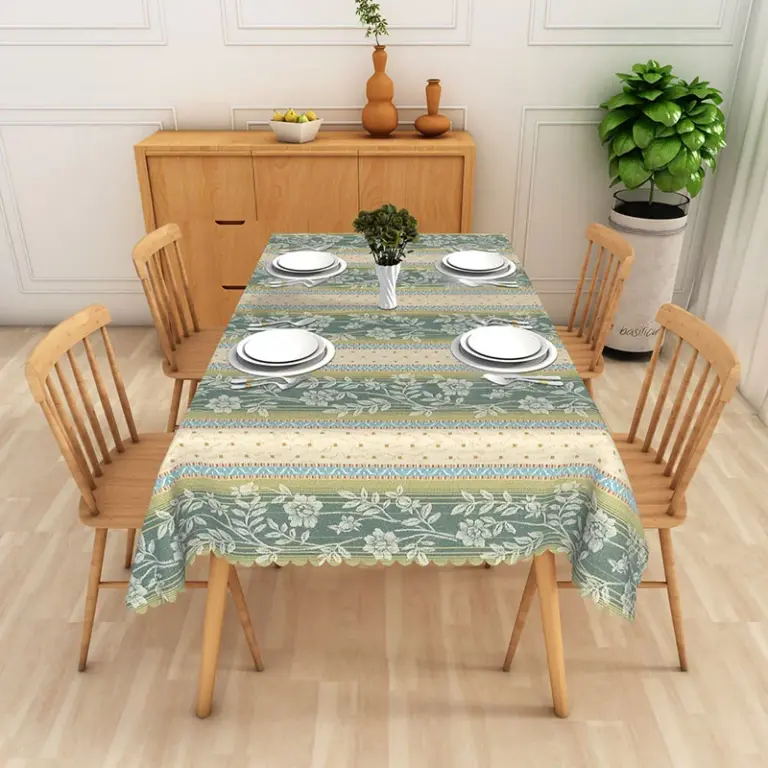 Aisha's pickStriped Table Decor That Earns Its Place
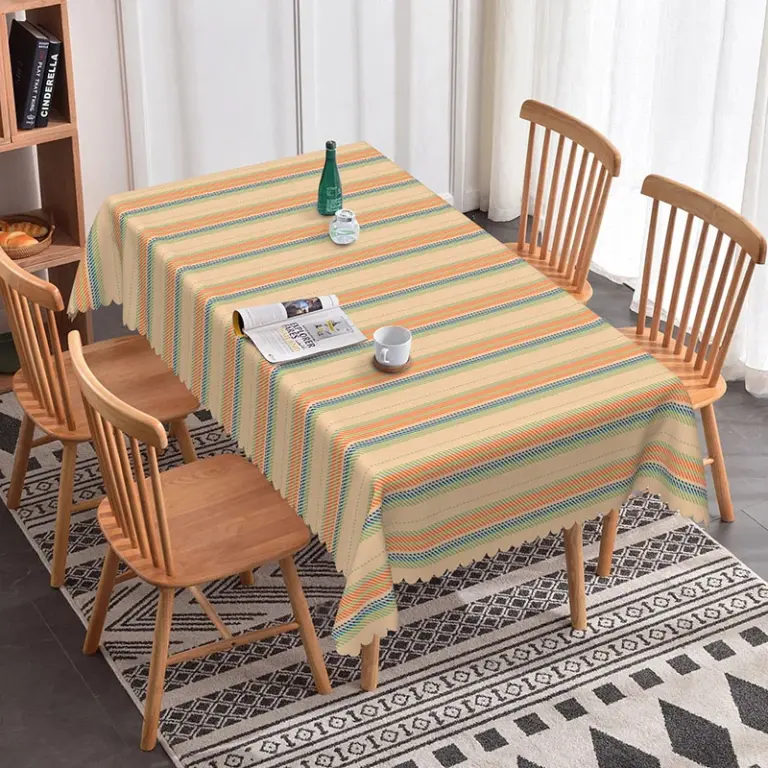
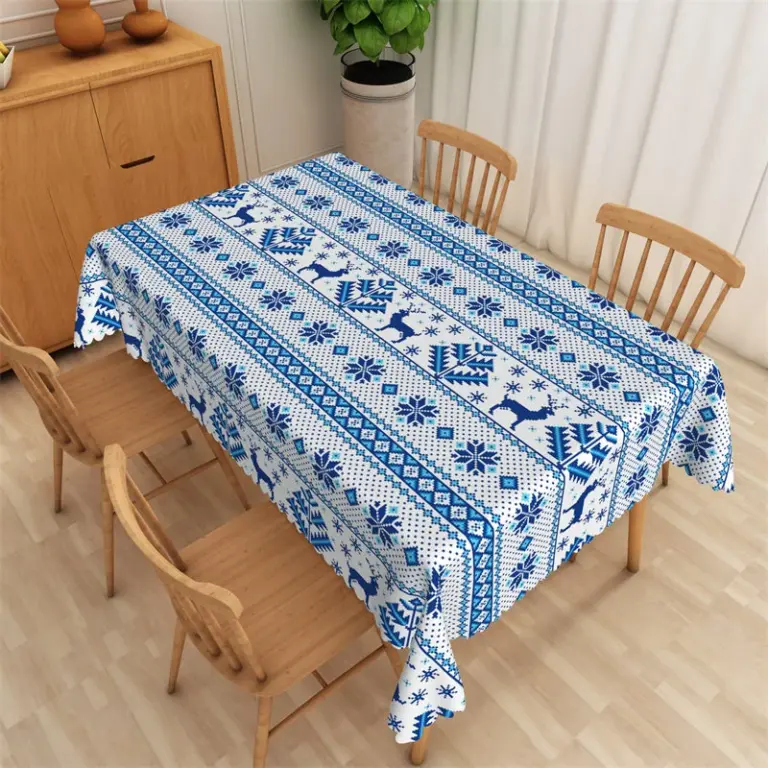 Aisha's pickHeat Resistant Table Decor Picked From the Stores We Trust
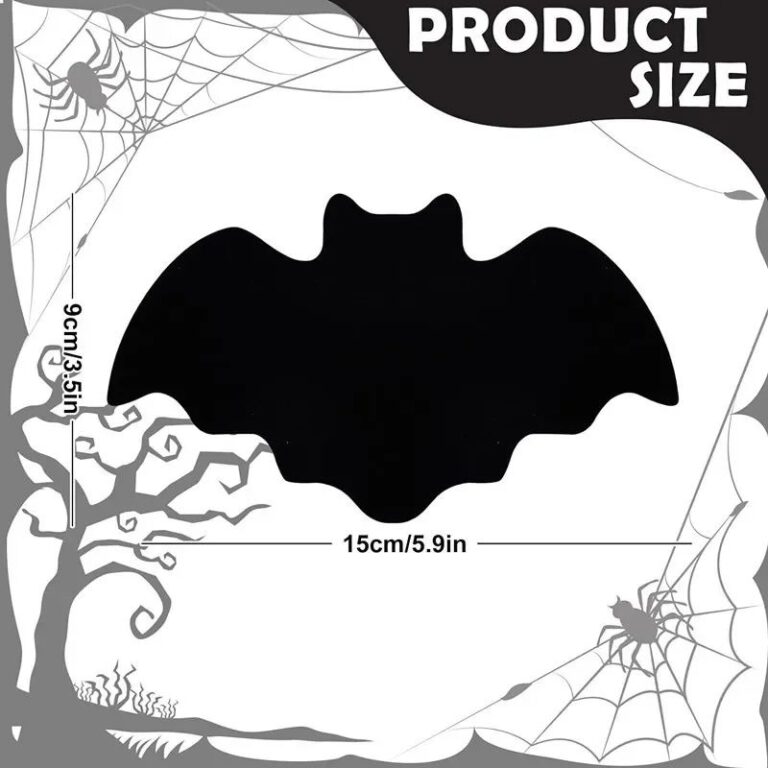
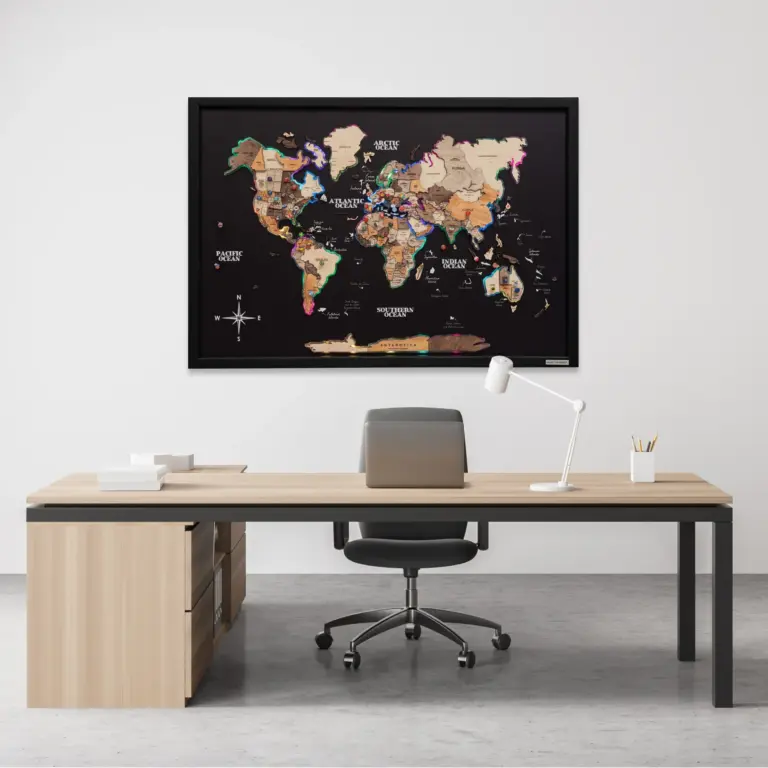 Aisha's pickTable Decor Worth Knowing About
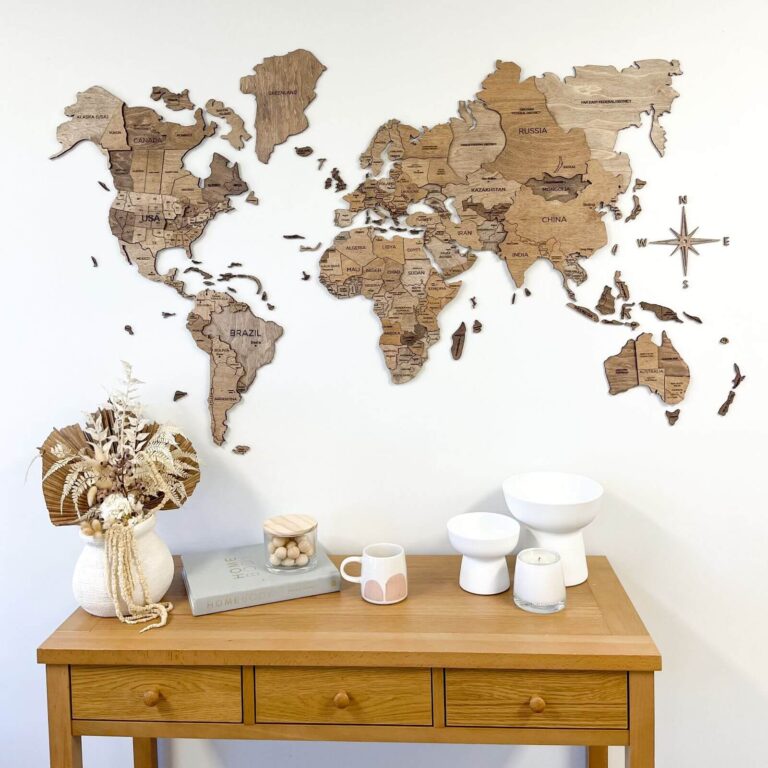
 Aisha's pickOur Shortlist of Abstract Table Decor
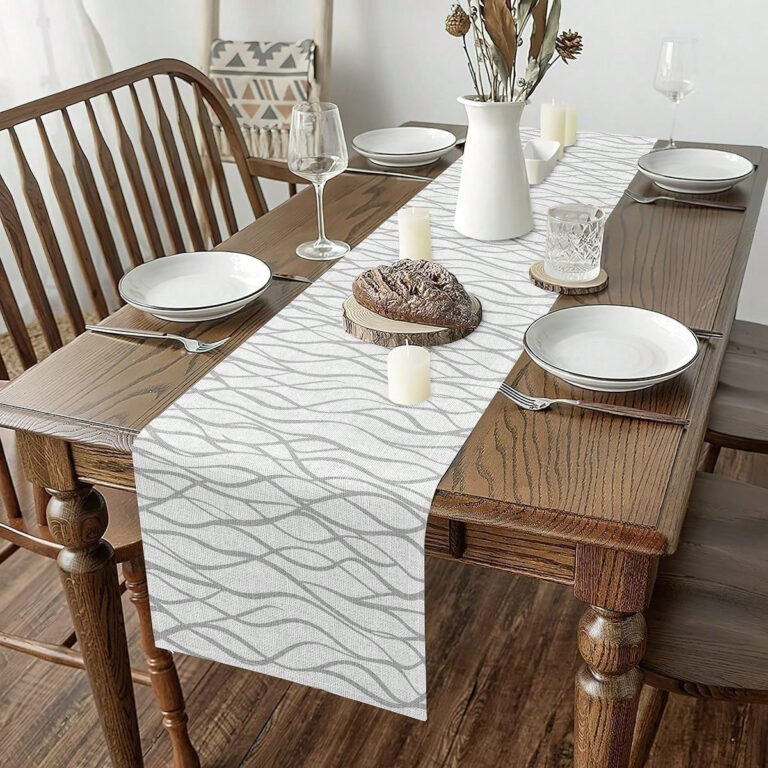
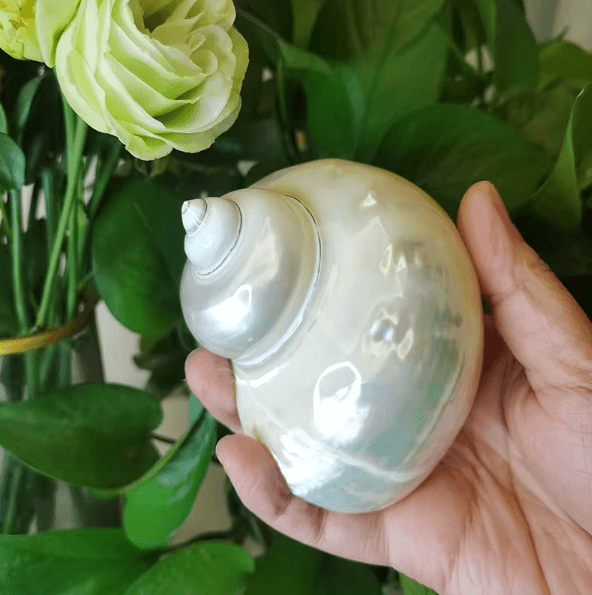 Aisha's pickLarge Table Decor for When the Old Ones Give Up

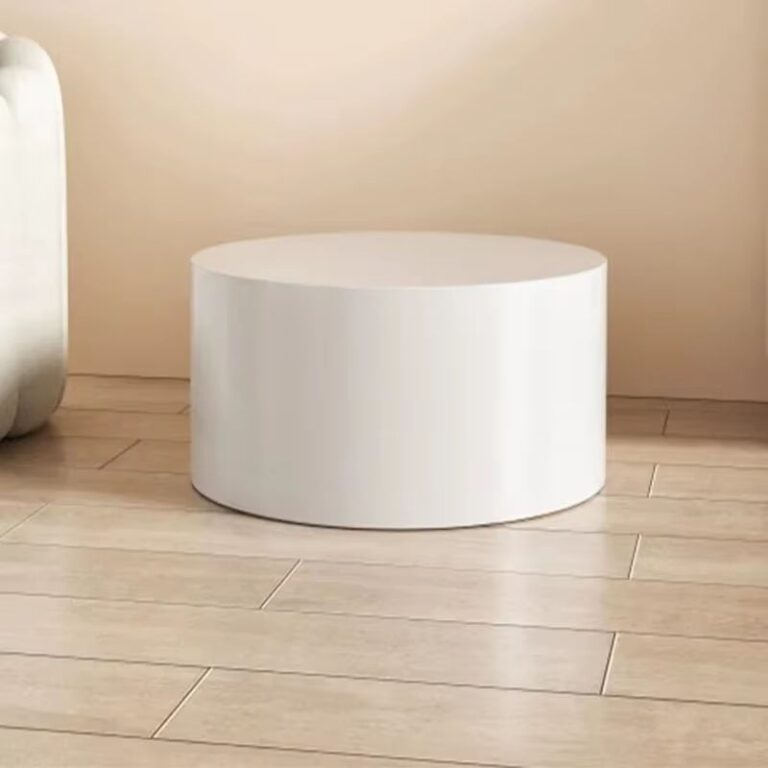 Aisha's pickTable Sculptures That Make a Shelf Look Styled

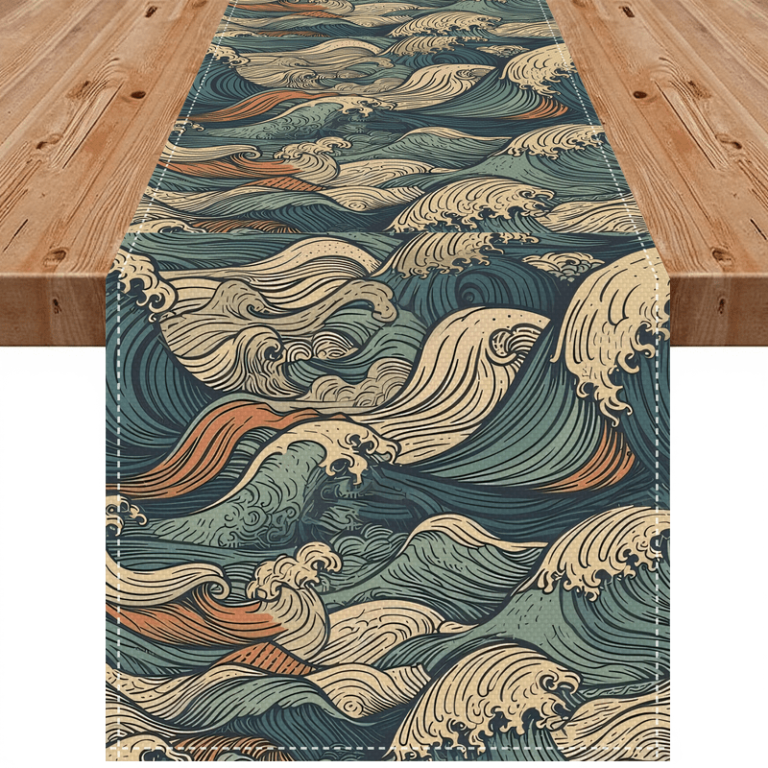 Aisha's pickNo Fuss Beige Table Decor
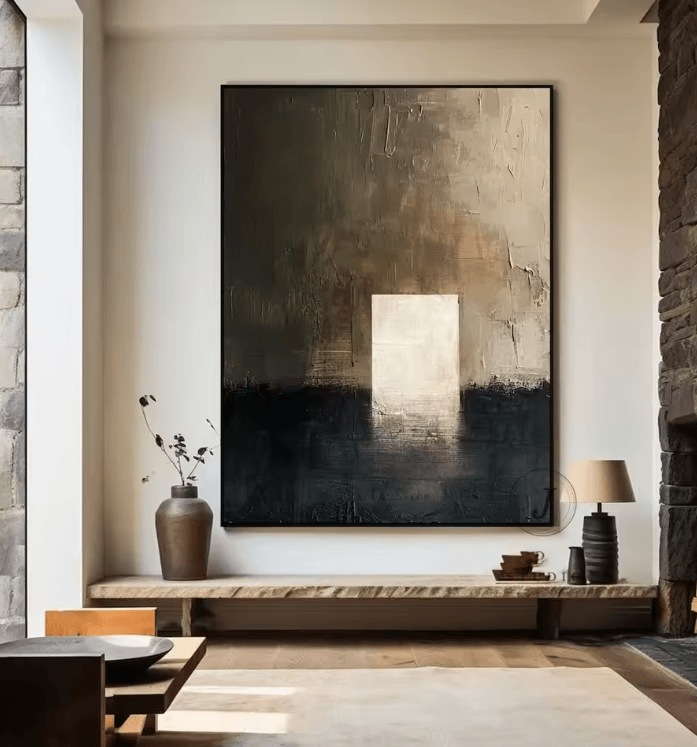
 Aisha's pickLinen Table Decor That Holds Up