You know the moment. You've finally got the boring stuff sorted, the sofa's in, the curtains hang right, and the room still looks like nobody actually chose to live there. Then you set one good sculptural object on the shelf or the console table, step back, and the whole room clicks into place. That's the moment modern decor earns its keep, not when you buy it, but when it quietly fixes a room that was otherwise done but somehow flat.
The good pieces age well because there's rarely much to go wrong, no fabric to fade, no cushion to flatten. Ceramic and stone keep their finish for years with nothing more than a wipe down. Metal pieces, the brass or matte black kind, will dull slightly with handling and honestly look better for it, a little worn in rather than worn out. Wood ones want an occasional pass with a dry cloth and a spot away from direct sun, or the color shifts unevenly over a year or two. The main enemy isn't time, it's dust, which collects in every groove and curve a "sculptural" shape has, so anything with lots of texture is a bigger cleaning commitment than it looks.
When you're buying one, pick it up before you decide. Weight tells you almost everything. A heavy, cool piece feels deliberate, it sits on a shelf and stays there. A light one that feels hollow will slide, tip, and need repositioning every time someone dusts near it. Check the base too, a flat stable bottom matters more than the shape on top, and look closely at any seam or glaze line for the kind of flaw that only shows up once you've got it home under good light.
Where it falls down is scale and quantity. One strong piece on a console table looks intentional. Four scattered across every surface starts to look like a showroom nobody lives in, and I say this as someone who once owned seven ceramic objects and could not tell you what any of them were for. It's also not the answer in a room that already has a lot going on, pattern, color, busy art, it needs some quiet around it to actually register.
It suits a living room or entryway in any kind of home, old or new, rented or owned, and it does its best work in a room you've already mostly finished. Clean lines read best against calmer backdrops, so plain walls and simple furniture let it stand out instead of competing with it.
Buy one good piece you'd actually miss if it broke, and skip the rest.
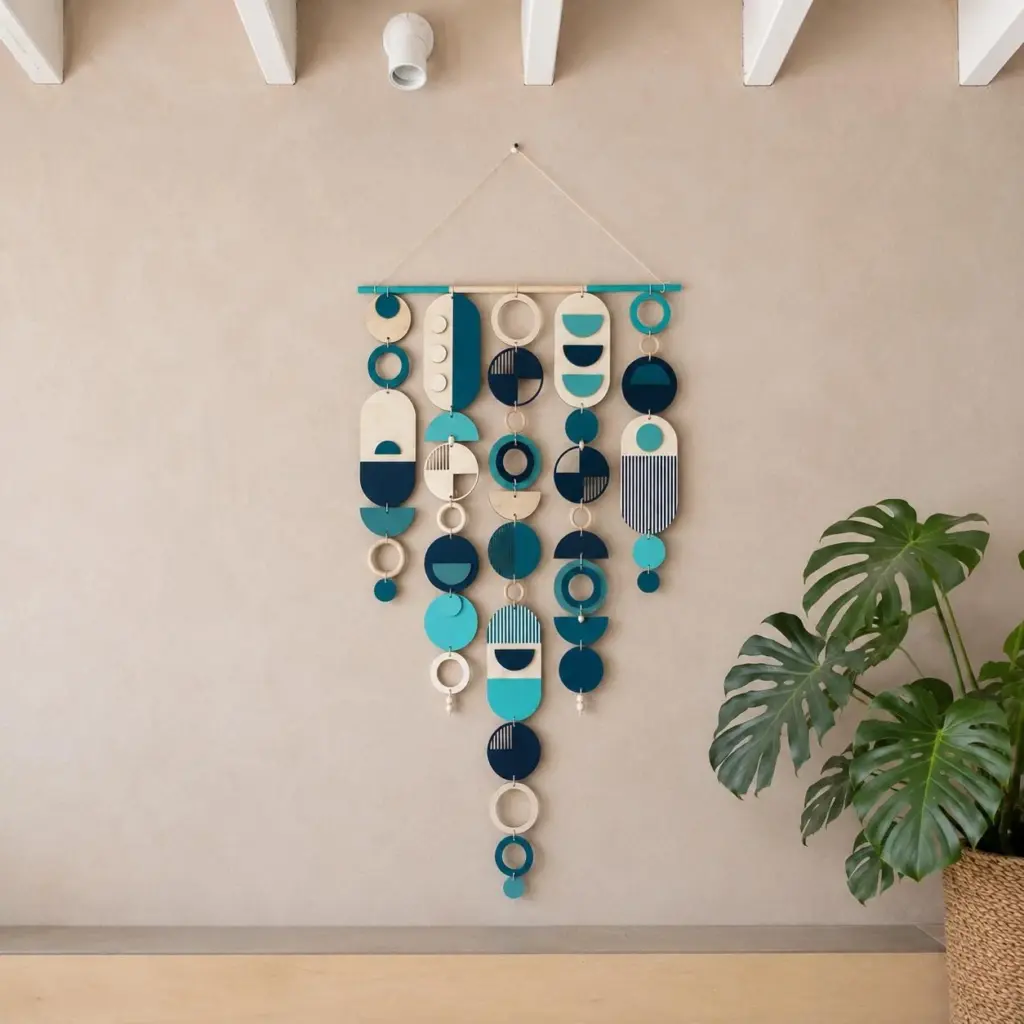 Aisha's pickContemporary Home Decor Hunted Down So You Don’t Have To
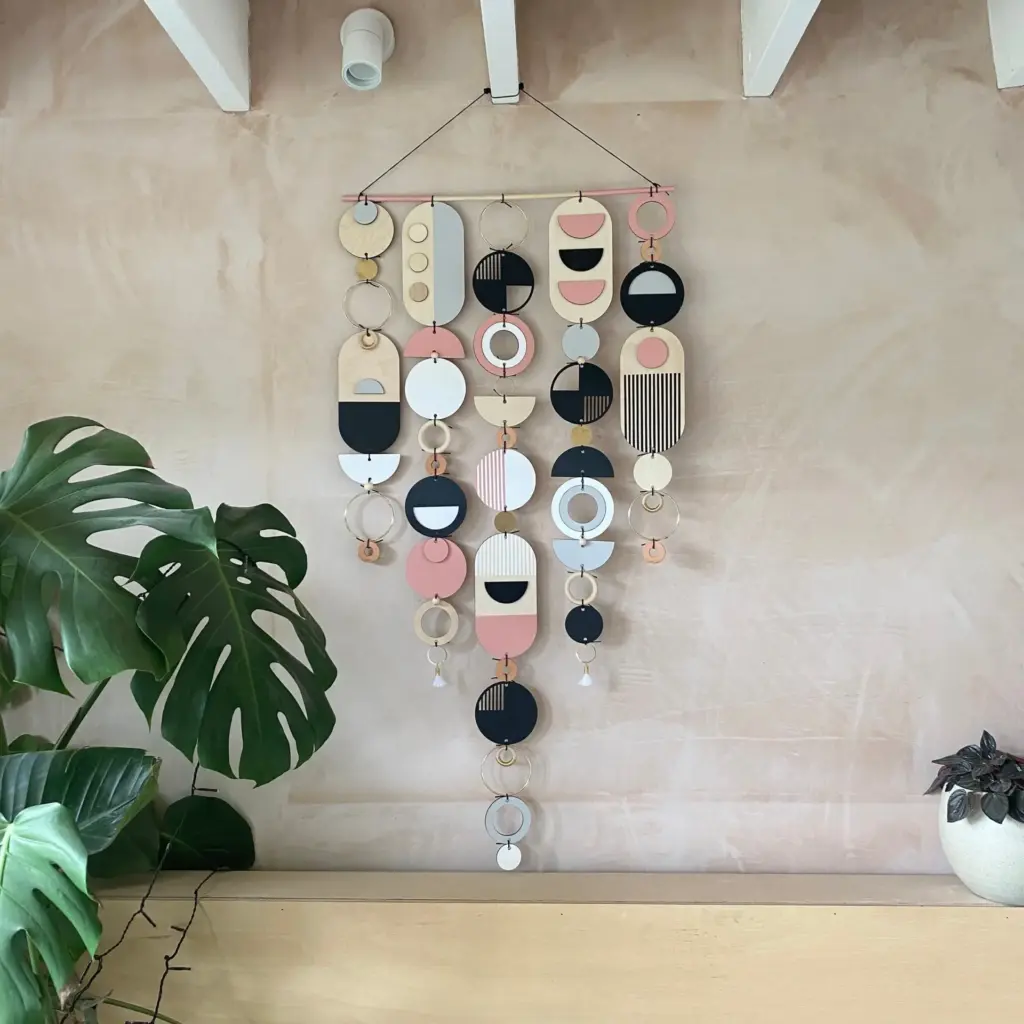
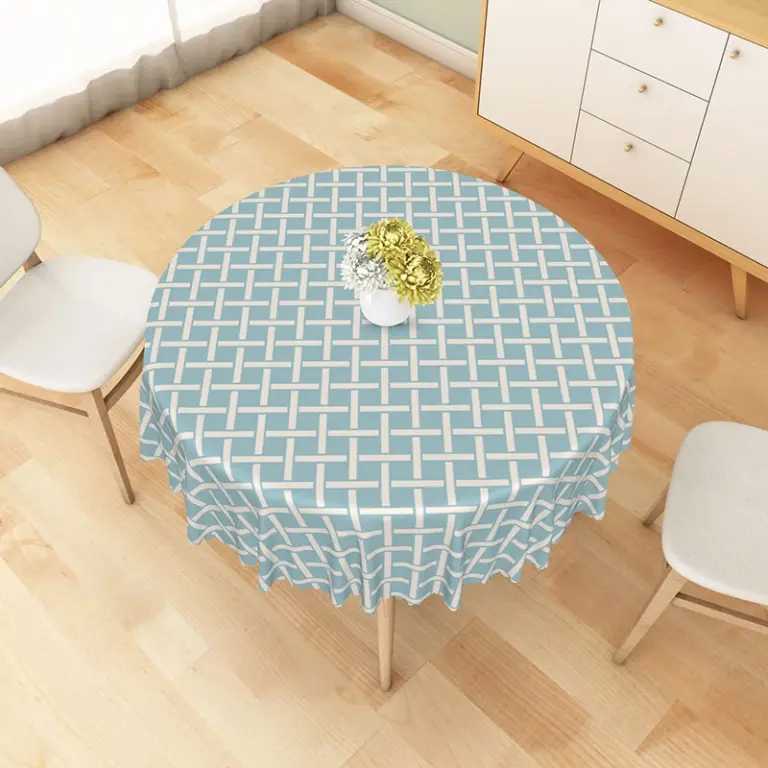
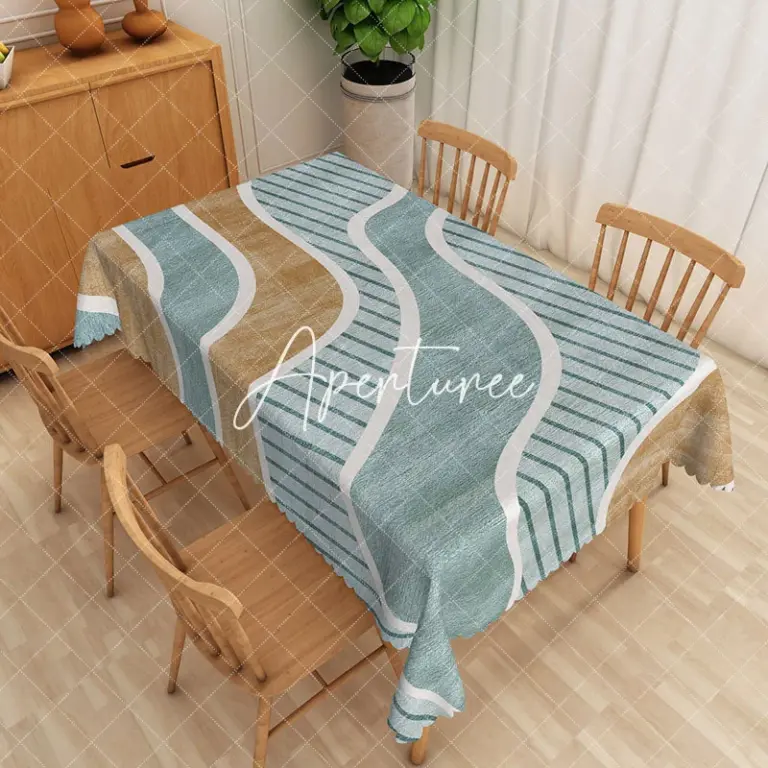
 Aisha's pickModern Dining Table Decor Worth Knowing About
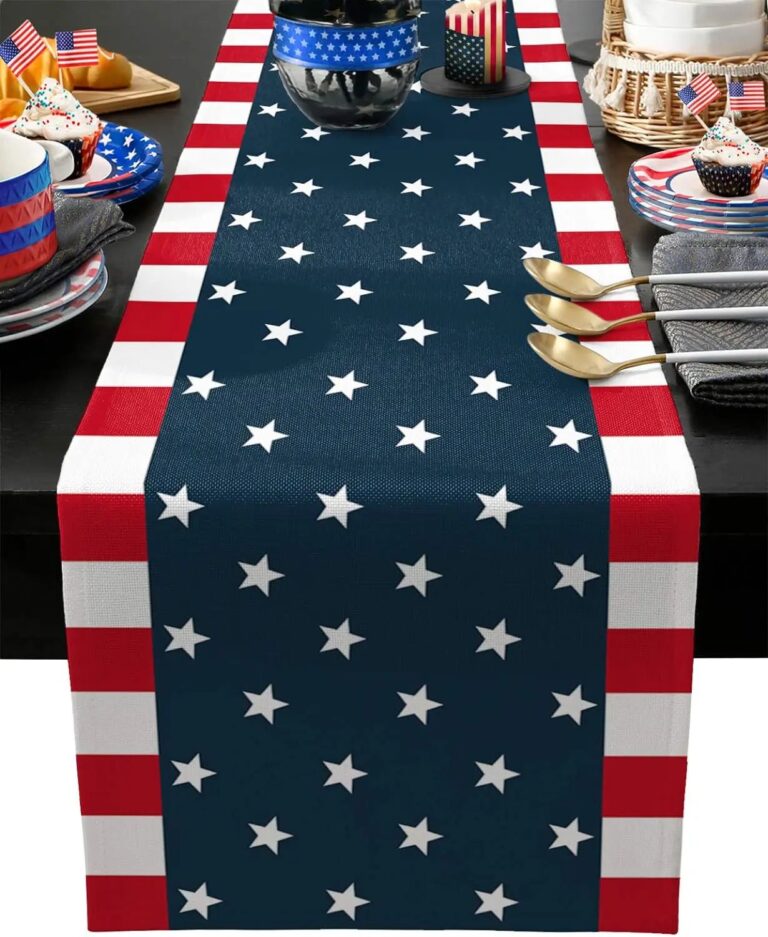
 Aisha's pickModern Shelf Decor for When the Old Ones Give Up
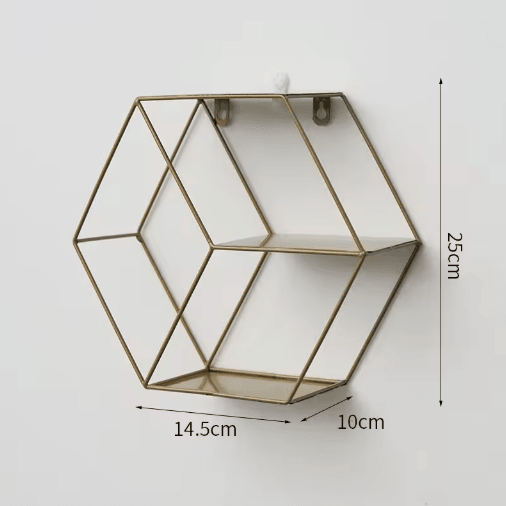
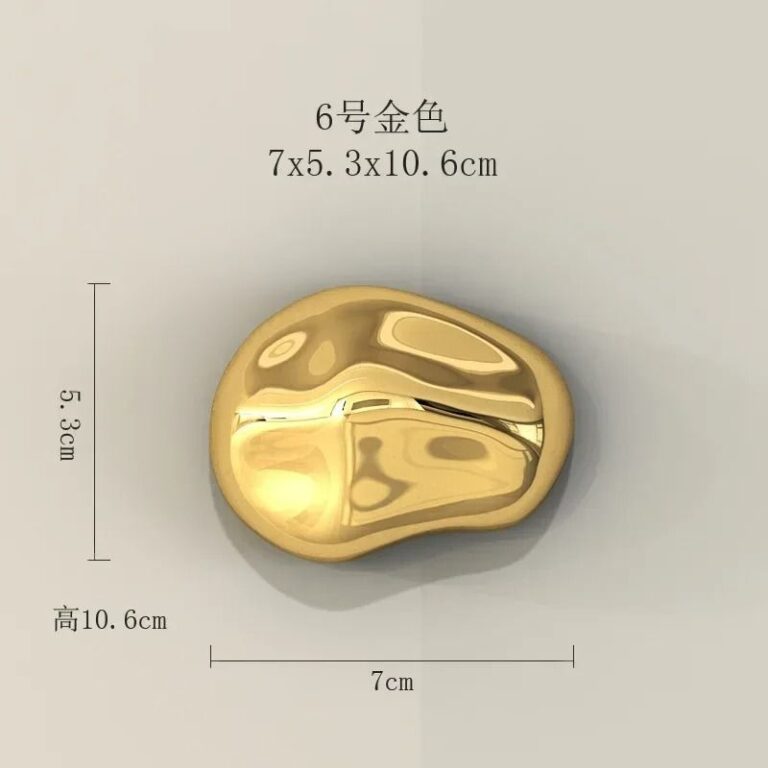 Aisha's pickContemporary Living Room Decor We Keep Buying

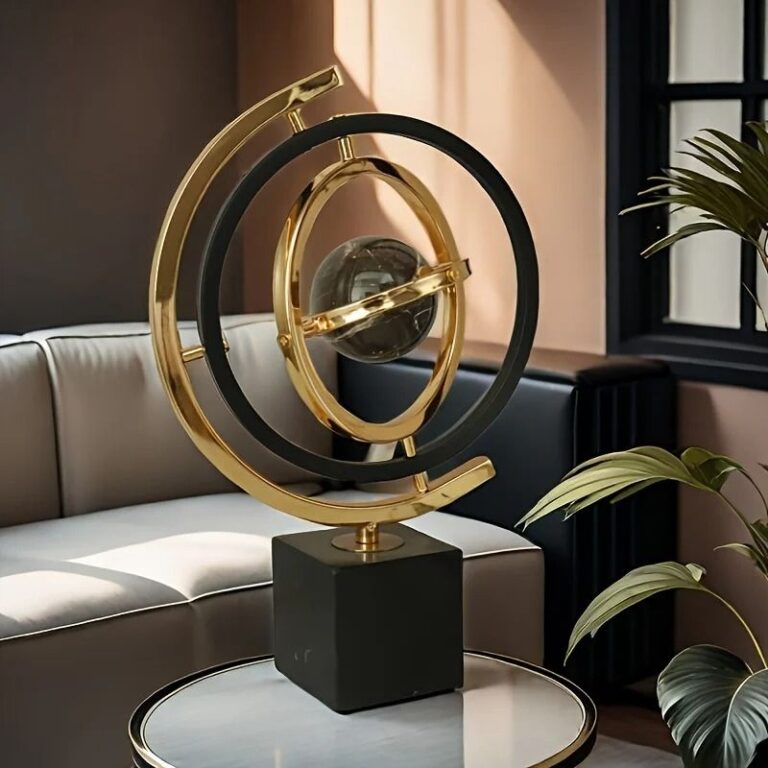
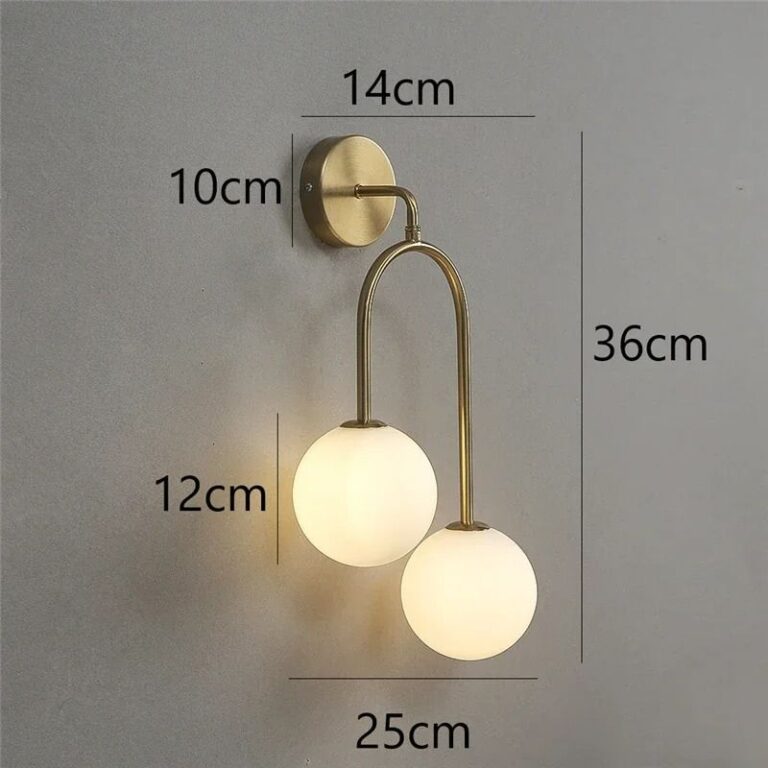 Aisha's pickModern Globes for Rooms That Feel a Bit Bare
 Aisha's pickModern Table Decor Pulled From Dozens of Stores
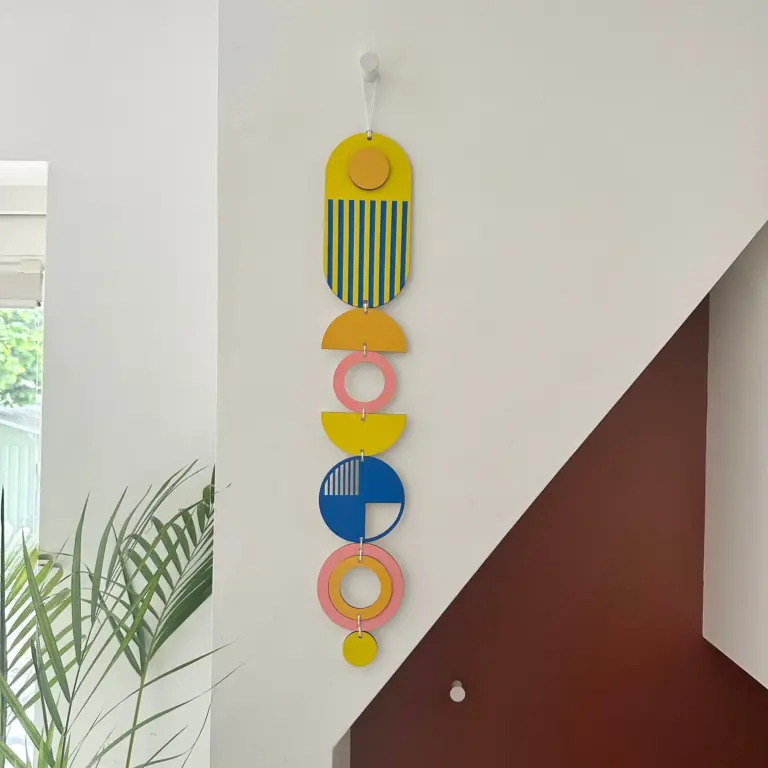
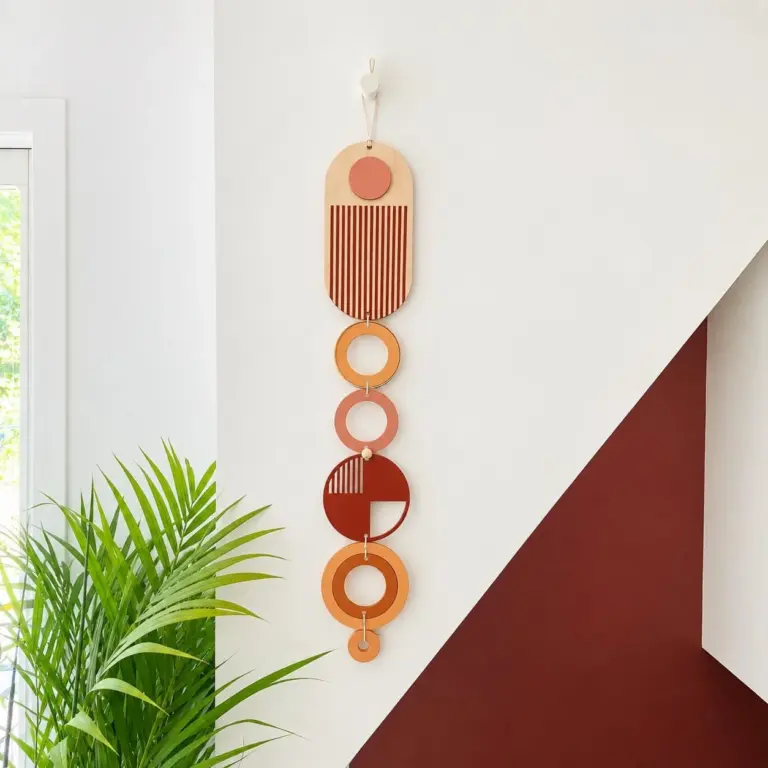
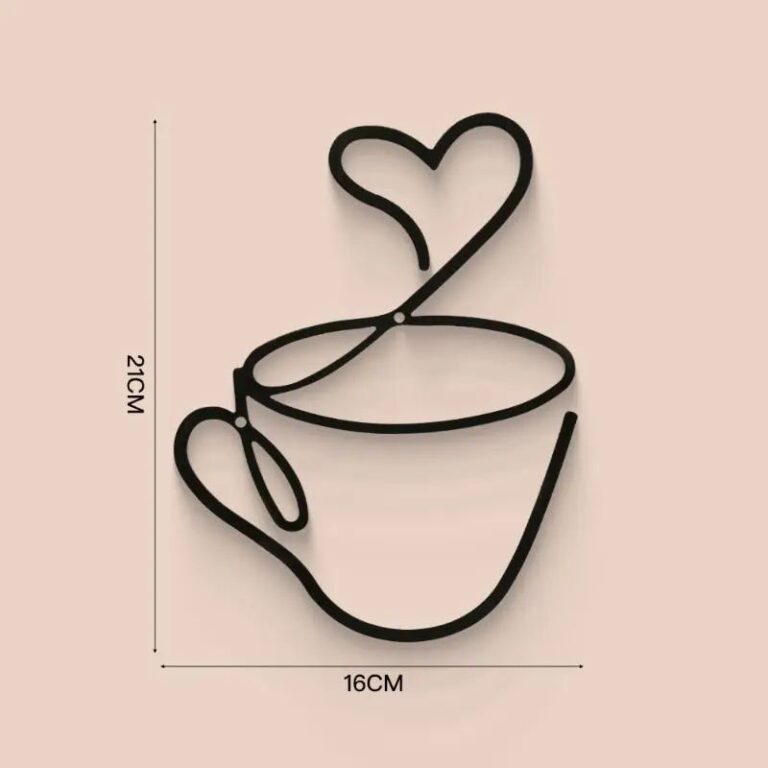 Aisha's pickContemporary Metal Wall Decor That Does What It Should
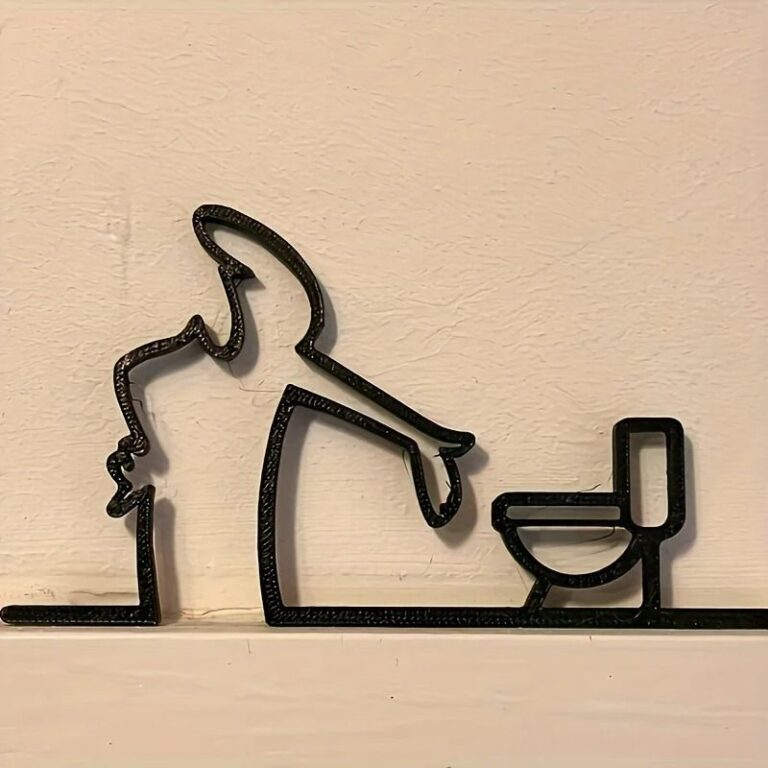
 Aisha's pickModern Hallway Decor Picked From the Stores We Trust
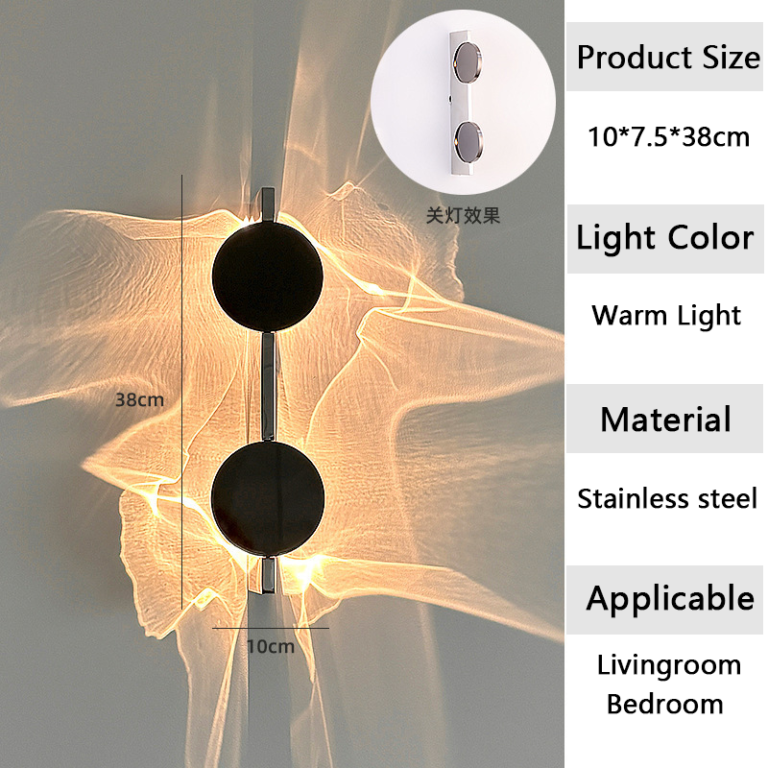
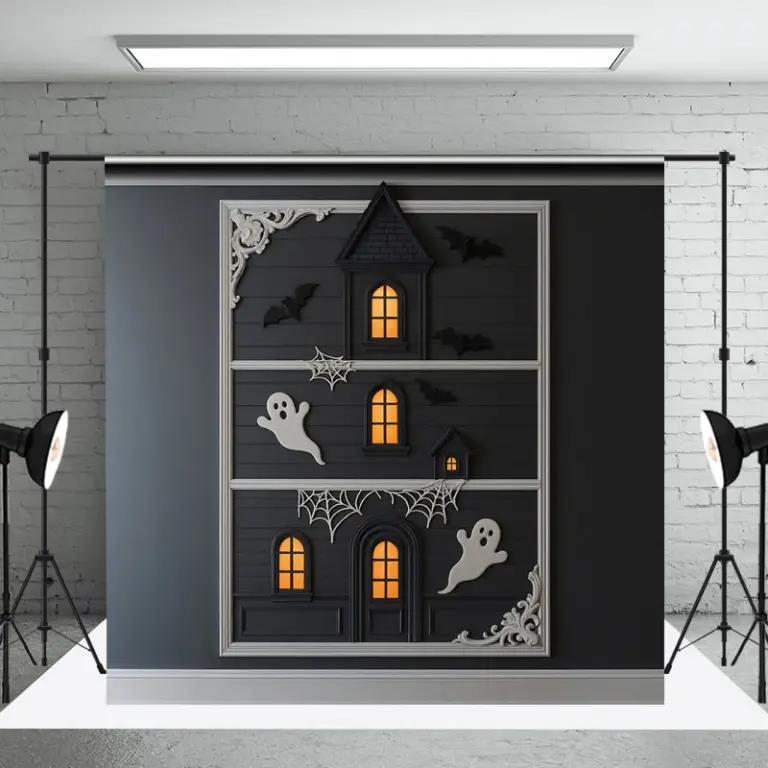 Aisha's pickModern Wall Decor Hunted Down So You Don’t Have ToAlso worth a lookDecorDecor is the stuff that doesn't do anything useful at all, and that's exactly the point of it.See the collections →
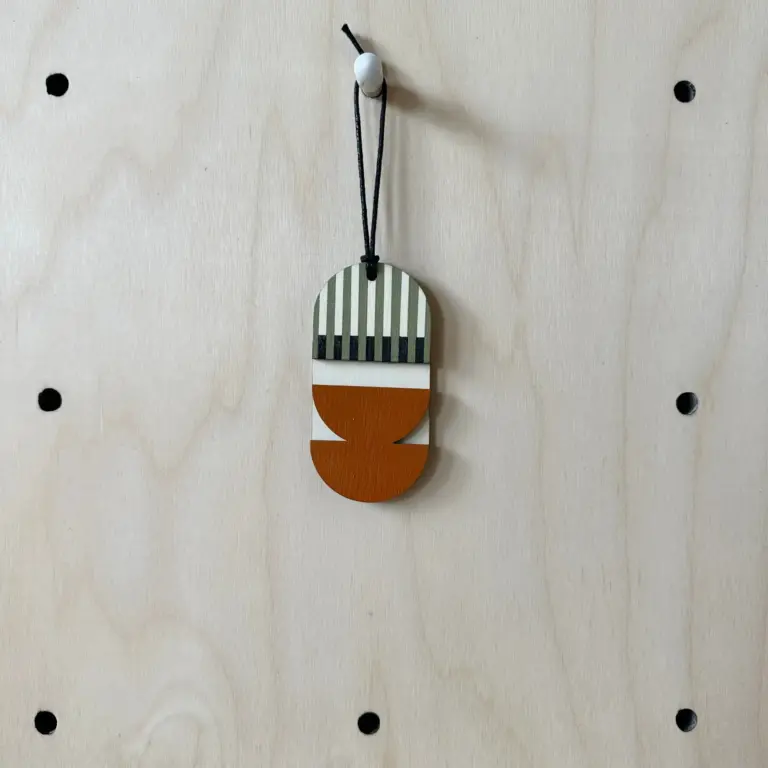
 Aisha's pickContemporary Sculptures That Won’t Let You Down
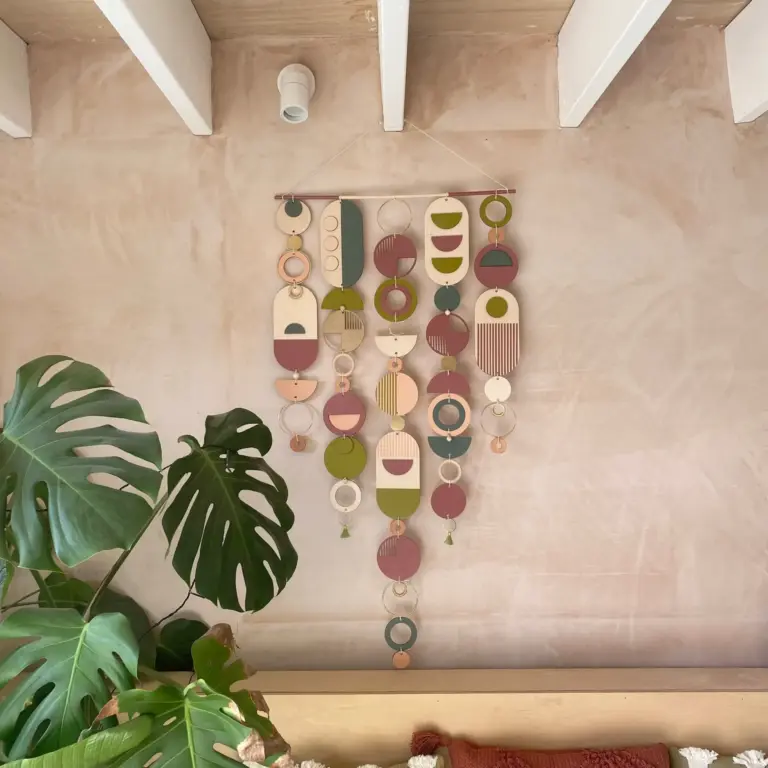
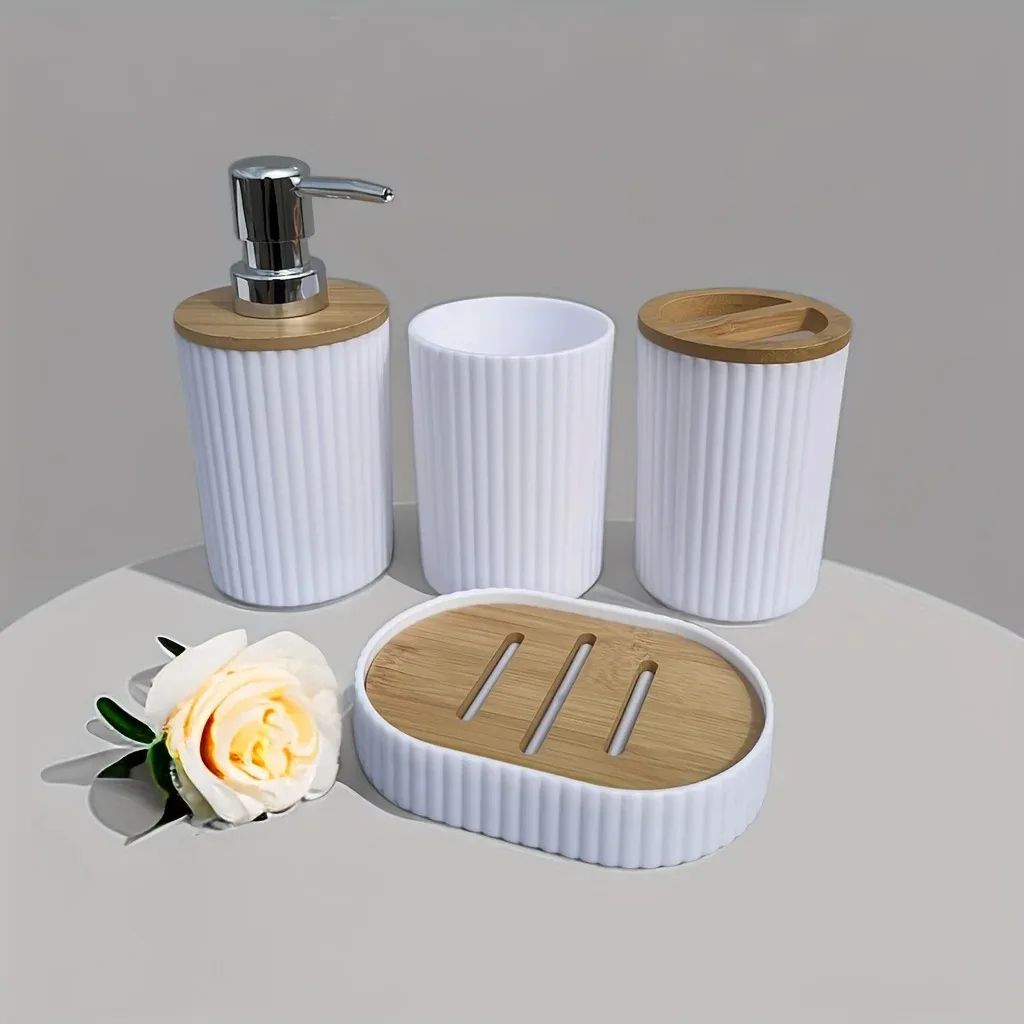 Aisha's pickModern Home Accessories That Look Like They Cost More
 Aisha's pickNo Fuss Modern Wall Sculptures
 Aisha's pickSimple Contemporary Shelf Decor Done Well
 Aisha's pickModern Home Decor Worth Your Money
 Aisha's pickModern Whiteboards That Make the Spare Room Feel Like an Office
 Aisha's pickOur Shortlist of Contemporary Wall Decor
 Aisha's pickWhere to Start With Modern Home Ornaments

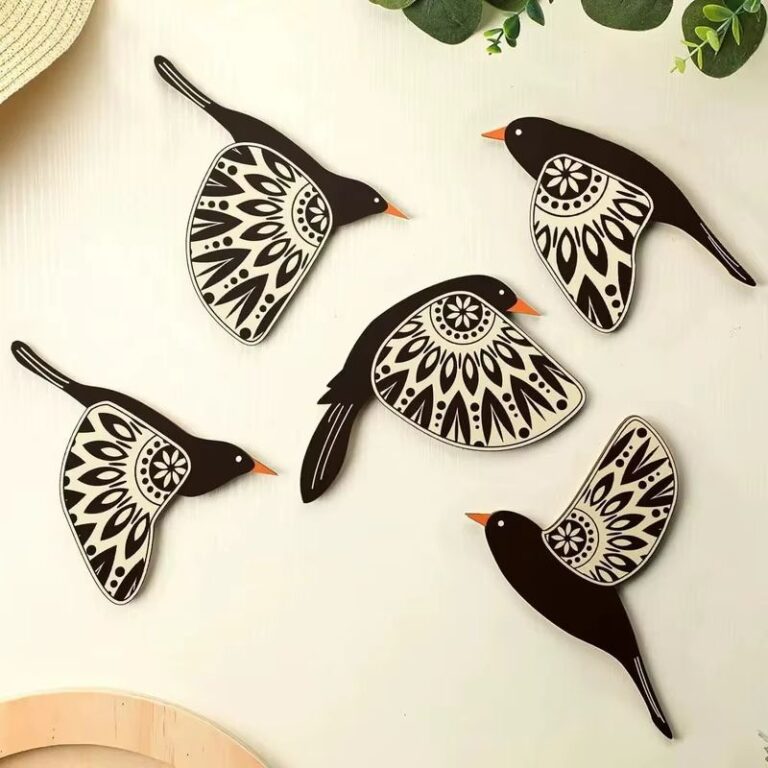 Aisha's pickModern Wooden Wall Decor Picked From the Stores We TrustAlso worth a lookMetal DecorThe question I get most, usually from someone standing in front of a blank wall holding a tape measure, is whether metal decor reads cold.See the collections →
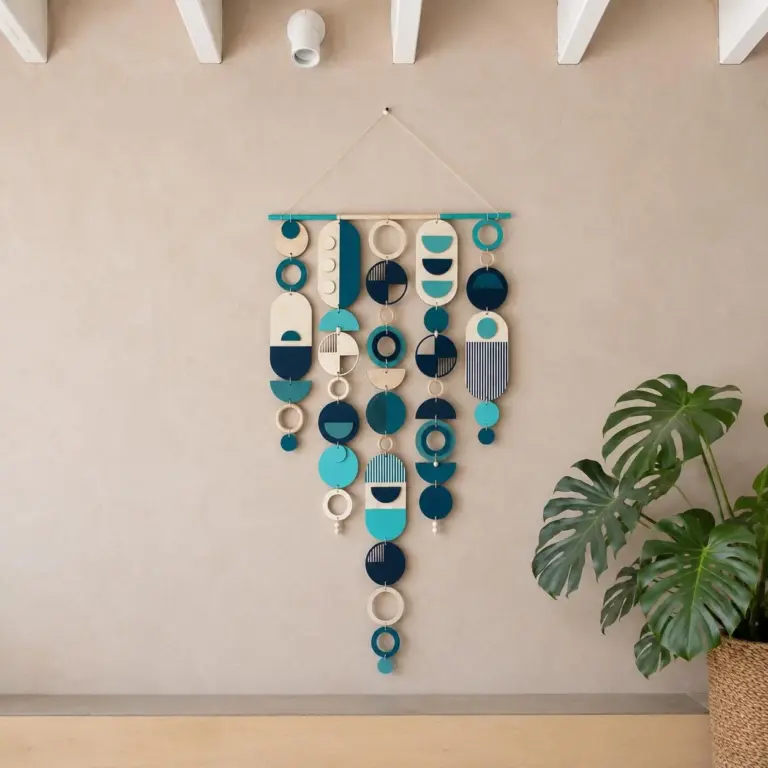
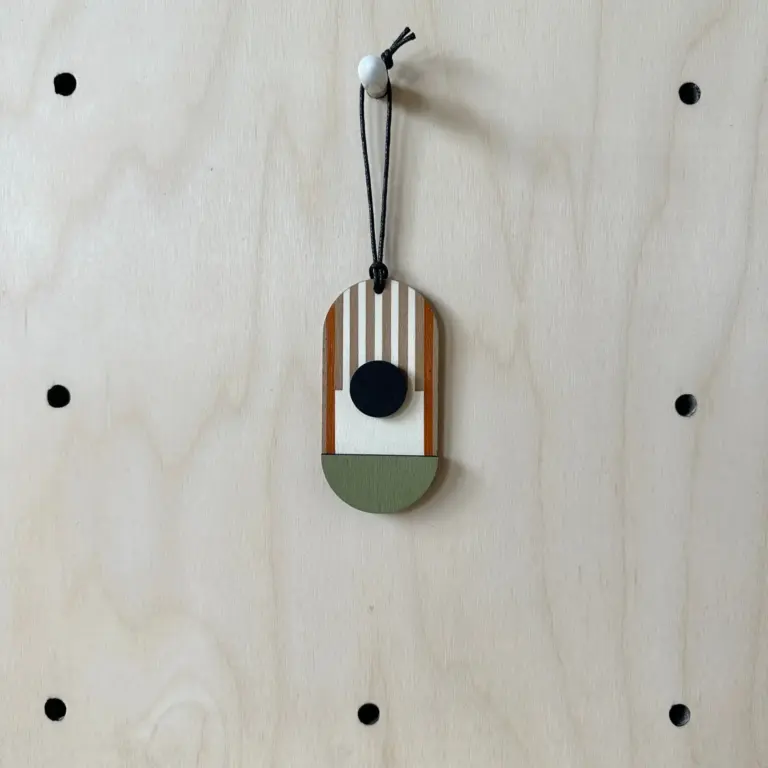 Aisha's pickContemporary Wooden Wall Decor You’ll Live With Happily for Years
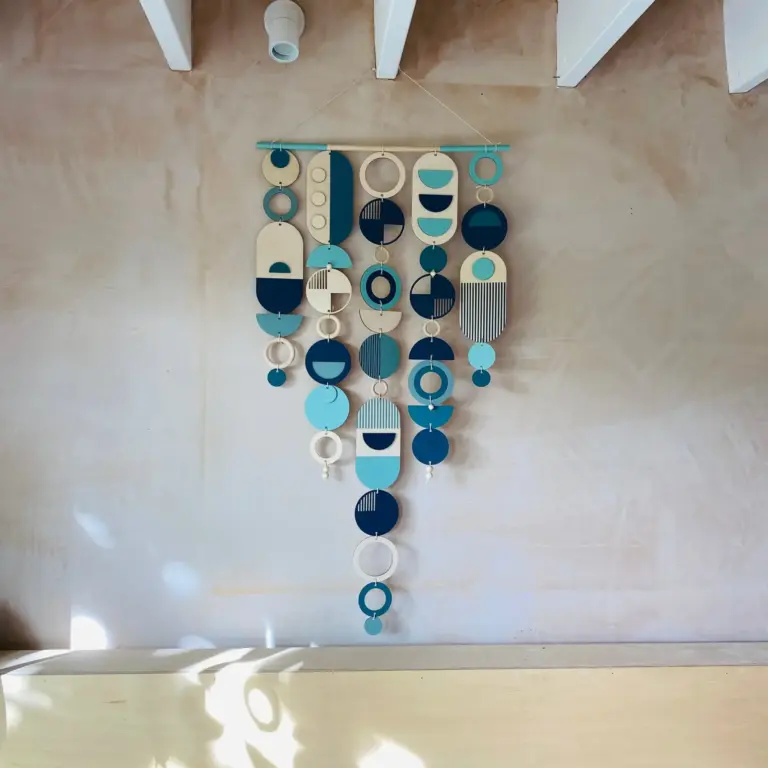
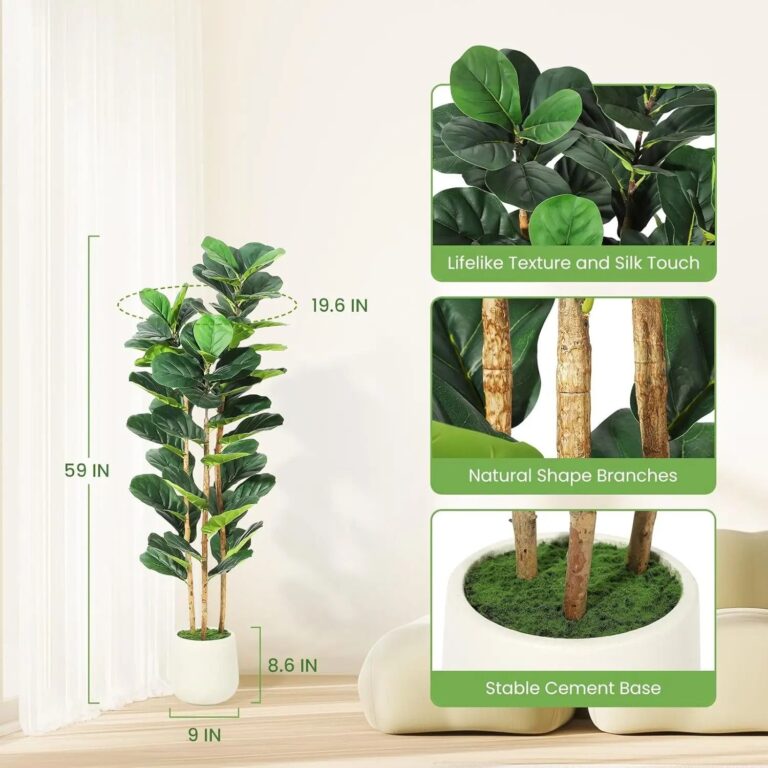 Aisha's pickModern Living Room Decor That Earns Its Place
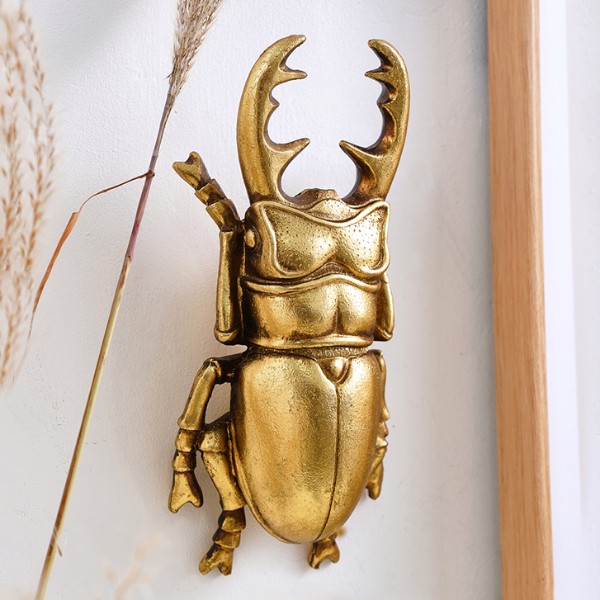
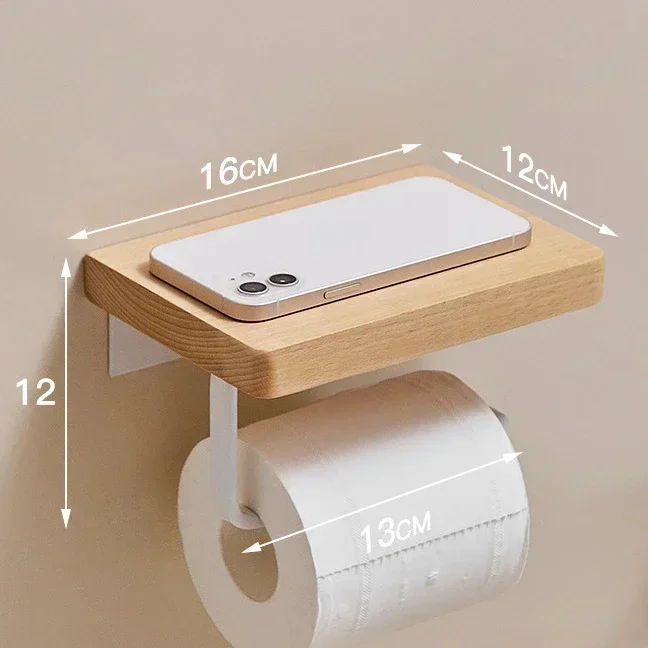
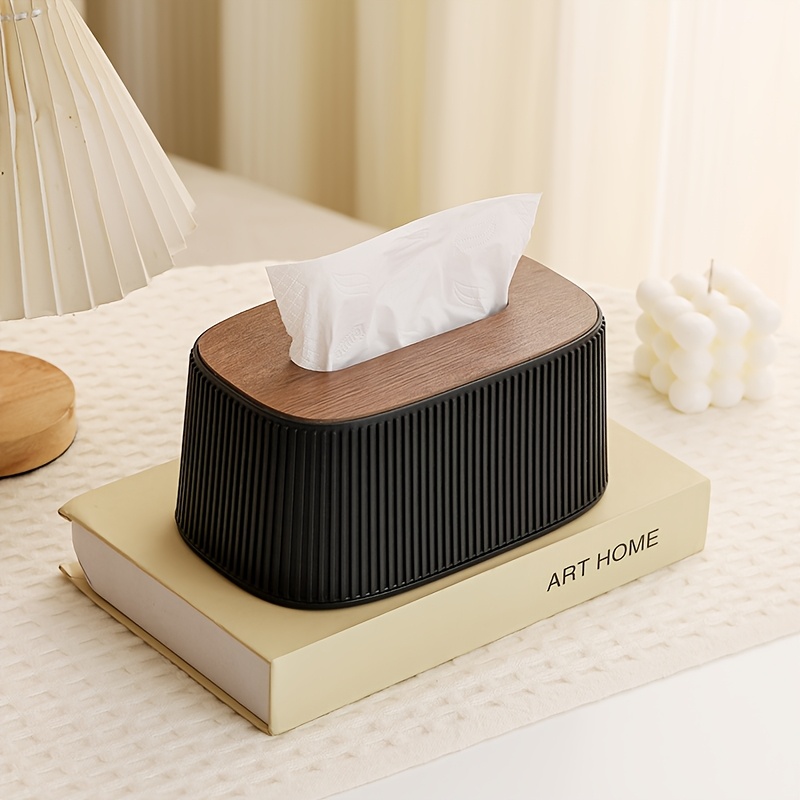 Aisha's pickGood Modern Bathroom Decor Without the Big Price Tag
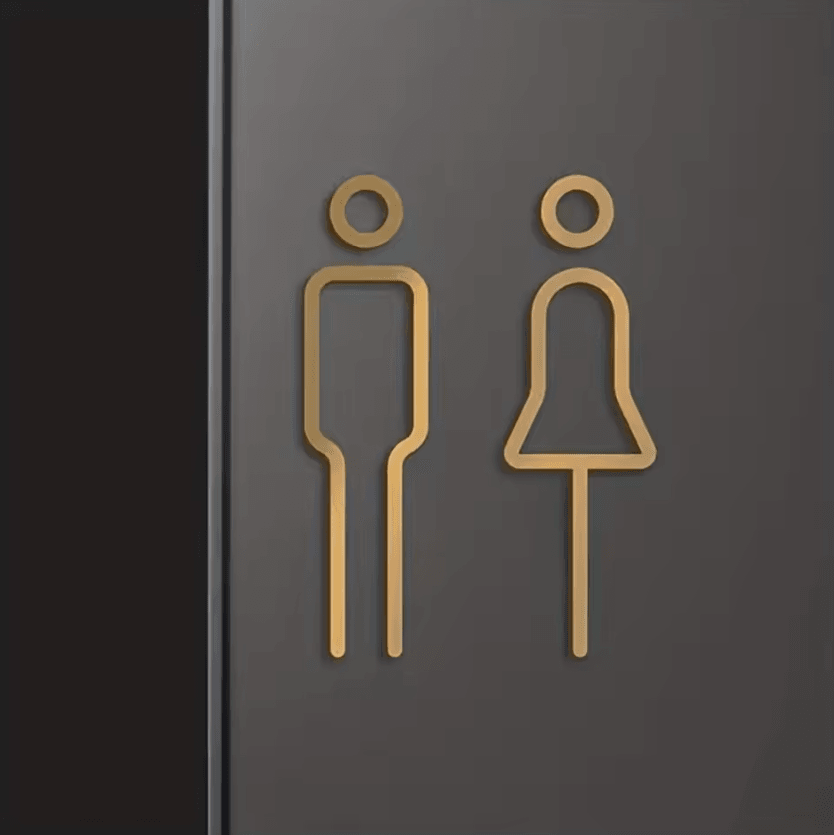
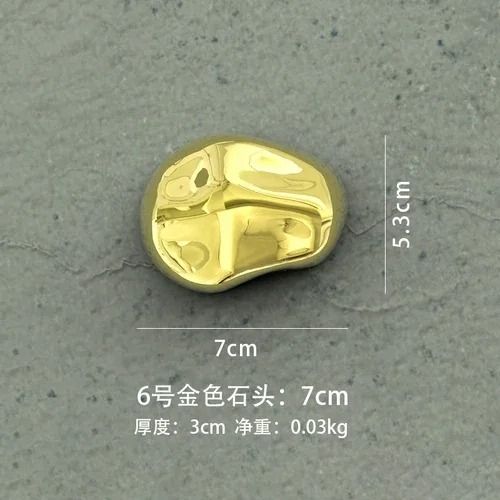 Aisha's pickModern Living Room Ornaments for Filling an Awkward Gap
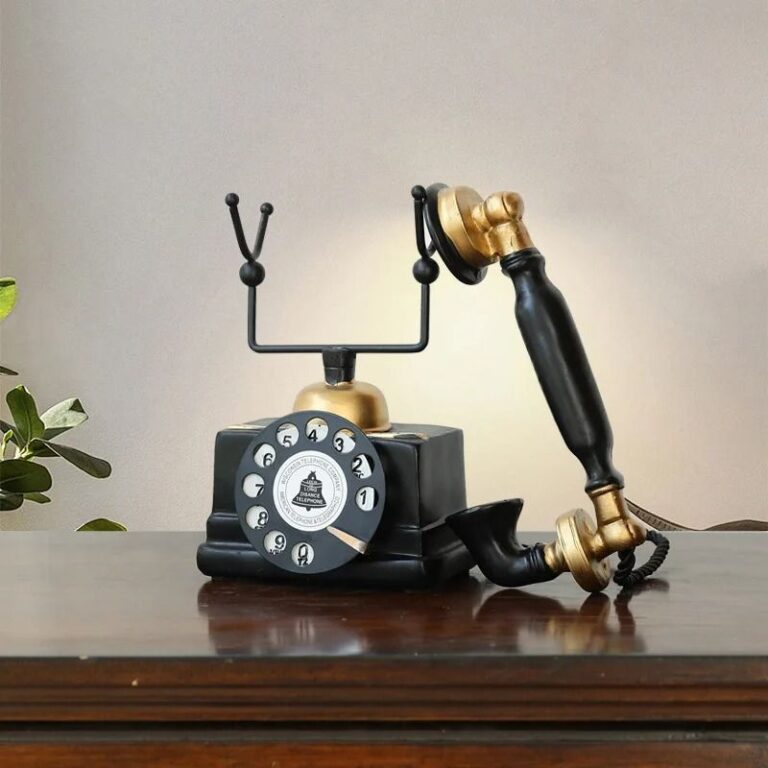
 Aisha's pickModern Bedroom Decor Worth Your Money
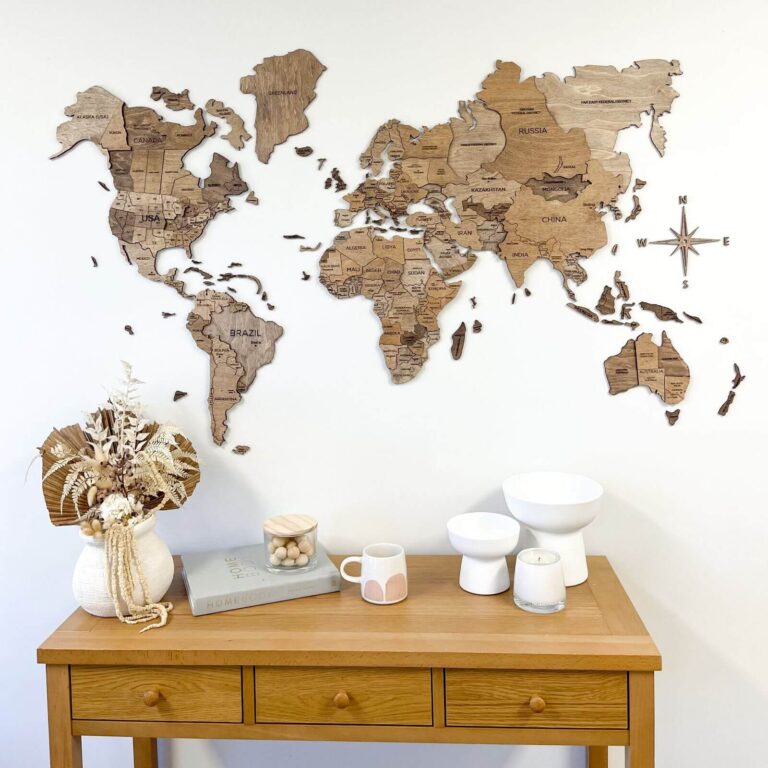
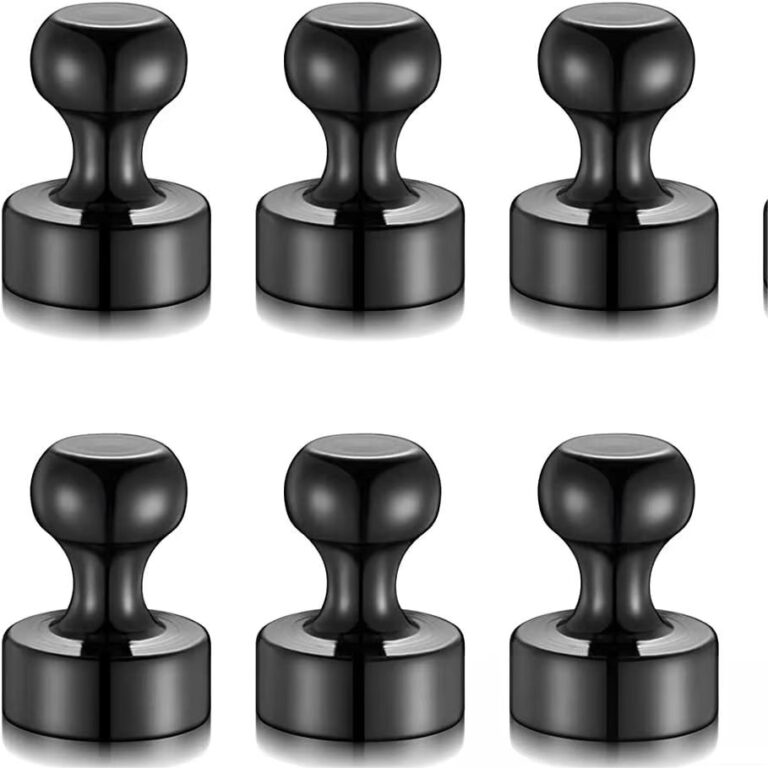
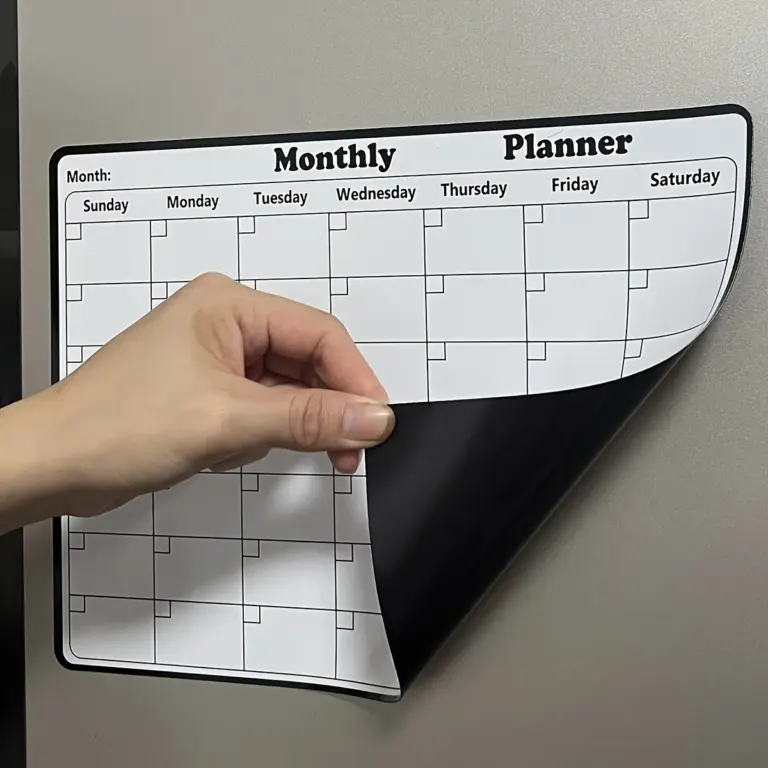
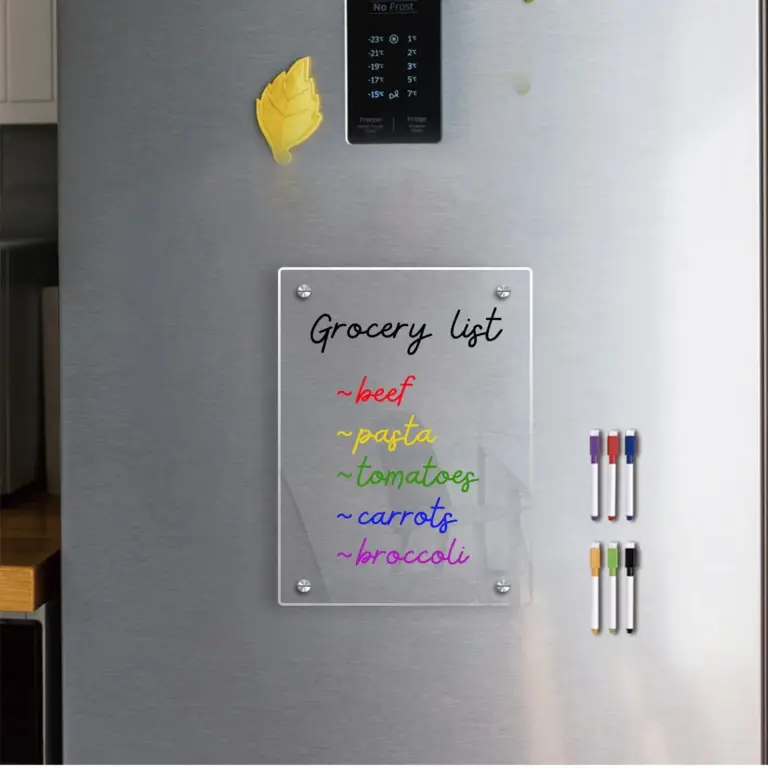 Aisha's pickModern Magnetic Boards for People Who Know What They Like
 Aisha's pickContemporary Bathroom Decor for Making a House Feel Like Yours

 Aisha's pickNo Fuss Modern Boho Decor
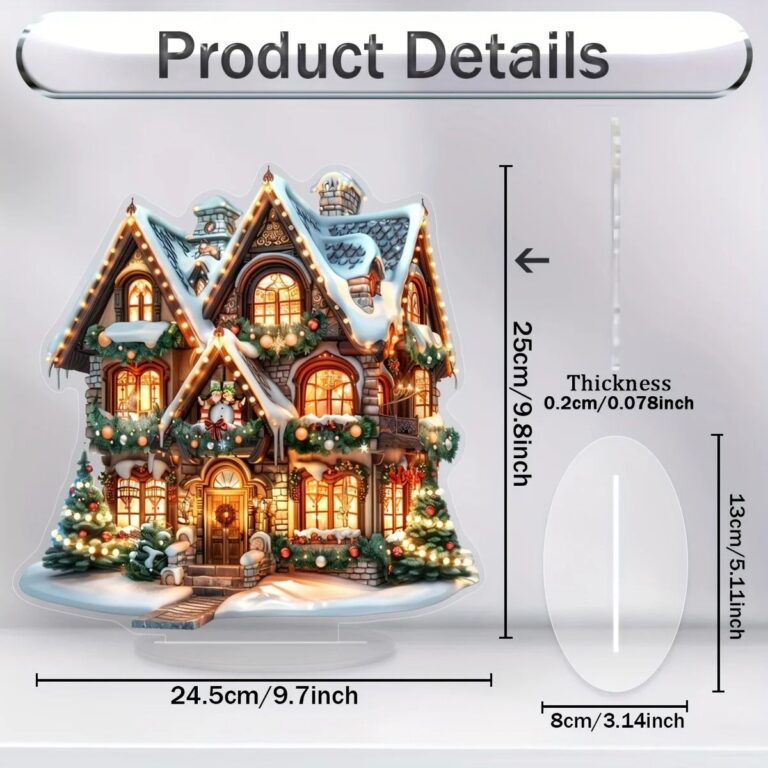
 Aisha's pickGood Modern Metal Wall Decor That Don’t Cost a FortuneAlso worth a lookWhite OrnamentsWhite ornaments look great for about ten minutes, then the tree lights come on and half of them vanish into the branches like they never existed.See the collections →
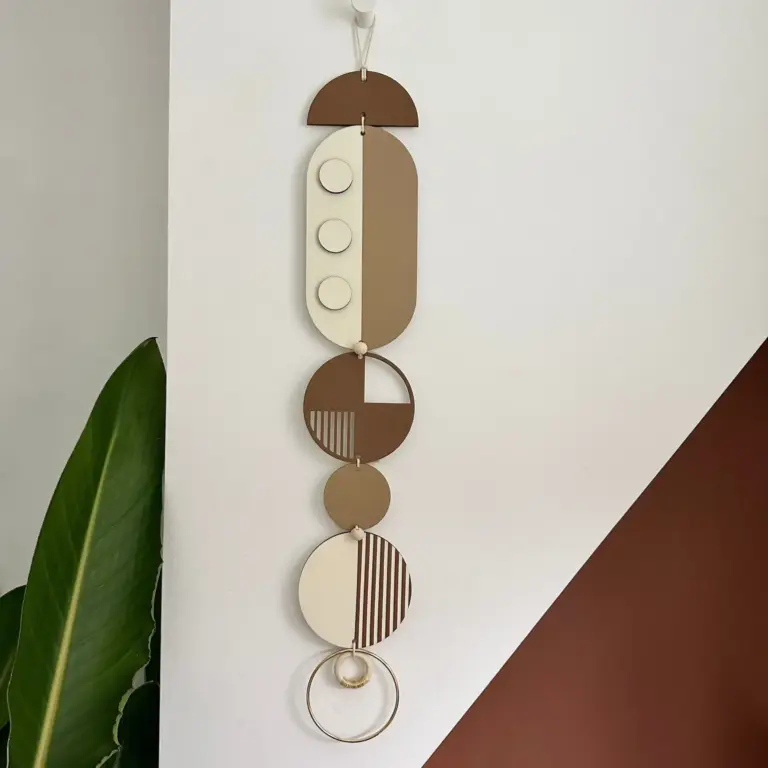
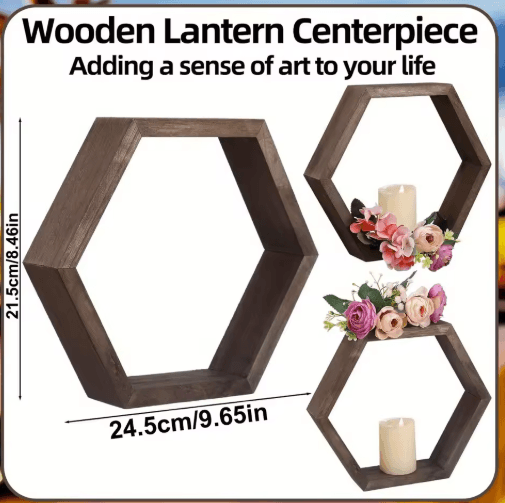 Aisha's pickShopping for Contemporary Bedroom Decor? Start Here
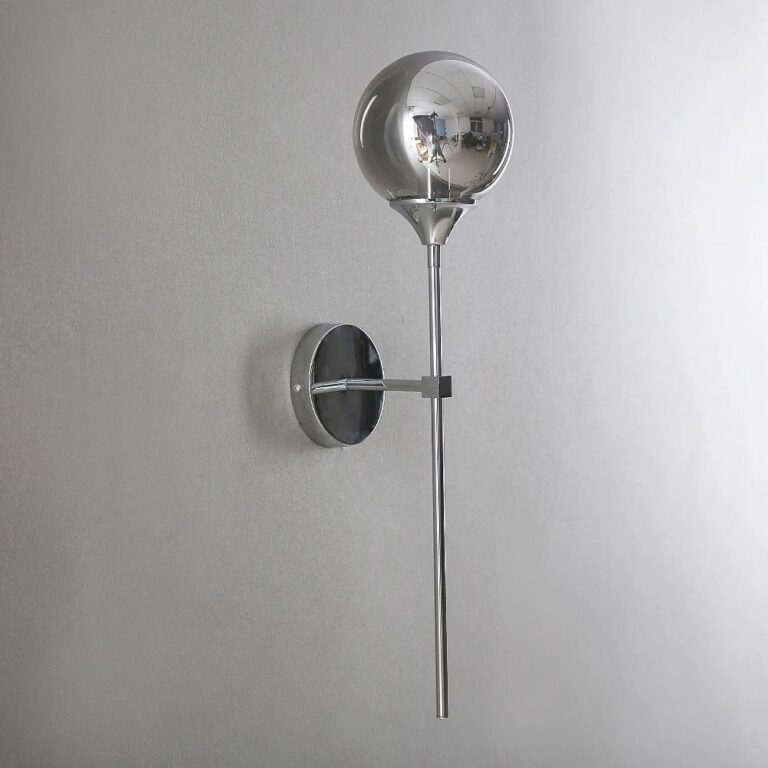
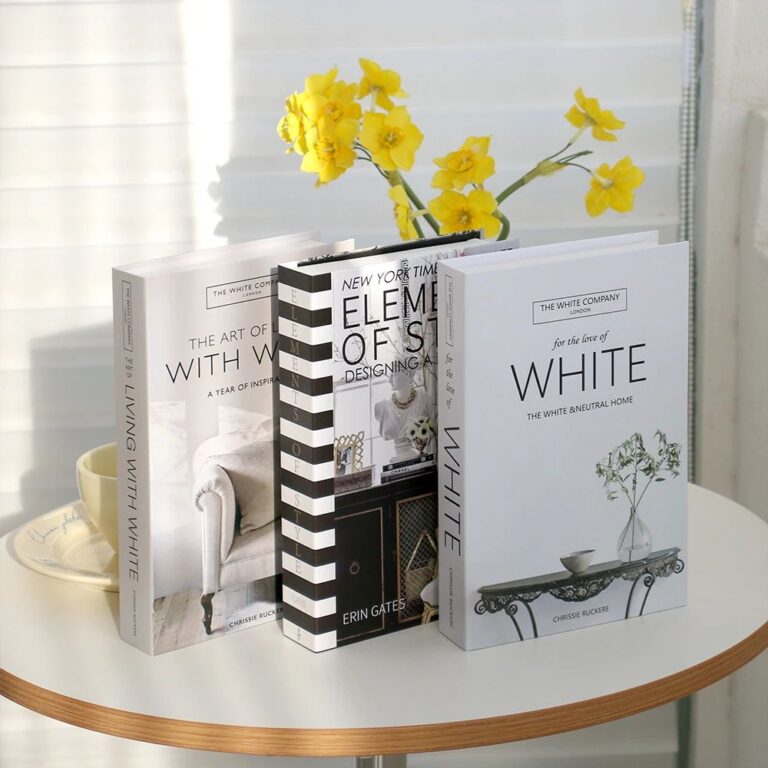
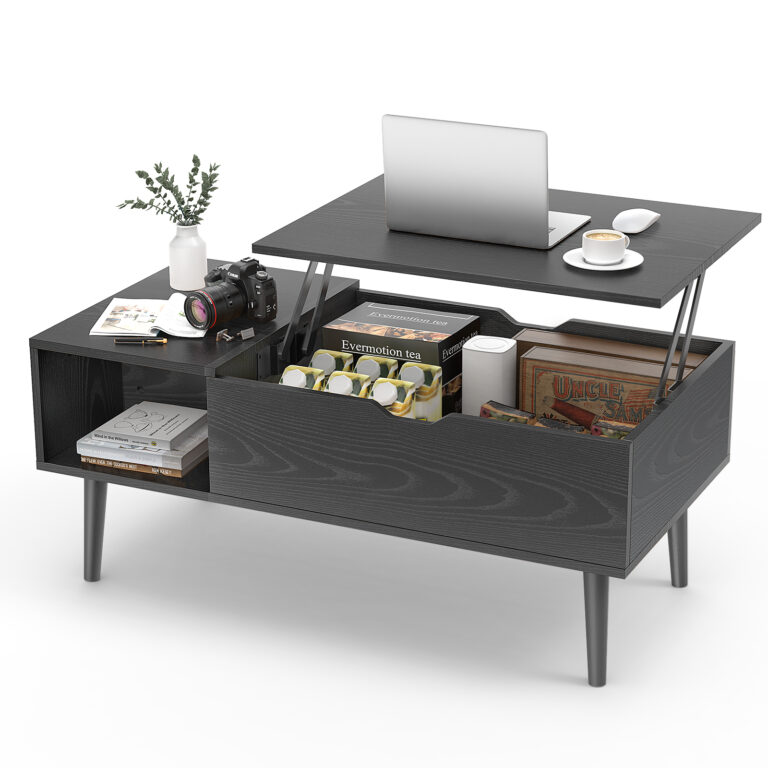 Aisha's pickModern Coffee Table Books for Filling an Awkward Gap
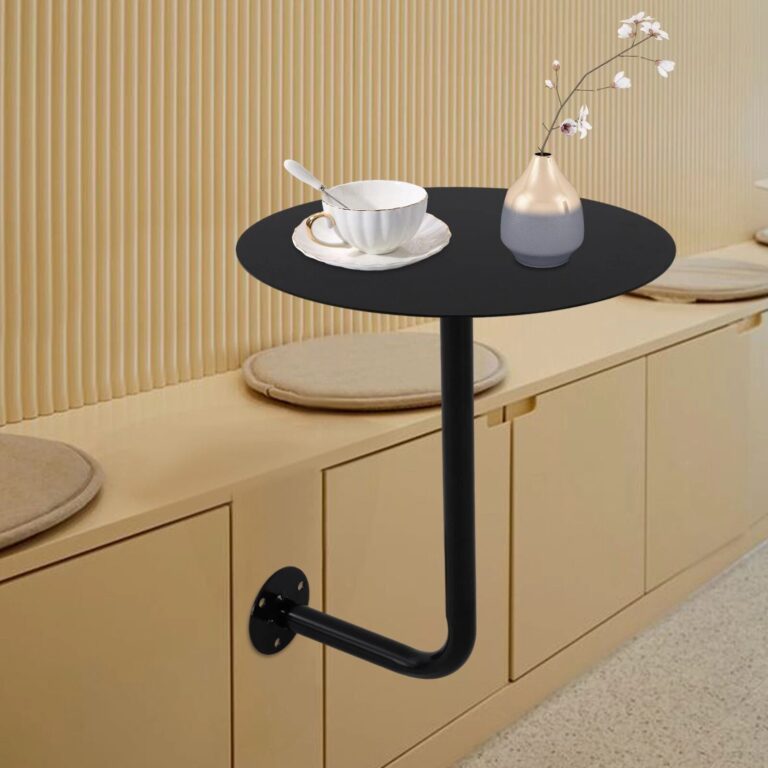
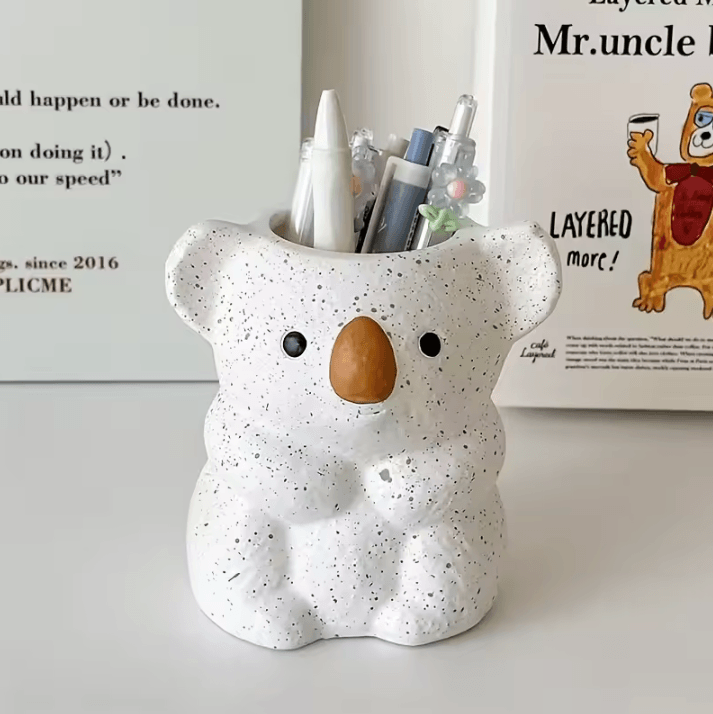 Aisha's pickSimple Modern Nursery Decor Done Well
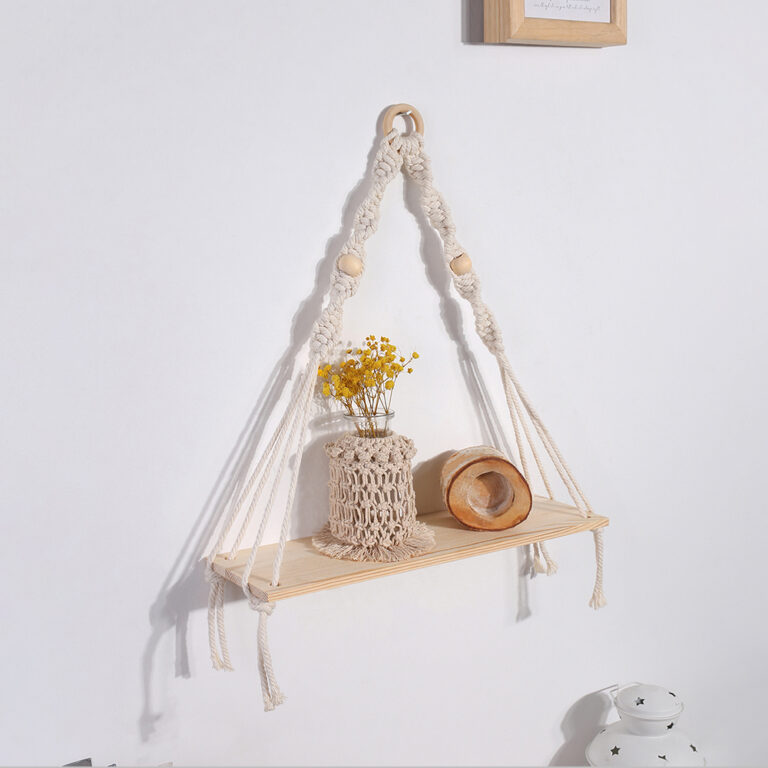
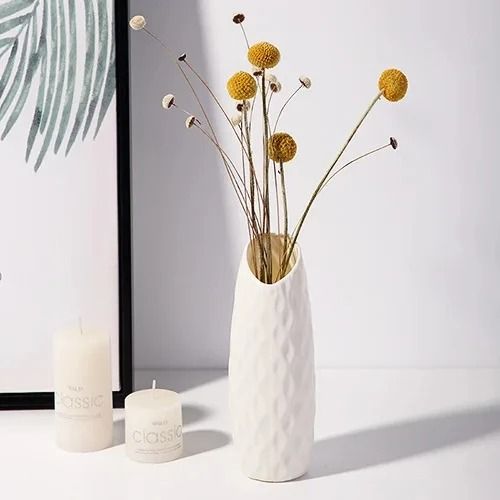 Aisha's pickContemporary Coffee Table Decor That Doesn’t Cost a Fortune
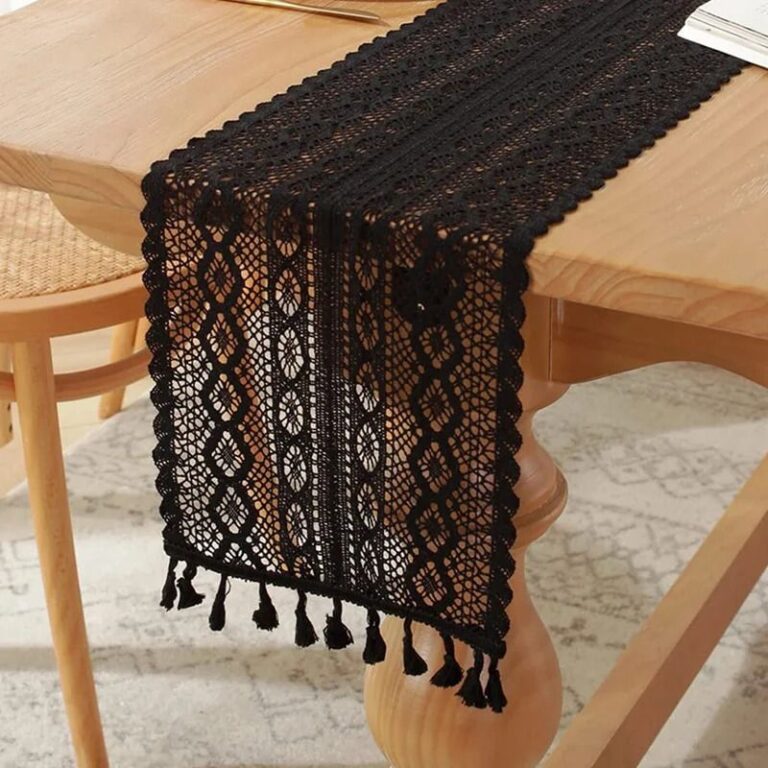
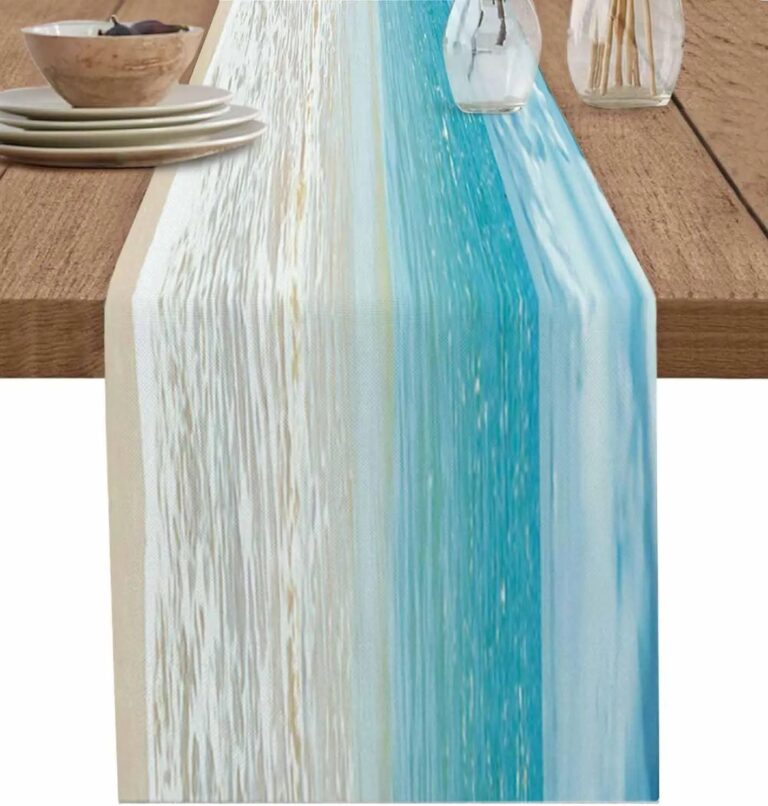 Aisha's pickModern Coffee Table Decor for the Living Room
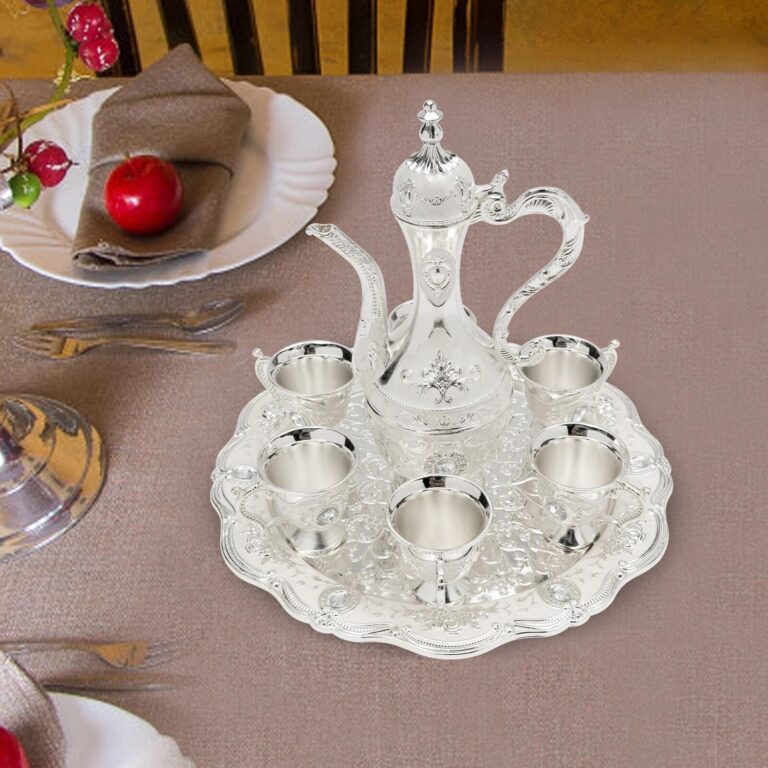
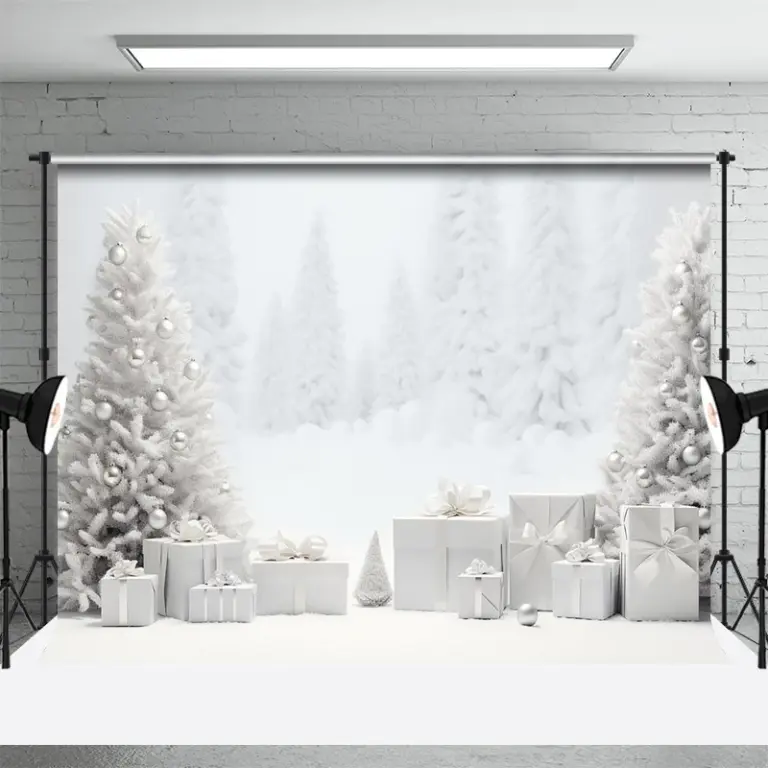 Aisha's pickModern Ornaments With a Story to Them

 Aisha's pickContemporary Decorative Books That Won’t Date in a Year
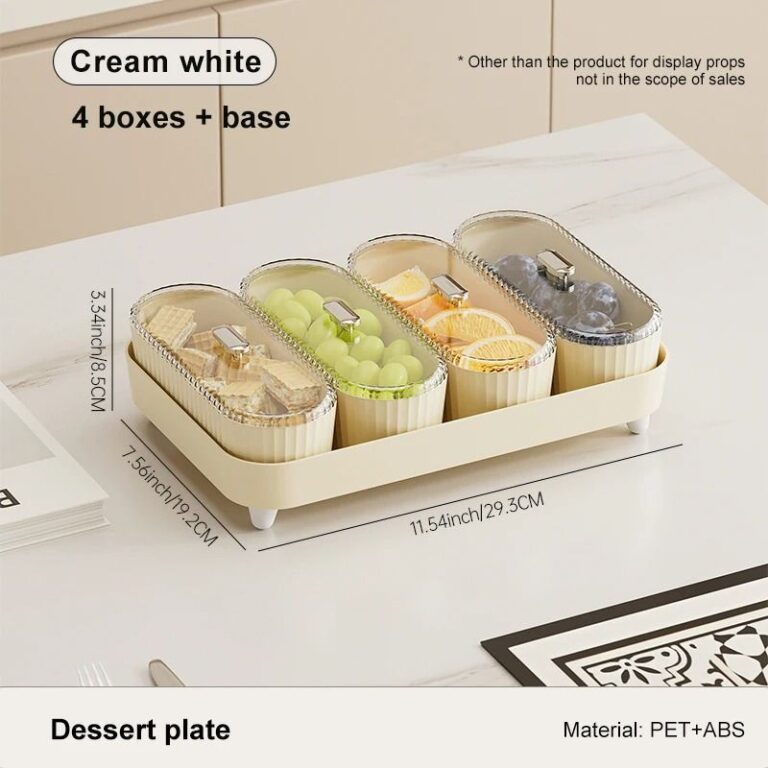 Aisha's pickModern Coffee Table Trays That Go in the Dishwasher