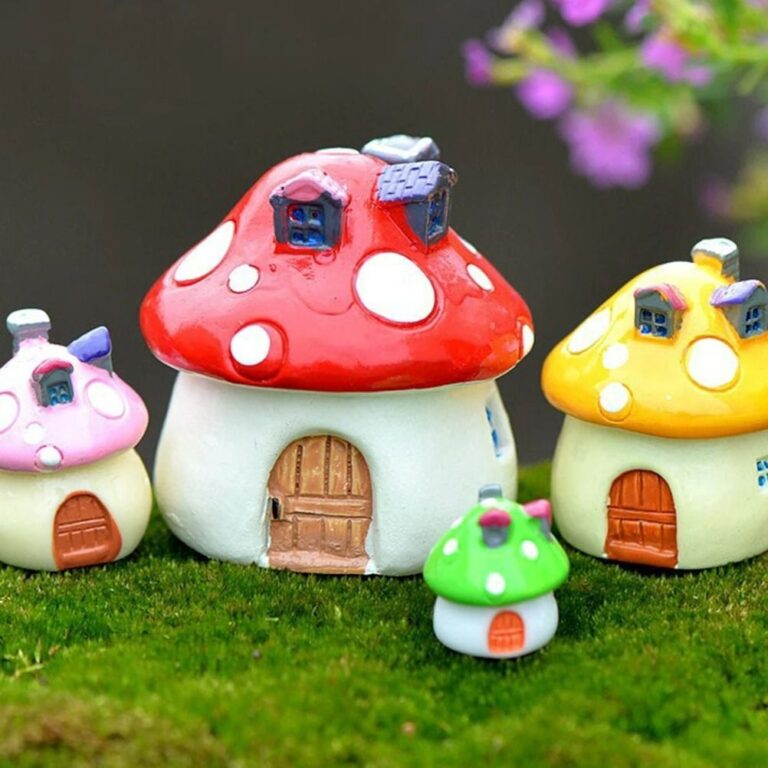
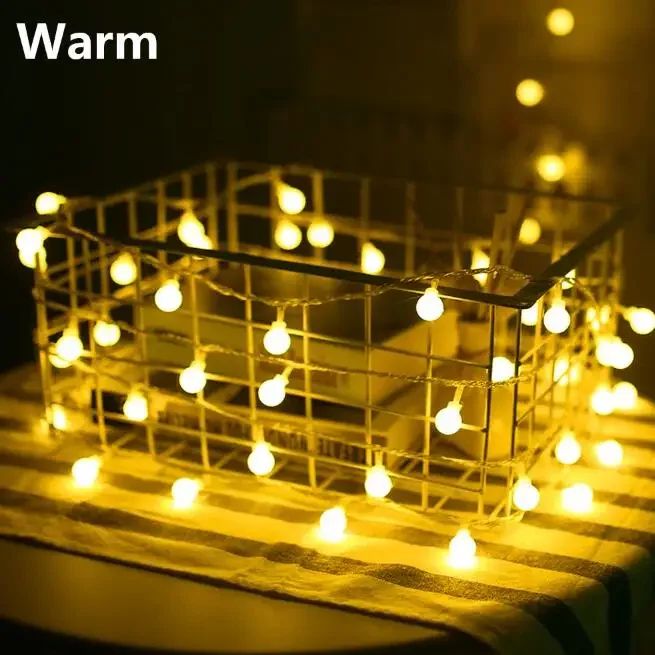
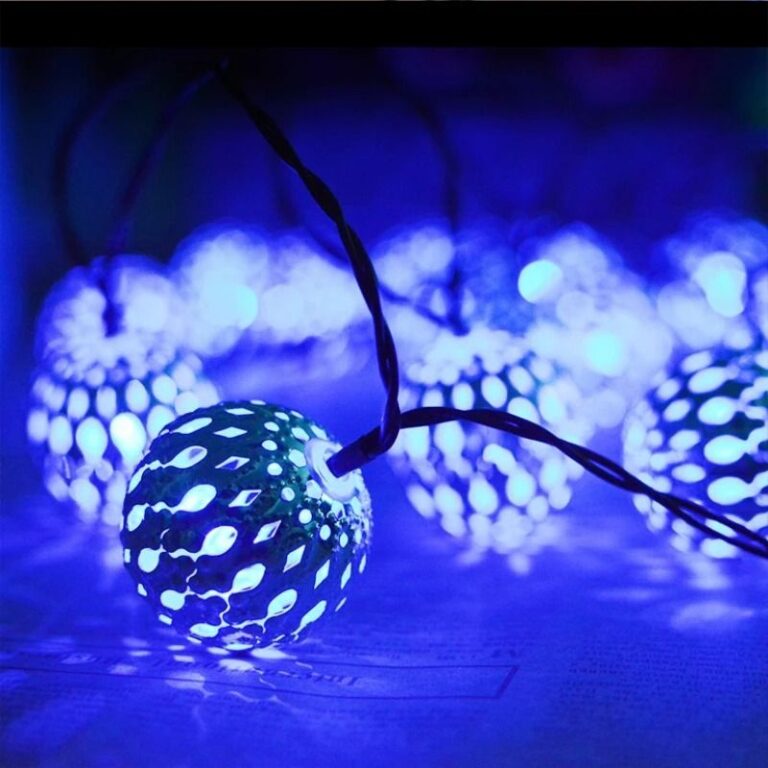
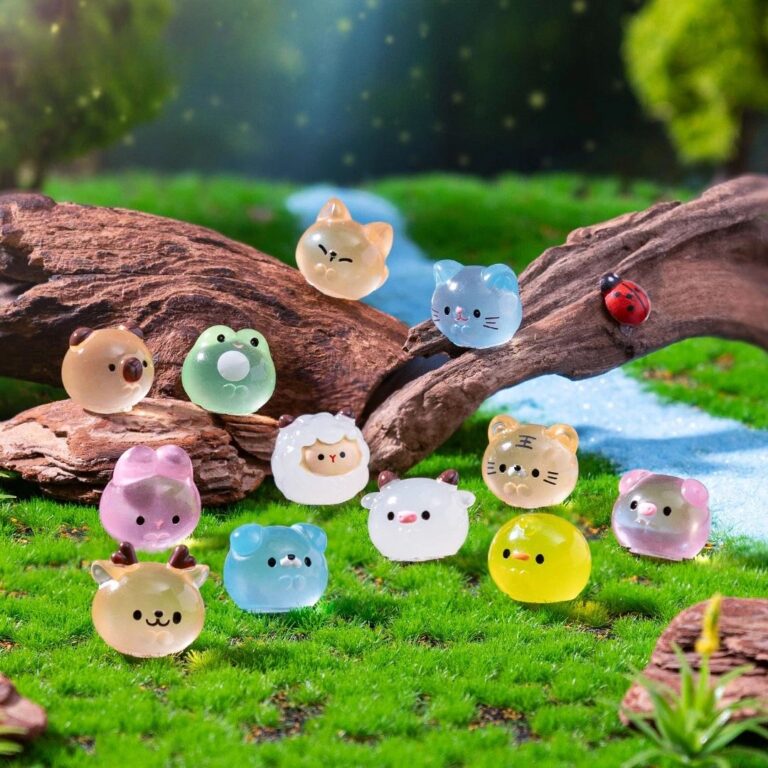
Pick one up before you buy it, if you possibly can. Weight tells you almost everything. A small ornament that feels too light for its size is usually hollow resin dressed up to look like something sturdier, and it will chip the first time it gets knocked off a shelf by a cat, a kid, or an overenthusiastic dust rag.
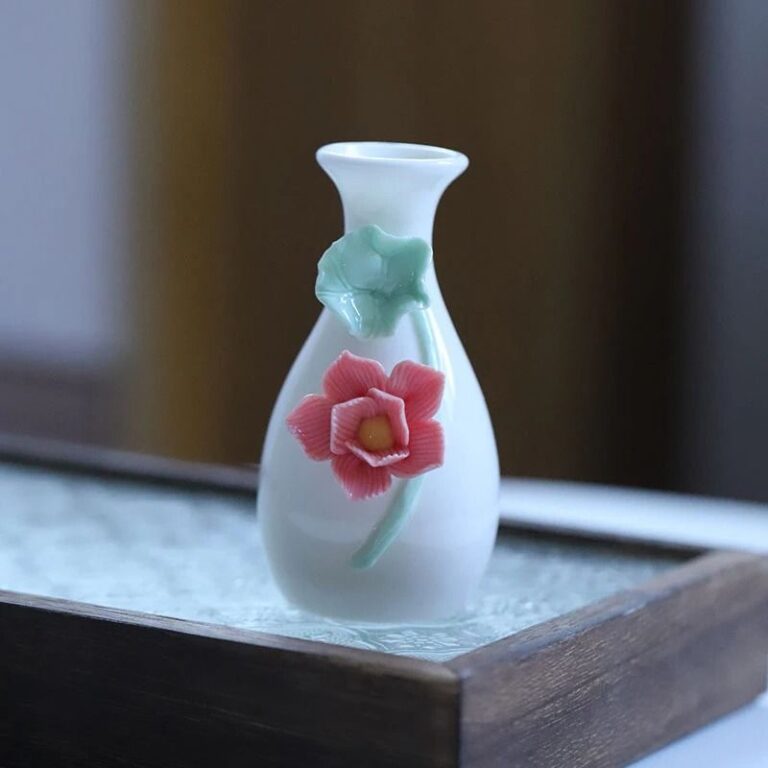
The difference between a good one and a disappointing one shows up in the details nobody photographs. Run a finger along any seam or joint, if there's a visible line where two halves were glued together and it catches on your skin, that's a sign of cheap molding. Good ceramic or carved wood pieces have a seamless finish, or if they're jointed on purpose, like a hinged box or a figure with a separate base, the fit is snug with no wobble. Check the bottom too, a felt pad glued on crooked tells you something about how much care went into the rest of it, and an unglazed or rough base on a ceramic piece usually means it was finished properly rather than rushed through a kiln. Glass ornaments should feel cool and a little heavy for their size, with no air bubbles distorting the surface unless that's clearly part of the design. I've bought the lightweight version more than once, drawn in by a nice shape on a shelf in good lighting, and regretted it within a season. As for where they sit, small ornaments do their best work in groups of odd numbers, three or five, on a mantel, a windowsill, or clustered on a side table with something taller behind them for scale, a lamp or a framed print. Scattering single ones around a room makes a house look like a yard sale in progress. Group them by material or color instead, mixing wood with wood, glass with glass, and the whole thing reads intentional even in a rented apartment with walls you can't paint.
Wear and aging depends almost entirely on the material. Painted finishes dull and sometimes flake at the edges after a couple of years of handling, especially if they get picked up and put down a lot, which small ornaments always do. Ceramic and glass hold their color indefinitely but chip at the first drop, so keep anything fragile off low shelves if there's foot traffic or small hands nearby. Dust with a soft, dry cloth rather than anything damp on painted or gilded pieces, since moisture lifts paint faster than you'd expect. Wood ones benefit from an occasional wipe with a dry cloth and nothing else, no oils, no polish, just leave them be.
Measure the shelf or ledge first, and leave at least an inch of breathing room on either side of each piece so nothing looks crowded or about to tip.

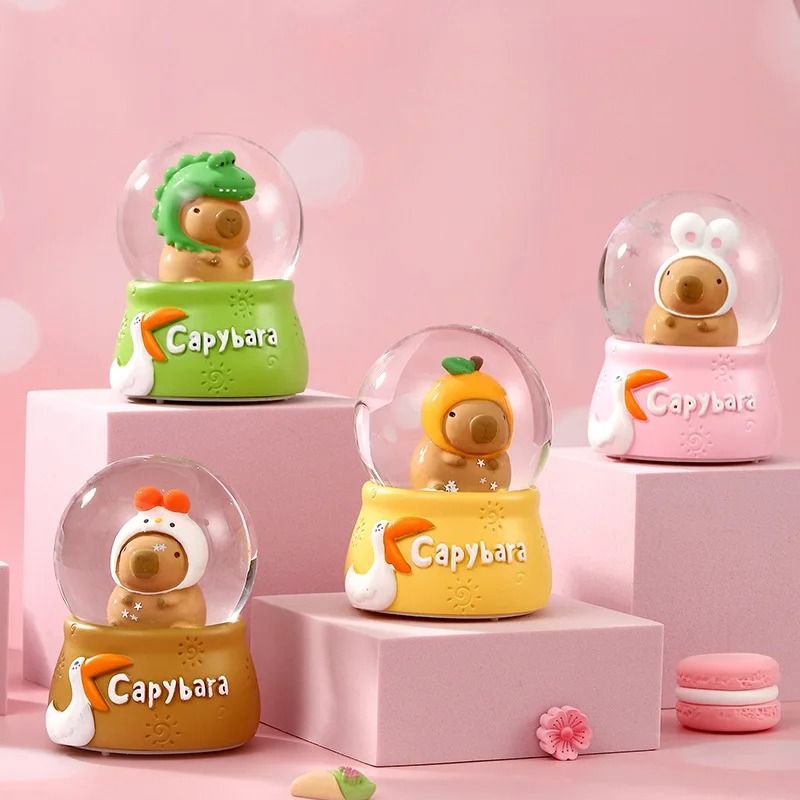 Aisha's pickMini Ornaments You Won’t Regret Buying
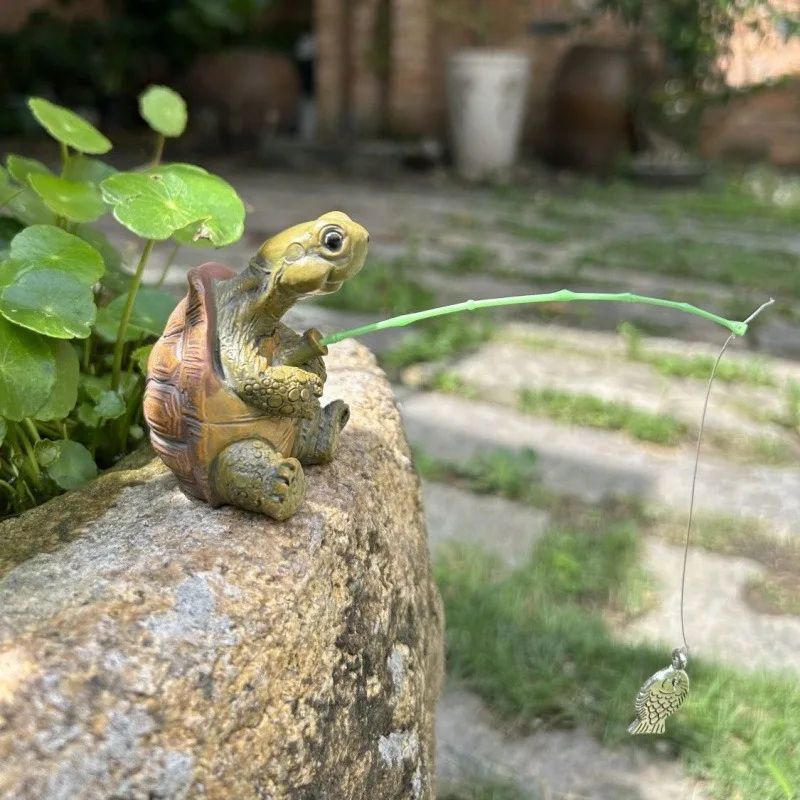
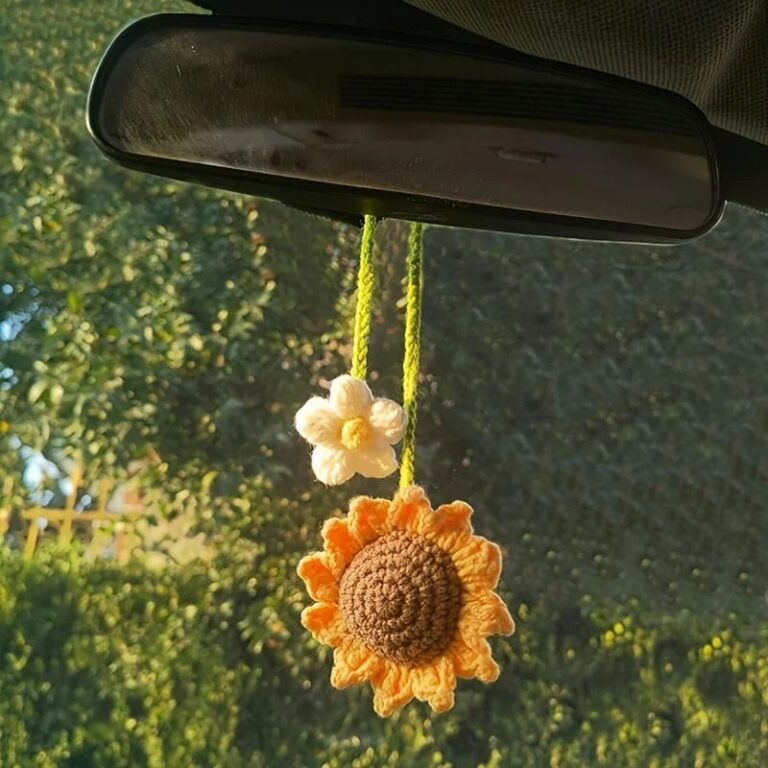 Aisha's pickSmall Green Ornaments That Start Conversations

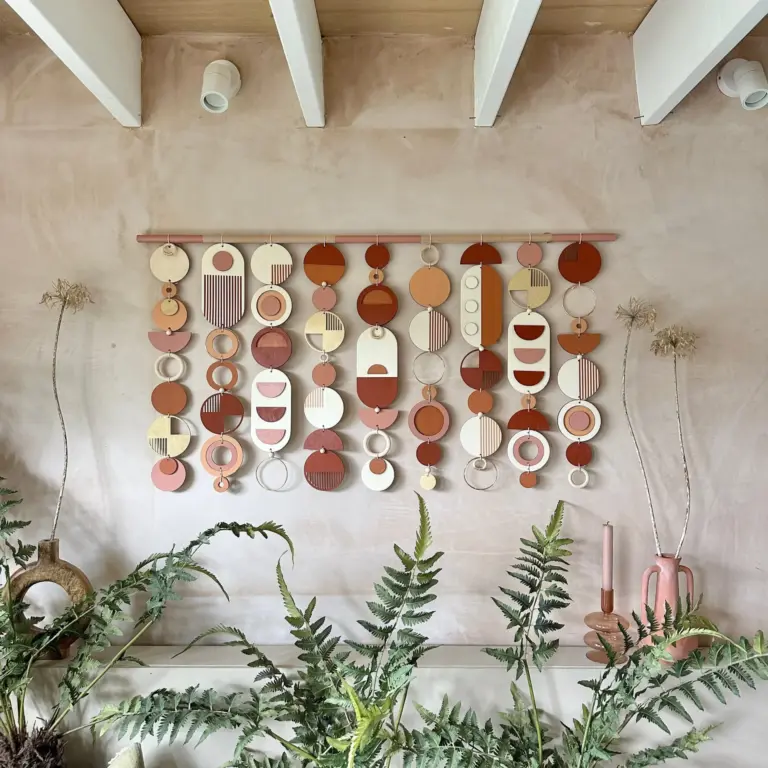 Aisha's pickSmall Wall Decor With a Bit More About It
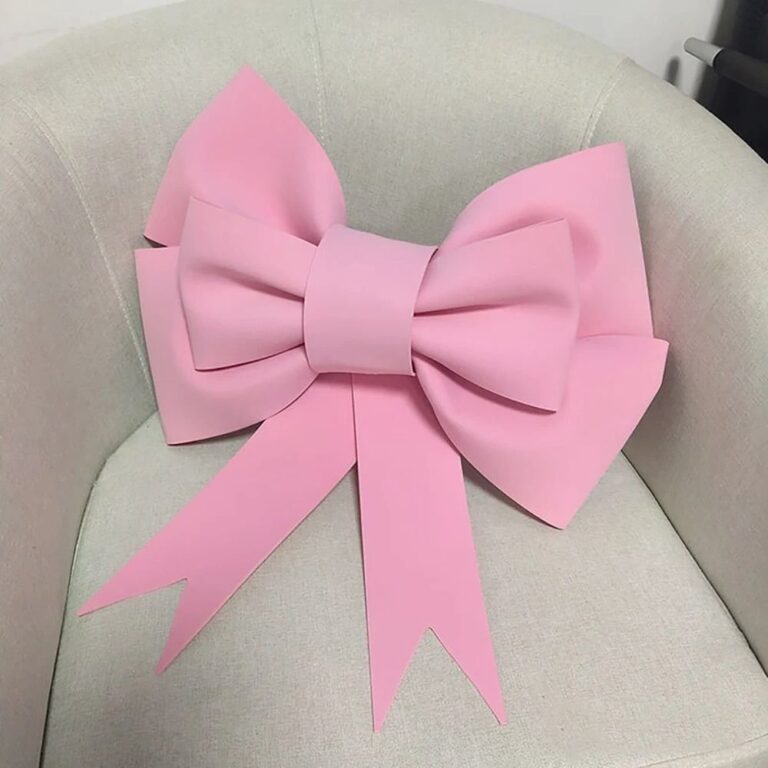
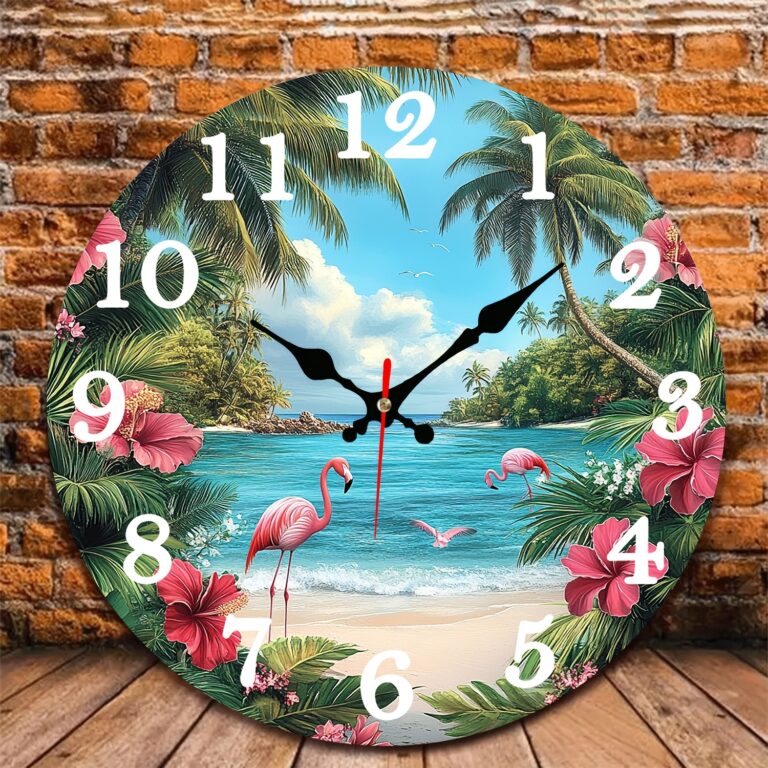 Aisha's pickMini Wall Decor That Looks the Part

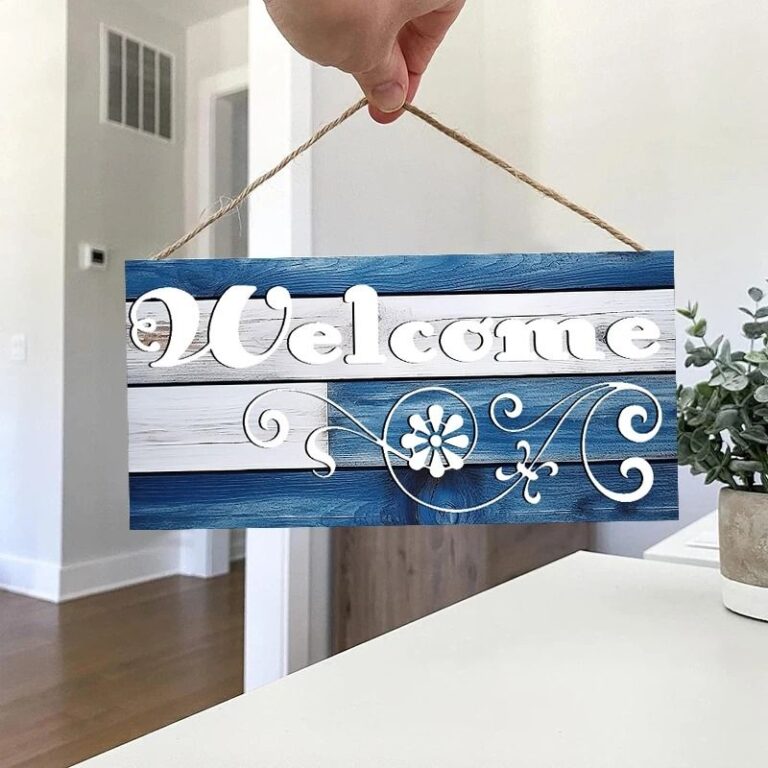 Aisha's pickSmall Hallway Decor at Every Price Point
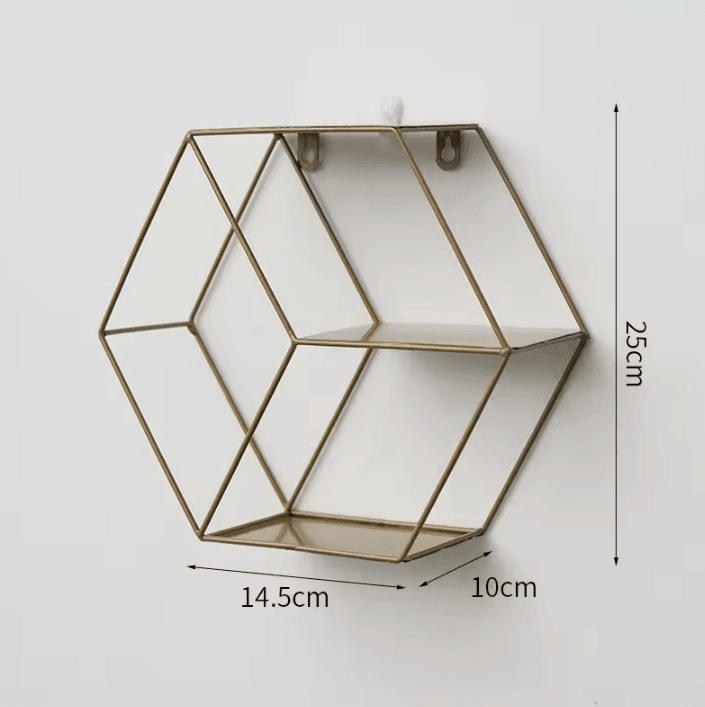
 Aisha's pickSmall White Ornaments for Blank Walls and Empty Shelves
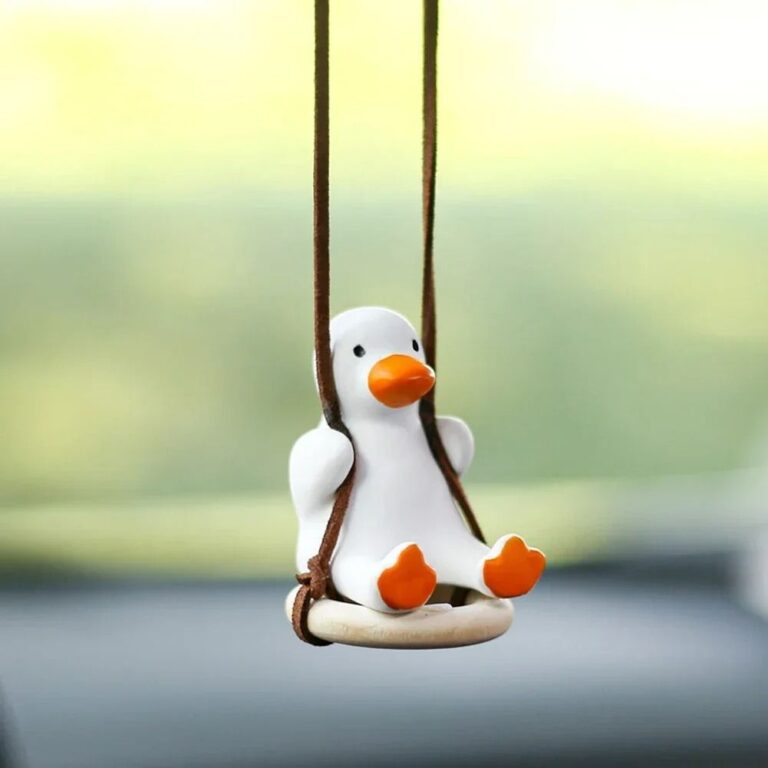
 Aisha's pickSmall Bathroom Decor That Holds Up
 Aisha's pickSmall Home Accessories That Earn Their Keep
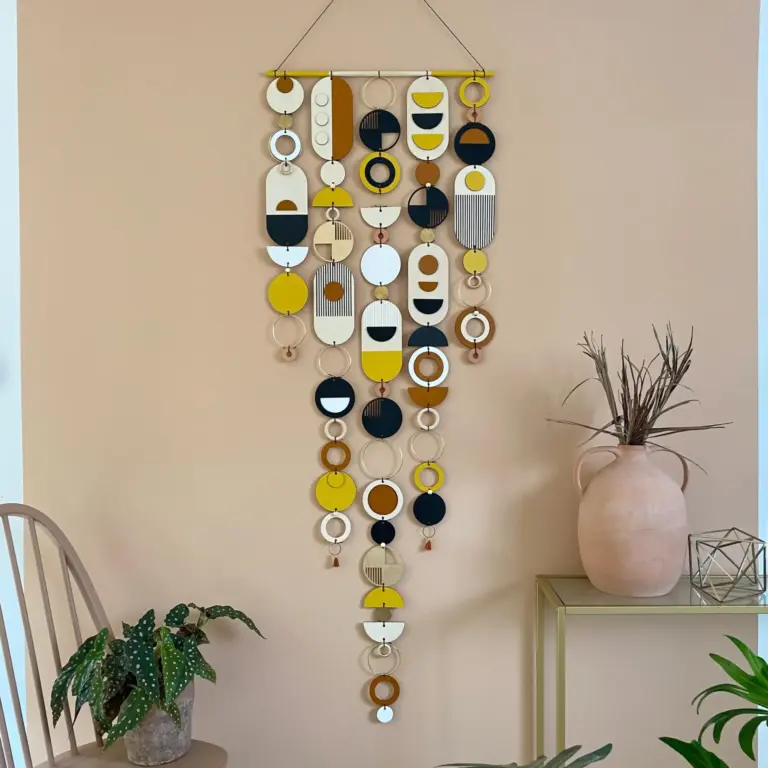 Aisha's pickShopping for Small White Wall Decor? Start HereAlso worth a lookDecorDecor is the stuff that doesn't do anything useful at all, and that's exactly the point of it.See the collections →
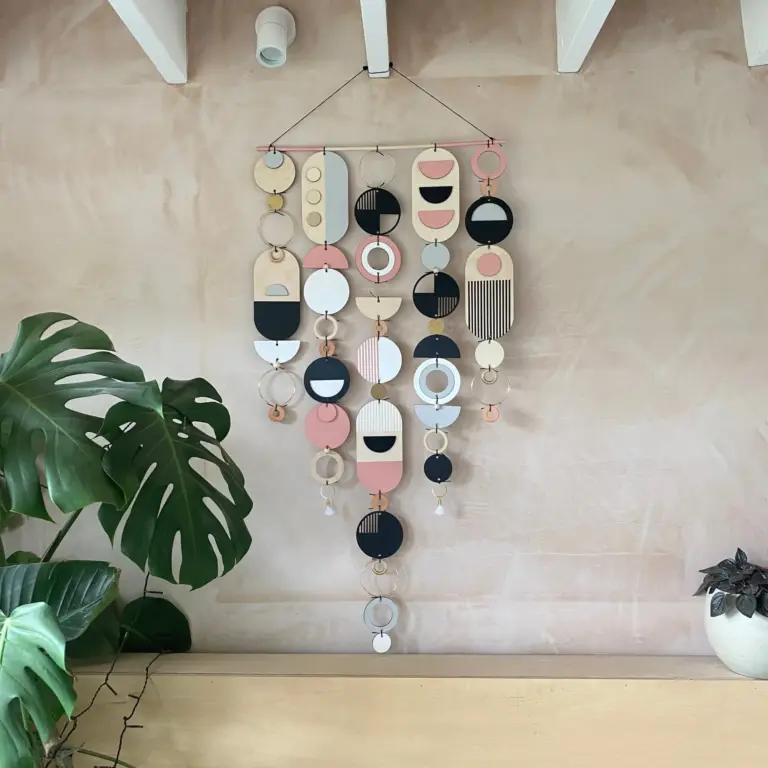
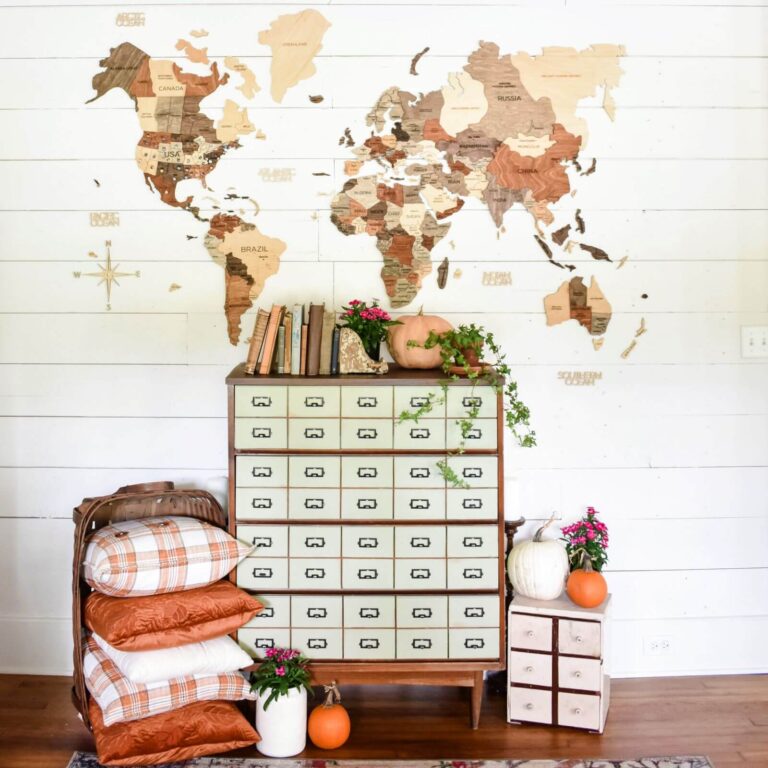 Aisha's pickSmall Bedroom Decor Picked From the Stores We Trust
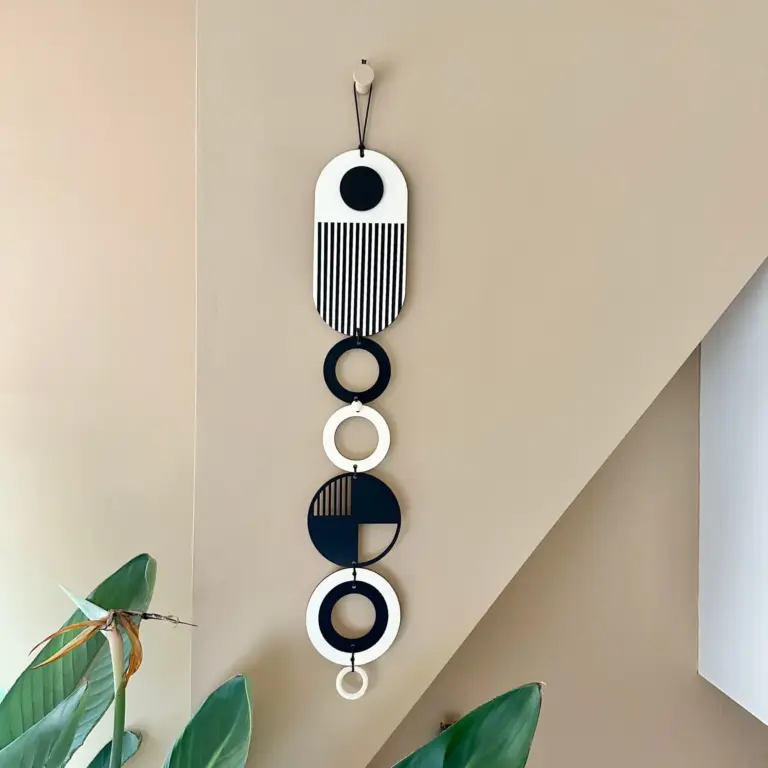
 Aisha's pickSmall Home Decor That Does What It Should
 Aisha's pickSmall Whiteboards You’ll Still Like in Five Years
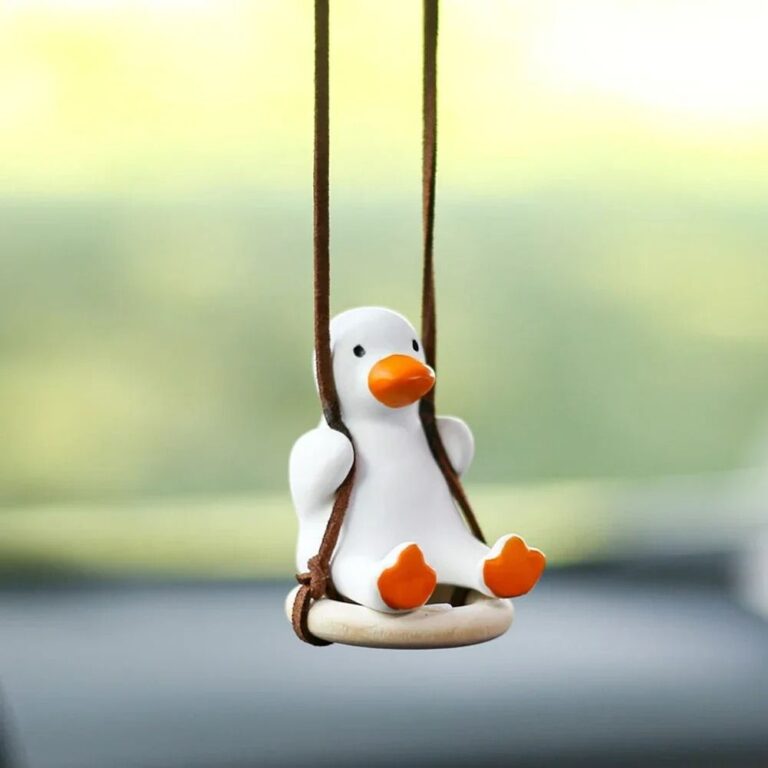 Aisha's pickSmall Black Ornaments That Catch the Eye Without Taking Over
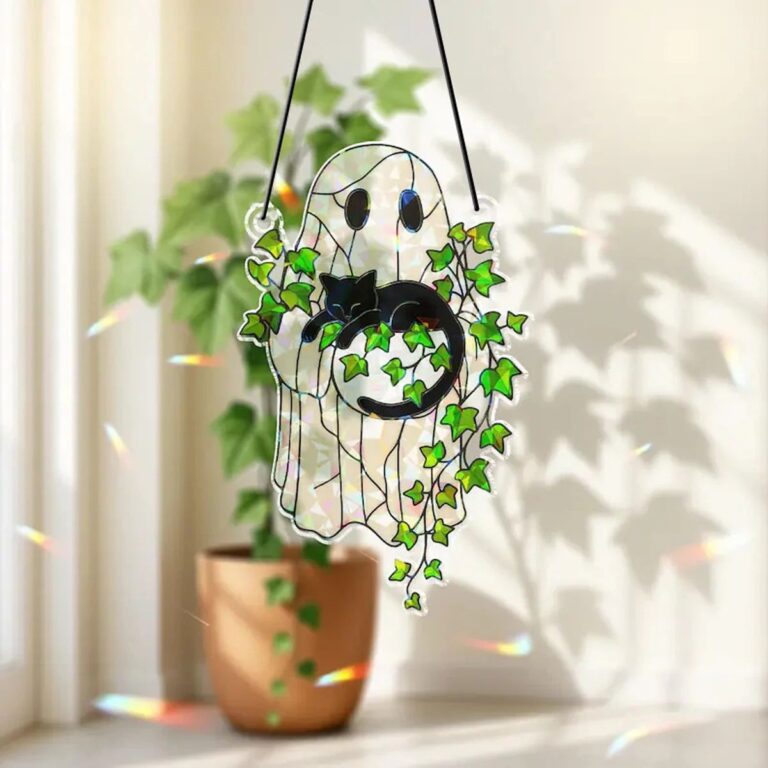
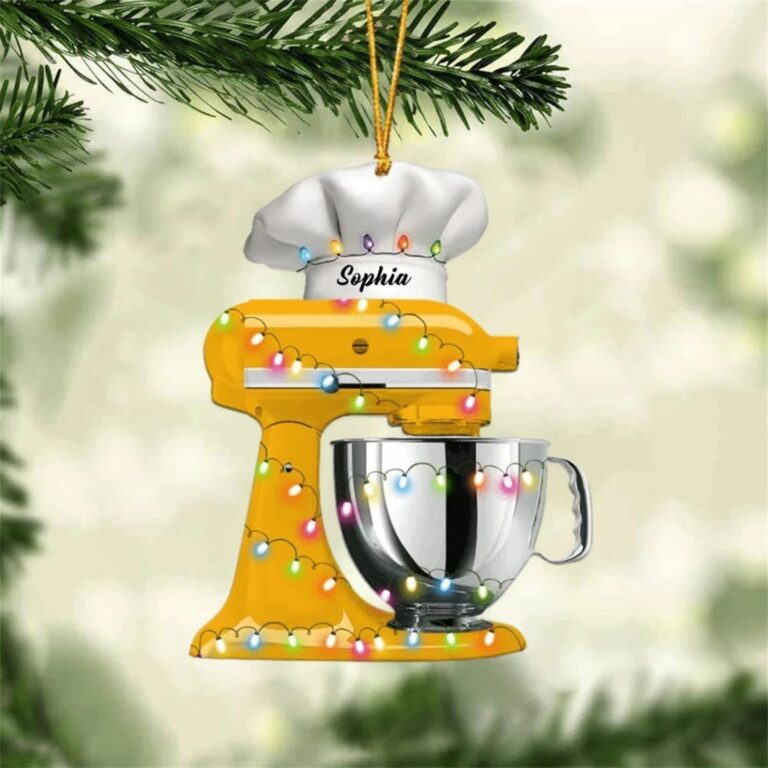 Aisha's pickSmall Home Ornaments That Get Better With Age
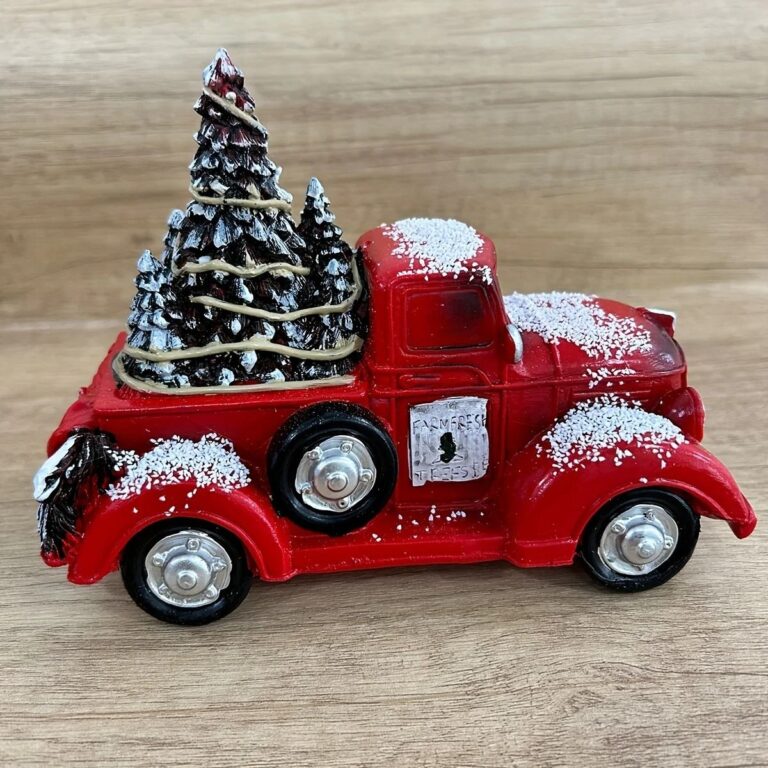
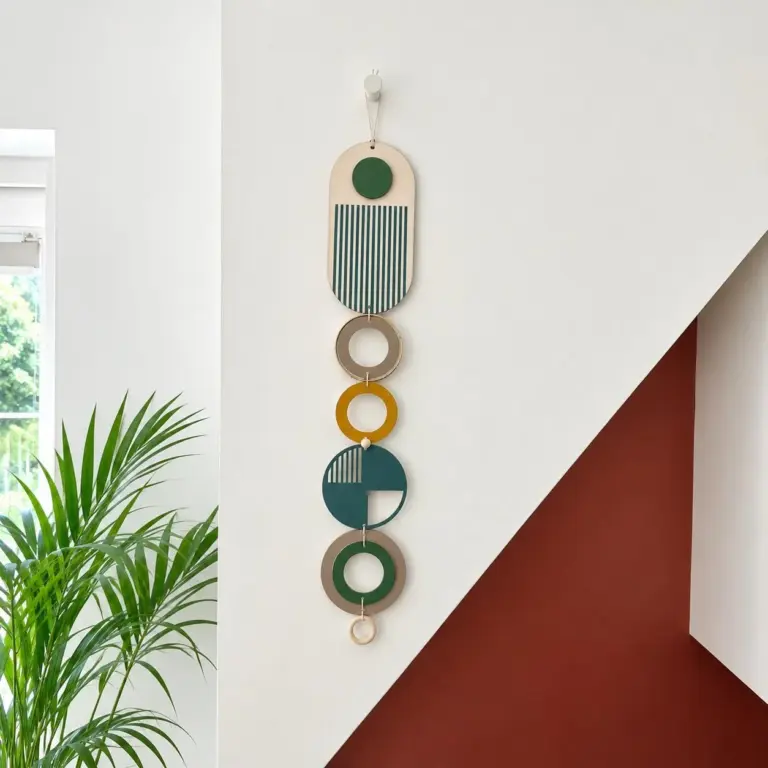 Aisha's pickSmall Wooden Wall Decor That Holds Up
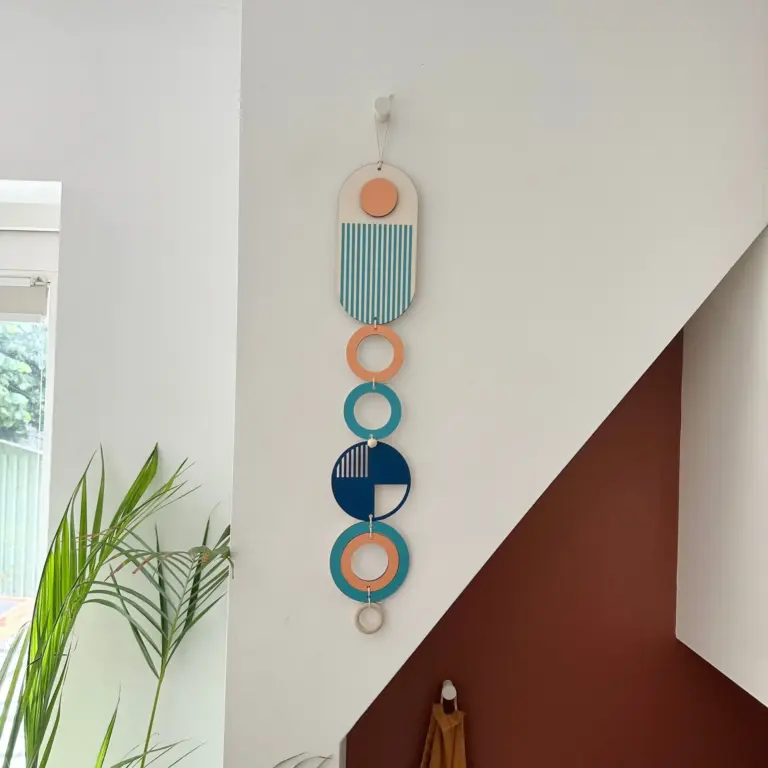
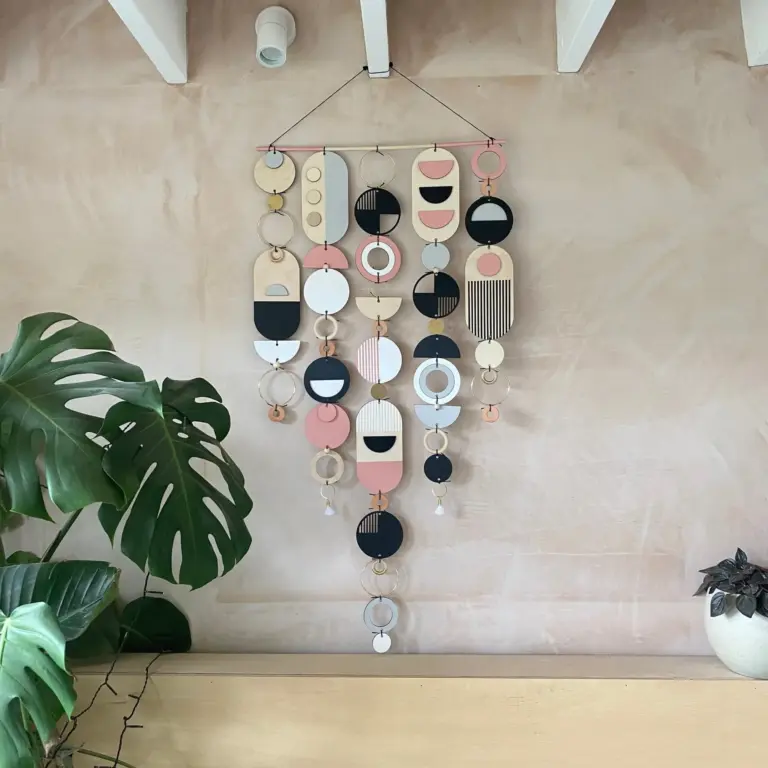 Aisha's pickSmall Black Wall Decor We Keep Buying
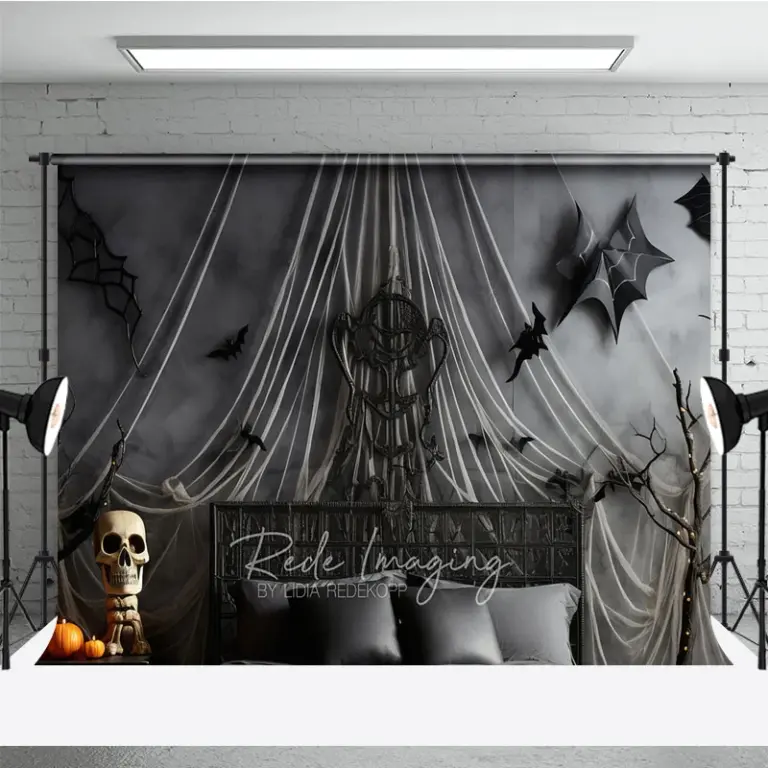
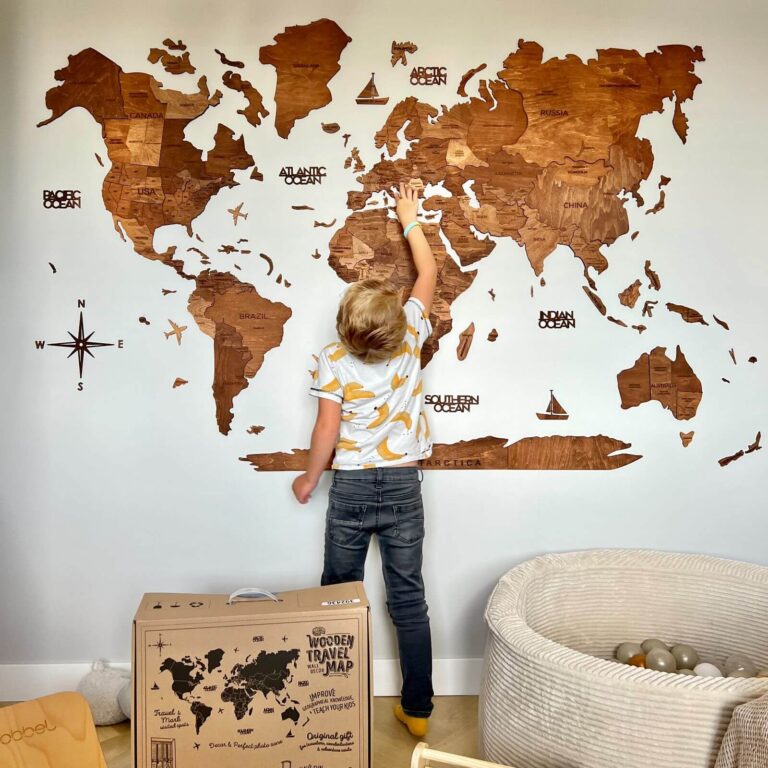 Aisha's pickSmall Living Room Decor for Movie Nights and Slow Sundays
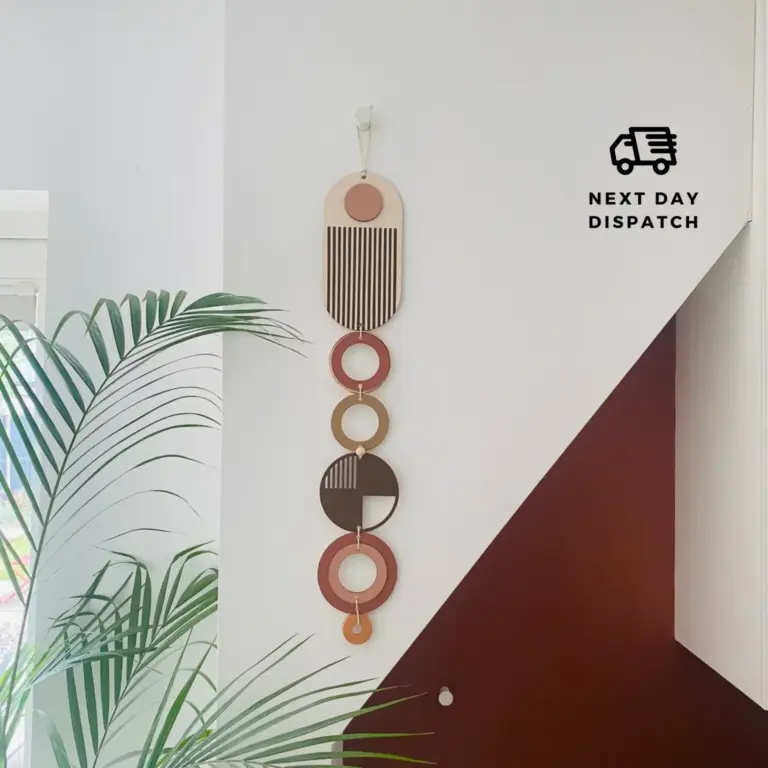
 Aisha's pickShopping for Small Boho Decor? Start HereAlso worth a lookModern DecorYou know the moment. You've finally got the boring stuff sorted, the sofa's in, the curtains hang right,…See the collections →

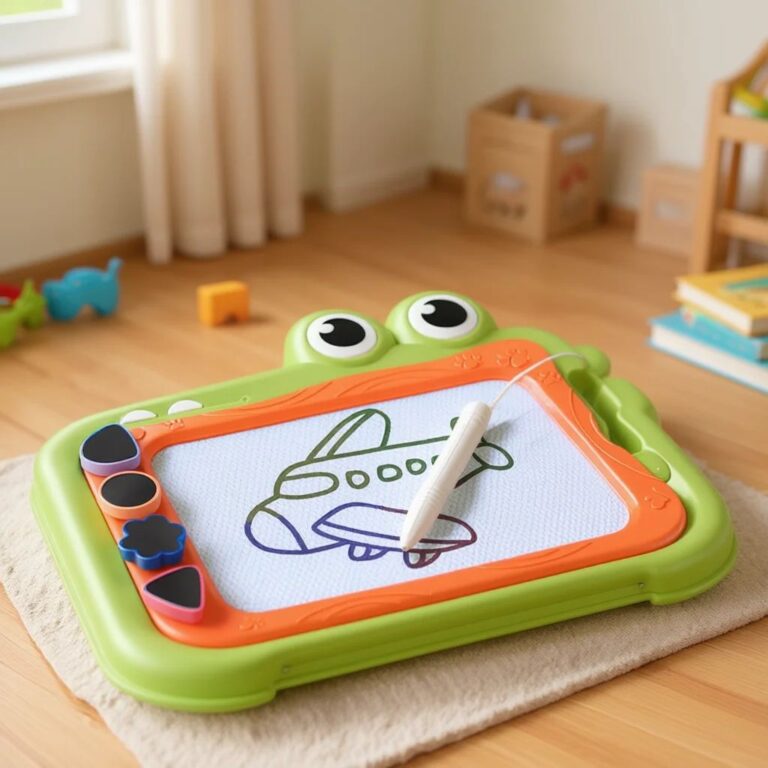 Aisha's pickSmall Magnetic Boards You’ll Keep for Years
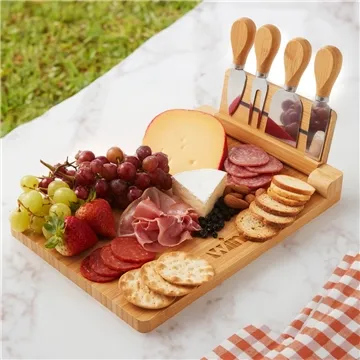
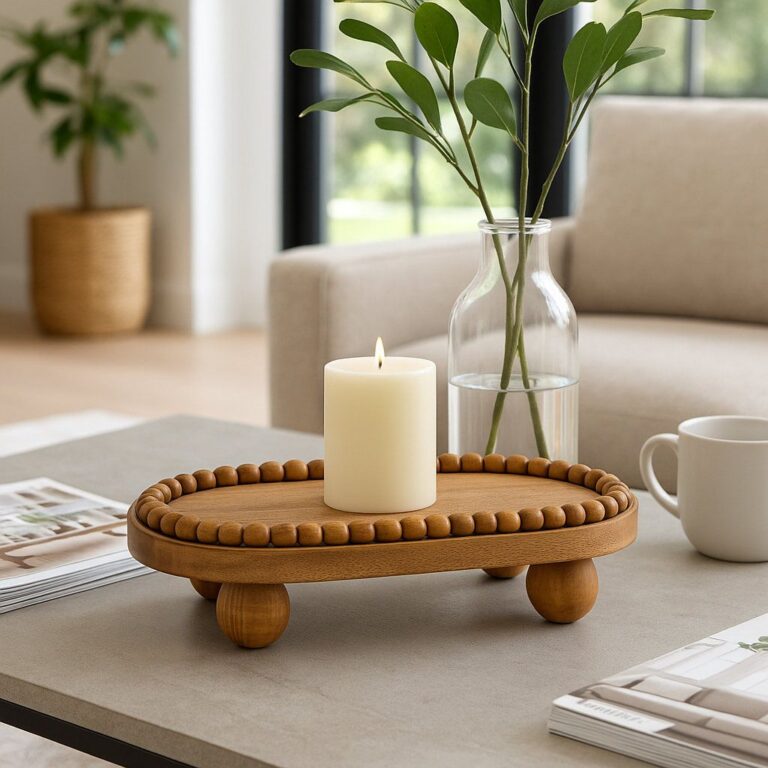 Aisha's pickSmall Candle Trays That Don’t Chip at the First Knock
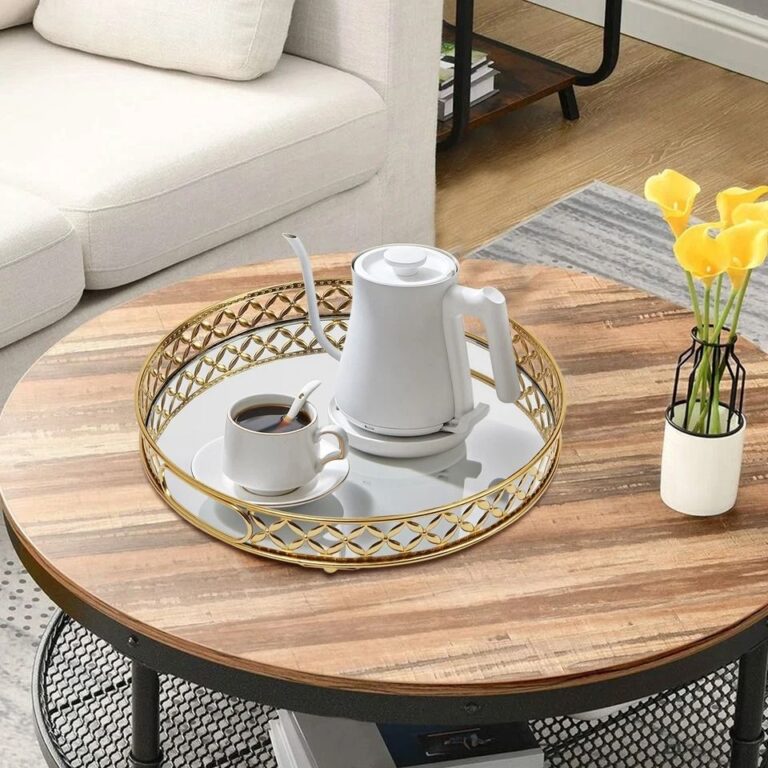
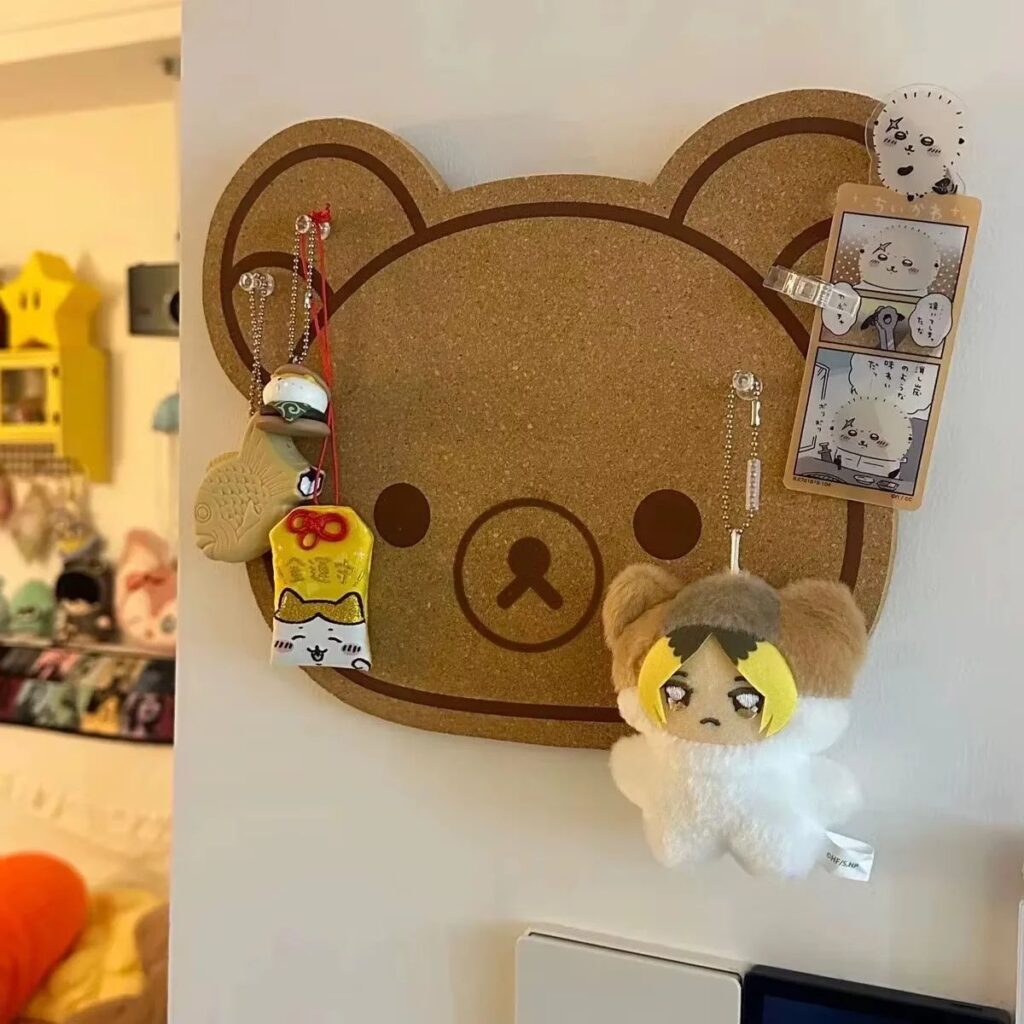 Aisha's pickSmall Memo Boards for a Home Office That Works
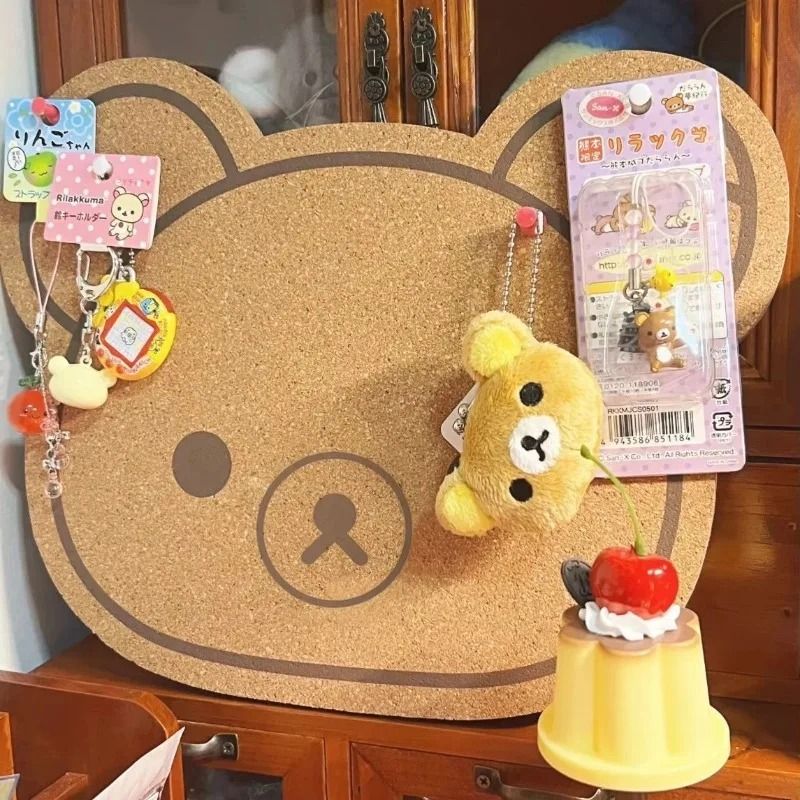
 Aisha's pickSmall Ceramic Ornaments That Start Conversations
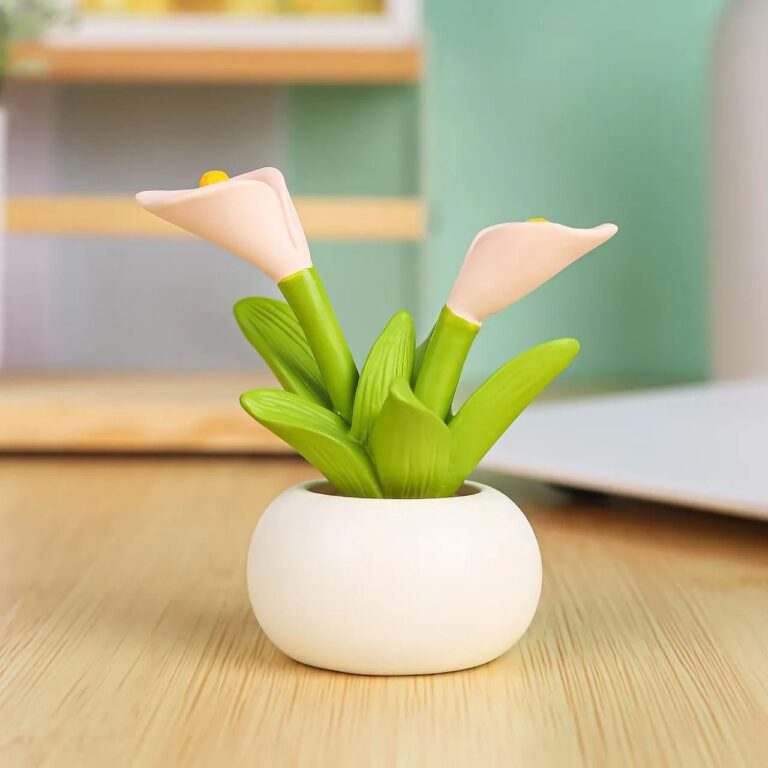
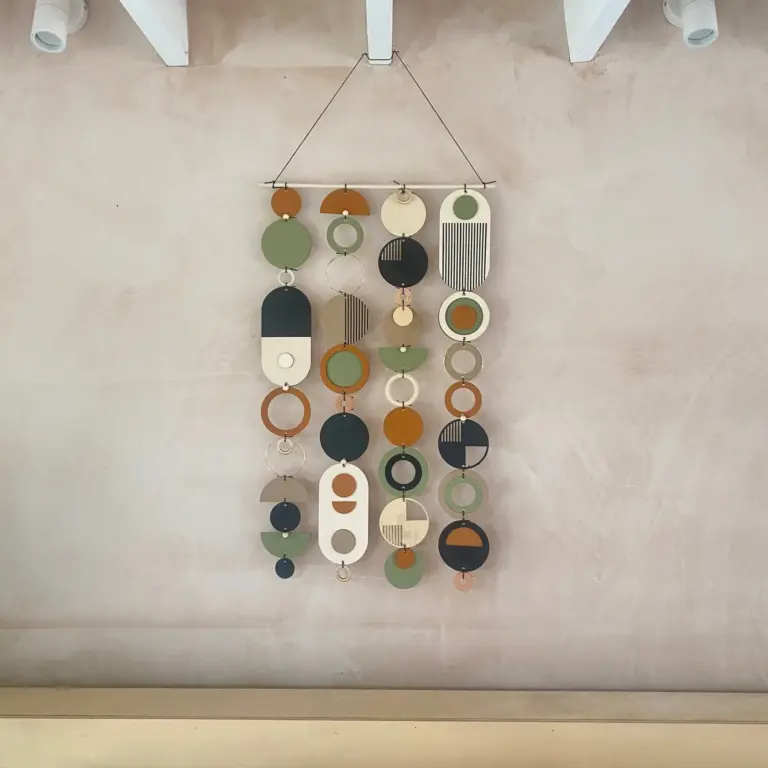 Aisha's pickGood Small Metal Wall Decor Without the Big Price Tag
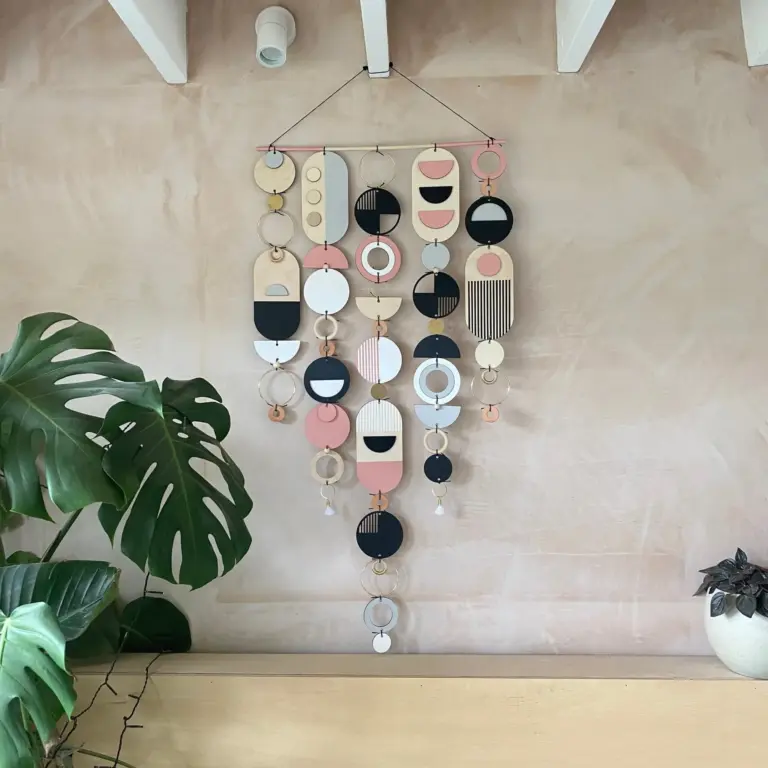
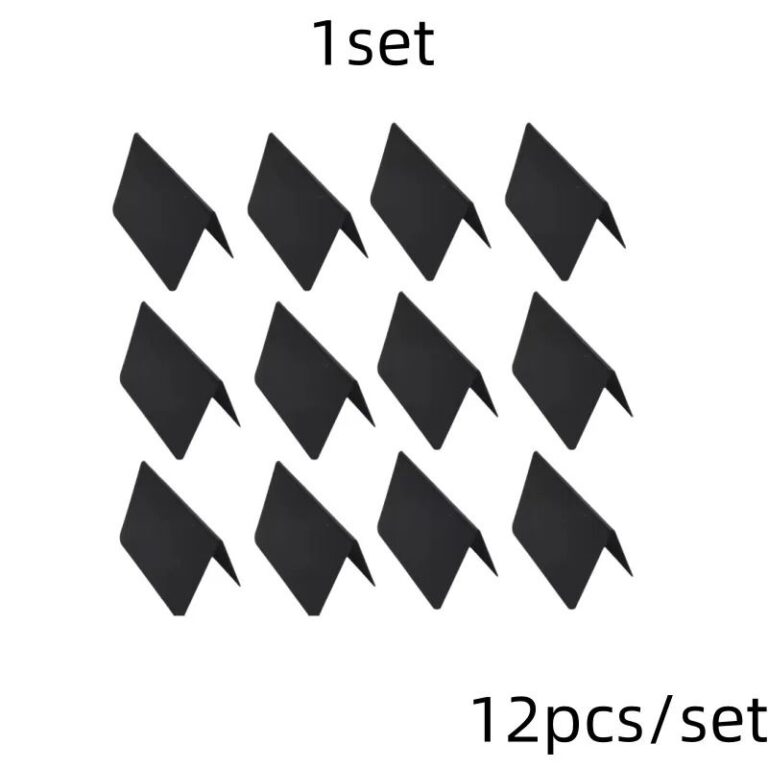 Aisha's pickSmall Chalkboards That Hold Up to Everyday Life
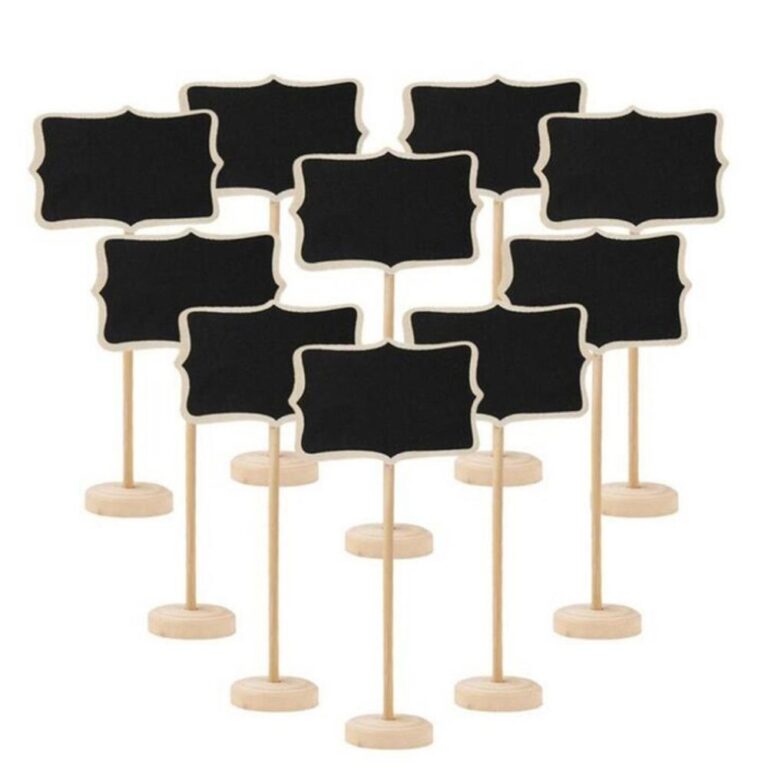
 Aisha's pickSmall Ornaments That Give a Room Some Personality
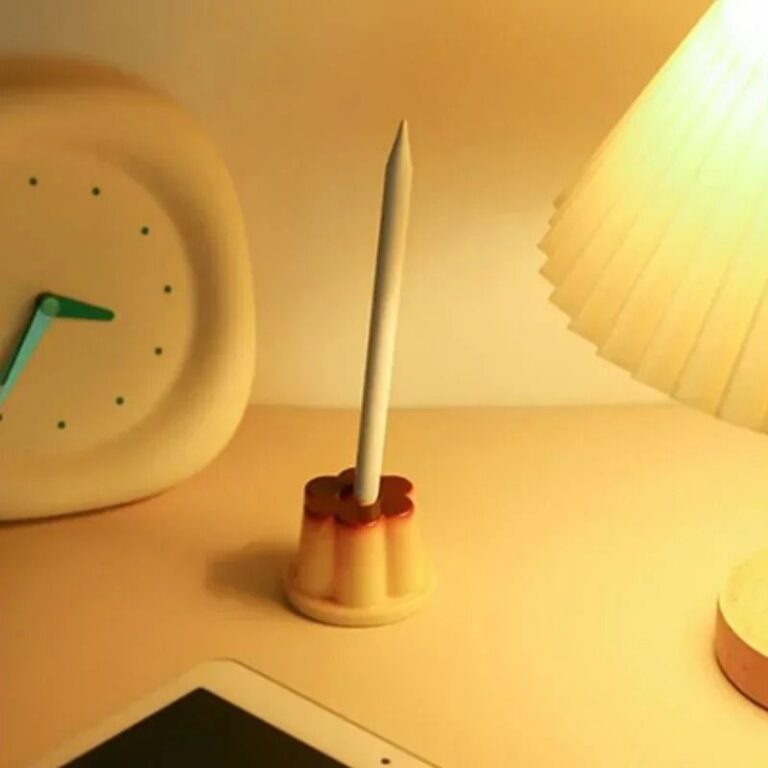
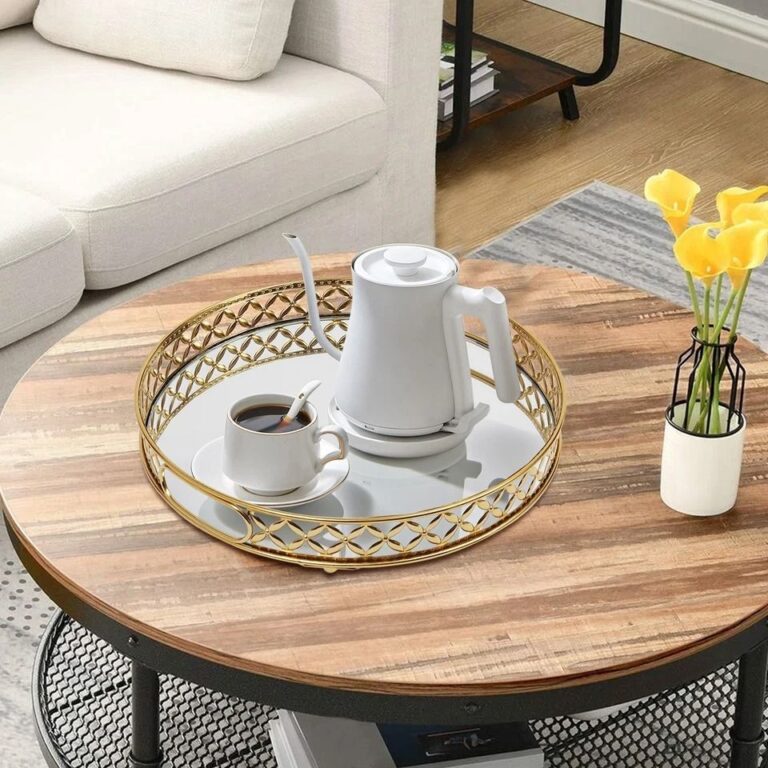 Aisha's pickSmall Coffee Table Decor for the Living Room
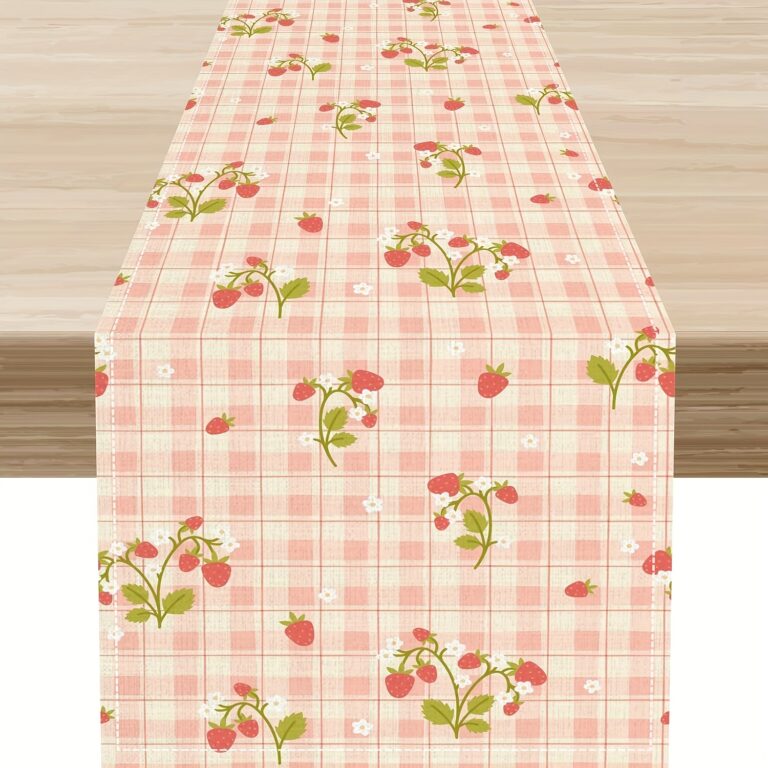
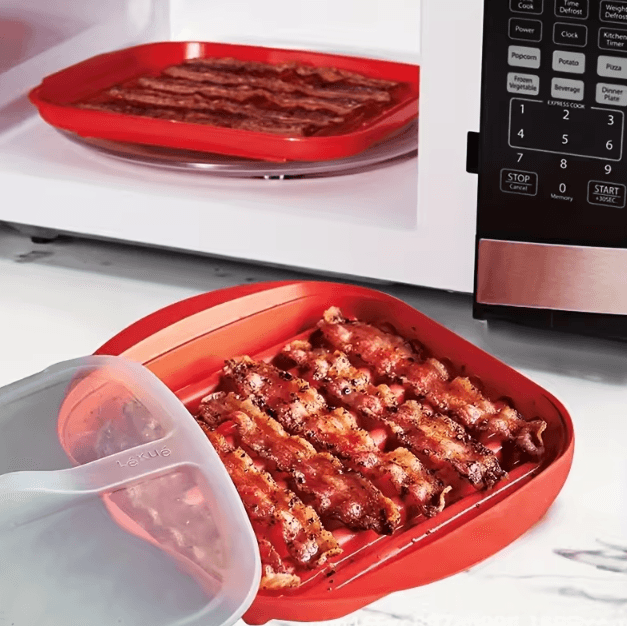 Aisha's pickSmall Paper Trays Tough Enough for Everyday UseAlso worth a lookMetal DecorThe question I get most, usually from someone standing in front of a blank wall holding a tape measure, is whether metal decor reads cold.See the collections →
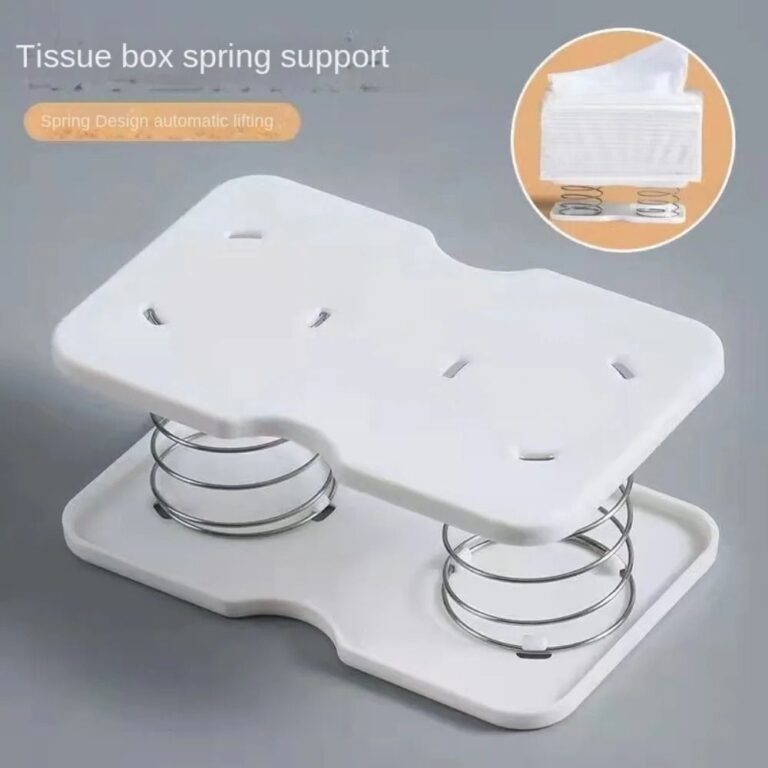
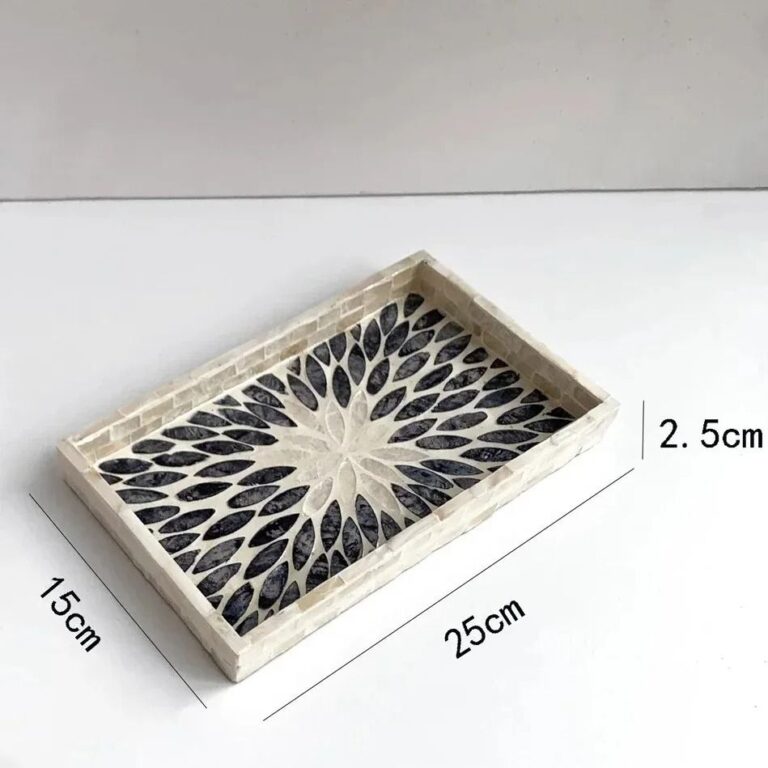 Aisha's pickSmall Coffee Table Trays for Movie Nights and Slow Sundays
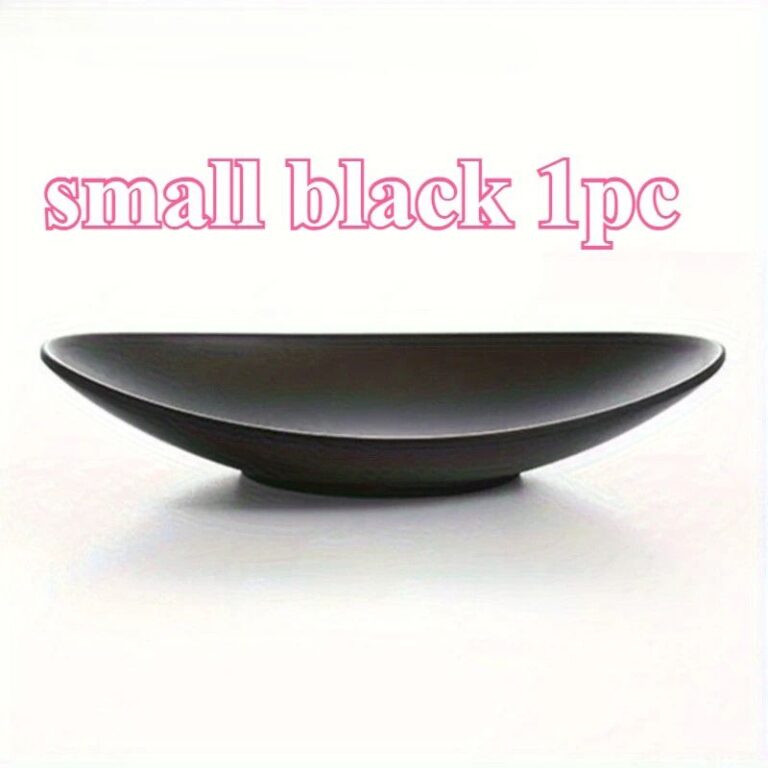
 Aisha's pickSmall Pegboards We’d Buy Again
 Aisha's pickSmall Decorative Books That Feel Personal, Not Store Bought

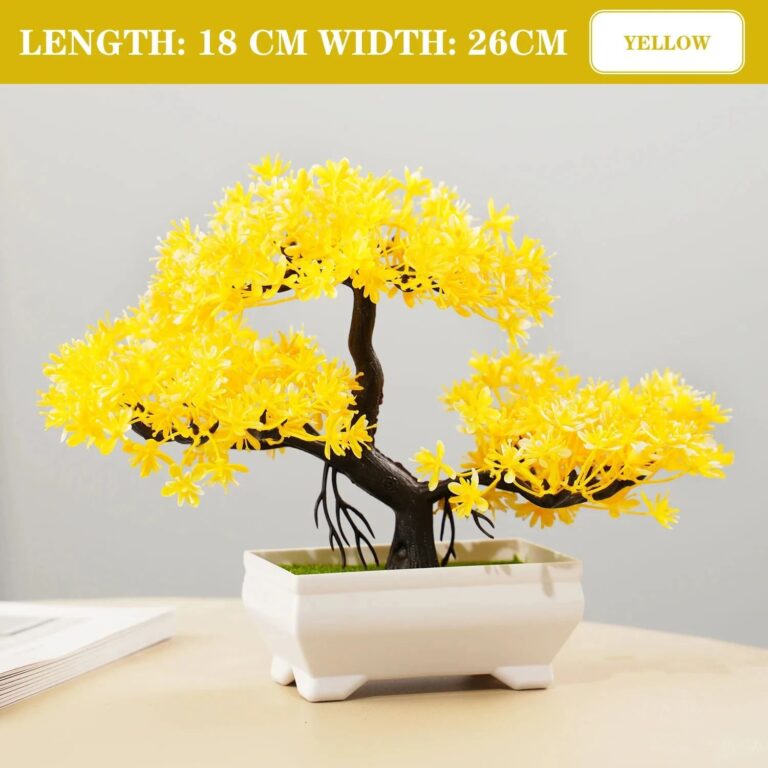 Aisha's pickSmall Sculptures That Make a Shelf Look Styled
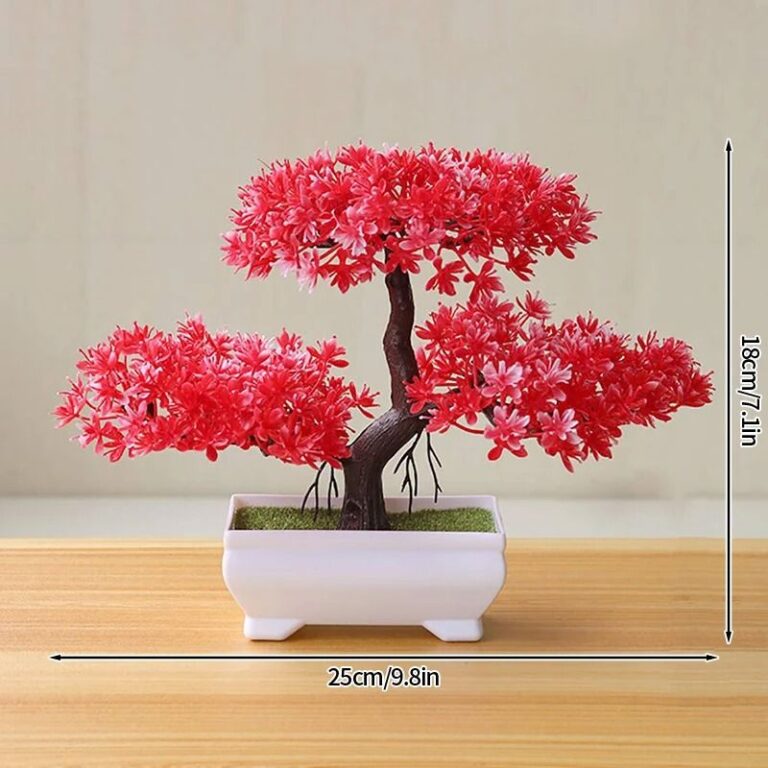
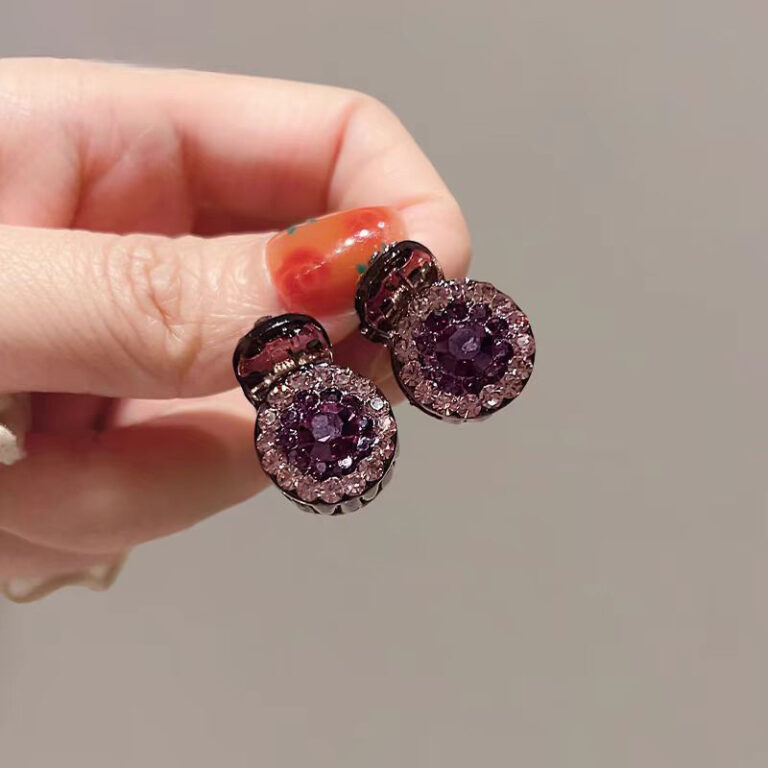 Aisha's pickMini Home Accessories That Make Great Housewarming Gifts
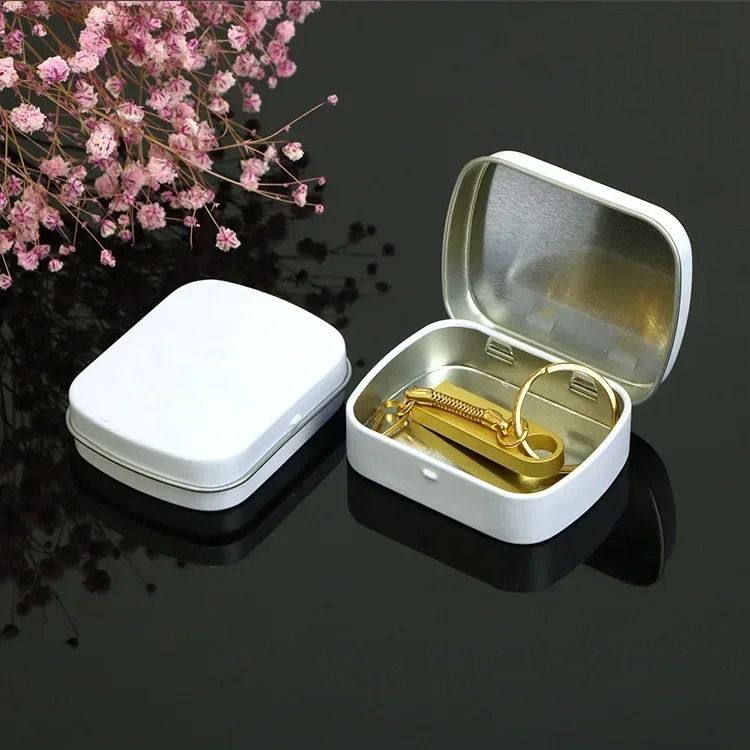
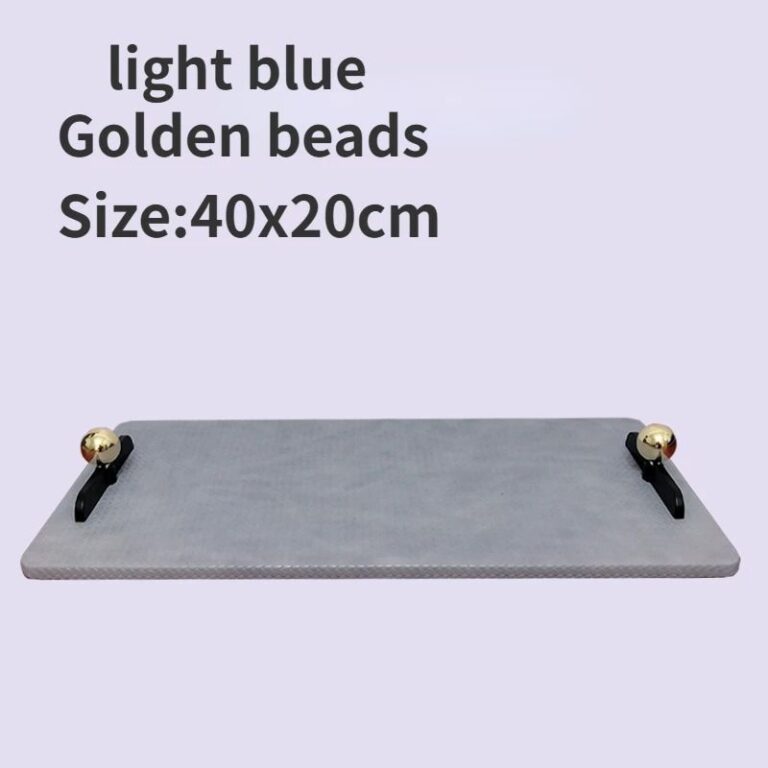 Aisha's pickSmall Decorative Trays That Mix and Match Nicely
 Aisha's pickSmall Serving Trays That Won’t Date in a Year
 Aisha's pickMini Home Decor That Earns Its Place