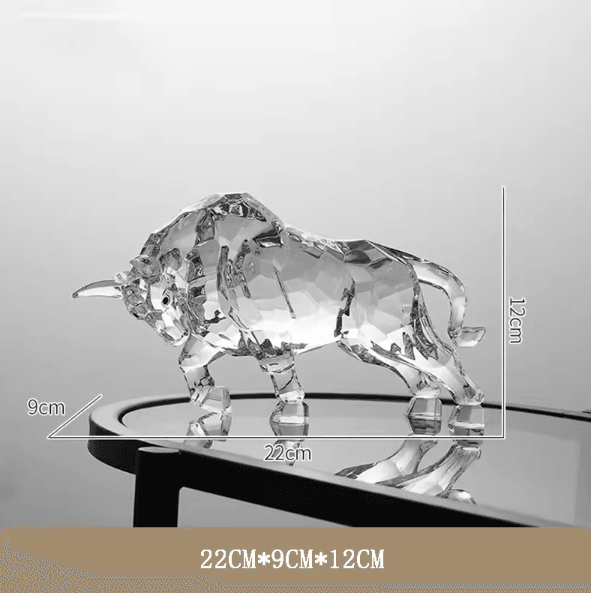
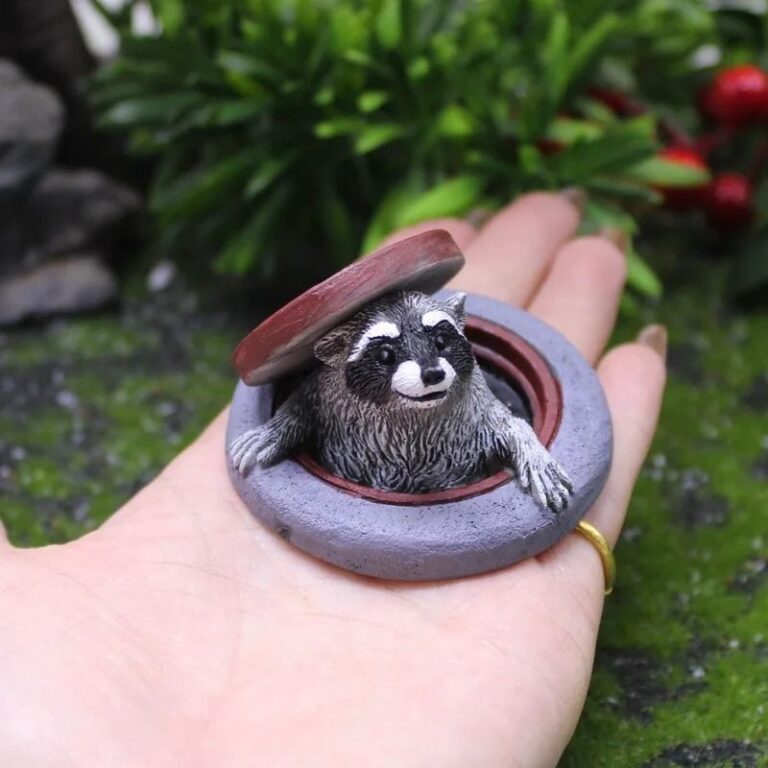
The thing nobody tells you about a sculpture is that you stop seeing it. For about three weeks it's the center of attention, then it just becomes part of the shelf, and you only notice it again when a guest picks it up and asks what it is. That's actually the sign you picked a good one. The bad ones never stop shouting at you from across the room.
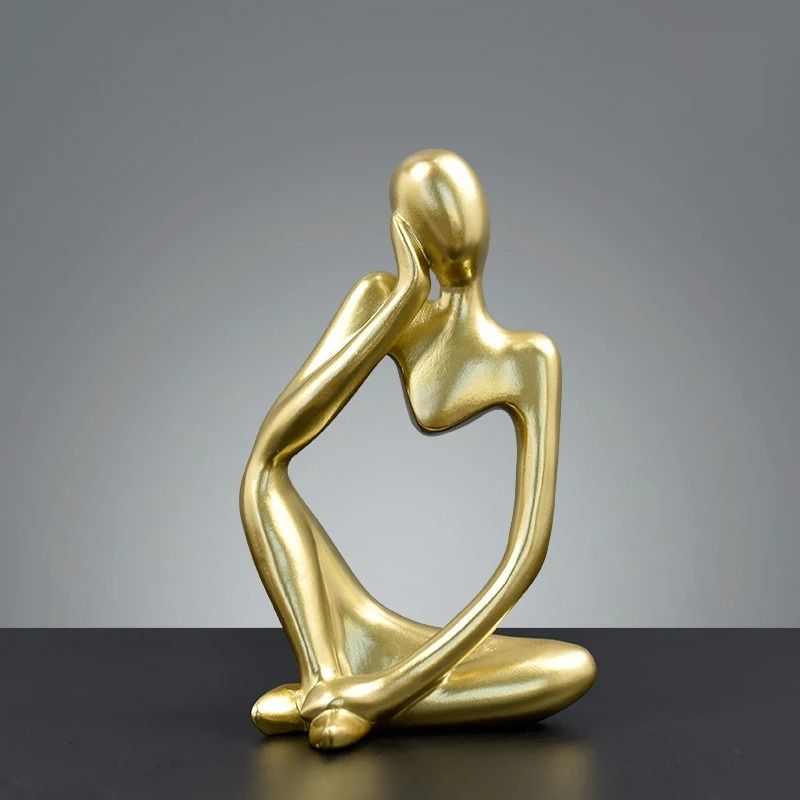
In a normal house, a sculpture needs friends, not a stage. It sits better next to a stack of books, a plant that's seen better days, a framed photo that's slightly crooked, than it does alone on an empty shelf like it's in a museum. Think about where you already have a little clutter of ordinary objects, a console table, a mantel, the top of a bookcase, and let it join that mix rather than clearing a spot and making it the main event. On finish, plain beats clever almost every time you live with it. Matte stone, raw wood, unglazed ceramic, a dull metal, these age fine and sit quietly next to whatever color your walls are this year. The shiny gold or bright glazed ones look great in a photo and then start fighting with your lamp, your frames, your everything, within about a month.
Where it goes wrong is putting a bold, busy piece next to other bold, busy things, a patterned rug, a gallery wall, a chunky light fixture, all in the same sightline. Pick one thing in the room to be interesting and let the sculpture be the quiet one, or vice versa, but not both loud at once. And skip anywhere damp or cramped, a steamy bathroom shelf or a narrow hallway where someone's elbow will find it within a week, abstract or not, nobody needs that call to the dentist's office of home decor, a chipped nose staring at you forever.
Measuring up matters more than people think. Stand back from where it'll live and check it reads at that distance, not up close in your hand, because a piece that looks substantial on a table in the shop can vanish on a deep windowsill across a living room. As a rough rule, a tabletop piece wants to be at least a third the height of whatever it's sitting near, a lamp, a stack of books, so it doesn't look like an afterthought. Floor pieces need actual clearance, measure the walking path around it before you commit, not after you've stubbed a toe on it twice. And buy the one that fits your space, not the one that photographed well on a shelf three times the size of yours, because that mismatch is the mistake you'll be living with, not just noticing for three weeks.
 Aisha's pickGlass Sculptures Without the Silly Price Tag
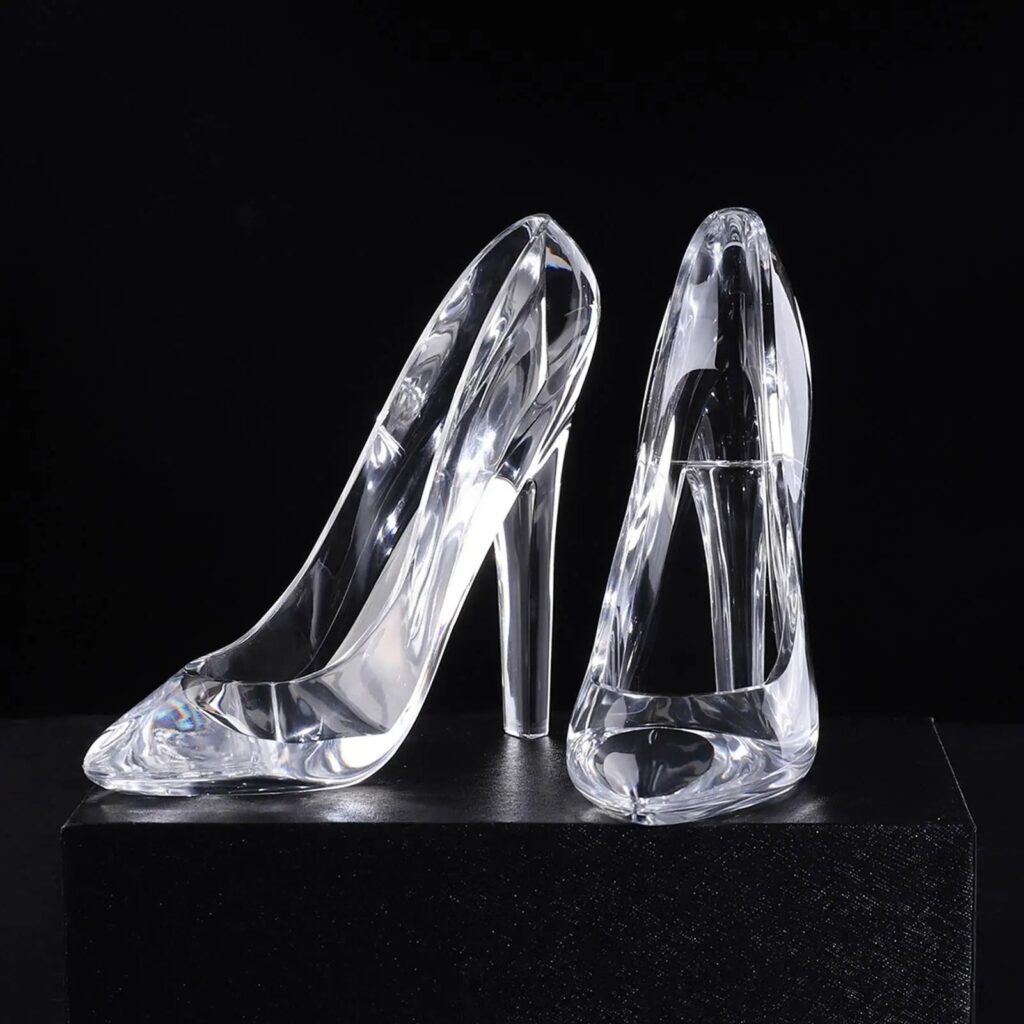
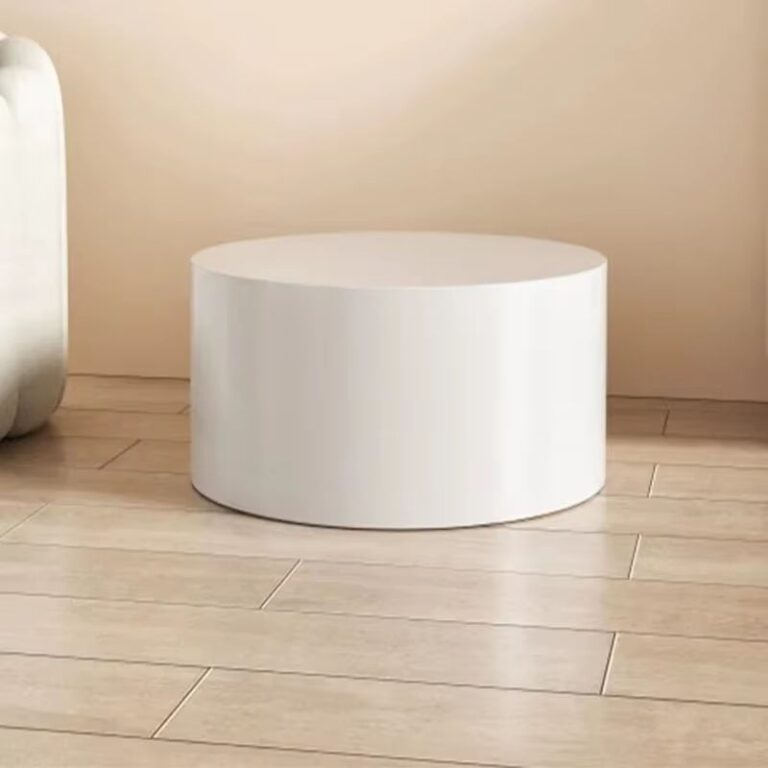 Aisha's pickTable Sculptures That Make a Shelf Look Styled
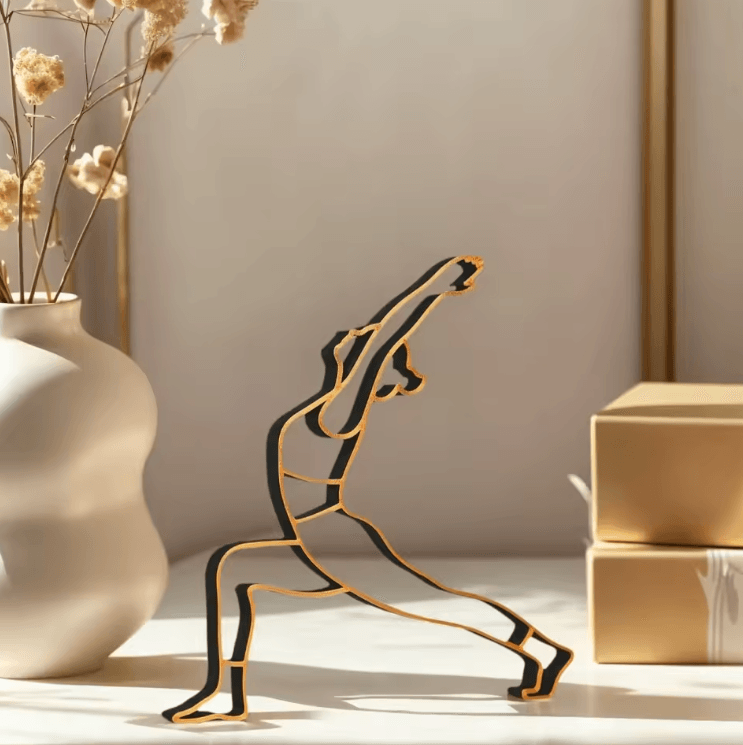
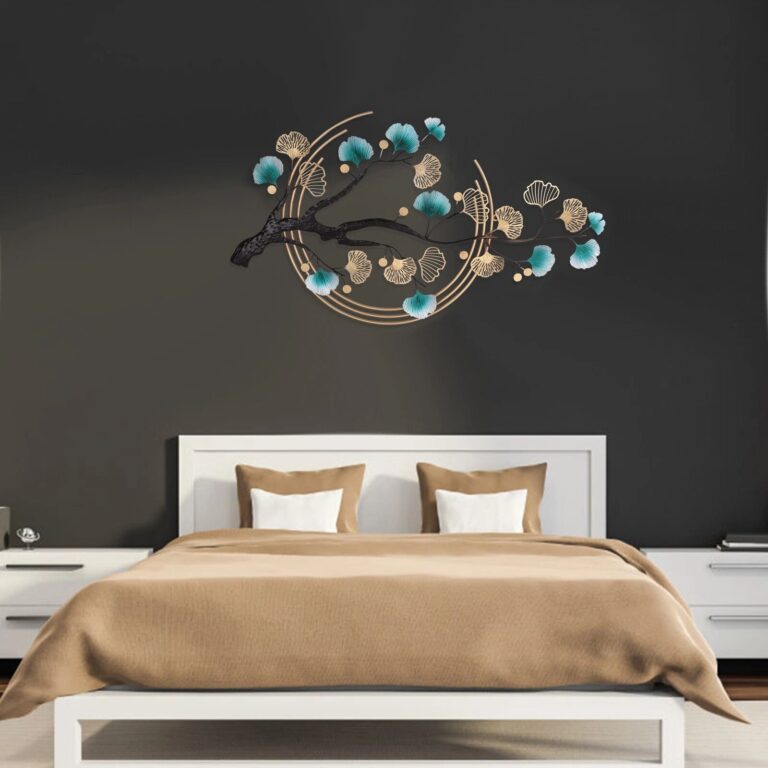 Aisha's pickGold Sculptures at Every Price Point

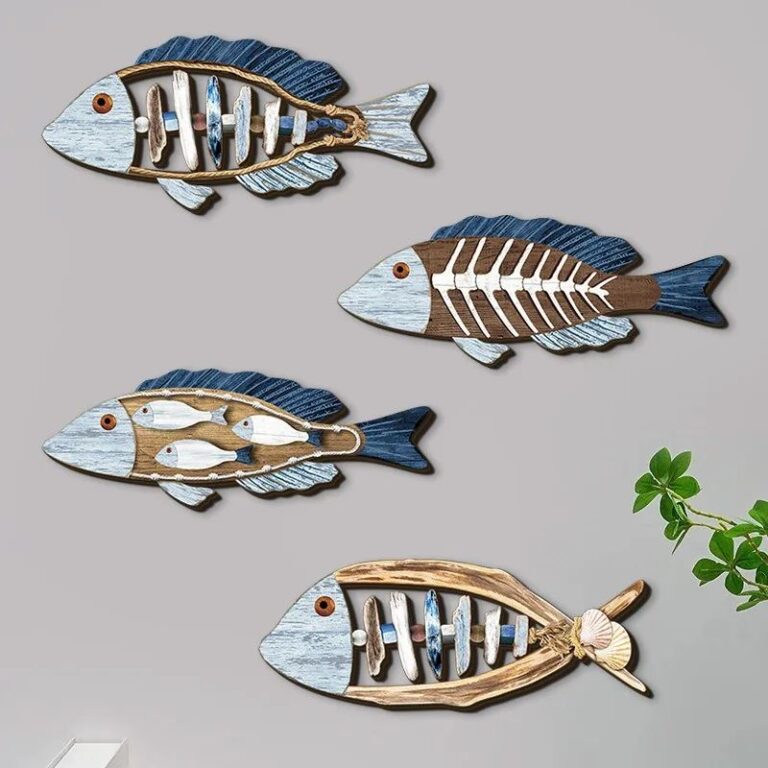 Aisha's pickWall Sculptures for Rooms That Feel a Bit Bare
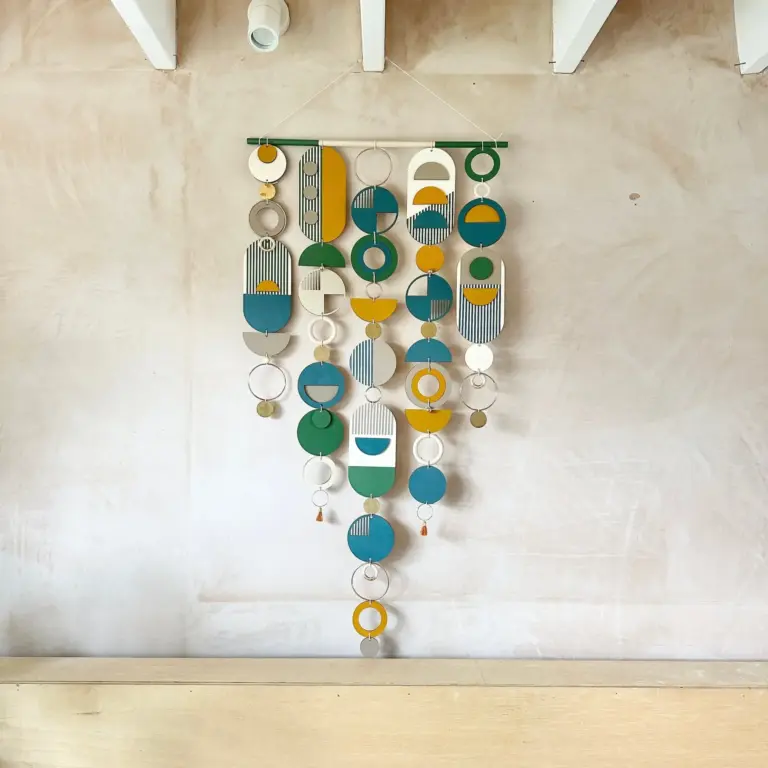
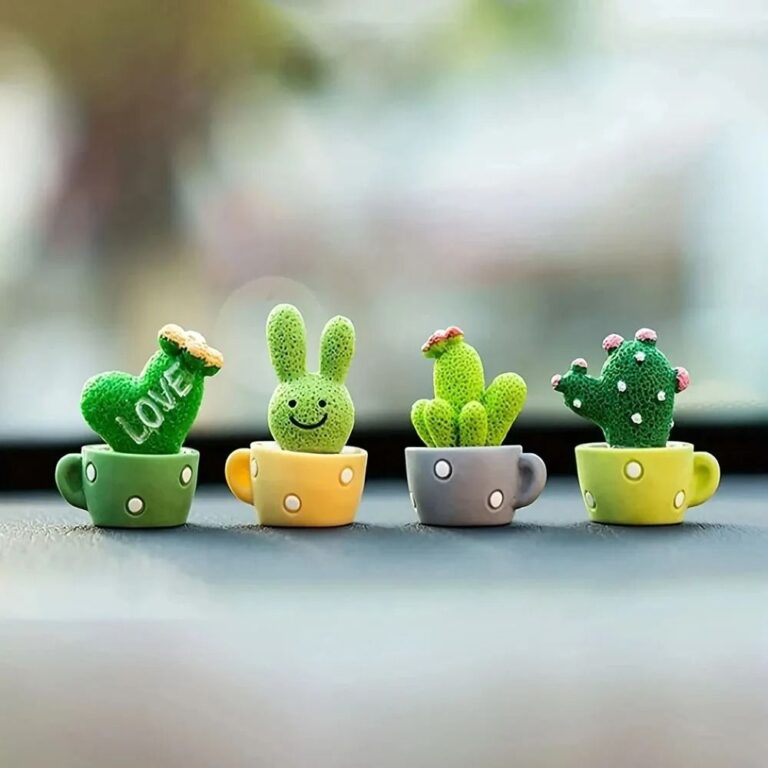 Aisha's pickGreen Sculptures for Making a House Feel Like Yours
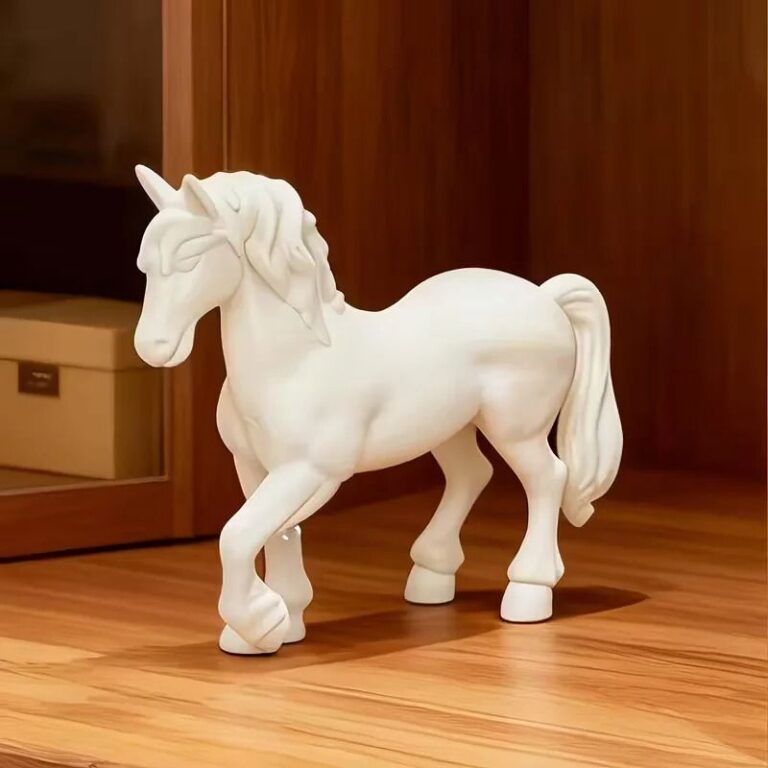 Aisha's pickWhite Sculptures That Catch the Eye Without Taking Over
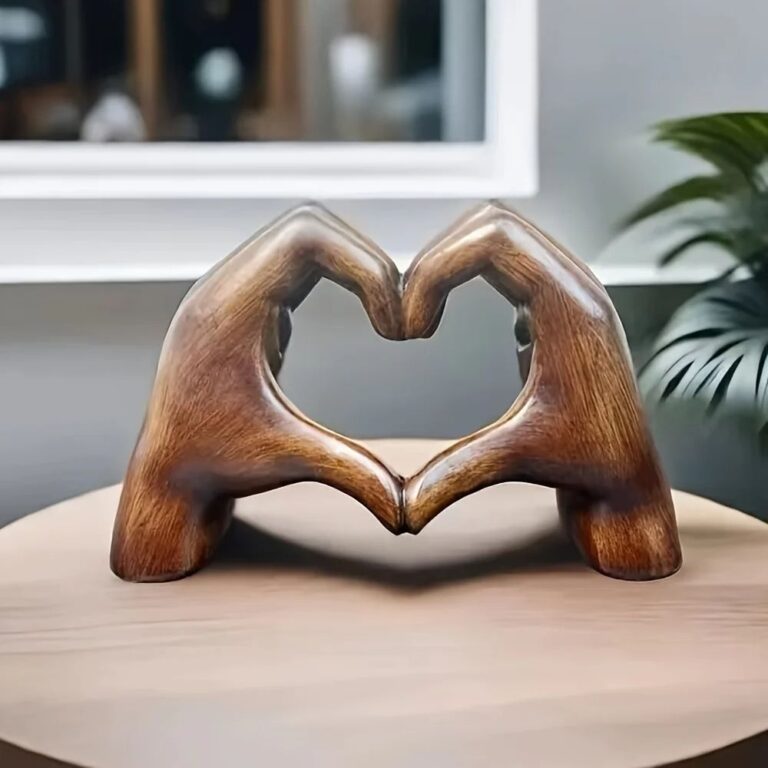 Aisha's pickHandmade Sculptures That Start Conversations
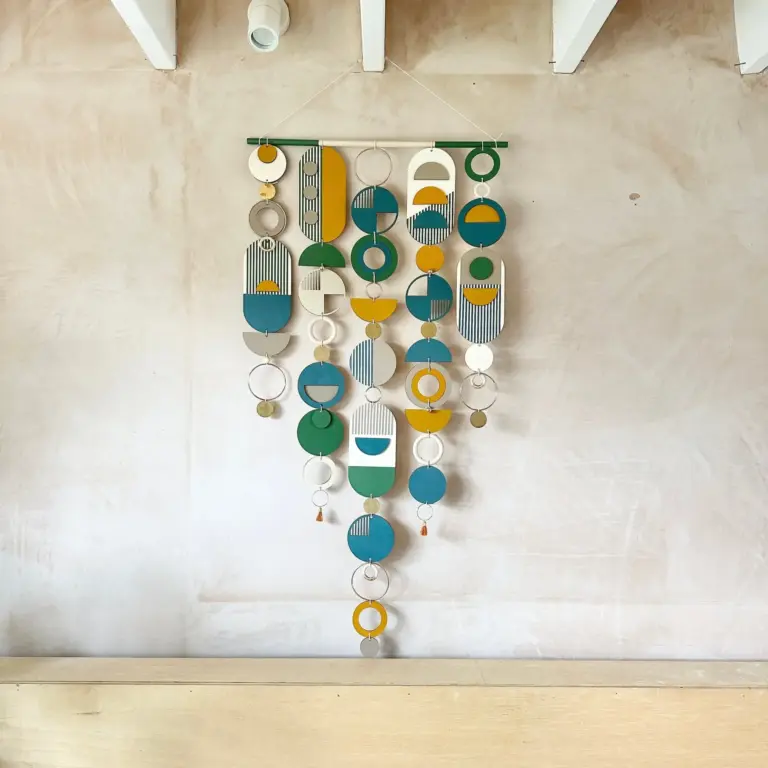
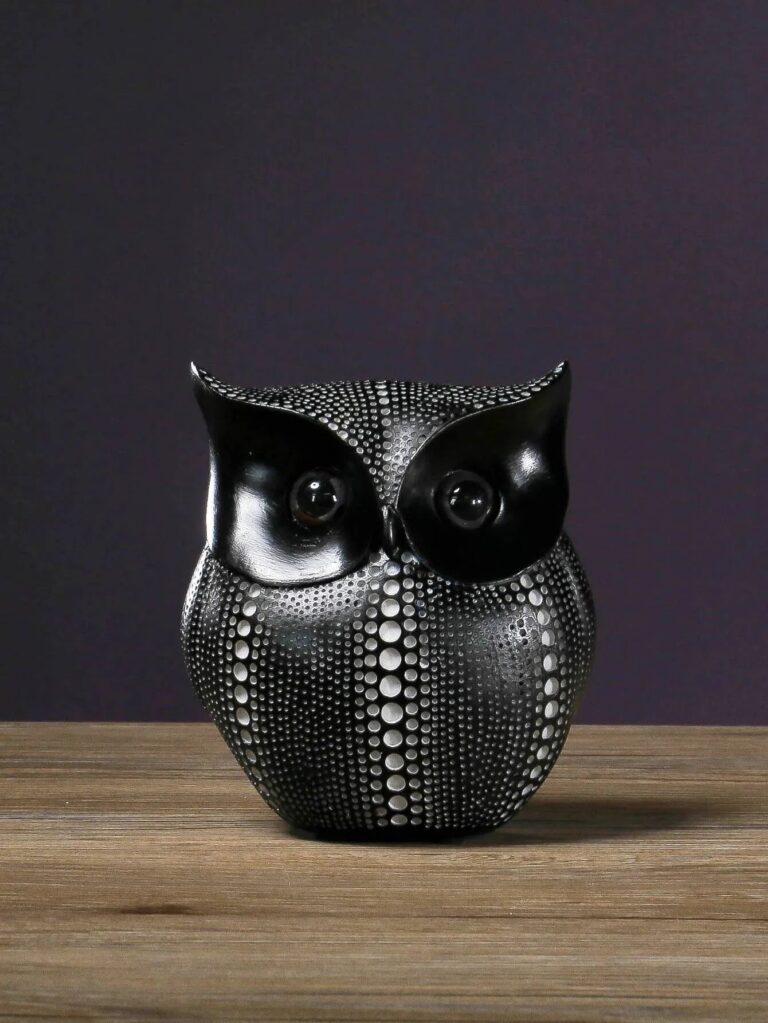 Aisha's pickWhite Table Sculptures That Feel Personal, Not Store Bought
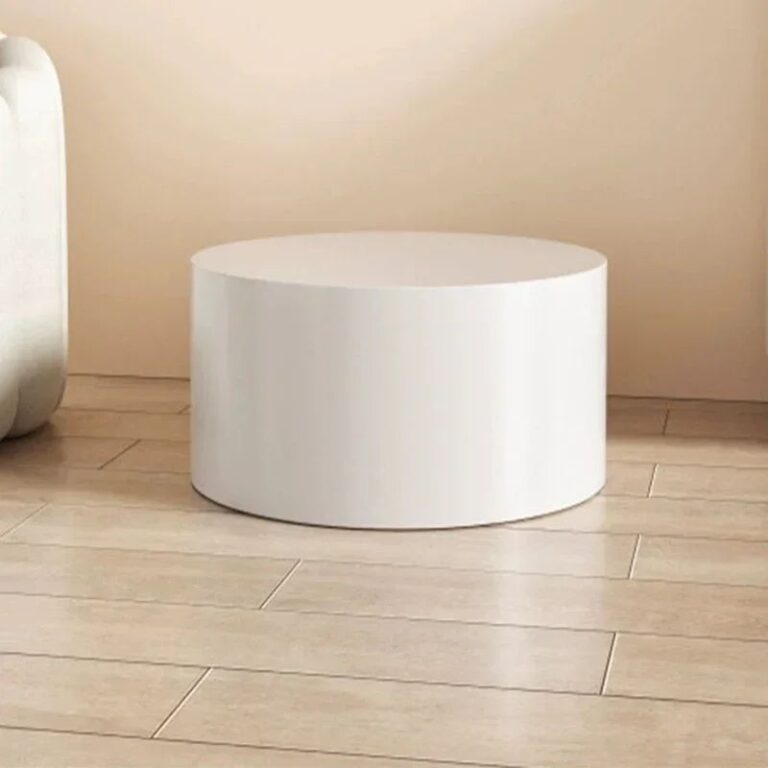
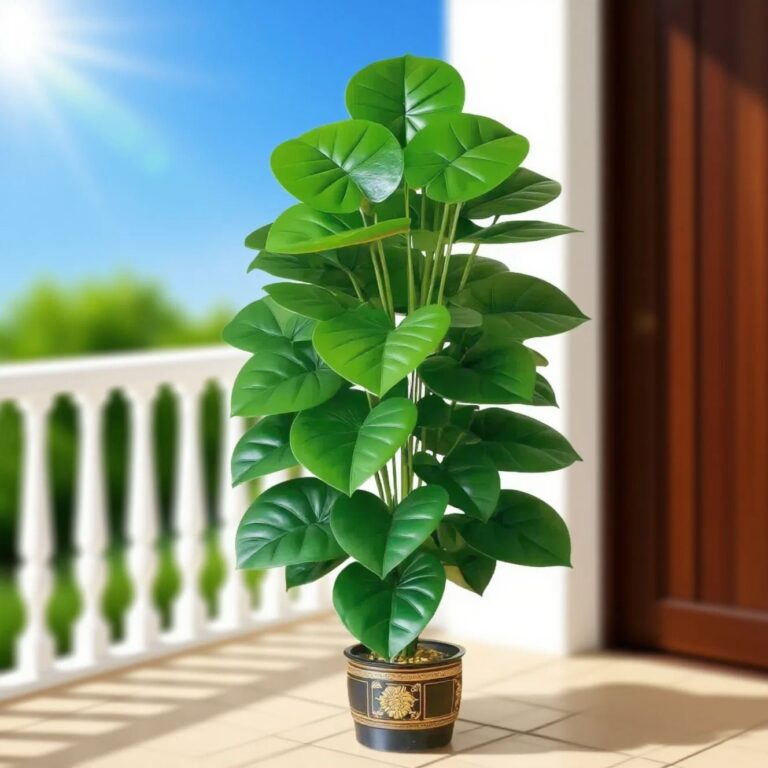 Aisha's pickLarge Sculptures You’ll Keep for YearsAlso worth a lookDecorDecor is the stuff that doesn't do anything useful at all, and that's exactly the point of it.See the collections →
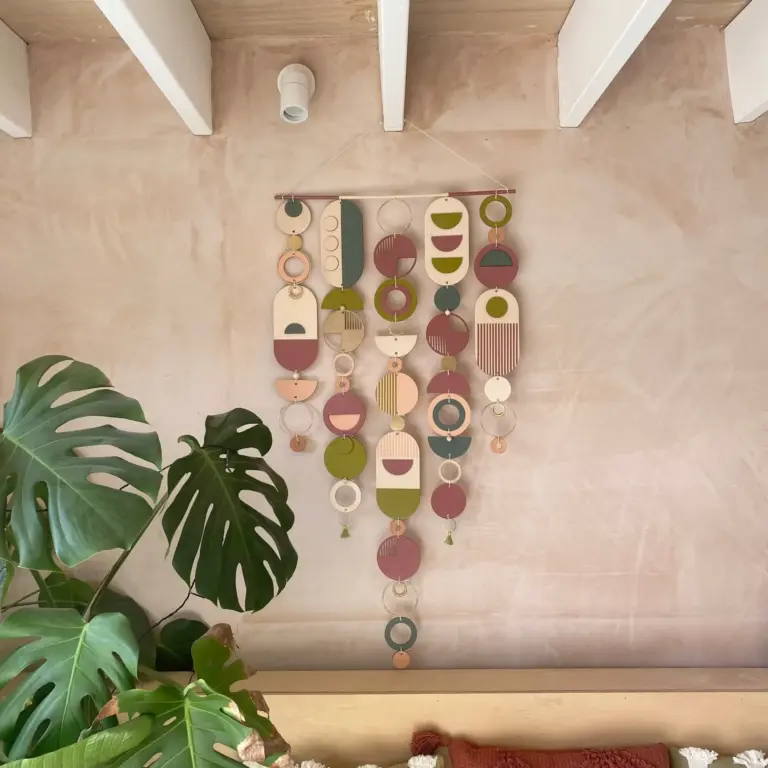
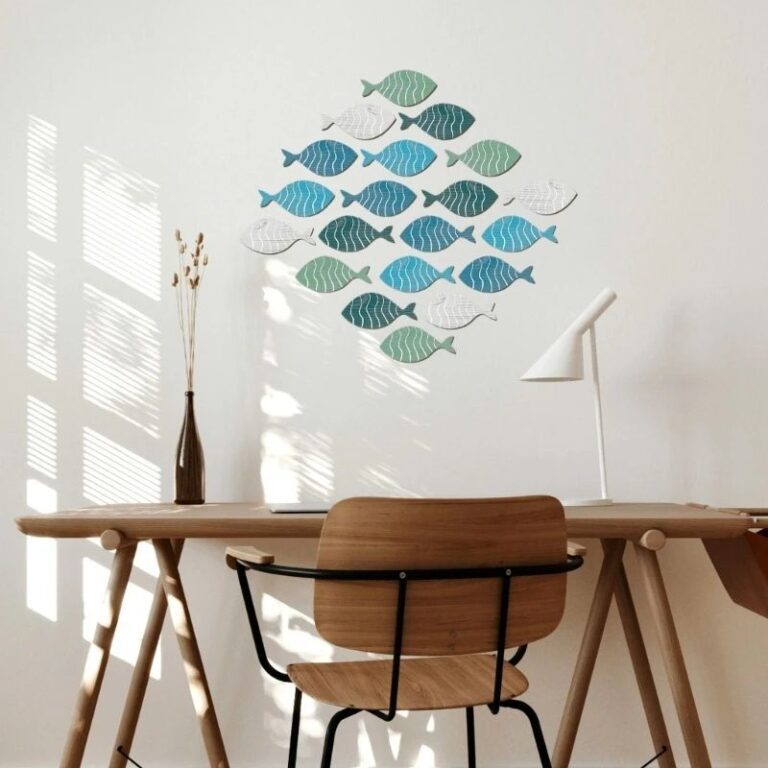 Aisha's pickWooden Sculptures for Rooms That Feel a Bit Bare
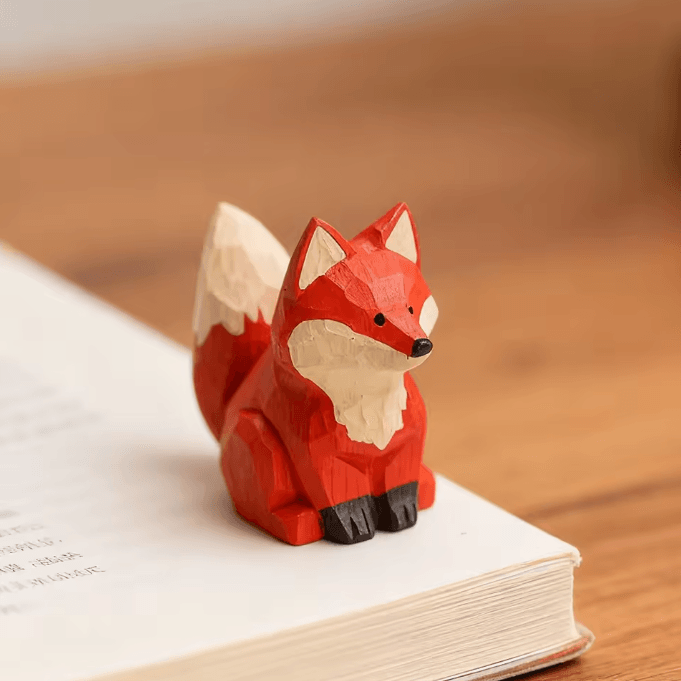
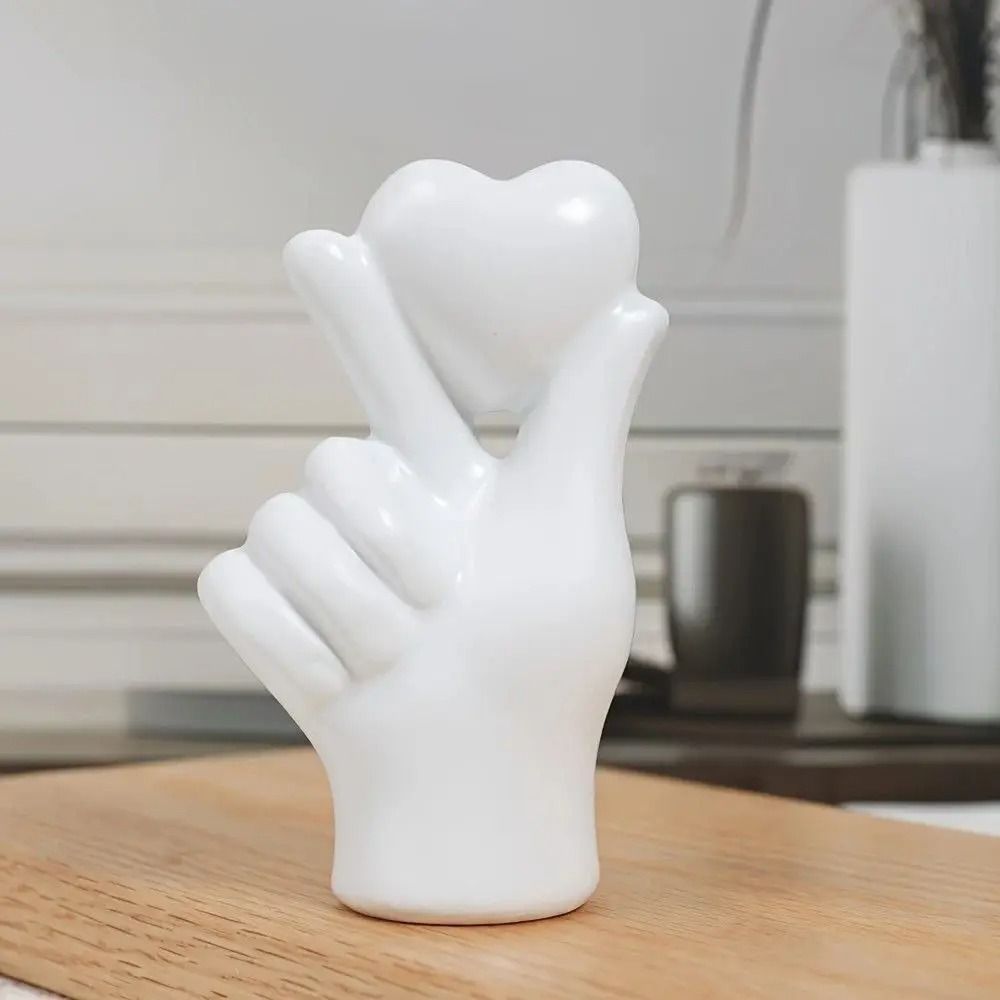 Aisha's pickMarble Sculptures That Do the Job Right
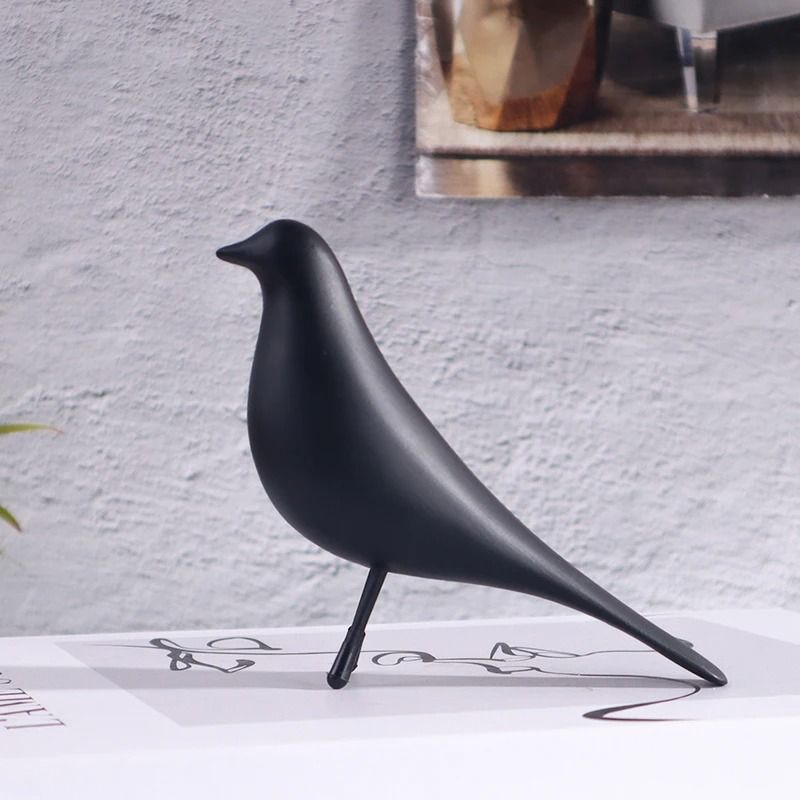
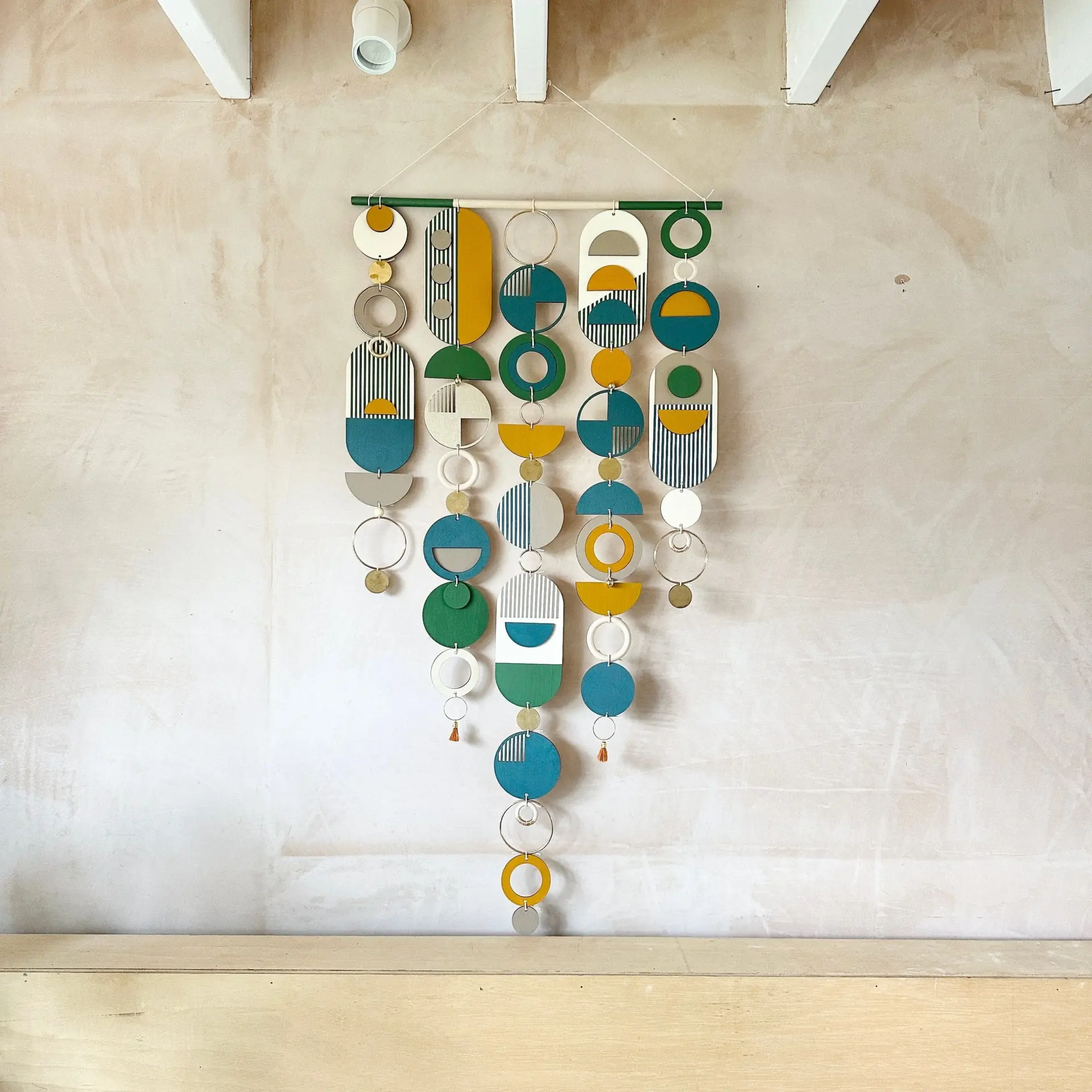 Aisha's pickMetal Sculptures That Make a Room Feel Finished
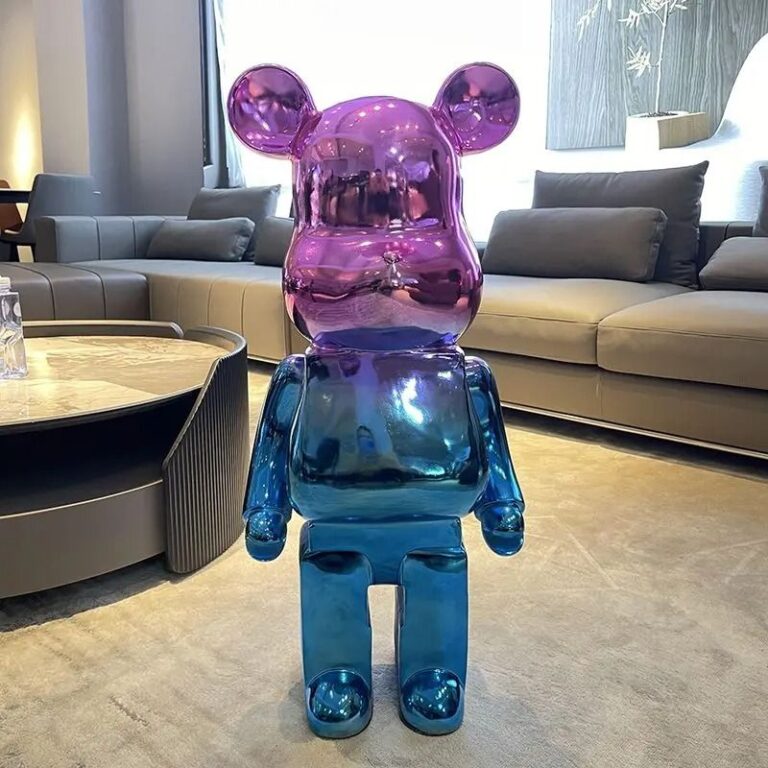
 Aisha's pickModern Sculptures We’d Make Room For
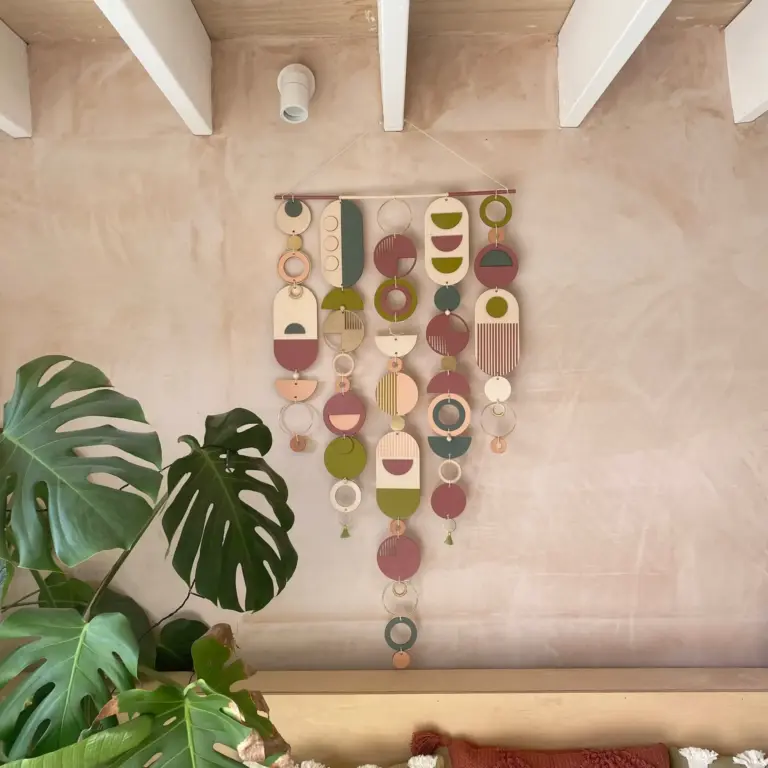
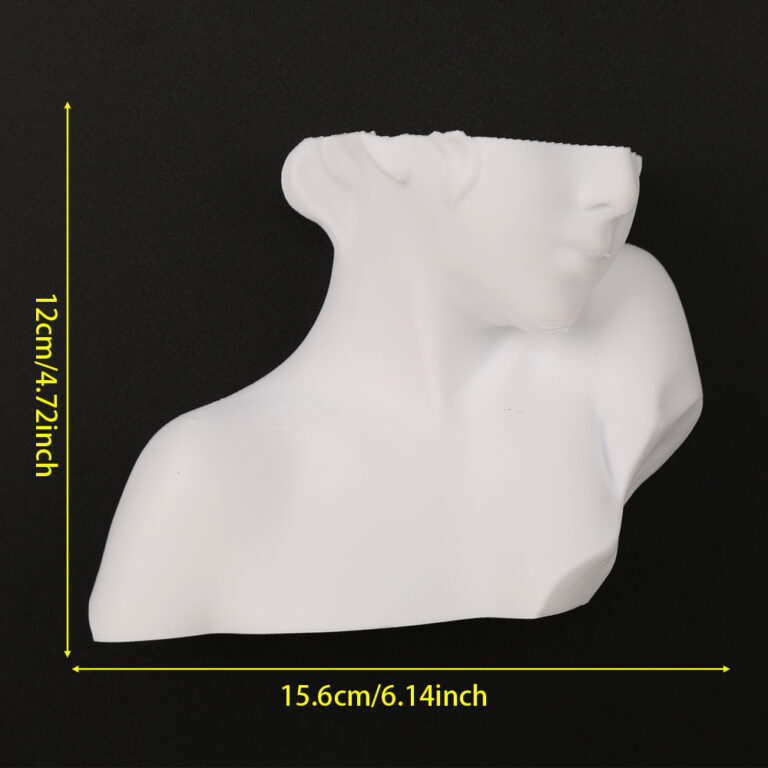 Aisha's pickNo Fuss Modern Wall Sculptures
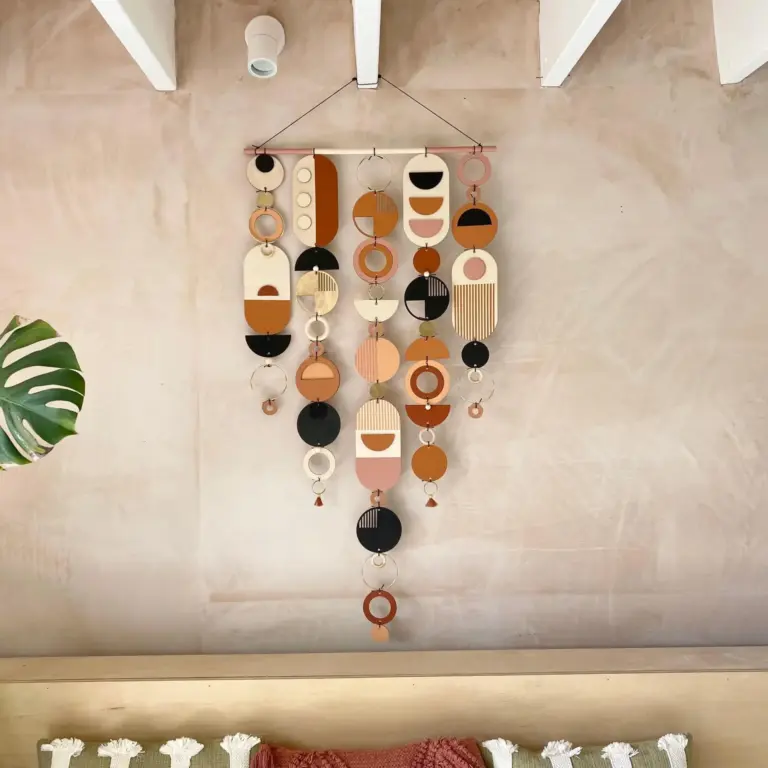
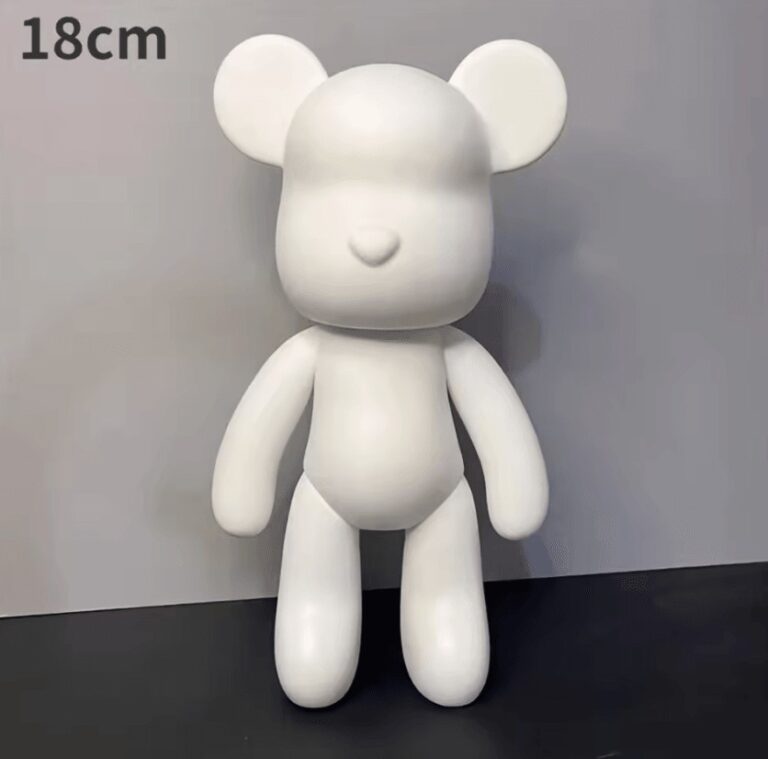 Aisha's pickAbstract Sculptures That Make a Room Feel Finished
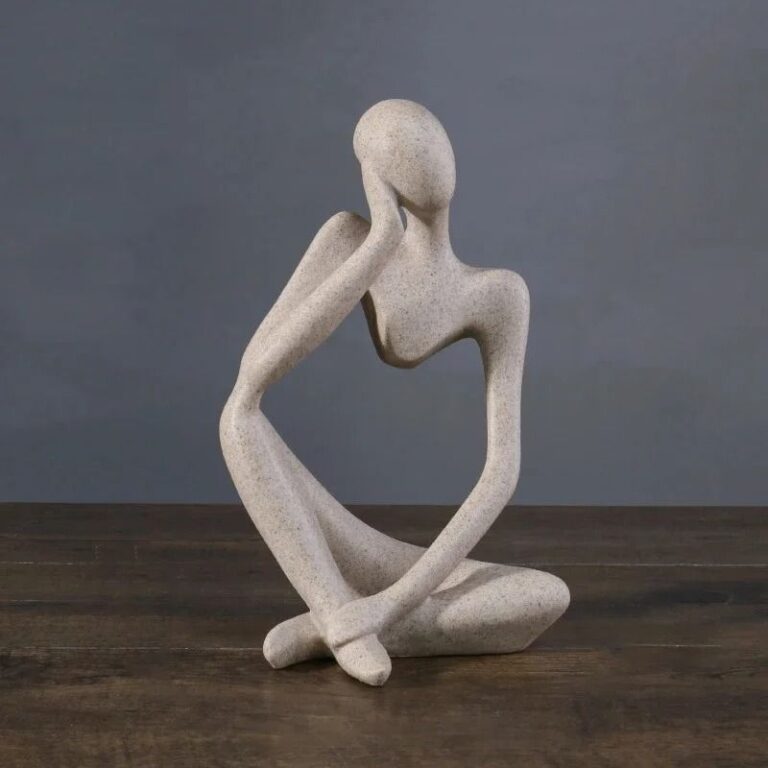
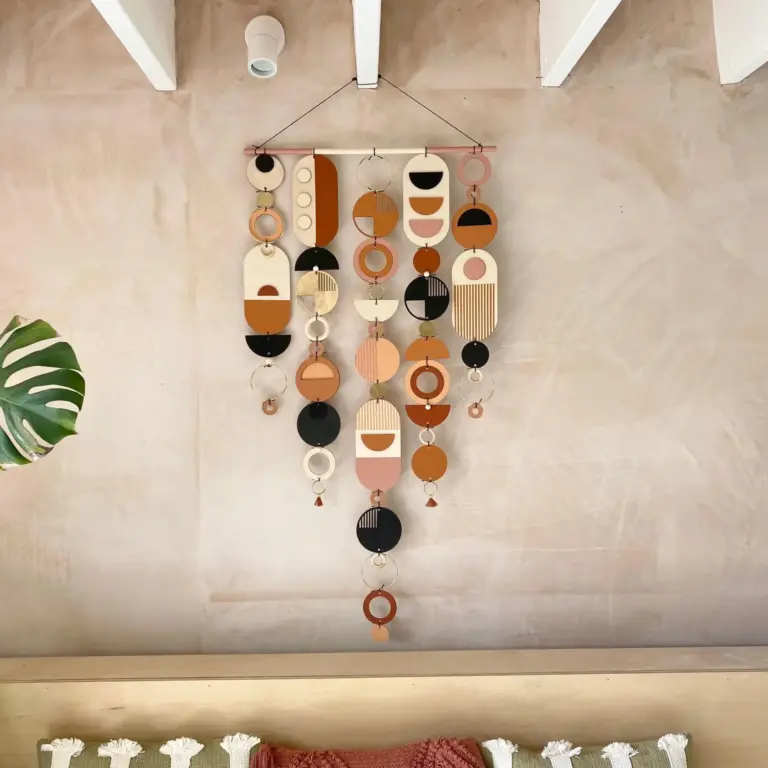 Aisha's pickRed Sculptures for Rooms That Feel a Bit Bare

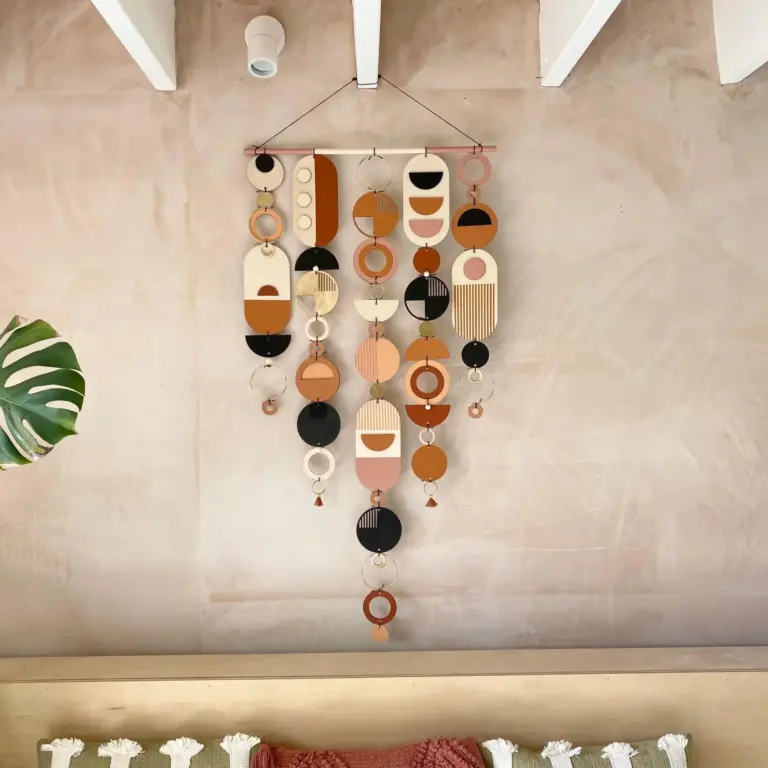 Aisha's pickBlack Sculptures We Keep Coming Back To

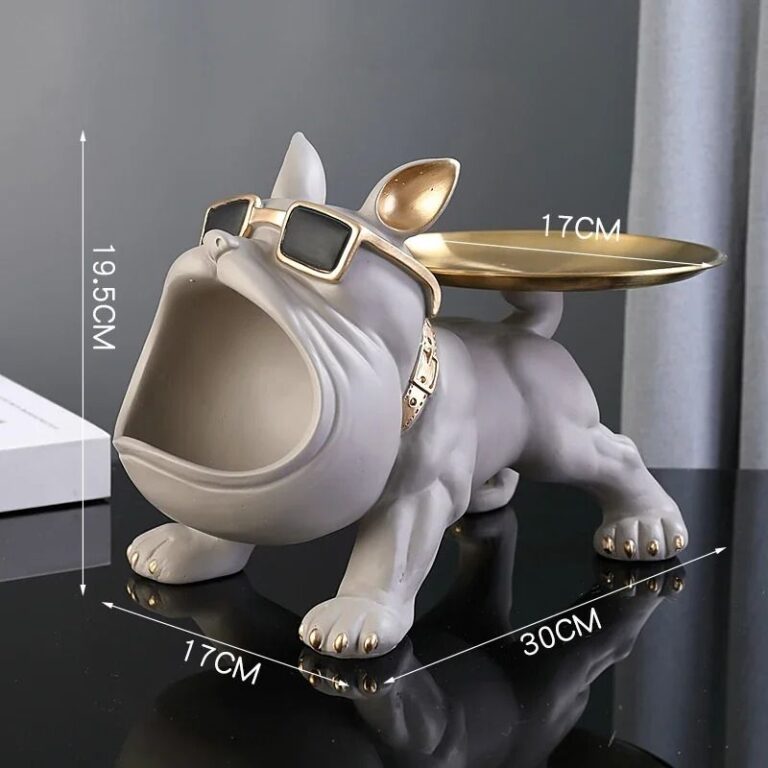 Aisha's pickResin Sculptures That Survive Kids and PetsAlso worth a lookModern DecorYou know the moment. You've finally got the boring stuff sorted, the sofa's in, the curtains hang right,…See the collections →
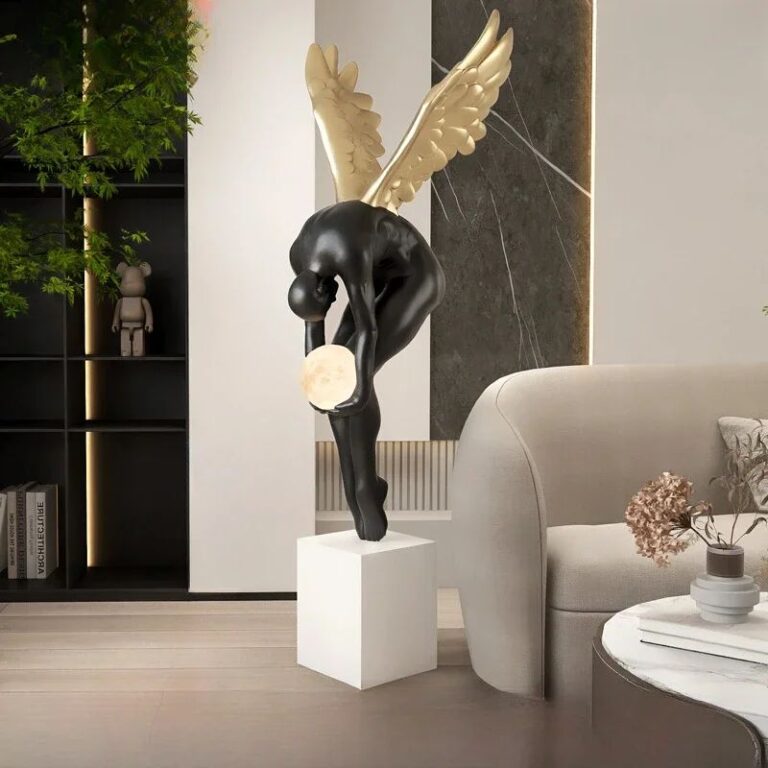
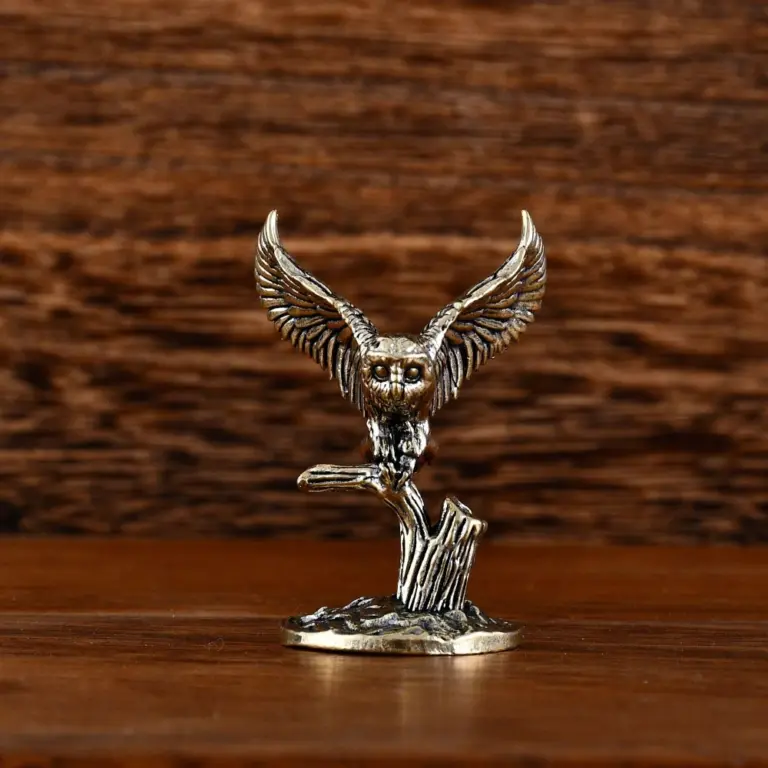 Aisha's pickBrass Sculptures for Filling an Awkward Gap
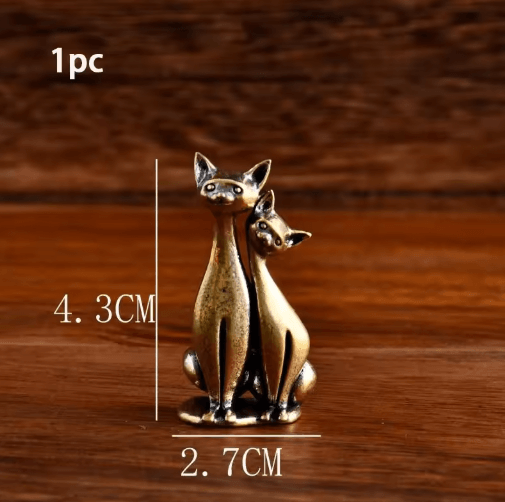
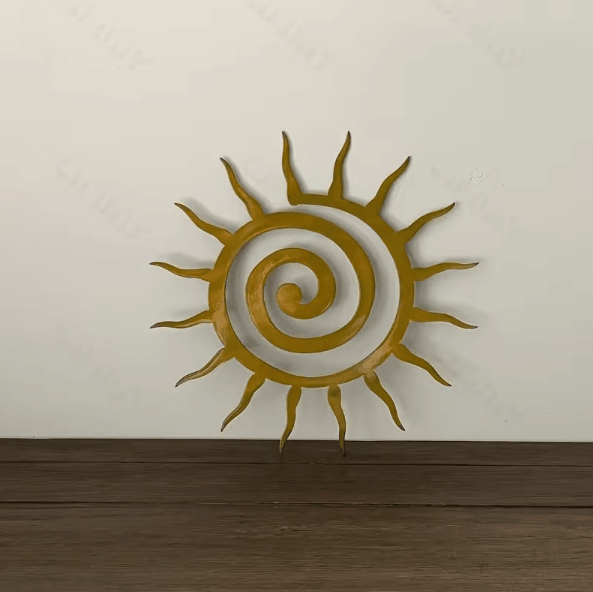 Aisha's pickRound Sculptures That Feel Personal, Not Store Bought

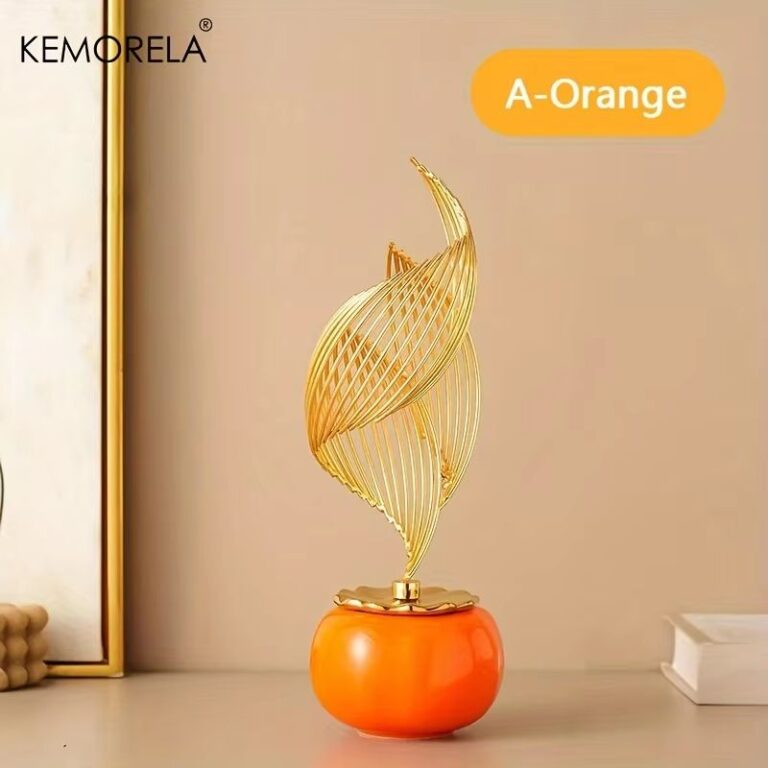 Aisha's pickCeramic Sculptures You’ll Still Like in Five Years
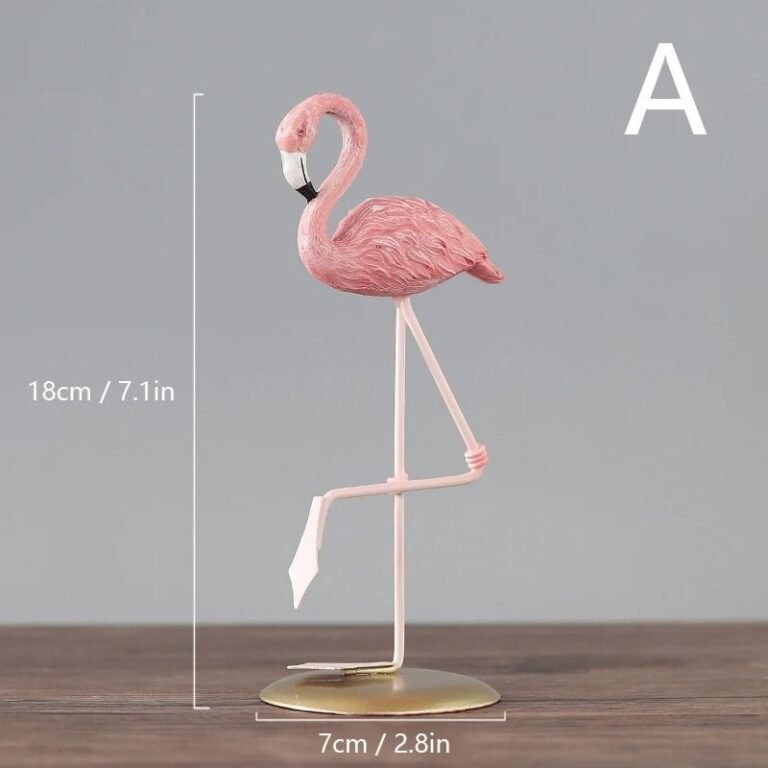
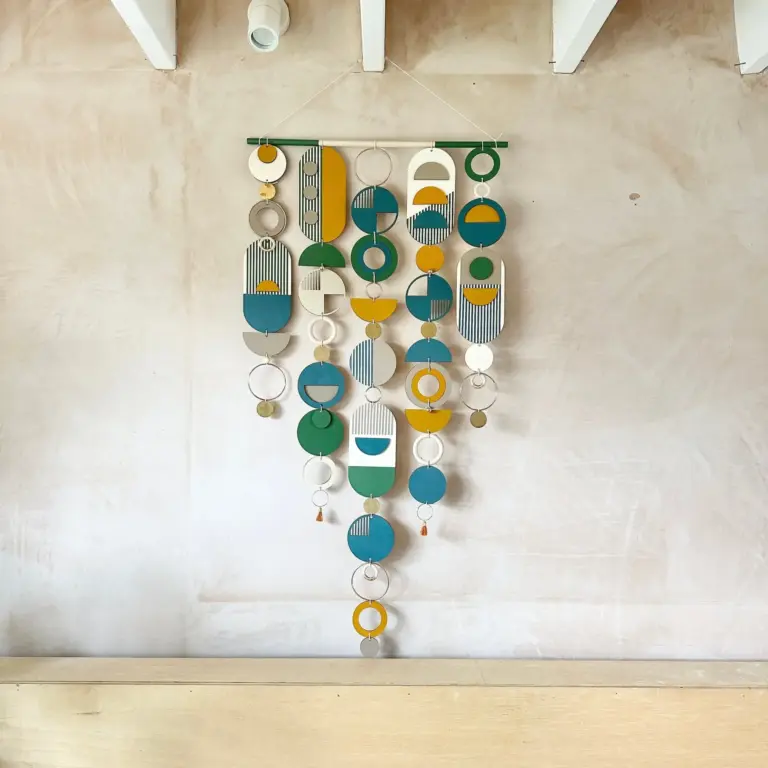 Aisha's pickSculptures That Make Great Housewarming Gifts
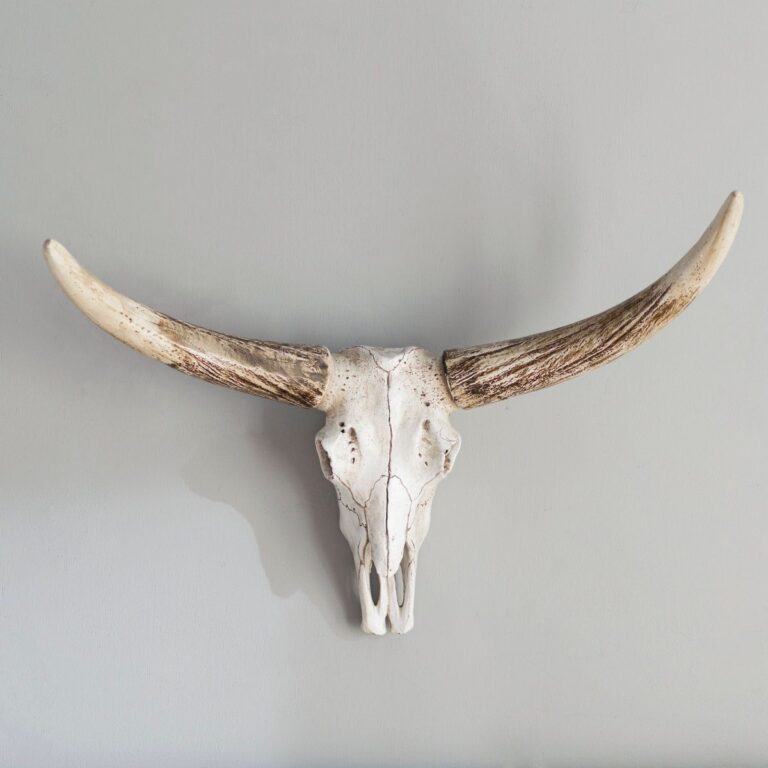
 Aisha's pickContemporary Sculptures That Won’t Let You Down
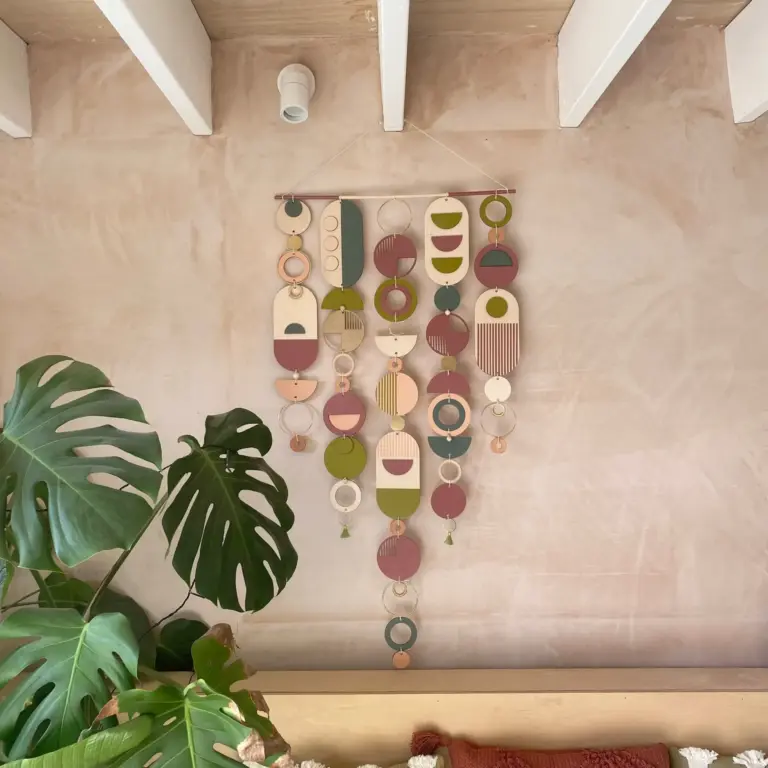
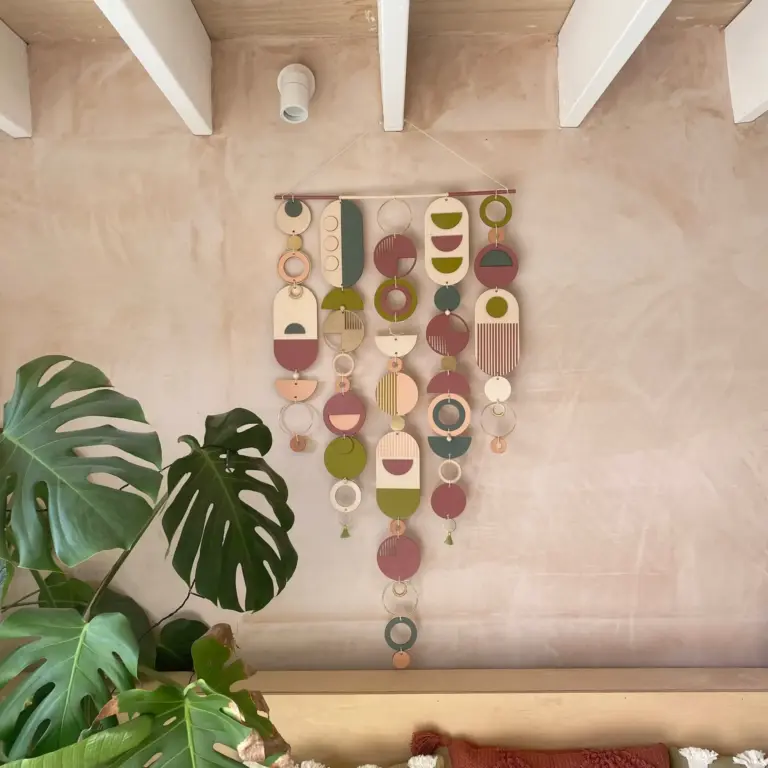 Aisha's pickSculptures for Living Room That Make Rented Places Feel Like Home
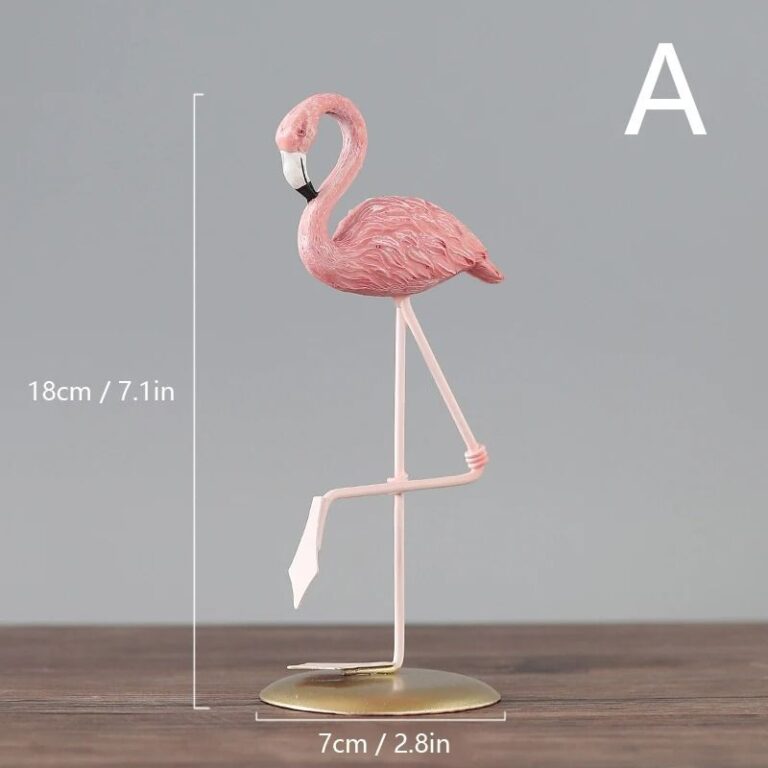
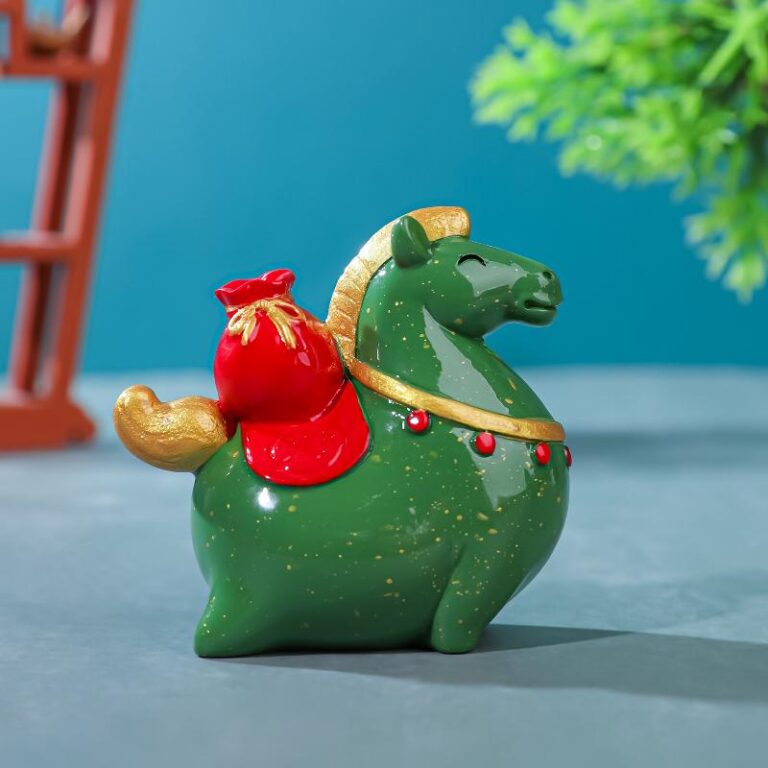 Aisha's pickCrystal Sculptures That Look Good Up Close
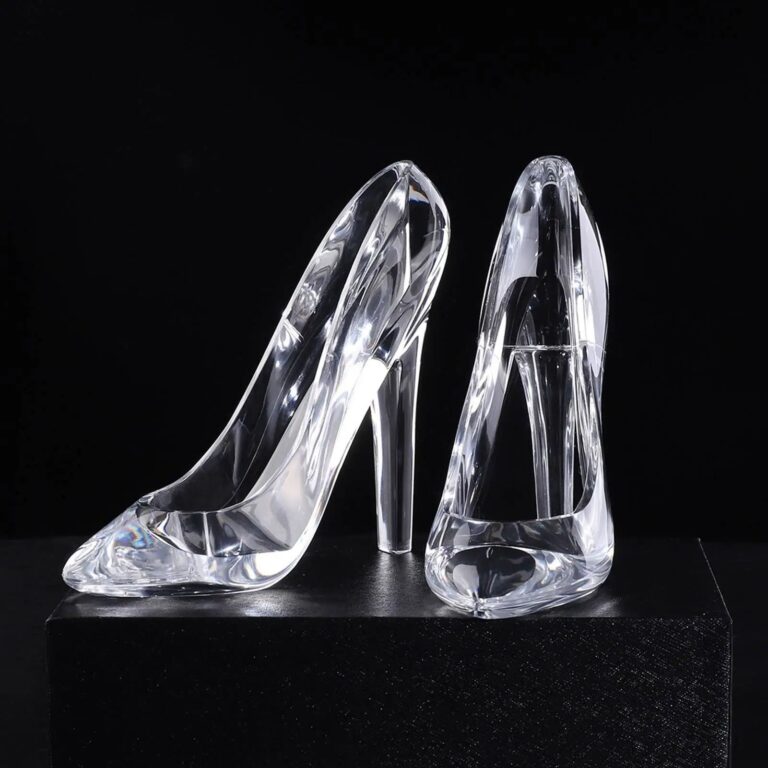
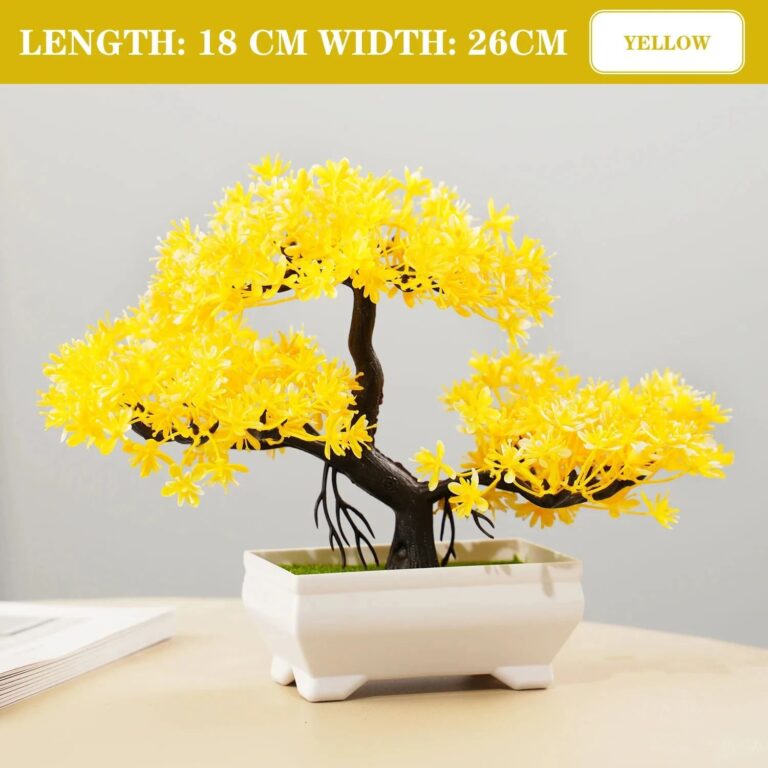 Aisha's pickSmall Sculptures That Make a Shelf Look Styled
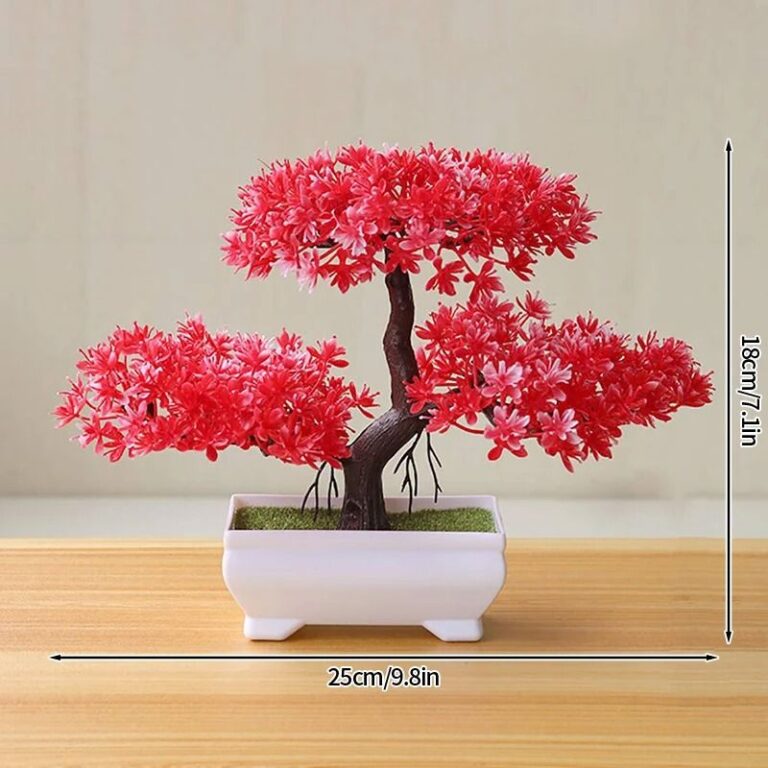
 Aisha's pickDecent Geometric Sculptures Without the HassleAlso worth a lookMetal DecorThe question I get most, usually from someone standing in front of a blank wall holding a tape measure, is whether metal decor reads cold.See the collections →