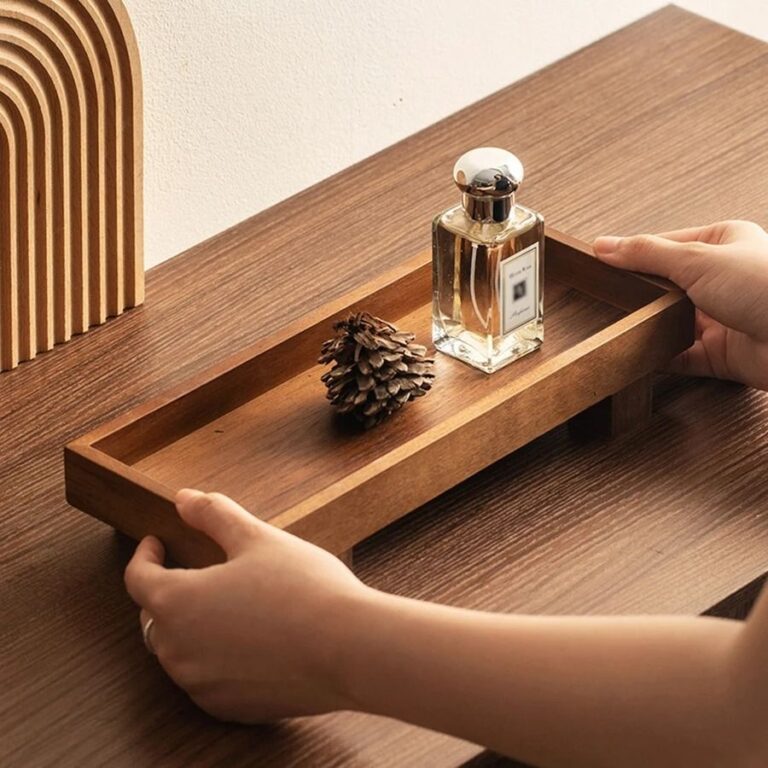
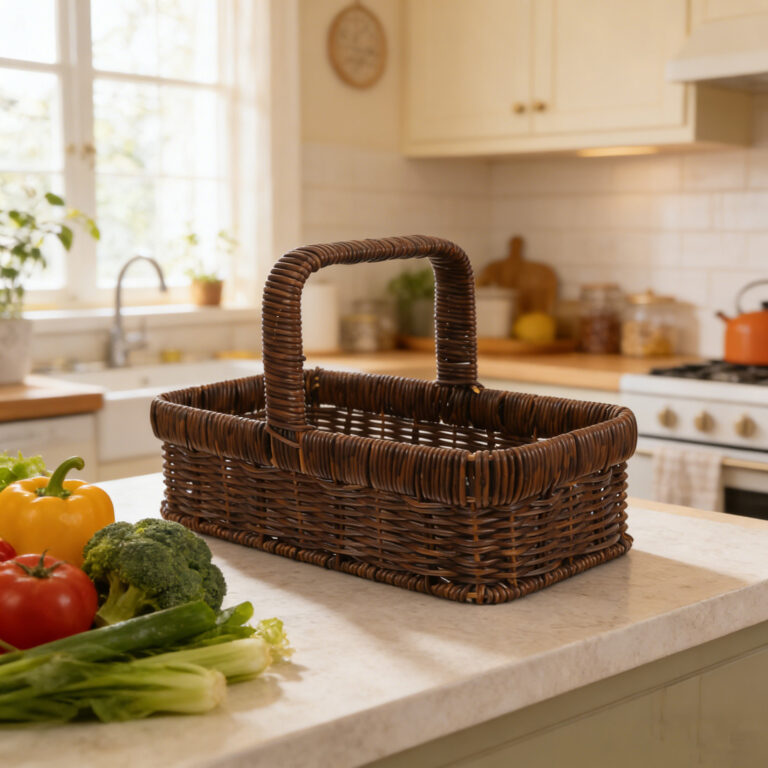
Stand in front of a wall of this stuff and you'll want one of everything, a lantern, a milk jug, a carved wooden bowl, a sign with a rooster on it. Don't. Pick the one piece that actually has a job to do, holding mail, holding fruit, holding a candle, and start there.
This works best in rooms that already lean a little worn in, a kitchen with open shelving, a mudroom, a den with a leather chair that's seen some life. It's at home in older houses with some bones to it, but I've seen it work just as well in a plain rented apartment where someone wanted the place to feel less like a hotel room. Fall and winter are when it earns its keep, when you want texture and warmth, wood and iron and woven stuff, rather than the airy linen look that takes over everything in June. If you've got none of this in your house right now, start with something you touch. A cutting board, a set of hooks, a stool. Not a shelf of decorative jugs nobody ever pours from. Function first, charm second, that's the whole trick.
Color wise, this is where people go wrong, because rustic doesn't mean brown, it means warm. Weathered wood tones, cream, a dull sage, a rusty orange on one small thing, like a lantern or a bowl, that's plenty. My mother's living room is beige on beige on slightly different beige, and she thinks that's rustic. It's not, it's just tired. Add one piece with real color in it, a deep terracotta jug, a faded blue enamel pot, and the whole shelf stops looking like a furniture store display and starts looking like a kitchen someone actually cooks in. Black iron hardware against pale wood is the combination that never argues with anything else in the room.
Measuring up matters more than people think with this kind of decor, because it reads heavy. A chunky wooden tray or a big lantern can swallow a small side table whole. Measure the surface first, then leave at least a third of it empty, rustic pieces need breathing room or they turn into clutter fast. The mistake I see constantly is going too matched, buying a whole set from one display and plunking it down together, which gives you a showroom, not a home. Mix in one smooth or shiny thing, a glass vase, a brass candlestick, so the eye has somewhere to land.
If I were starting fresh, I'd go with weathered oak and a touch of rust orange, and build out from there.

 Aisha's pickFarmhouse Living Room Decor for Movie Nights and Slow Sundays

 Aisha's pickRustic Table Decor That Doesn’t Cost a Fortune
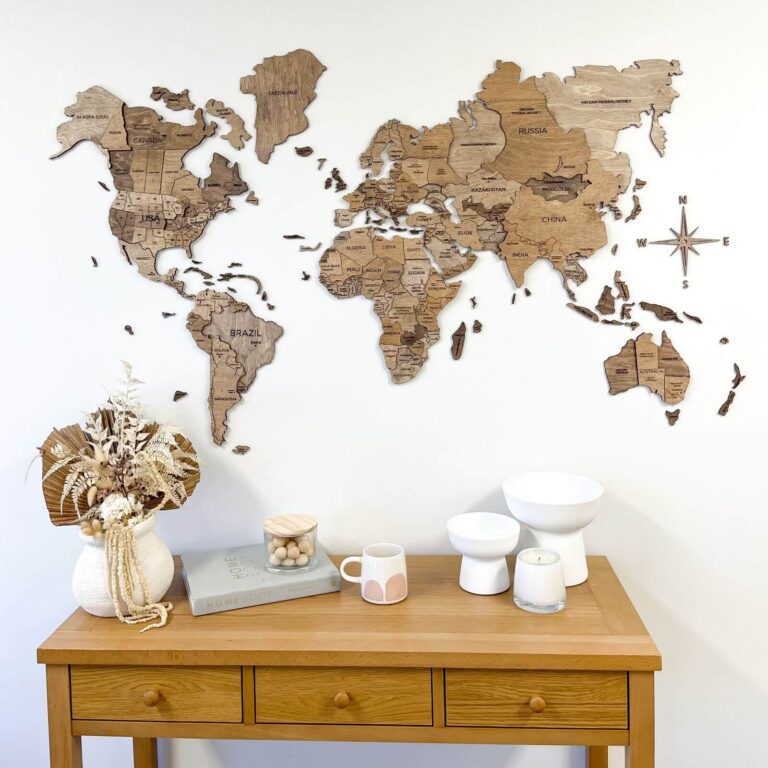
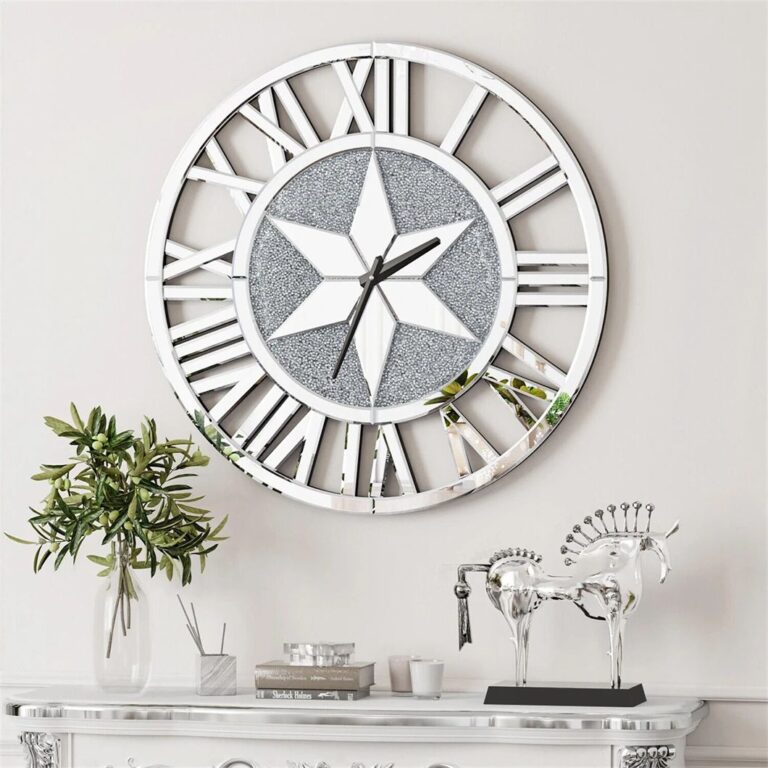 Aisha's pickFarmhouse Mantel Decor We Keep Buying

 Aisha's pickRustic Wall Decor That Looks the Part

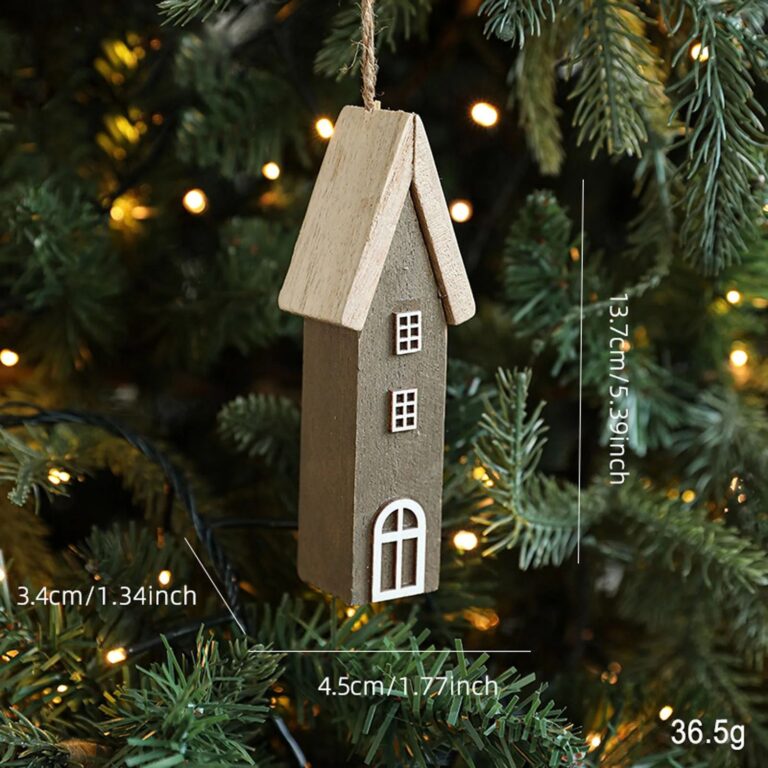 Aisha's pickFarmhouse Ornaments That Catch the Eye Without Taking Over

 Aisha's pickRustic Wooden Wall Decor With a Bit More About It
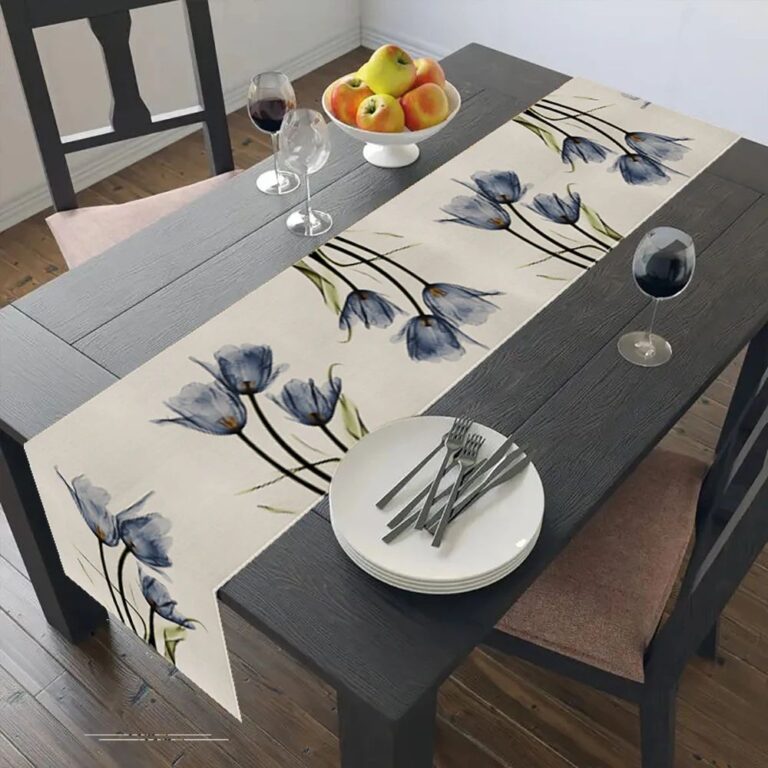 Aisha's pickOur Shortlist of Farmhouse Table Decor
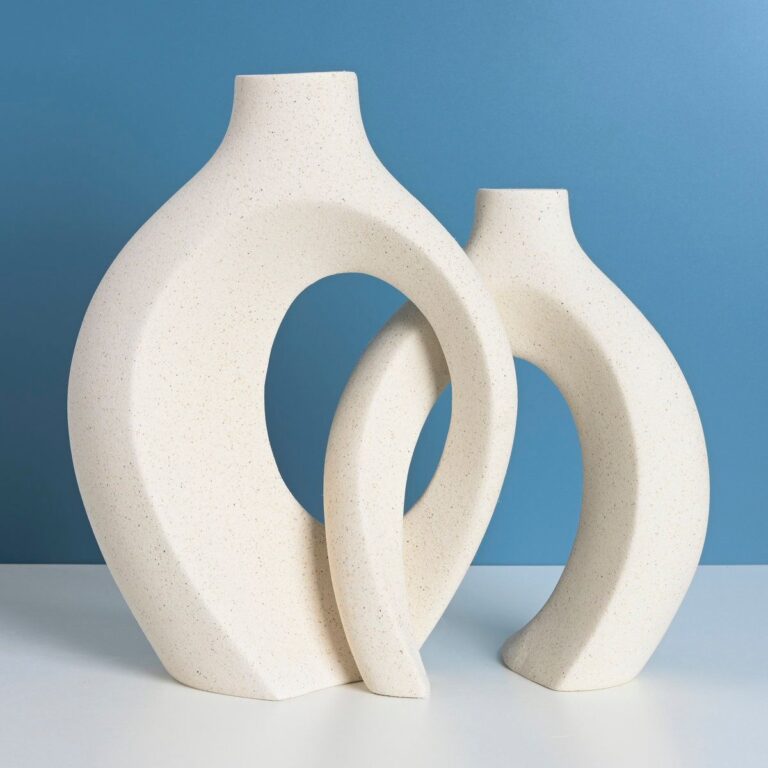
 Aisha's pickFarmhouse Wall Decor That Holds Up

 Aisha's pickThe Rustic Bedroom Decor Worth Your CashAlso worth a lookDecorDecor is the stuff that doesn't do anything useful at all, and that's exactly the point of it.See the collections →
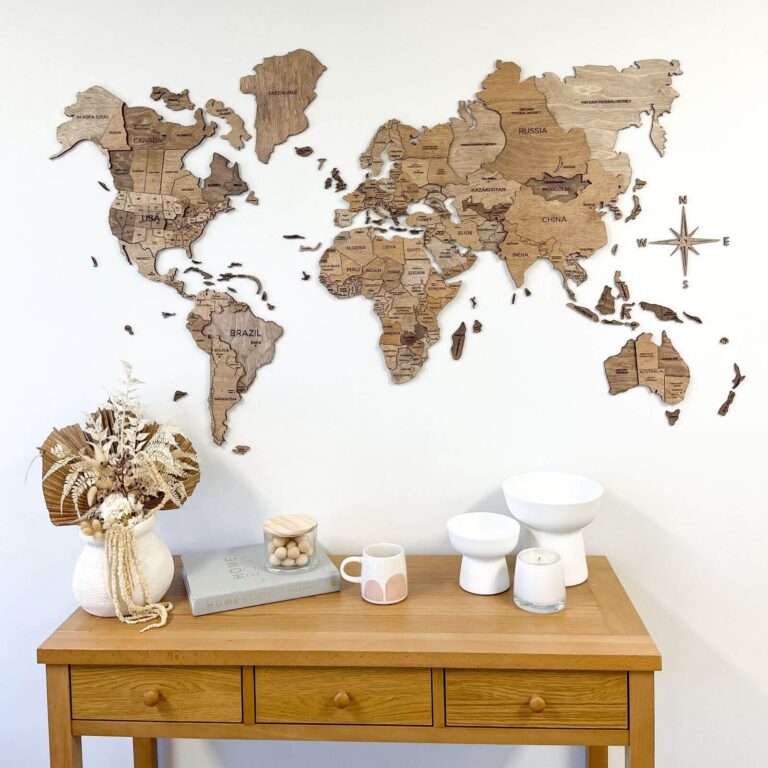
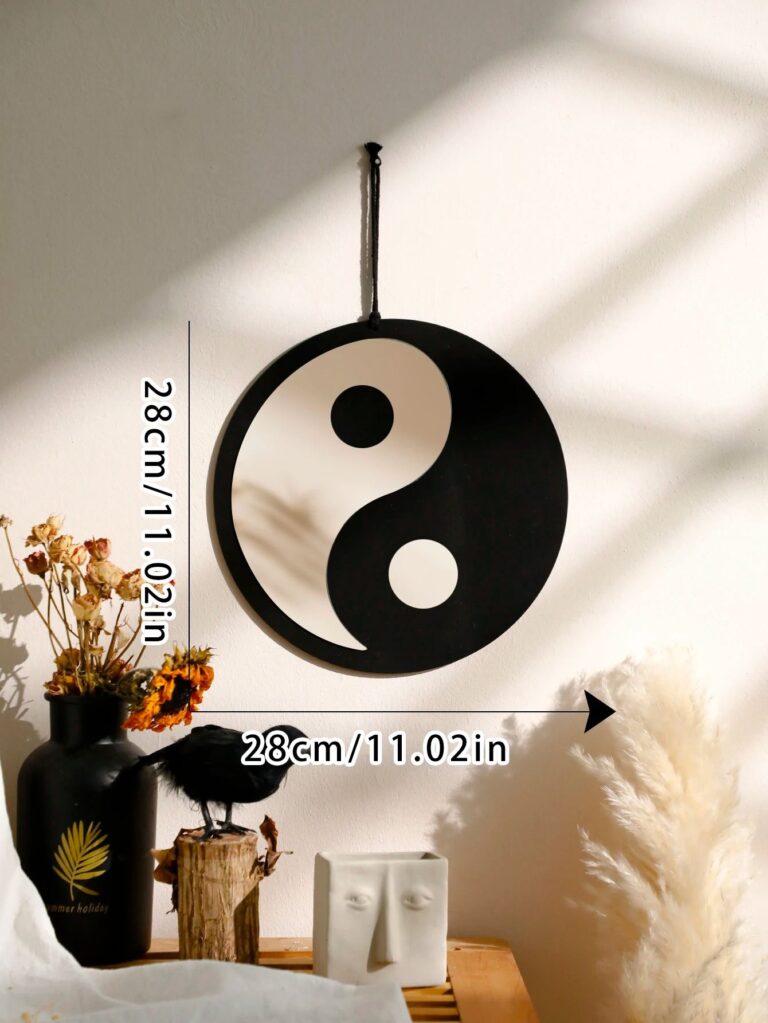 Aisha's pickRustic Boho Decor That Holds Up
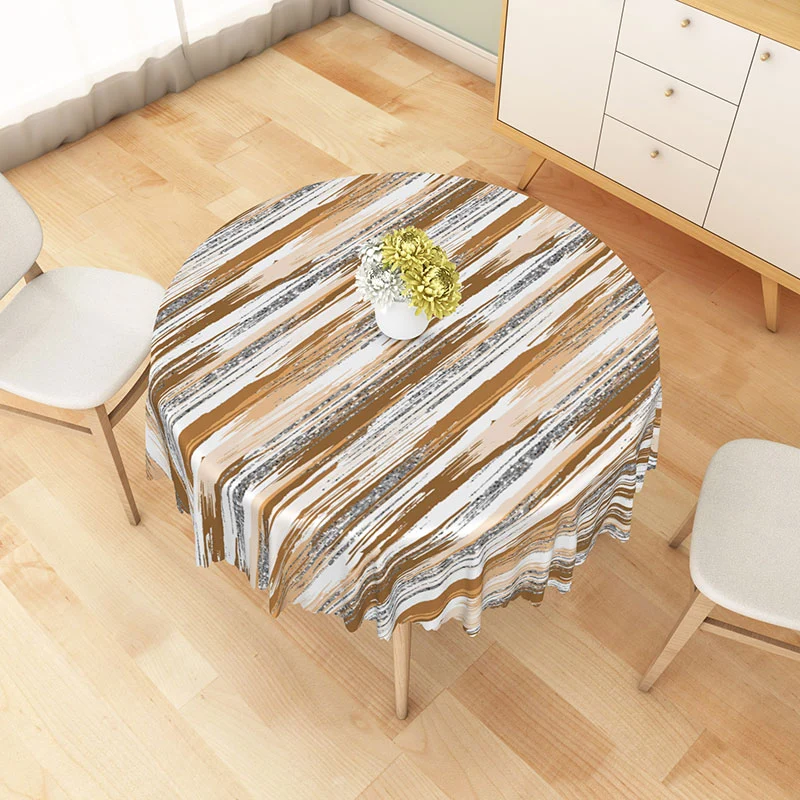 Aisha's pickRustic Dining Table Decor You’ll Live With Happily for Years
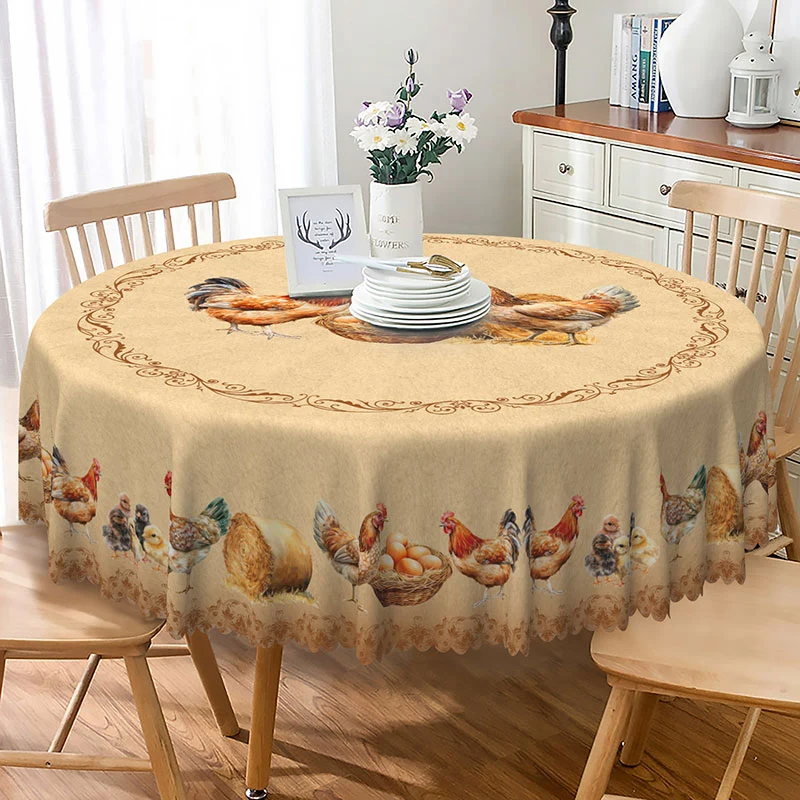
 Aisha's pickRustic Fireplace Decor Pulled From Dozens of Stores

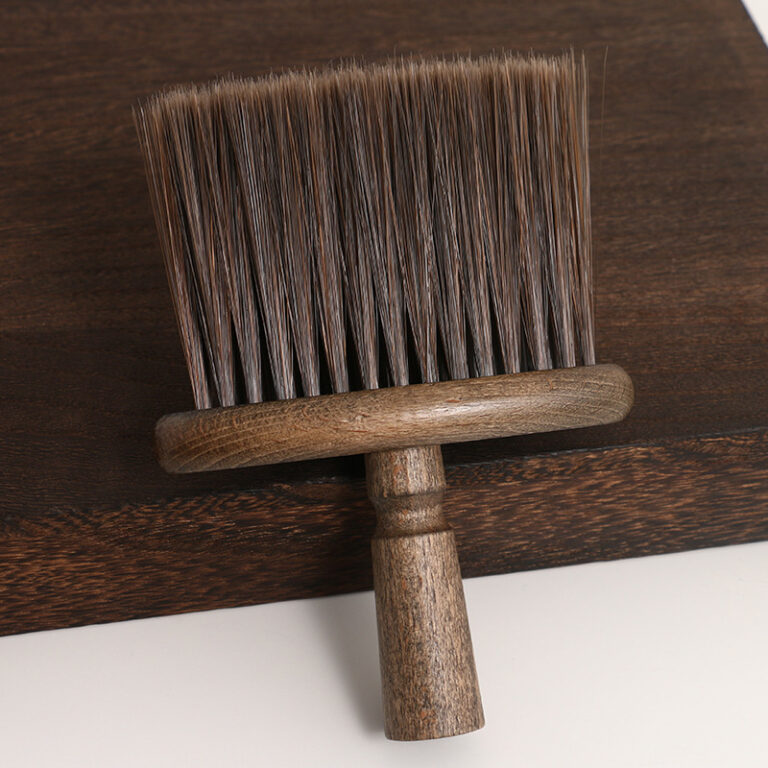 Aisha's pickRustic Home Accessories That Start Conversations
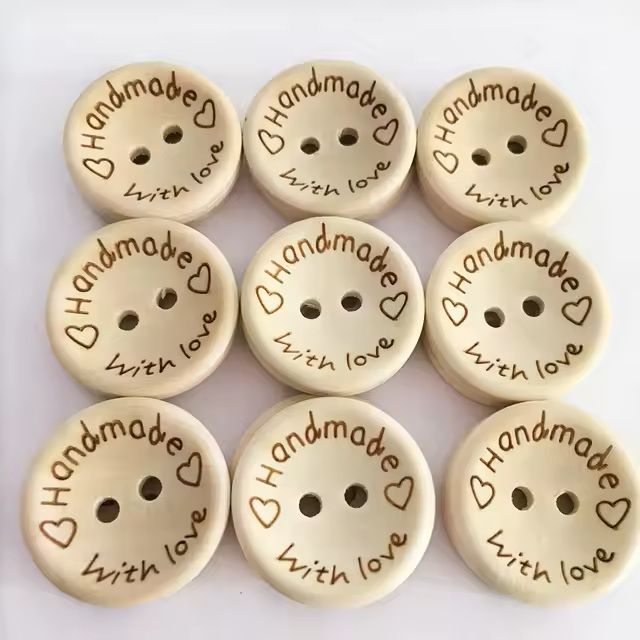
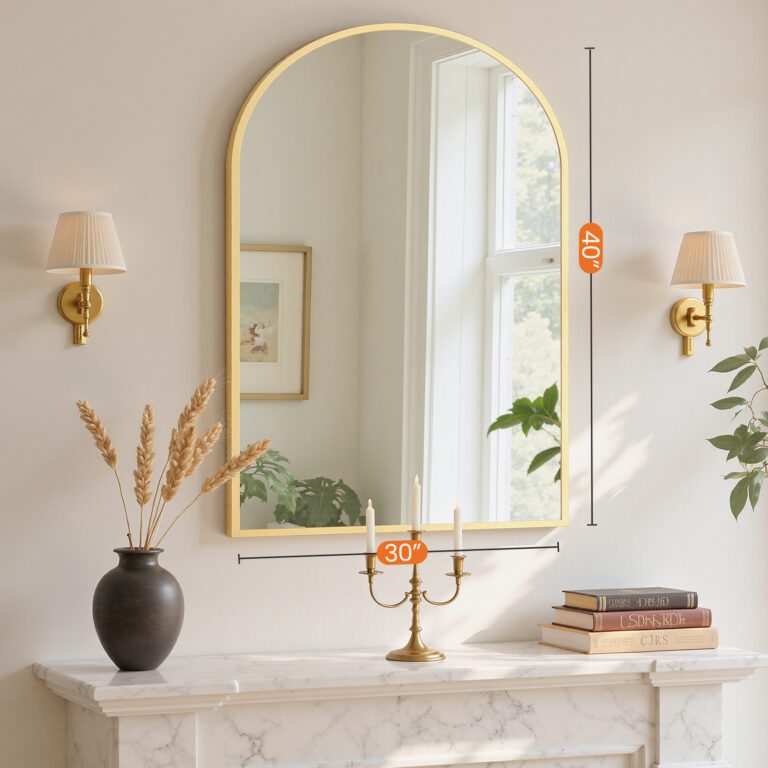 Aisha's pickSimple Rustic Home Decor Done Well

 Aisha's pickRustic Living Room Decor for Movie Nights and Slow Sundays
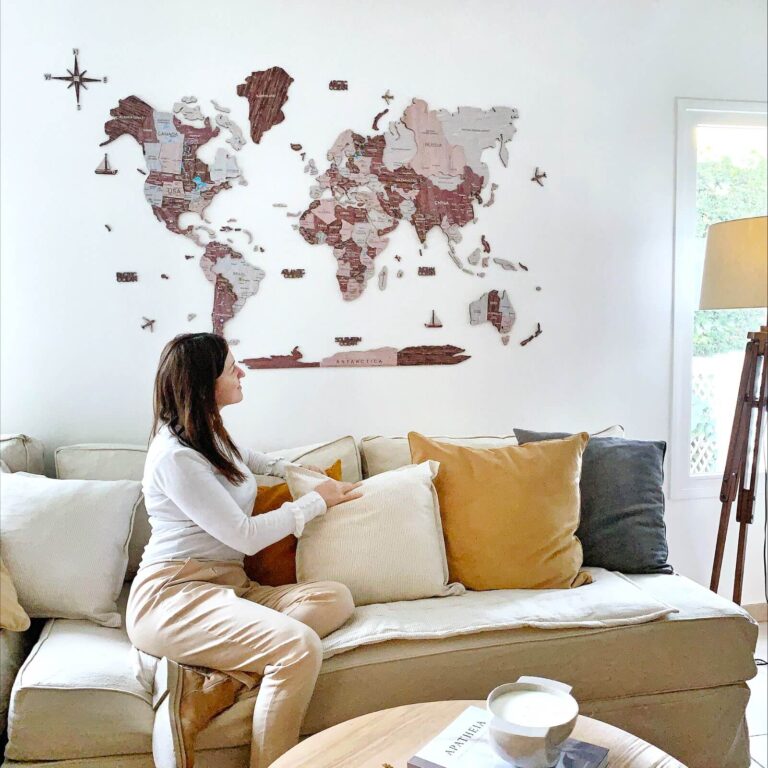
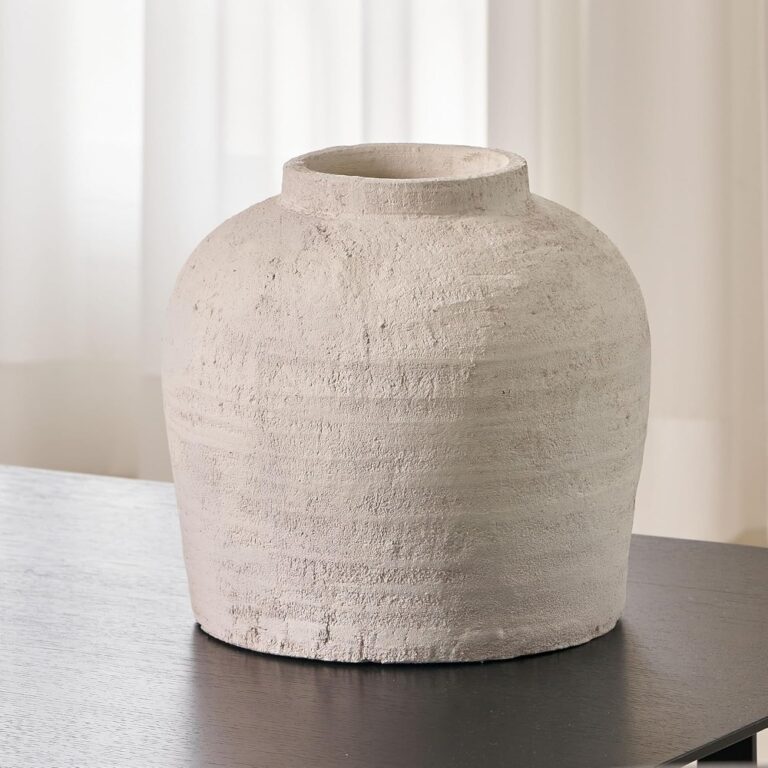 Aisha's pickRustic Mantel Decor That Earns Its Place
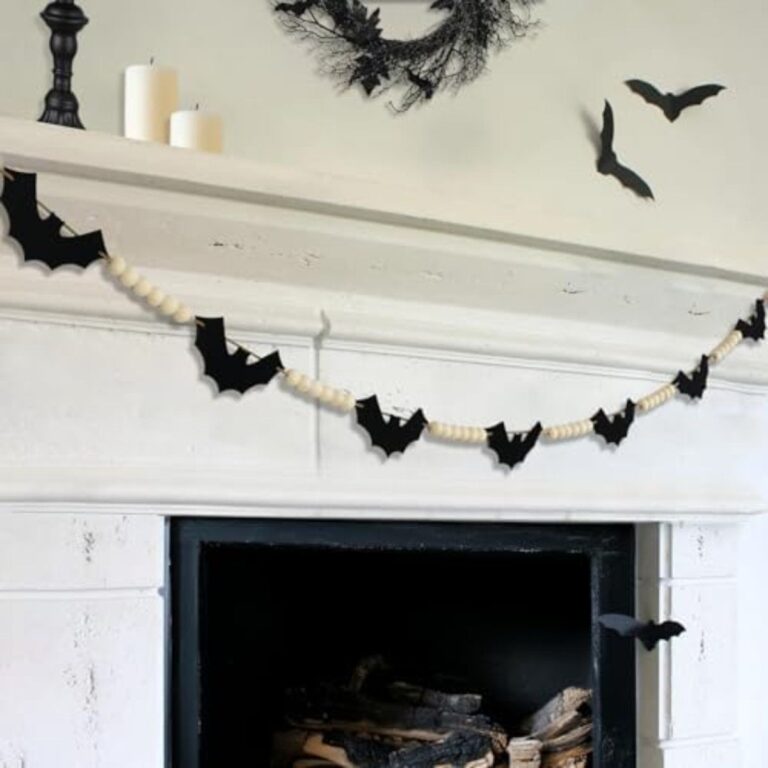
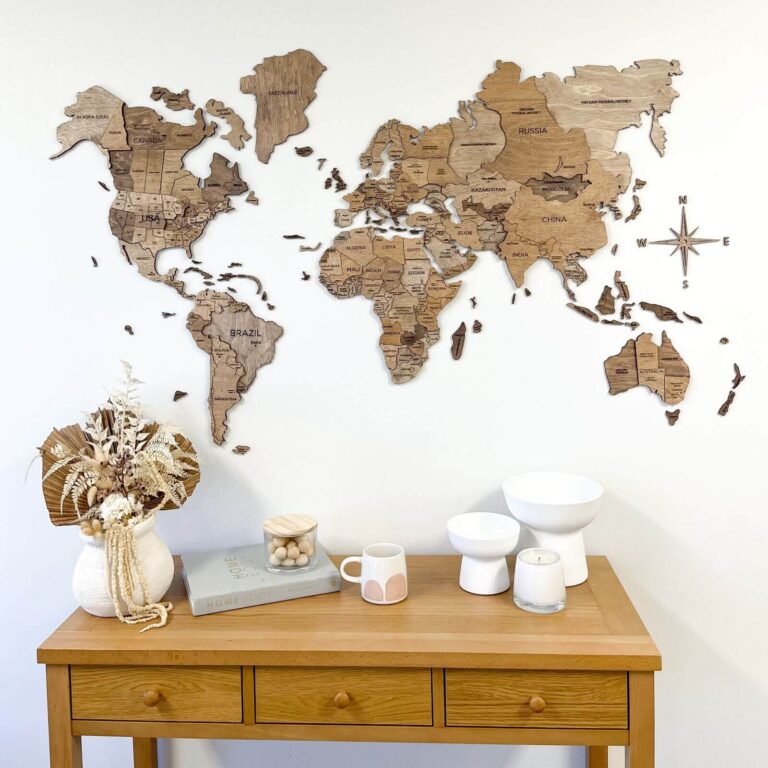 Aisha's pickNo Fuss Farmhouse Bedroom Decor

 Aisha's pickRustic Metal Wall Decor We Keep BuyingAlso worth a lookModern DecorYou know the moment. You've finally got the boring stuff sorted, the sofa's in, the curtains hang right,…See the collections →

 Aisha's pickFarmhouse Dining Table Decor That Does What It Should

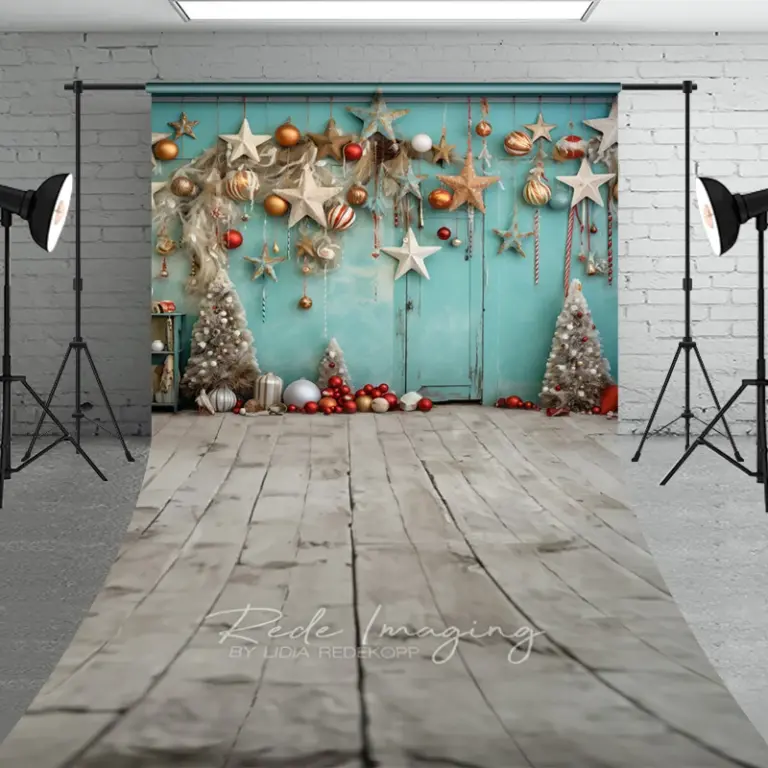 Aisha's pickRustic Ornaments We’d Make Room For