Late December, when the light goes by four thirty and you've finally put something on the mantel that isn't mail, is when home ornaments earn the shelf space. They're the thing that makes a room look lived in rather than just furnished, and they're also the thing most people buy too many of before they realize what they actually need.
The honest limit is that ornaments don't fix a room. If the bones are off, the lighting is bad, or the walls are bare, a bowl of carved wood objects on the coffee table isn't going to rescue it, it's just going to look like clutter with good intentions. And they're the wrong choice if you've got small kids or a dog with an active tail, because anything under knee height and under two pounds is basically a projectile waiting to happen. I learned that one with a ceramic owl that lasted exactly nine days before a Labrador decided it was a toy. It was not a toy.
Where they clash is usually theme, not material. A room that's already got a strong personality, heavy patterned wallpaper, a lot of brass, a very specific color story, doesn't need ornaments that are trying to make their own statement too. You end up with two things shouting at once. What they sit well with is almost always something plain nearby: a wood shelf with visible grain, a stack of books, a bit of negative space around them. Ornaments read as intentional when they've got room to breathe, and they read as junk when they're shoved three deep on a crowded shelf. Group odd numbers, vary the height, and let at least one side of the grouping be empty. That's not a rule I made up to sound clever, it's just how the eye settles on a shelf instead of skating across it.
On sizing, measure the surface first, not the object. A piece that looks substantial on a store shelf next to fifty other things will look lost alone on a mantel or a console table. As a rough guide, anything going on a shelf under four feet wide should stay under eight inches tall unless it's the only thing up there. The mistake people make most is buying to match a photo of someone else's shelf instead of their own dimensions.
Worth checking how they hold up, too. Ceramic chips at the base from years of being dusted and set back down slightly wrong, stone doesn't care what you do to it, and anything with glued on parts, feathers, beads, that sort of thing, tends to come apart after a move or two.
Good ones age like furniture, not decorations.

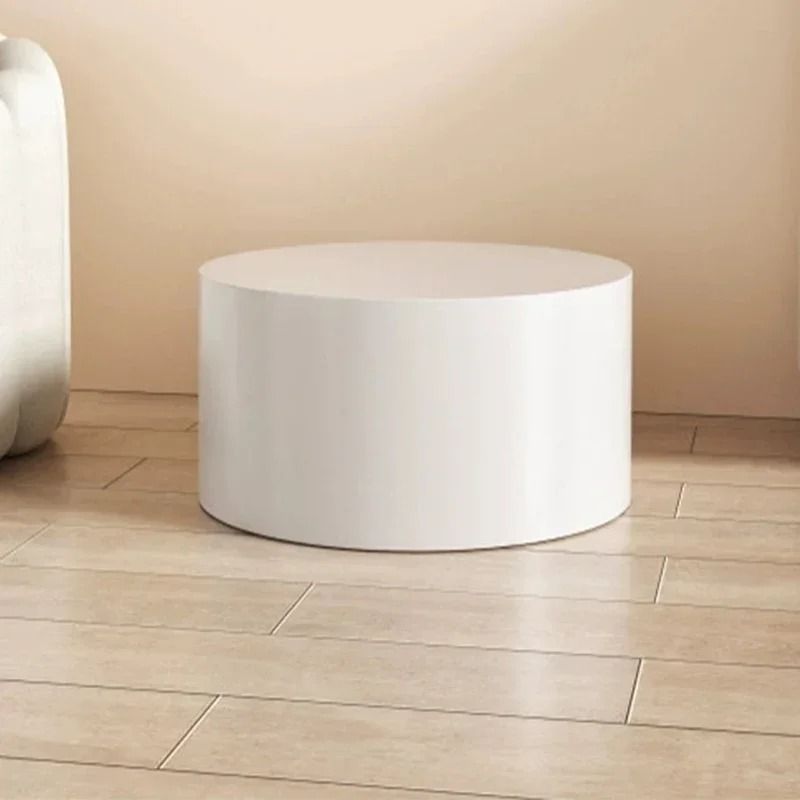 Aisha's pickLuxury Home Ornaments That Give a Room Some Personality
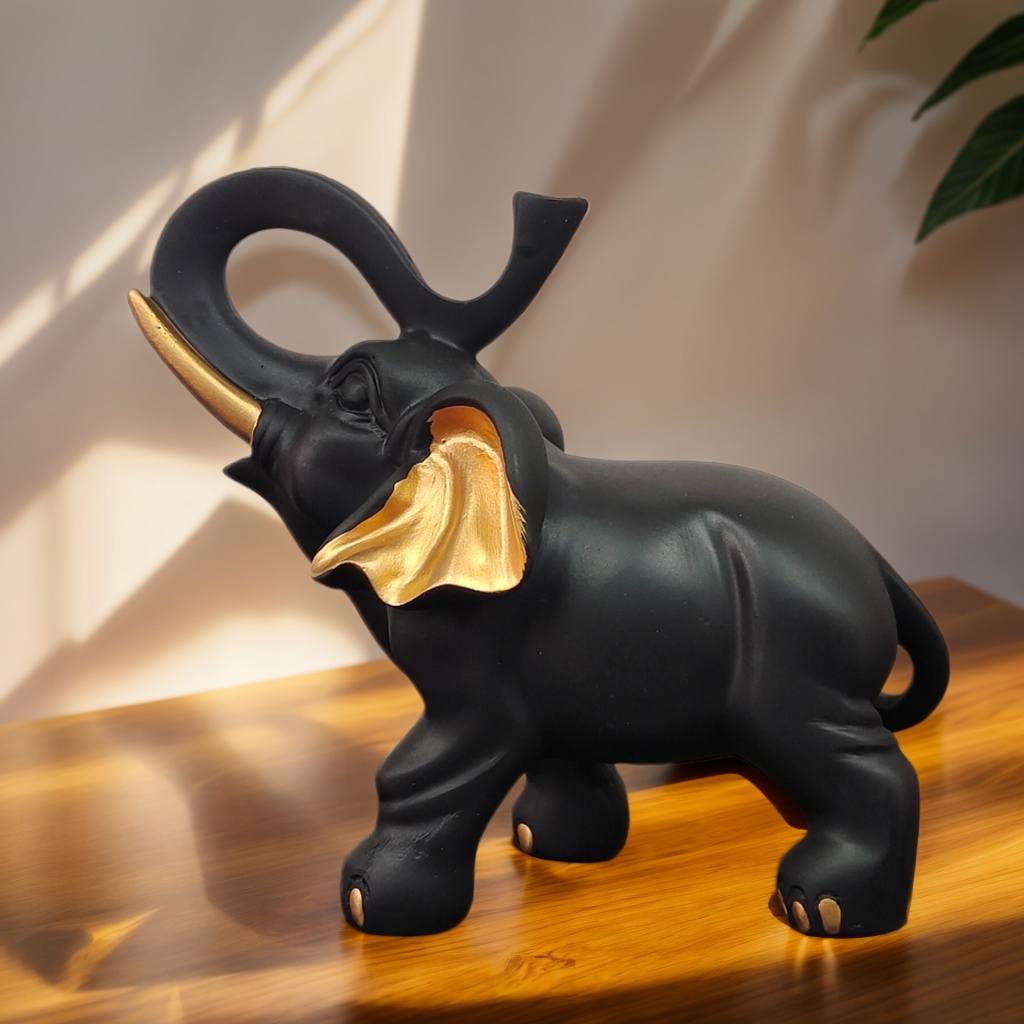
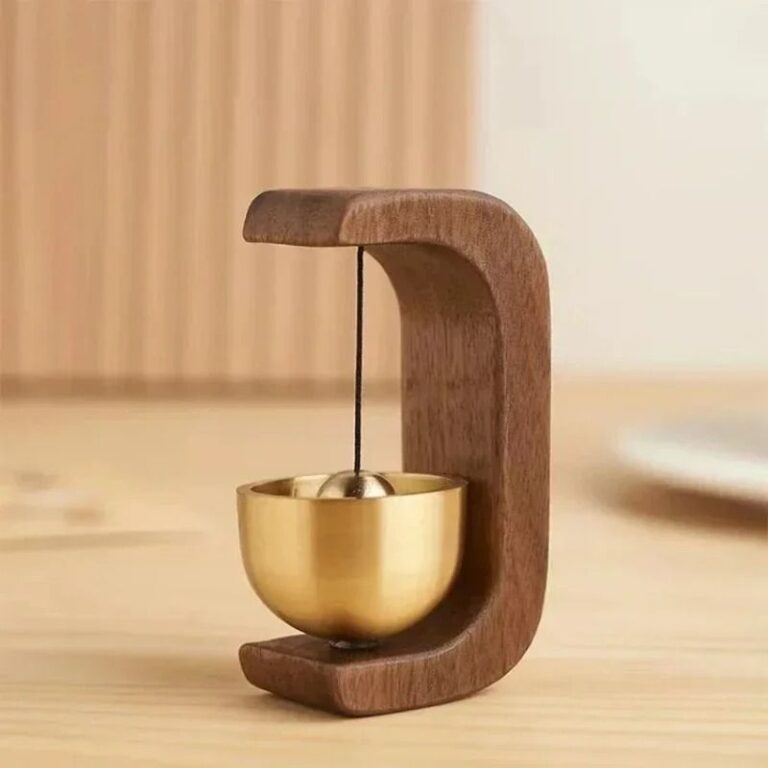 Aisha's pickMetal Home Ornaments That Hold Up to Everyday Life
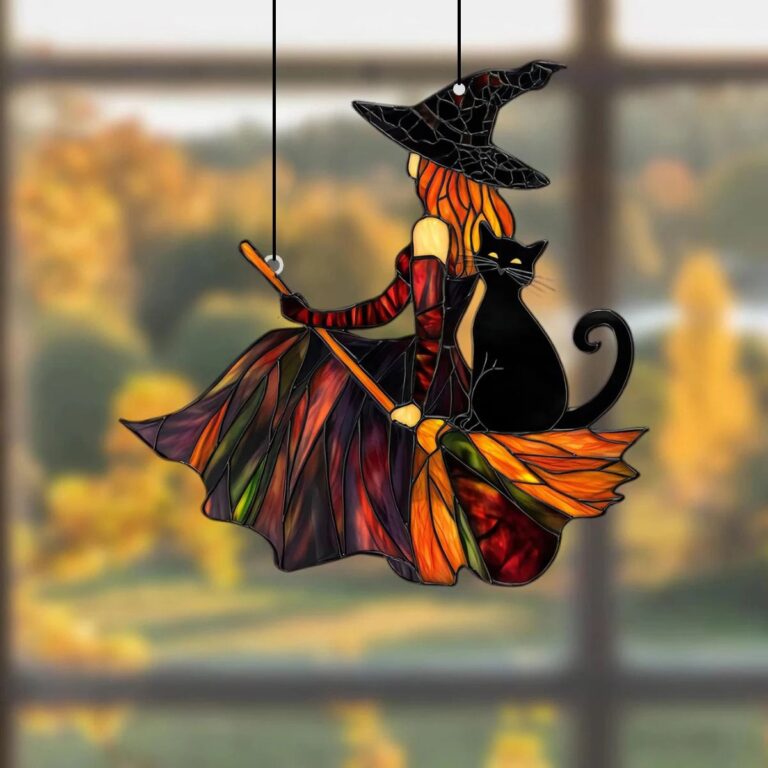
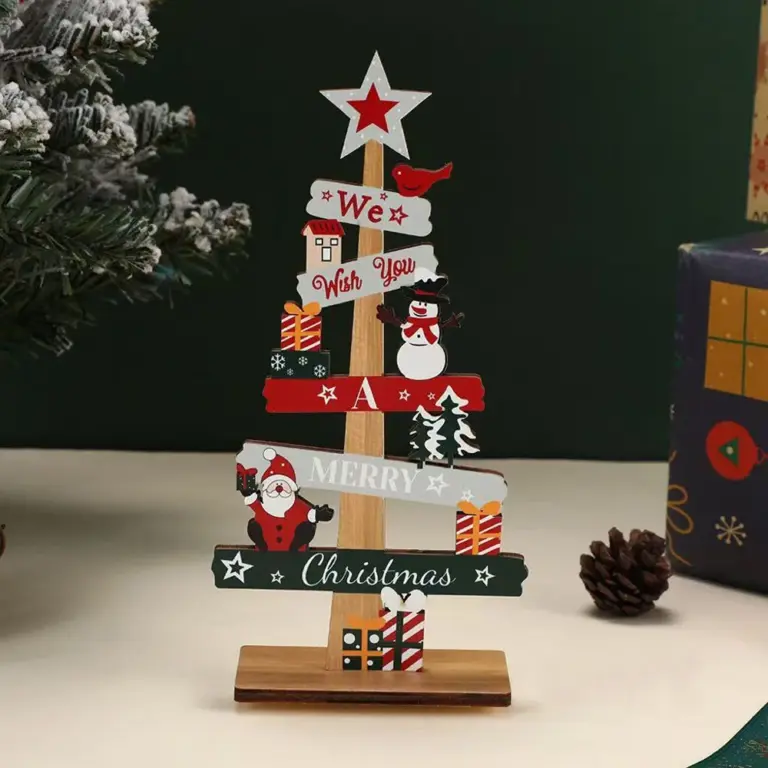 Aisha's pickWhere to Start With Modern Home Ornaments
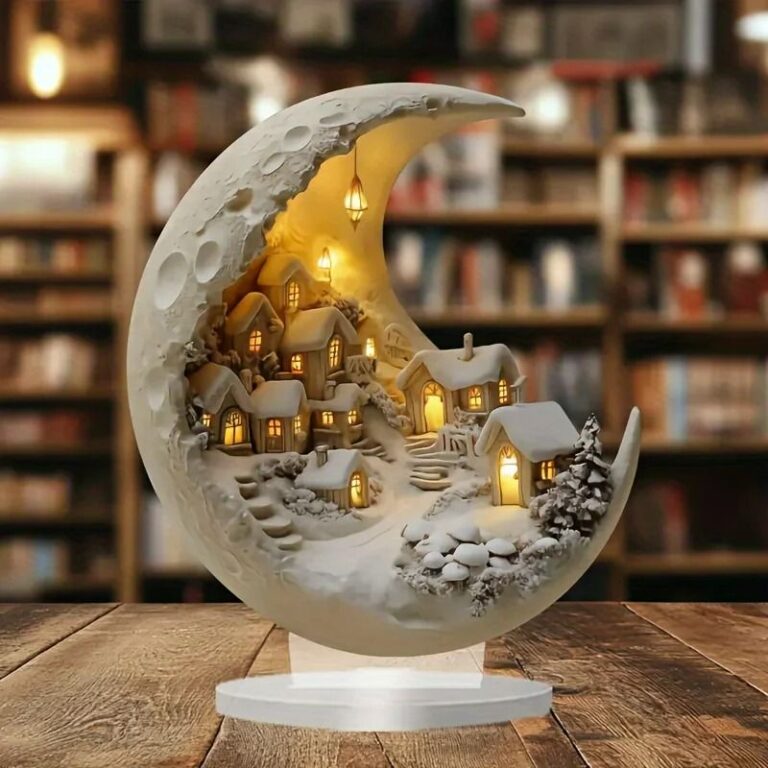
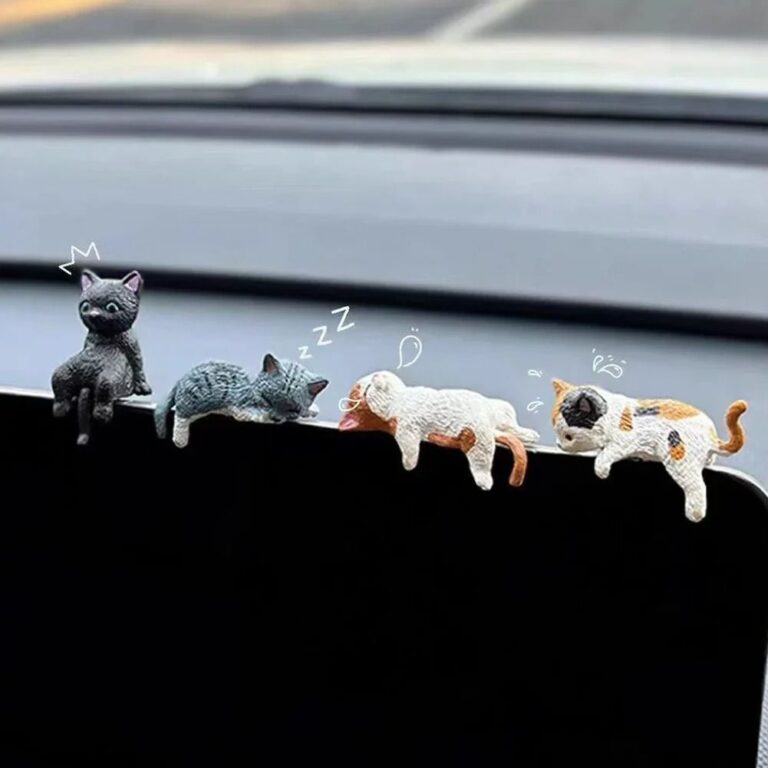 Aisha's pickOrange Home Ornaments for Blank Walls and Empty Shelves
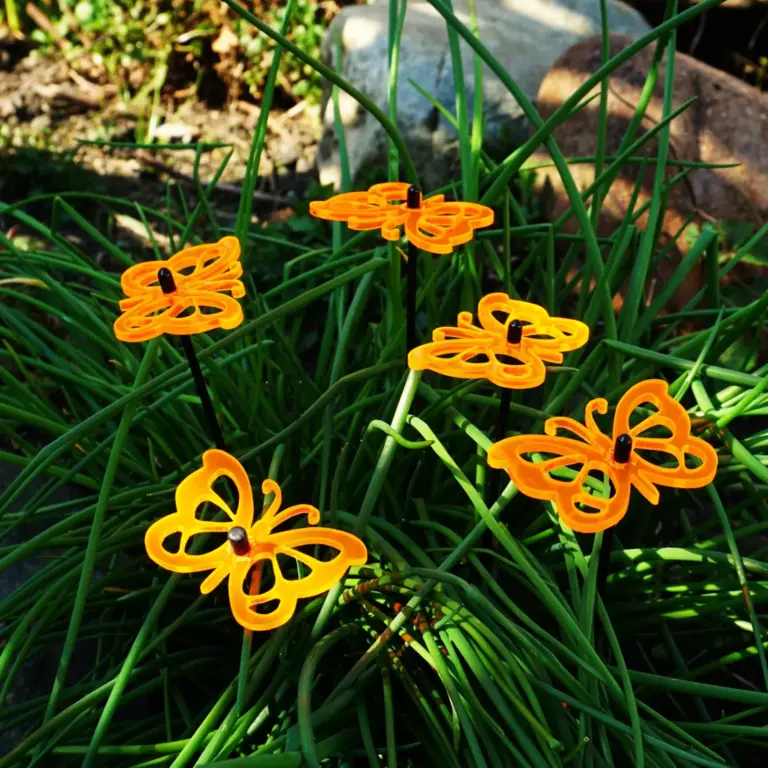
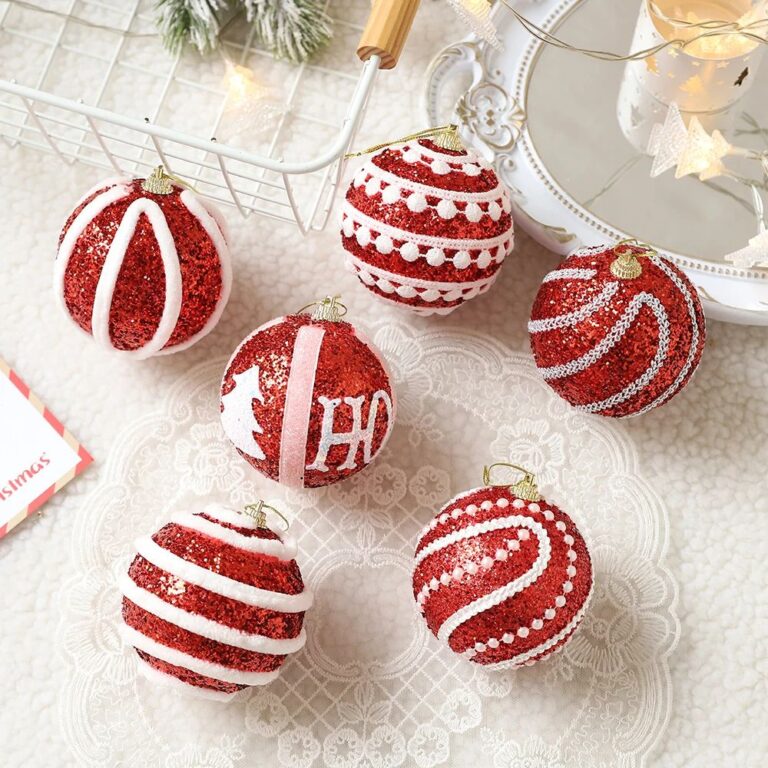 Aisha's pickRed Home Ornaments for Filling an Awkward Gap
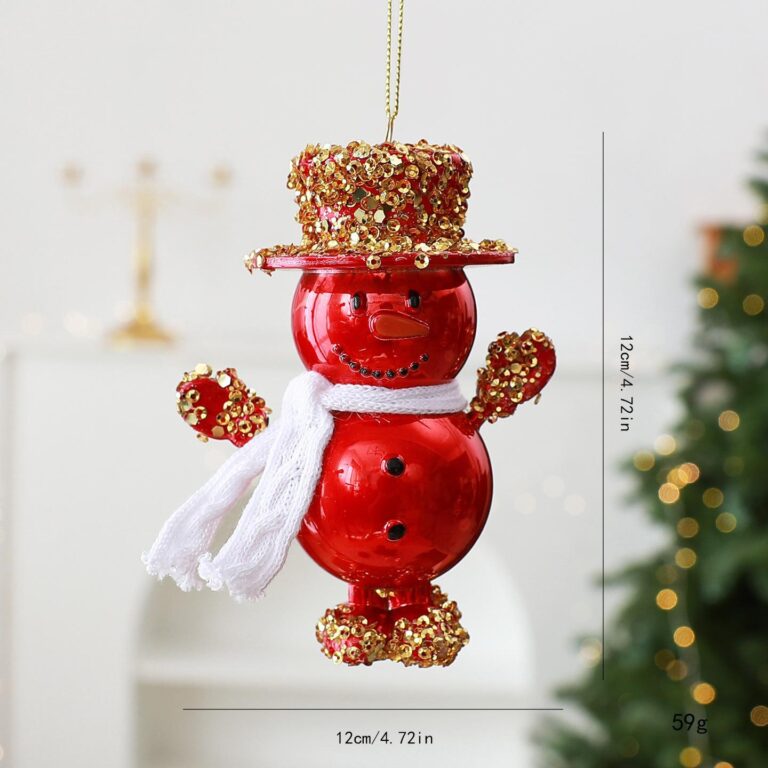
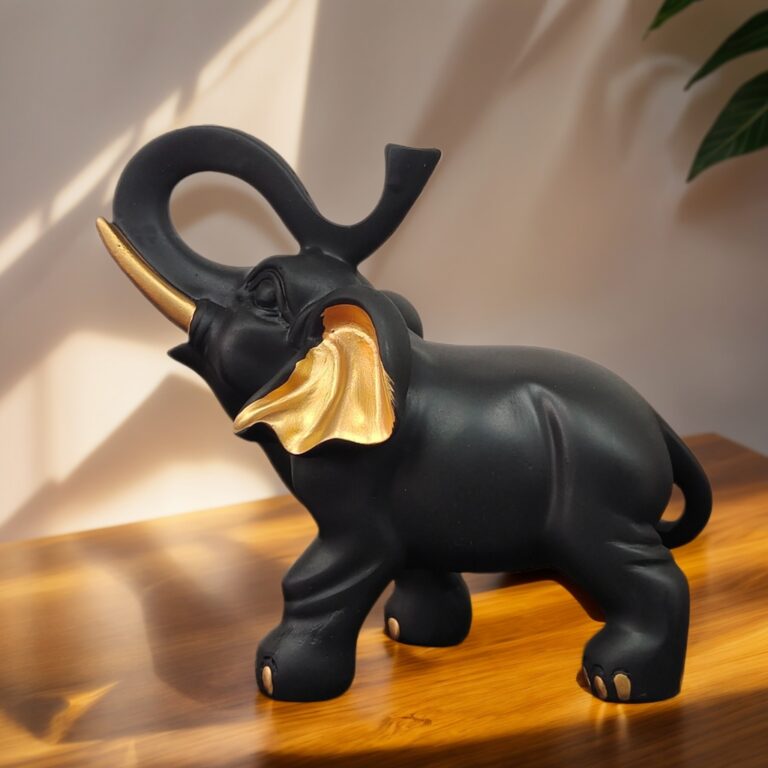 Aisha's pickBlack Home Ornaments That Make Great Housewarming Gifts
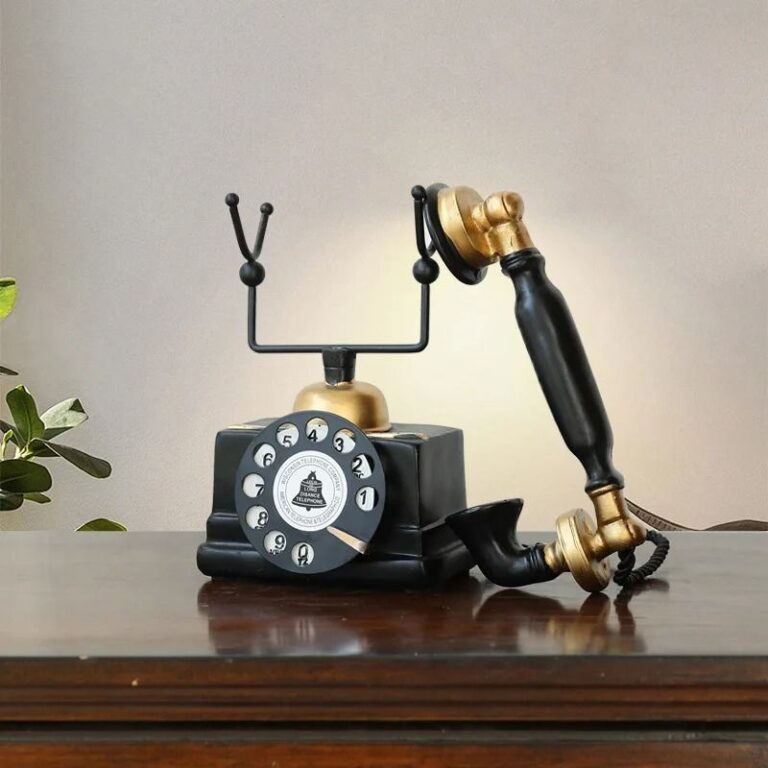
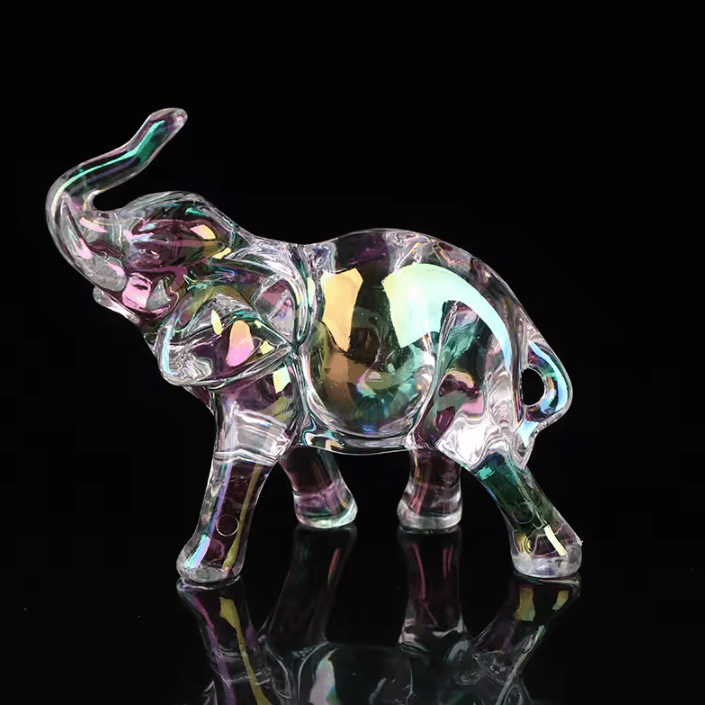 Aisha's pickResin Home Ornaments We’d Buy Again
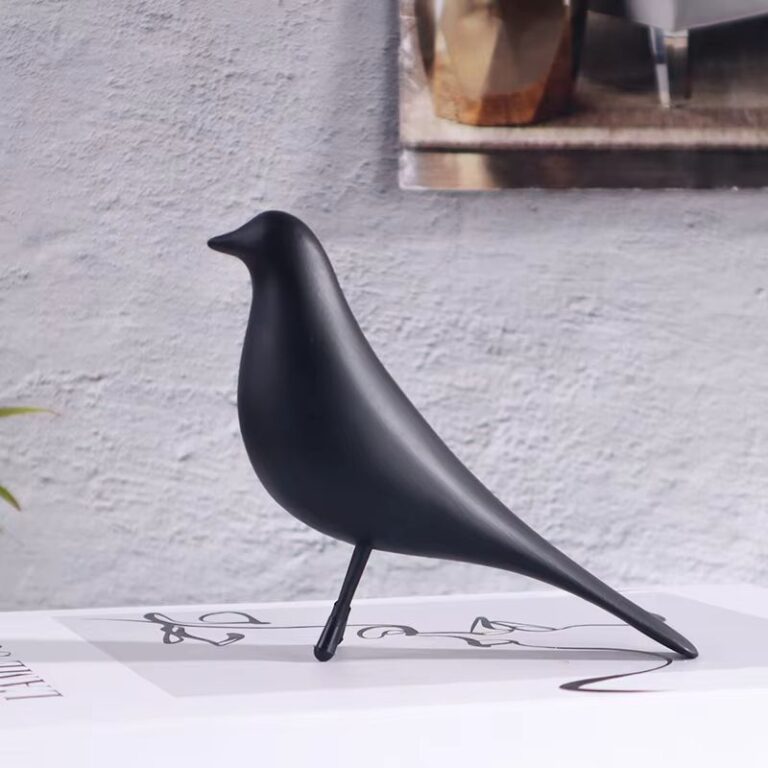
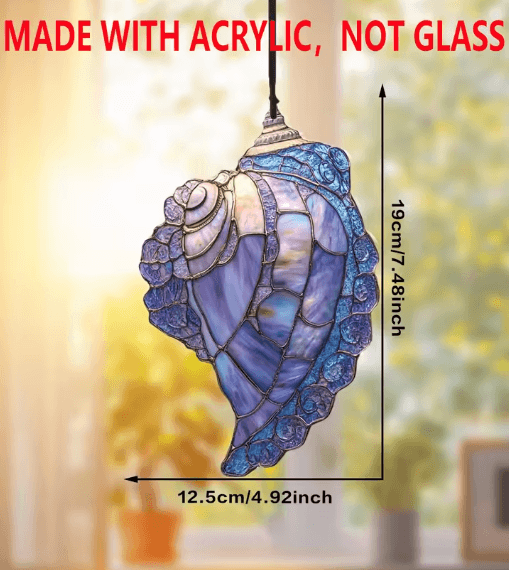 Aisha's pickShopping for Blue Home Ornaments? Start Here
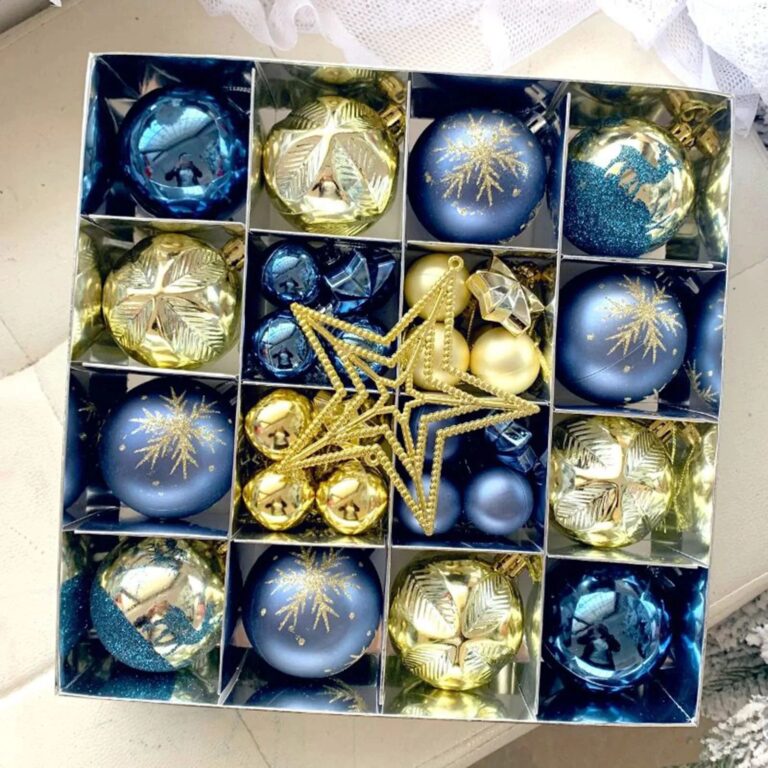
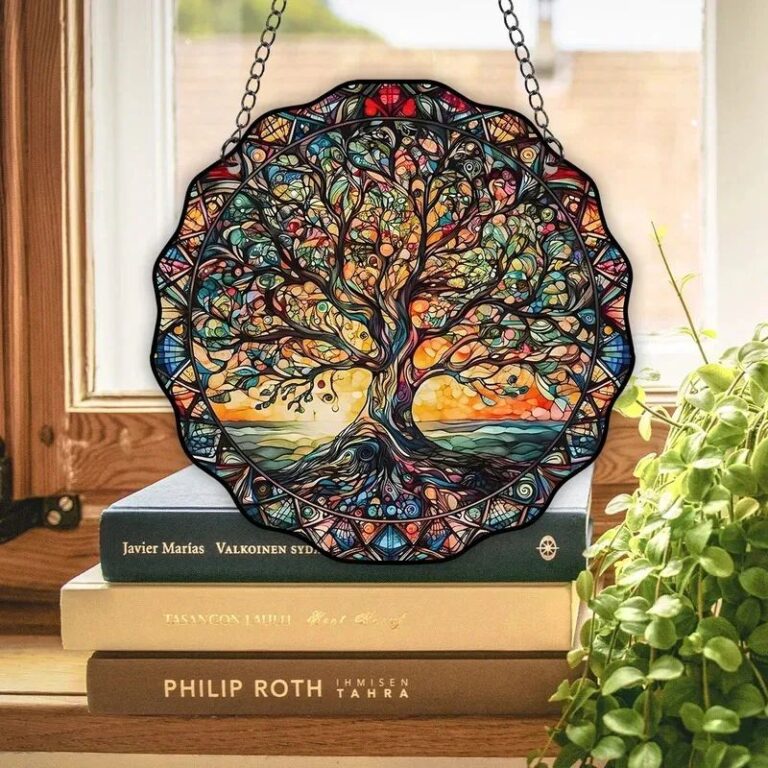 Aisha's pickRound Home Ornaments That Make a Shelf Look StyledAlso worth a lookDecorDecor is the stuff that doesn't do anything useful at all, and that's exactly the point of it.See the collections →
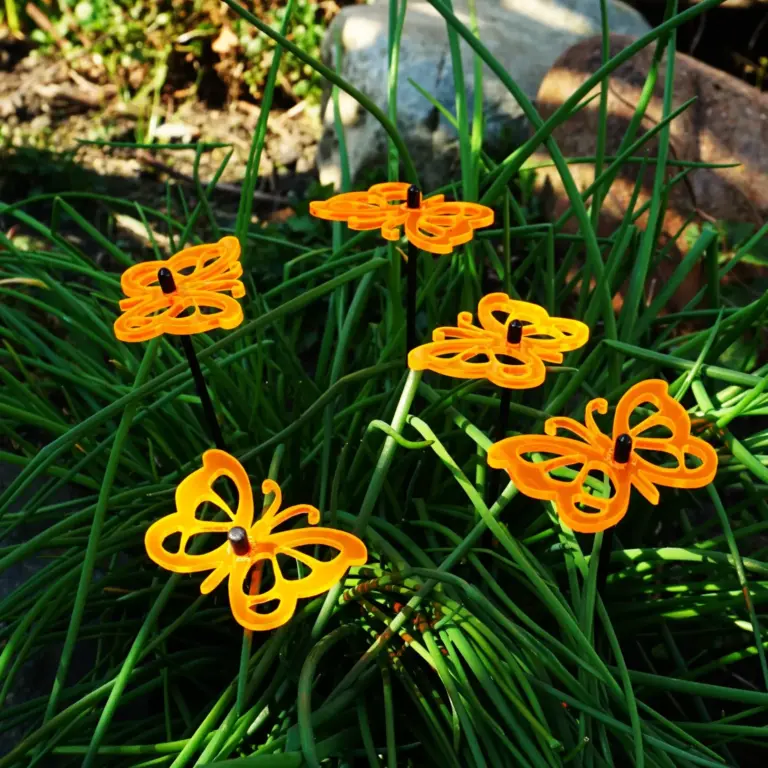
 Aisha's pickCeramic Home Ornaments That Make a Shelf Look Styled

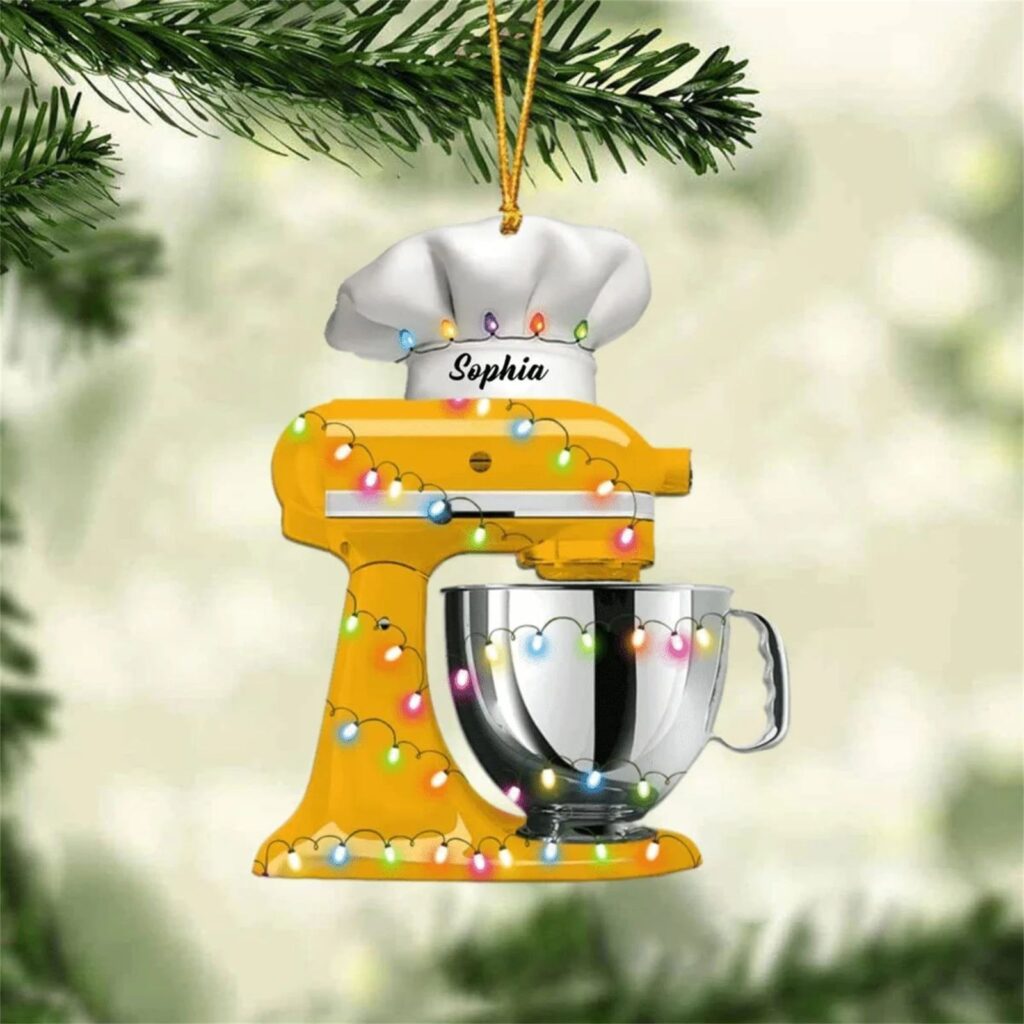 Aisha's pickSmall Home Ornaments That Get Better With Age
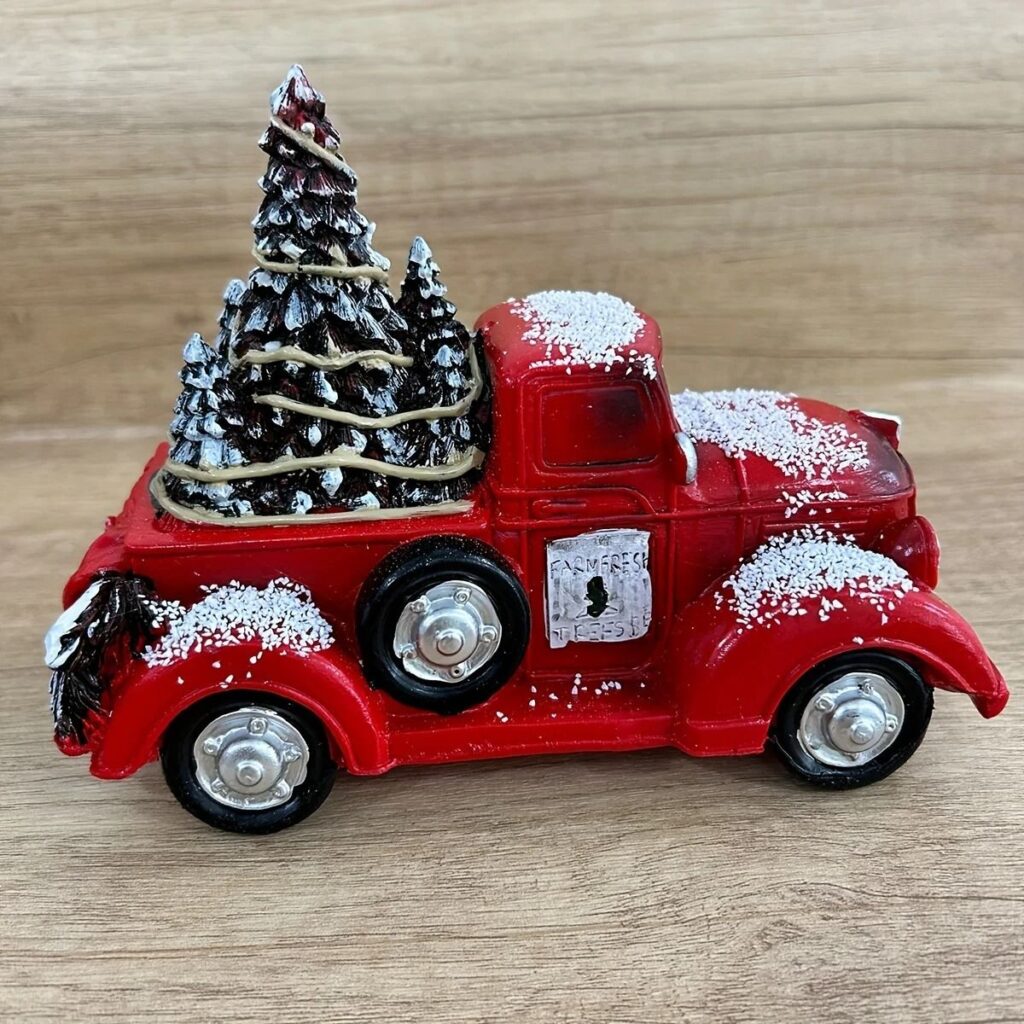
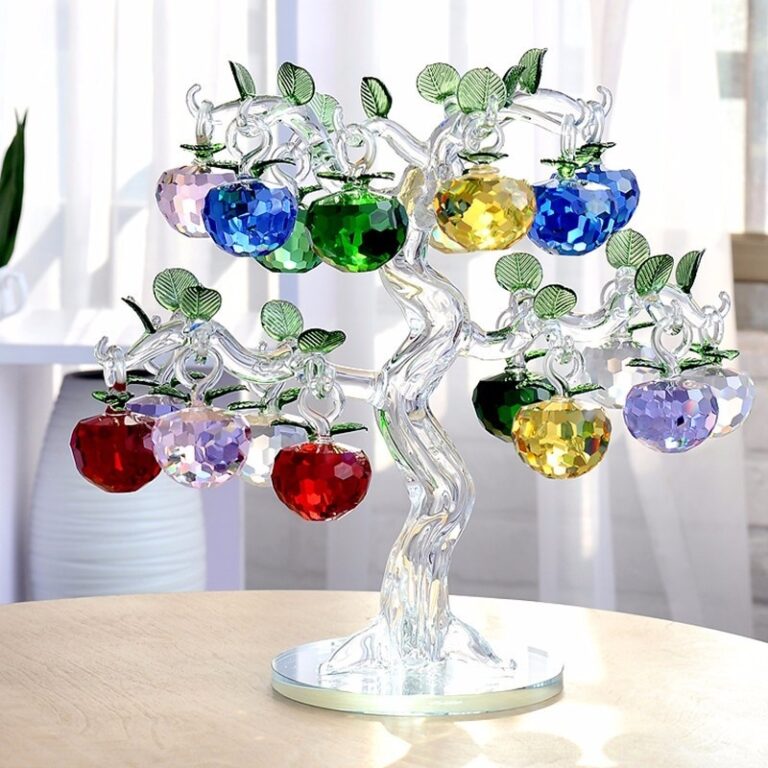
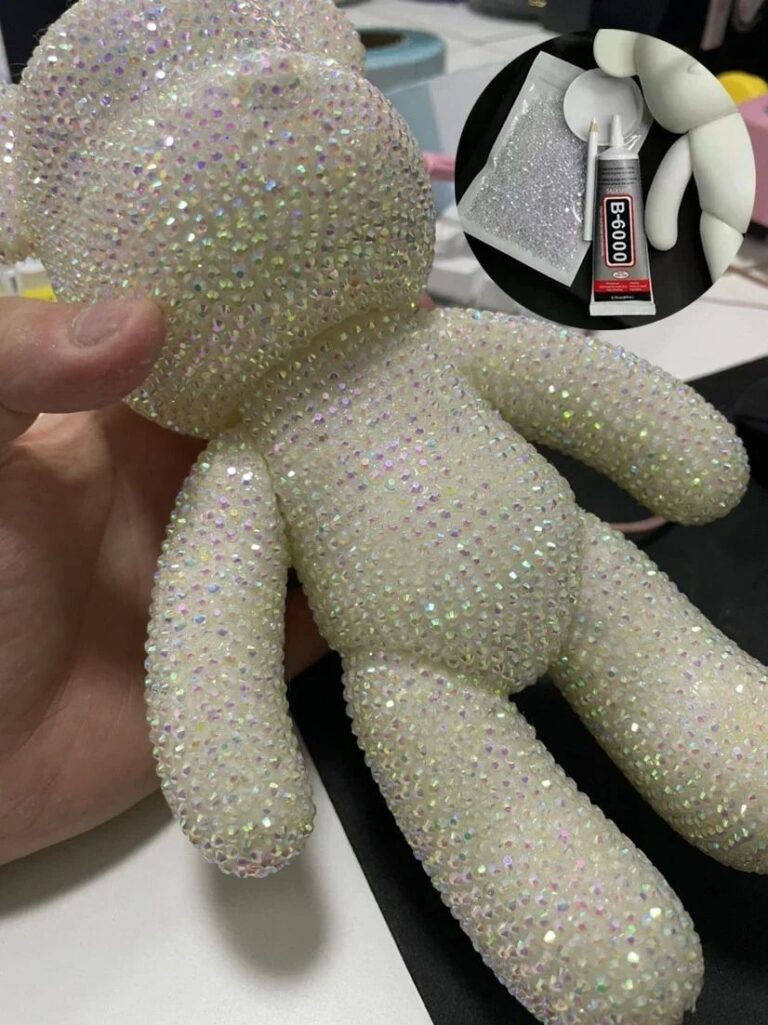 Aisha's pickCrystal Home Ornaments That Start Conversations
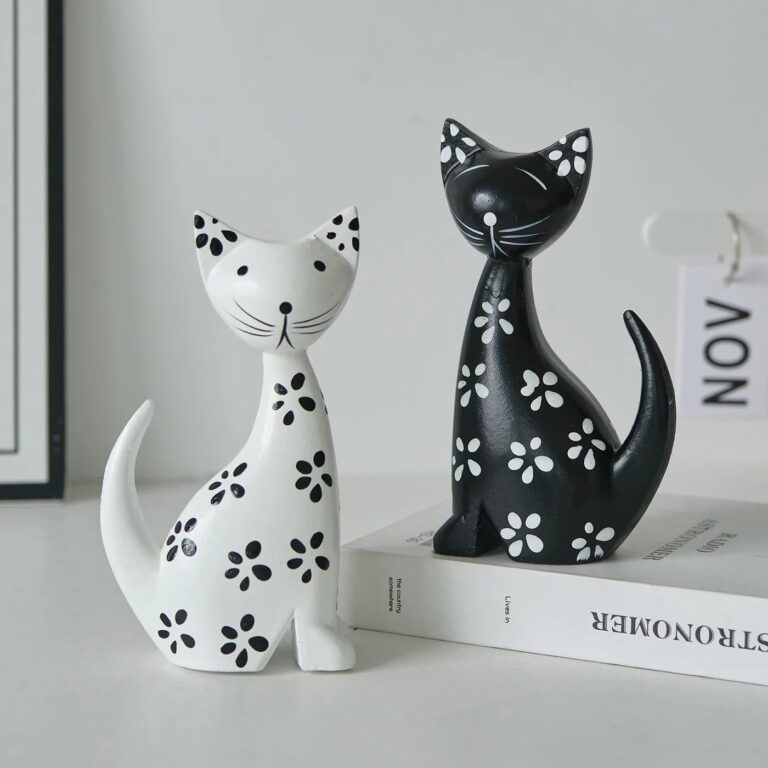 Aisha's pickWhite Home Ornaments With Some Character
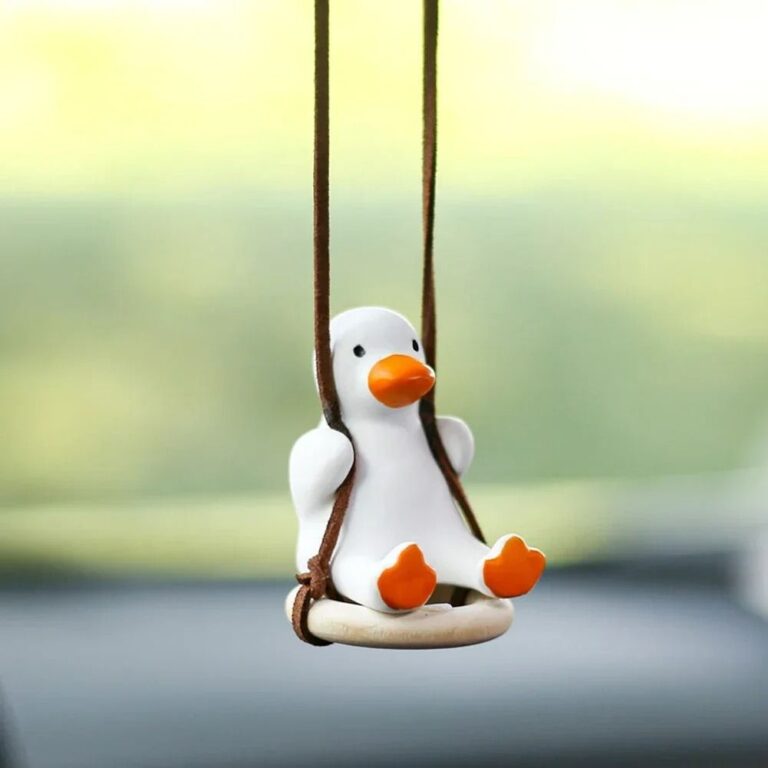
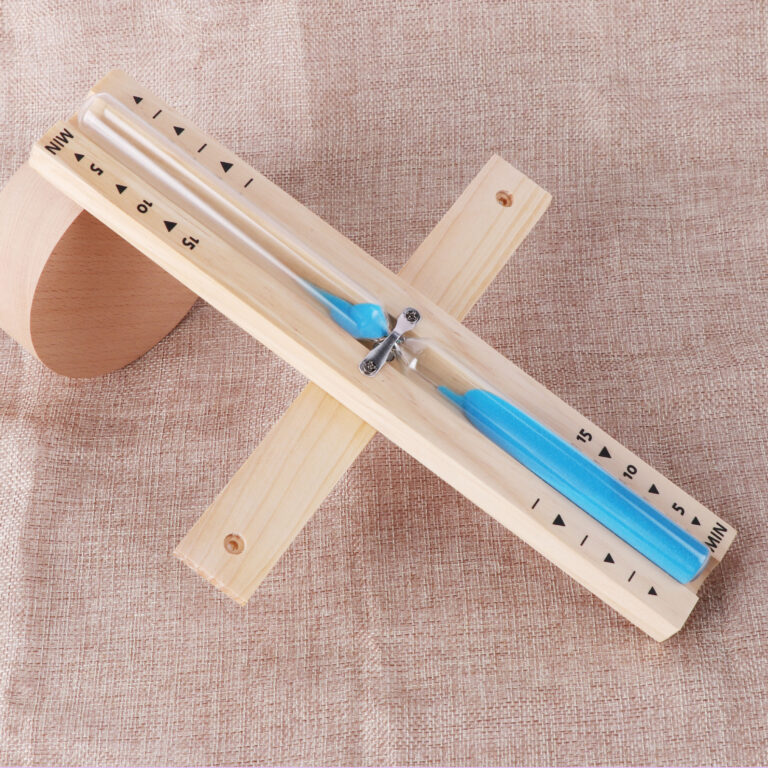 Aisha's pickGlass Home Ornaments That Make Small Changes Feel Big
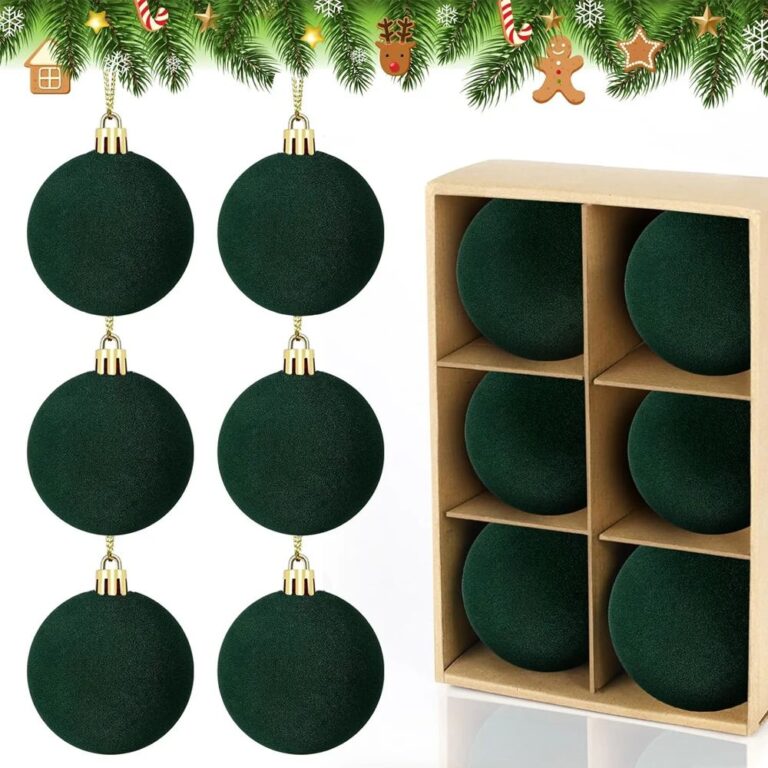
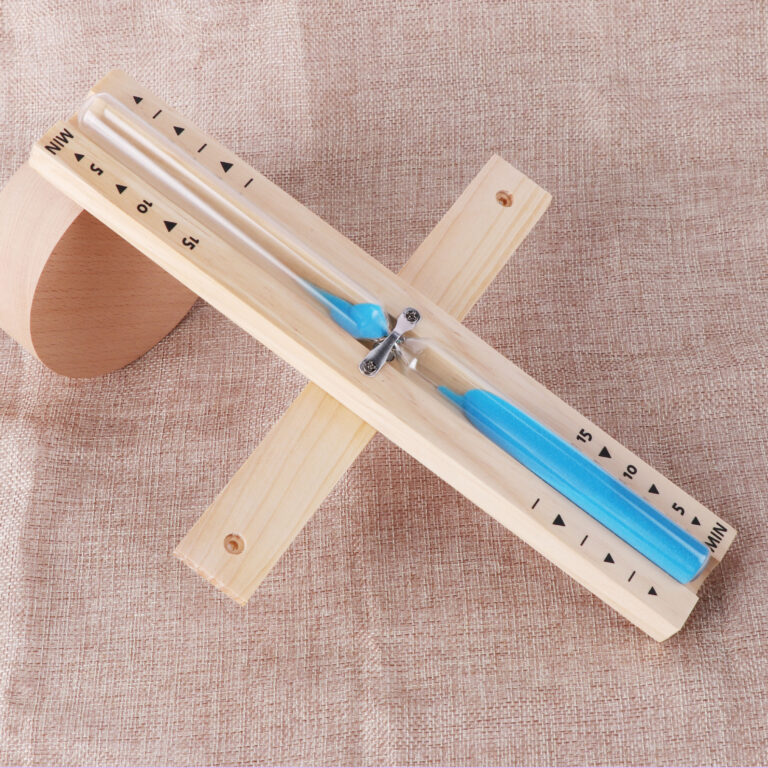 Aisha's pickWooden Home Ornaments That Catch the Eye Without Taking Over
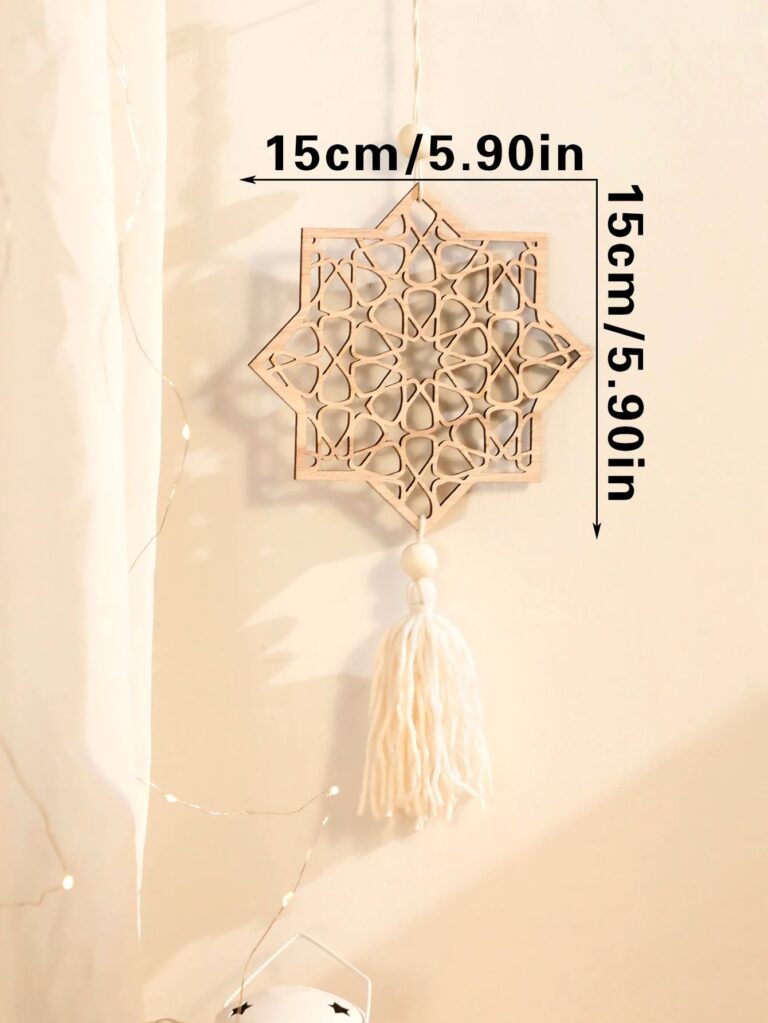
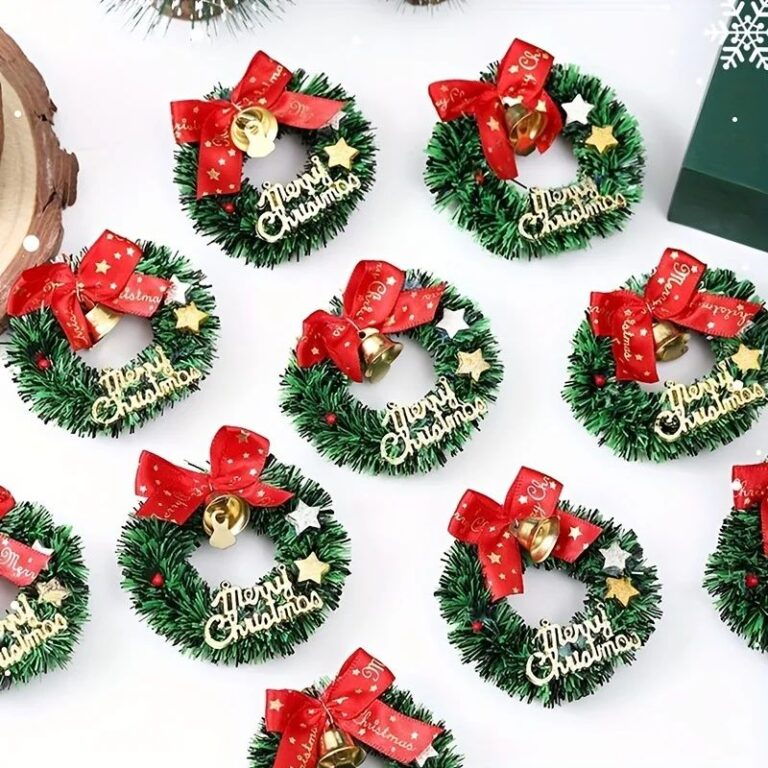 Aisha's pickGold Home Ornaments That Make Great Housewarming Gifts

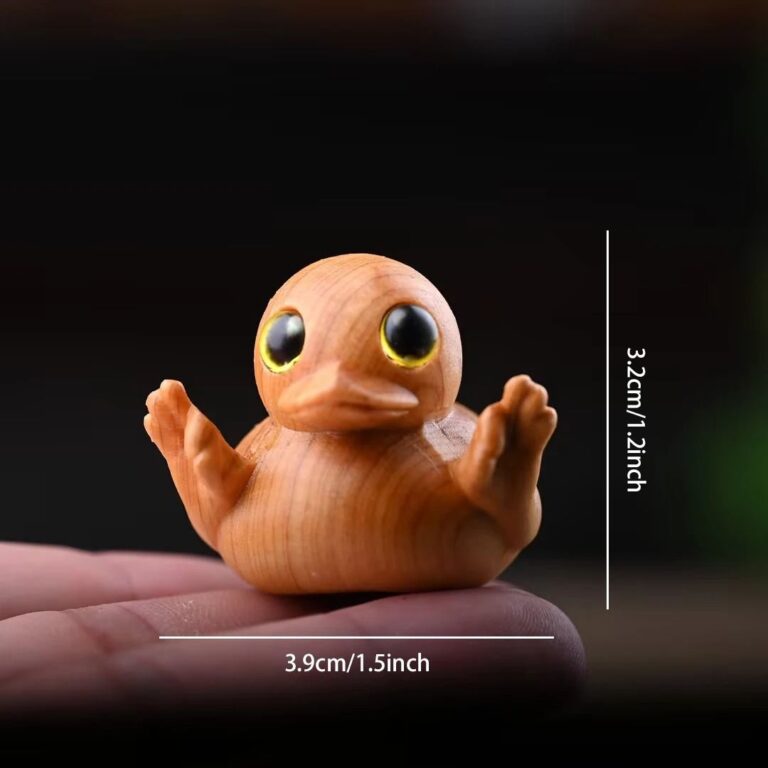 Aisha's pickYellow Home Ornaments That Start Conversations
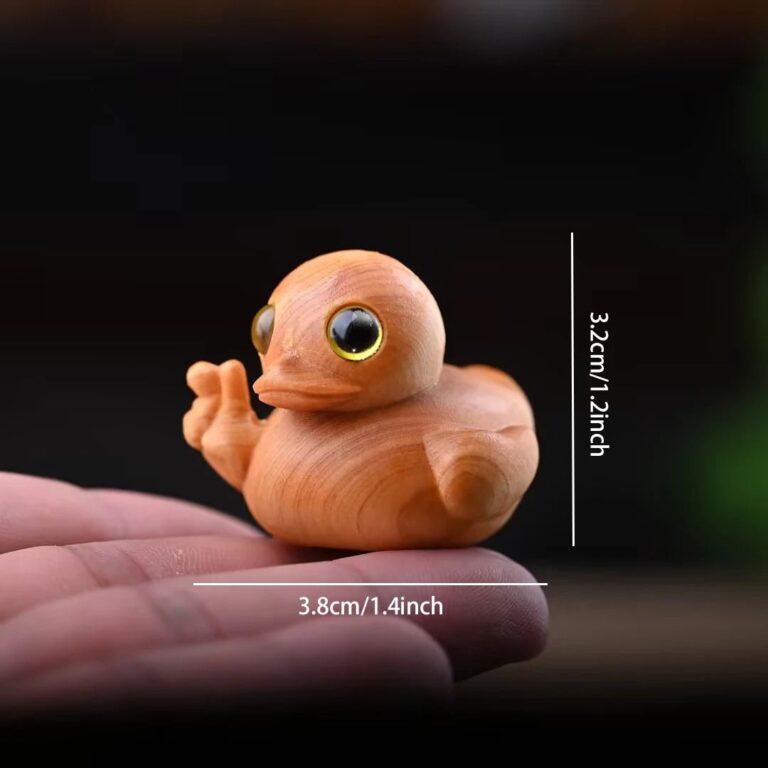
 Aisha's pickGreen Home Ornaments for Blank Walls and Empty ShelvesAlso worth a lookModern DecorYou know the moment. You've finally got the boring stuff sorted, the sofa's in, the curtains hang right,…See the collections →

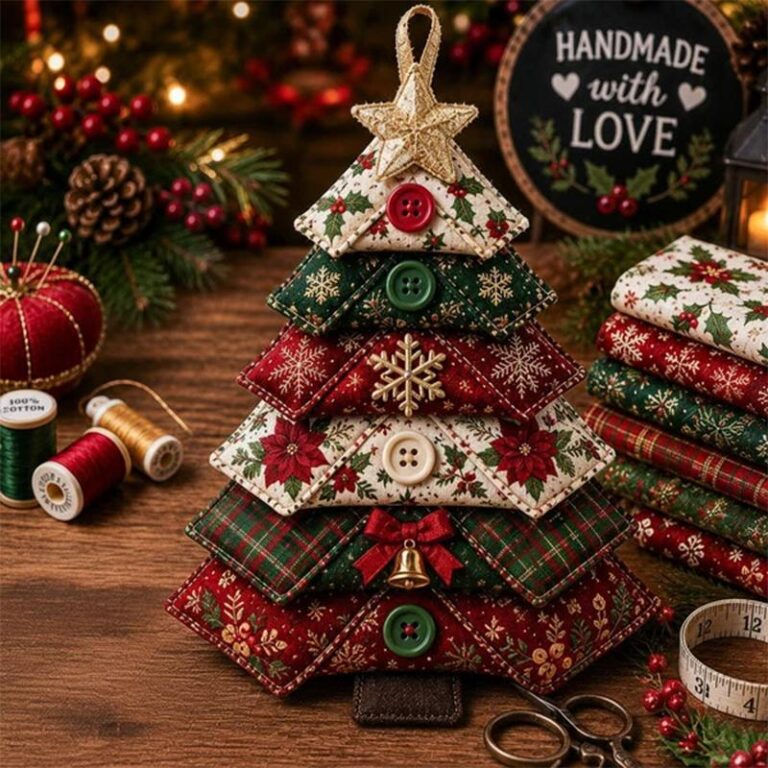 Aisha's pickHome Ornaments That Get Better With Age
 Aisha's pickHome Ornaments for Bedroom That Feel Personal, Not Store Bought