This kind of decor makes the most sense if you have a real entryway, even a small one, a spot where people pause for a second before they're in your house proper. A console table, a stretch of wall by the door, a shelf above a bench. If your front door opens straight into the living room with no breathing room at all, think twice before loading up on objects that need a surface to sit on. A few hooks and a mirror might serve you better than a tray full of things that will just migrate onto the kitchen counter within a week.
The finishes that wear well over time are the ones that don't ask for much attention: brass that's allowed to dim rather than staying mirror bright, wood tones close to whatever your floor or door already is, and ceramics or glass in colors you'd be happy to see every single day, since this is the first and last thing you look at going in and out. White, warm cream, a soft clay or sage work in almost any hallway, in almost any light, through every season, because hallways rarely get direct sun and strong colors can go flat or gray in that kind of shade. I think of hallway decor as the quiet cousin of living room decor, it has to do its job in passing glances, not long evenings on the sofa, so it earns its keep by being pleasant rather than loud. A narrow front hall in an older house, a wide farmhouse mudroom, an apartment hallway that's really just a wall by the coat rack, all of them want the same thing, something that looks settled rather than staged.
When you're shopping in person or unpacking a delivery, check the back and underside of anything that goes on a shelf or console, since that's where cheap finishing shows itself first, rough edges, unsealed wood, a price sticker that won't come off cleanly. Give trays and bowls a knock with a knuckle, a dull thud usually means something thinner and lighter than it looks. If it's a mirror or wall piece, check the hanging hardware is actually attached well, not just sitting in a plastic bag taped to the back, because hallway walls take more bumps from bags and shoulders than any other wall in the house. The good ones, the ones worth keeping for years, are usually the pieces with enough weight and a little texture that you reach out and touch them without thinking, every single time you walk past.
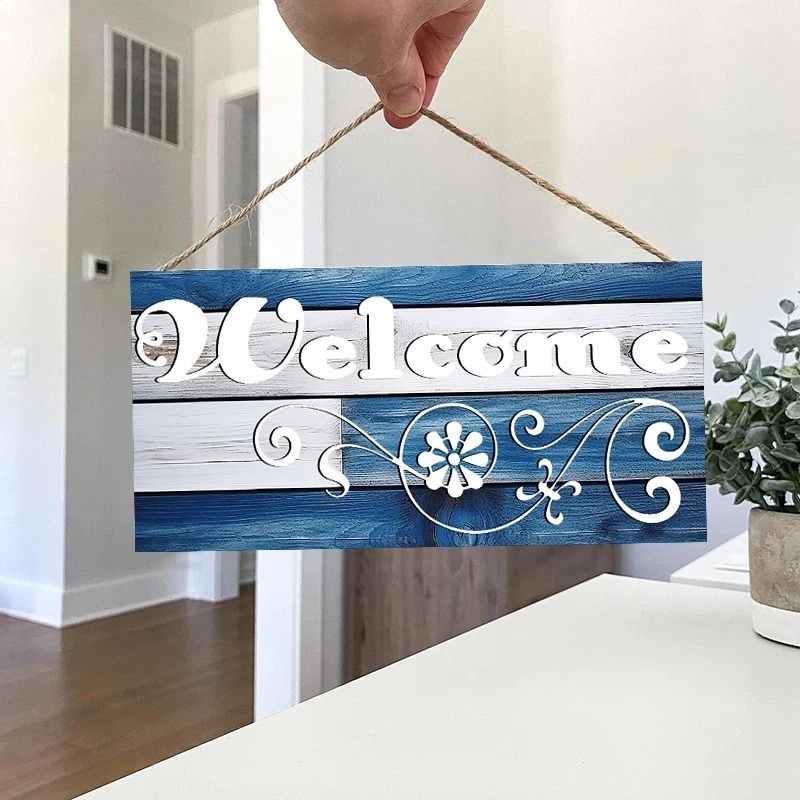 Aisha's pickSmall Hallway Decor at Every Price Point
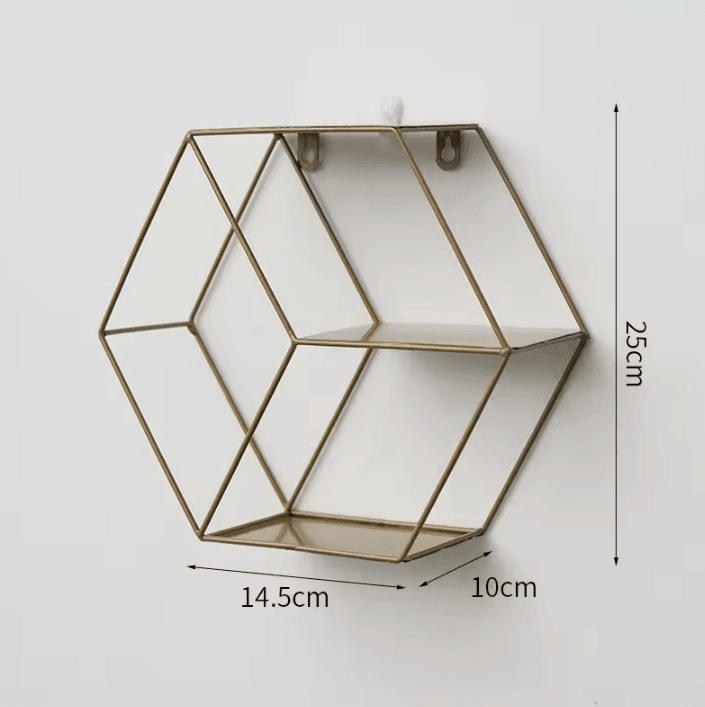
 Aisha's pickGood Antique Hallway Decor Without the Big Price Tag
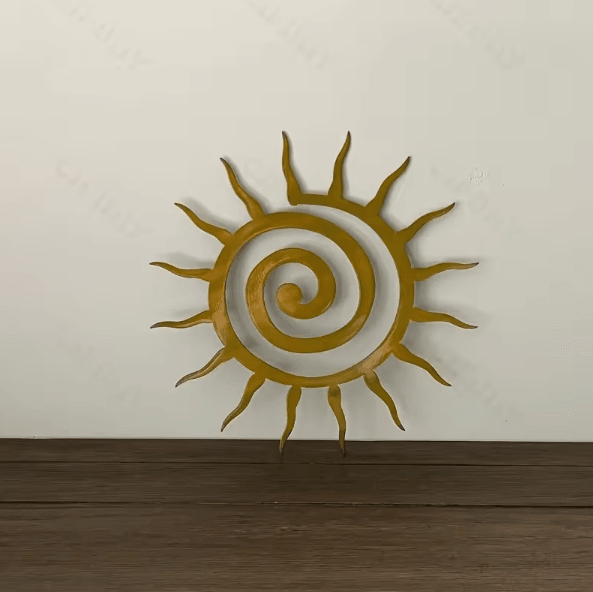
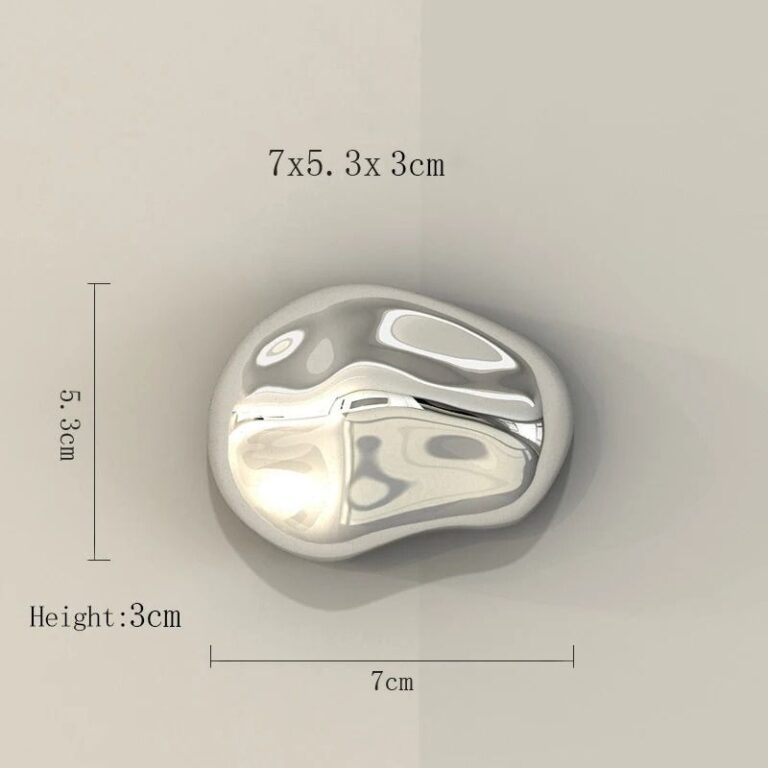 Aisha's pickStone Hallway Decor That Looks the Part
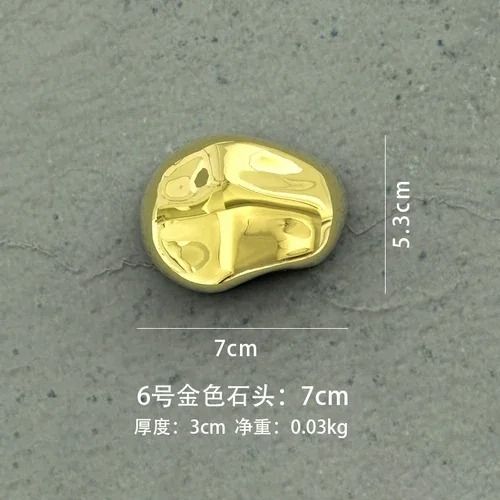
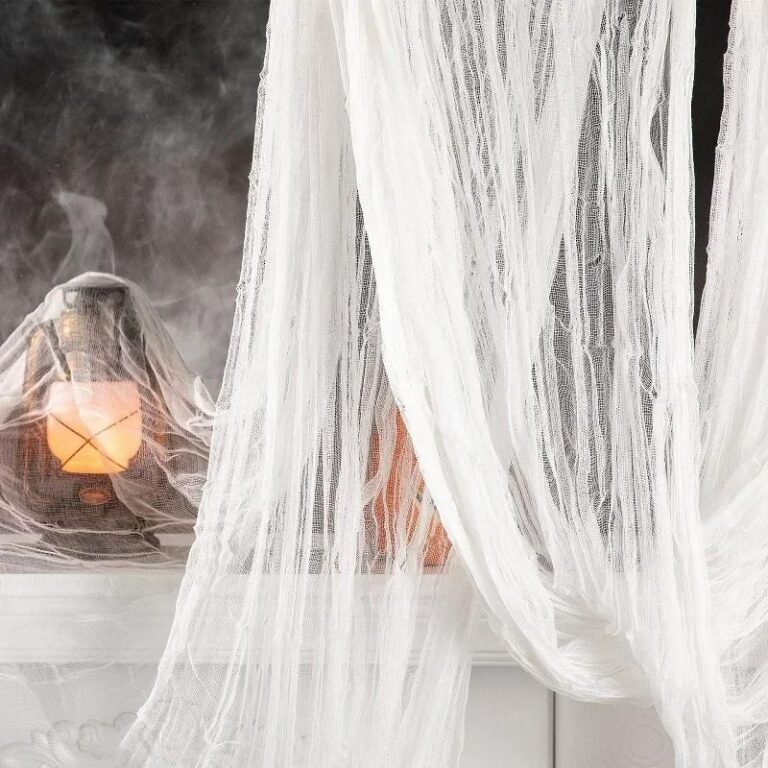 Aisha's pickBlack Hallway Decor Picked From the Stores We Trust
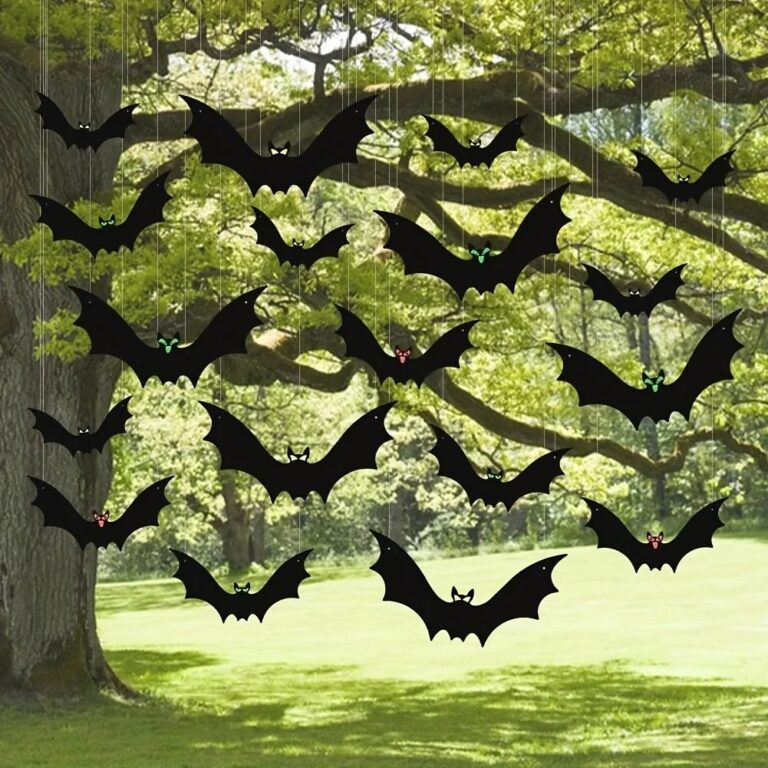
 Aisha's pickOur Shortlist of Vintage Hallway Decor
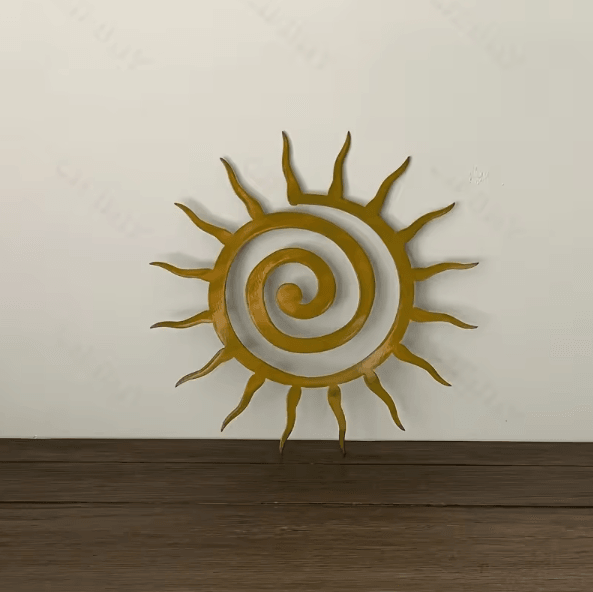
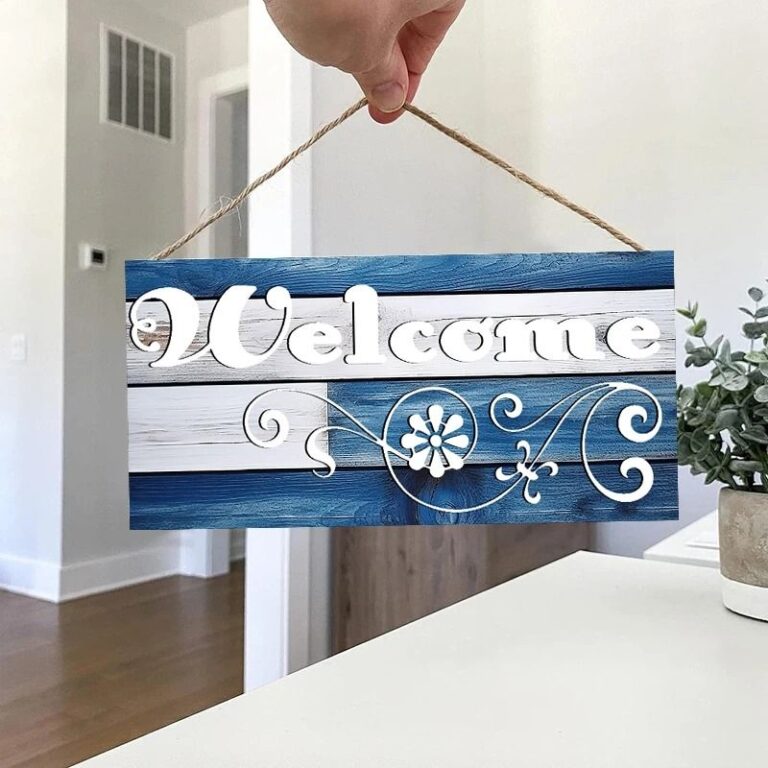 Aisha's pickBlue Hallway Decor That Does What It Should

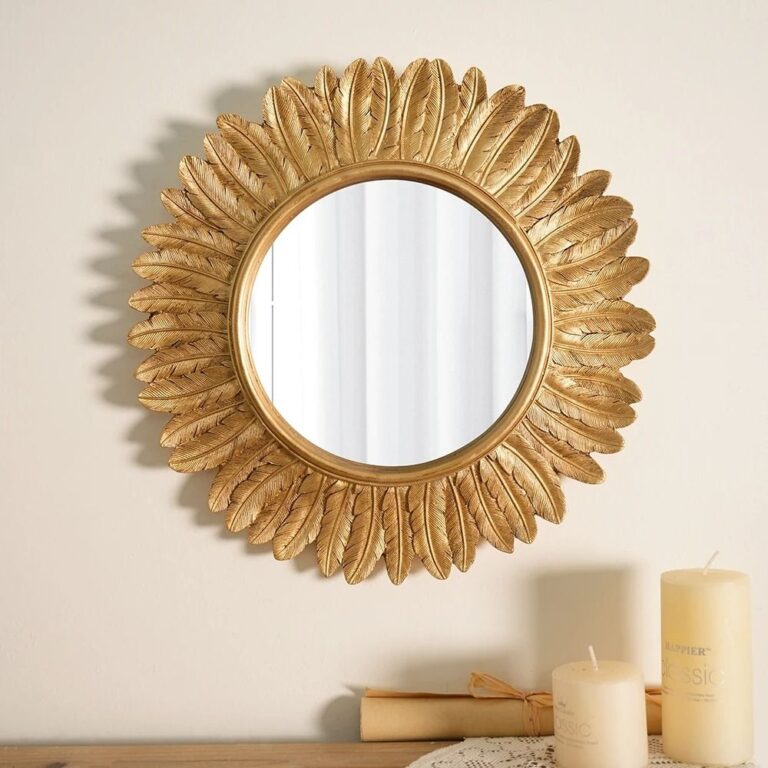 Aisha's pickGood Wall Decor for Hallway Without the Big Price Tag
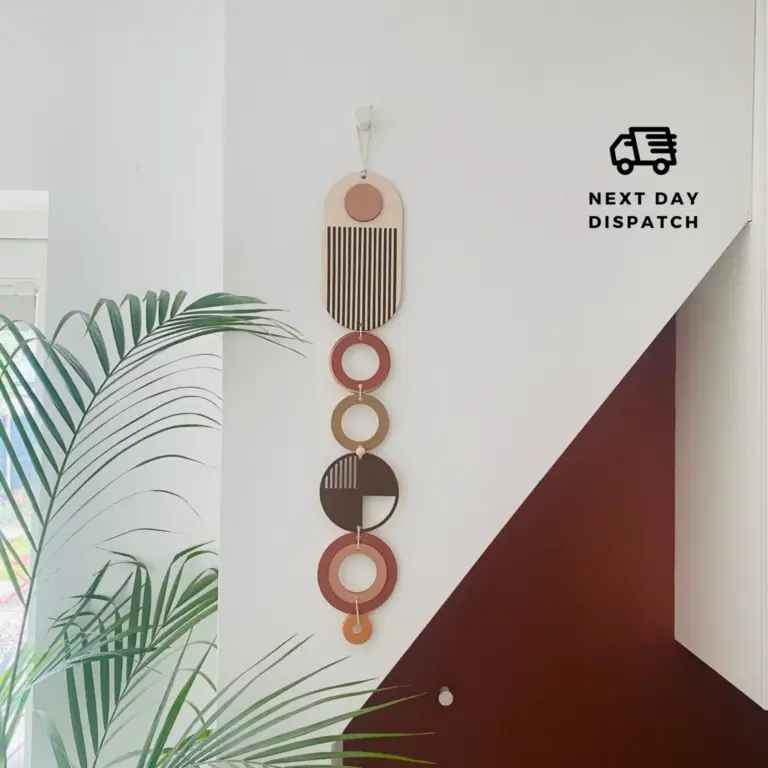
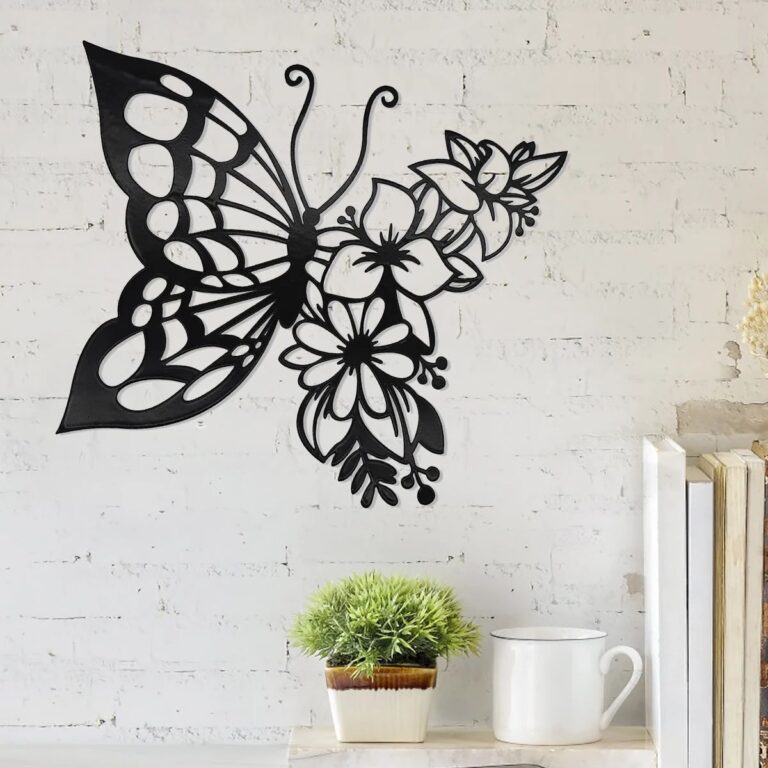 Aisha's pickContemporary Hallway Decor That Holds Up
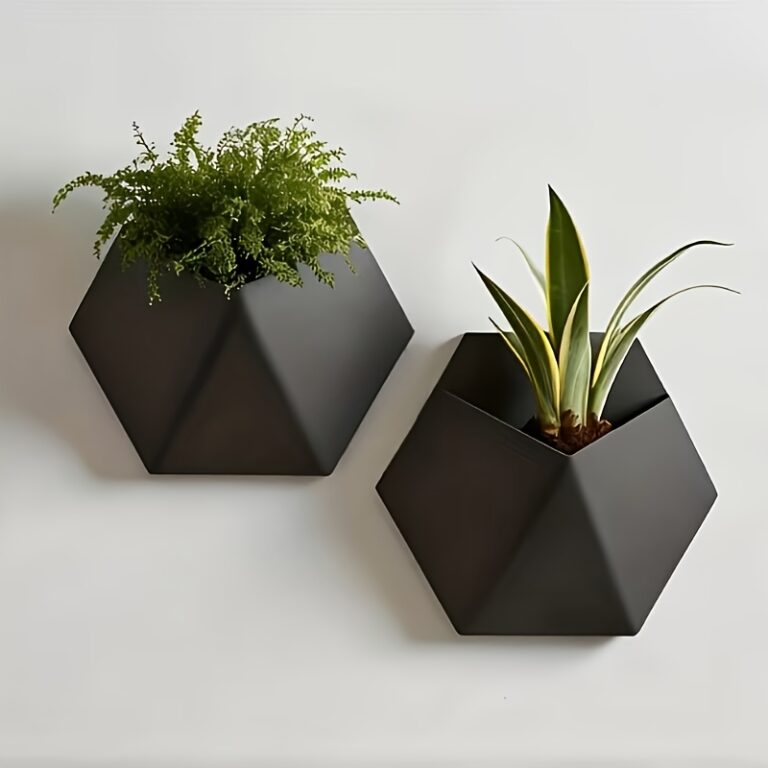
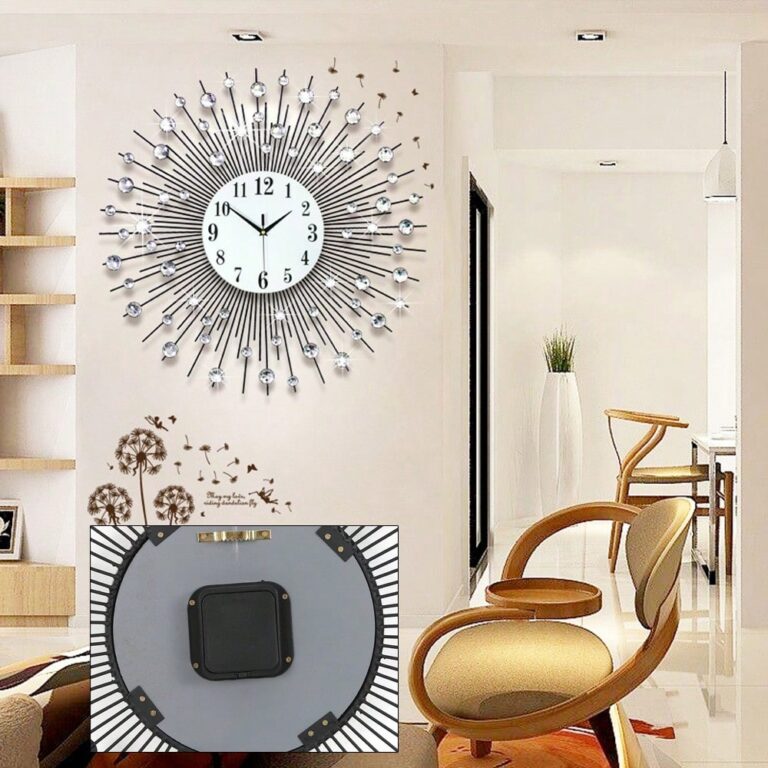 Aisha's pickWhite Hallway Decor Worth Knowing AboutAlso worth a lookDecorDecor is the stuff that doesn't do anything useful at all, and that's exactly the point of it.See the collections →

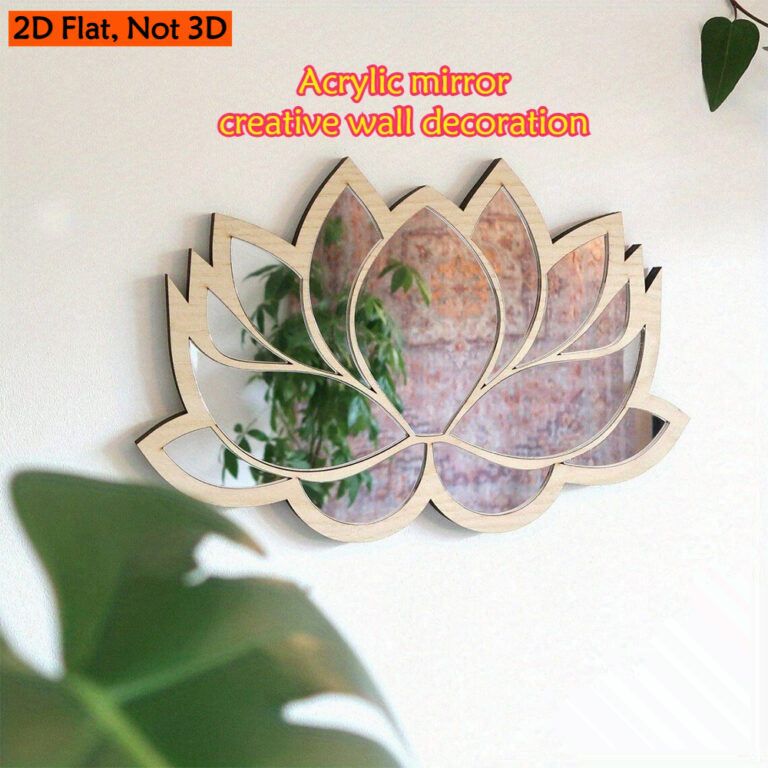 Aisha's pickGlass Hallway Decor Hunted Down So You Don’t Have To
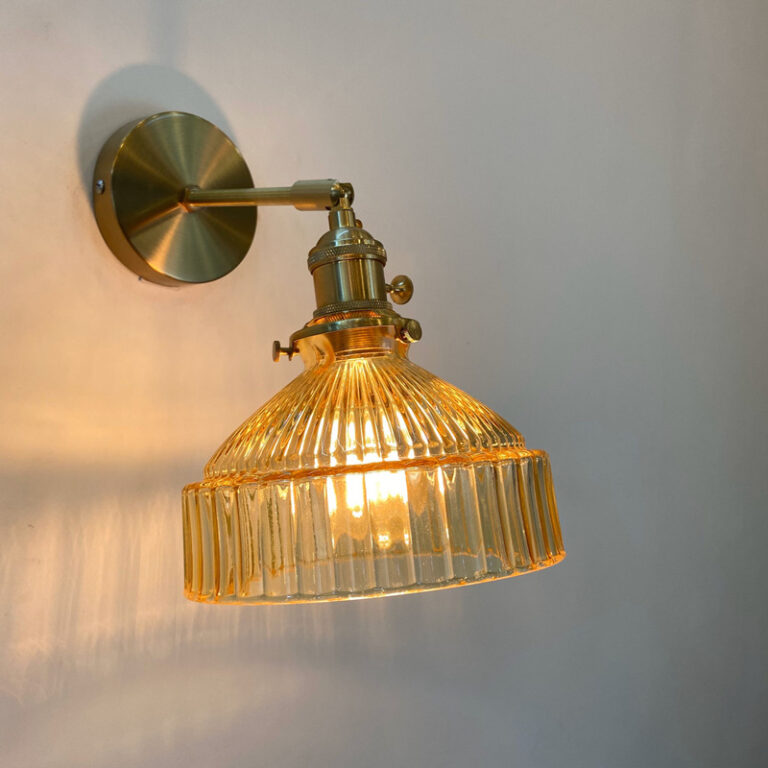
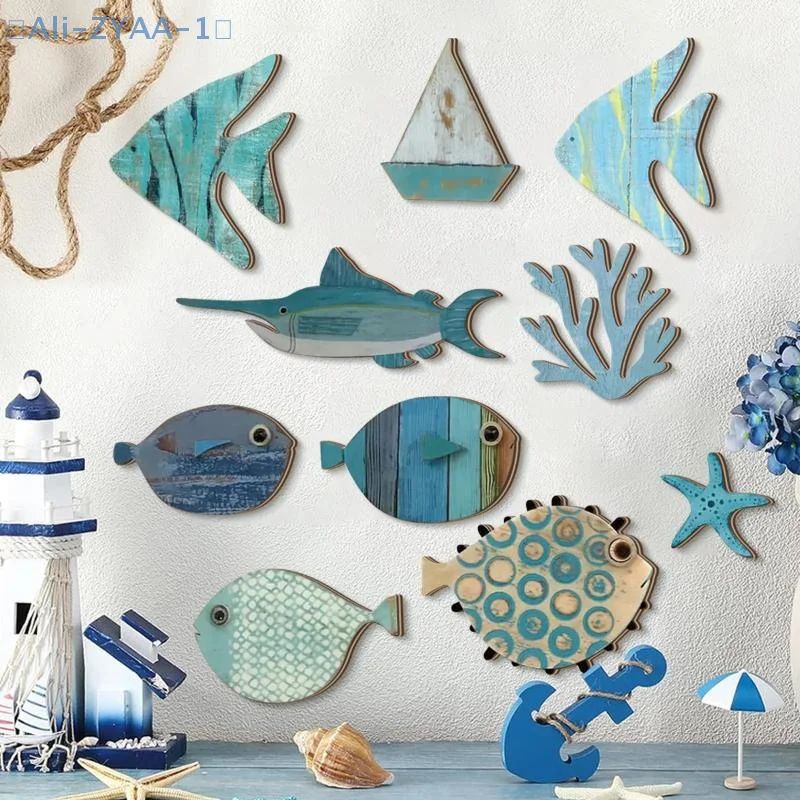 Aisha's pickWooden Hallway Decor That Earns Its Place
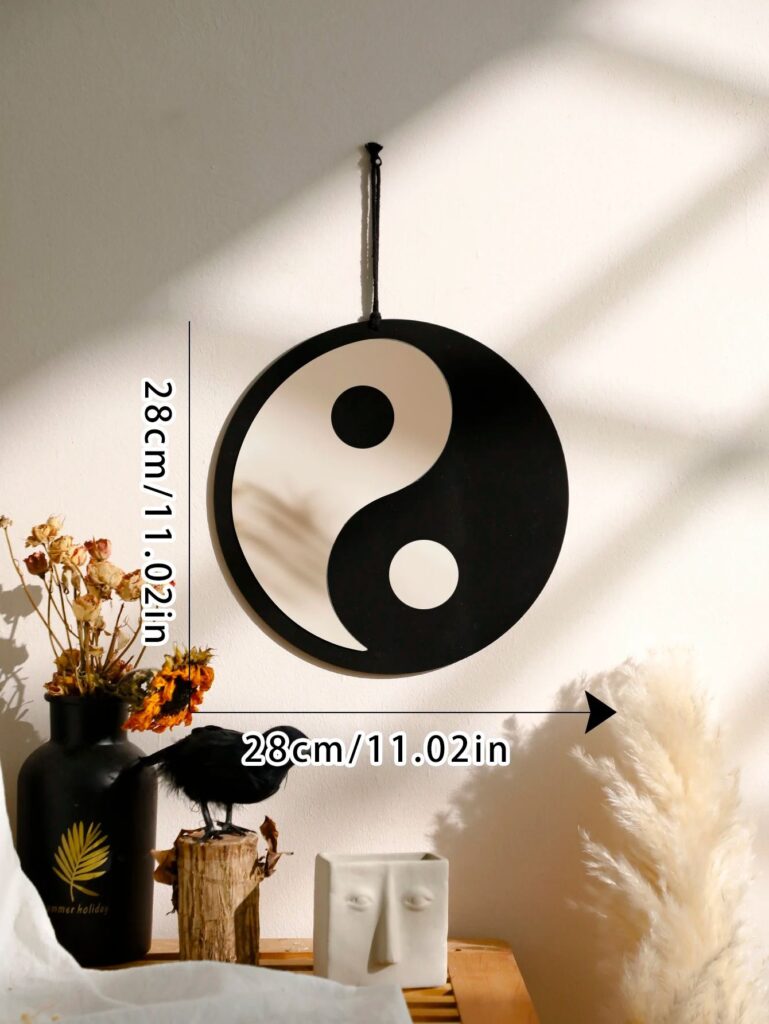
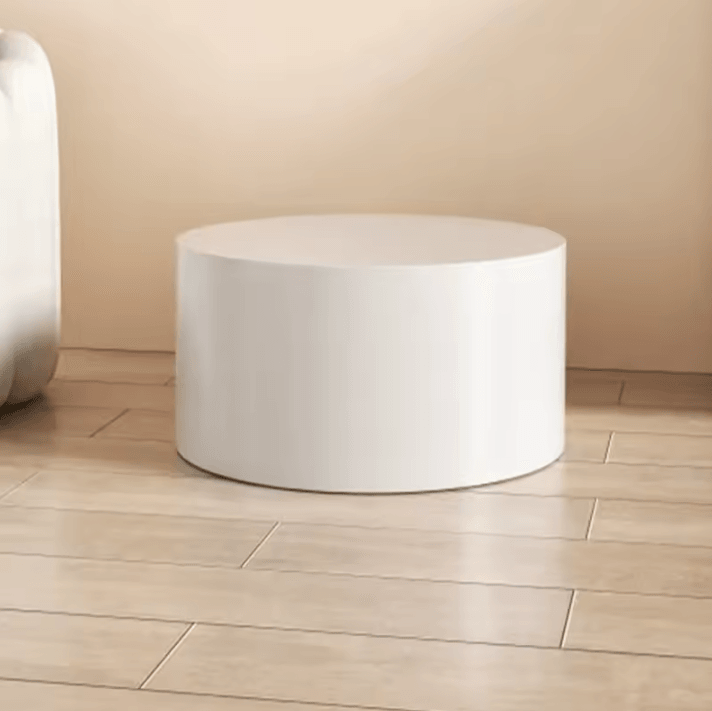 Aisha's pickGold Hallway Decor That Looks the Part
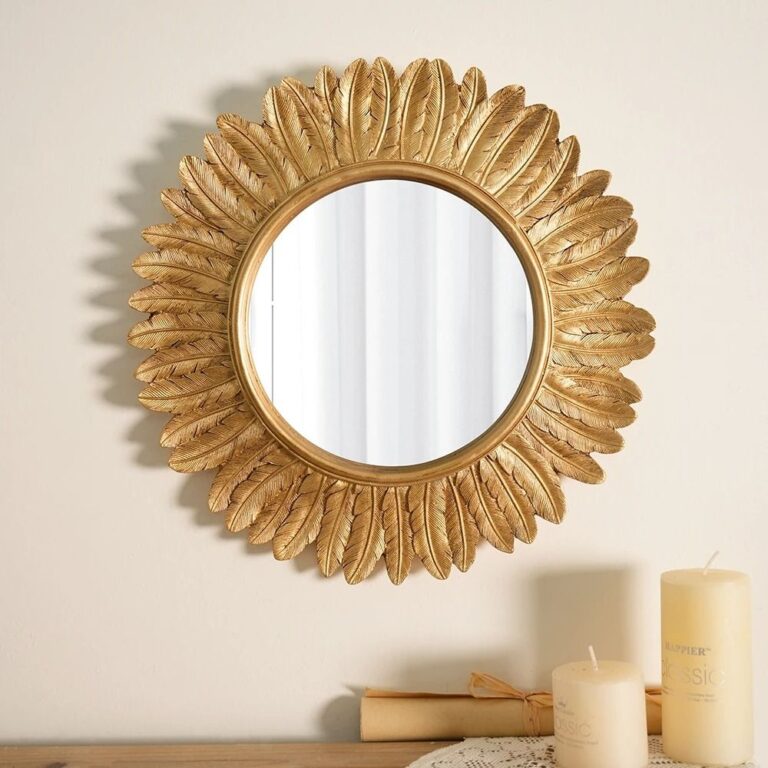
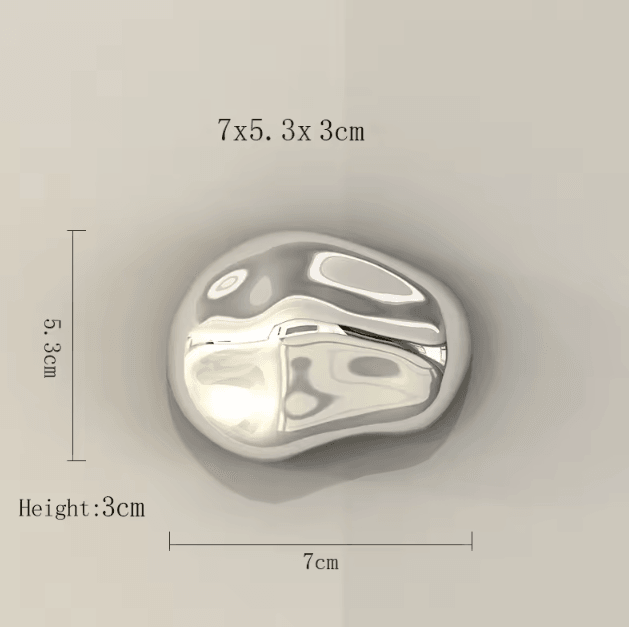 Aisha's pickShopping for Hallway Decor? Start Here
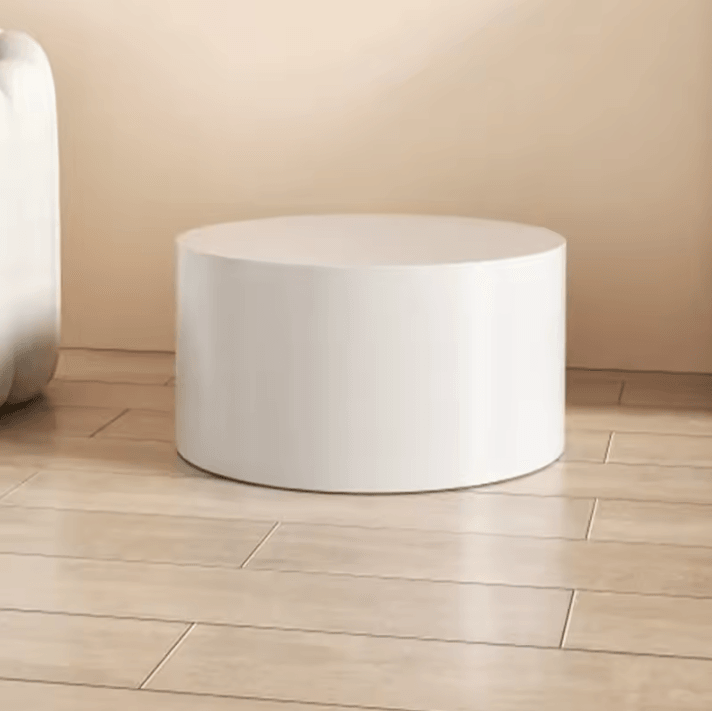
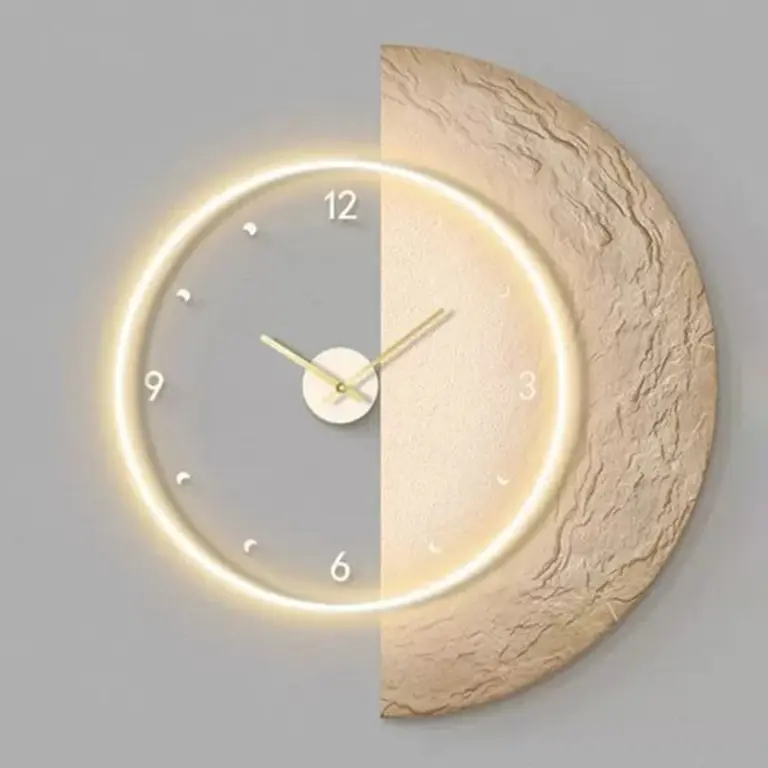 Aisha's pickDecent Hallway Decor for Bedroom Without the Hassle
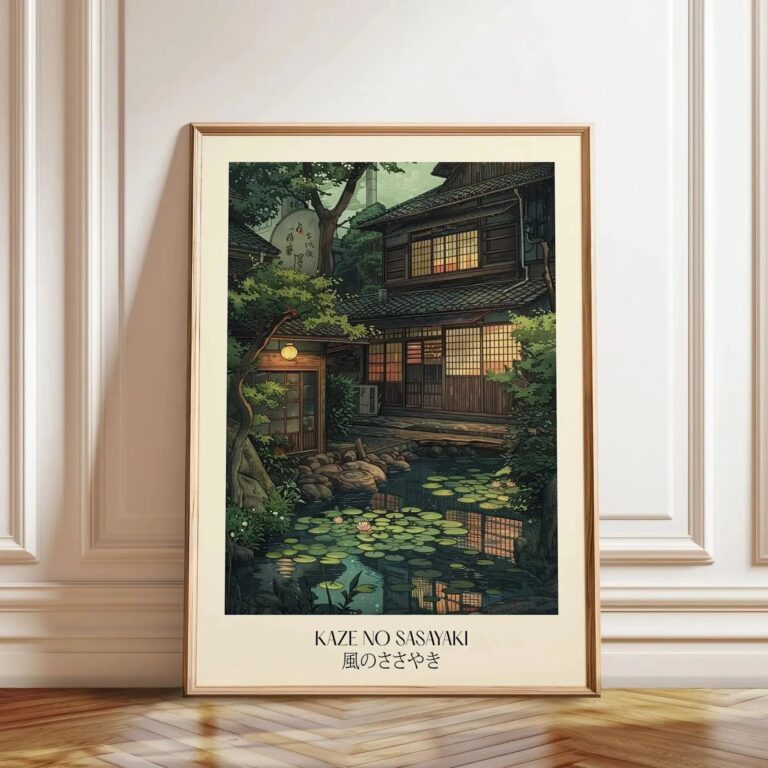
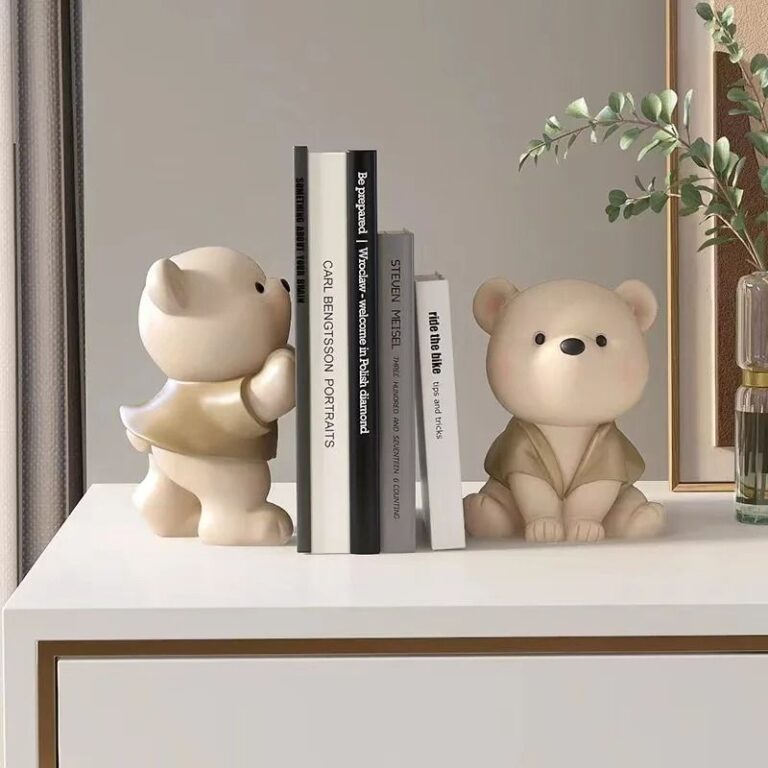 Aisha's pickHallway Decor for Living Room That Looks the Part
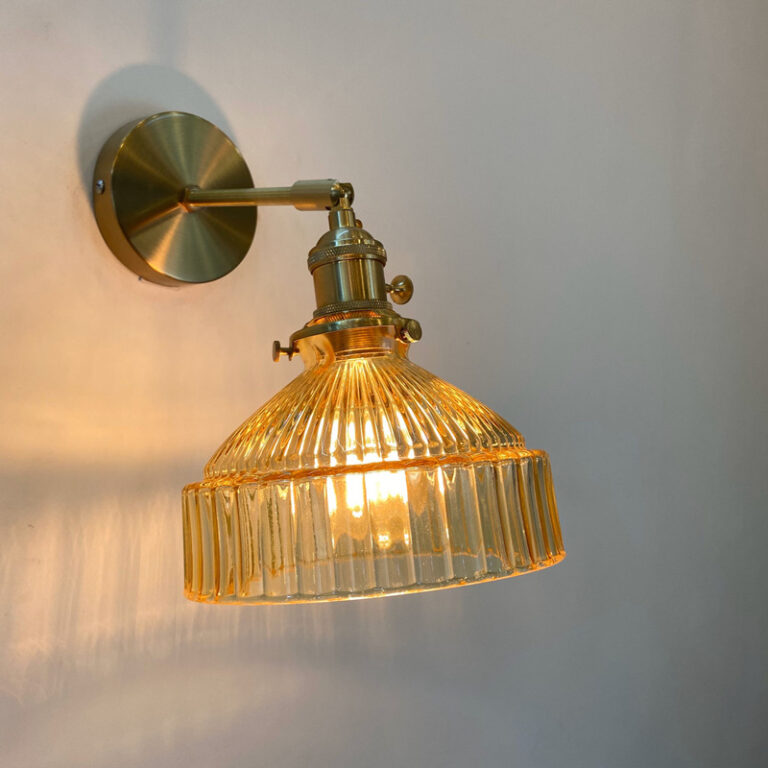
 Aisha's pickLarge Hallway Decor Worth Knowing About

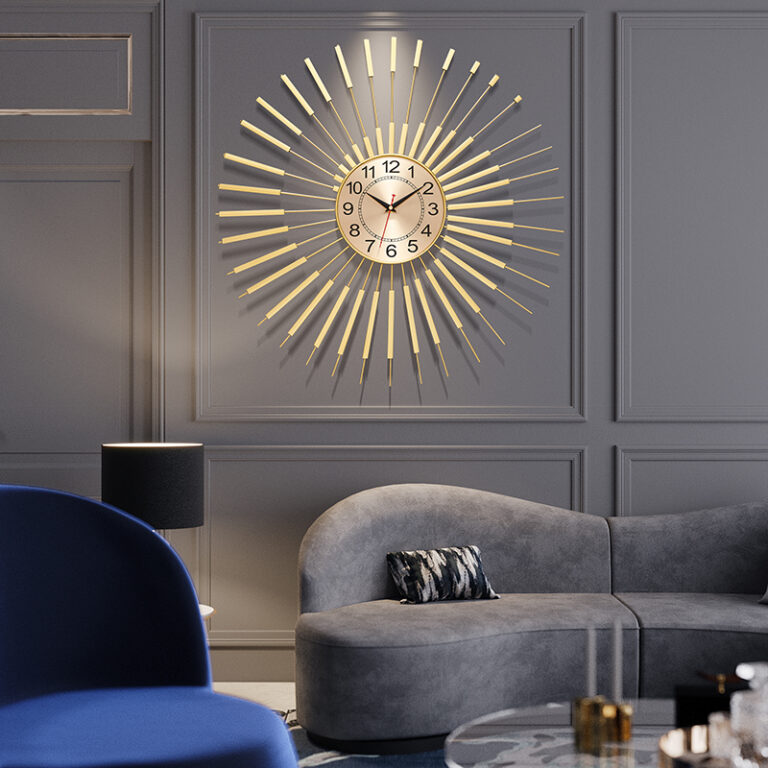 Aisha's pickLuxury Hallway Decor You’ll Live With Happily for Years
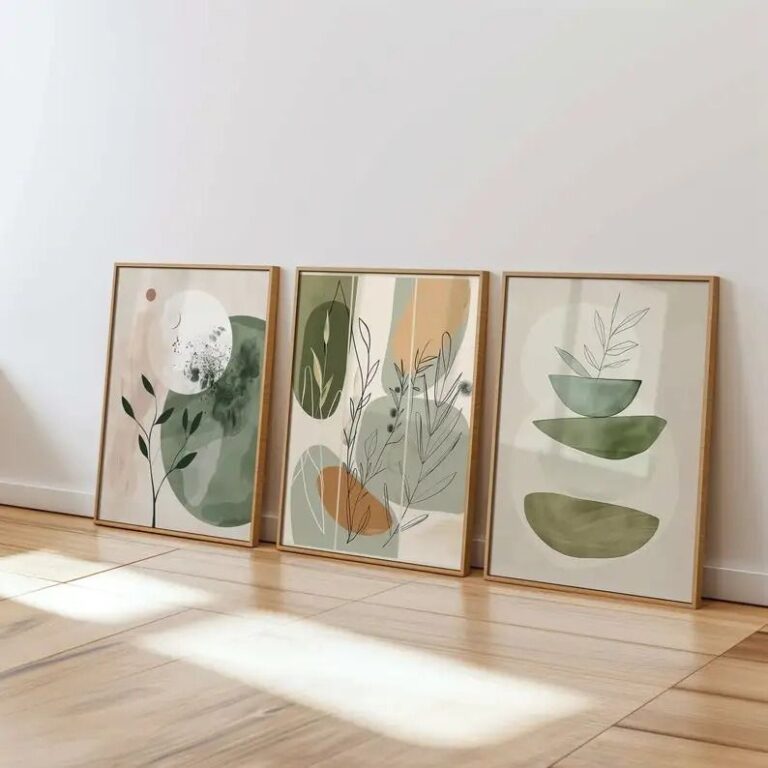
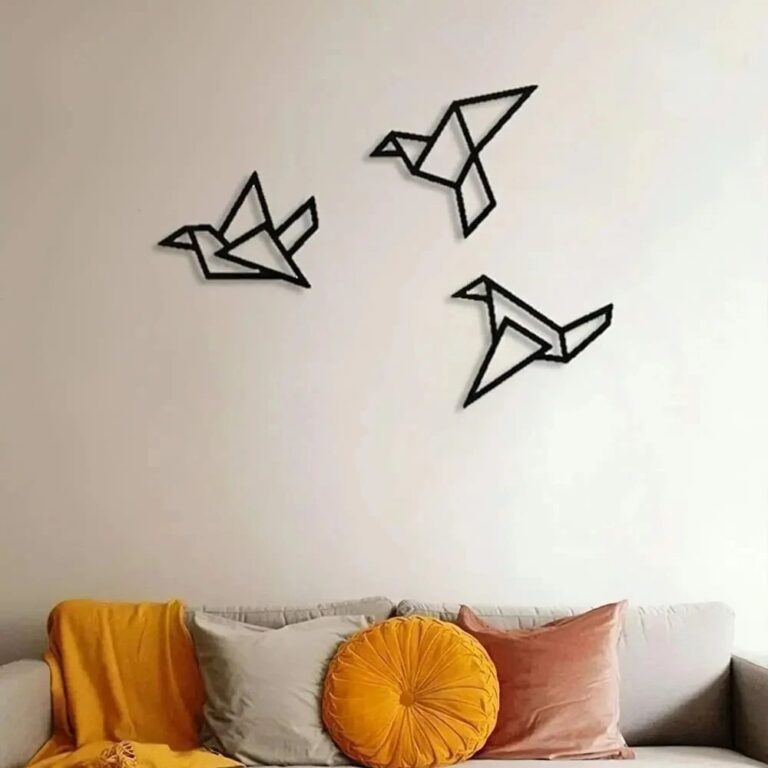 Aisha's pickMetal Hallway Decor Worth Your MoneyAlso worth a lookModern DecorYou know the moment. You've finally got the boring stuff sorted, the sofa's in, the curtains hang right,…See the collections →
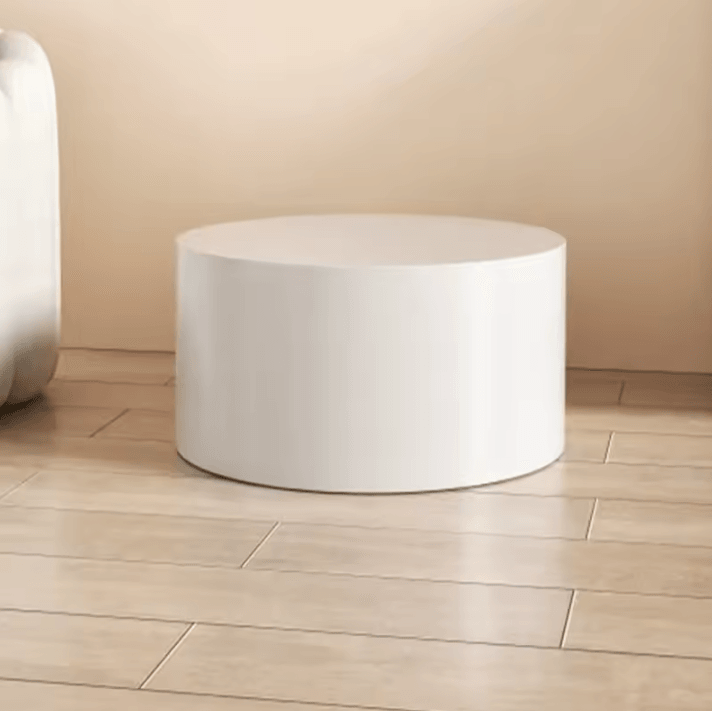
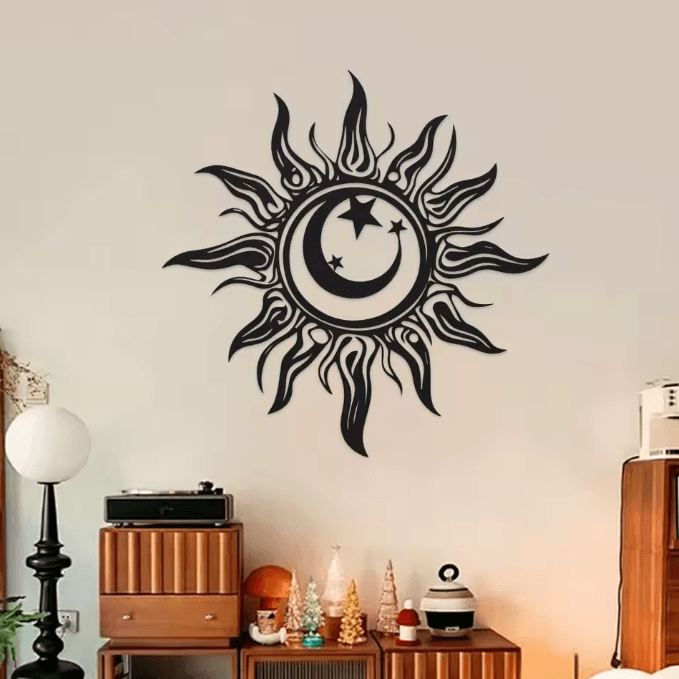 Aisha's pickMetal Wall Decor for Hallway That Does What It Should