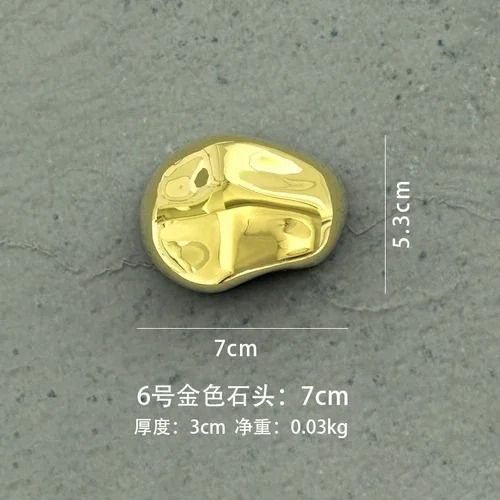
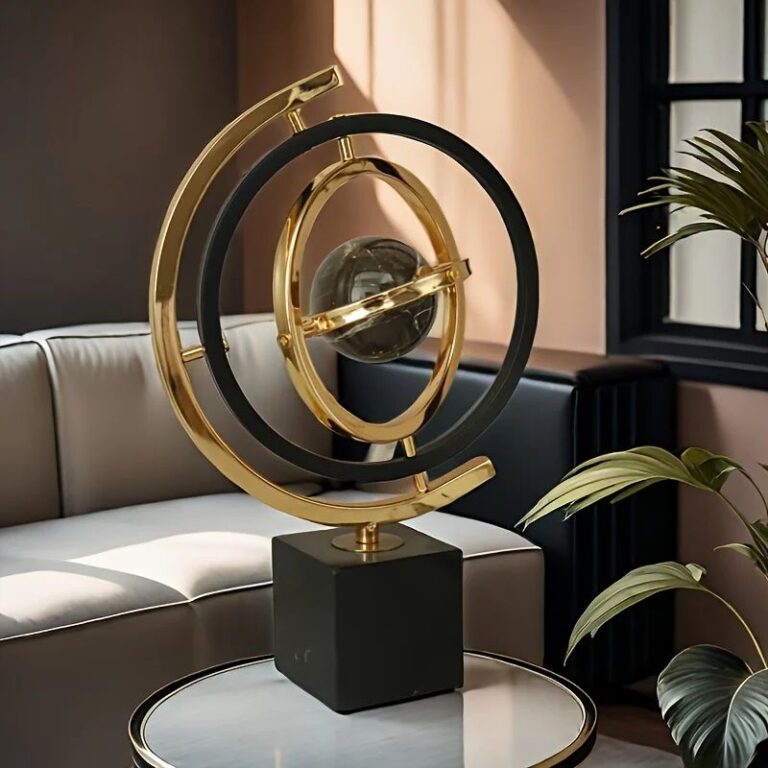
A good piece of gold decor should look like it has some weight to it, even when it doesn't. Run a thumb along the edge of a bowl or a candlestick and you want a little resistance, a little cool heft, not the hollow rattle of something that would dent if you set a coffee cup down near it too hard. The best finishes catch light without throwing it back in your face. Flat gold, brushed or antiqued, reads calm. Shiny gold reads like a hotel lobby, and not always in a good way.
In an ordinary room it sits best with things that already have some texture or age to them, worn wood, linen, a plaster wall with a little character. It softens next to matte black or deep green, and it looks genuinely good against cream and off white, which is the combination that shows up in nicer homes more than people give it credit for. One small gold object on a stack of books or next to a plant does more than three scattered around the room trying to look intentional.
Where it goes wrong is next to other metals that are fighting for attention. Chrome, brushed nickel, and gold in the same sightline usually ends up looking like leftover hardware from three different renovations, not a choice. It also struggles in a room that's already busy with pattern, a patterned rug under a patterned couch under a gold anything just reads cluttered. And too much of it in one spot, a gold mirror, gold frames, and a gold lamp all on one wall, starts to look like a showroom rather than a house someone actually lives in.
Scale is where most people trip up, myself included. I measure the shelf or table surface first, then leave at least a third of it empty, because a tight fit makes even a nice piece look like it's being punished. For anything with height, a vase, a candlestick, a small sculpture, I hold a hand up at the spot where it would end and check it doesn't compete with whatever's on the wall above it. Buying the biggest piece you can afford is a mistake I've made more than once, it almost always overwhelms a small table instead of anchoring it.
Over time, real gold finishes wear in a way that's honestly flattering, the high points rub a little lighter, the edges soften, and it starts to look like something that's been touched and lived with rather than something that just arrived. The cheaper painted ones don't age so much as chip, and once they do, there's no fixing it, only replacing it.

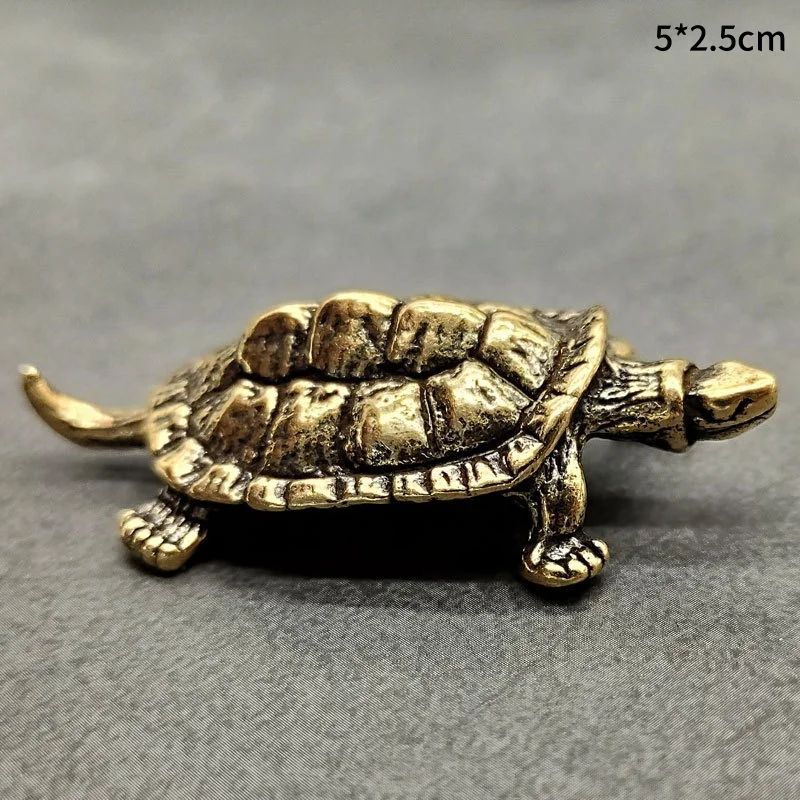 Aisha's pickBrass Living Room Decor That Looks the Part

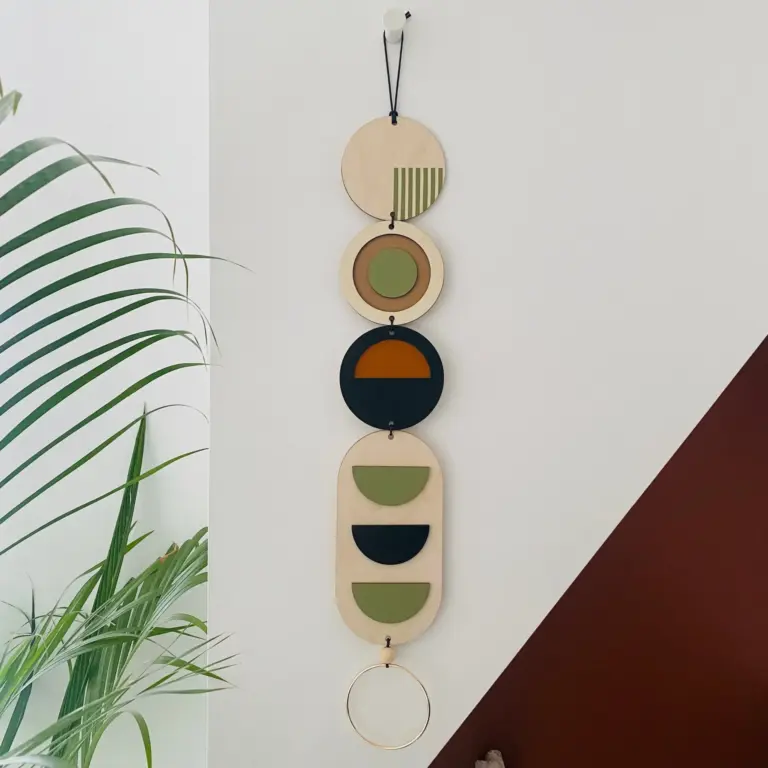 Aisha's pickGood Gold Metal Wall Decor Without the Big Price Tag
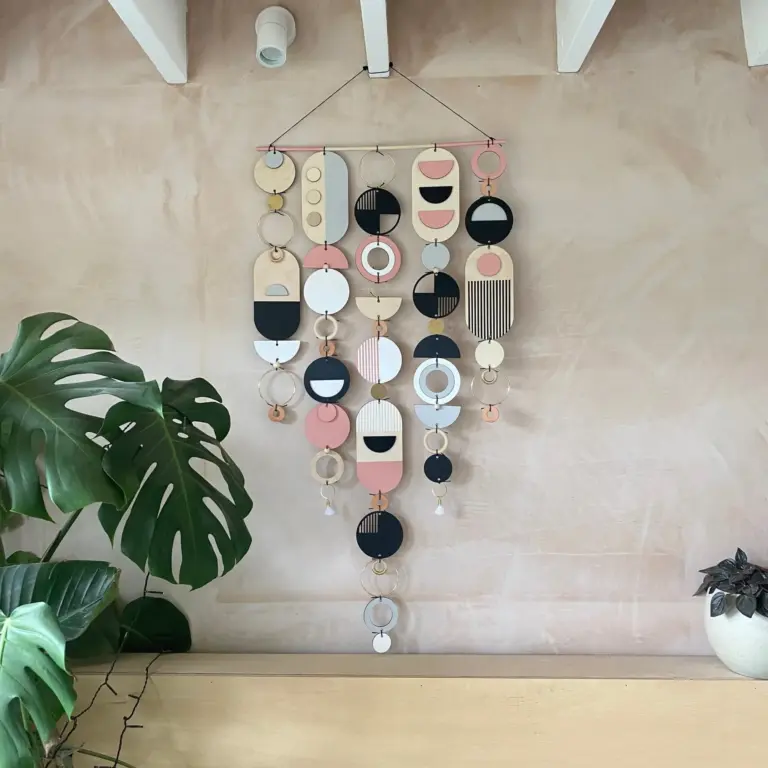
 Aisha's pickBrass Ornaments for Blank Walls and Empty Shelves

 Aisha's pickGold Ornaments for Filling an Awkward Gap

 Aisha's pickBrass Sculptures for Filling an Awkward Gap
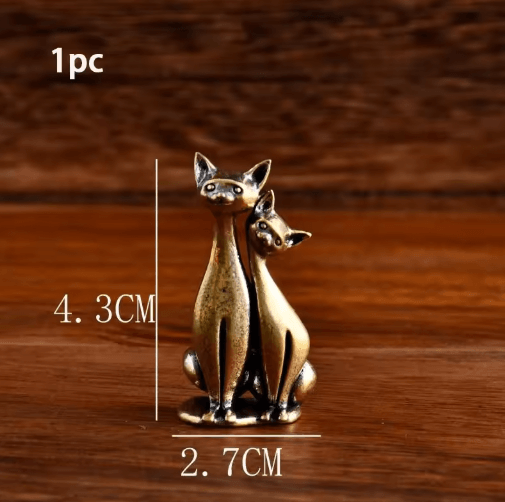
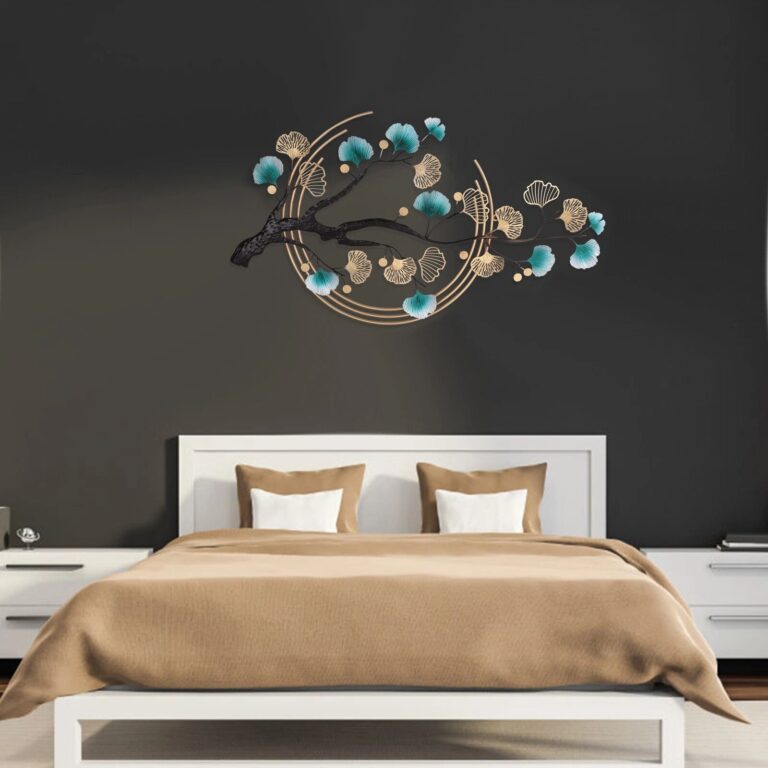 Aisha's pickGold Sculptures at Every Price Point
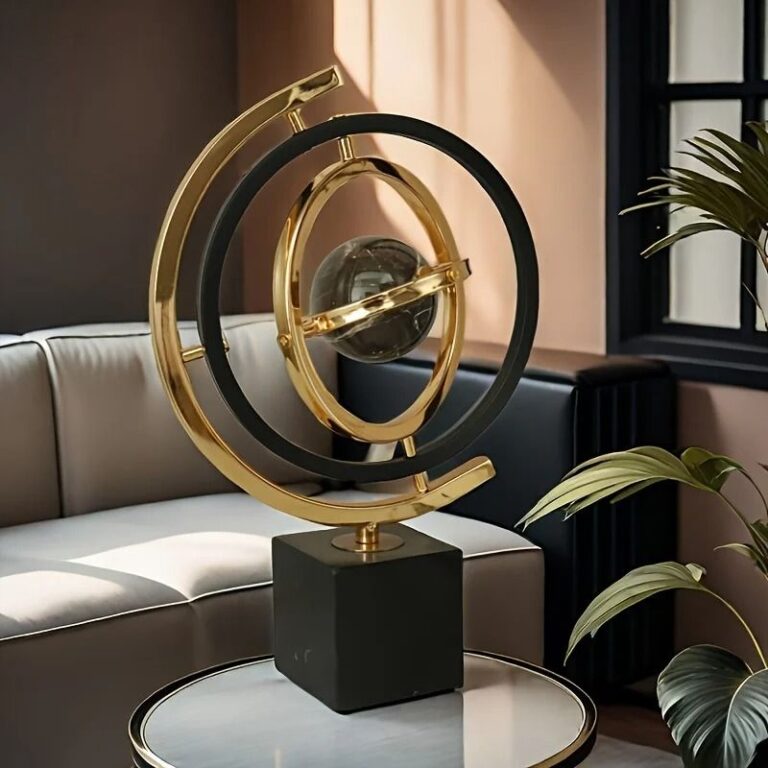
 Aisha's pickBrass Statues That Hold Up to Everyday Life

 Aisha's pickGold Tree Wall Decor Worth Your Money
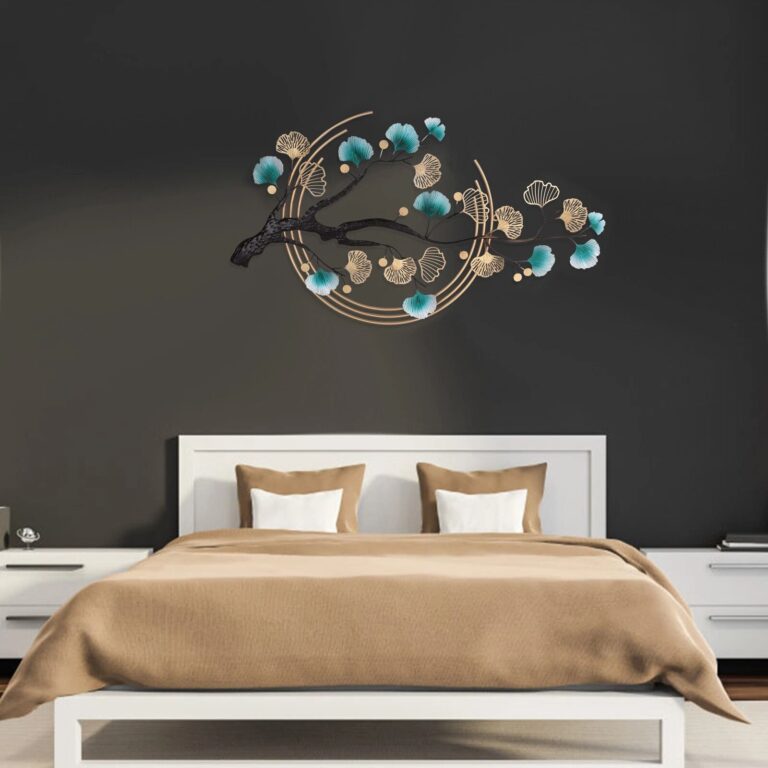
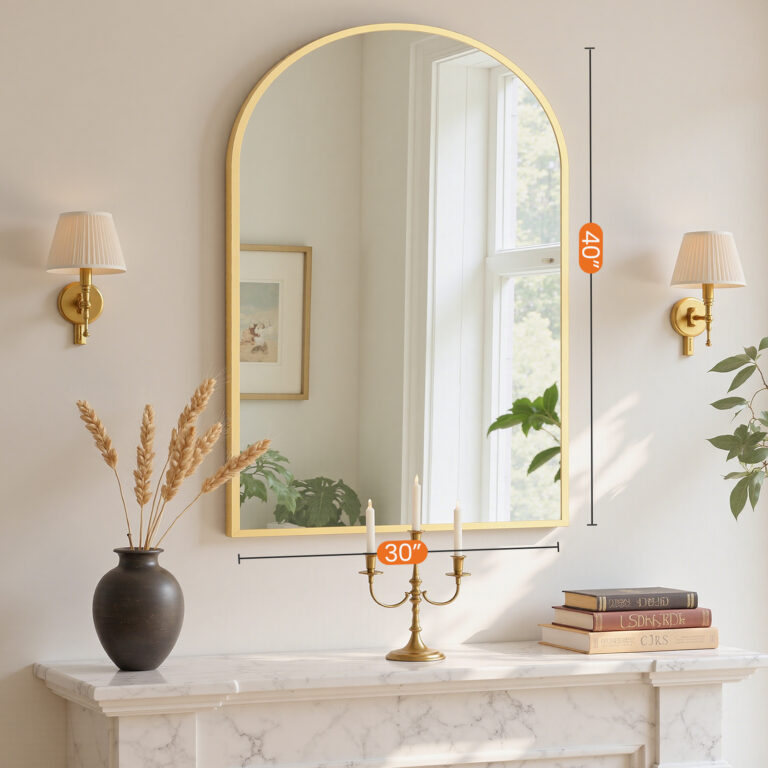 Aisha's pickGold Bathroom Decor That Looks the PartAlso worth a lookDecorDecor is the stuff that doesn't do anything useful at all, and that's exactly the point of it.See the collections →
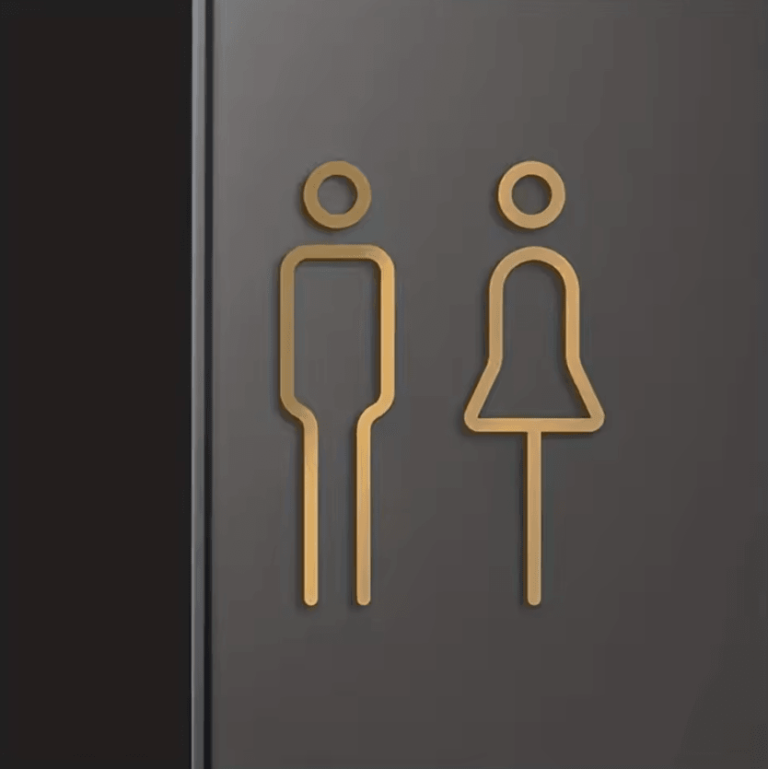
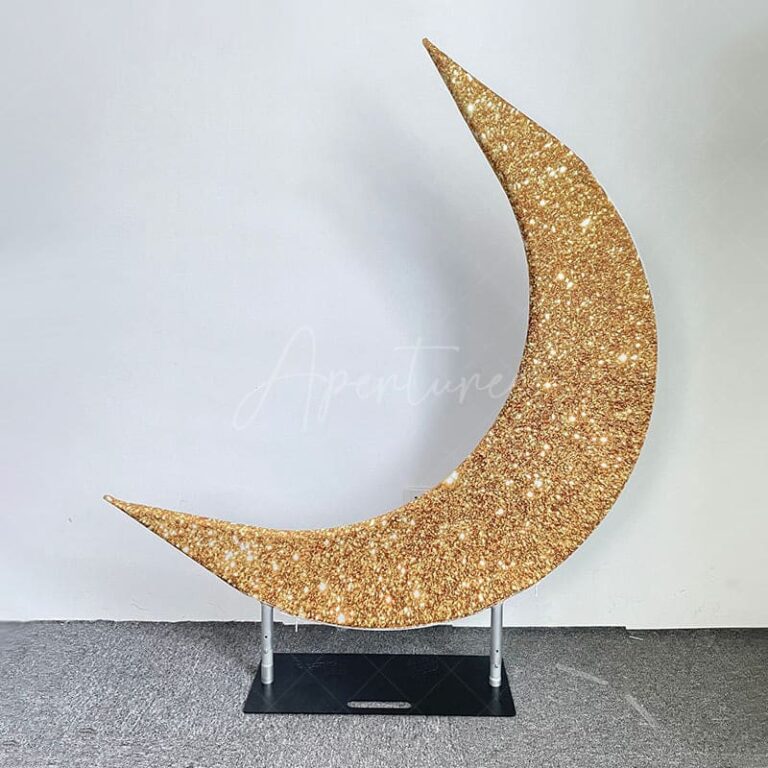 Aisha's pickGold Wall Decor With a Bit More About It
 Aisha's pickGold Bedroom Decor With a Bit More About It
 Aisha's pickGold Wooden Wall Decor That Does What It Should
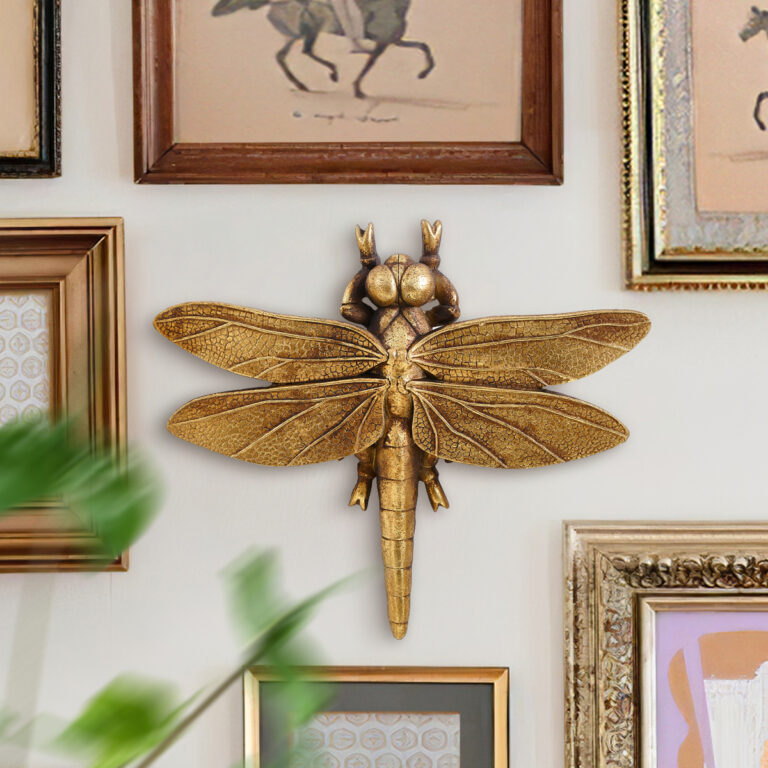 Aisha's pickSimple Gold Boho Decor Done Well
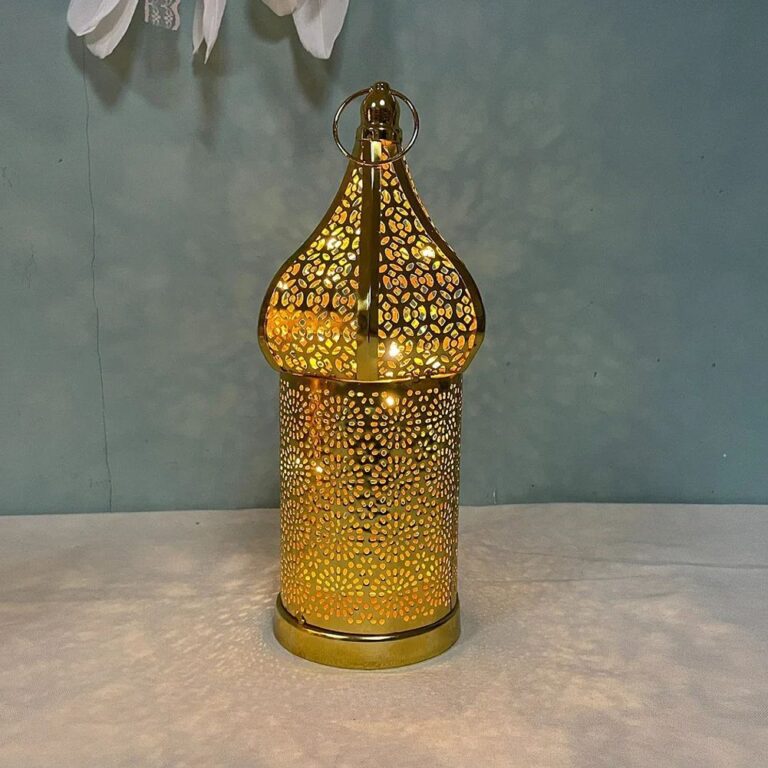
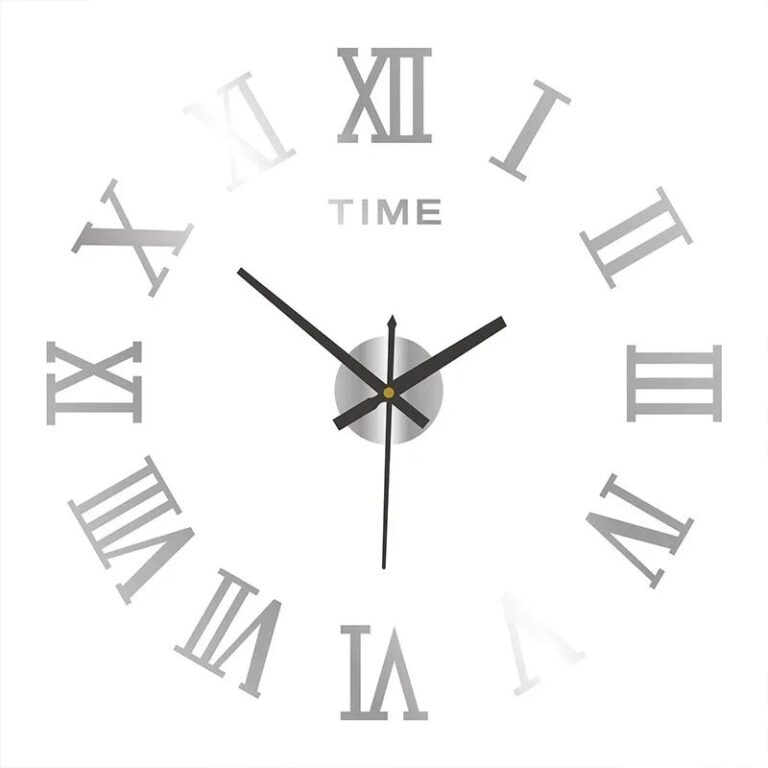 Aisha's pickThe Large Gold Wall Decor Worth Your Cash
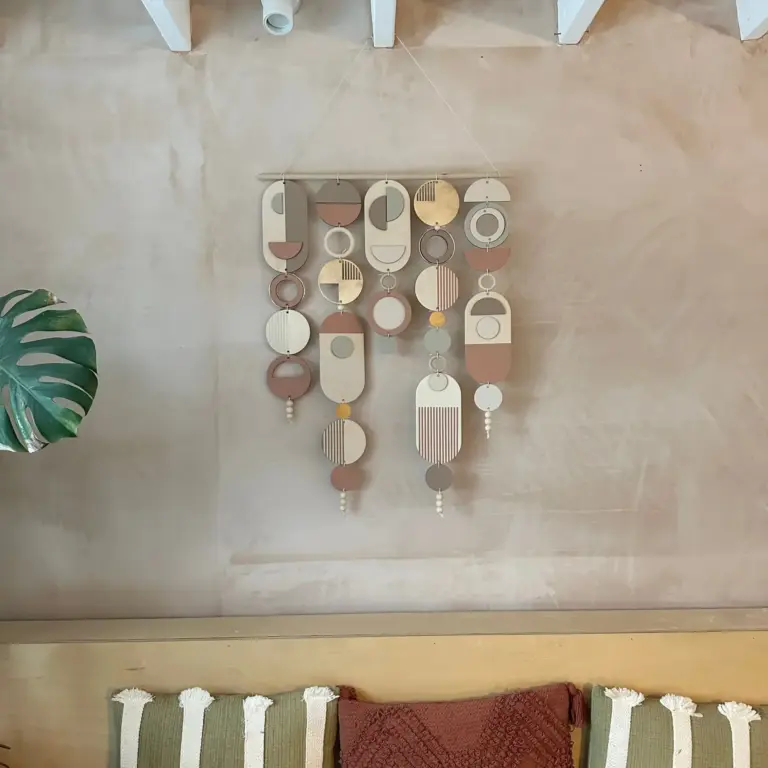
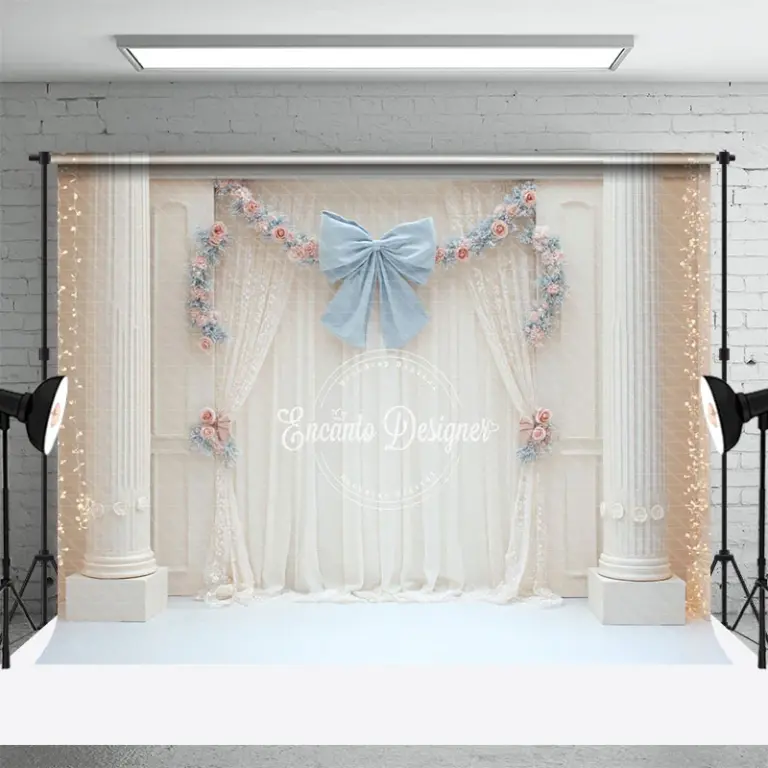 Aisha's pickGold Flower Wall Decor That Doesn’t Cost a Fortune
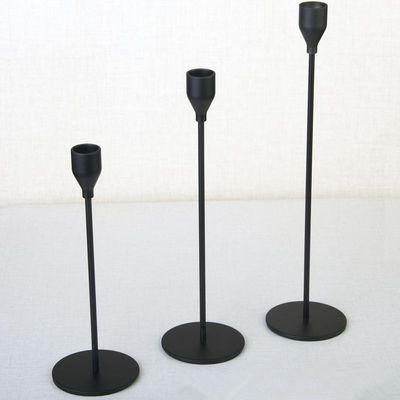 Aisha's pickRose Gold Home Decor That Looks the Part
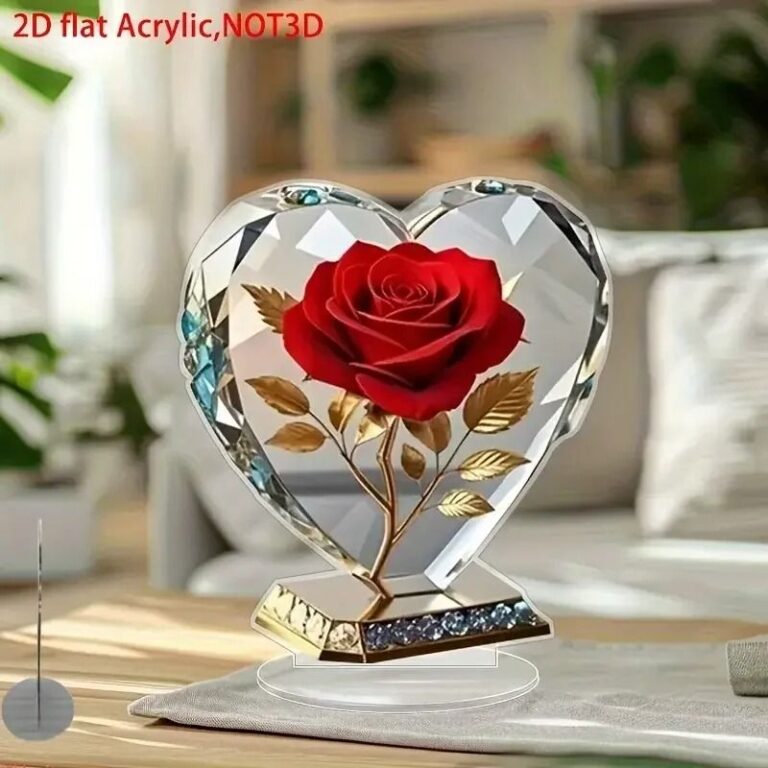
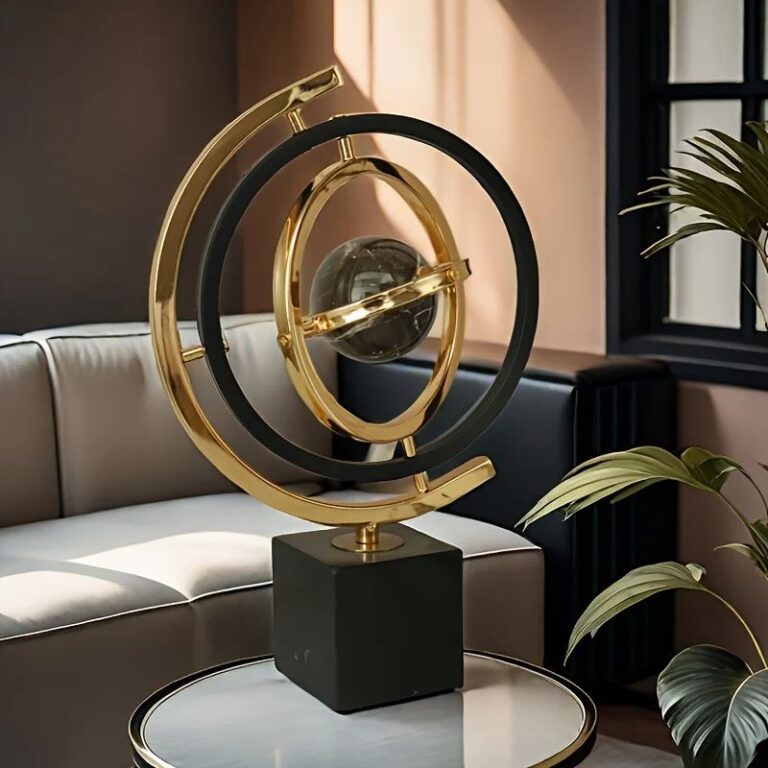 Aisha's pickGold Globes That Give a Room Some Personality
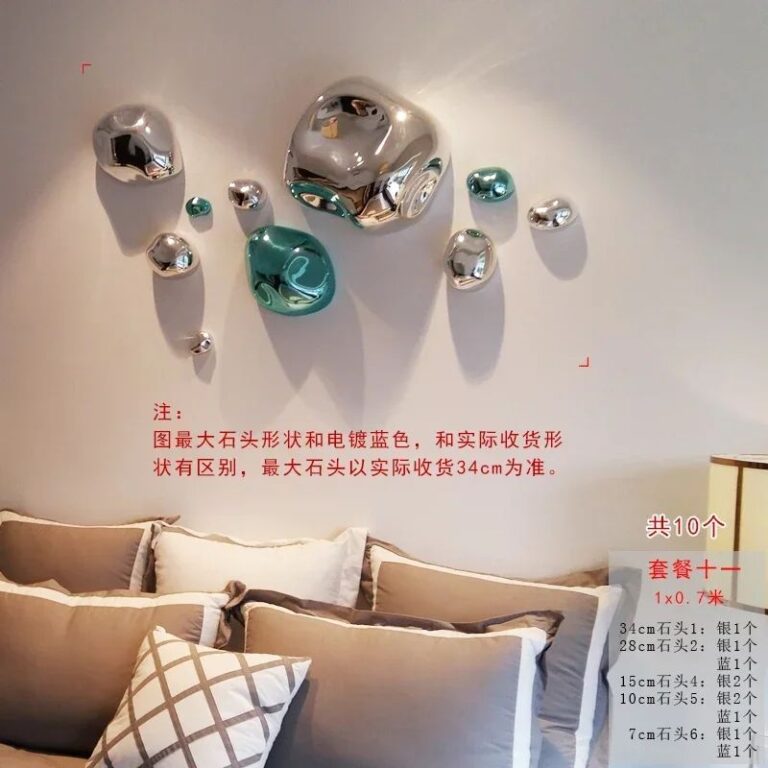 Aisha's pickDecent Small Gold Wall Decor Without the HassleAlso worth a lookModern DecorYou know the moment. You've finally got the boring stuff sorted, the sofa's in, the curtains hang right,…See the collections →
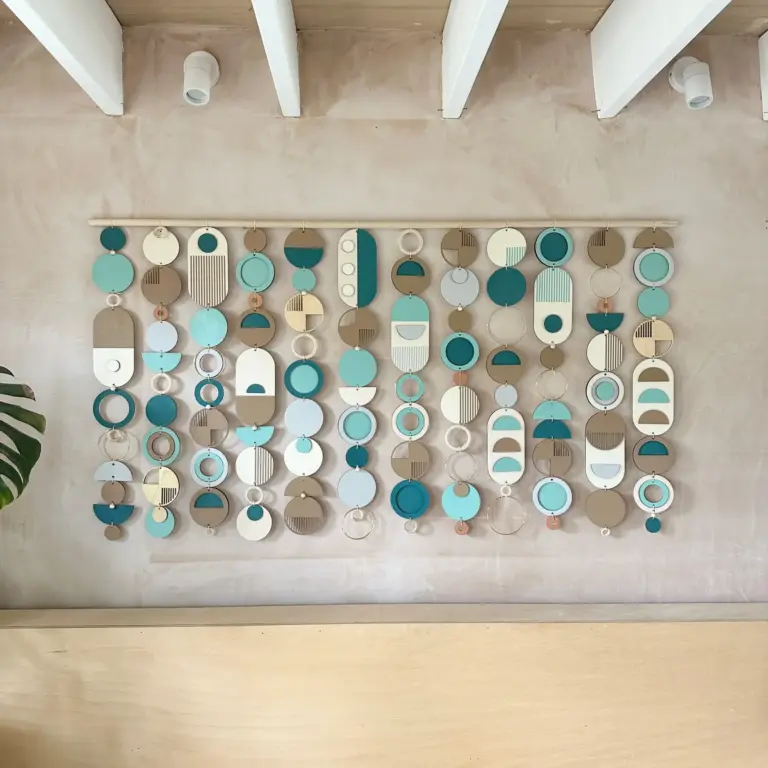
 Aisha's pickGold Hallway Decor That Looks the Part
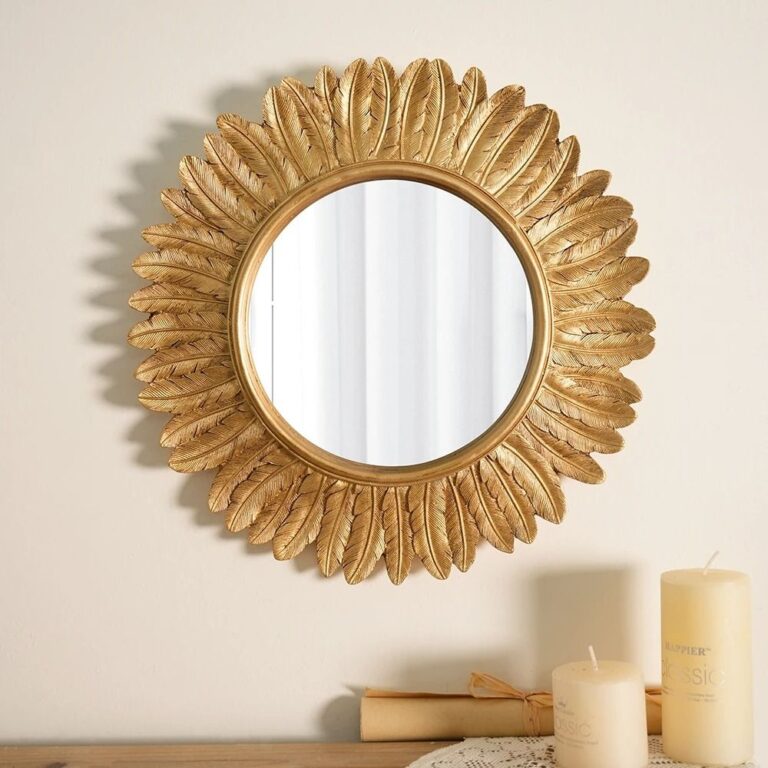
 Aisha's pickGold Home Accessories for Rooms That Feel a Bit Bare
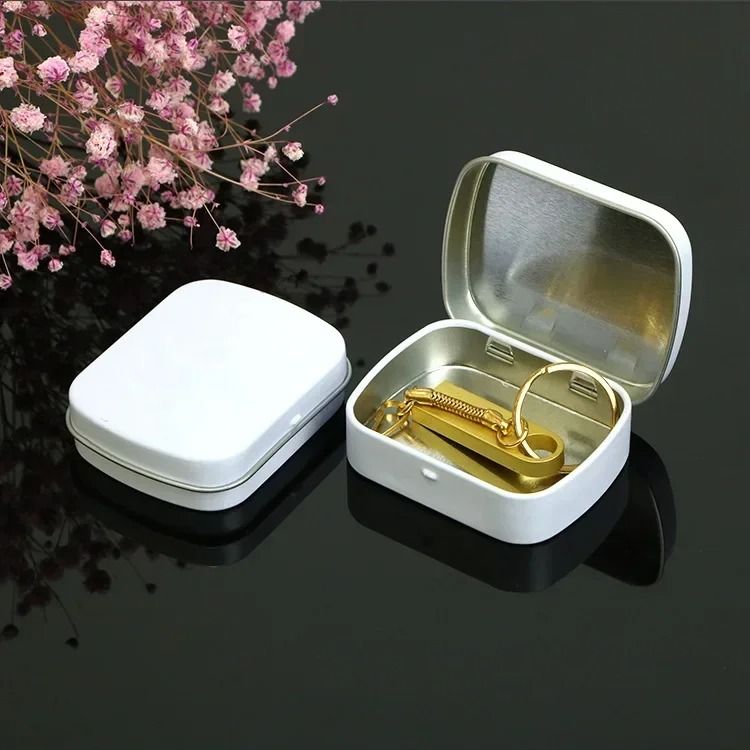
 Aisha's pickGold Home Decor You’ll Live With Happily for Years
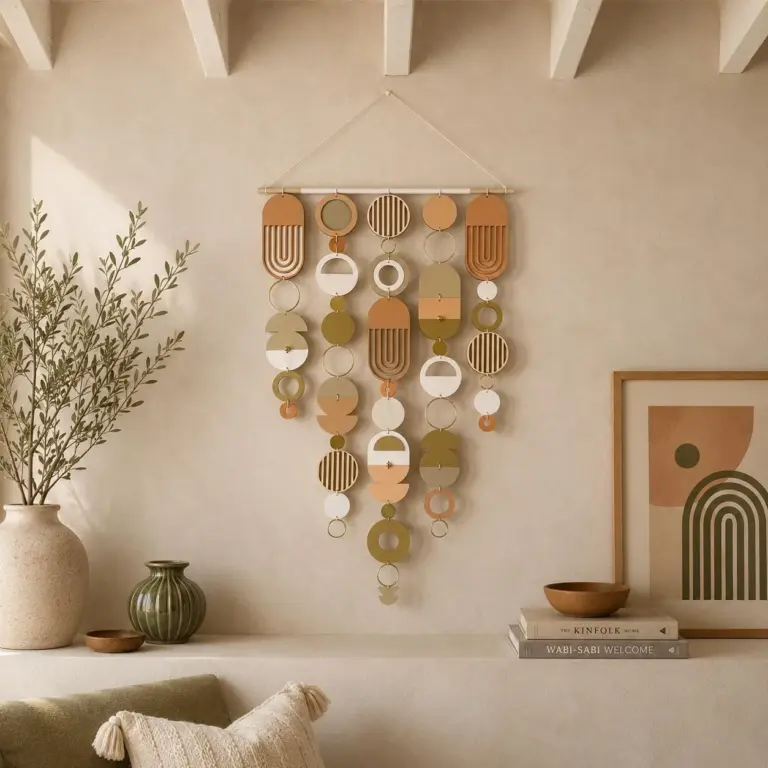
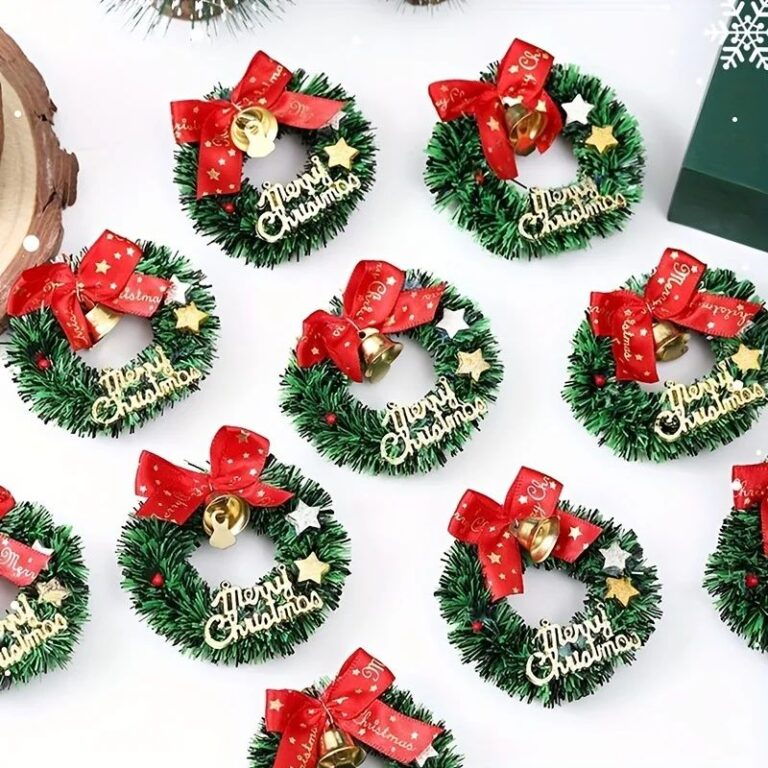 Aisha's pickGold Home Ornaments That Make Great Housewarming Gifts

 Aisha's pickBrass Bedroom Decor That Doesn’t Cost a Fortune
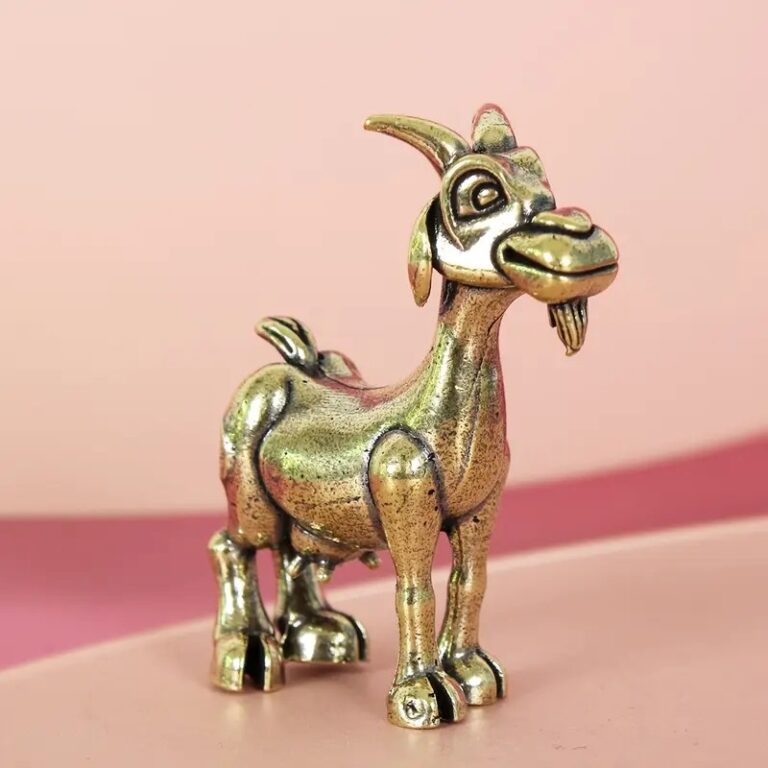
 Aisha's pickGold Leaf Home Decor That Earns Its Place

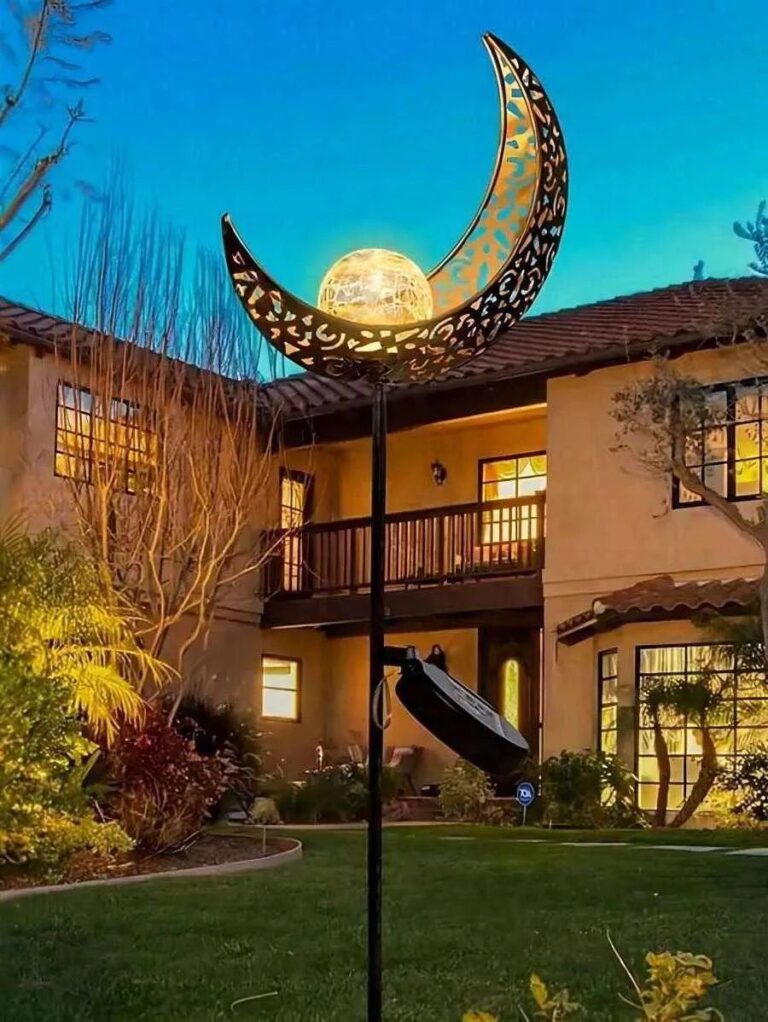 Aisha's pickBrass Globes With a Story to Them
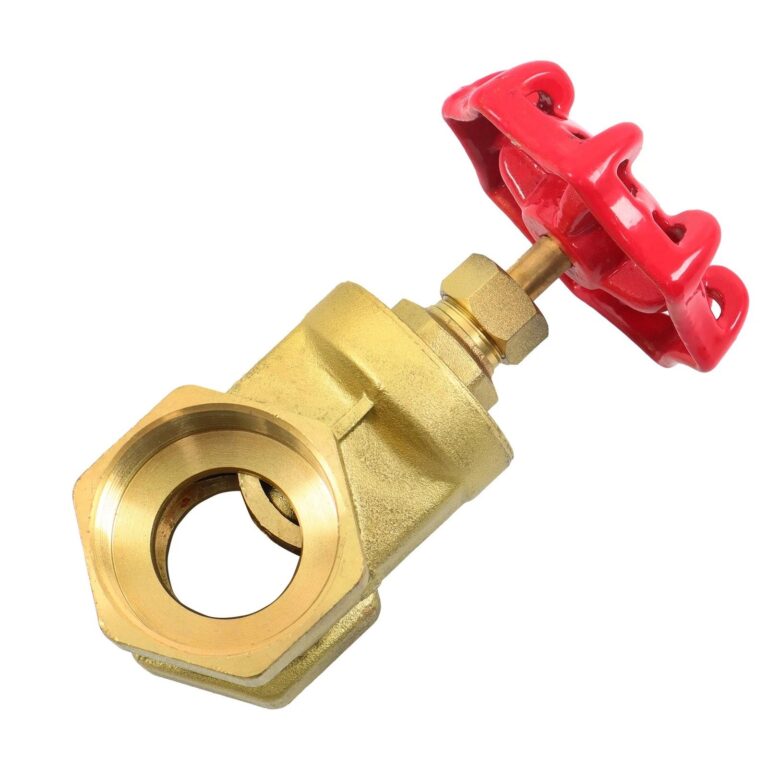
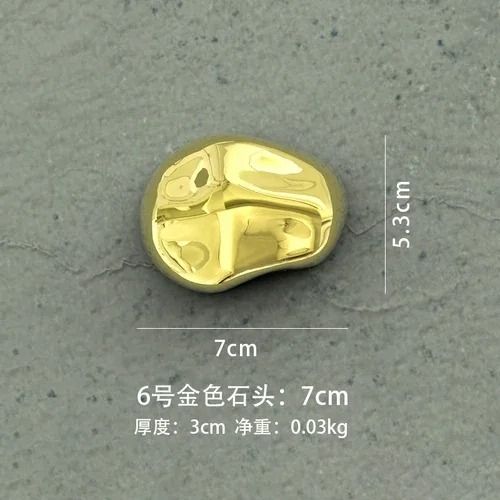 Aisha's pickGold Living Room Decor for Movie Nights and Slow Sundays
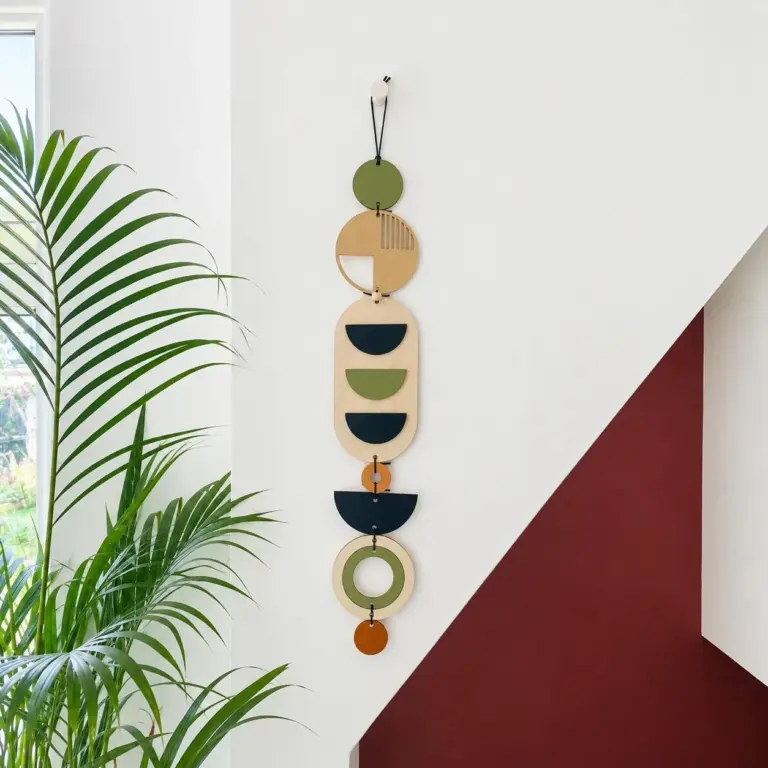
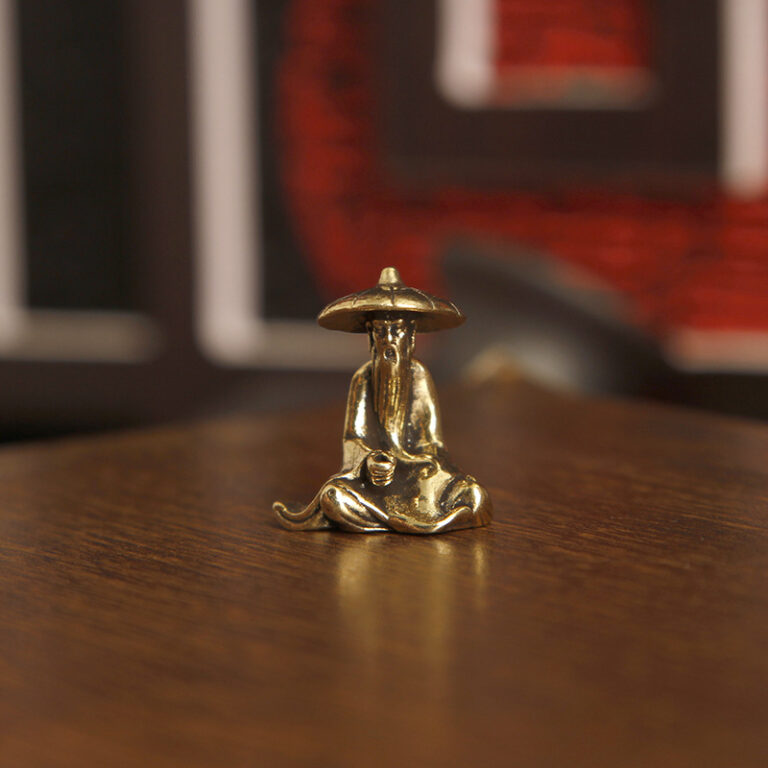 Aisha's pickBrass Home Decor That Does What It ShouldAlso worth a lookMetal DecorThe question I get most, usually from someone standing in front of a blank wall holding a tape measure, is whether metal decor reads cold.See the collections →