The first globe I owned was a cheap light up one from a drugstore, the kind with a bulb inside that made the oceans glow a weird blue. It taught me that a globe is a piece of furniture before it's a reference tool, and if it looks wrong in the room nobody is spinning it to find Portugal.
When you're looking at one in a shop or checking it over the day it arrives, run your hand along the seam where the two hemispheres meet, because on the flimsier ones that join is rough or slightly uneven and it only gets worse with handling. Check the base and the arm that holds the sphere, not just whether they look sturdy in a photo, but whether the globe actually sits straight and doesn't list to one side like it's had a long night. Give it a spin. A good one turns smoothly and quietly on its axis, a bad one catches or wobbles, and you'll notice that every single time you walk past it. If it's the kind with a stand rather than a full frame, check the weight of the base against the size of the sphere, because a heavy globe on a light base is how you end up with it on the floor.
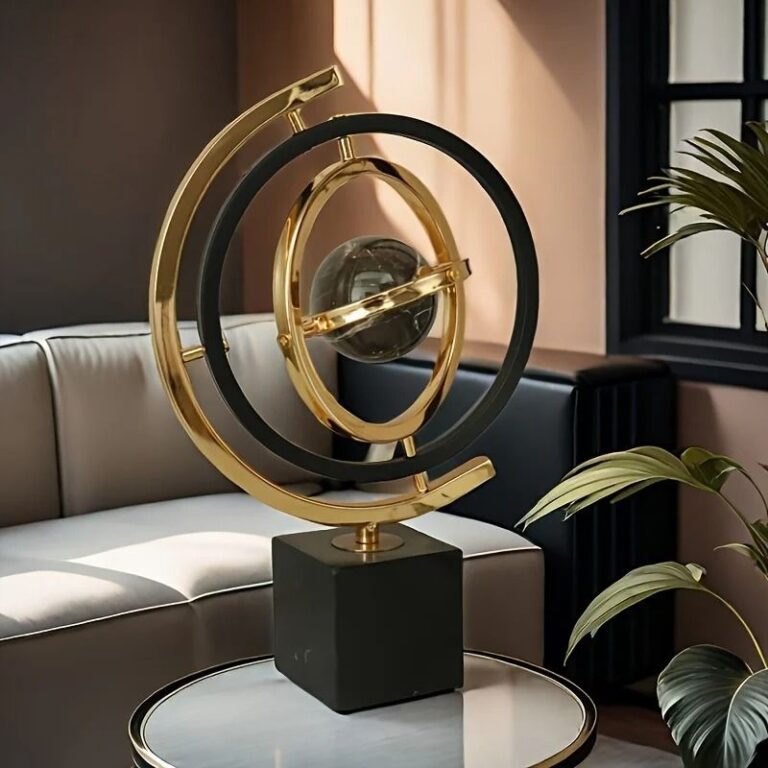
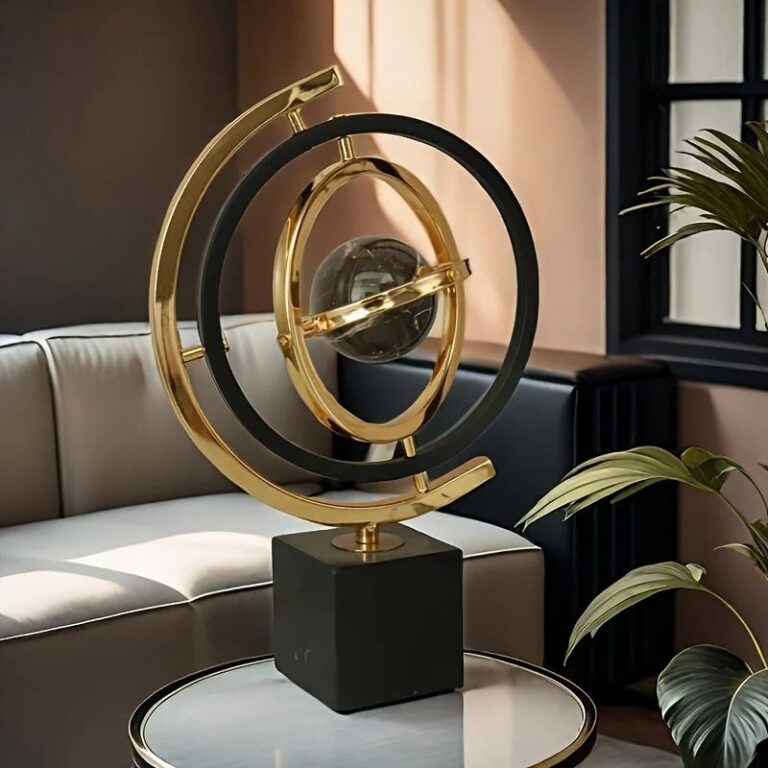
If you don't own one yet, start plain. A simple sphere on a wood or metal stand, in a finish that matches something else you already own rather than fighting it, does more for a room than one covered in gold oceans or a map styled to look three hundred years old. Those antiqued versions can be lovely, but they read as a lot in a room that doesn't have much else going on, and they date a shelf faster than a plain one does. The plain version earns its spot in a study, a kid's bedroom, a living room shelf, almost anywhere, which is exactly what you want from your first one.
Size is where people get this wrong more than anything else. A globe that looks reasonable on a desk in a shop can look enormous on a narrow console table at home, or lost entirely on a wide bookcase, so measure the surface it's going on and picture the globe taking up a third of that space, not the whole thing. On a desk, leave room for the lamp and the stack of books you're actually going to use, a globe that forces everything else to the edges stops being a nice object and starts being an obstacle. On a shelf, a smaller globe tucked among books reads as considered, a huge one sitting alone on an empty shelf reads as though you ran out of ideas for what to put there.
This suits a home where a few good objects get noticed because there isn't clutter competing with them.
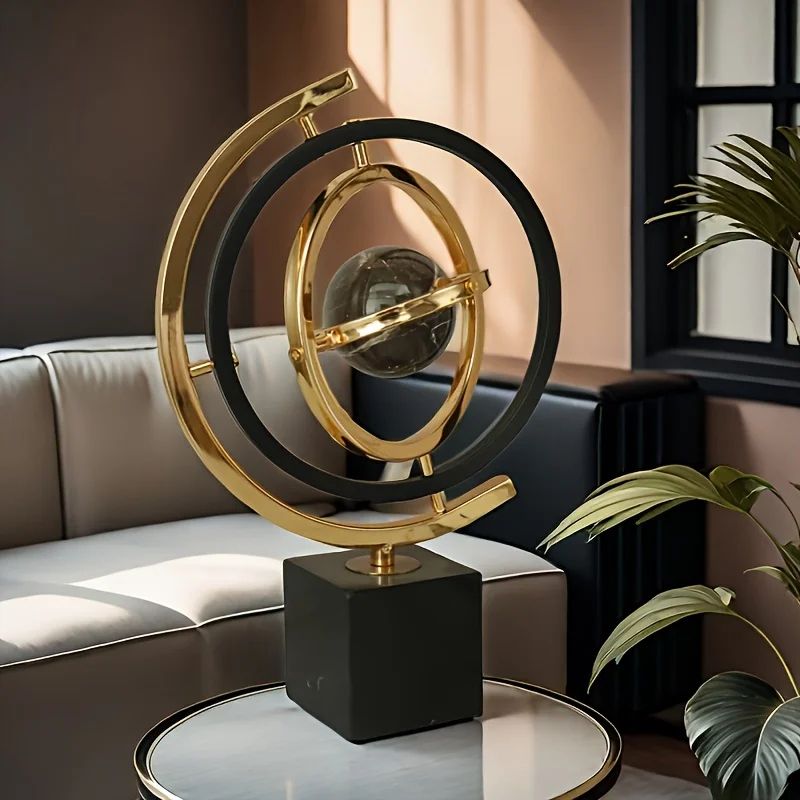 Aisha's pickMetal Globes That Make a Shelf Look Styled
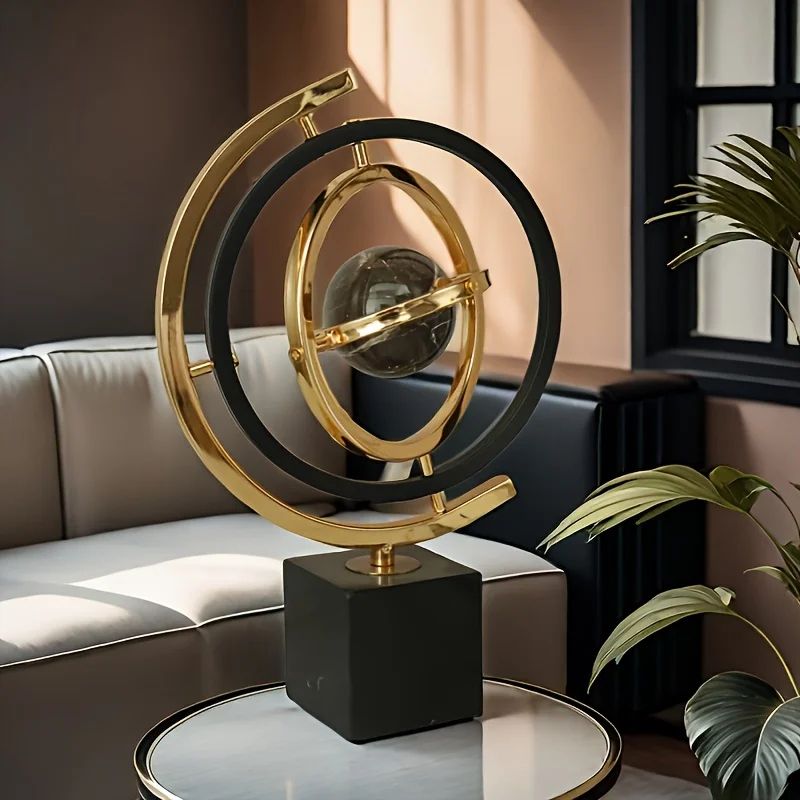
 Aisha's pickBlack Globes That Make a Shelf Look Styled
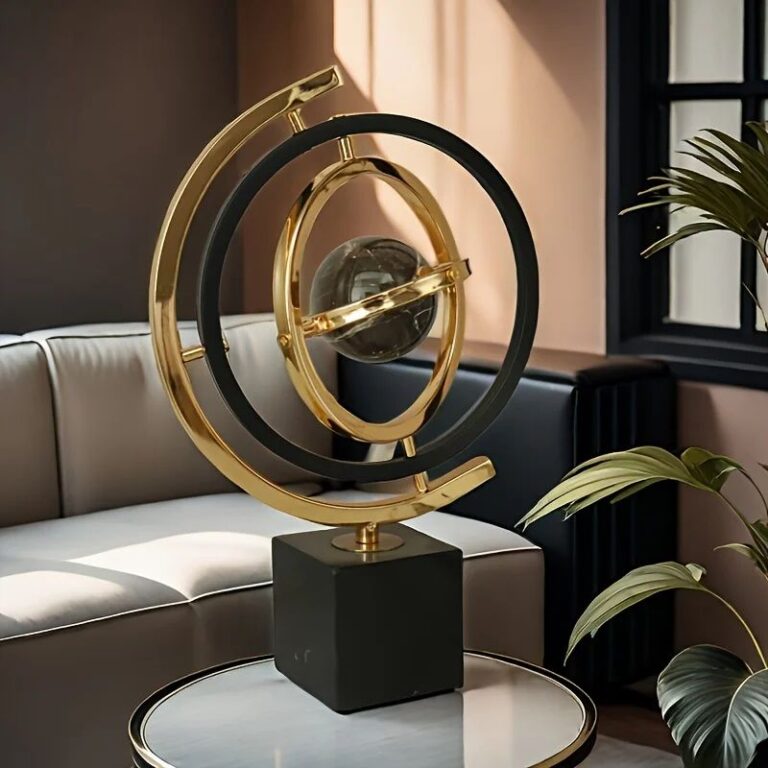
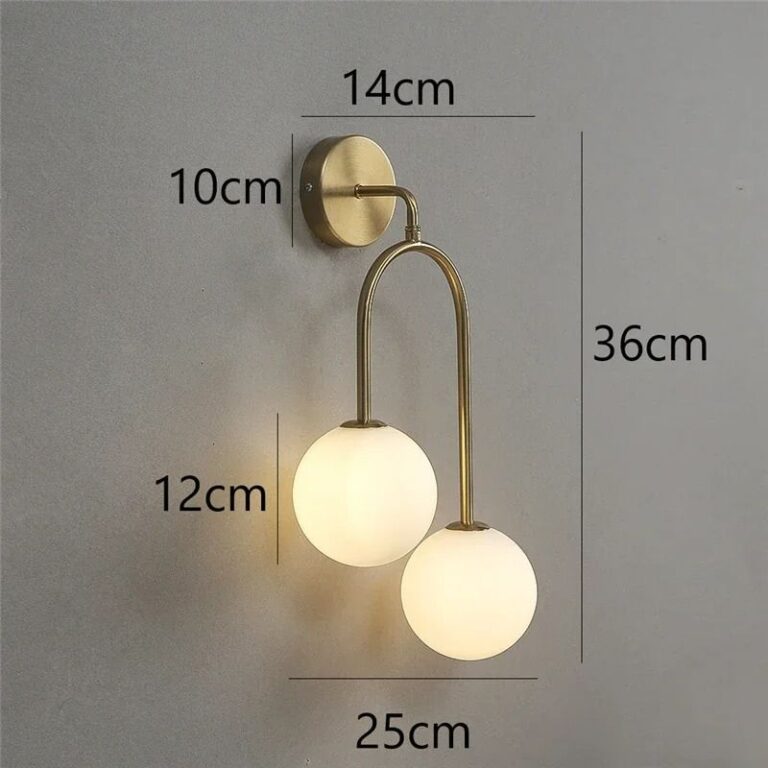 Aisha's pickModern Globes for Rooms That Feel a Bit Bare
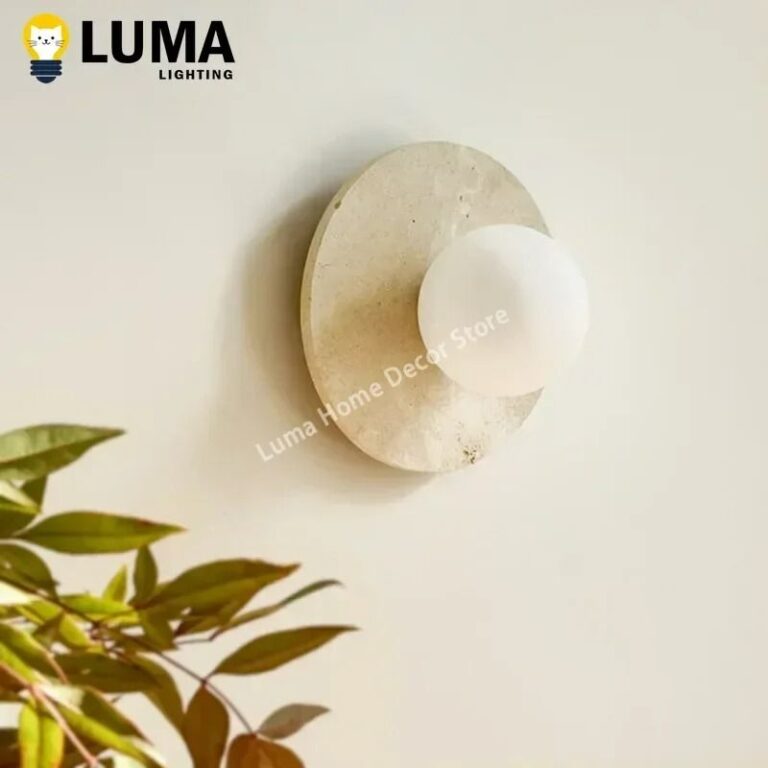
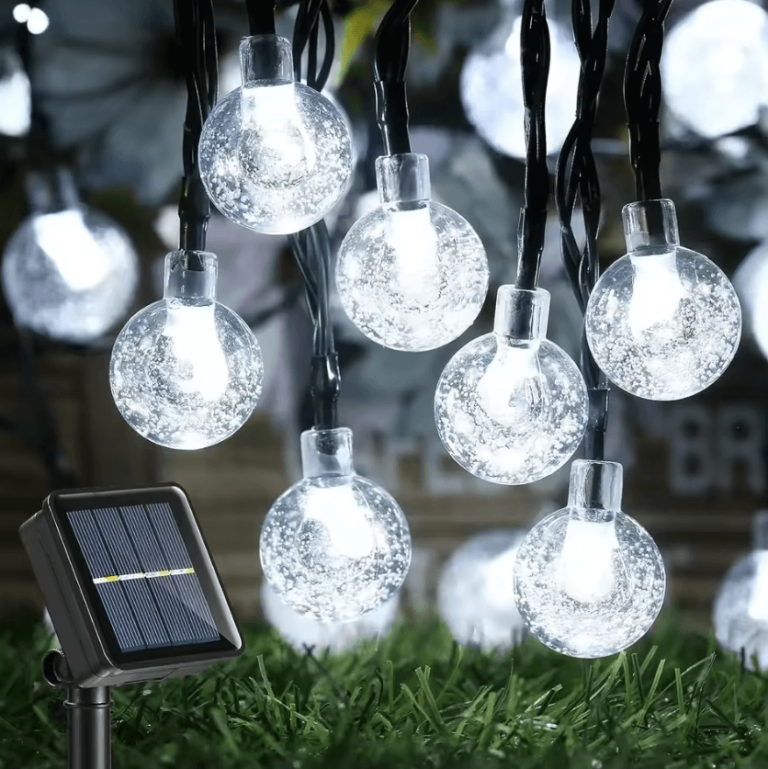 Aisha's pickBlue Globes for Rooms That Feel a Bit Bare
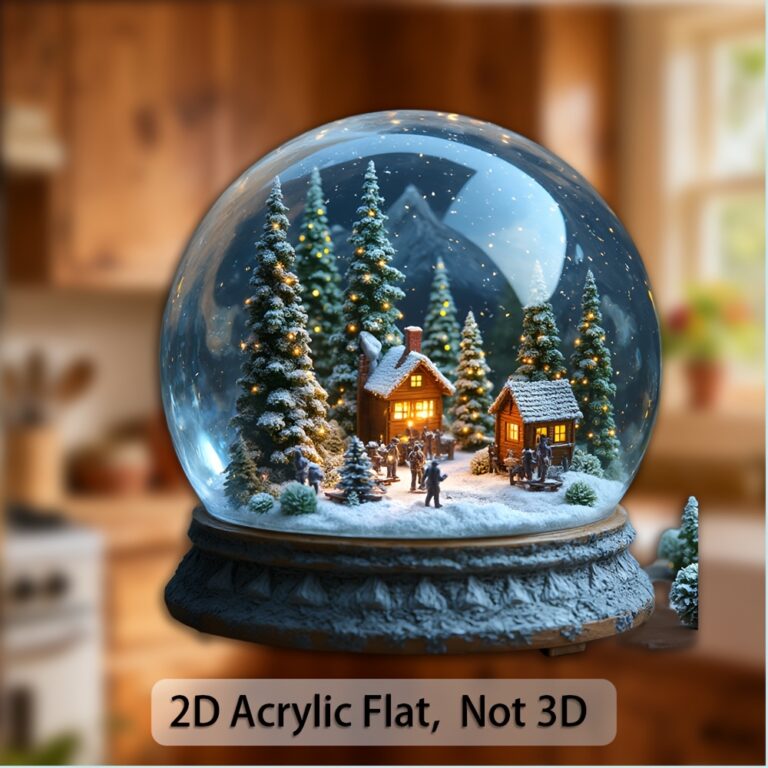
 Aisha's pickRed Globes With Some Character

 Aisha's pickBrass Globes With a Story to Them
 Aisha's pickGood Round Globes That Don’t Cost a Fortune
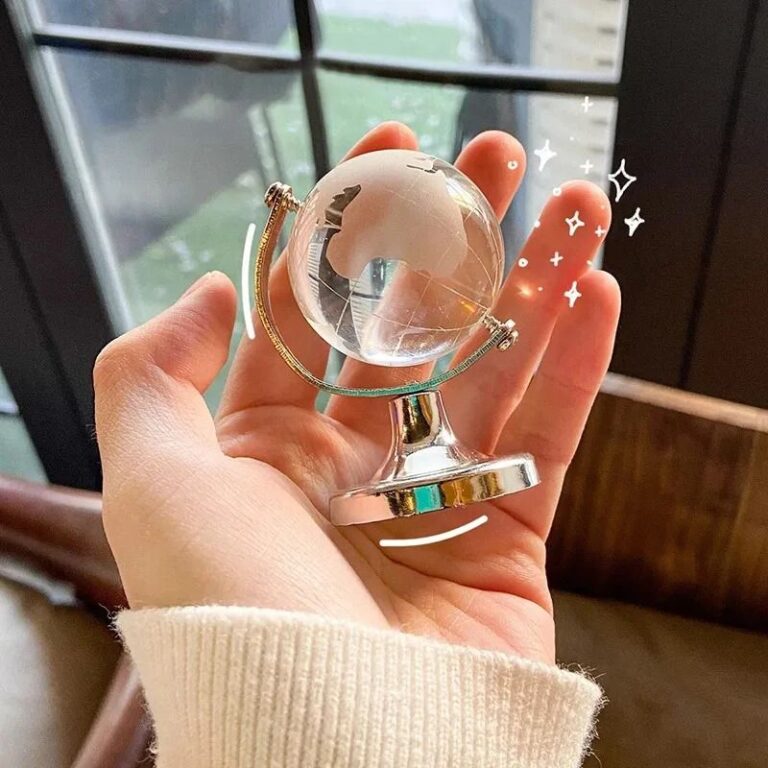
 Aisha's pickClear Globes We’d Buy Again
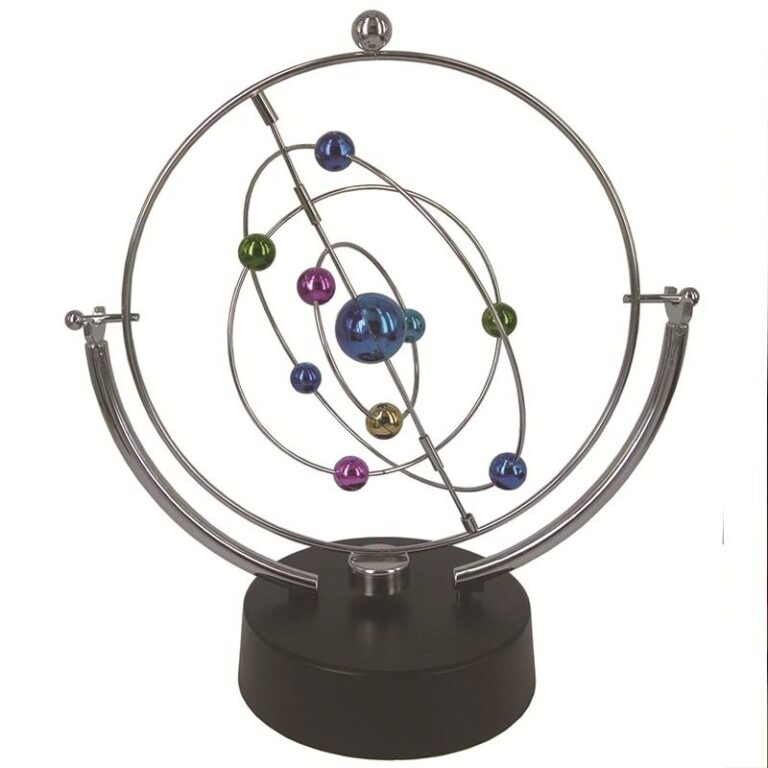 Aisha's pickSilver Globes for Rooms That Feel a Bit BareAlso worth a lookDecorDecor is the stuff that doesn't do anything useful at all, and that's exactly the point of it.See the collections →
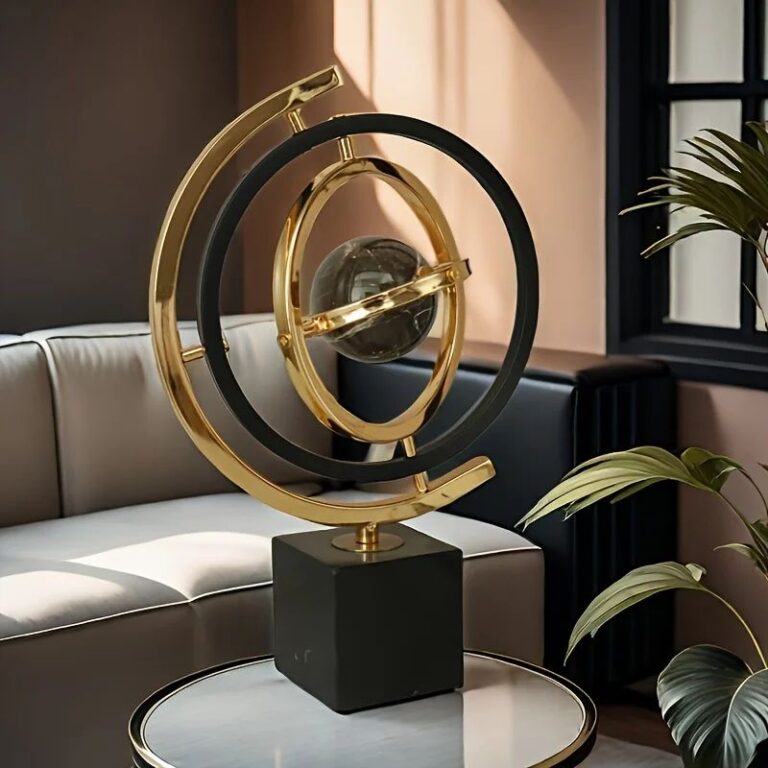 Aisha's pickContemporary Globes That Catch the Eye Without Taking Over
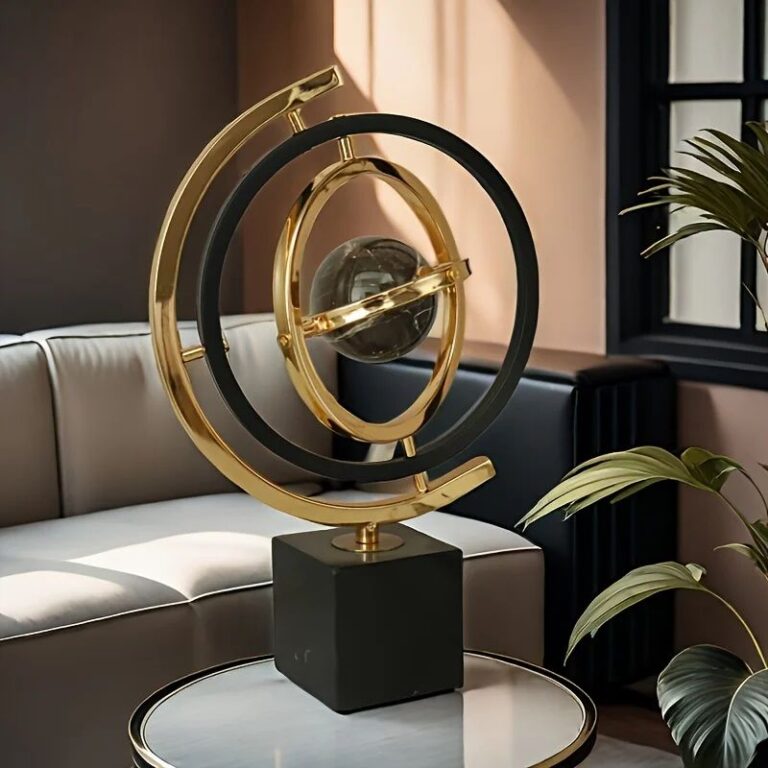
 Aisha's pickSmall Globes That Make a Shelf Look Styled
 Aisha's pickDecorative Globes That Don’t Look Mass Produced
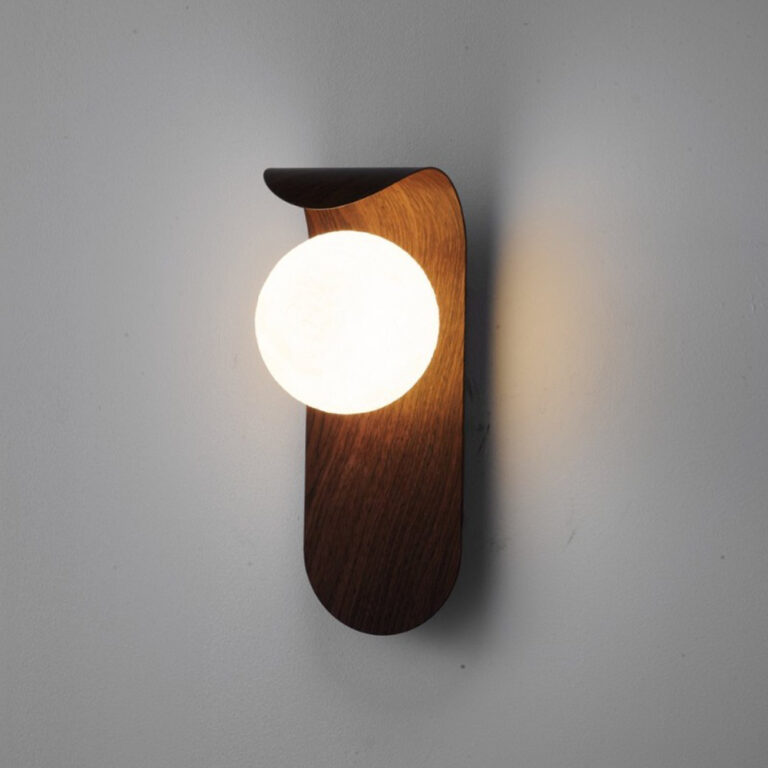 Aisha's pickVintage Decorative Globes for Filling an Awkward Gap
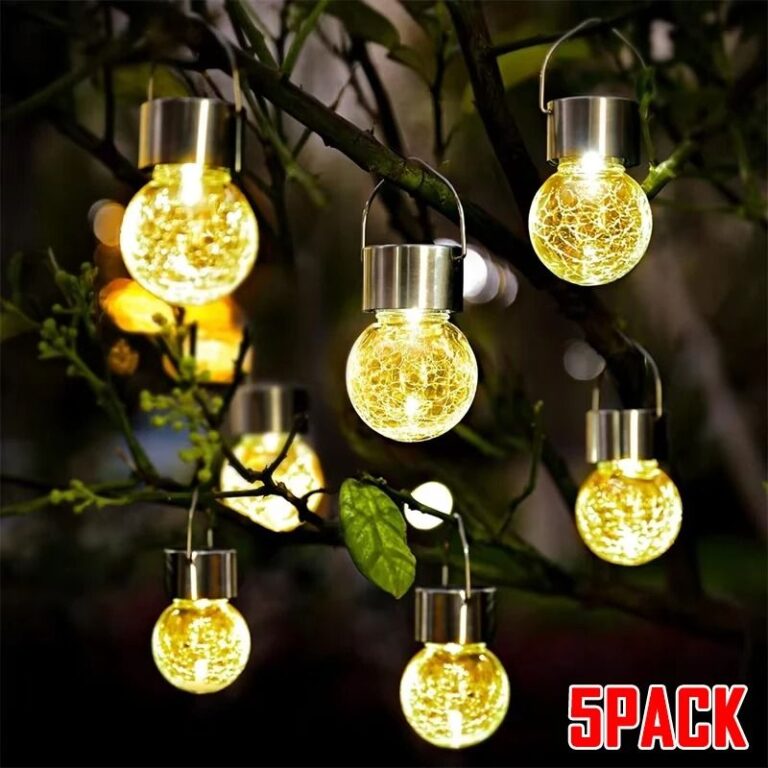
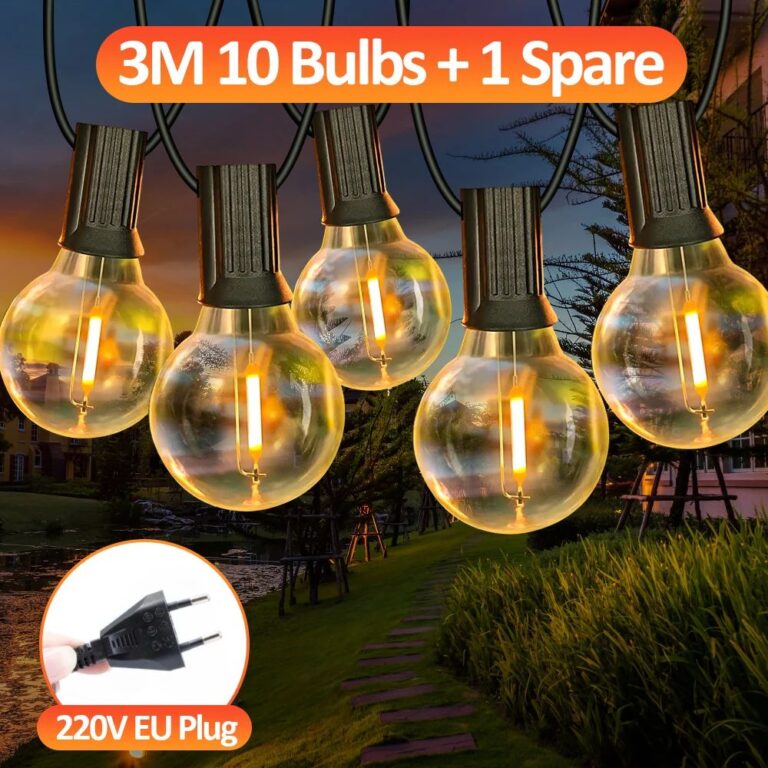 Aisha's pickGlass Decorative Globes for Blank Walls and Empty Shelves
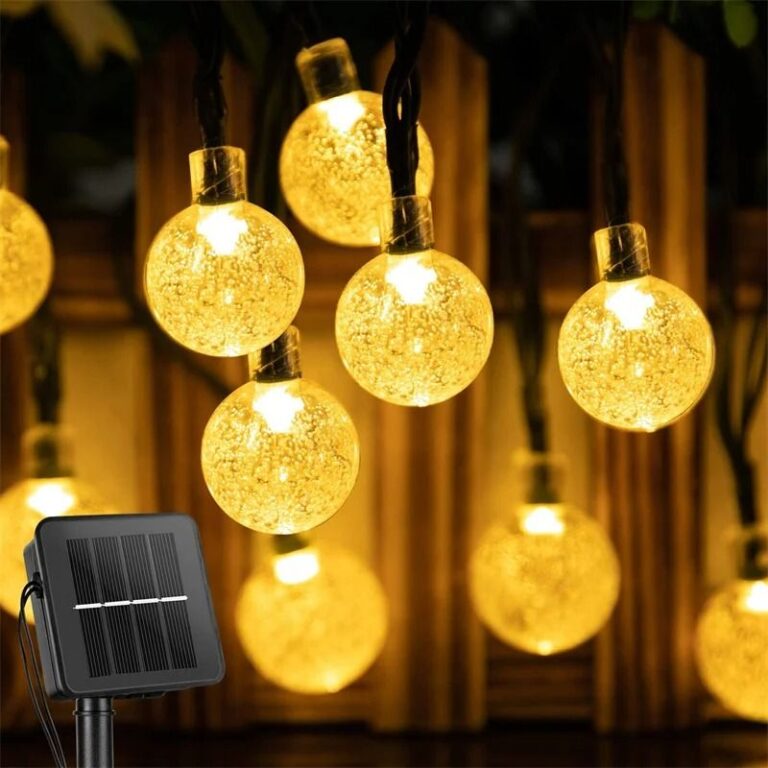
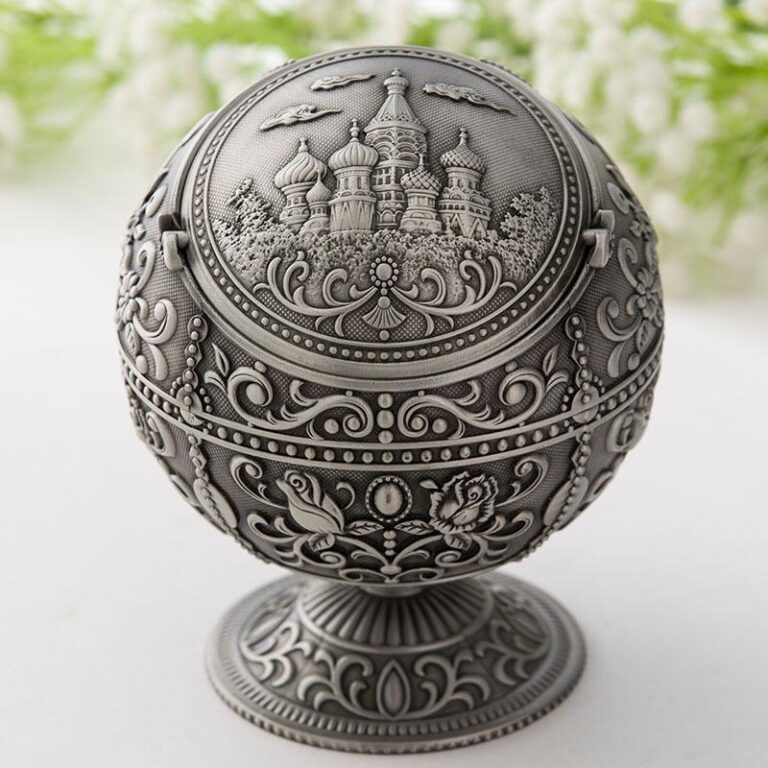 Aisha's pickVintage Globes We’d Make Room For
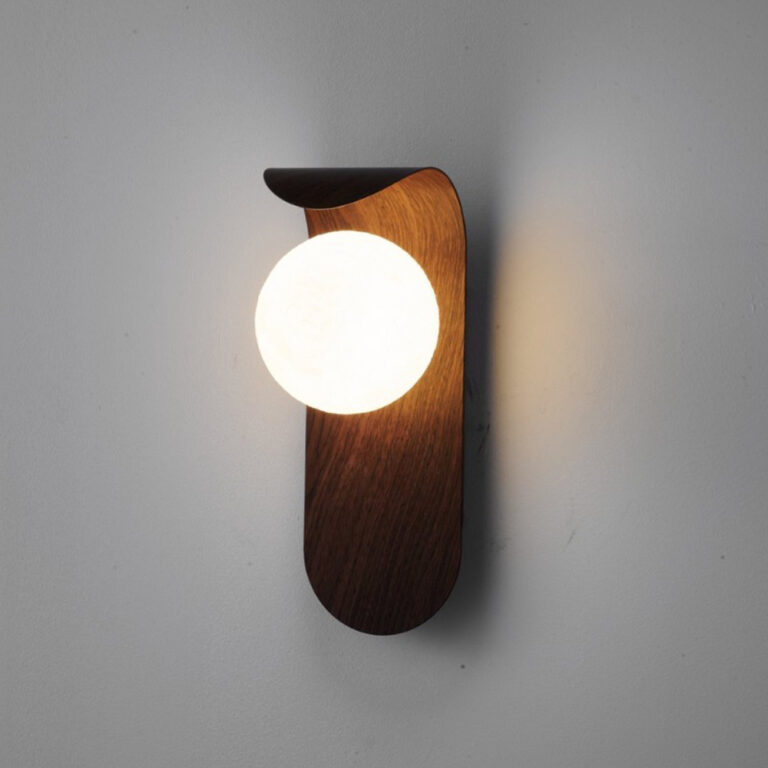
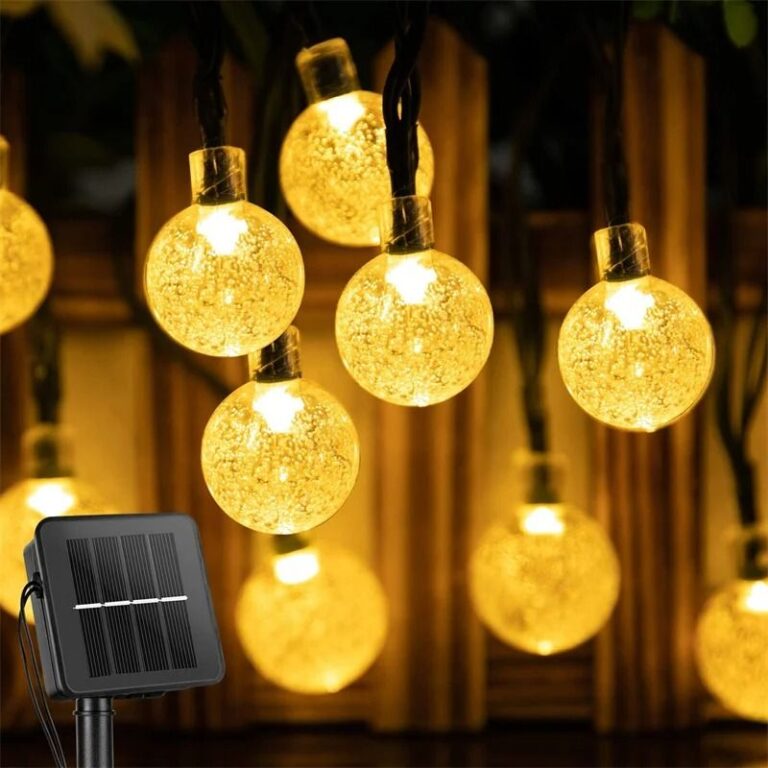 Aisha's pickGlass Globes for Filling an Awkward Gap
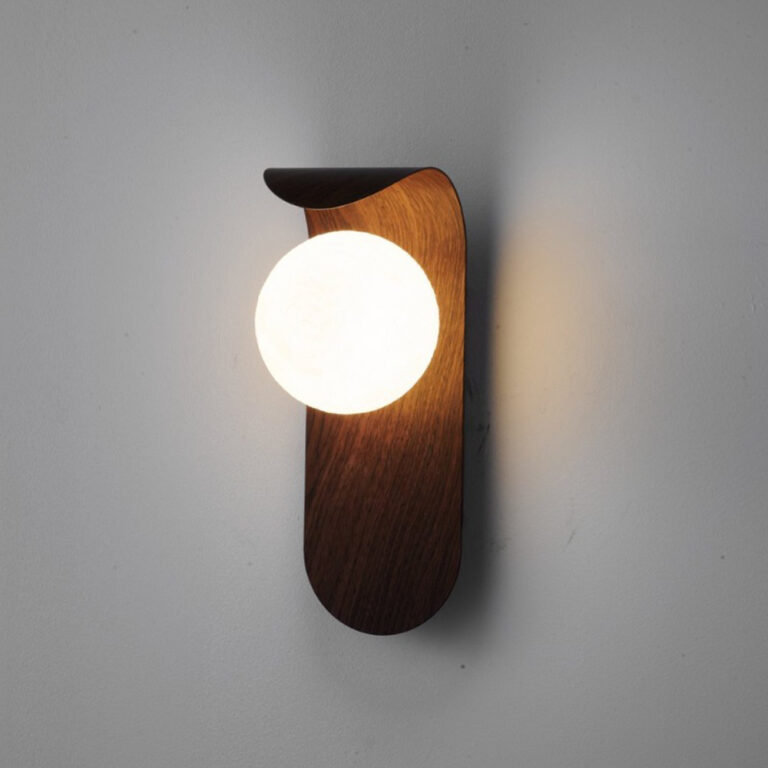
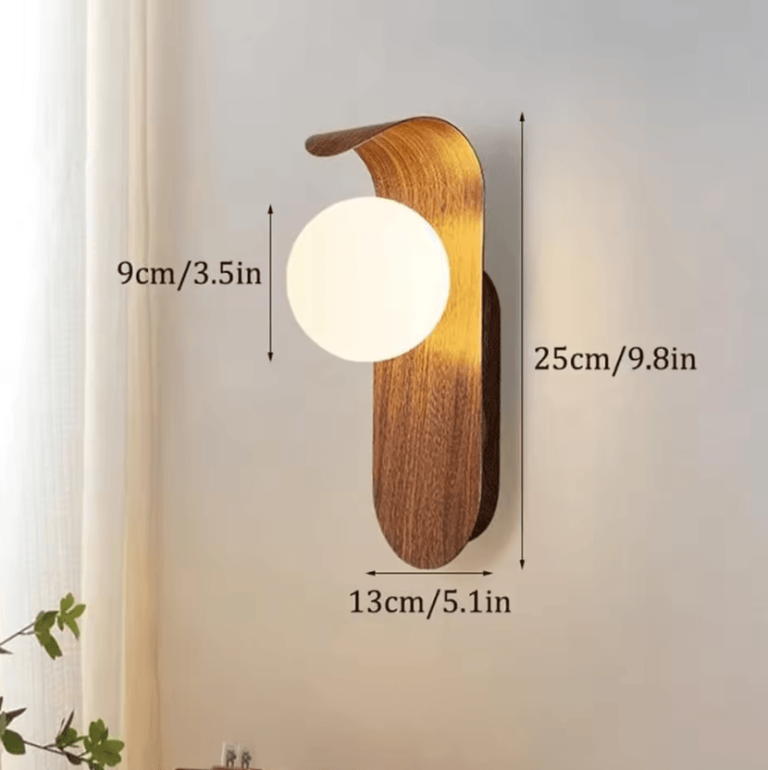 Aisha's pickWhite Decorative Globes for Blank Walls and Empty Shelves
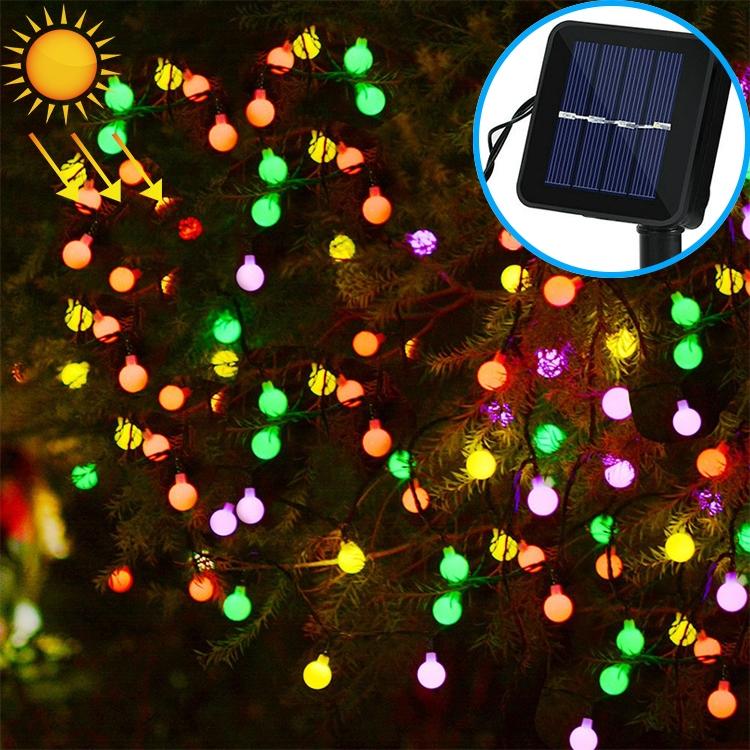
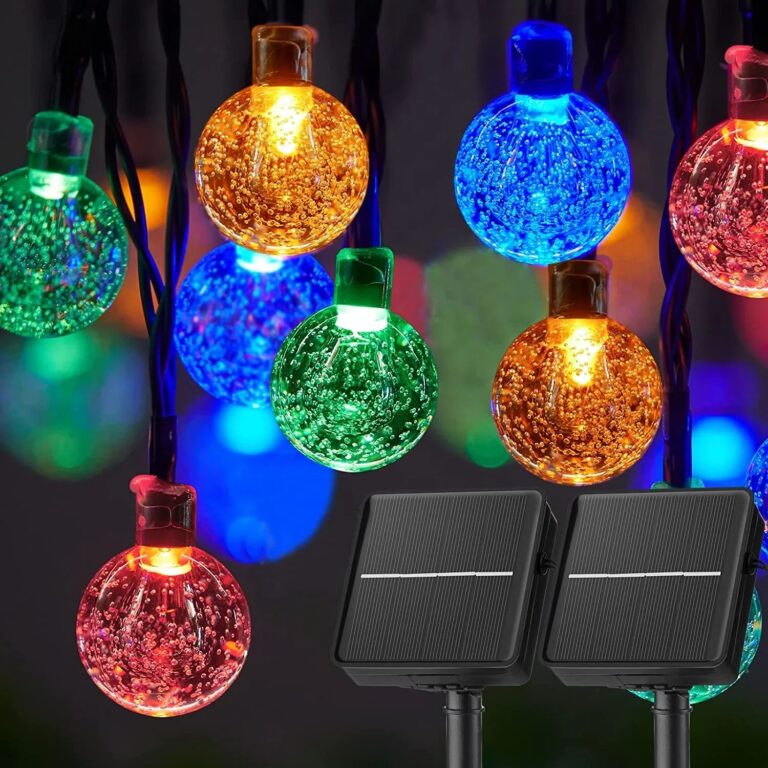 Aisha's pickGlobes That Look Better in Real LifeAlso worth a lookModern DecorYou know the moment. You've finally got the boring stuff sorted, the sofa's in, the curtains hang right,…See the collections →
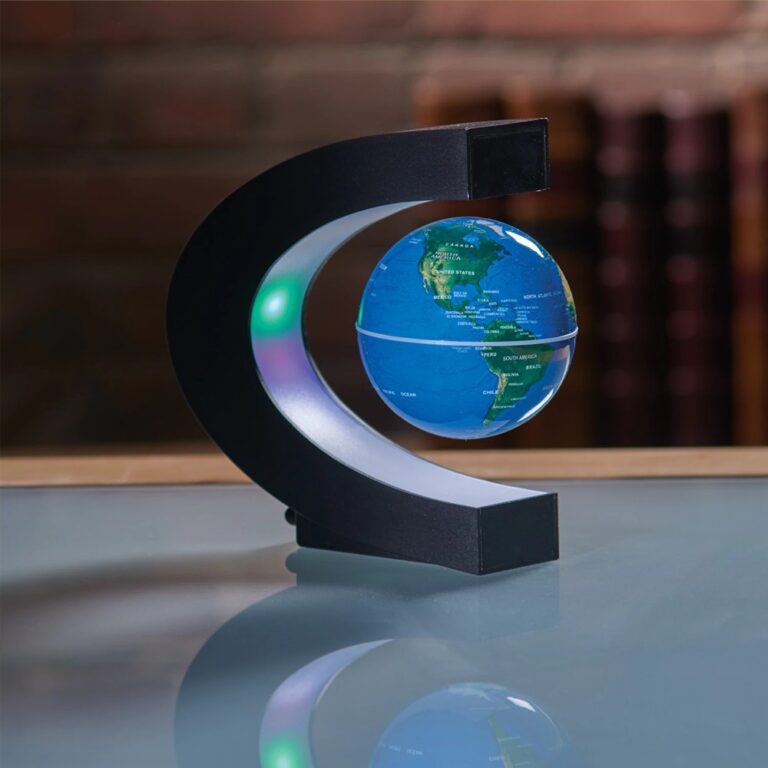
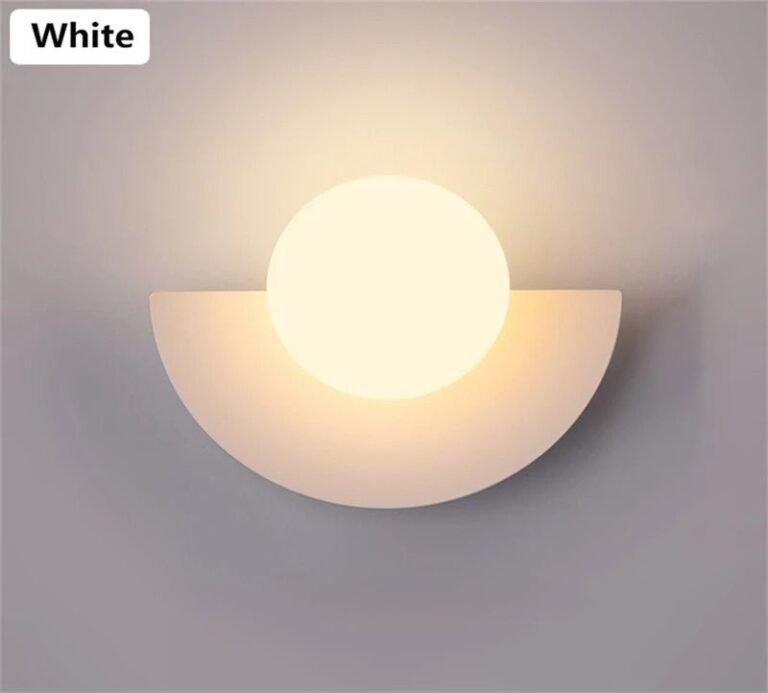 Aisha's pickWhite Globes That Make a Shelf Look Styled

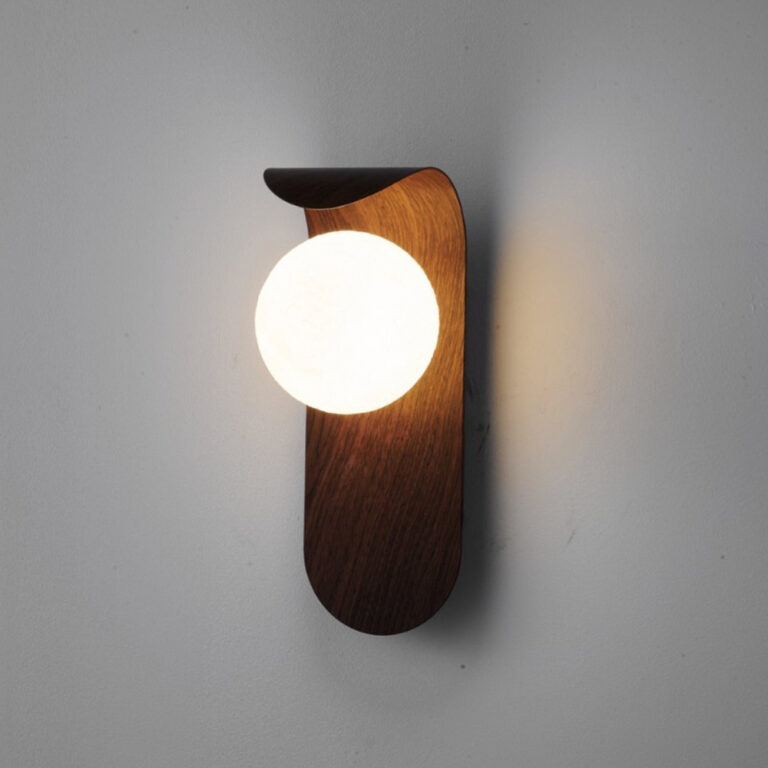 Aisha's pickGlobes for Bedroom Picked From the Stores We Trust
 Aisha's pickWooden Globes That Give a Room Some Personality
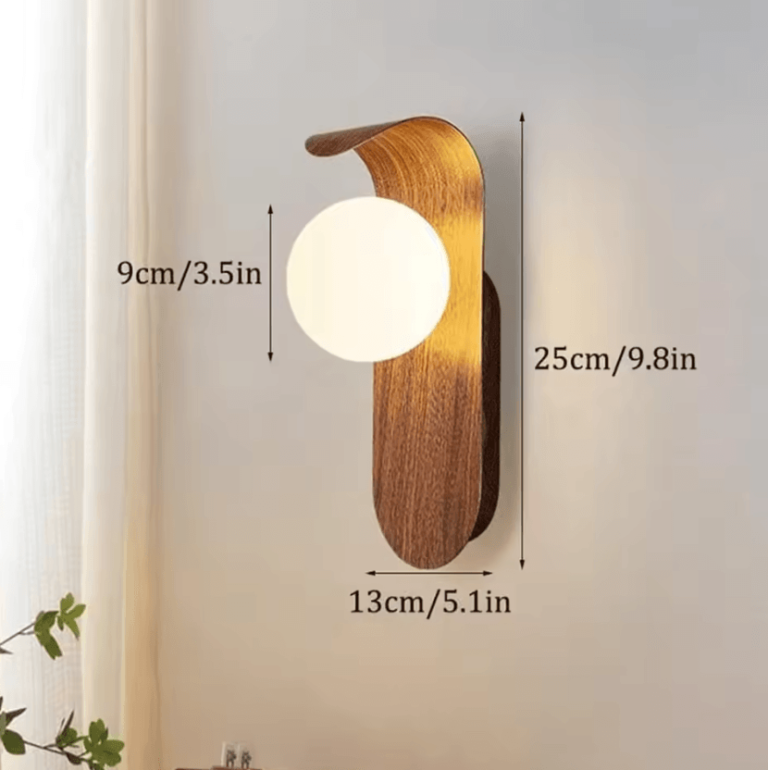
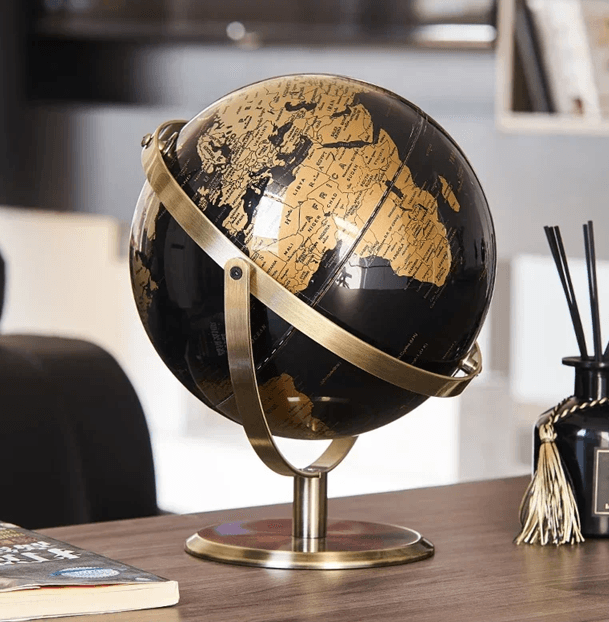 Aisha's pickGlobes for Living Room That Make Great Housewarming Gifts
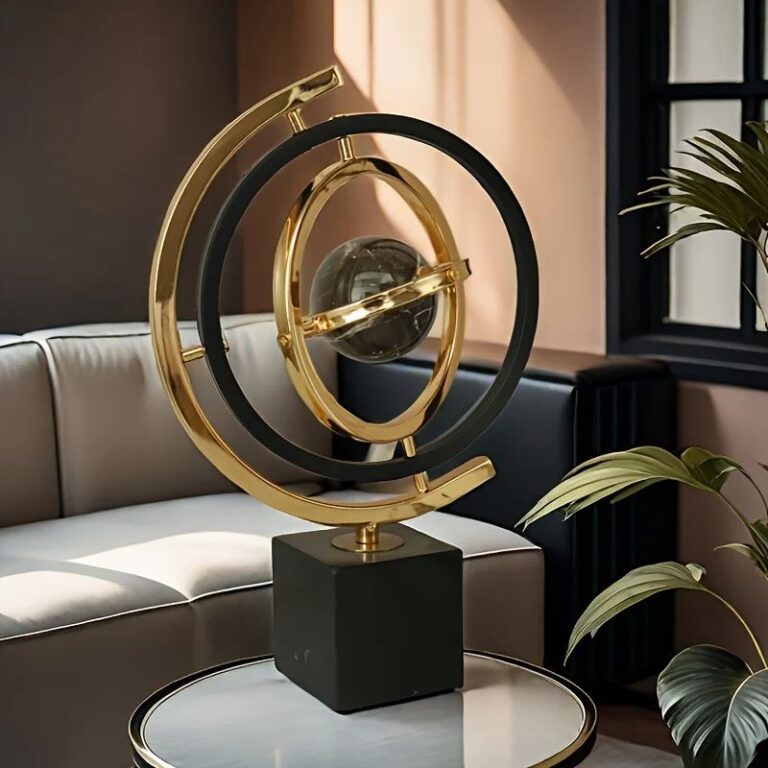 Aisha's pickGold Globes That Give a Room Some Personality
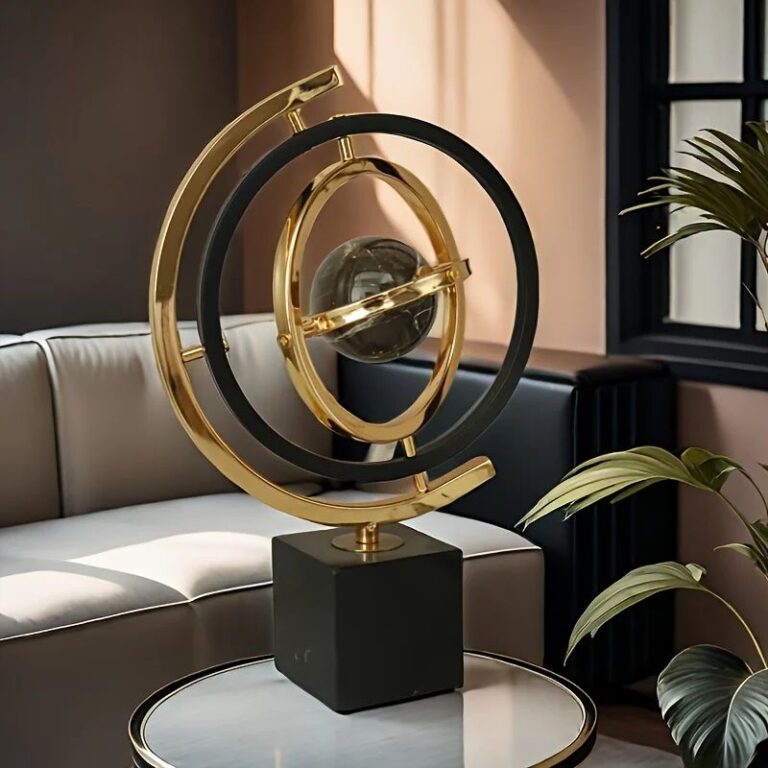
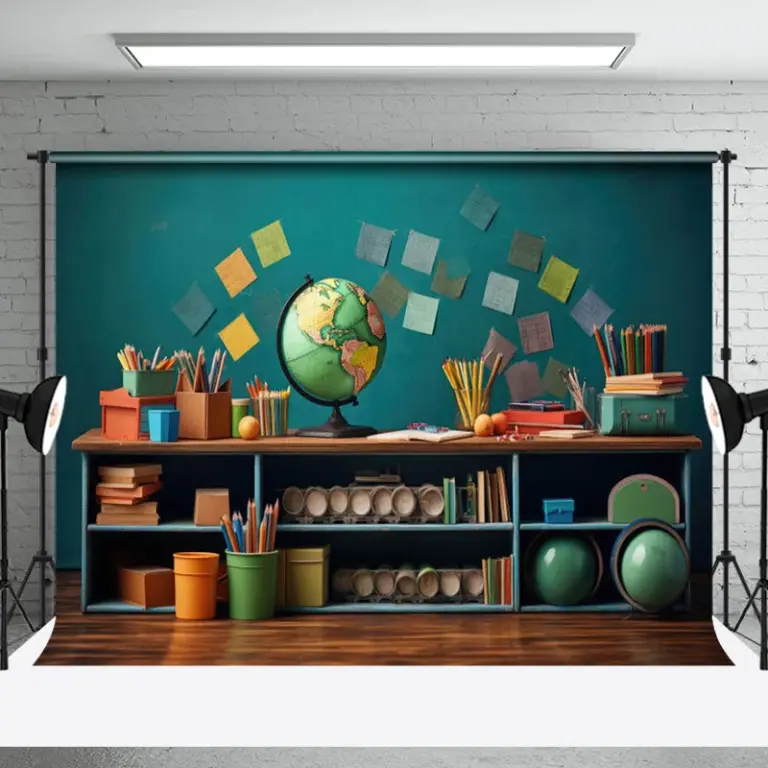 Aisha's pickGreen Globes That Make a Room Feel Finished