Decorative ornaments have a bit of a reputation for being clutter, the thing you buy on a whim and then dust around for three years before admitting you never liked it. I get why people are wary. But a shelf with nothing on it isn't minimal, it's just unfinished, and the right handful of objects can make a room feel lived in rather than staged. I've landed firmly on the side of having too many rather than too few, which is its own problem, but it's the better problem.
What separates a good one from a disappointing one usually comes down to weight and finish before anything else. Pick it up. A well made ceramic piece has a certain density to it, a glaze that's even and doesn't feel chalky under your thumb, and a base that sits flat without rocking. Cheaper versions are often hollow and light in a way that feels wrong the second you hold them, and they chip at the edges within a year because the glaze is thin. Wood and metal pieces should have joints or seams you can barely find, not a visible seam of glue or a weld that looks like an afterthought. None of this means you need to spend a fortune, it just means handling things before you commit rather than trusting a photo. Where ornaments go wrong is when they try too hard to be the main event. A room full of large, loud pieces competing for attention ends up looking like nobody made a decision, and anything too trend specific, a shape or a slogan that feels very of the moment, tends to look dated within a couple of years in a way that furniture doesn't.
Scale is where most people trip up, and I include my younger self with the armful of tiny trinkets that disappeared on a full size shelf. A general rule that's served me well is to let one larger piece anchor a surface and build smaller things around it, rather than scattering five same sized objects evenly, which reads as fussy. Measure your shelf or mantel depth before buying anything, because a piece that looks modest online can hang over the edge in person, and that's the kind of thing that ends badly the first time someone brushes past it. For finishes, matte ceramics in warm neutrals, soft stone, aged brass and a bit of unfinished wood are the easiest to keep loving, because they sit quietly next to whatever color you paint the walls next, and you will paint the walls again.
Dust them with a soft dry cloth regularly rather than letting it build up, since grime is far harder to get out of a glaze or patina than it is to wipe off a clean one.
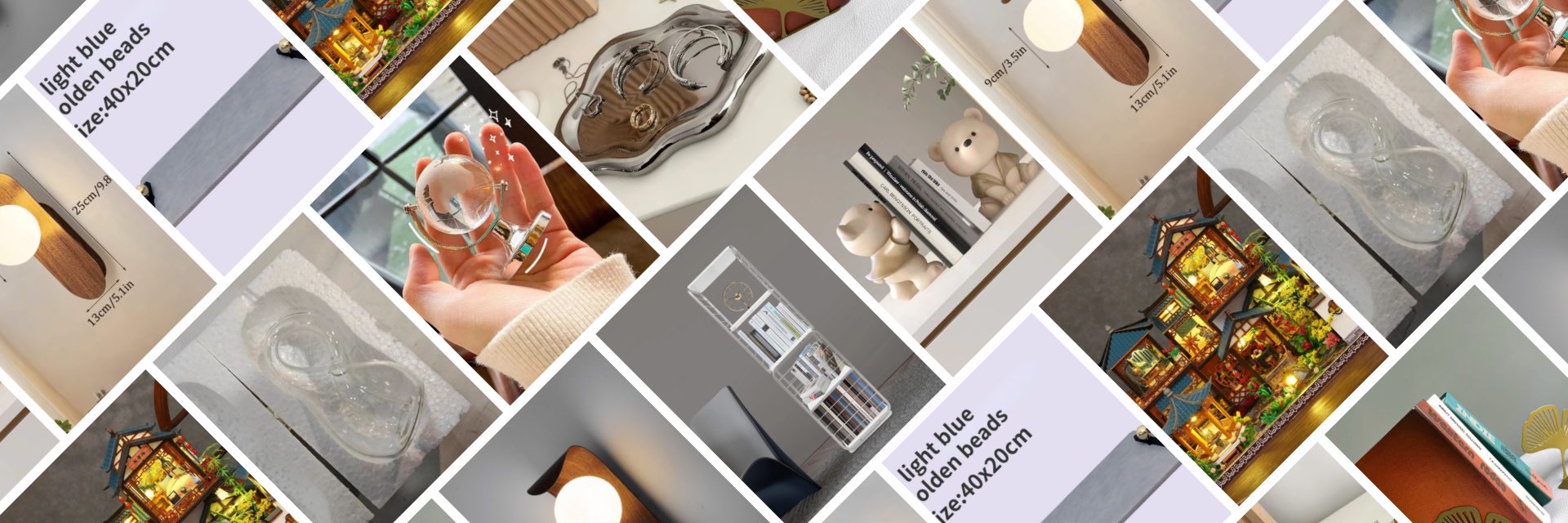
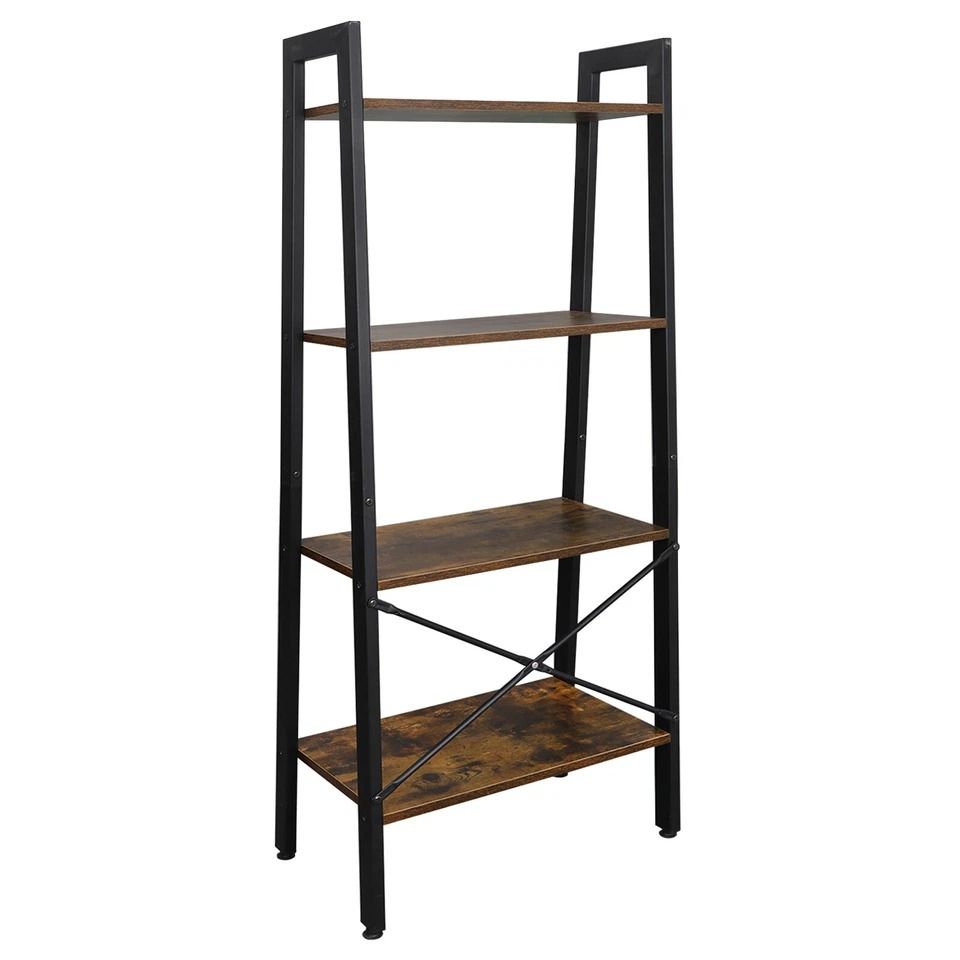 Aisha's pickMetal Decorative Books That Look Better in Real Life
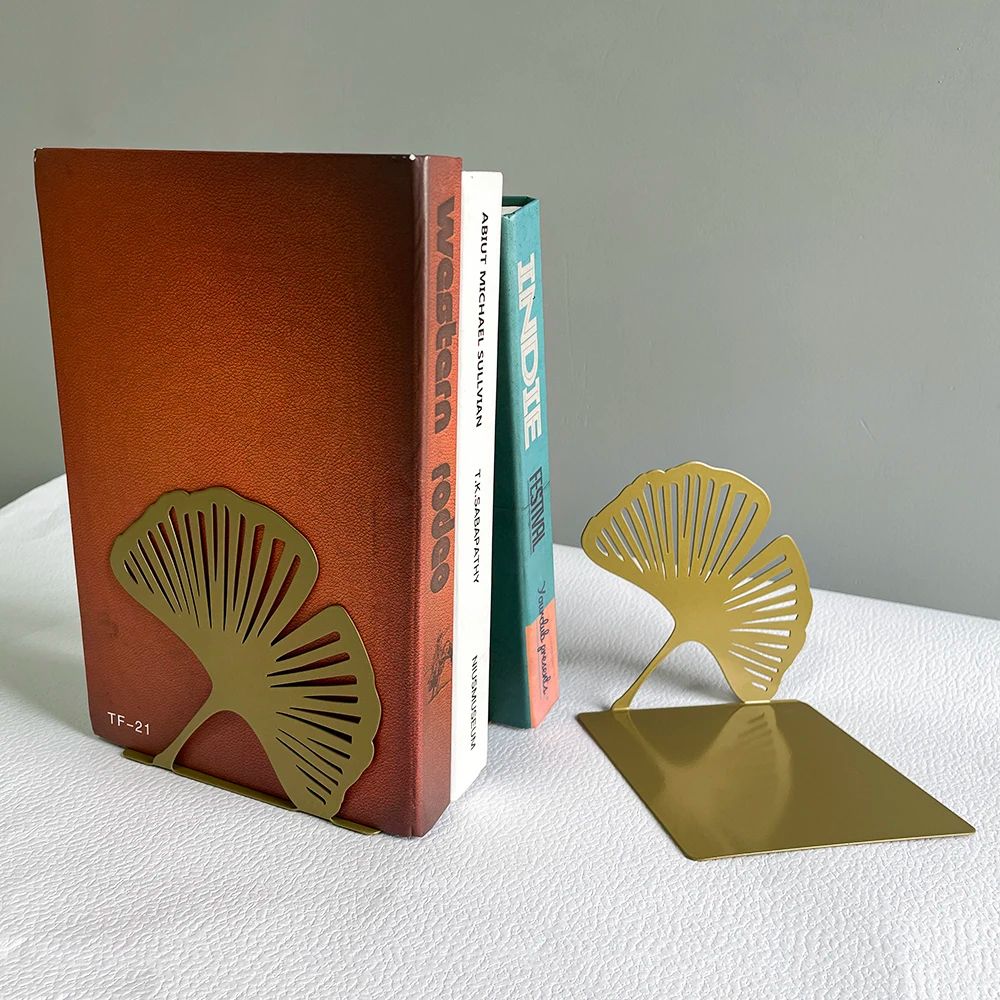
 Aisha's pickMetal Decorative Trays for Dinner Parties and Tuesday Dinners
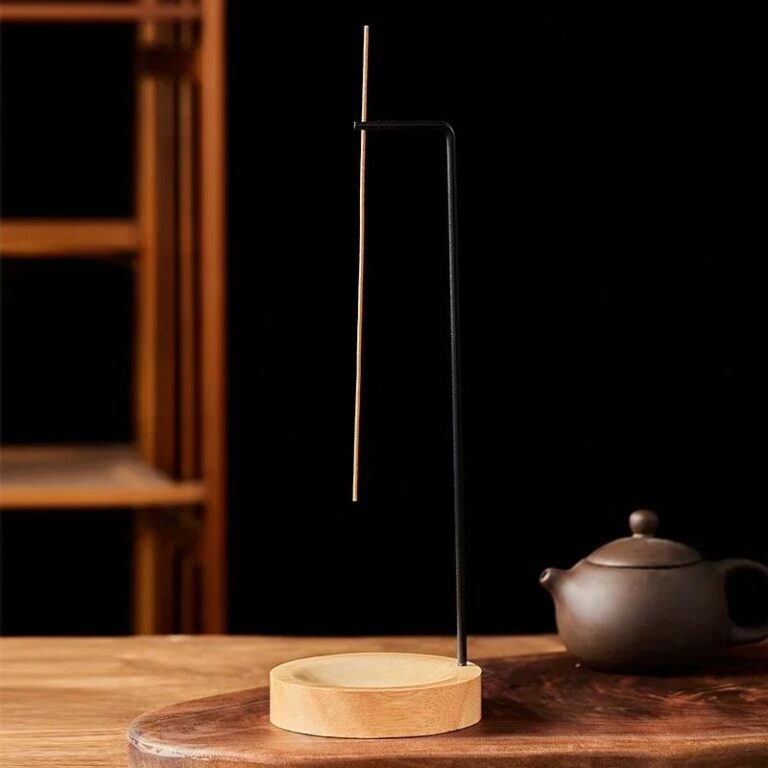
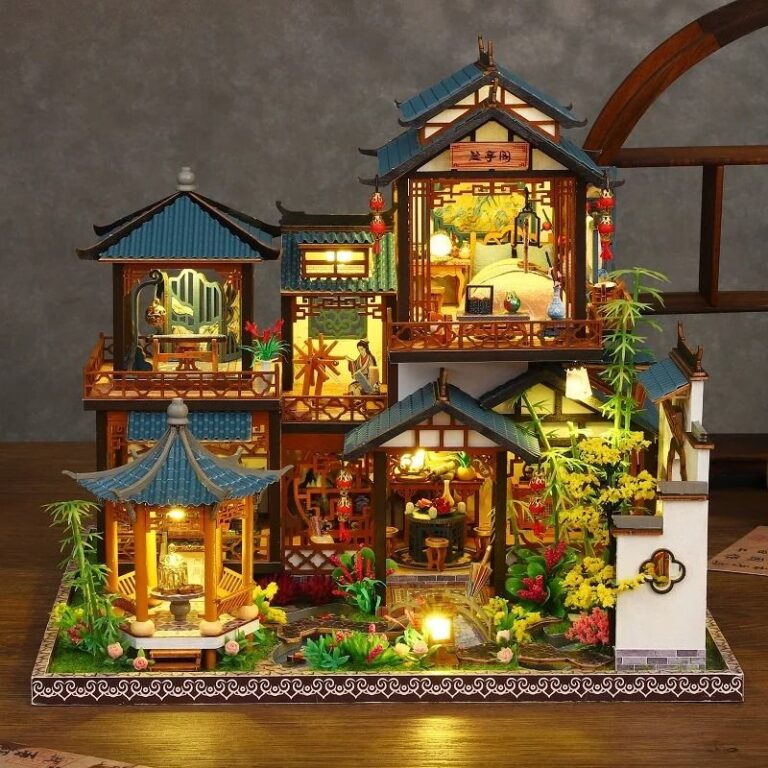 Aisha's pickModern Decorative Books That Give a Room Some Personality
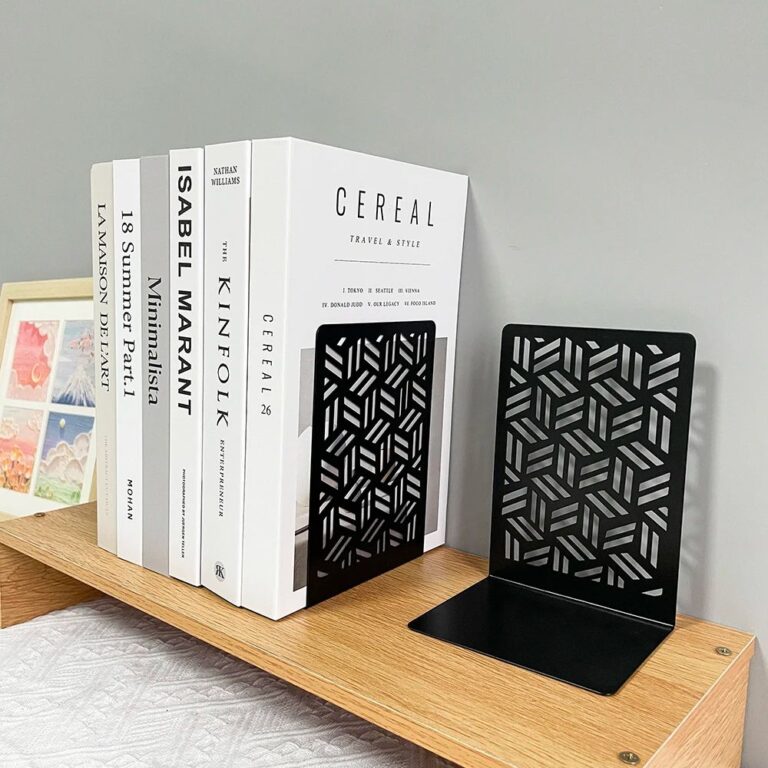
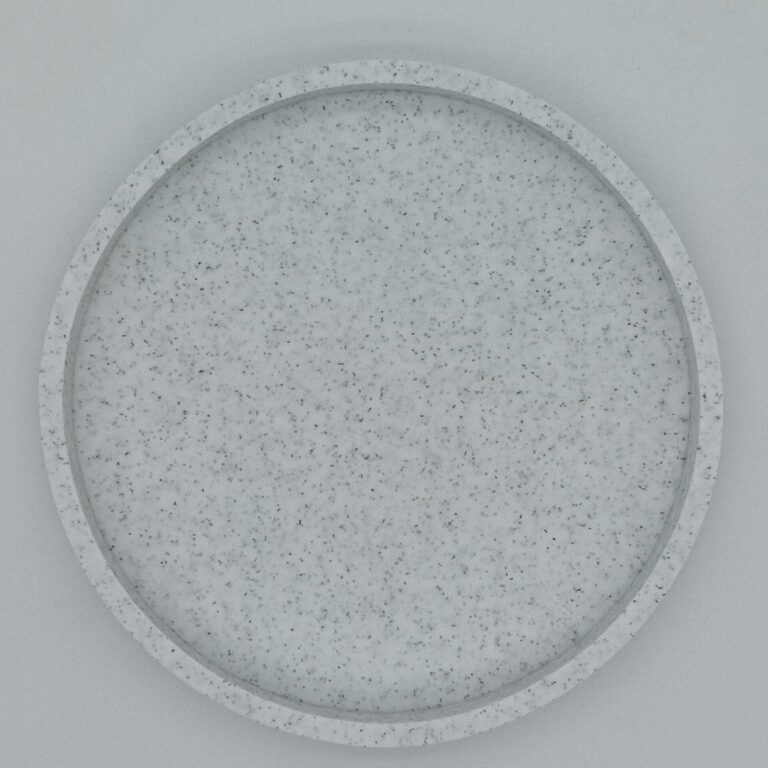 Aisha's pickRound Decorative Trays That Go in the Dishwasher
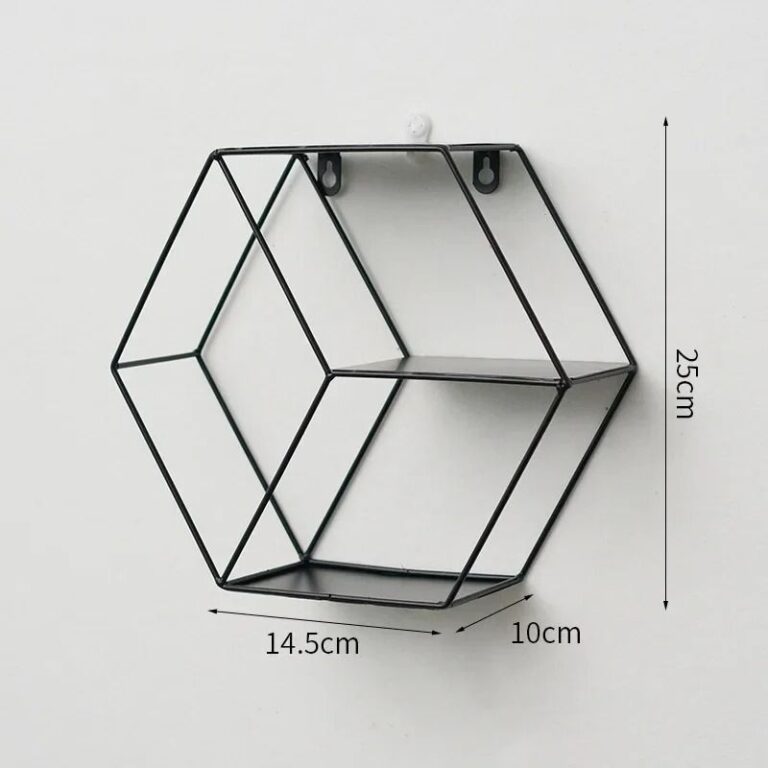
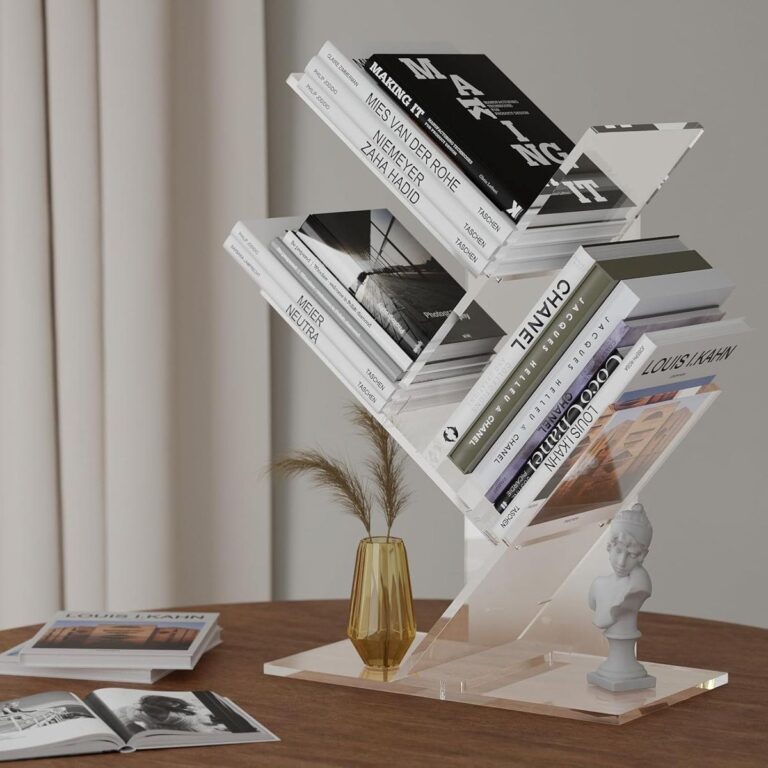 Aisha's pickSmall Decorative Books That Feel Personal, Not Store Bought
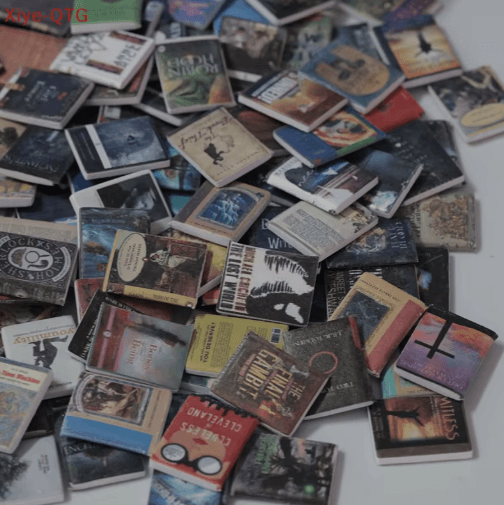
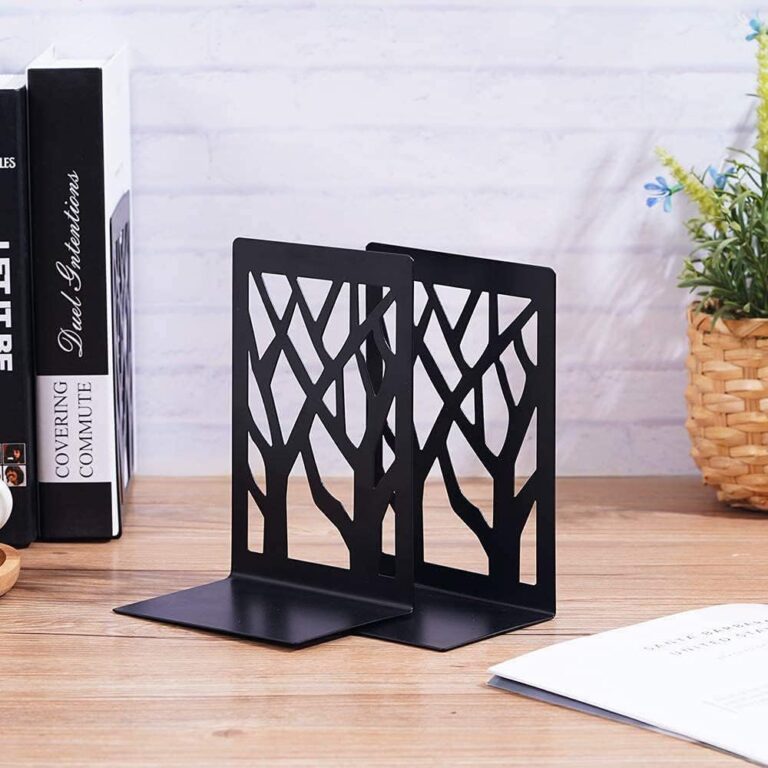 Aisha's pickBlack Decorative Books That Make a Shelf Look Styled
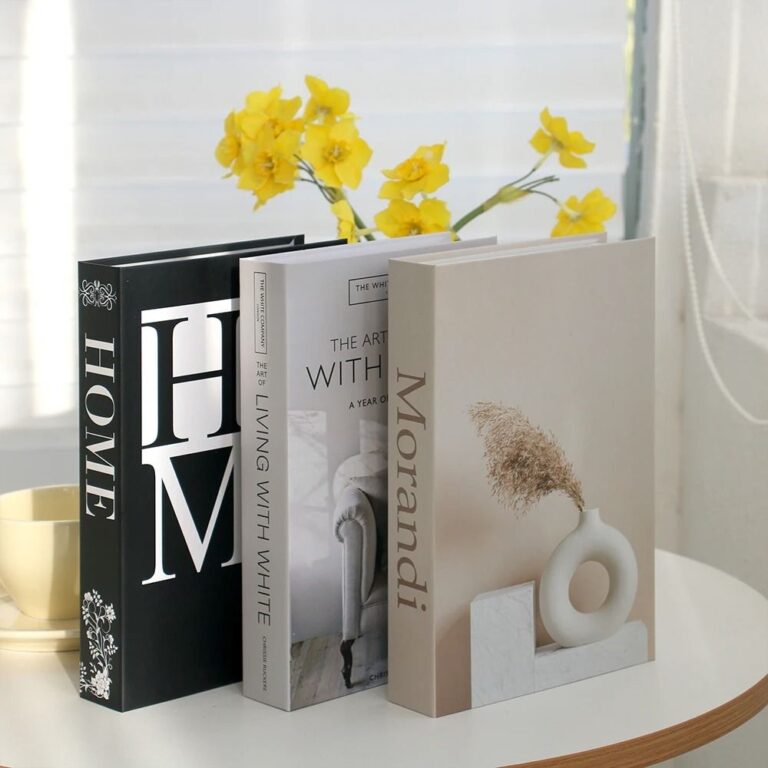
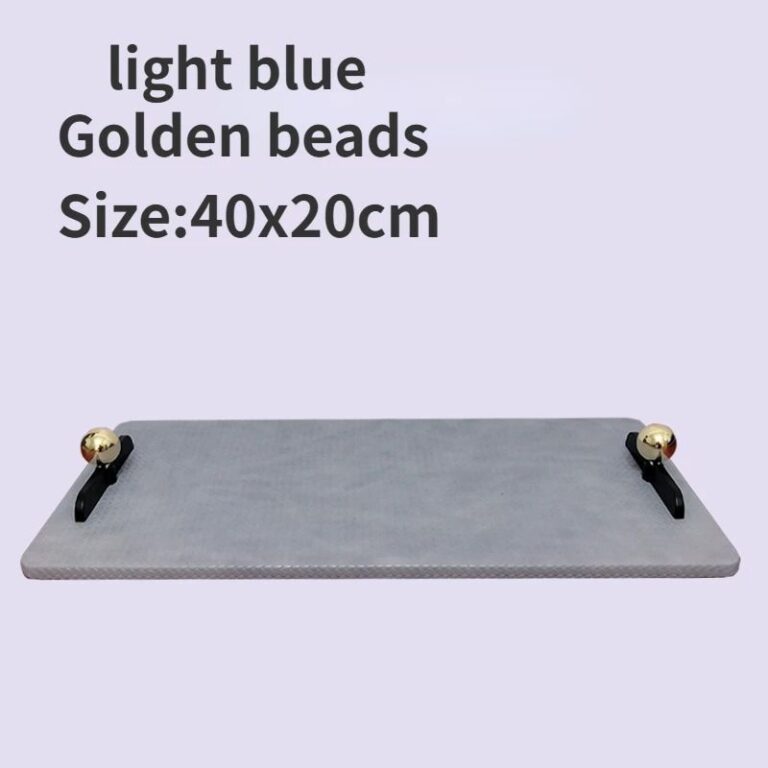 Aisha's pickSmall Decorative Trays That Mix and Match Nicely
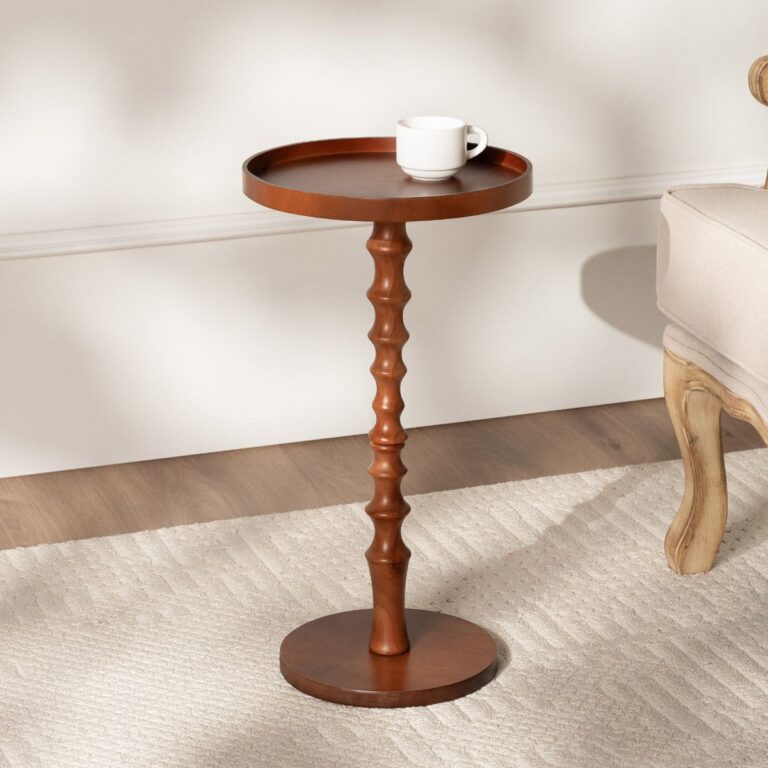
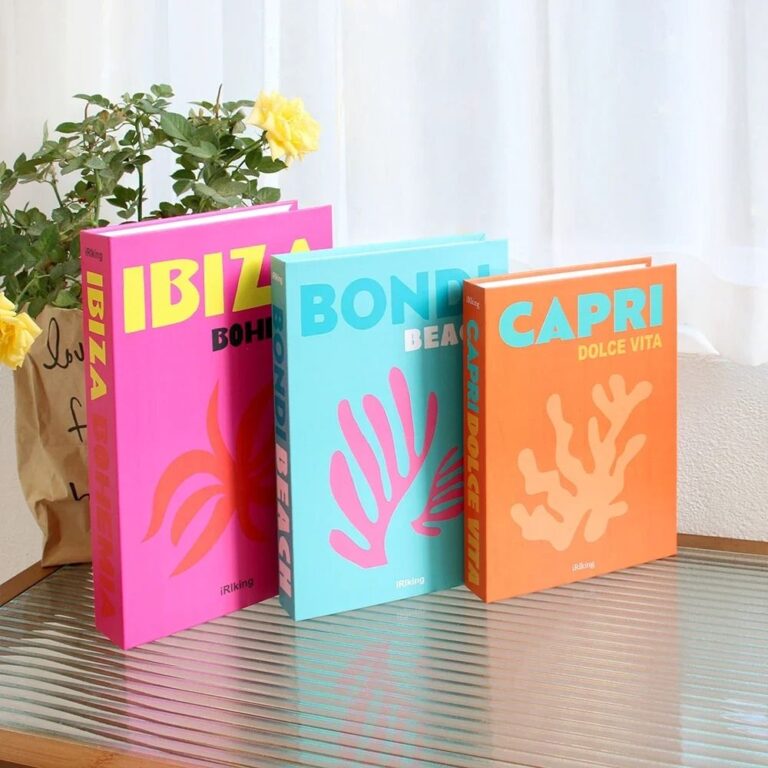 Aisha's pickContemporary Decorative Books That Won’t Date in a Year
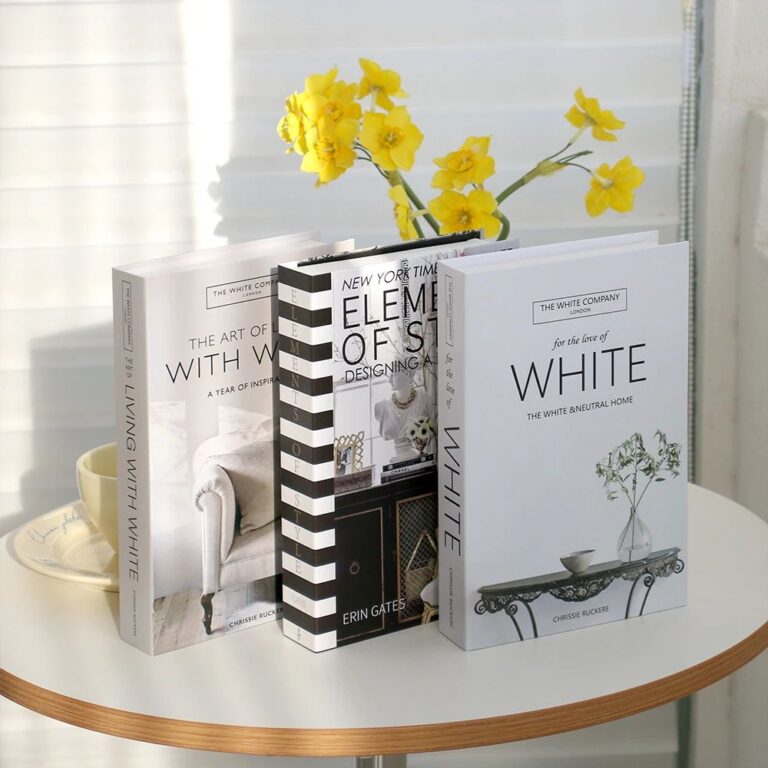
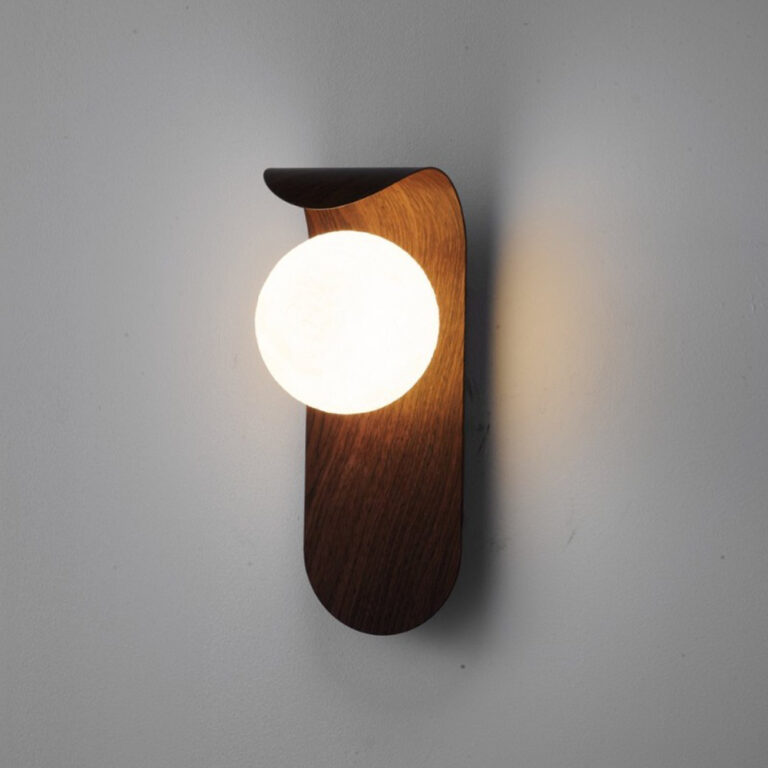 Aisha's pickVintage Decorative Globes for Filling an Awkward GapAlso worth a lookDecorDecor is the stuff that doesn't do anything useful at all, and that's exactly the point of it.See the collections →
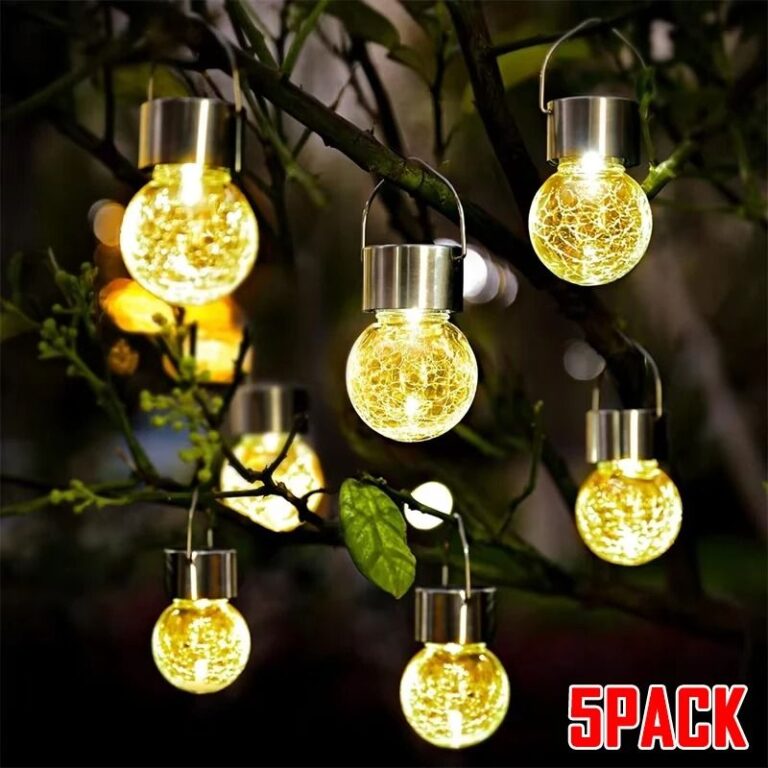
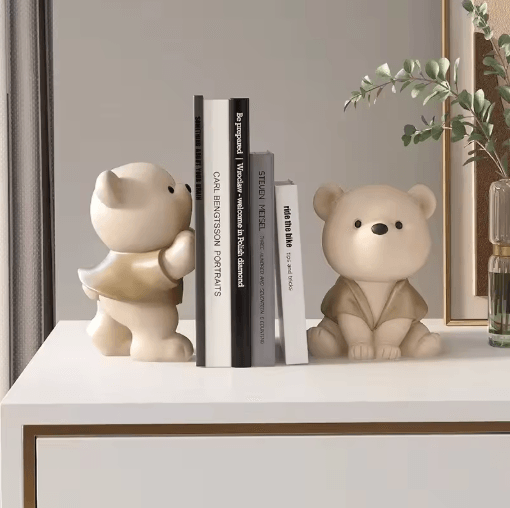 Aisha's pickDecorative Books That Make Great Housewarming Gifts

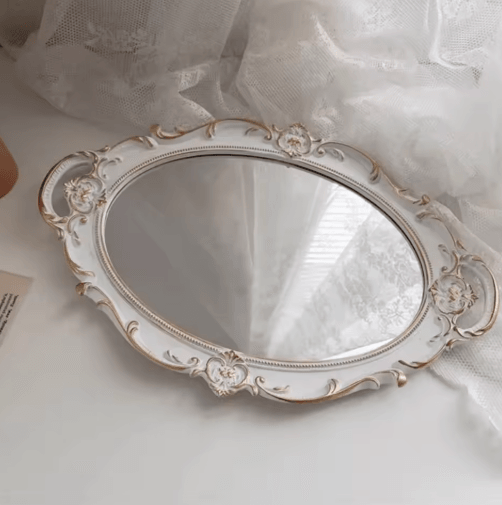
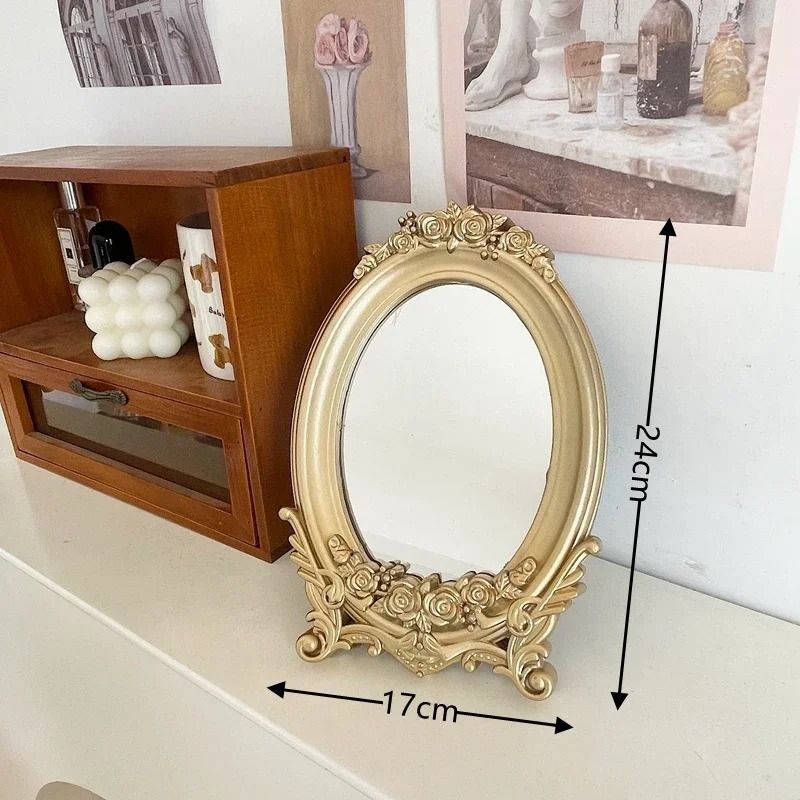 Aisha's pickVintage Decorative Trays Worth Knowing About
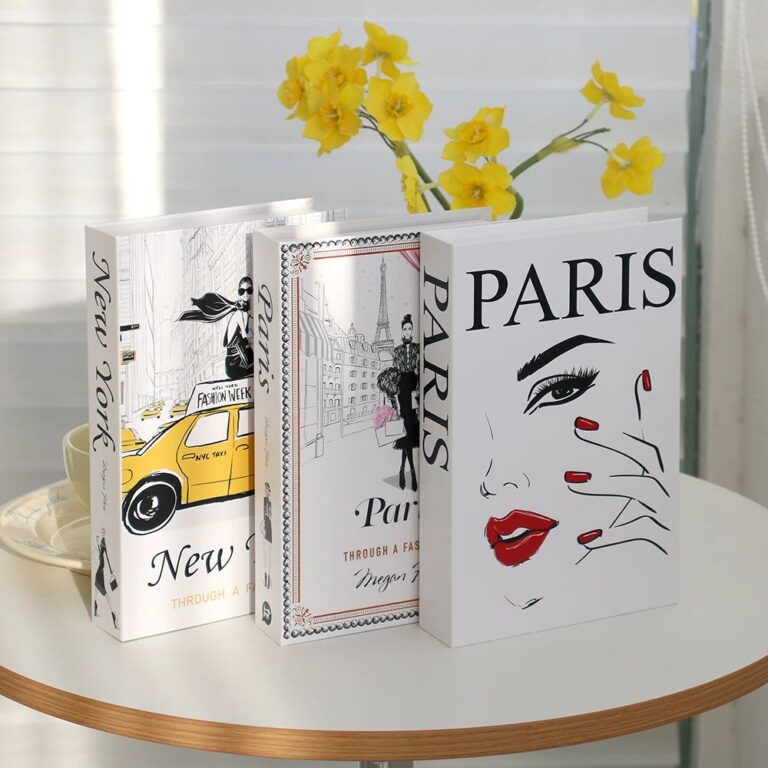
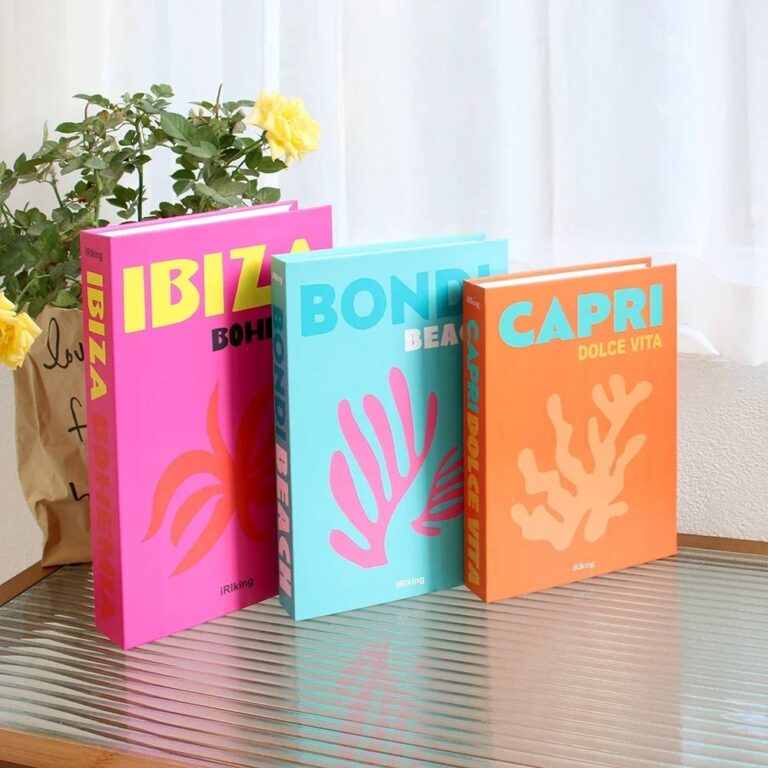 Aisha's pickDecorative Books for Coffee Table Without the Silly Price Tag
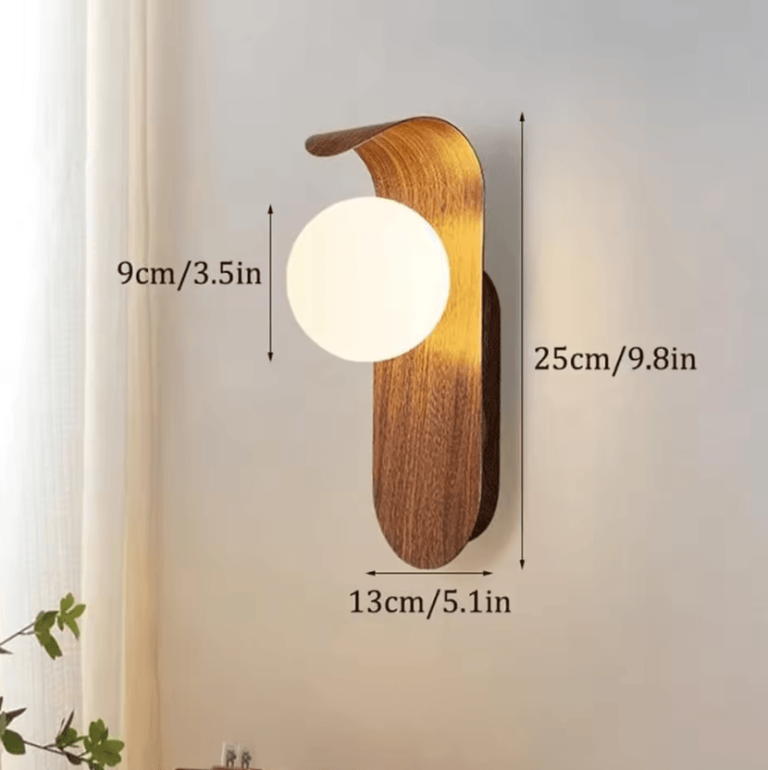 Aisha's pickWhite Decorative Globes for Blank Walls and Empty Shelves
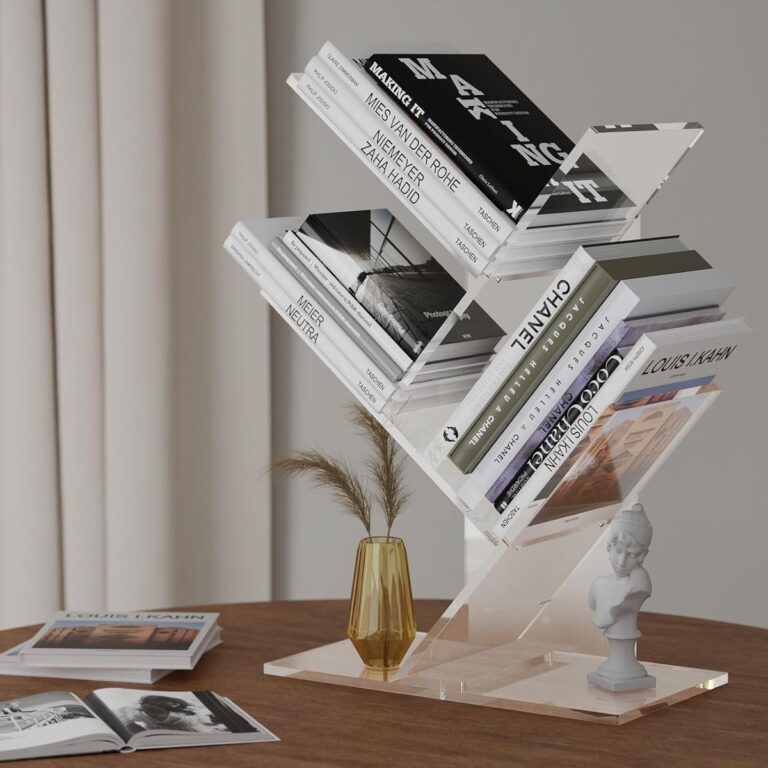 Aisha's pickDecorative Books for Living Room That Make Small Changes Feel Big

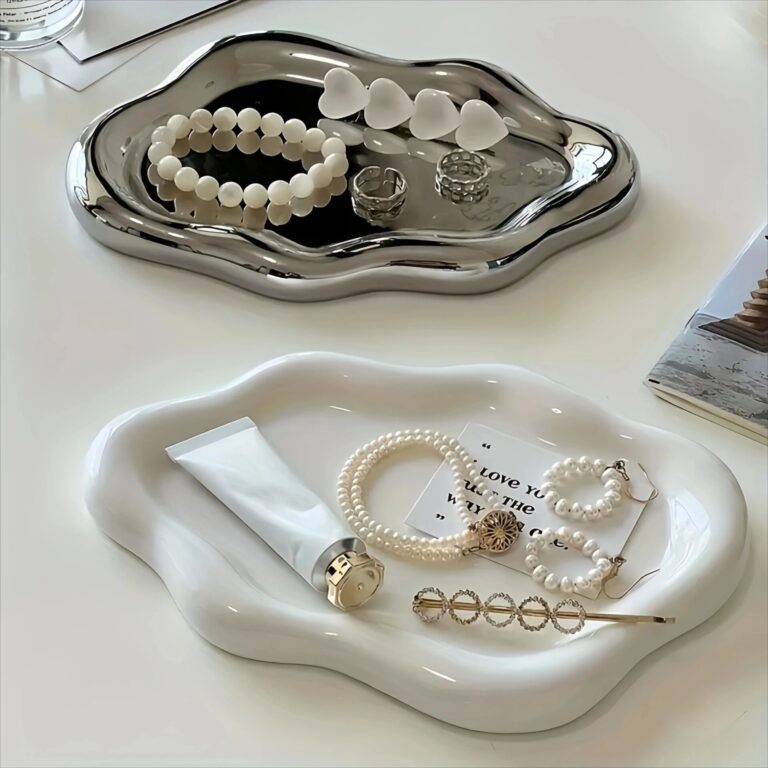 Aisha's pickWhite Decorative Trays We Use More Than the Best China
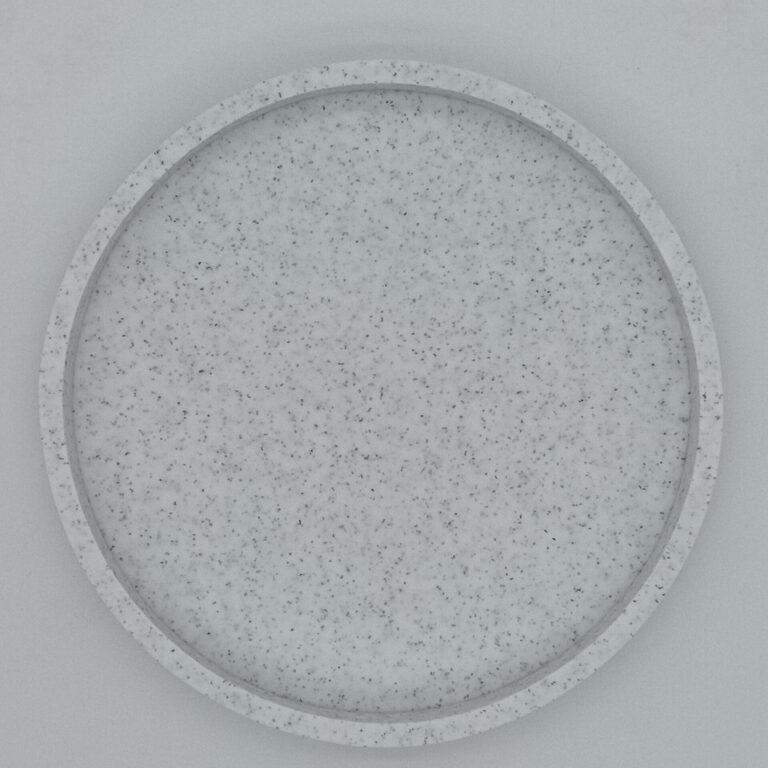
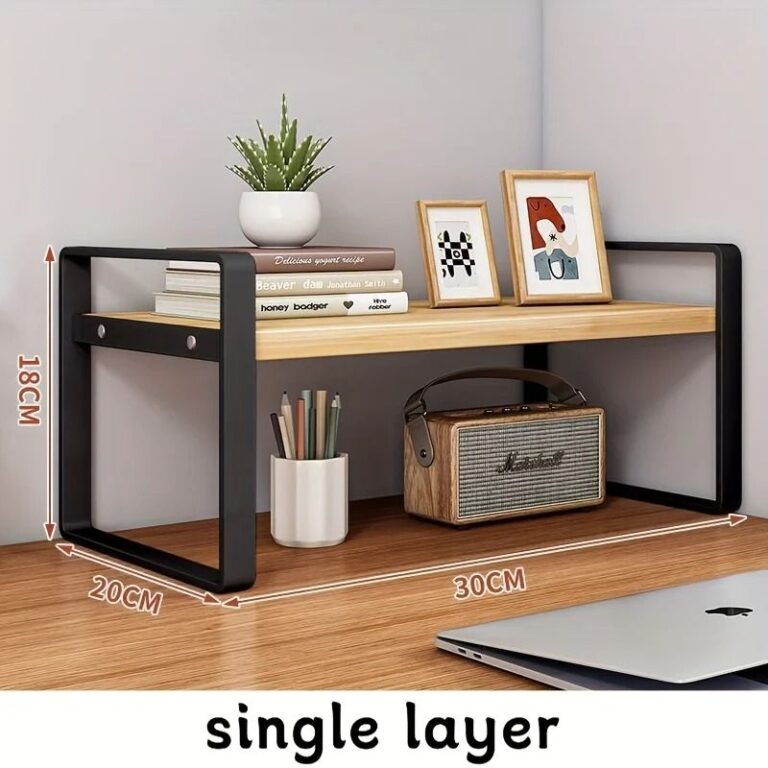 Aisha's pickDecorative Books for Shelves That Give a Room Some Personality
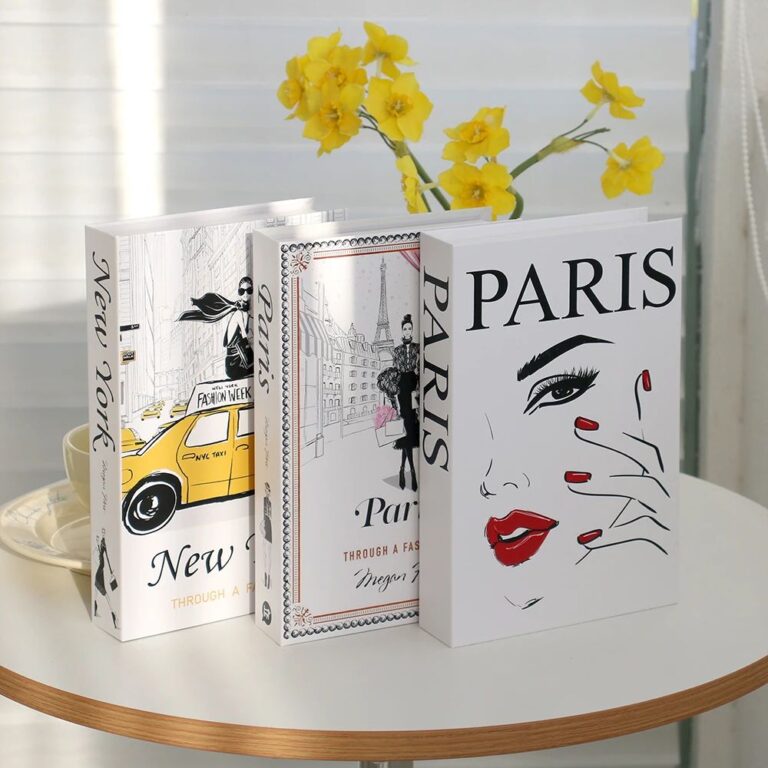
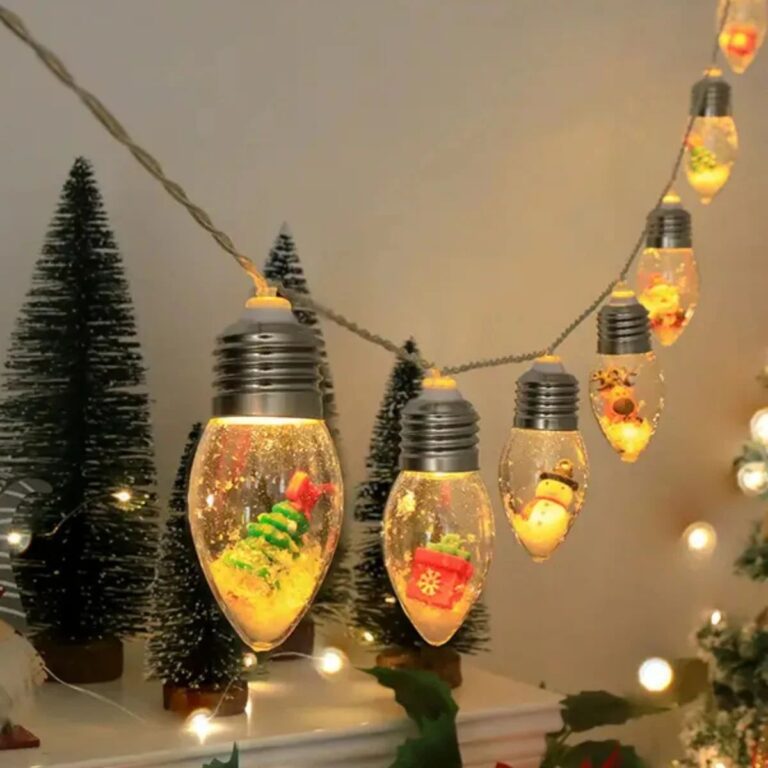 Aisha's pickDecorative Globes That Don’t Look Mass Produced
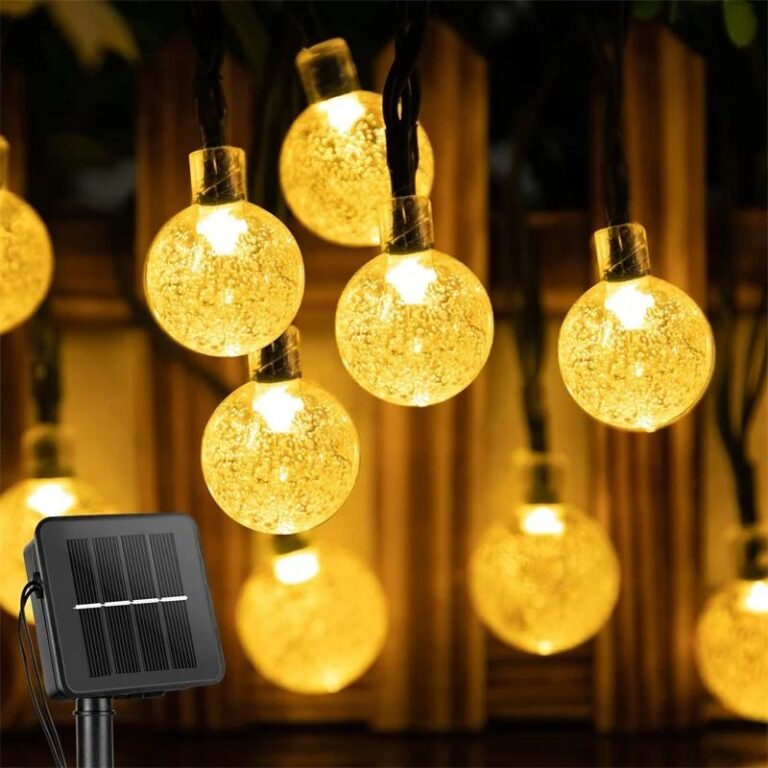
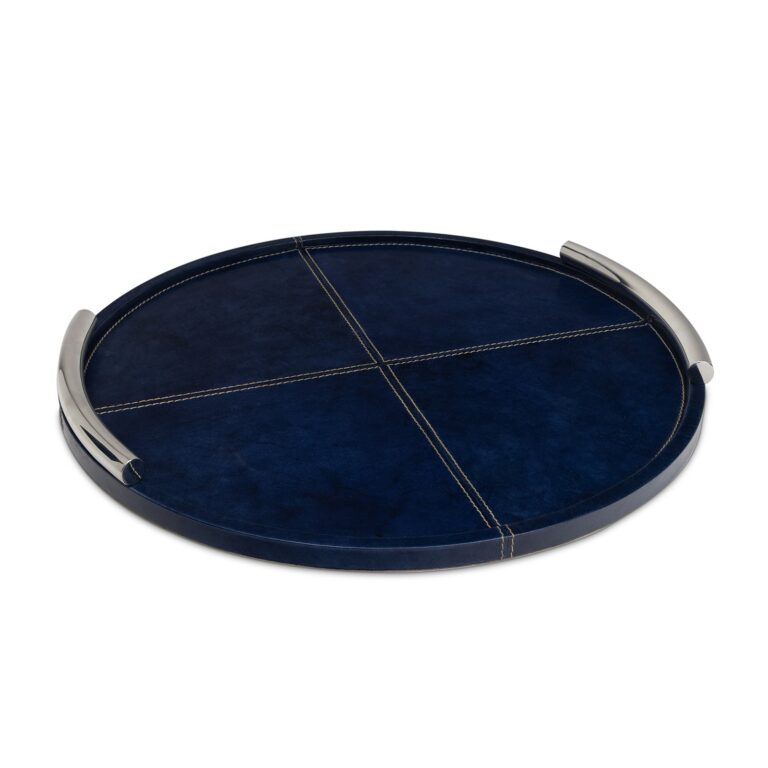
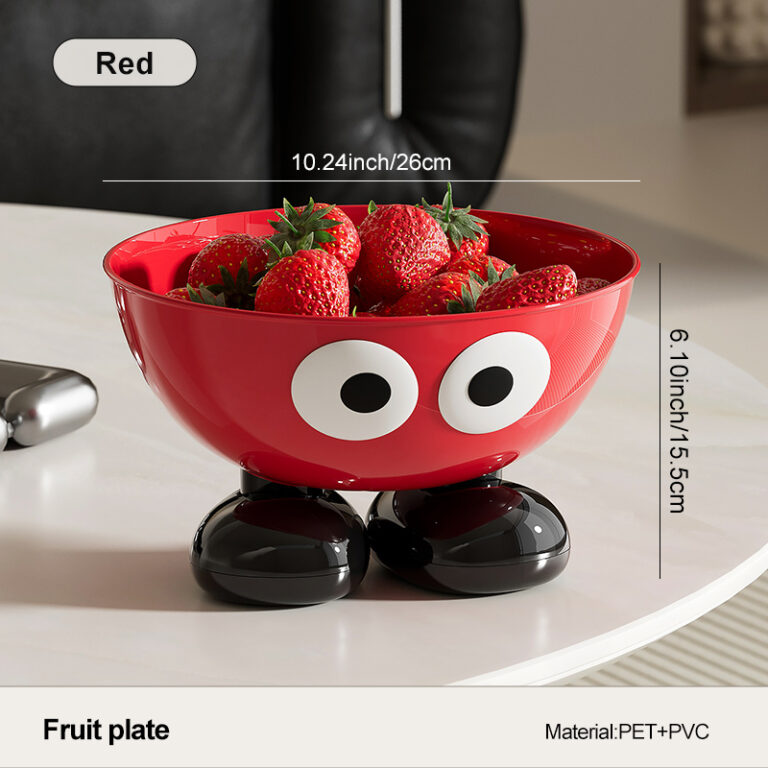 Aisha's pickDecorative Trays That Look Good on Open ShelvesAlso worth a lookModern DecorYou know the moment. You've finally got the boring stuff sorted, the sofa's in, the curtains hang right,…See the collections →
 Aisha's pickGlass Decorative Globes for Blank Walls and Empty Shelves