I used to think patio chairs were just chairs that happened to live outside, so I bought the cheapest stackable set I could find, the kind with the thin aluminum tubing and a plastic weave seat, and by the second summer the arms had gone chalky and one leg had bent enough that the chair rocked on flat concrete. What fixed my thinking was sitting in a neighbor's chair that had survived six years of Ohio winters on an uncovered deck. Heavier frame, tighter weave, no wobble. That was the whole lesson.
The difference between a good one and a bad one comes down to what you can't always see in a photo. A well made frame is either a thick walled aluminum that won't bend under a normal adult sitting down hard, or a properly treated hardwood or teak that's been kiln dried so it doesn't warp when it gets wet and then bakes in the sun the next day. Look at the joints. Welded aluminum joints should feel solid with no seam you can wiggle, and wood joints should be mortise and tenon or at least doweled, not just screwed through end grain, because that's the first thing that splits. The finish matters more outside than anywhere else in the house. A powder coat that's been baked on will outlast a sprayed paint job by years, and a cheap clear coat on wood will peel in one season while a proper oil finish just needs reapplying once a year. Woven resin seats, the good synthetic kind, flex a little and don't crack in cold weather, while the bargain version goes brittle and snaps the first time someone sits down wrong.
Where patio chairs are the wrong choice is anywhere you want to drag a chair around constantly or stack things on them, since the sturdier ones are heavier for a reason, and that weight is exactly what you're paying for. They're also not the answer if you've got nowhere dry to store them over winter, because even a good finish has limits against months of snow sitting on it, and a cheap set left out year round will outlast nothing no matter how it's built.
In an ordinary backyard, a pair of these looks right next to a plain wood or metal table that doesn't try too hard, with nothing matching exactly, maybe a faded cushion or two that's clearly been rained on and survived. They sit fine next to a grill, a kid's bike leaned on the fence, the regular mess of a yard that gets used.
Spend the extra on the frame and the joints, and let the cushions be the cheap part you replace whenever you feel like it.

 Aisha's pickLarge Patio Chairs for Barbecues and Lazy Weekends
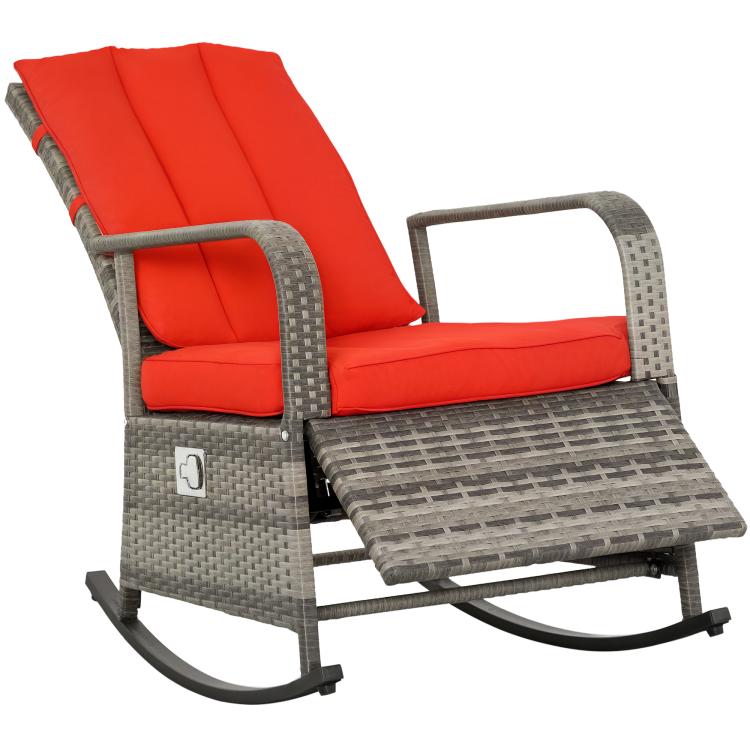 Aisha's pickRattan Patio Chairs with Cushions We Keep Coming Back To
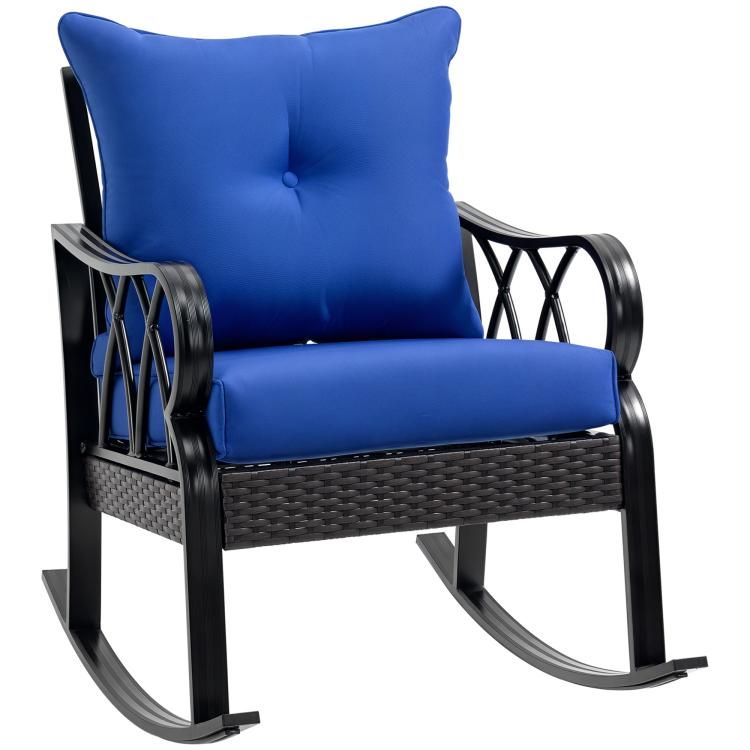
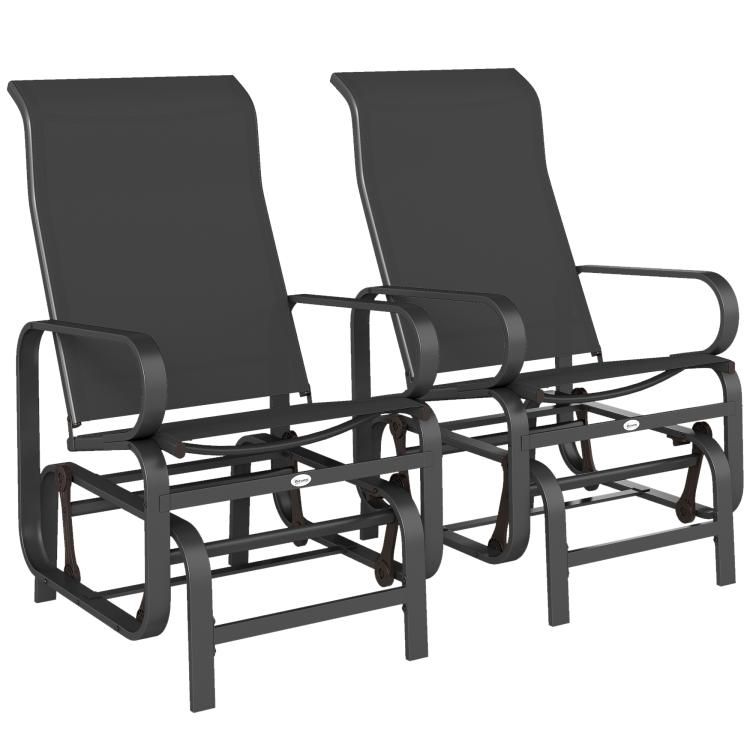 Aisha's pickMetal Patio Chairs That Make the Yard Feel Like Another Room
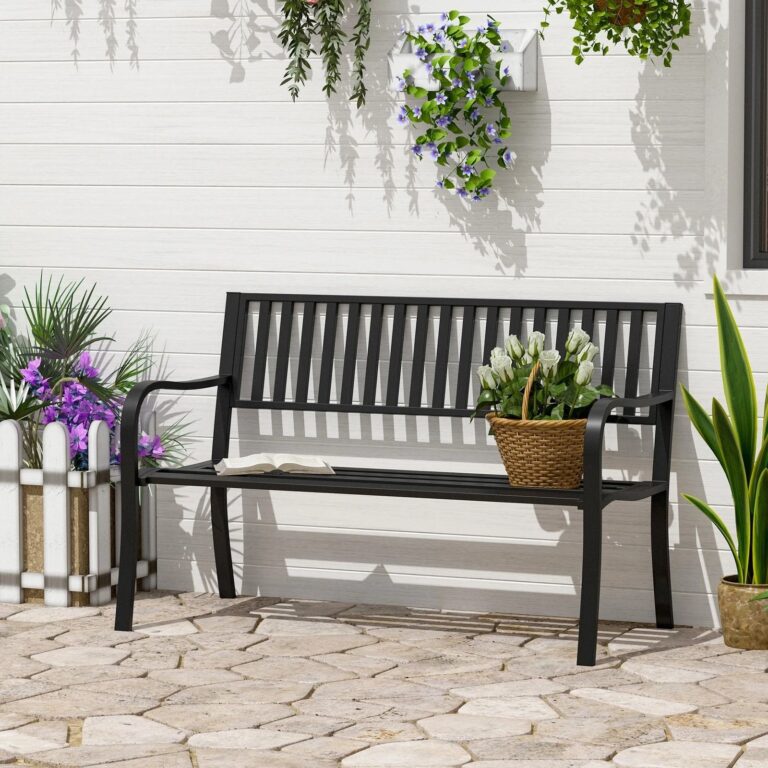
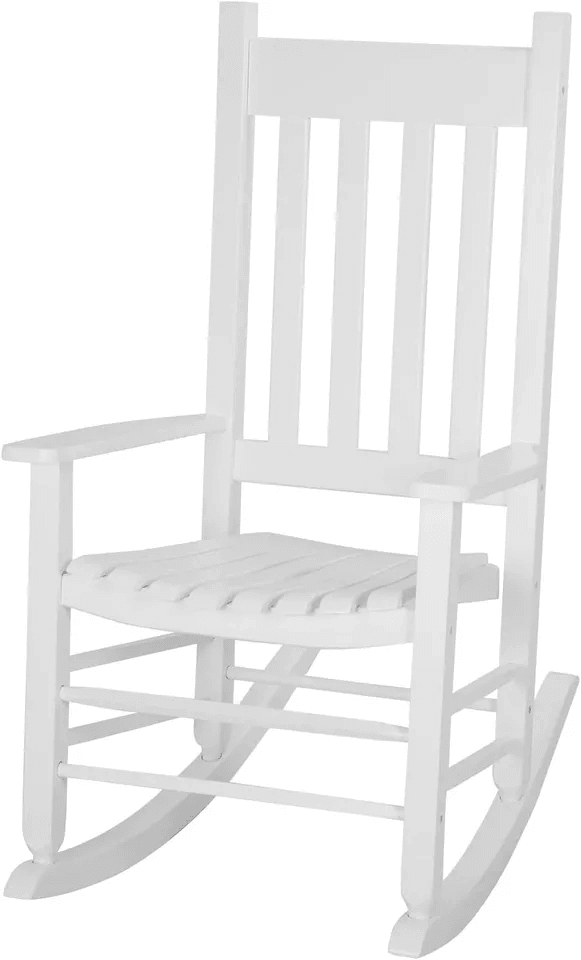
 Aisha's pickRocking Patio Chairs That Survive a Hard Winter
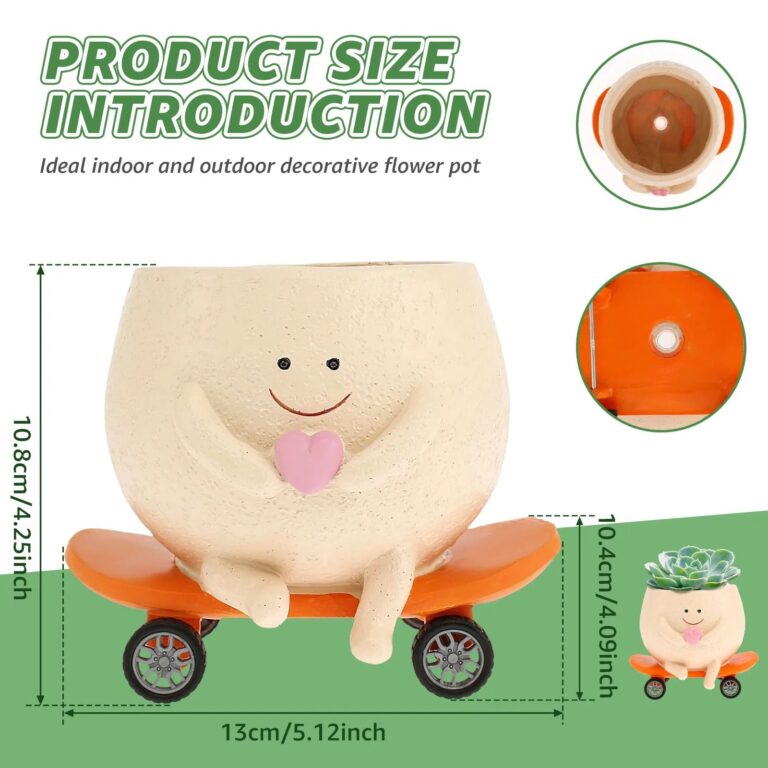
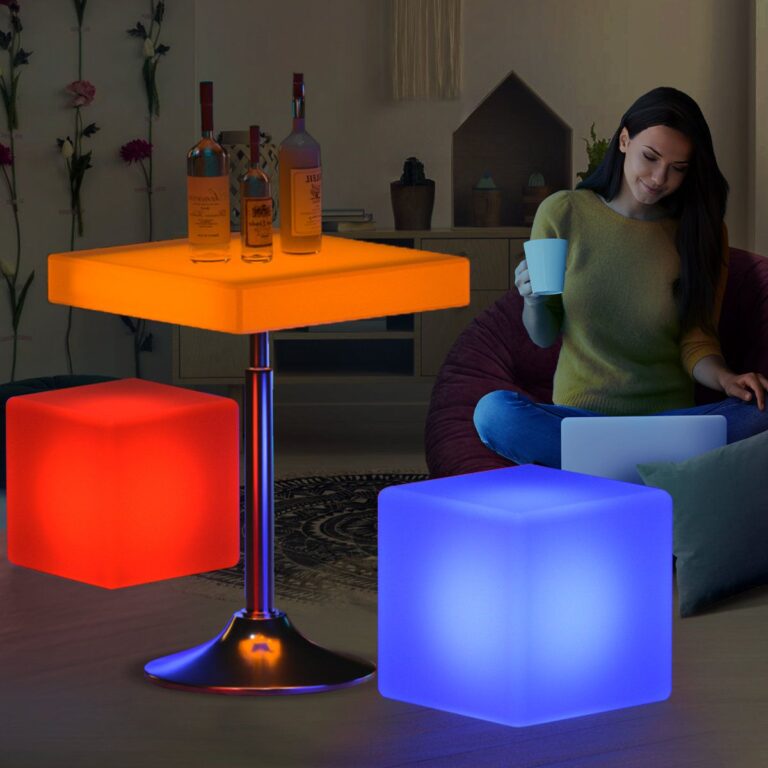 Aisha's pickModern Patio Chairs We’d Have Out From May to September
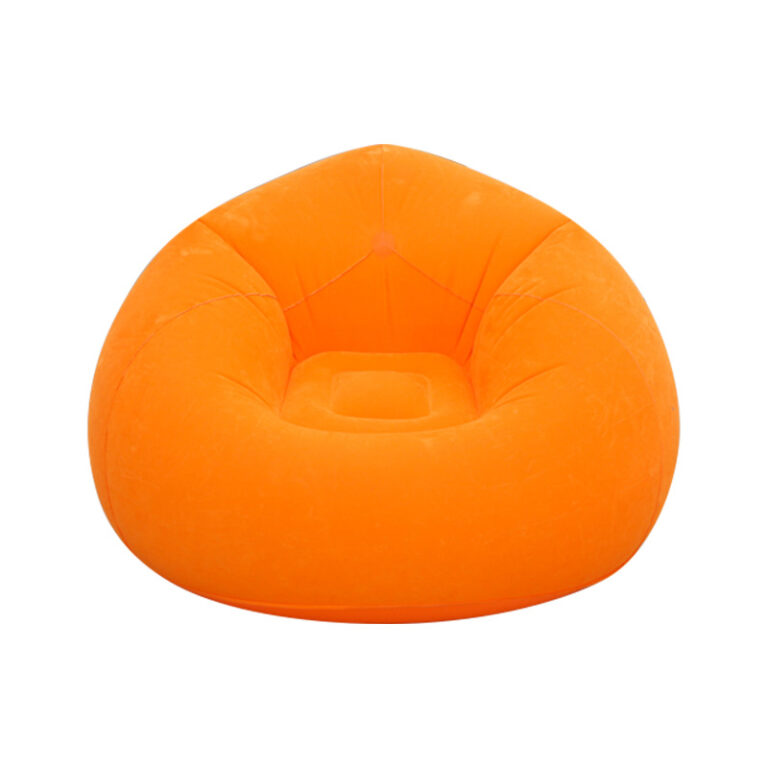
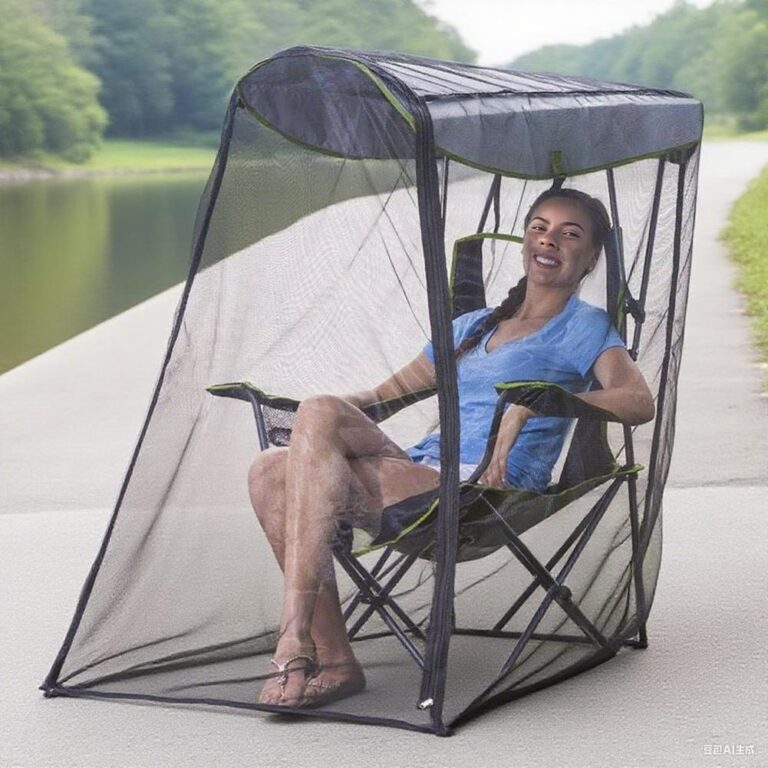 Aisha's pickSmall Patio Chairs for Sunny Afternoons and Chilly Nights
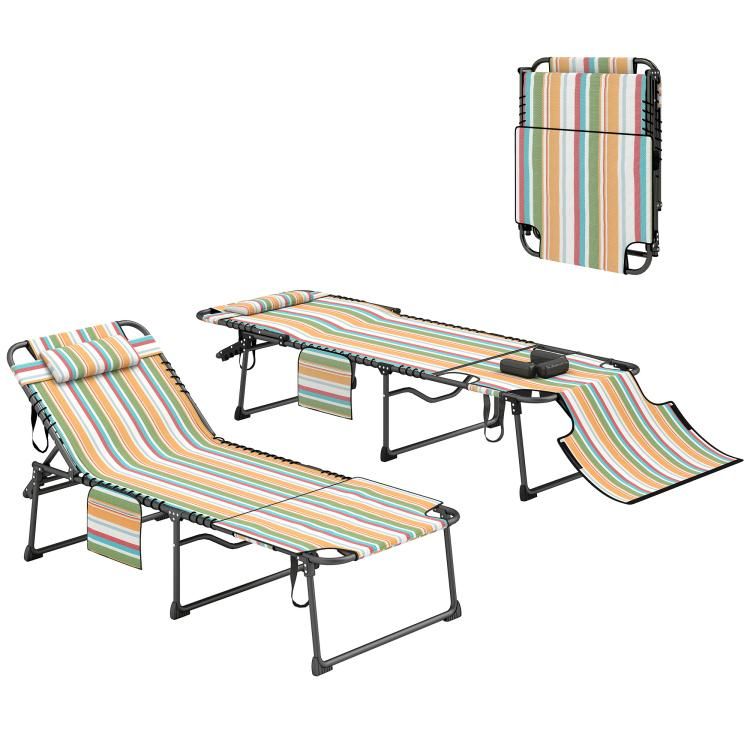
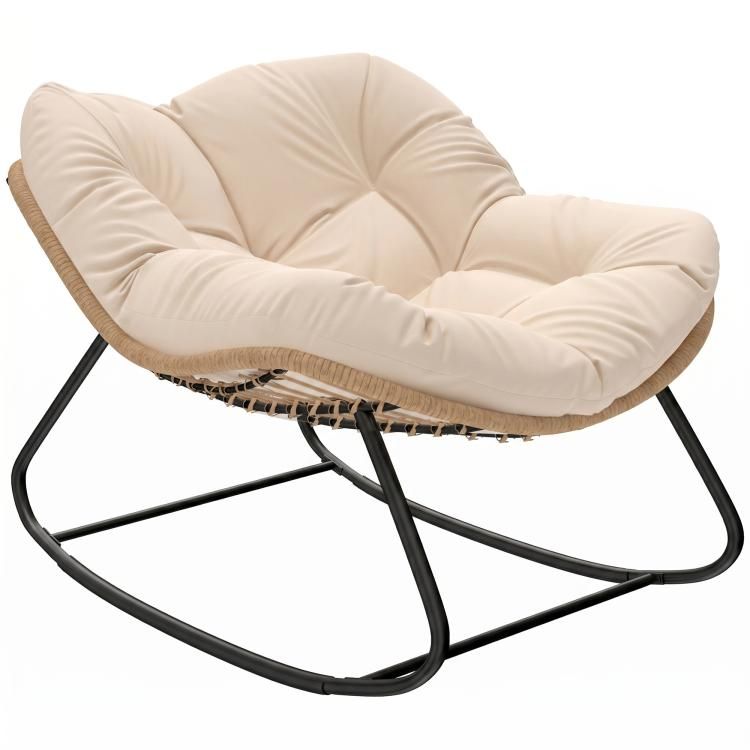 Aisha's pickNatural Patio Chairs That Make a Small Yard Work Harder
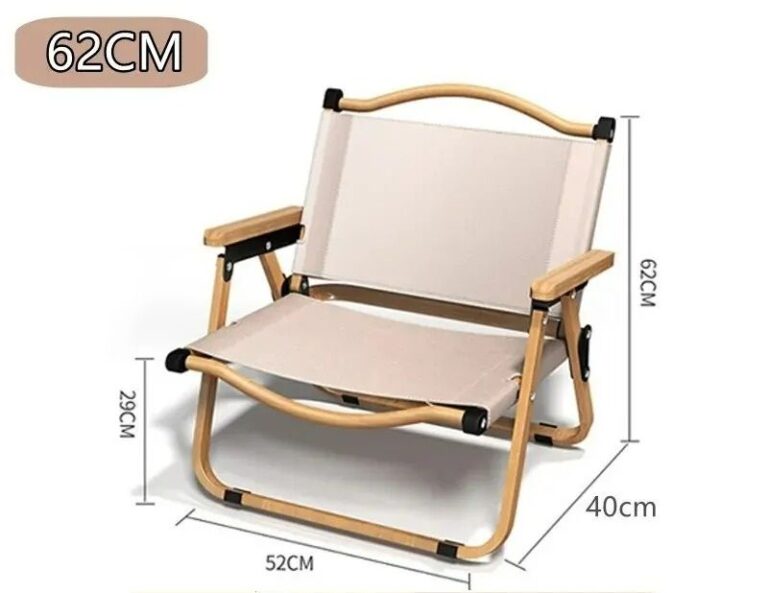
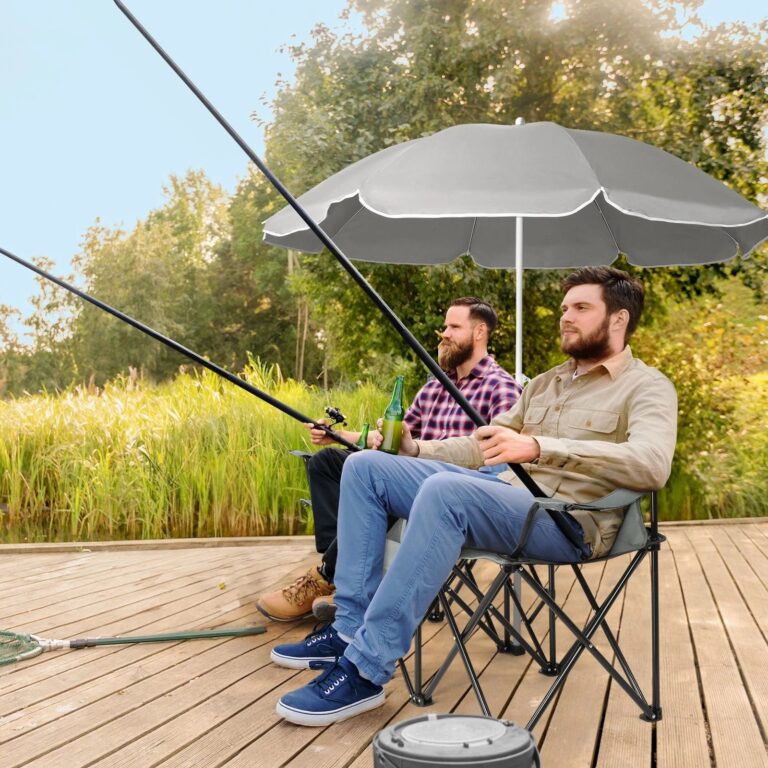 Aisha's pickSteel Patio Chairs That Shrug Off the Rain
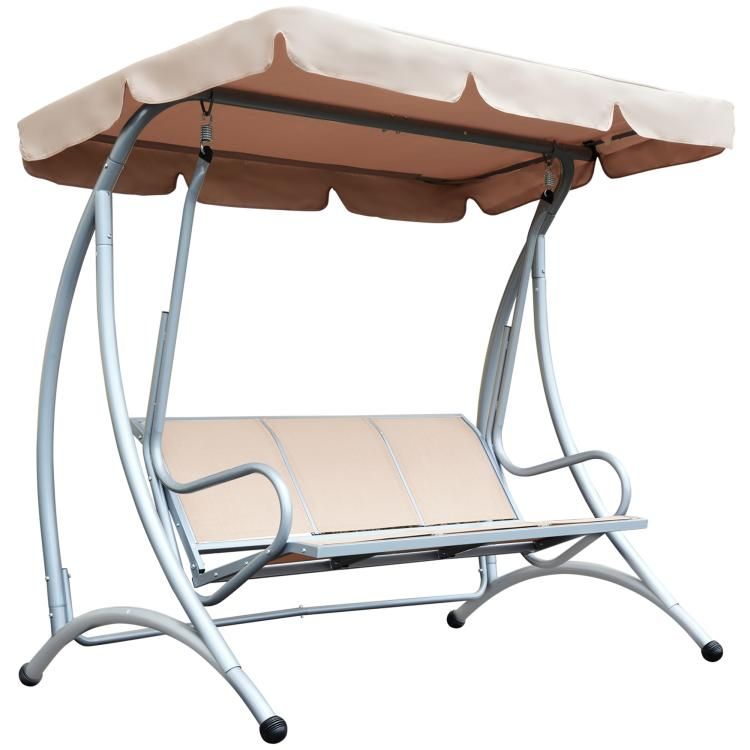
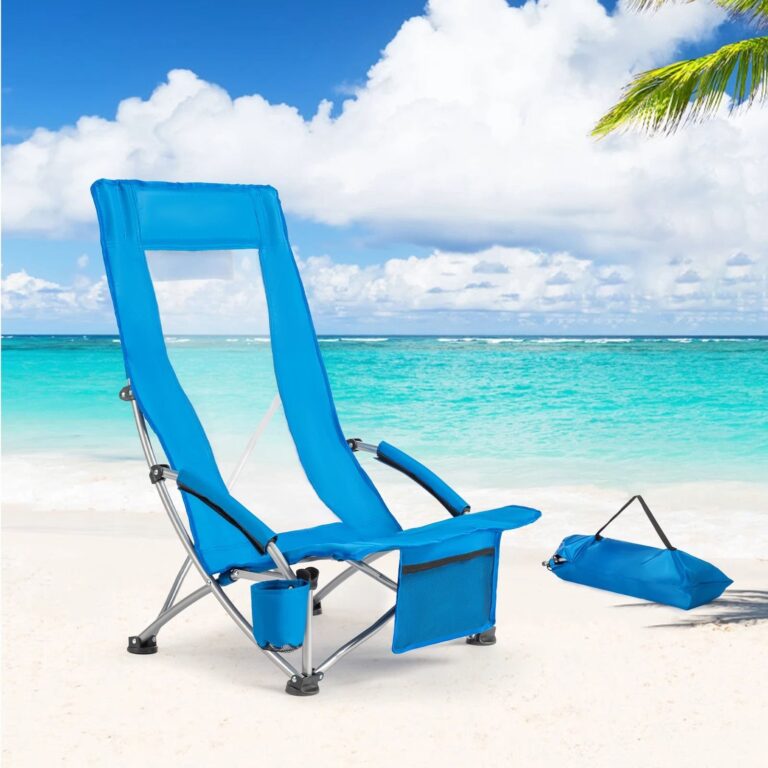 Aisha's pickOutdoor Chairs for Patio That Make Rented Places Feel Like HomeAlso worth a lookDining Outdoor ChairsStand in front of a stack of these and the first thing to check isn't the look, it's…See the collections →
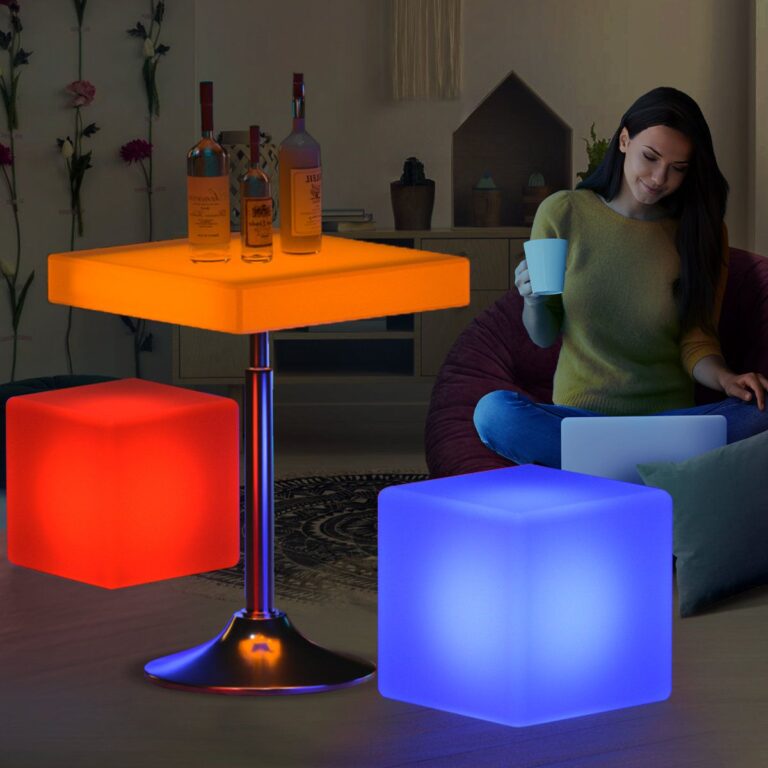
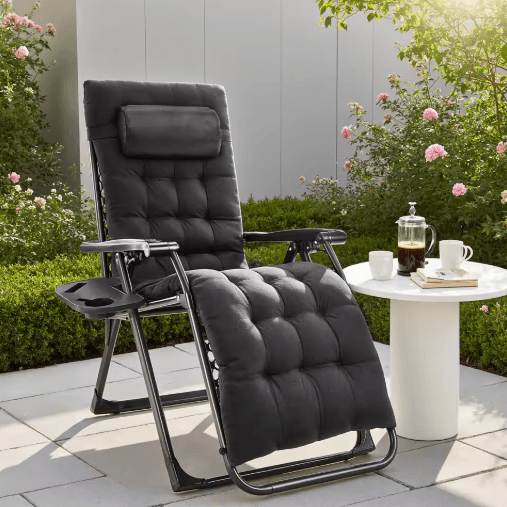 Aisha's pickZero Gravity Chairs for Patio That Survive a Hard Winter
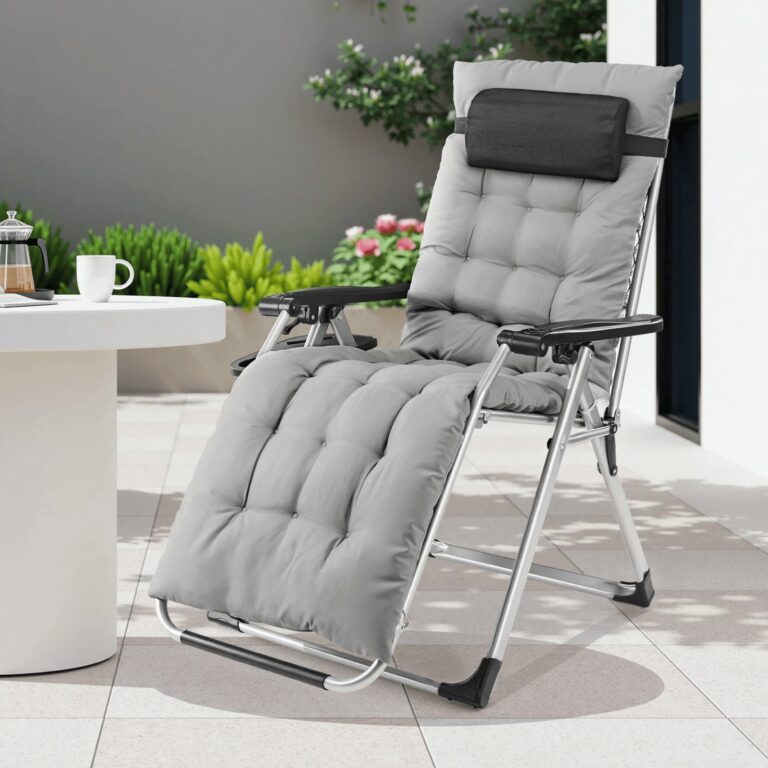
 Aisha's pickAll Weather Patio Chairs for When the Old Ones Give Up

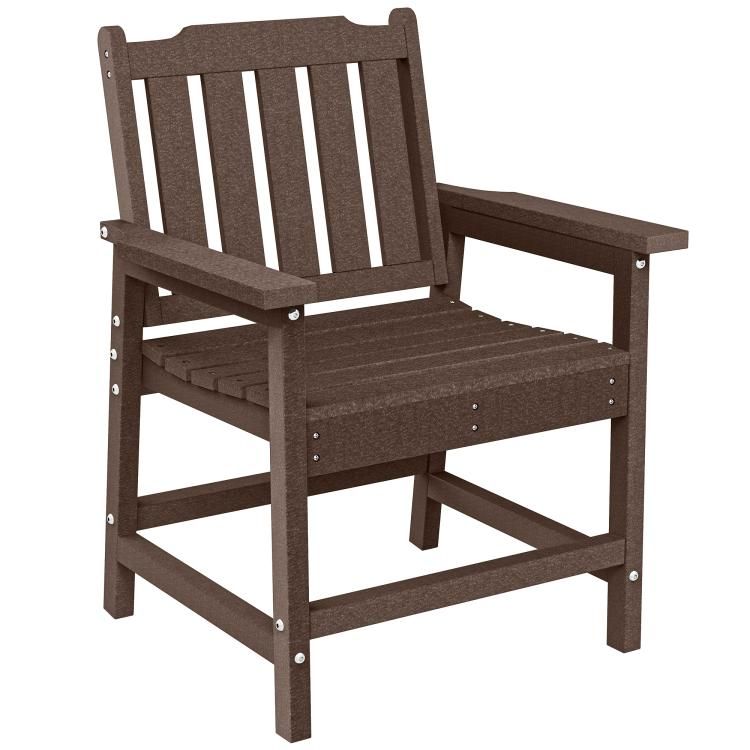 Aisha's pickOutdoor Dining Chairs for Patio That Won’t Date in a Year
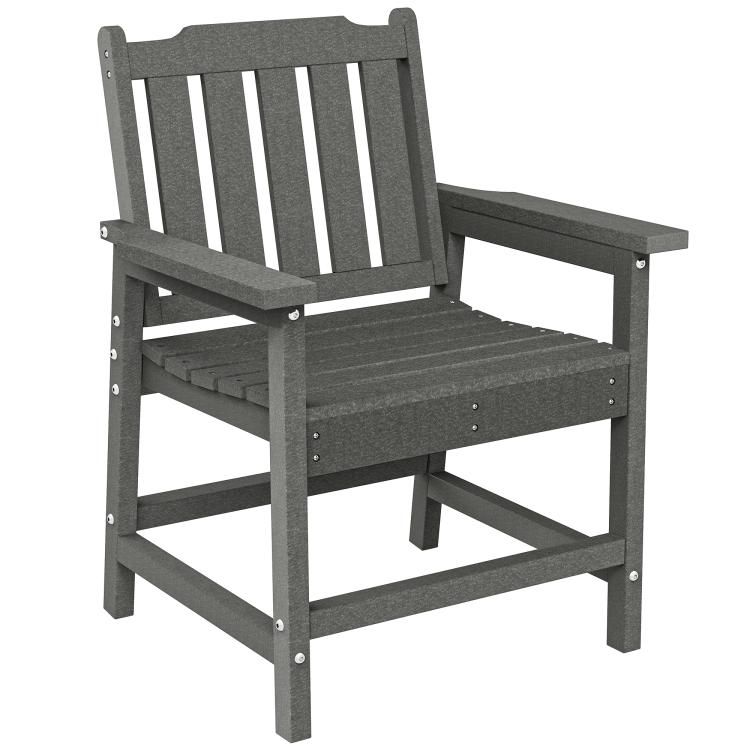
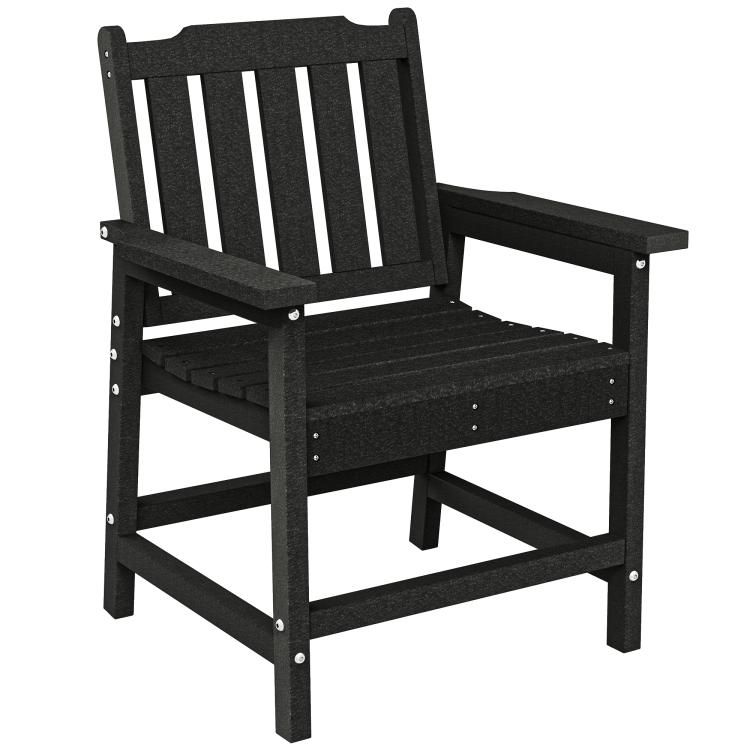
 Aisha's pickBlack Patio Chairs for Sunny Afternoons and Chilly Nights
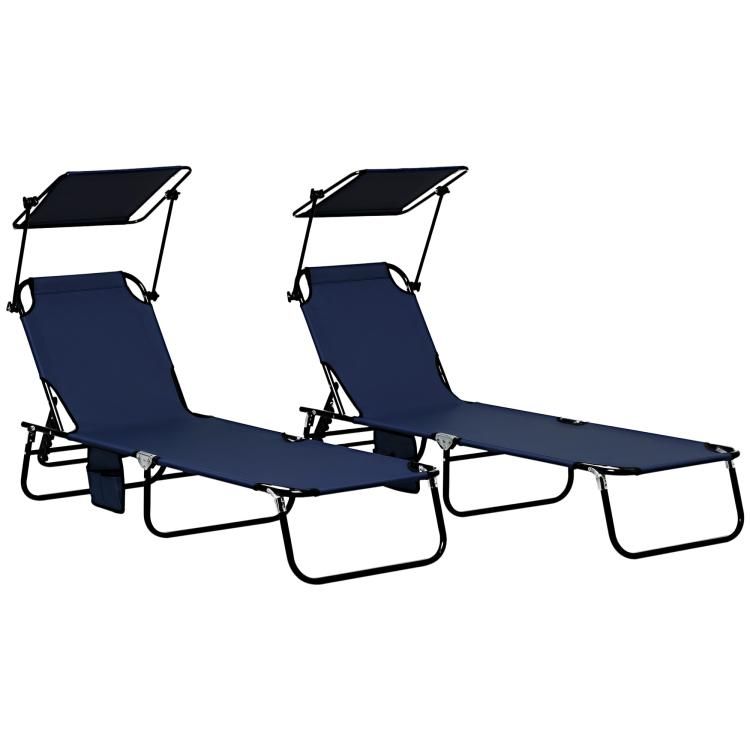 Aisha's pickOutdoor Lounge Chairs for Patio That Make the Yard Feel Like Another Room
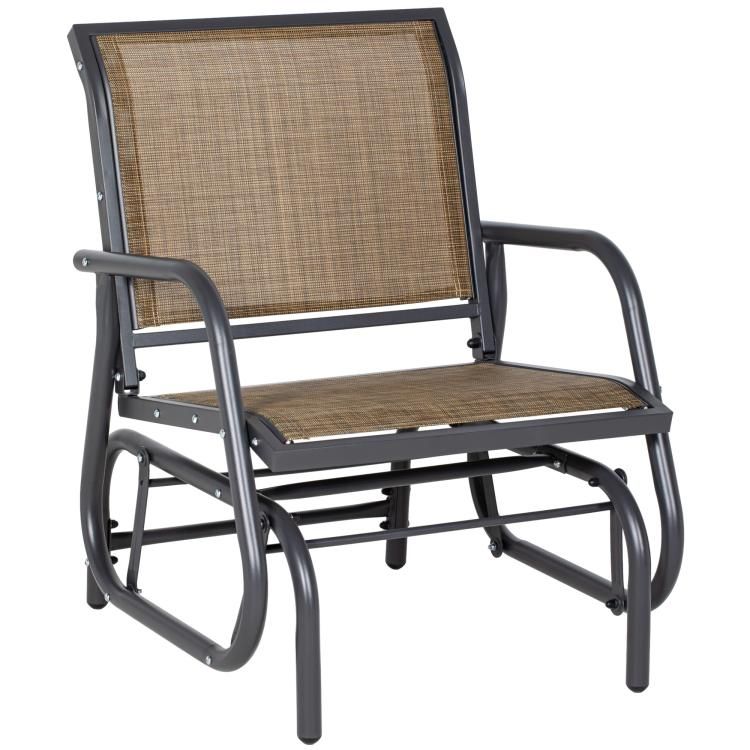
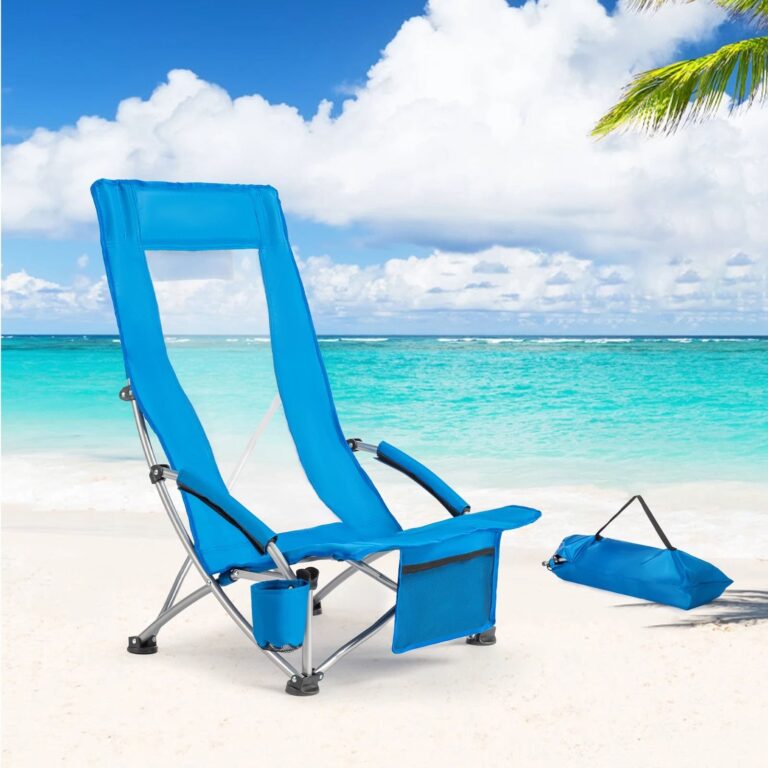 Aisha's pickCamping Chairs for Patio That Make a Small Yard Work Harder
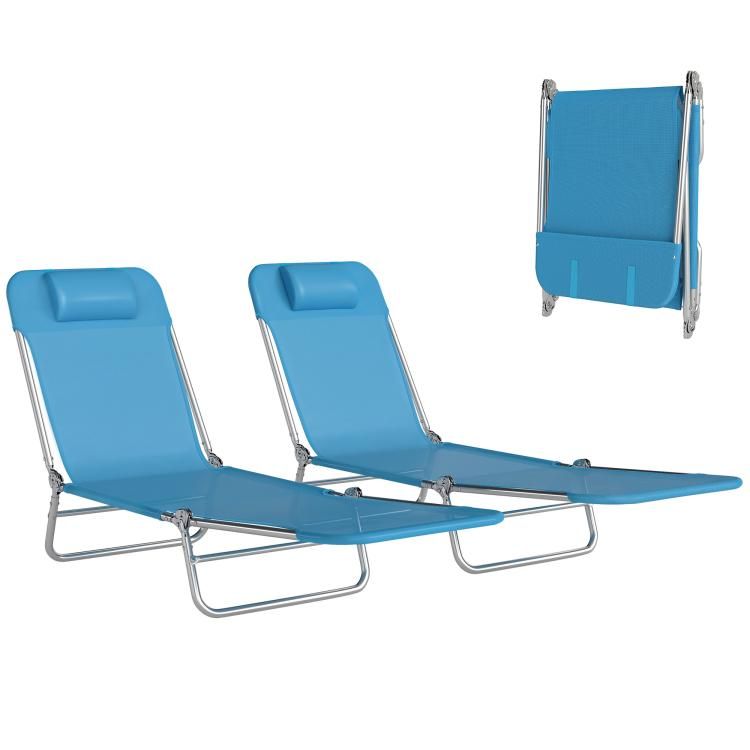
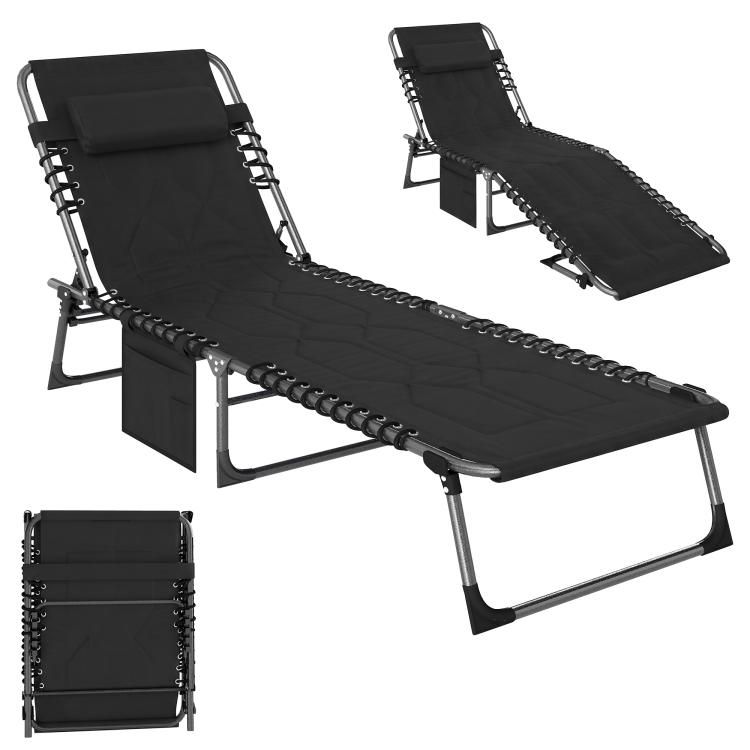 Aisha's pickPadded Patio Chairs From Stores Big and Small
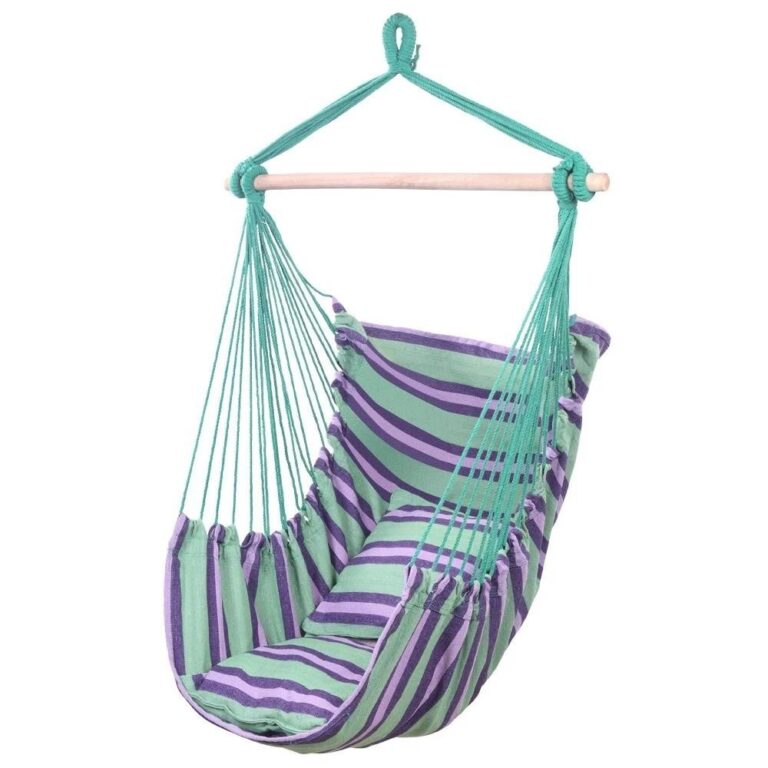
 Aisha's pickContemporary Patio Chairs That Shrug Off the Rain
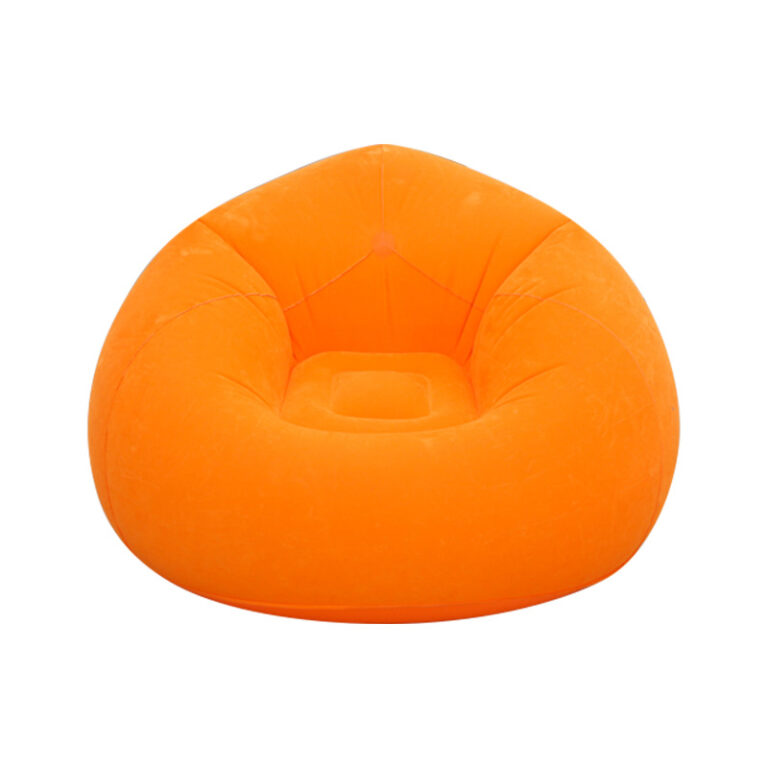
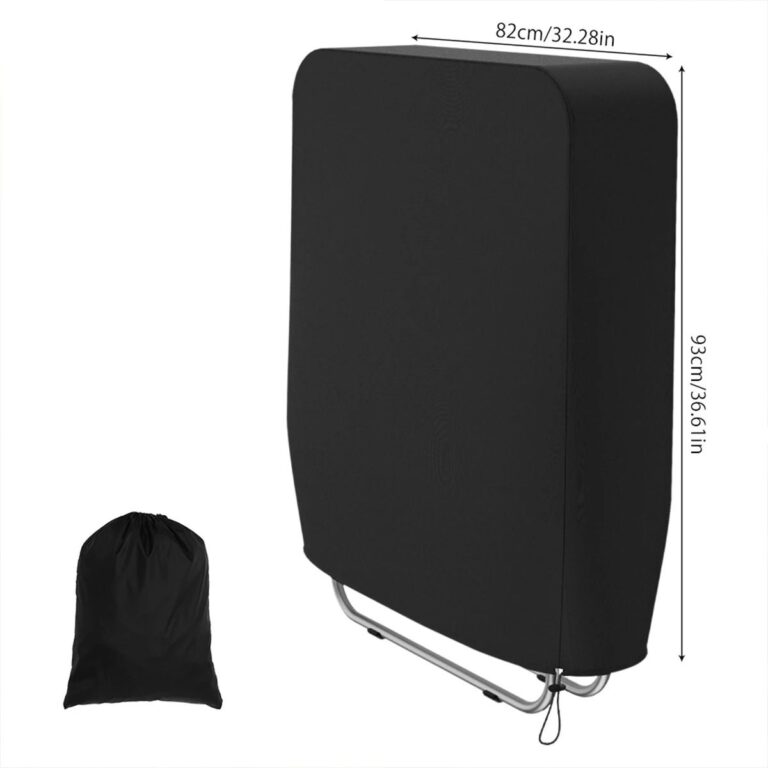 Aisha's pickPatio Chairs We’d Have Out From May to SeptemberAlso worth a lookOutdoor ChairsOutdoor chairs used to mean two choices: cheap plastic that went brittle and cracked after a couple of…See the collections →
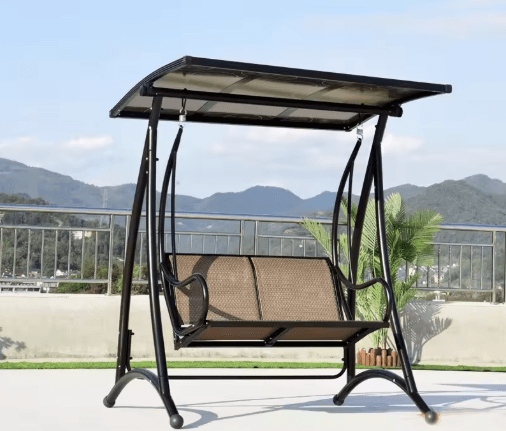
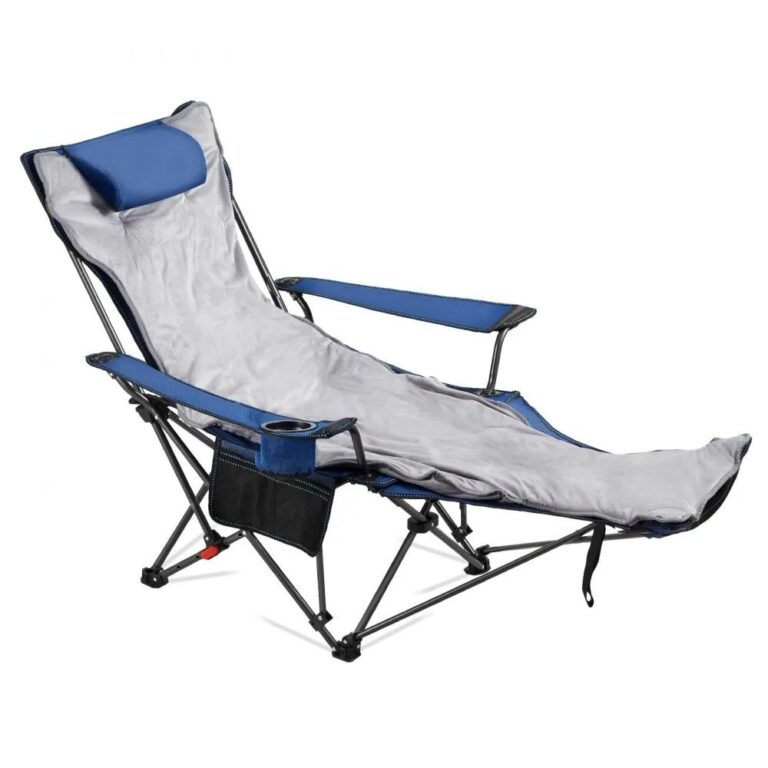 Aisha's pickFoldable Patio Loungers That Make a Small Yard Work Harder

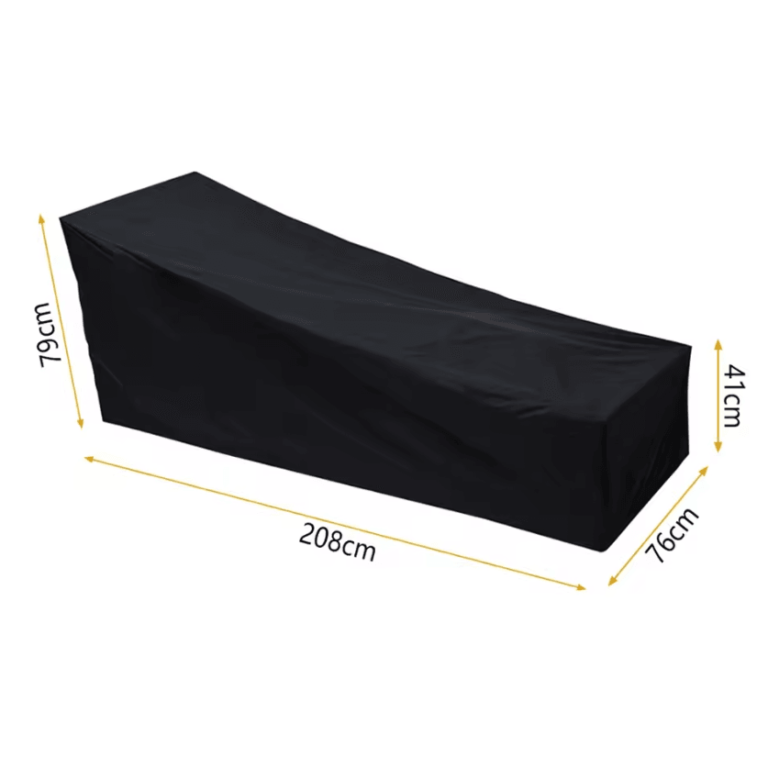 Aisha's pickPatio Chairs for Balcony We Keep Coming Back To
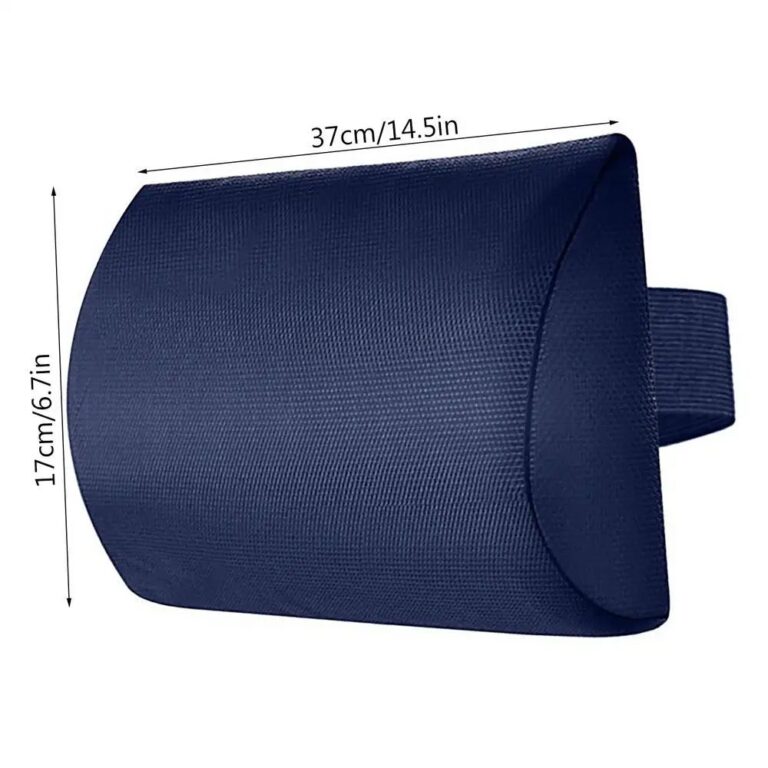
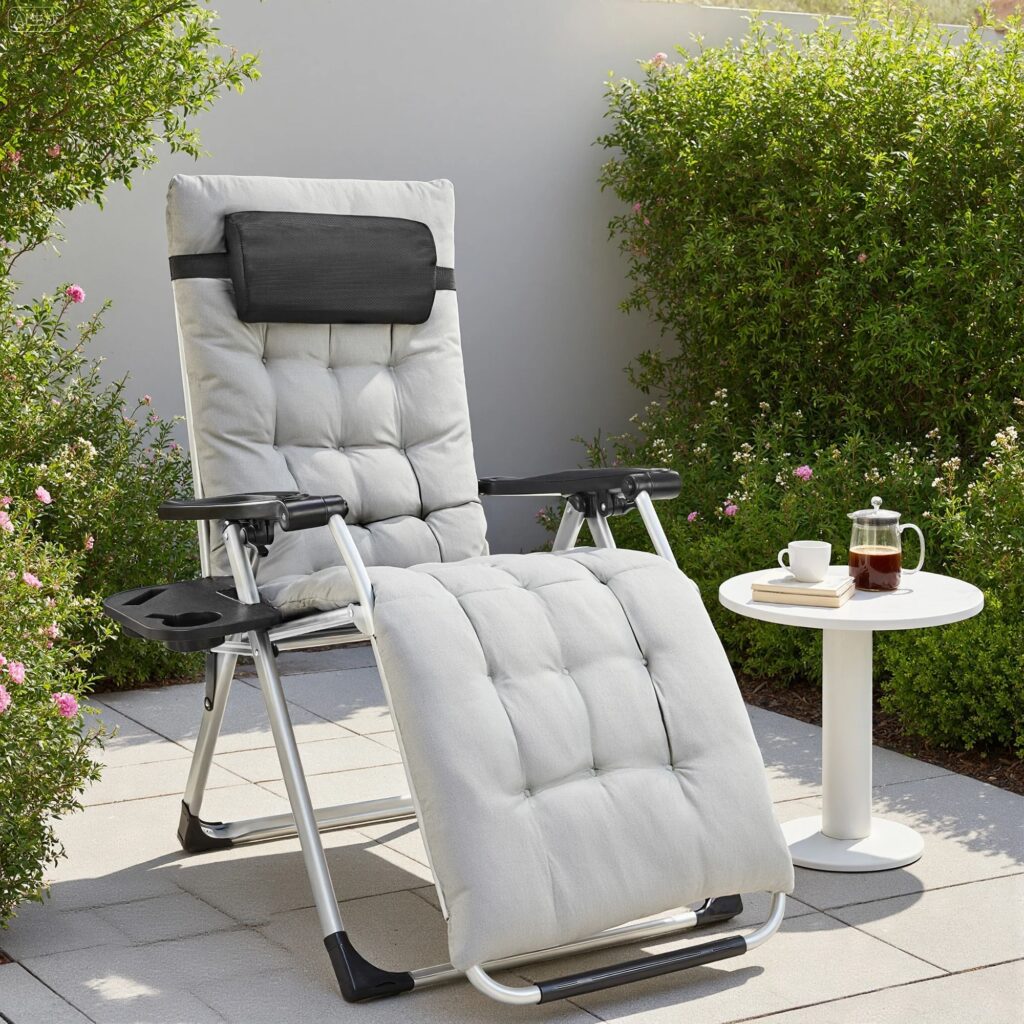 Aisha's pickFolding Outdoor Chairs for Patio That Stand Up to the Weather
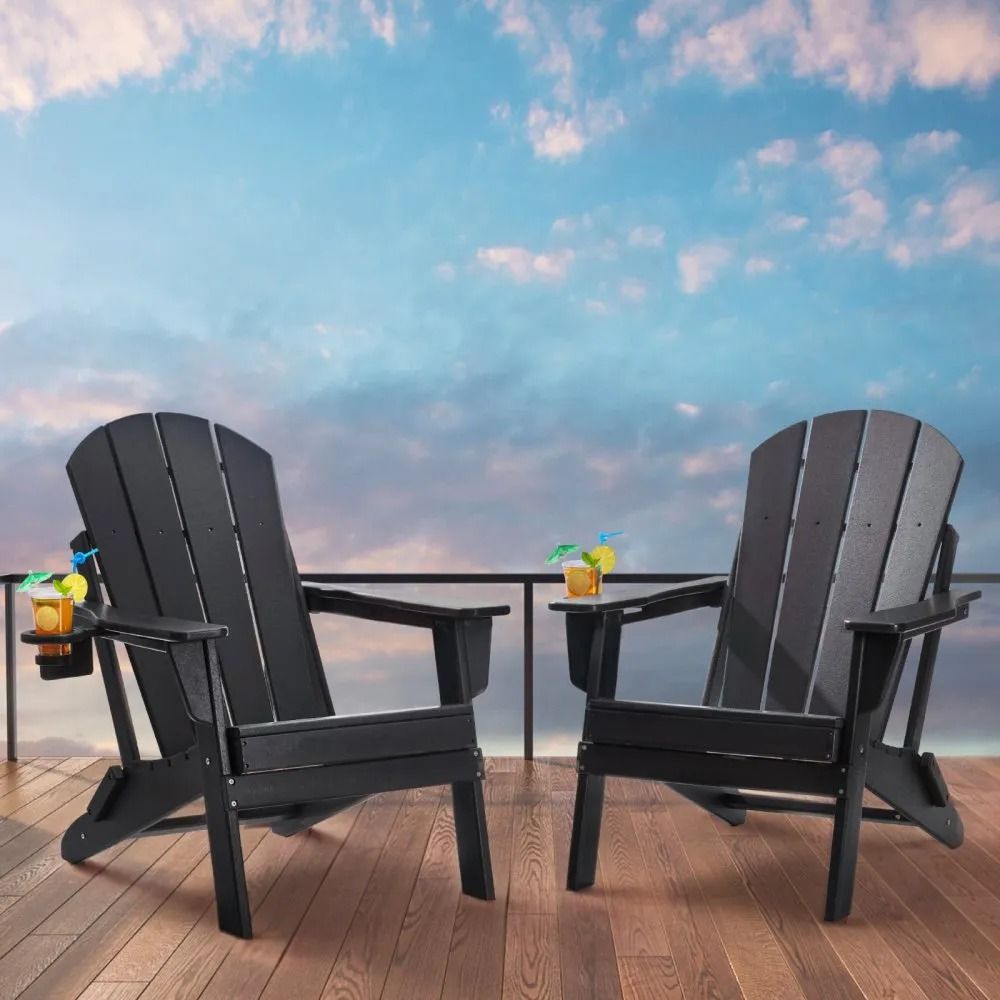
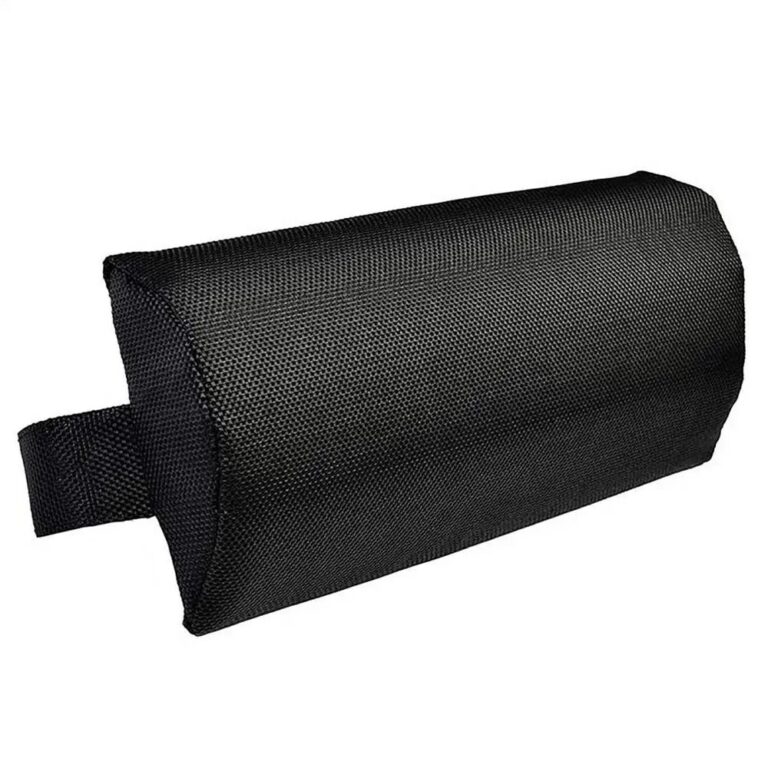 Aisha's pickPatio Chairs with Cushions Hunted Down So You Don’t Have To
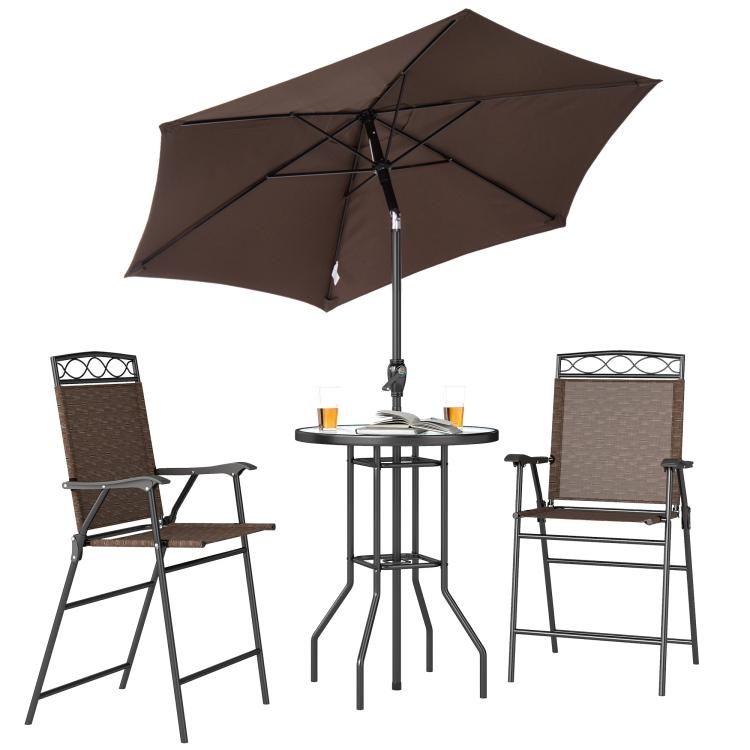 Aisha's pickFolding Patio Chairs Without the Silly Price Tag
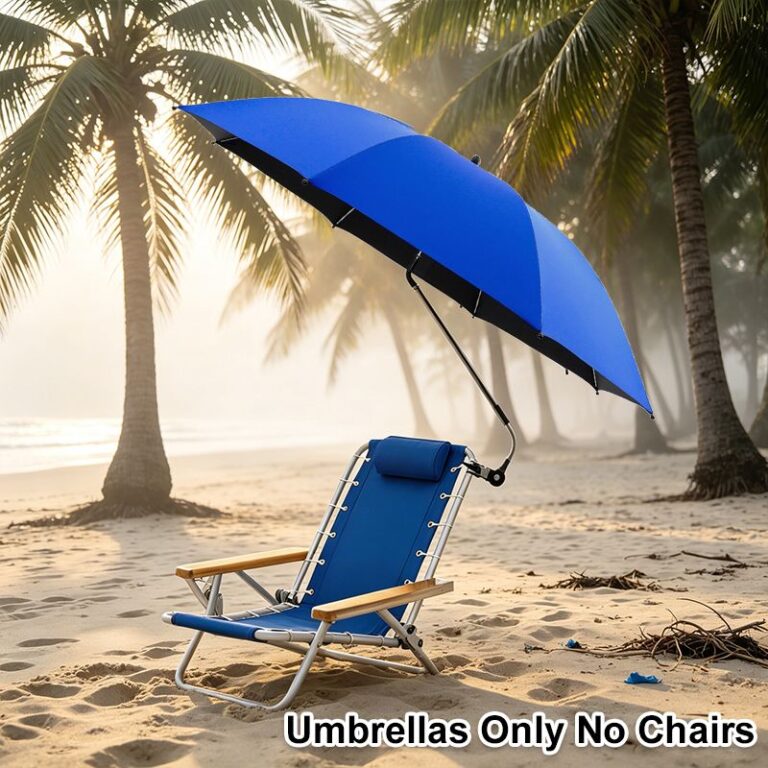
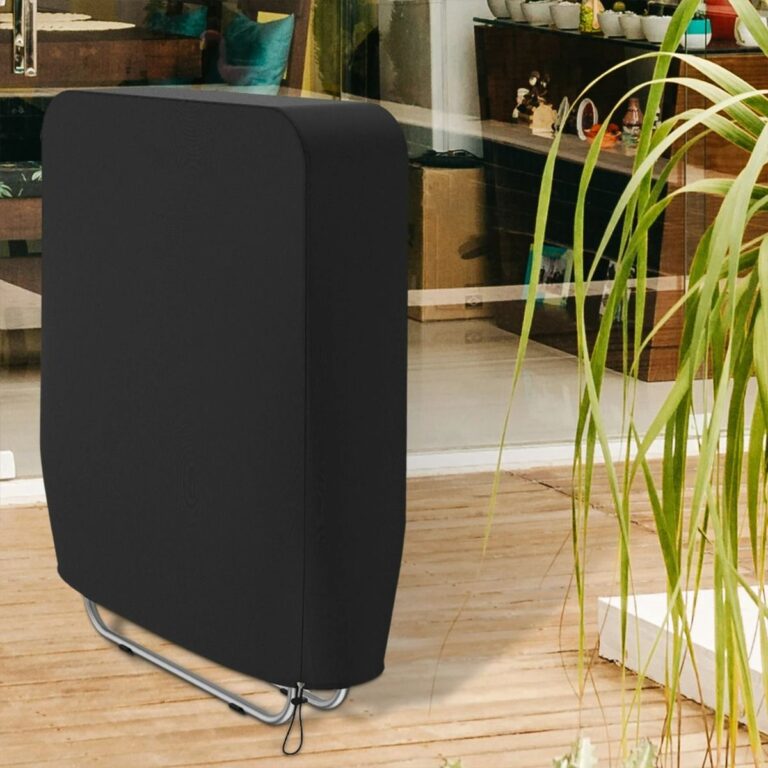 Aisha's pickPatio Chairs with Storage Pulled From Dozens of Stores
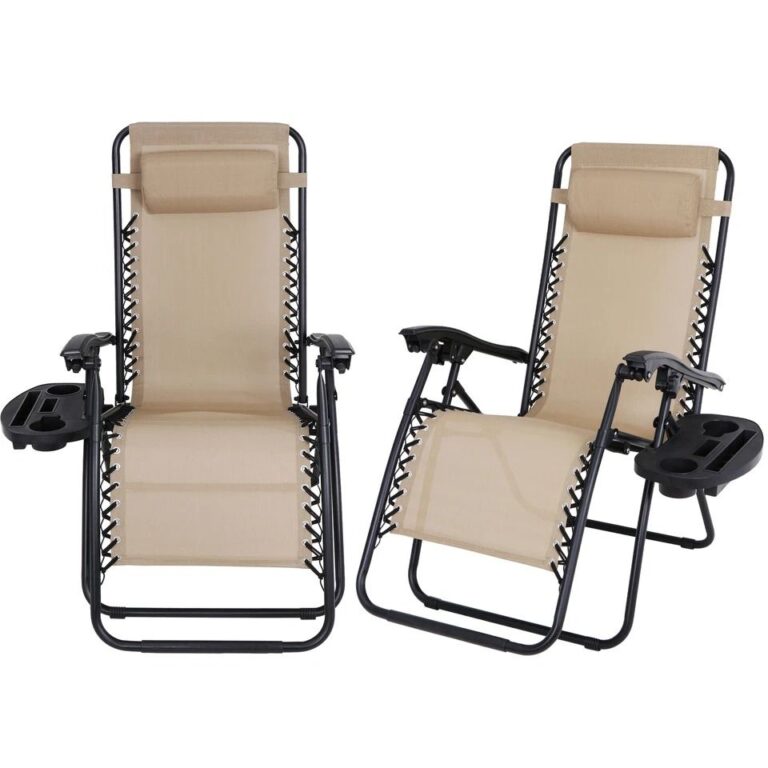
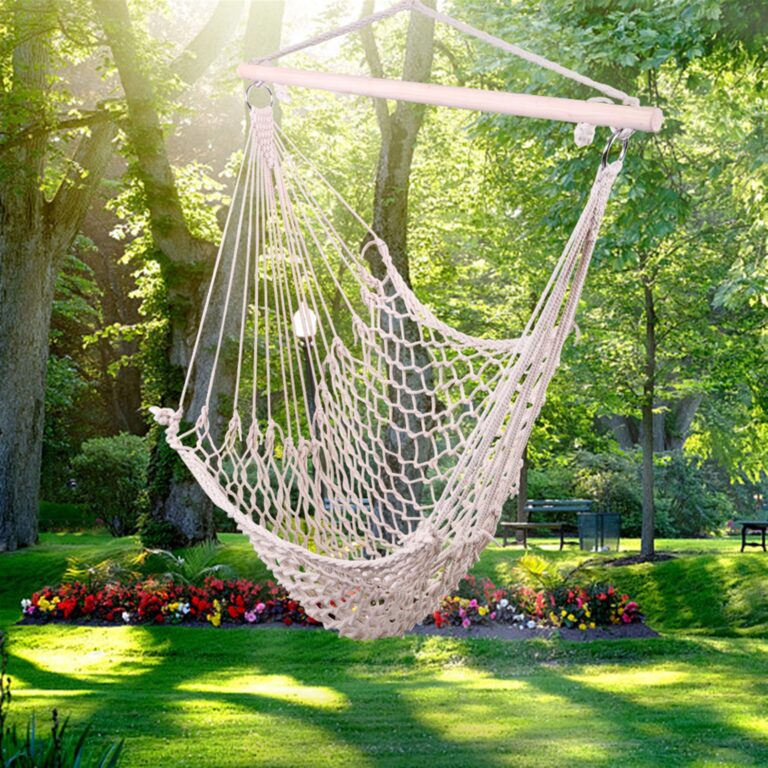 Aisha's pickGood Outdoor Chairs for Patio That Don’t Cost a Fortune
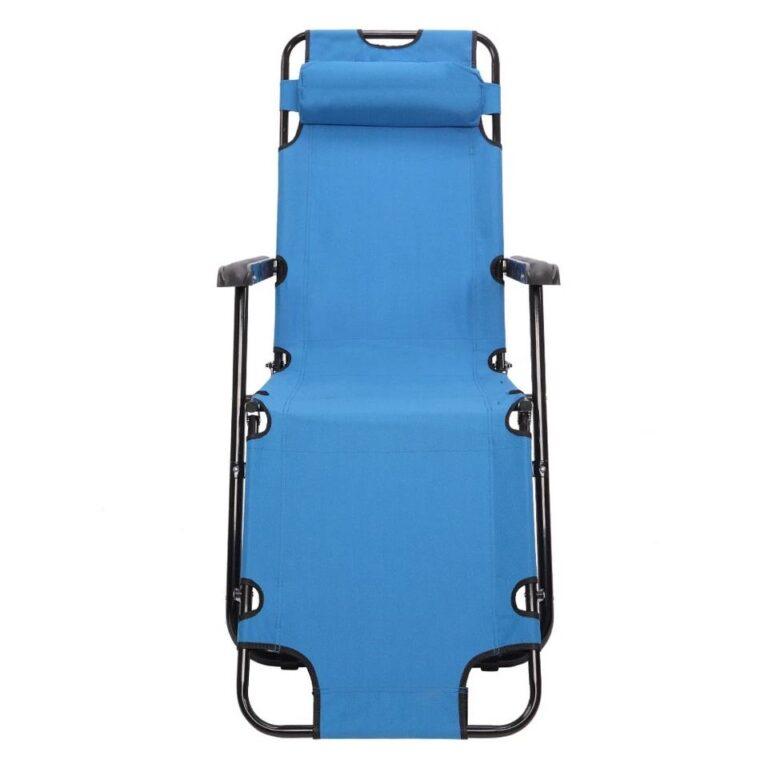
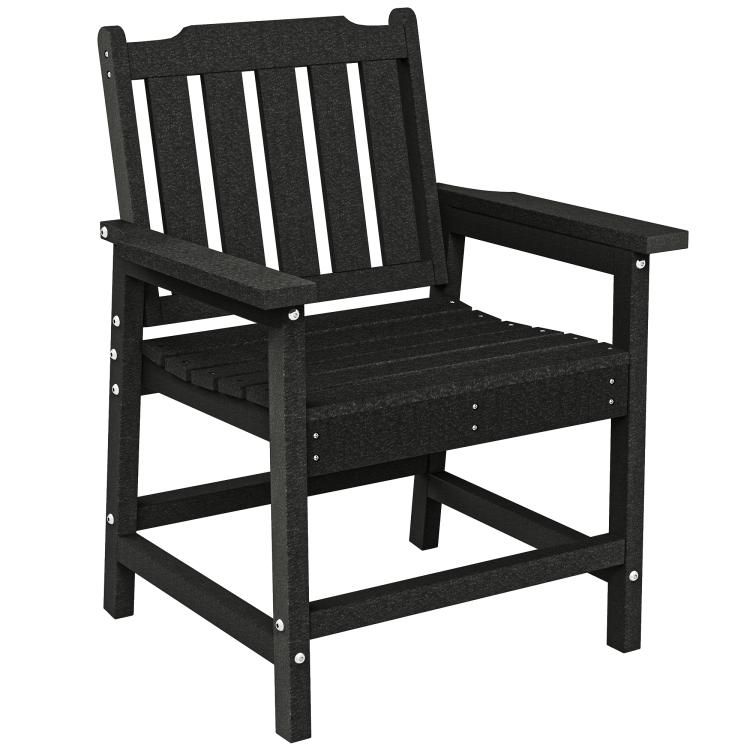 Aisha's pickPatio Dining Chairs for Long Summer Evenings Outside
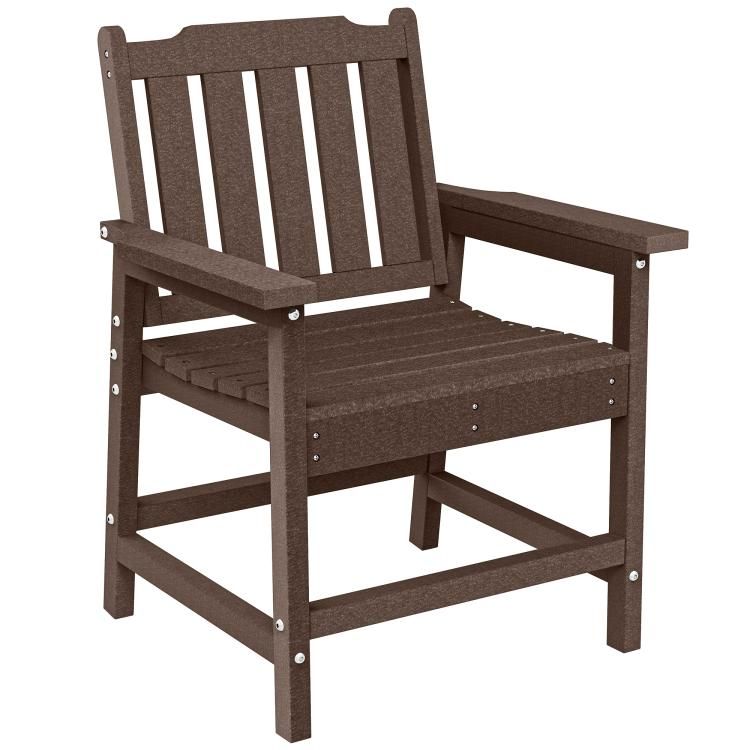
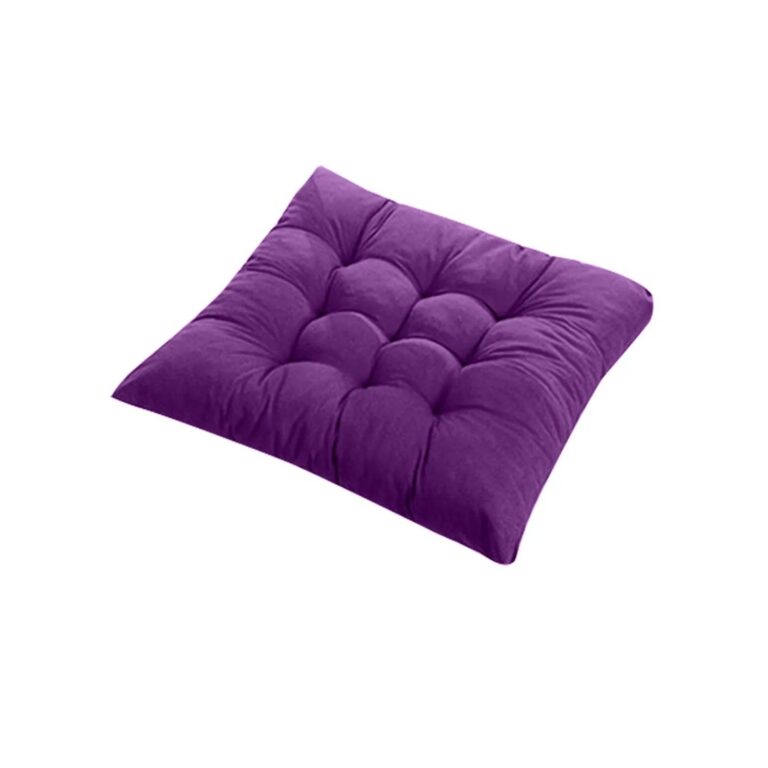 Aisha's pickOur Shortlist of Outdoor Dining Chairs for Patio
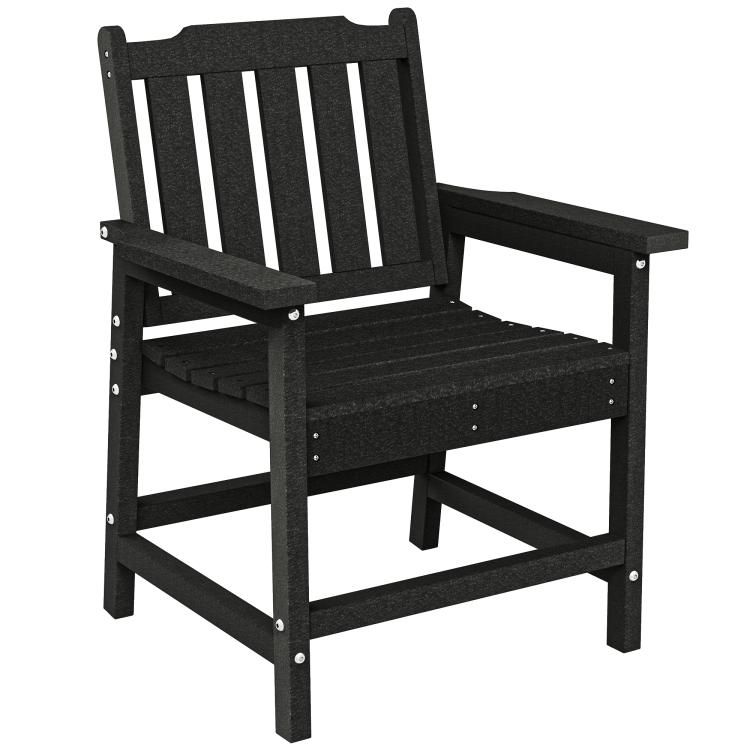
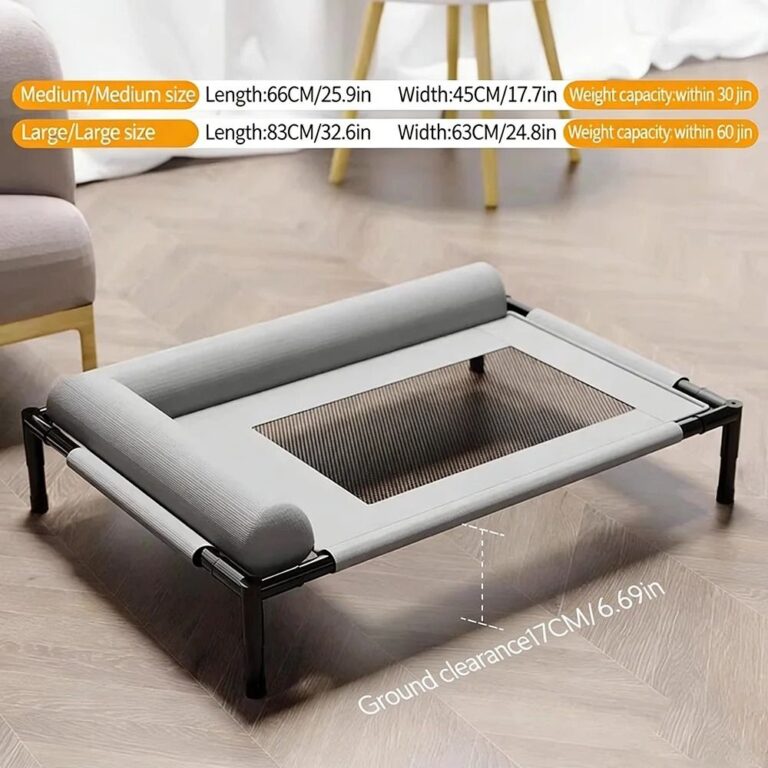 Aisha's pickPatio Loungers That Don’t Shout About It
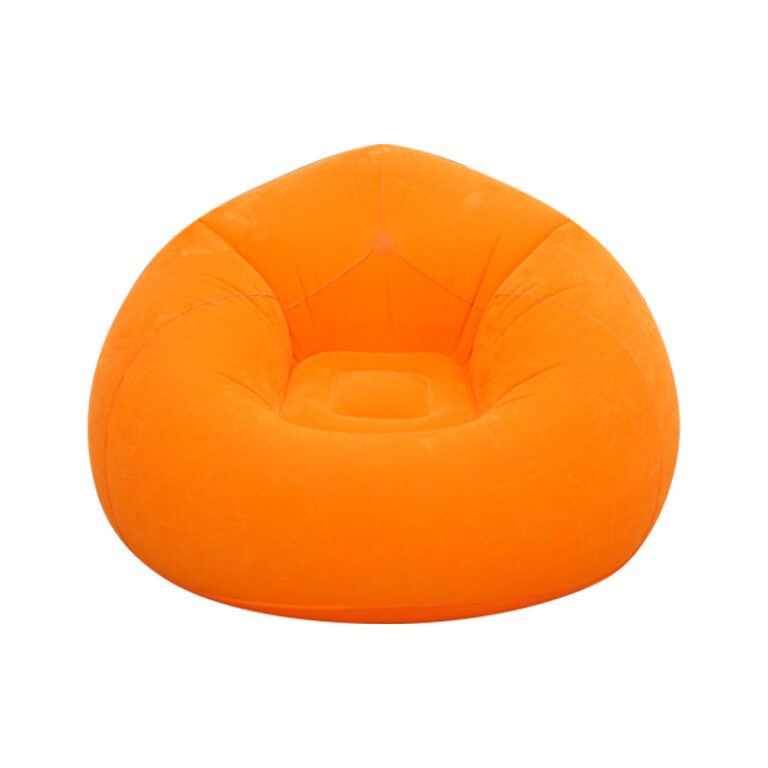
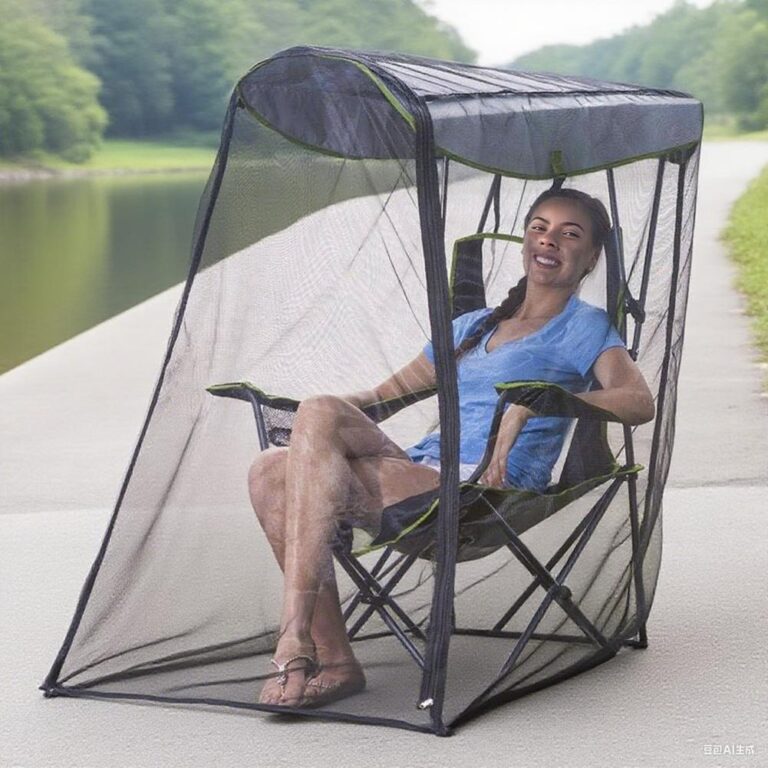 Aisha's pickOutdoor Lounge Chairs for Patio That Make Small Changes Feel Big