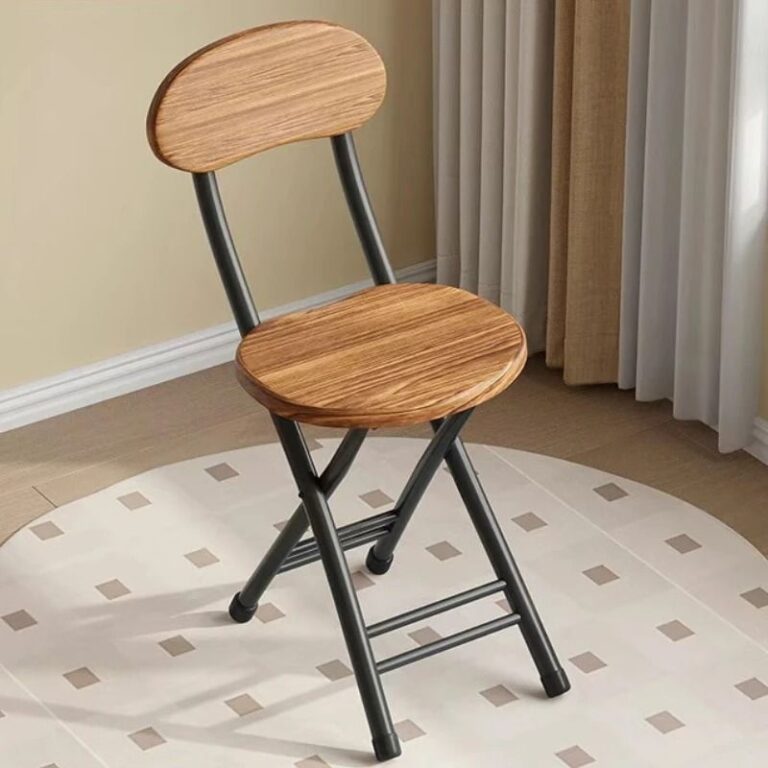
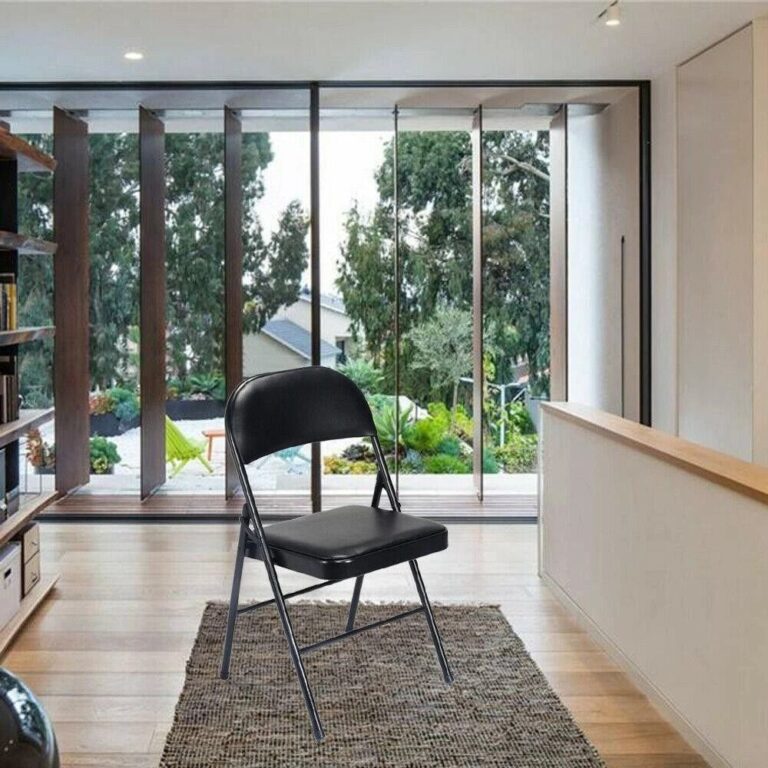
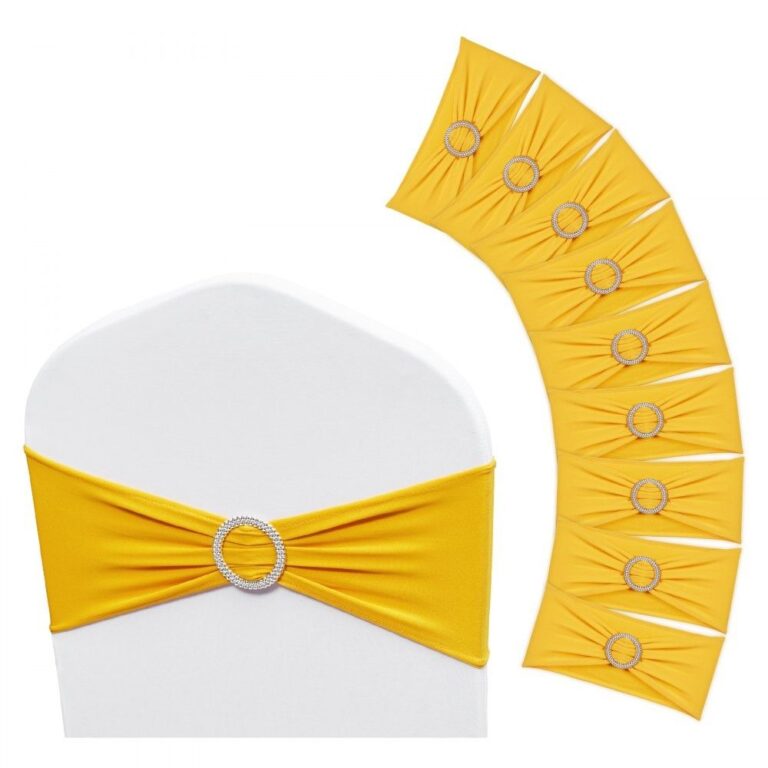
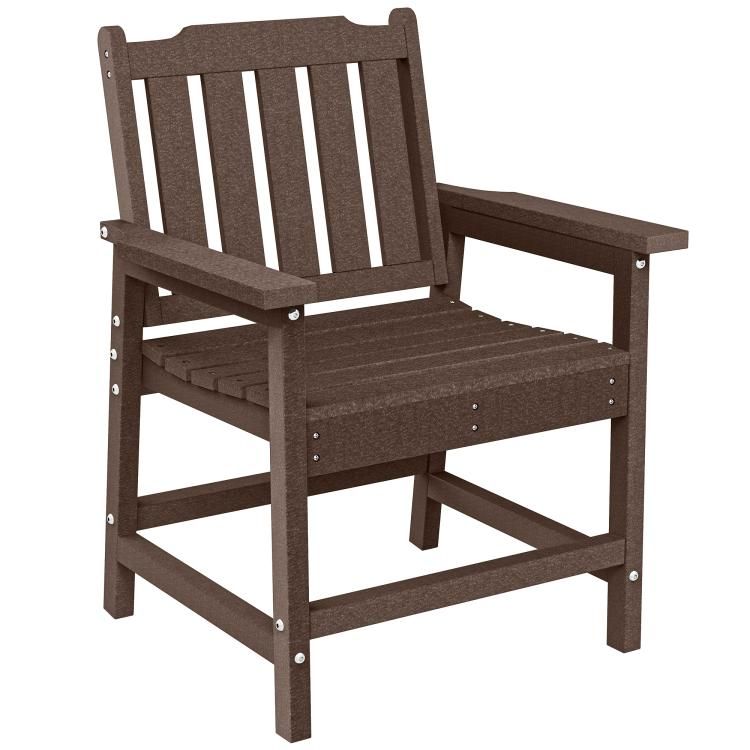
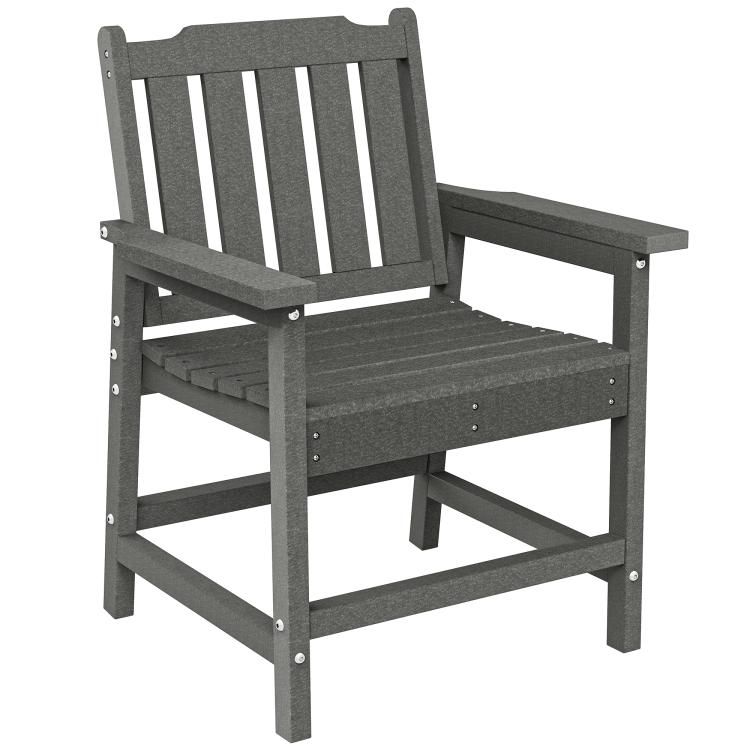
Stand in front of a stack of these and the first thing to check isn't the look, it's whether you can actually pick one up with one hand and drag it across a patio without throwing your back out. That's the real test. A chair that looks great but takes two people to move from the table to the shade is a chair nobody will bother moving, and then it just sits in the sun, baking, forever in the wrong spot.
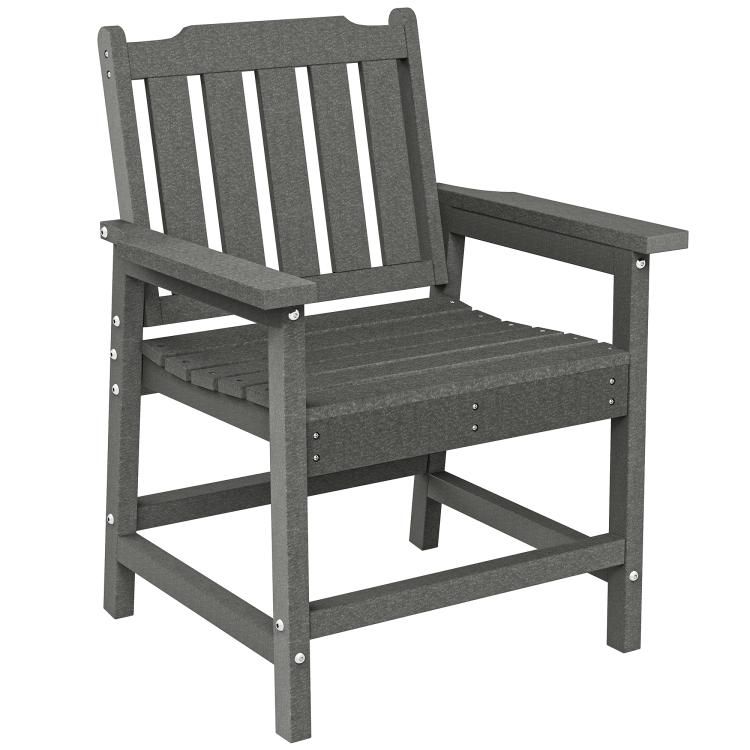
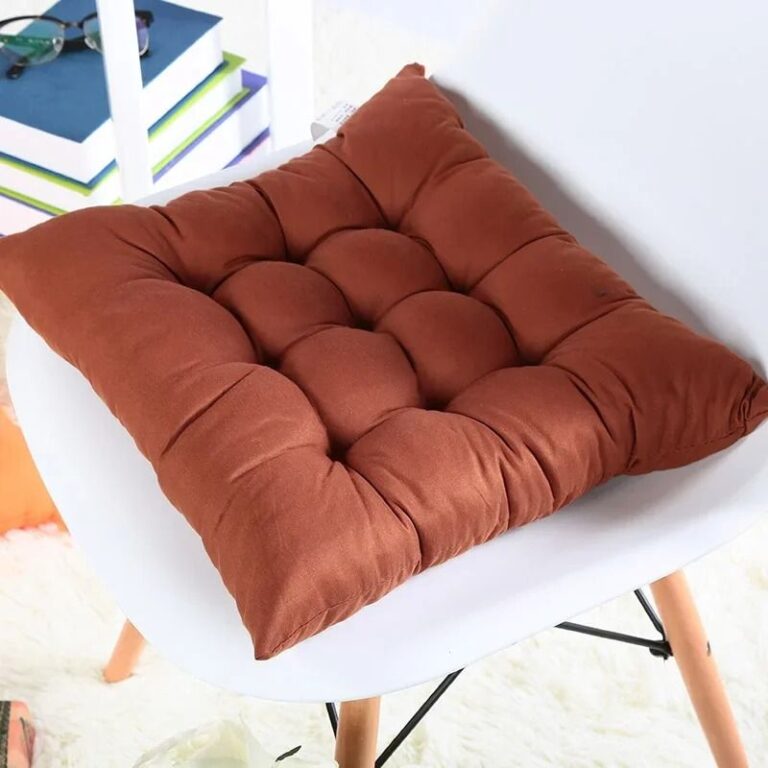
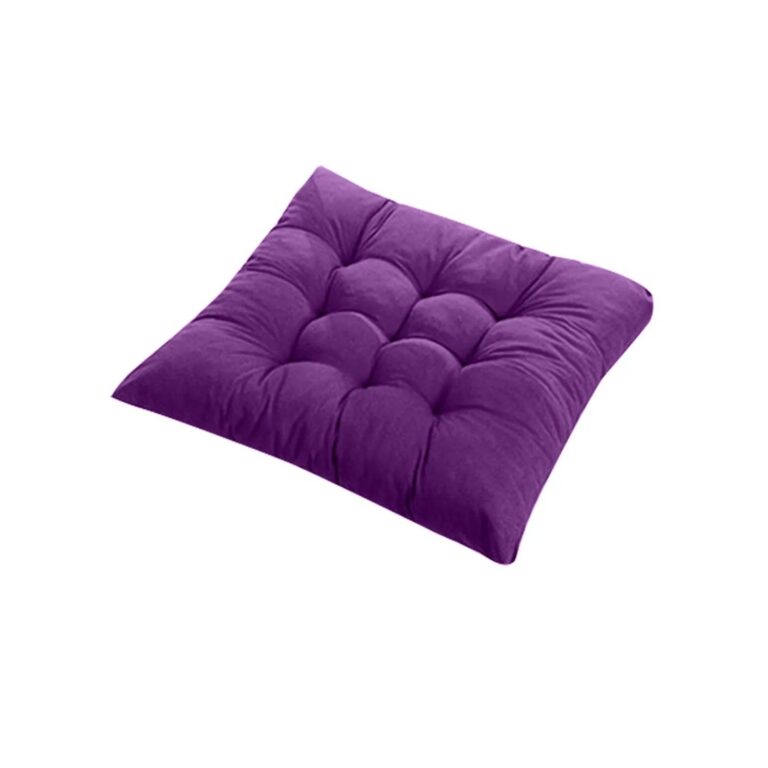
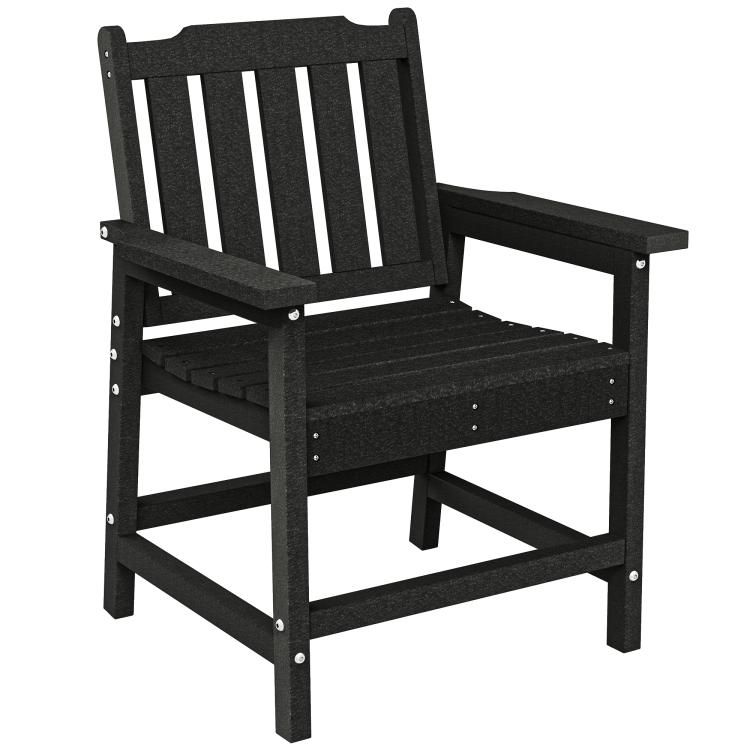
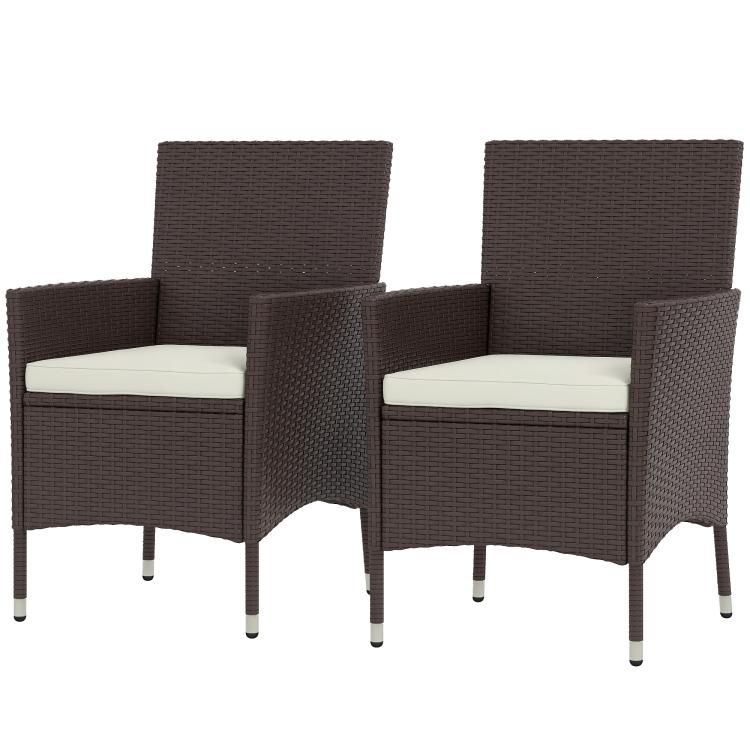
Color wise, I'd steer toward the muted end, a weathered wood tone, a dark charcoal, a dusty olive, something that already looks like it's seen a few summers. Bright white looked incredible for about three weeks on my sister's deck and then turned into a pollen and bird dropping magnet that needed wiping down before every single meal. Natural rattan or a warm teak toned resin hides dirt, hides water spots, and doesn't show the difference between year one and year three nearly as much. Where it goes wrong is mixing finishes that don't age the same way, a shiny powder coated frame next to a matte woven seat will start looking mismatched within a season because one weathers and the other doesn't. And skip anything with a fabric cushion you can't zip off and wash unless you enjoy scrubbing mildew out of piping every June.
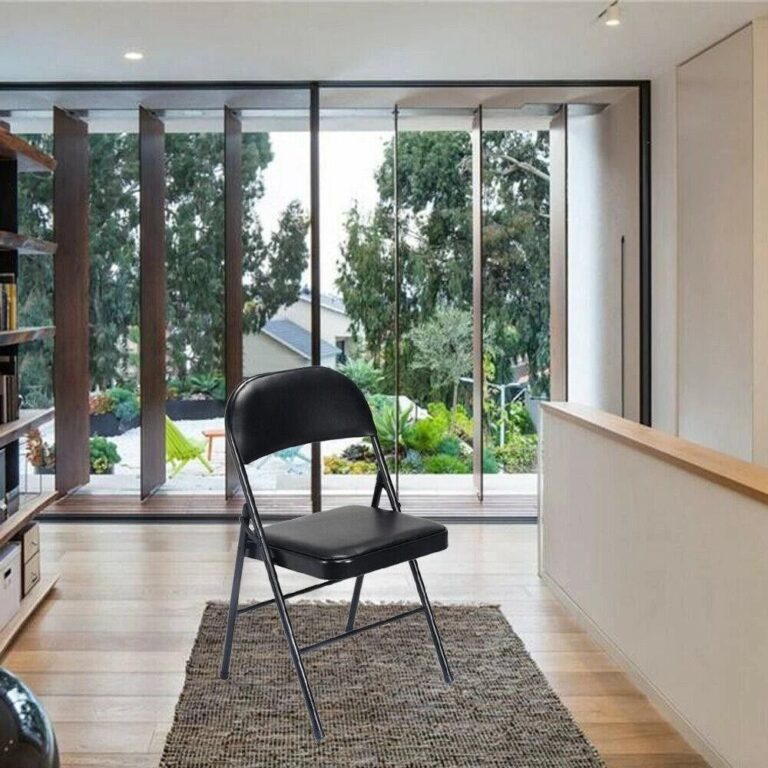
If you're starting from zero, get four of one simple stackable chair before you get a fancy set of two with arms. Stackable means storage for winter is a non issue, and matching simple chairs mix into almost anything you add later, a bench, a different style head chair, whatever shows up secondhand. I made the mistake of buying two beautiful armchairs first because they were on sale, and then spent a year unable to find anything that matched them for the other four seats at the table.
These make the most sense for a real backyard table that gets used weekly, not an occasional patio you wander onto twice a summer. Covered porches and three season rooms are the easiest spot for them since they're protected from the worst of the weather, which means the cheap version actually holds up there. Full sun, full rain, no cover, that's where spending more on the frame actually pays for itself, because the eighty dollar set starts cracking by its second August and the better one just fades a little and keeps going.
What these won't do is survive true winter outside, no matter what the tag promises. Bring them in or cover them properly, or budget for replacing them sooner than you'd like.
 Aisha's pickOutdoor Dining Chairs with Storage That Don’t Look Mass Produced
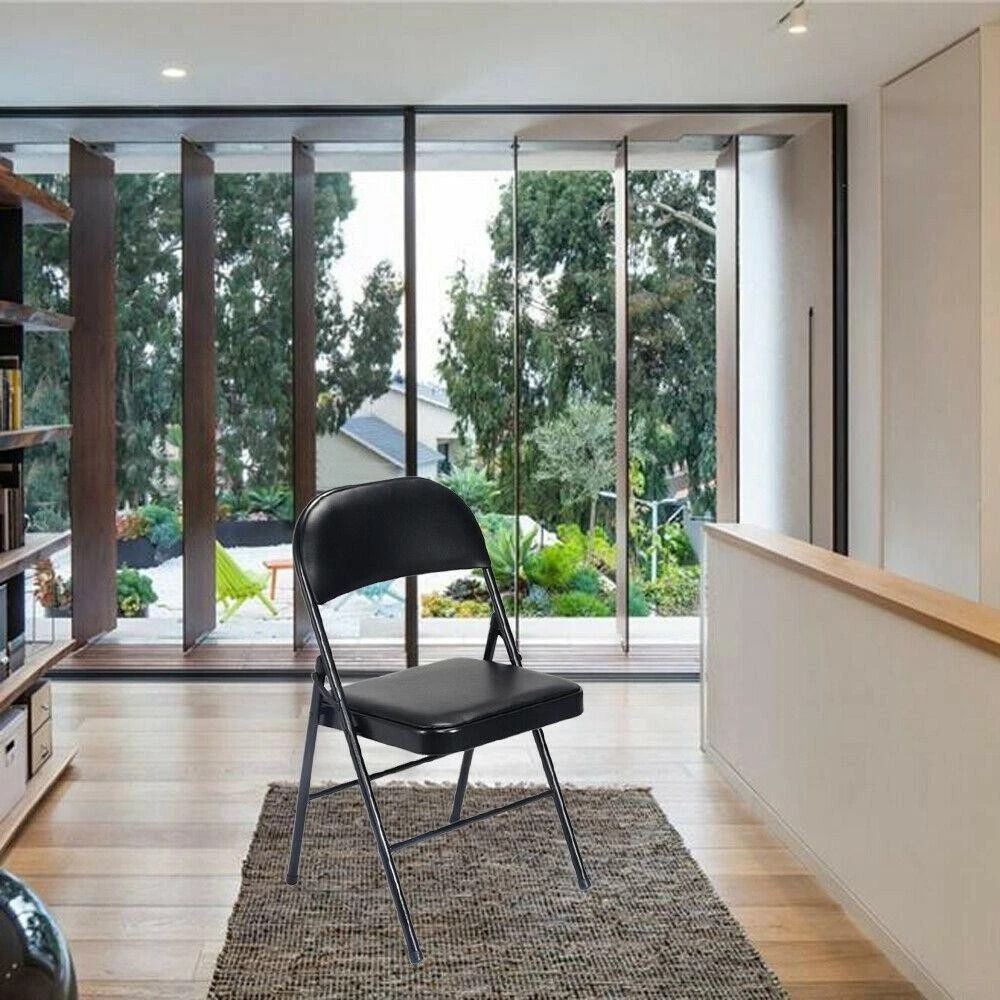
 Aisha's pickPadded Outdoor Dining Chairs at Every Price Point
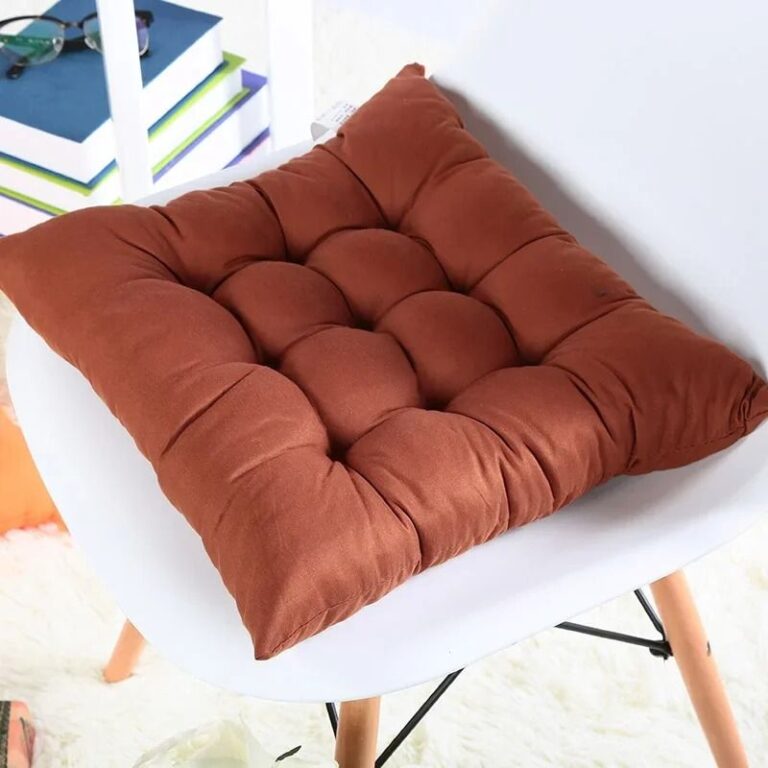
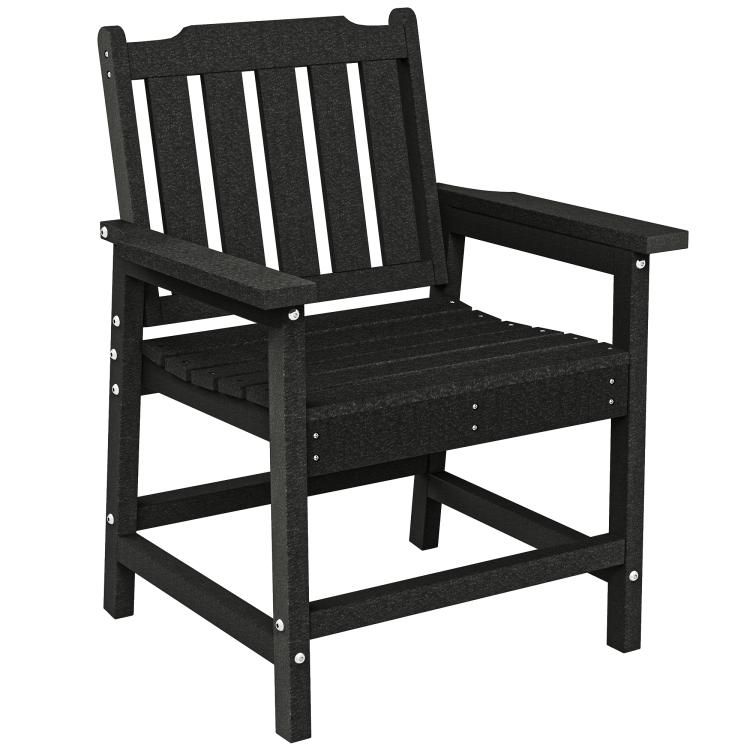 Aisha's pickPatio Dining Chairs for Long Summer Evenings Outside
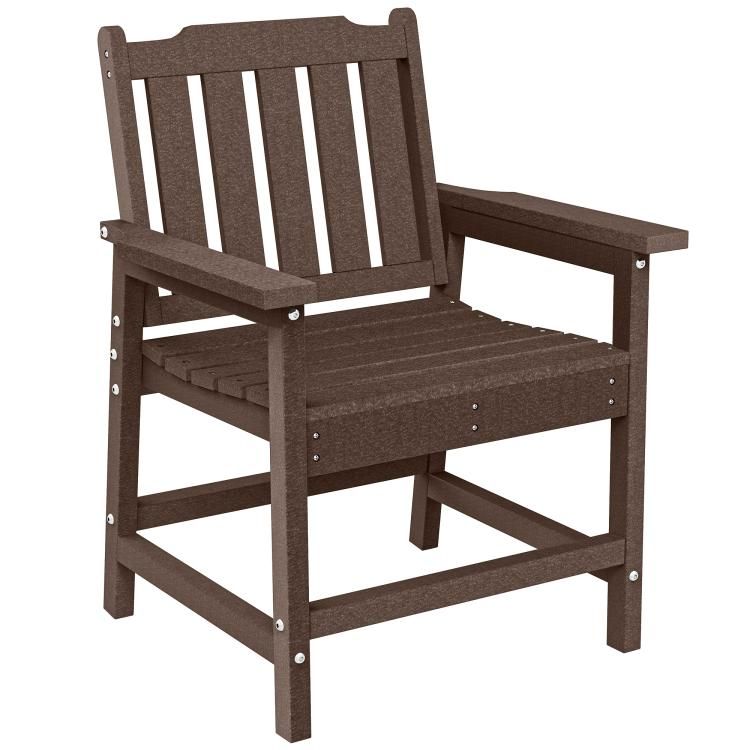
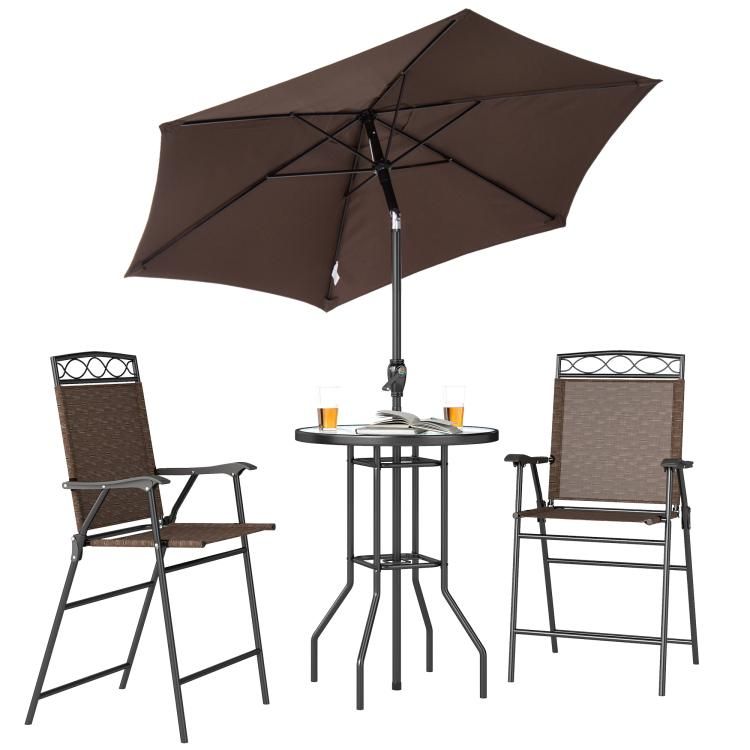 Aisha's pickSteel Outdoor Dining Chairs That Make a Small Yard Work Harder
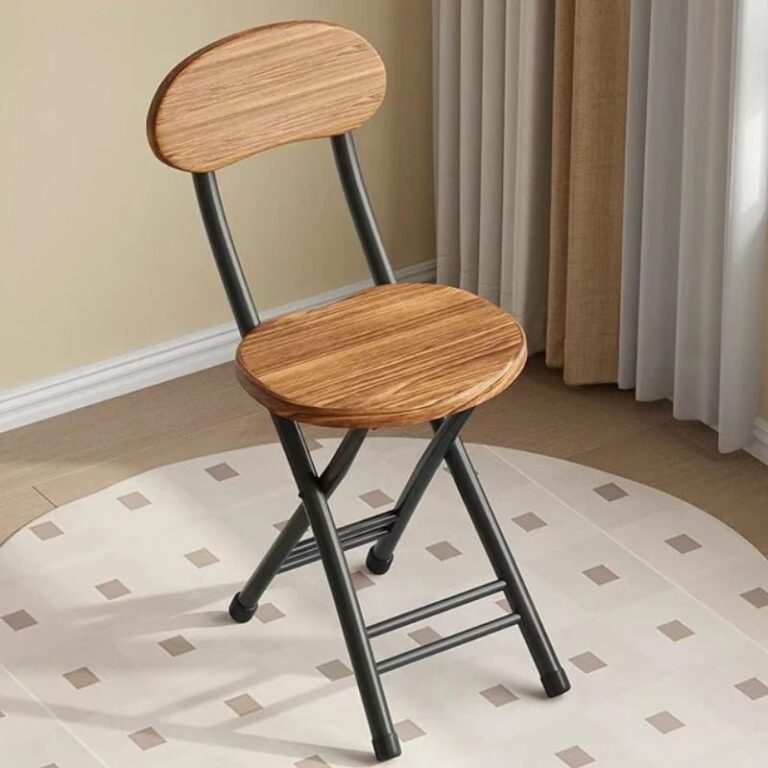
 Aisha's pickFolding Outdoor Dining Chairs With Some Character
 Aisha's pickOutdoor Dining Chairs for Long Summer Evenings Outside
 Aisha's pickOur Shortlist of Outdoor Dining Chairs for Patio
 Aisha's pickShopping for Outdoor Dining Chairs with Cushions? Start HereAlso worth a lookPatio ChairsI used to think patio chairs were just chairs that happened to live outside, so I bought the…See the collections →