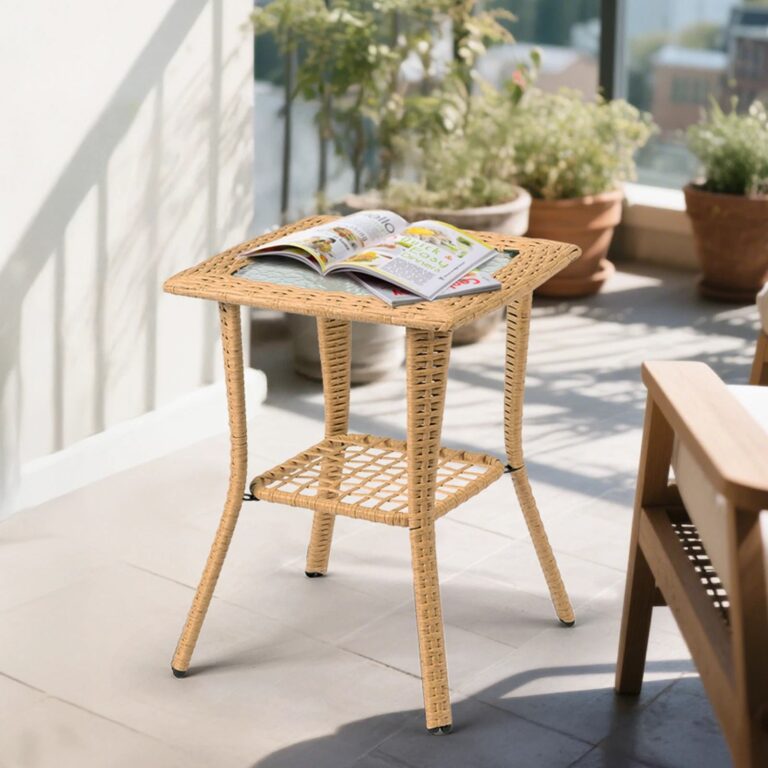
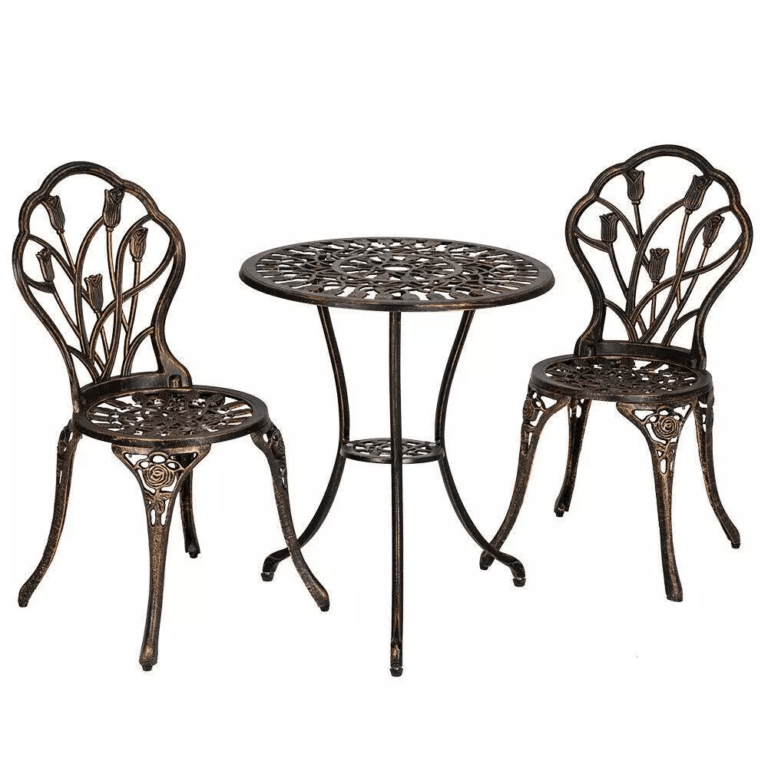
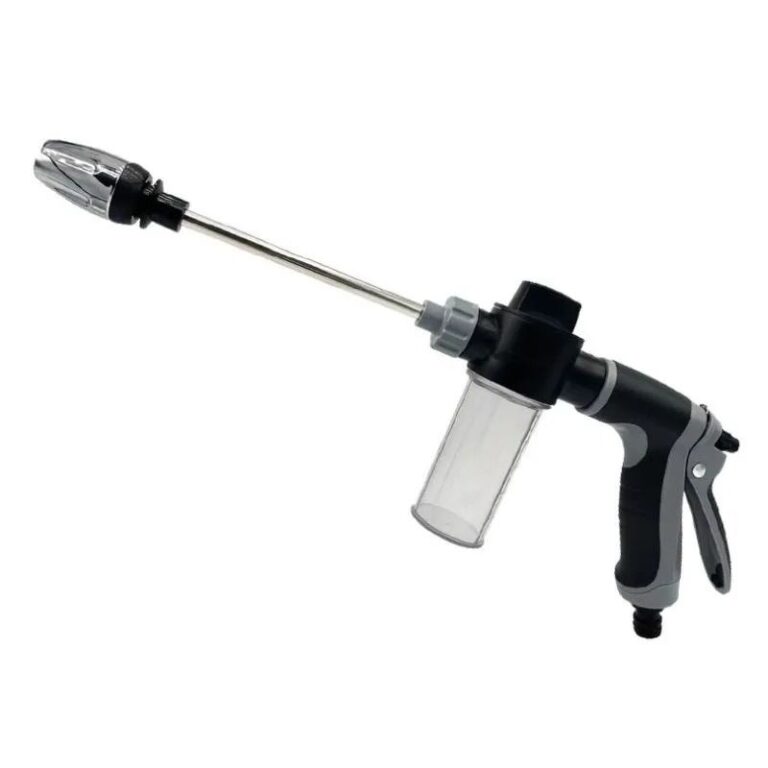
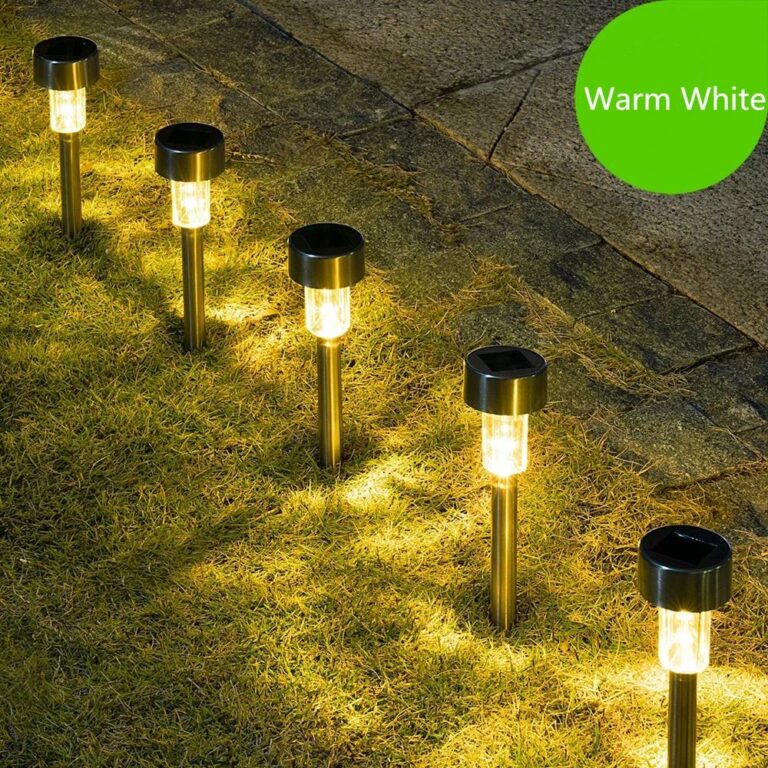
My first cover was a thin plastic sheet that came free with a patio set, and by the second rainstorm it had pooled water in the middle and caved in on itself. The lesson was simple: a cover is only as good as the shape it holds.
These earn their place in almost any outdoor setup that gets left to the weather for more than a weekend, which is most of them. A small apartment balcony with two chairs and a side table needs this just as much as a backyard with a full dining set, because rust and mildew don't care about square footage. They matter most in places with real seasons, where furniture sits through a wet spring, bakes all summer, then gets abandoned the second the first frost hits. If you're somewhere with mild winters and you still use the furniture year round, you can get away with lighter covers you take on and off often. If you're putting things away for months at a time, you want something built to sit there through sleet and sun without quitting.
In an ordinary backyard, a good cover should disappear into the background rather than become its own eyesore. I like ones in a plain charcoal or taupe over anything shiny or branded, because a cover is there in every photo of your yard for half the year, whether you like it or not. They sit well with furniture that already has clean lines, a simple table and chair set, a bench, a fire pit ring, anything where the cover's shape just traces the object underneath instead of billowing around it like a tent. Covers with a cinch cord at the bottom or built in vents make a real difference, since trapped moisture is worse than no cover at all. I learned that one the hard way with a cushion box that grew something I'd rather not describe.
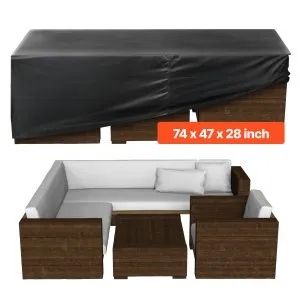
Measuring is where most people, myself included, go wrong. Measure the furniture's actual height, width and depth at its widest points, not the box it came in or a vague guess, and add a few inches of slack so the cover isn't stretched tight like a drumskin, which is how seams split in the first place. Round up if you're between sizes, since a cover that's slightly loose still sheds water fine, but one that's too tight will crack at the folds the first cold snap it hits. Also check the drop, the part that hangs down the sides, because a cover that stops short of the ground lets wind whip underneath and undoes the whole job.
Measure with the cushions and any attachments still in place, since that changes the real height more than people expect.
 Aisha's pickAll Weather Patio Sets That Make a Small Yard Work Harder
 Aisha's pickWater Resistant Fabric Outdoor Furniture Covers That Stand Up to the Weather
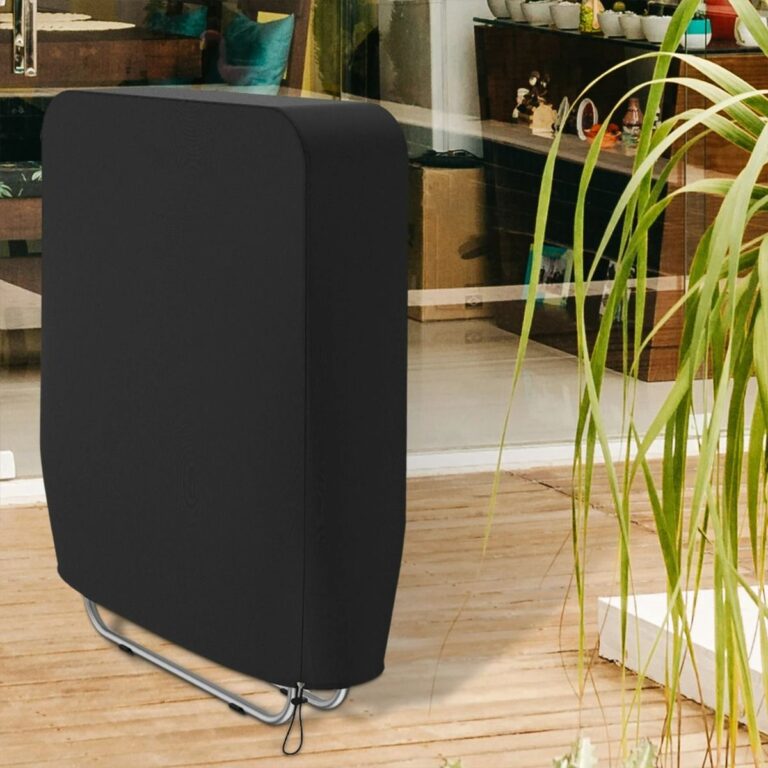
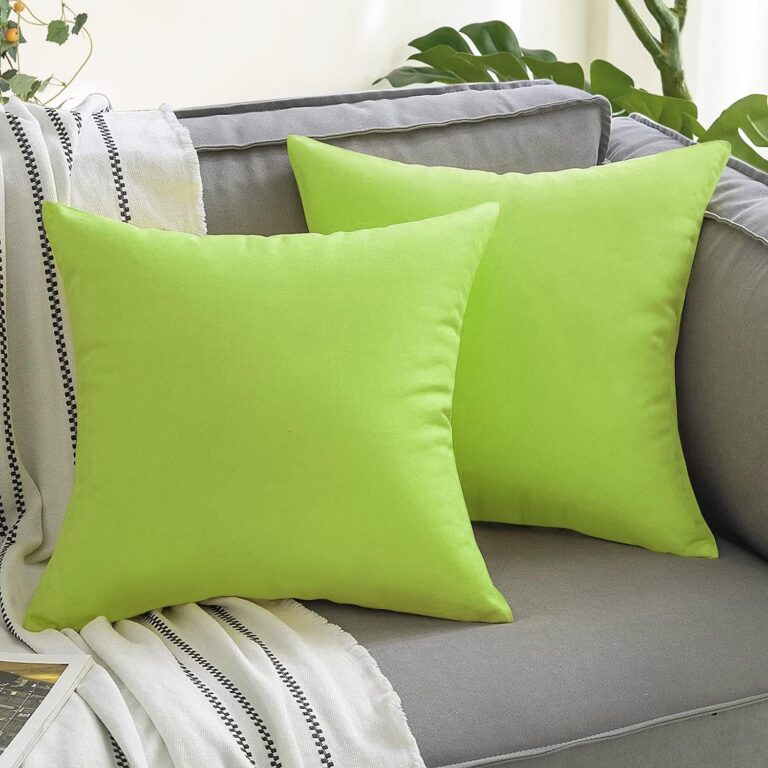 Aisha's pickSimple Waterproof Fabric Outdoor Furniture Covers Done Well
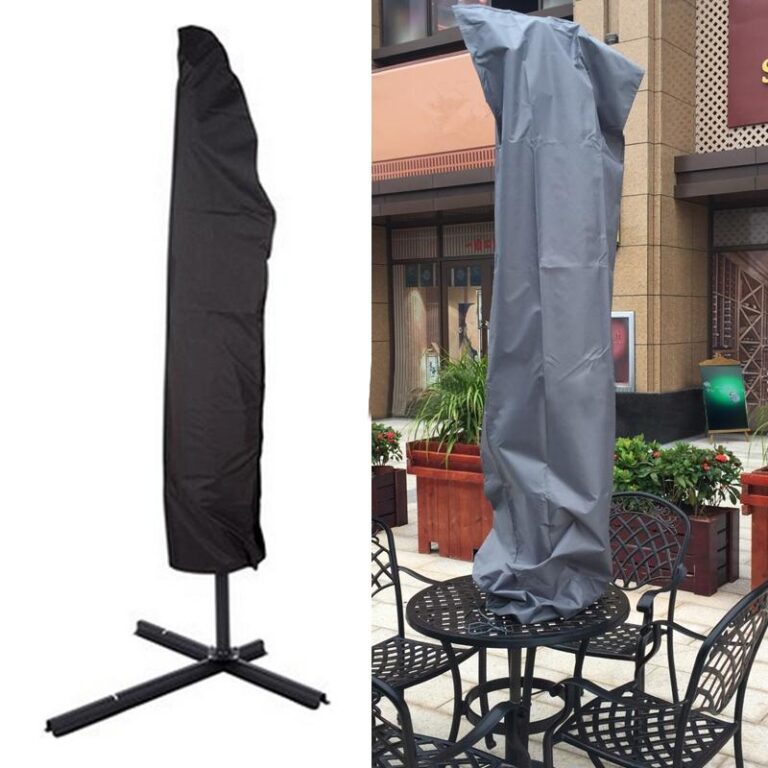
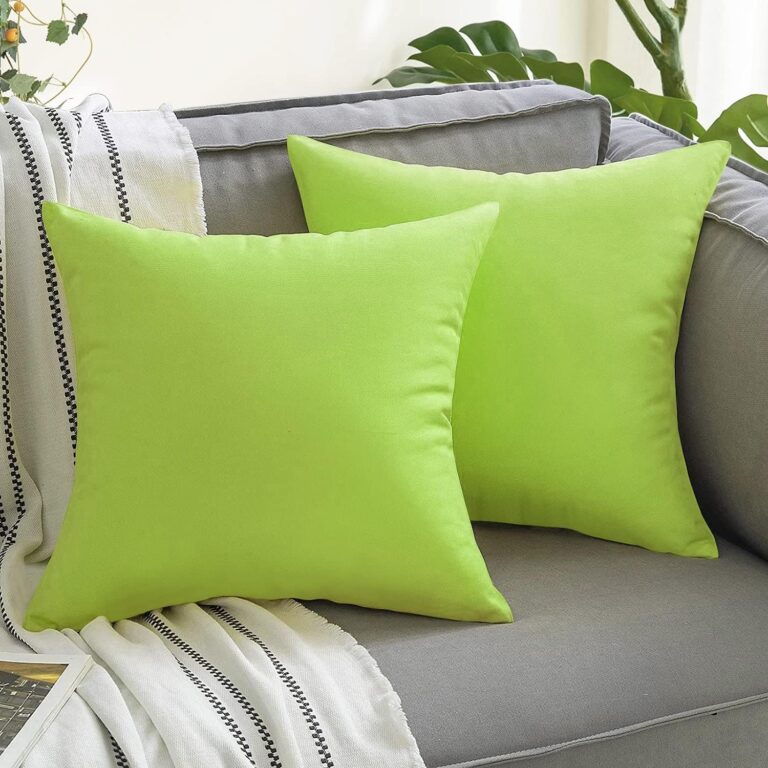 Aisha's pickDecent Waterproof Fabric Outdoor Furniture Covers Without the Hassle
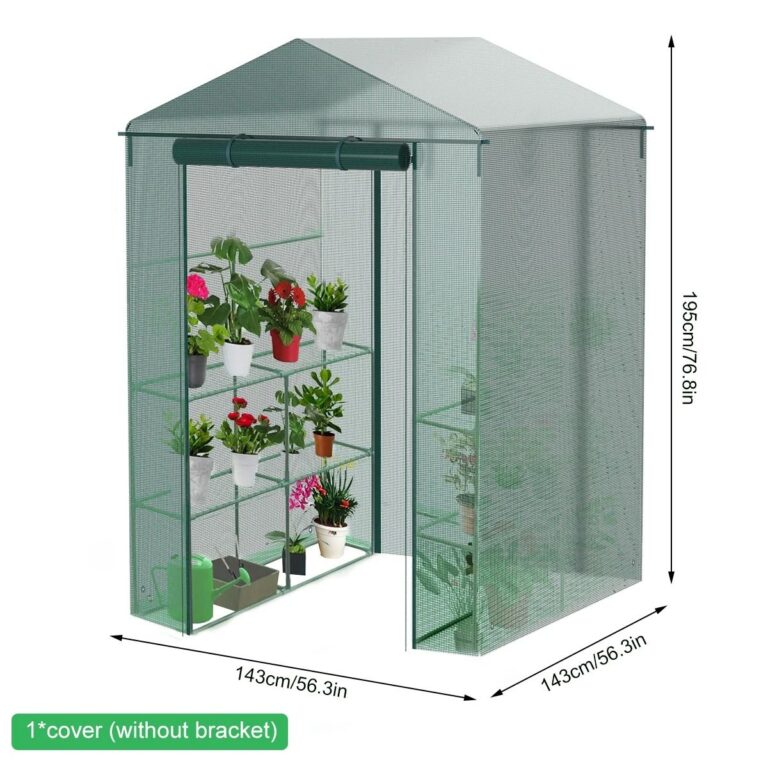
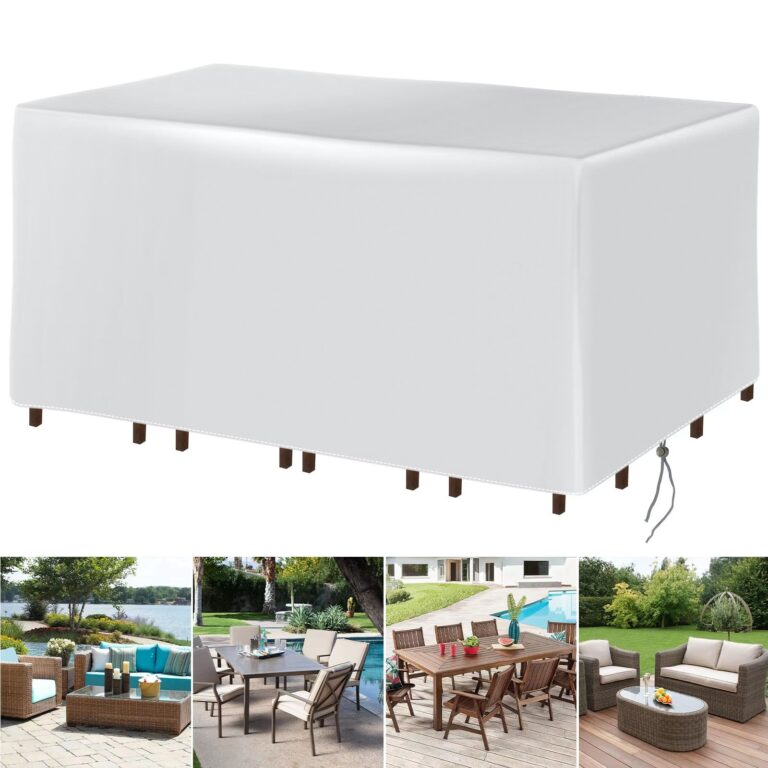 Aisha's pickGood Waterproof Fabric Outdoor Furniture Covers That Don’t Cost a Fortune
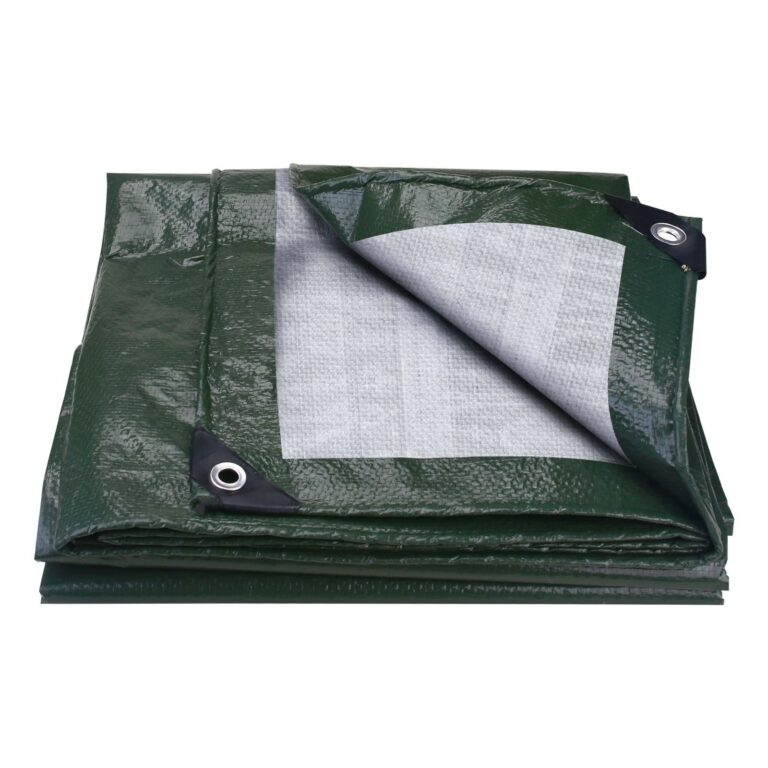
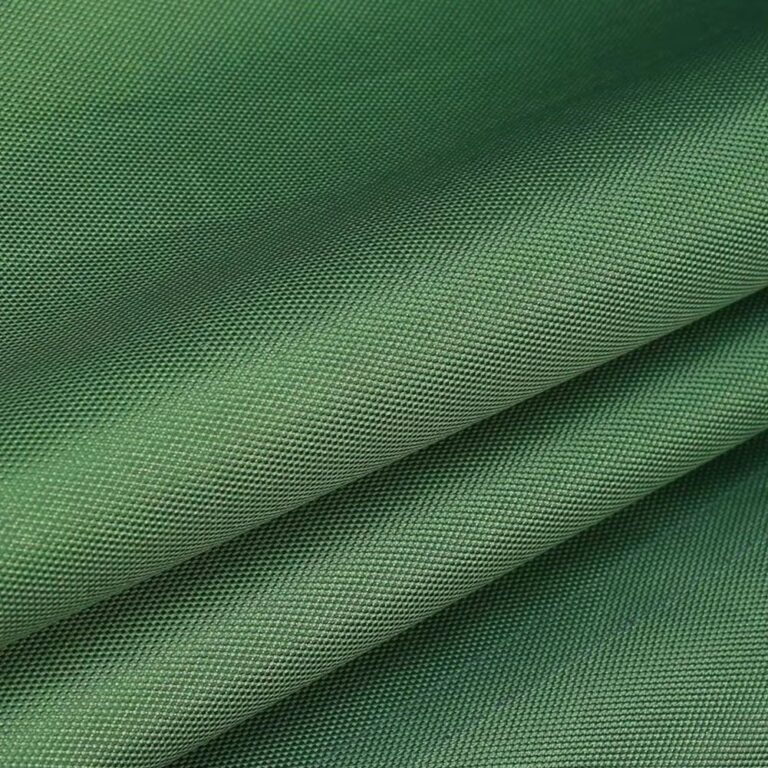 Aisha's pickWaterproof Outdoor Furniture Covers That Fit Into Real Life
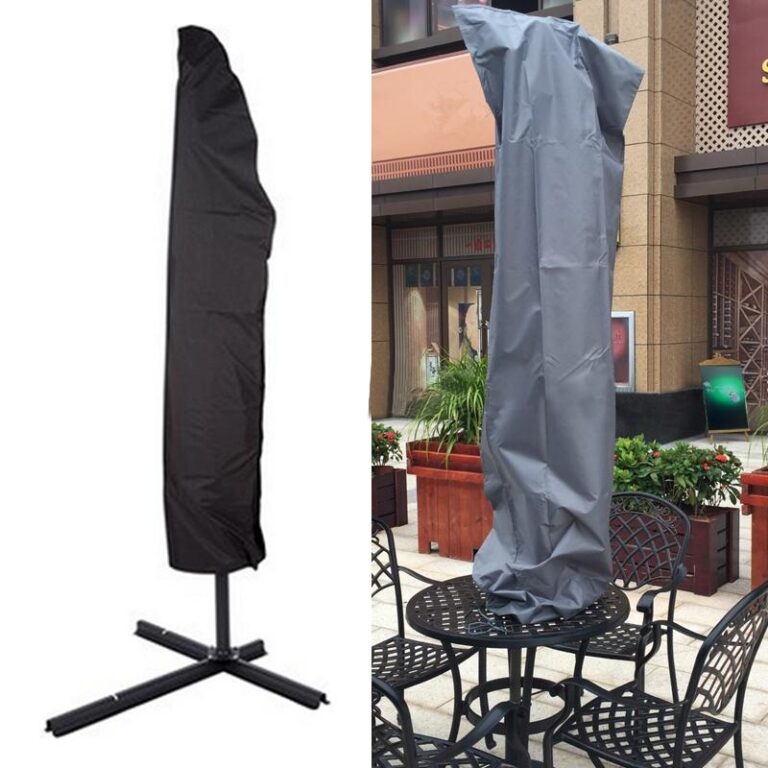
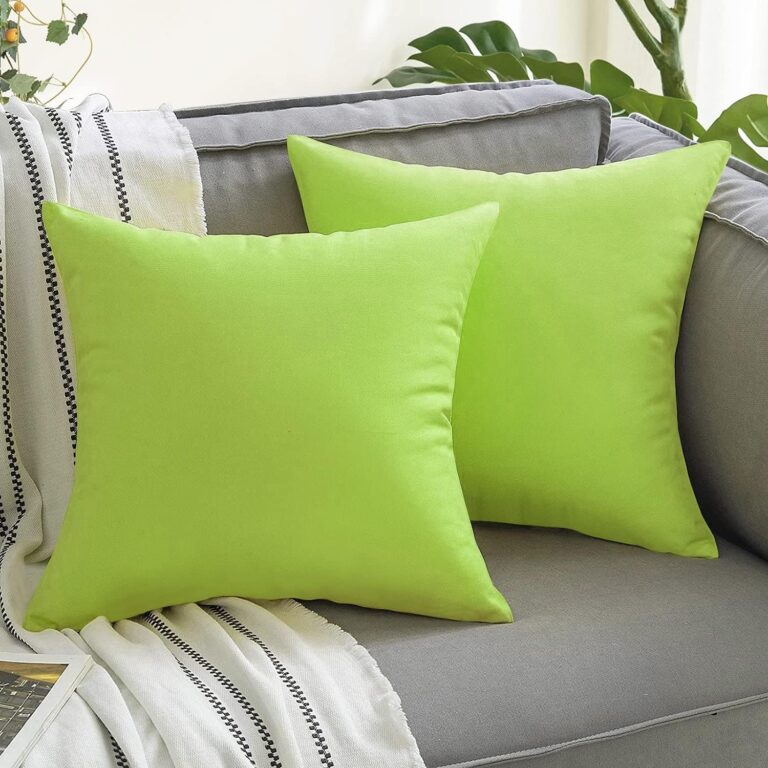 Aisha's pickWaterproof Outdoor Furniture Covers That Stand Up to the Weather
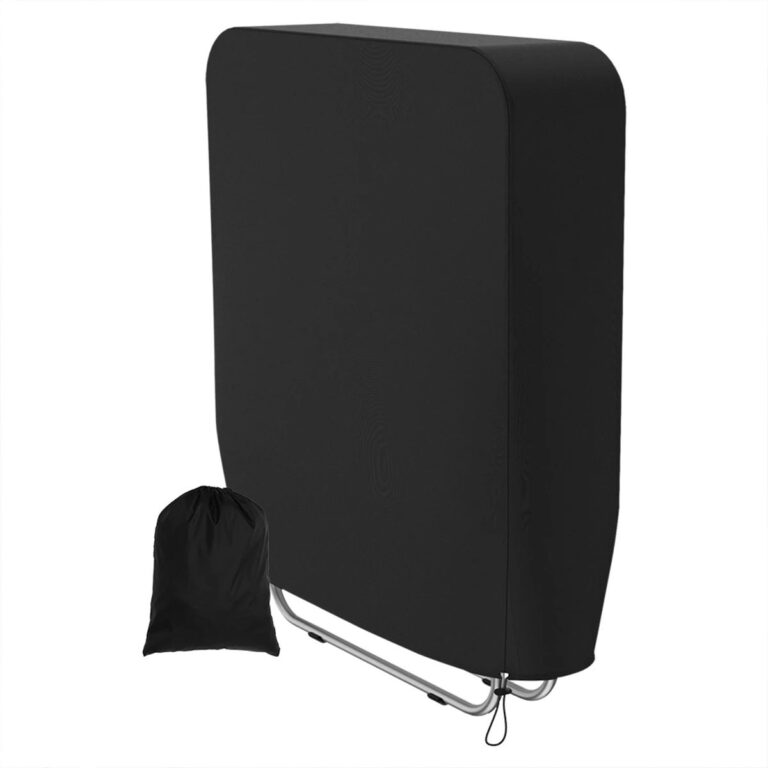
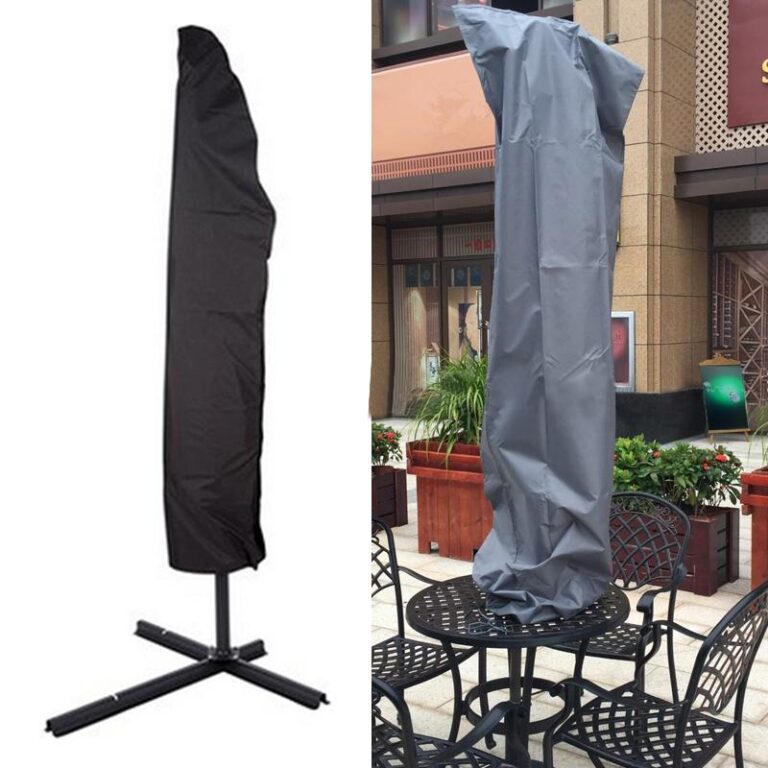 Aisha's pickWaterproof Outdoor Furniture Covers That Get Better With Age
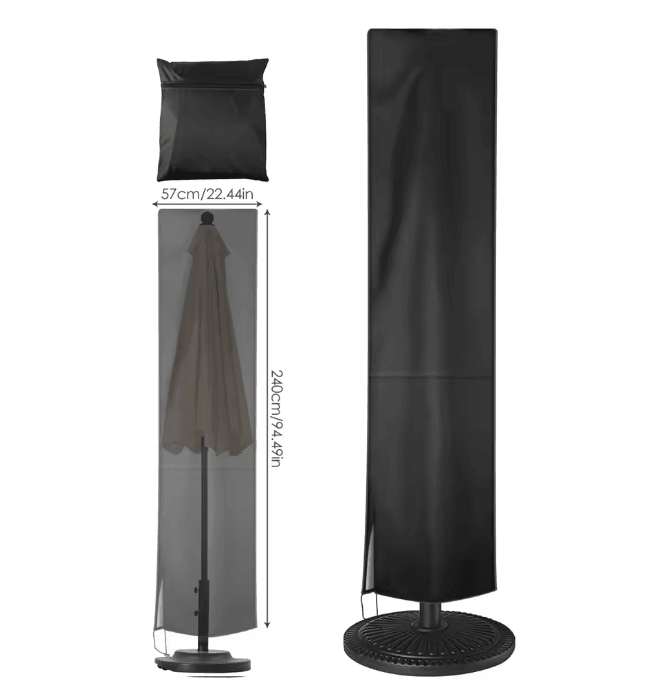
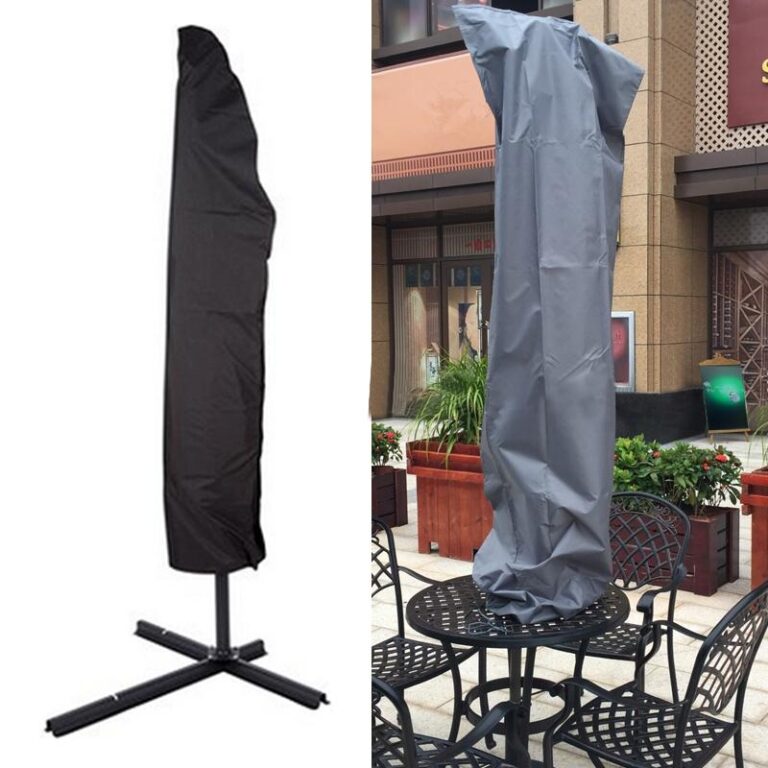 Aisha's pickWaterproof Patio Furniture Covers That Do the Job RightAlso worth a lookDining Outdoor SetsThe thing nobody tells you is to measure your door frames before you measure the patio.See the collections →
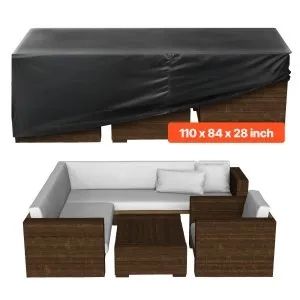
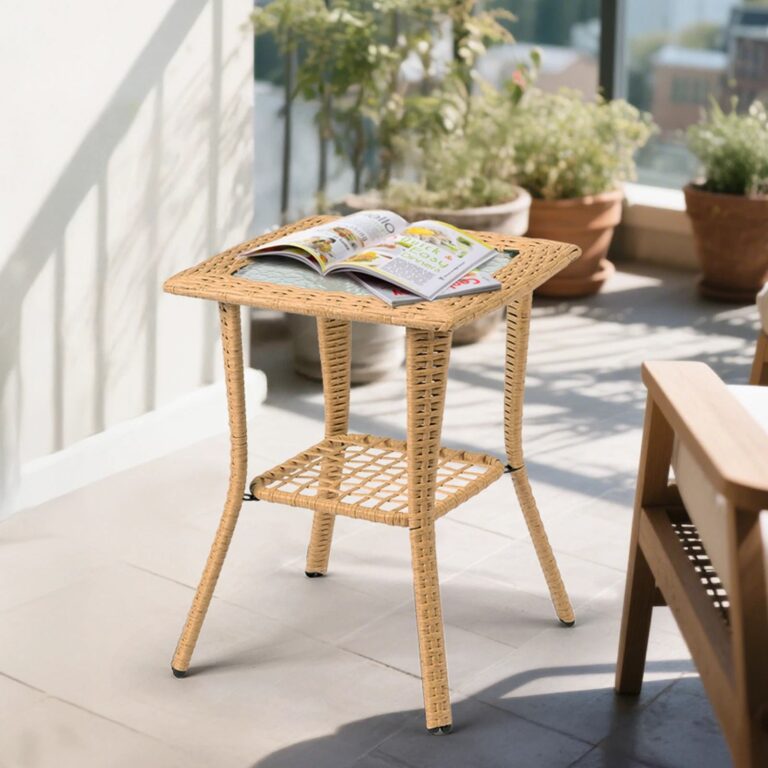 Aisha's pickAll Weather Outdoor Furniture That Holds Up
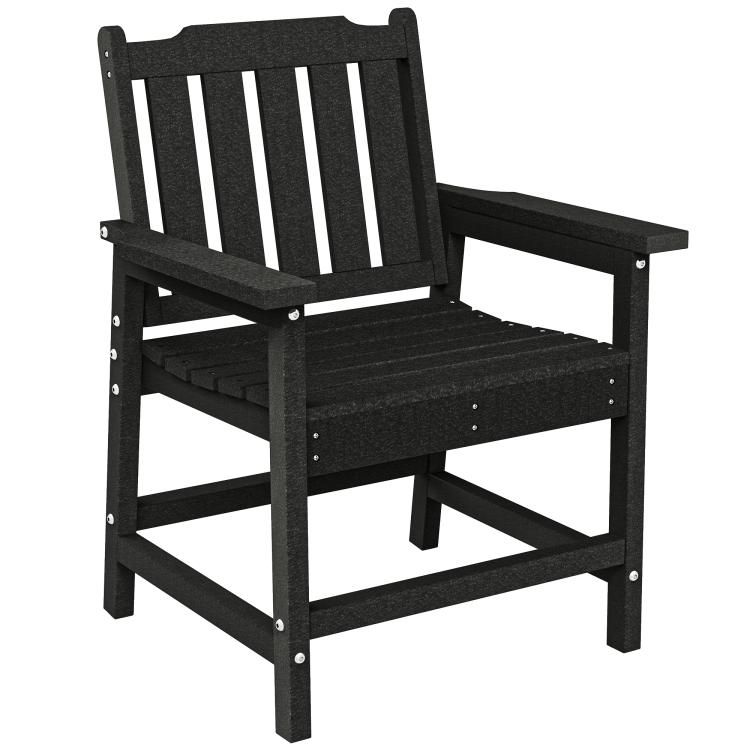
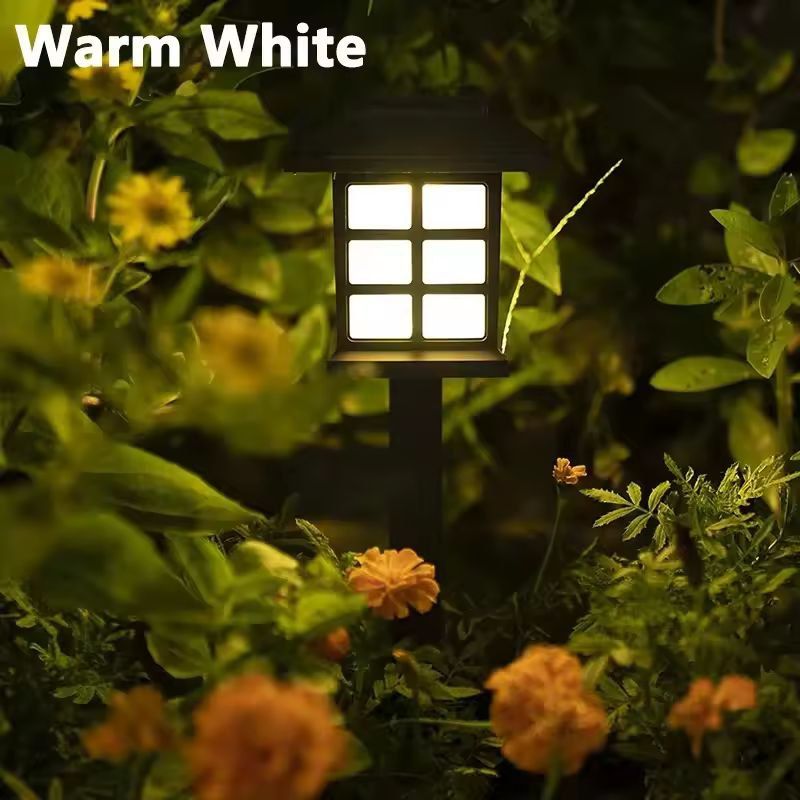 Aisha's pickWeatherproof Outdoor Sets You’ll Keep for Years

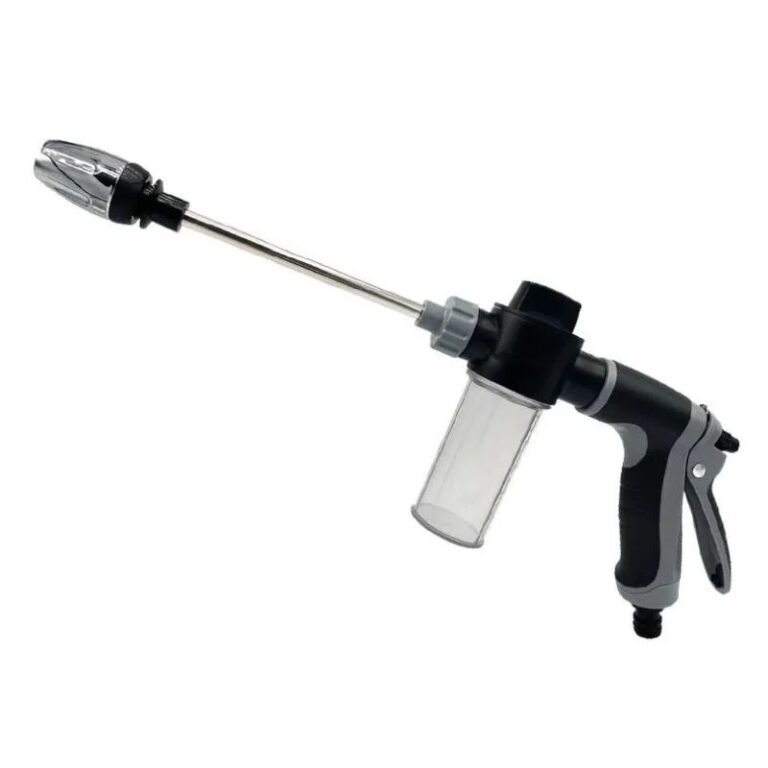 Aisha's pickAll Weather Outdoor Furniture Sets That Get Better With Age
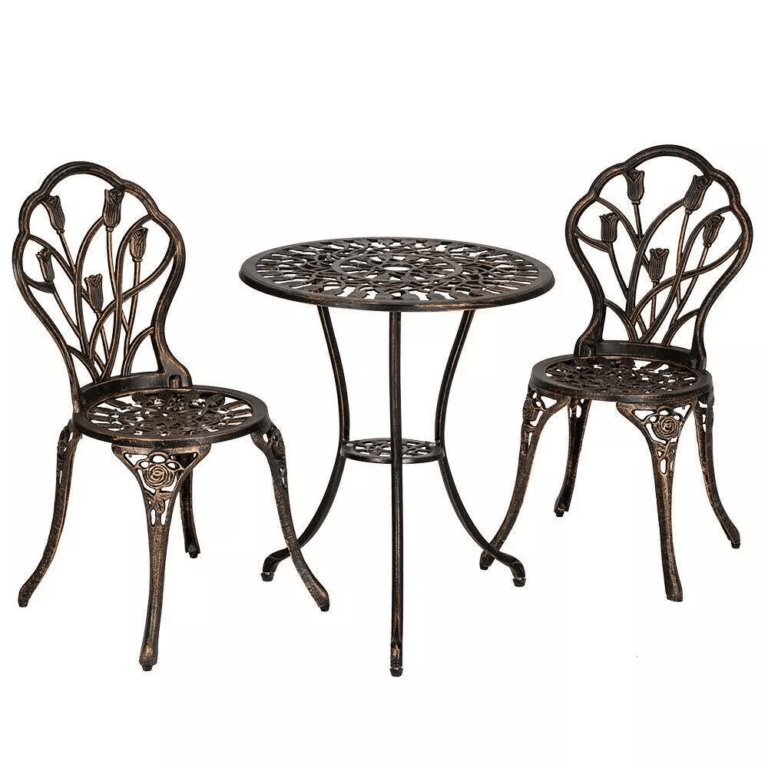
 Aisha's pickWeatherproof Outdoor Patio Sets That Shrug Off the Rain
 Aisha's pickAll Weather Outdoor Sets Pulled From Dozens of Stores
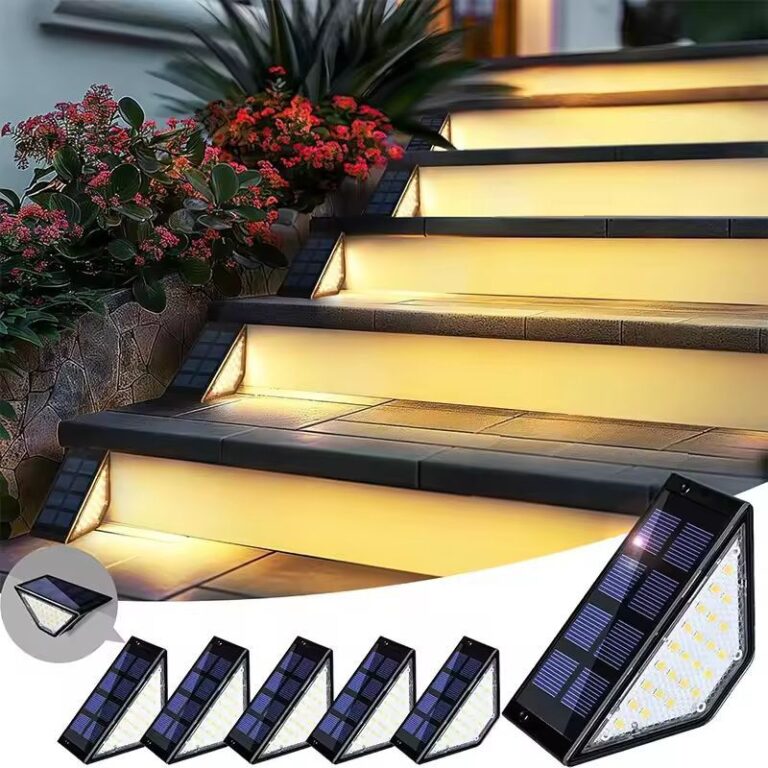 Aisha's pickWeatherproof Patio Sets for Sunny Afternoons and Chilly Nights
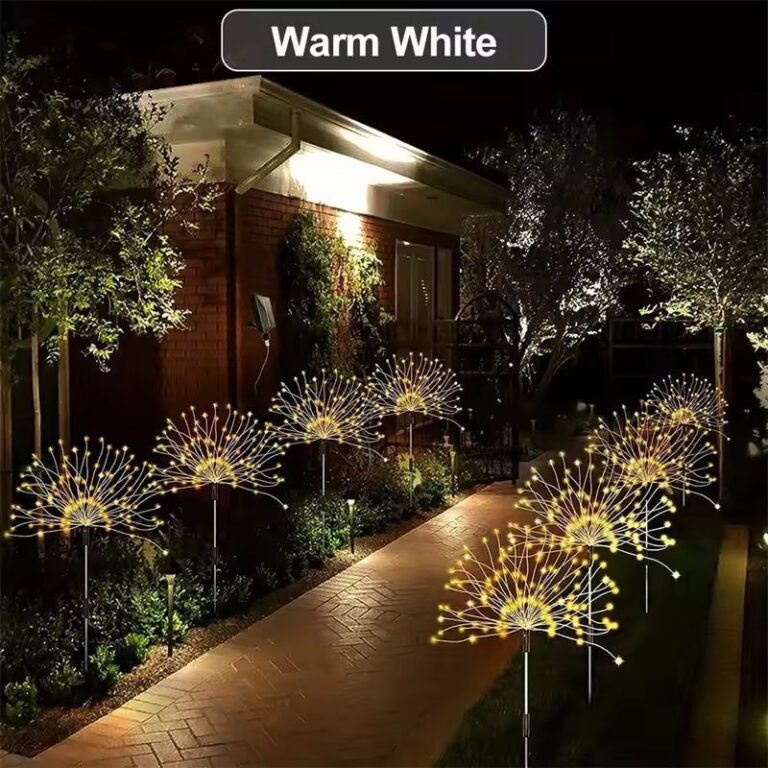
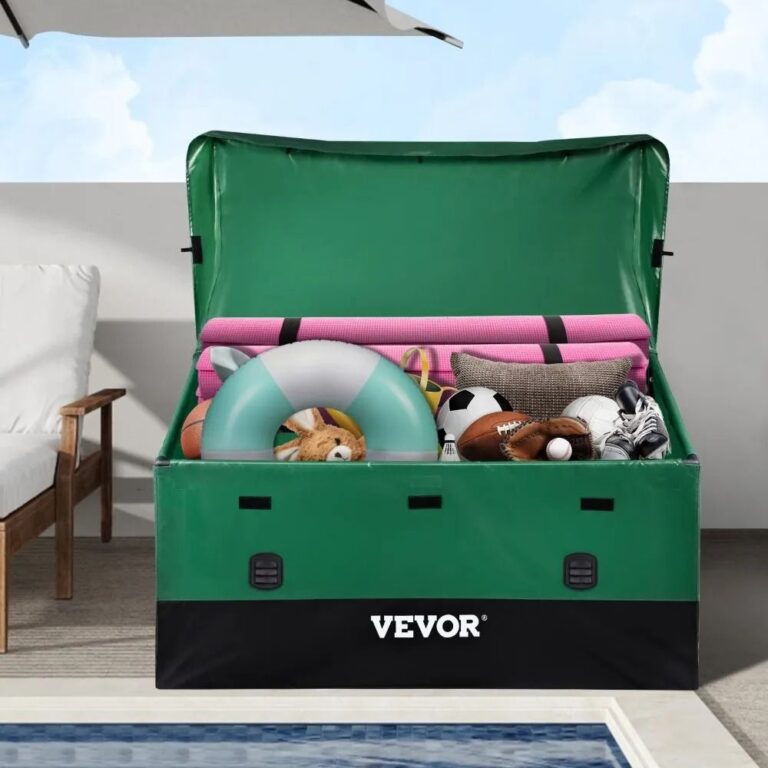 Aisha's pickAll Weather Outdoor Furniture You’ll Live With Happily for YearsAlso worth a lookSmall Outdoor FurnitureCheck the weight before anything else.See the collections →