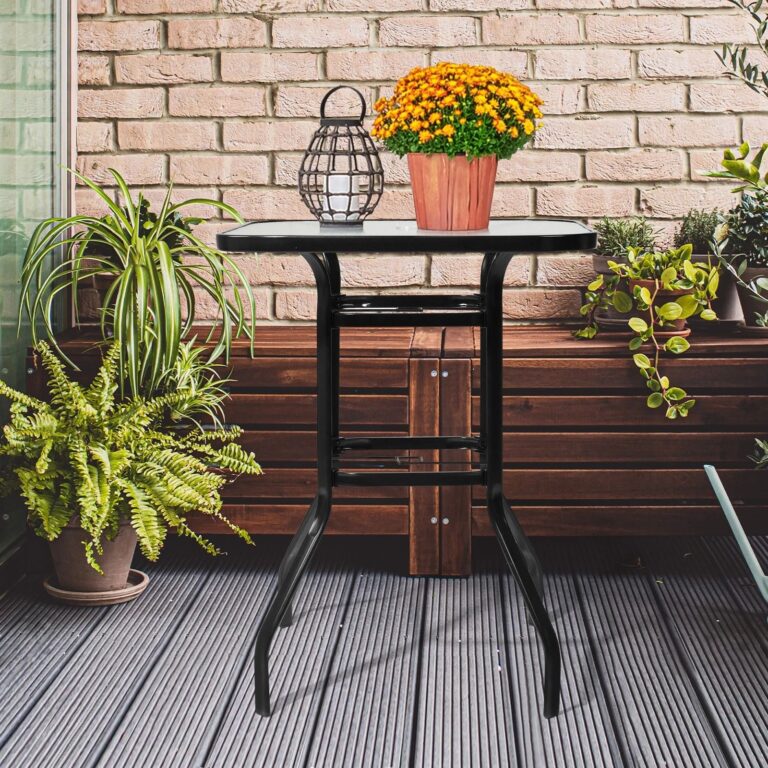
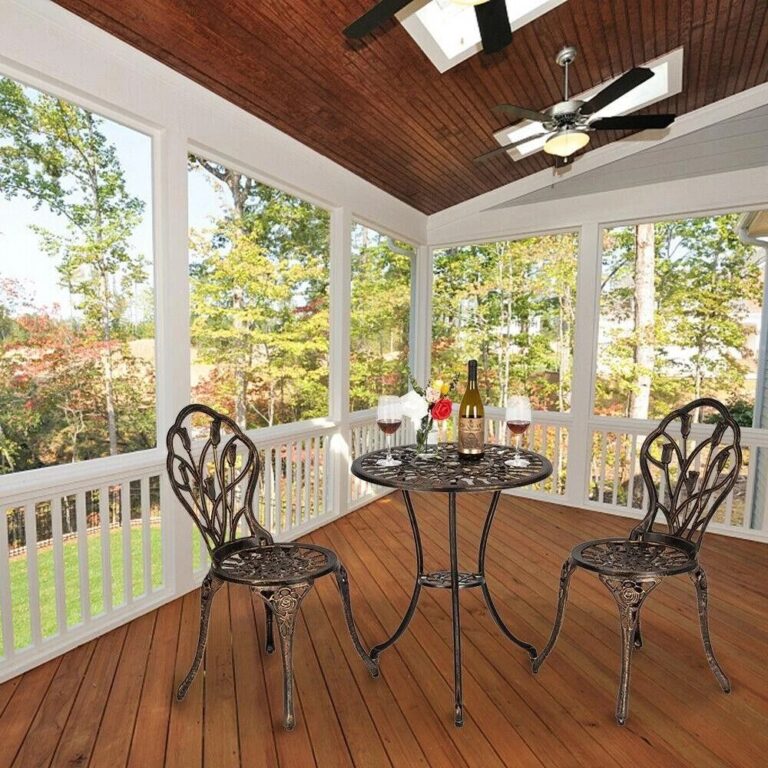
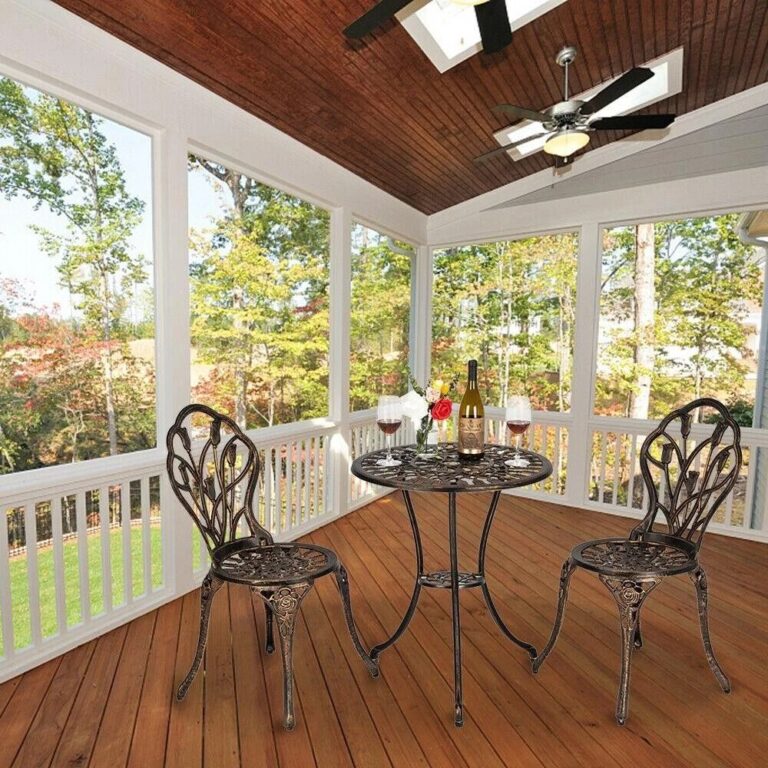
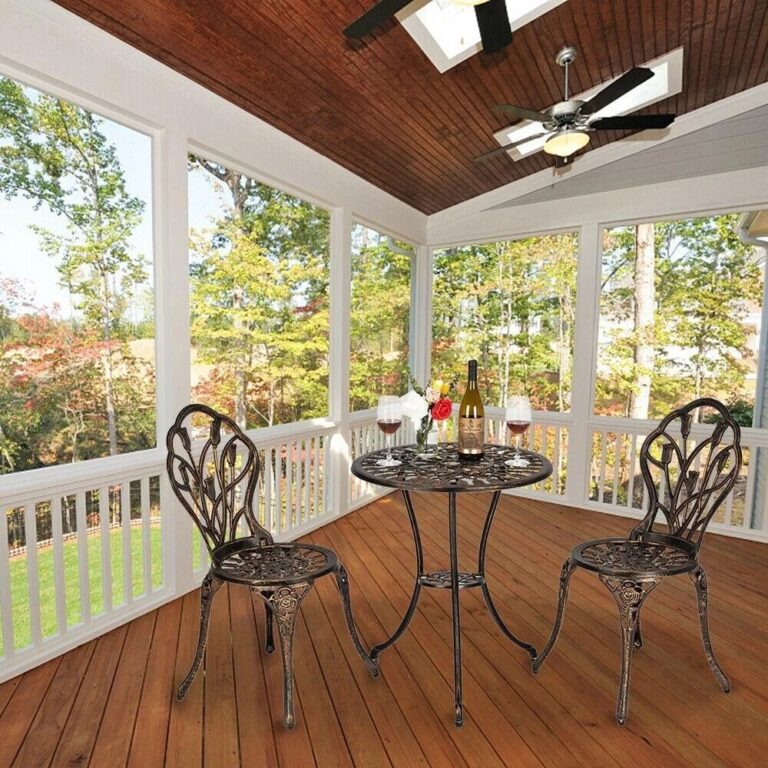
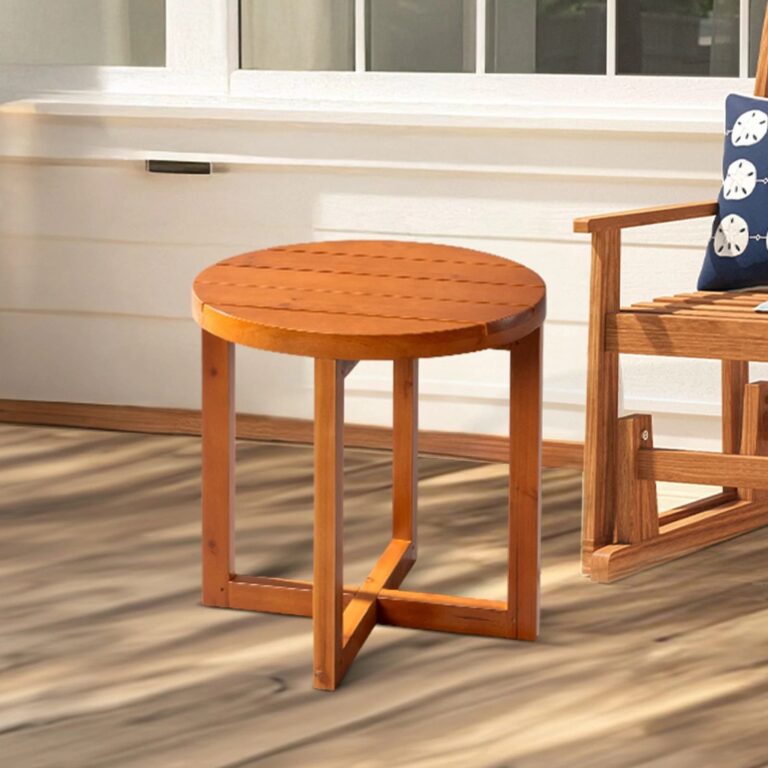
Check the weight before anything else. Small outdoor pieces, side tables, little stools, a two seater bistro set, get knocked around by wind far more than people expect, and if a table is light enough for one person to carry with one hand, it is light enough to end up on its side the first time a storm rolls through. Pick it up in the shop. If it feels flimsy there, it will feel worse on a deck.
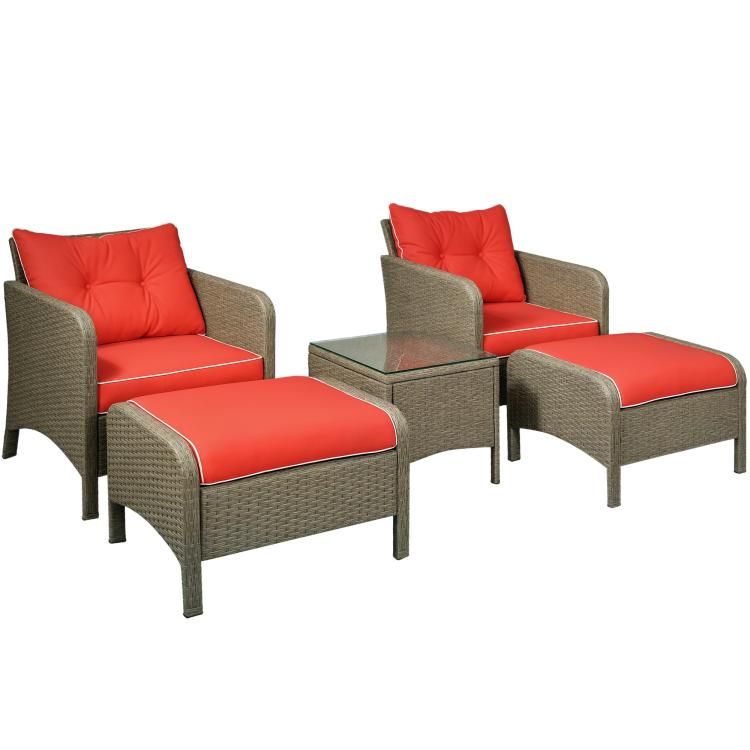
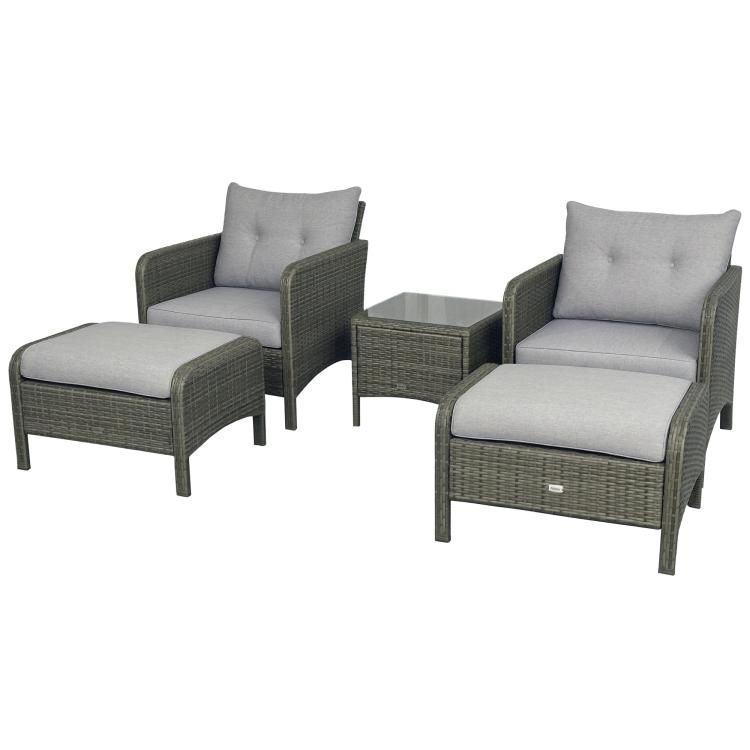
Color wise, I would steer away from anything too bright or too trendy for a small piece like this, since it is usually sitting right next to bigger furniture and clashing colors show up fast in a small space. Black, charcoal and dark bronze finishes hide dirt and pollen film better than white ever will, and they go with almost any planter or cushion you add later. White looks great for about three weeks, then it looks like it needs a wipe down every single day, which, for something that lives outside, it does. Natural wood tones and woven resin in a honey or gray shade age the most gracefully and don't show scuffs the way a glossy painted finish does.
How it wears depends almost entirely on the material, and this is where I'd spend real attention. Metal pieces, especially anything with a powder coated finish, hold up well for years but will eventually show rust at the joints and screw points, so a quick check and a touch up pen once a season keeps that from spreading. Resin wicker looks the part early on but can get brittle and start fraying at the edges after two or three summers in strong sun, it just does. Solid wood, teak especially, goes silvery gray over time if you leave it alone, which some people love and some find sad, so decide which camp you're in before you buy rather than after. Wipe things down after pollen season, bring cushions in when it rains, and most small pieces will outlast the season they were bought for by a long way.
On delivery day, check the feet. Uneven feet on a tiny table will rock on a deck or patio stone no matter how good the top looks, and it's the single most common fault I've seen reported back. Check that any folding mechanism locks firmly, not just clicks, and look at the underside for rough welds or splinters before it ever goes near bare feet.
This kind of piece suits a small patio, a narrow balcony, or a porch that only has room for the essentials.

 Aisha's pickOur Shortlist of Small Furniture Packs
 Aisha's pickSmall Patio Sets That Hold Up to Everyday Life
 Aisha's pickSmall Outdoor Dining Sets That Survive Kids and Pets
 Aisha's pickSmall Outdoor Furniture That Looks the Part
 Aisha's pickSmall Outdoor Furniture Covers for Sunny Afternoons and Chilly Nights
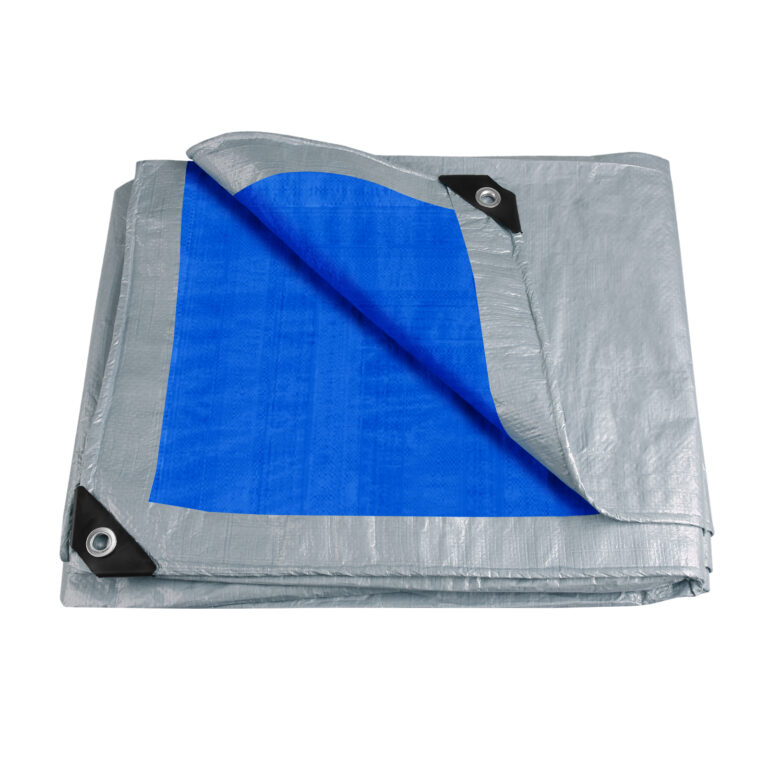 Aisha's pickSmall Outdoor Furniture Covers We’d Have Out From May to September
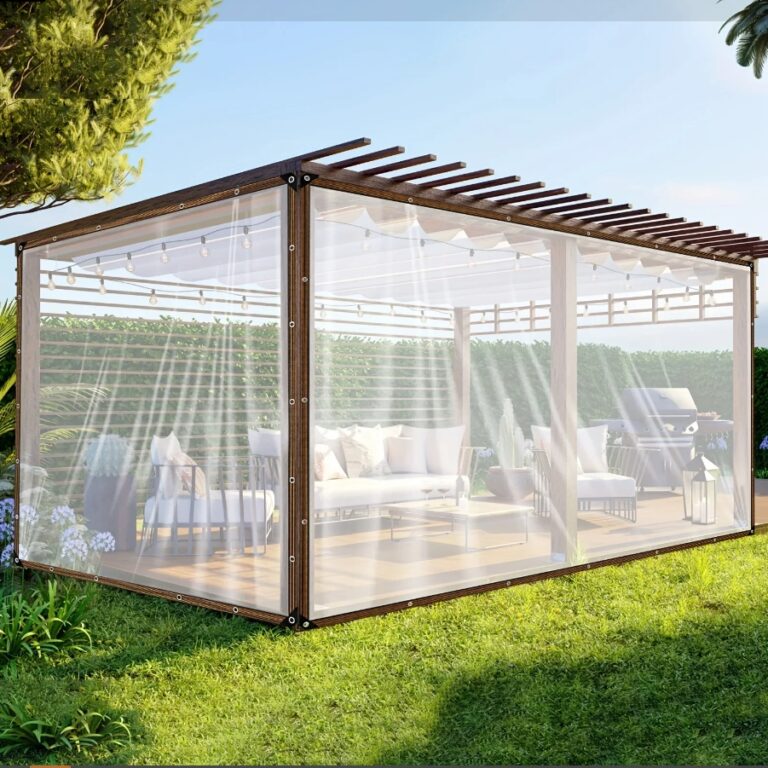
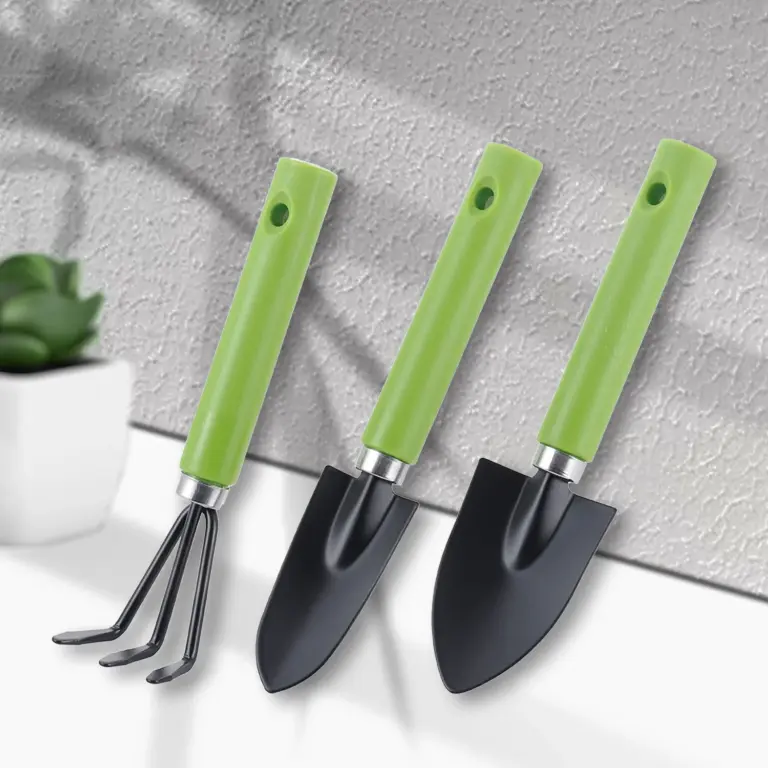 Aisha's pickCompact Balcony Sets That Look Better in Real Life
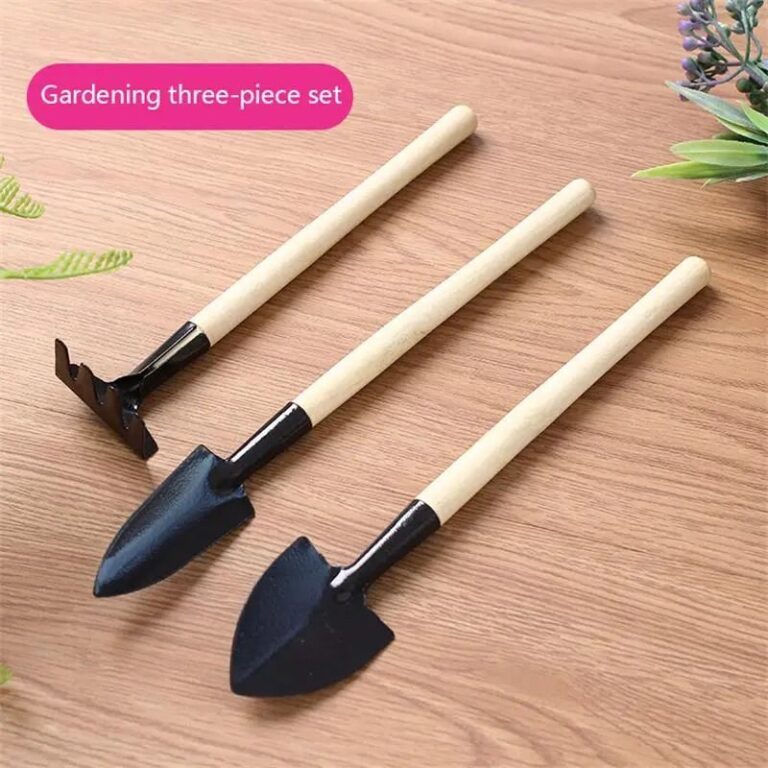
 Aisha's pickSmall Outdoor Furniture Sets for Long Summer Evenings Outside
 Aisha's pickCompact Furniture Packs for Apartments and Small HousesAlso worth a lookDining Outdoor SetsThe thing nobody tells you is to measure your door frames before you measure the patio.See the collections →

 Aisha's pickSmall Outdoor Furniture with Cushions That Doesn’t Cost a Fortune
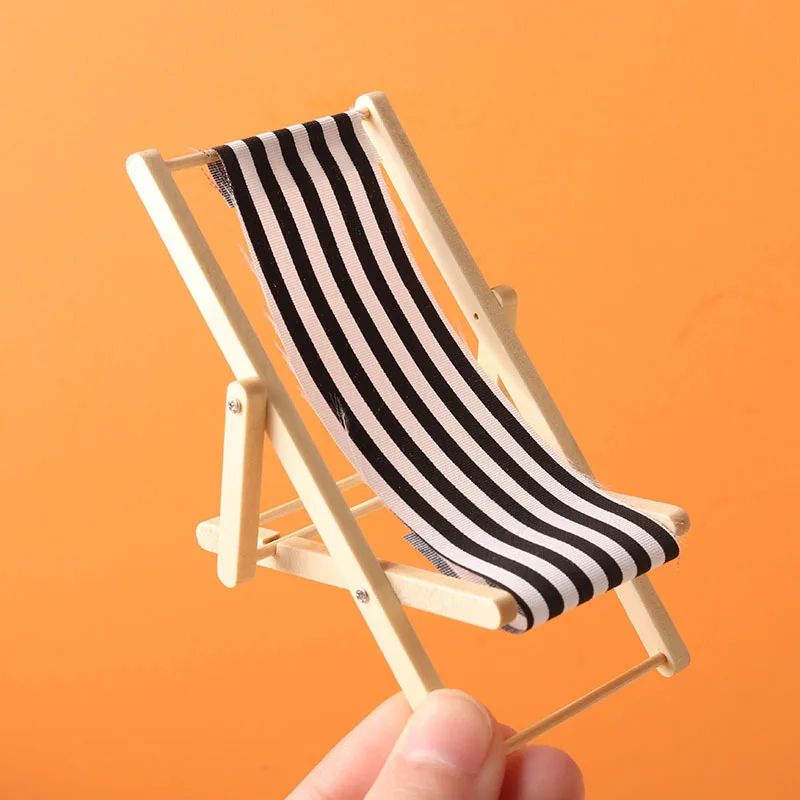 Aisha's pickCompact Outdoor Furniture for Making the Most of the Patio
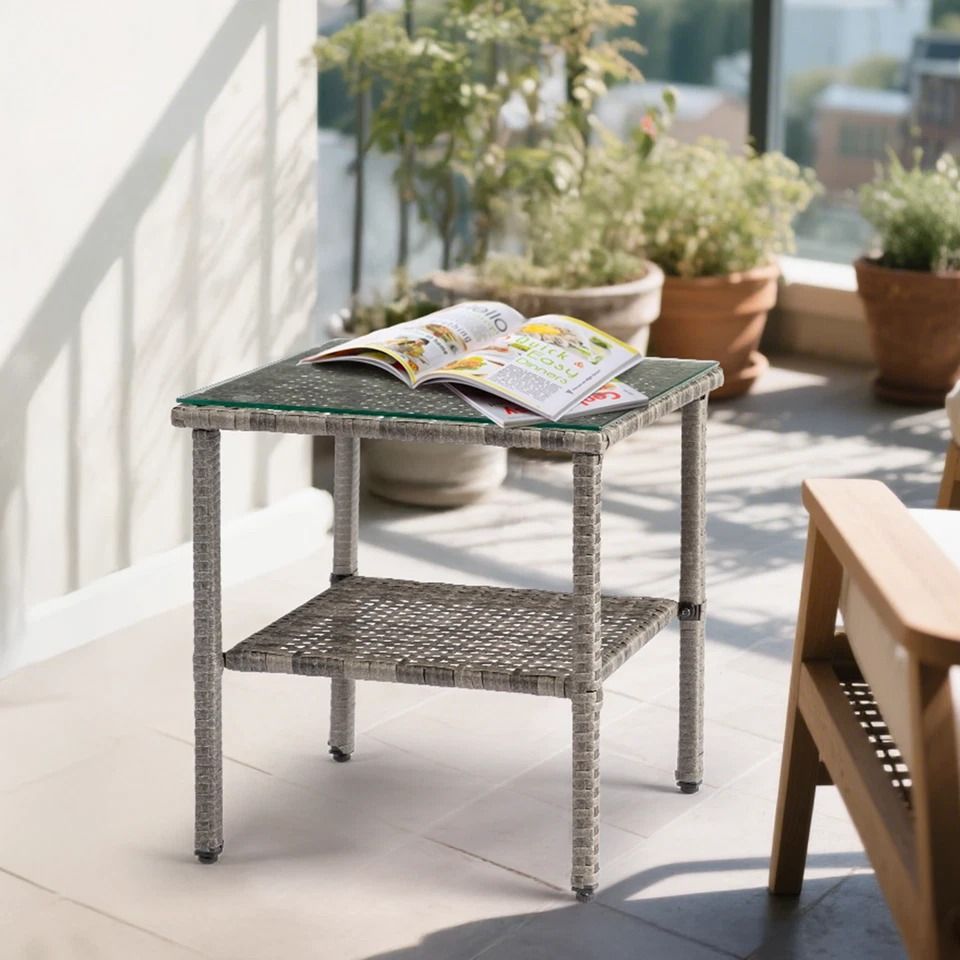
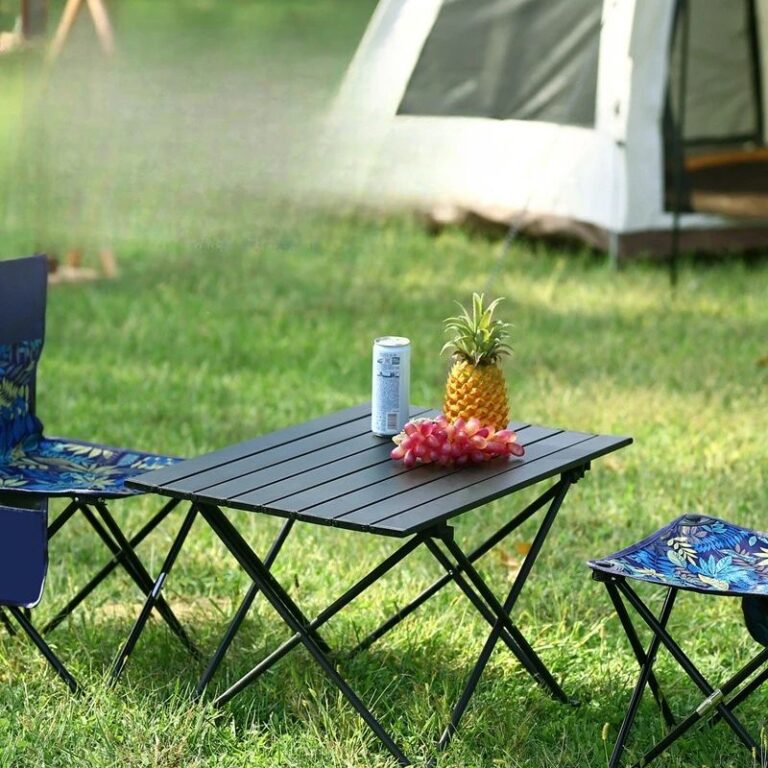 Aisha's pickSmall Outdoor Furniture with Storage That Earns Its Place
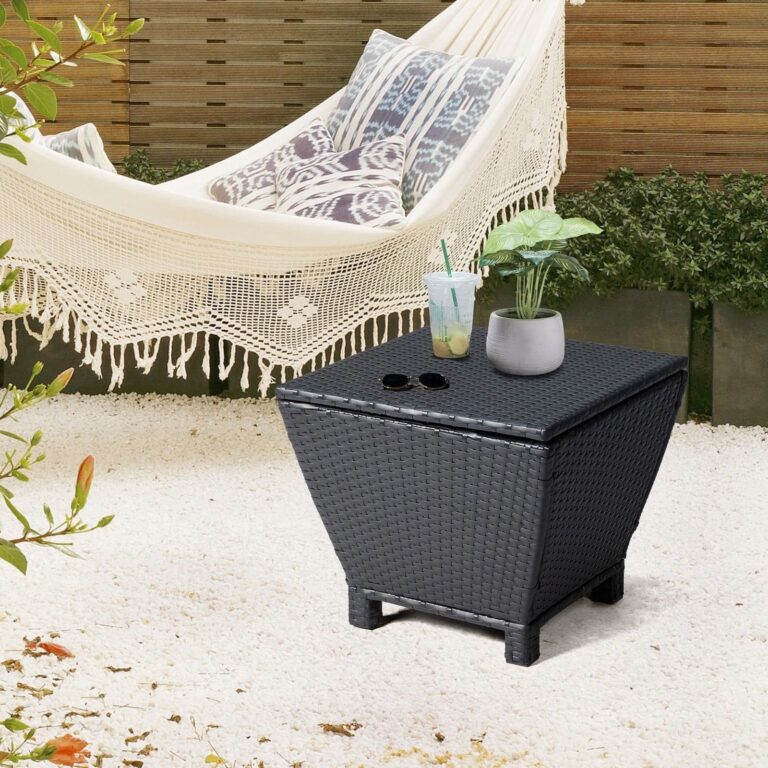
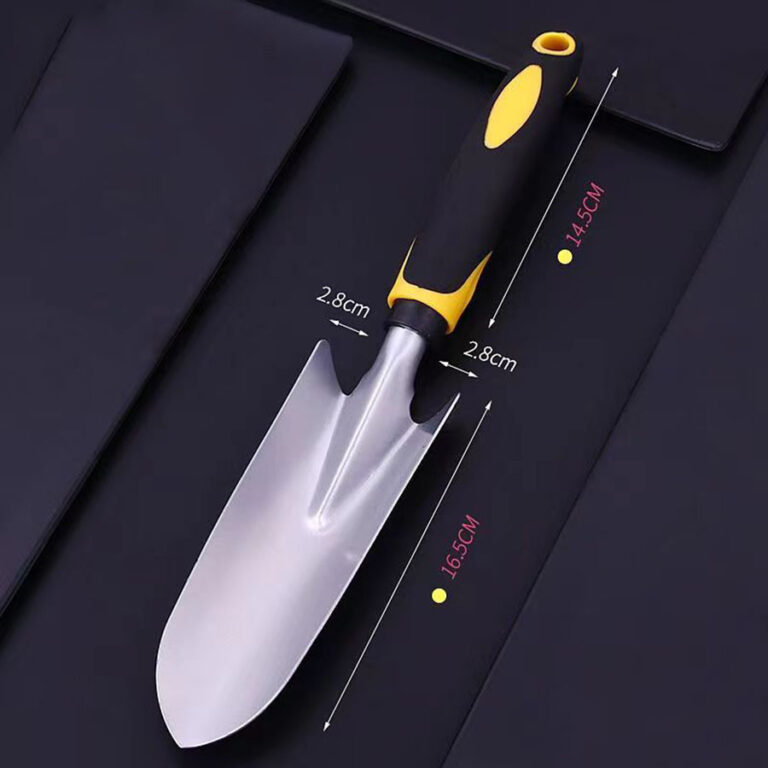 Aisha's pickCompact Outdoor Sets That Shrug Off the Rain

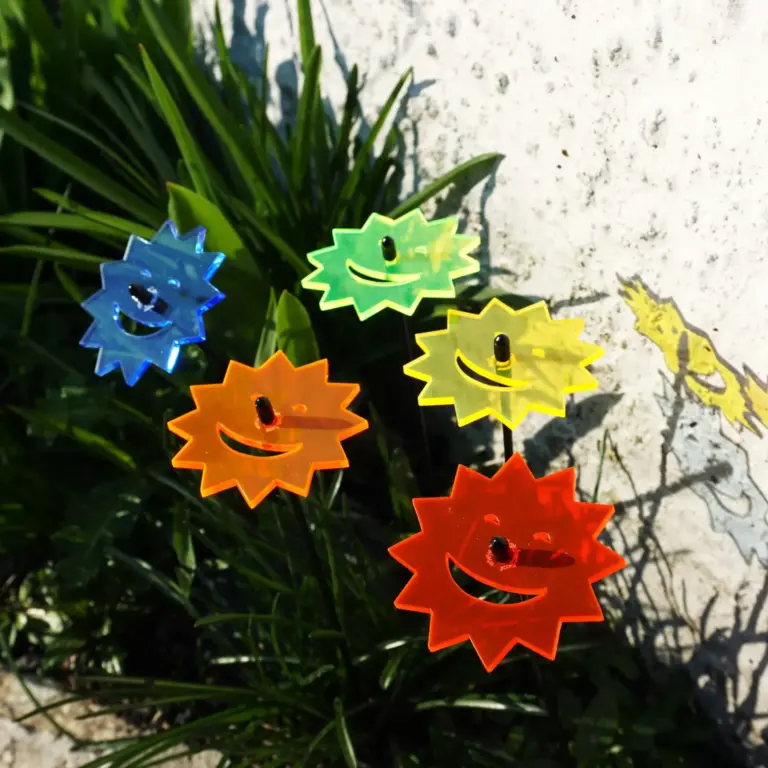 Aisha's pickSmall Outdoor Sets That Make a Room Feel Finished
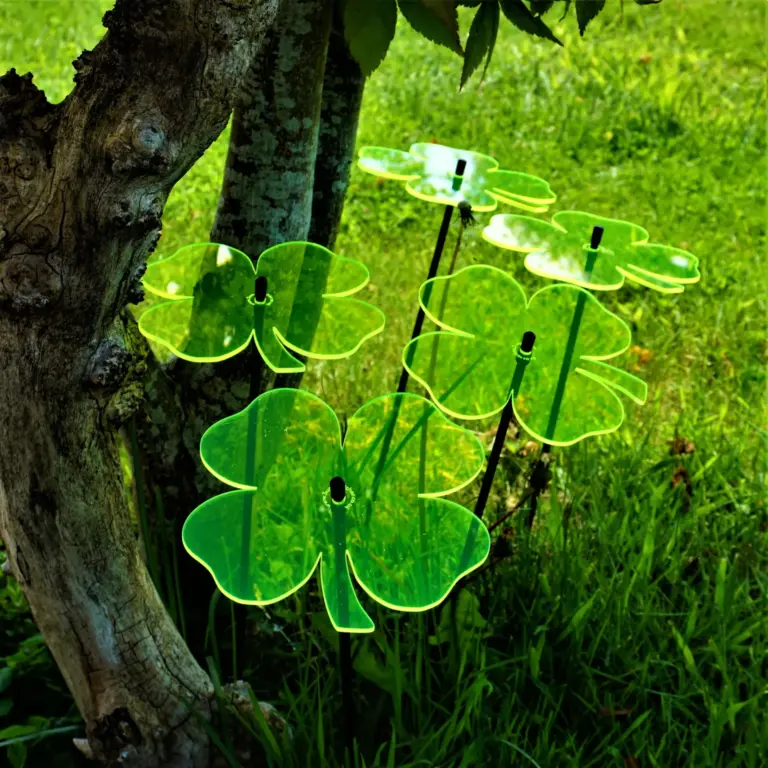
 Aisha's pickCompact Outdoor Furniture for Sunny Afternoons and Chilly Nights

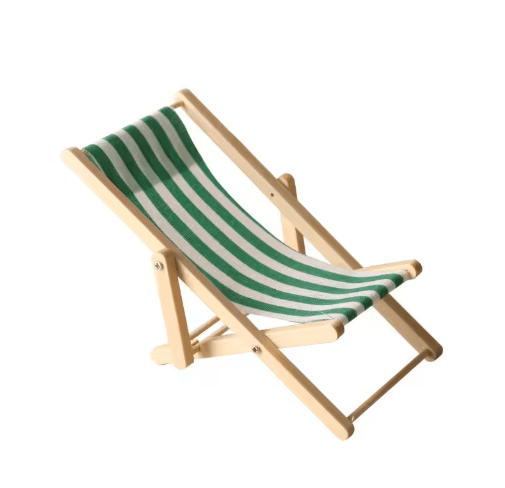 Aisha's pickSmall Natural Outdoor Furniture We Keep Buying
 Aisha's pickCompact Outdoor Patio Sets That Earn Their Keep

 Aisha's pickSmall Natural Patio Sets That Do the Job RightAlso worth a lookPatio SetsBefore you fall for the first set that looks good in a showroom, walk the actual space at…See the collections →

 Aisha's pickCompact Patio Furniture We Keep Buying
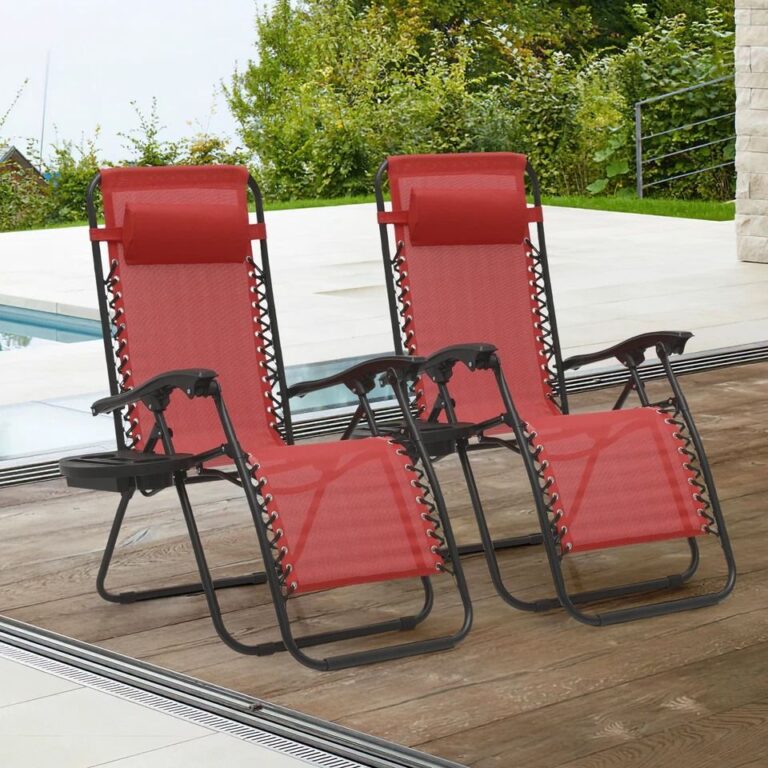
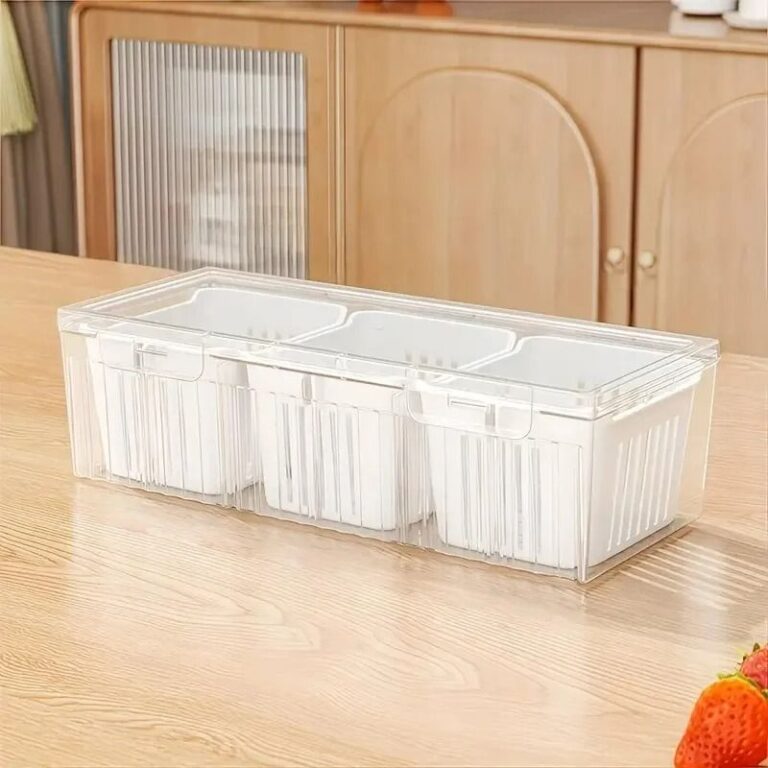 Aisha's pickSmall Outdoor Dining Sets That Visitors Always Ask About

 Aisha's pickCompact Patio Sets That Hold Up to Everyday Life

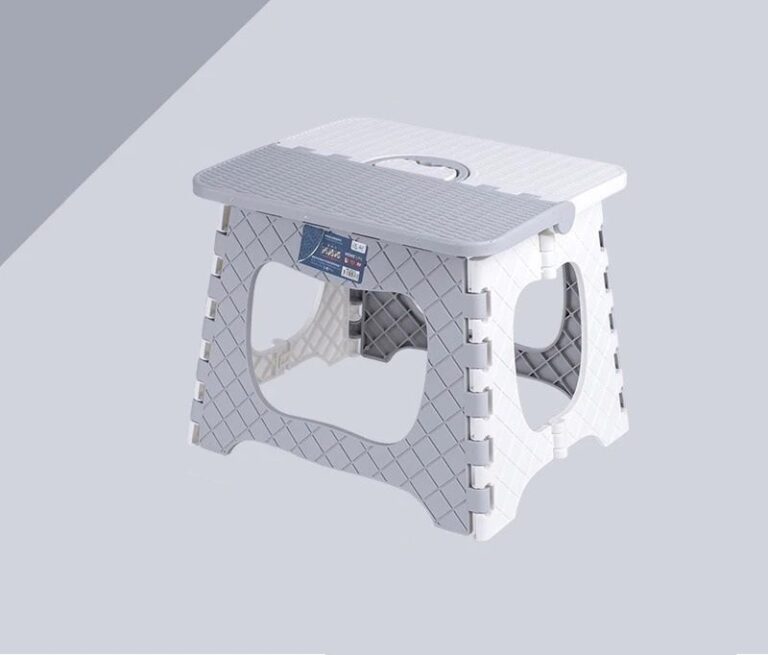 Aisha's pickSmall Outdoor Furniture Worth Your Money
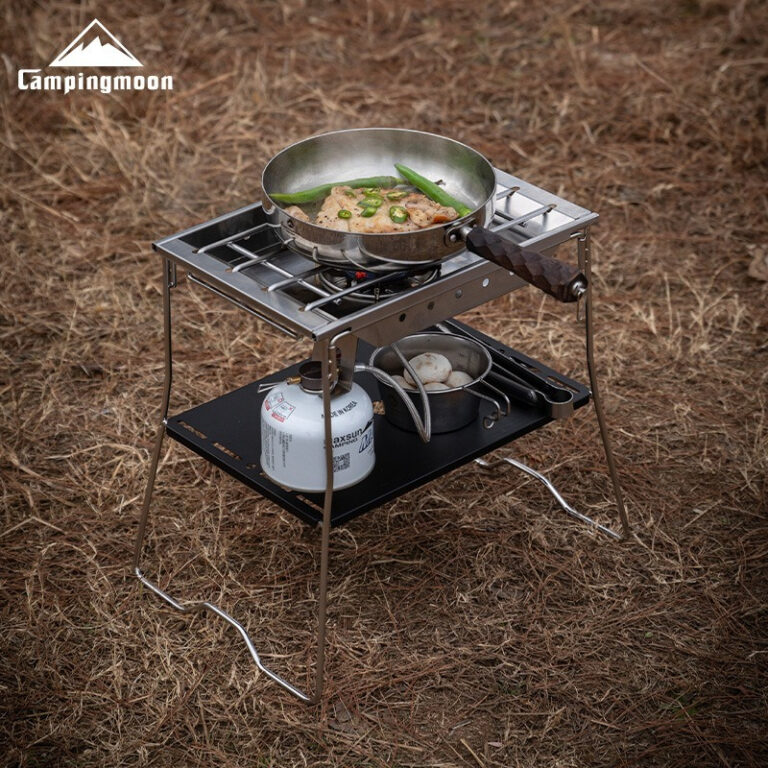
 Aisha's pickSmall Balcony Furniture Worth Knowing About
 Aisha's pickGood Small Outdoor Furniture Sets That Don’t Cost a Fortune
 Aisha's pickSmall Balcony Sets We’d Have Out From May to September
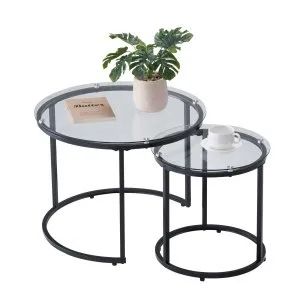
 Aisha's pickSmall Outdoor Patio Sets Pulled From Dozens of Stores

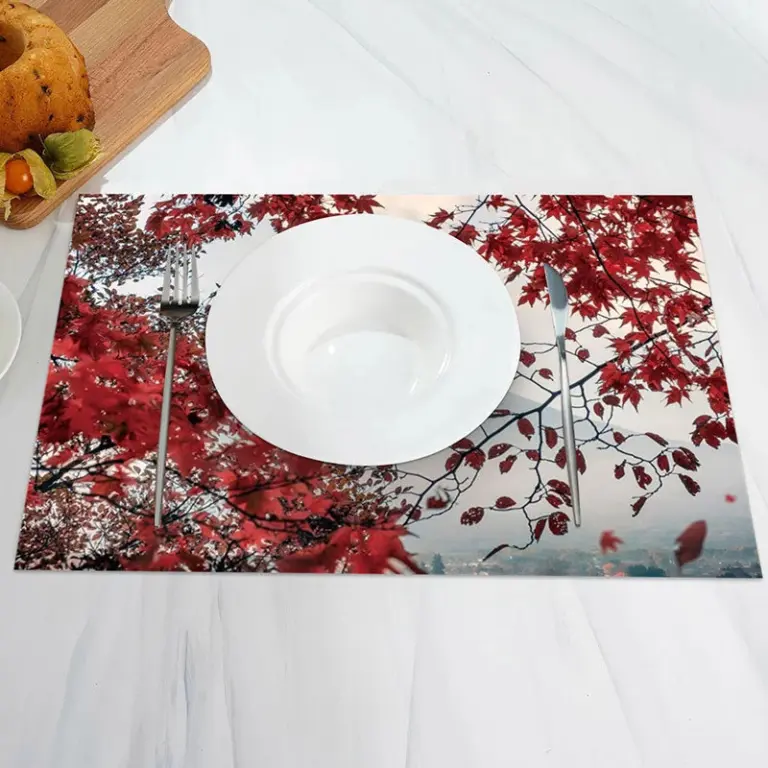 Aisha's pickSmall Bistro Sets for When the Old Ones Give UpAlso worth a lookFurniture Outdoor CoversThe first patio set cover I bought was a thin plastic sheet that fit nothing, billowed like a…See the collections →