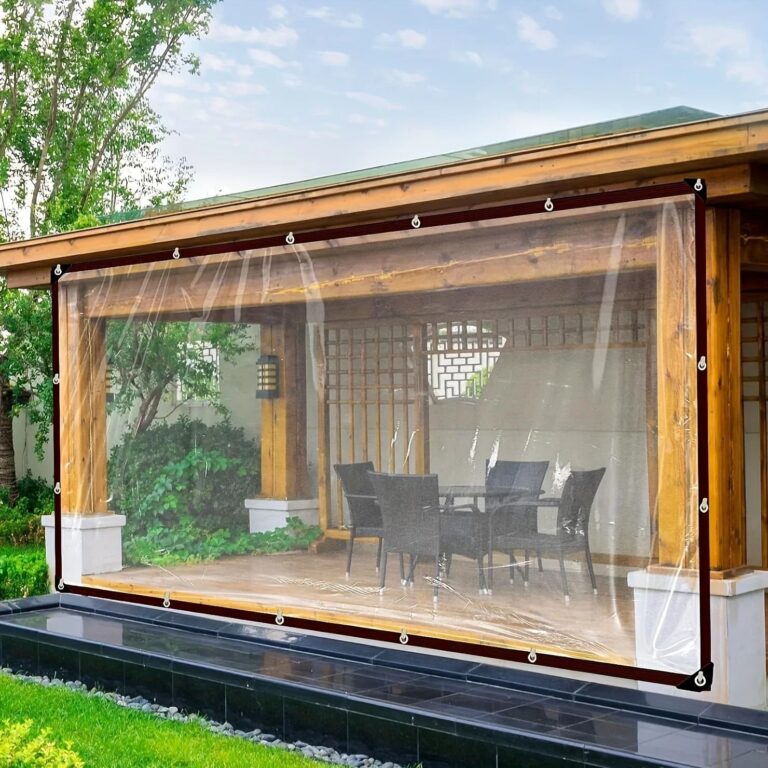
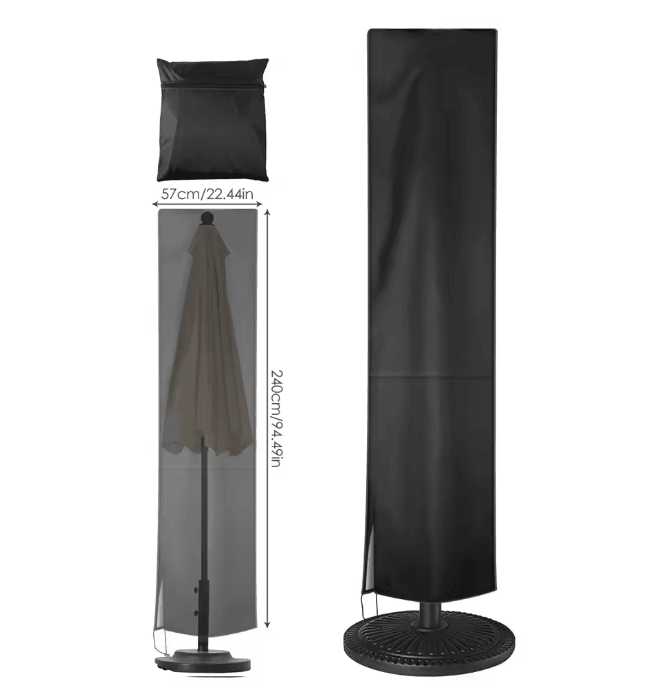
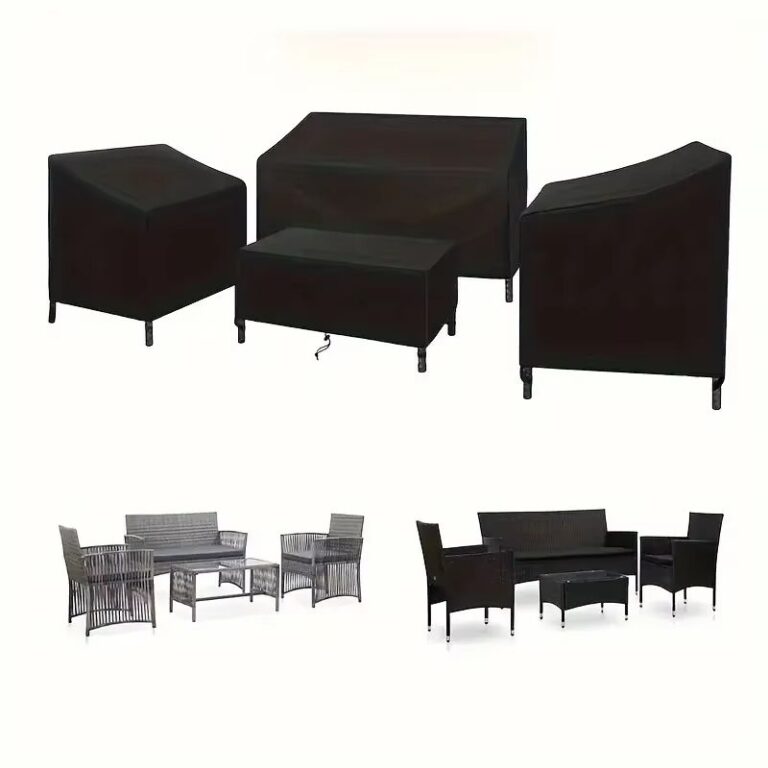
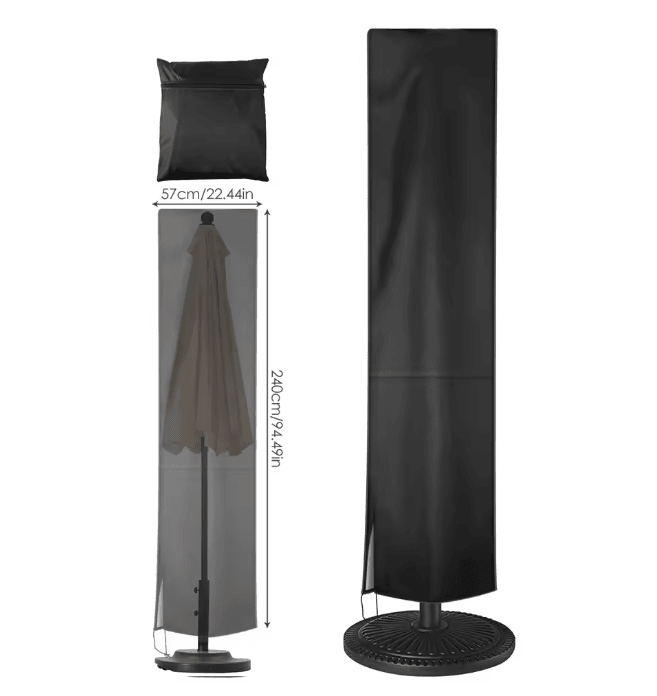
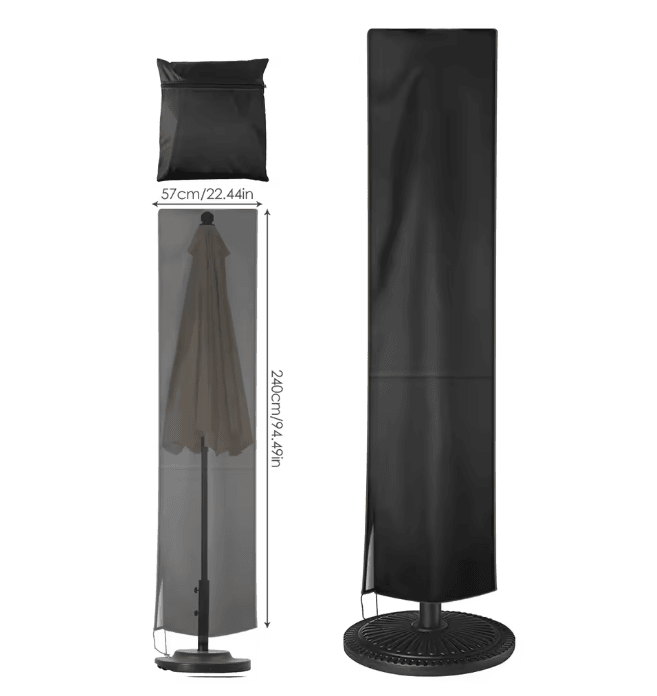
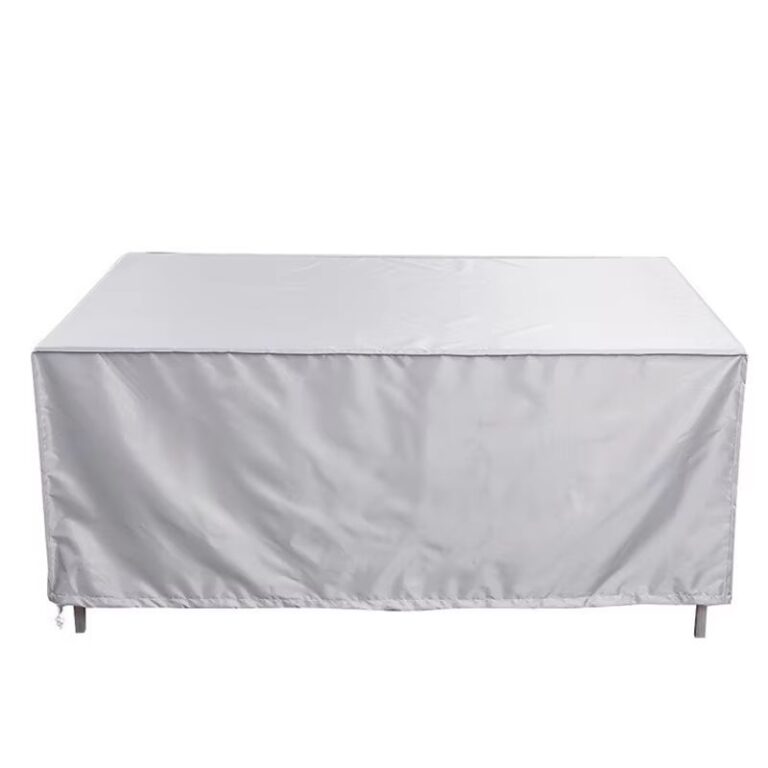
The first patio set cover I bought was a thin plastic sheet that fit nothing, billowed like a parachute every time the wind picked up, and tore along the seam by the second month. What it taught me is that a cover is only as good as its fit. Loose fabric flapping against metal or wicker will wear a hole faster than any amount of sun or rain, so the whole point gets lost if the thing doesn't actually sit close to what it's protecting.
A cover is the wrong choice if you're trying to protect something through a real winter in a place that gets heavy snow, since a foot of wet snow sitting on top will pool, stretch the fabric and eventually soak through anyway. It's also not going to save furniture that's already cracked or rusting, it just slows down what's already started. And if your patio set lives under a solid roof or deep eave, you probably don't need one at all, you're just adding a chore. Where it does real work is on furniture sitting in open weather, taking direct rain, sun and the occasional surprise hailstorm.
On color, go plain and go dark. Charcoal, dark olive, taupe, anything in that family hides dirt, pollen and the general grime that collects outside without looking grubby after two weeks. Bright white looks sharp for about a month and then shows every water mark and bit of tree sap, I learned that the slow way. Patterned covers are mostly pointless since you don't see them once they're zipped over a table and six chairs.
The difference between a cover worth keeping and one you'll replace by next spring comes down to the fabric and the stitching. Polyester with a tight weave and a proper waterproof or water resistant coating holds up far better than vinyl, which cracks in cold and gets brittle with sun exposure over time. Look for taped or heat sealed seams rather than just stitched ones, since needle holes let water in no matter how good the fabric is. Vents matter too, a cover with no airflow traps moisture underneath and you end up with mildew on furniture that was otherwise fine. Drawstrings or clips at the bottom keep it anchored in wind instead of sailing off into a neighbor's yard, which has happened to more than one cover of mine.
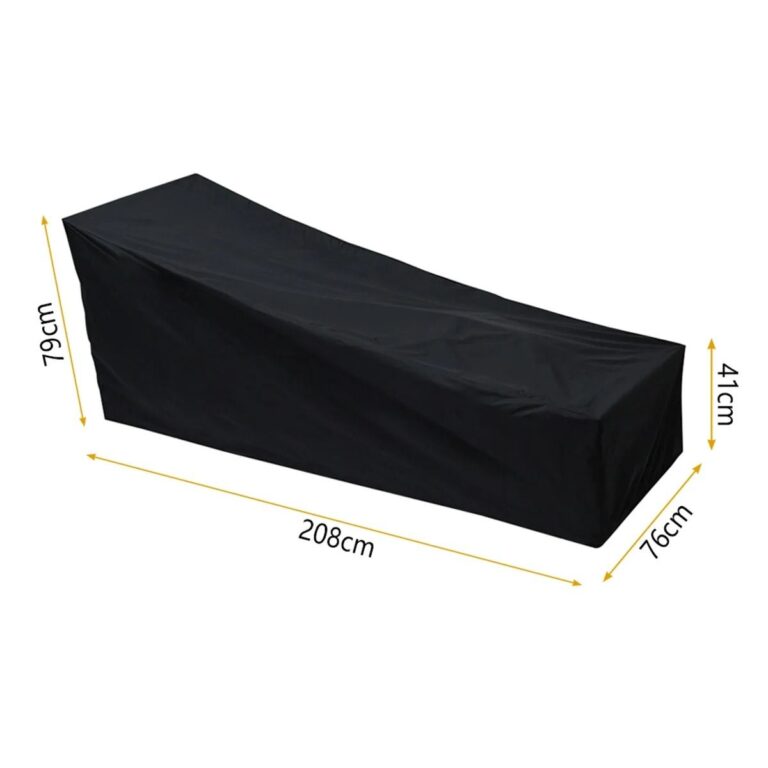
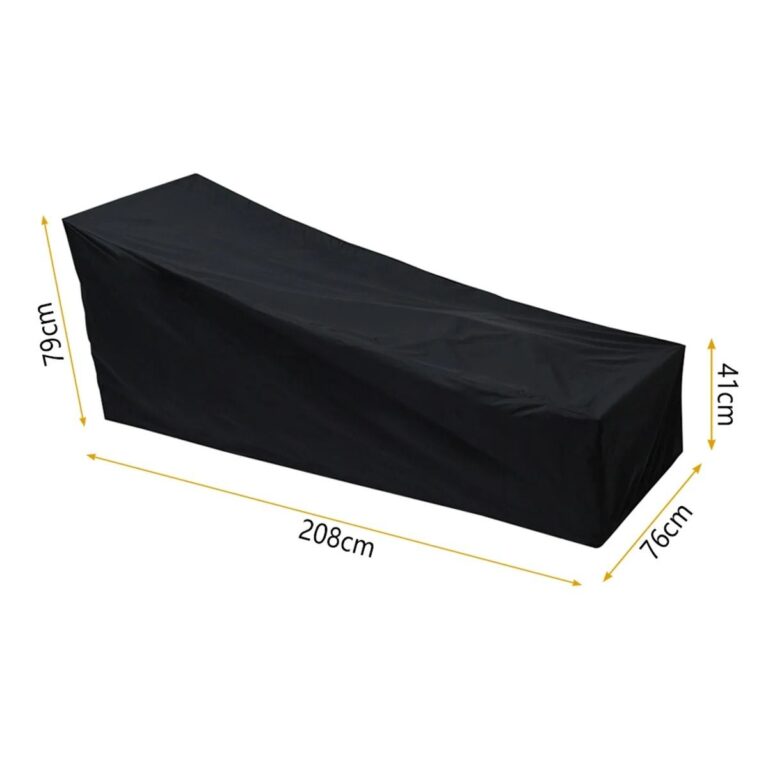
Measure your furniture with it fully assembled, including any cushions left in place, then add a few inches to the cover dimensions rather than rounding down.
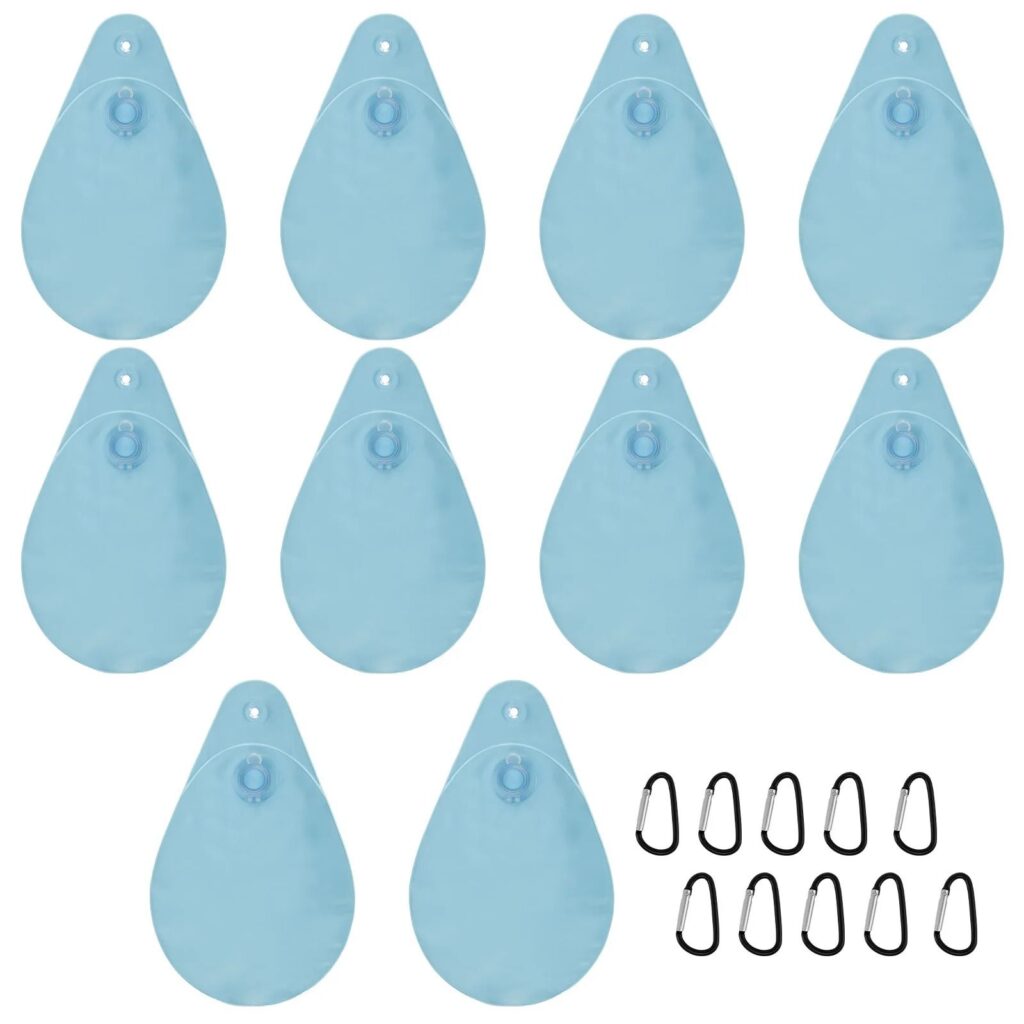 Aisha's pickLong Patio Furniture Covers From Brands You Know and a Few You Won’t
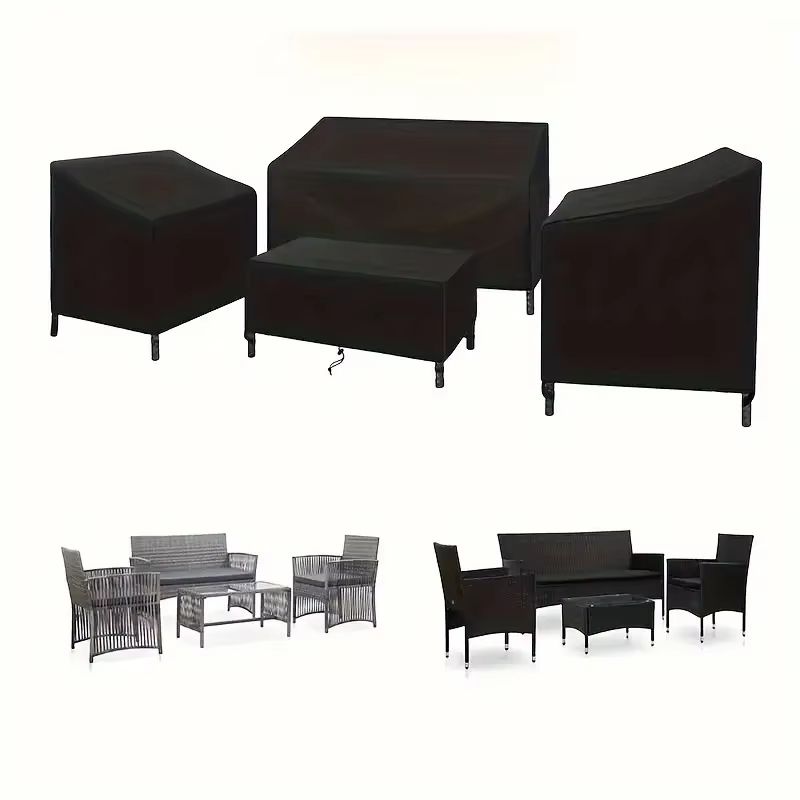
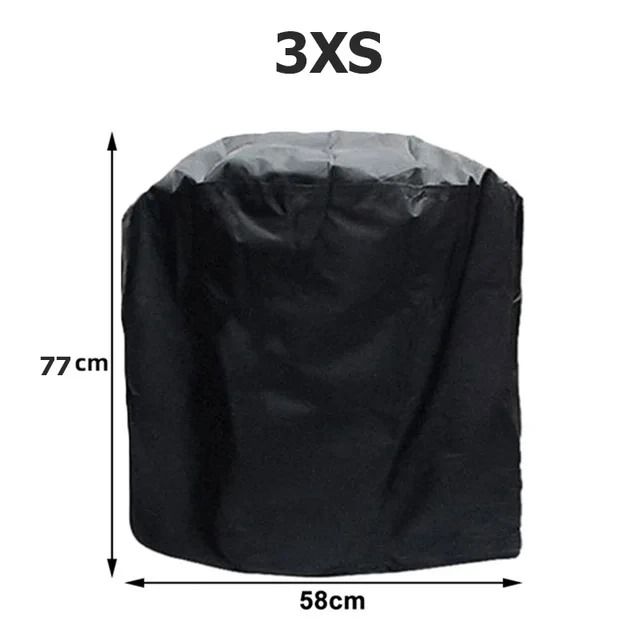 Aisha's pickGood Black Outdoor Furniture Covers That Don’t Cost a Fortune
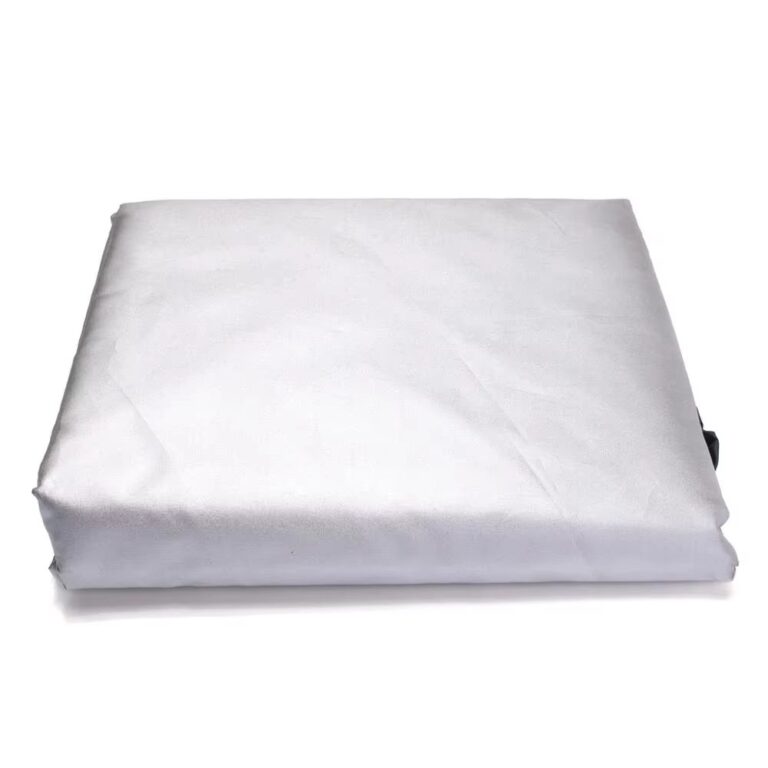
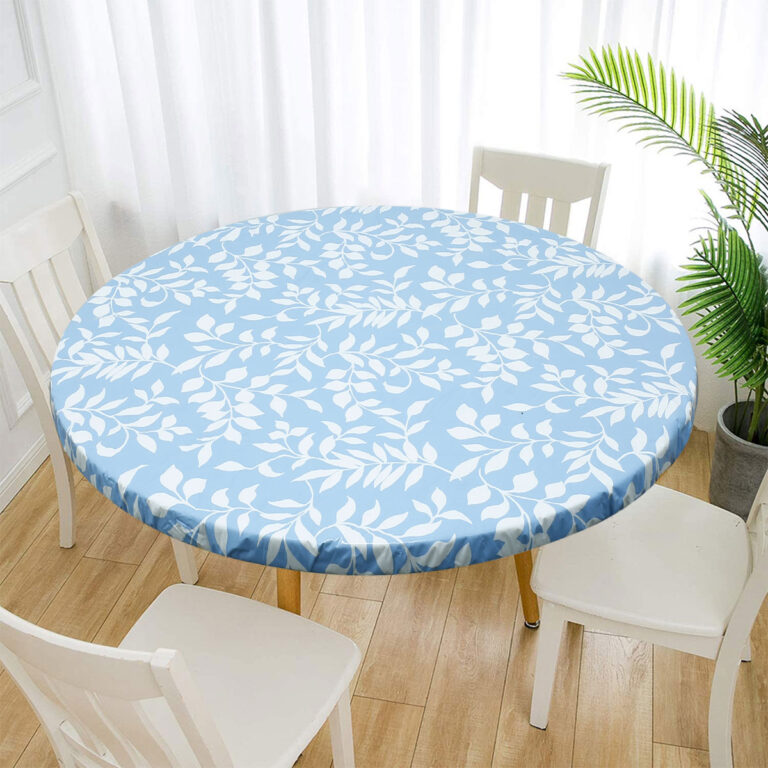 Aisha's pickOutdoor Furniture Covers With Some Character
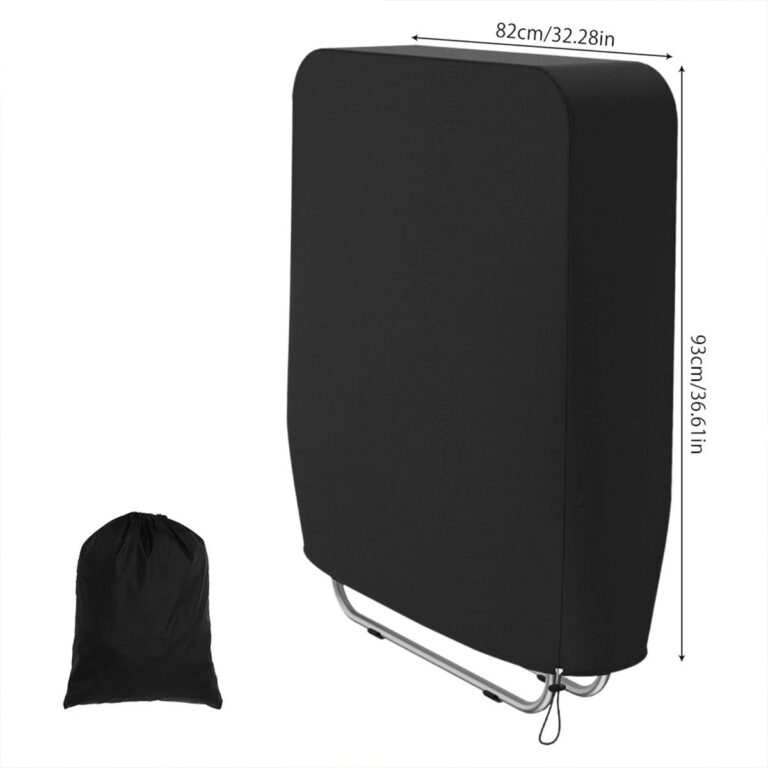
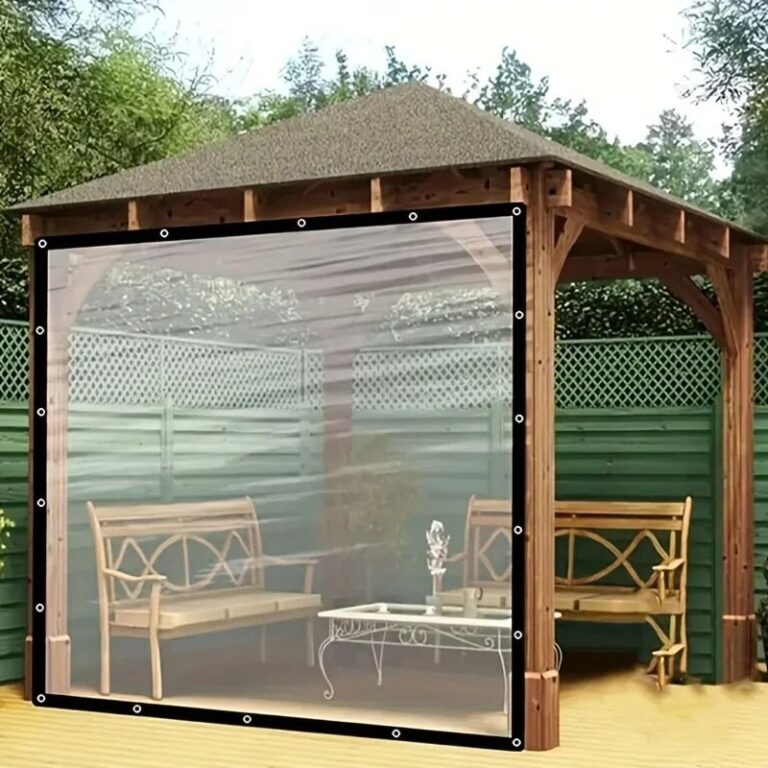 Aisha's pickBlue Outdoor Furniture Covers That Stand Up to the Weather
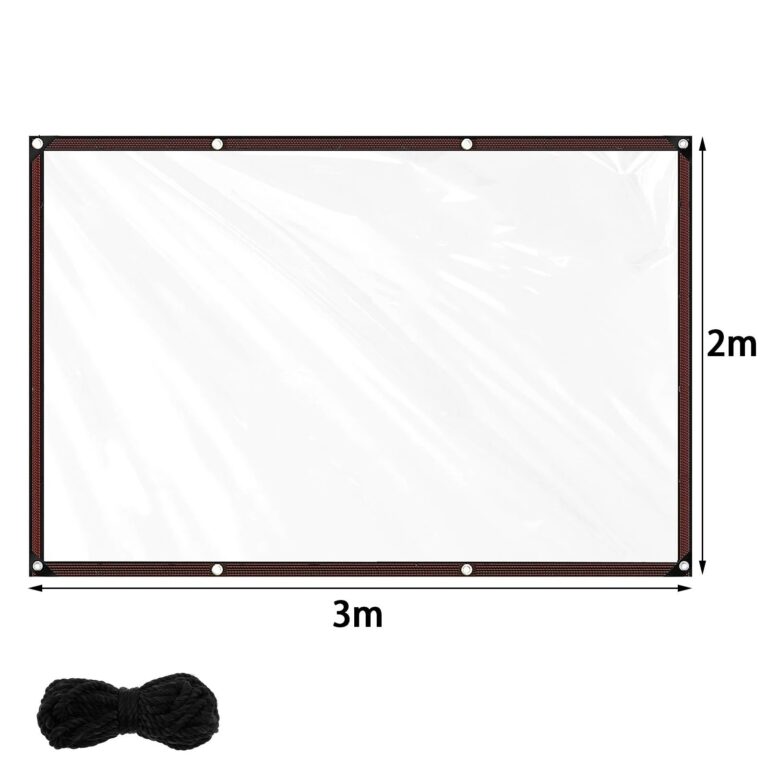
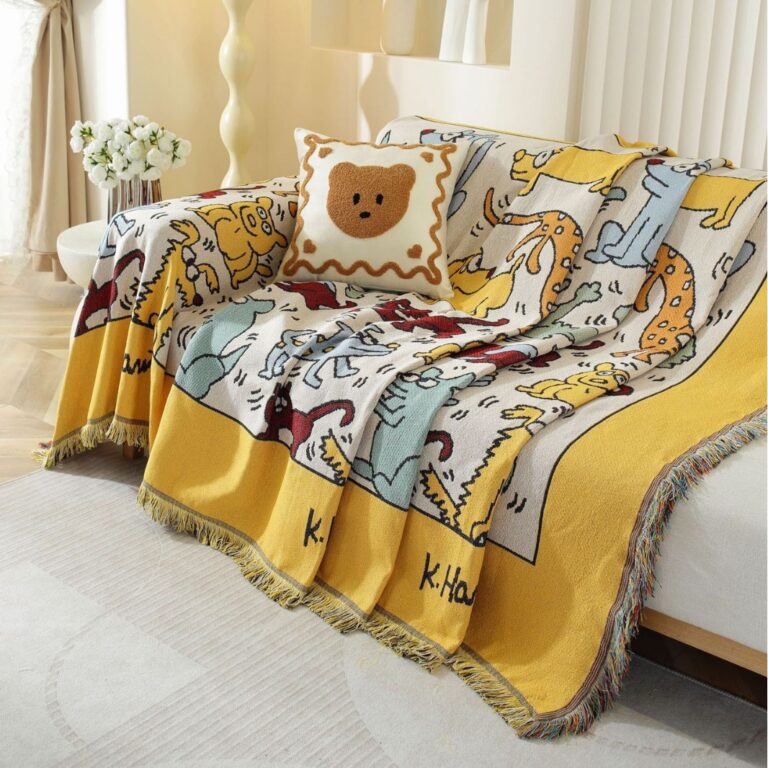 Aisha's pickOutdoor Furniture Covers for Corner Sofa We Keep Coming Back To
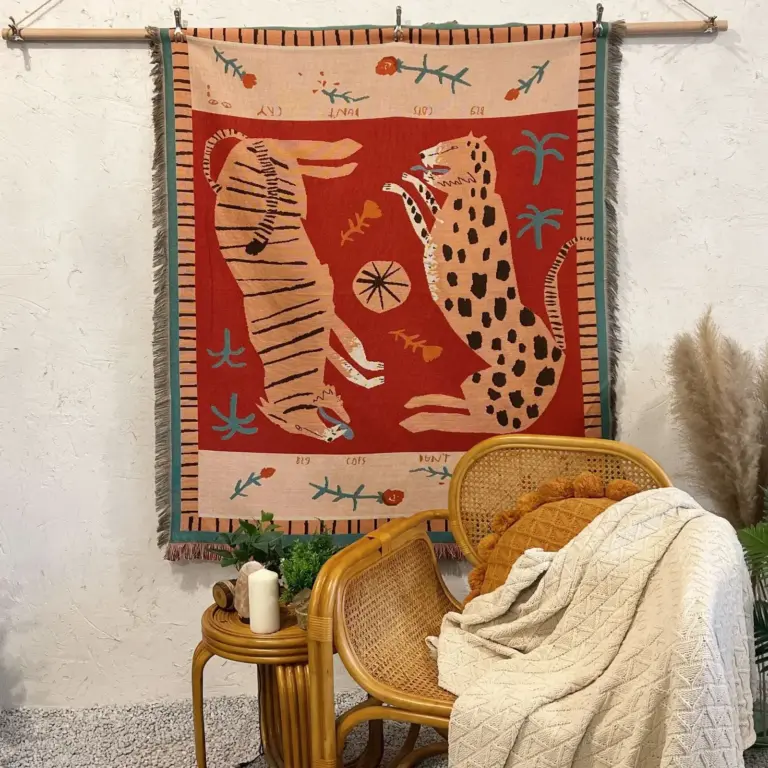
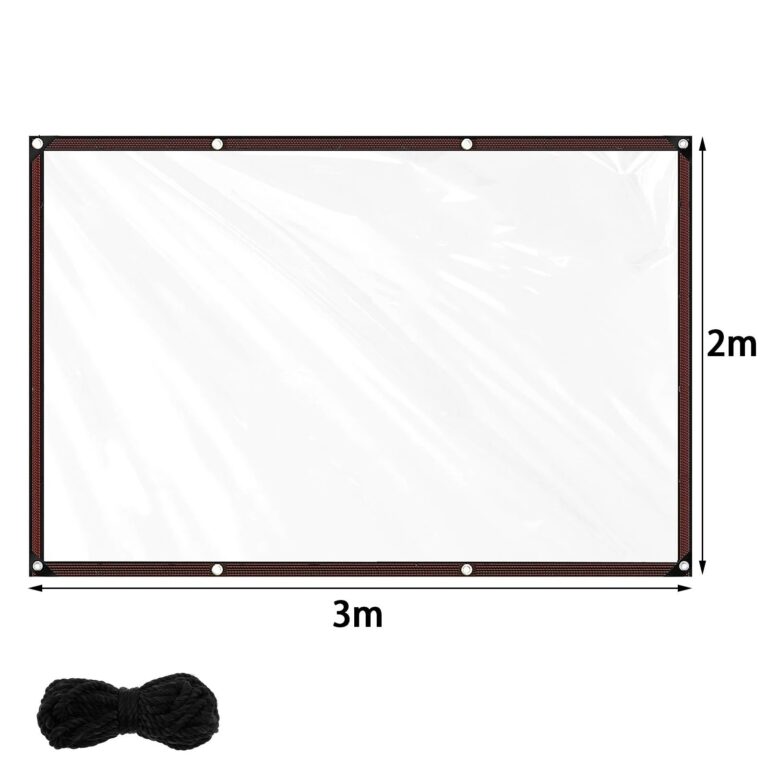 Aisha's pickBlue Outdoor Furniture Covers That Shrug Off the Rain
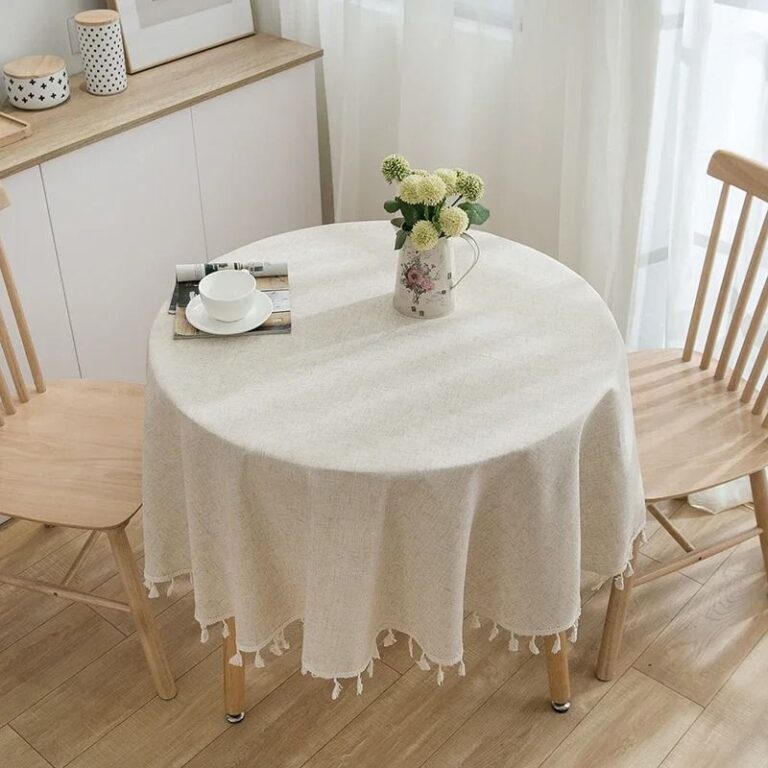 Aisha's pickPatio Furniture Covers That Do the Job Right
 Aisha's pickBreathable Outdoor Furniture Covers for Barbecues and Lazy Weekends
 Aisha's pickPolyester Outdoor Furniture Covers for Barbecues and Lazy WeekendsAlso worth a lookDining Outdoor SetsThe thing nobody tells you is to measure your door frames before you measure the patio.See the collections →
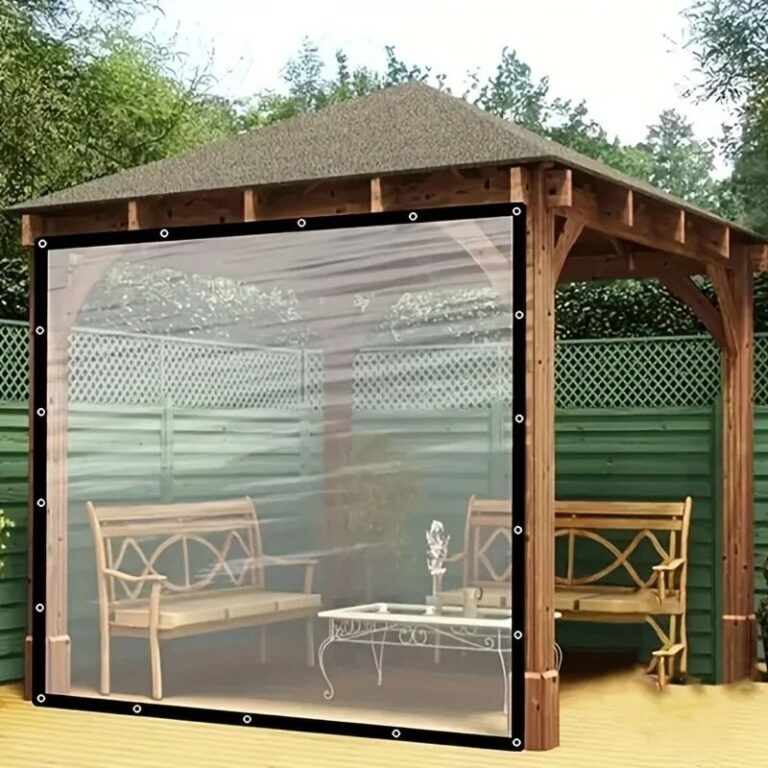
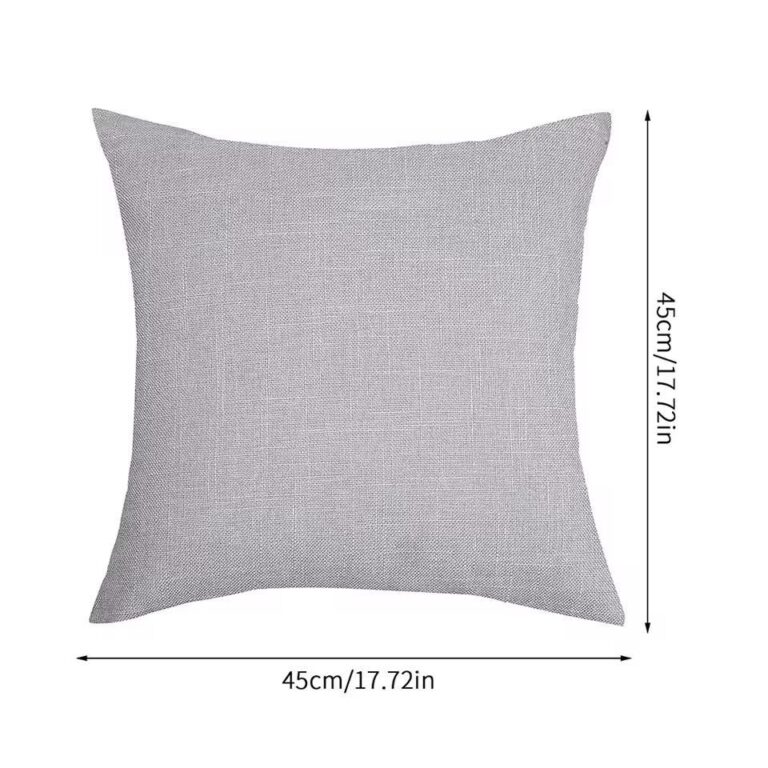 Aisha's pickBreathable Outdoor Furniture Covers That Shrug Off the Rain
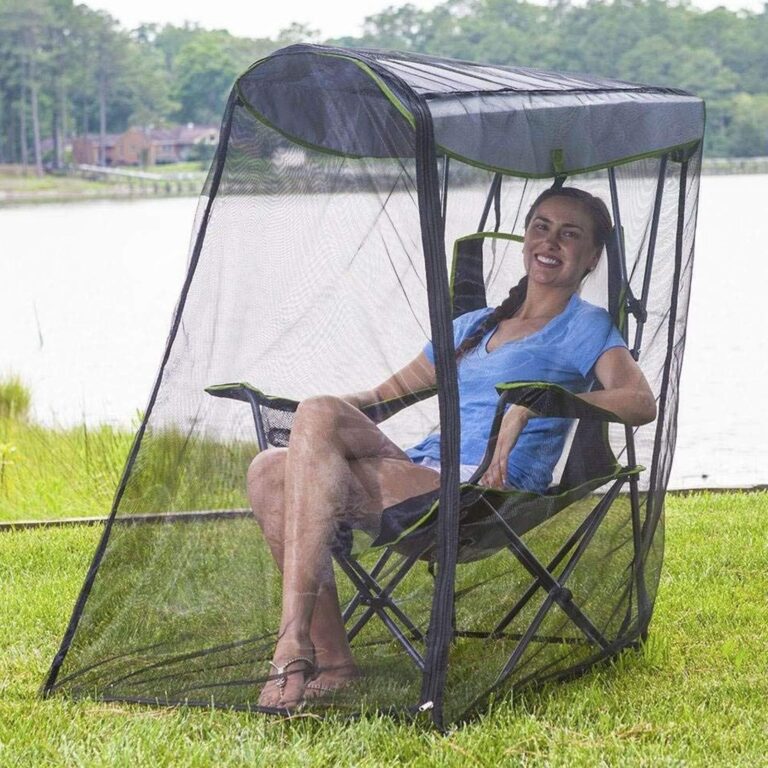
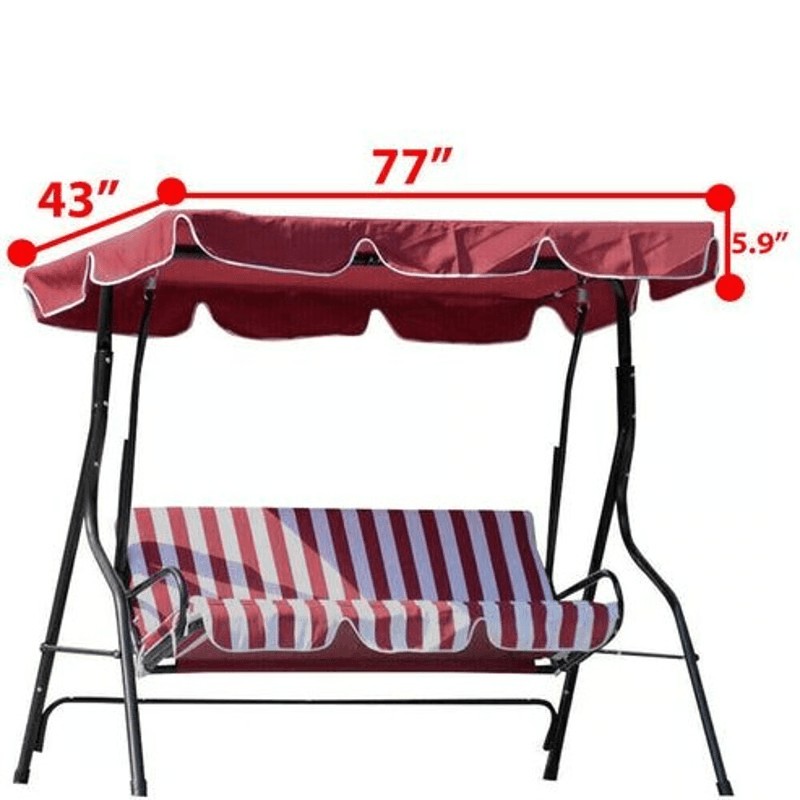 Aisha's pickPolyester Outdoor Furniture Covers for Sunny Afternoons and Chilly Nights
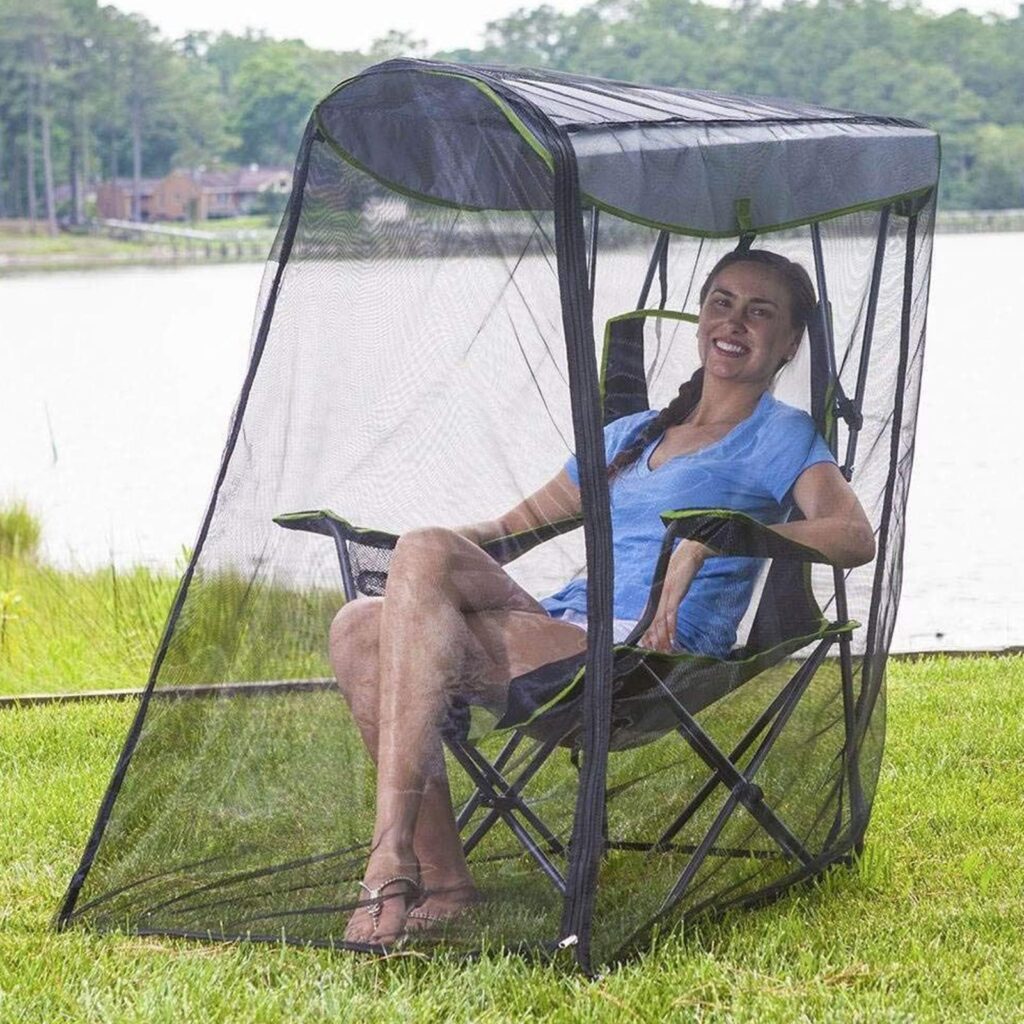
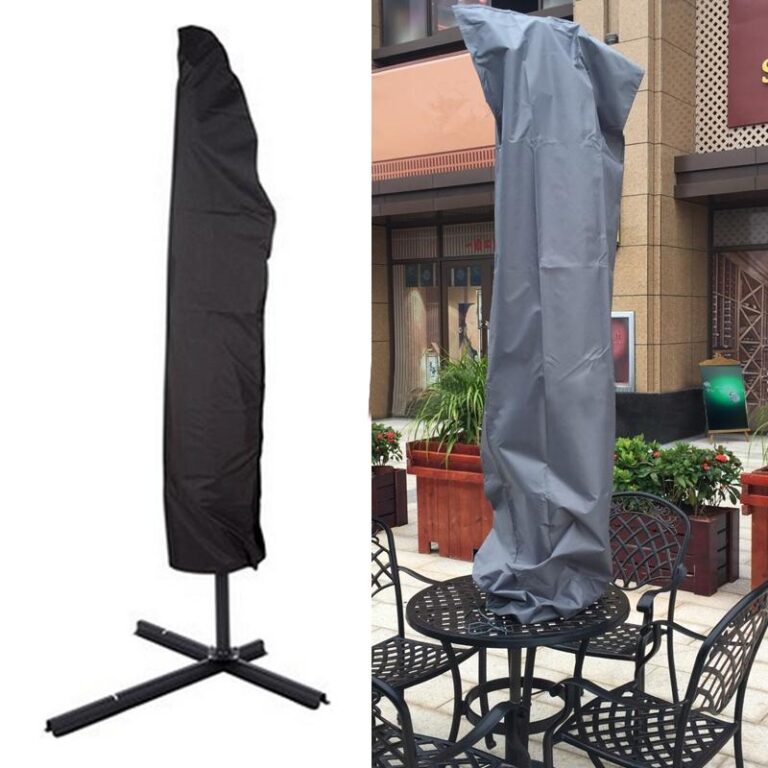 Aisha's pickOutdoor Furniture Covers for Barbecues and Lazy Weekends
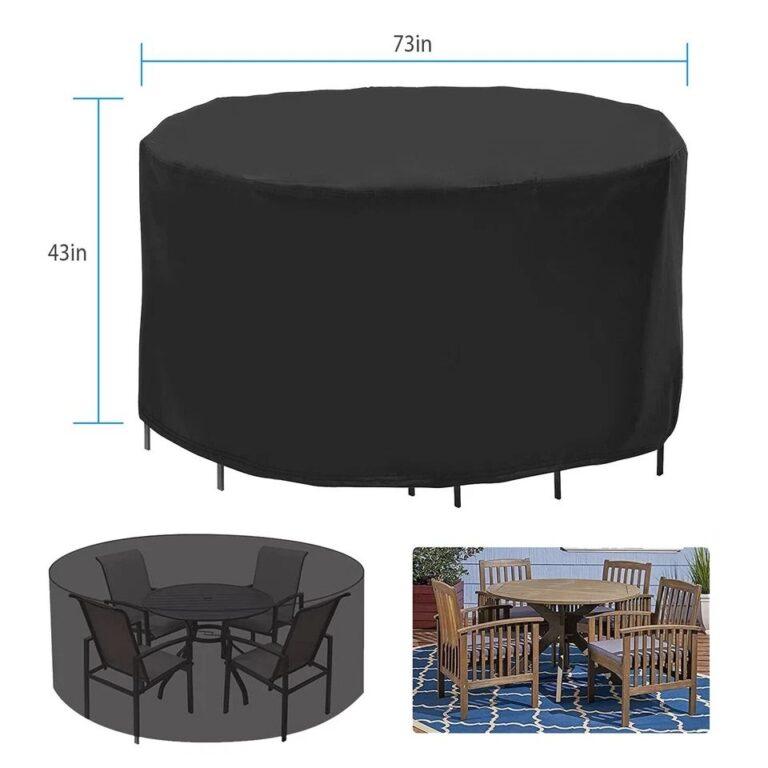
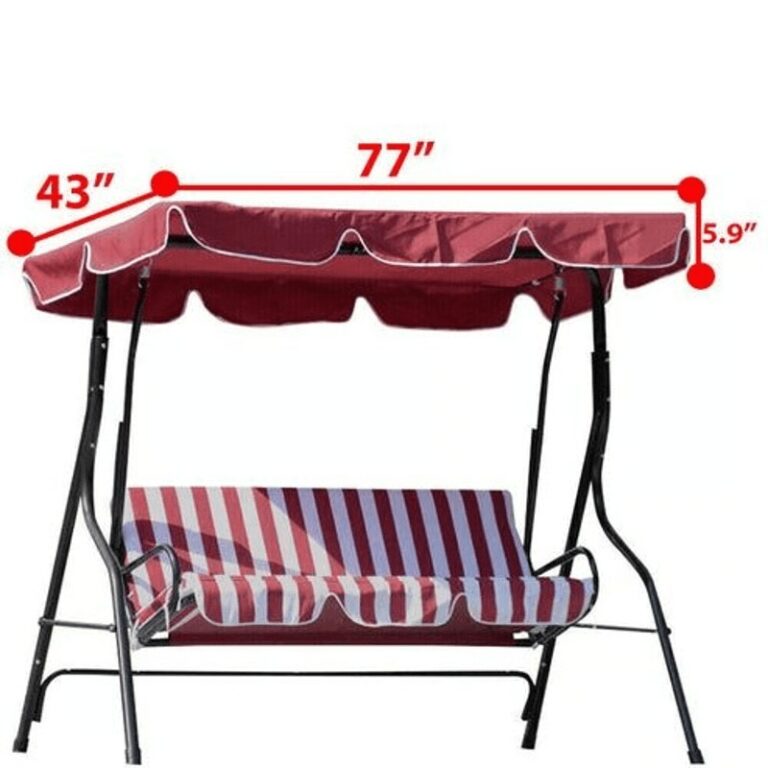 Aisha's pickPolyester Patio Furniture Covers at Every Price Point
 Aisha's pickWhere to Start With Outdoor Furniture Covers
 Aisha's pickUV Resistant Outdoor Furniture Covers for Barbecues and Lazy Weekends
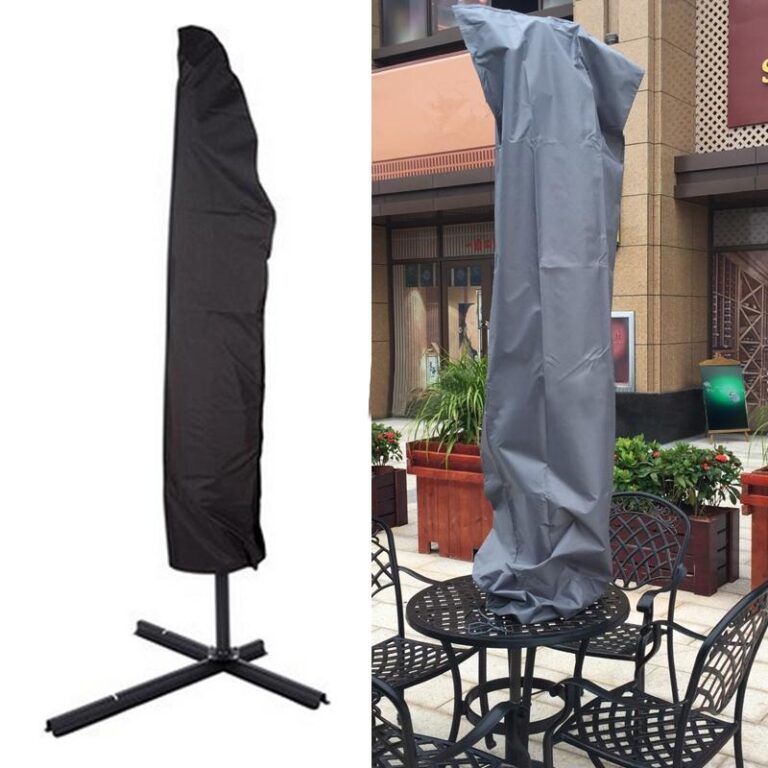
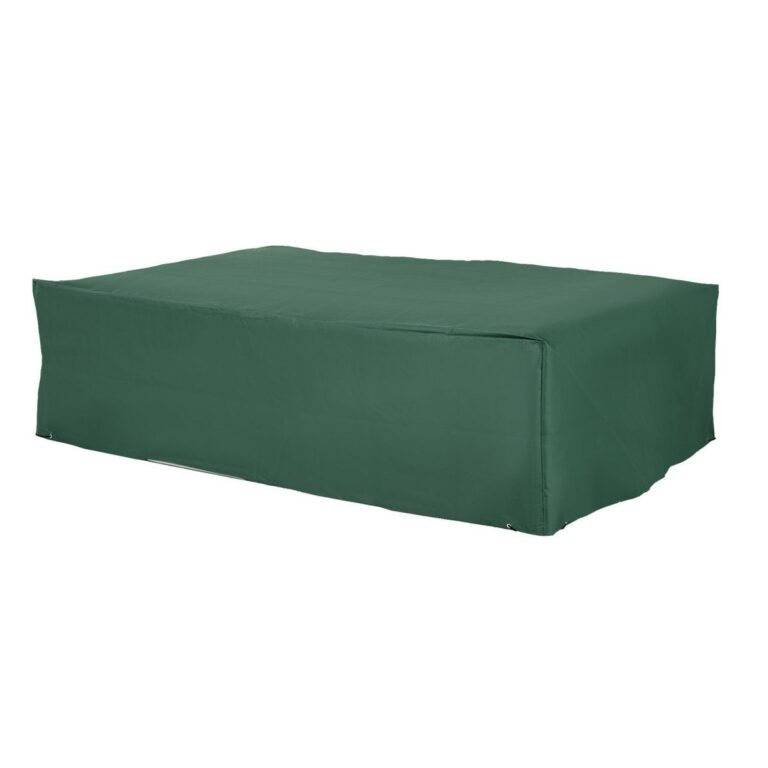 Aisha's pickGreen Outdoor Furniture Covers That Survive a Hard Winter
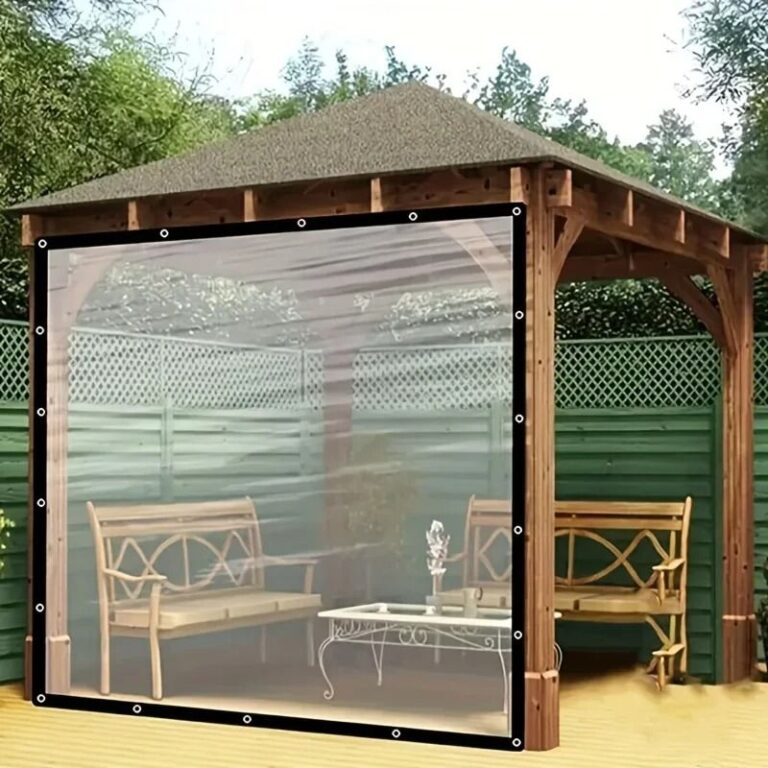
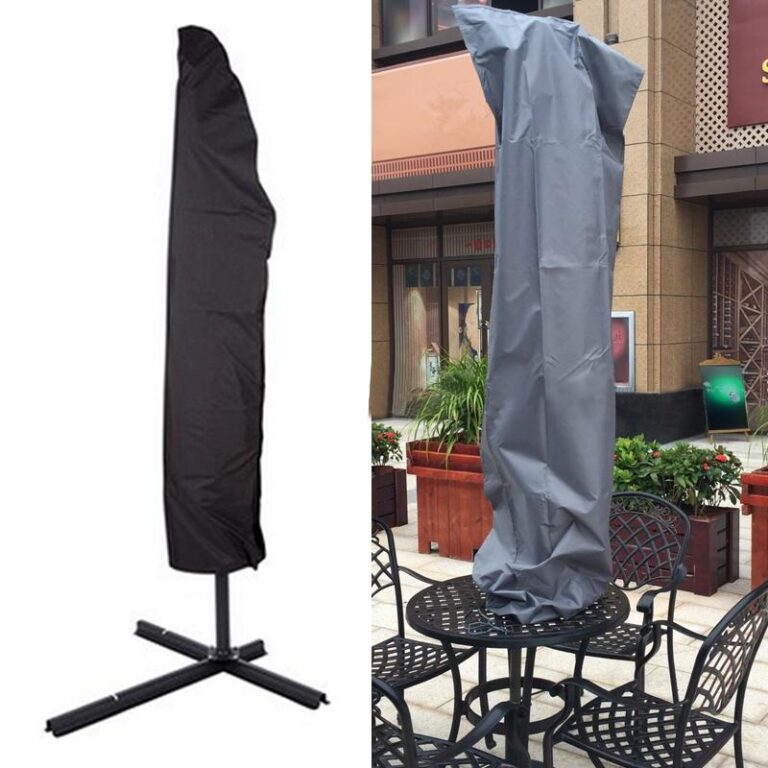 Aisha's pickShopping for UV Resistant Outdoor Furniture Covers? Start Here
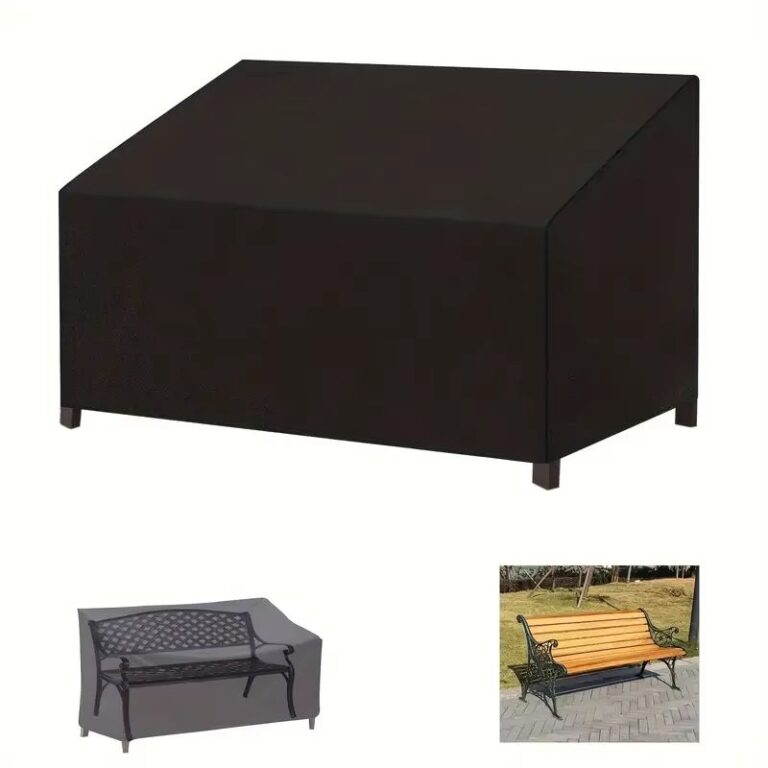
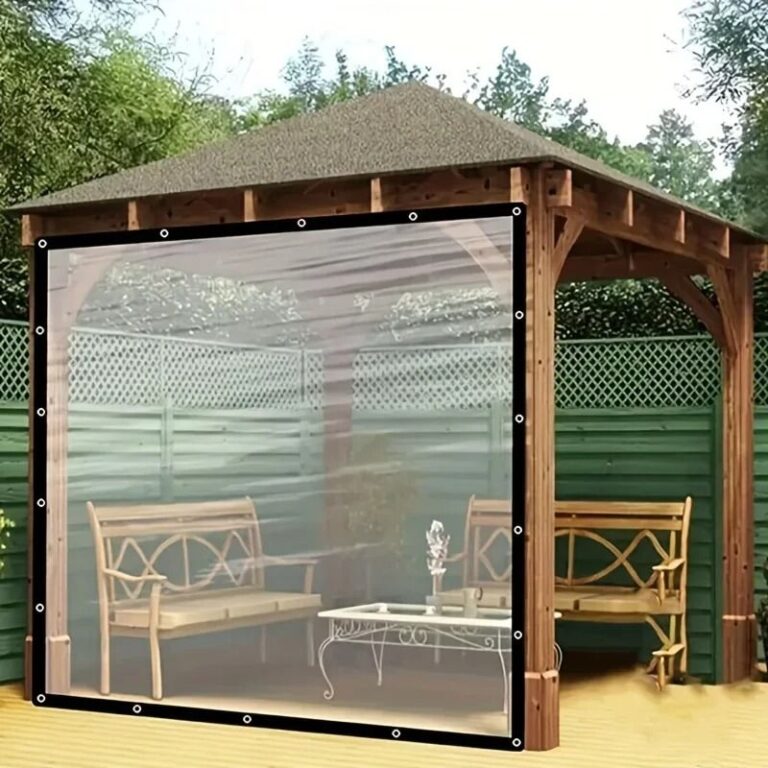 Aisha's pickHeavy Duty Outdoor Furniture Covers for Sunny Afternoons and Chilly NightsAlso worth a lookSmall Outdoor FurnitureCheck the weight before anything else.See the collections →
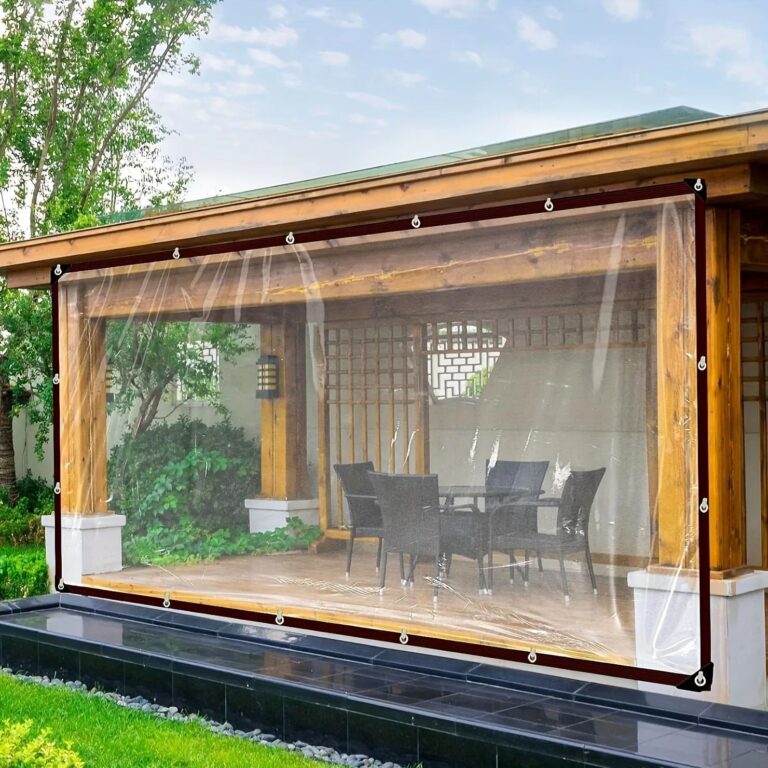
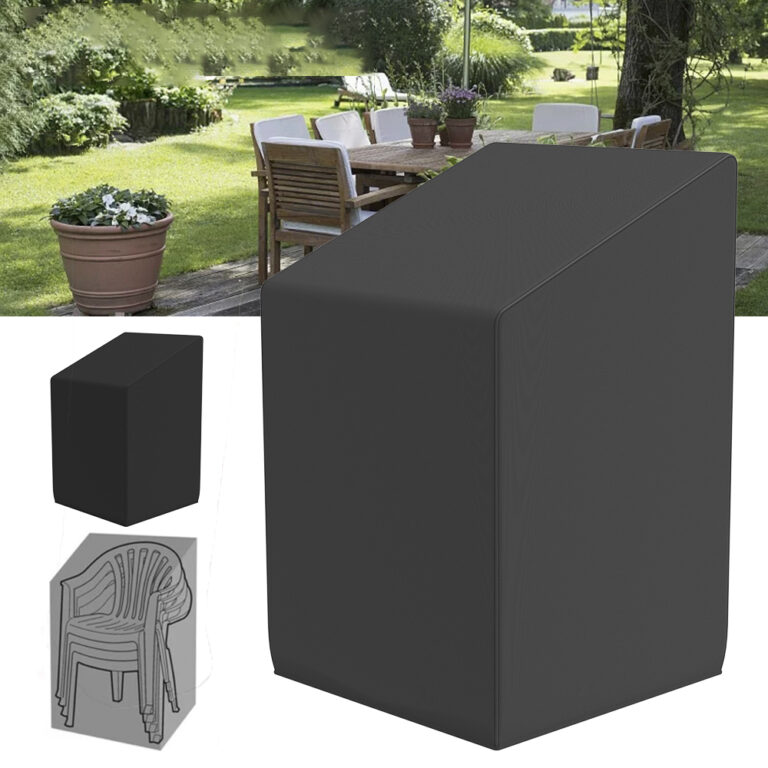 Aisha's pickUV Resistant Outdoor Furniture Covers for Long Summer Evenings Outside
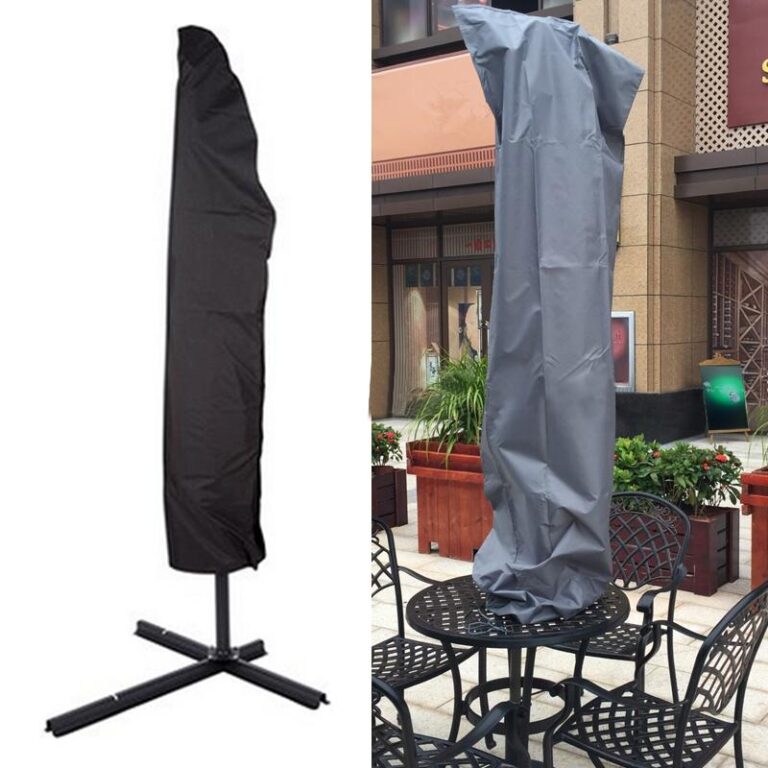
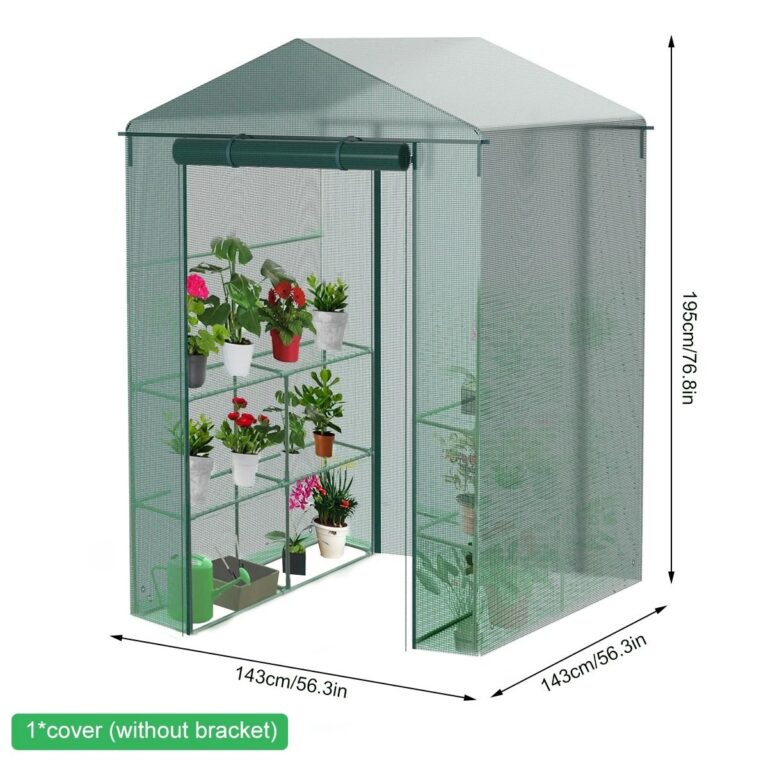 Aisha's pickHeavy Duty Outdoor Furniture Covers for Making the Most of the Patio
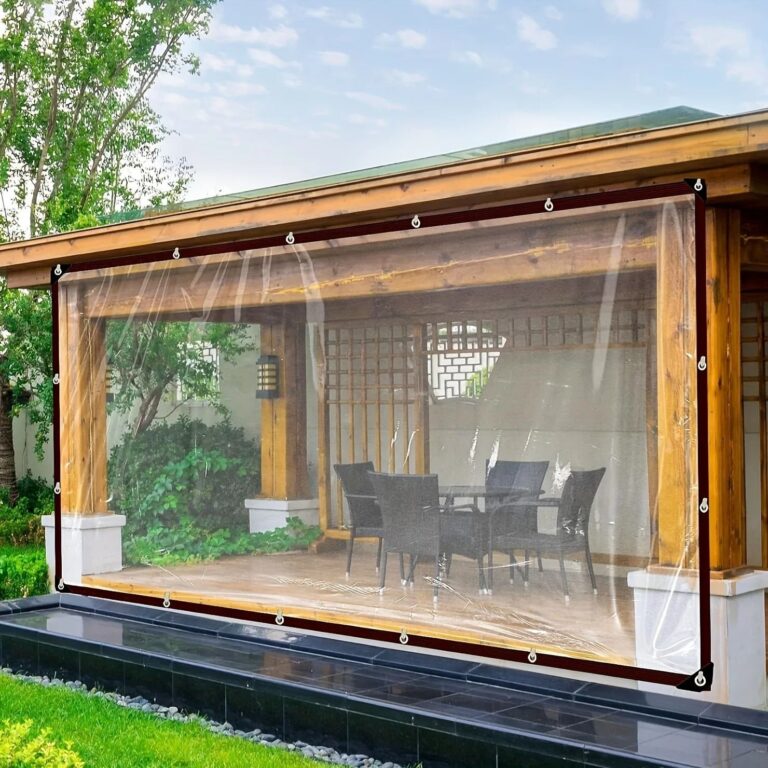
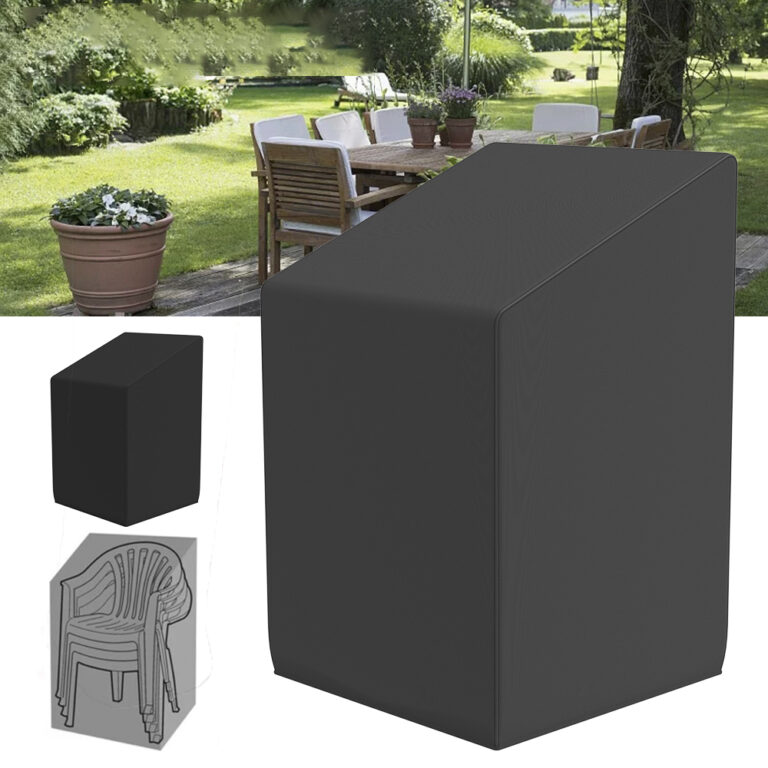 Aisha's pickUV Resistant Patio Furniture Covers That Do the Job Right
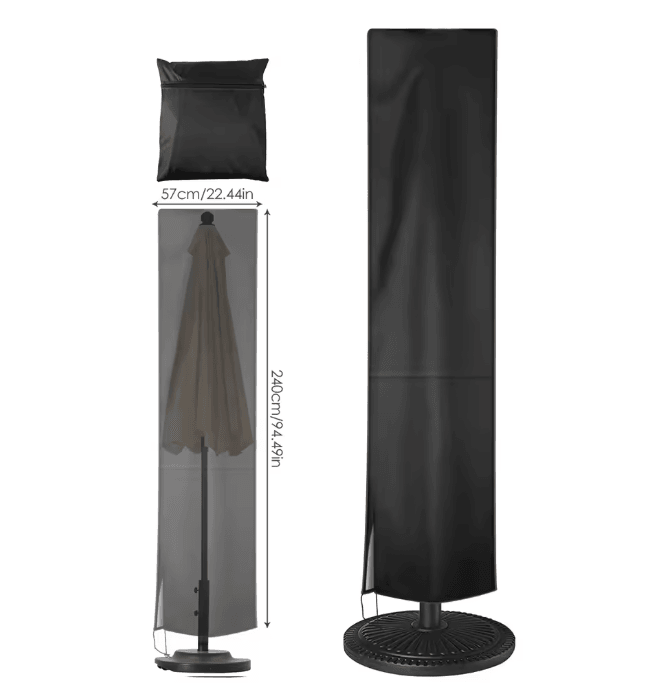
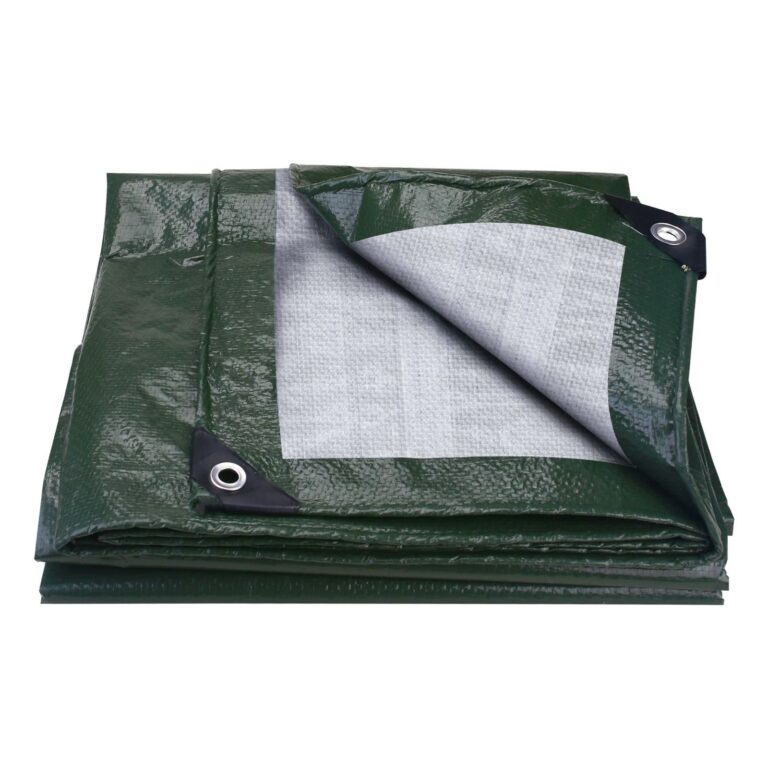 Aisha's pickHeavy Duty Outdoor Furniture Covers for Barbecues and Lazy Weekends
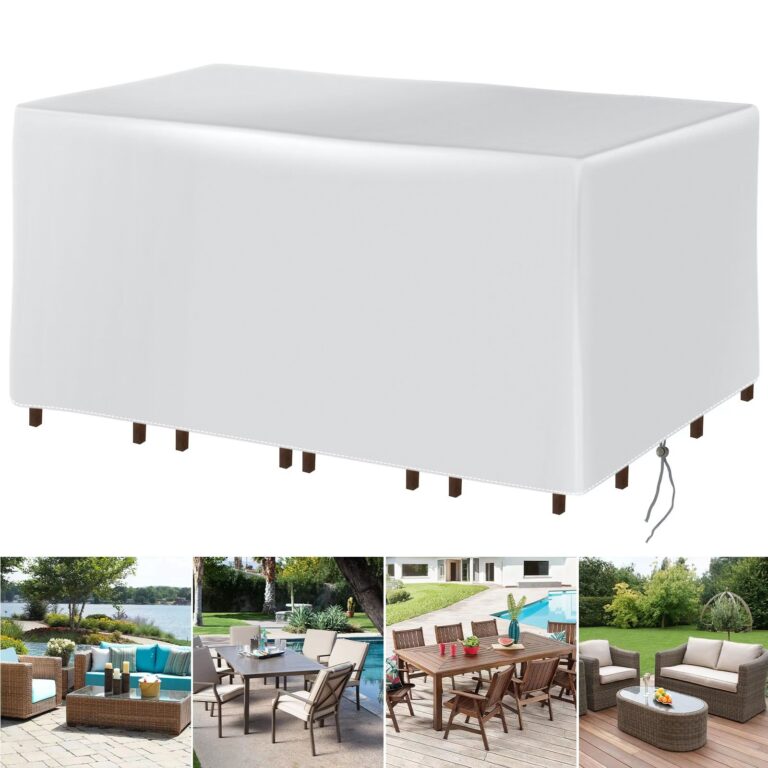
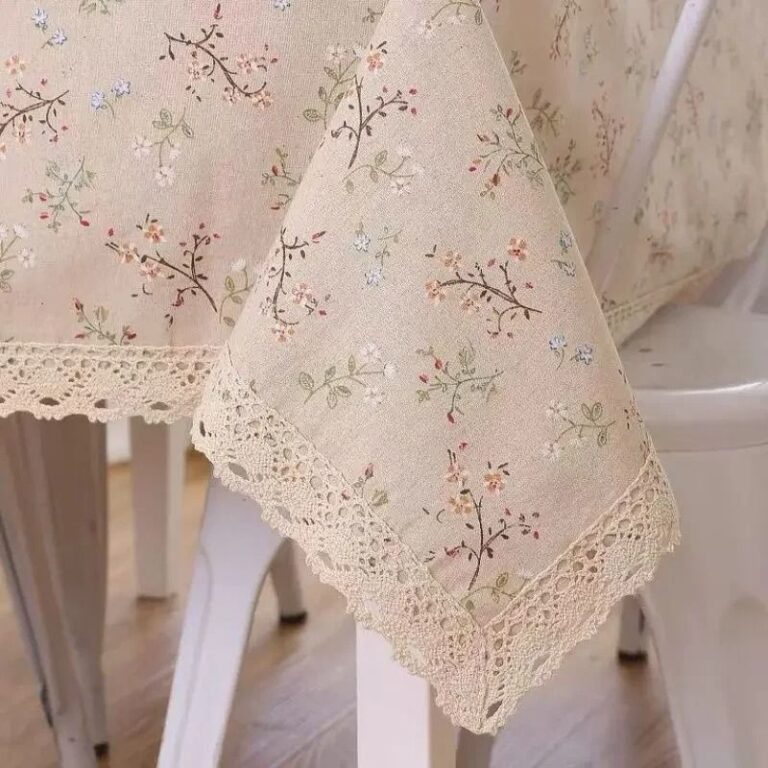 Aisha's pickWhite Outdoor Furniture Covers We’d Have Out From May to September
 Aisha's pickHeavy Duty Patio Furniture Covers That Make a Small Yard Work Harder