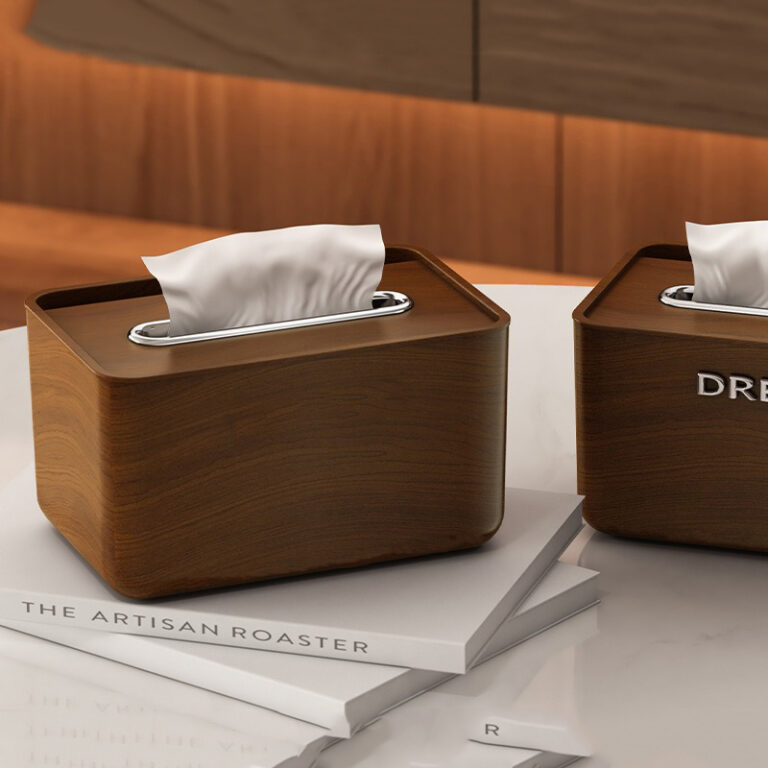
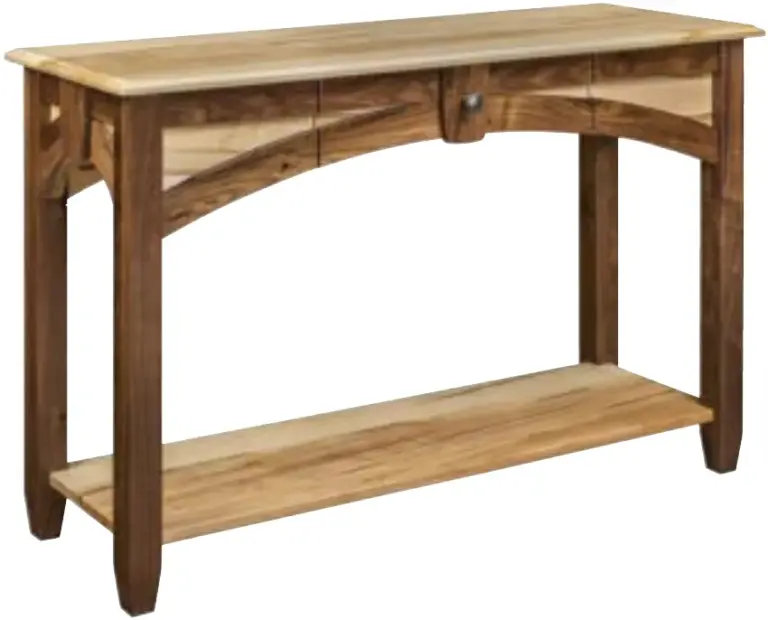
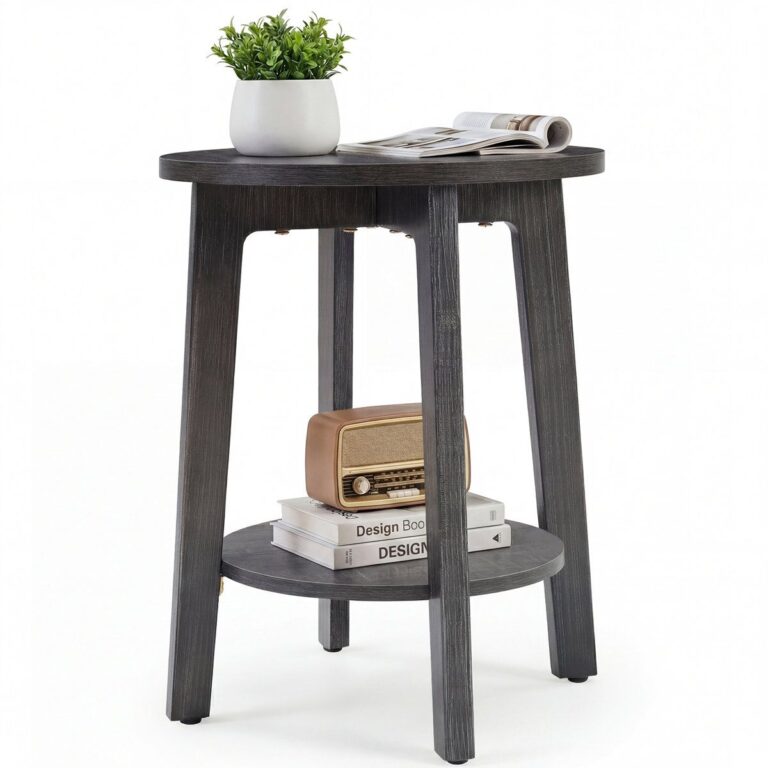
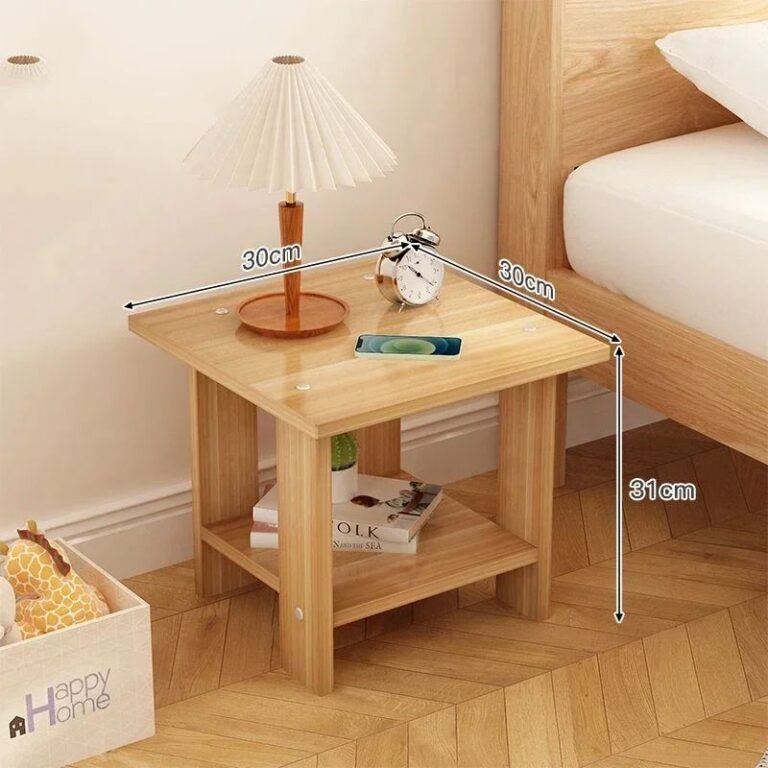
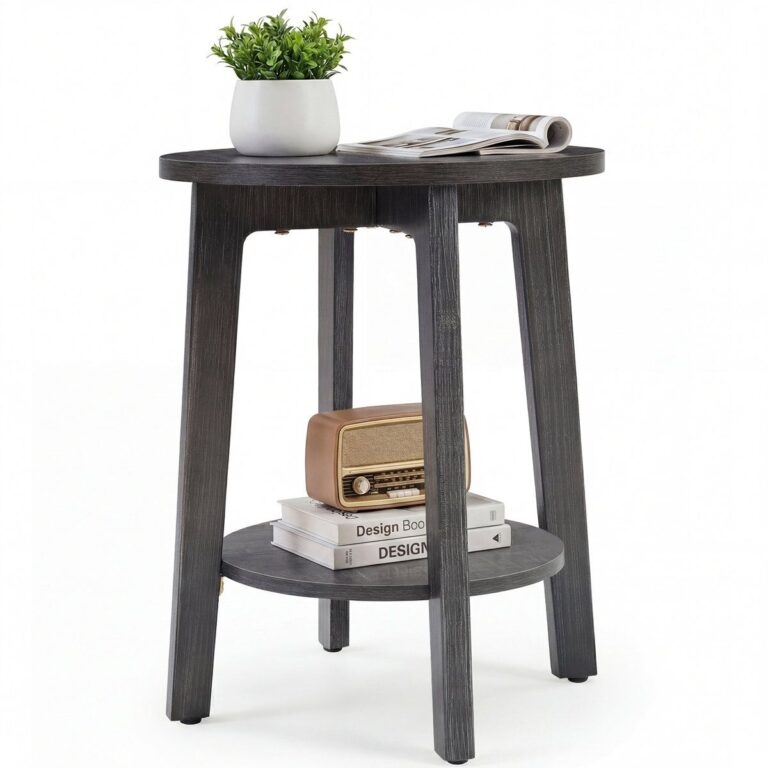
A walnut table is the piece that sets the tone for whatever room it's in, whether that's a dining table where people actually sit and eat or a console that holds keys, mail and the one lamp that works. Walnut has a warmth to it that lighter woods don't, a deep brown with a bit of reddish undertone, and it reads as grown up without trying too hard. It's the kind of table you buy once and keep moving to the next apartment, the next house, the next version of your life.
Measuring for one of these matters more than people treat it like it does. Walk the room with painter's tape and mark out the actual footprint before you order anything, because walnut tables tend to run a bit heavier and chunkier than the pale wood ones, and a shape that looked reasonable on a screen can eat a small room alive. Leave at least three feet of clearance on every side where people need to pull out a chair or walk past with a plate, more if it's a hallway or a tight dining area. The mistake I see most is buying for the table you want to have one day, the twelve seater for the eight person apartment, instead of the one that fits the room you're actually standing in right now.
Where walnut struggles is next to anything orange toned or very yellow, like honey oak or old pine, because the two warm woods argue with each other instead of sitting together. It also gets lost next to very dark espresso finishes, where everything just reads as a big brown blur with no depth to it. Walnut wants contrast, something pale or something matte black nearby, so the grain actually gets to show off.
For finish, go with a satin or matte seal rather than high gloss. Gloss shows every water ring and every scratch from day one, and walnut already has enough going on in the grain that you don't need shine fighting for attention too. A natural oiled finish is the easiest to live with long term, since small marks can be buffed out rather than sitting there forever under a hard lacquer.
If you've never owned a walnut piece and you're starting with one table, make it a dining table or a good sized console rather than a side table, since that's the piece that actually gets touched, used and seen every day. Start with the natural oiled finish. It ages the way you want wood to age, not the way you're afraid it will.
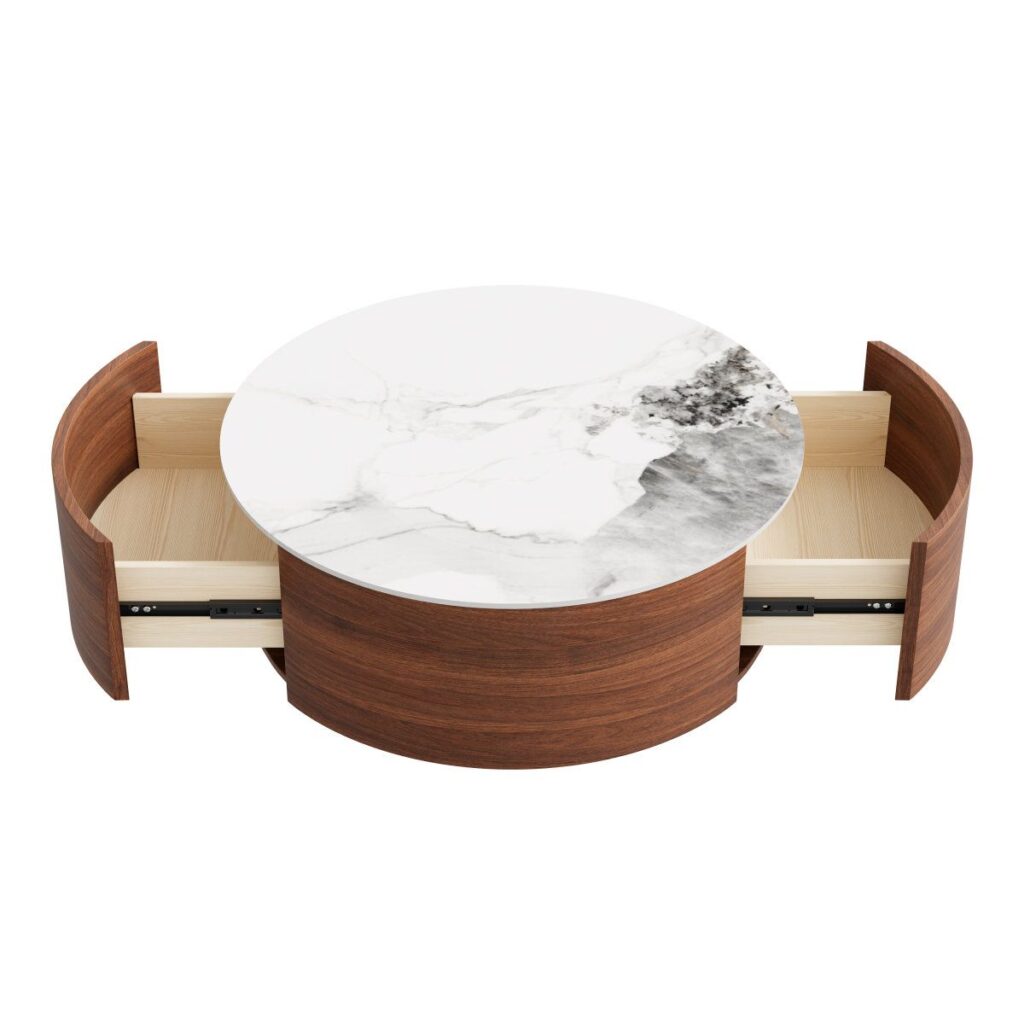 Aisha's pickRound Walnut Coffee Tables for the Living Room
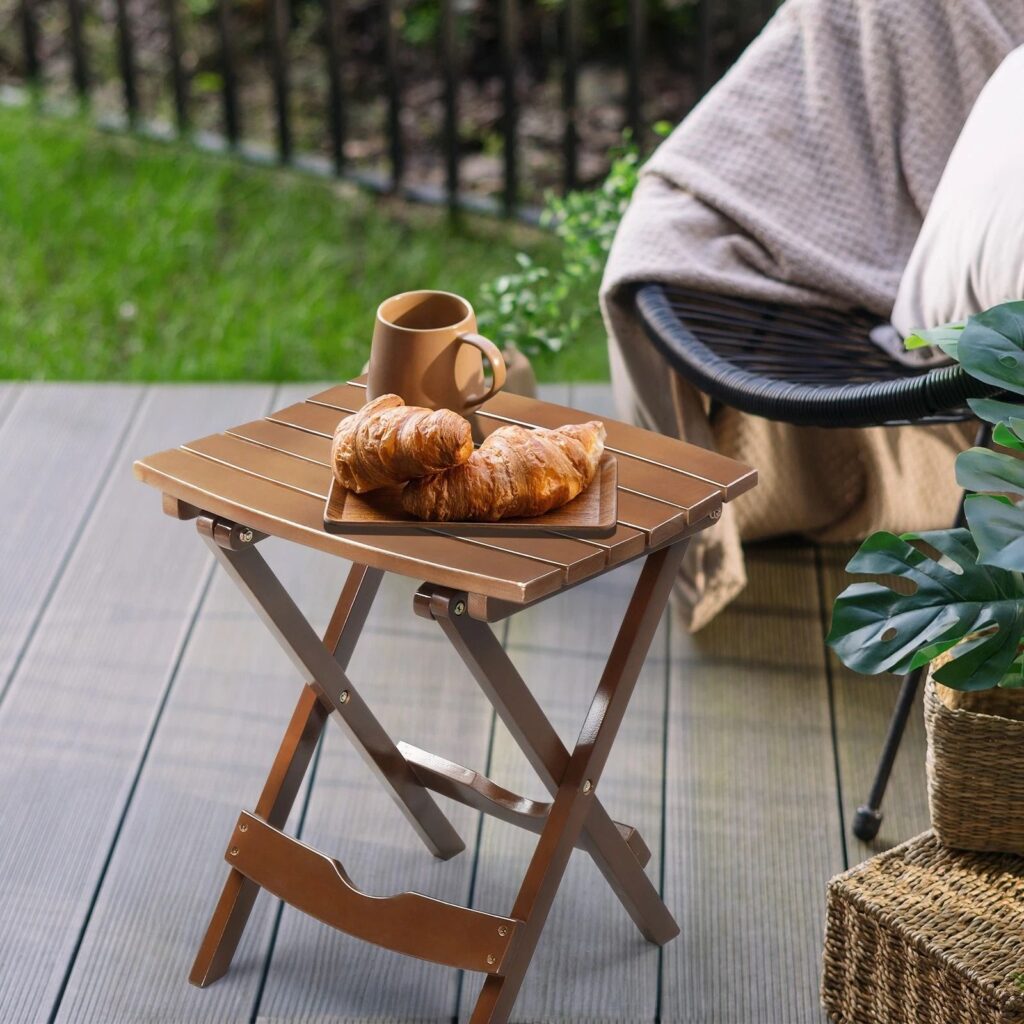
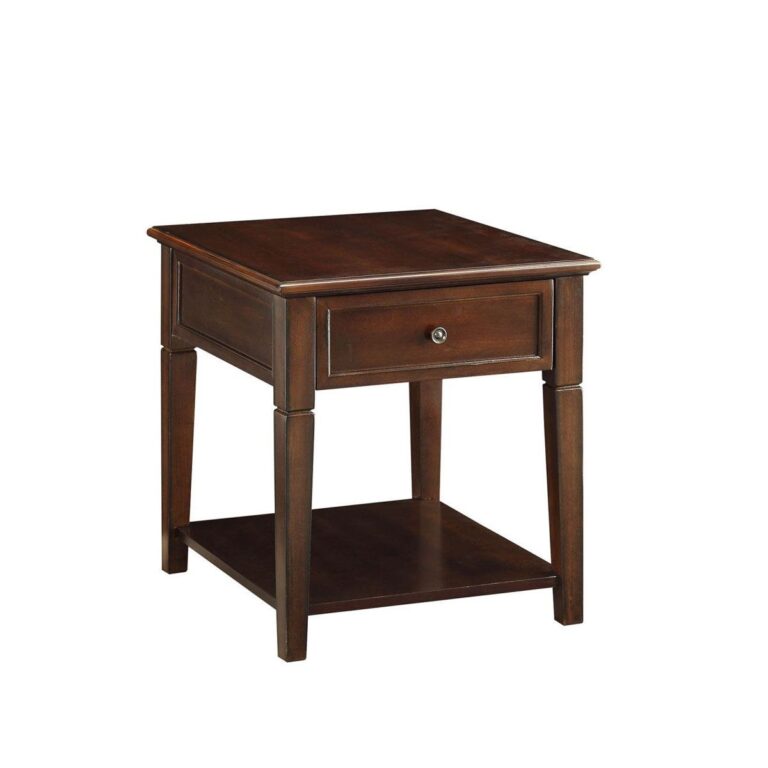 Aisha's pickSmall Walnut Coffee Tables That Survive Hot Mugs and Spills
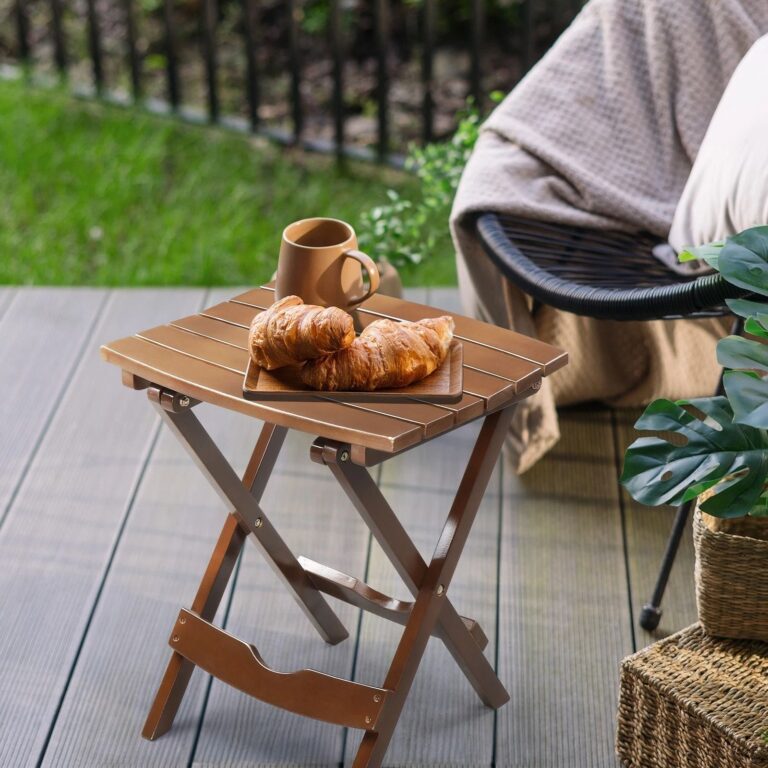
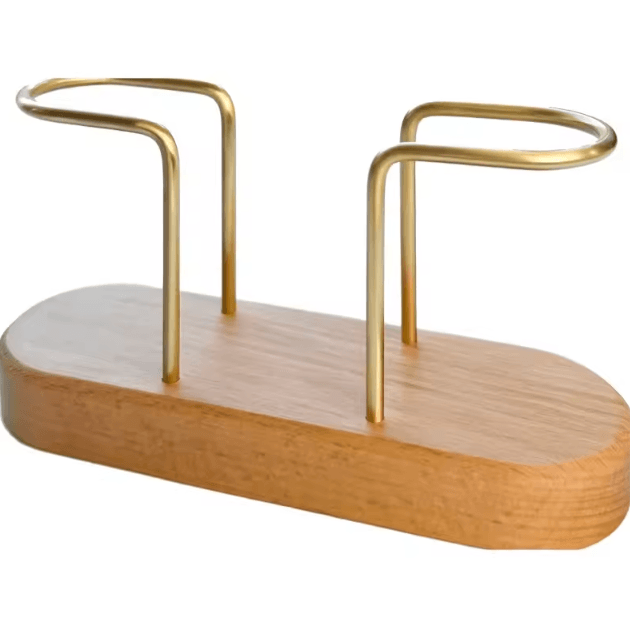 Aisha's pickSolid Walnut Coffee Tables That Survive Hot Mugs and Spills
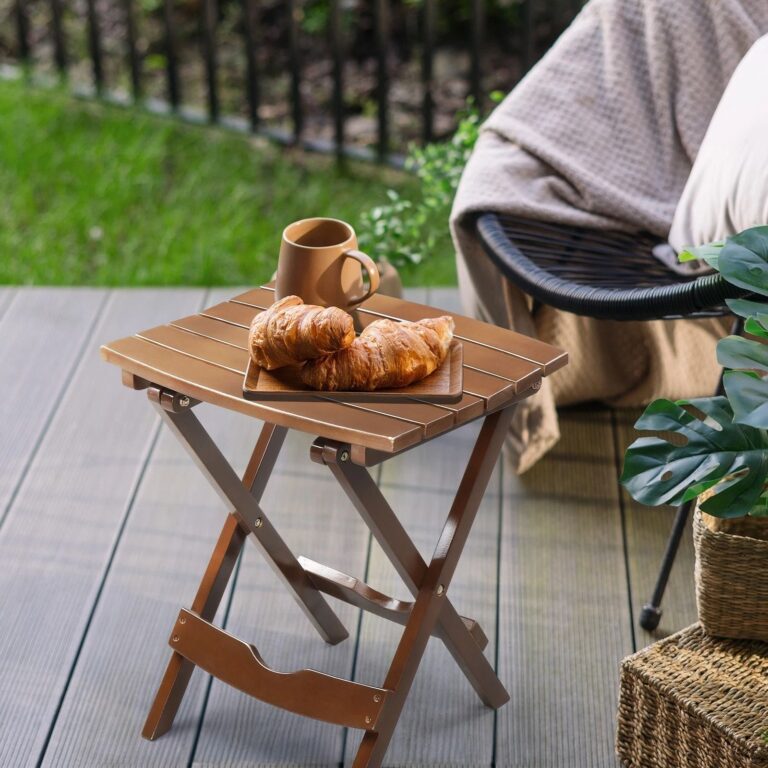
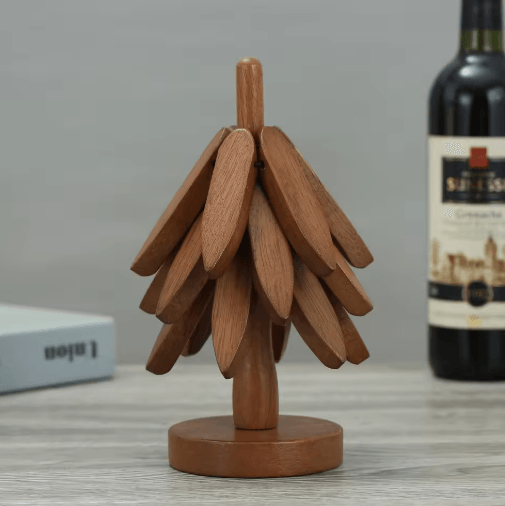 Aisha's pickSolid Walnut Dining Tables With a Bit More About Them
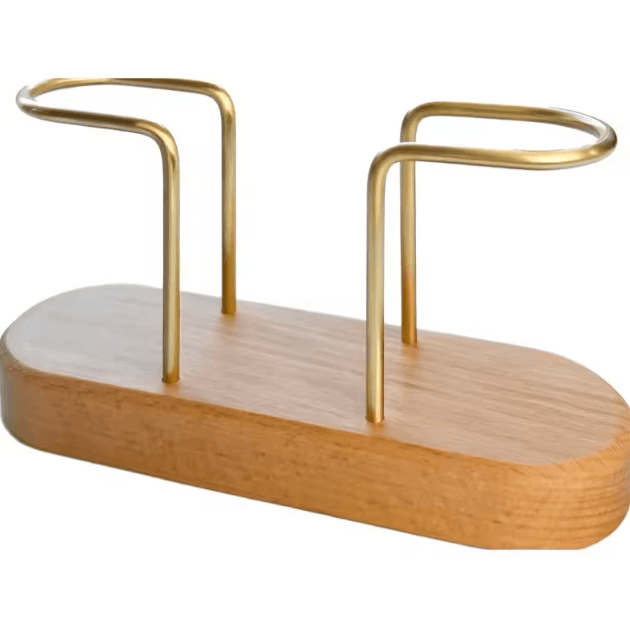
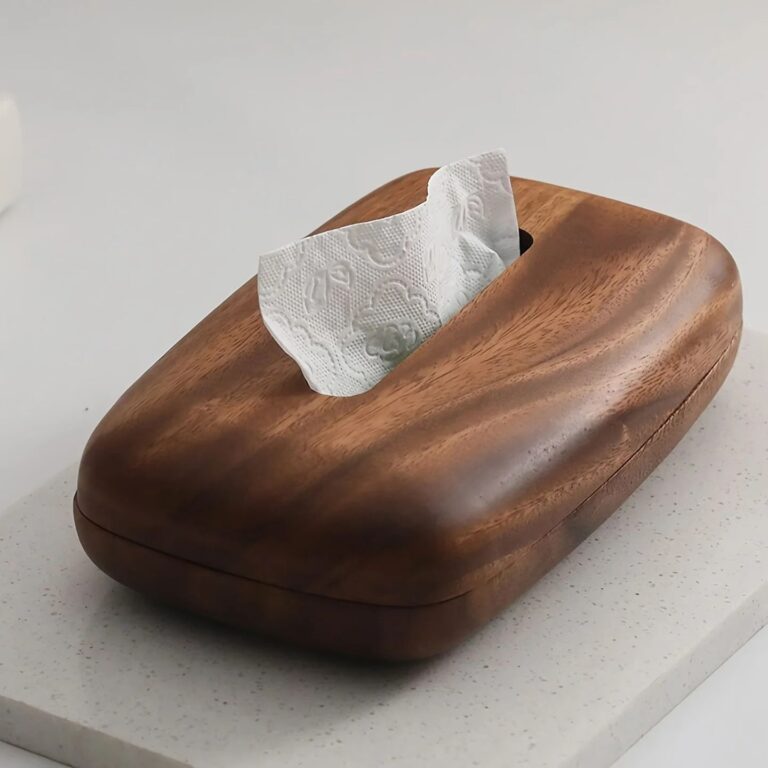 Aisha's pickSolid Walnut Side Tables With Room for Everything You Put Down
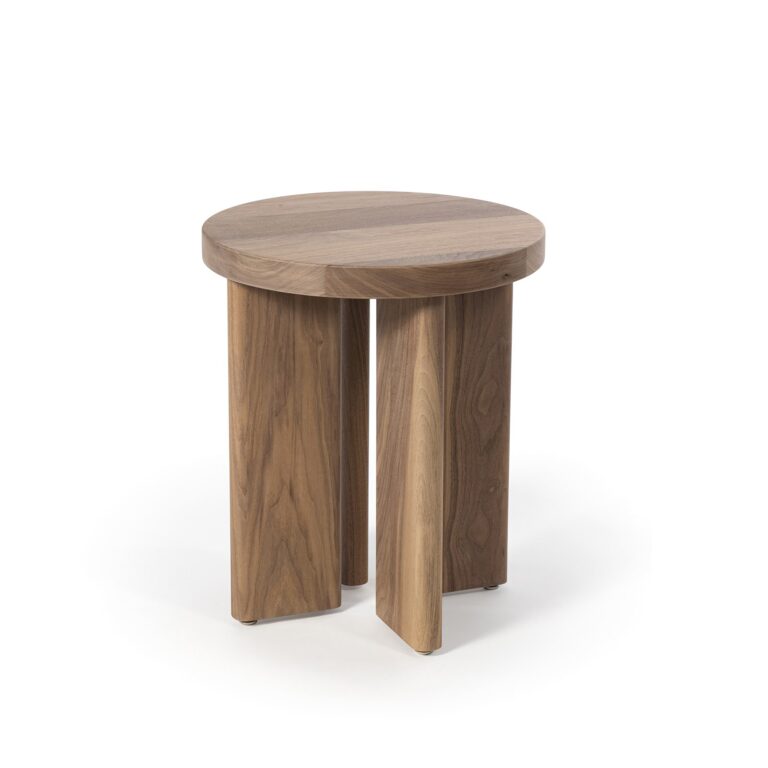
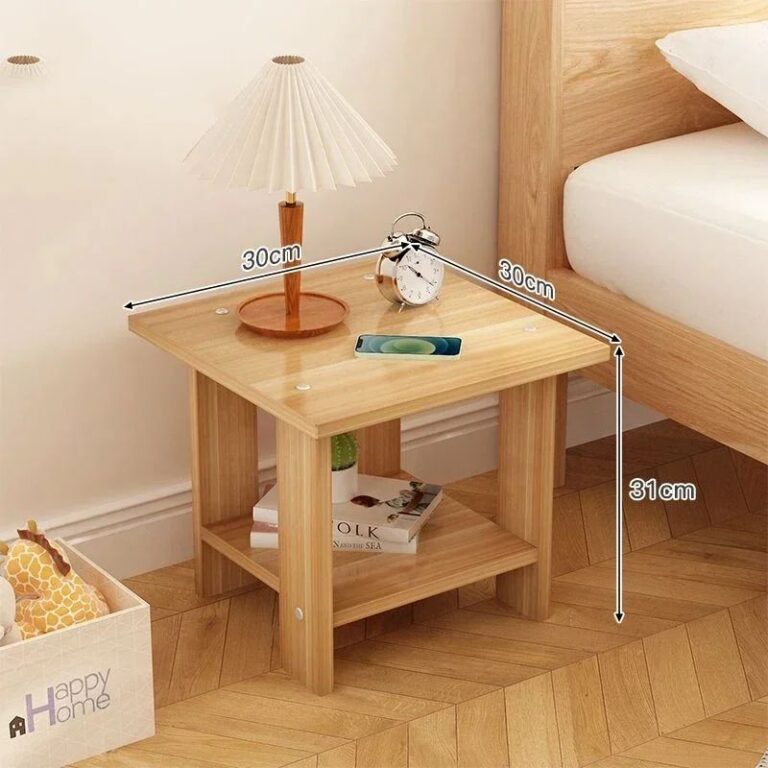 Aisha's pickWalnut Nightstands That Fit Where You Need Them
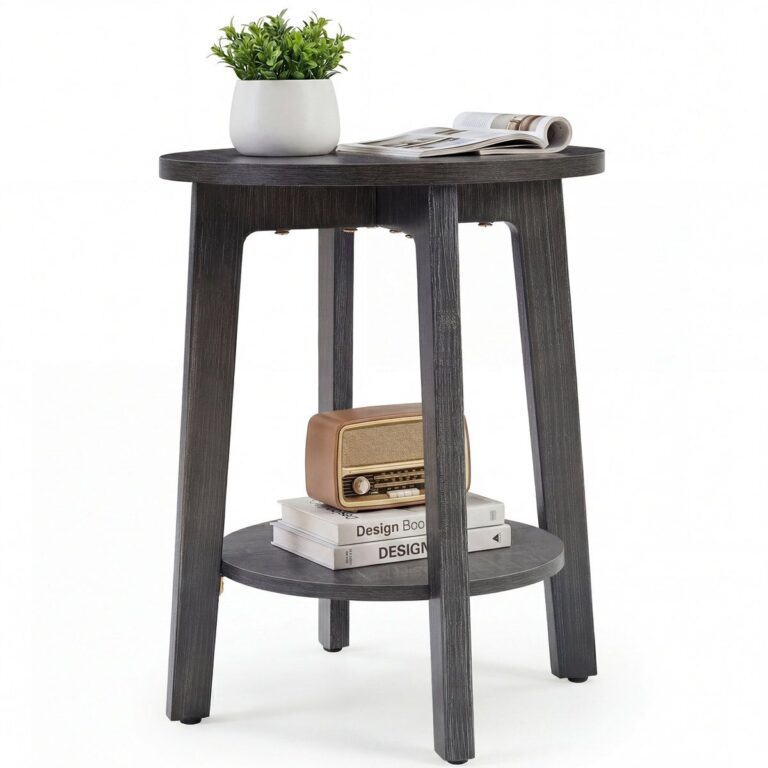
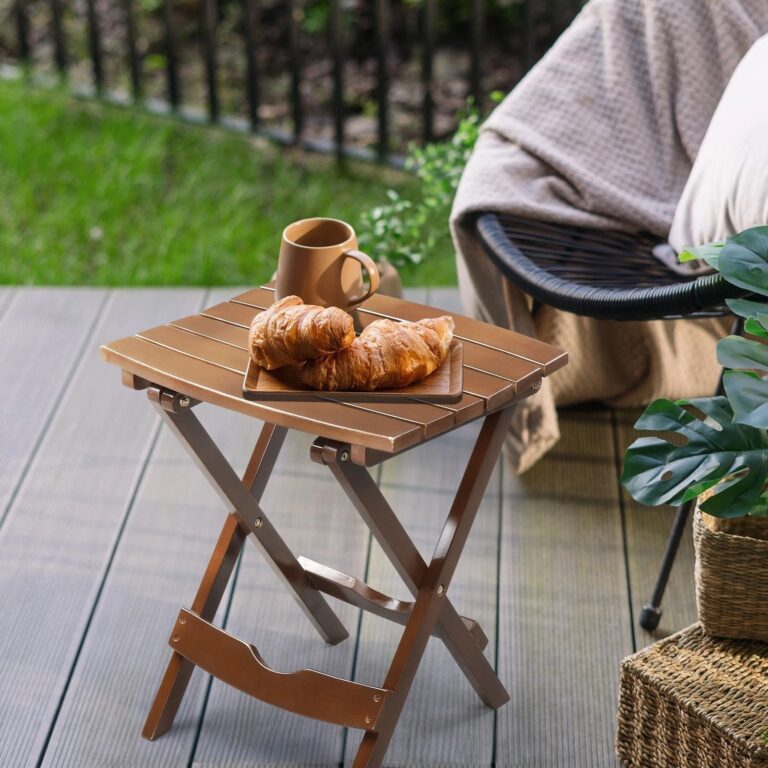 Aisha's pickWalnut Coffee Tables That Make a Room Feel Finished
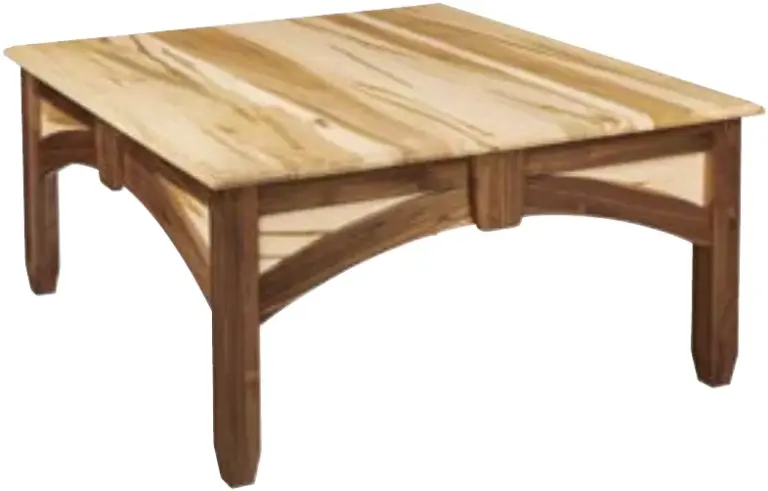
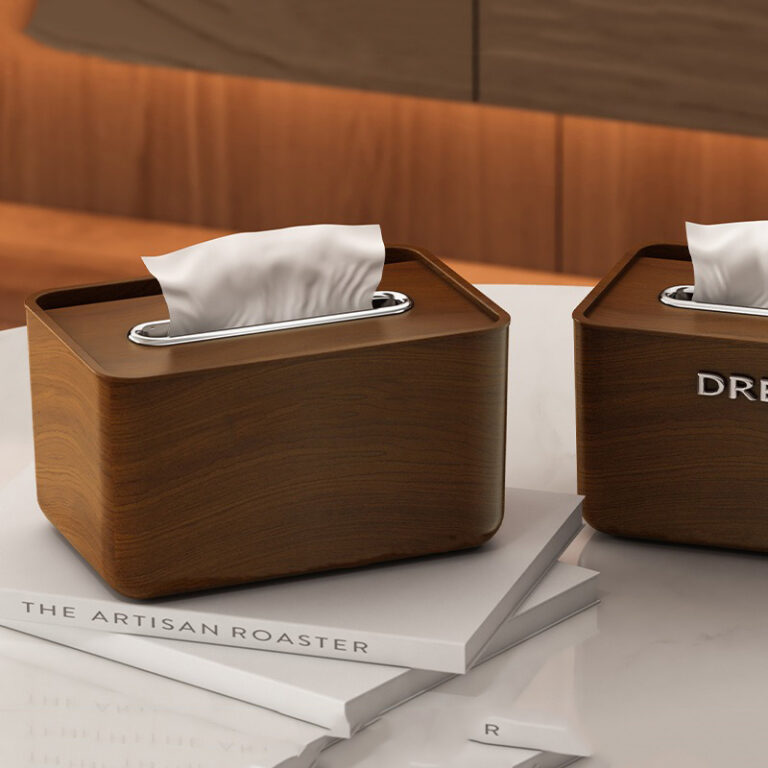 Aisha's pickWalnut Dining Room Tables for Long Dinners With Friends
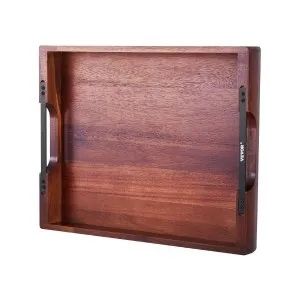
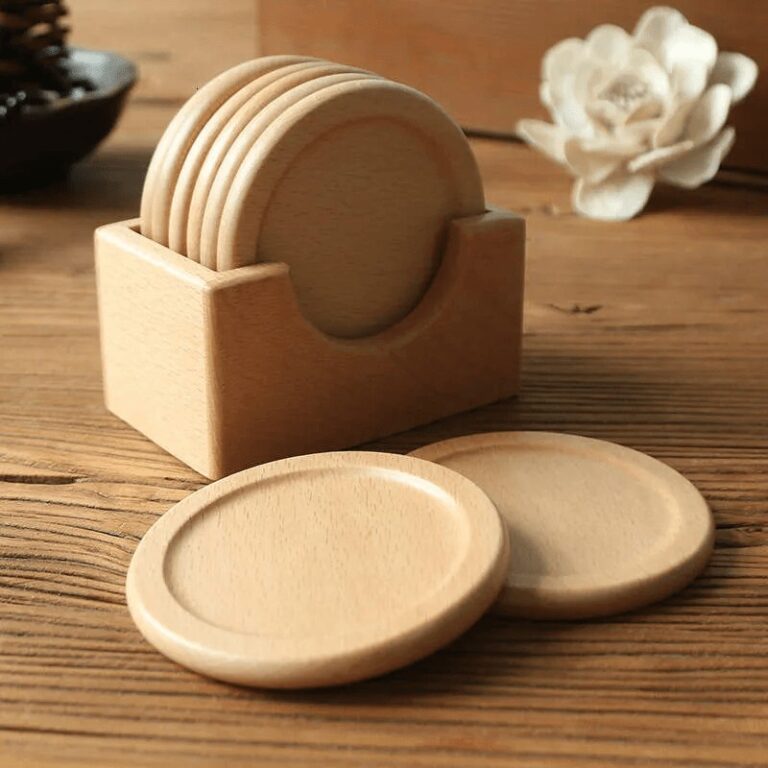 Aisha's pickWalnut Dining Sets That Don’t WobbleAlso worth a lookVintage TablesThere's a particular kind of late fall afternoon, light going gold and low through the windows, when an…See the collections →
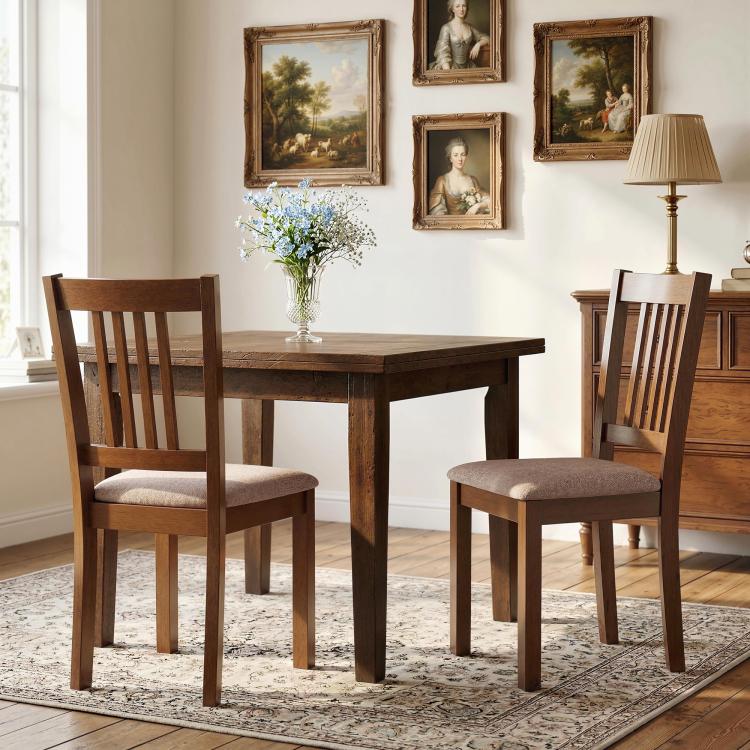
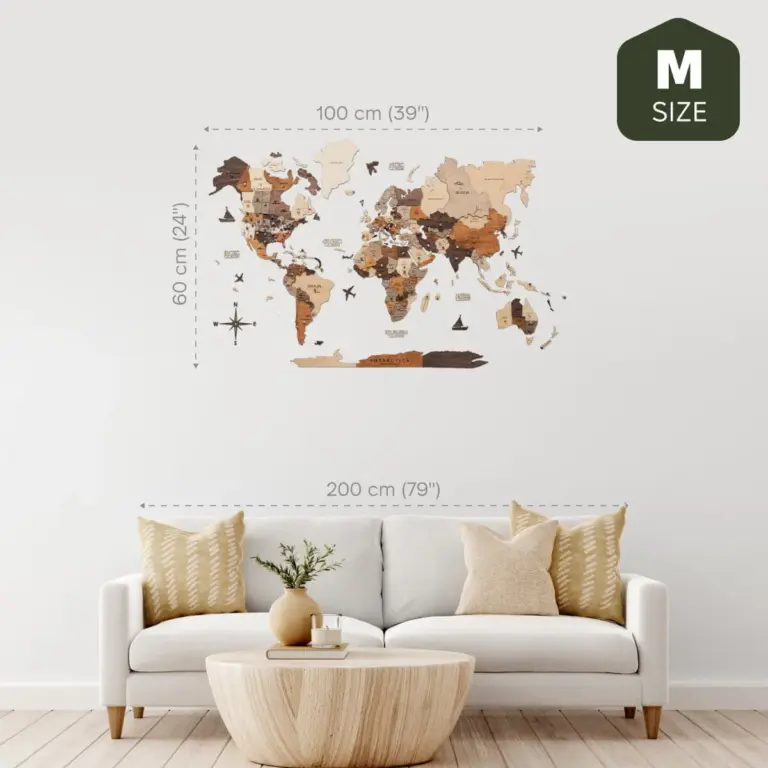 Aisha's pickWalnut Dining Tables Big Enough for Sunday Dinner
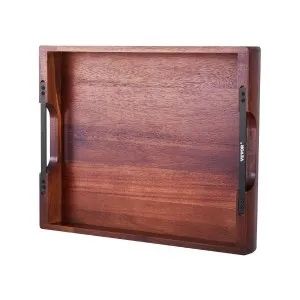
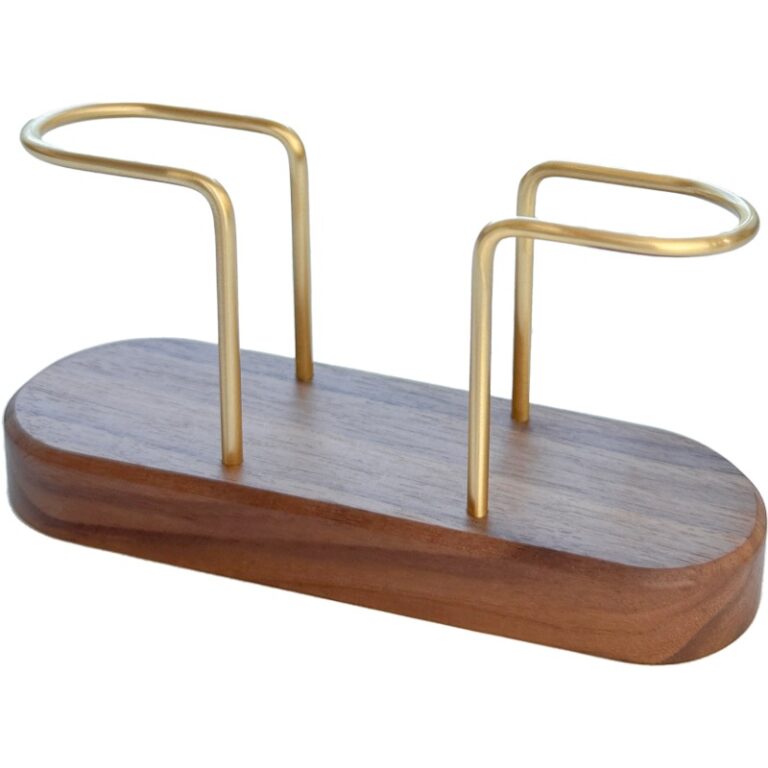 Aisha's pickWalnut Dining Table Sets That Make Rented Places Feel Like Home
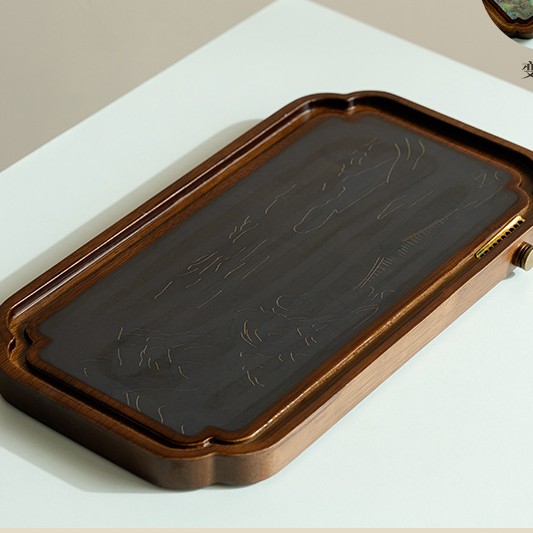 Aisha's pickWalnut End Tables That Survive Hot Mugs and Spills
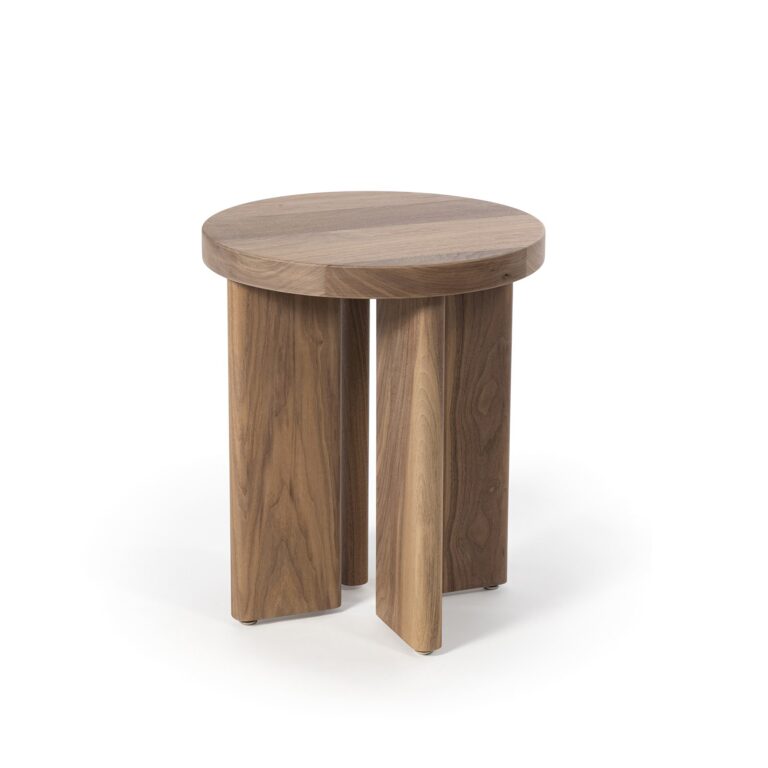
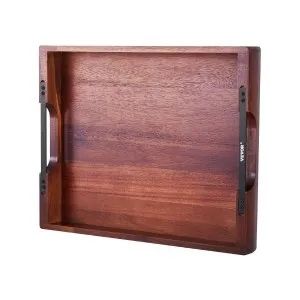 Aisha's pickWalnut Living Room Tables for Movie Nights and Slow Sundays
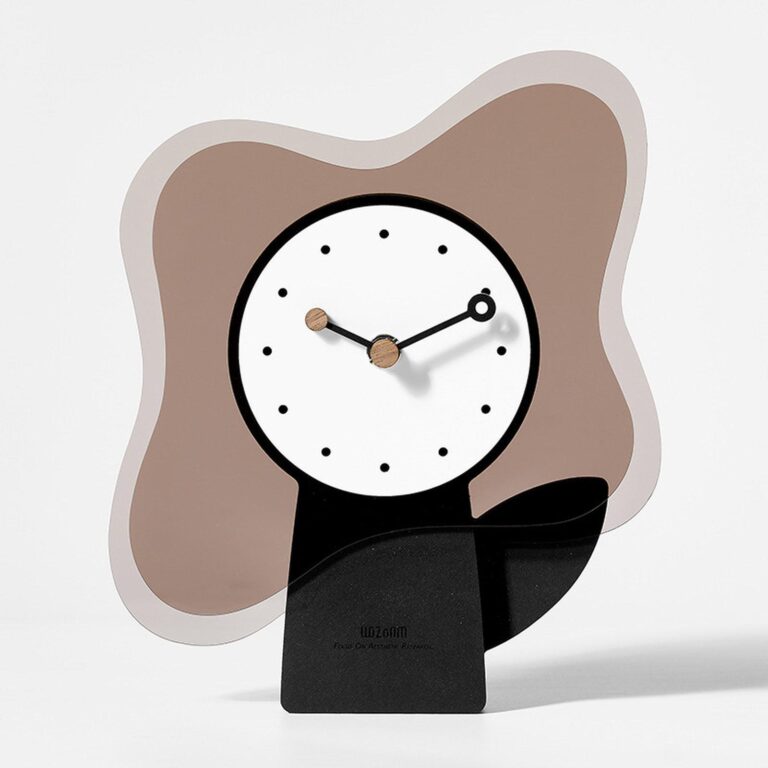
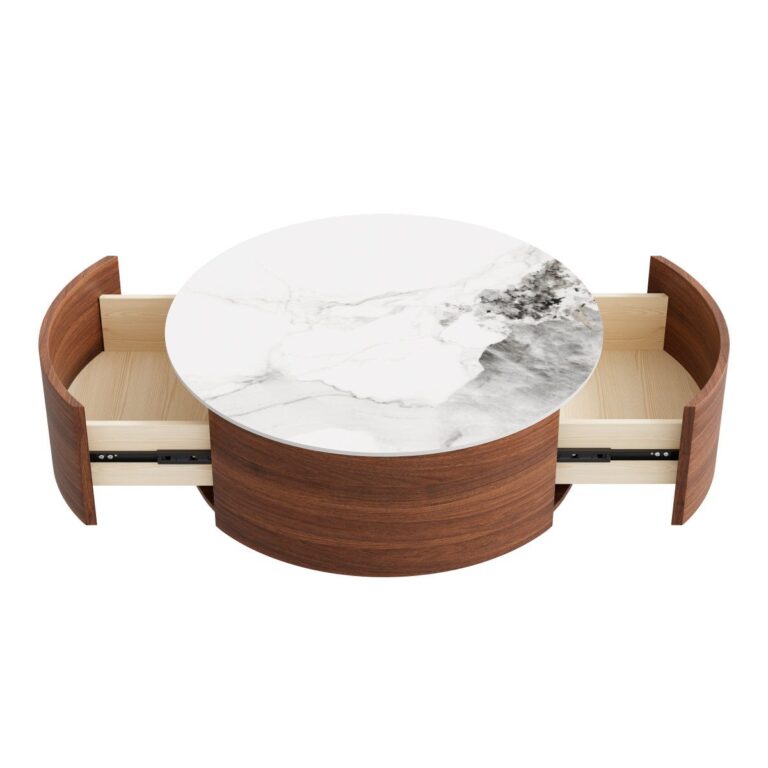 Aisha's pickModern Walnut Coffee Tables That Make the Living Room Feel Cozier
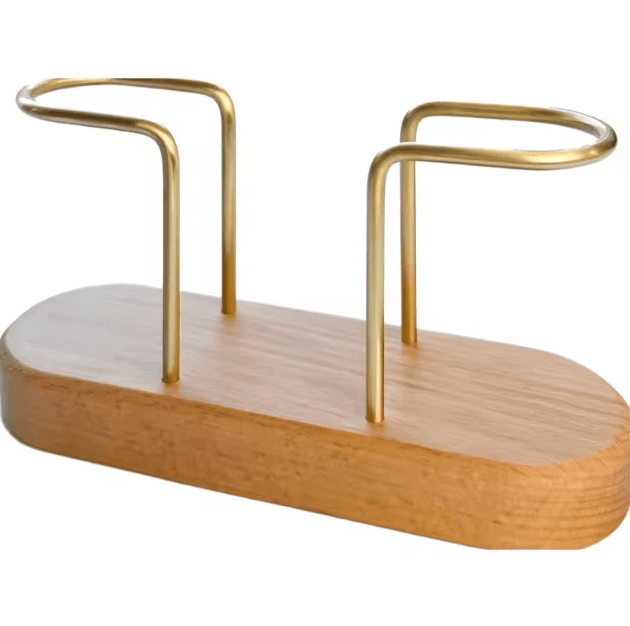
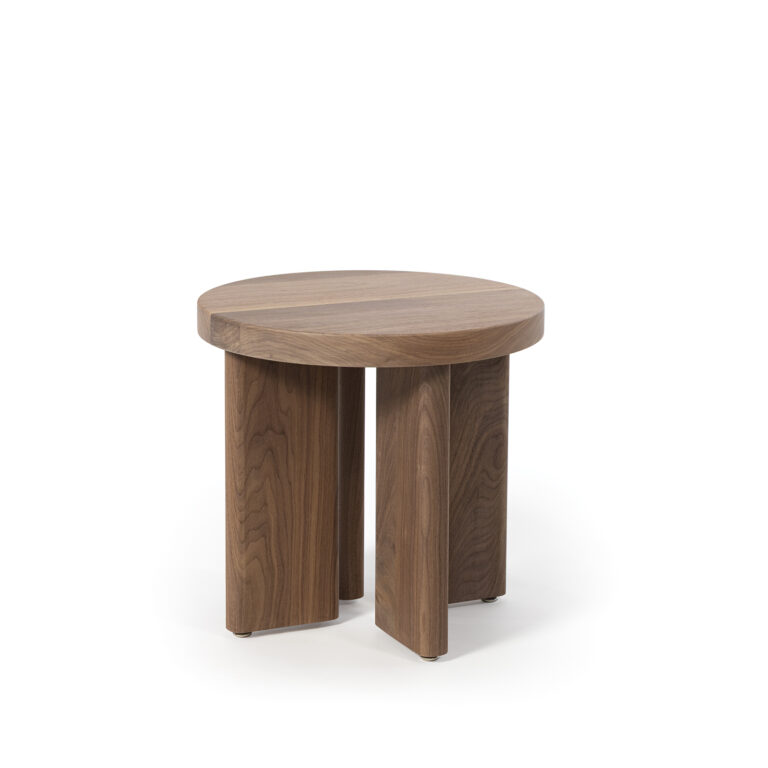 Aisha's pickWalnut Side Tables That Clean Up With a Wipe
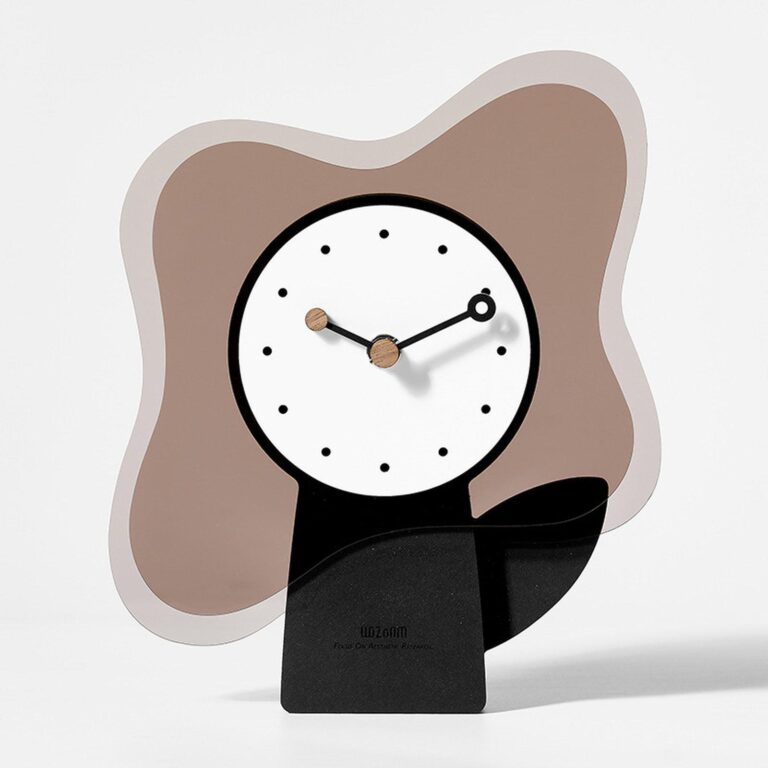
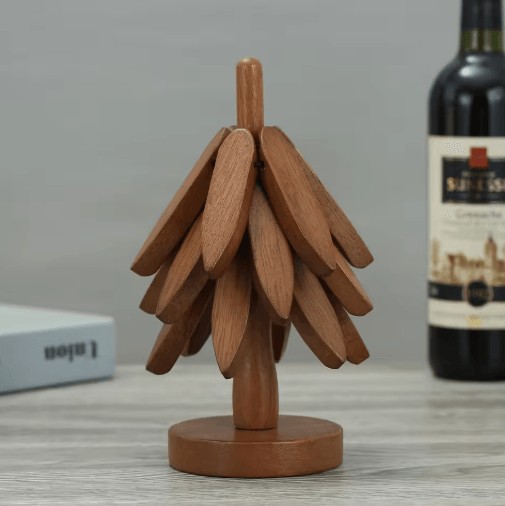 Aisha's pickModern Walnut Dining Tables That Take a Knock