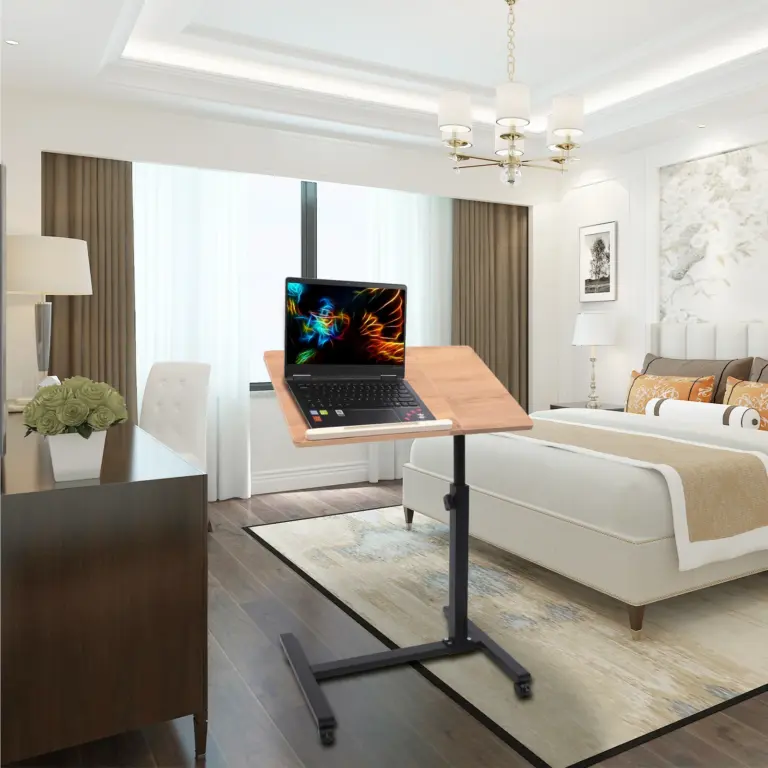
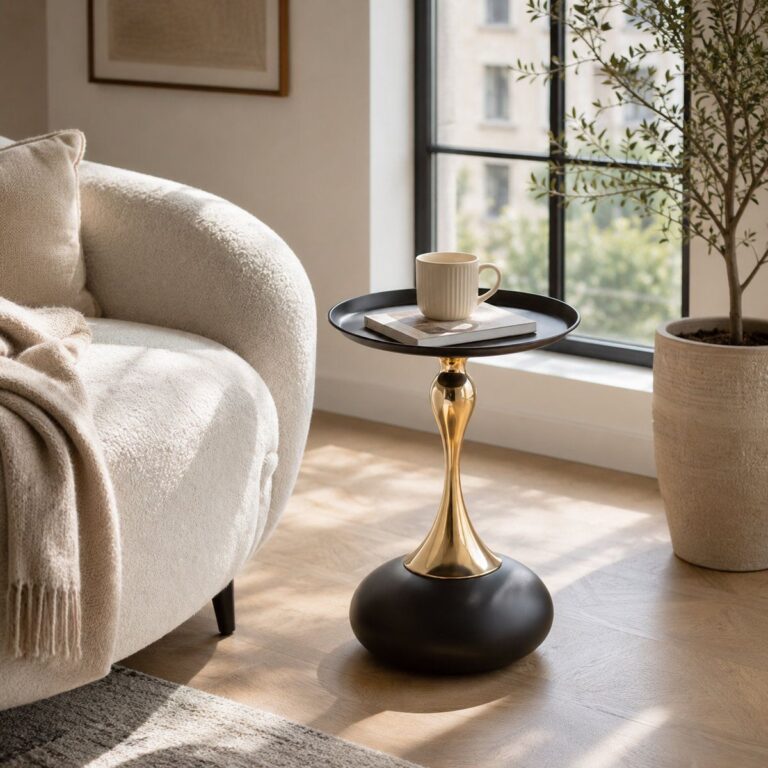
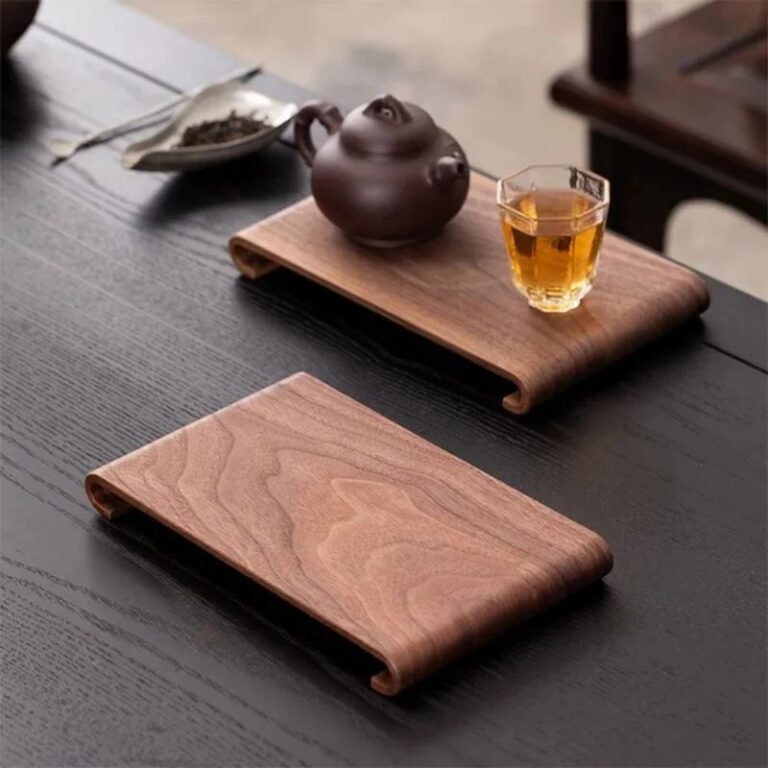
My first tray table was a wobbly folding pair with a laminate top that peeled at the corner after about a year, and what it taught me was that the folding mechanism matters more than anything else about the thing, because a tray table you cannot trust to stay locked open is just a table that falls over in the middle of dinner.
In an ordinary room, a good tray table sits next to a reading chair or at the end of a sofa, holding a lamp or a drink or a plate, and it works because it takes up almost no floor space while giving you a surface exactly where your hand already wants to land. A single one next to an armchair reads as thoughtful rather than cluttered. A set of two or three nested together can live flat against a wall and still pull apart for a crowd, which matters in a smaller living room where a coffee table alone cannot handle a game night or a few plates at once. What it crowds out is any sense of permanence, and that is the point. It is meant to be moved, not anchored.
The difference between a tray table worth keeping and one you will quietly get rid of is almost entirely in the hinge and the leg joints. Cheap ones use a thin metal pin that loosens with use until the table rocks or, worse, folds under weight. A well made one has a solid hinge, legs that lock with an actual click or a firm resistance, and a top attached with more than a few short screws into thin wood. Solid wood or a real metal frame with a proper finish will take heat from a mug and the odd scrape without showing it after a few months. Laminate over particleboard looks fine in a photo and then swells the first time a cold glass sweats on it. If you can, check the underside before buying, because that is where the shortcuts are hiding.
These suit almost any home that actually uses its living room for sitting and eating in the same breath, apartments especially, where a dining table might not exist at all and meals happen on the sofa more nights than not. They work year round, though I notice mine get more use from late fall through winter, when people are inside longer and want a place to set down tea or a bowl of soup without balancing it on an armrest. Larger, open living rooms can take a few of them scattered about; a studio apartment usually only has room for one, maybe two that nest together.
The one mistake to avoid is buying on looks alone and skipping the test of setting it up and pressing down on one corner. If it rocks or the legs feel like they are fighting you, that is exactly how it will behave at home, just with a drink on top.

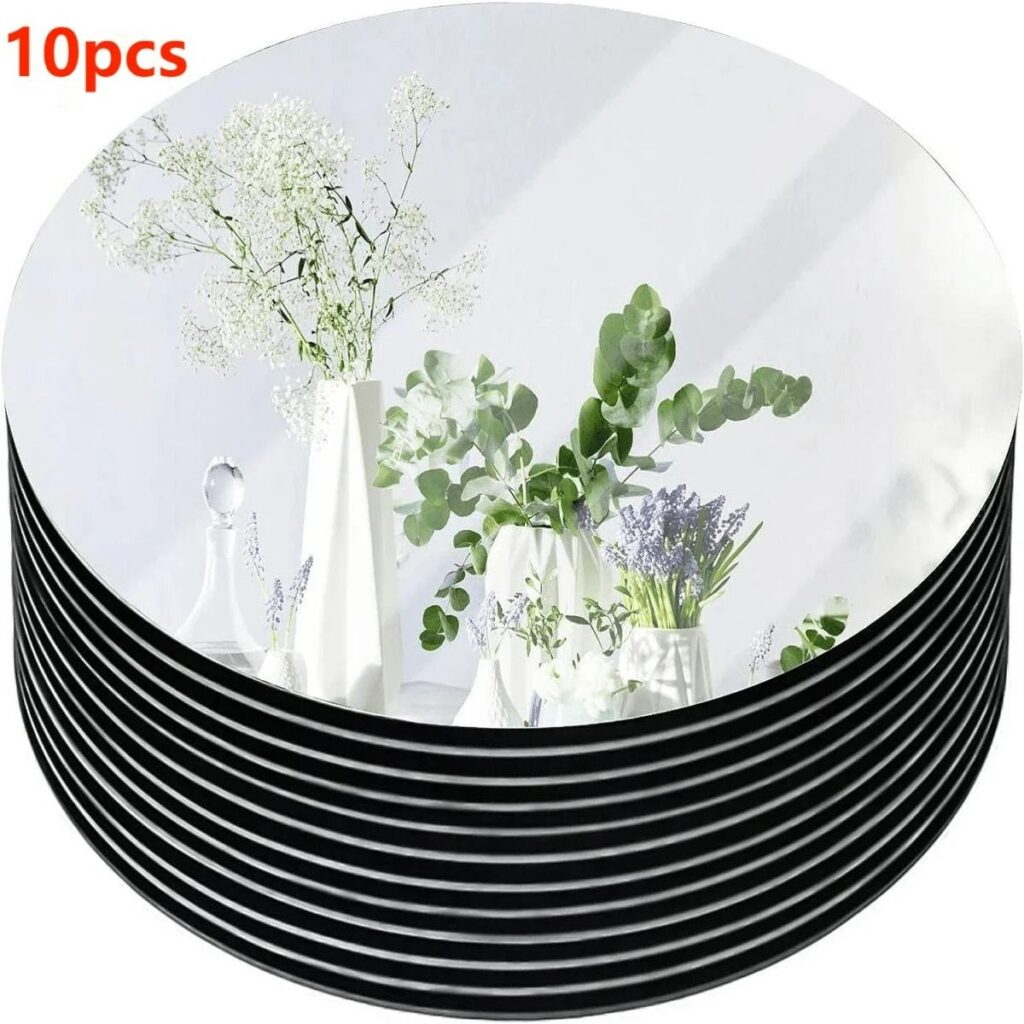
 Aisha's pickGlass Tray Tables We Use Every Single Day
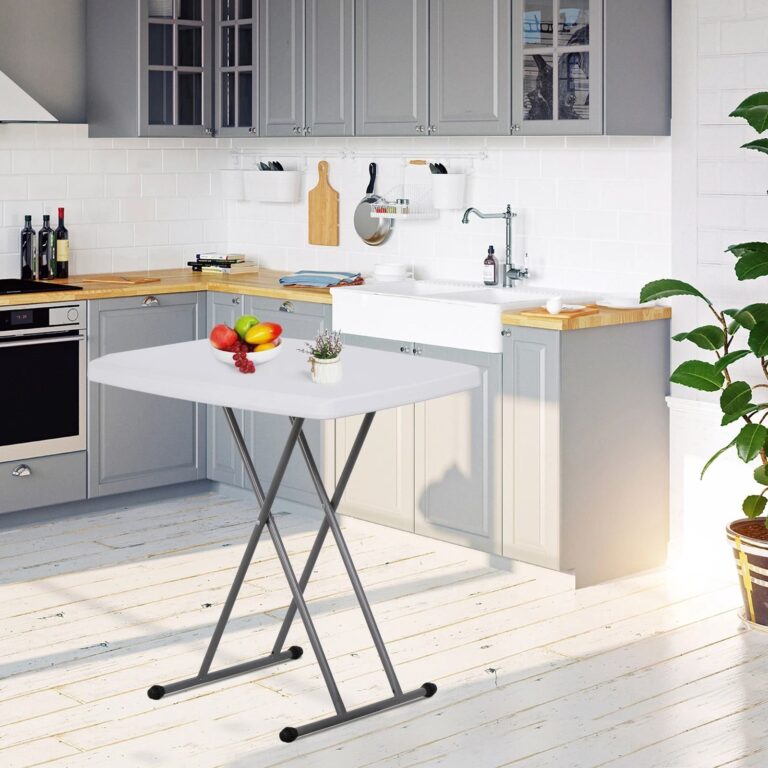 Aisha's pickWhite Tray Tables That Visitors Always Ask About
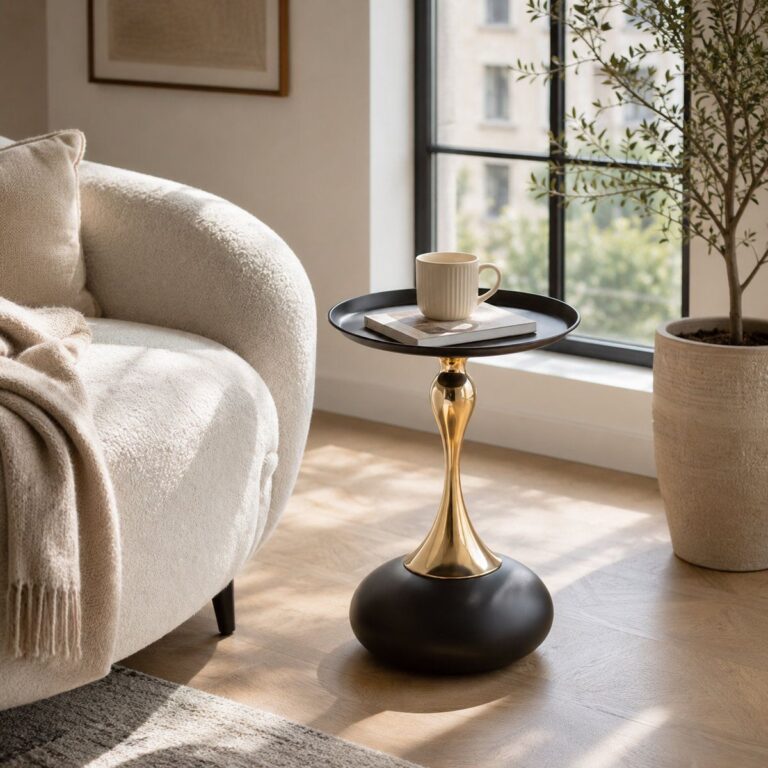
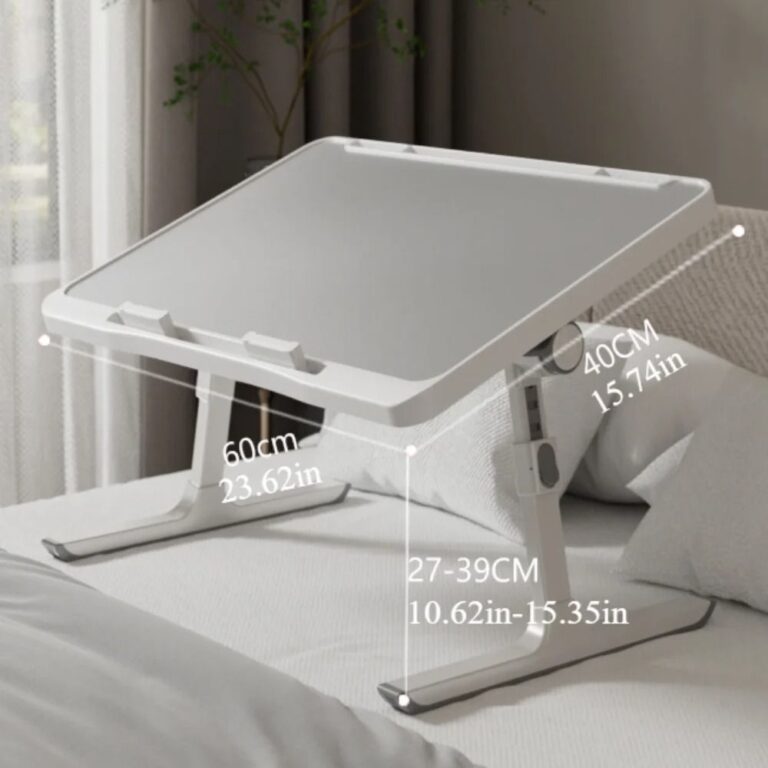 Aisha's pickLarge Tray Tables That Anchor a Room
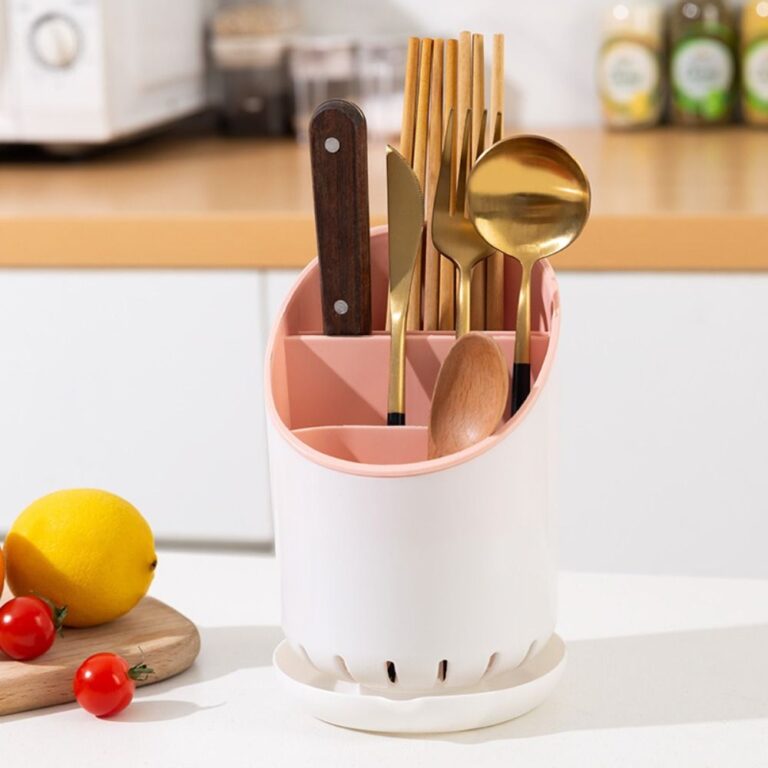
 Aisha's pickWide Tray Tables That Clean Up With a Wipe

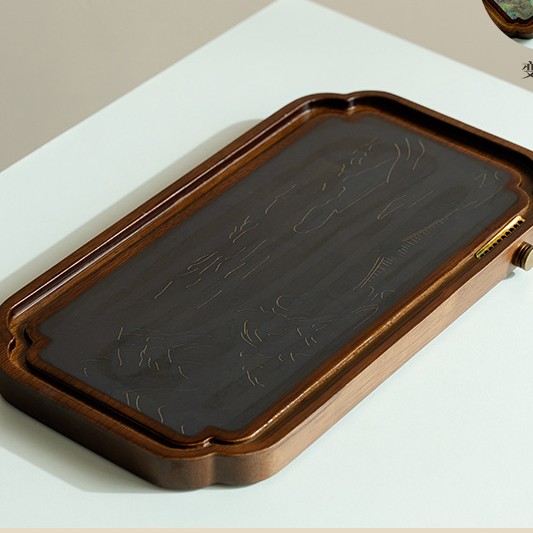 Aisha's pickLuxury Tray Tables We Keep Coming Back To
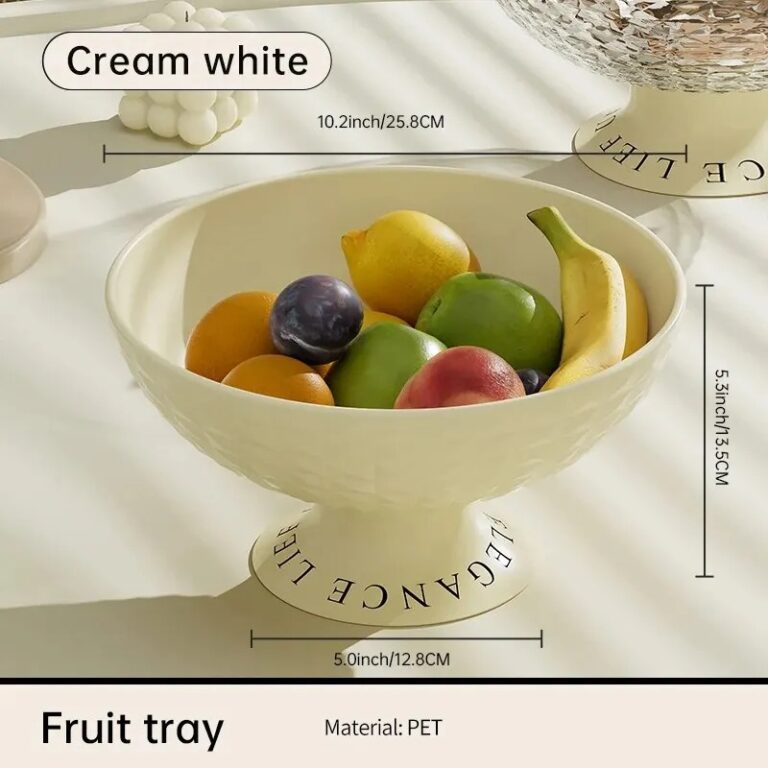
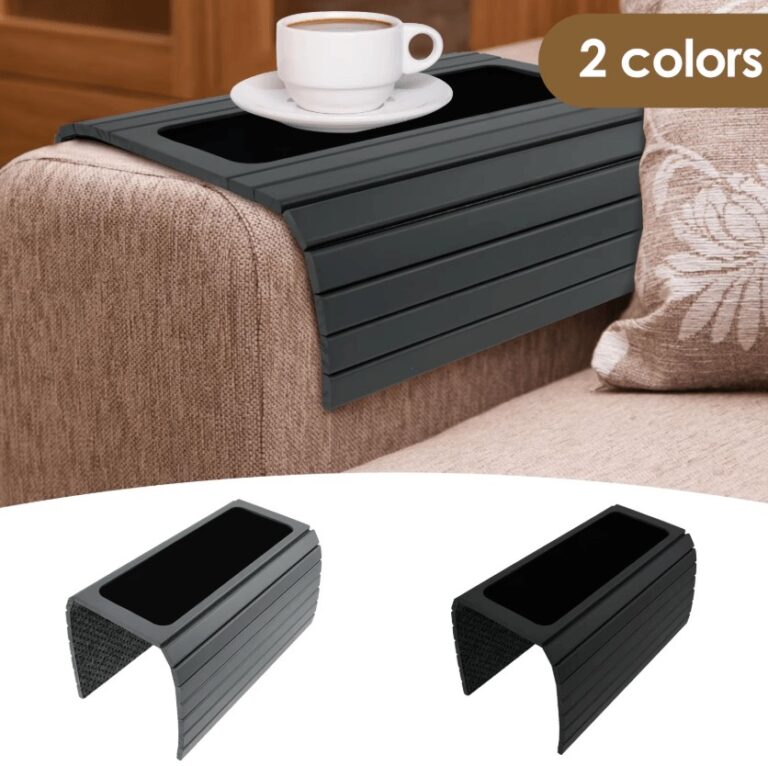 Aisha's pickWooden Tray Tables That Survive Hot Mugs and Spills
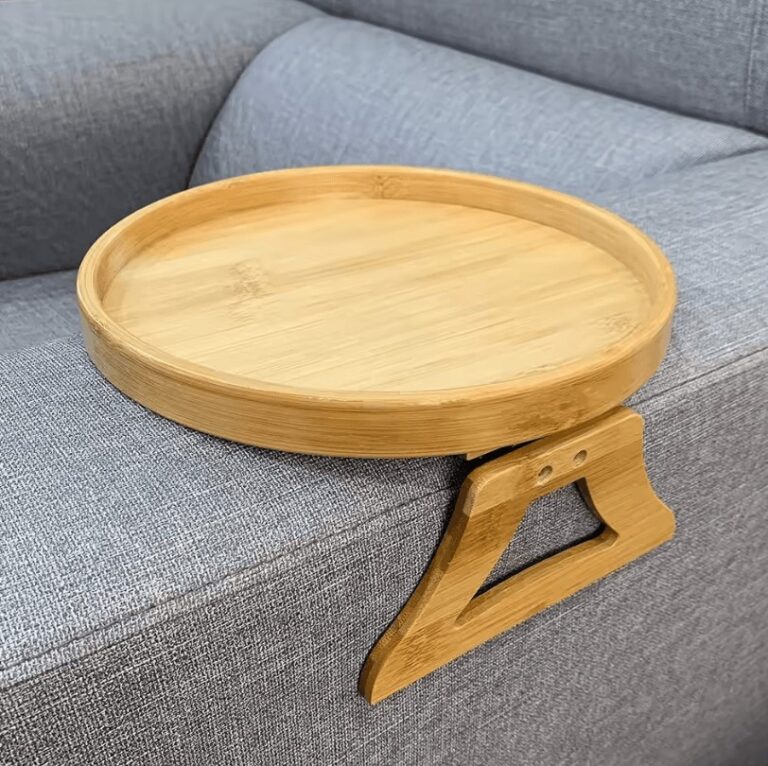
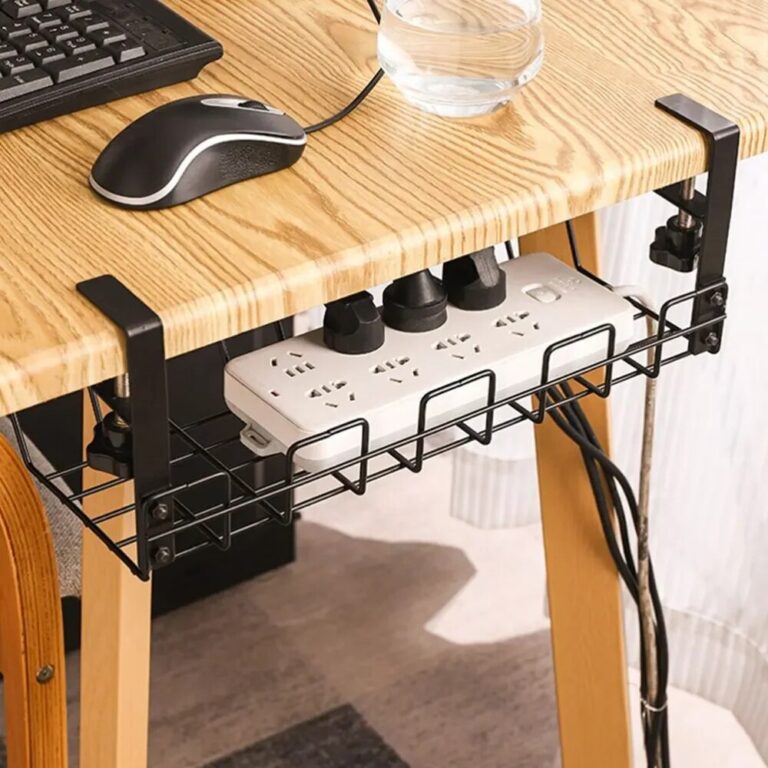 Aisha's pickMetal Tray Tables We Use Every Single Day

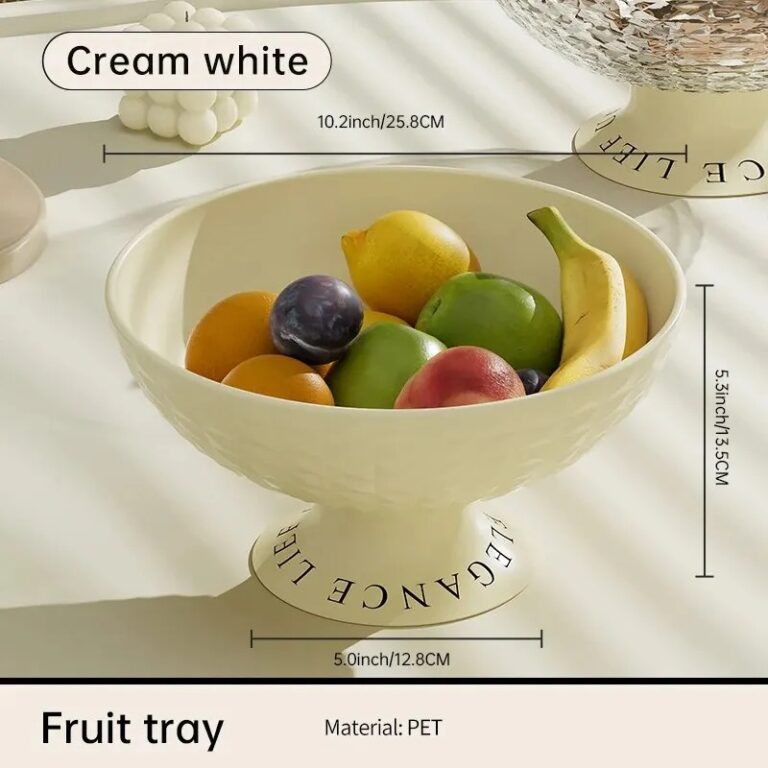 Aisha's pickThe Modern Tray Tables Worth Your Cash
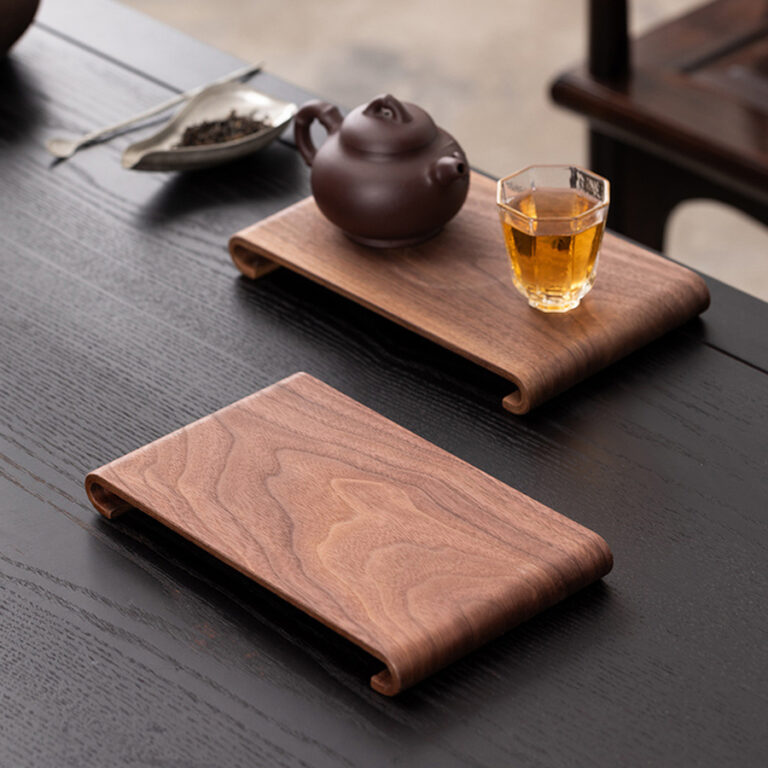 Aisha's pickRectangular Tray Tables That Won’t Let You DownAlso worth a lookVintage TablesThere's a particular kind of late fall afternoon, light going gold and low through the windows, when an…See the collections →
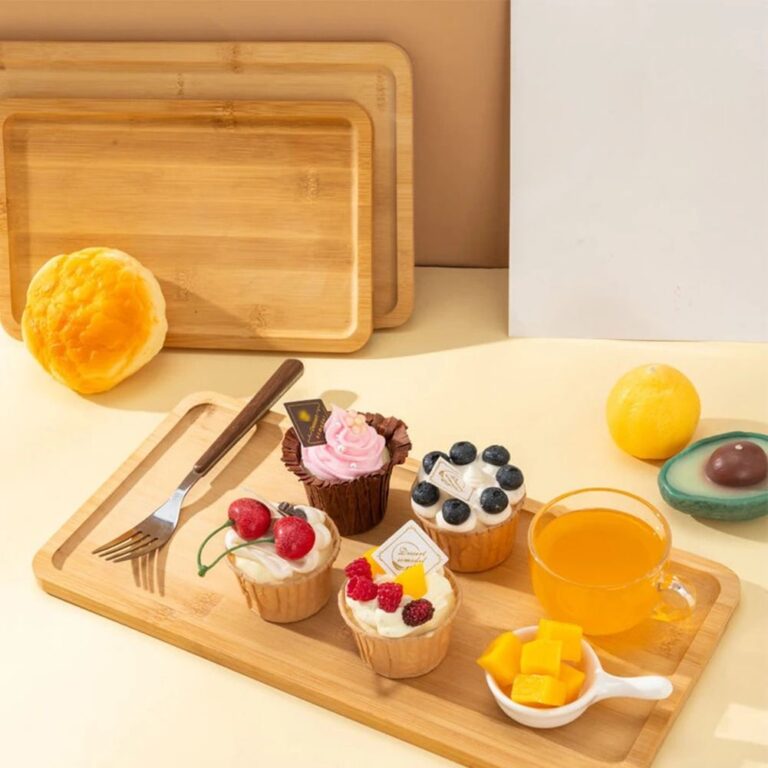
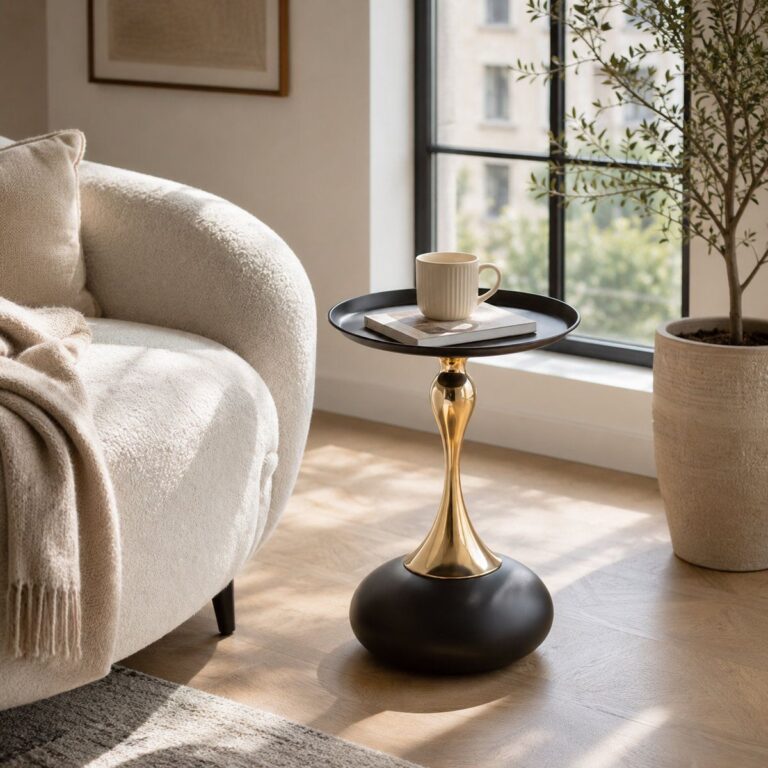 Aisha's pickRound Tray Tables That Don’t Need Babying
 Aisha's pickSmall Tray Tables That Hide the Odd Scratch
 Aisha's pickSolid Wood Tray Tables for People Who Know What They Like
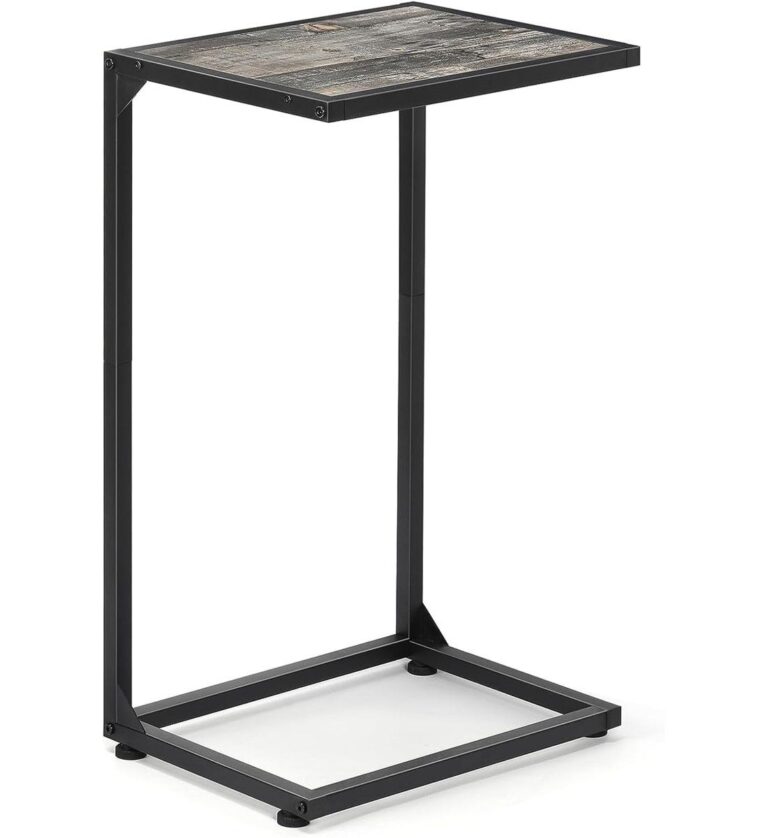
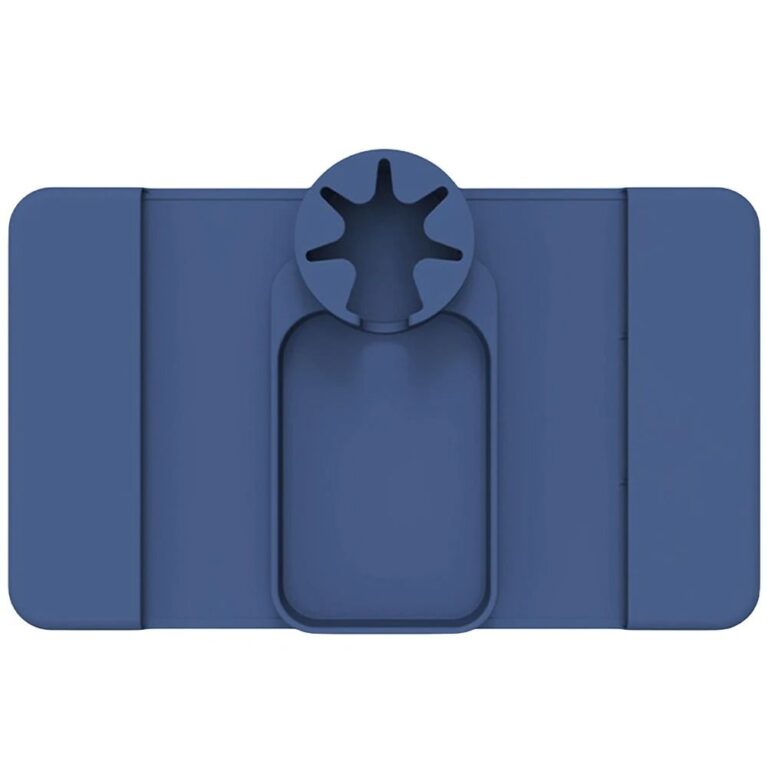 Aisha's pickSquare Tray Tables That Hide the Odd Scratch
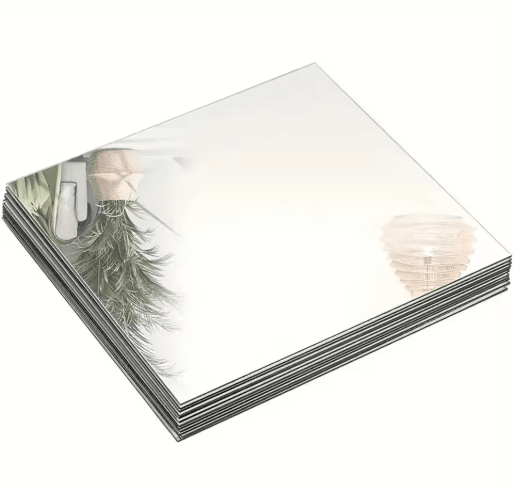
 Aisha's pickTray Tables That Don’t Wobble
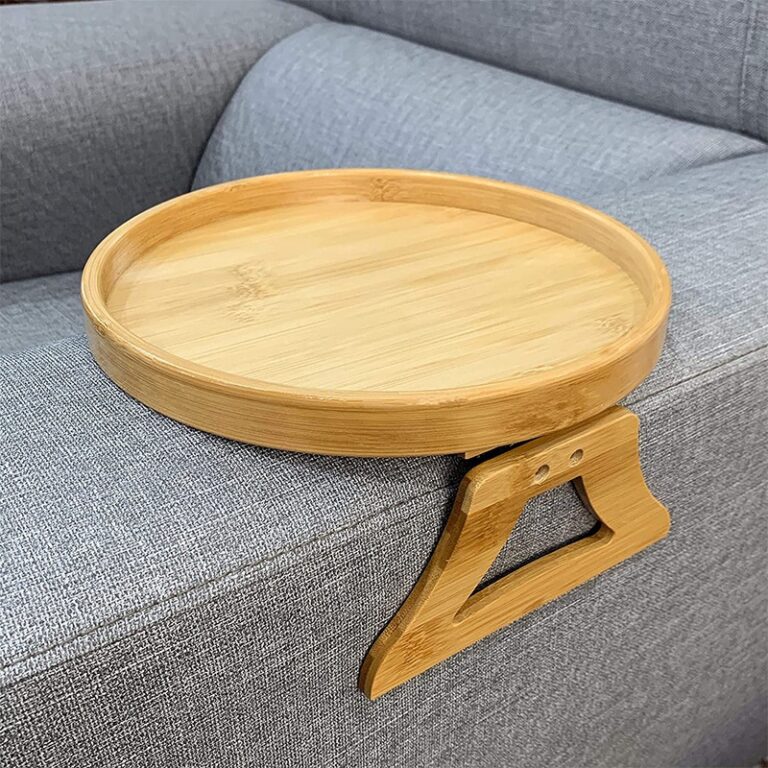
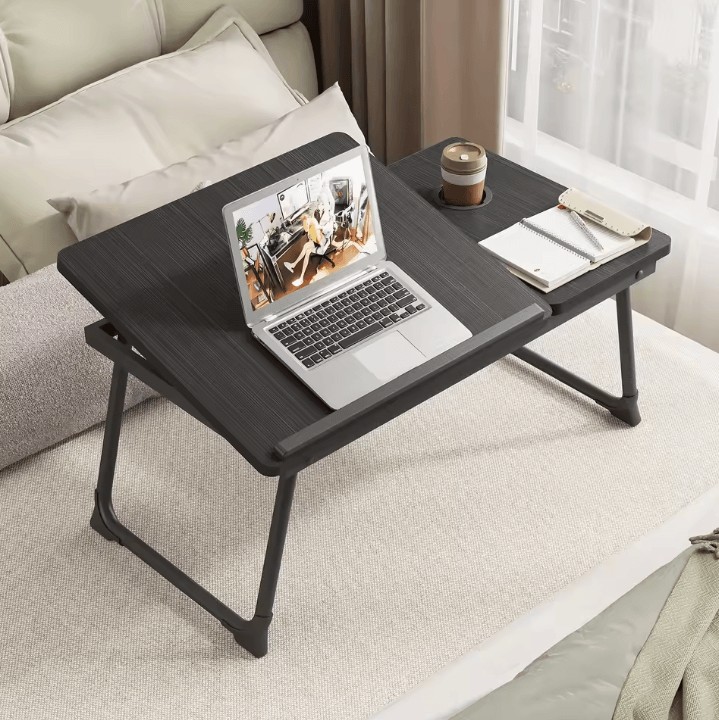 Aisha's pickTray Tables for Small Spaces That Take a Knock
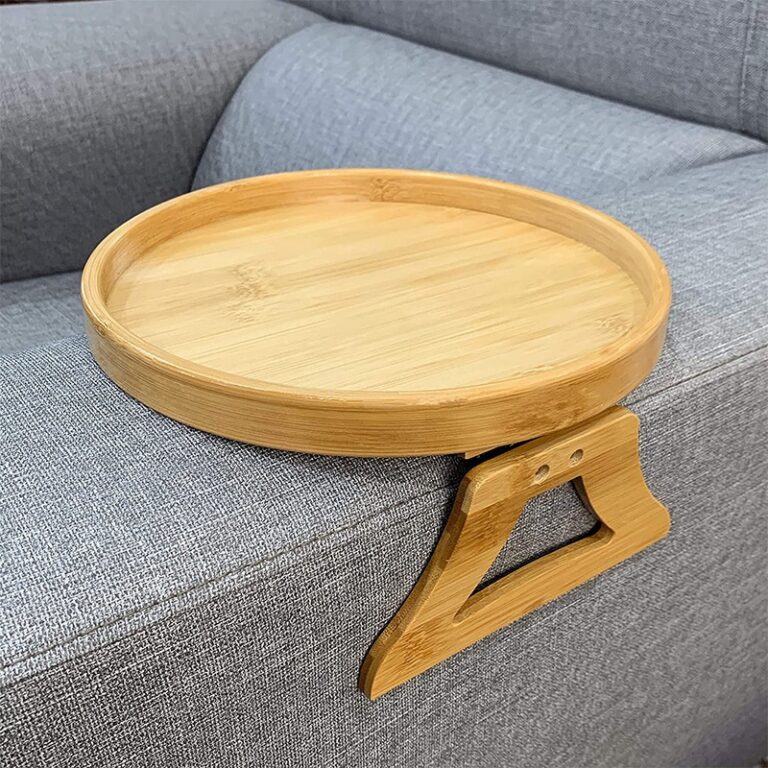
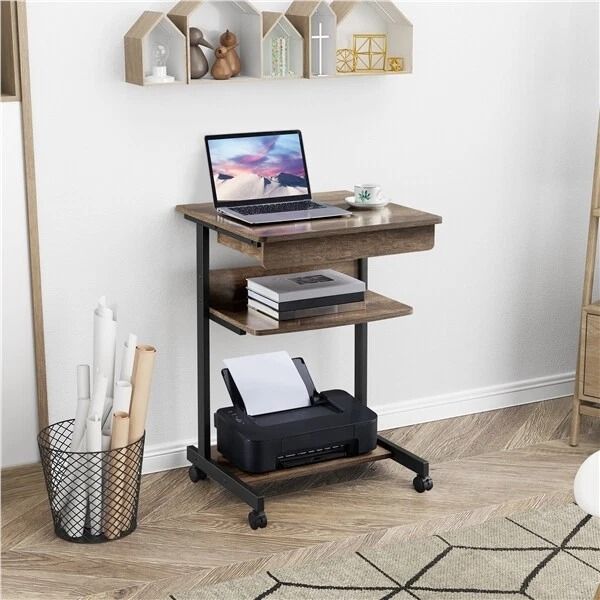 Aisha's pickTray Tables with Shelf That Survive Hot Mugs and Spills
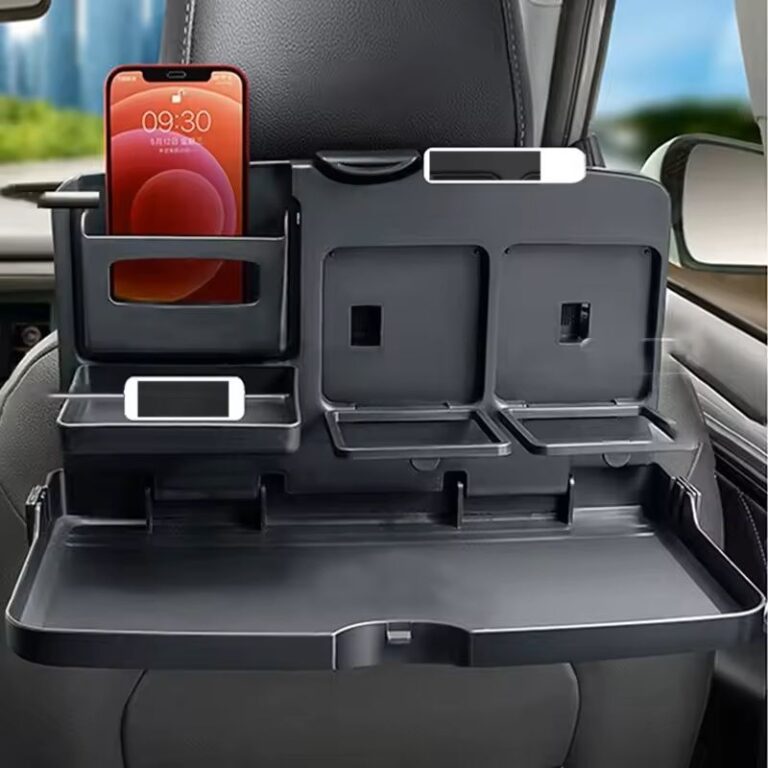
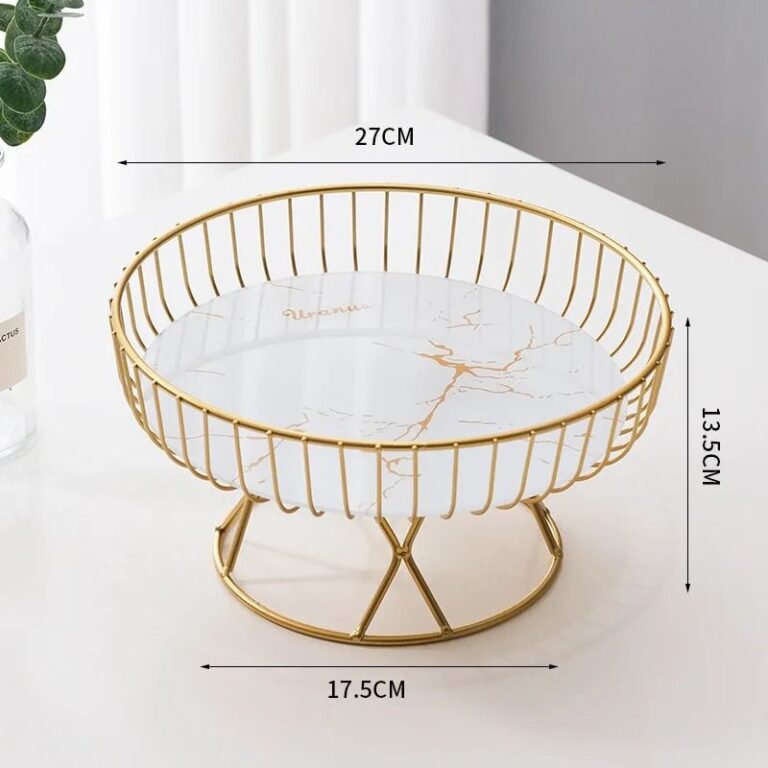 Aisha's pickBlack Tray Tables That Hide the Odd Scratch
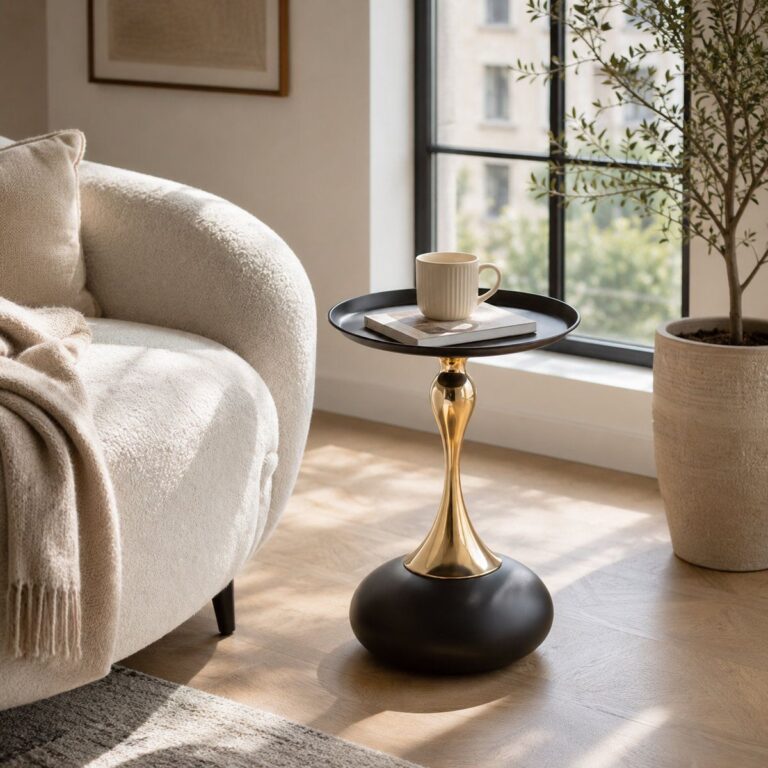
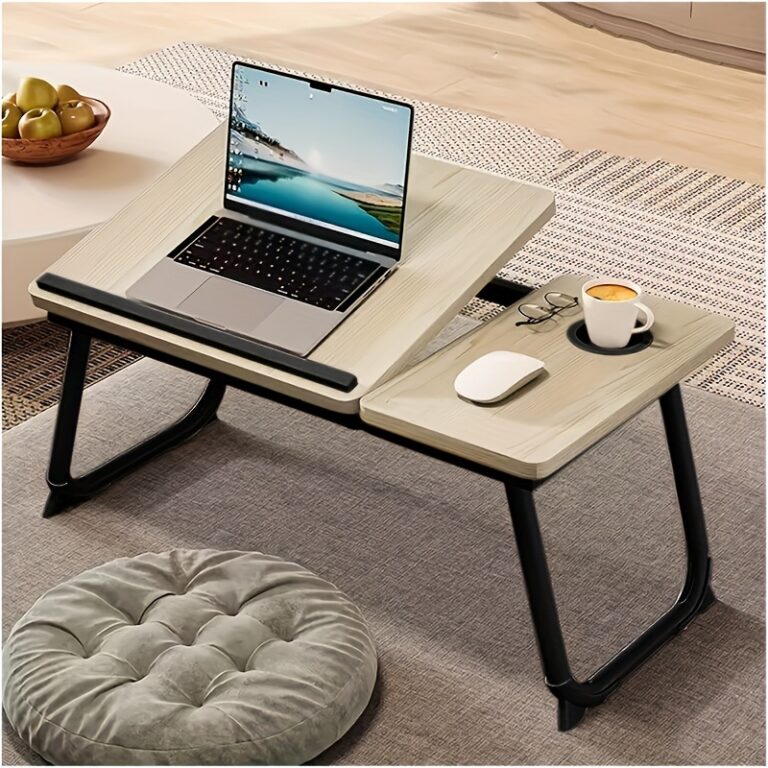 Aisha's pickTray Tables with Storage That Make Rented Places Feel Like HomeAlso worth a lookEnd TablesThe first one I bought looked perfect in the store and then came home to a sofa it…See the collections →
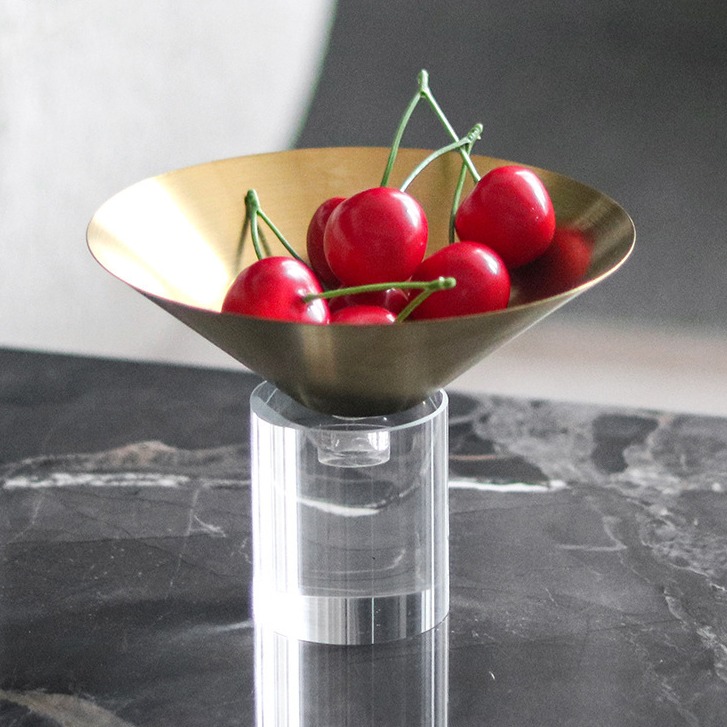
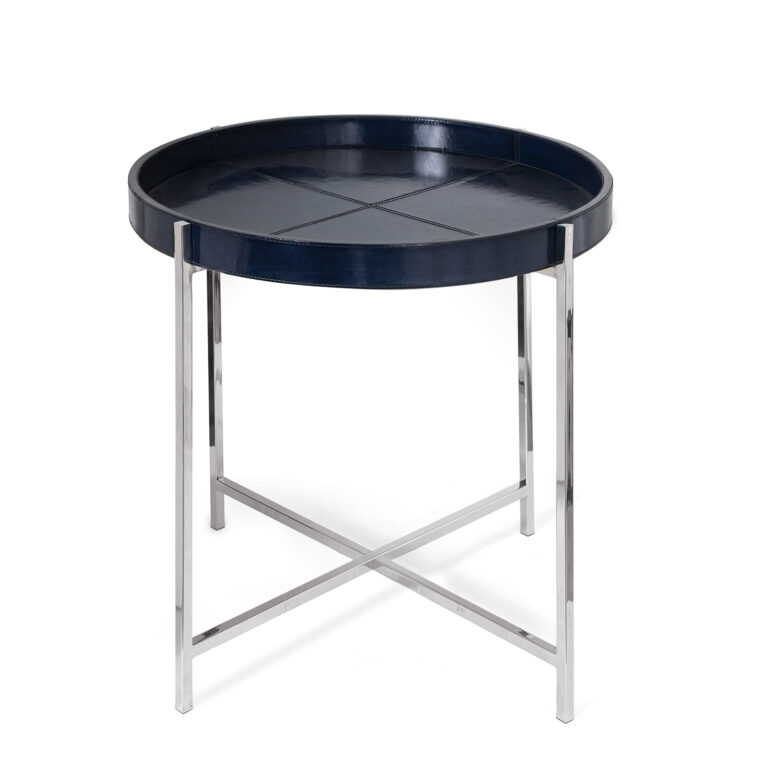
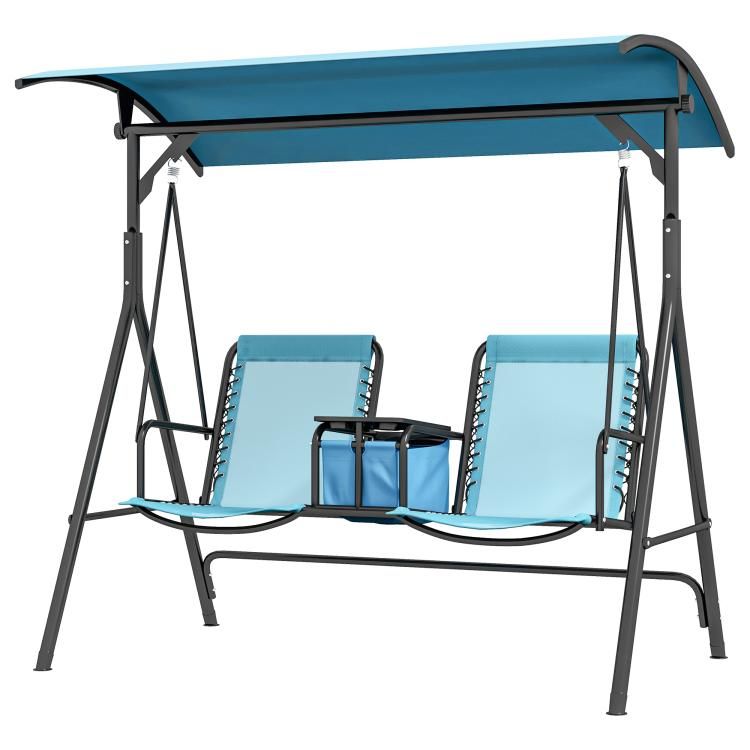 Aisha's pickBlue Tray Tables With a Bit More About Them
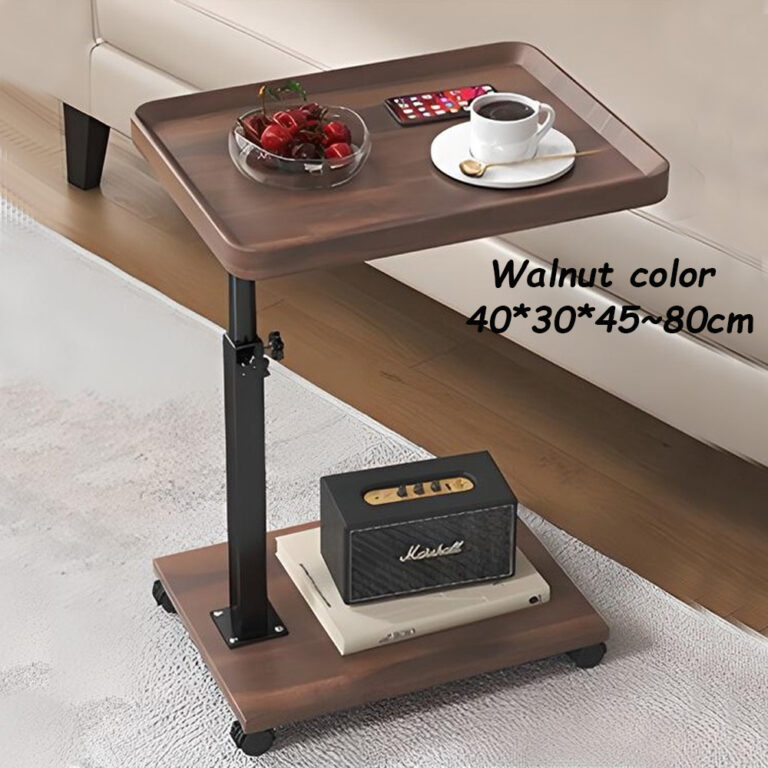 Aisha's pickTray Tables with Wheels That Hold Up to Everyday Life