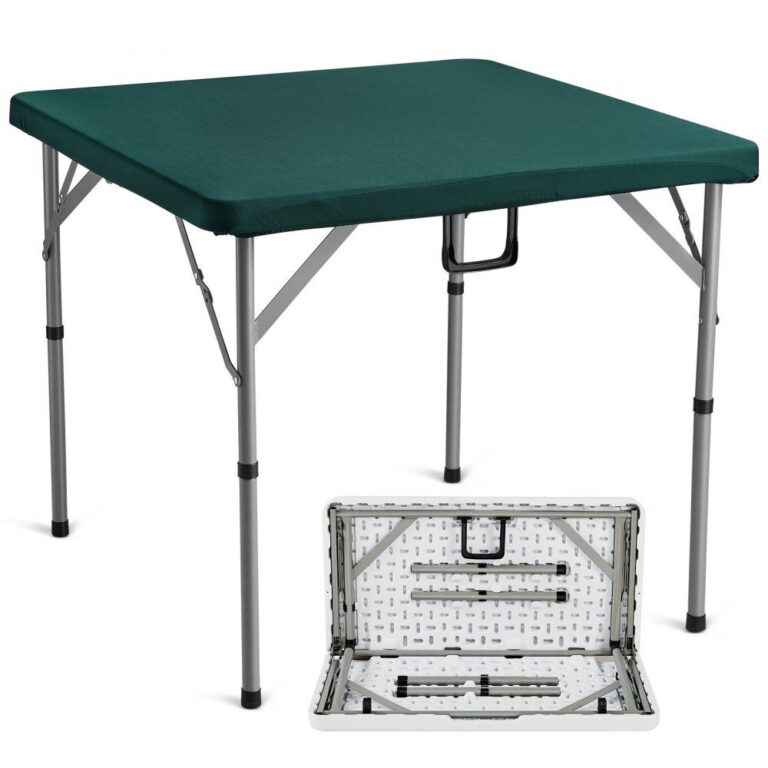
You can spot a good square table from the doorway by how it sits, four solid legs planted square to the room, nothing wobbling when someone leans on it to pull out a chair. A poor one rocks the second you set a coffee mug down with any confidence, and you spend the next six months with a folded napkin under one foot, which fools nobody. The good ones have a kind of quiet weight to them even before anyone's sitting at them.
When you're looking at one in a shop, or standing in your kitchen the day it arrives, run your hand under the edge of the top and check it's finished smooth, not just sanded where it shows. Press down near the center, not just at the corners, some tops flex more than you'd expect, especially the cheaper veneers. Check the legs are actually bolted through, not just glued and hoping, because that's the joint that goes first once real life starts happening to it. And sit in every chair position, not just the one near the window, square tables sometimes have a leg placed right where your knees want to be, which nobody mentions until you're the one stuck with it at every dinner.
A square table earns its place in smaller kitchens and apartment dining nooks where a rectangle would eat the walking space, and it's honestly better for four people talking than a long table ever is, everyone's close enough to actually hear each other without leaning in. It works for a card game on a Sunday, a laptop and a coffee on a weekday morning, a kid's homework spread across it in the afternoon. Where it struggles is anywhere you regularly need to seat six or more, you end up either cramming people in at awkward angles or buying a table that's really too big for the room just to get the extra space, and then it dominates everything.
How it wears comes down mostly to the top. Solid wood will pick up the odd water ring and a few scratches over the years, and I've come to think that's not really a flaw, it just means the table has a life in it, wipe it down right after a spill and wax it once or twice a year and it keeps looking like itself. Laminate and veneer tops stay pristine longer but once the edge chips or the surface delaminates in one corner, there's no fixing it, only replacing. Either way, use coasters for anything hot, and lift things rather than drag them, because that scraping sound of a plate dragged across a tabletop is the sort of thing that makes you wince from the next room.
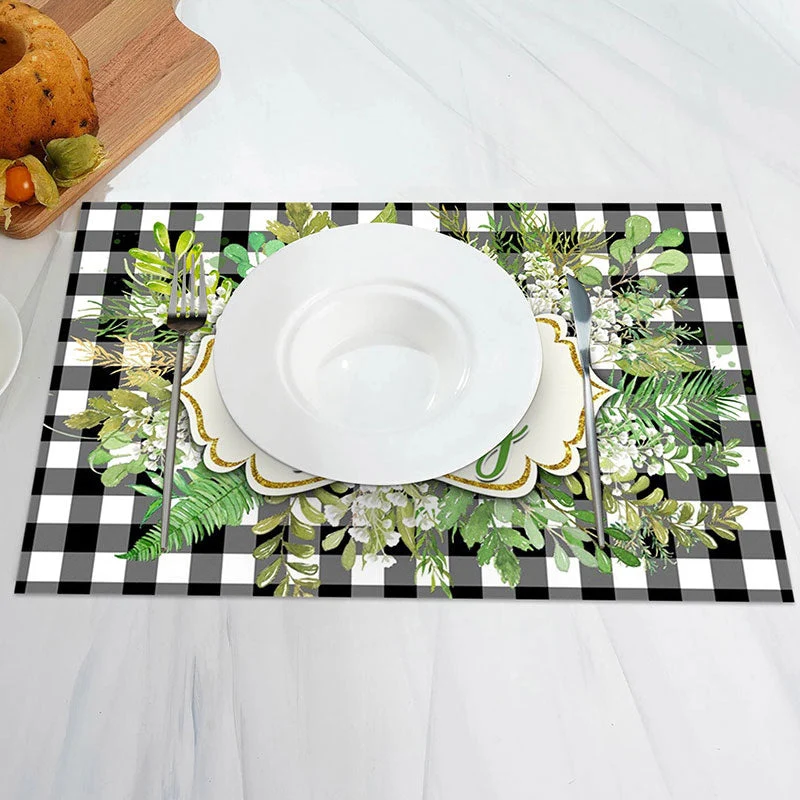 Aisha's pickSquare Dining Table Sets That Survive Hot Mugs and Spills
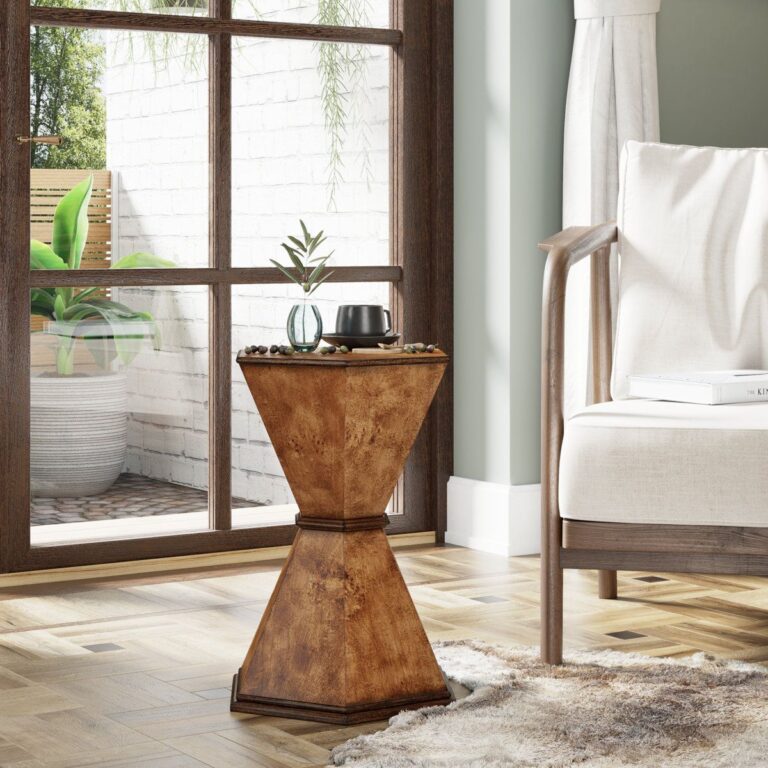 Aisha's pickWhere to Start With Square End Tables
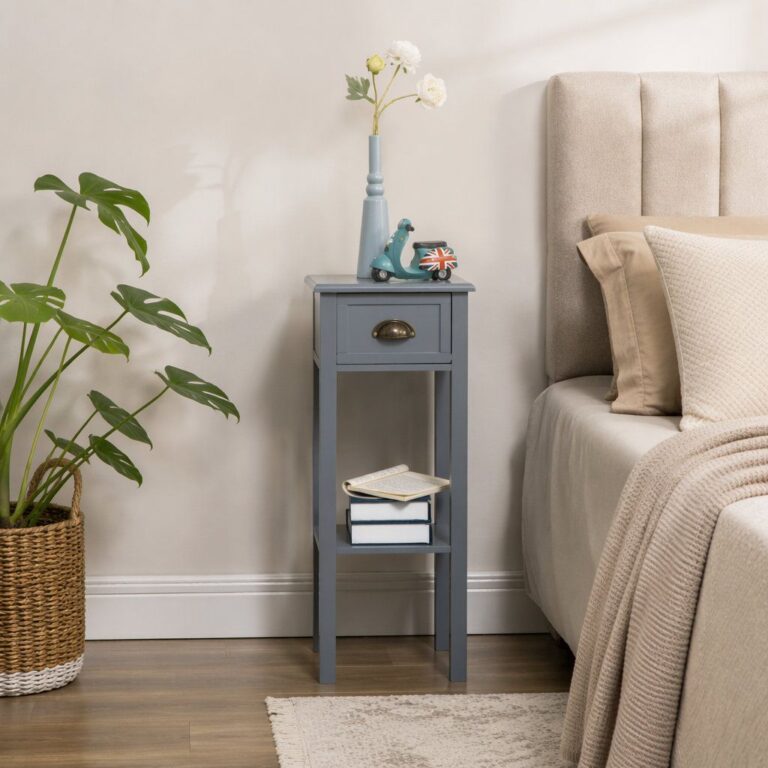
 Aisha's pickSquare Glass Coffee Tables That Don’t Wobble
 Aisha's pickSquare Glass Dining Sets That Anchor a Room
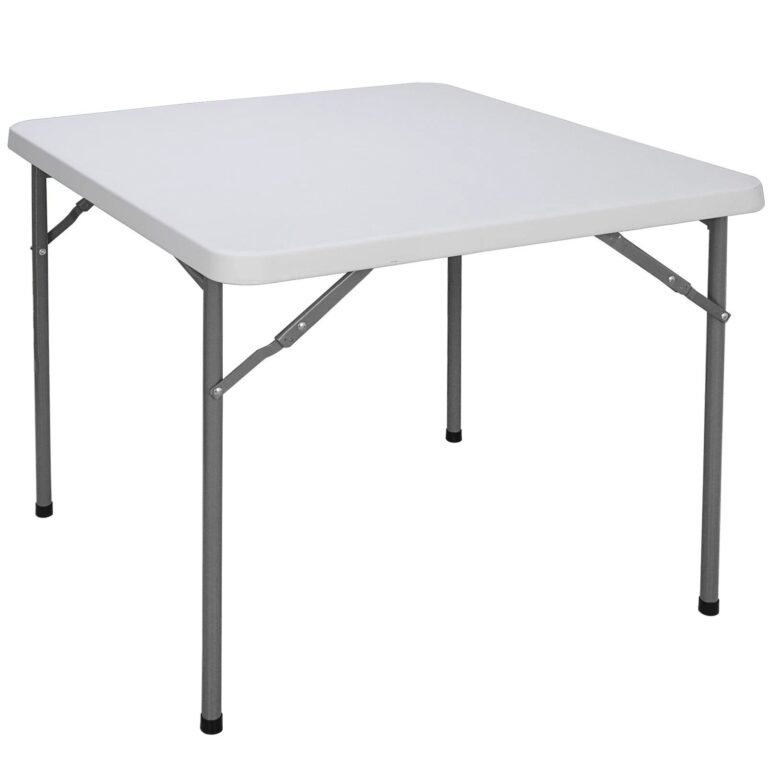 Aisha's pickSquare High Dining Tables That Get the Family Around the Table
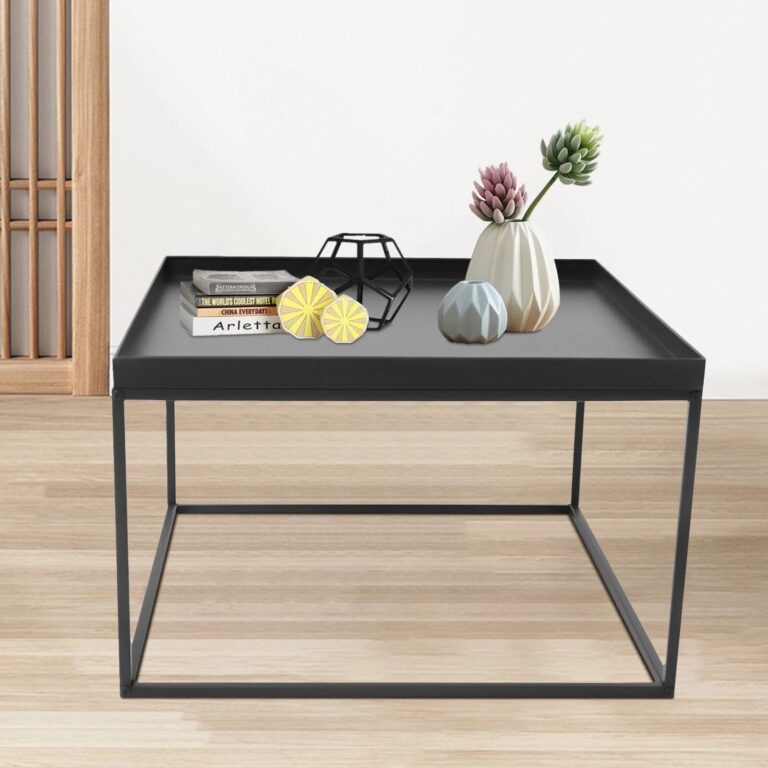 Aisha's pickBlack Square Coffee Tables for the Living Room
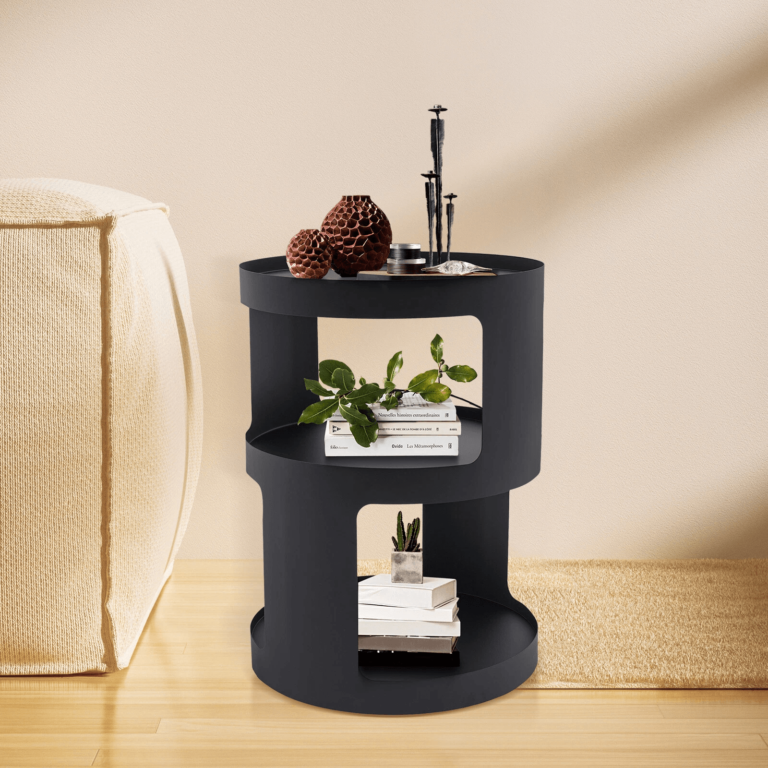
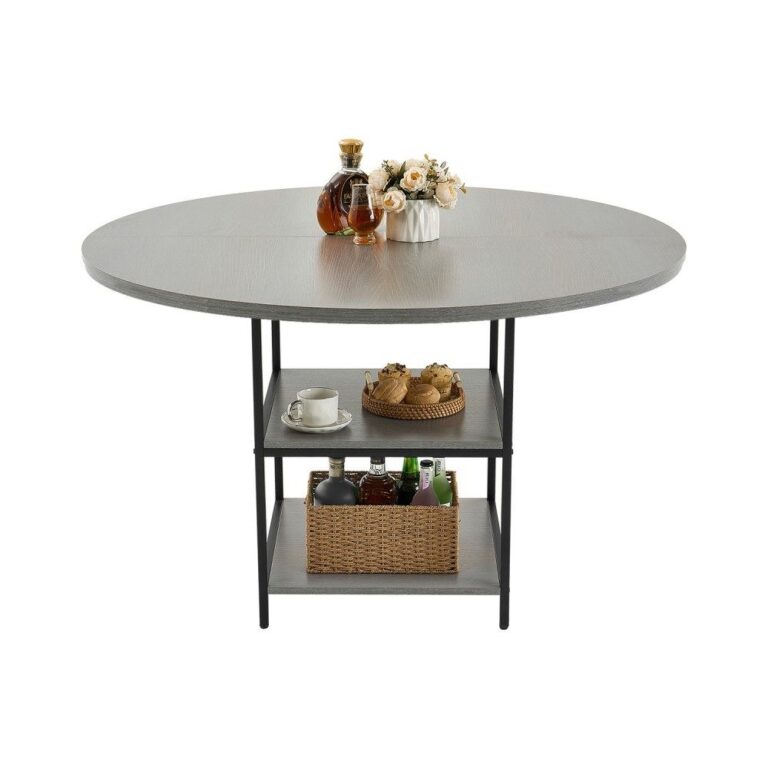 Aisha's pickSquare Kitchen Tables We Use Every Single Day
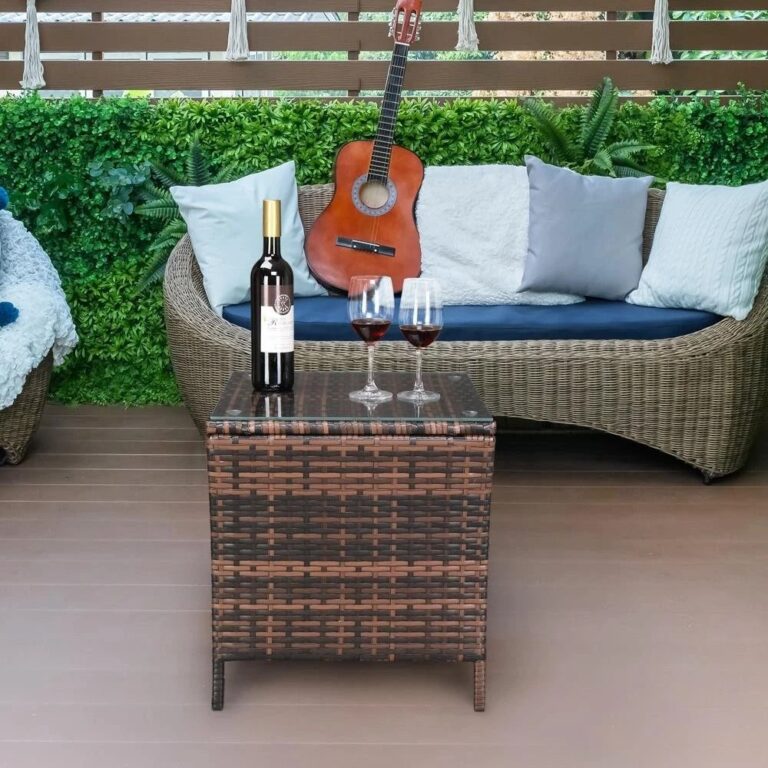 Aisha's pickSmall Square Coffee Tables for Movie Nights and Slow Sundays
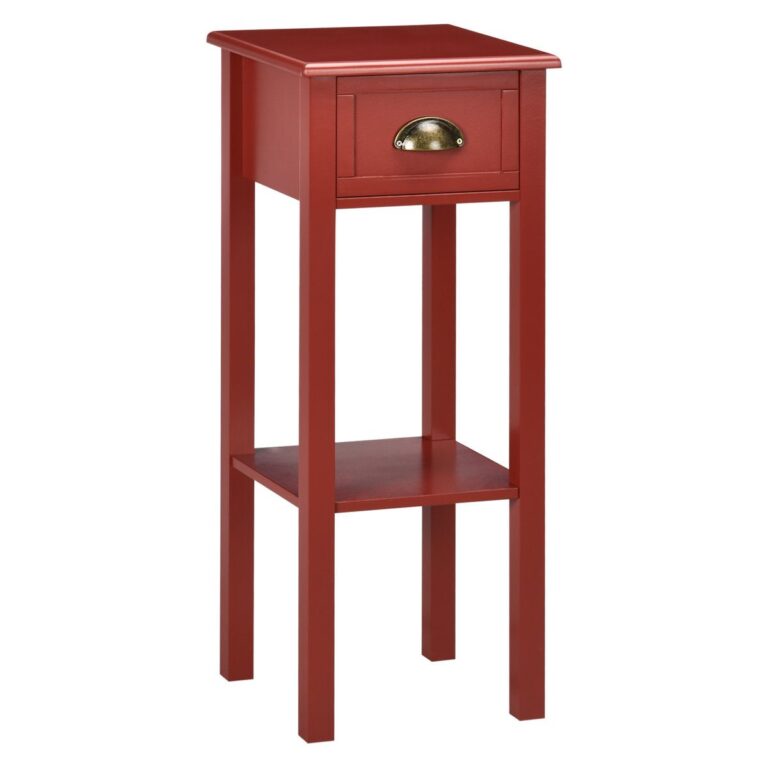 Aisha's pickSquare Living Room Tables With a Bit More About ThemAlso worth a lookVintage TablesThere's a particular kind of late fall afternoon, light going gold and low through the windows, when an…See the collections →
 Aisha's pickSmall Square Dining Sets That Look Better in Real Life
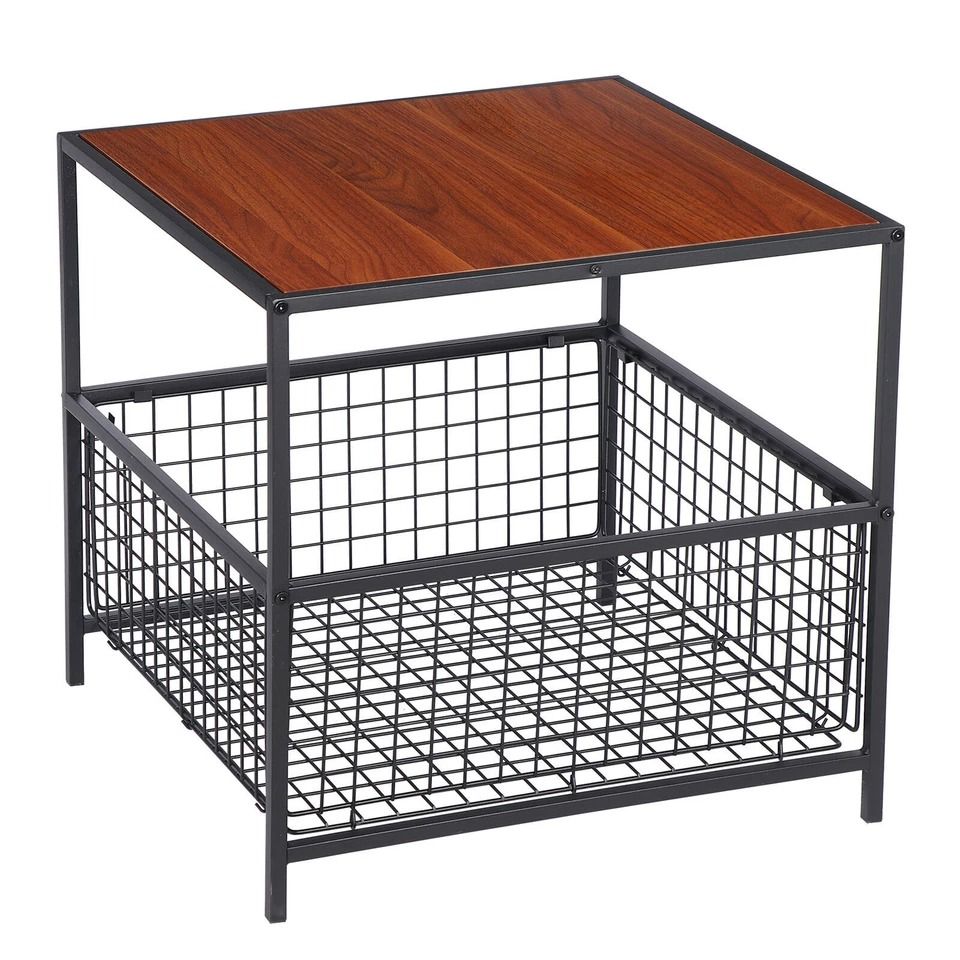 Aisha's pickSquare Metal Coffee Tables Hunted Down So You Don’t Have To
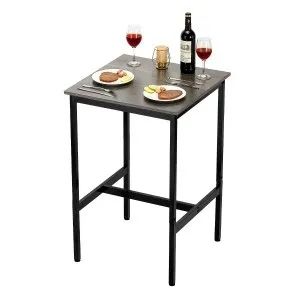
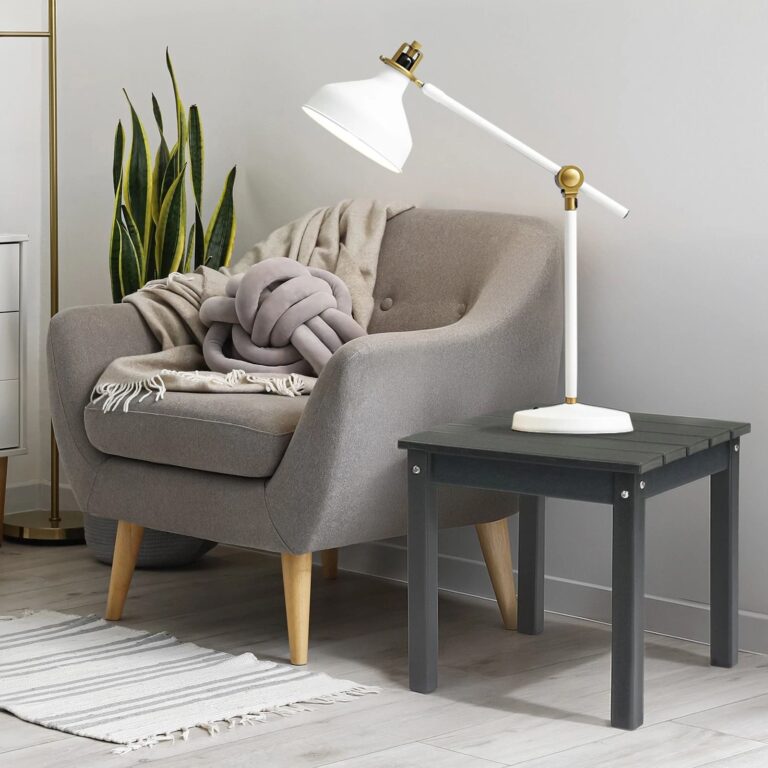 Aisha's pickSquare Accent Tables That Fit Where You Need Them
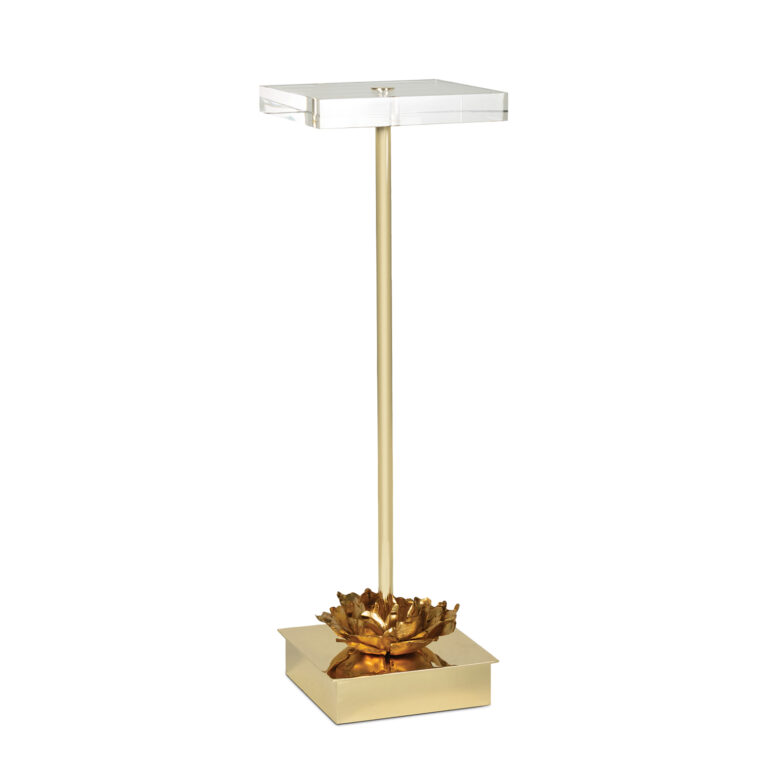
 Aisha's pickSquare Metal Dining Tables at Every Price Point
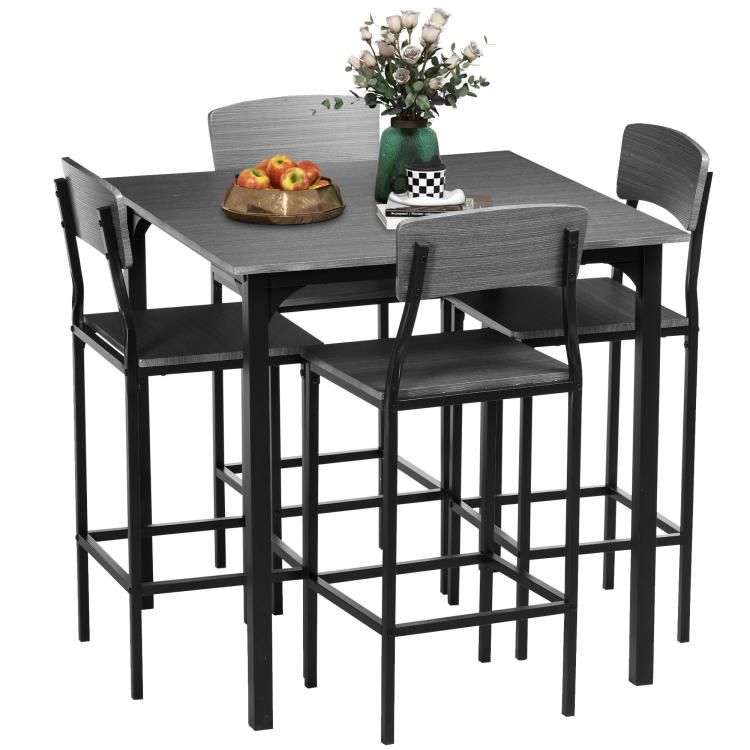
 Aisha's pickSquare Bar Tables That Take a Knock
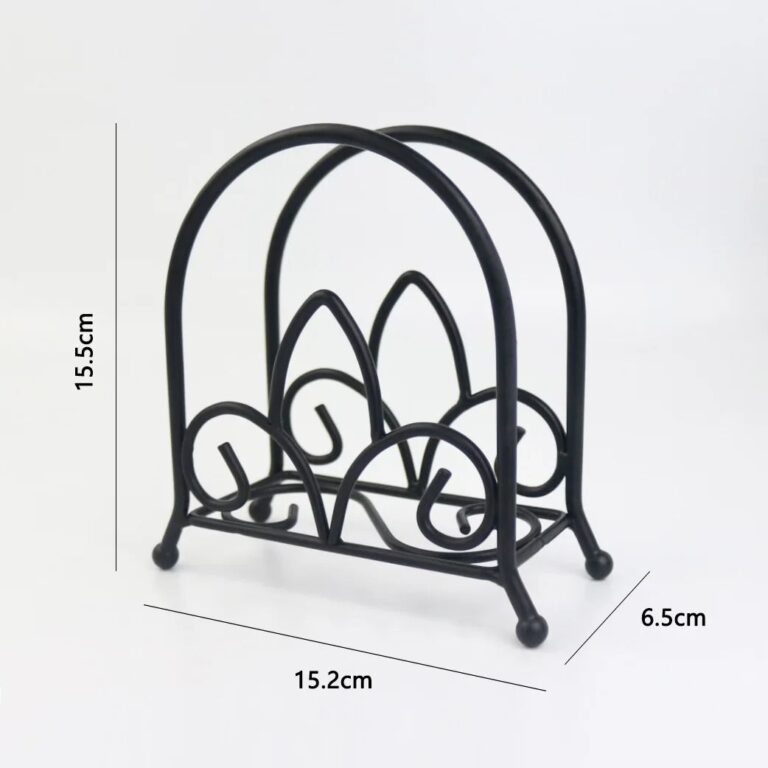
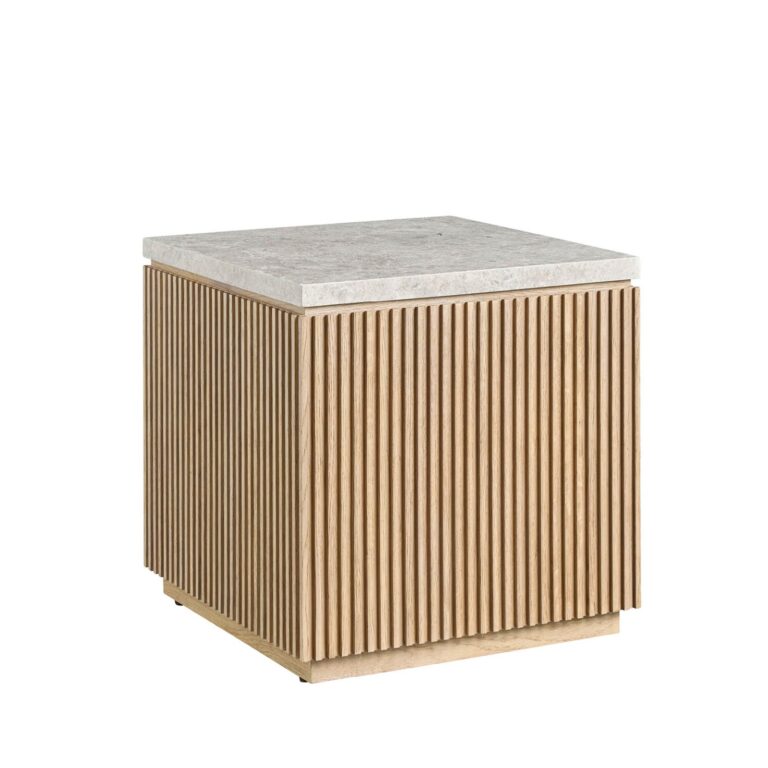 Aisha's pickSquare Side Tables That Fit Where You Need Them
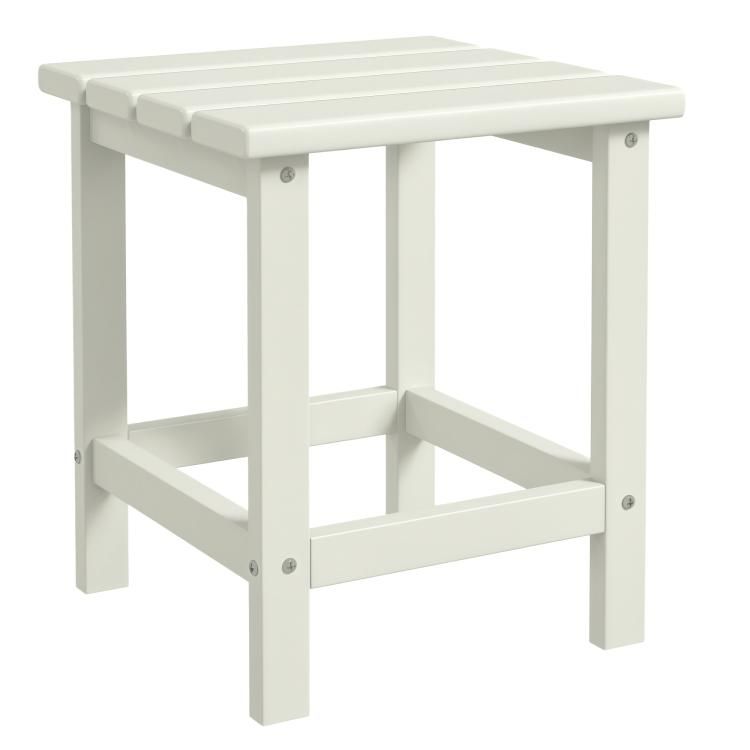
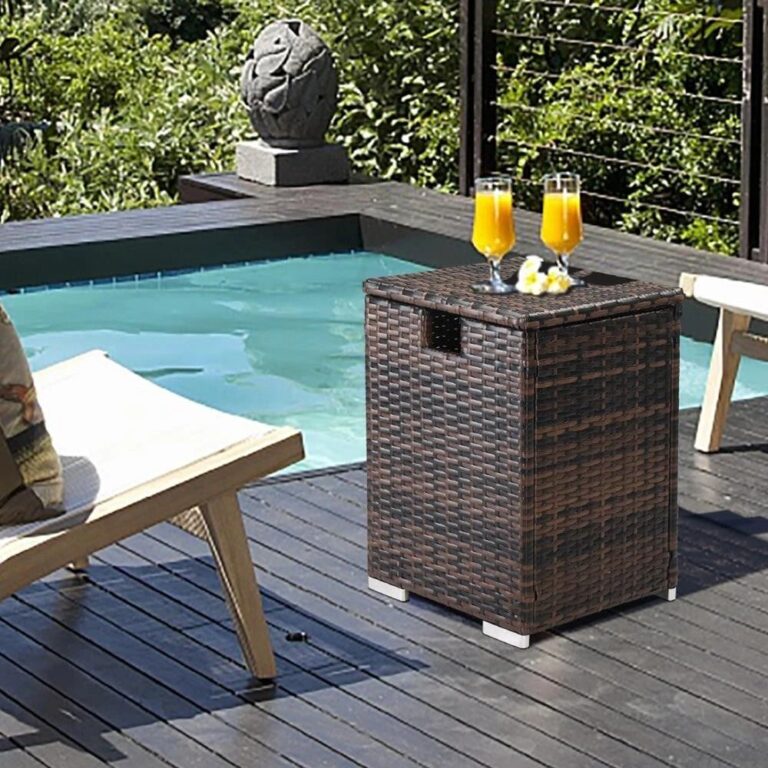 Aisha's pickSquare Coffee Tables for the Living Room
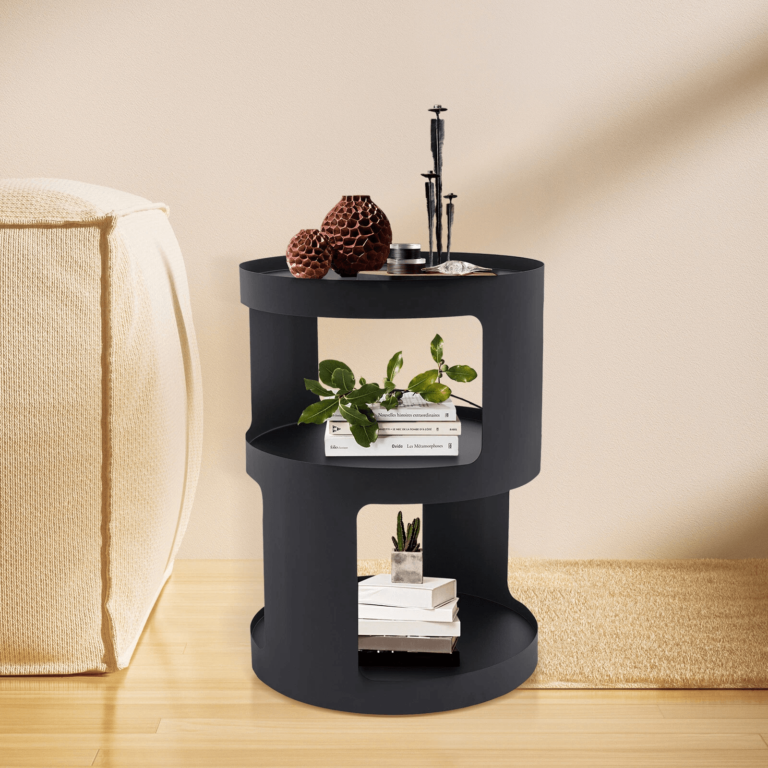
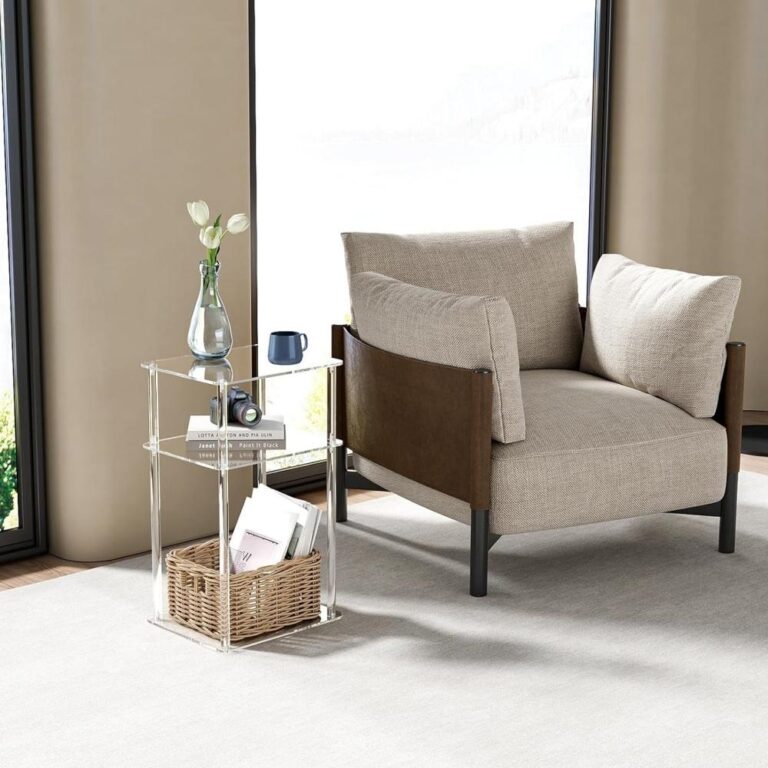 Aisha's pickSquare Sofa Tables at Just the Right Height
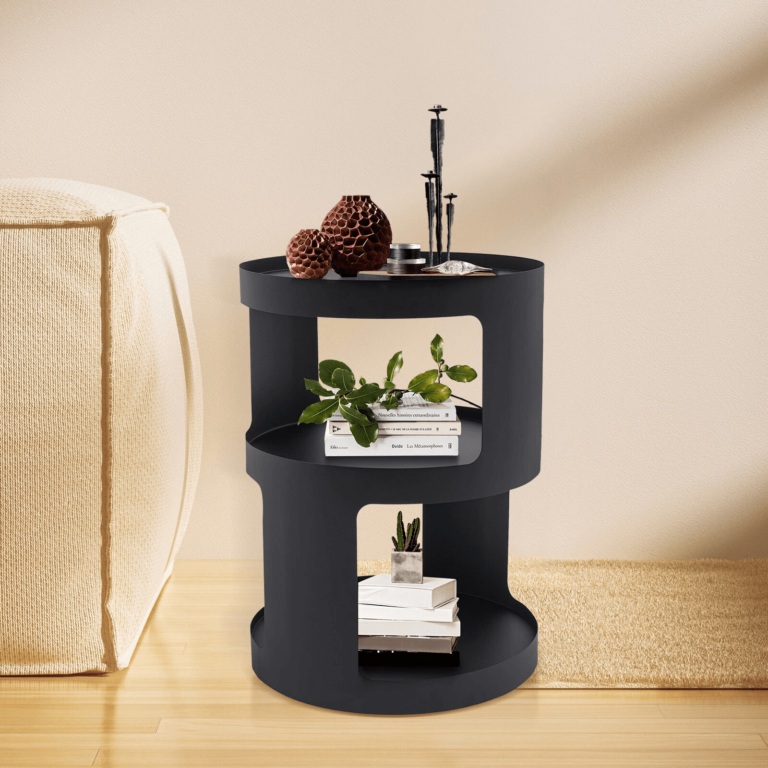
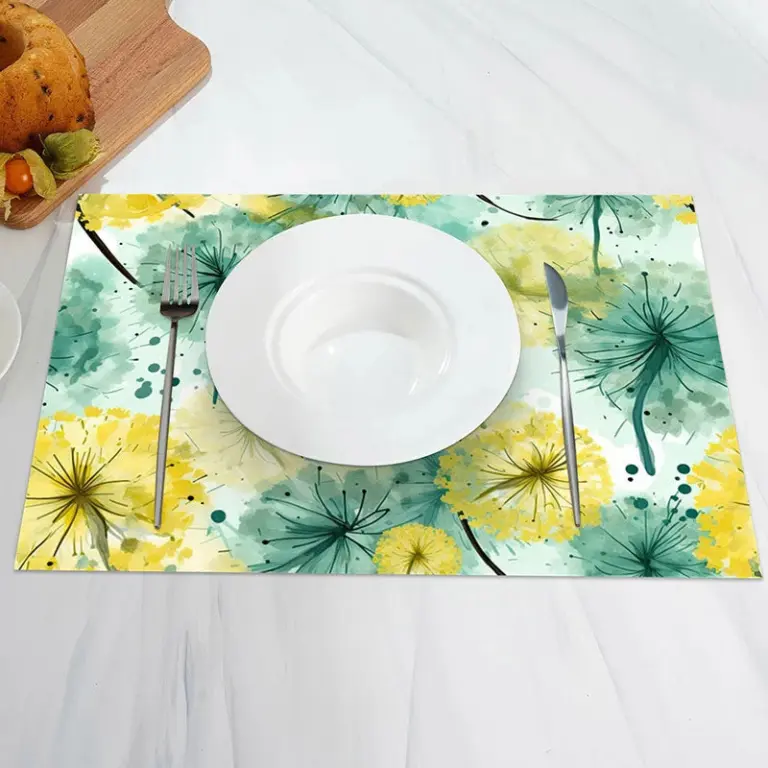 Aisha's pickSquare Coffee Table Sets That Clean Up With a WipeAlso worth a lookEnd TablesThe first one I bought looked perfect in the store and then came home to a sofa it…See the collections →
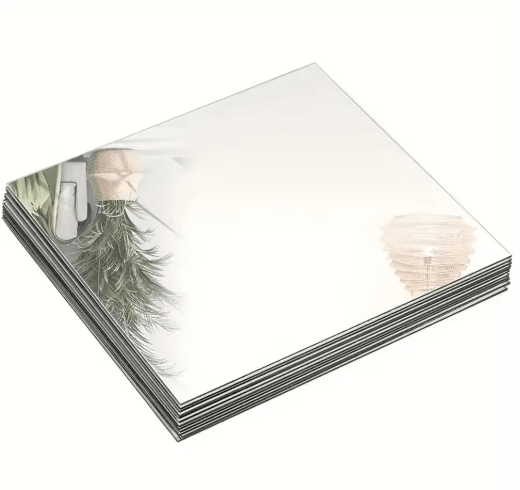
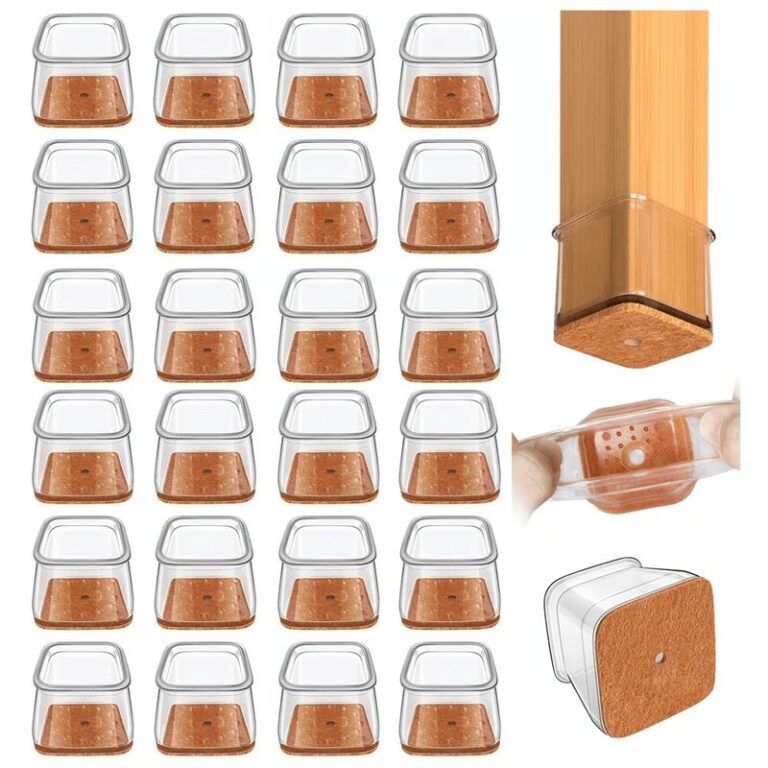 Aisha's pickSquare Table and Chair Sets We’d Happily Nap On
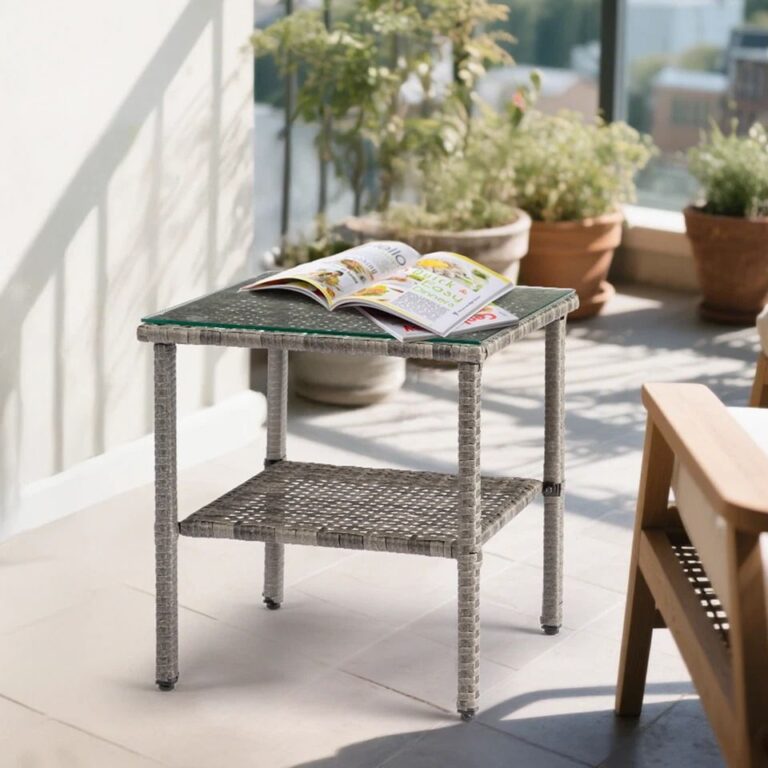
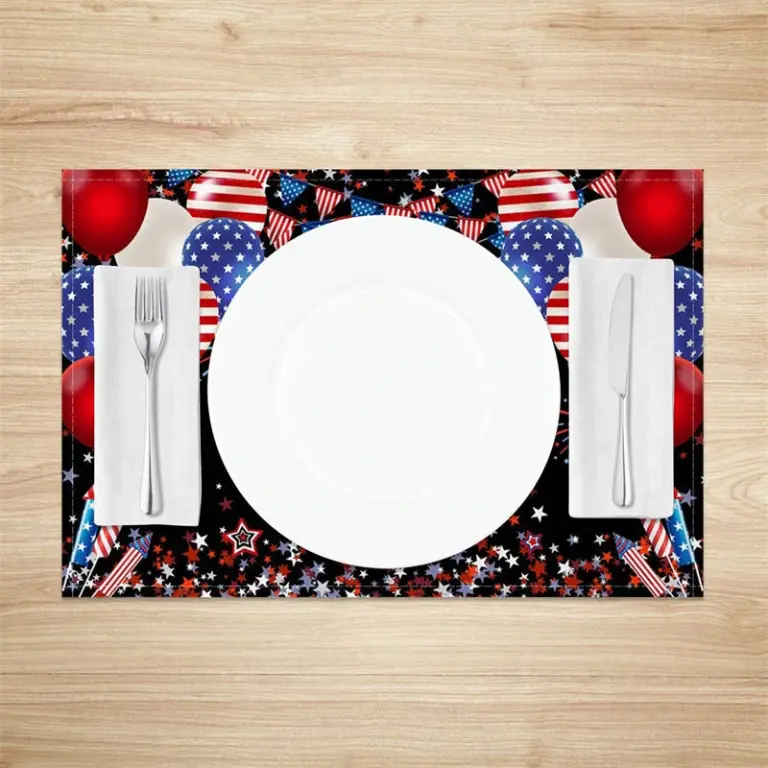 Aisha's pickSquare Dining Room Sets That Look Good Up Close

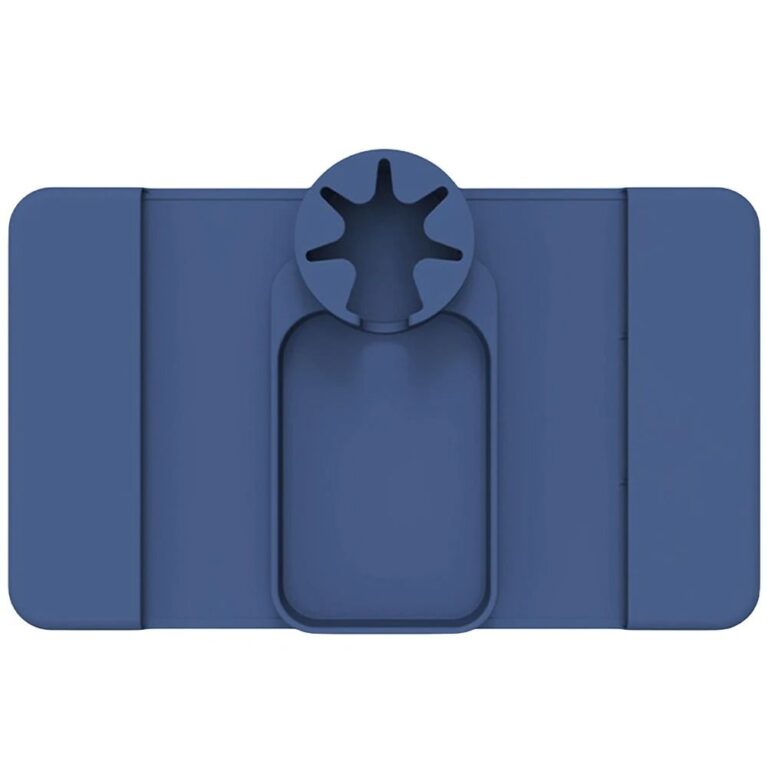 Aisha's pickSquare Tray Tables That Hide the Odd Scratch
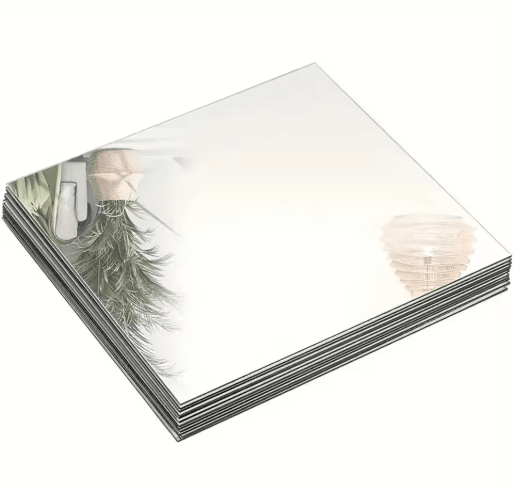
 Aisha's pickSquare Dining Room Tables That Hide the Odd Scratch
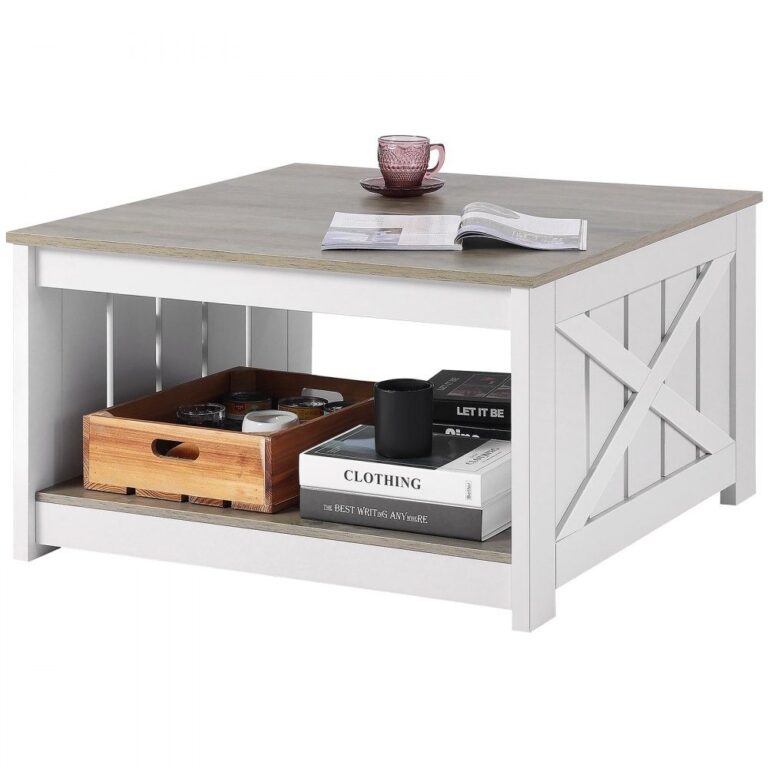 Aisha's pickWhite Square Coffee Tables for Movie Nights and Slow Sundays
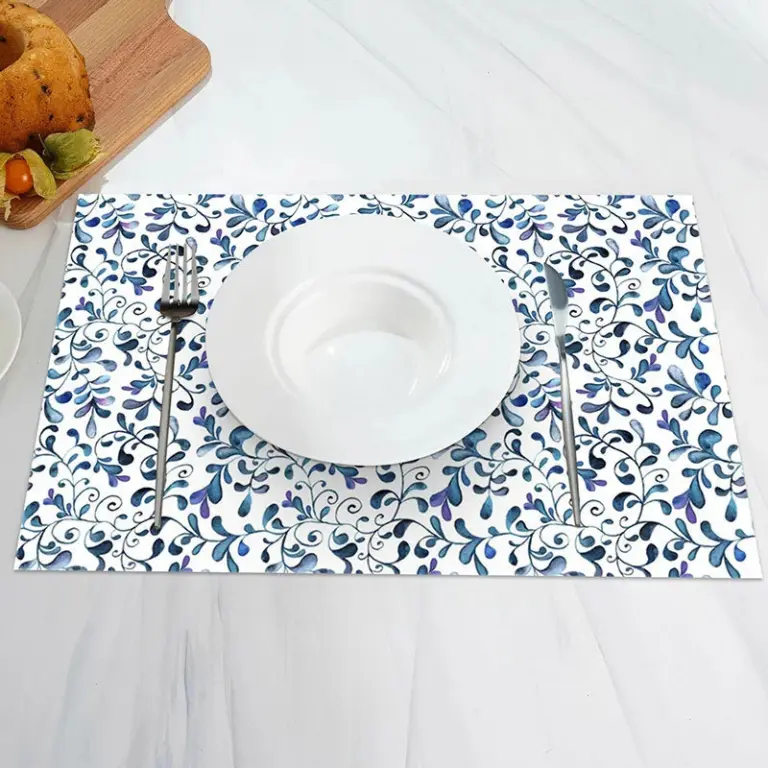 Aisha's pickSquare Dining Sets Big Enough for Sunday Dinner