You can tell a good solid wood table from the doorway by the way light sits on it in the late afternoon, catching the grain instead of bouncing flat off a laminate top. A poor one, usually a veneer pretending otherwise, looks fine in photos and dead in person, no depth to it, like looking at a picture of wood instead of the thing itself. The real stuff has a kind of warmth even when it's plain.
It's not the right choice everywhere, though. If you move apartments every year or two, a solid wood dining table is a genuine commitment, heavy, awkward on stairs, and not something you want to be hauling down three flights every August. It's also the wrong pick if you want a table that stays pristine, because it won't. It dents, it scratches, it takes on the personality of whatever happens at it, and if that sounds romantic, know that it also means actual marks from actual keys and actual hot pans if you're careless. It clashes less with styles than with other wood tones in the same sightline, a honey oak table under a cherry sideboard will fight every time, so match the undertone of what's already in the room before you commit. Keep it away from direct radiator heat and away from a sliding glass door that bakes one end of it all summer, because wood moves with humidity and uneven heat will warp or crack it faster than almost anything else you own.
Over the years it ages in your favor, which is the whole case for it. The scratches dull into character, the color deepens a shade or two with light exposure, and a light sand and reoil every couple of years brings it back further than you'd expect for the effort involved. Use coasters when you remember, wipe spills before they sit, and resist the urge to cover it in a tablecloth all the time, since the wood wants a bit of air and light to keep its color even. A beeswax or oil finish is more forgiving long term than a hard lacquer, because you can touch it up in patches rather than refinishing the whole surface when one corner gets rough. In an ordinary room it sits easiest with linen or cotton, not too matched, mismatched dining chairs, a rug with some age or softness to it, and a lamp nearby rather than only overhead light, since solid wood looks its best in warm, low, slightly uneven light rather than anything too bright or too even.
 Aisha's pickRound Solid Wood Dining Sets You’ll Still Like in Five Years
 Aisha's pickSolid Wood Kitchen Tables That Survive Hot Mugs and Spills
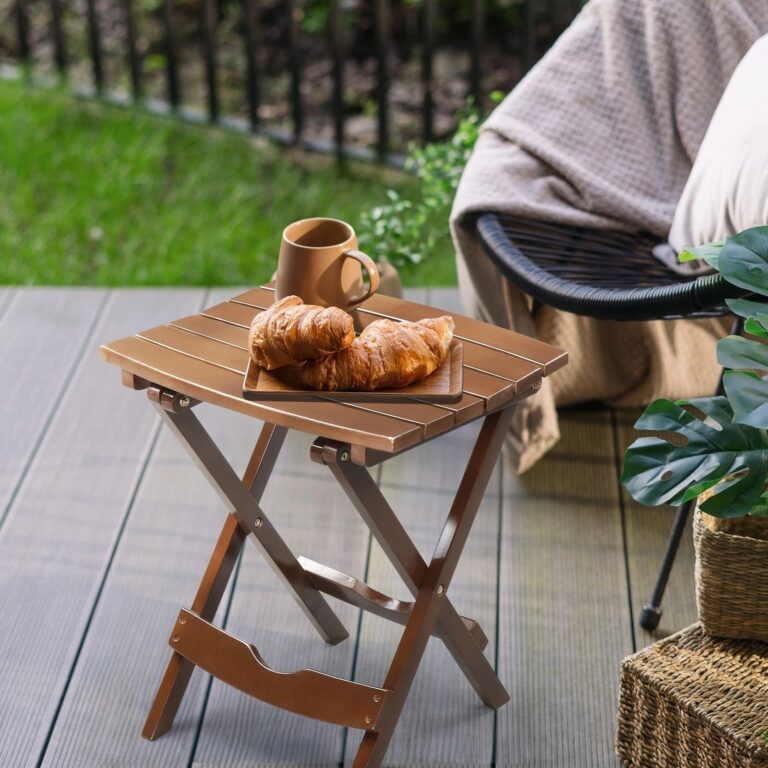 Aisha's pickRound Solid Wood Side Tables That Clean Up With a Wipe
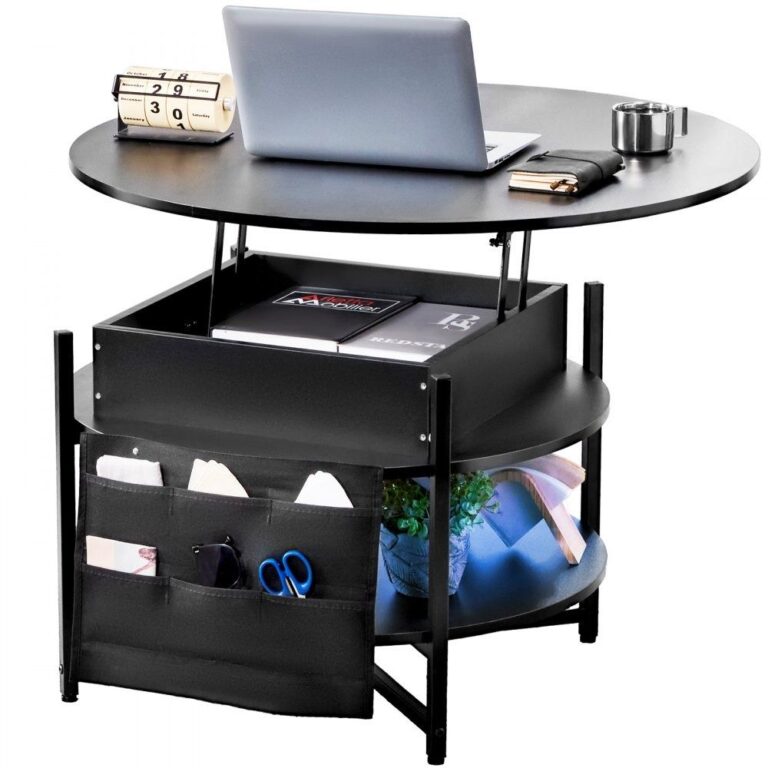
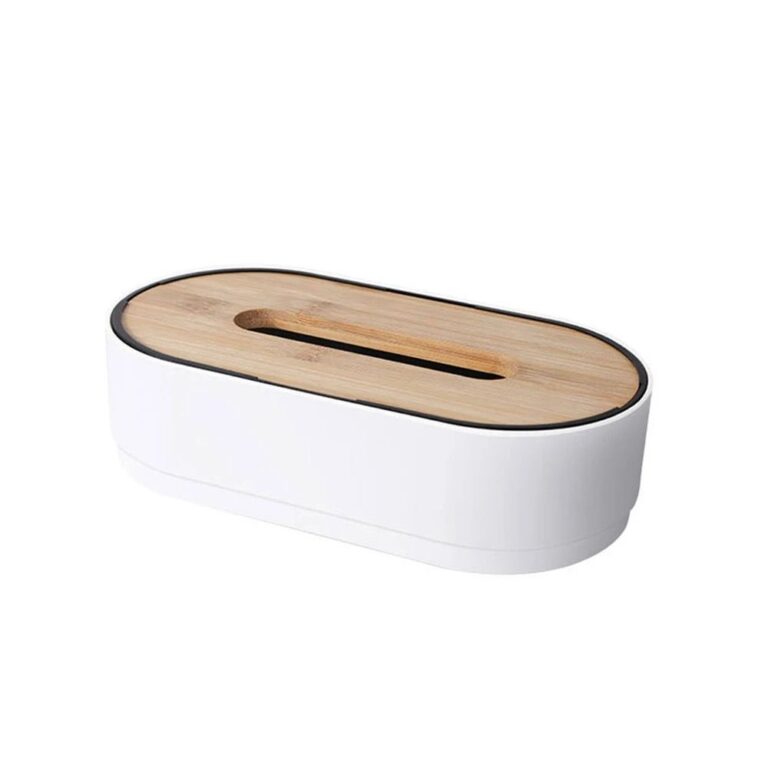 Aisha's pickSimple Solid Wood Living Room Tables Done Well
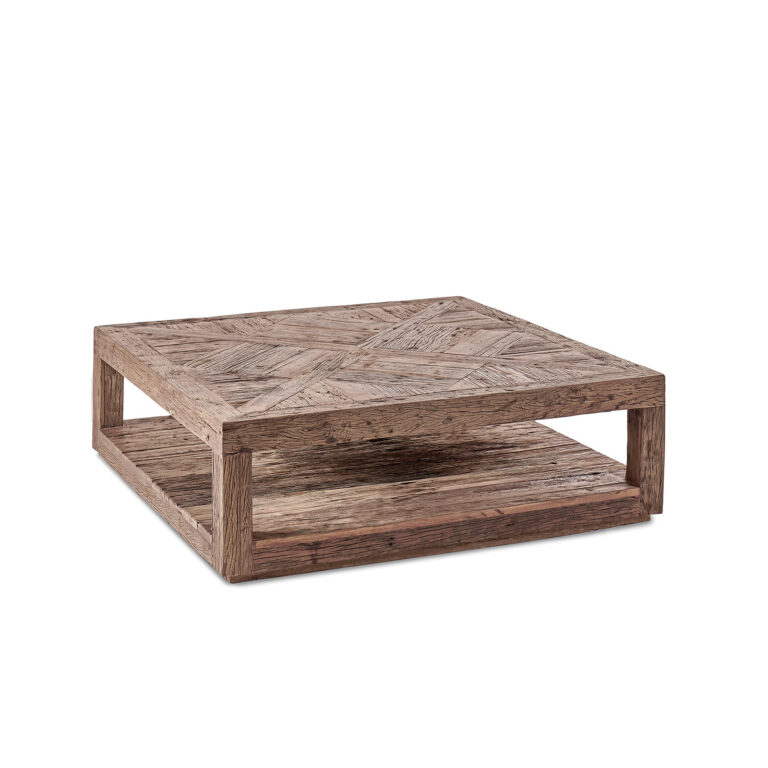
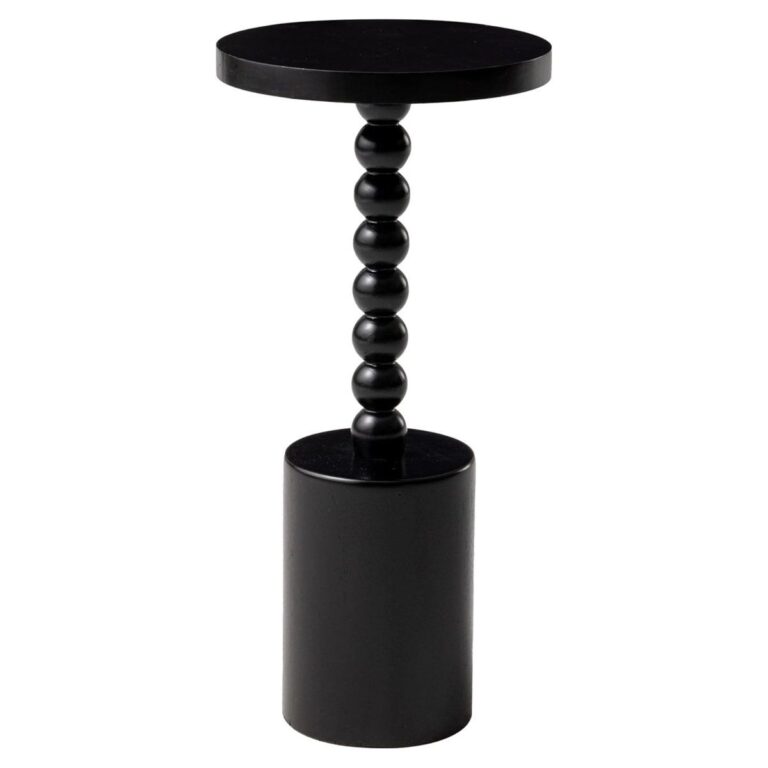 Aisha's pickRound Solid Wood Table and Chair Sets That Don’t Sag After a Year
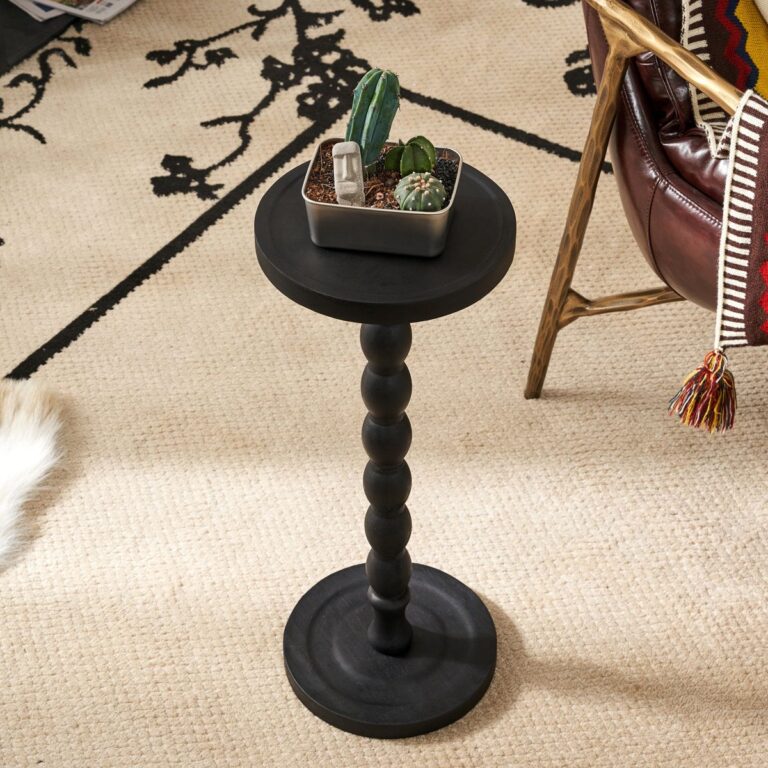
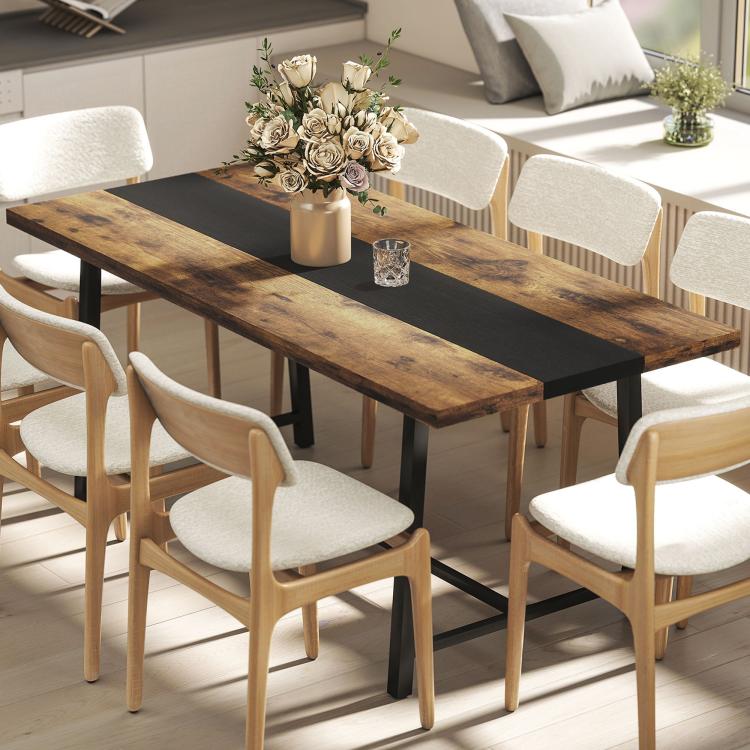 Aisha's pickSolid Wood Make Up Tables With Room for Everything You Put Down
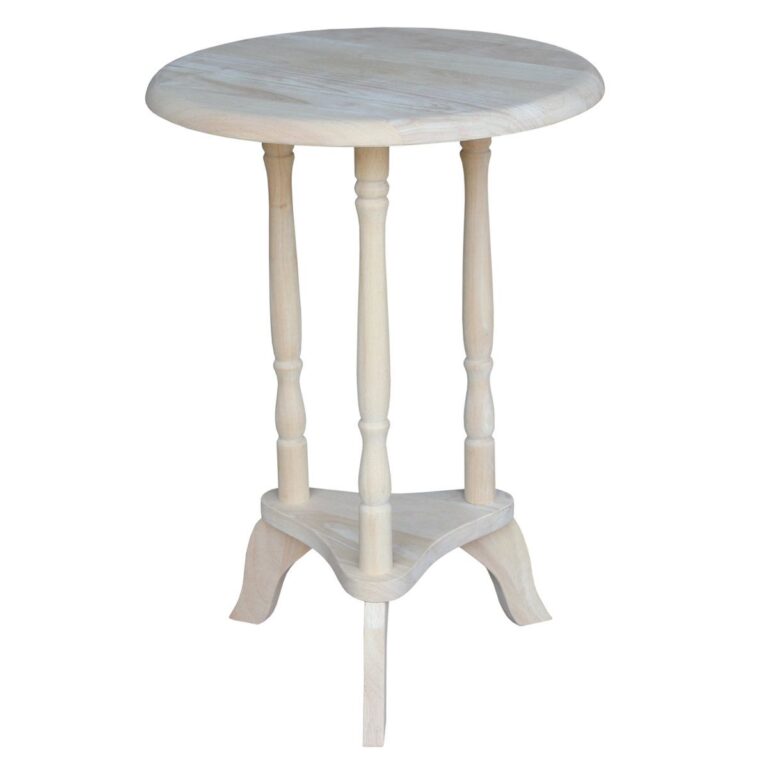
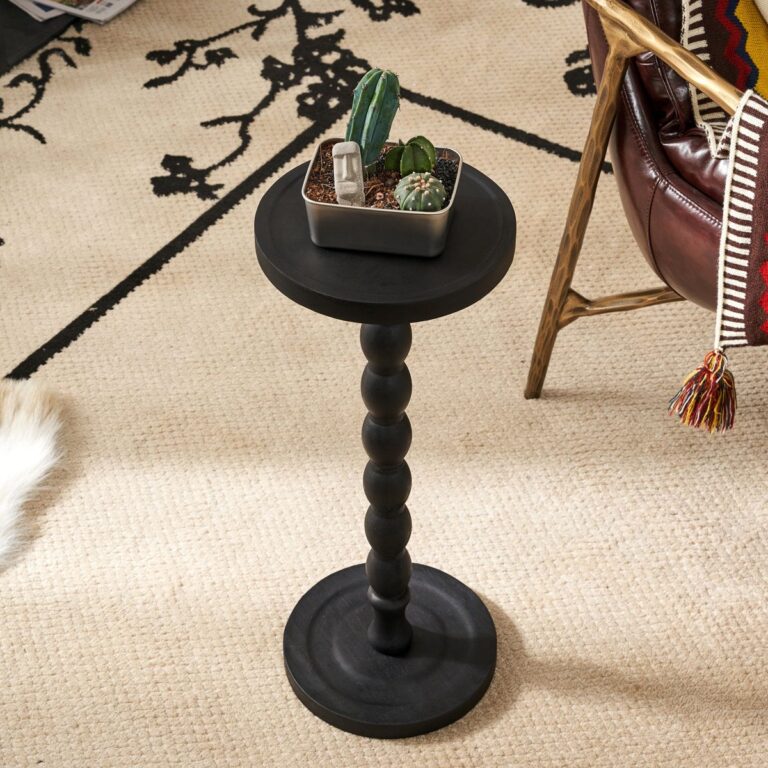 Aisha's pickSmall Solid Wood Coffee Tables for the Living Room
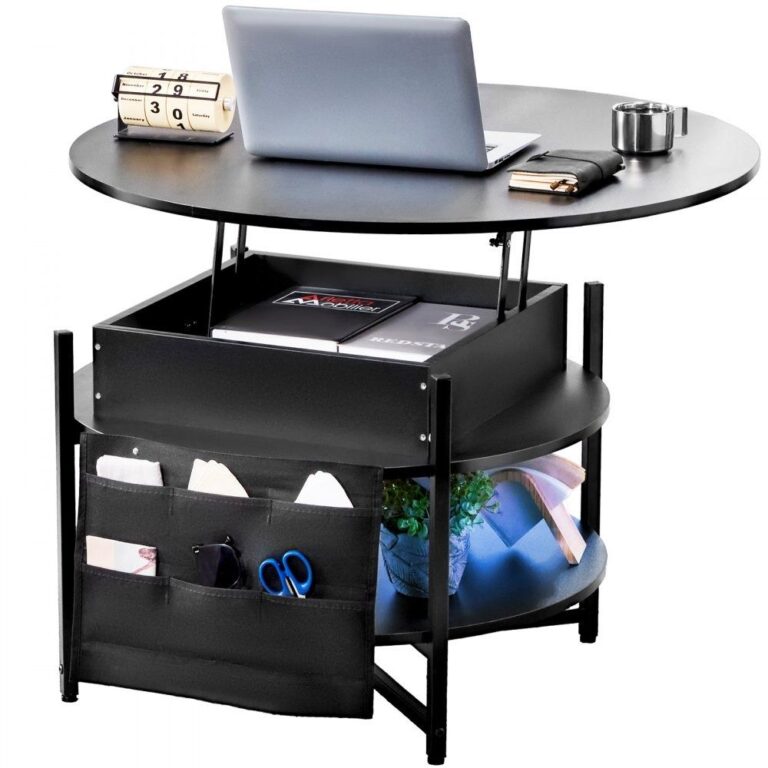
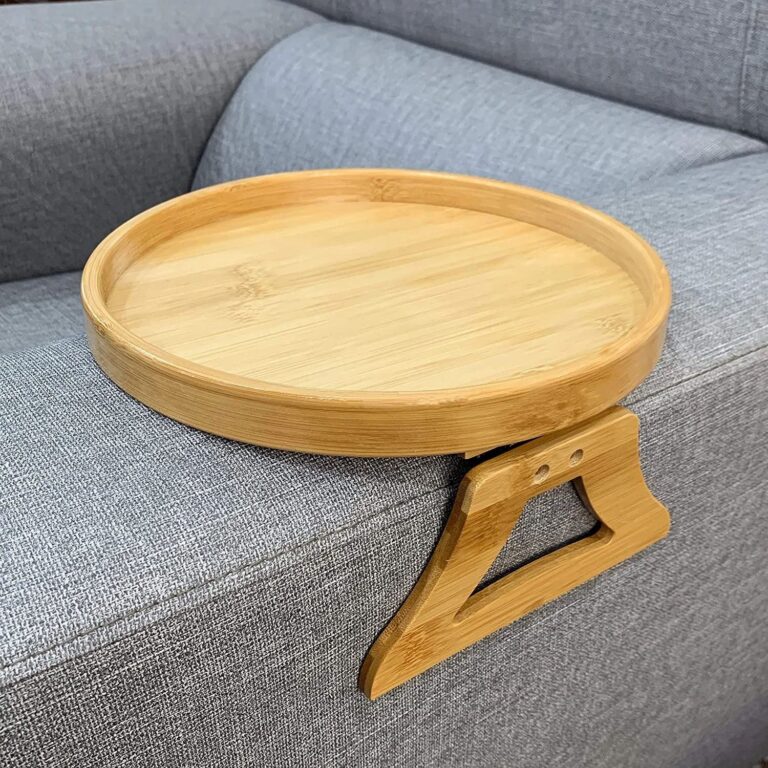 Aisha's pickSolid Wood Side Tables From Brands You Know and a Few You Won’t
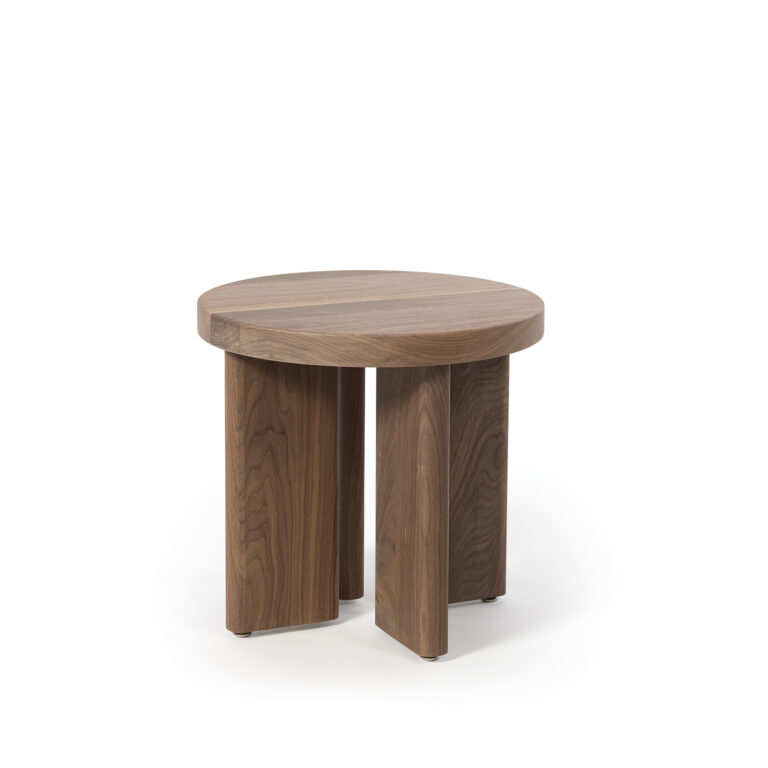
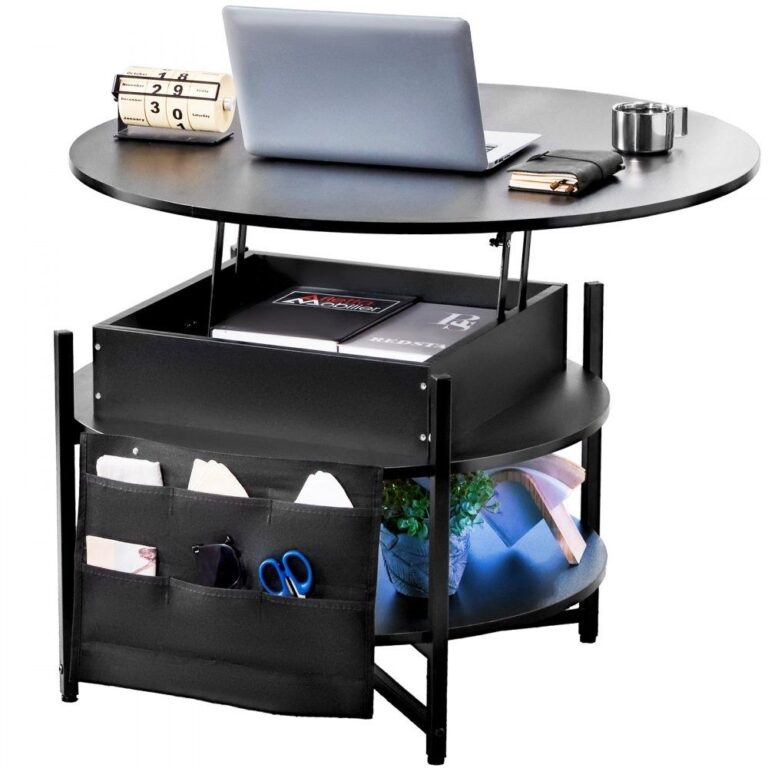 Aisha's pickSmall Solid Wood Dining Tables for Long Dinners With FriendsAlso worth a lookVintage TablesThere's a particular kind of late fall afternoon, light going gold and low through the windows, when an…See the collections →
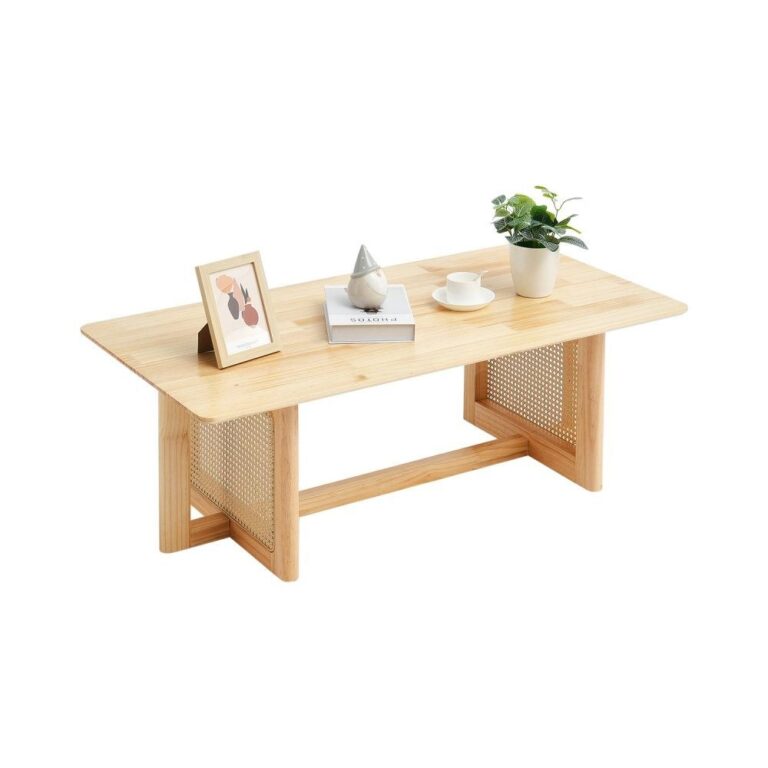
 Aisha's pickSolid Wood Side Tables with Drawer That Don’t Wobble
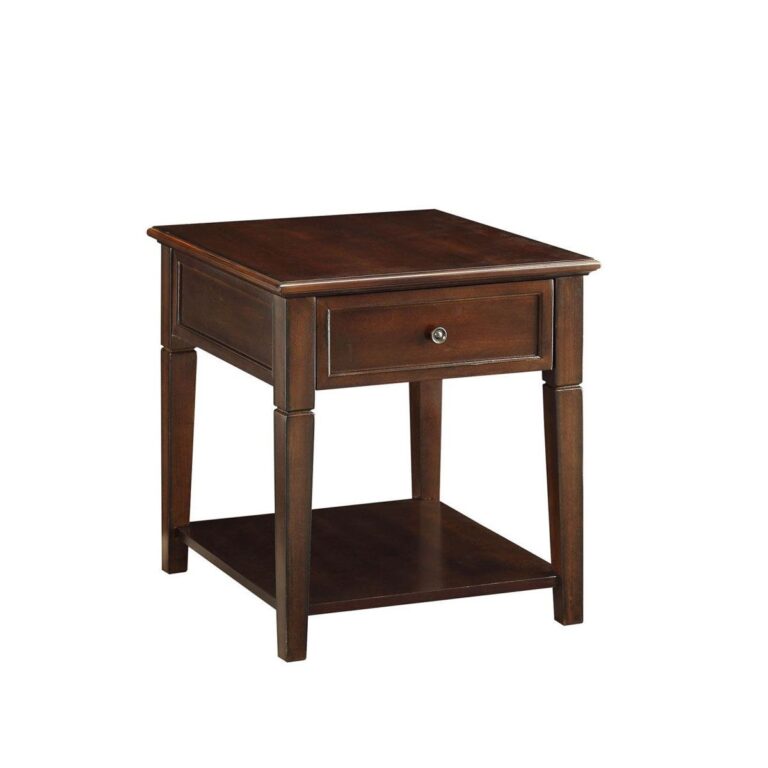
 Aisha's pickSolid Wood Nightstands That Don’t Wobble
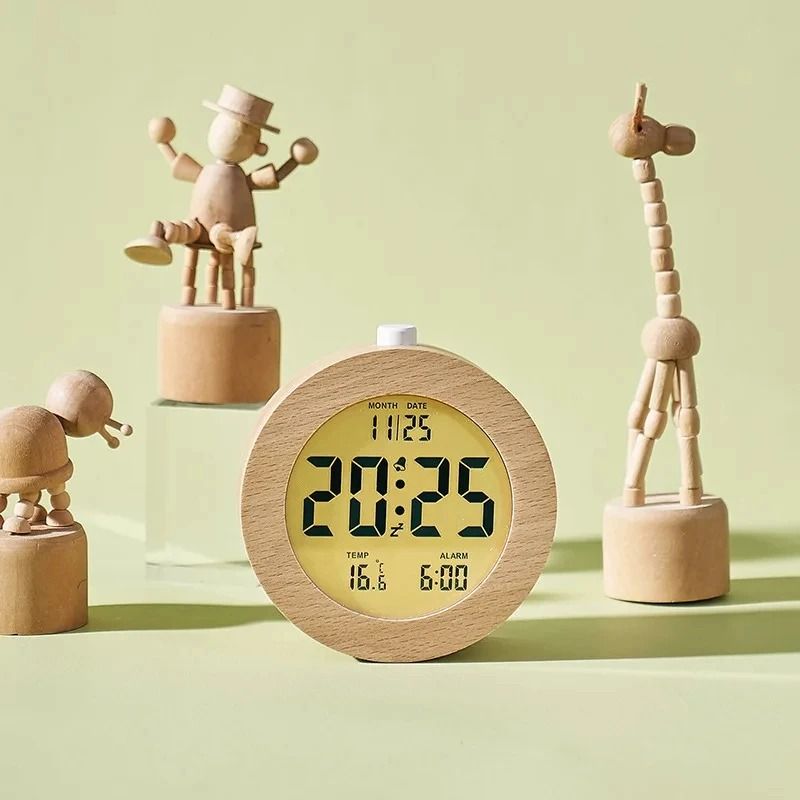
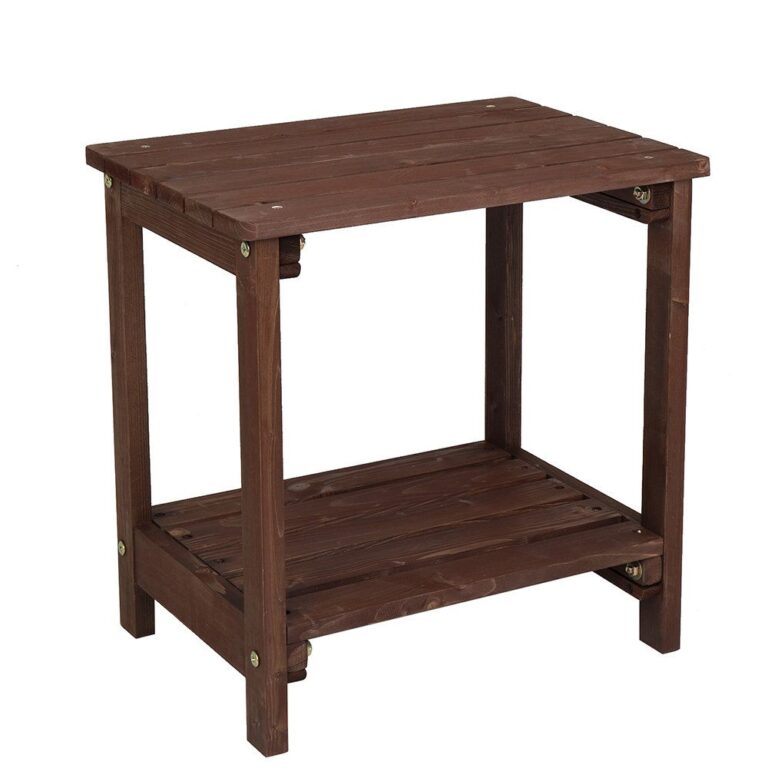 Aisha's pickSolid Wood Side Tables with Storage Without the Silly Price Tag
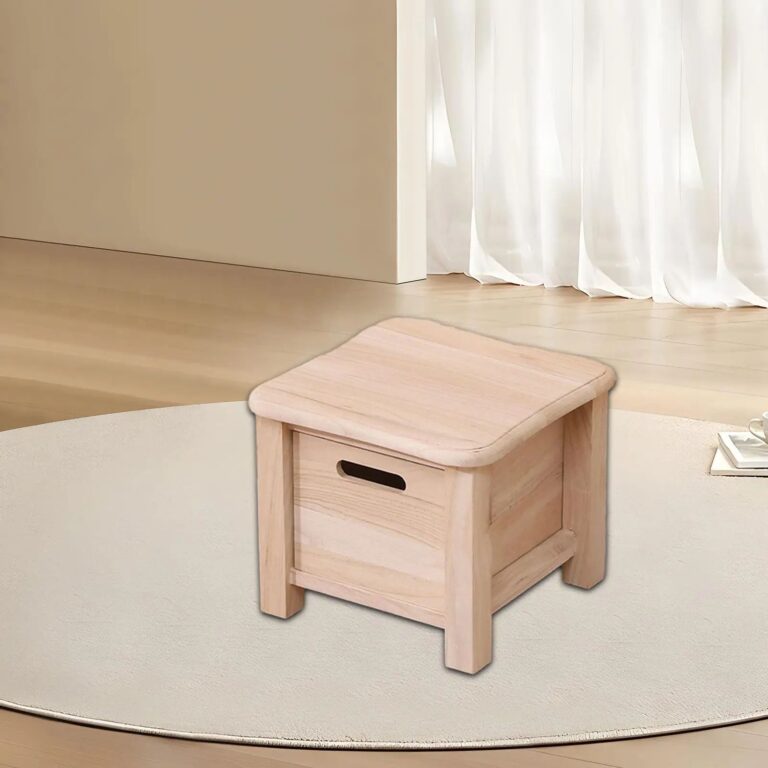 Aisha's pickSolid Wood Nightstands with Drawer That Anchor a Room
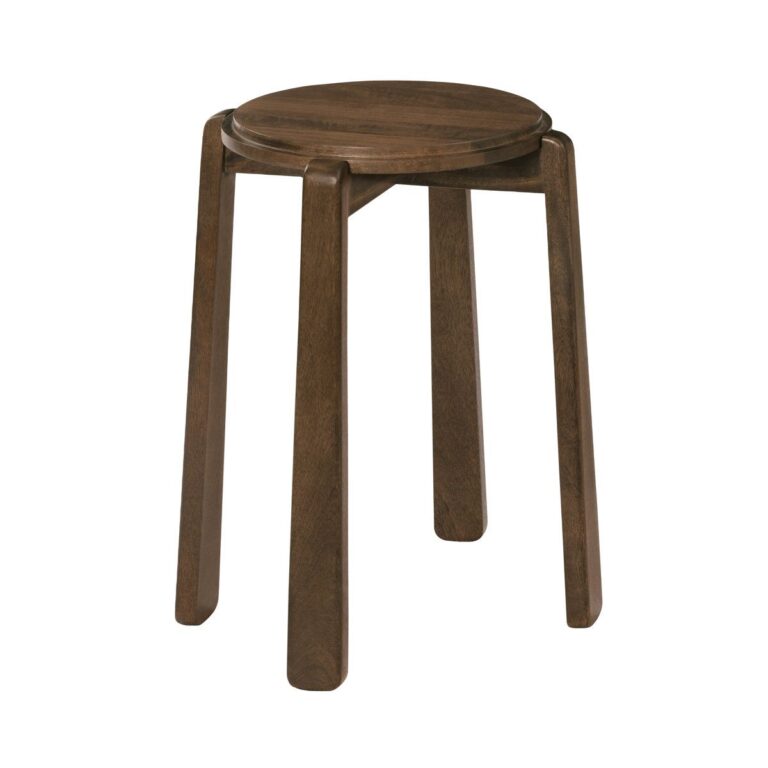 Aisha's pickSolid Wood Sofa Tables Picked From the Stores We Trust
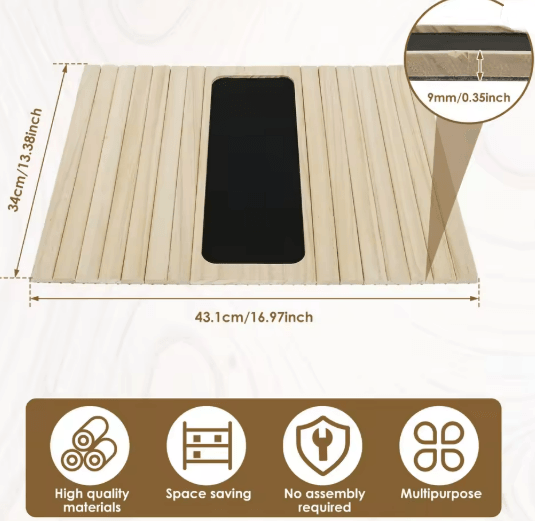
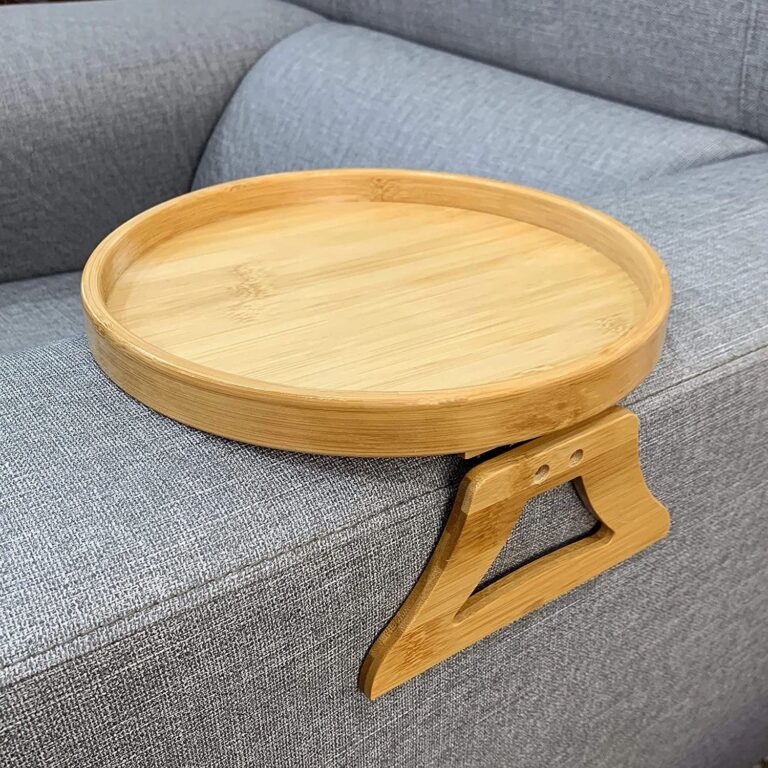 Aisha's pickSolid Wood Coffee Tables for Movie Nights and Slow Sundays
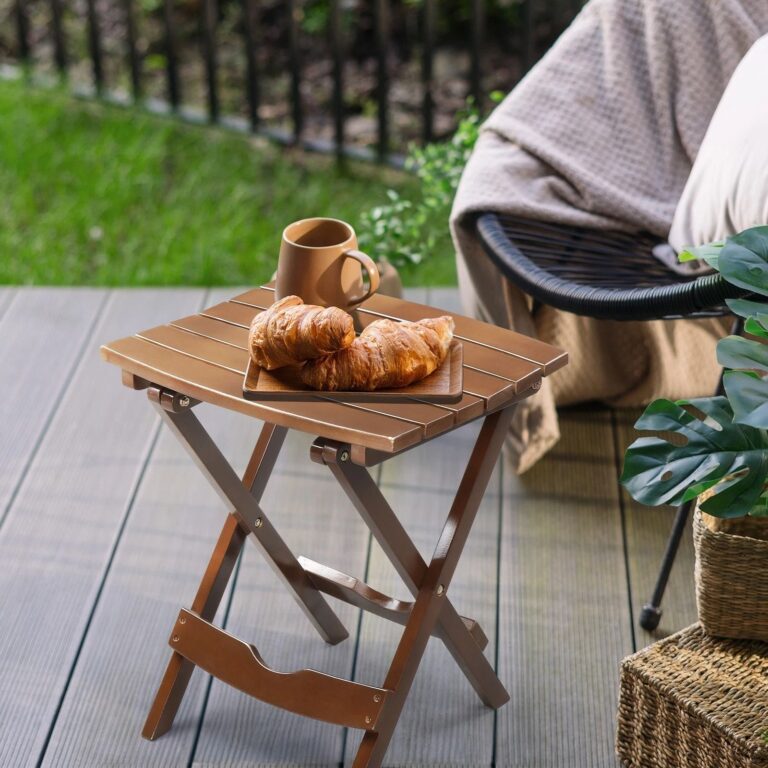
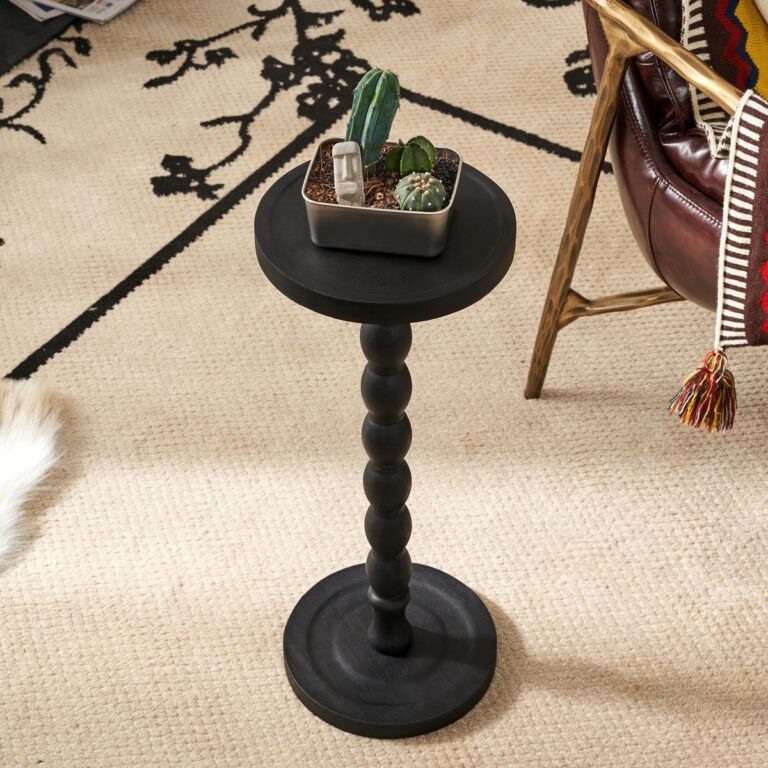 Aisha's pickSolid Wood Table and Chair Sets You’ll Sink Into at the End of the Day
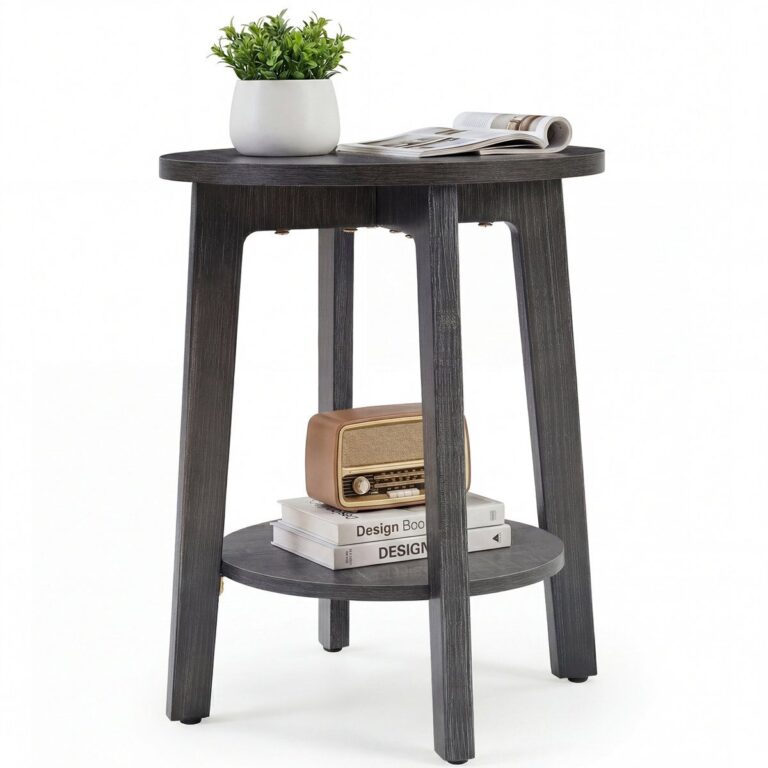
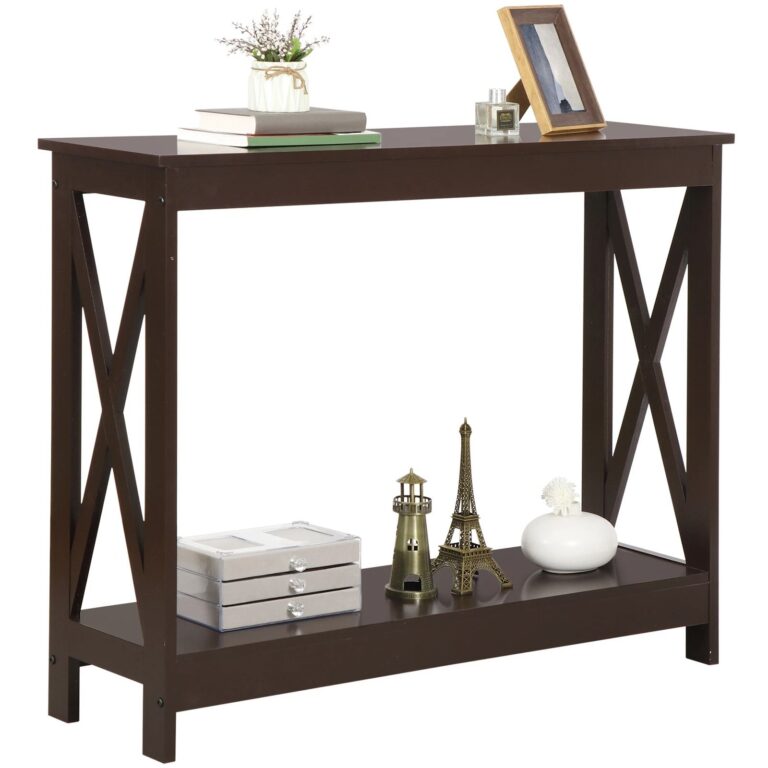 Aisha's pickSolid Wood Console Tables Hunted Down So You Don’t Have To
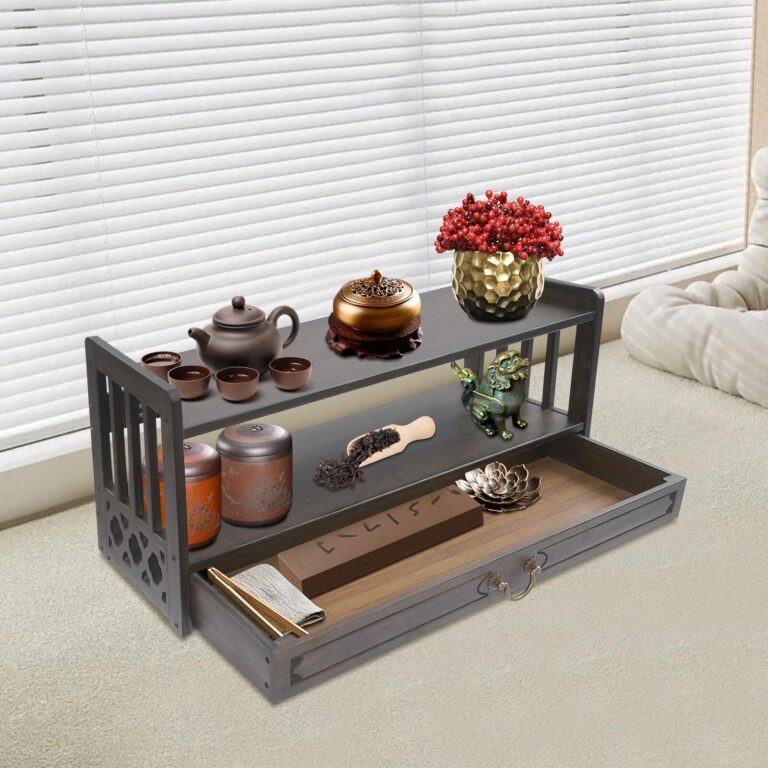
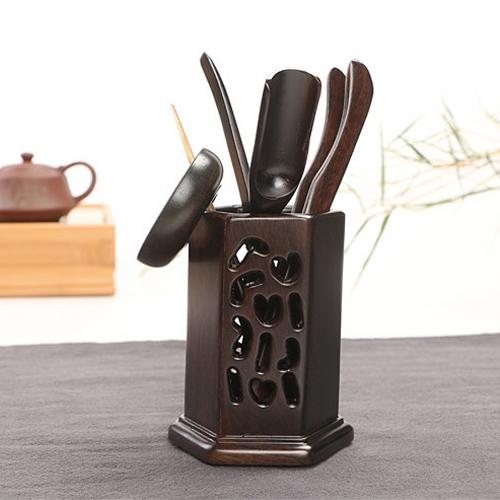 Aisha's pickSolid Wood Tea Tables That Make a Room Feel FinishedAlso worth a lookEnd TablesThe first one I bought looked perfect in the store and then came home to a sofa it…See the collections →
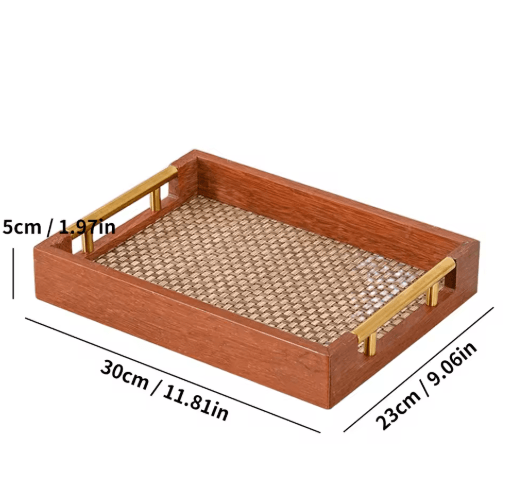
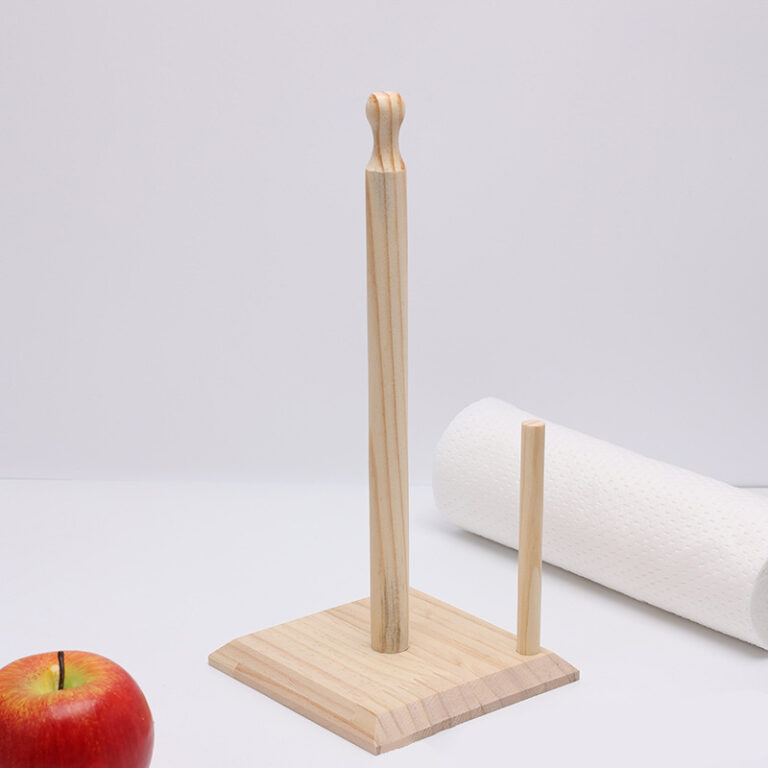 Aisha's pickContemporary Solid Wood Dining Tables We’d Buy Again
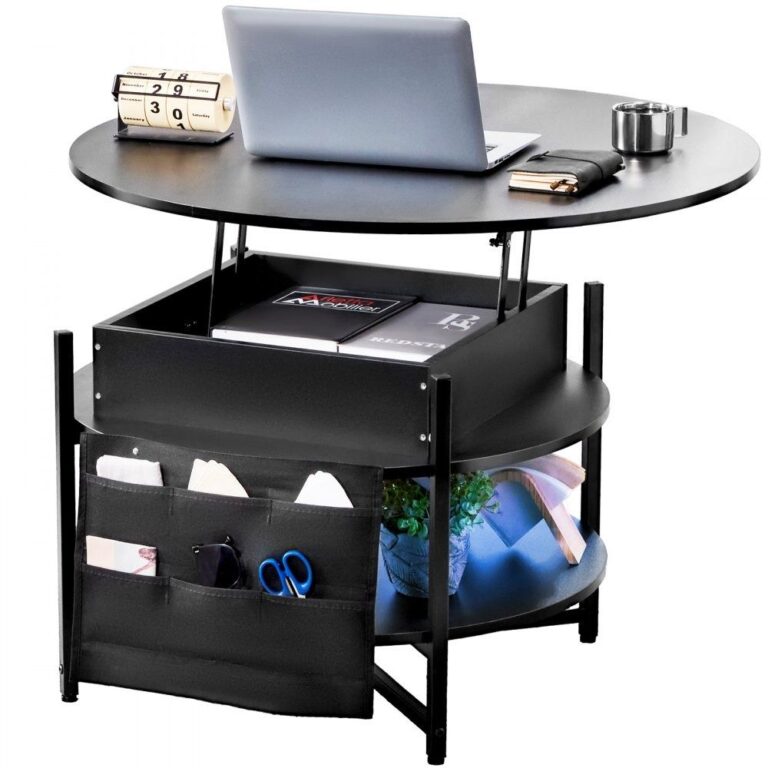
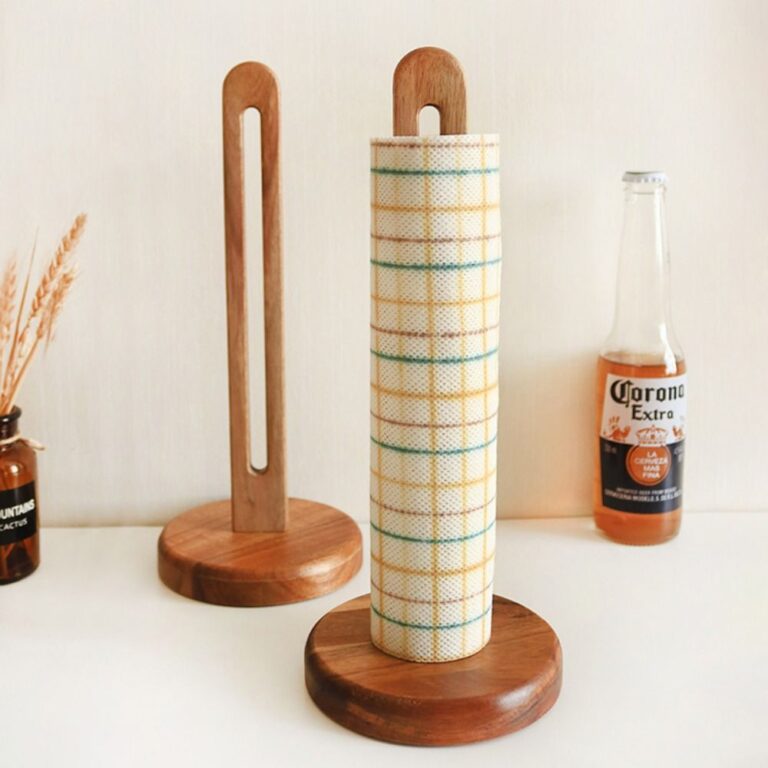 Aisha's pickSolid Wood Dining Room Tables That Get the Family Around the Table
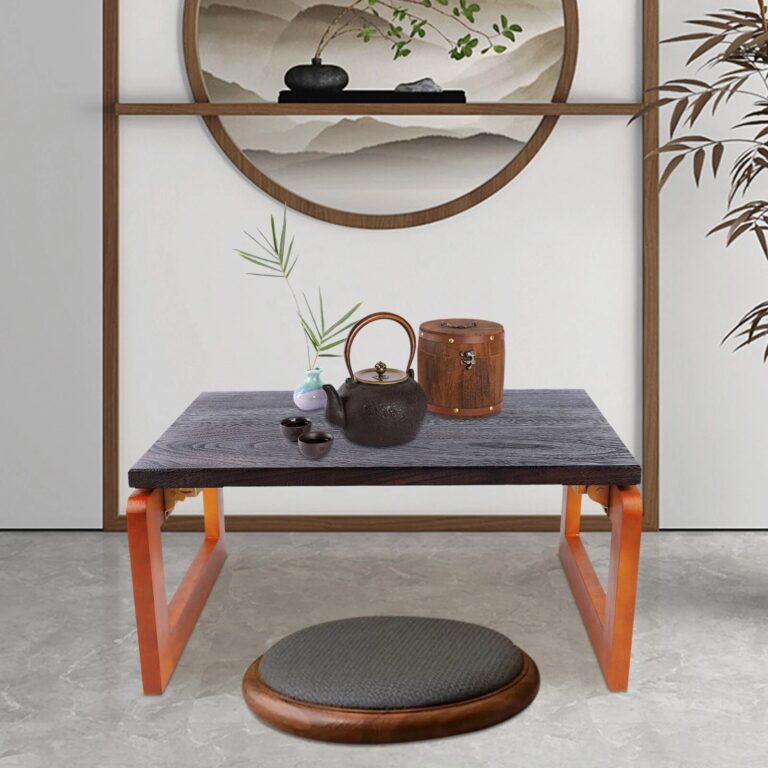
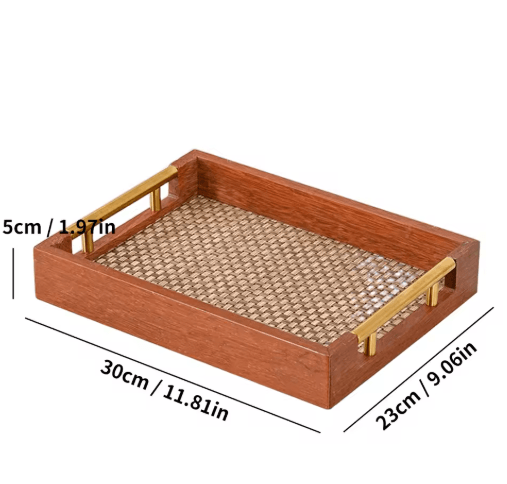 Aisha's pickSolid Wood Tray Tables for People Who Know What They Like
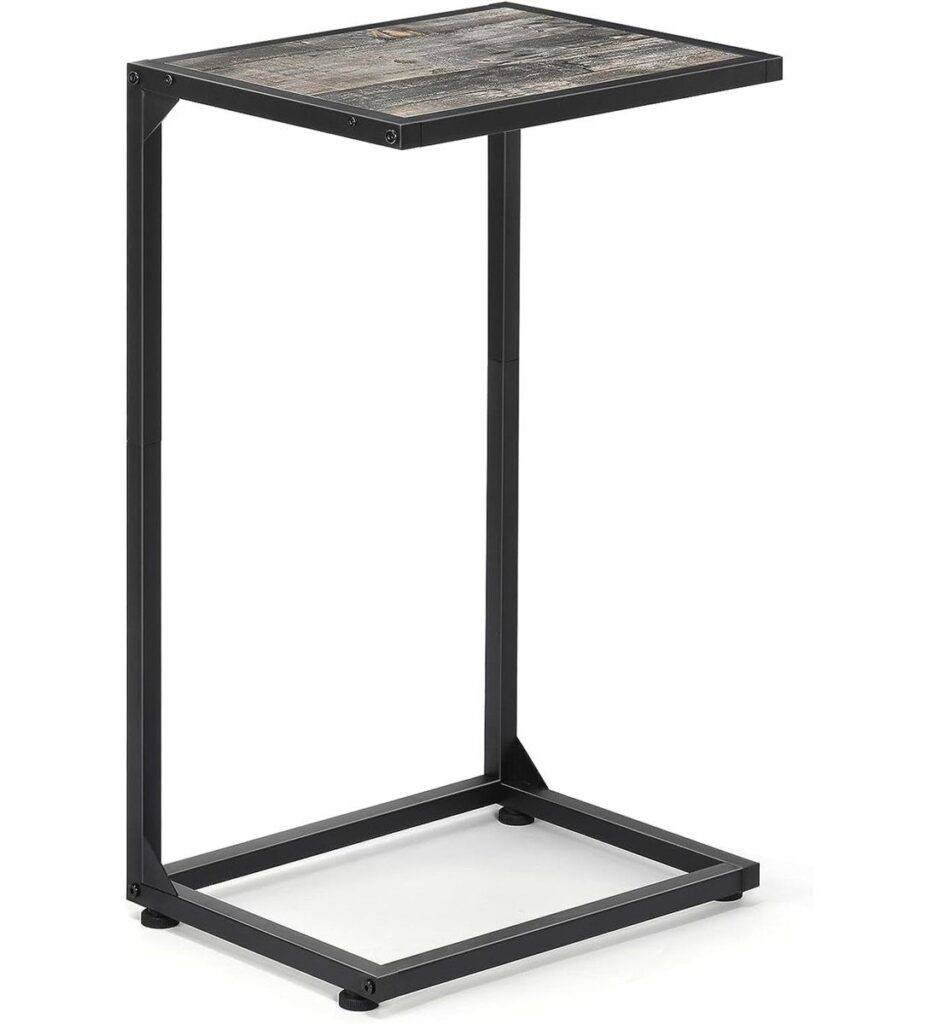
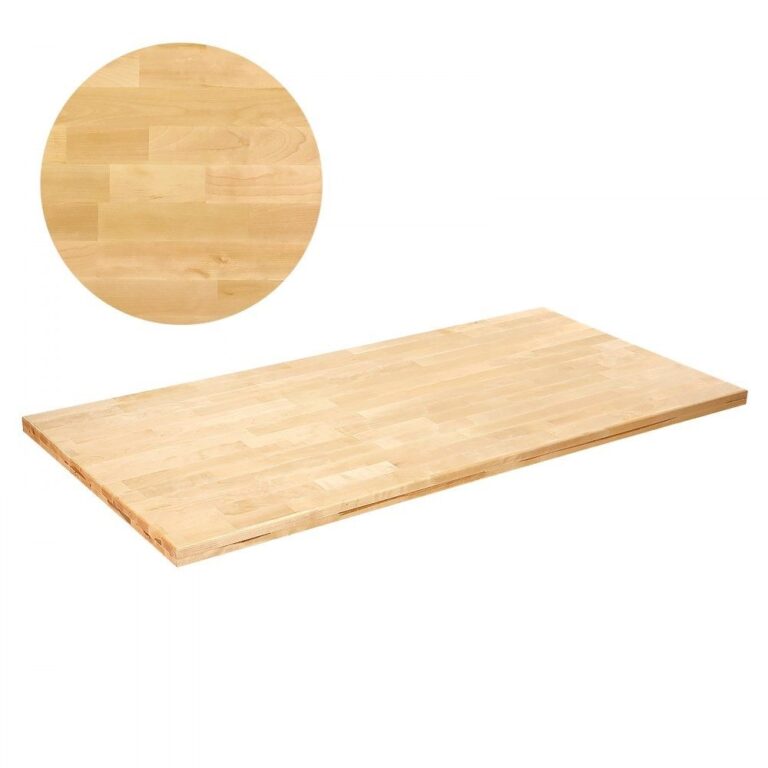 Aisha's pickLarge Solid Wood Dining Tables That Clean Up With a Wipe
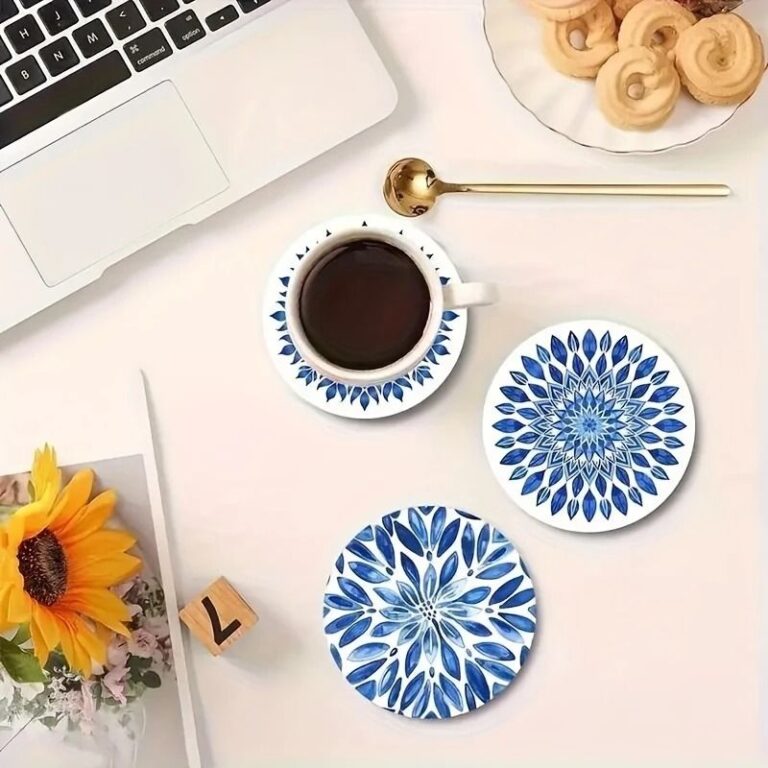 Aisha's pickSolid Wood Dining Sets That Fit Where You Need Them
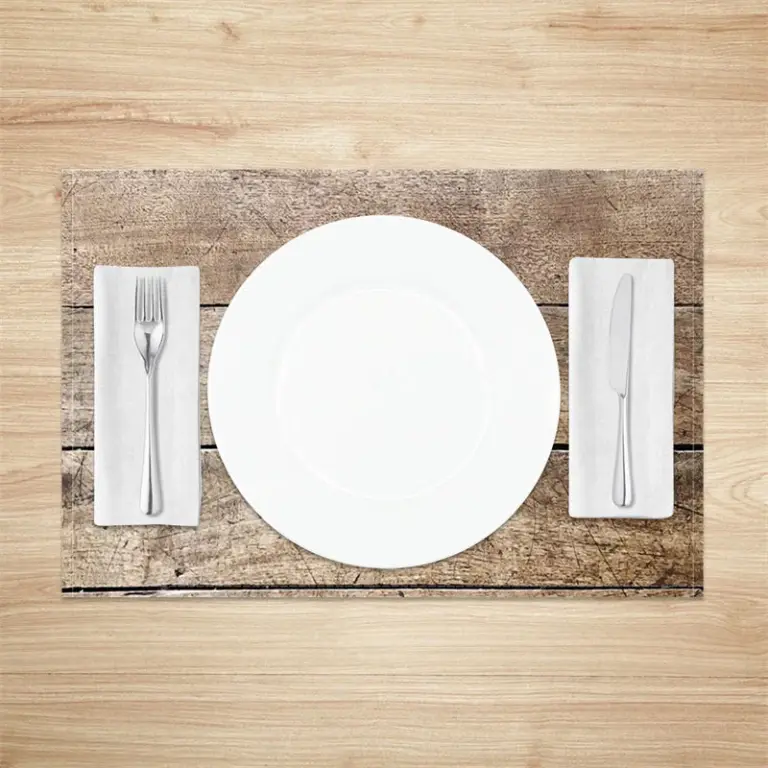
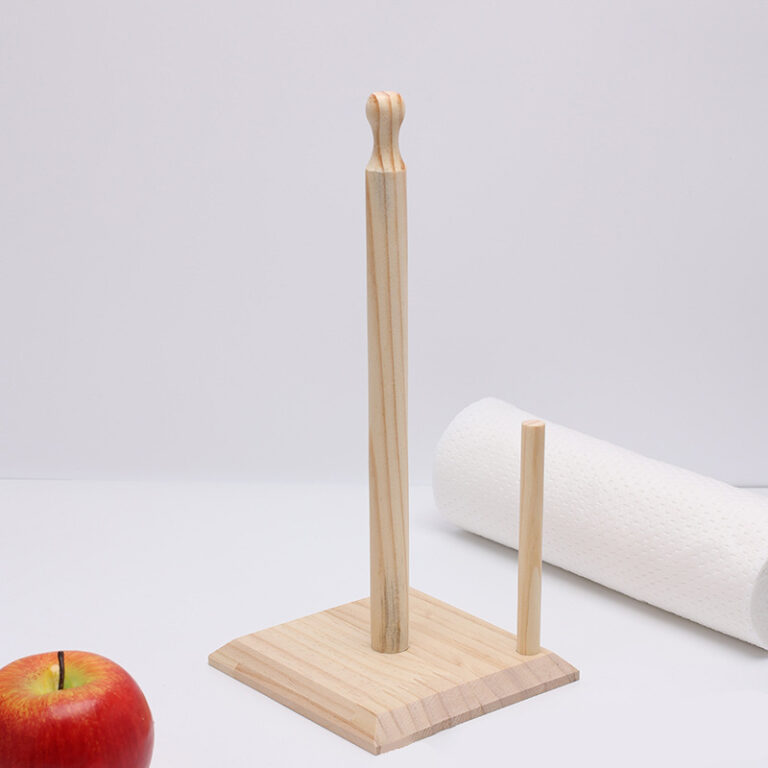 Aisha's pickModern Solid Wood Dining Tables That Anchor a Room
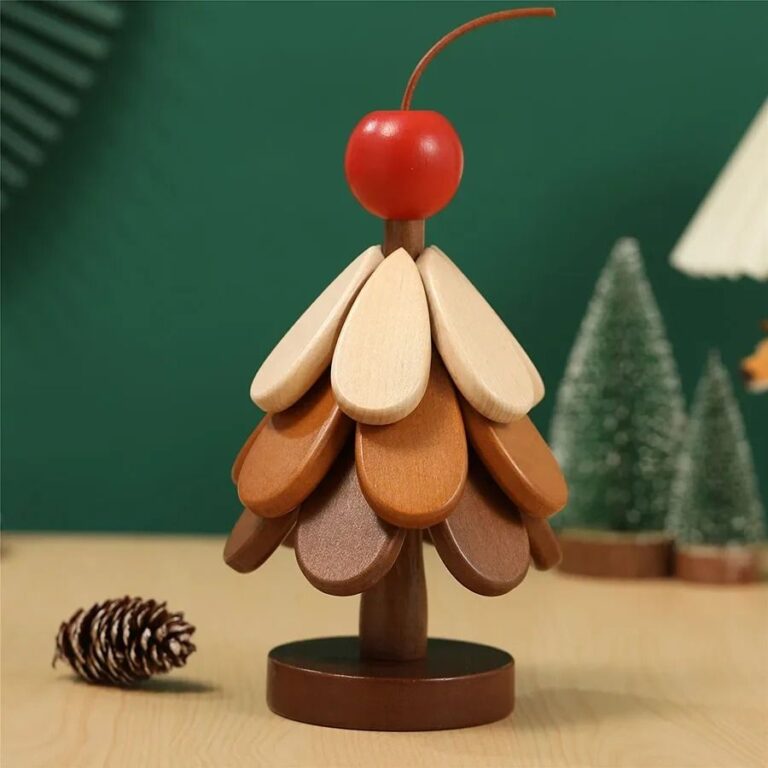
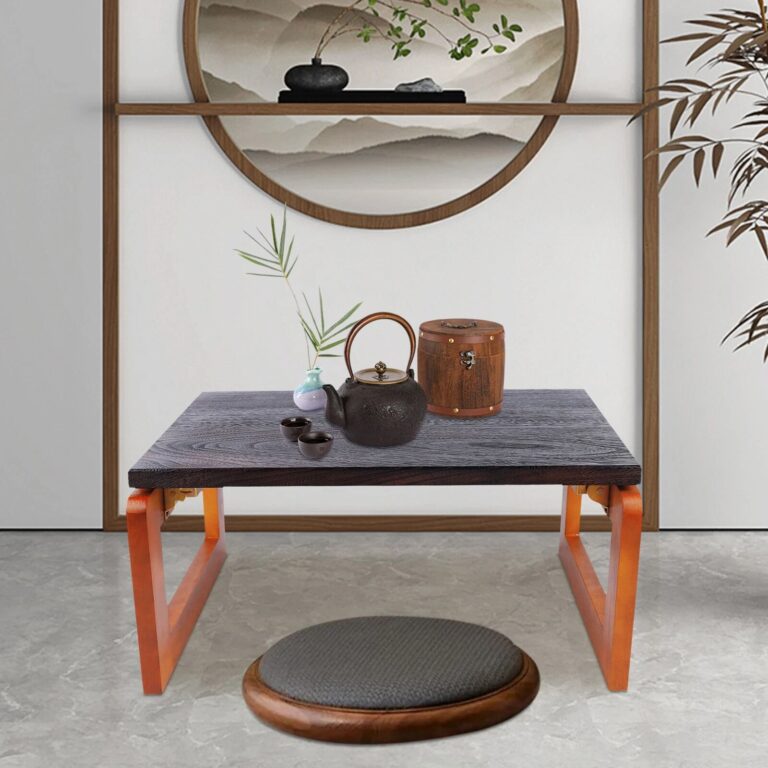 Aisha's pickSolid Wood Dining Tables That Take a Knock
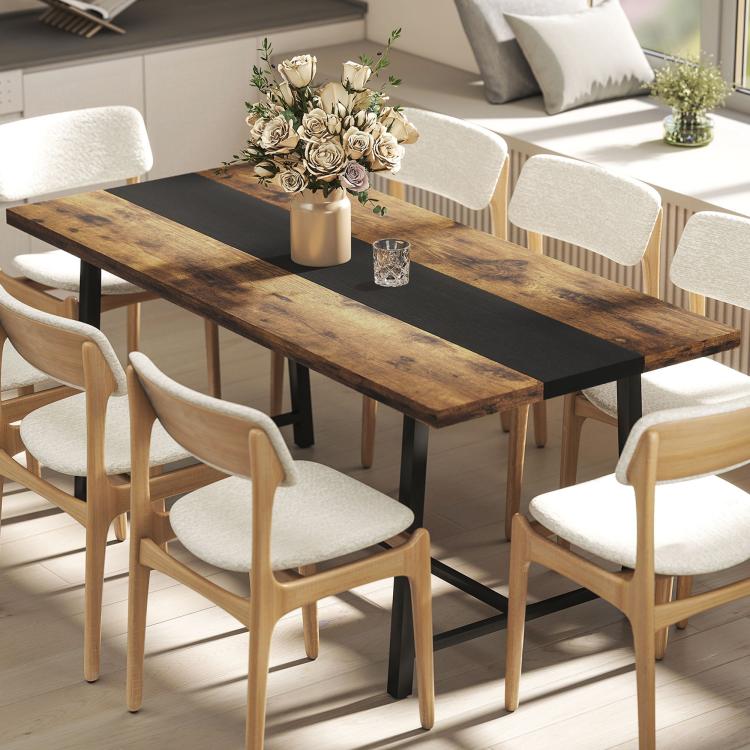
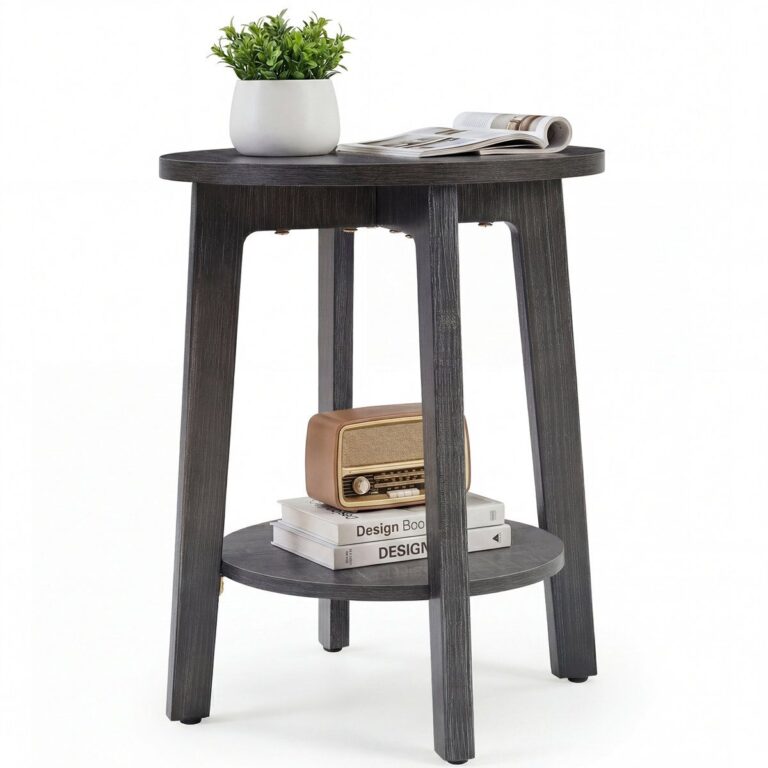 Aisha's pickModern Solid Wood End Tables We Use Every Single Day
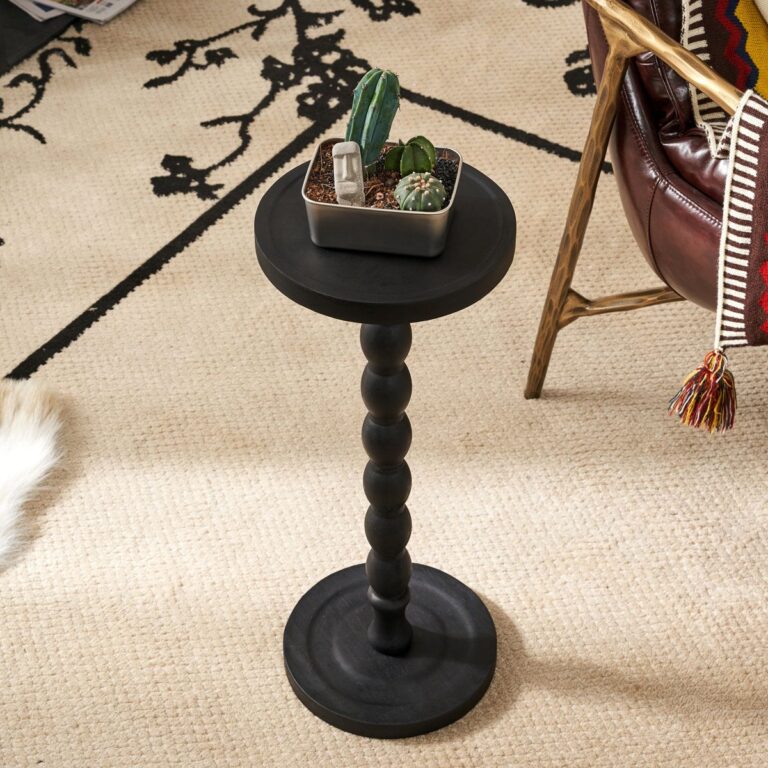
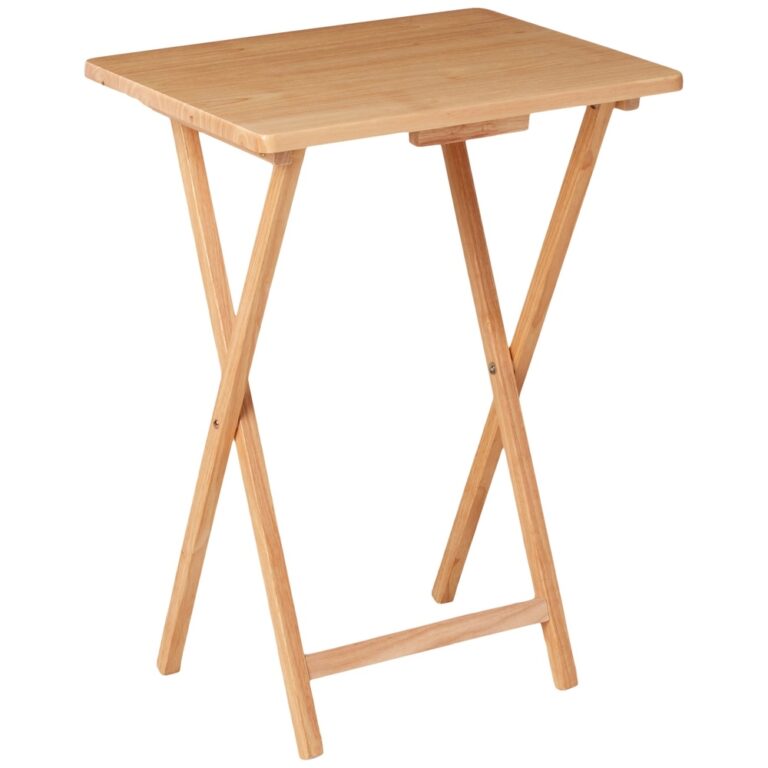 Aisha's pickSolid Wood Dining Table and Chair Sets That Don’t Sag After a YearAlso worth a lookTables with StorageTables with storage have a reputation for being the cleverest piece in a small room or the most…See the collections →
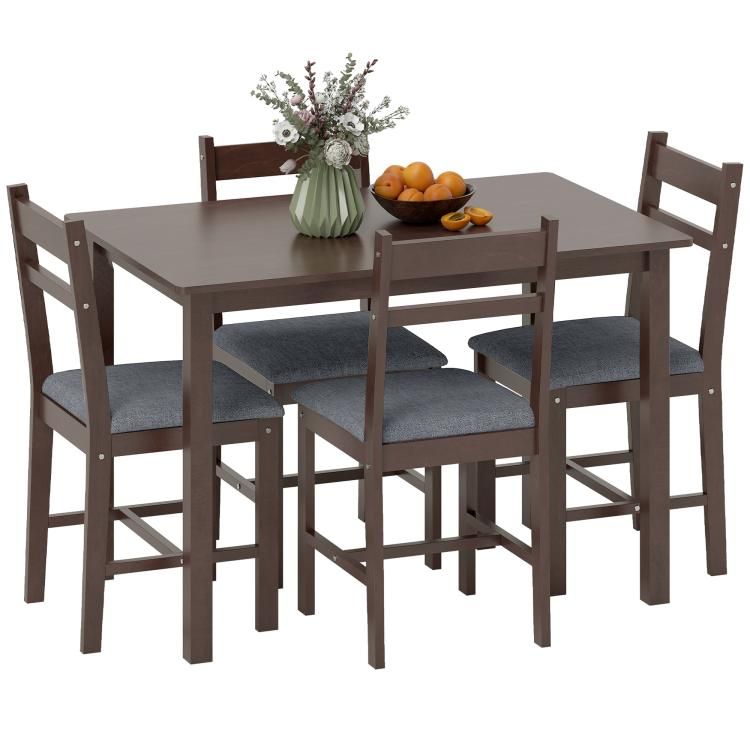
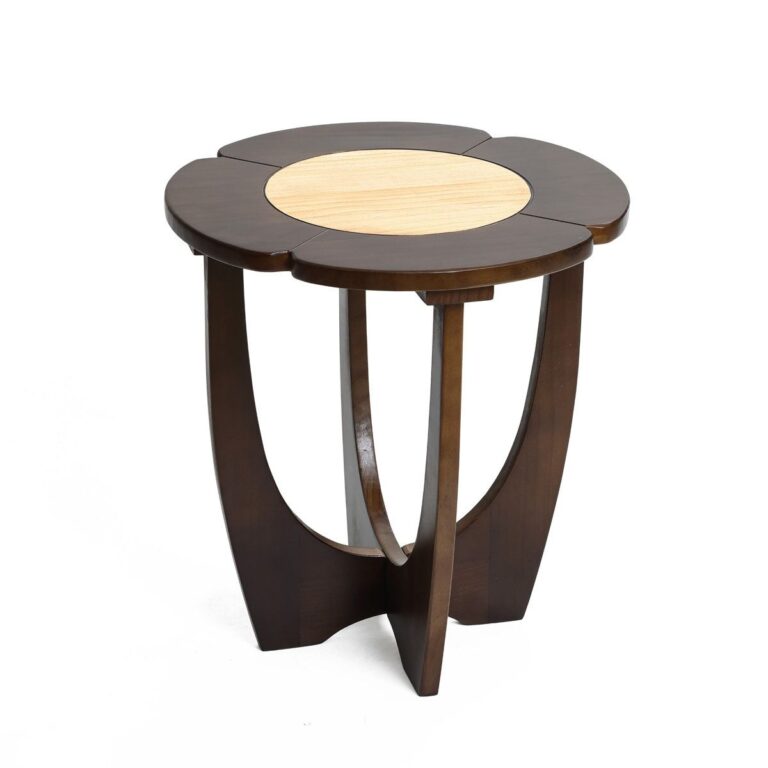 Aisha's pickModern Solid Wood Side Tables That Don’t Need Babying
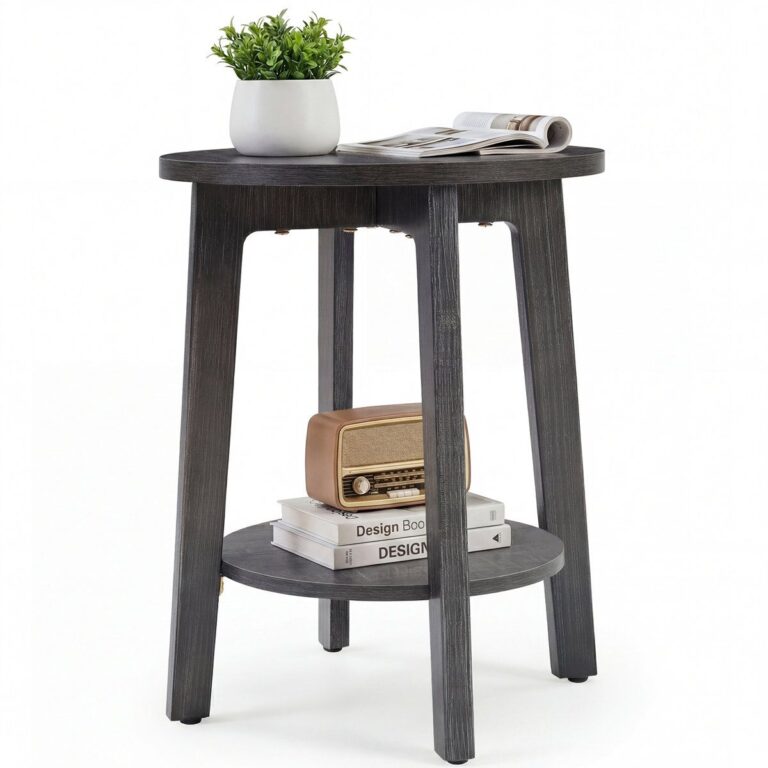
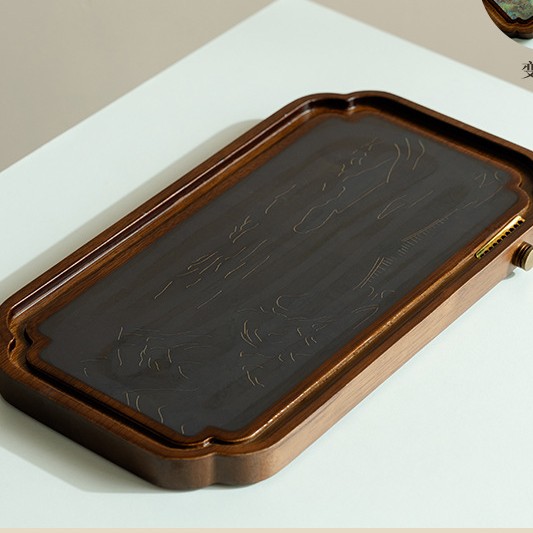 Aisha's pickSolid Wood End Tables That Clean Up With a Wipe
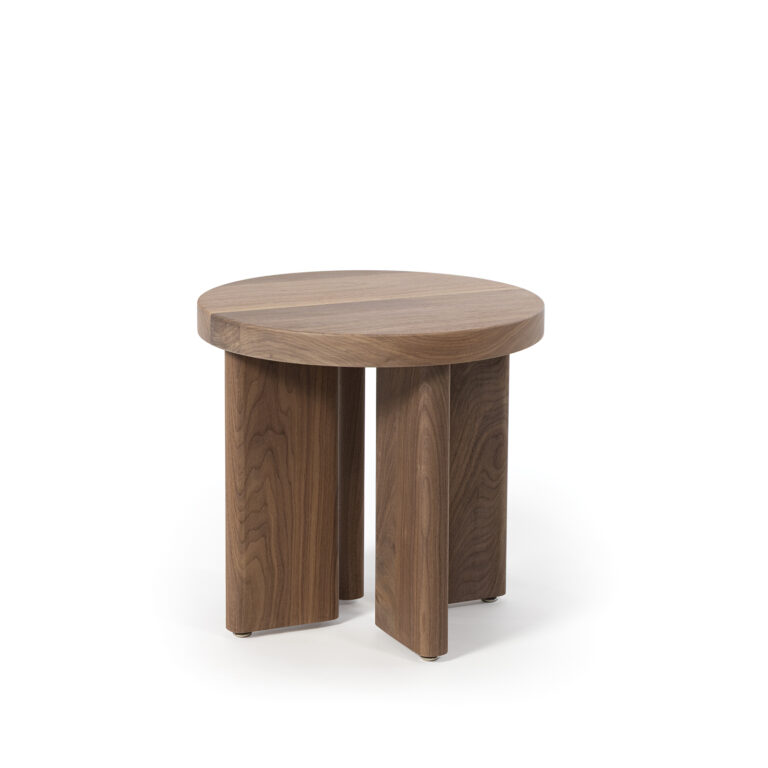
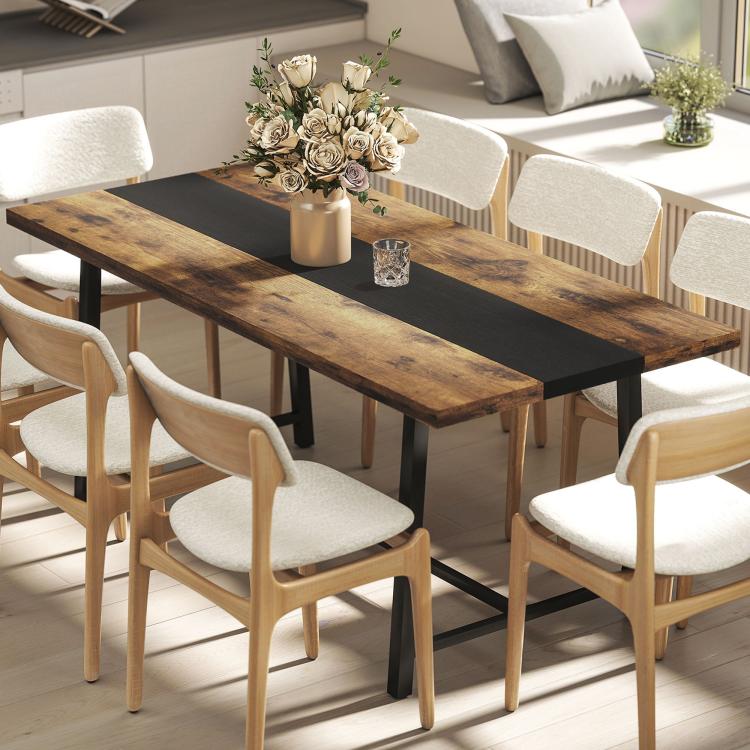 Aisha's pickDecent Rectangular Solid Wood Dining Tables Without the Hassle
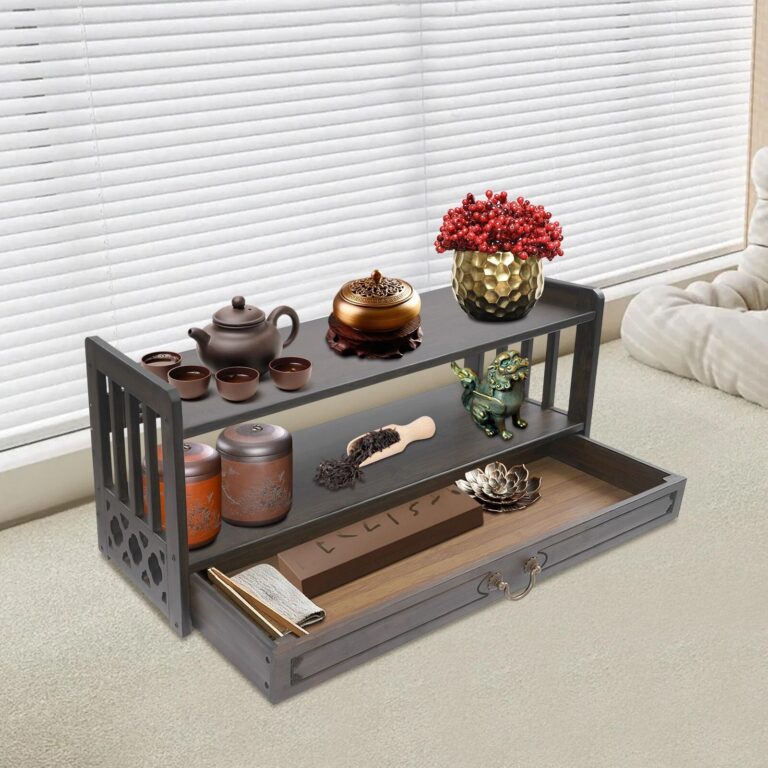 Aisha's pickSolid Wood Entryway Tables That Make a Good First Impression
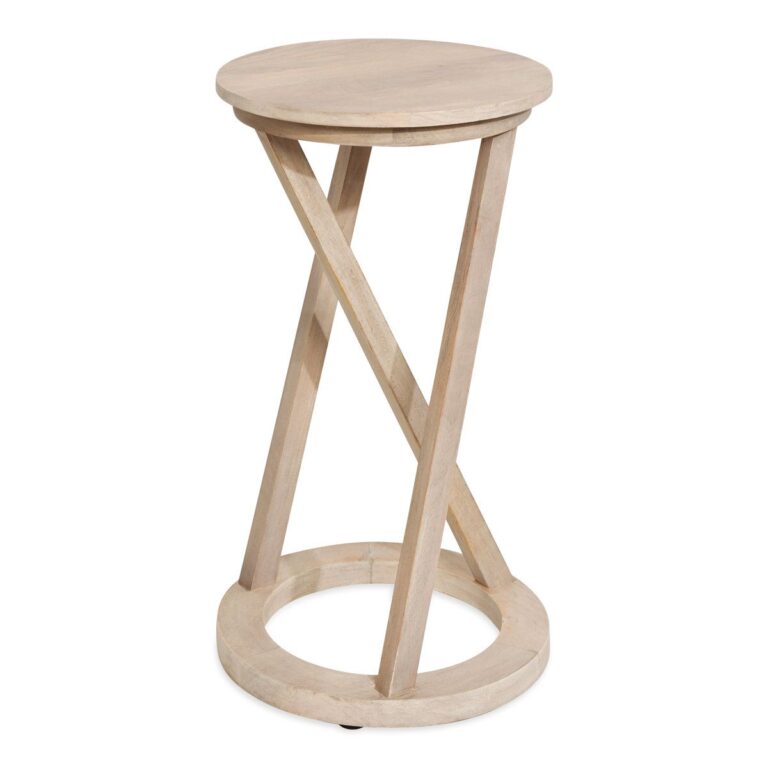
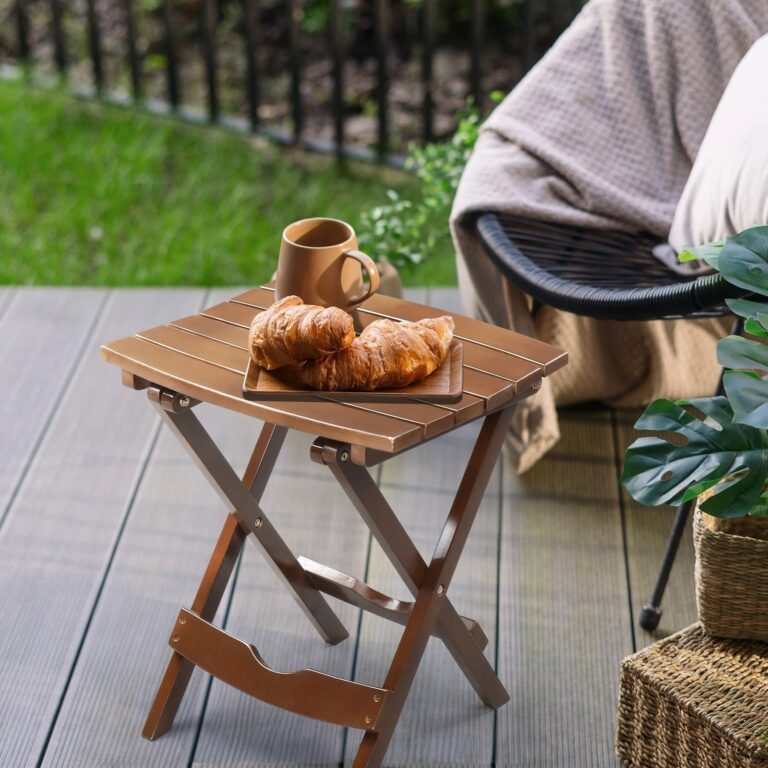 Aisha's pickRound Solid Wood Coffee Tables That Make the Living Room Feel Cozier