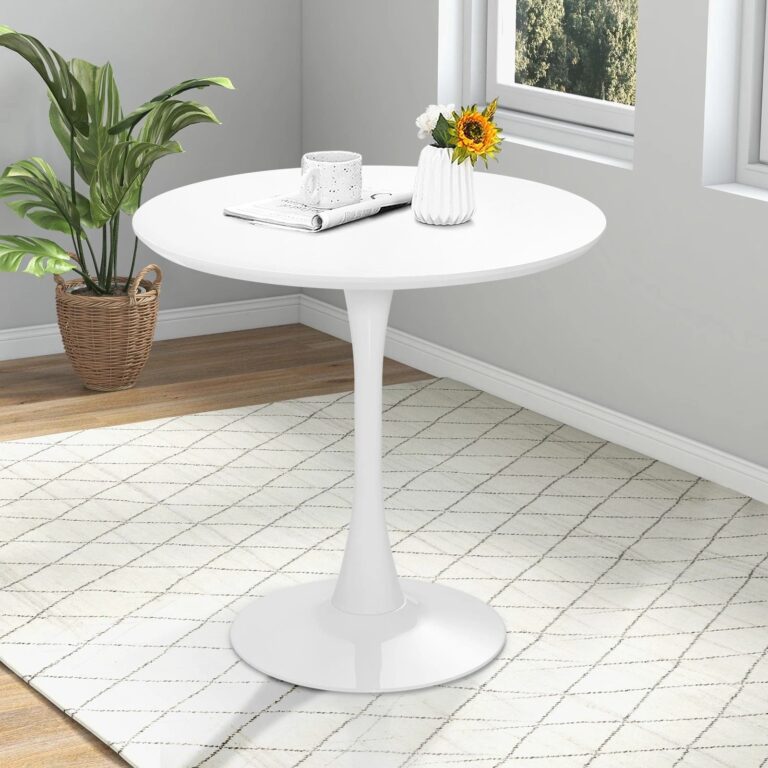
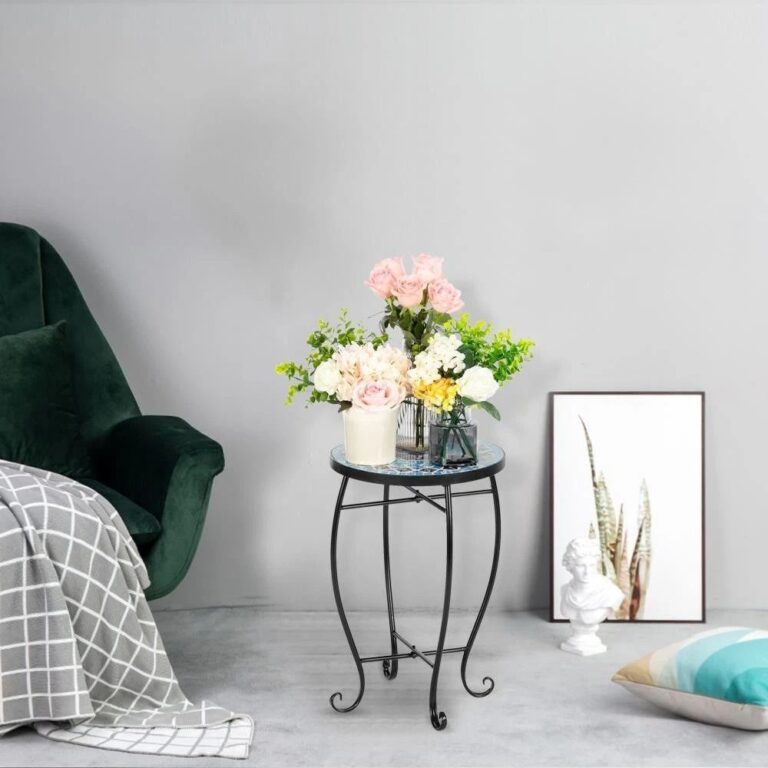
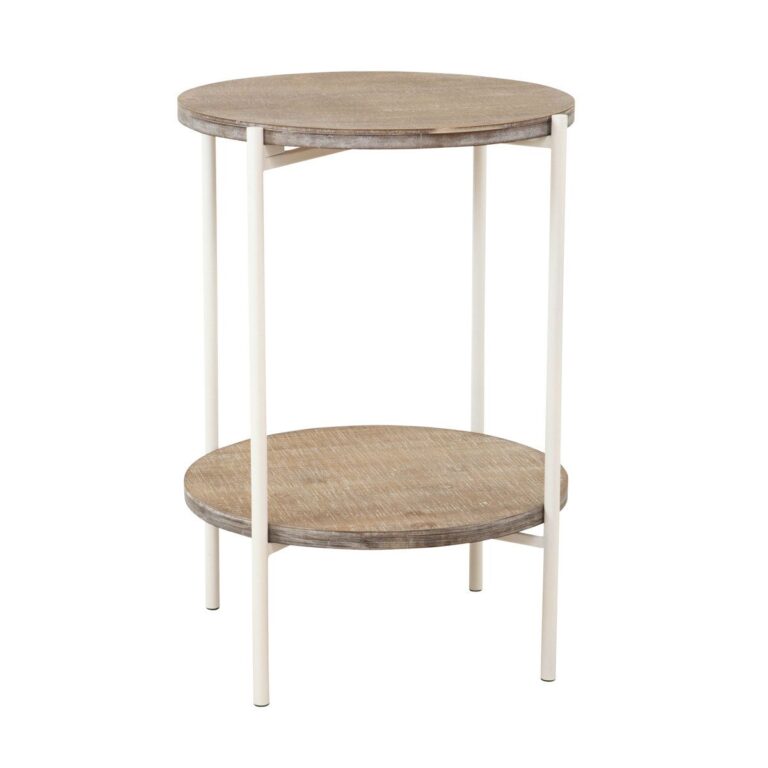
The moment a round table wins is when there are five of you and only four chairs, and somehow everyone still fits, nobody's wedged into a corner with their plate on their knees. No sharp edges to navigate around, no "head of the table" politics, just people leaning in. That's the whole case for round over rectangular in a lot of real rooms, and most people don't think about it until they've hosted a dinner that felt cramped for reasons they couldn't name.
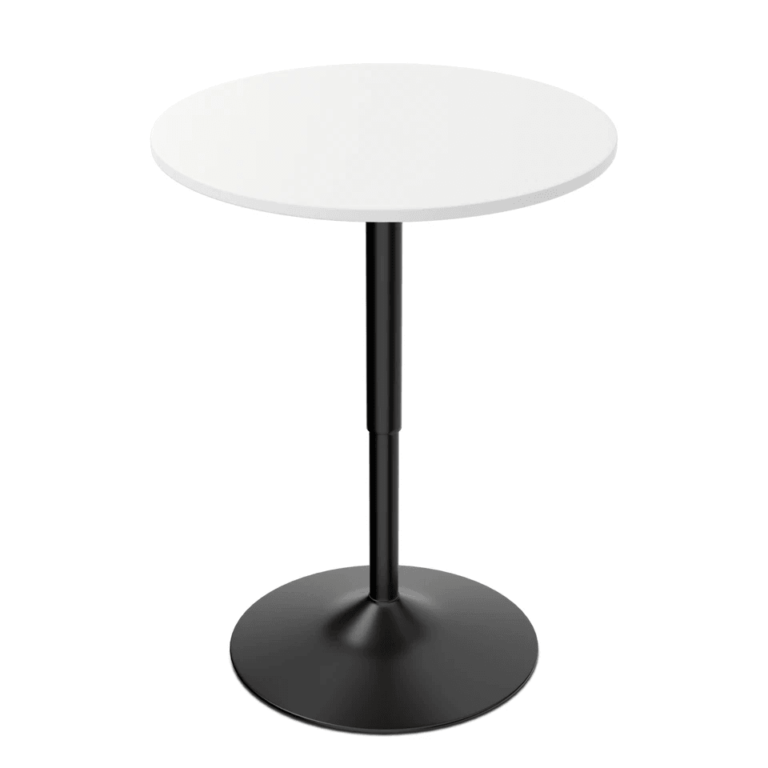
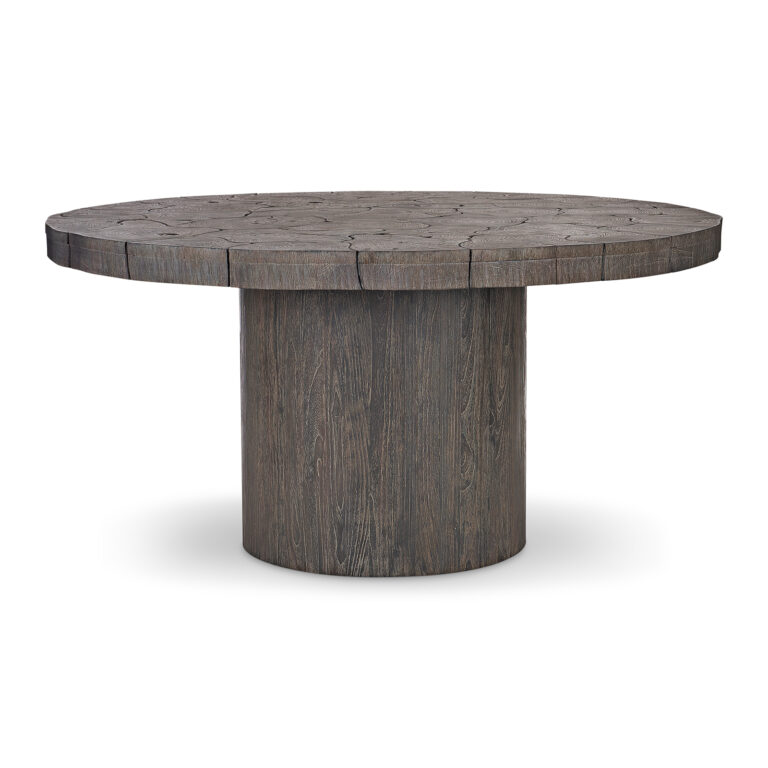
If you're starting from nothing, go a size up from what feels reasonable on paper. A 42 inch round seats four comfortably, but the minute you add a laptop, a candle, a bottle of wine and someone's keys, it shrinks fast, so I'd push toward 48 inches if your room allows it, which gets you four with real elbow room or a squeeze of six for something casual. Measure the path around it too, you want at least 36 inches of walking clearance on every side, otherwise you're doing the sideways shuffle every time someone needs to get up for more ice. Wood tops develop a nice patina if you let them, little scratches and water rings that read as lived in rather than ruined, as long as you wipe spills promptly and use a mat under anything hot. Laminate and glass stay pristine longer but show every fingerprint, which is its own kind of maintenance. A pedestal base, one leg in the middle, is worth seeking out specifically because it means no one's shin is fighting a table leg, and it makes small rooms feel less cluttered since there's nothing breaking up the floor space underneath.
Round tables tend to suit rooms that are themselves a bit squarish or awkward, where a long rectangle would fight the walls or block a doorway. They're forgiving in open plan layouts too, softening a space that's otherwise all hard angles, counters and sharp corners. In a bigger house they can feel almost too modest for a formal dining room, which is fine if that's not the vibe you're going for, a round table reads casual and gathering focused rather than grand.
When it's delivered, check the underside of the top for how it's attached to the base, some cheaper ones use a thin center bolt that wobbles within a year of normal use. Press down on one edge and see if the whole thing rocks, a table that rocks on day one will rock worse by month six. Check the extension mechanism if there is one, and count the leaves, because missing hardware is more common than you'd expect.

 Aisha's pickSmall Round Dining Tables Big Enough for Sunday Dinner
 Aisha's pickRound Night Tables at Just the Right Height

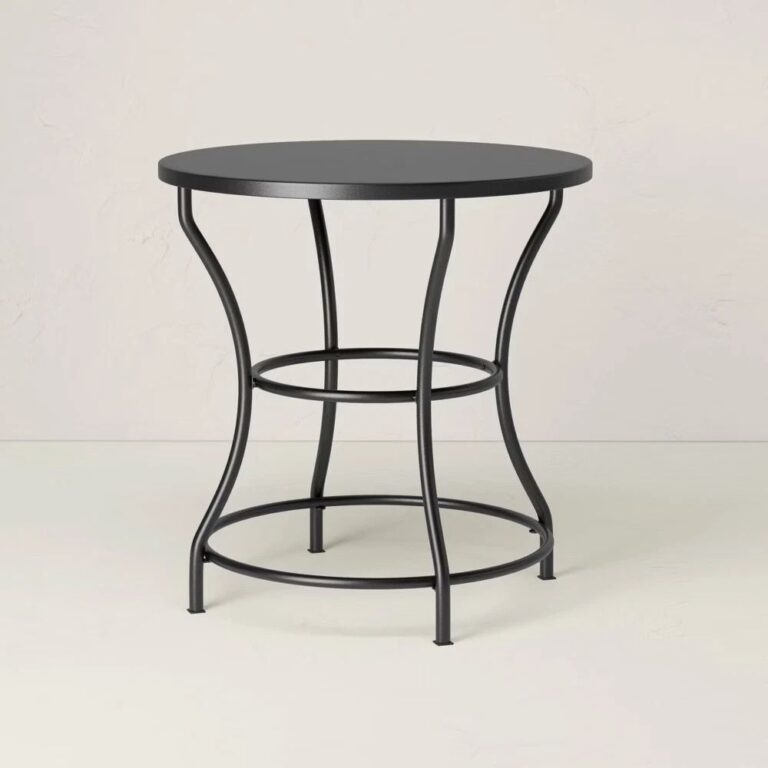
 Aisha's pickBlack Round Dining Tables for Long Dinners With Friends
 Aisha's pickWhite Round Dining Sets for Long Dinners With Friends
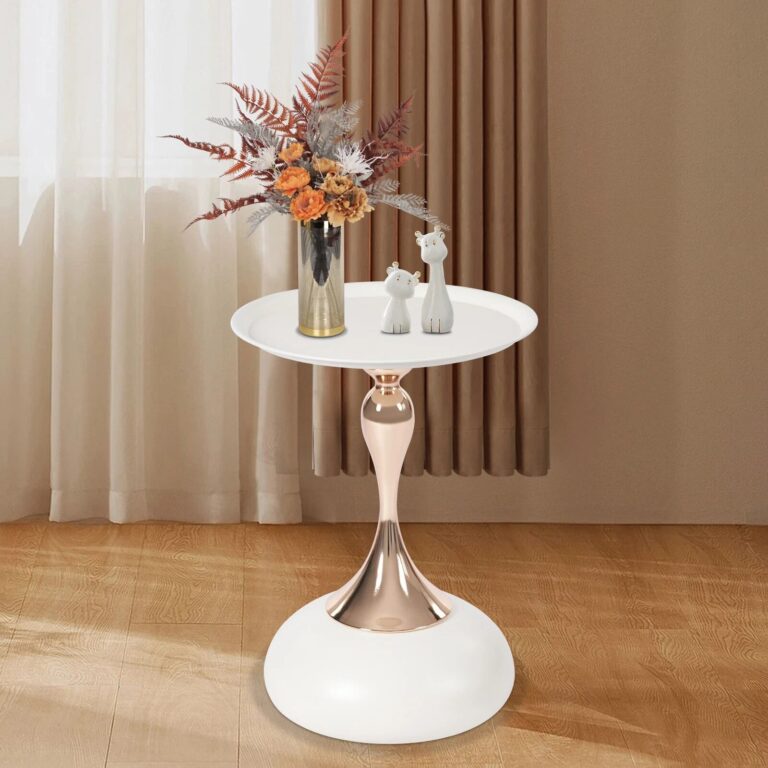 Aisha's pickRound Plant Tables That Fit Into Real Life
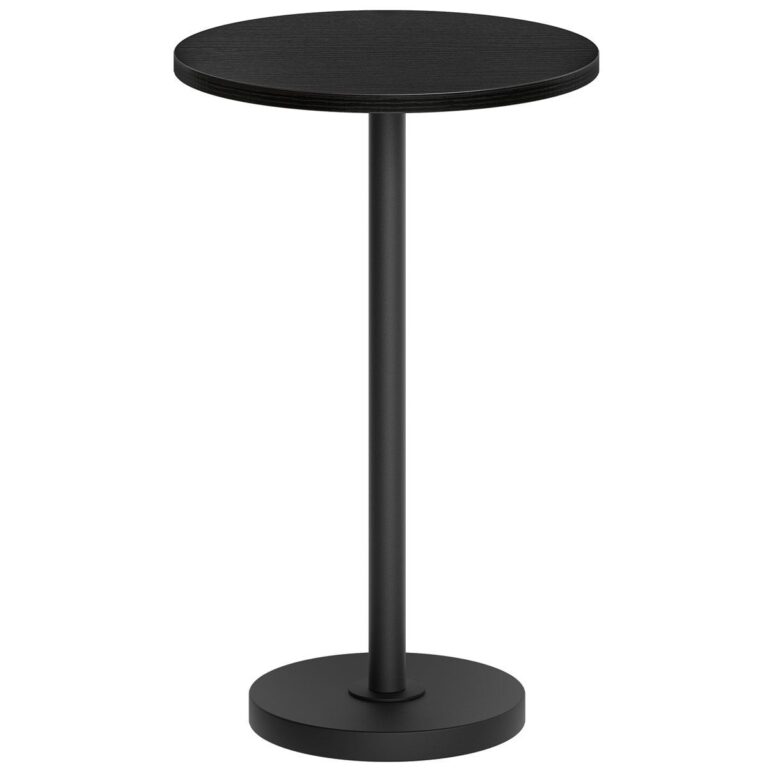
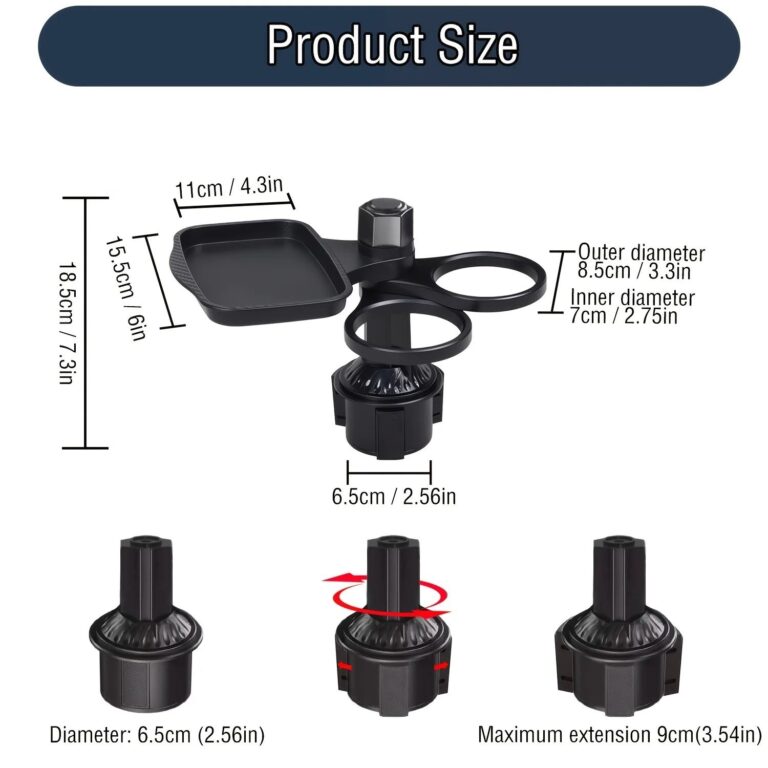 Aisha's pickLarge Round Dining Tables That Take a Knock
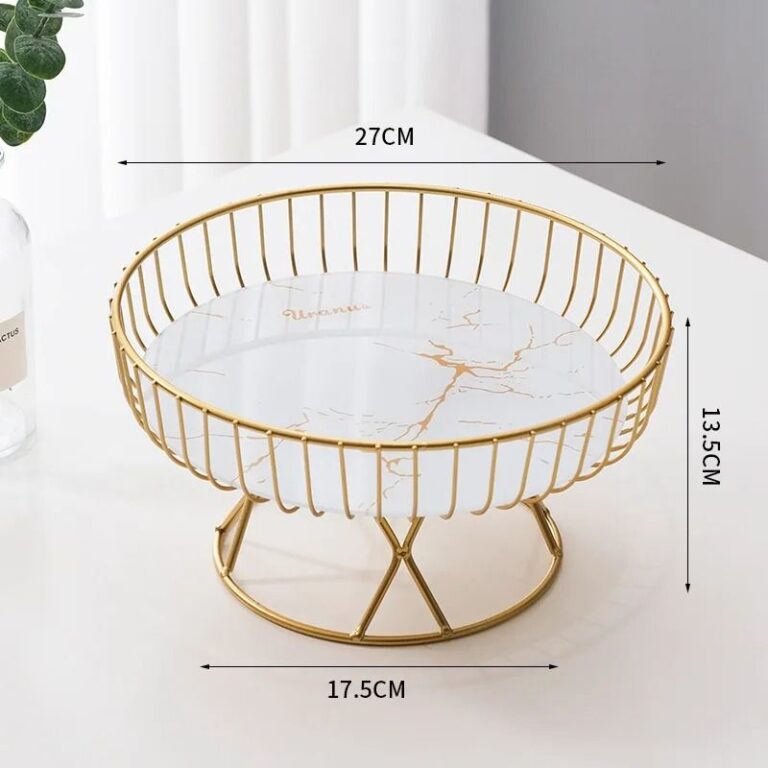
 Aisha's pickBlack Round Coffee Tables That Make the Living Room Feel Cozier

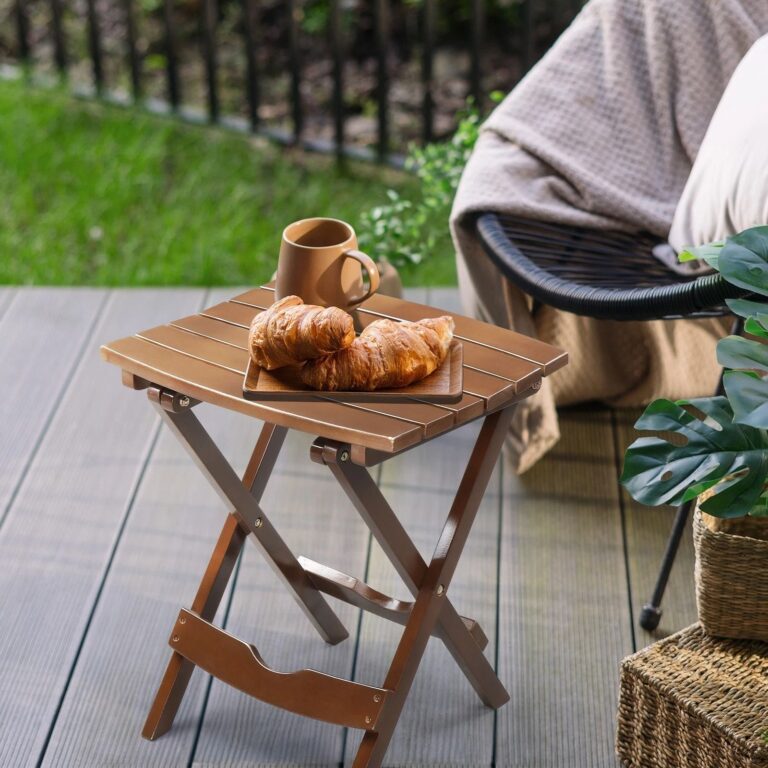 Aisha's pickRound Side Tables That Don’t Wobble
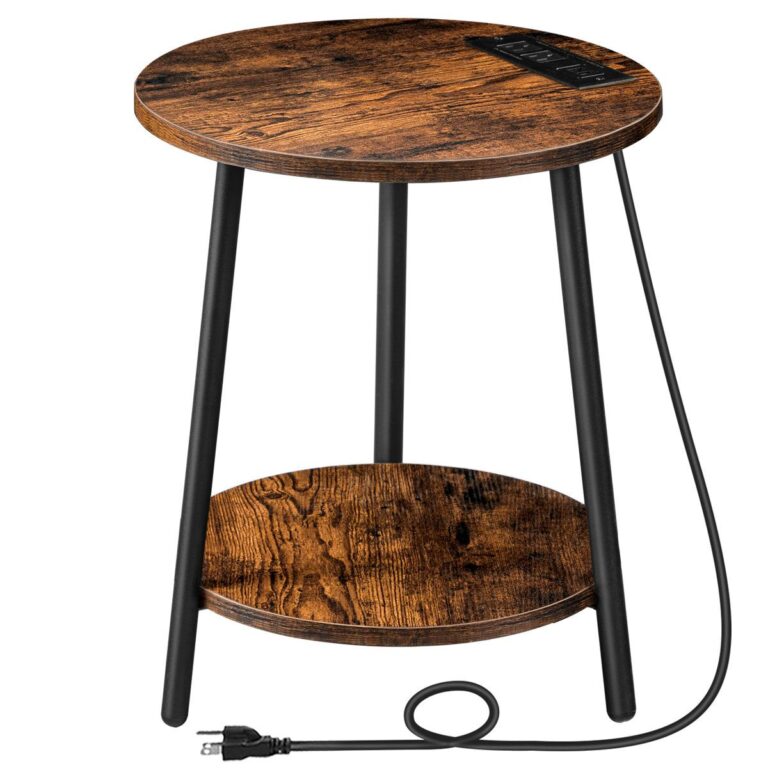
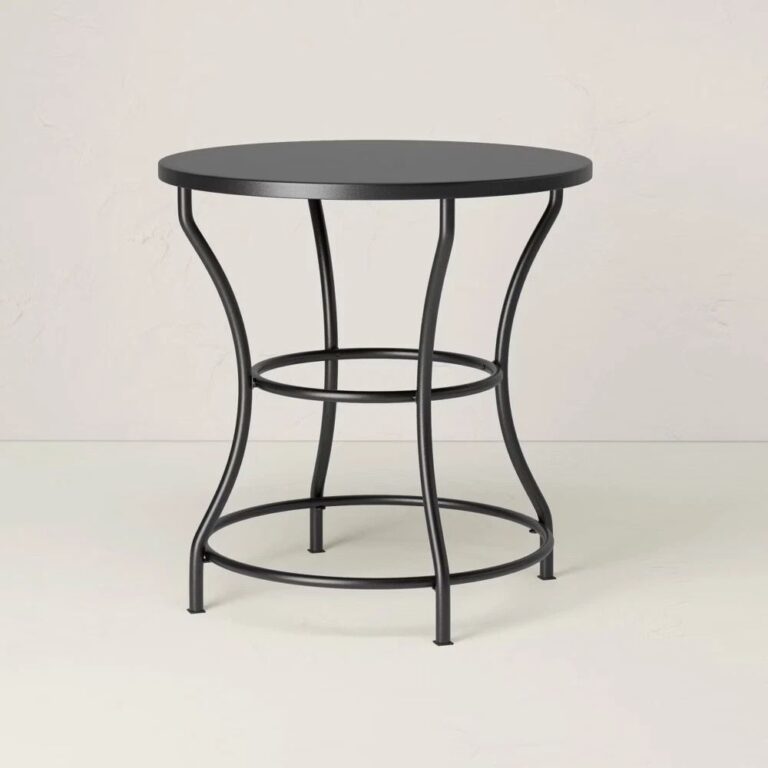 Aisha's pickRound Black Metal Dining Tables With a Bit More About ThemAlso worth a lookRound Dining TablesI thought a round table was the obvious choice for a small dining space, since there's no corner sticking out to bruise your hip on.See the collections →
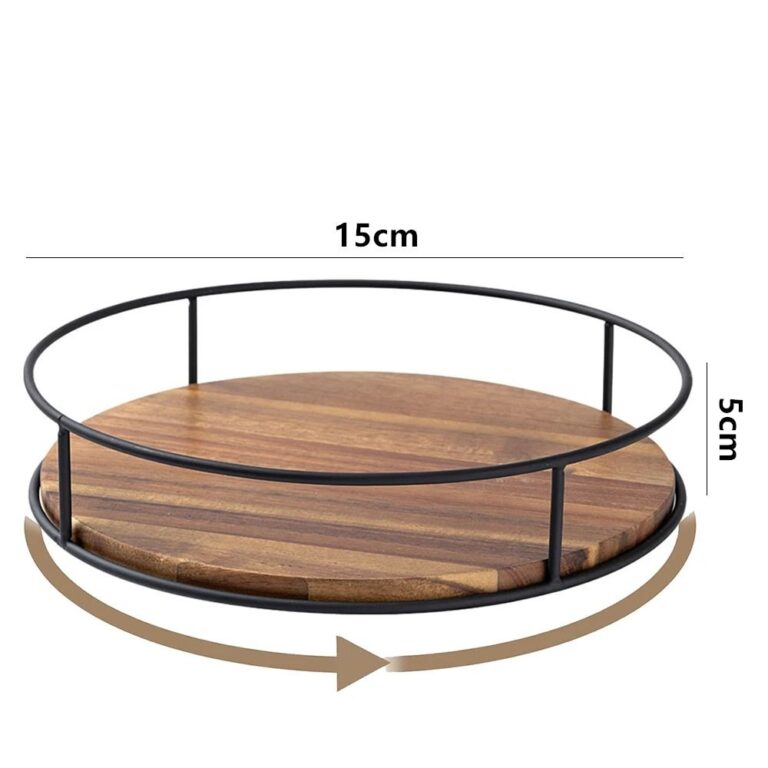
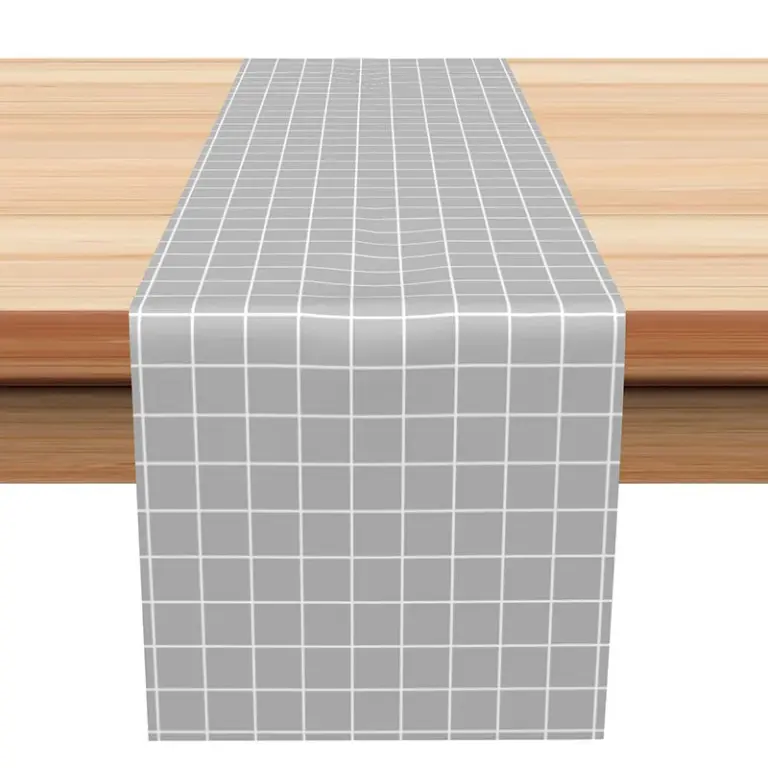 Aisha's pickBlack Round Kitchen Tables That Make Cooking a Bit Nicer
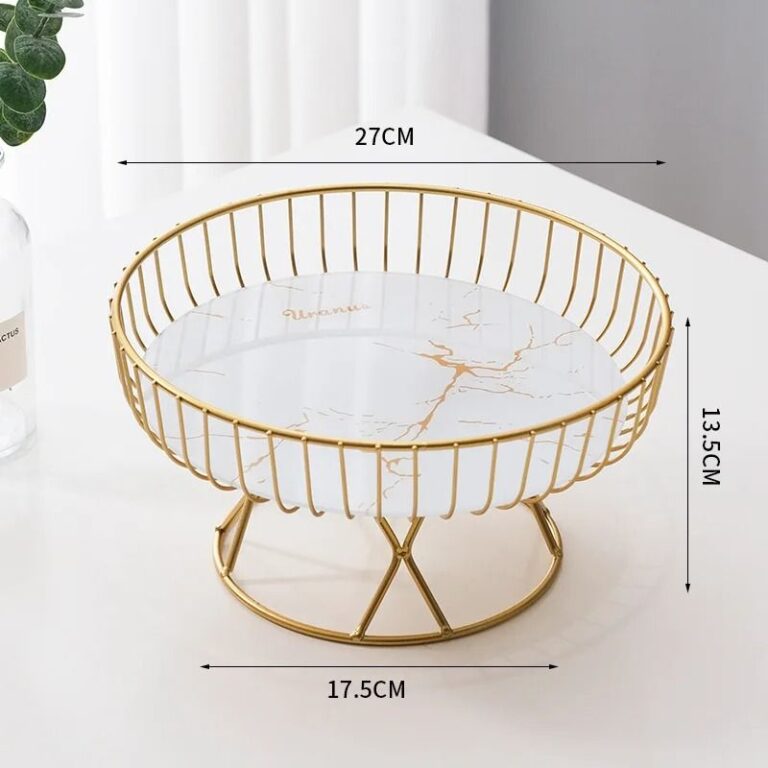
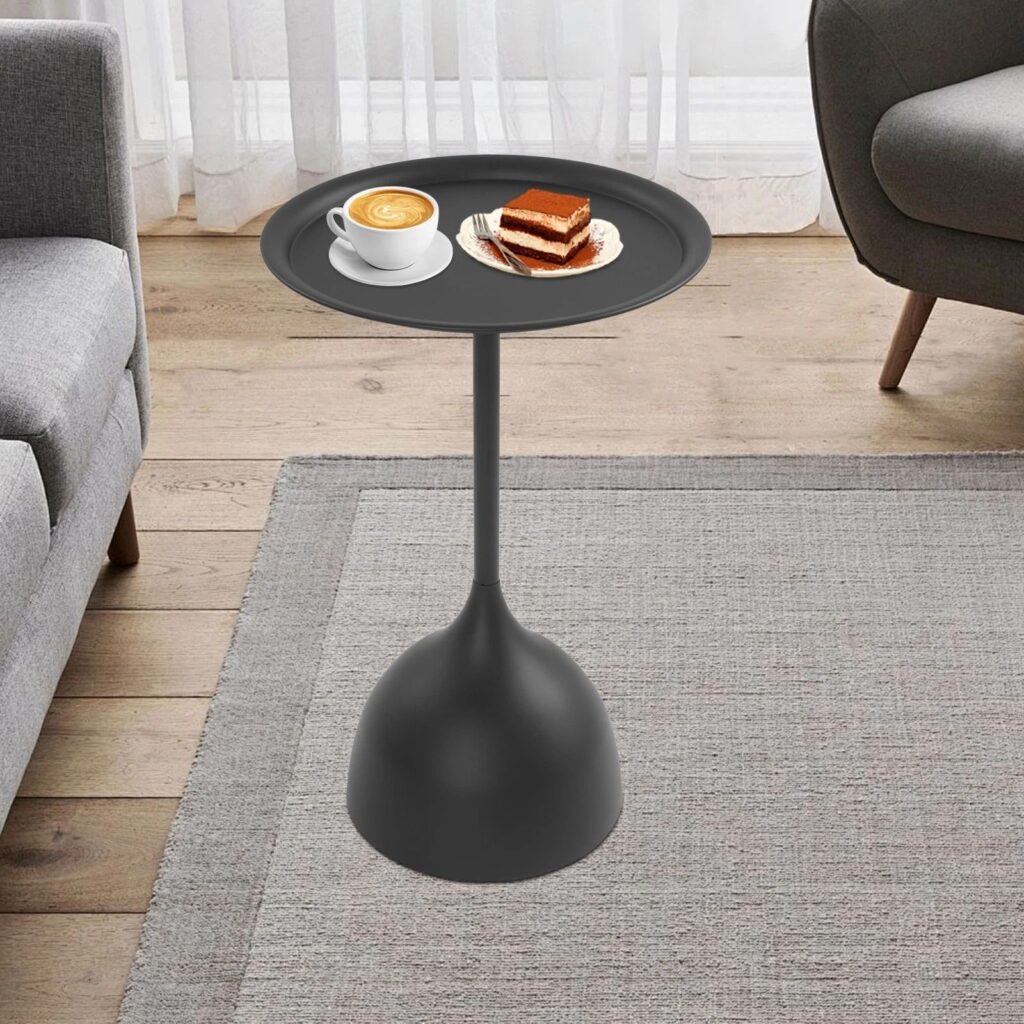 Aisha's pickRound Tea Tables That Take a Knock
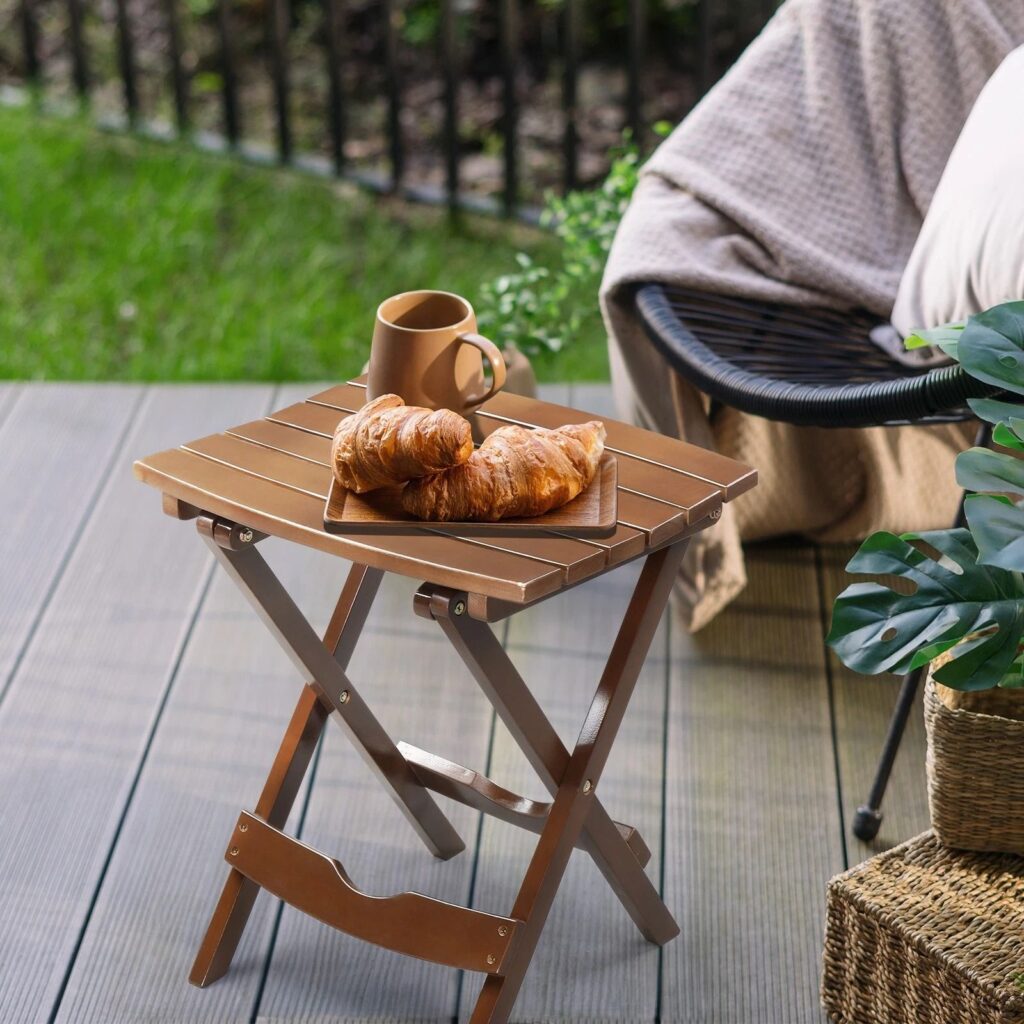
 Aisha's pickThe Round Chrome Dining Tables Worth Your Cash
 Aisha's pickBlack Round Side Tables With Room for Everything You Put Down
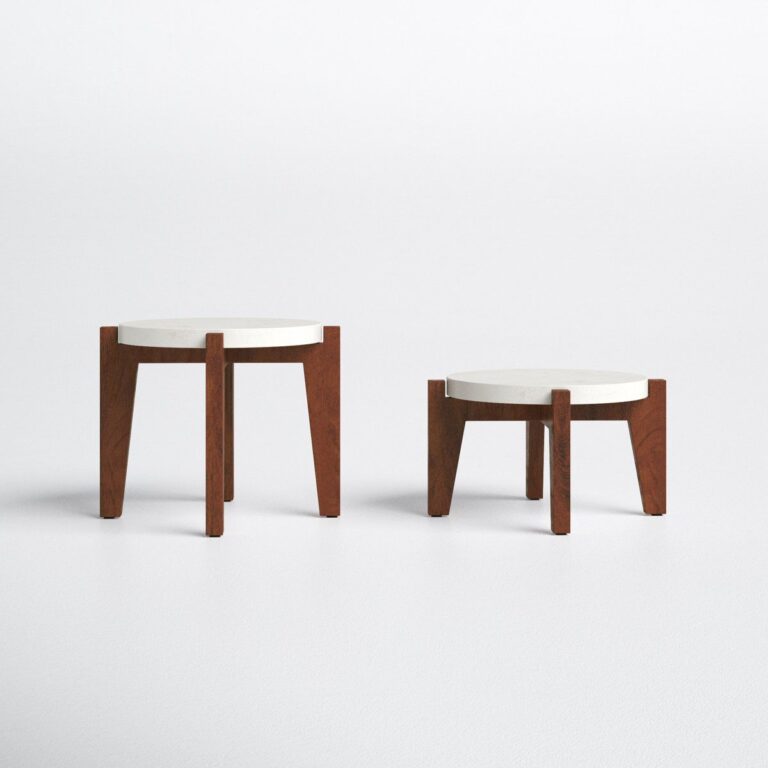 Aisha's pickSets of 3 Round Tables That Don’t Wobble
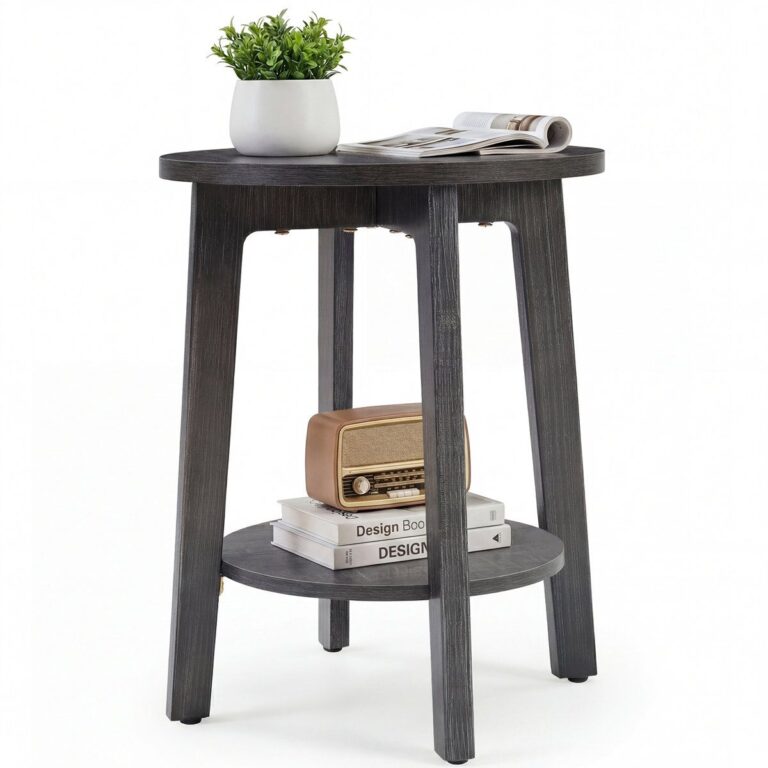
 Aisha's pickRound Dining Sets That Fit Where You Need Them

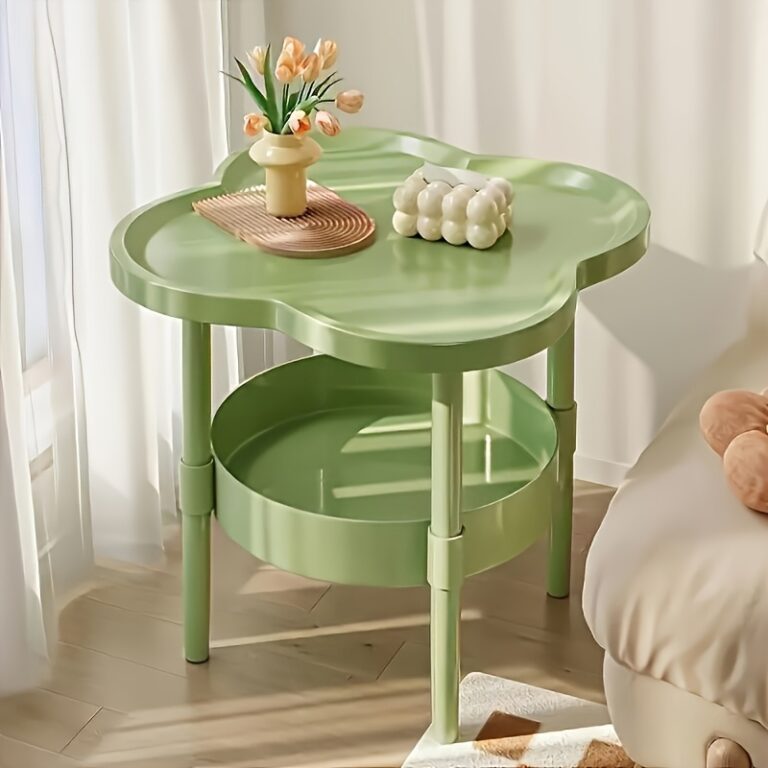 Aisha's pickRound Nightstands for a Calmer Bedroom
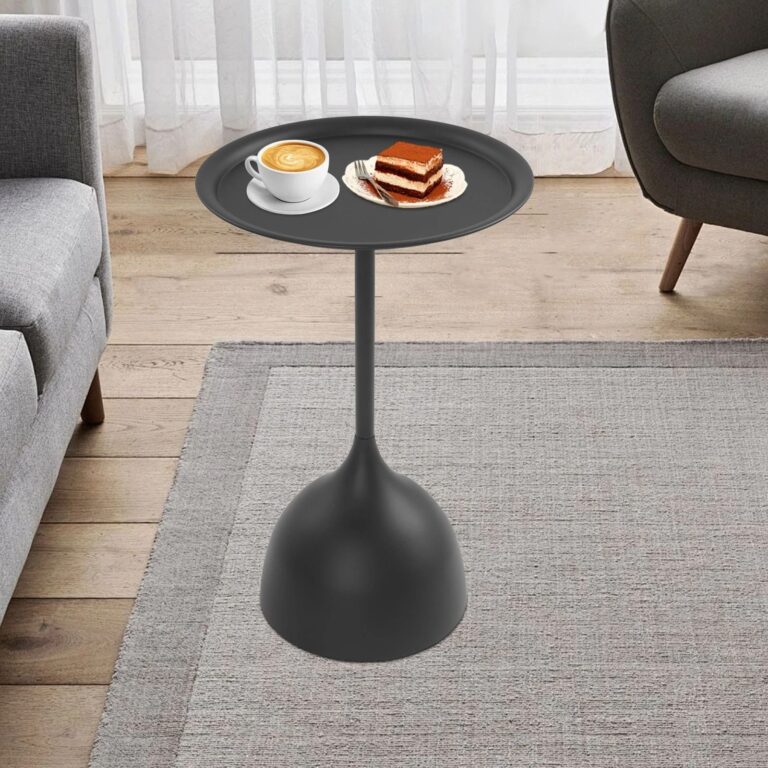
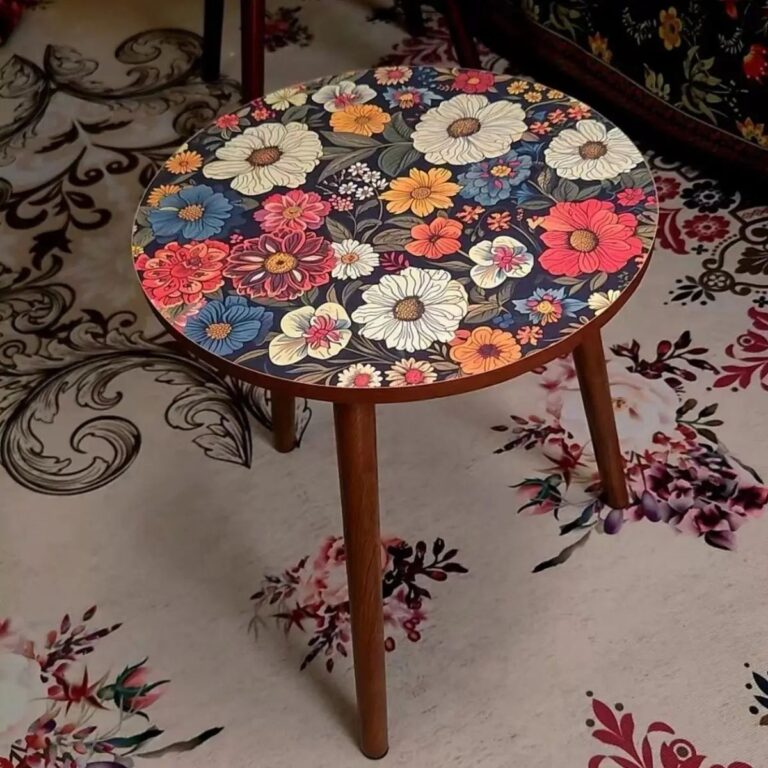 Aisha's pickSmall Round Coffee Tables That Fit Where You Need Them
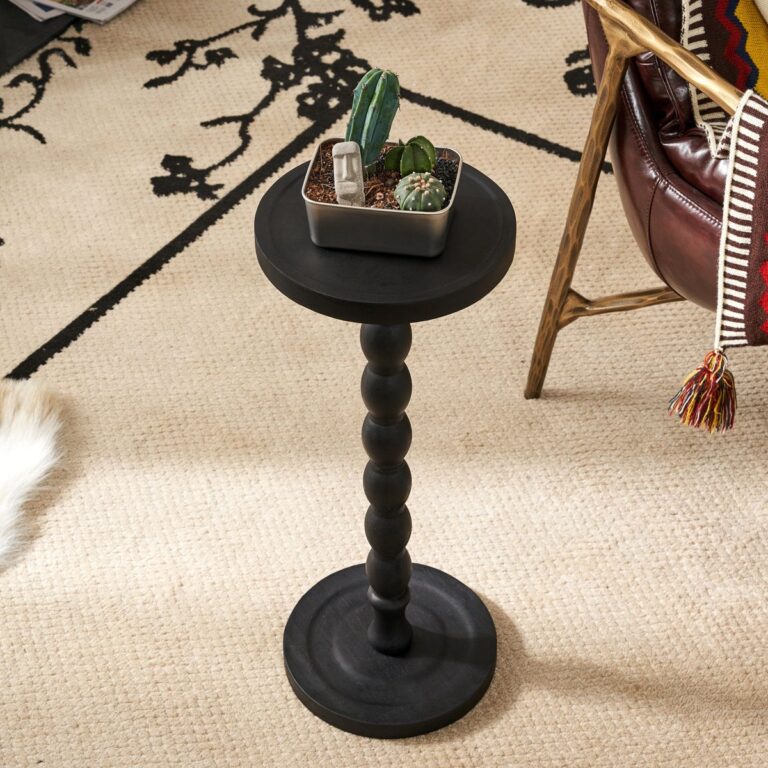
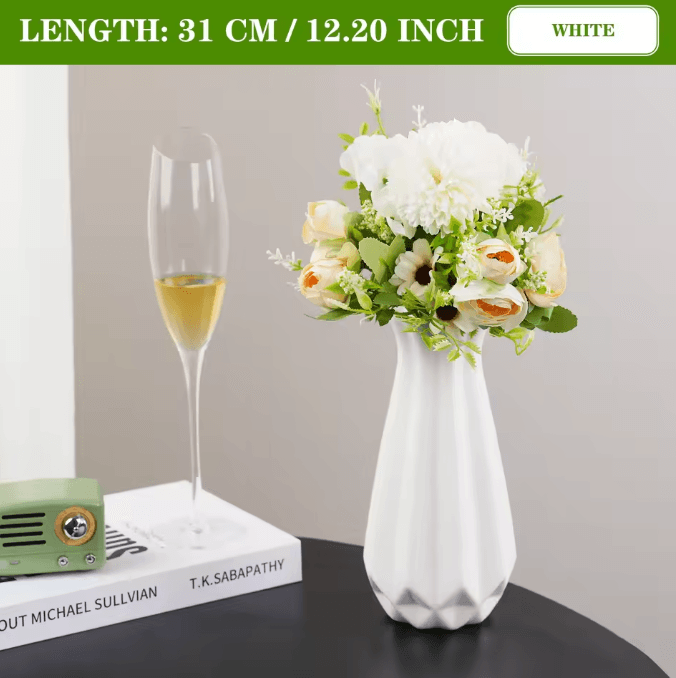 Aisha's pickRound Dining Tables That Clean Up With a WipeAlso worth a lookVintage TablesThere's a particular kind of late fall afternoon, light going gold and low through the windows, when an…See the collections →
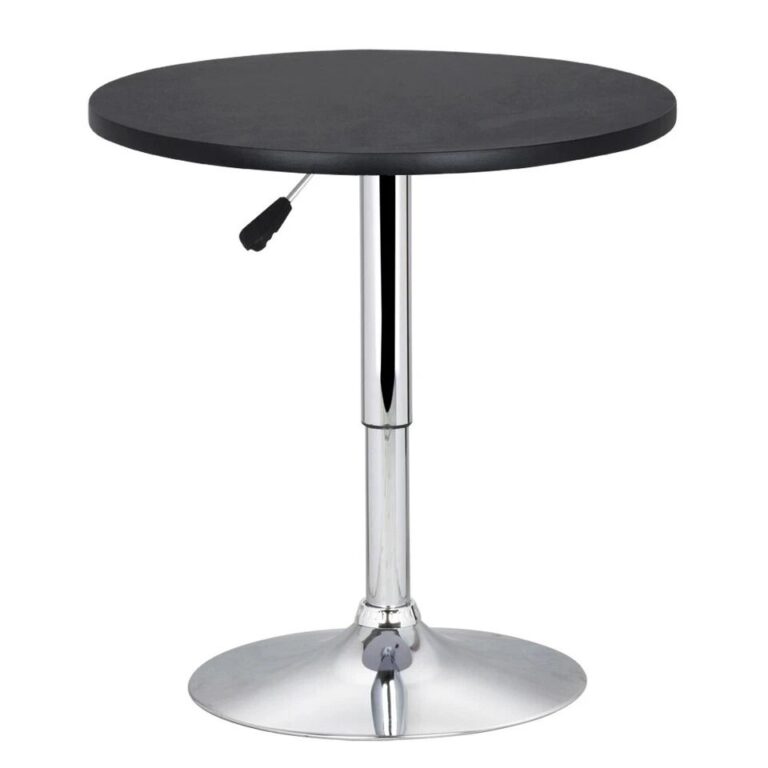 Aisha's pickNo Fuss Round Breakfast Tables
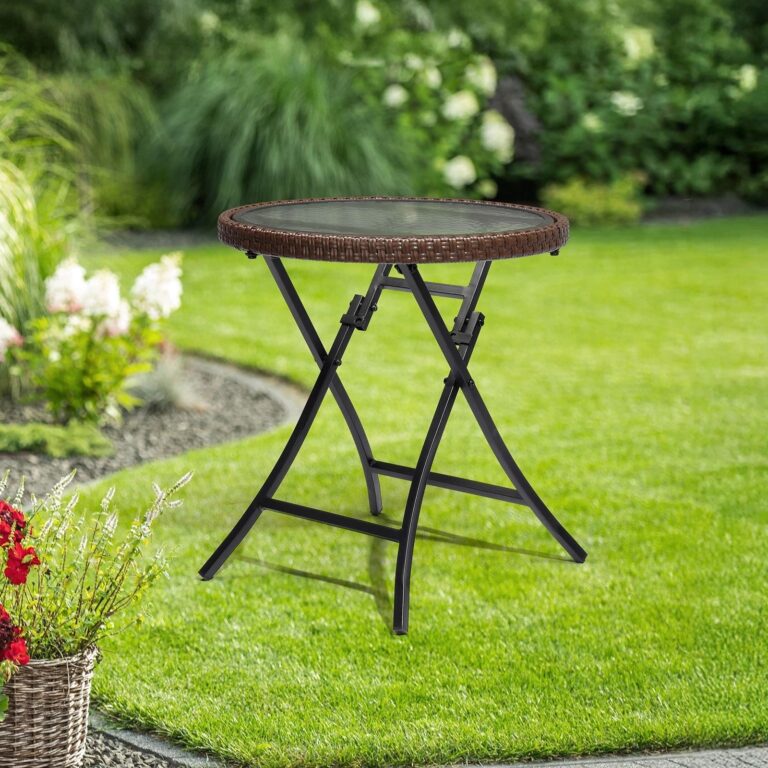 Aisha's pickWhere to Start With Small Round Side Tables
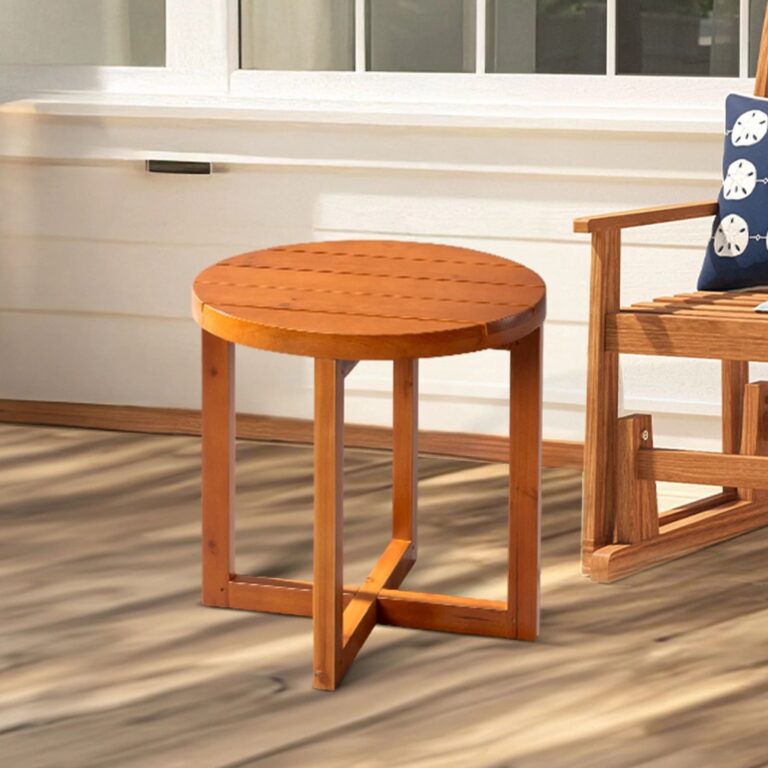
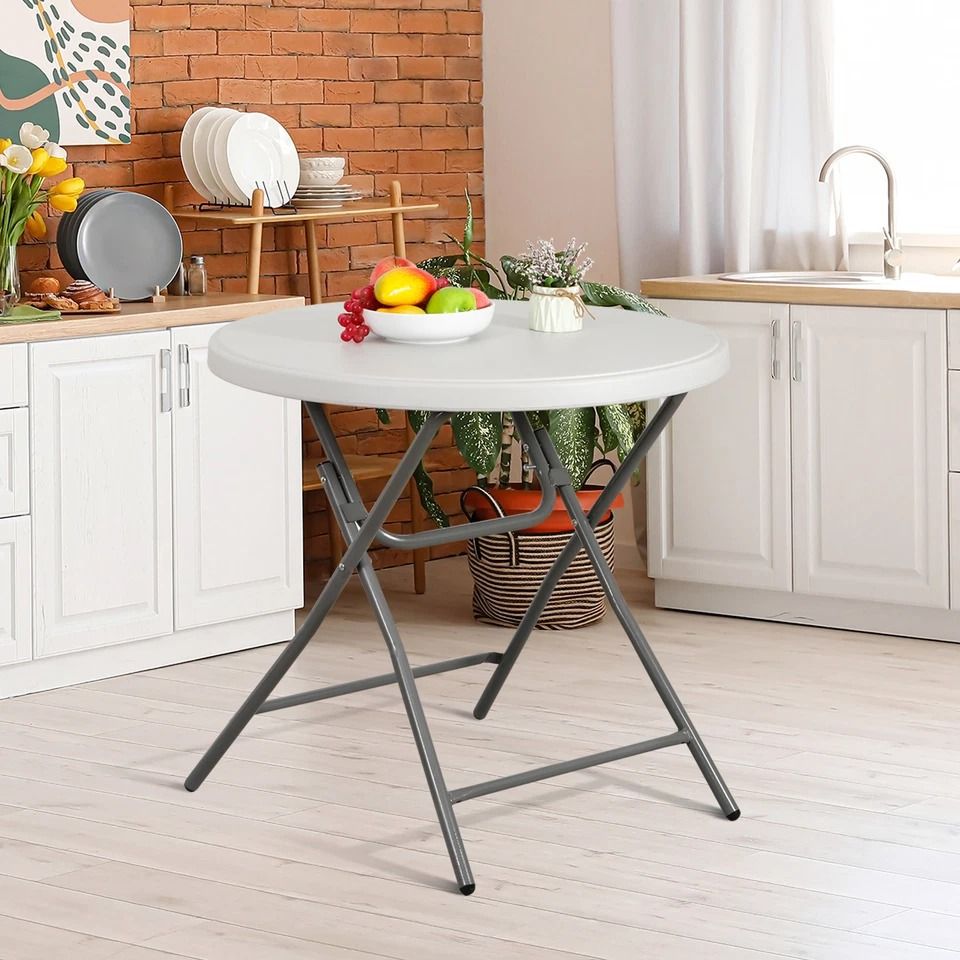 Aisha's pickRound Folding Dining Tables From Brands You Know and a Few You Won’t
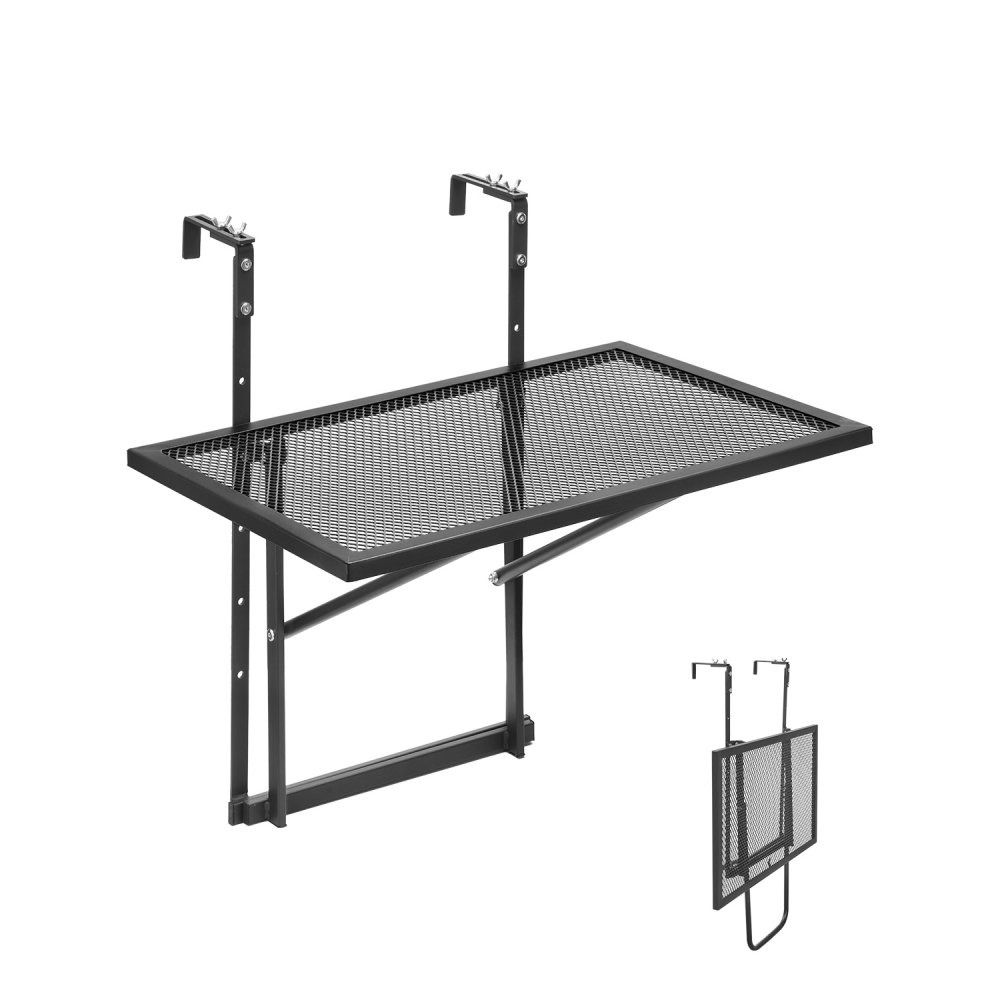
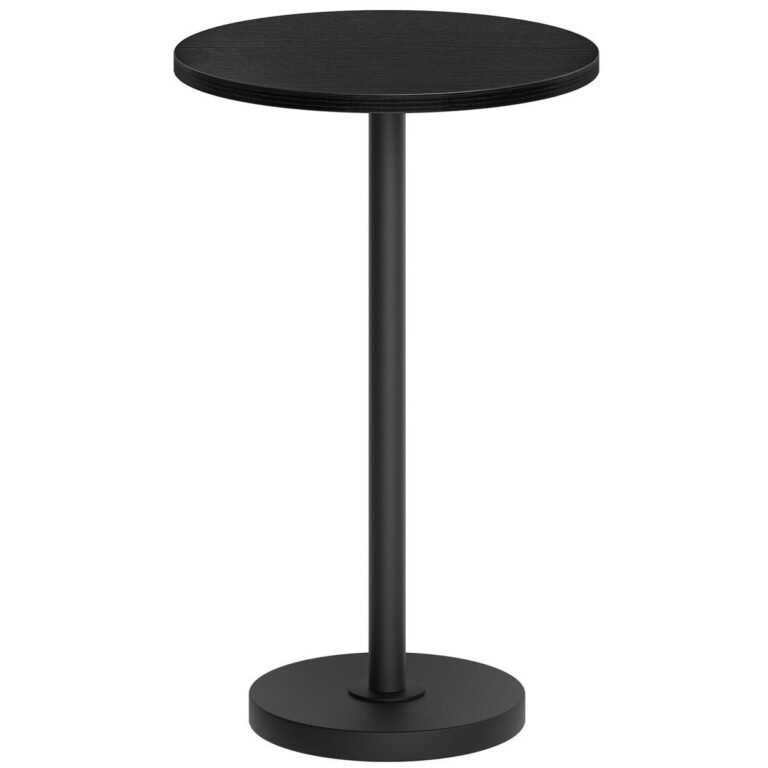 Aisha's pickRound Cocktail Tables That Hide the Odd Scratch
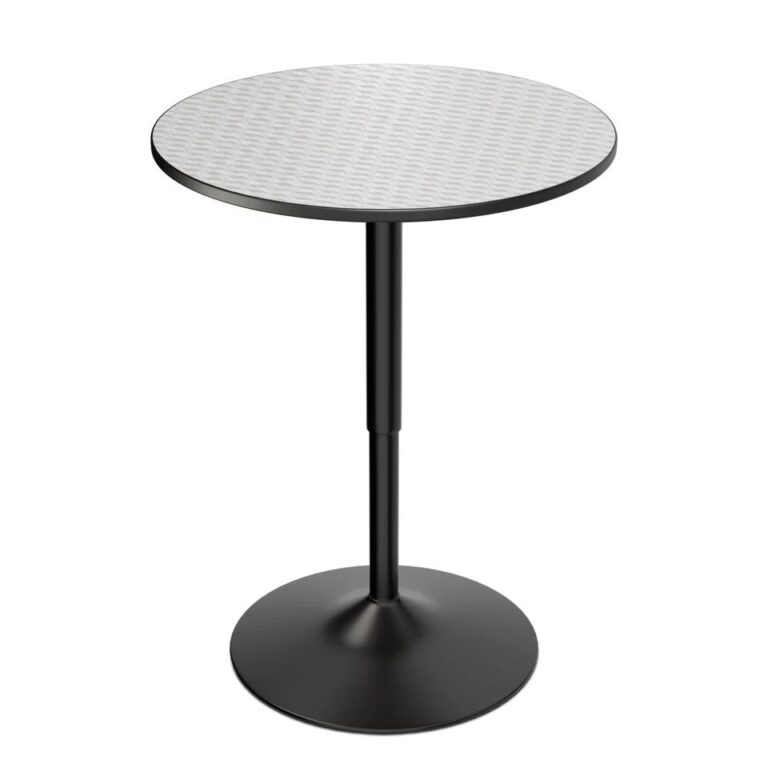
 Aisha's pickWhite Round Coffee Tables That Make the Living Room Feel Cozier
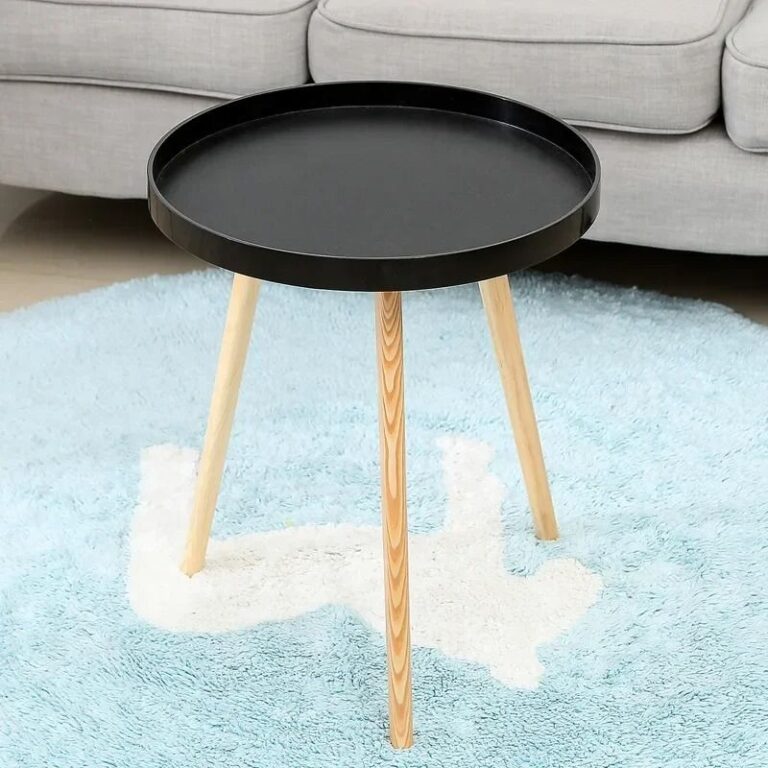
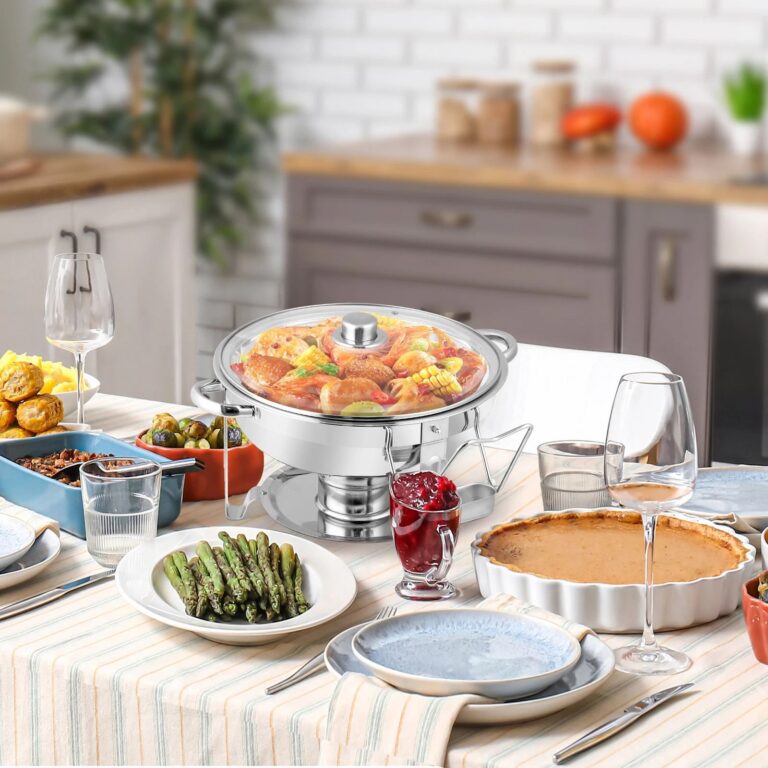 Aisha's pickRound Glass Dining Sets That Survive Kids and Pets

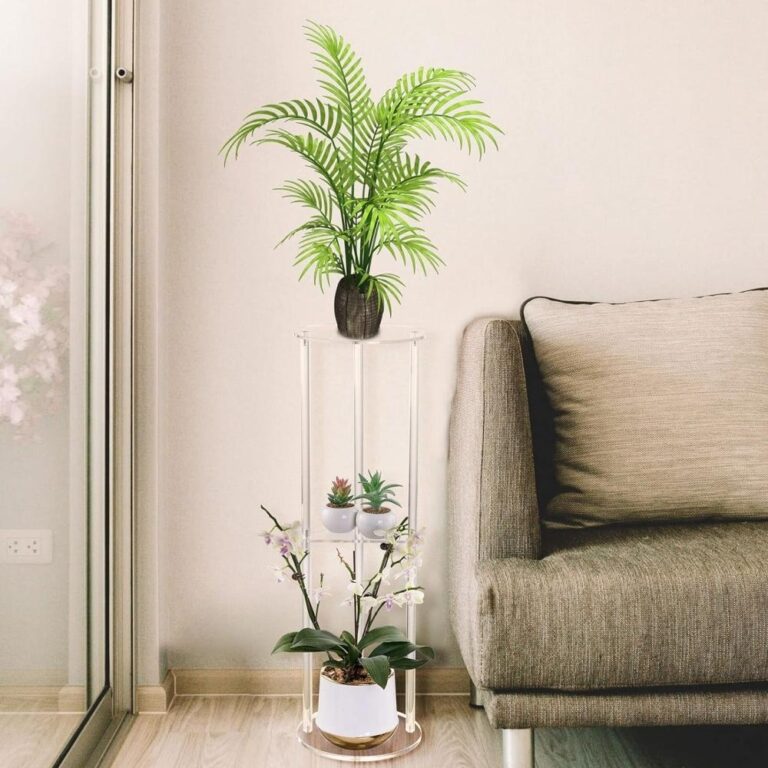 Aisha's pickRound Coffee Tables for Movie Nights and Slow Sundays
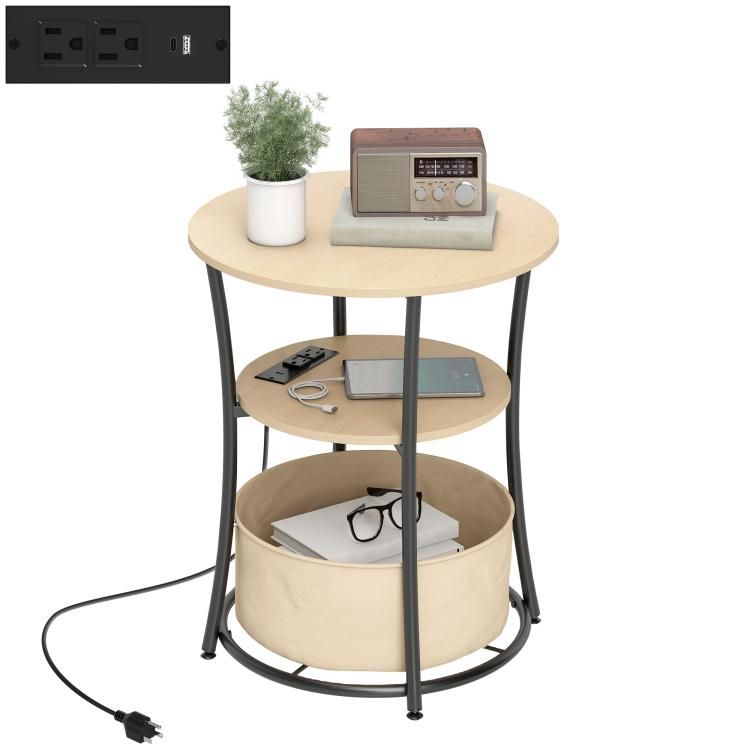
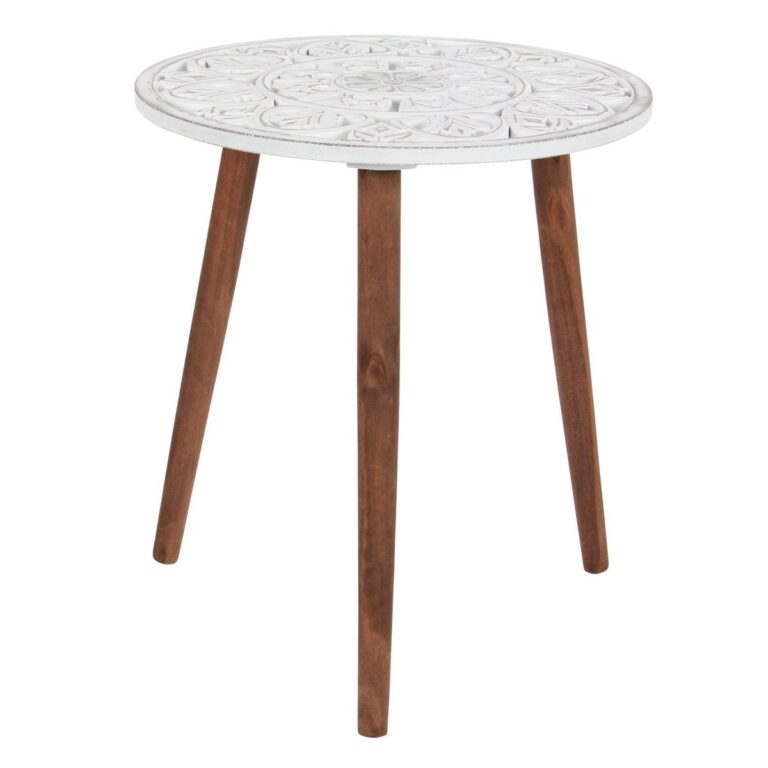 Aisha's pickWhite Round Side Tables That Fit Where You Need Them
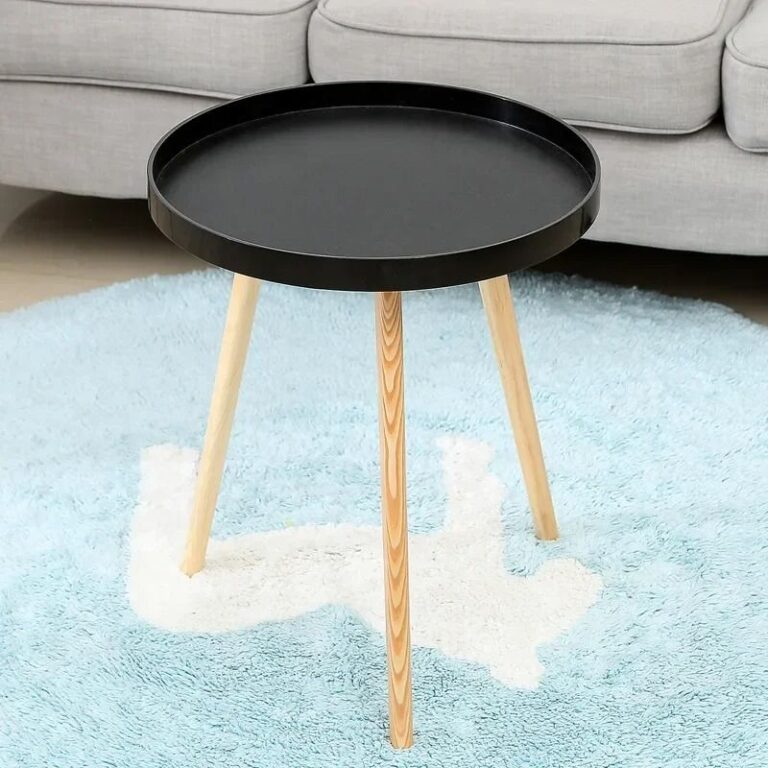
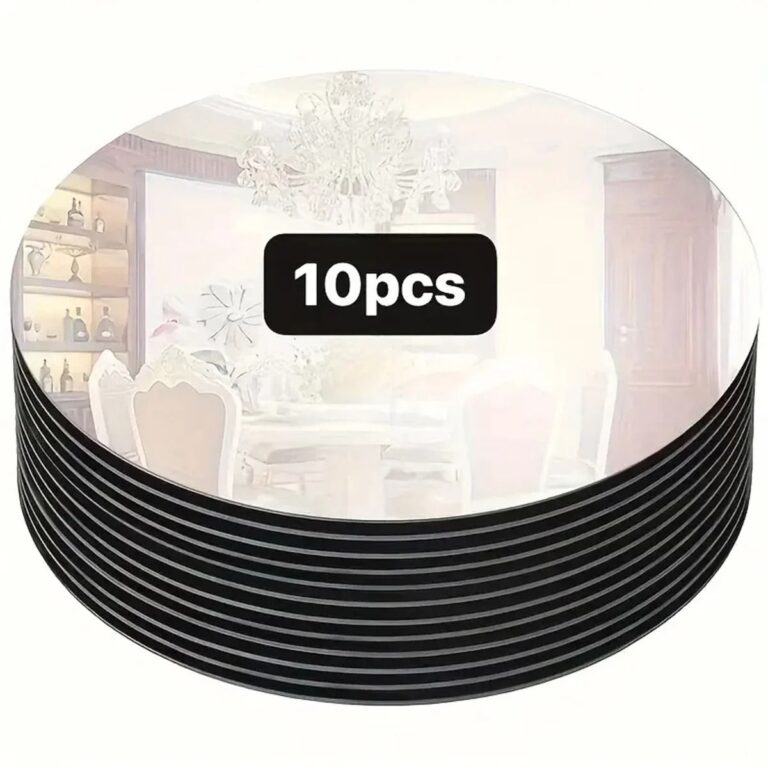 Aisha's pickRound Glass Dining Tables for People Who Know What They LikeAlso worth a lookEnd TablesThe first one I bought looked perfect in the store and then came home to a sofa it…See the collections →
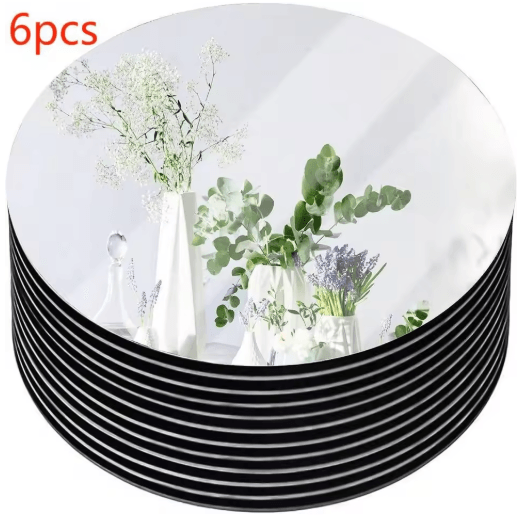
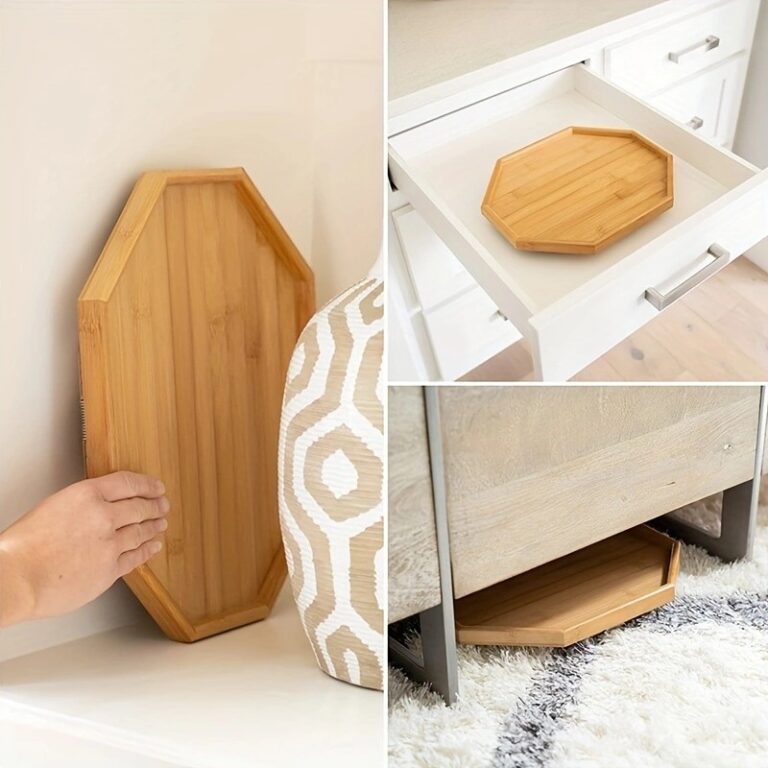 Aisha's pickRound Kitchen Tables That Make Cooking a Bit Nicer
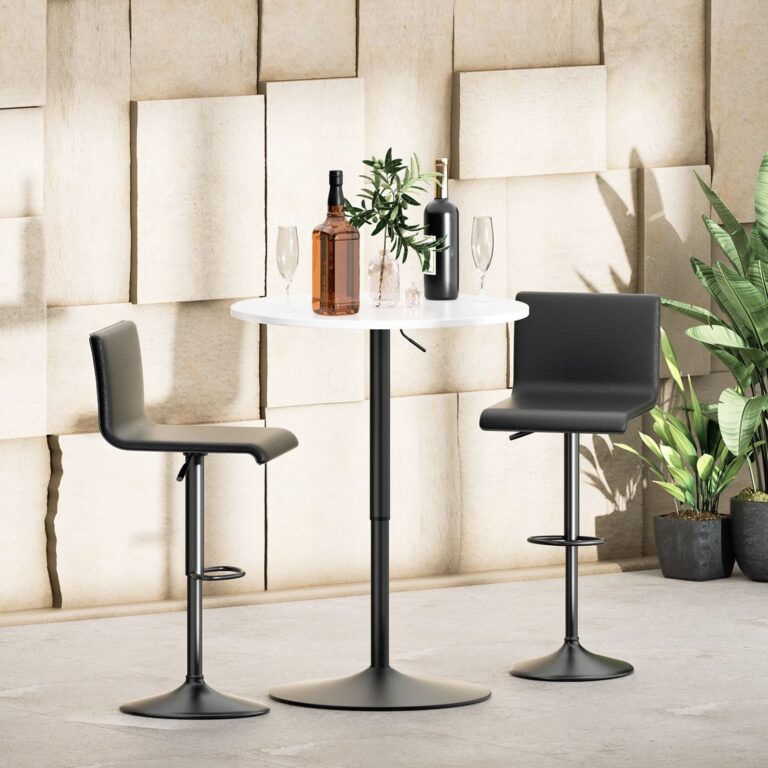
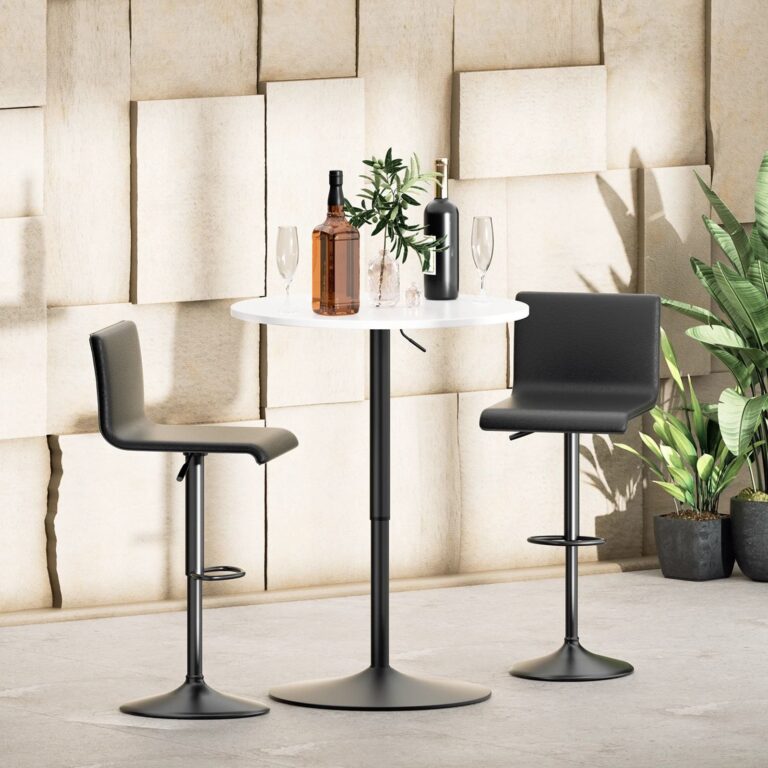 Aisha's pickRound Kitchen Dining Tables That Hide the Odd Scratch
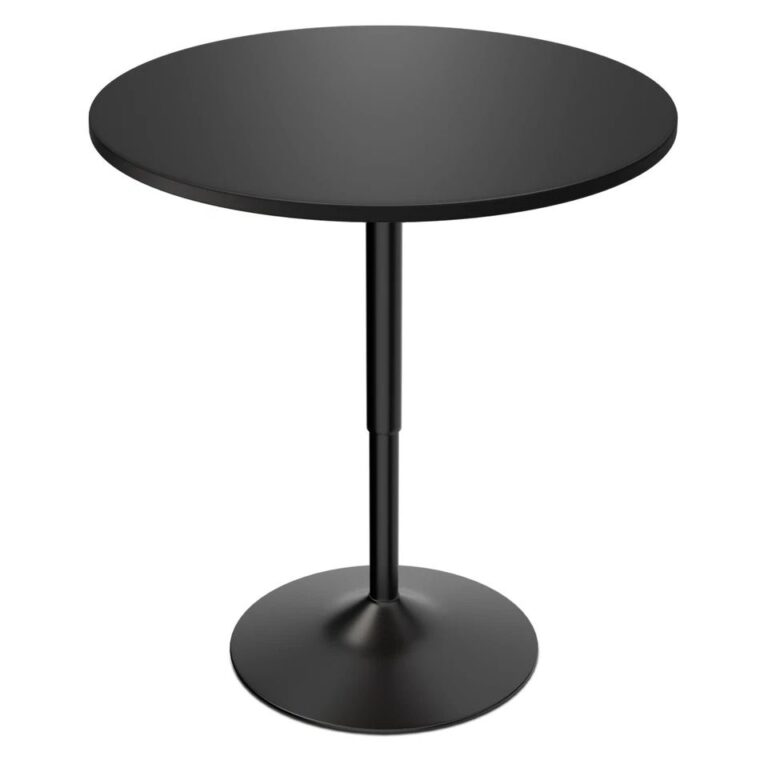
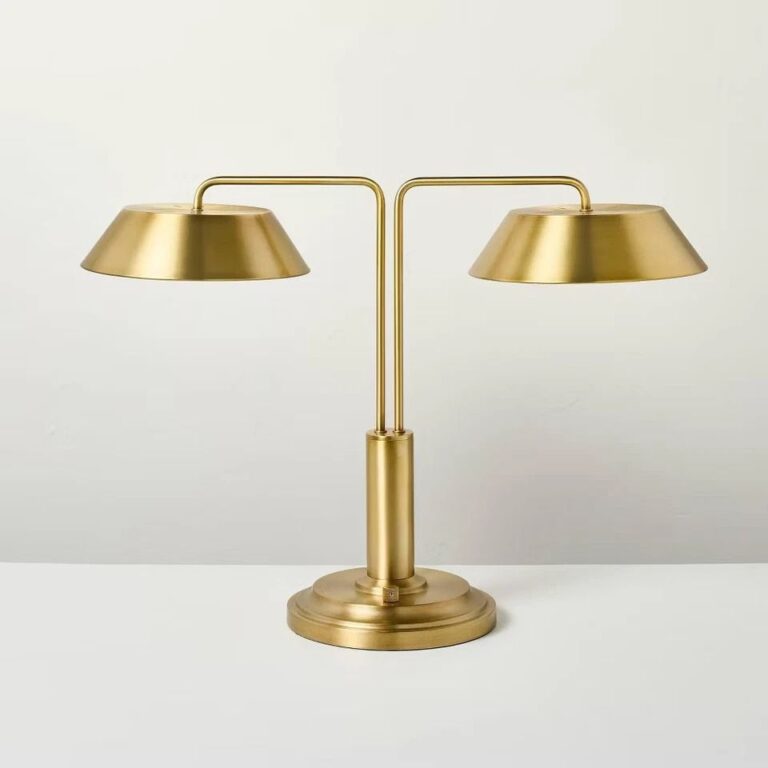 Aisha's pickRound Lamp Tables for When the Old Ones Give Up
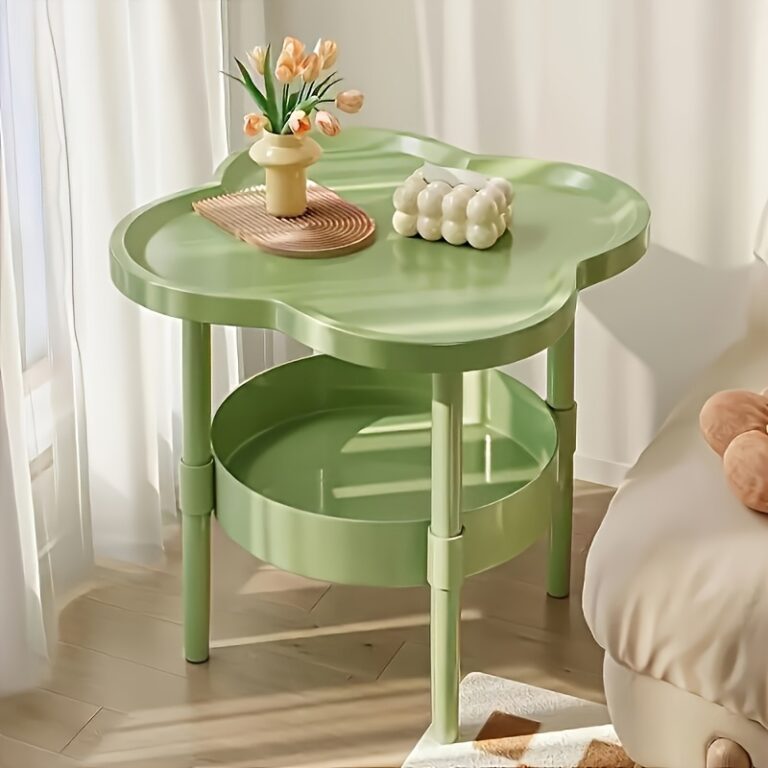
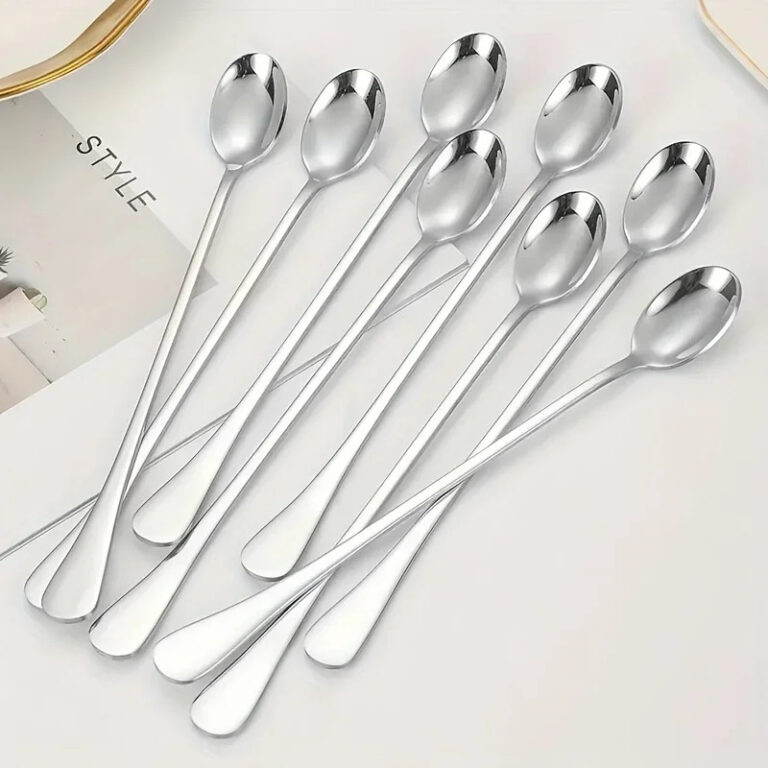 Aisha's pickSimple Round Metal Dining Sets Done Well

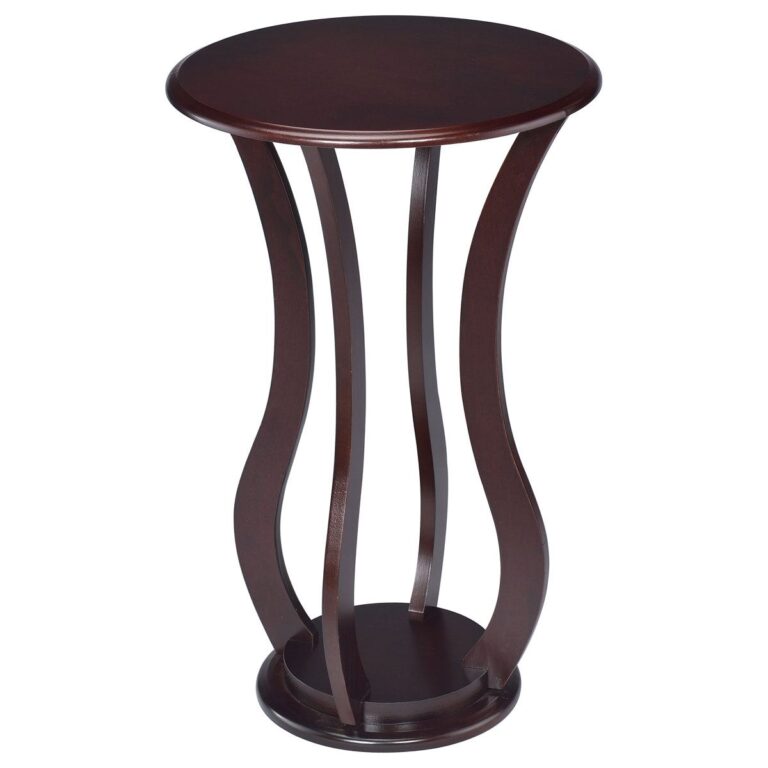 Aisha's pickRound Living Room Tables That Survive Hot Mugs and Spills
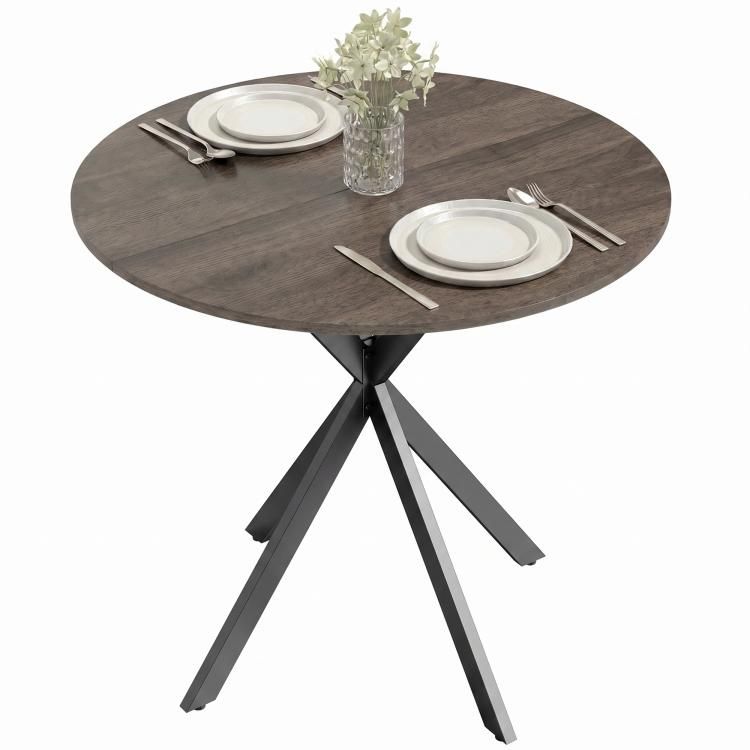
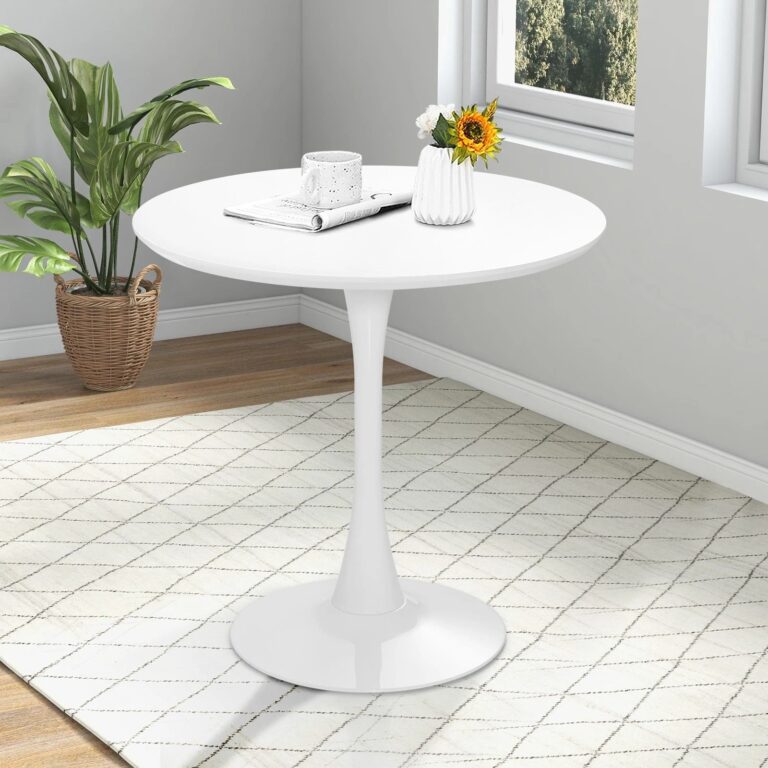 Aisha's pickRound Metal Dining Tables Big Enough for Sunday Dinner
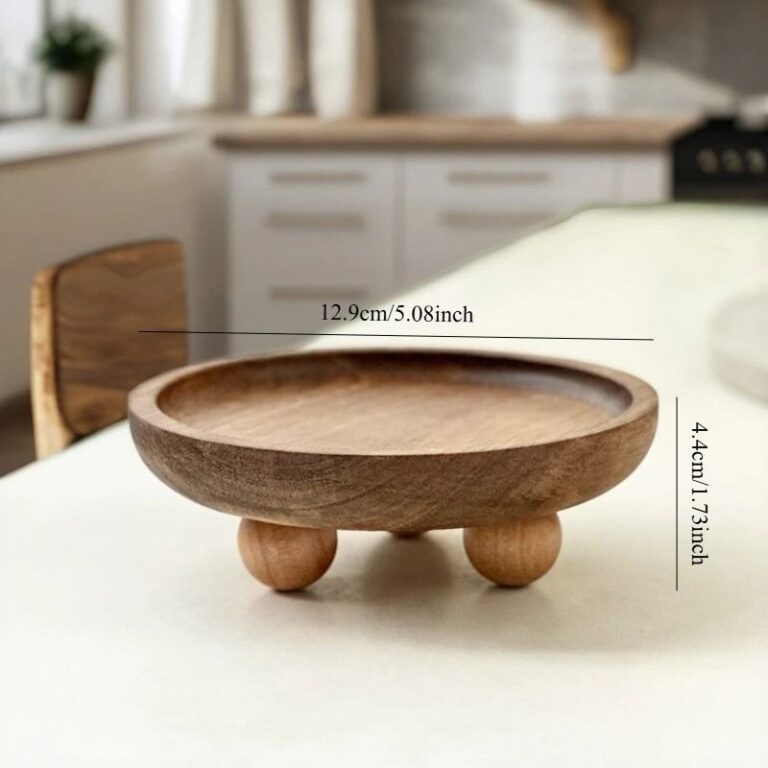
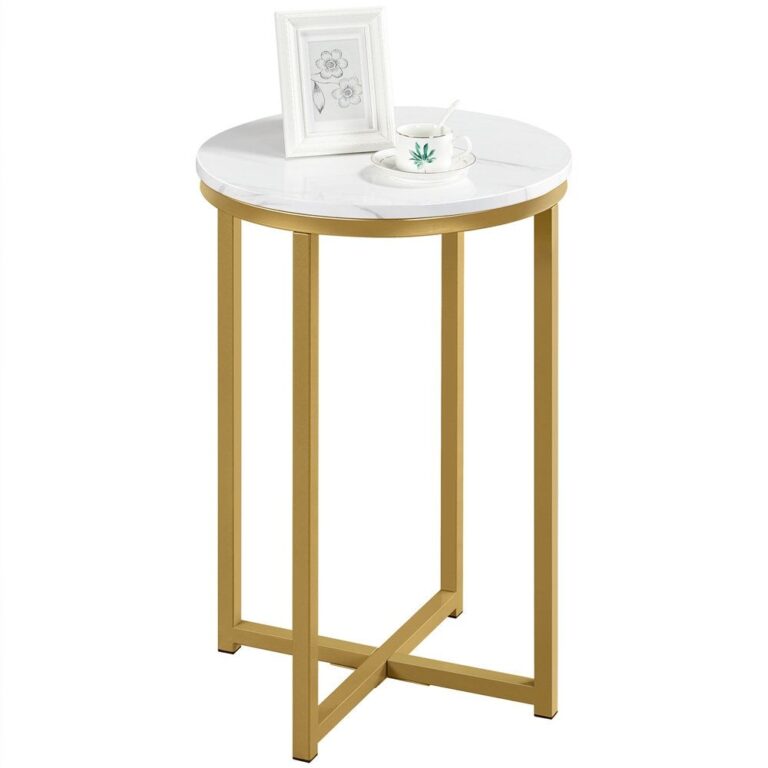 Aisha's pickGood Round Make Up Tables That Don’t Cost a Fortune
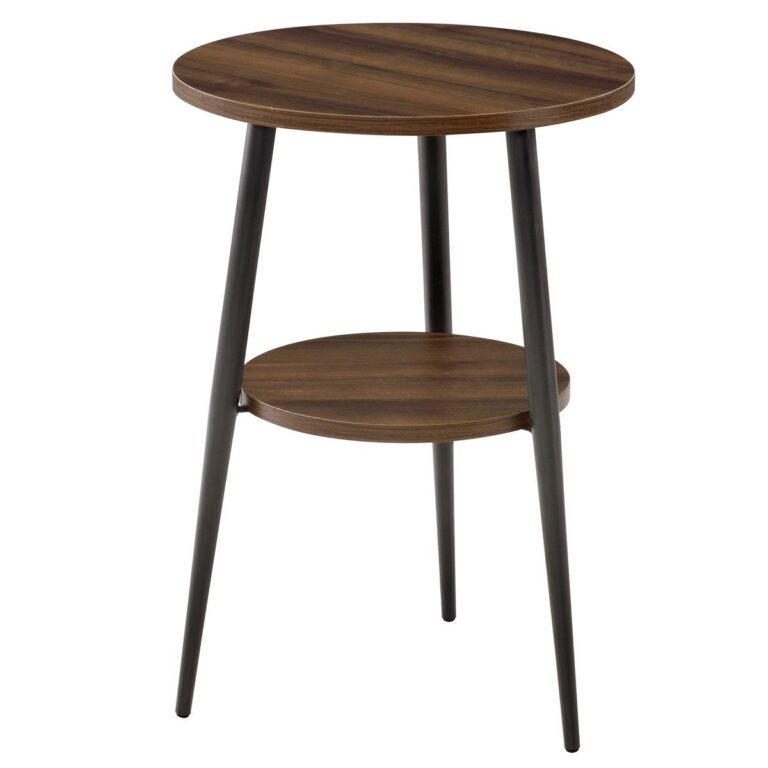
 Aisha's pickRound Pedestal Dining Tables for Long Dinners With Friends