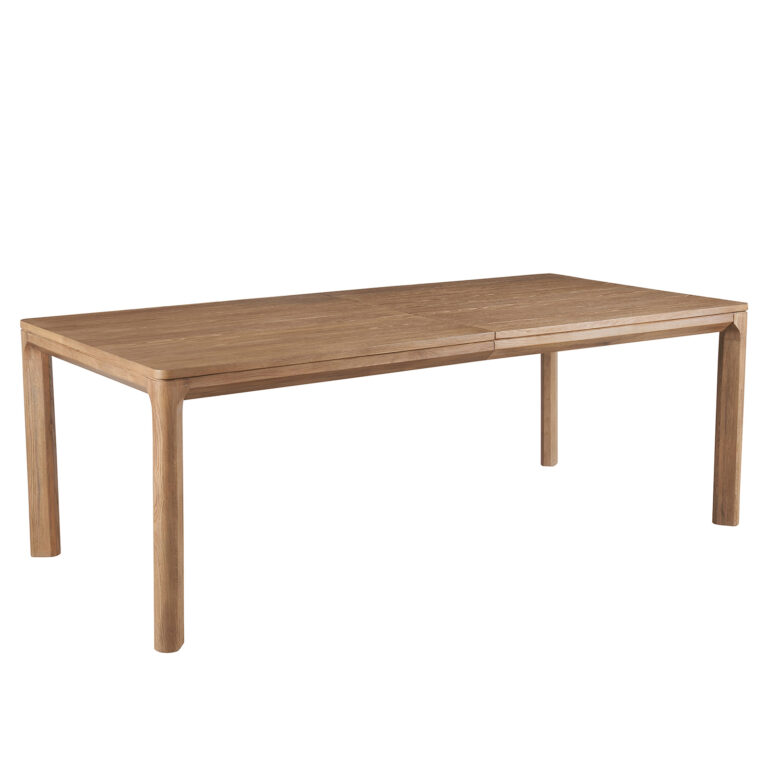
People see a nice oak table and think the wood is the whole story, so they buy on color alone and end up with something that scratches if you look at it wrong. The grain tells you almost nothing about how the table was actually built, and that's the part that decides whether it's still steady in ten years or wobbling after one move.
If you've got nothing to start with, go for a simple rectangular table in a mid oak, no drawers, no leaf extensions you'll never use, because that's the one that works in a small kitchen now and a dining room later if your situation changes. Oak suits almost any room that gets real daily use, a kitchen table where kids do homework and someone else is rolling out dough, a farmhouse dining room, even a desk in a home office, it handles all of it better than most other woods because it's dense and it doesn't dent the first time you set down a hot pan without thinking. It's less suited to a very formal, delicate room, it always looks a little like it's ready to work. What separates a table that lasts from one that disappoints is mostly underneath, where you can't see it at first. Look for proper mortise and tenon joints or dowels at the leg to frame connection, not just screws into softwood blocks, and run your hand along the underside for rough patches that mean they rushed the sanding. A solid oak top will have some natural movement with humidity, a slight gap that opens and closes with the seasons, that's normal and not a flaw, but a top that's genuinely splitting along a seam is a different problem and means the wood wasn't dried properly before it was built. Finish matters just as much as construction, an oil finish is forgiving and easy to patch yourself when it scuffs, while a thick lacquer looks perfect in the showroom and then shows every scratch like a scoreboard once you're actually using the thing. For color, a natural or light honey oak hides dust and crumbs better than you'd guess and goes with almost anything you add around it later, while a very dark stained oak looks dramatic in photos and shows water rings if you're not careful with coasters. I've had a honey oak table through two house moves, countless spilled glasses of juice, and it still looks like a table that's lived a life rather than one that's falling apart.
Wipe up spills as they happen rather than letting them sit, and give the top a fresh coat of oil once or twice a year to keep the finish doing its job.
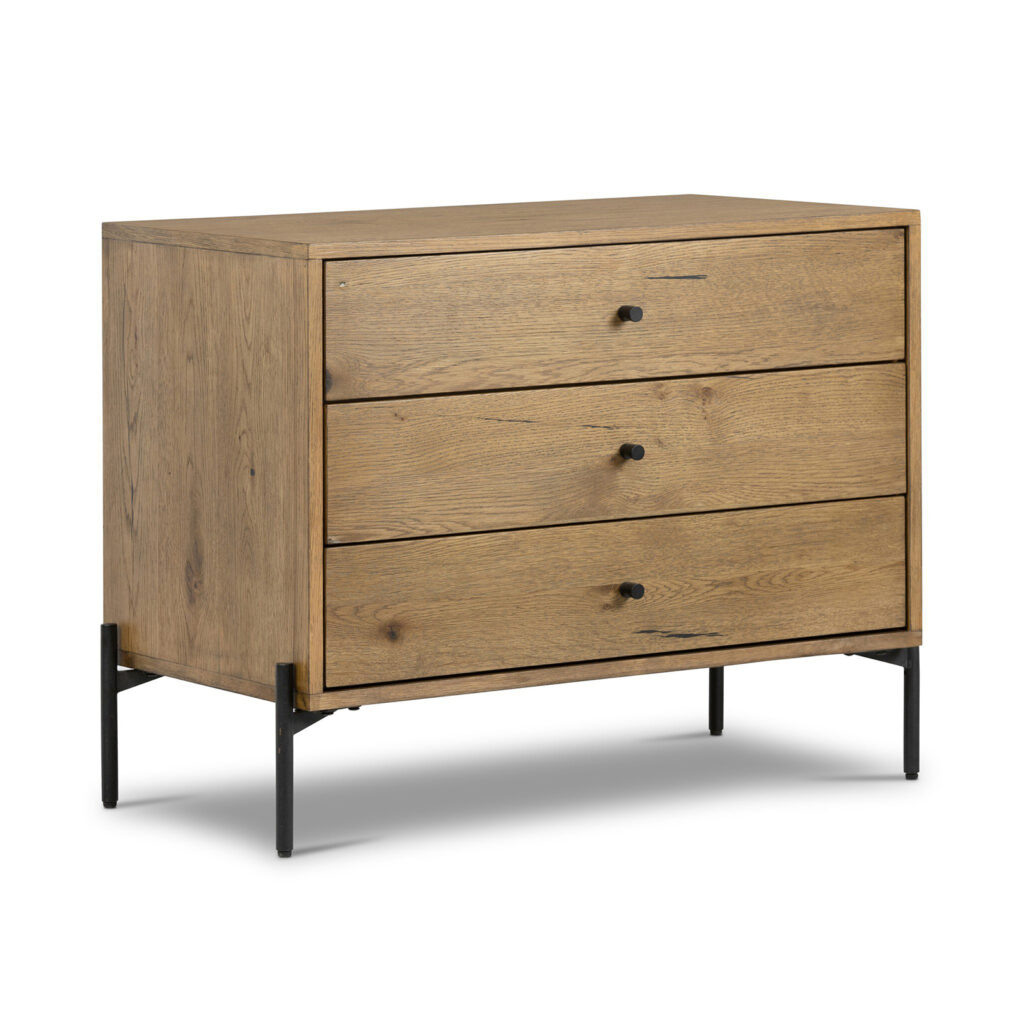
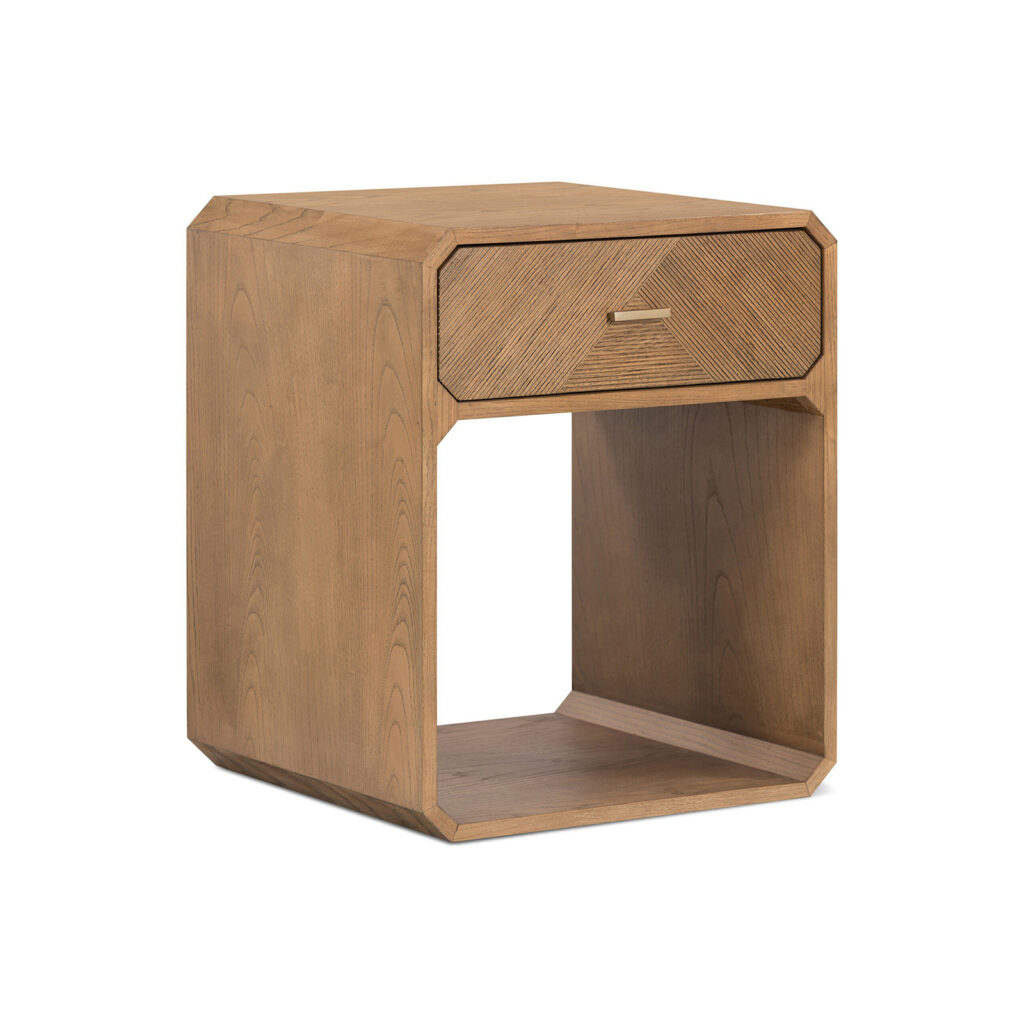 Aisha's pickOak Nightstands With Some Character
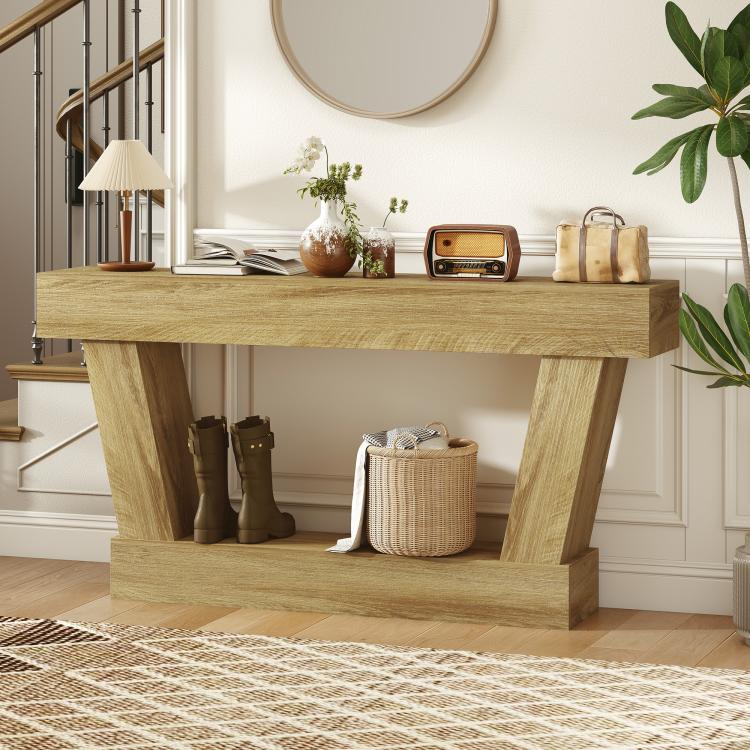
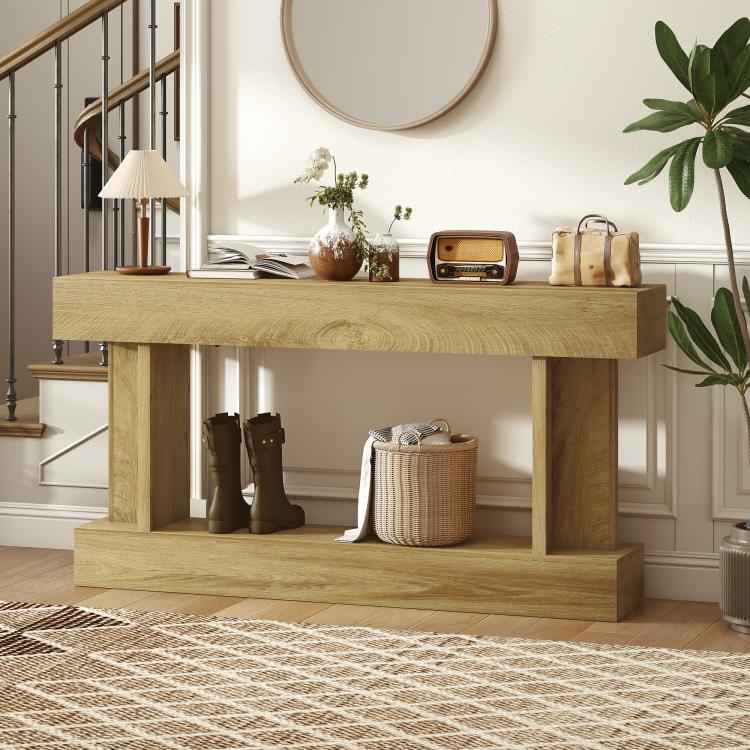 Aisha's pickOak Console Tables That Clean Up With a Wipe
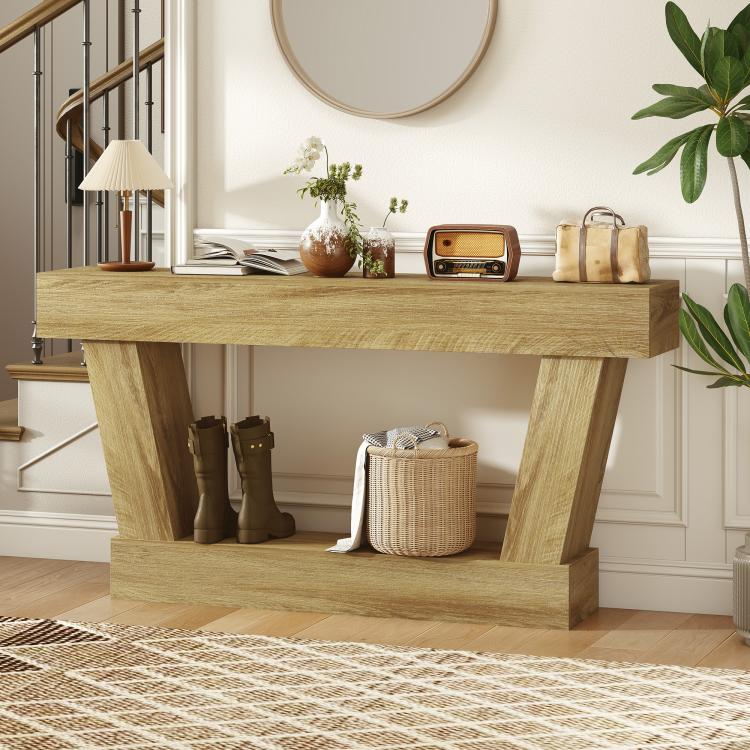
 Aisha's pickOak Dining Sets for Long Dinners With Friends
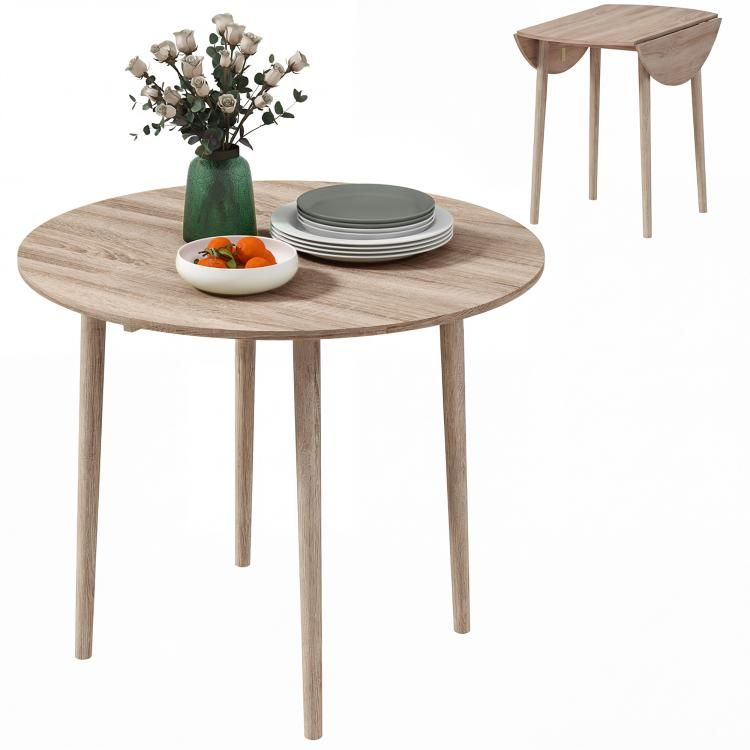 Aisha's pickOak Dining Tables That Do the Job Right
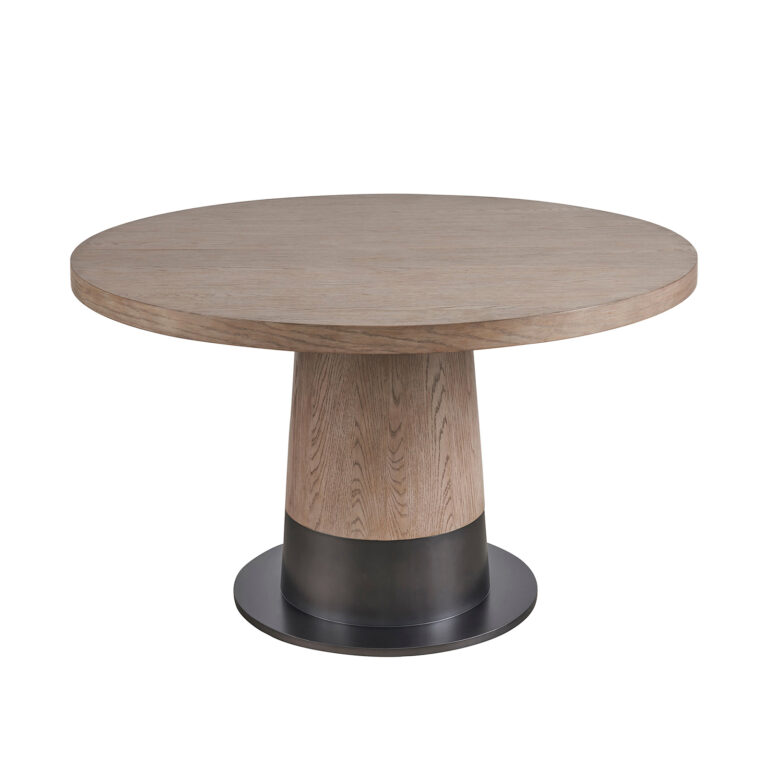
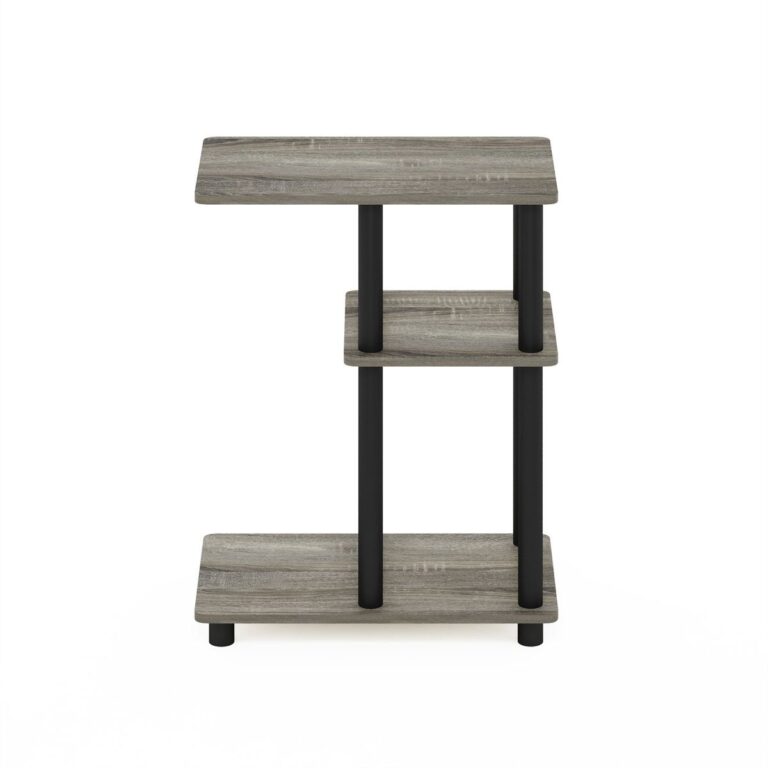 Aisha's pickOak End Tables That Survive Hot Mugs and Spills
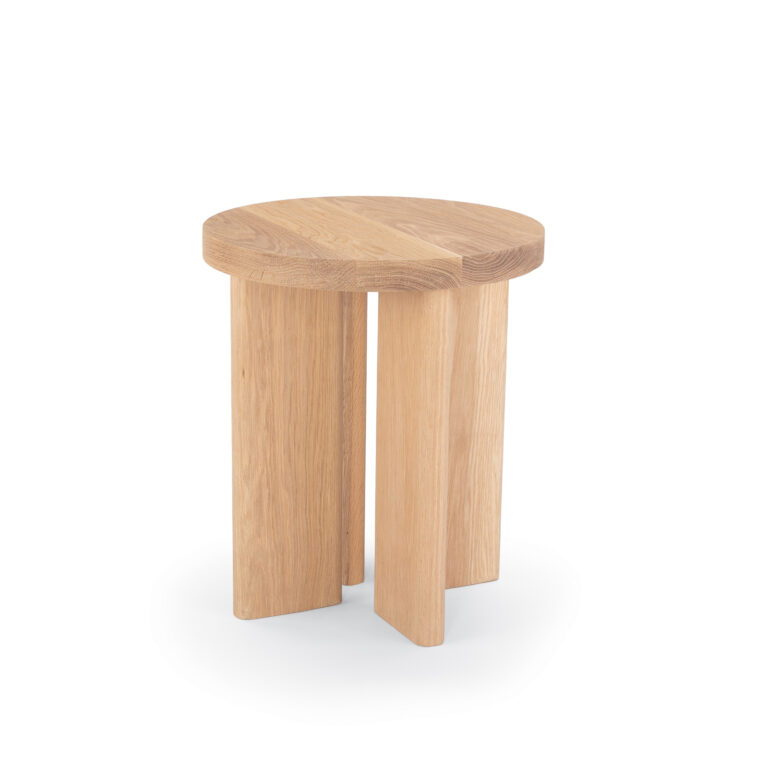
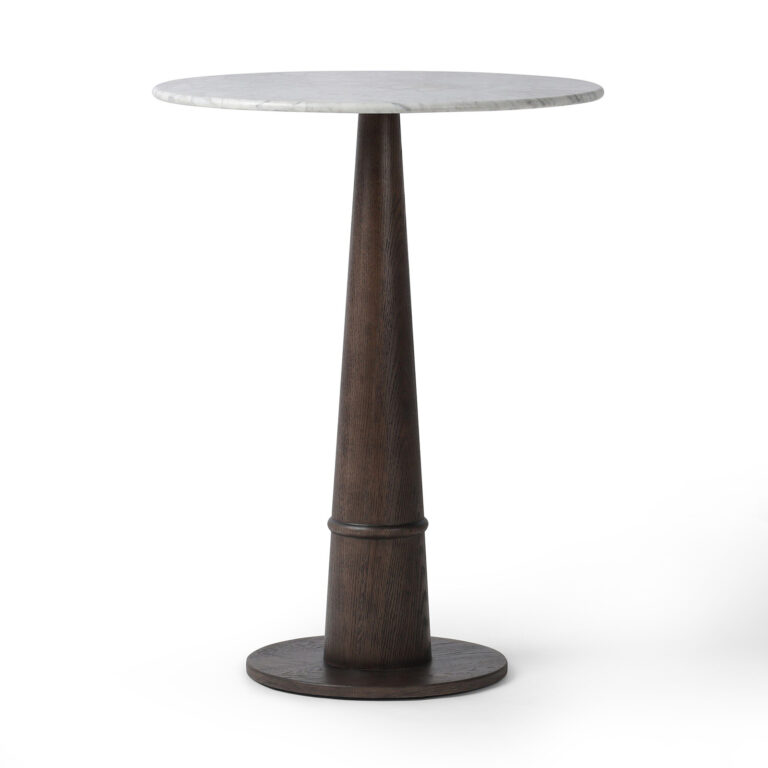
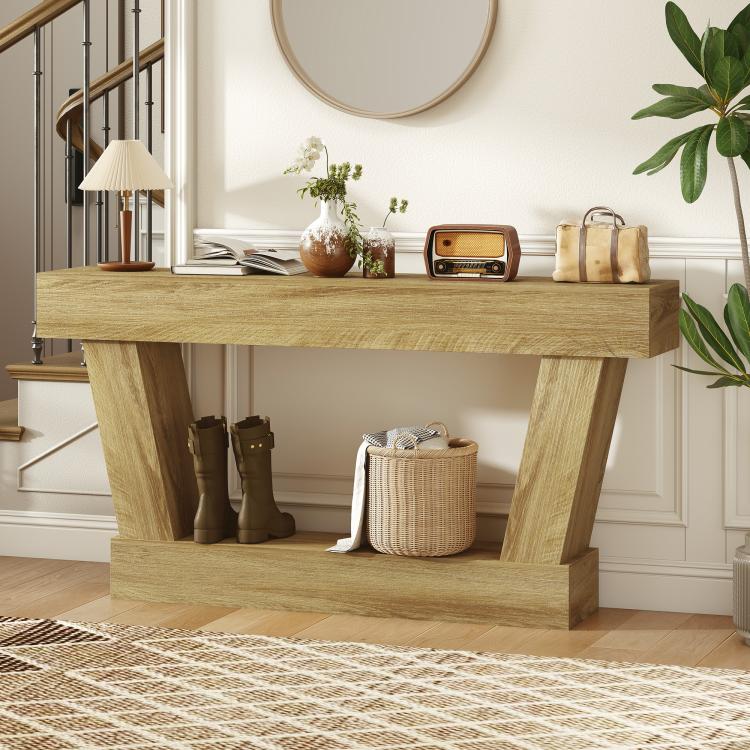 Aisha's pickOak Living Room Tables at Every Price Point
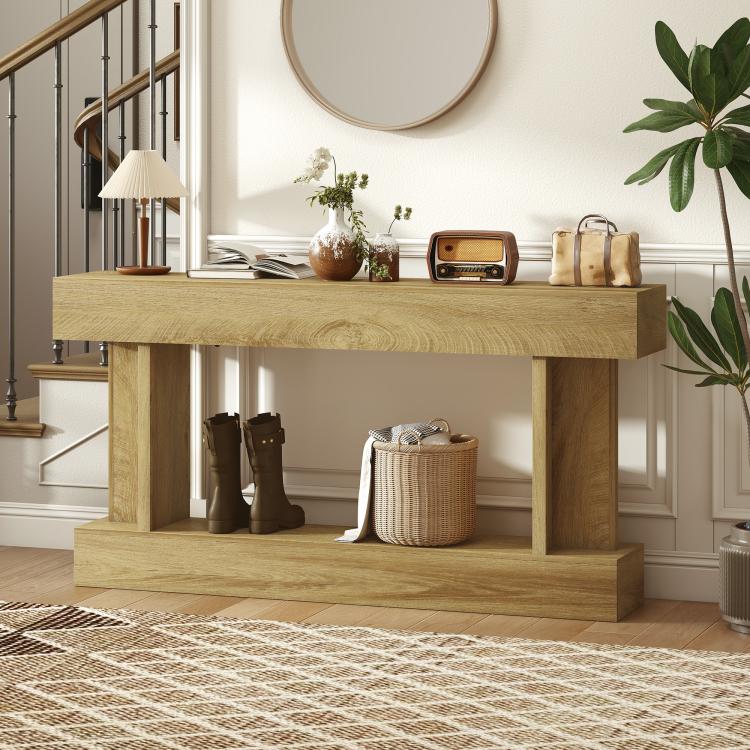
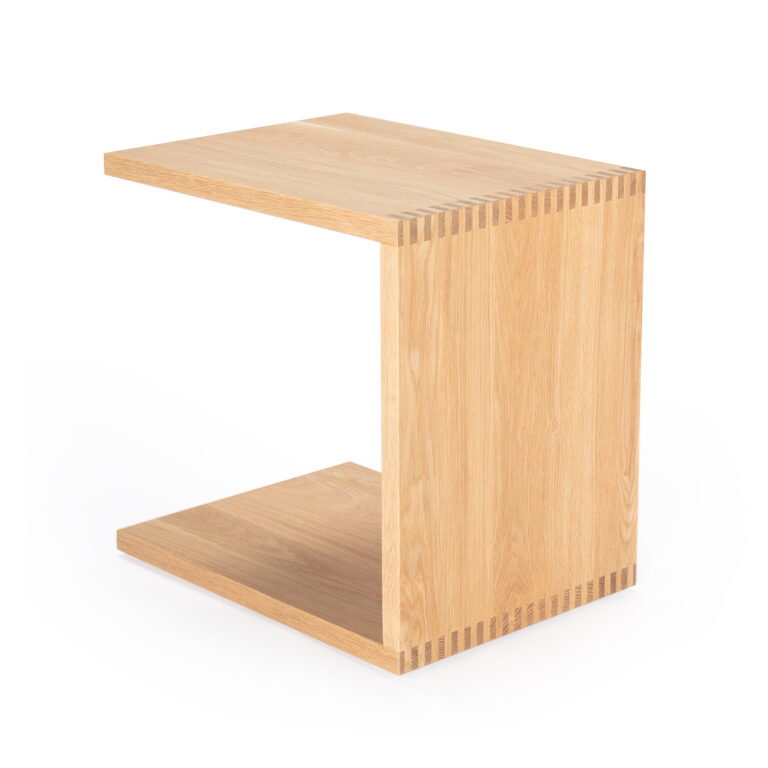
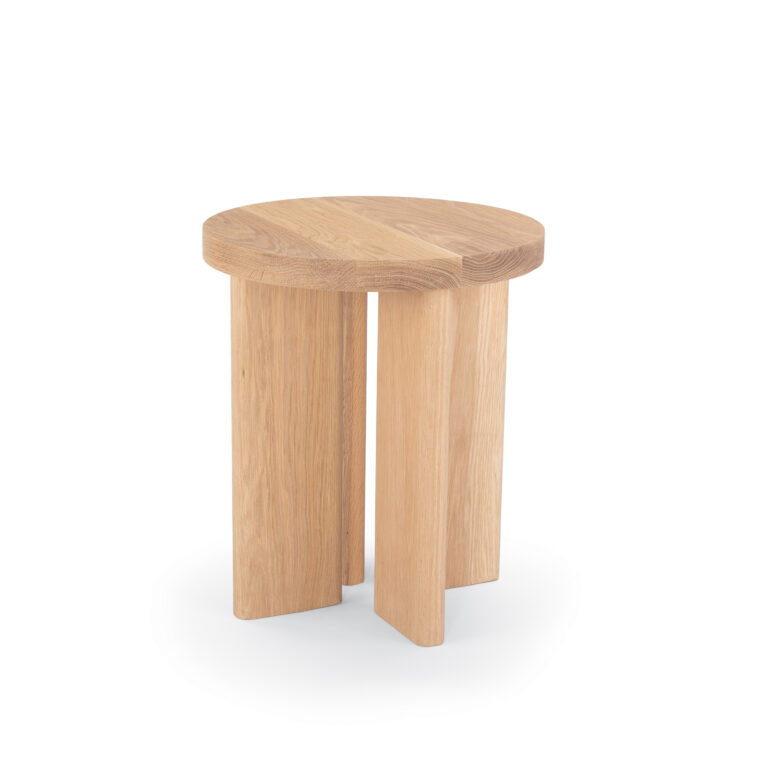 Aisha's pickOak Side Tables That Fit Where You Need Them
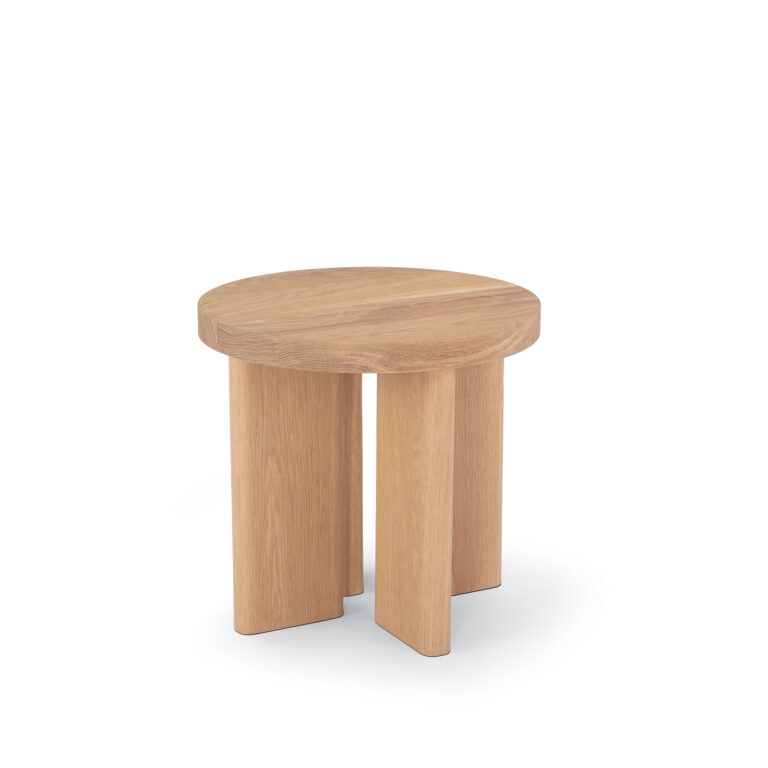
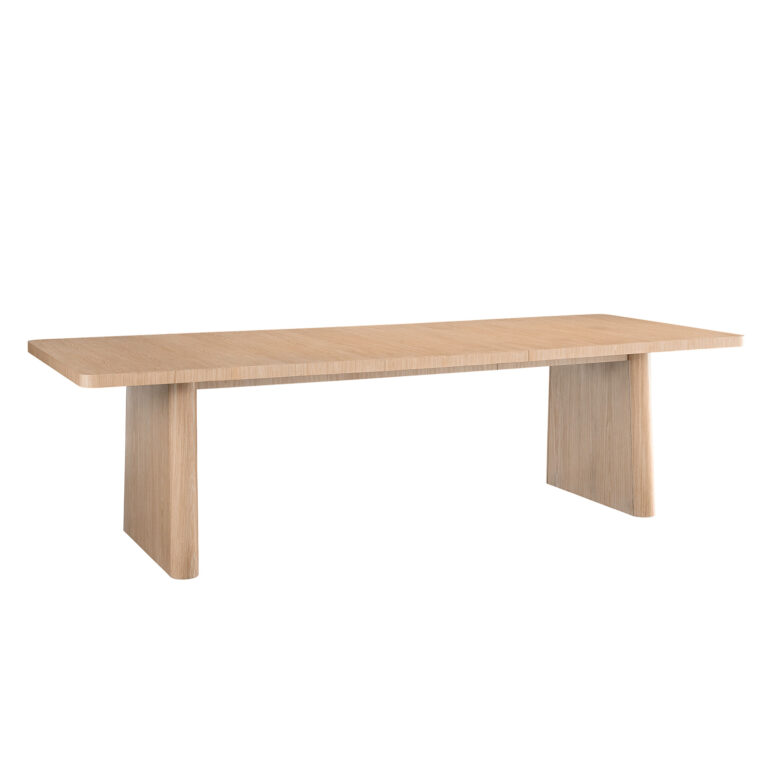 Aisha's pickRectangular Oak Dining Tables at Just the Right HeightAlso worth a lookVintage TablesThere's a particular kind of late fall afternoon, light going gold and low through the windows, when an…See the collections →