A good lamp table does one job and does it without complaint. You set a mug down on it and it doesn't rock, doesn't let out that hollow wobble-thunk sound that tells you the leg is already loose. It sits at the right height next to the arm of a chair so the light actually lands on your book instead of your shoulder, and it holds that cup, that lamp, that stack of whatever you're reading, without ever feeling like it's thinking about giving up.
What separates the good ones from the sad ones is almost always in the leg and how it meets the top. Solid wood legs joined into an apron with a mortise and tenon or at least a dowel and glue block will take decades of being bumped by vacuum cleaners and knees. The disappointing version has a leg screwed straight into a thin particleboard top through a plastic bracket, and after a year or two of that the screw works loose in the soft board and the whole thing develops a lean, like it's trying to tell you something. Flip one over before you buy it. If the underside is a sheet of staples and cardboard dressed up with a nice veneer on top, that's not a table, that's a rumor of one.
The finish matters more on a lamp table than people expect, because it's at eye level and at hand level, right where you notice things. Run your palm across the top in the shop. You want it smooth with no tacky give, no ridge where the veneer edge was glued on in a hurry. Check that the top overhangs evenly on all sides, that the drawer, if there is one, doesn't need a shove and a prayer to close. A drawer that glides shut on its own weight tells you more about the whole piece than the finish ever will.
The day it arrives, give it a light shake with one hand on the top and watch the legs. Any movement at the joint means it was built to survive delivery, not a living room. Set something with a bit of weight on it, a stack of books, and listen. A solid table gives back a flat, quiet thud. A hollow one gives back a sound like a drum, and that's the one going back in the box.
If you're starting with nothing, get one plain wood table with four straight legs and a single drawer. No glass, no metal accents, nothing trying to be the main event next to the lamp. It should disappear a little, the way a good supporting player does, and just hold your light where you need it for the next twenty years.
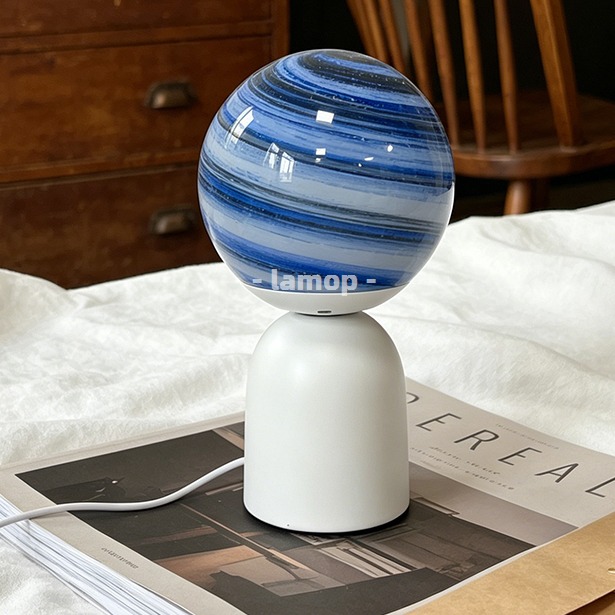 Aisha's pickModern Glass Lamp Tables We Keep Coming Back To
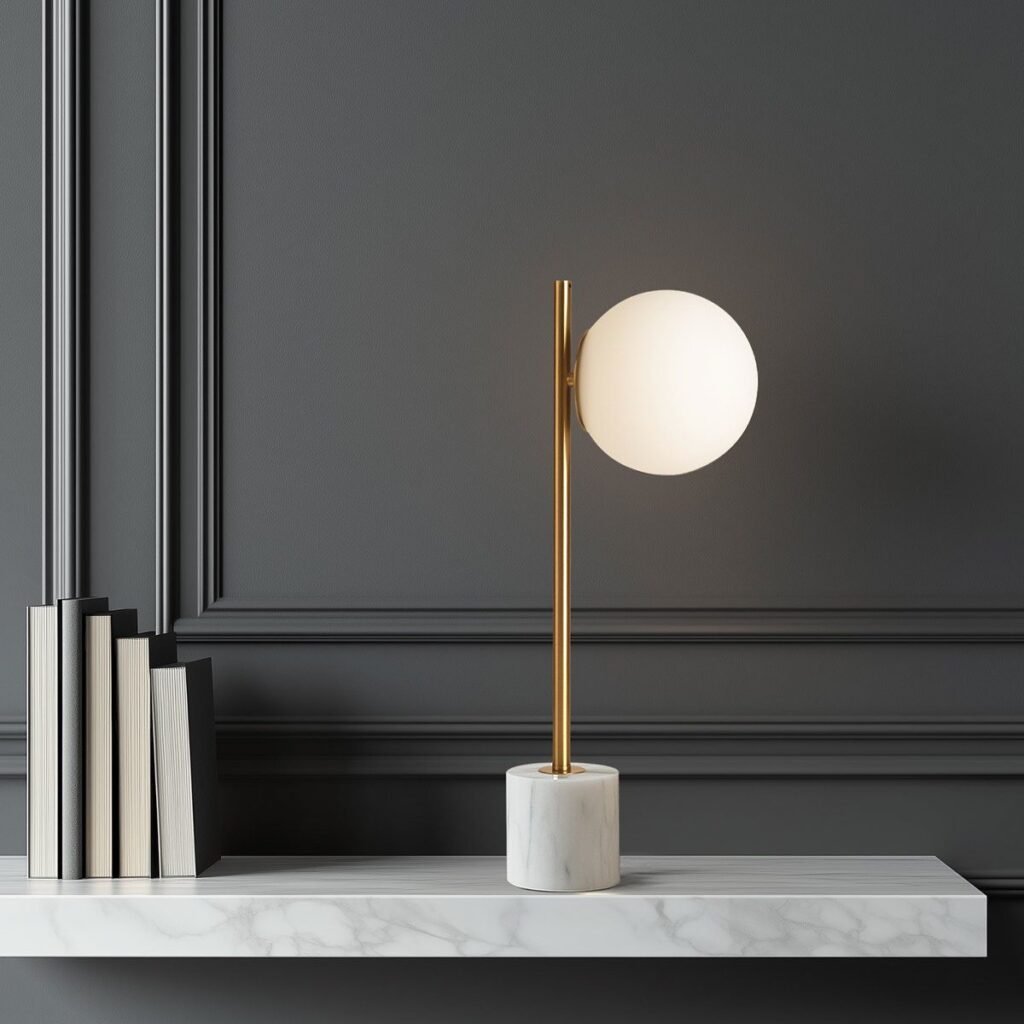
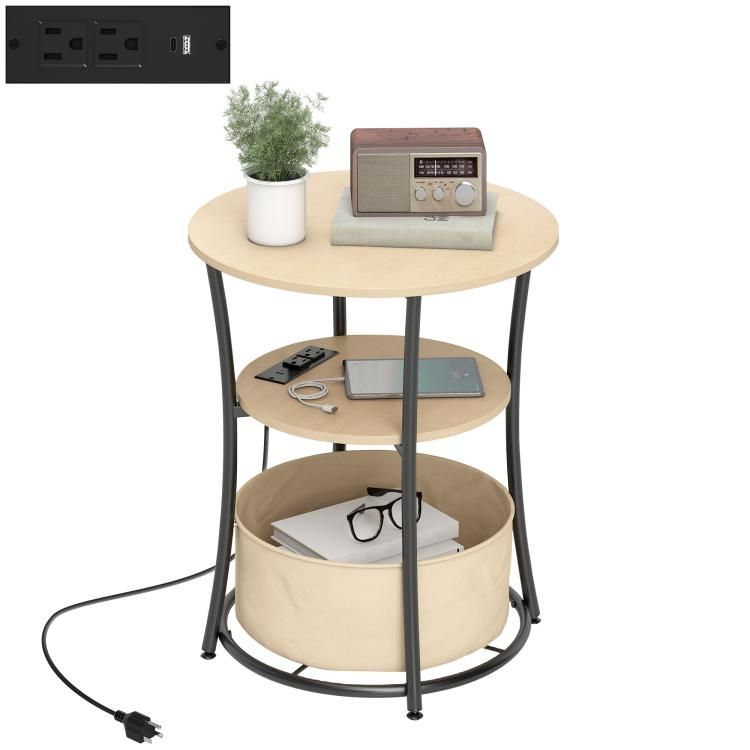 Aisha's pickBlack Lamp Tables That Fit Where You Need Them
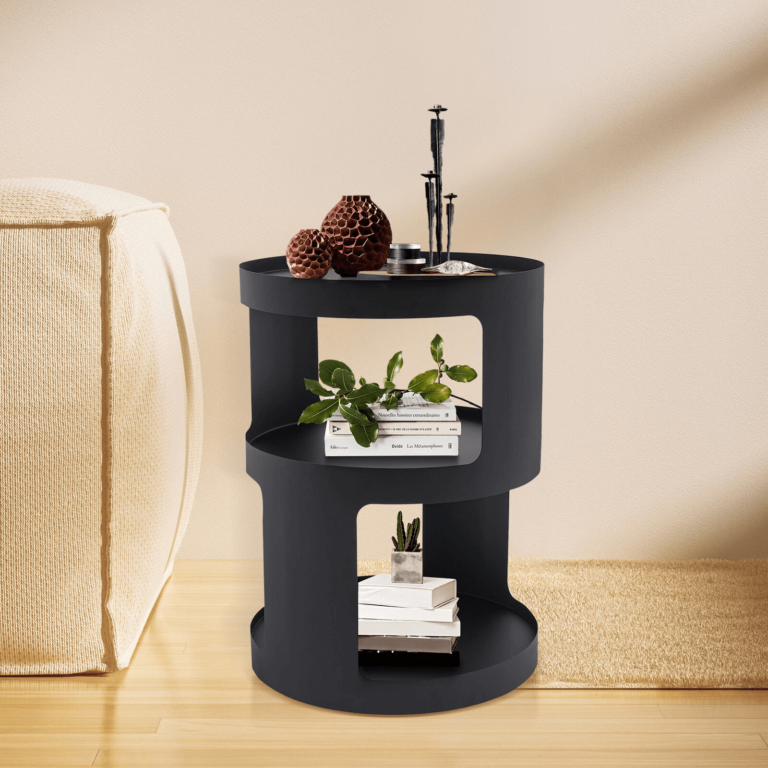
 Aisha's pickModern Lamp Tables That Don’t Wobble
 Aisha's pickBlue Lamp Tables Without the Silly Price Tag
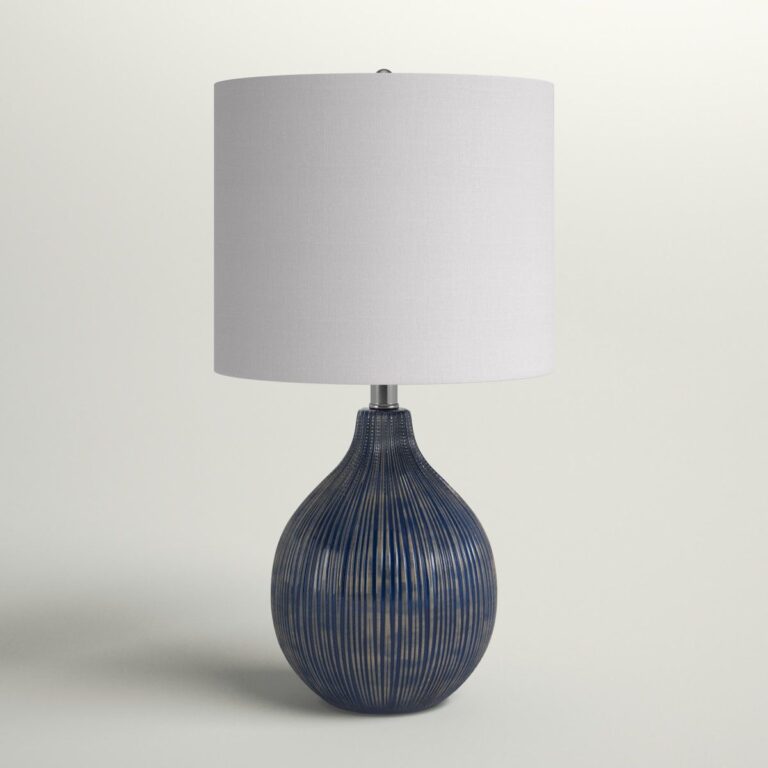
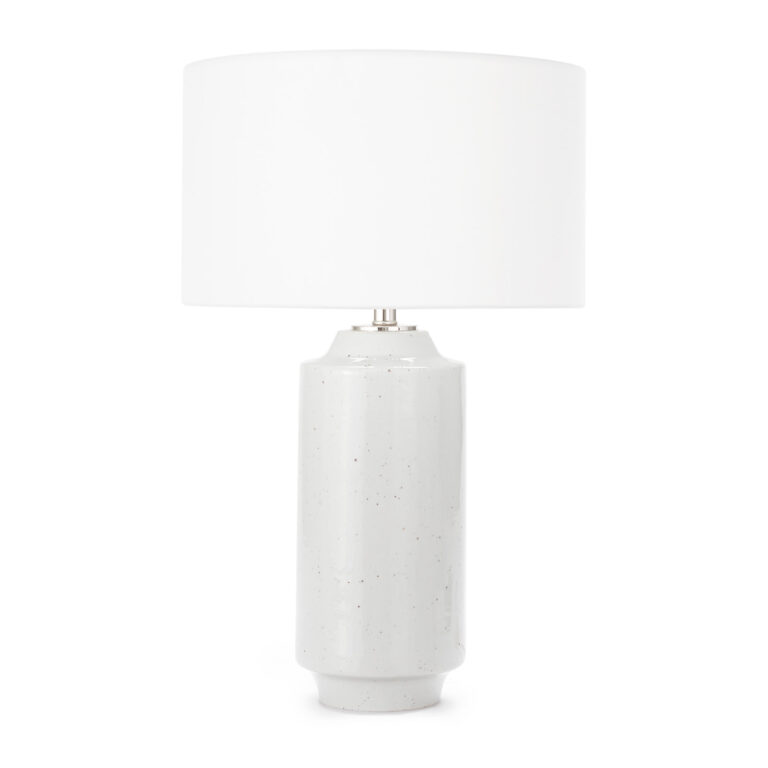 Aisha's pickNickel Lamp Tables You’ll Keep for Years
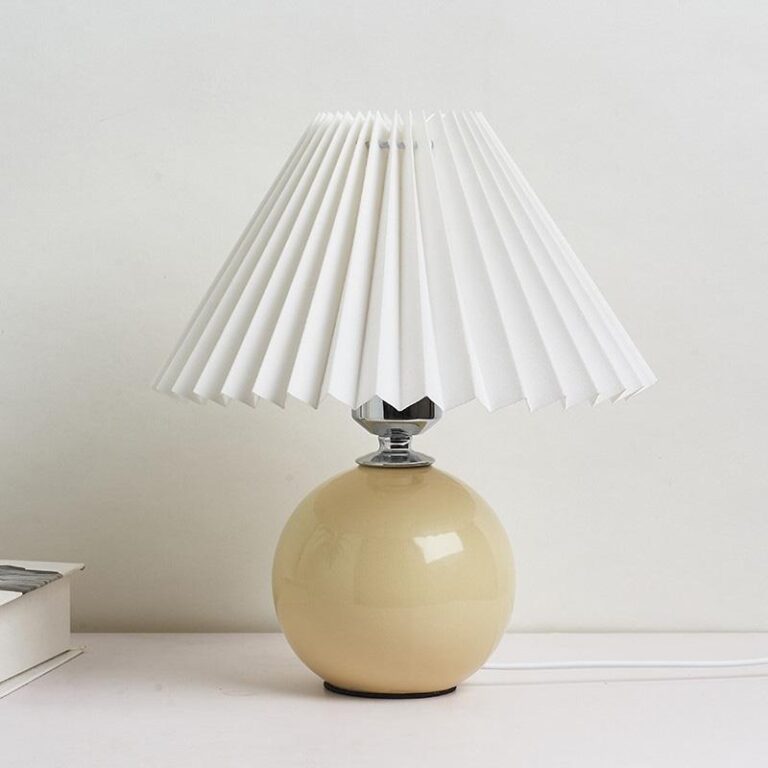 Aisha's pickCeramic Lamp Tables That Look Good Up Close
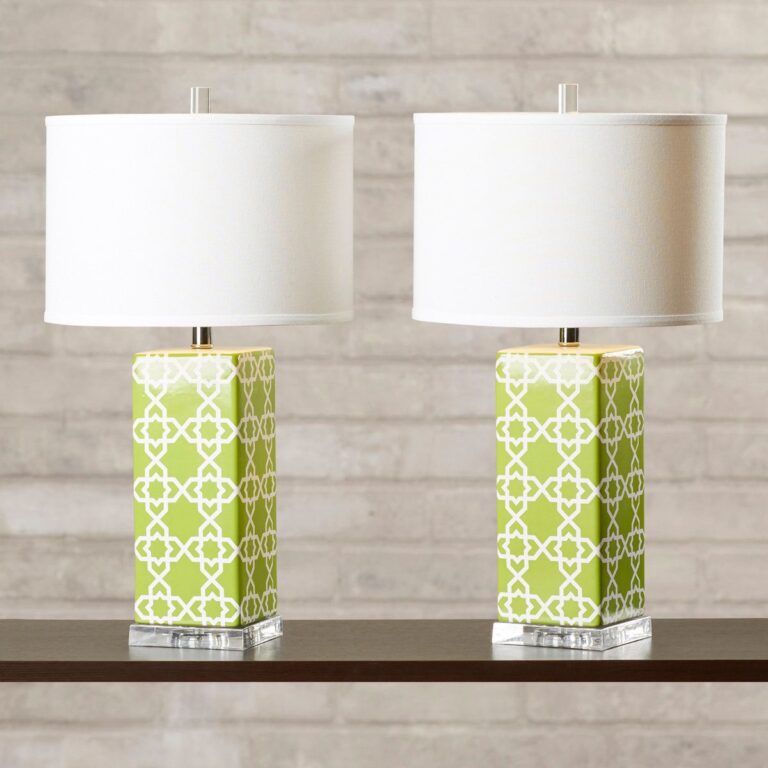
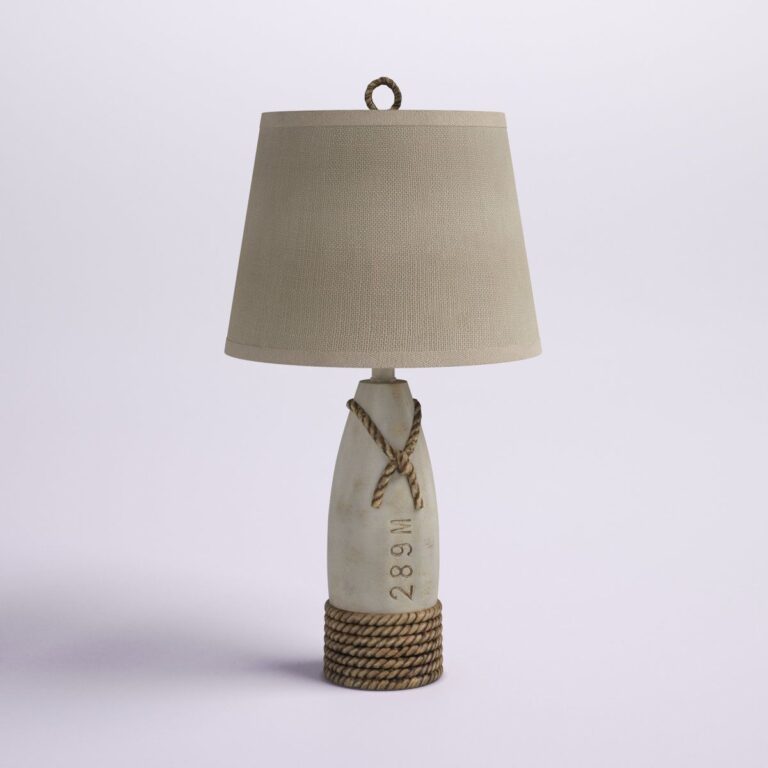 Aisha's pickWhere to Start With Painted Lamp Tables
 Aisha's pickChrome Lamp Tables That Don’t Wobble
 Aisha's pickSlim Lamp Tables That Clean Up With a WipeAlso worth a lookVintage TablesThere's a particular kind of late fall afternoon, light going gold and low through the windows, when an…See the collections →
 Aisha's pickWhere to Start With Classic Lamp Tables
 Aisha's pickSmall White Lamp Tables That Anchor a Room
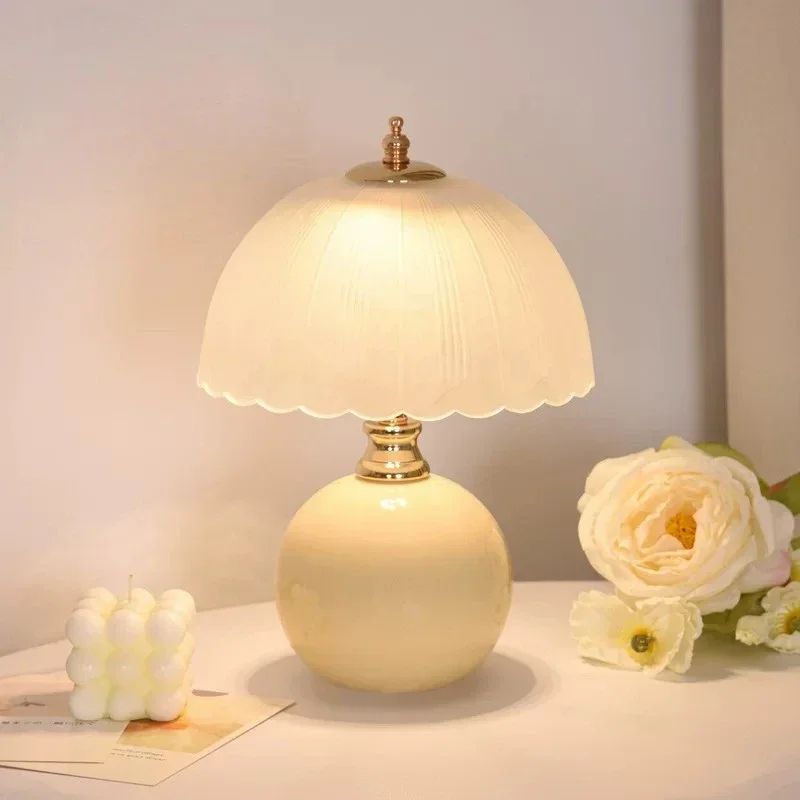
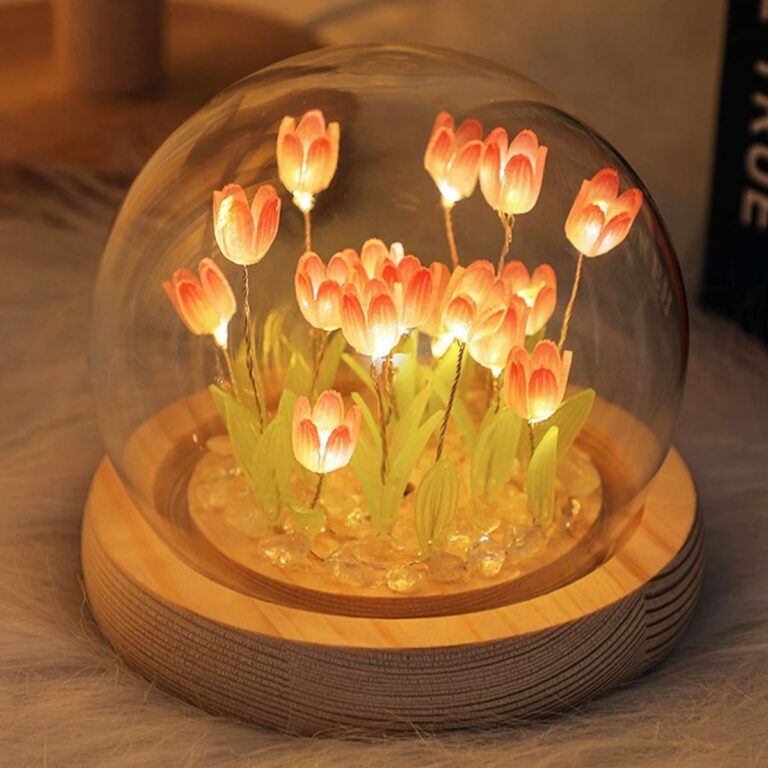 Aisha's pickClear Glass Lamp Tables That Go With Most Rooms
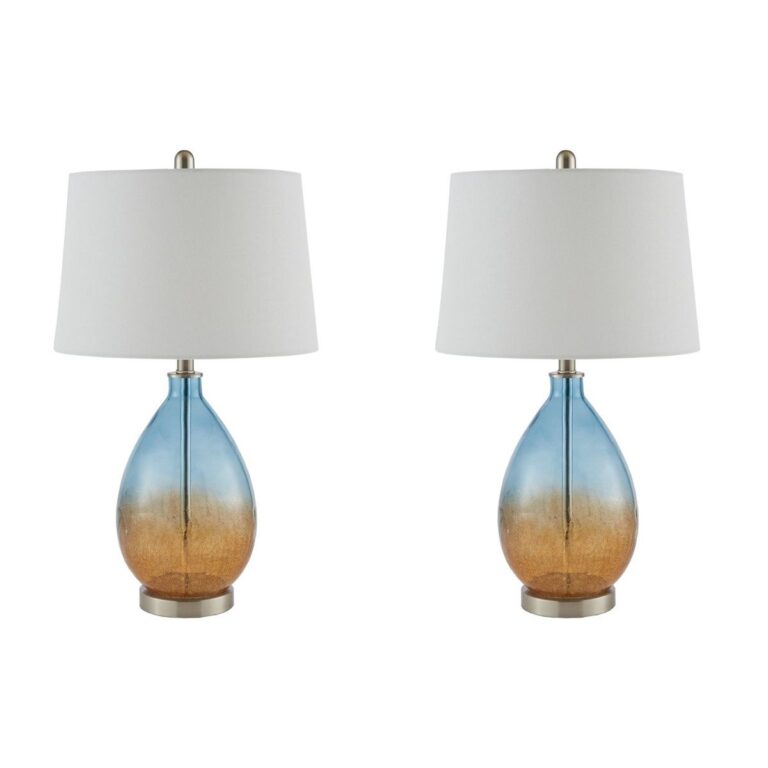
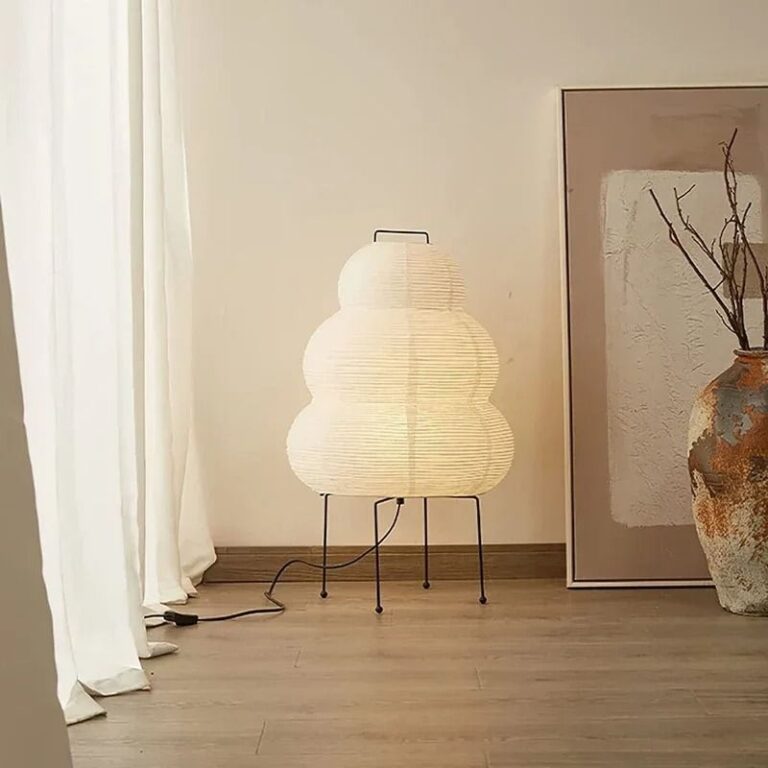 Aisha's pickSteel Lamp Tables We Use Every Single Day
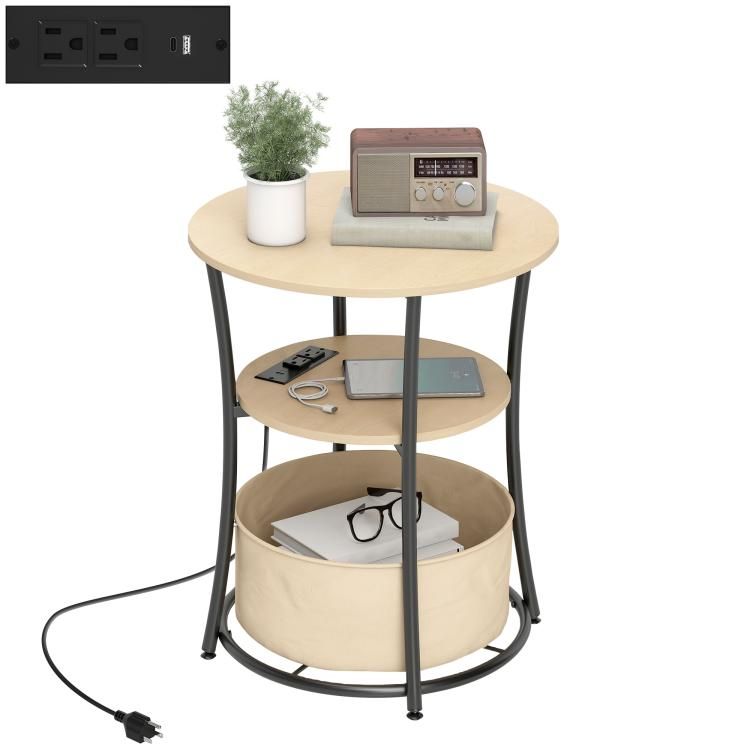
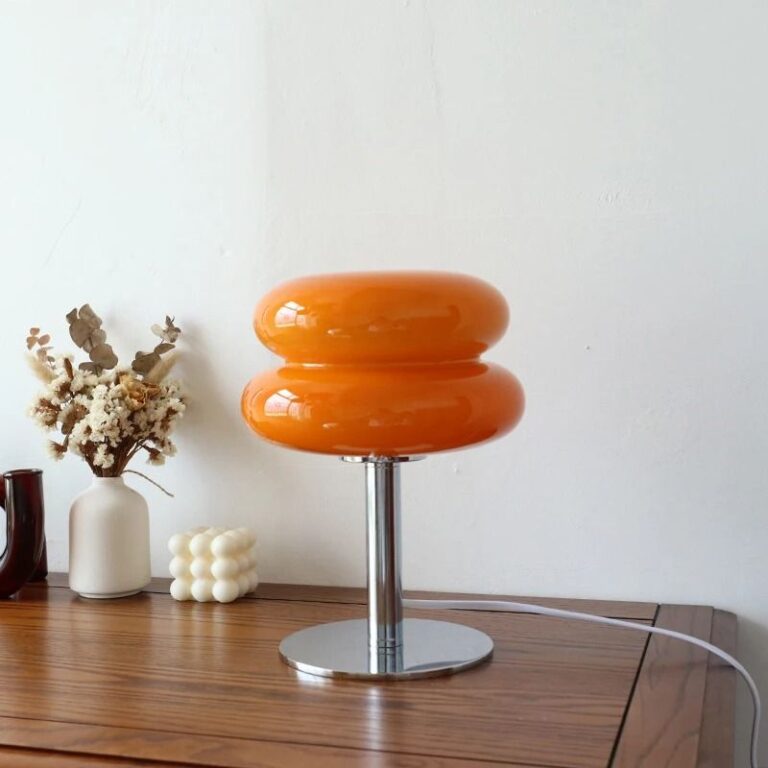 Aisha's pickGlass Lamp Tables That Don’t Wobble
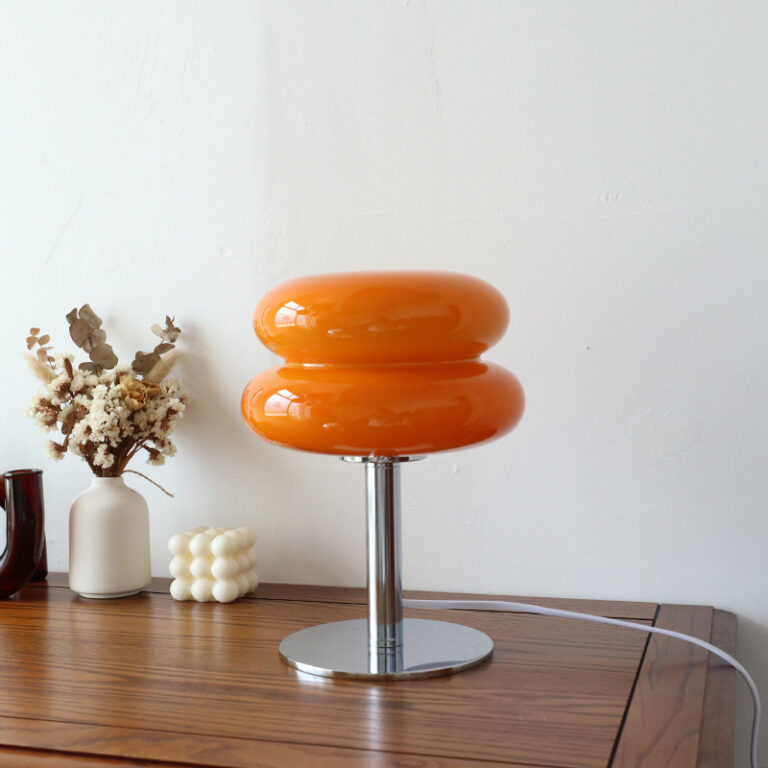
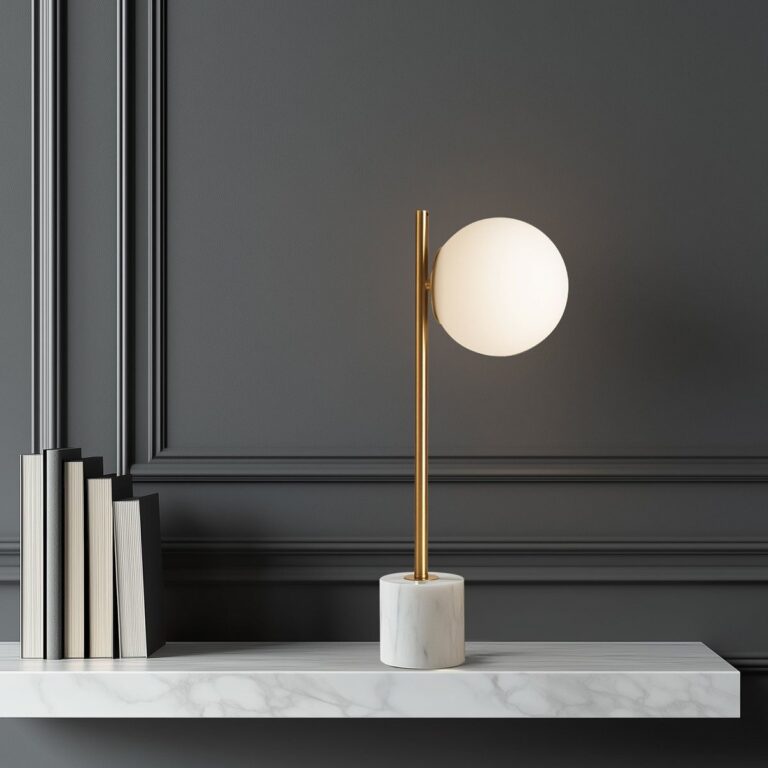 Aisha's pickTall Lamp Tables at Just the Right Height
 Aisha's pickGreen Lamp Tables That Hide the Odd Scratch

 Aisha's pickTraditional Lamp Tables That Don’t Shout About It
 Aisha's pickIndustrial Lamp Tables That Survive Hot Mugs and SpillsAlso worth a lookEnd TablesThe first one I bought looked perfect in the store and then came home to a sofa it…See the collections →
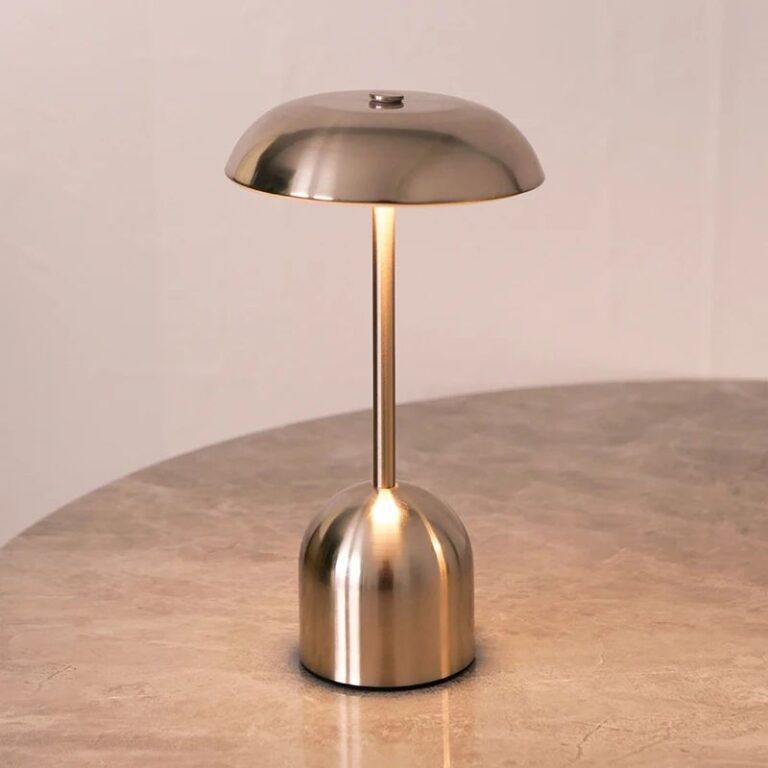
 Aisha's pickWhite Lamp Tables That Hide the Odd Scratch
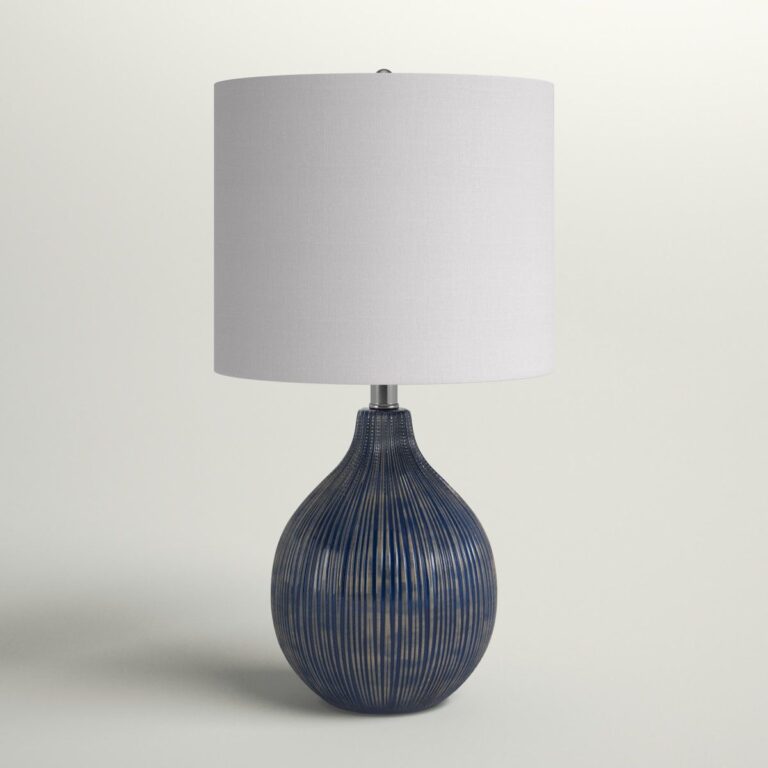
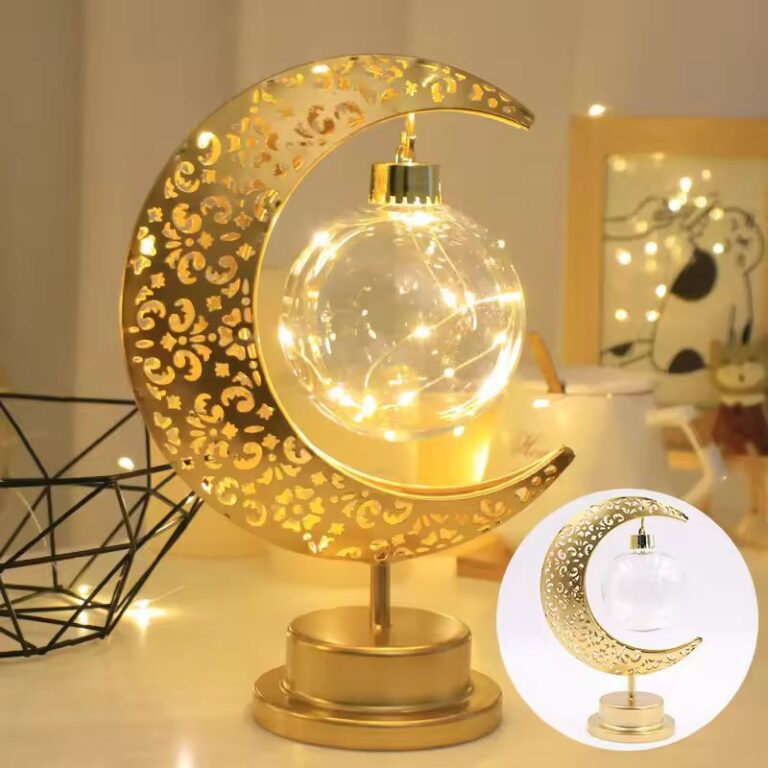 Aisha's pickSimple Iron Lamp Tables Done Well
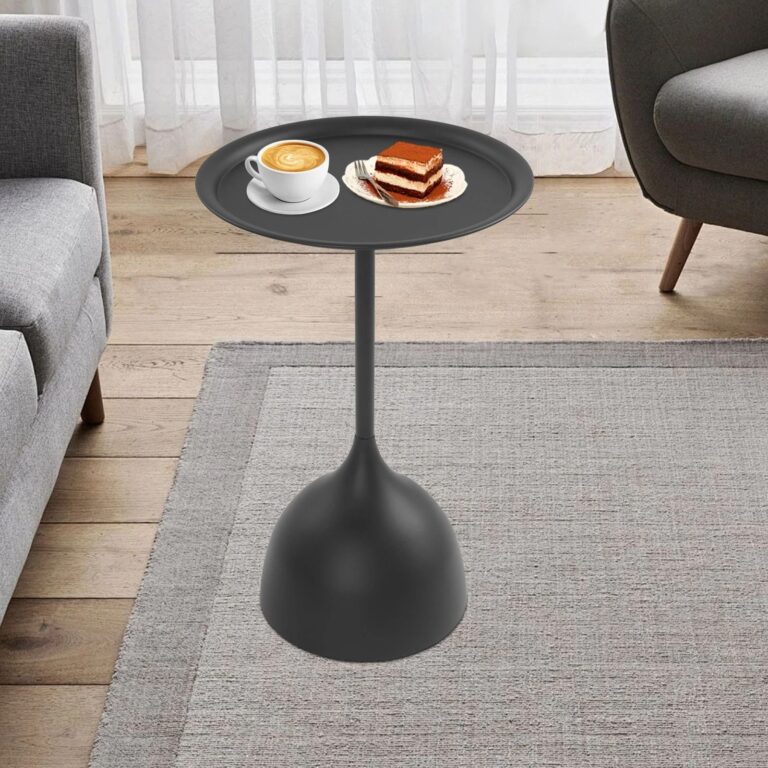
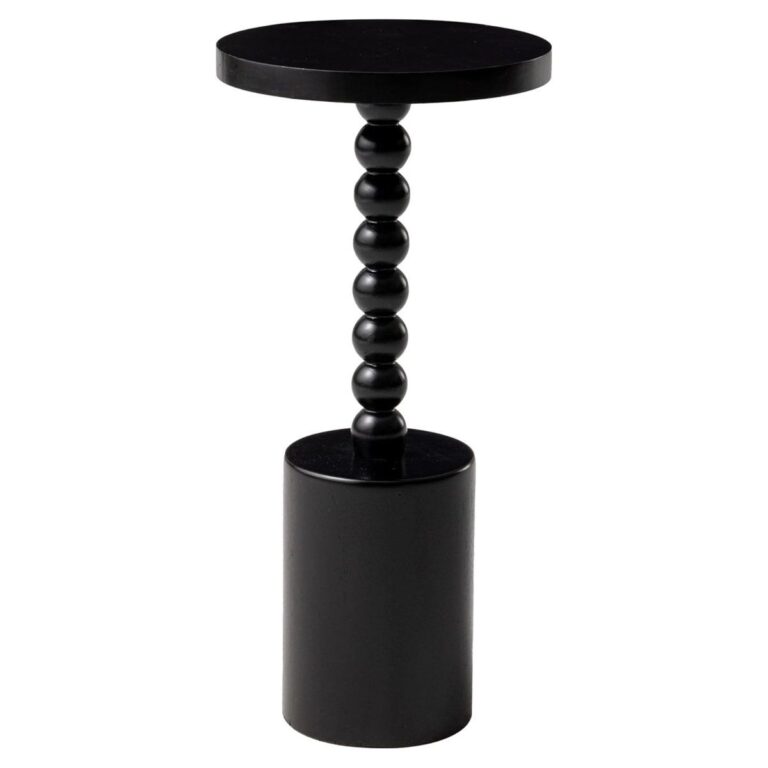 Aisha's pickLamp Tables That Survive Hot Mugs and Spills
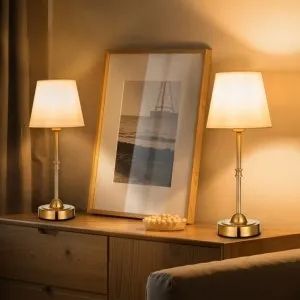
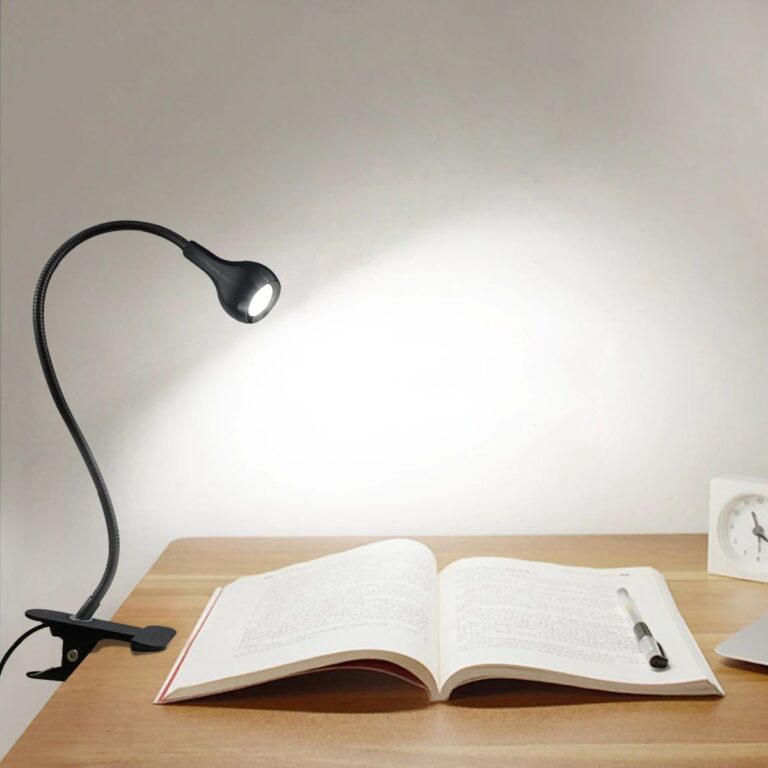 Aisha's pickLarge Lamp Tables That Hold Up to Everyday Life
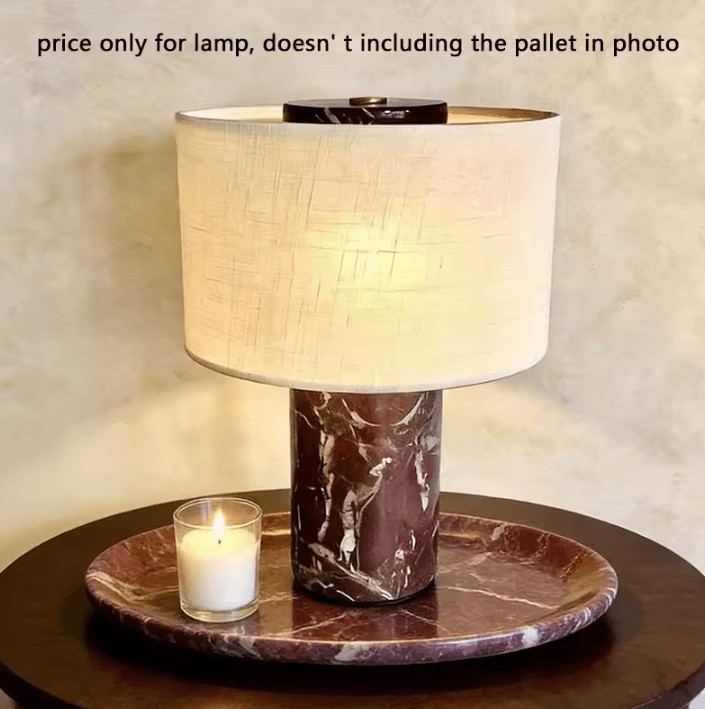 Aisha's pickMarble Lamp Tables That Get Better With Age

 Aisha's pickMetal Lamp Tables That Survive Hot Mugs and Spills