Glass tables suit rooms that already have plenty of texture going on, wood floors, a patterned rug, upholstered chairs, somewhere the eye needs a place to rest. They suit small spaces too, a studio or a tight dining nook where a solid wood top would make the whole room feel like it starts at the table and ends at the wall. If your room is already pale and modern and a bit bare, think twice, you may end up with something that looks less like furniture and more like an architect's model of furniture.
The honest limits are worth saying up front. Glass shows everything, every water ring, every fingerprint, every crumb from a kid's snack that you swear you wiped up. It is cold to the touch in a way wood never is, which matters more than people expect in a room that doesn't get much sun. And it is unforgiving if you live with a toddler who treats furniture as a climbing frame or a dog with an enthusiastic tail, a sharp edge of glass at knee height is not nothing. If your household is heavy on chaos, this is probably not your table.
Getting the scale right matters more here than with almost any other table, because glass does not visually fill a room the way a solid top does, it just sort of floats there, so you need the footprint to be doing real work on its own. Measure your space and leave at least three feet of clearance on all sides for chairs to pull out and people to walk past without turning sideways, and resist the urge to size down just because it is see through, a glass table that is too small for the room looks lost rather than light. Go for the size you would choose in wood, not smaller, the transparency does the shrinking for you. The common mistake is pairing a glass top with a heavy, dark base and ending up with something that reads as bulky anyway, so look at the base and legs as the real visual weight in the room, that is where the character lives.
These work well in dining rooms and living rooms that lean contemporary, in small apartments where you need the room to breathe, and in sunnier climates where the coolness of the material feels like relief rather than a draft. They do less for a farmhouse kitchen or a room full of worn wood and quilts, where it can look like it wandered in from somewhere else entirely.
A good one, in the right room, with the right amount of air around it, looks like it was always meant to be there.

 Aisha's pickLarge Glass Dining Sets We Use Every Single Day
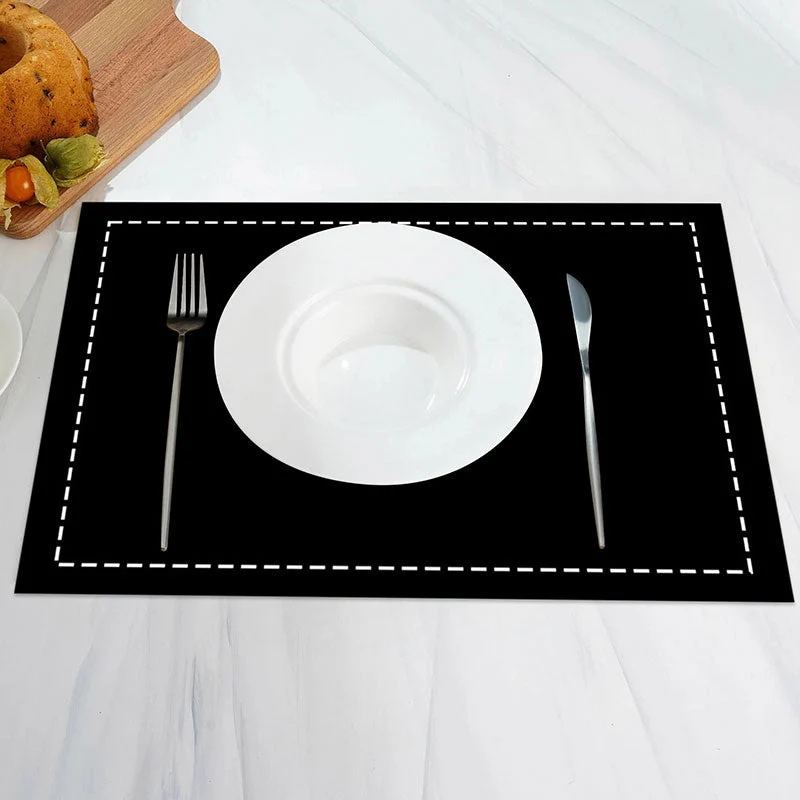
 Aisha's pickOur Shortlist of Glass Cocktail Tables
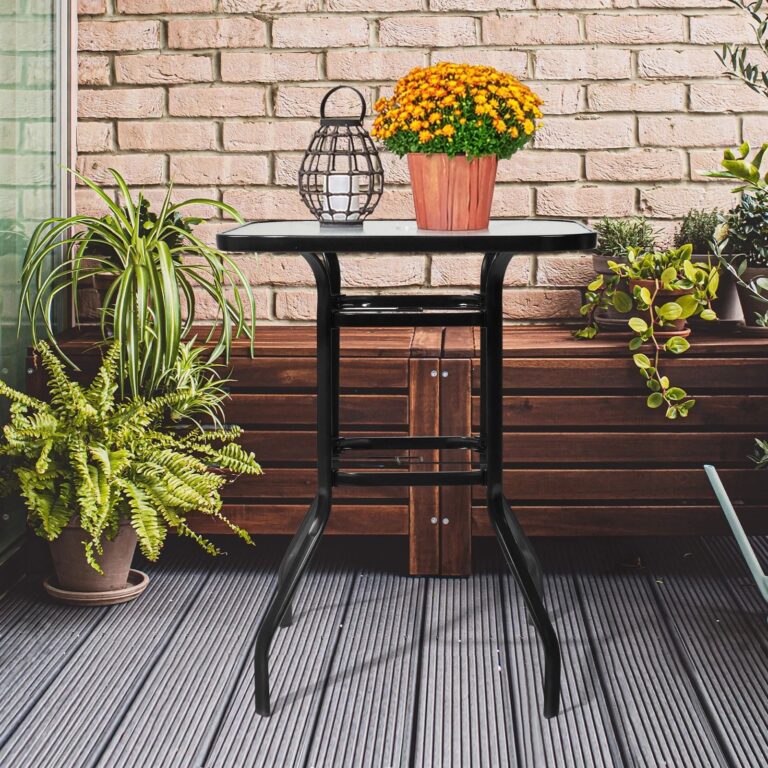
 Aisha's pickSets of 2 Glass Coffee Tables That Hide the Odd Scratch
 Aisha's pickLarge Glass Dining Tables for Long Dinners With Friends
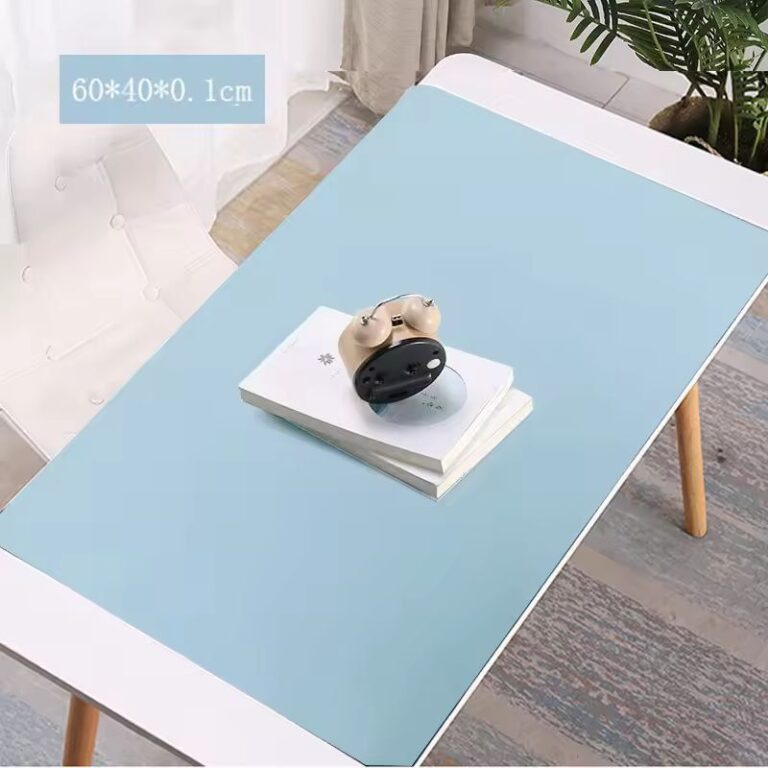
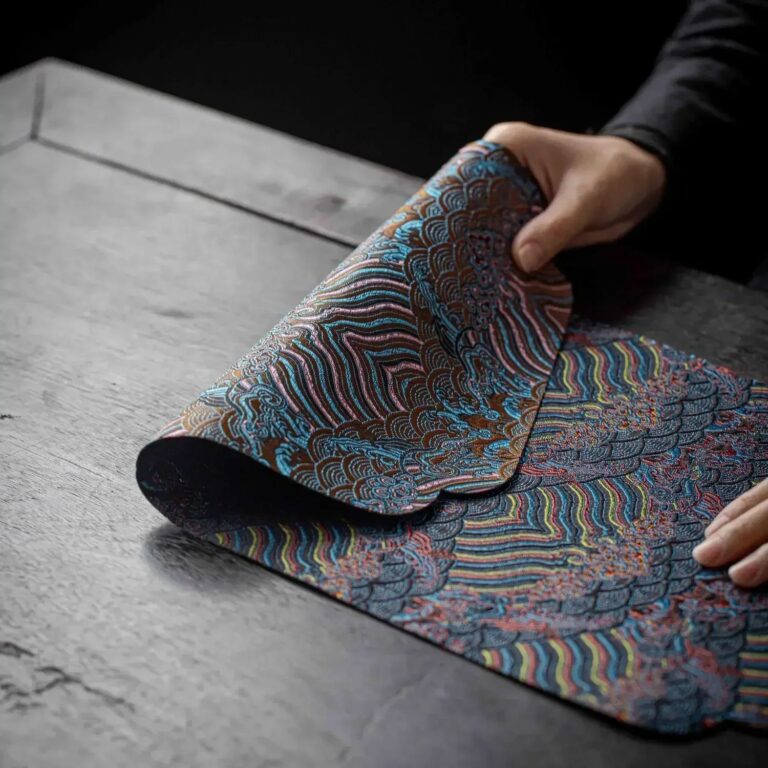 Aisha's pickGlass Coffee Tables That Make the Living Room Feel Cozier
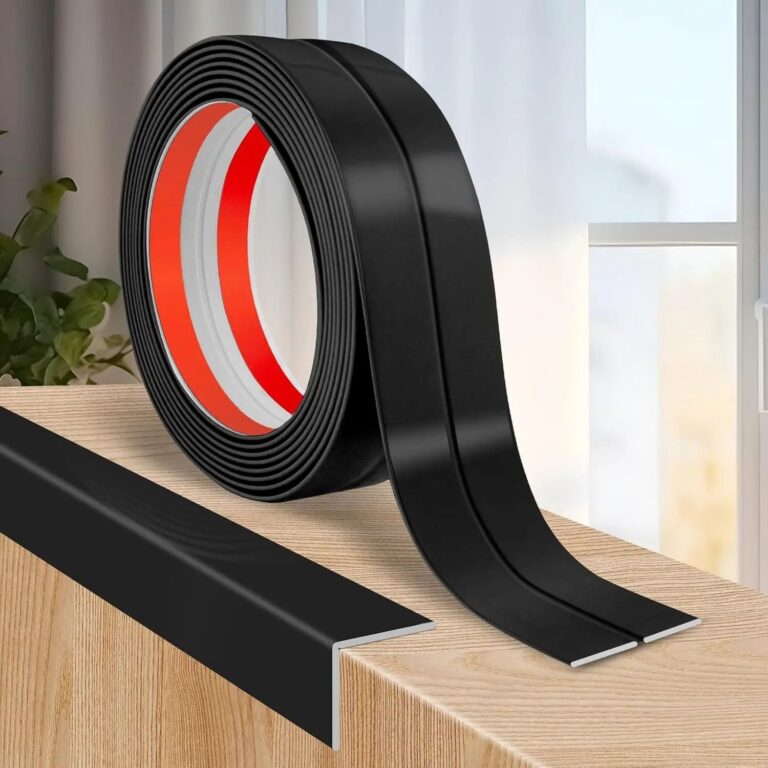
 Aisha's pickSets of 3 Glass Tables That Won’t Let You Down
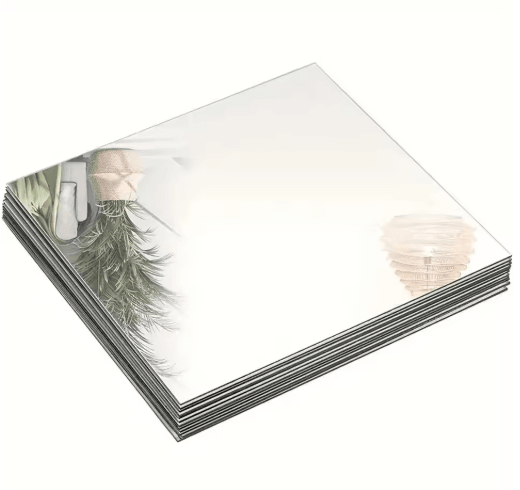
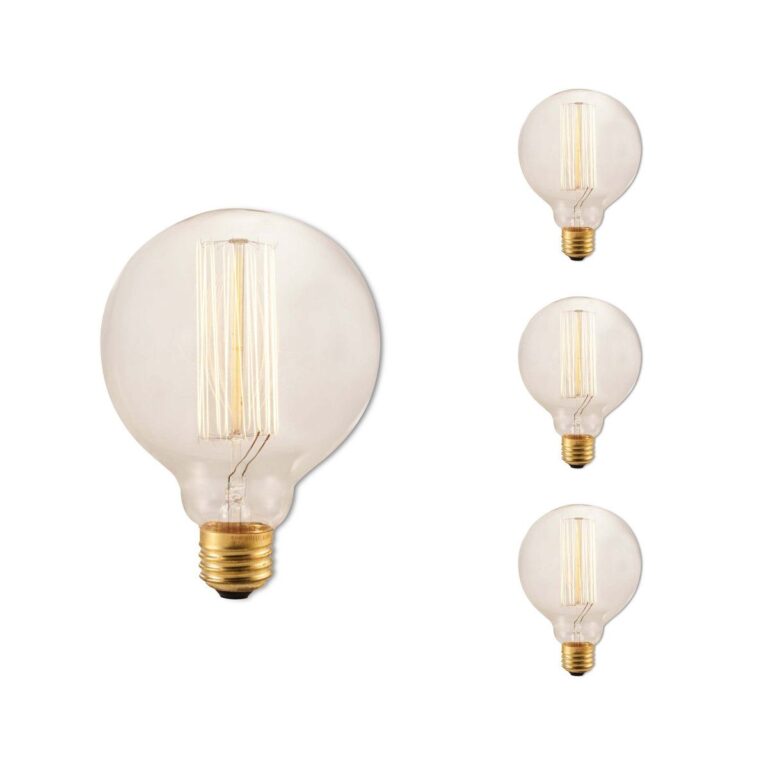 Aisha's pickLuxury Glass Dining Sets at Just the Right Height

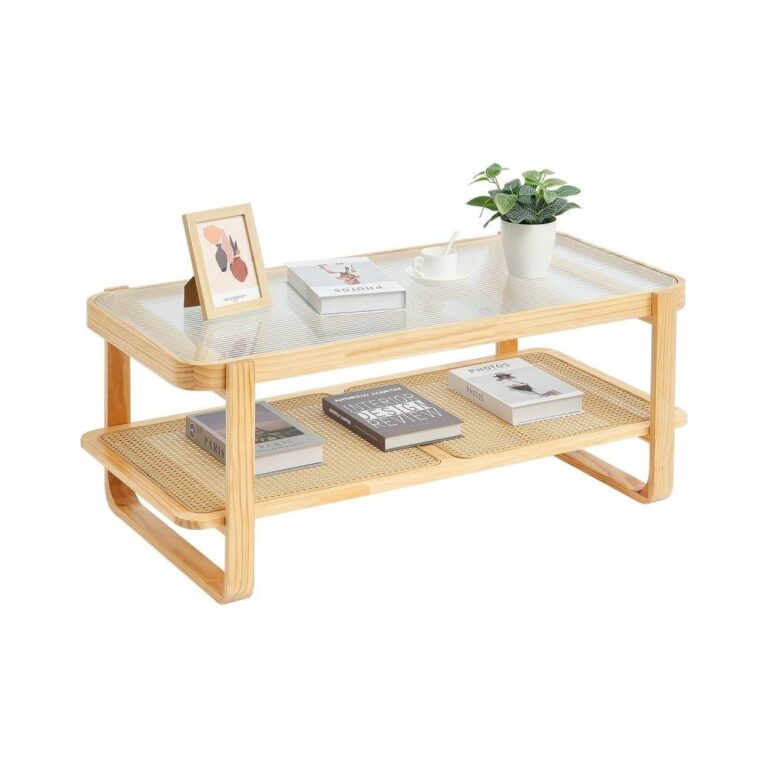 Aisha's pickGlass Coffee Tables with Shelf That Take a Knock
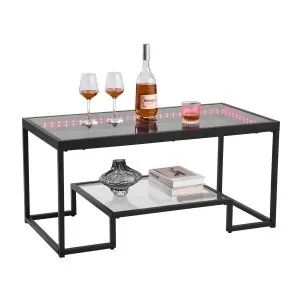
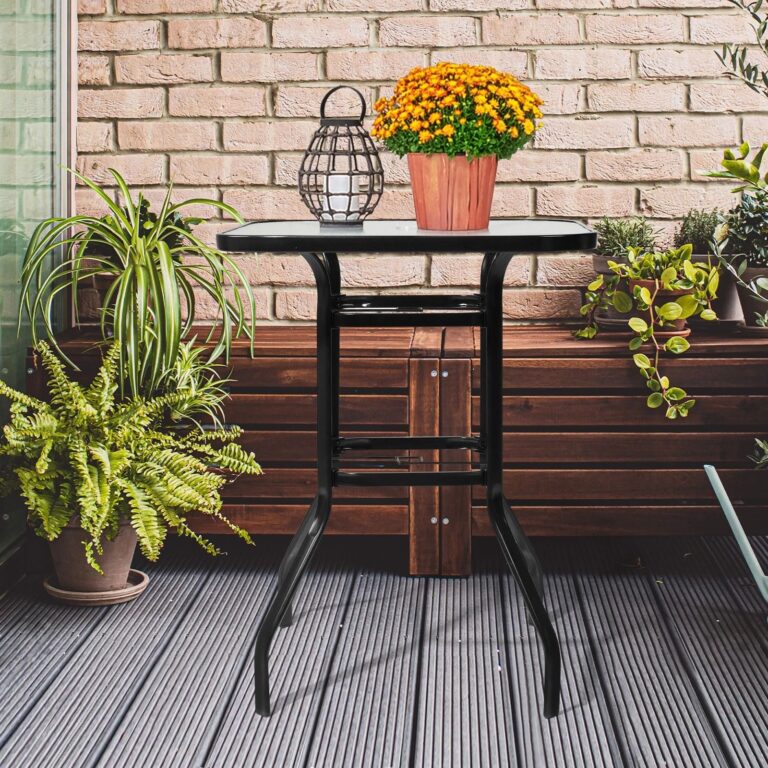 Aisha's pickSmall Glass Coffee Tables That Don’t WobbleAlso worth a lookGlass Dining TablesA glass dining table makes a small room feel bigger than it is, and that is the whole case for it, really.See the collections →
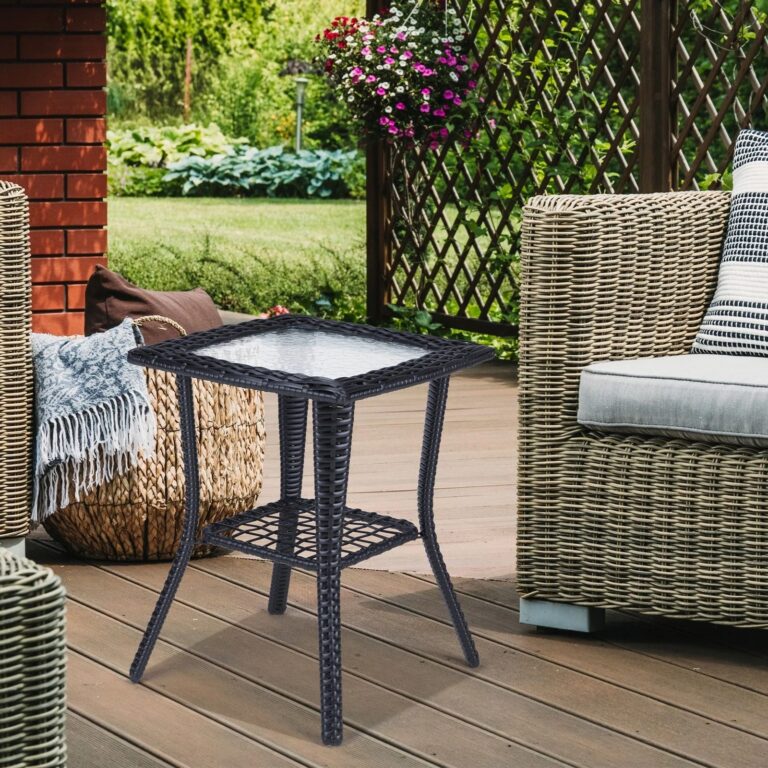
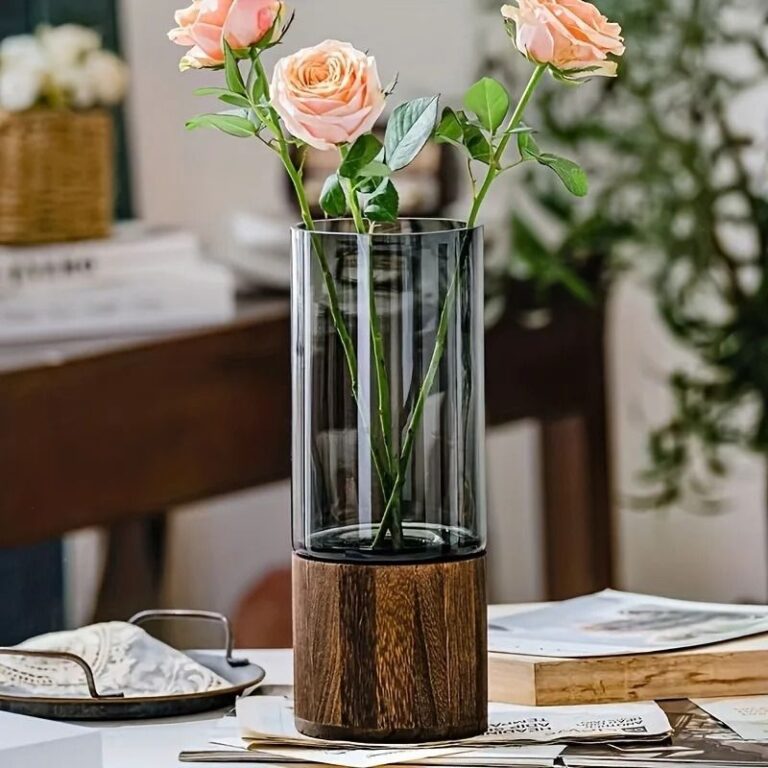 Aisha's pickLuxury Glass Dining Tables That Don’t Wobble

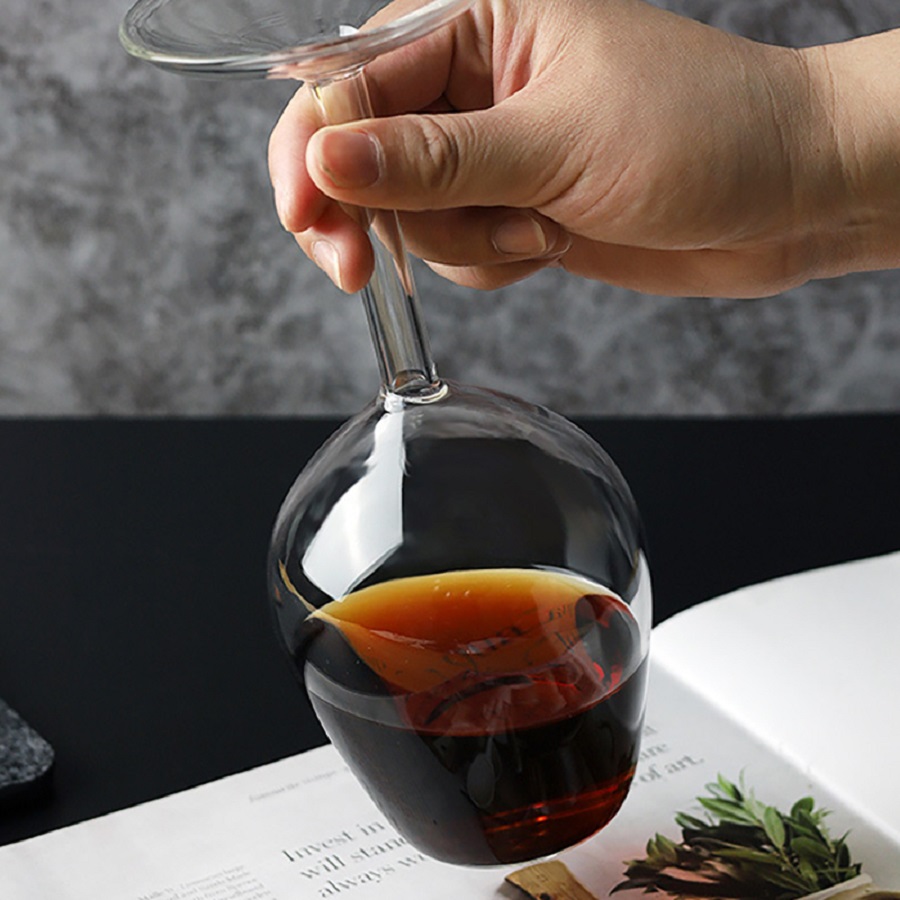 Aisha's pickGlass Home Bars That Anchor a Room

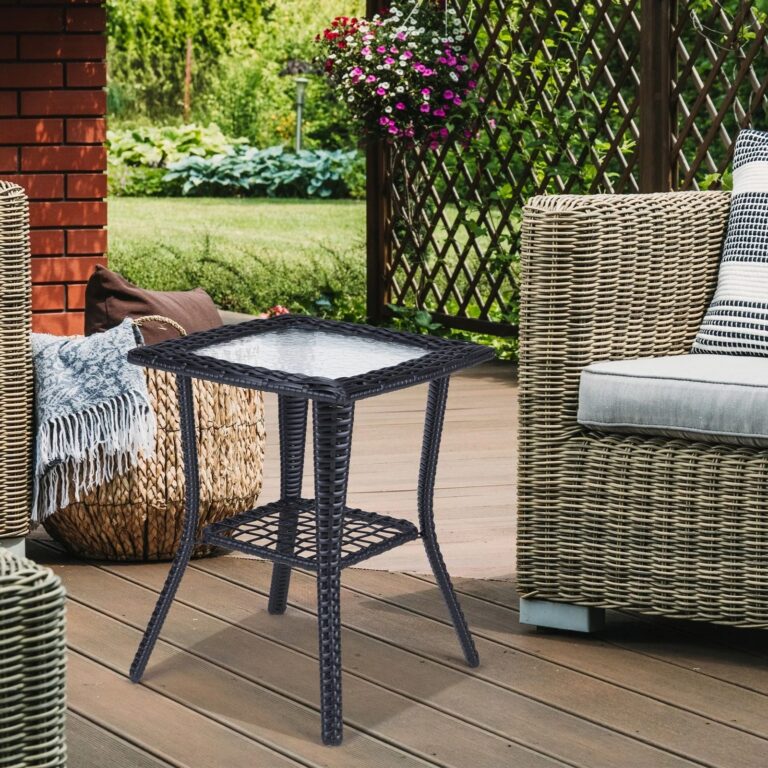
 Aisha's pickSmall Glass Side Tables That Anchor a Room
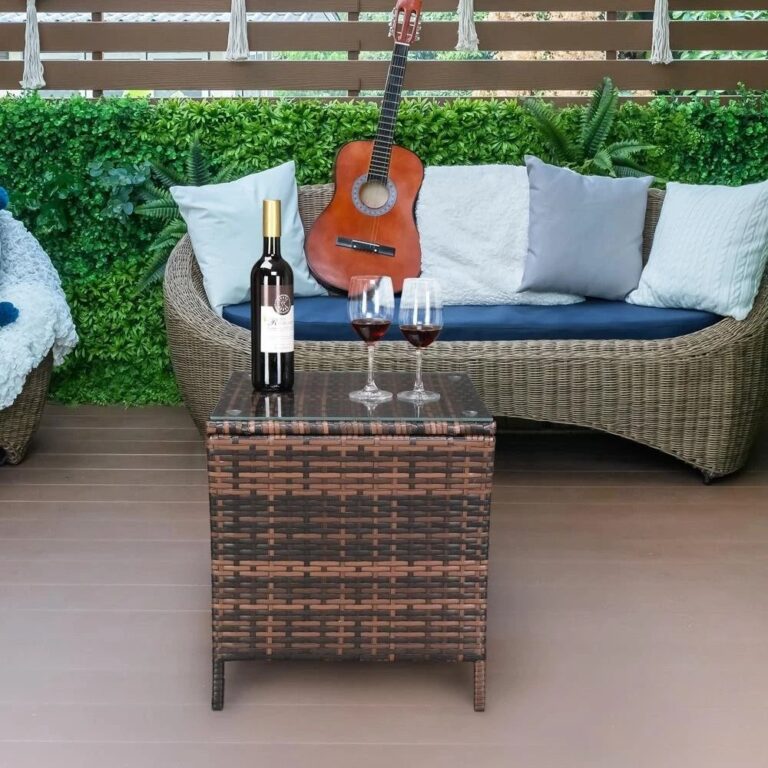
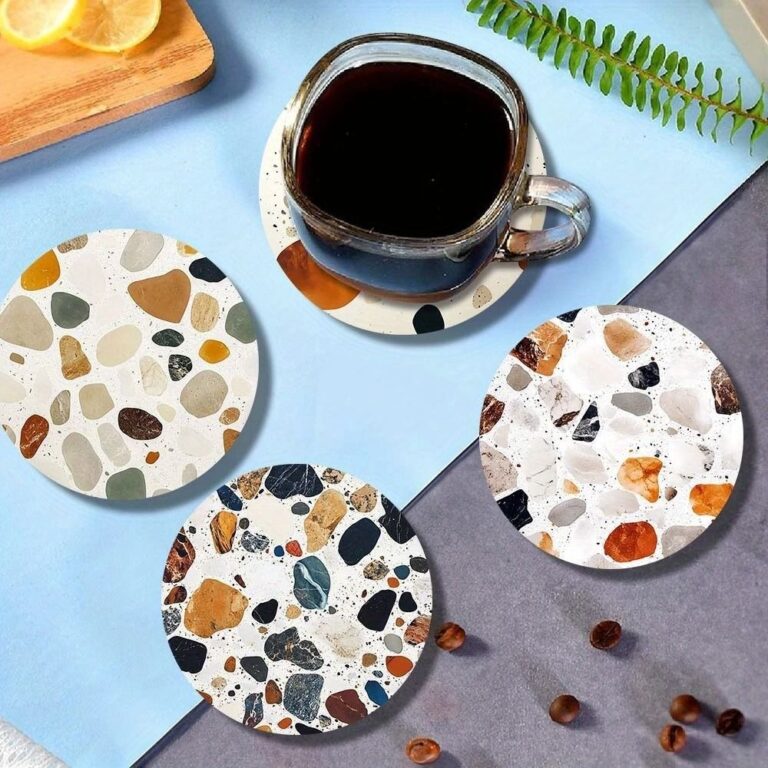 Aisha's pickModern Glass Dining Sets That Anchor a Room
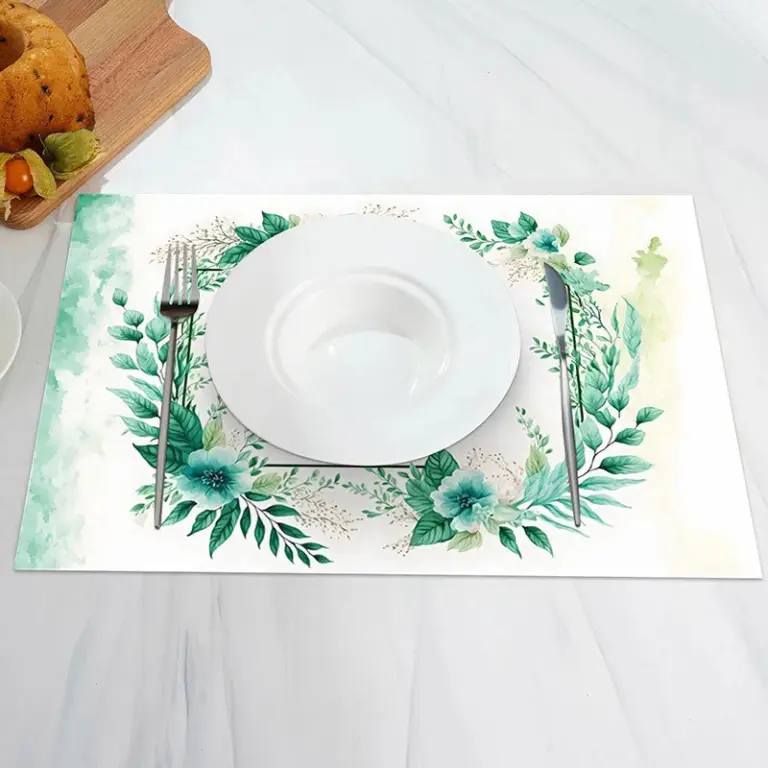
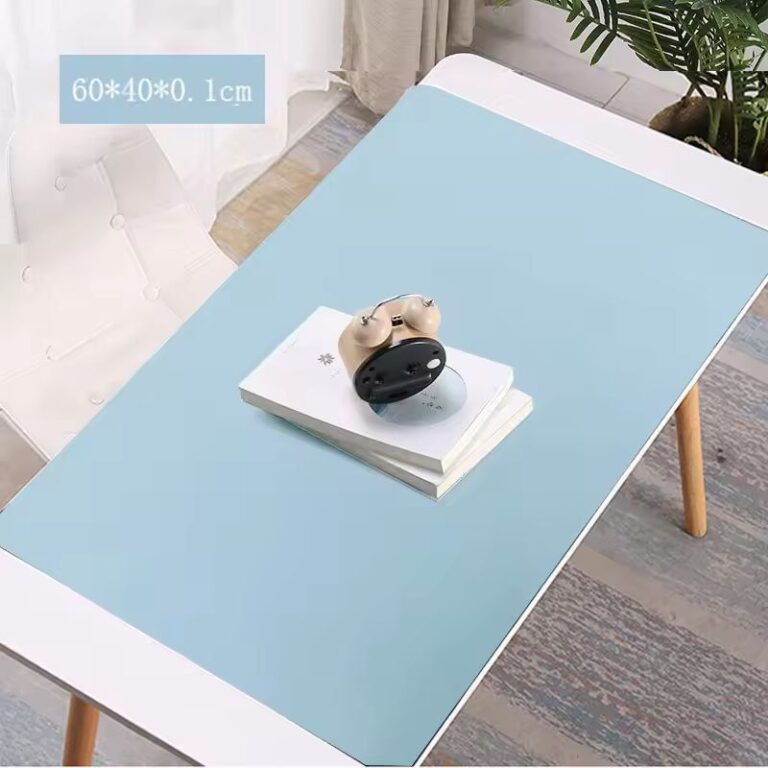 Aisha's pickGlass Kitchen Tables That Don’t Shout About It
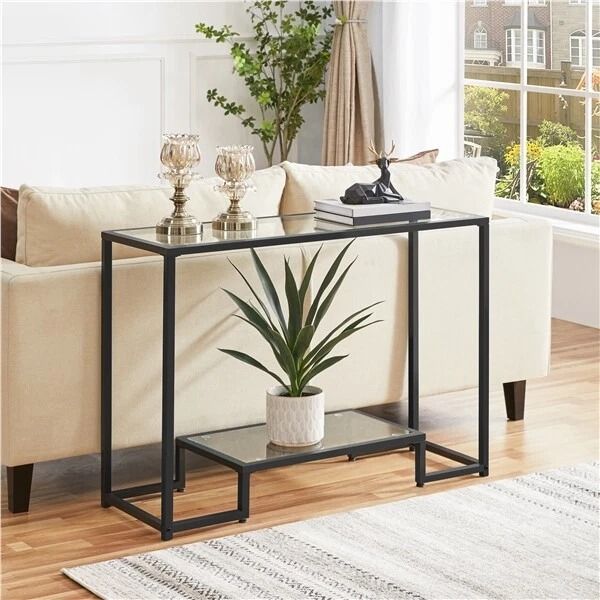
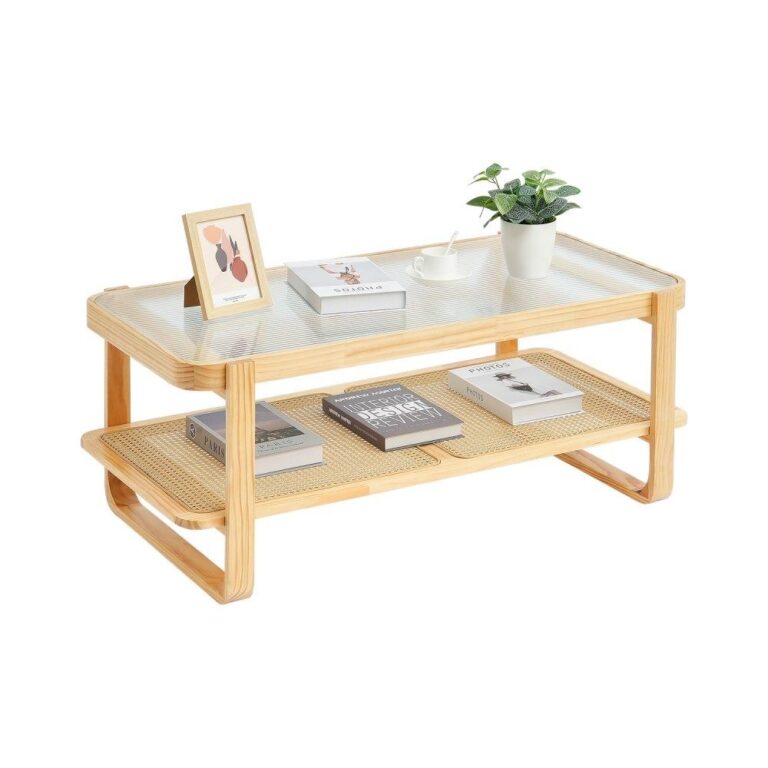 Aisha's pickTempered Glass Coffee Tables With Room for Everything You Put Down
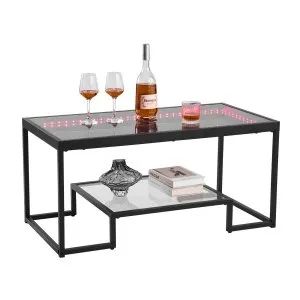
 Aisha's pickClear Glass Dining Sets You’ll Still Like in Five Years

 Aisha's pickModern Glass Dining Tables That Do the Job Right
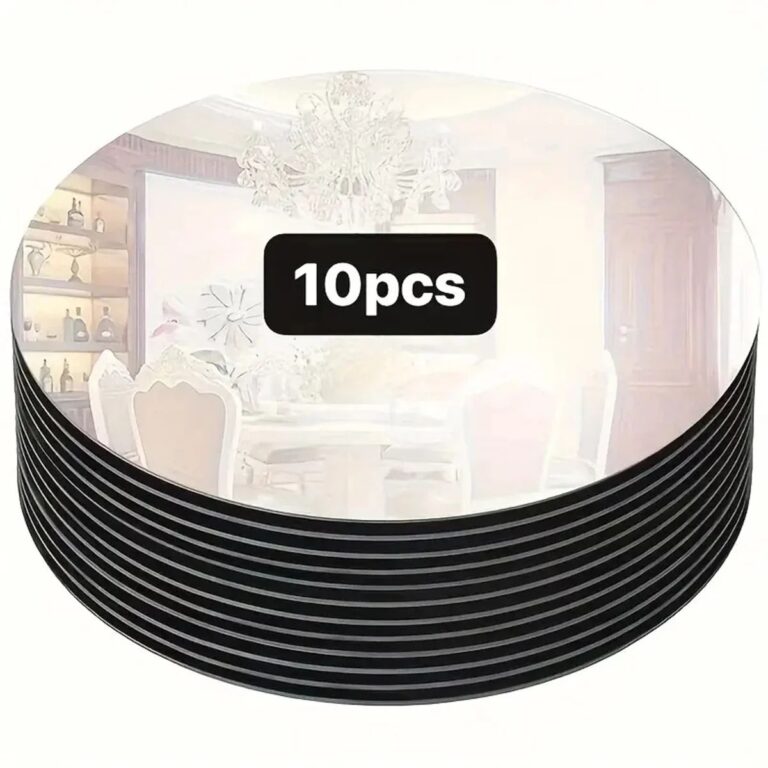
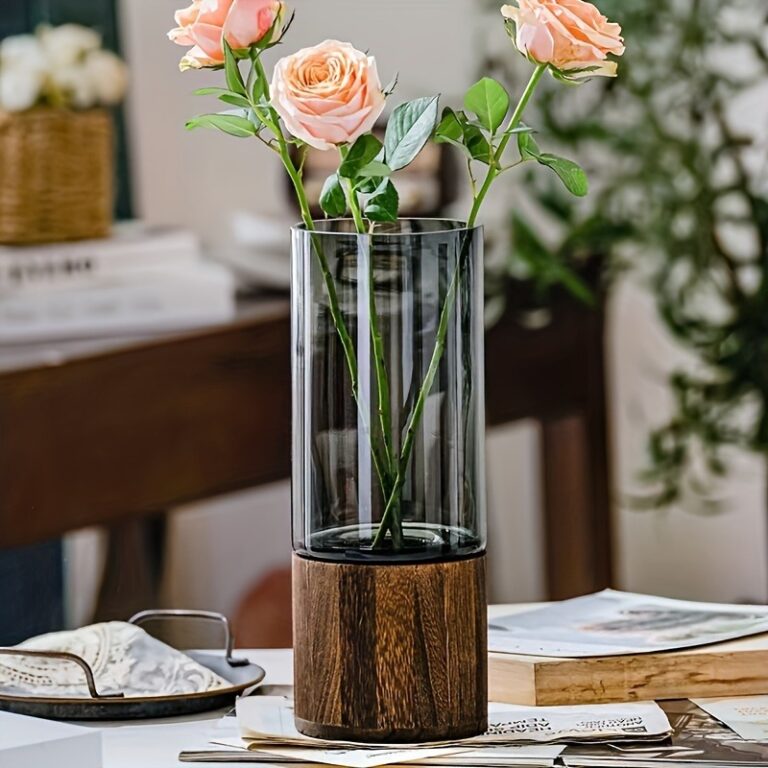 Aisha's pickGlass Living Room Tables That Hold Up to Everyday LifeAlso worth a lookVintage TablesThere's a particular kind of late fall afternoon, light going gold and low through the windows, when an…See the collections →
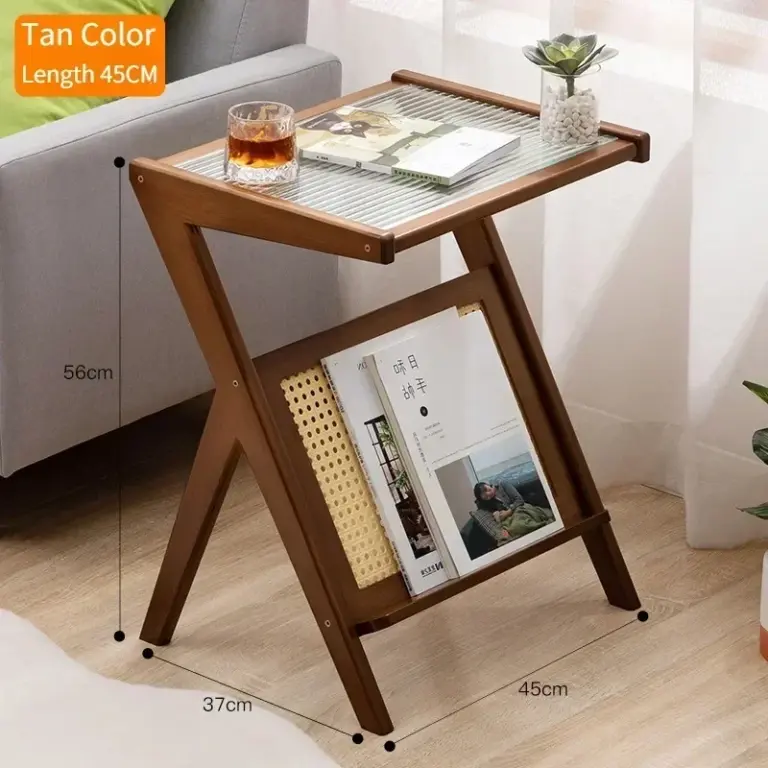
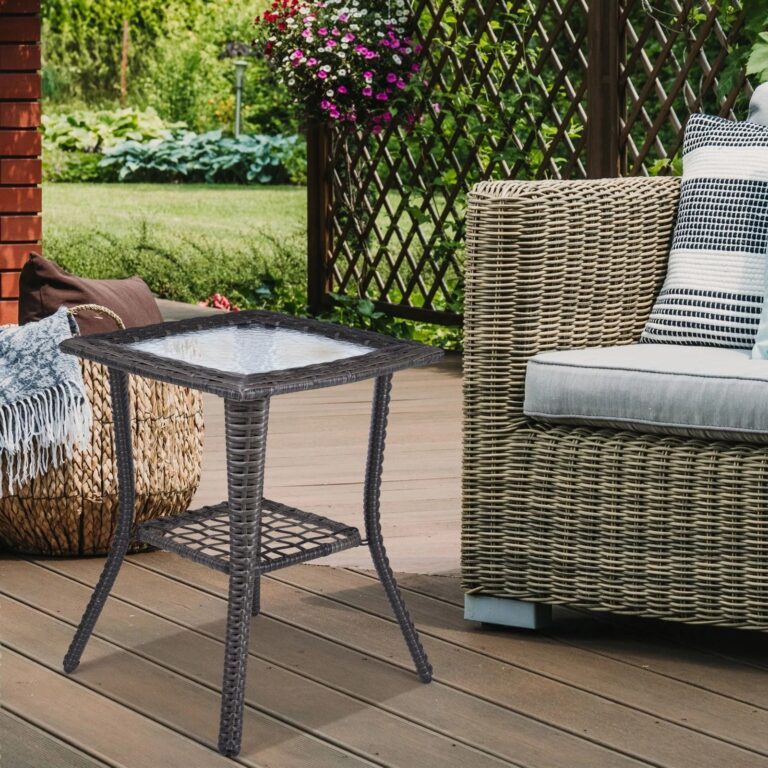 Aisha's pickNo Fuss Tempered Glass Side Tables
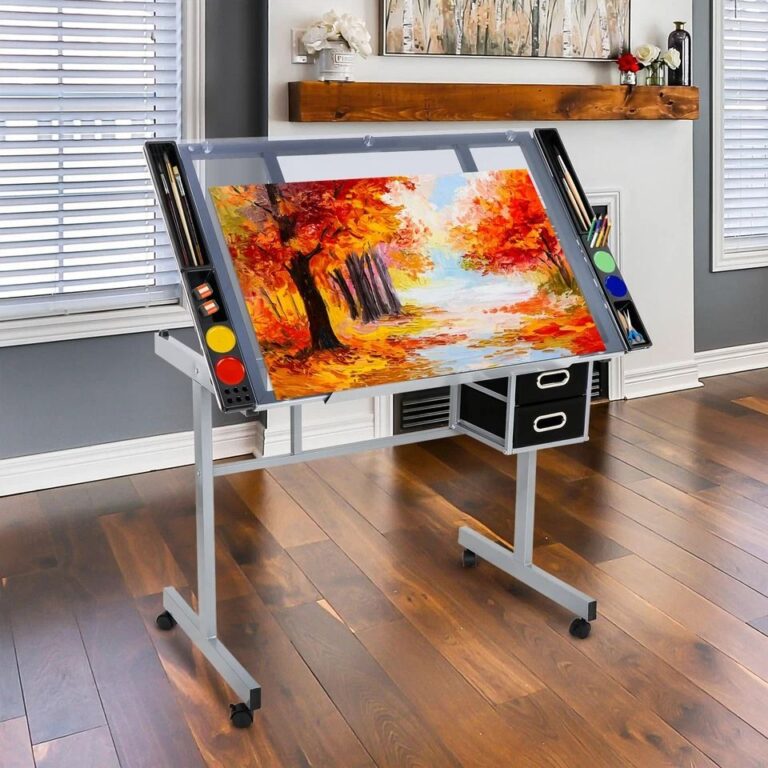
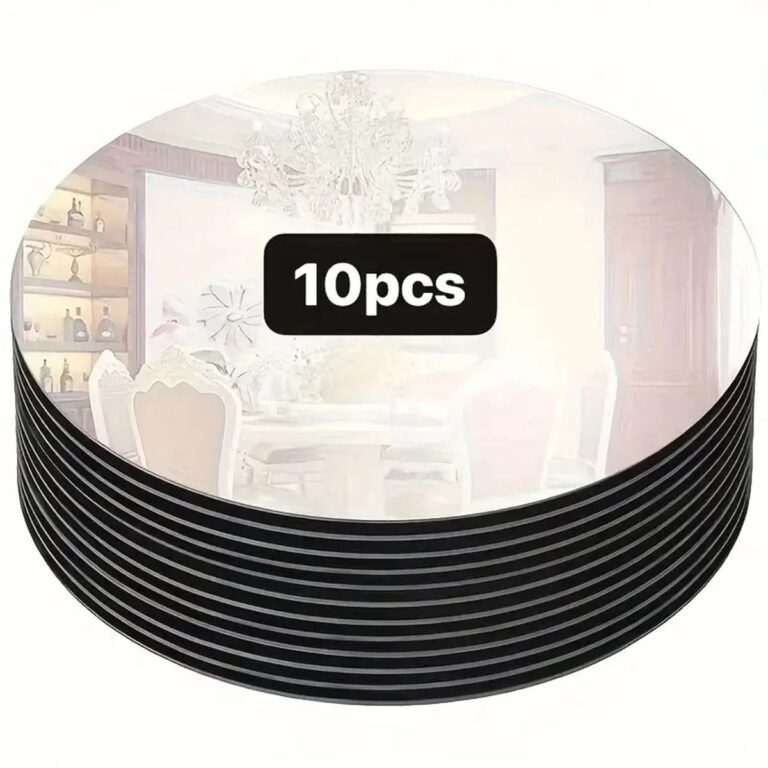 Aisha's pickClear Glass Dining Tables With Room for Everything You Put Down
 Aisha's pickRectangular Glass Dining Sets That Hide the Odd Scratch
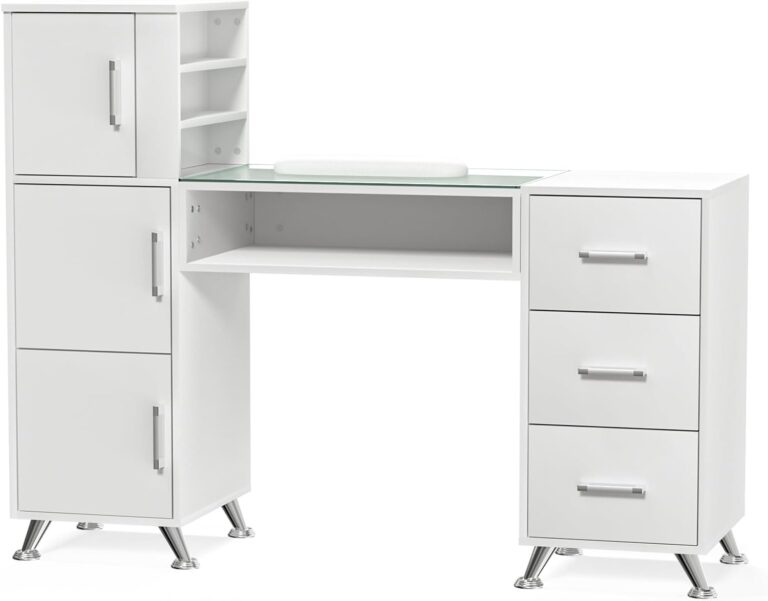 Aisha's pickGlass Make Up Tables That Visitors Always Ask About
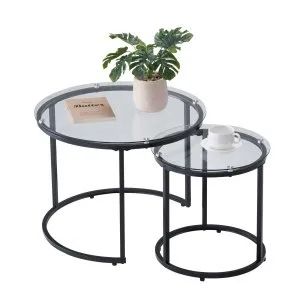
 Aisha's pickContemporary Glass Dining Sets That Fit Where You Need Them

 Aisha's pickRound Glass Dining Sets That Survive Kids and Pets

 Aisha's pickGlass Night Tables That Fit Where You Need Them
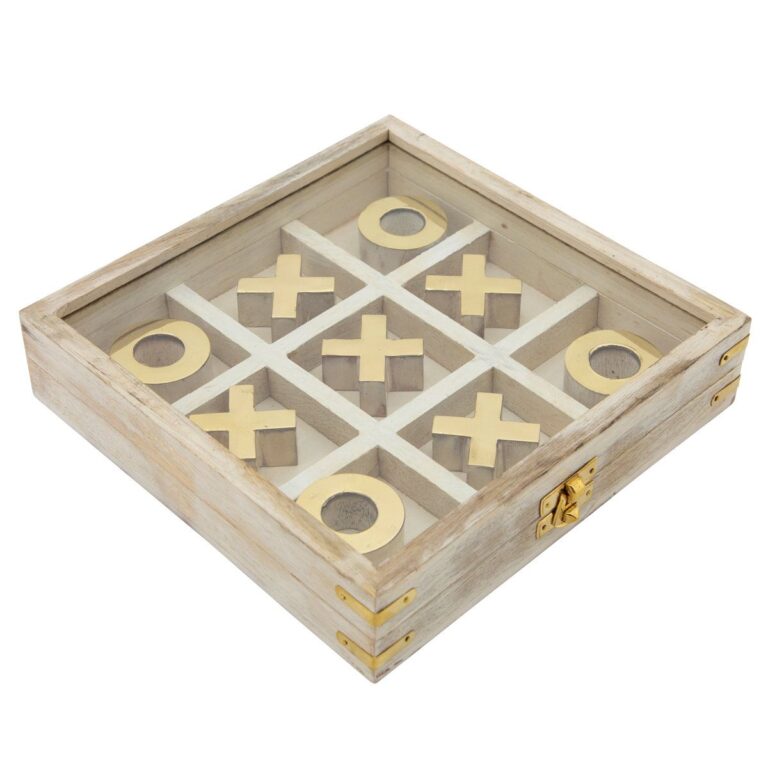
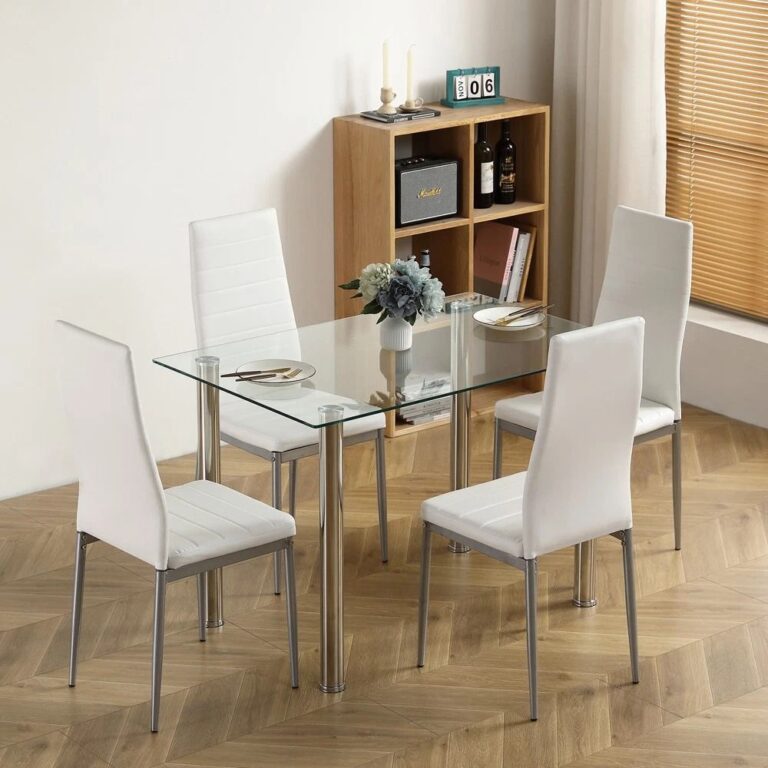 Aisha's pickContemporary Glass Dining Tables That Look Like They Cost More
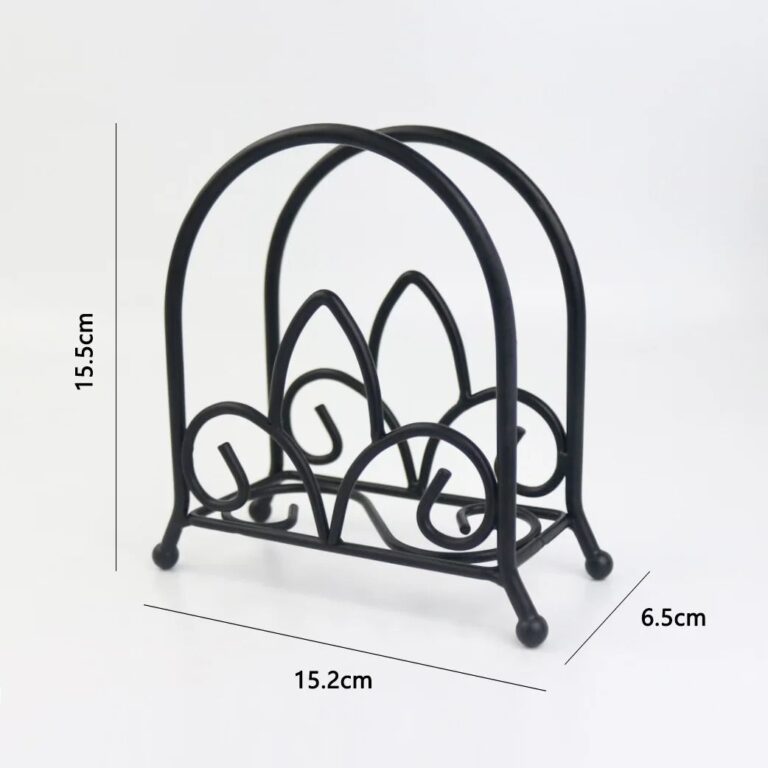
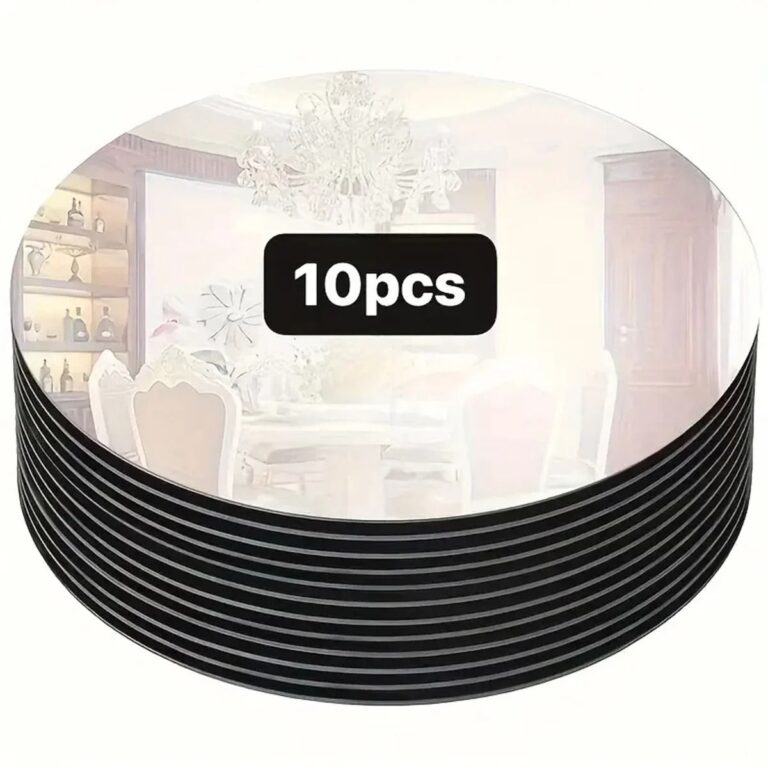 Aisha's pickRound Glass Dining Tables for People Who Know What They LikeAlso worth a lookEnd TablesThe first one I bought looked perfect in the store and then came home to a sofa it…See the collections →
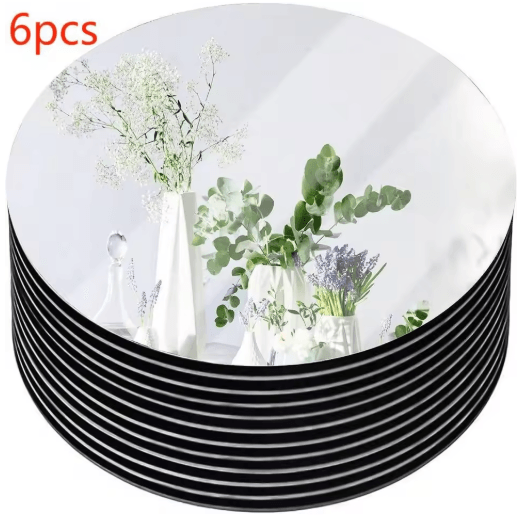
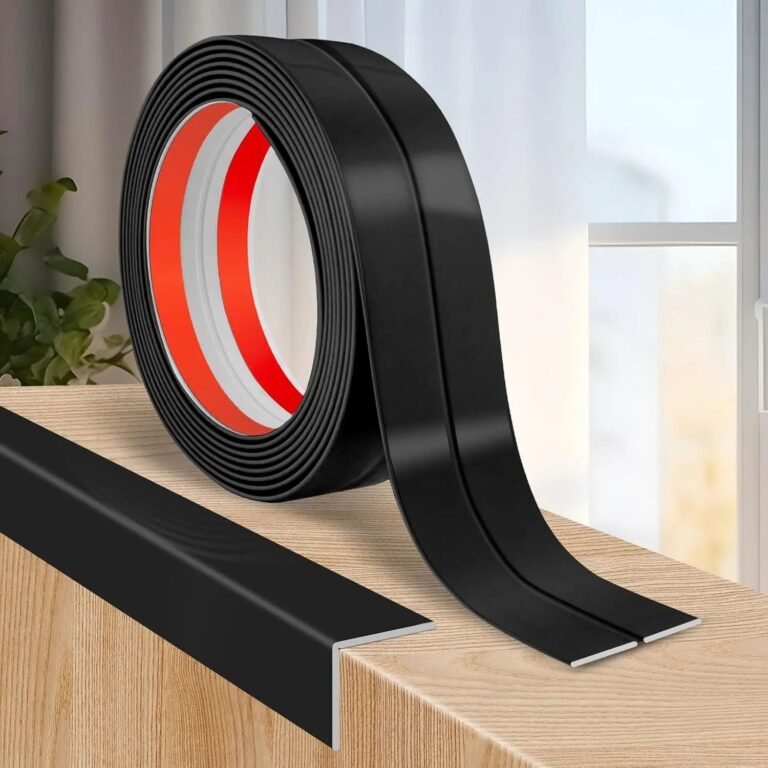 Aisha's pickGlass Serving Tables We Keep Coming Back To
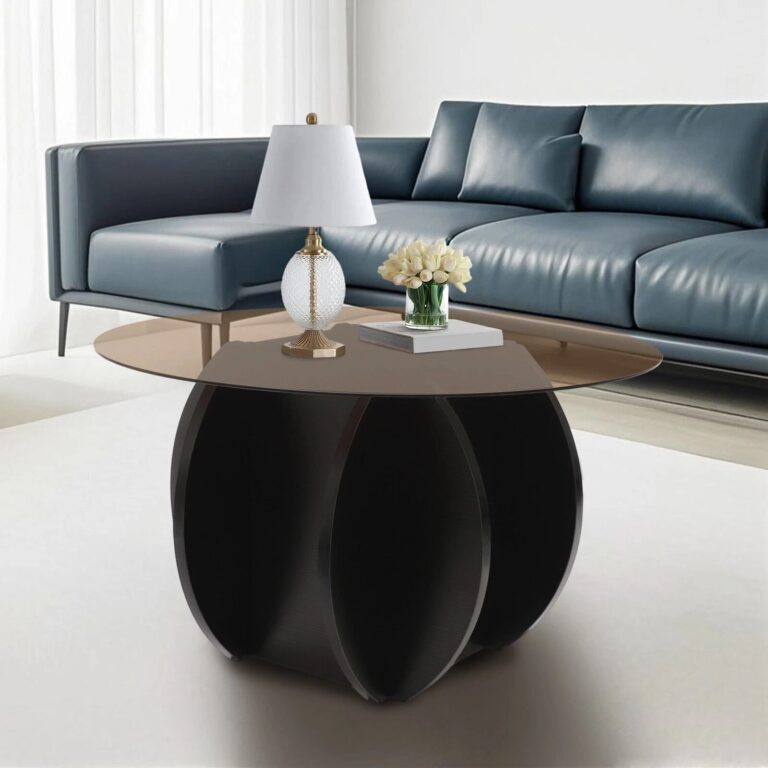
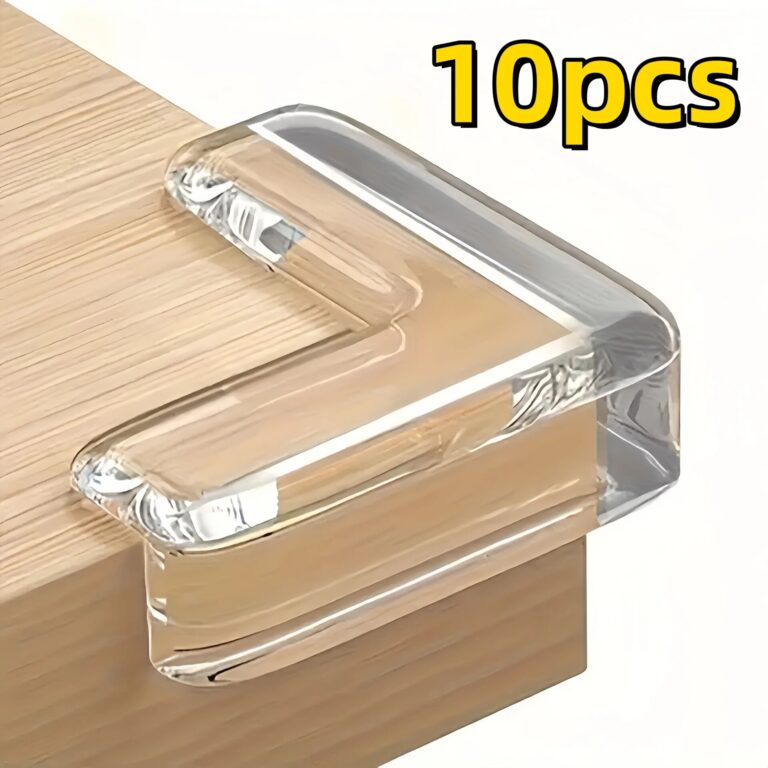 Aisha's pickGlass Corner Dining Sets at Just the Right Height

 Aisha's pickSmall Glass Dining Sets That Clean Up With a Wipe
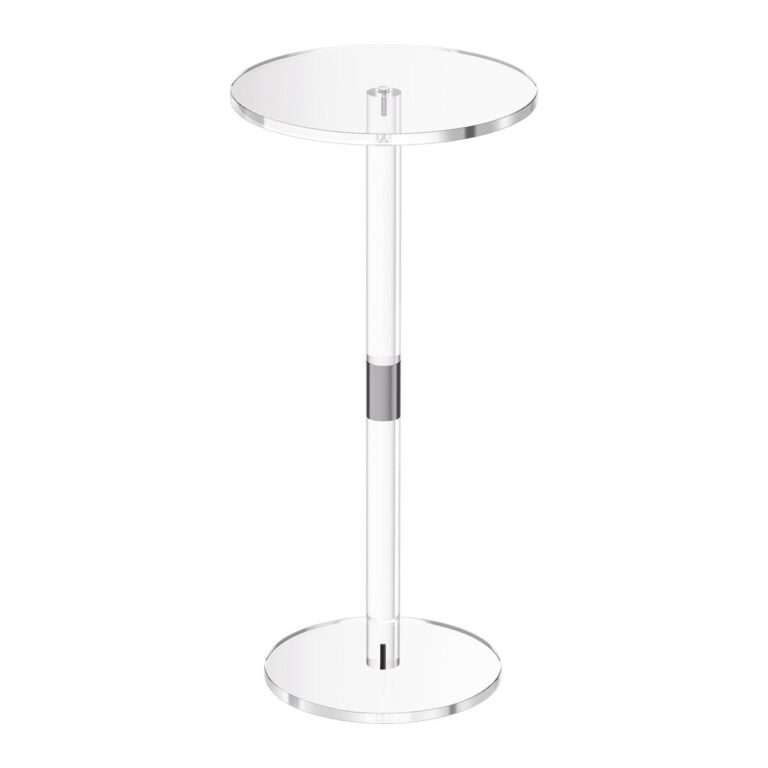 Aisha's pickGlass Side Tables That Won’t Let You Down
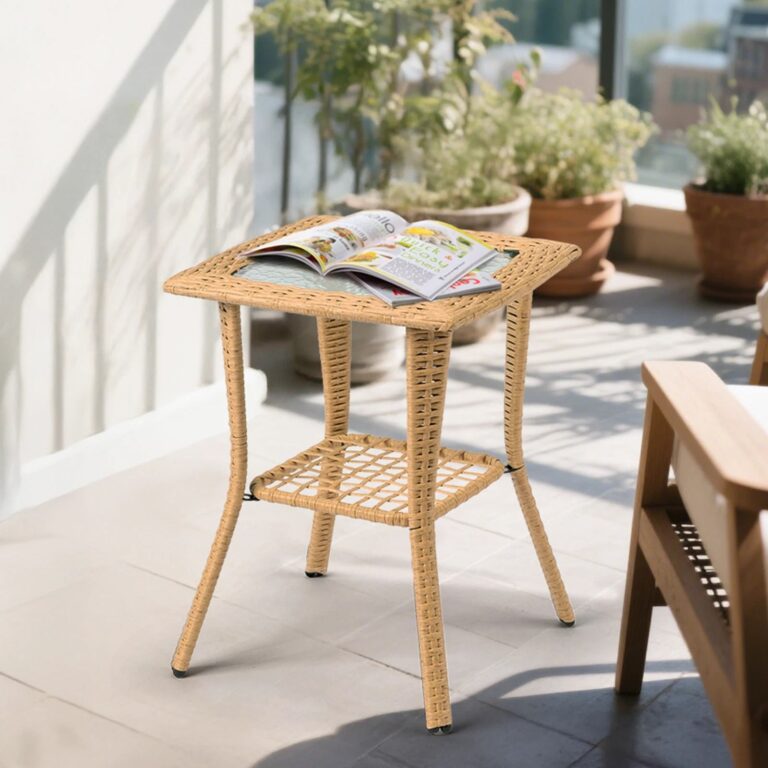
 Aisha's pickGlass Corner Dining Tables That Get the Family Around the Table
 Aisha's pickSmall Glass Dining Tables at Just the Right Height

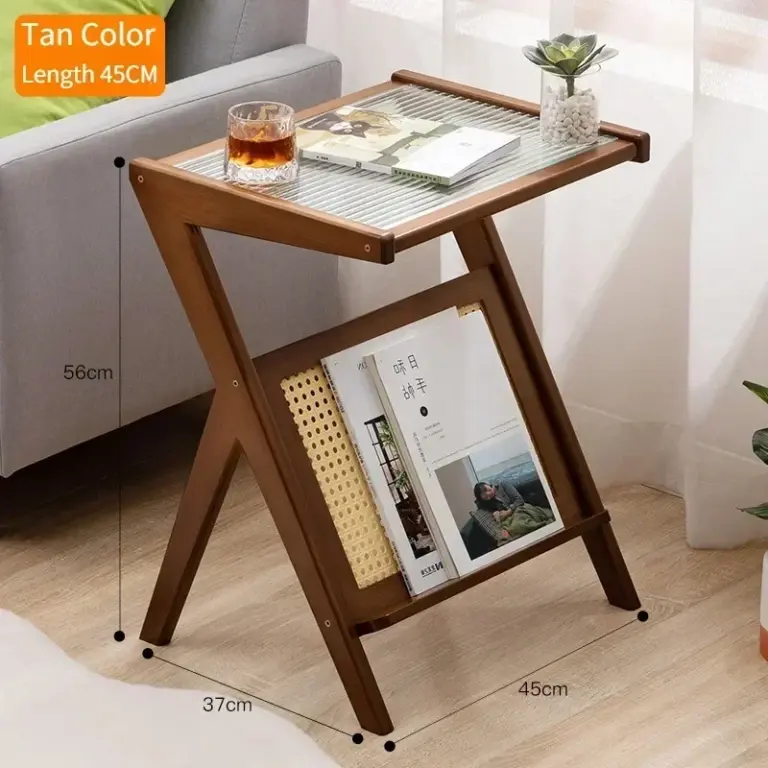 Aisha's pickGlass Tea Tables That Hide the Odd Scratch
 Aisha's pickGlass Dining Sets for Long Dinners With Friends