Dining tables have gotten more honest in the last few years, and that shift has been good. For ages the choice was a flimsy veneer six seater or something so formal it looked like no one actually ate there. Now solid wood comes at reasonable prices, extensions don't wobble, and shapes are built for rooms that double as offices and playrooms most nights. That move toward furniture for real rooms rather than showroom rooms is the right one.
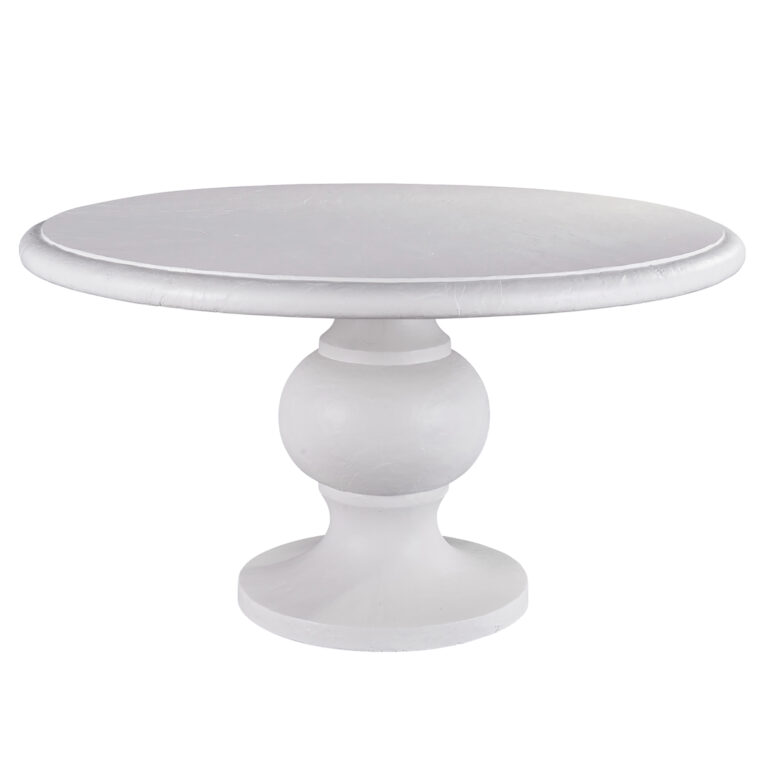
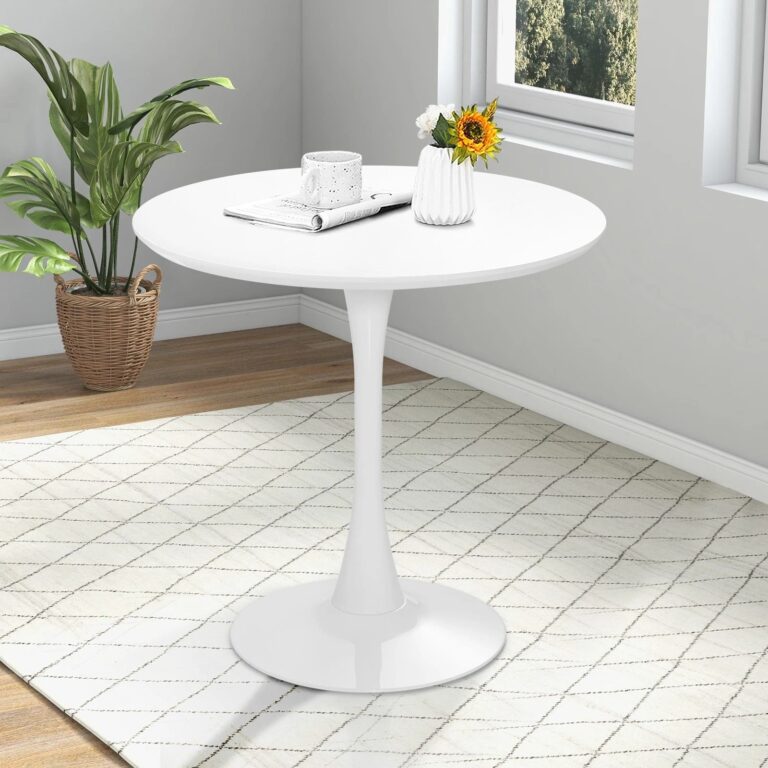
A round or oval table suits a smaller dining area or open plan kitchen, somewhere you need to walk around it without clipping a hip on every corner, and it reads well in a flat with low ceilings. A long rectangular table wants a proper dining room with space to pull chairs out on both sides, better suited to a family house than a studio or a narrow kitchen nook. Dark, heavy wood carries a room through winter nicely but can feel like a winter coat in July, while pale oak or ash stays easier on the eye year round. It struggles in a room already busy with pattern, a loud rug, bold wallpaper, a gallery wall right behind the head of the table, where a table with its own personality just starts a fight.
The difference between a table that lasts and one that doesn't shows up in the first six months, not the showroom. Look for a solid wood top rather than veneer over particleboard that swells the first time a wet glass sits too long, and check the leg joints, they should be screwed and glued into a proper apron, not dowelled straight into the tabletop with nothing underneath. A good finish shrugs off a dropped dinner and a bottle of red left too long, wiping clean instead of soaking into the grain. In an ordinary room, a plain wood table sits well with chairs that don't match it exactly, a bench on one side, a plain rug underneath that doesn't compete, and a light fixture overhead whose only job is lighting the table.
Mine has survived a toddler with a permanent marker, three moves in a rental van without quite enough padding, and about four years of Sunday dinners, and the only damage is a faint ring near one corner I've decided is character rather than admitting I forgot a coaster. A table built properly tightens back up after a dry winter instead of staying loose at the joints, and it should sit flat on an uneven floor without a folded napkin under one leg forever. If I were furnishing one room first, it would be the dining room, because almost everything else in a home can wait a season, but a table worth sitting around rarely should.

 Aisha's pickShopping for Clear Glass Dining Room Sets? Start Here
 Aisha's pickModern Glass Dining Room Sets That Fit Where You Need Them

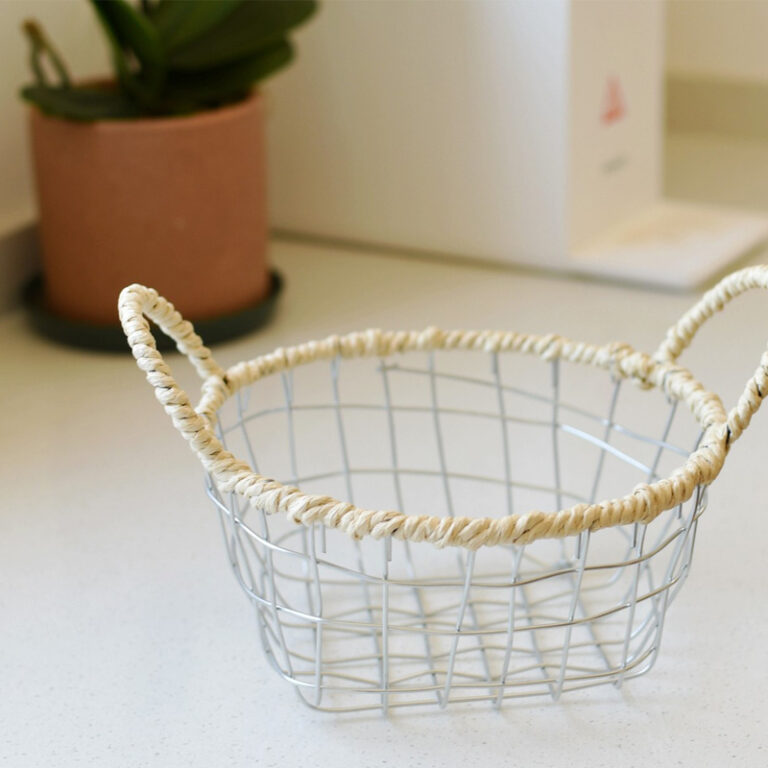 Aisha's pickDining Room Tables for Small Spaces That Take a Knock
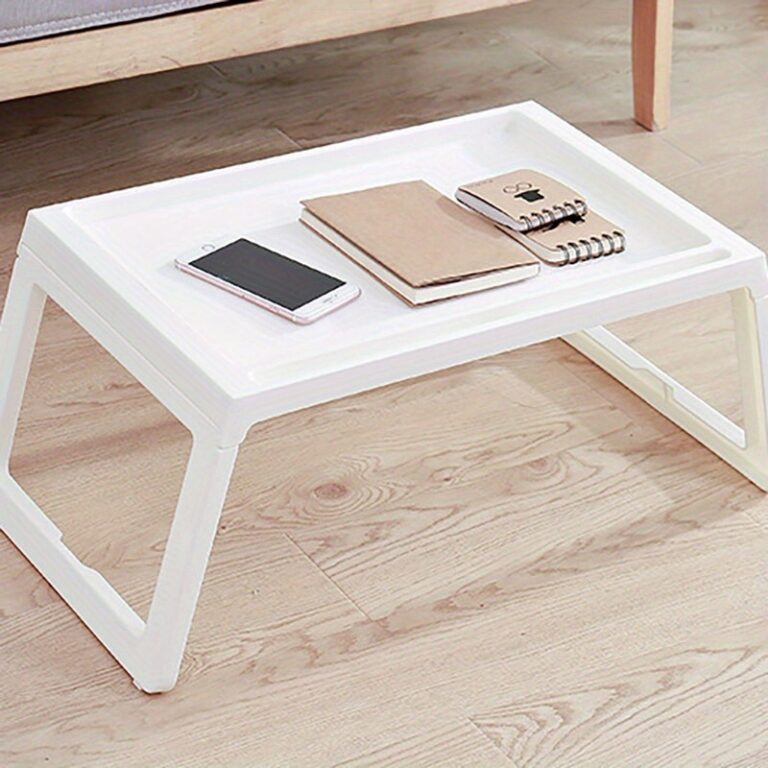
 Aisha's pickCompact Dining Room Sets That Fit Where You Need Them
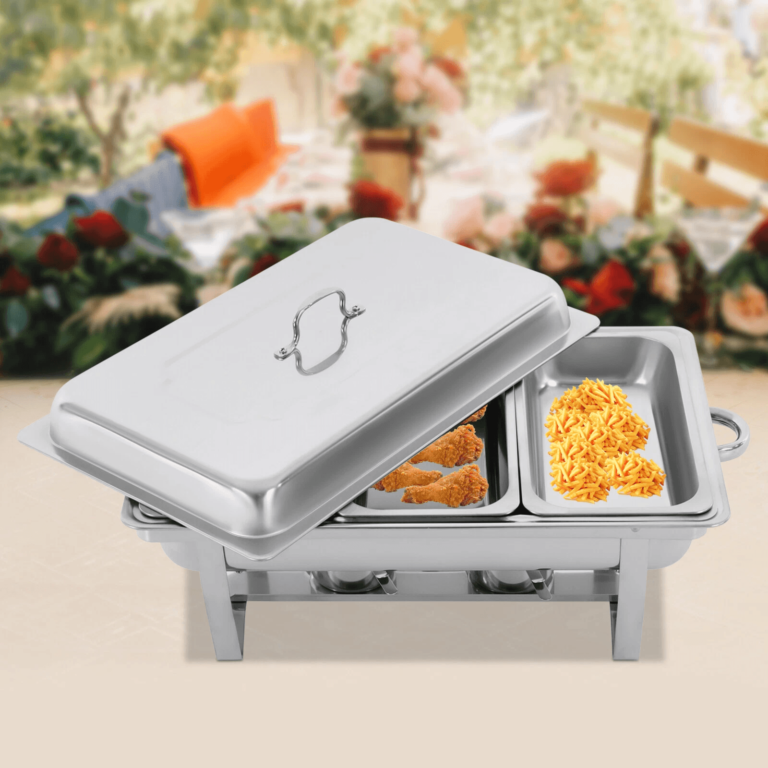
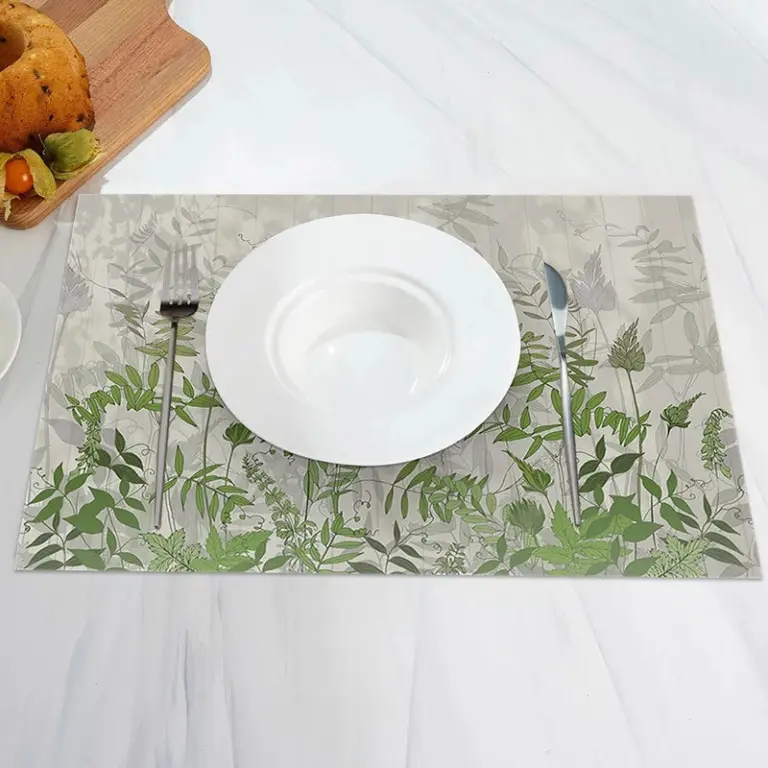 Aisha's pickRectangular Dining Room Sets at Every Price Point
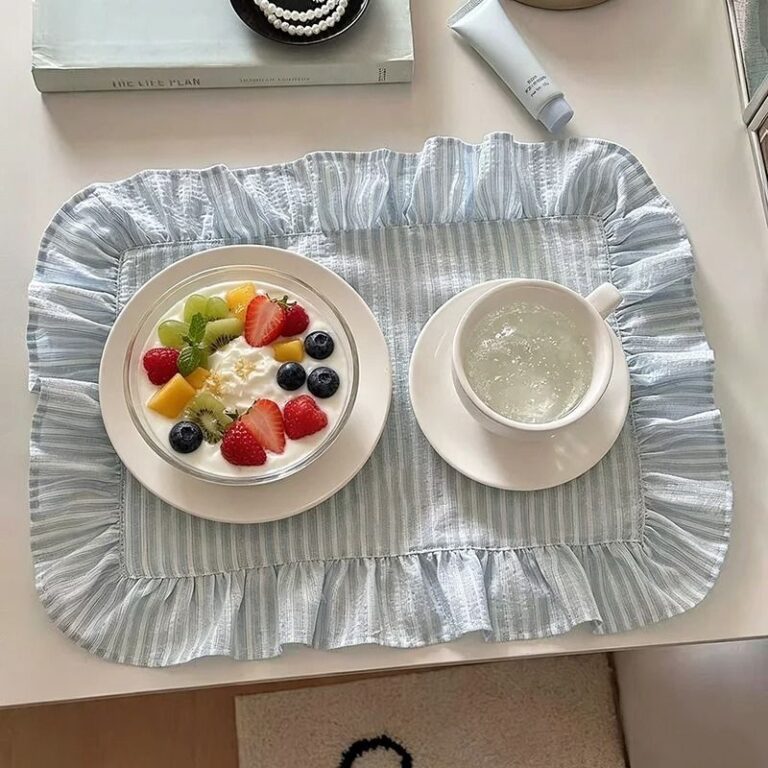
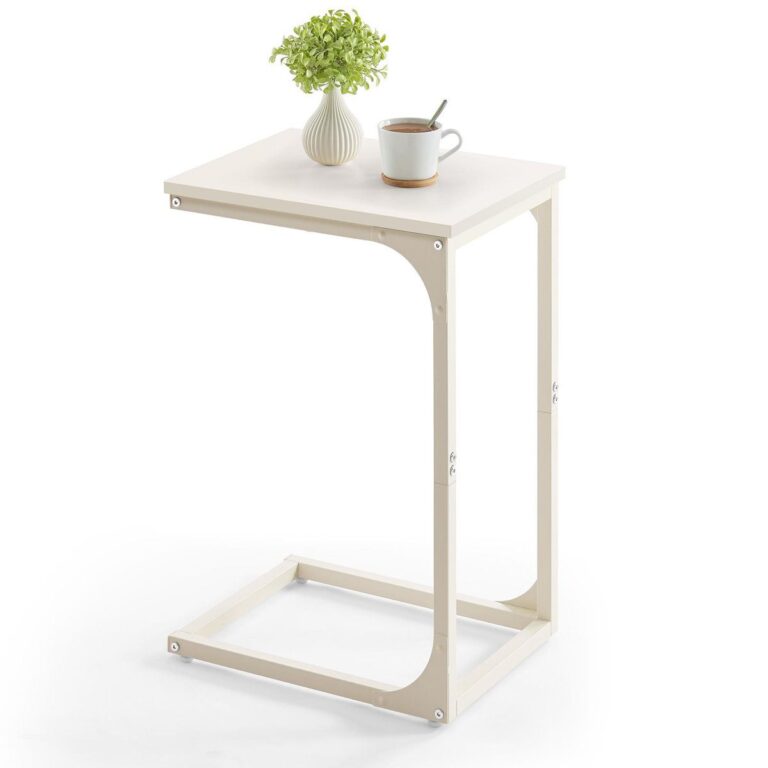 Aisha's pickDining Room Tables with Chairs From Brands You Know and a Few You Won’t
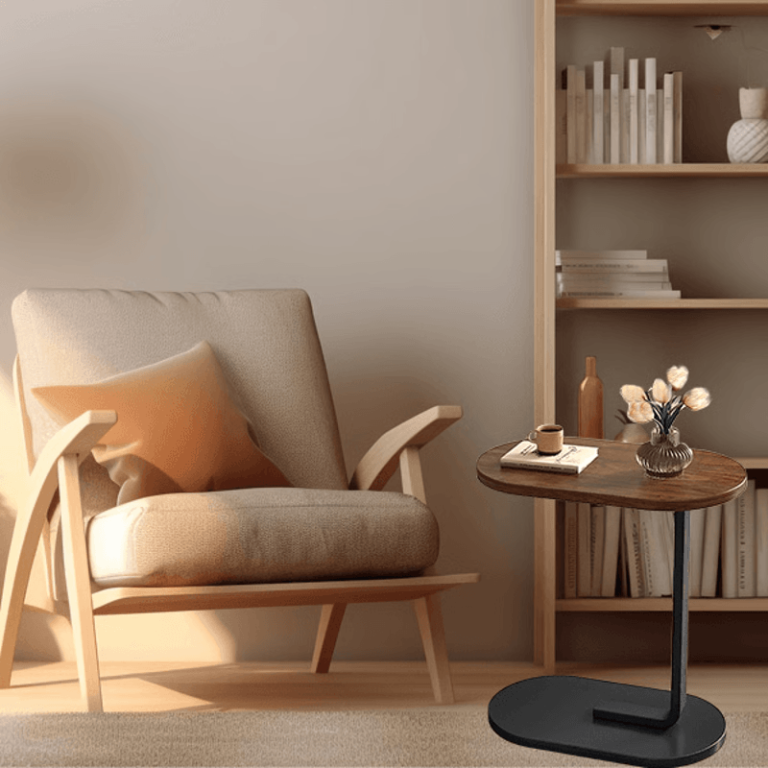
 Aisha's pickContemporary Dining Room Sets at Just the Right Height
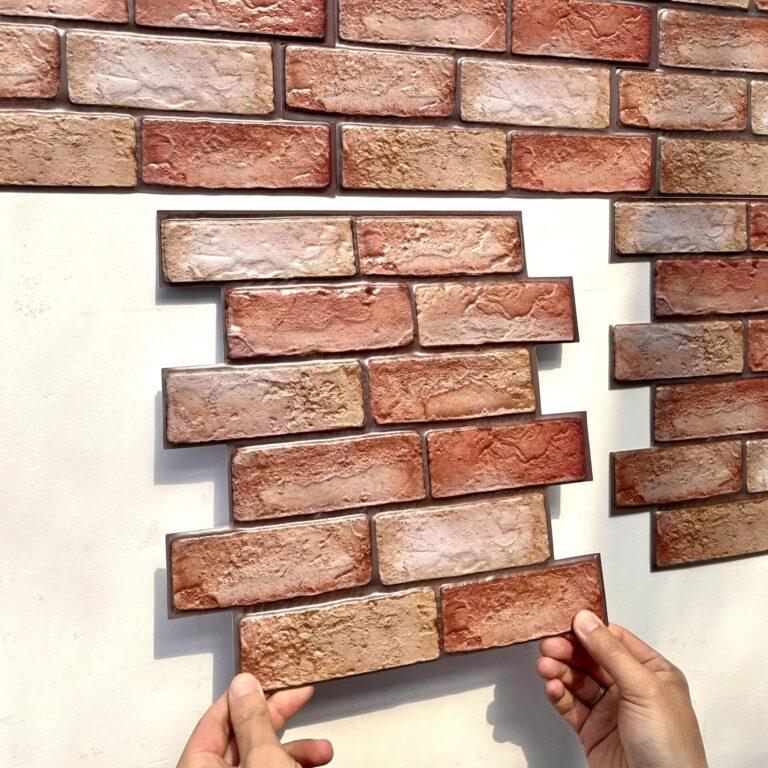
 Aisha's pickRetro Dining Room Sets You’ll Keep for Years

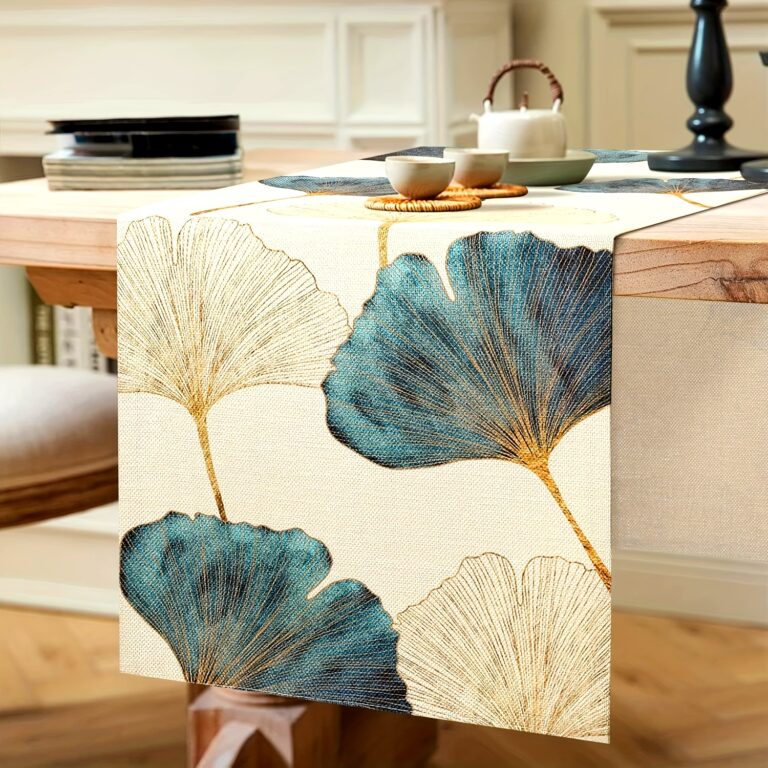 Aisha's pickDining Room Tables with Leaf That Fit Where You Need ThemAlso worth a lookDining Room SetsThe first thing I check on a dining set is whether the table and chairs actually came from…See the collections →
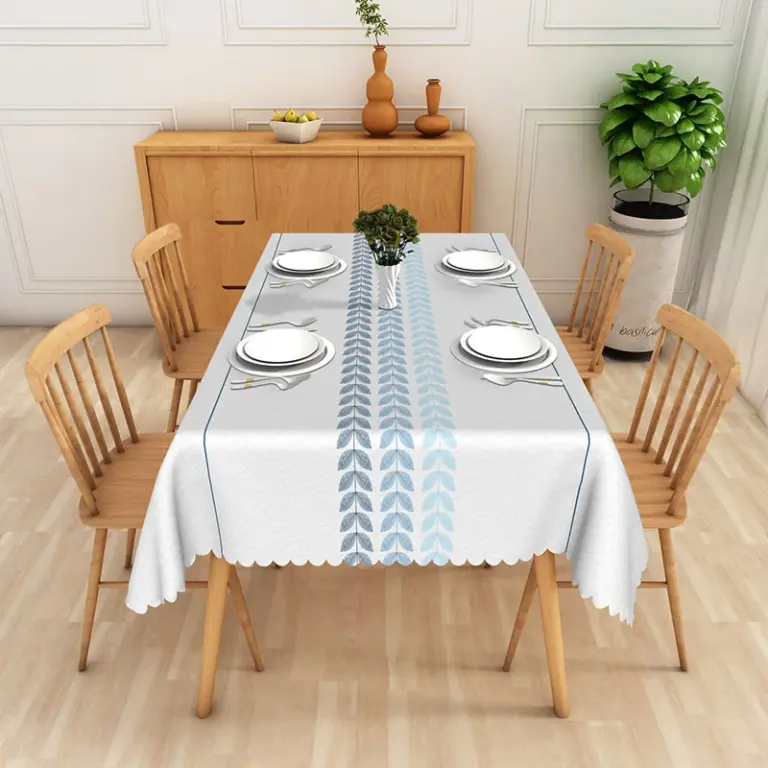
 Aisha's pickCream Dining Room Sets Big Enough for Sunday Dinner

 Aisha's pickRound Dining Room Sets Big Enough for Sunday Dinner

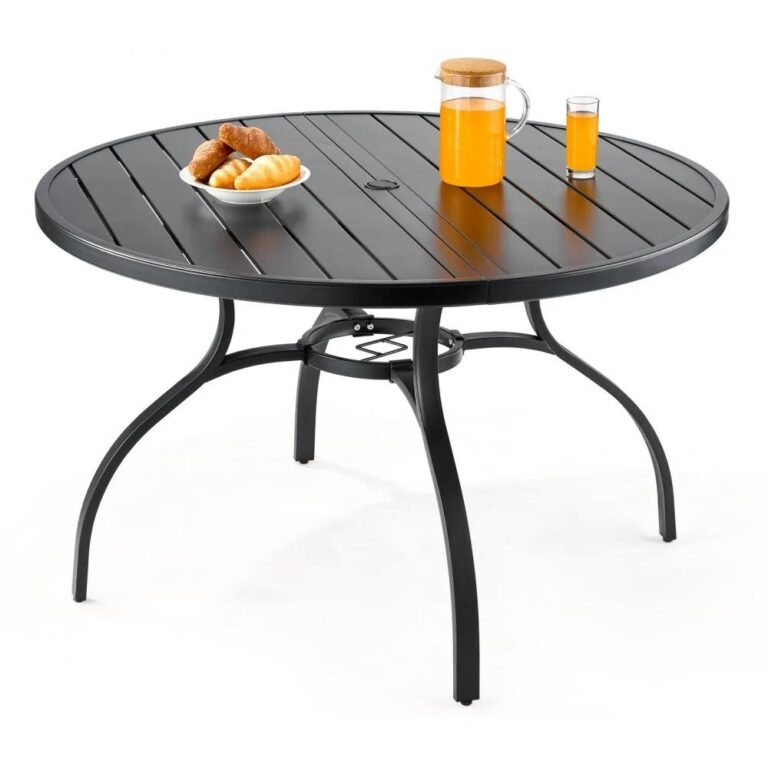 Aisha's pickDining Room Tables with Metal Legs We Use Every Single Day
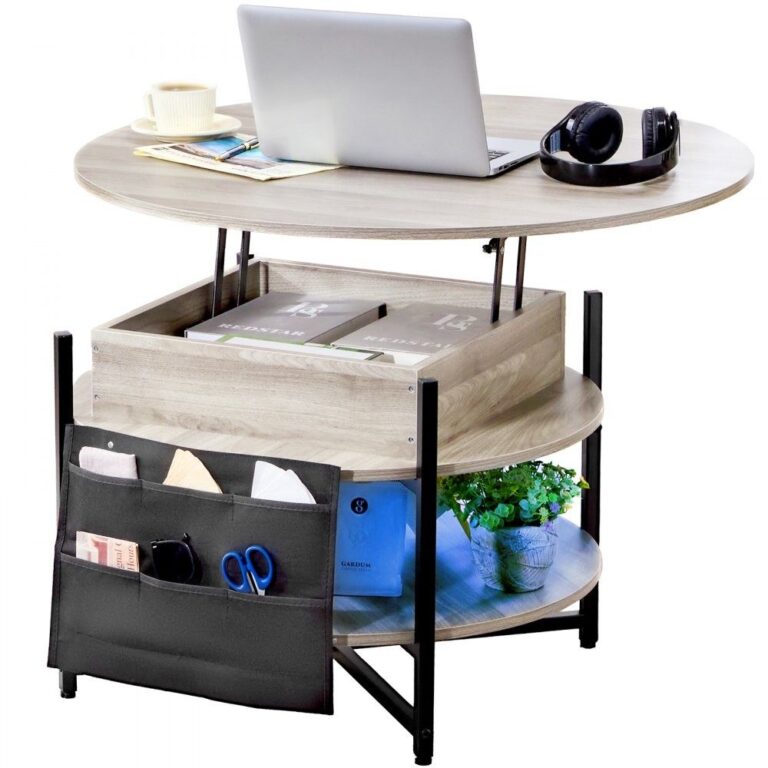
 Aisha's pickDining Room Sets for Long Dinners With Friends

 Aisha's pickOur Shortlist of Rustic Dining Room Sets

 Aisha's pickGlass Dining Room Tables We Use Every Single Day

 Aisha's pickDining Room Sets for Small Spaces You’ll Still Like in Five Years
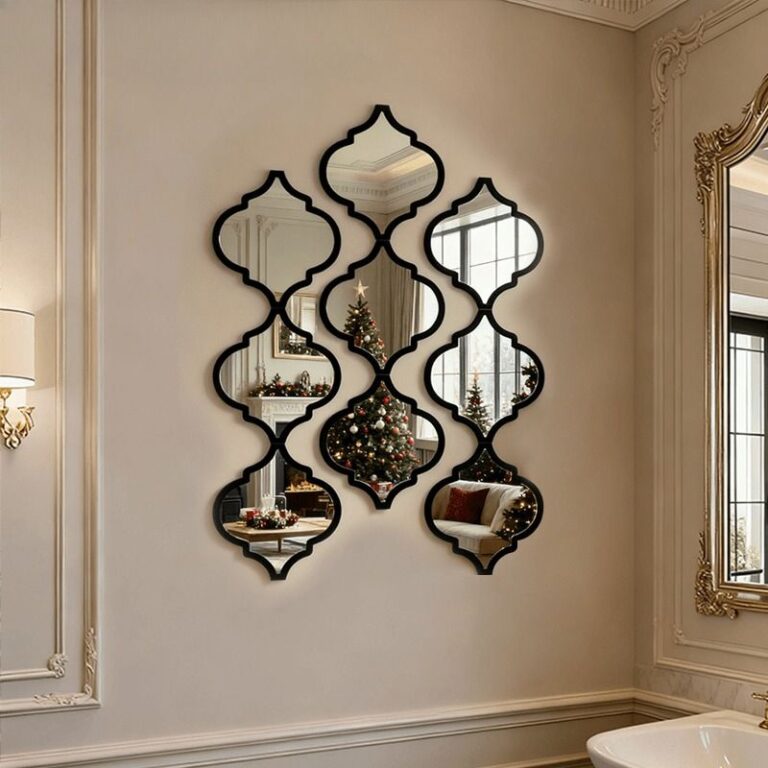
 Aisha's pickSmall Dining Room Sets From Brands You Know and a Few You Won’t

 Aisha's pickGreen Dining Room Tables That Don’t WobbleAlso worth a lookVintage TablesThere's a particular kind of late fall afternoon, light going gold and low through the windows, when an…See the collections →

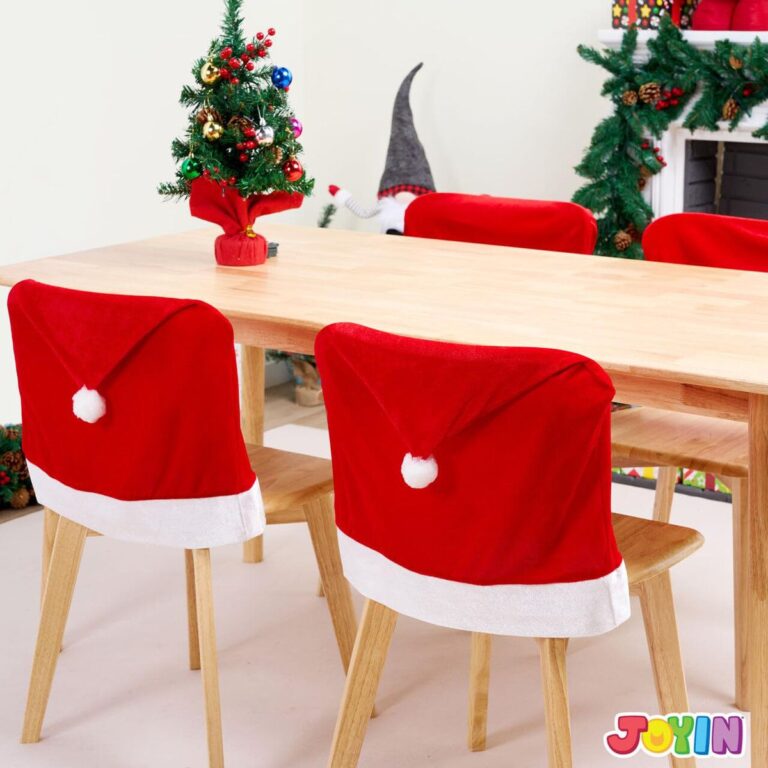 Aisha's pickDining Room Sets with Fabric Chairs That Hide the Odd Scratch
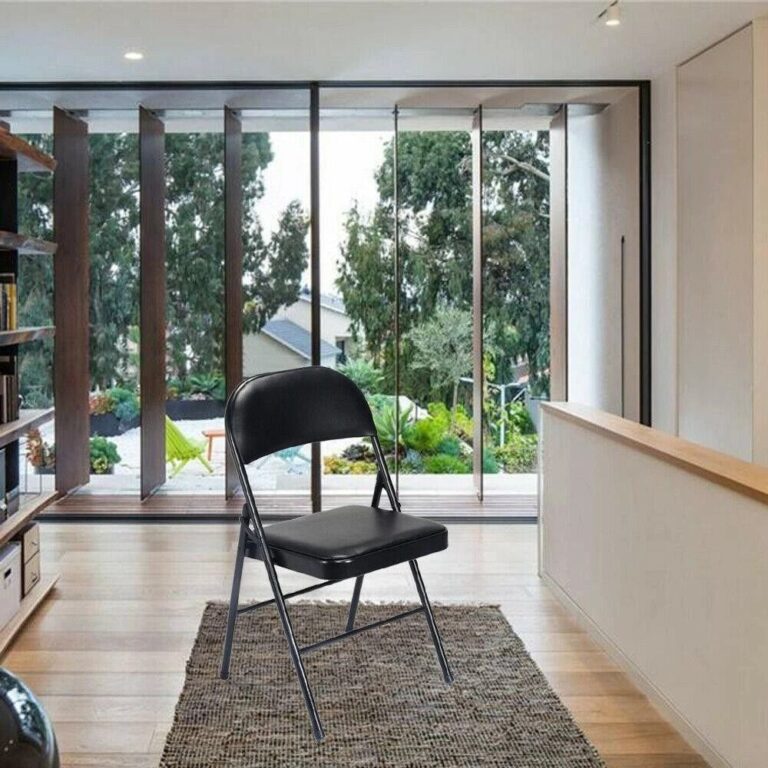
 Aisha's pickSquare Dining Room Sets That Look Good Up Close

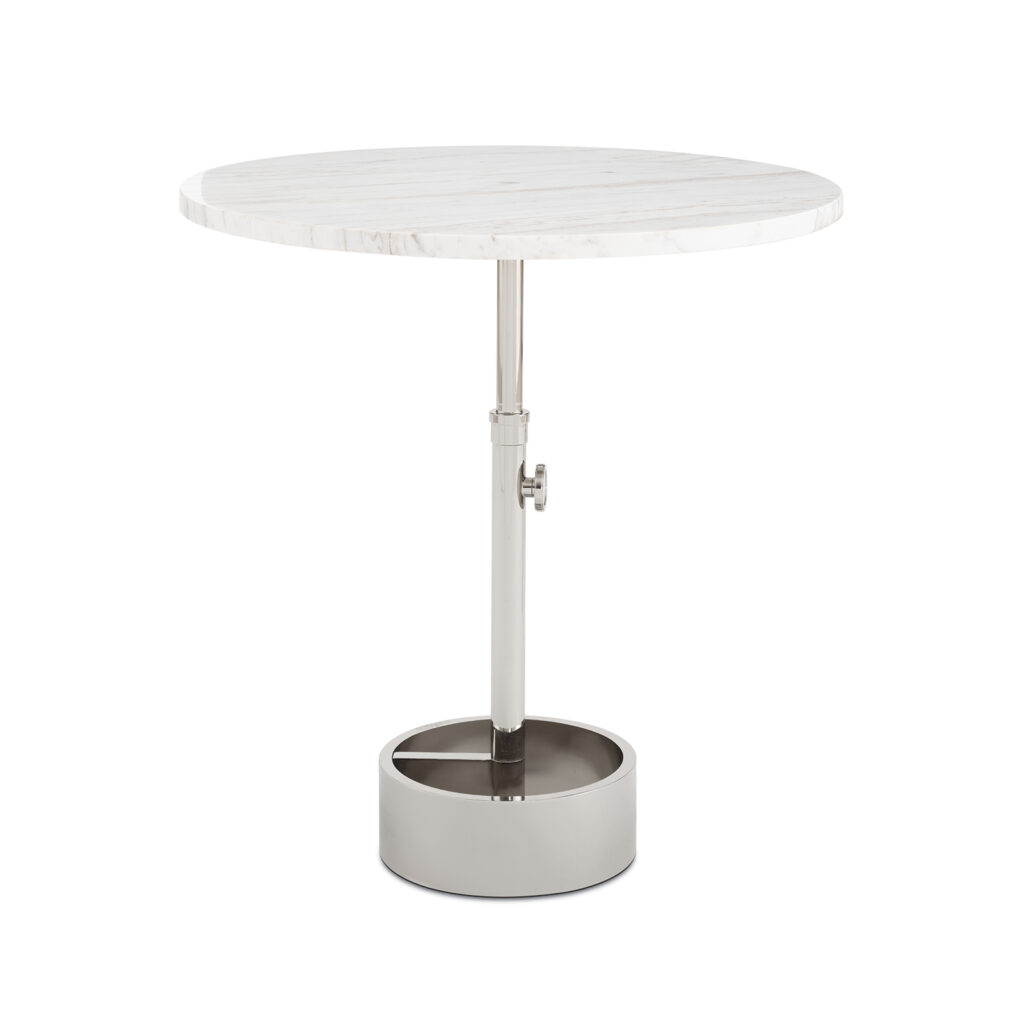 Aisha's pickIndustrial Dining Room Tables We Use Every Single Day
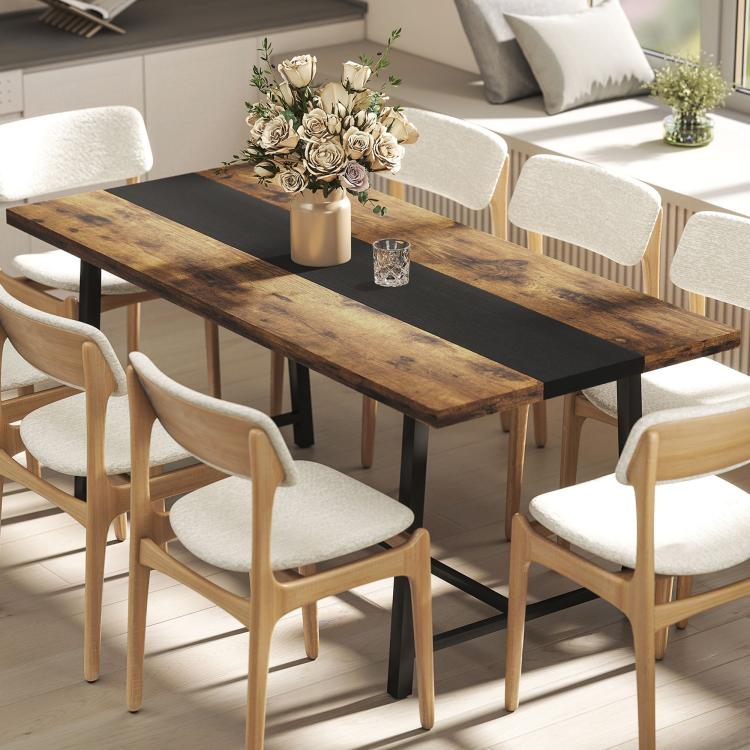
 Aisha's pickGlass Dining Room Sets That Hide the Odd Scratch

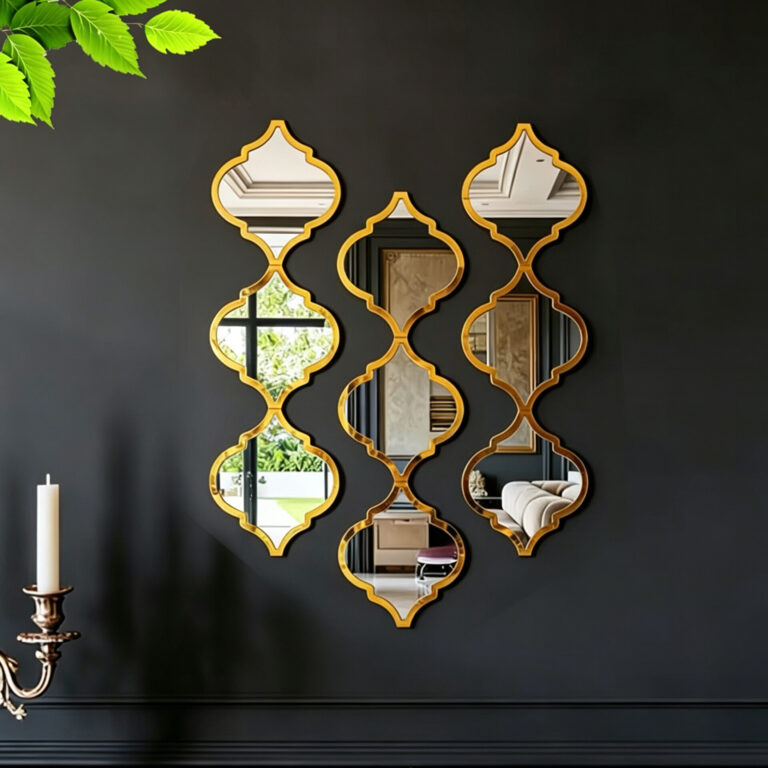 Aisha's pickTraditional Dining Room Sets Big Enough for Sunday Dinner

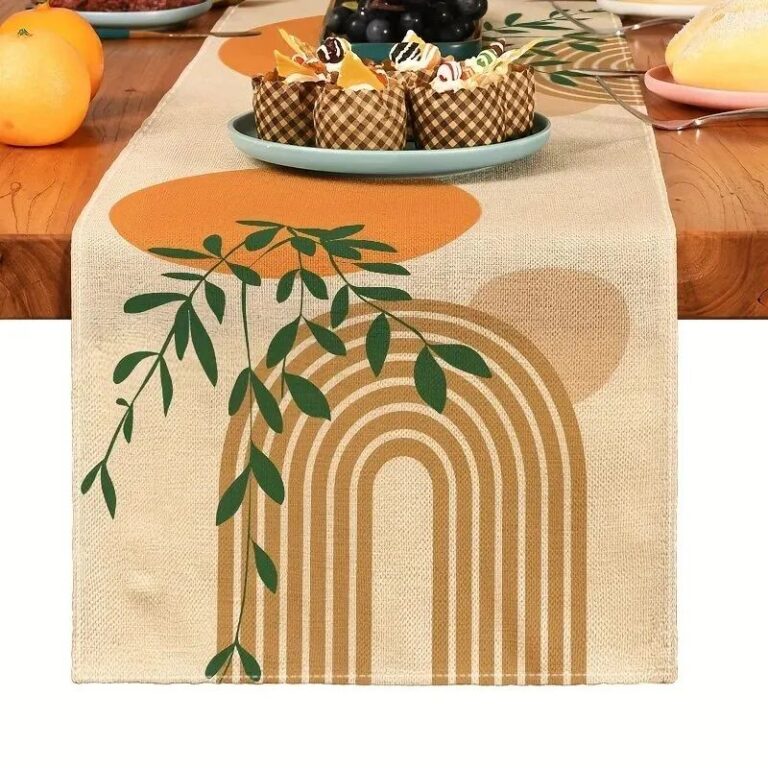 Aisha's pickLong Dining Room Tables That Clean Up With a Wipe
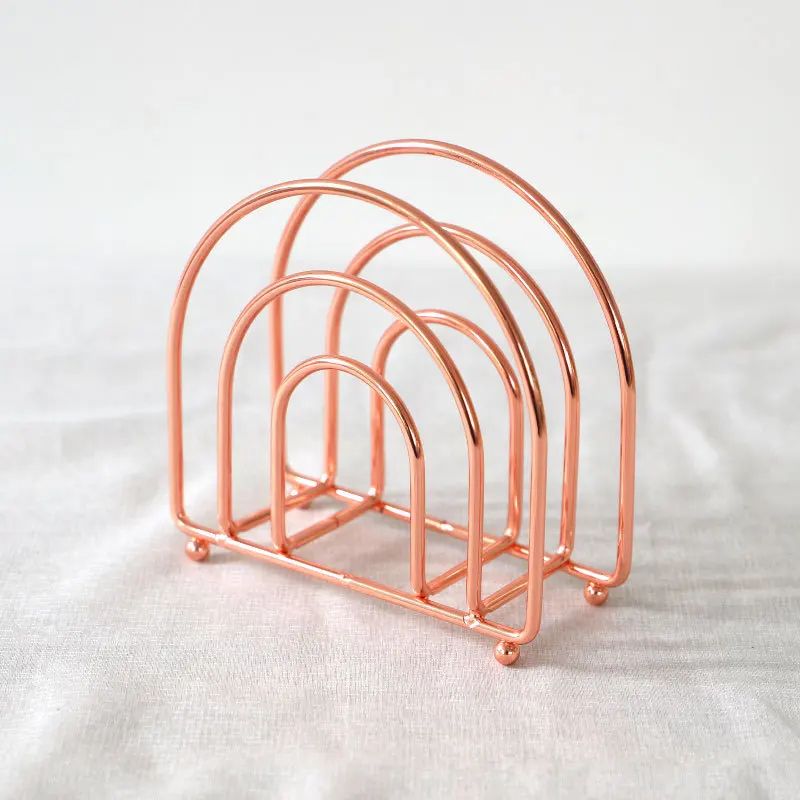
 Aisha's pickGray Dining Room Sets That Get the Family Around the Table
 Aisha's pickVintage Dining Room Sets That Get the Family Around the Table
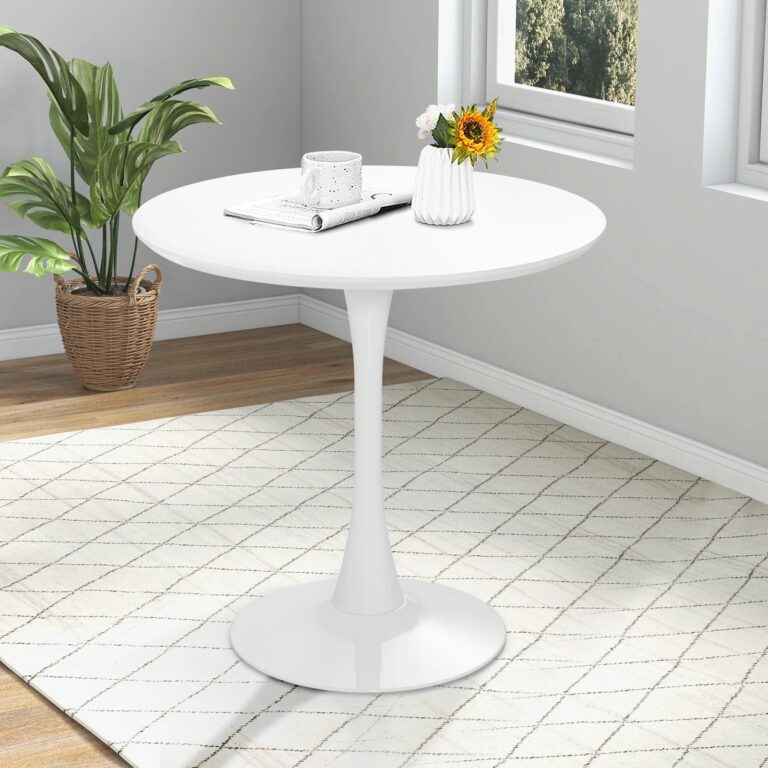 Aisha's pickMetal Dining Room Tables That Work in Old Houses and New OnesAlso worth a lookEnd TablesThe first one I bought looked perfect in the store and then came home to a sofa it…See the collections →
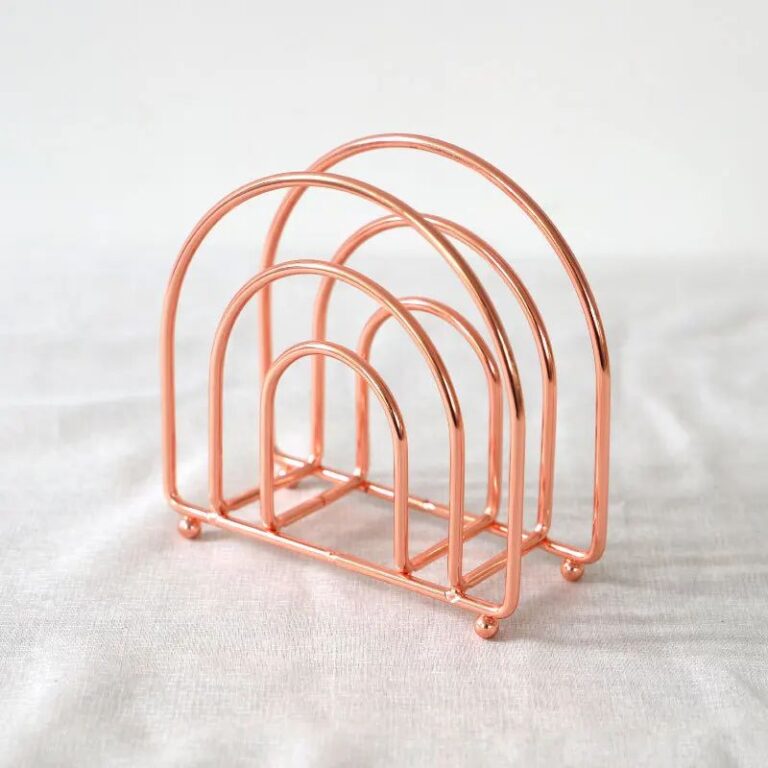
 Aisha's pickIndustrial Dining Room Sets That Get the Family Around the Table

 Aisha's pickWall Art Sets for Dining Room That Feel Personal, Not Store Bought

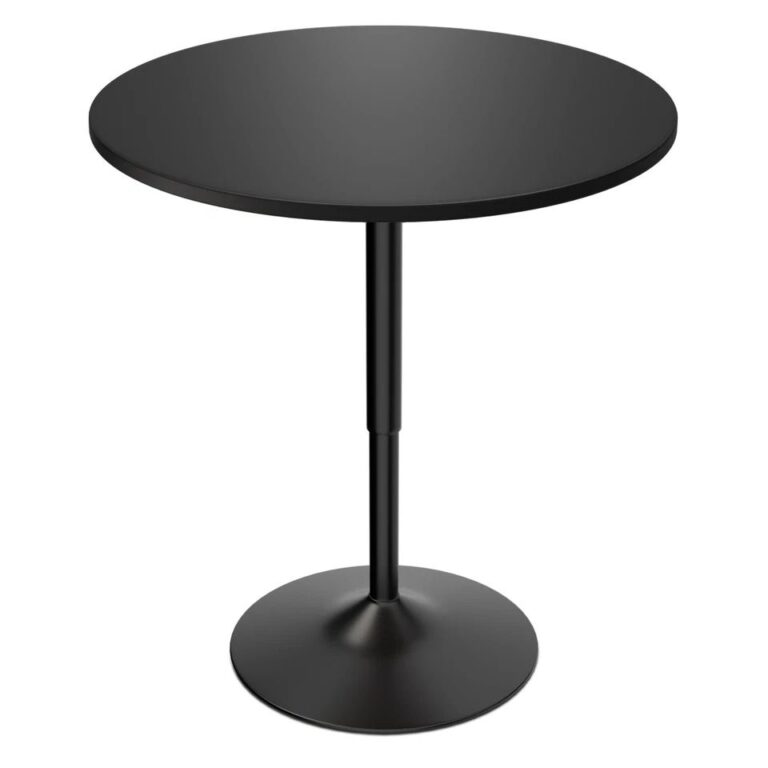 Aisha's pickModern Dining Room Tables That Clean Up With a Wipe
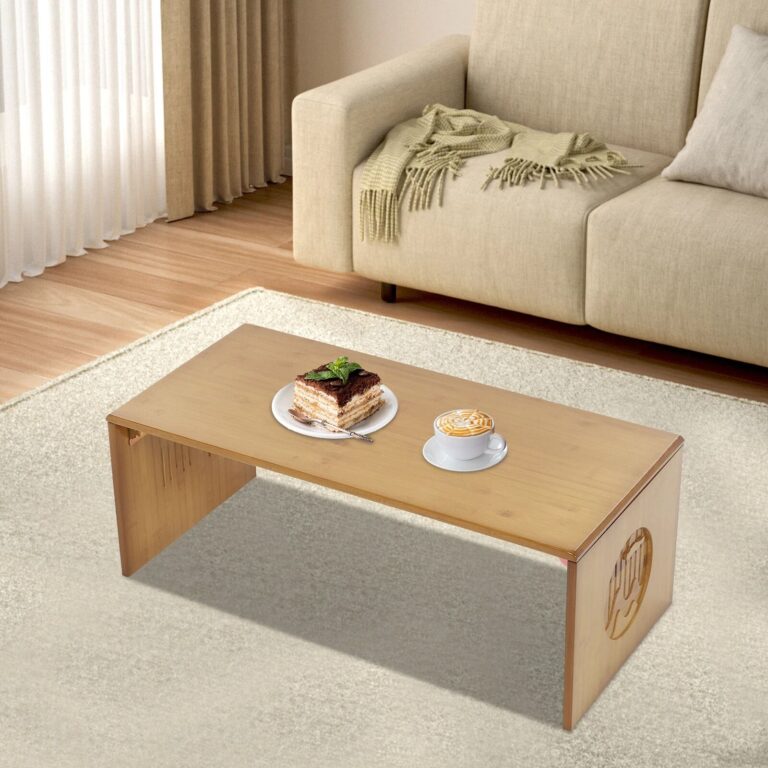
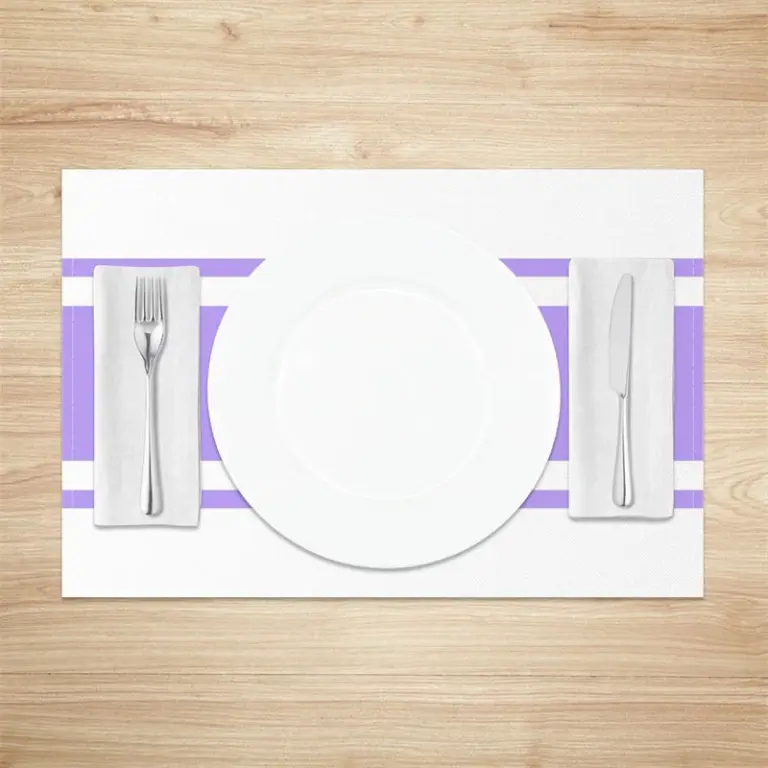 Aisha's pickLarge Dining Room Sets Big Enough for Sunday Dinner
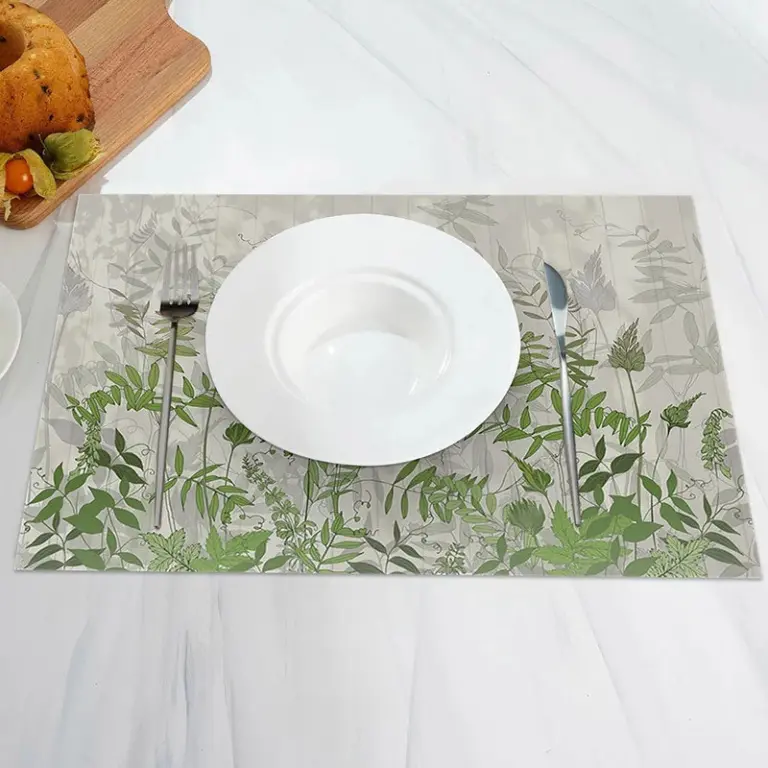
 Aisha's pickWhite Dining Room Sets Big Enough for Sunday Dinner

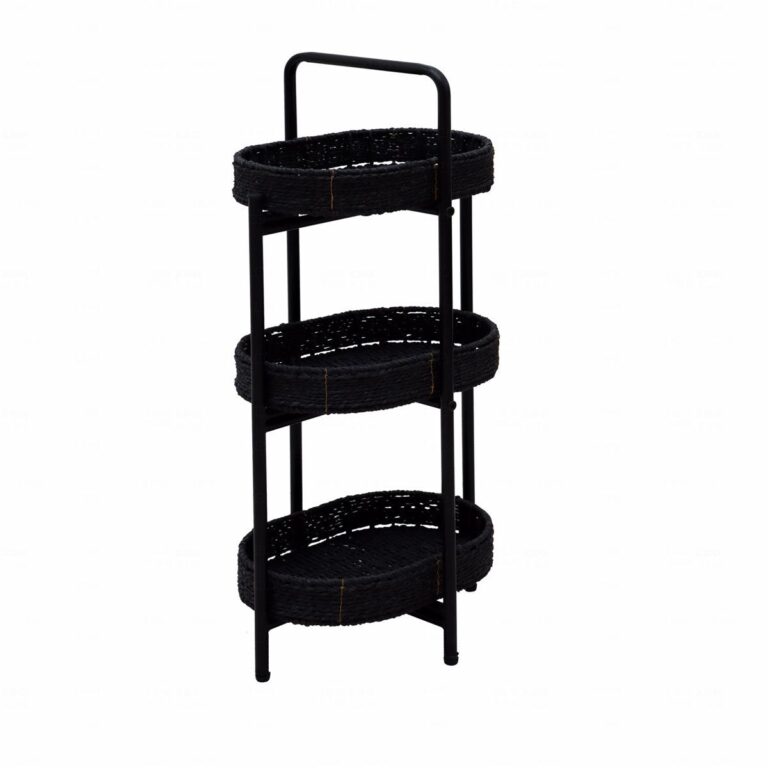 Aisha's pickOval Dining Room Tables That Get the Family Around the Table
 Aisha's pickOur Shortlist of Long Dining Room Sets
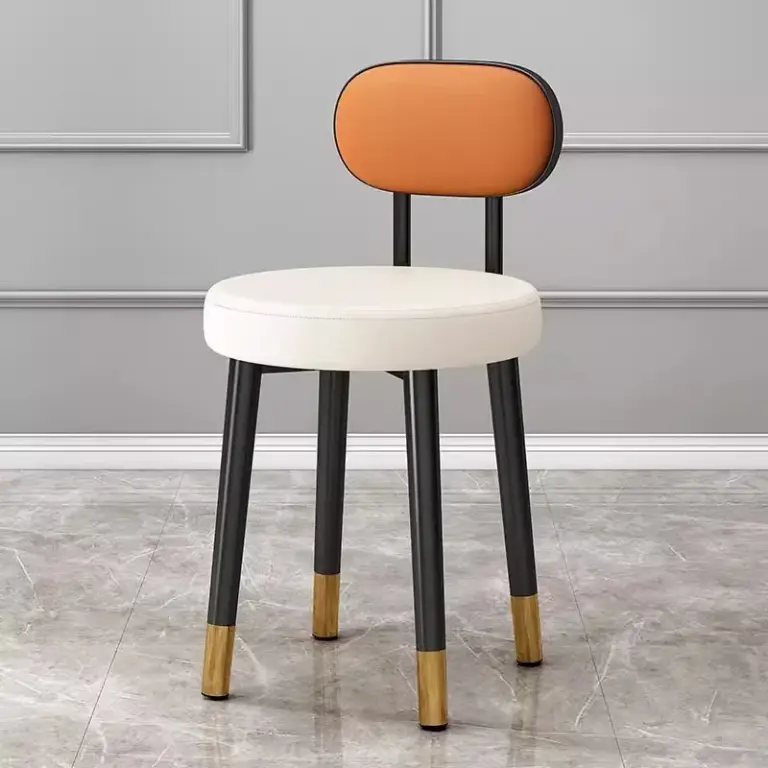
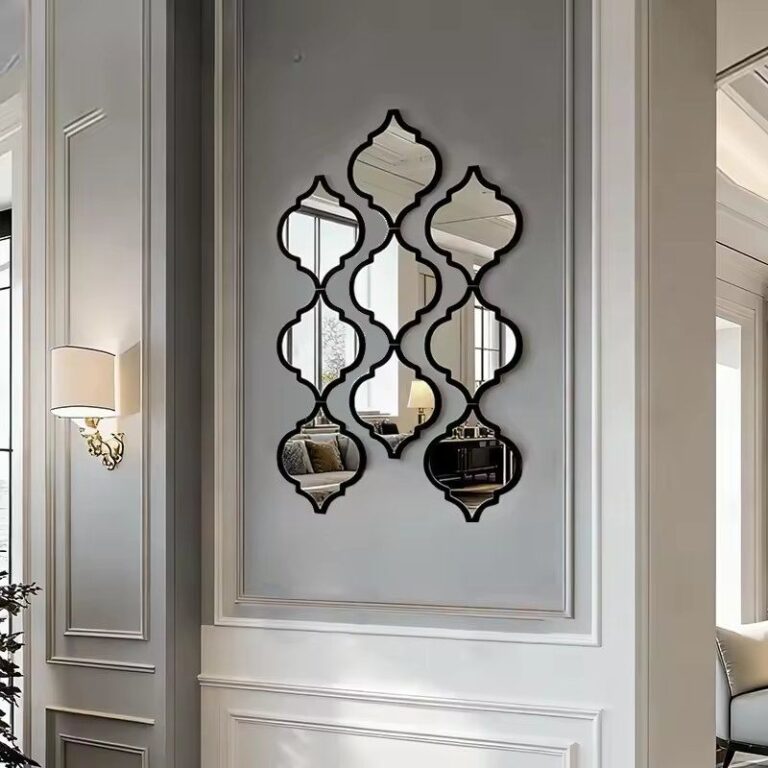 Aisha's pickWood Dining Room Sets That Survive Hot Mugs and Spills