Compact tables get written off as the thing you settle for when a real table won't fit, and I understand why, but I think that reputation undersells them. The good ones aren't a compromise, they're a different tool for a different job, and once you've lived with one you start seeing rooms that would actually be better off with a small table than a big one.
These work hardest in the places where a full size table would just sit there being furniture: a narrow entry where you need somewhere to drop keys and mail, a reading corner that wants a surface for a mug and nothing more, a studio apartment where the table has to disappear between meals, a sunroom that only gets used for an hour of good light in the late afternoon. They suit apartments and starter homes, but they also suit big houses in the odd leftover spots, the landing, the end of a hallway, the side of a bed in a guest room. Where they fall apart is anywhere you actually need to seat four people for dinner or spread out paperwork for a project, ask a compact table to do a dining table's job and it will let you down every time, that's not what it's built for and pretending otherwise just means a wobbly dinner.
The difference between a table you keep for ten years and one you're embarrassed by in two usually comes down to the leg joints and the top. Cheap compact tables often use a single center pedestal with a thin metal plate screwed into particleboard, and that connection is exactly where the wobble starts, especially once you've moved it across a rug a few dozen times. Look instead for four legs or a proper trestle base joined into a solid top, dowelled or mortised rather than just glued and screwed, with a top that's solid wood or a good quality veneer rather than a printed laminate that chips at the corner the first time a bag gets set down hard. Run your hand along the underside if you can, a clean finish there usually means someone cared about the parts you don't see either.
If you own exactly none of these and need to pick one, start with a simple round or square table around 24 to 28 inches across, four straight legs, in a light natural wood. That size clears doorways and tight corners without looking like an afterthought, and the round shape forgives bumping into it in a way a sharp corner never will. I'd start in a pale oak or ash finish, it reads calm in morning light and doesn't fight with whatever else is already crowded into the room.
 Aisha's pickCompact End Tables That Survive Hot Mugs and Spills
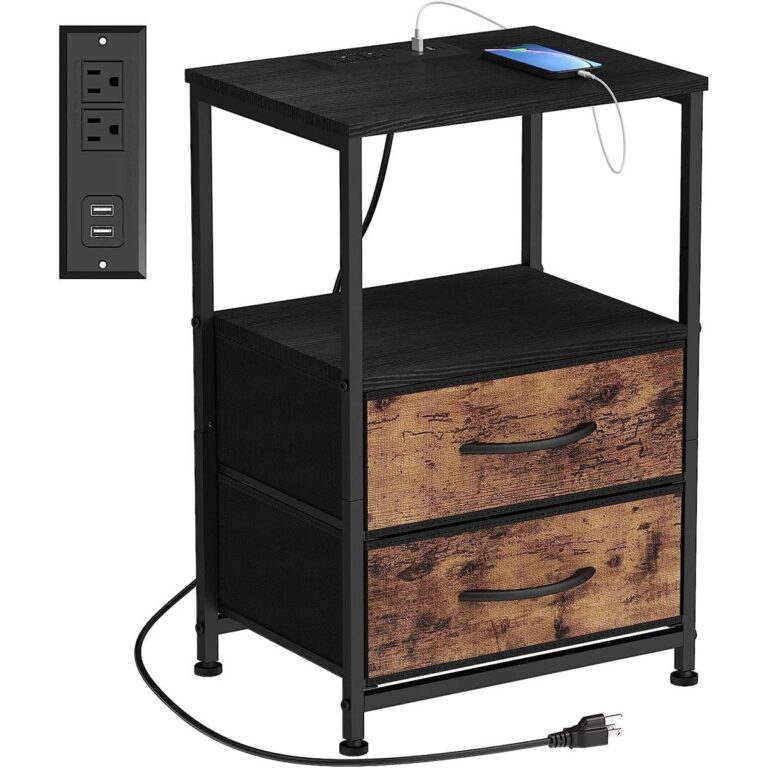 Aisha's pickCompact 2 Drawer Nightstands We’d Buy Again
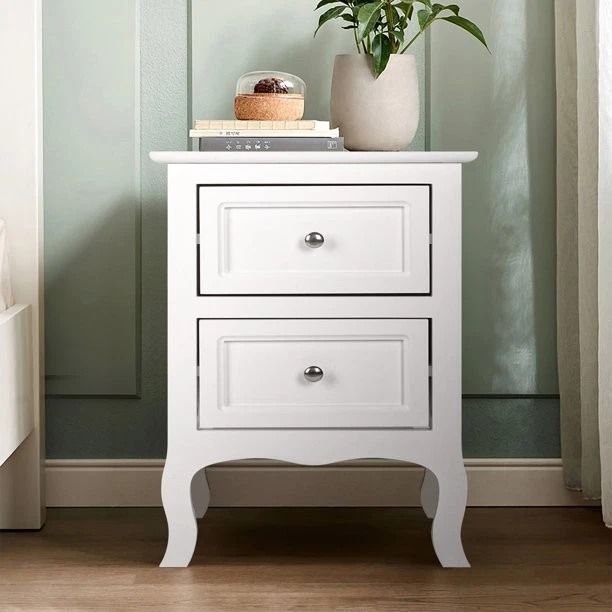
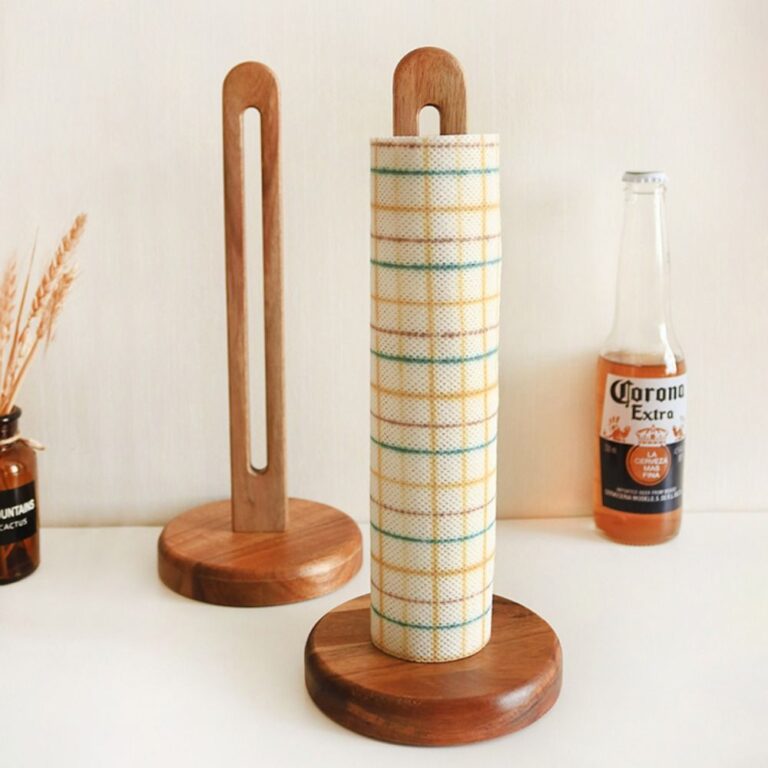 Aisha's pickCompact Kitchen Dining Tables That Make Cooking a Bit Nicer
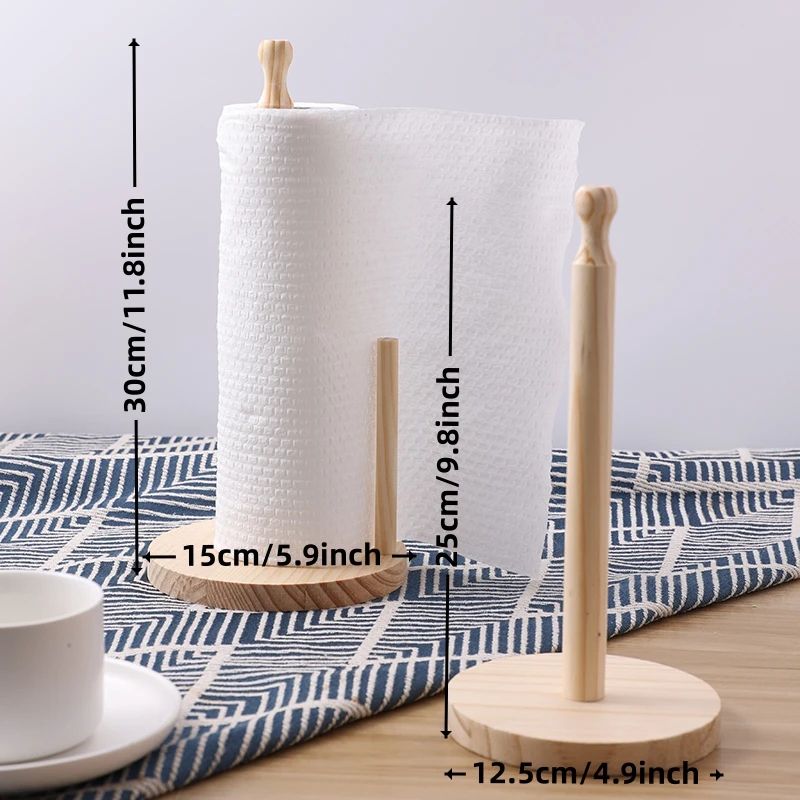
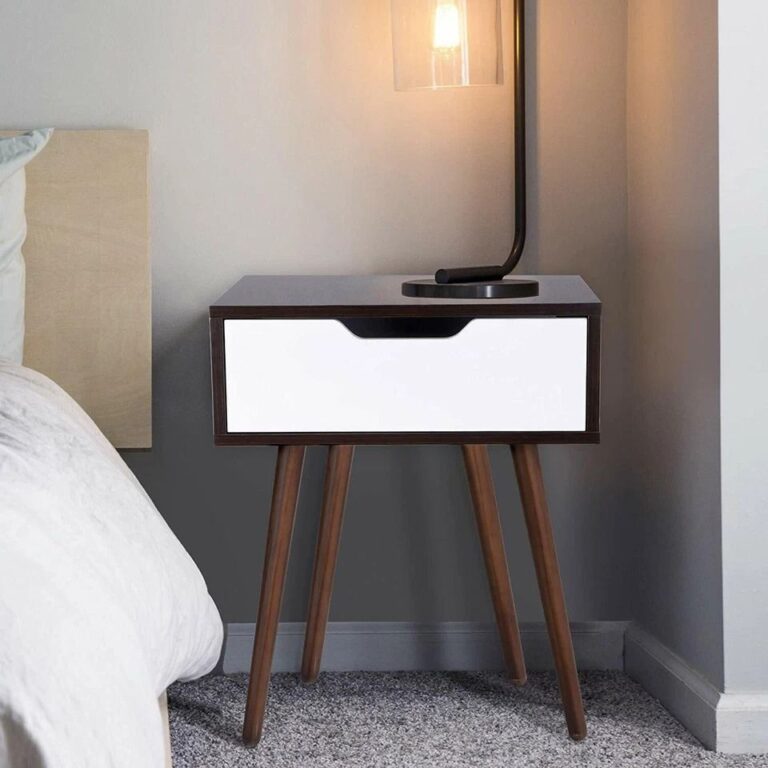 Aisha's pickCompact Accent Tables That Won’t Let You Down
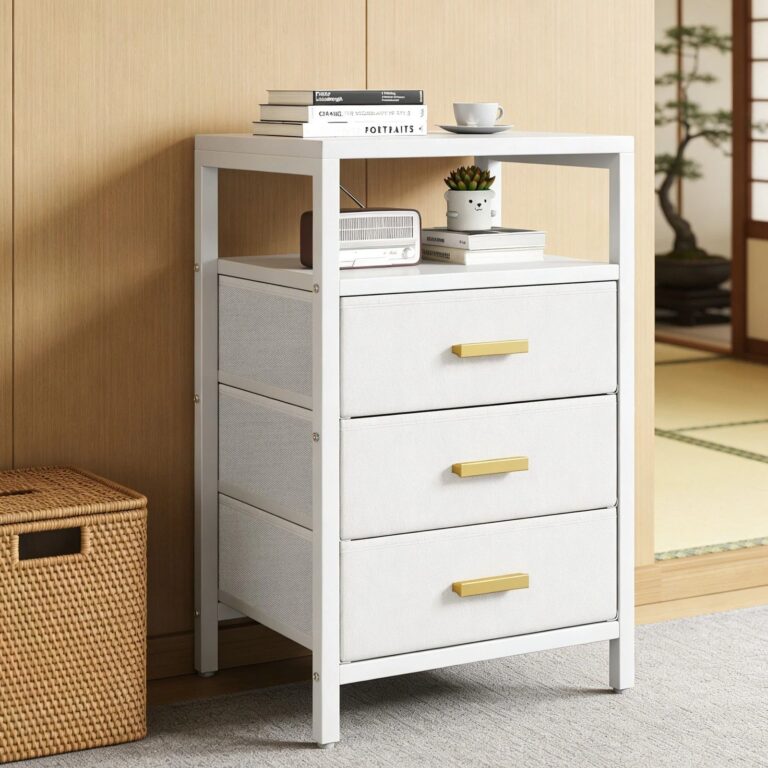
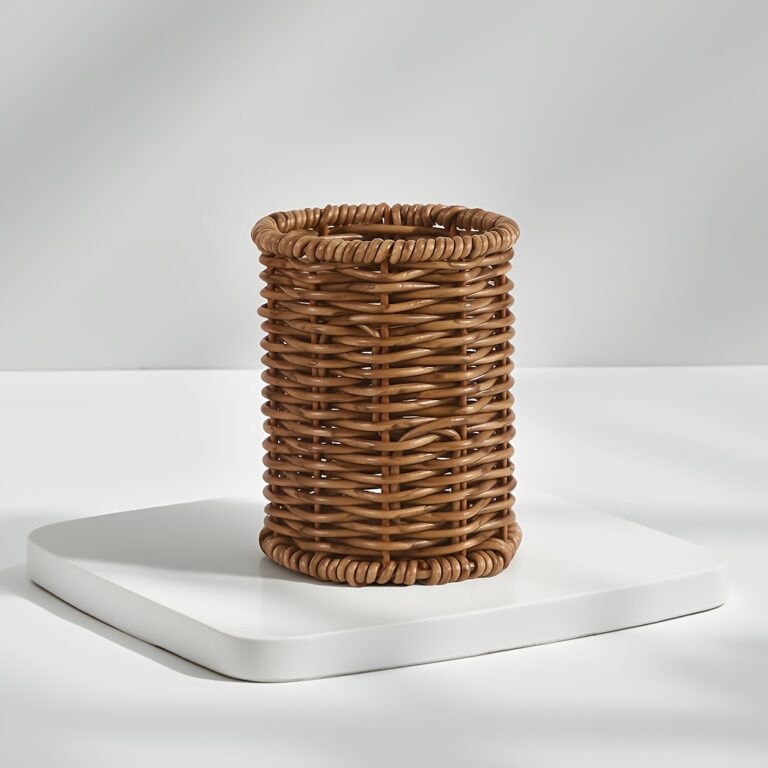 Aisha's pickCompact Kitchen Tables at Just the Right Height
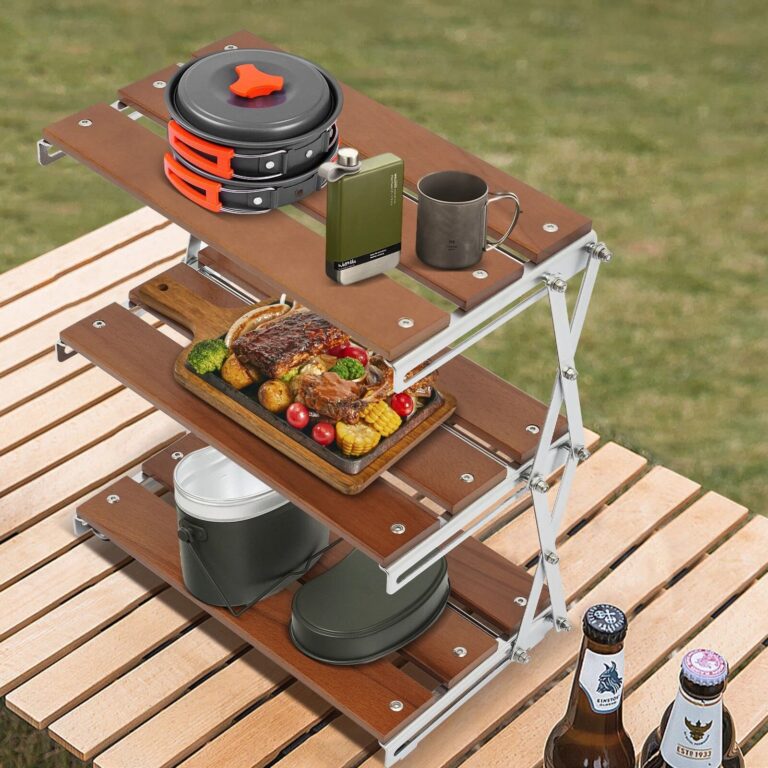
 Aisha's pickCompact Bar Tables at Just the Right Height
 Aisha's pickCompact Kitchen Table Sets We Use Every Single Day
 Aisha's pickCompact Nightstands for a Calmer Bedroom

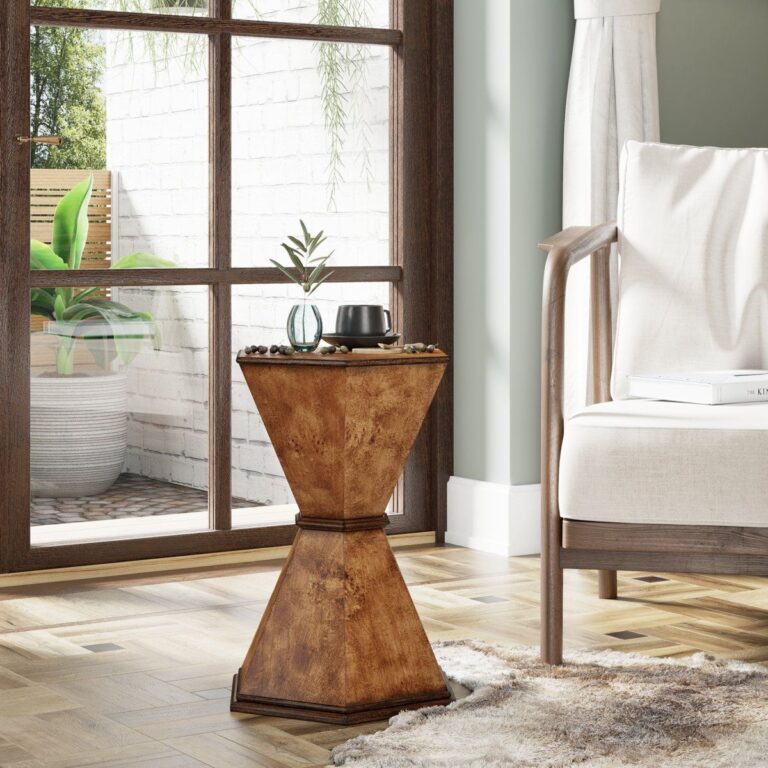 Aisha's pickCompact Lamp Tables for Apartments and Small HousesAlso worth a lookVintage TablesThere's a particular kind of late fall afternoon, light going gold and low through the windows, when an…See the collections →

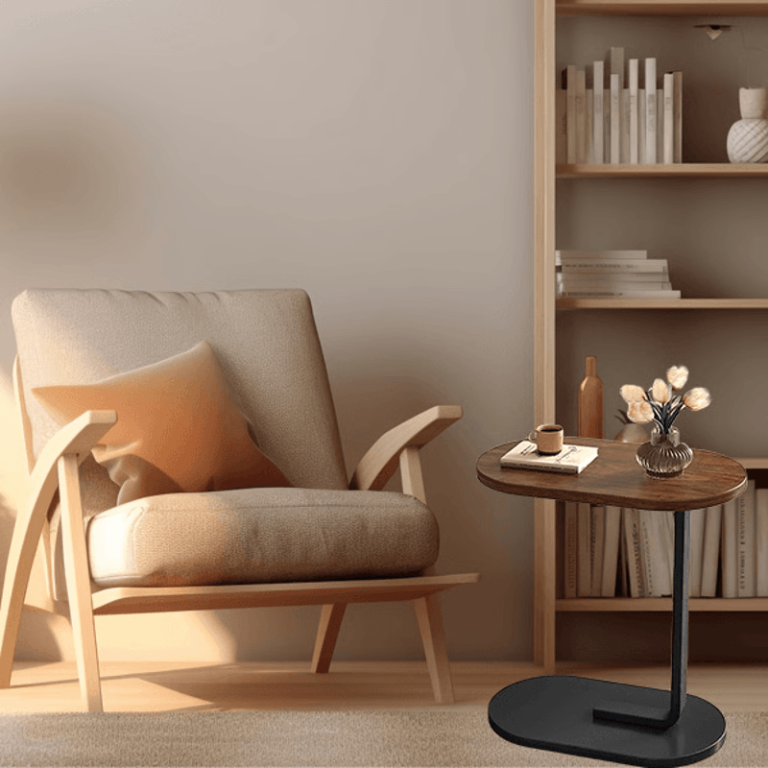 Aisha's pickCompact Breakfast Tables That Fit Where Nothing Else Will
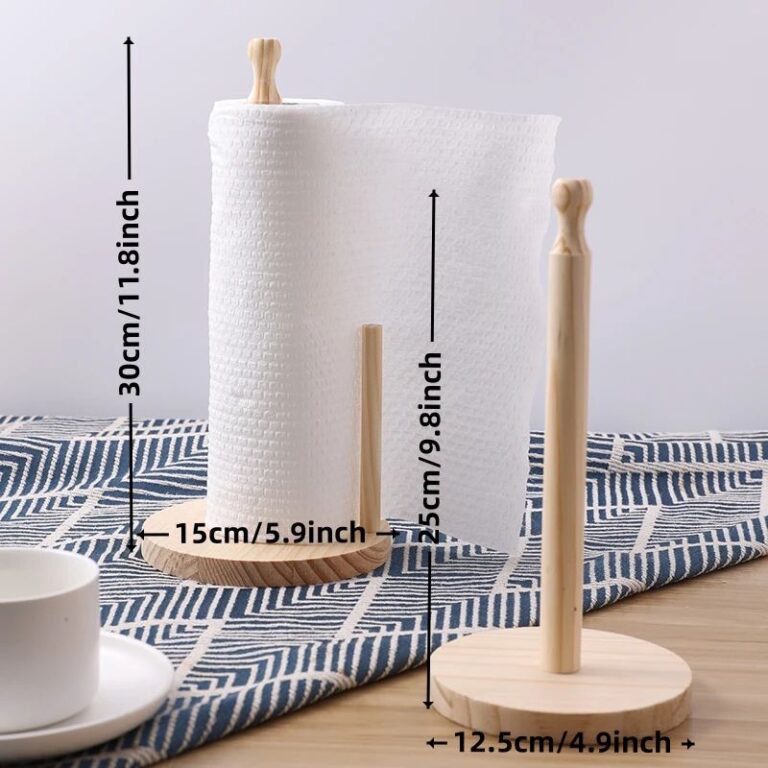
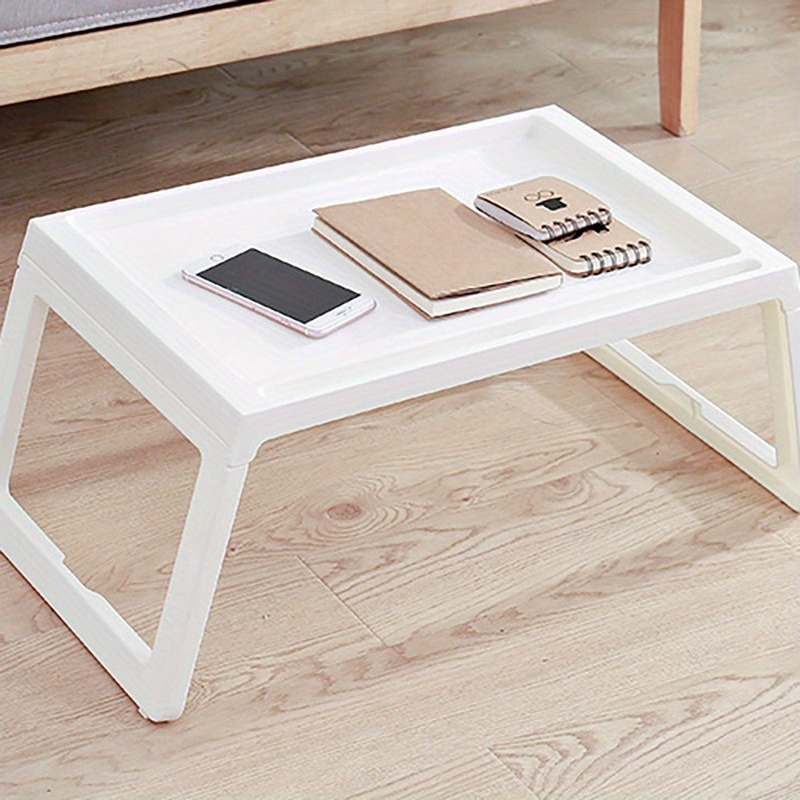 Aisha's pickCompact Living Room Tables That Hide the Odd Scratch
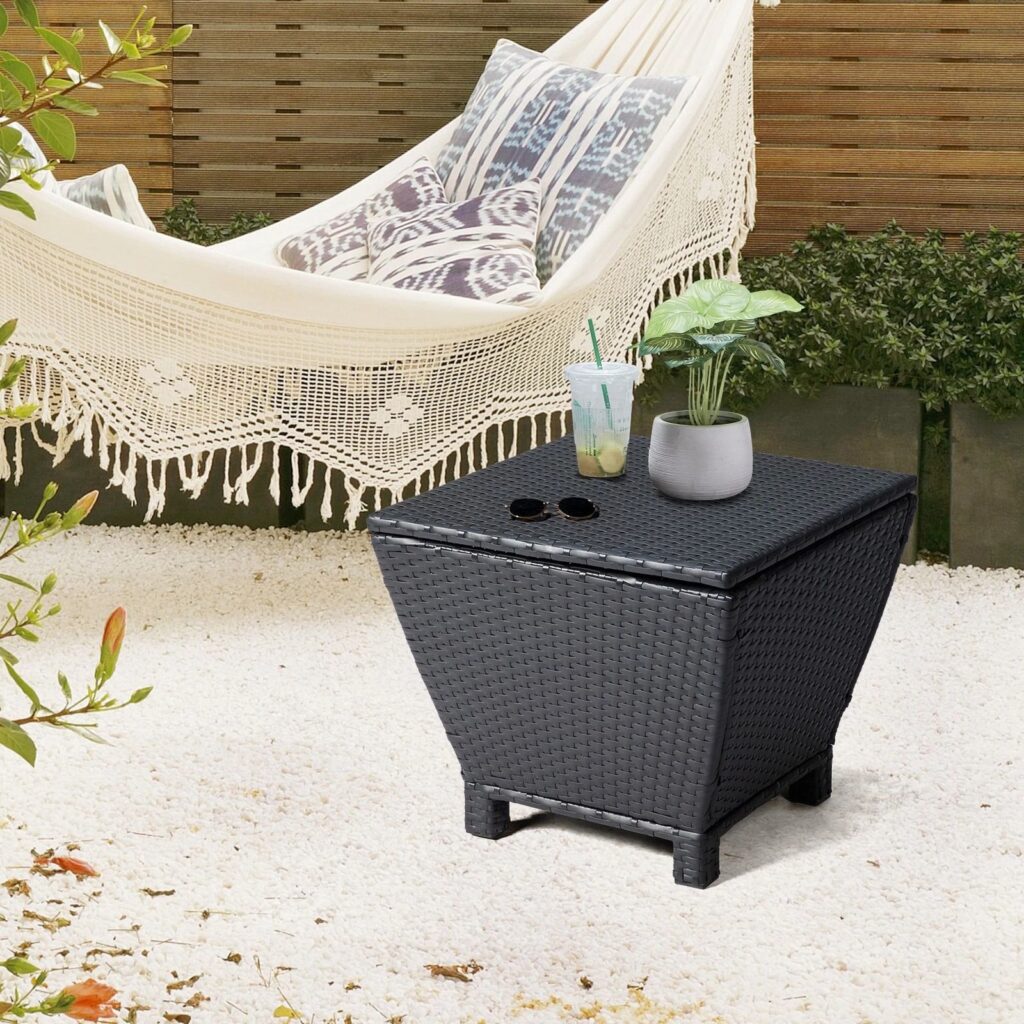
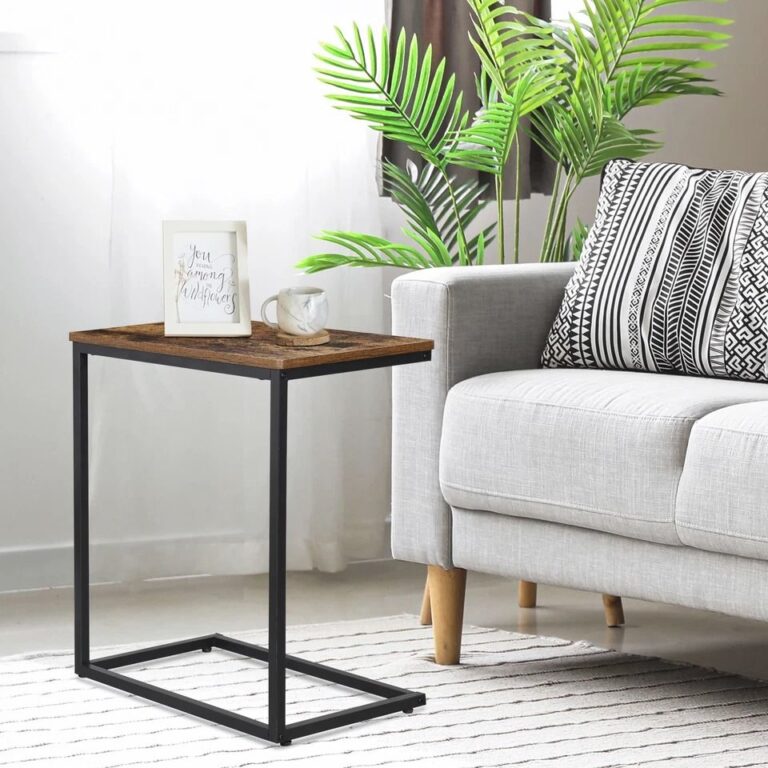 Aisha's pickCompact C Tables With Room for Everything You Put Down
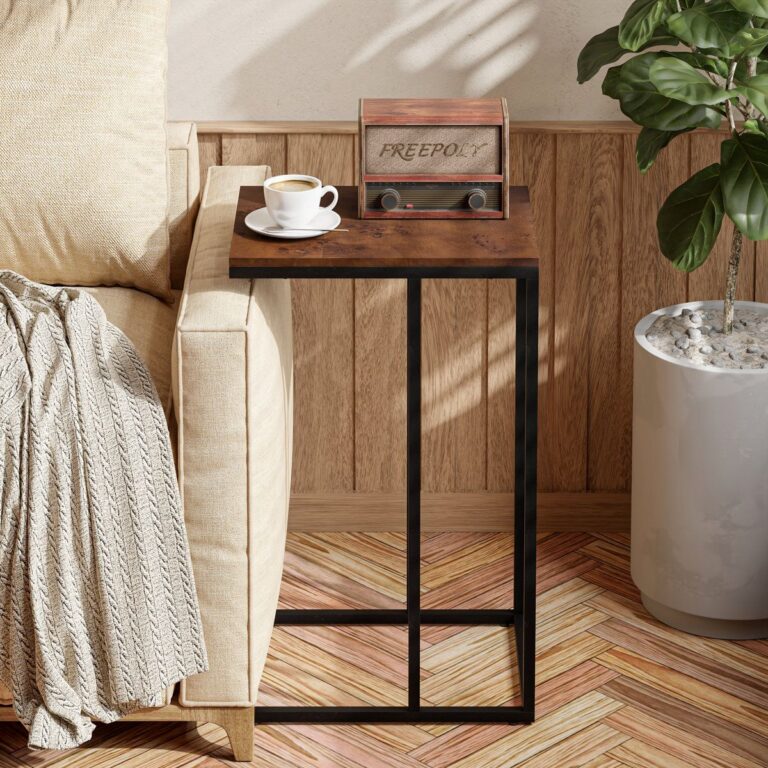
 Aisha's pickDecent Compact Make Up Tables Without the Hassle

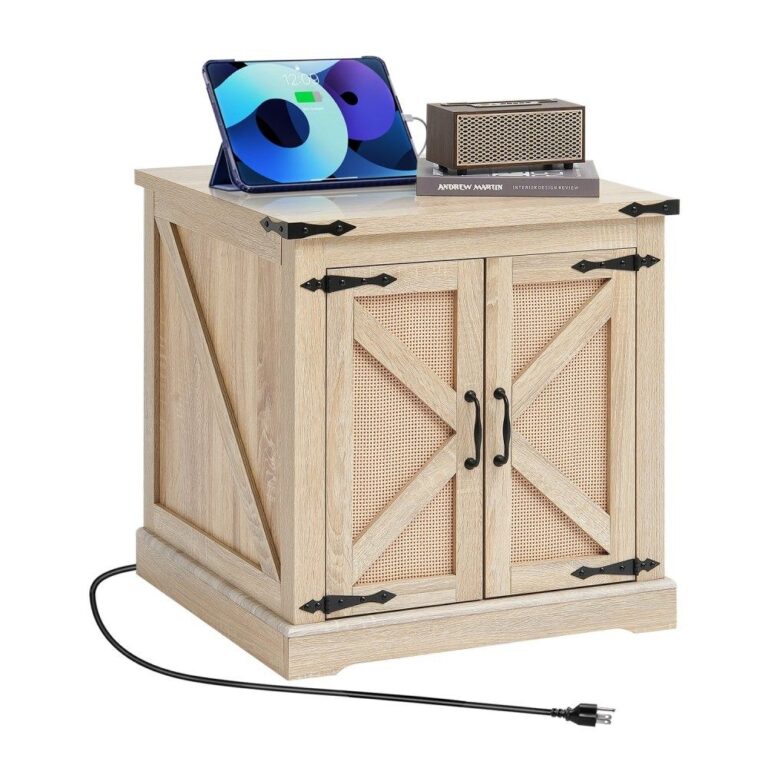 Aisha's pickCompact Coffee Tables That Clean Up With a Wipe

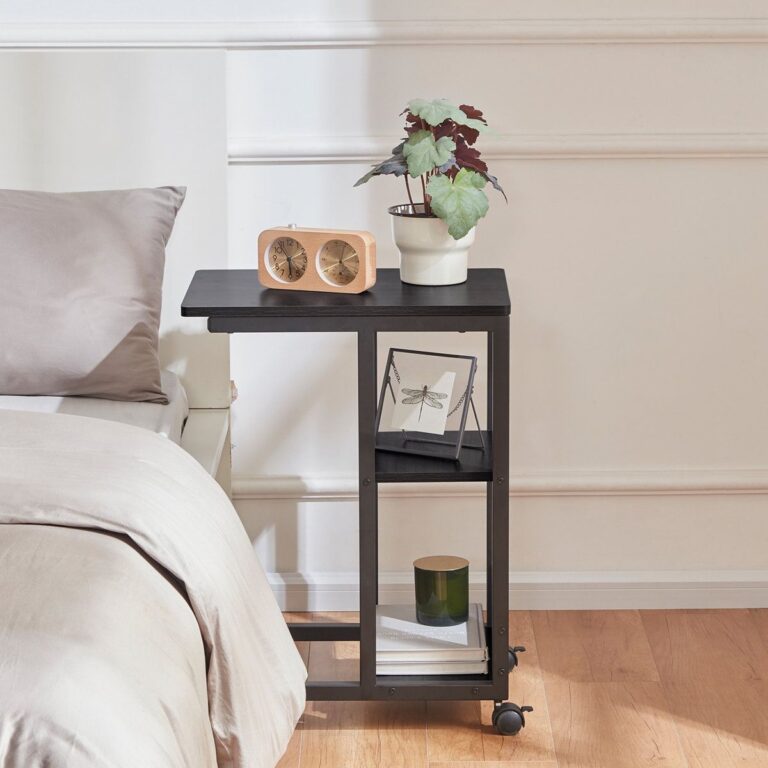 Aisha's pickCompact Side Tables for Small Spaces That Need to Work Hard

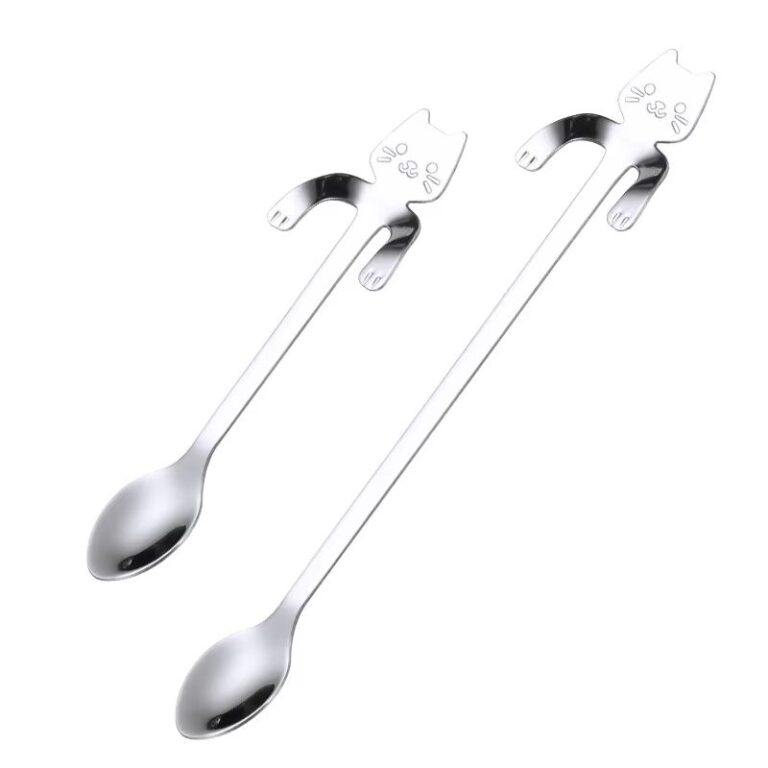 Aisha's pickCompact Coffee Table Sets for the Living Room
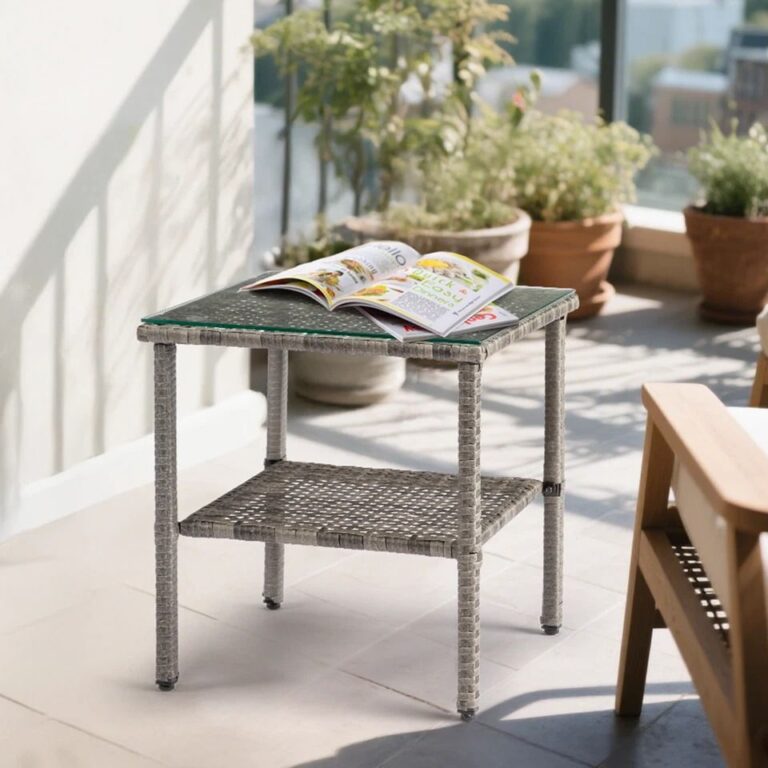
 Aisha's pickCompact Sofa Tables That Anchor a Room
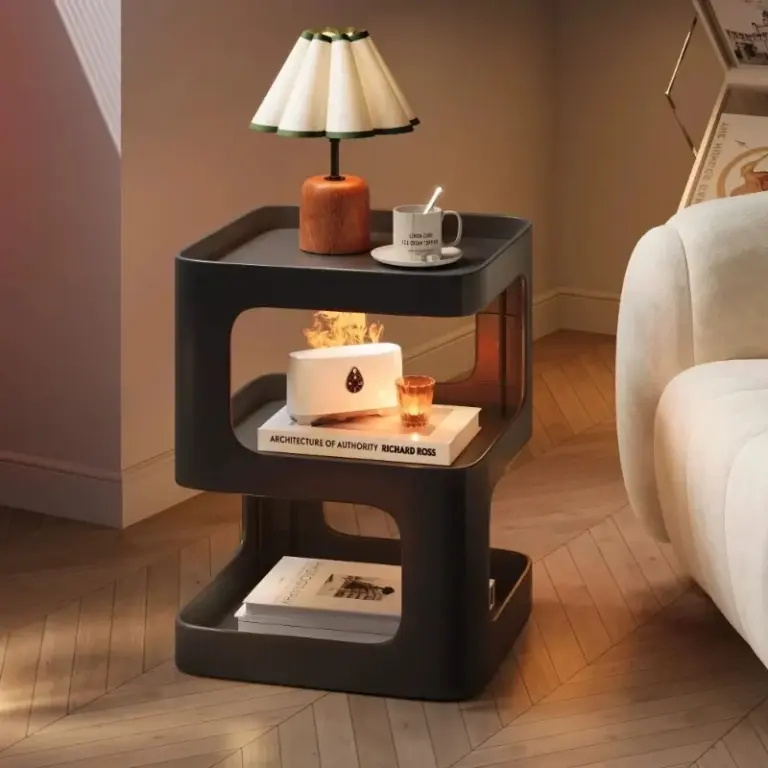
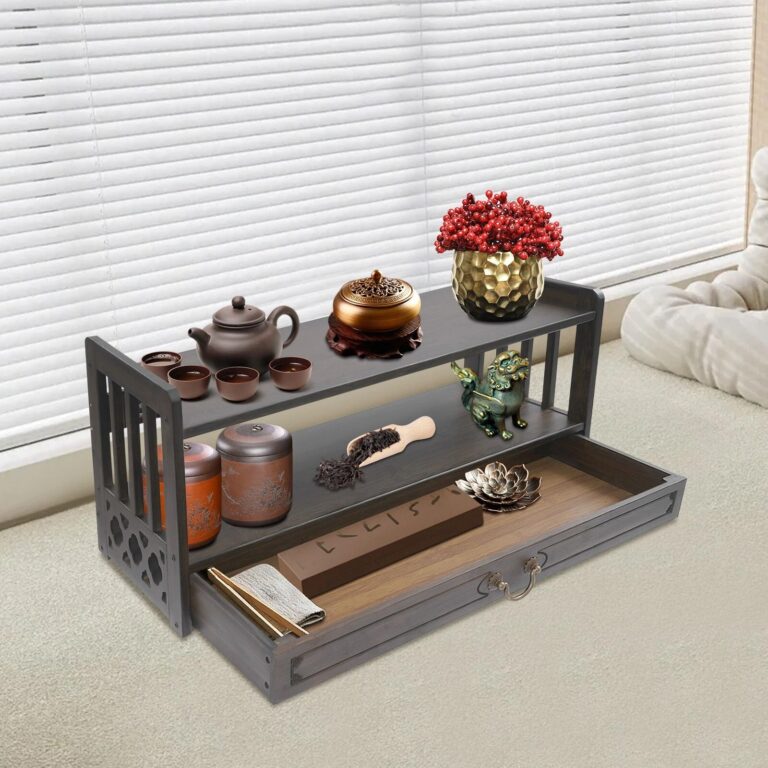 Aisha's pickCompact Console Tables for Small Spaces That Need to Work HardAlso worth a lookEnd TablesThe first one I bought looked perfect in the store and then came home to a sofa it…See the collections →
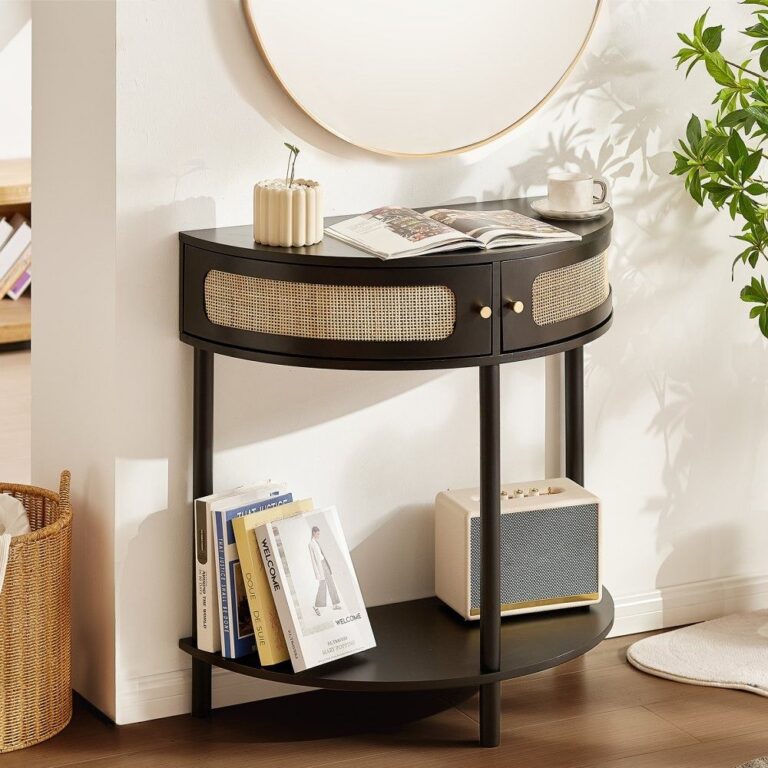
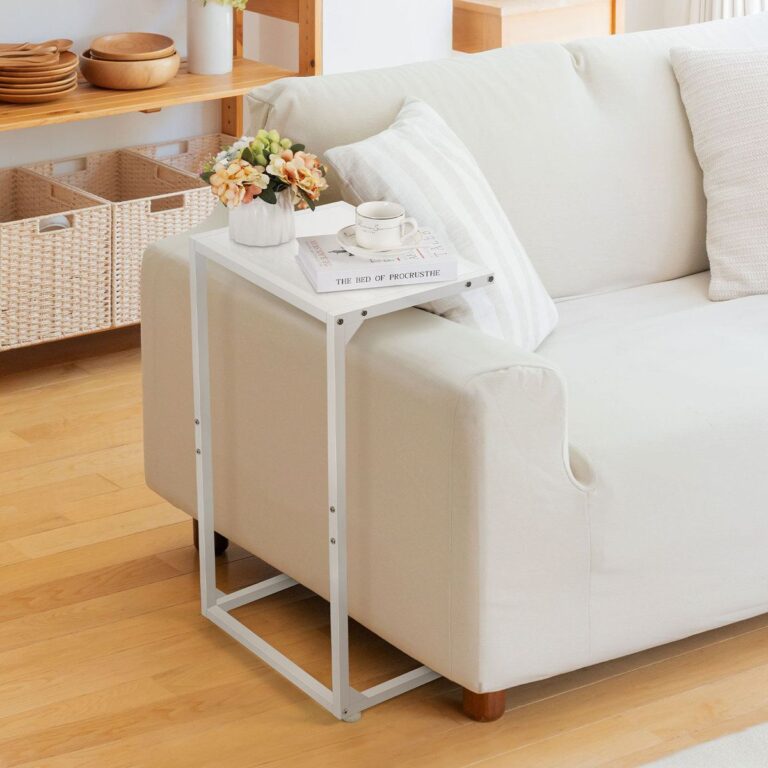 Aisha's pickCompact Table and Chair Sets That Fit Through a Narrow Door
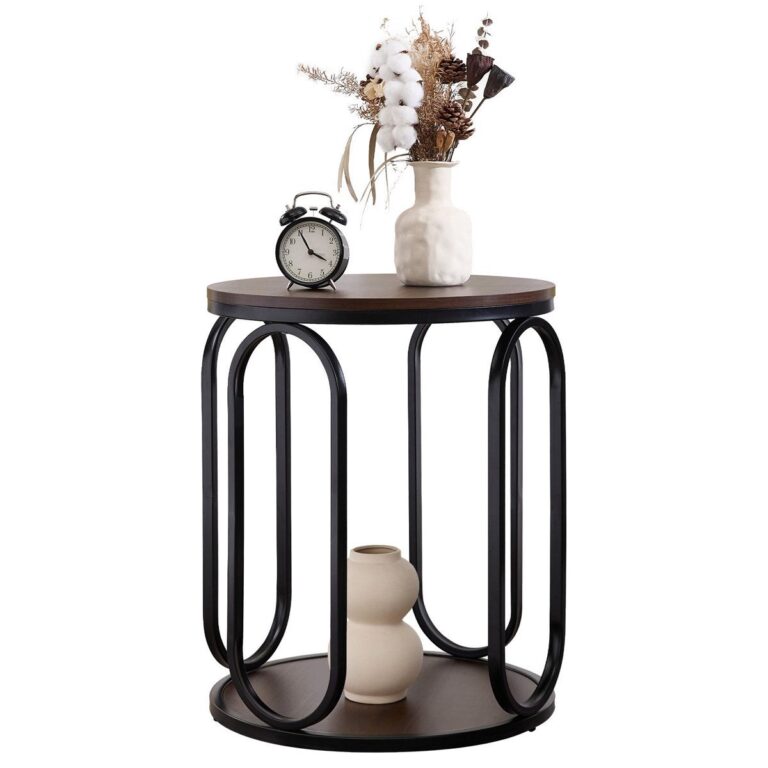
 Aisha's pickCompact Dining Room Sets That Fit Where You Need Them

 Aisha's pickCompact Dining Room Tables for When the Old Ones Give Up
 Aisha's pickCompact Dining Sets That Don’t Wobble

 Aisha's pickCompact Dining Tables That Take a Knock

 Aisha's pickCompact Dining Table Sets From Brands You Know and a Few You Won’t