My first buffet came from a secondhand listing for not much money, veneer over particleboard, and within a year the top had a permanent ring where a plant pot sweated through a Sunday afternoon. It taught me that a buffet lives a harder life than people expect, because it is never just storage, it is also where you put the hot dish, the wet umbrella, the stack of mail you swear you will deal with.
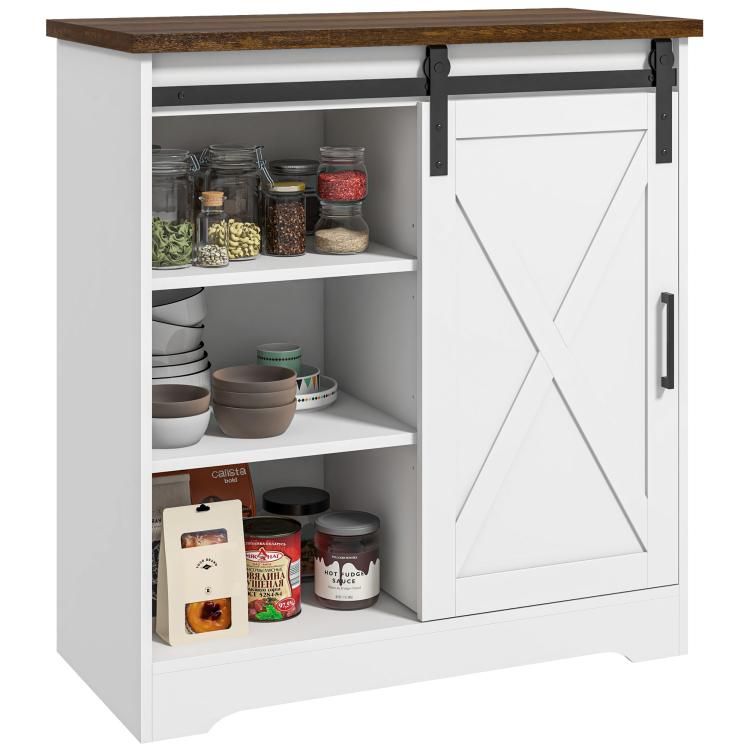
What separates a good one from a sad one shows up fast once you start using it daily. Solid wood or a proper veneer over real plywood will shrug off heat and moisture in a way particleboard never does, and you can tell the difference by opening a drawer and checking the joints. Dovetails or mortise and tenon mean it was built to be used, not just photographed once and sold. Cheap ones use glued butt joints and staples, and those loosen within a year of normal opening and closing, so drawers start to sit crooked and doors stop meeting flush. The finish matters almost as much as the wood underneath it, a real sealed finish takes a wine spill or a hot casserole dish without flinching, while a thin lacquer will cloud or bubble the first time something warm sits on it too long. If you own none and want to start with one, go for a simple one with a durable top, three or four drawers, and doors below rather than open shelving, because closed storage is the difference between a buffet that looks tidy and one that becomes a dumping ground on display. A piece around sixteen to eighteen inches deep works in most dining rooms without eating the walking path, and anything shallower starts to feel flimsy for actual use.
A buffet earns its place in a dining room obviously, but it also works hard in an entryway, a living room that doubles as a dining space, or a hallway with dead space nobody else knows what to do with. It suits older homes with the wall space to spare and newer rentals that need one piece to hold everything the kitchen cabinets couldn't. Holidays are where it proves itself, surviving gravy boats and candle wax and someone's coat getting tossed on top of it, and a well built one still closes square after a move, while a cheap one tends to arrive at the new place with a drawer that never quite lines up again.
Measure the full width including any handles before you commit, because handles alone can add an inch or two that turns a tight fit into a wall you can't close a door against.

 Aisha's pickModern Buffets With Room for Everything You Put Down
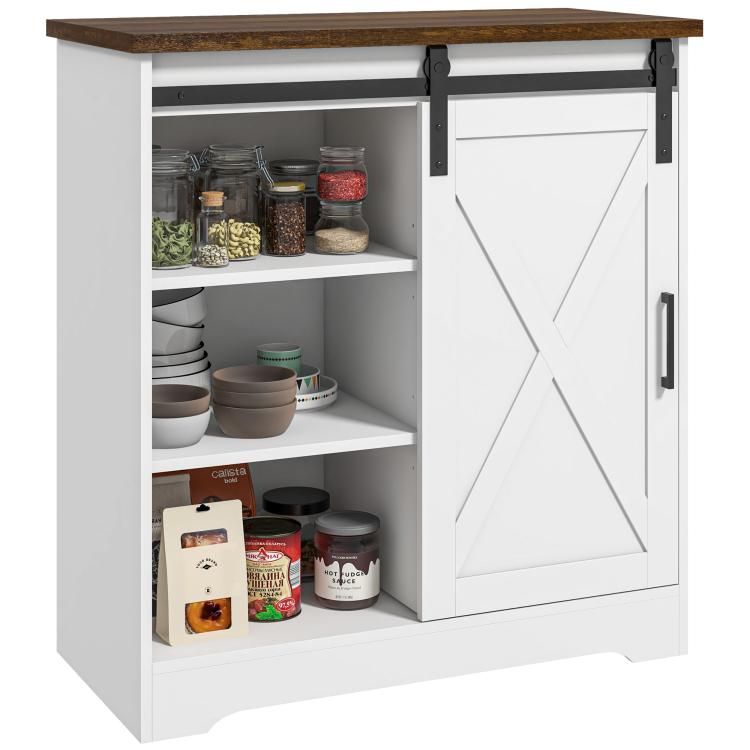 Aisha's pickThe Rustic Buffets Worth Your Cash
 Aisha's pickSmall Buffets We Use Every Single Day
 Aisha's pickWhite Buffets That Survive Kids and Pets
 Aisha's pickWide Buffets Hunted Down So You Don’t Have To
 Aisha's pickBamboo Buffets at Just the Right Height
 Aisha's pickWooden Buffets That Anchor a Room
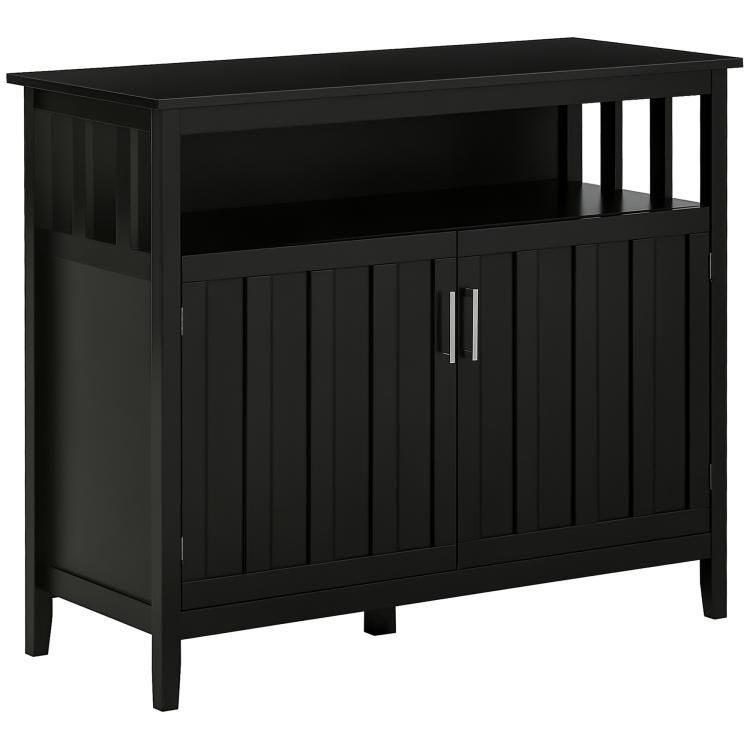 Aisha's pickBlack Buffets That Visitors Always Ask About
 Aisha's pickBuffets We Use Every Single DayAlso worth a lookVintage TablesThere's a particular kind of late fall afternoon, light going gold and low through the windows, when an…See the collections →

 Aisha's pickBuffets with Drawers That Work in Old Houses and New Ones
 Aisha's pickClassic Buffets Worth Knowing About
 Aisha's pickDining Room Buffets Big Enough for Sunday Dinner
 Aisha's pickGlass Buffets That Don’t Wobble
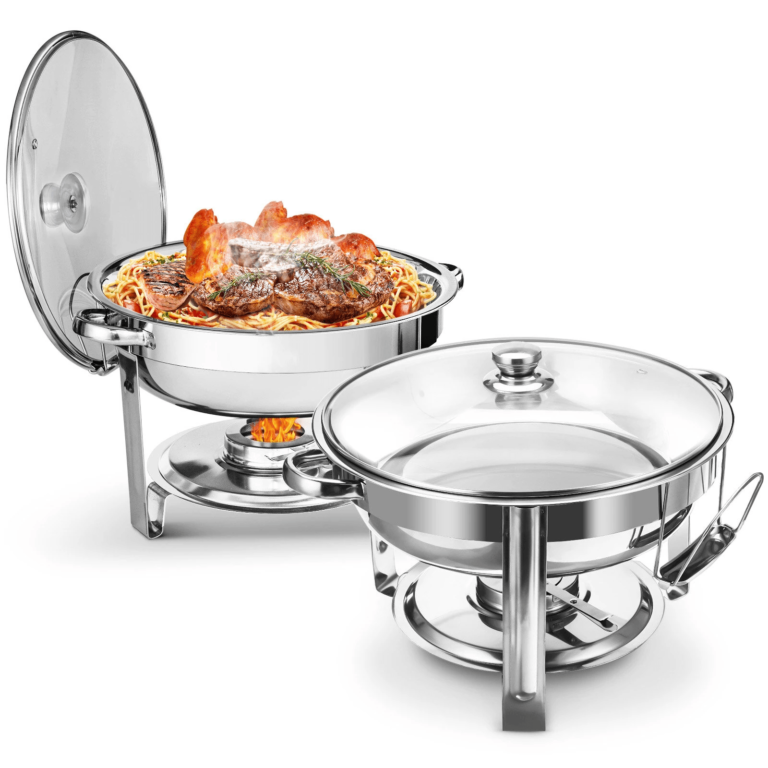
 Aisha's pickLarge Buffets With Room for Everything You Put Down
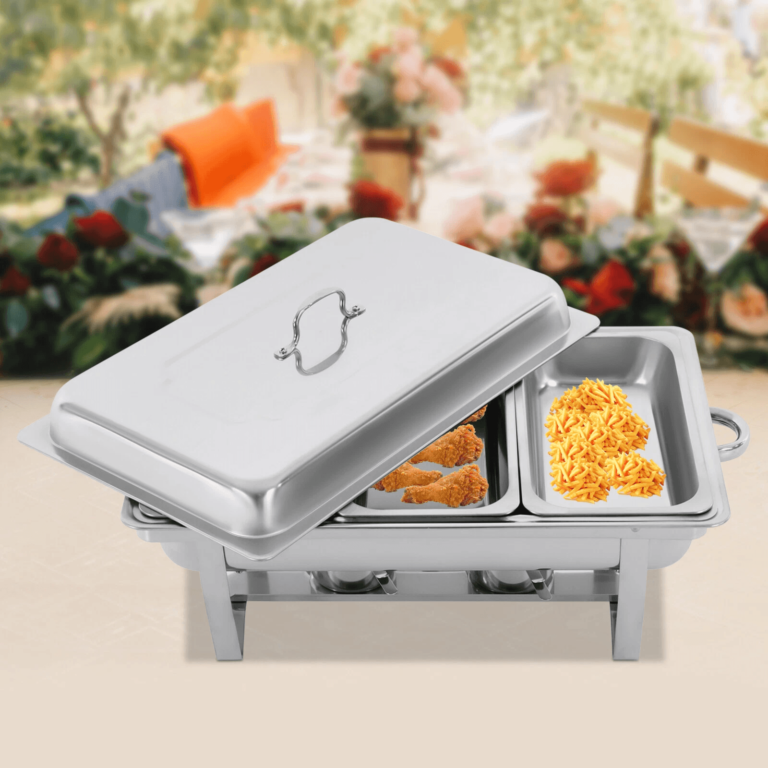
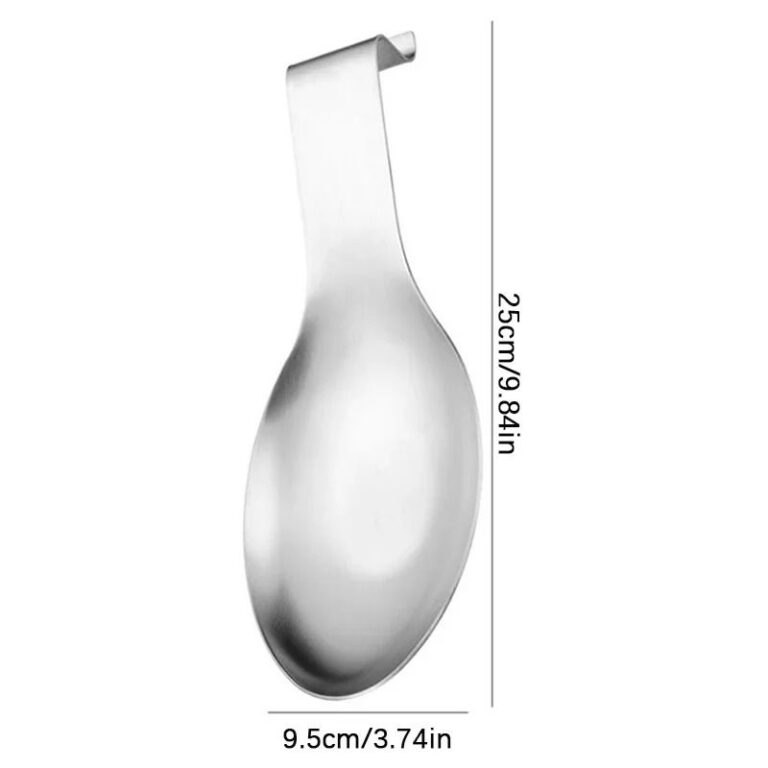 Aisha's pickLuxury Buffets That Clean Up With a Wipe
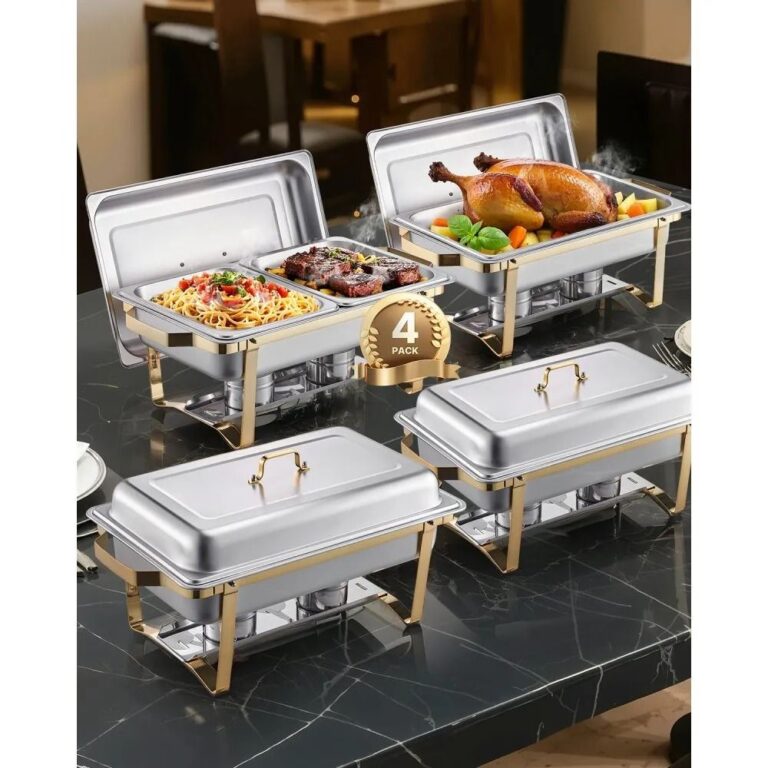
 Aisha's pickMetal Buffets That Don’t Wobble