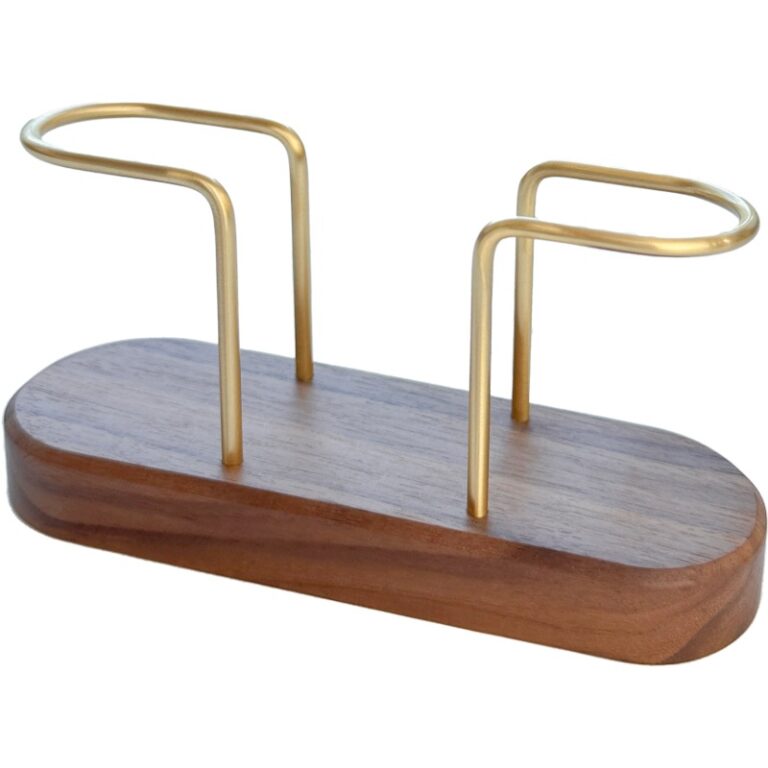
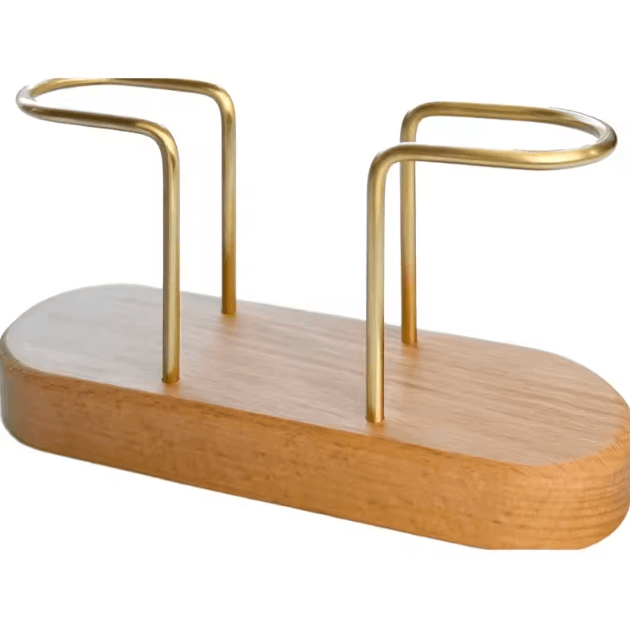
The first brass table I owned was a nesting set from a secondhand shop, so thin and light that it tipped over if you set a hardcover book on it wrong. The one thing it taught me is that brass only reads as brass if there's some actual weight and thickness to the metal, otherwise it just looks like gold spray paint, which, as it happens, is exactly what it was.
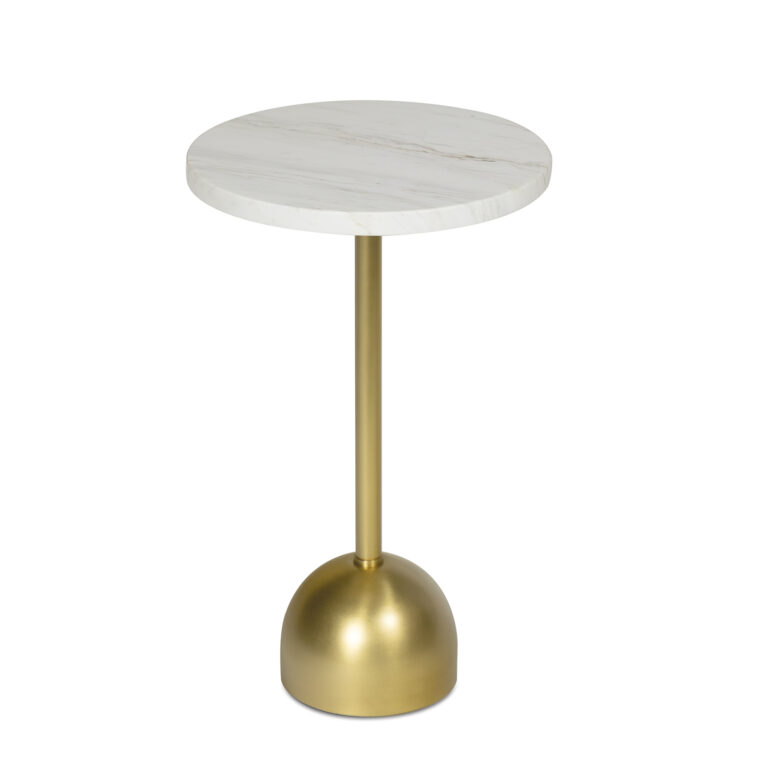
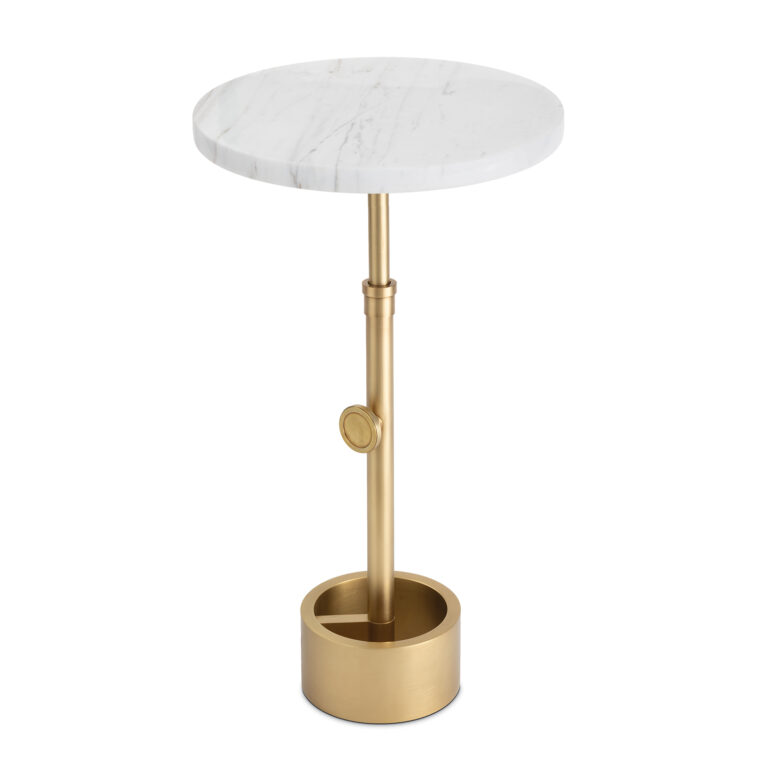
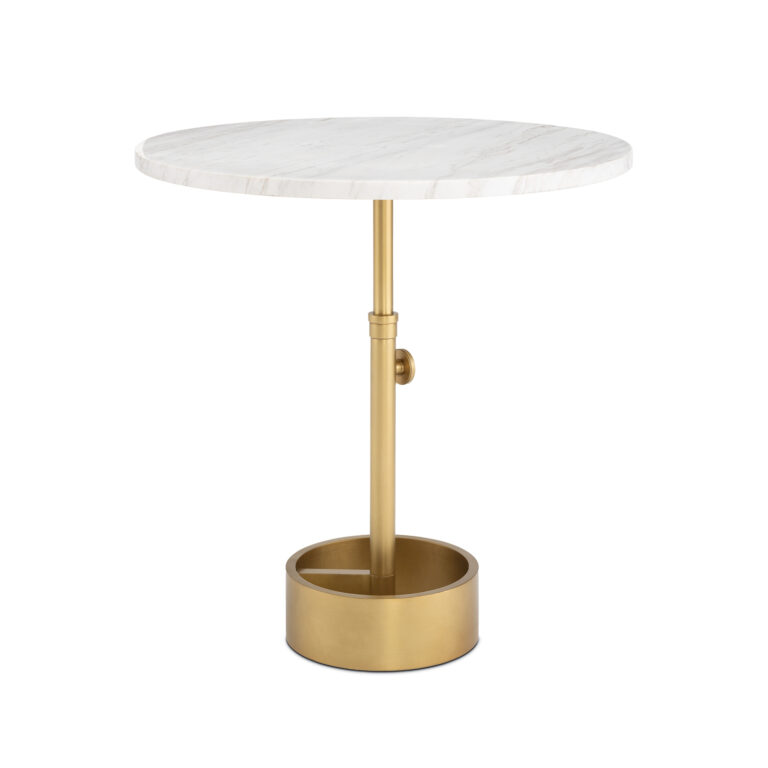
What it sits well with is the stuff you probably already own and didn't think matched anything. A worn leather chair, a plain linen sofa, a rug with some age on it, even a flat pack bookshelf, brass doesn't ask the rest of the room to dress up to meet it. It's the warmth of the metal doing the work, not the shape of the piece, so you can put a round brass side table next to a very ordinary couch and the couch suddenly looks like it was chosen on purpose. Where it struggles is next to other shiny metals in the same spot, chrome lamp, steel shelf, brass table, all competing for the same bit of light. Pick one metal to be the warm one in a room and let everything else be matte.
On finish, I'd steer away from anything mirror polished and bright, the kind that looks like a trumpet. It shows every fingerprint, every water ring, and it ages in a way that looks like neglect rather than character. An aged or satin brass, something with a bit of brown in it already, hides daily life much better and actually looks better after a year than it did on day one, which is more than I can say for most furniture in my house. If you've only got room in the budget for one shade, go slightly darker than you think you want. Pale brass under bad apartment lighting can read closer to yellow plastic than metal, and nobody wants their side table looking like a prop.
If you've never owned a brass piece and want to start small, a round side table is the easiest entry, low commitment, easy to move, and forgiving of a room that's still finding its feet. A coffee table is the bigger swing, since it sits at eye level when you're sitting down and gets looked at properly, so only go there once you trust that you actually like living with it, not just liking it in a photo in your head. Scale matters more than people expect, a table that looked reasonable in a showroom can crowd a smaller living room fast, so measure the gap you actually have before you fall for one.
It suits a home that's lived in more than staged, where the furniture gets added to slowly and nothing matches on purpose.
 Aisha's pickBrass Lamp Tables With Room for Everything You Put Down
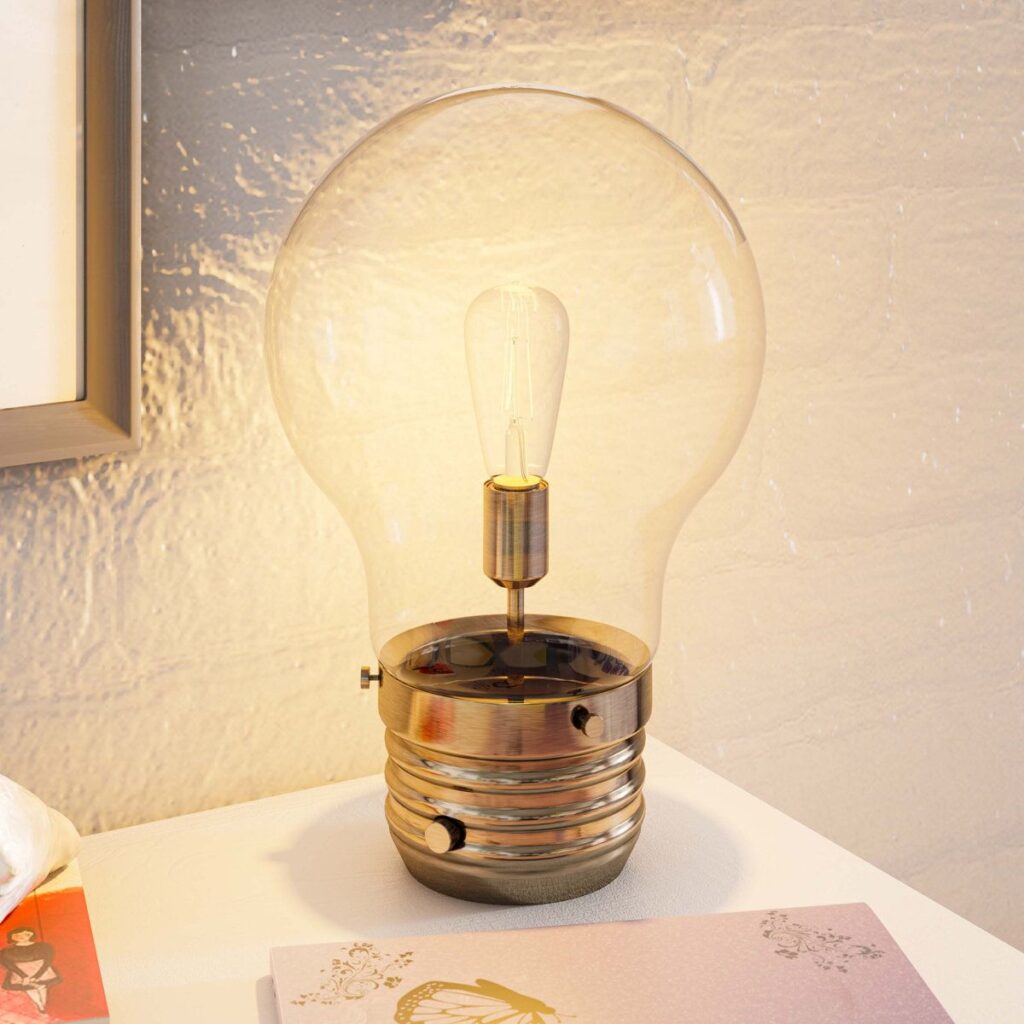
 Aisha's pickShopping for Brass Living Room Tables? Start Here
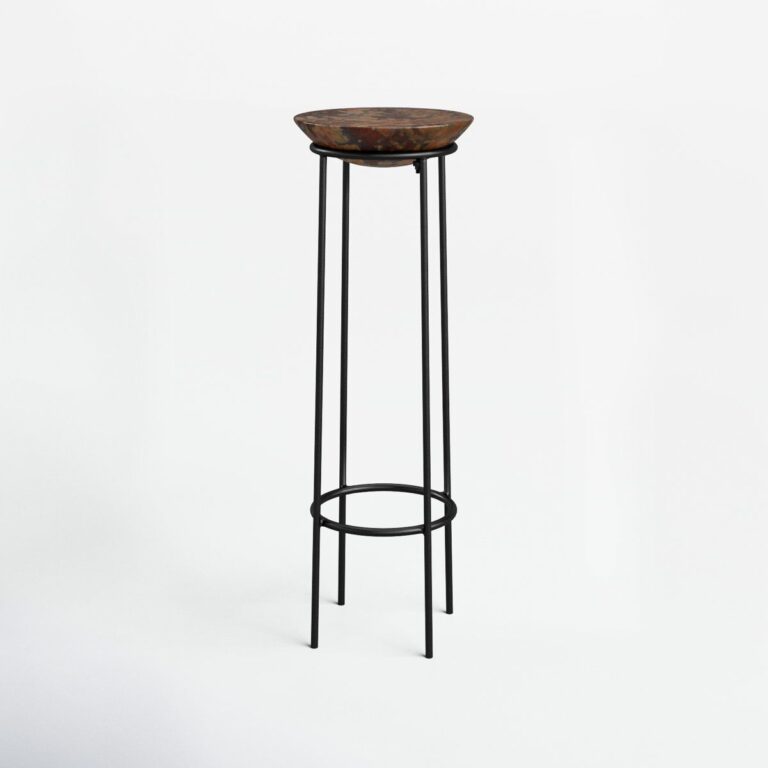
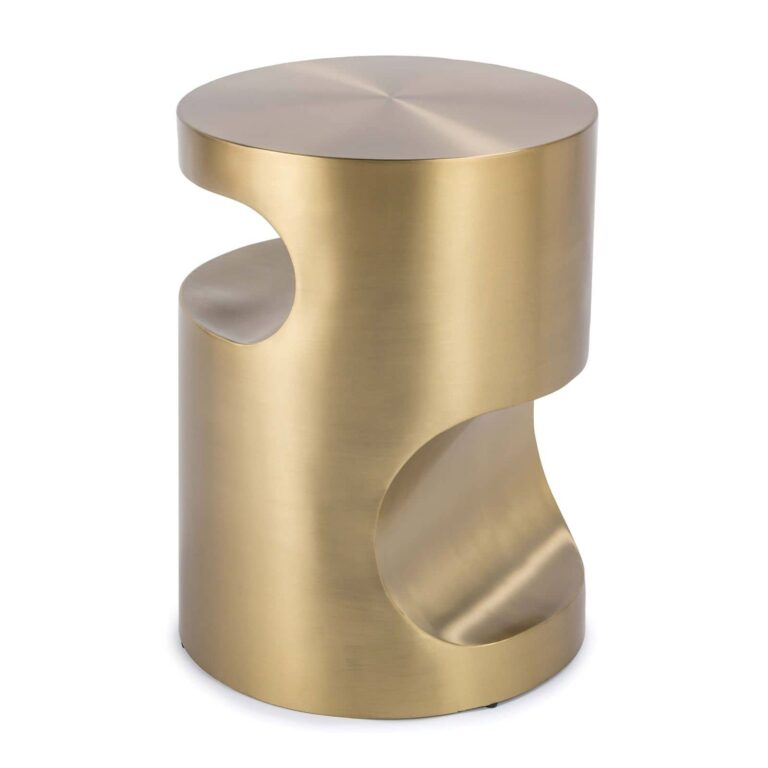 Aisha's pickBrass Side Tables Worth Knowing About
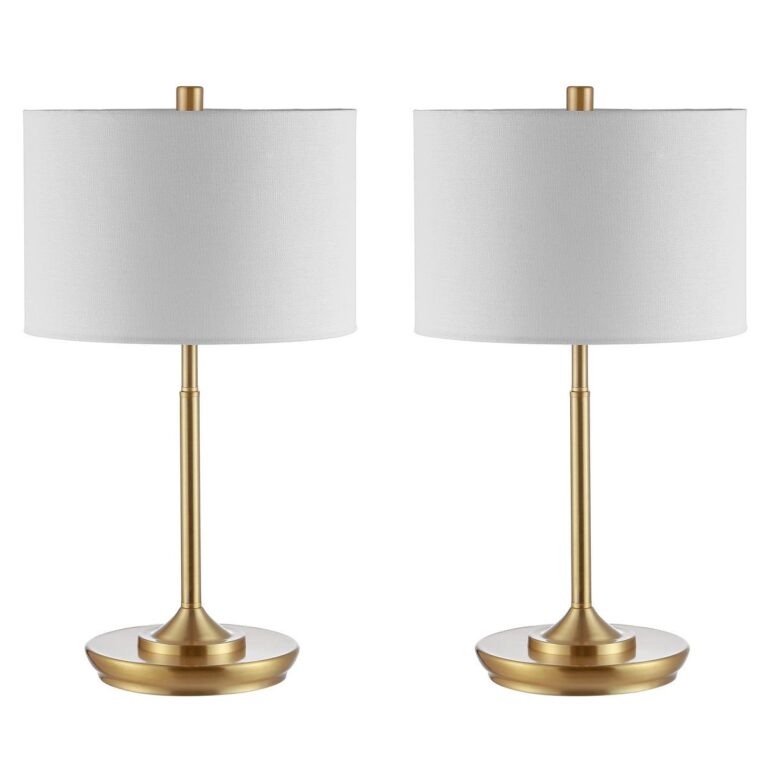
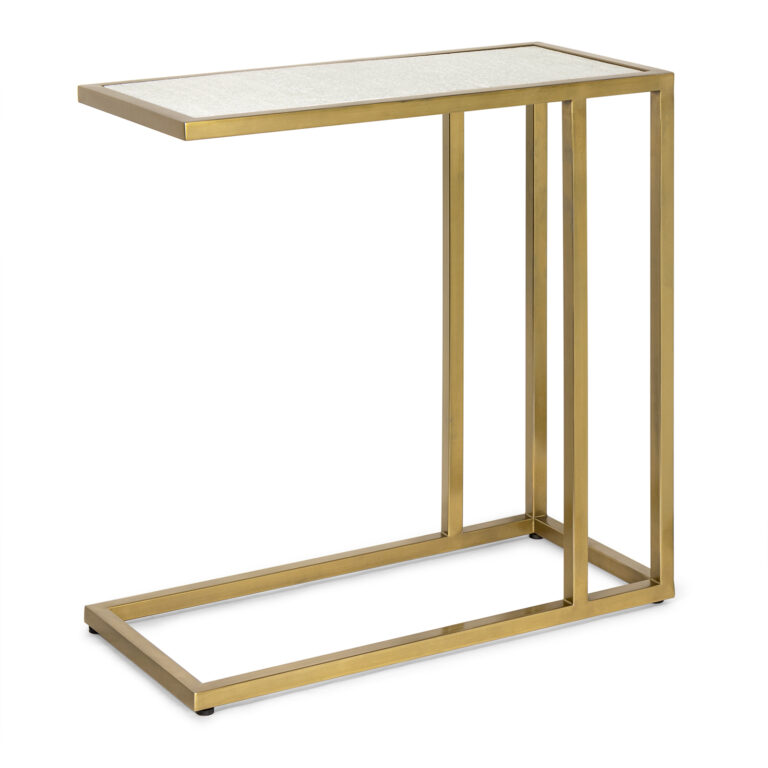 Aisha's pickBrass Sofa Tables That Visitors Always Ask About
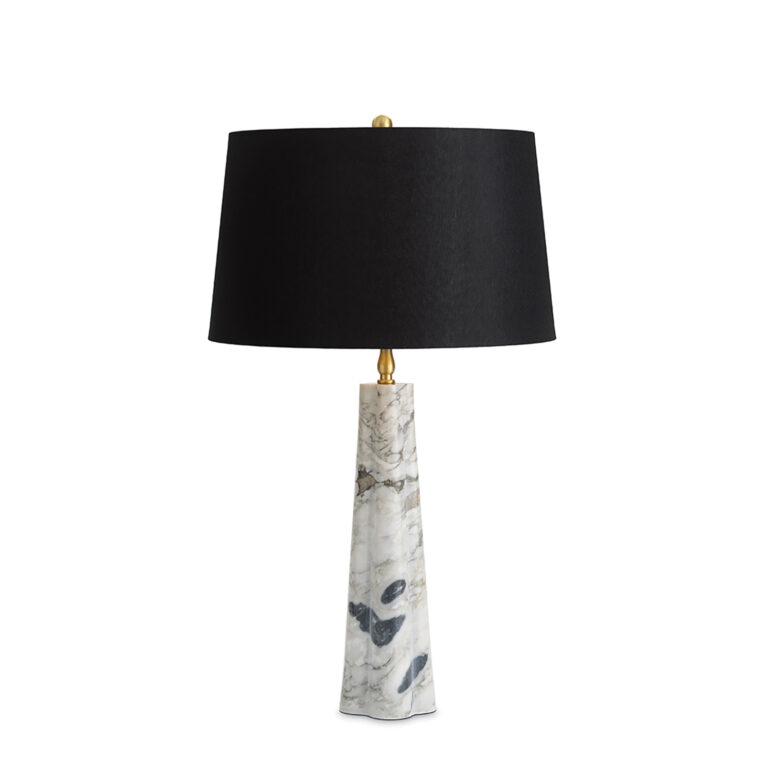 Aisha's pickContemporary Brass Lamp Tables With Room for Everything You Put Down
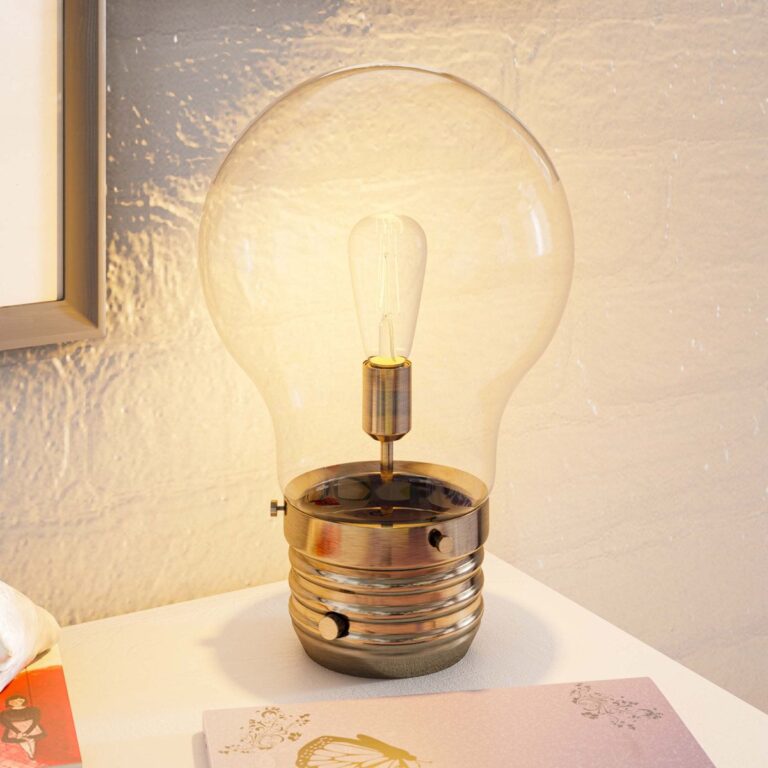
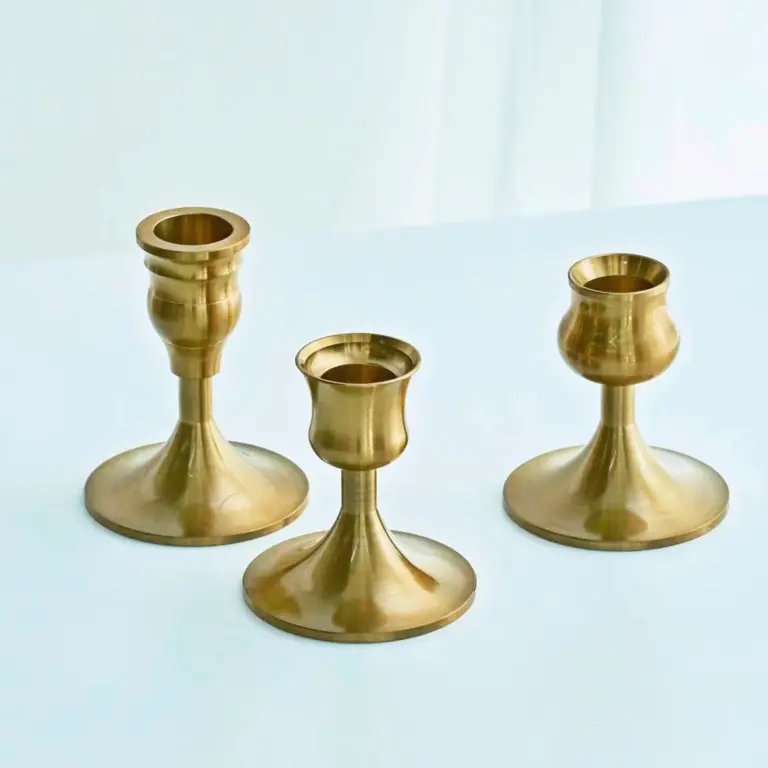 Aisha's pickModern Brass Dining Sets That Anchor a Room
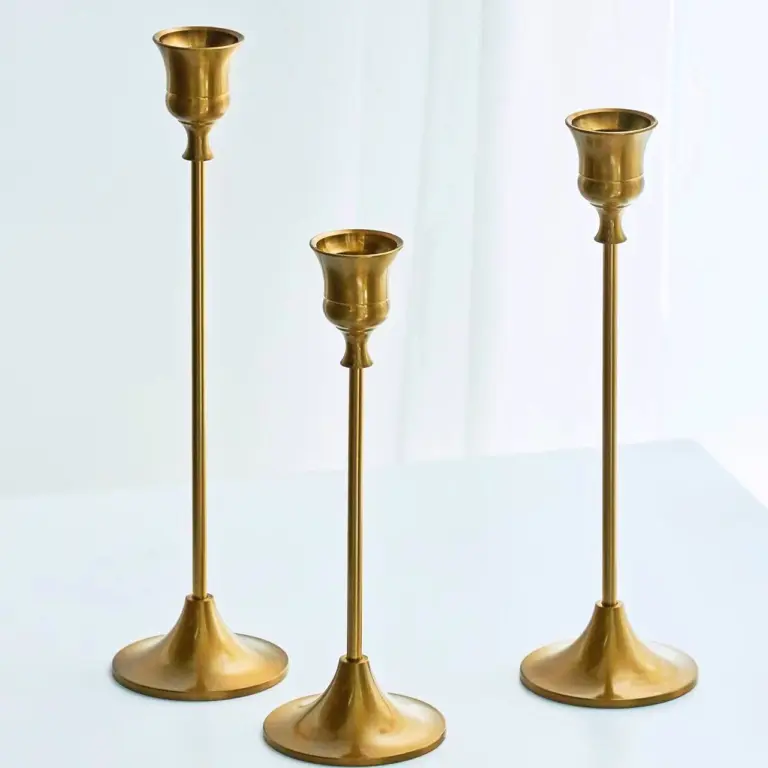
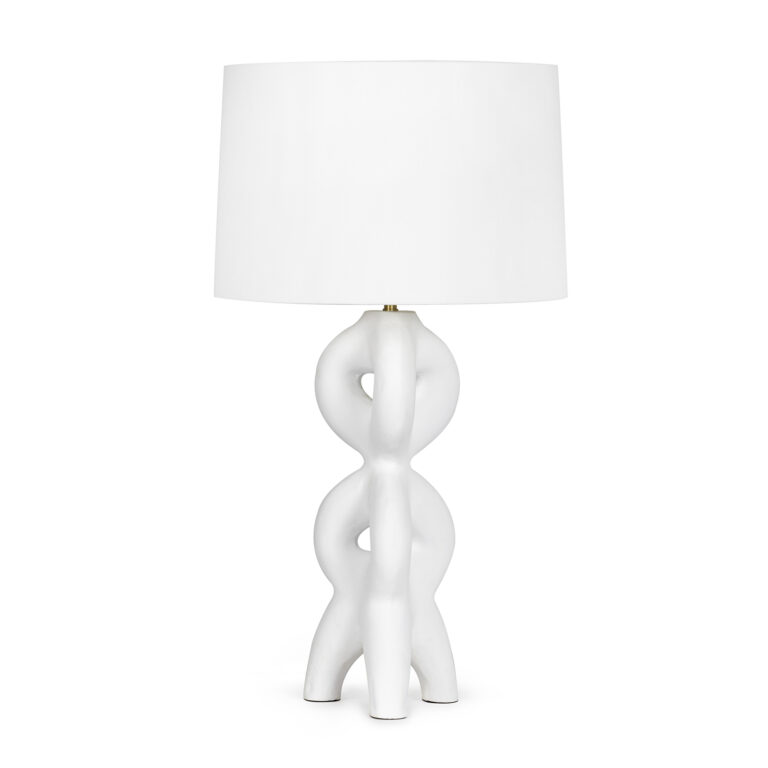 Aisha's pickModern Brass Lamp Tables That Get Better With Age
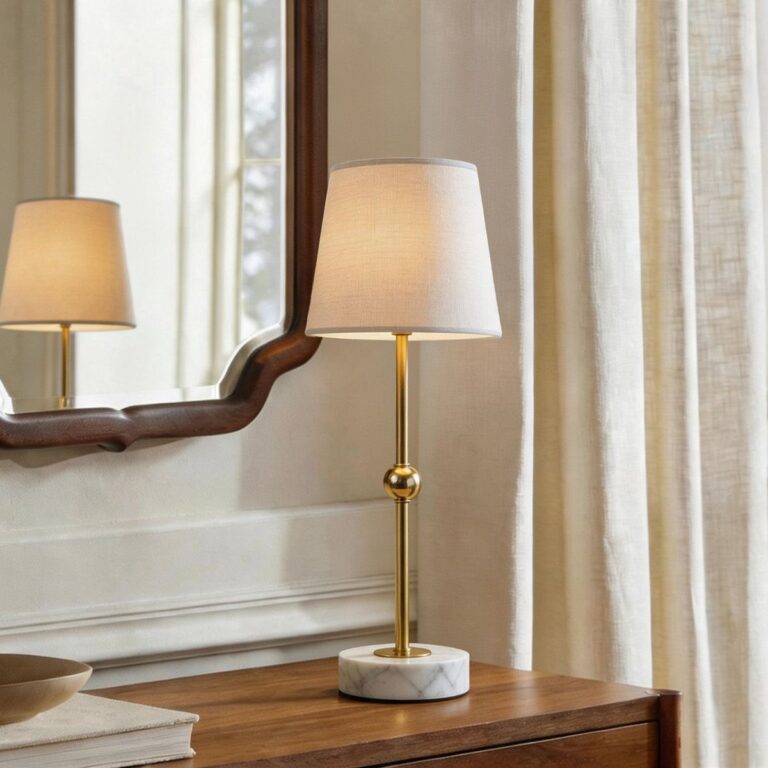
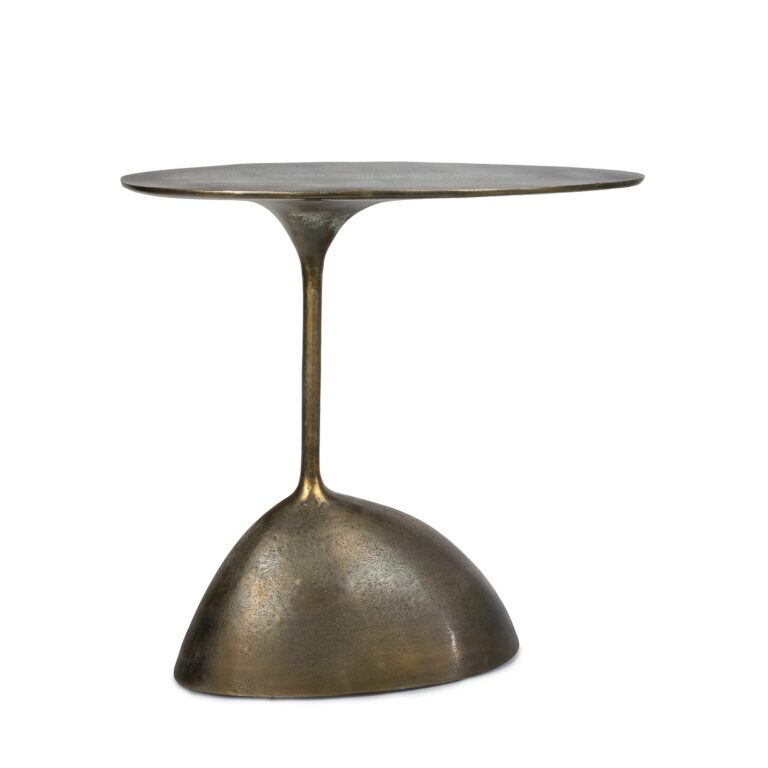 Aisha's pickModern Brass Side Tables You Won’t Want to Hide Away
 Aisha's pickAntique Brass Dining Tables With Room for Everything You Put DownAlso worth a lookVintage TablesThere's a particular kind of late fall afternoon, light going gold and low through the windows, when an…See the collections →
 Aisha's pickBrass Accent Tables That Clean Up With a Wipe
 Aisha's pickBrass Coffee Tables for Movie Nights and Slow Sundays
 Aisha's pickBrass Dining Room Tables That Get the Family Around the Table