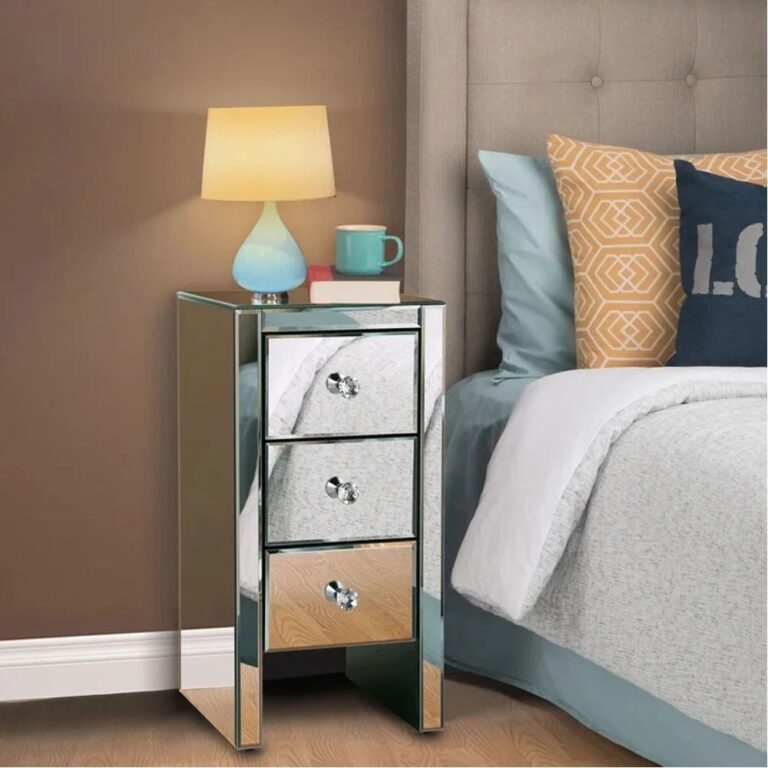
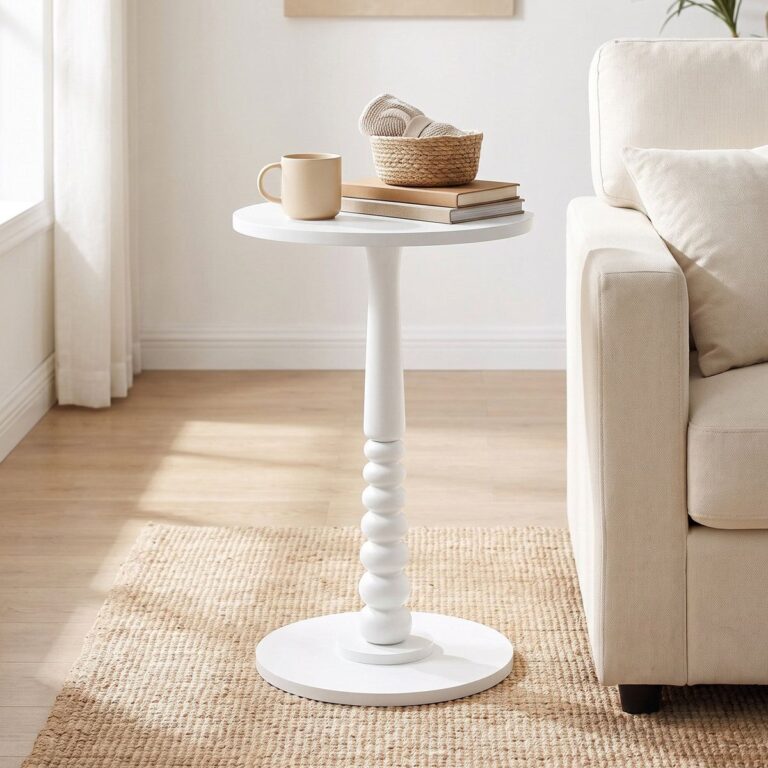
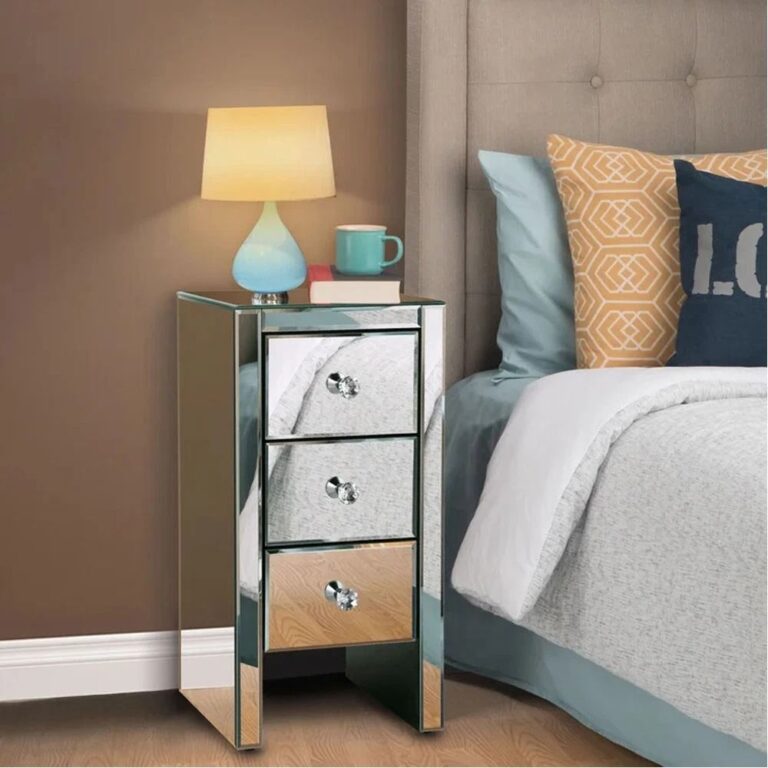
The question I get most is whether an accent table needs to match anything else in the room, and the honest answer is no, it's actually the one piece of furniture where mismatching on purpose tends to look better than playing it safe. That's sort of the whole point of them. You're not trying to blend in, you're trying to give a lamp or a plant or a cup of coffee somewhere to live within arm's reach of the chair.
When you're looking at one in person, or standing over the box it arrived in, check the top first. Press down near the edges, not just the middle, because a lot of cheaper tables flex or even creak under weight they were supposedly built to hold. Look at how the legs meet the top, whether it's a proper joint or just a bracket and some screws into particleboard, because that joint is where the whole thing either holds up or starts wobbling within a year. Run a hand along any edge that's meant to look like real wood and see if it actually feels like wood or like a photograph of wood wrapped around MDF. None of this means you need to spend a fortune, it just means five minutes of checking saves you from a table that looks fine on day one and lists sideways by month three. As for living with it, wood and good metal only get better, picking up scuffs and a bit of character that a laminate version can't fake, and all it usually needs is a wipe down and, if it's wood, an occasional pass with oil or wax so it doesn't dry out and dull. Glass tops show every ring and fingerprint, which some people love for the clean look and others find they're wiping down three times a day, so know which kind of person you are before you commit.
Sizing is where most people get tripped up, and it's rarely about the table being too big, it's almost always too short. The top should sit close to the arm height of whatever chair or sofa it's next to, within an inch or two, otherwise you end up stretching down for your glass like you're reaching into a well. Measure the gap you actually have, leave enough room to walk past without clipping a hip, and don't assume one table style has to work in every corner of the room, a taller narrow one by a reading chair and a lower wider one by the sofa is a perfectly reasonable thing to own.
Get the height and the joints right and you'll stop noticing it's there at all, which, for a table, is sort of the whole job.
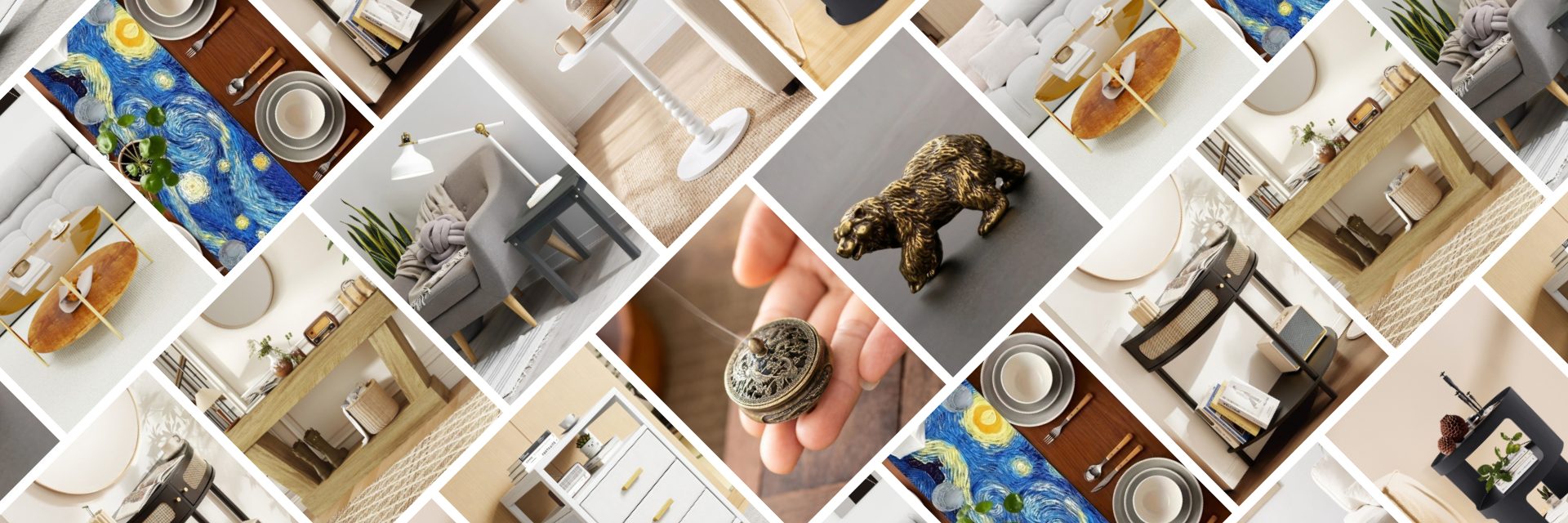
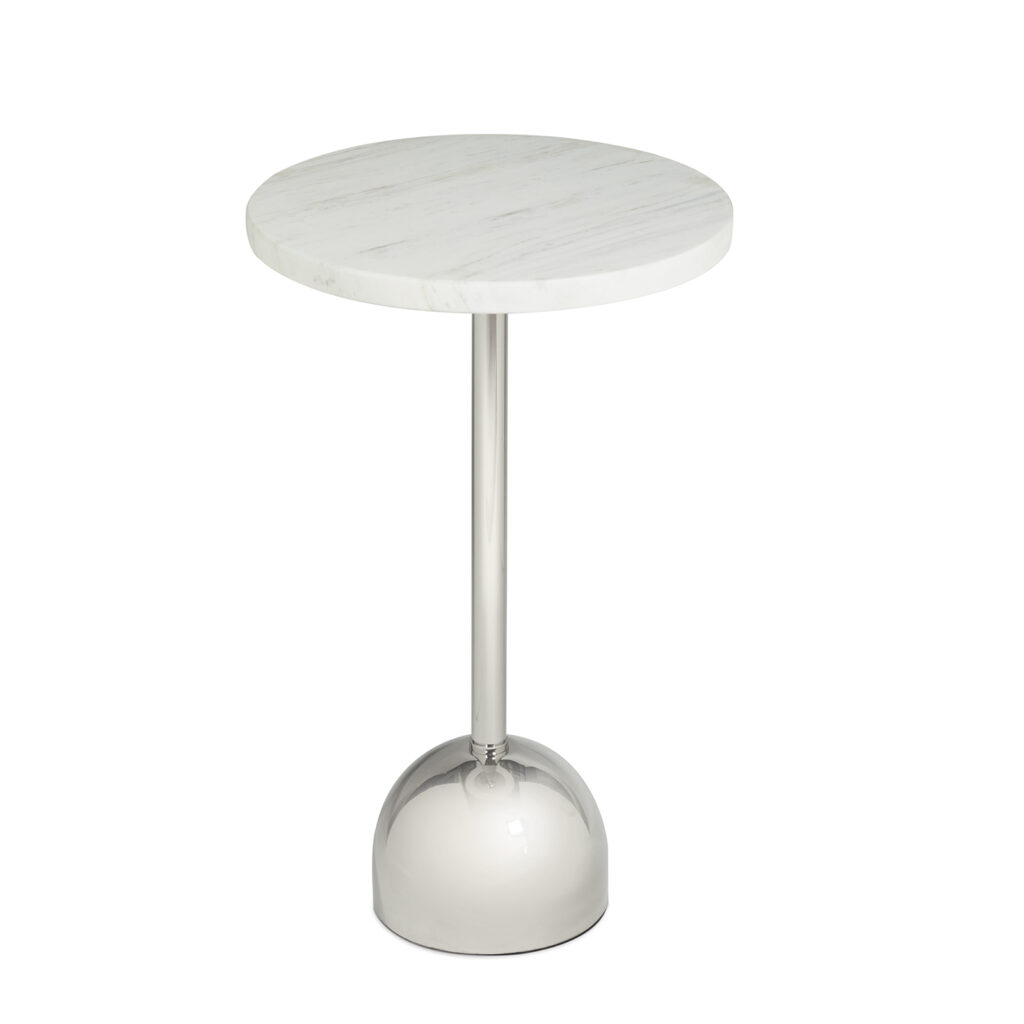
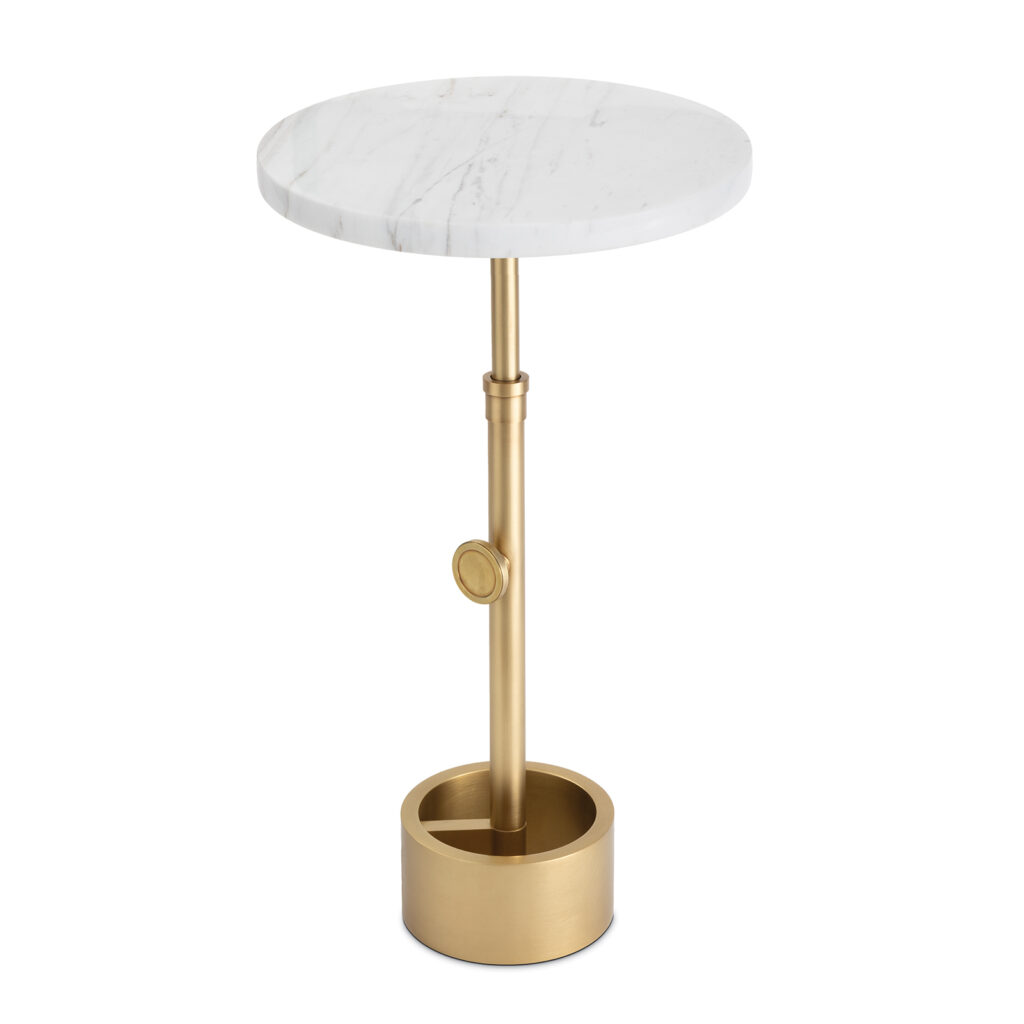 Aisha's pickAccent Tables with Marble Top That Won’t Date in a Year
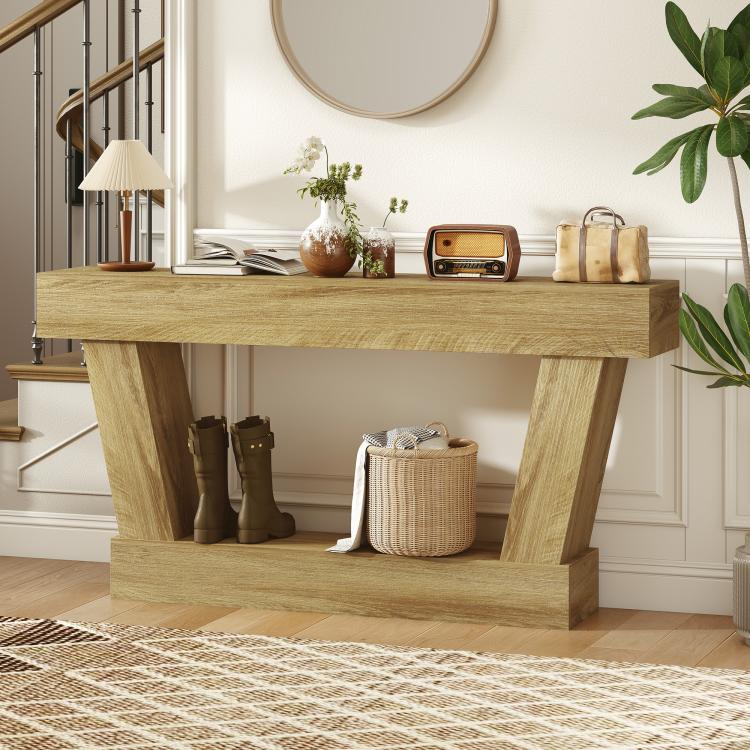 Aisha's pickOak Accent Tables With Room for Everything You Put Down
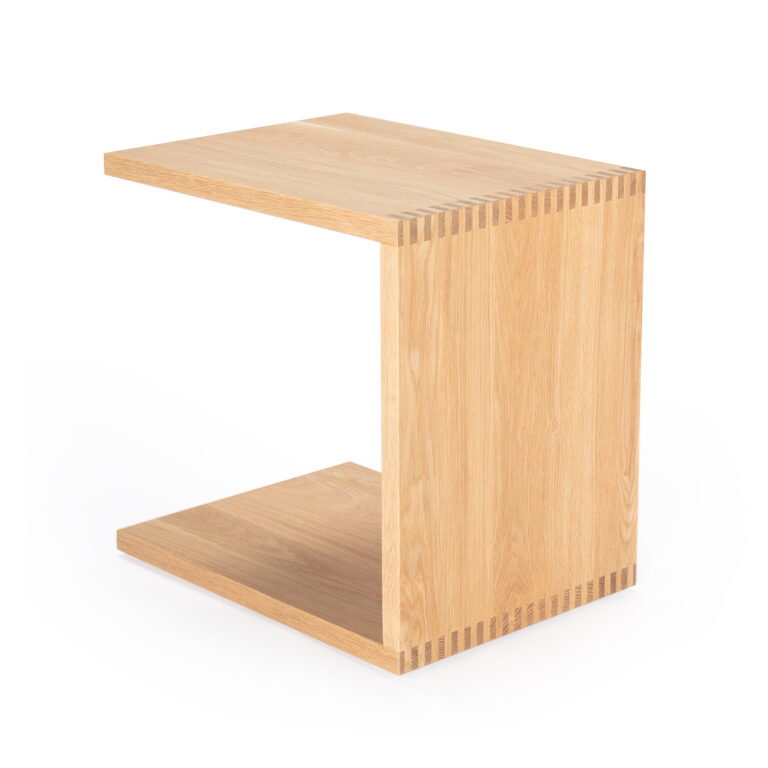
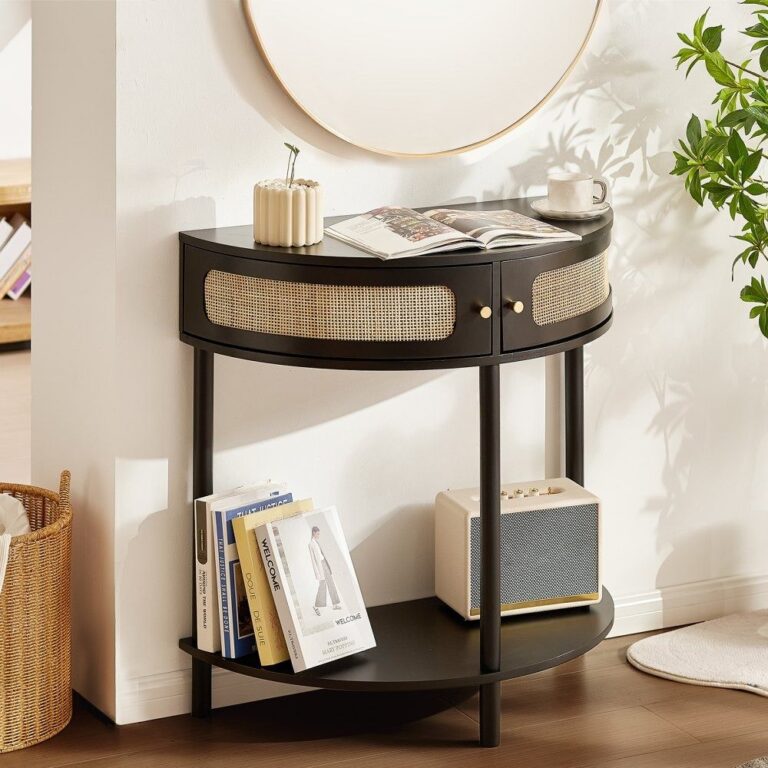 Aisha's pickAccent Tables with Shelf From Brands You Know and a Few You Won’t
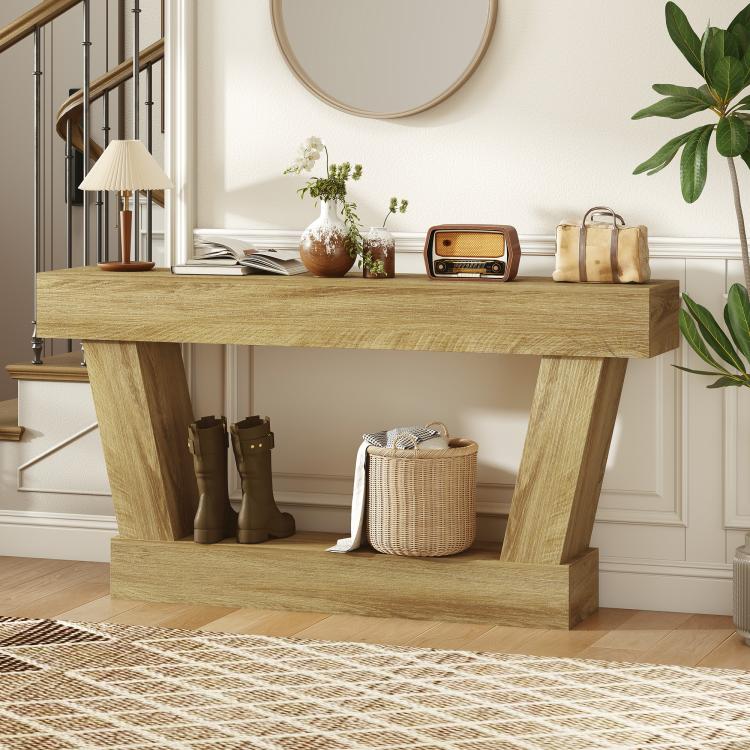
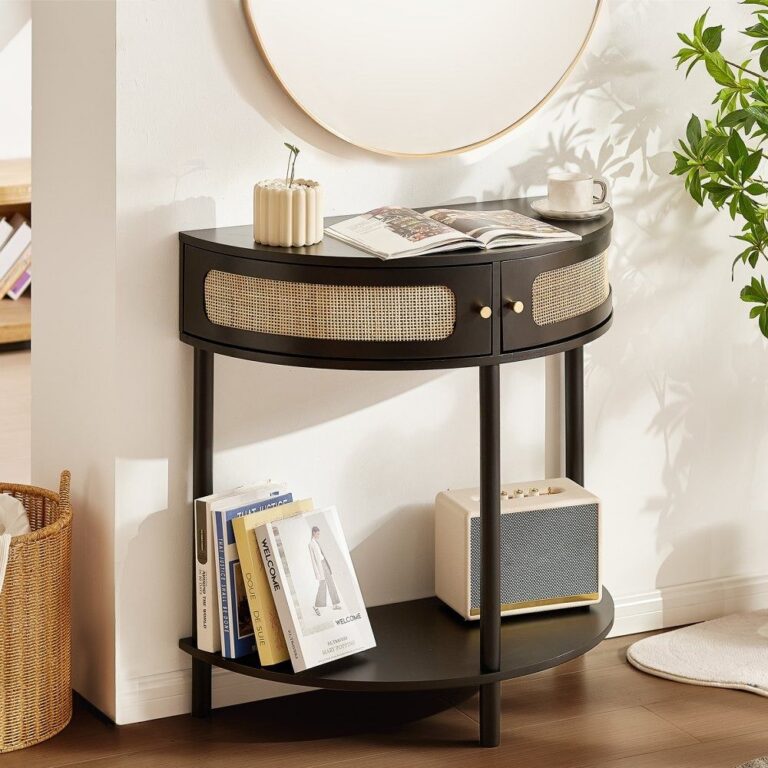 Aisha's pickRattan Accent Tables With Room for Everything You Put Down
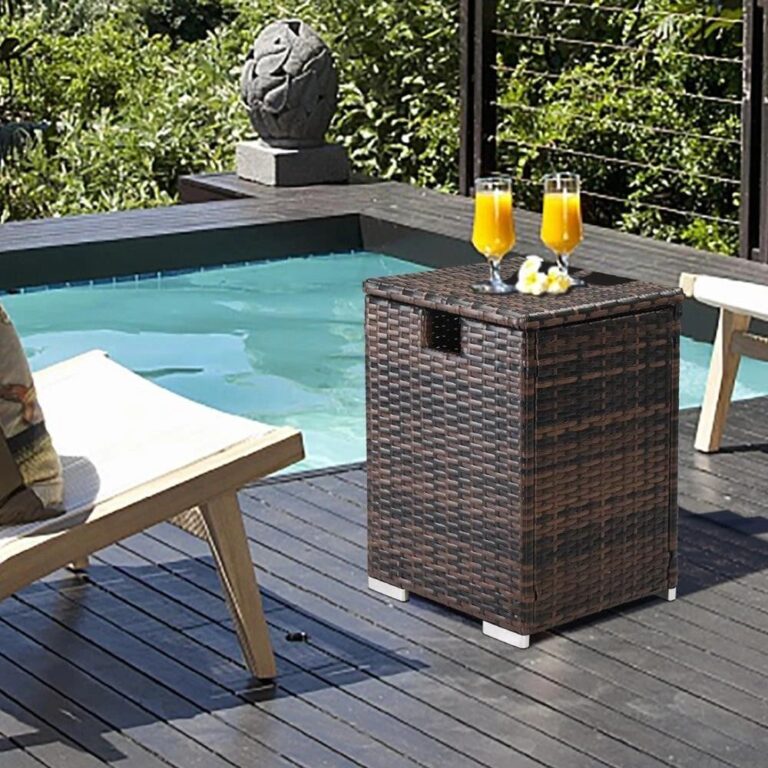
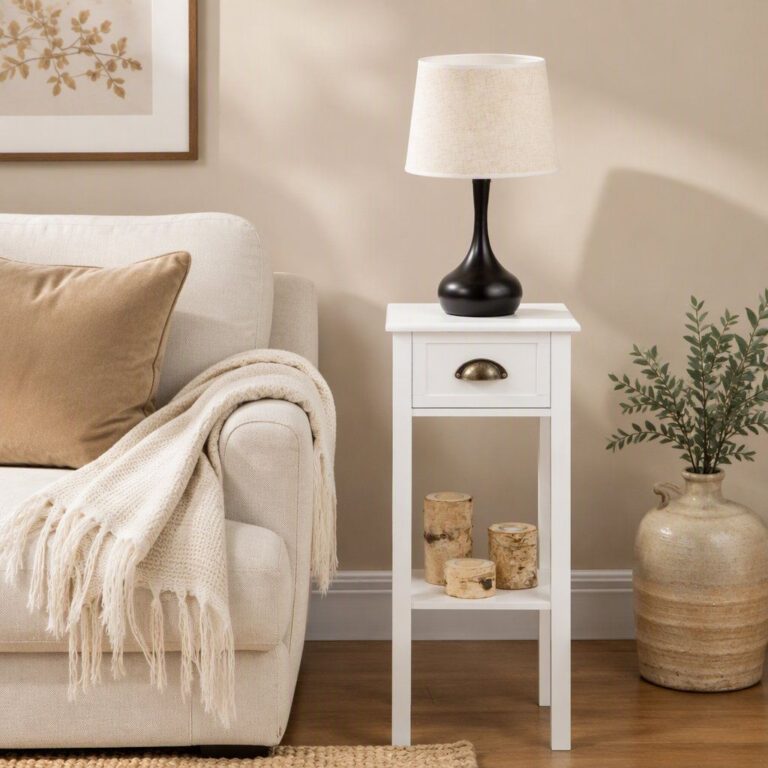 Aisha's pickGood Accent Tables with Shelves That Don’t Cost a Fortune
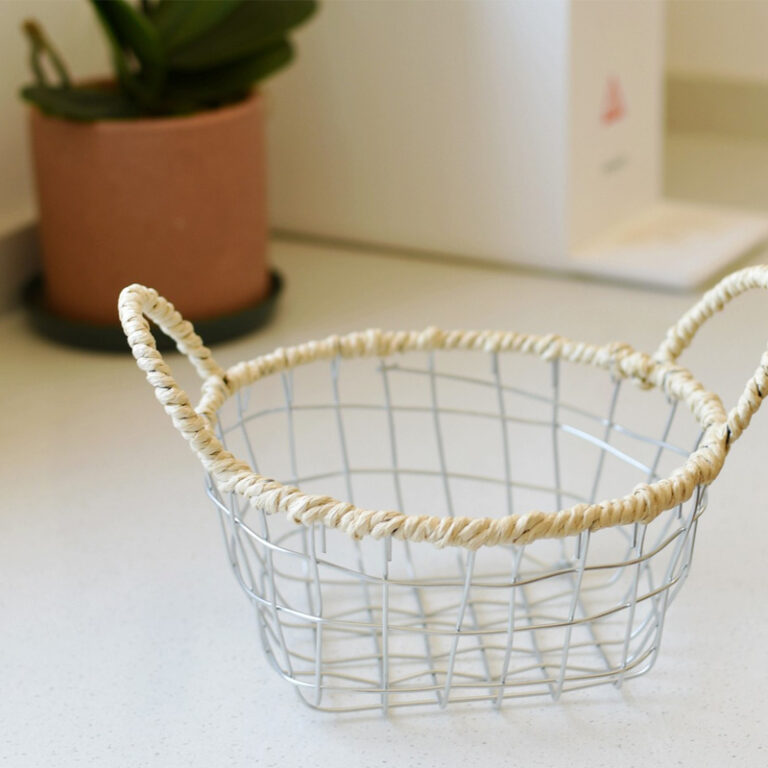
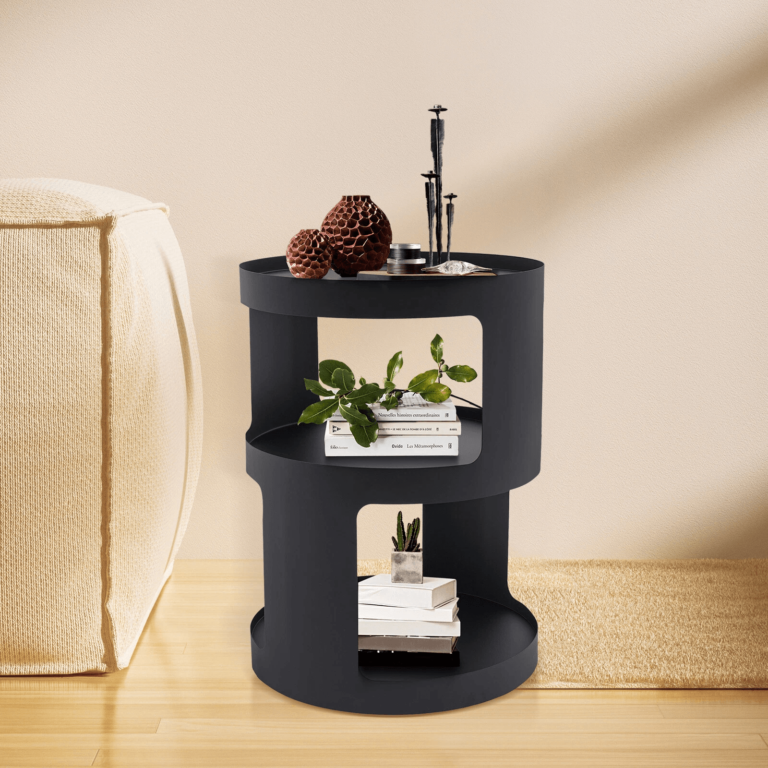 Aisha's pickRound Accent Tables Worth Knowing About
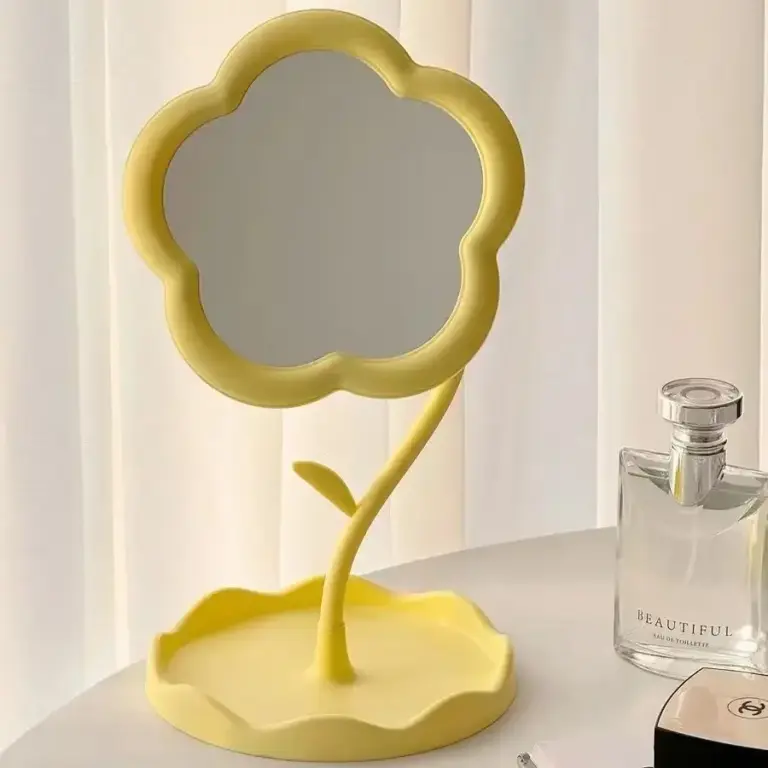
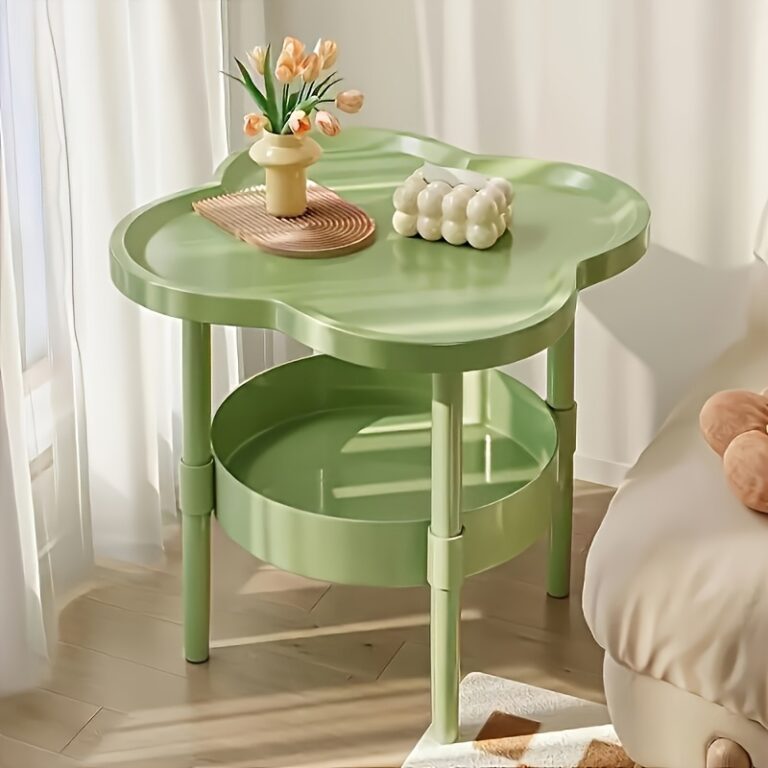 Aisha's pickAccent Tables with Storage Hunted Down So You Don’t Have To

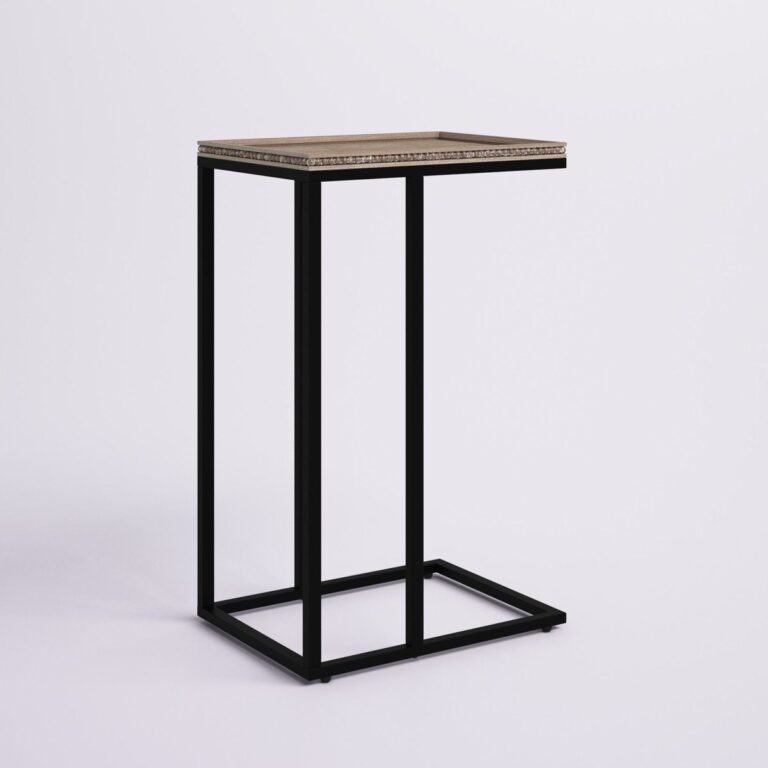 Aisha's pickRustic Accent Tables Without the Silly Price Tag
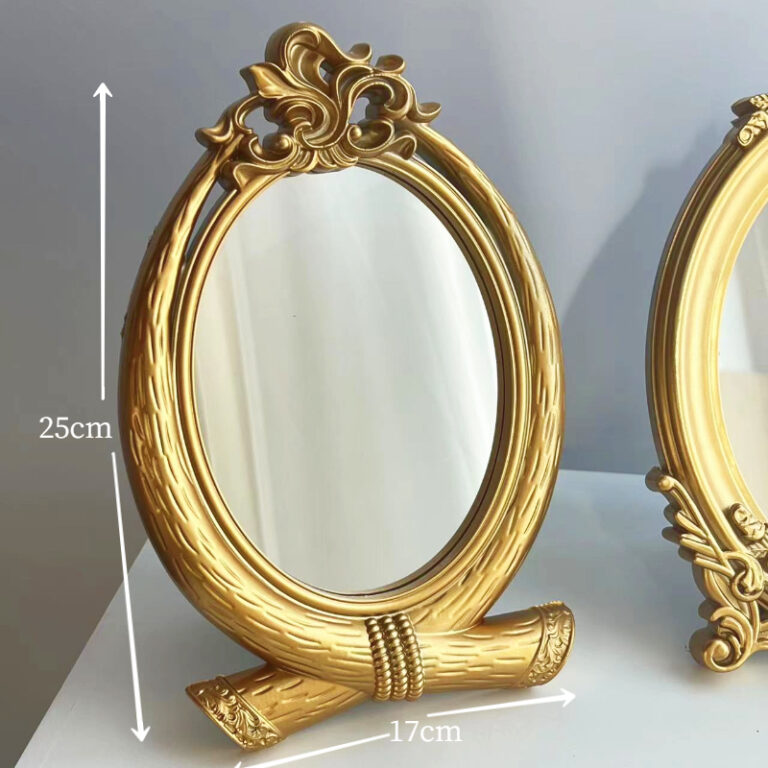
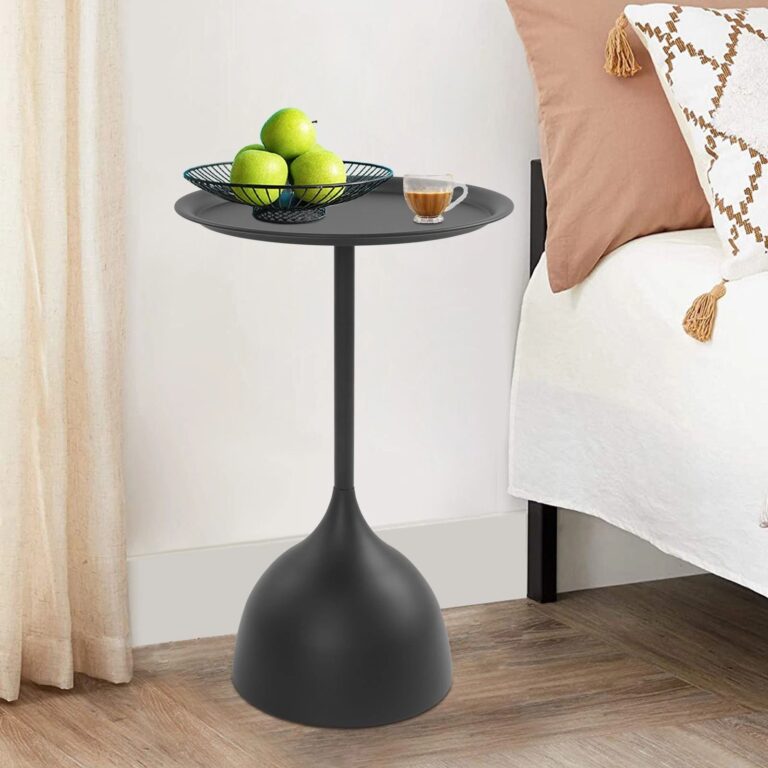 Aisha's pickBlack Accent Tables We Use Every Single DayAlso worth a lookVintage TablesThere's a particular kind of late fall afternoon, light going gold and low through the windows, when an…See the collections →
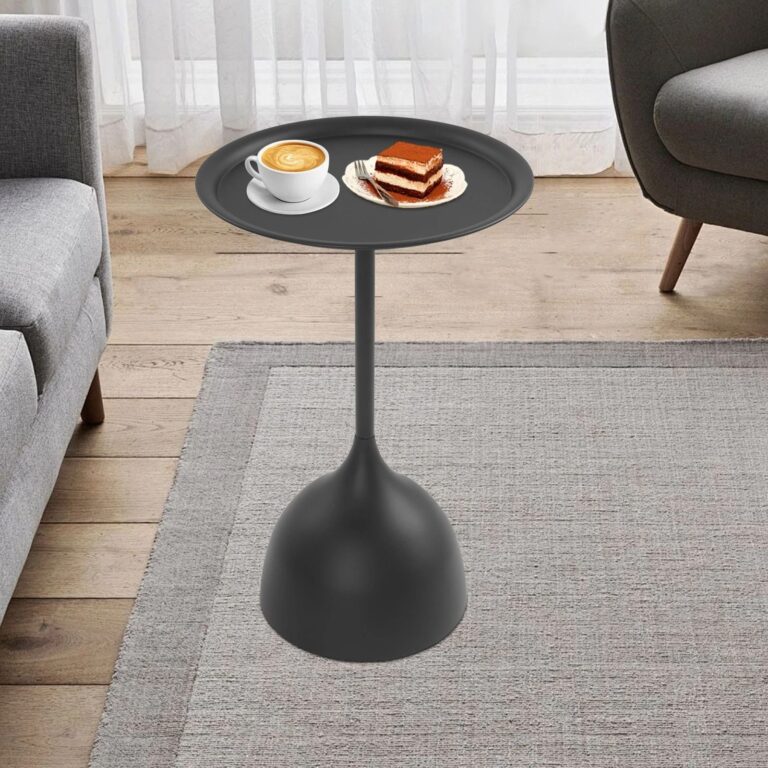
 Aisha's pickSmall Accent Tables Picked by People Who Care Too Much
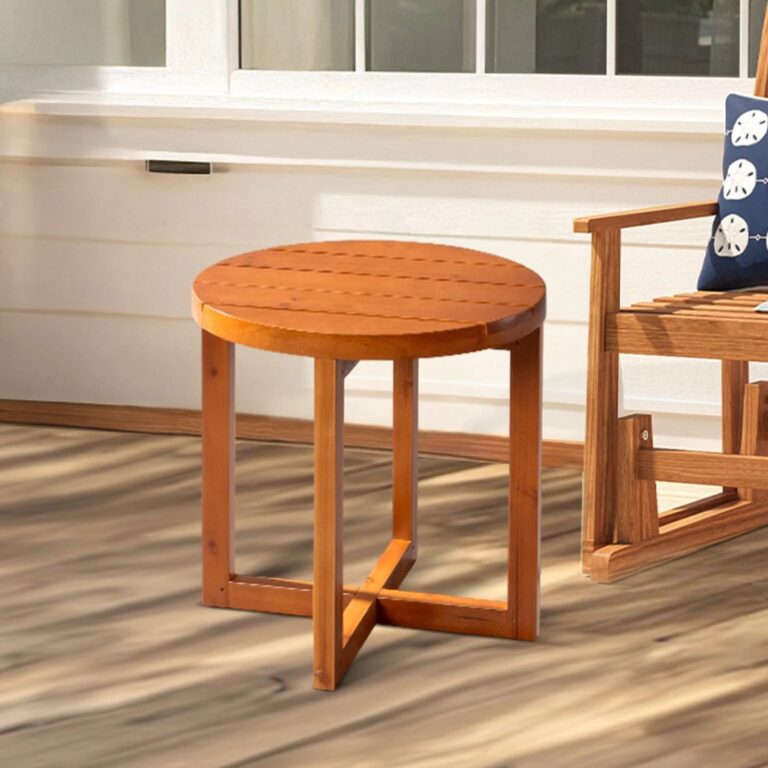
 Aisha's pickBrass Accent Tables That Clean Up With a Wipe
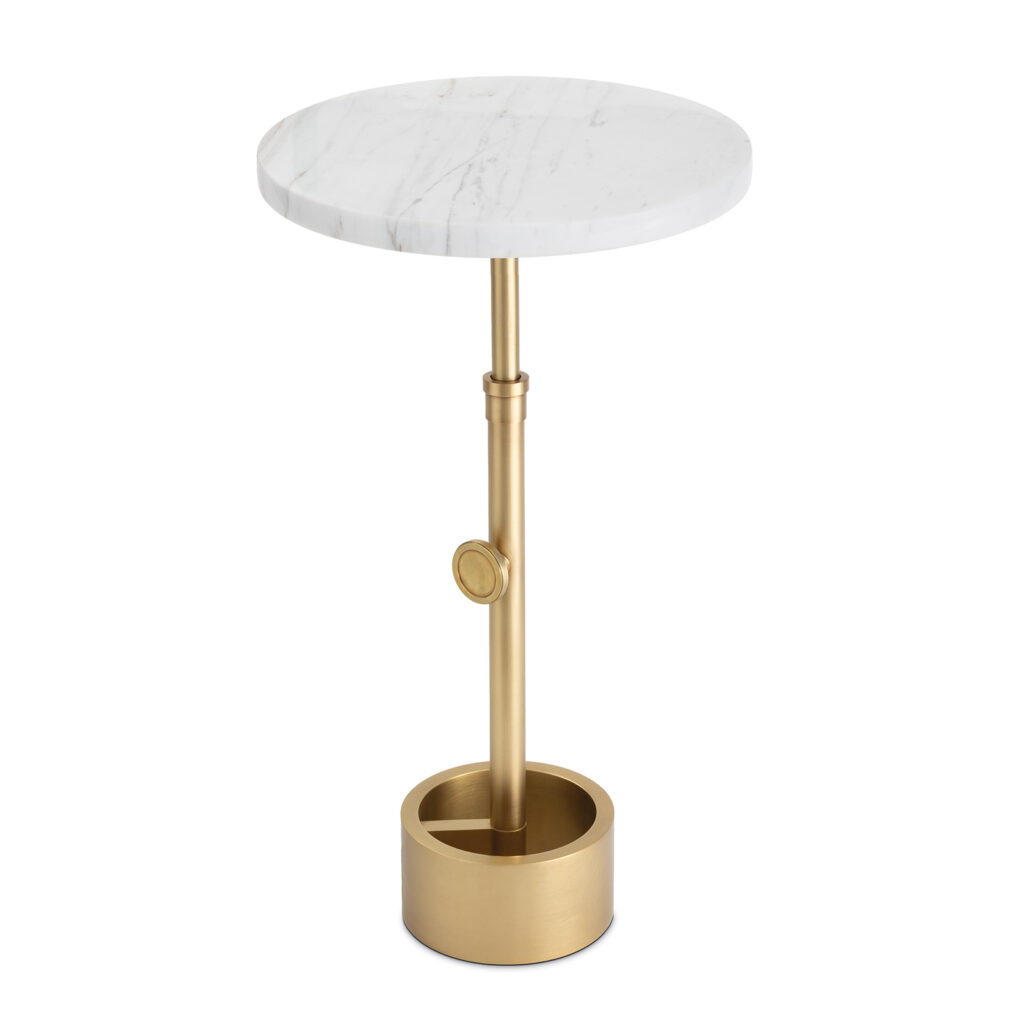
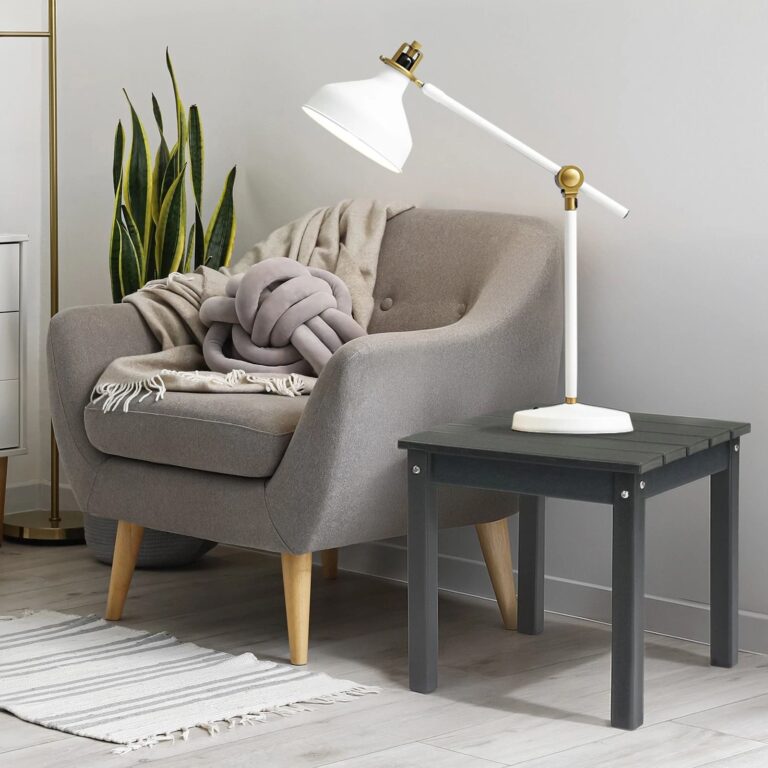 Aisha's pickSquare Accent Tables That Fit Where You Need Them
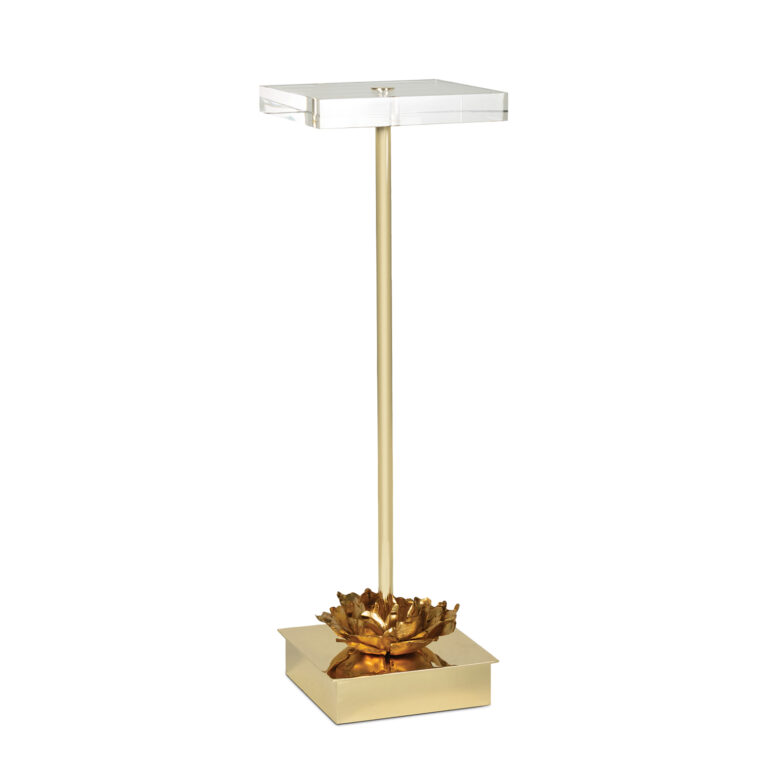
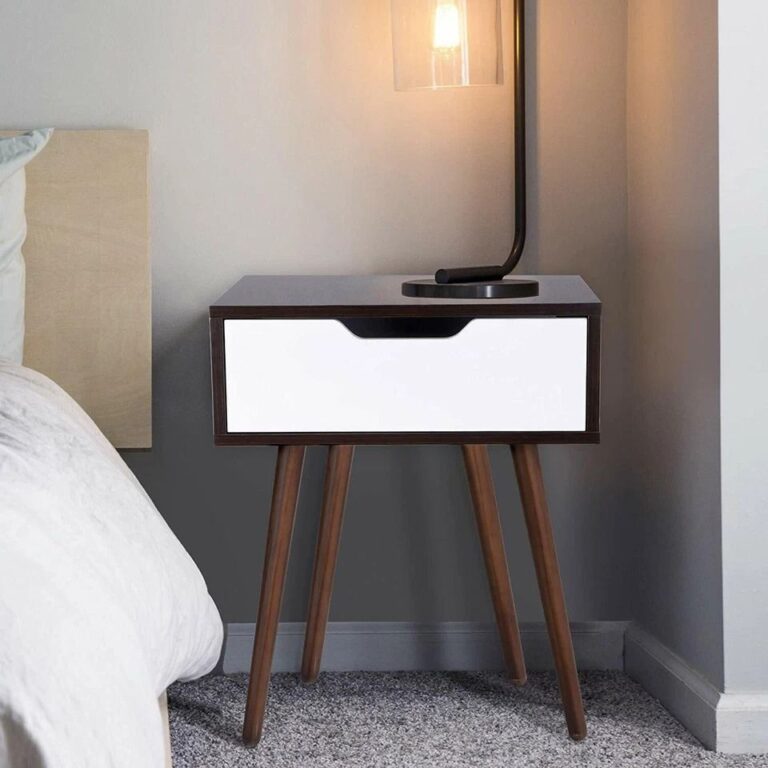 Aisha's pickCompact Accent Tables That Won’t Let You Down
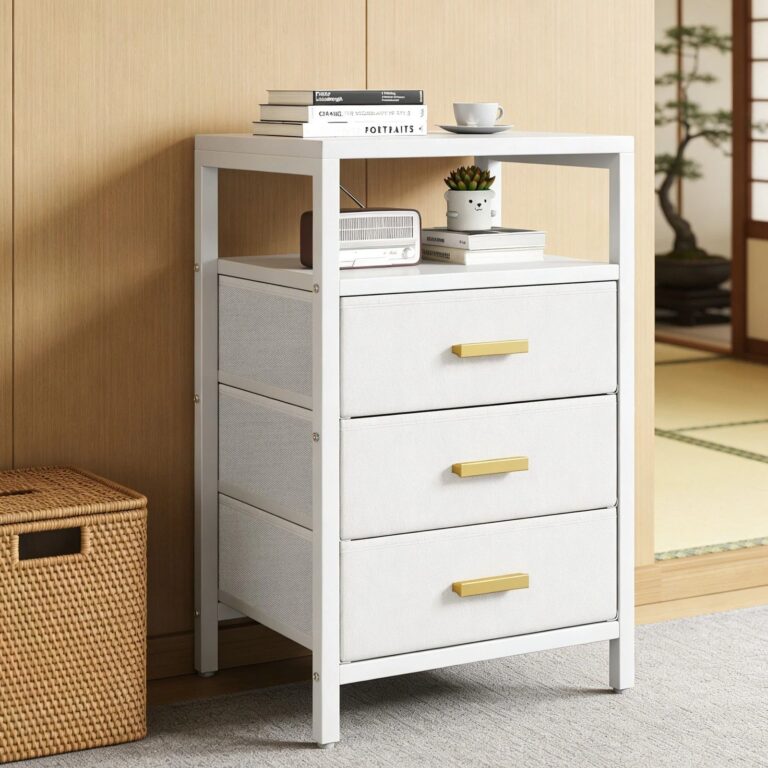
 Aisha's pickVintage Accent Tables That Work in Old Houses and New Ones
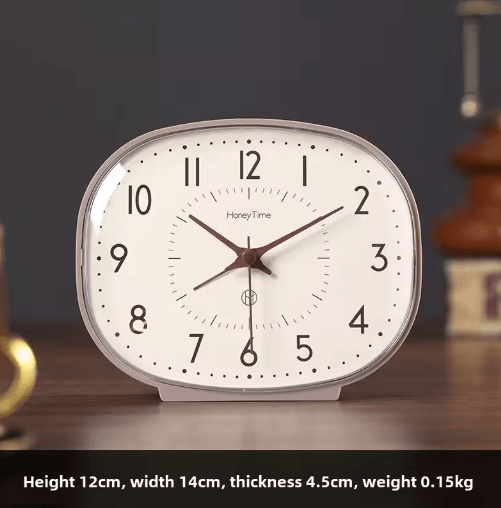
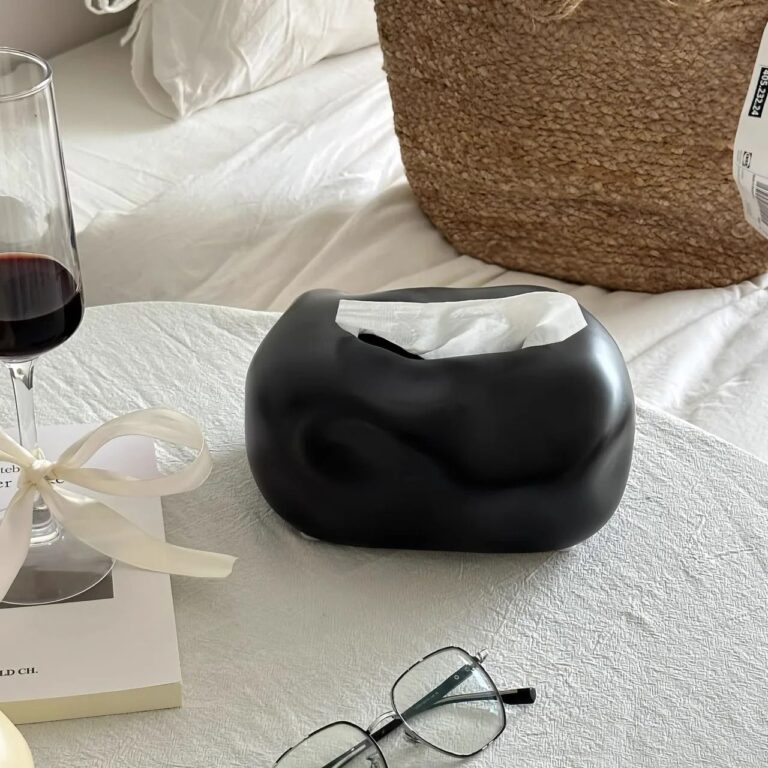 Aisha's pickContemporary Accent Tables We Keep Coming Back To
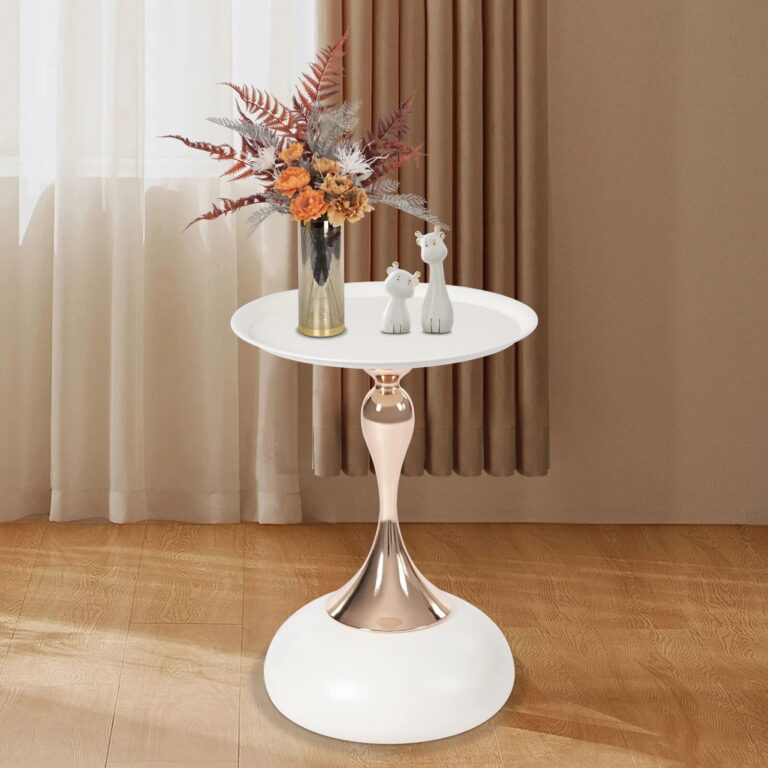
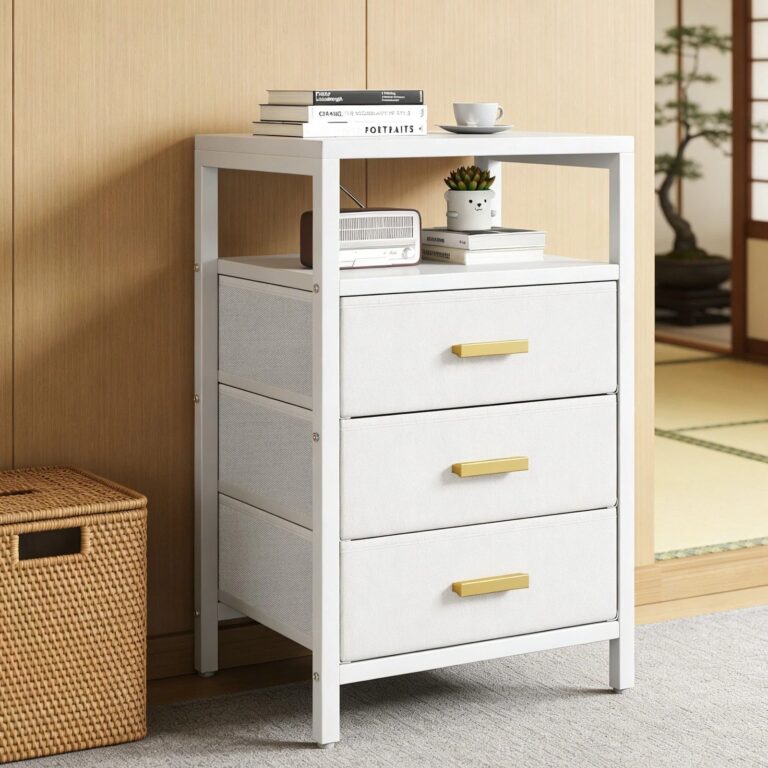 Aisha's pickWhite Accent Tables That Anchor a Room

 Aisha's pickGlass Accent Tables That Clean Up With a Wipe
 Aisha's pickShopping for Industrial Accent Tables? Start HereAlso worth a lookEnd TablesThe first one I bought looked perfect in the store and then came home to a sofa it…See the collections →

 Aisha's pickLarge Accent Tables Hunted Down So You Don’t Have To

 Aisha's pickLuxury Accent Tables With Room for Everything You Put Down

 Aisha's pickMarble Accent Tables That Fit Where You Need Them

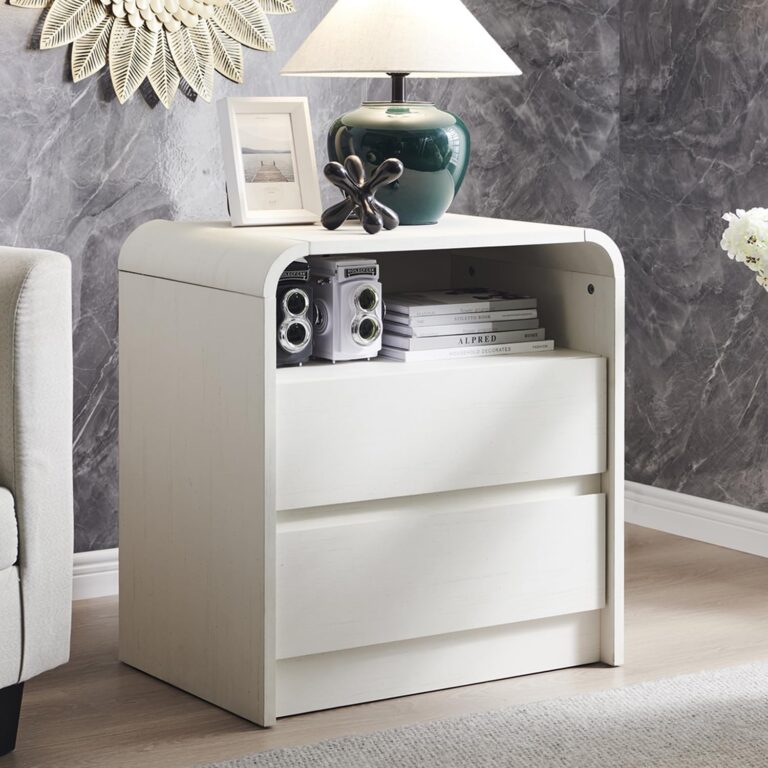 Aisha's pickAccent Tables That Take a Knock
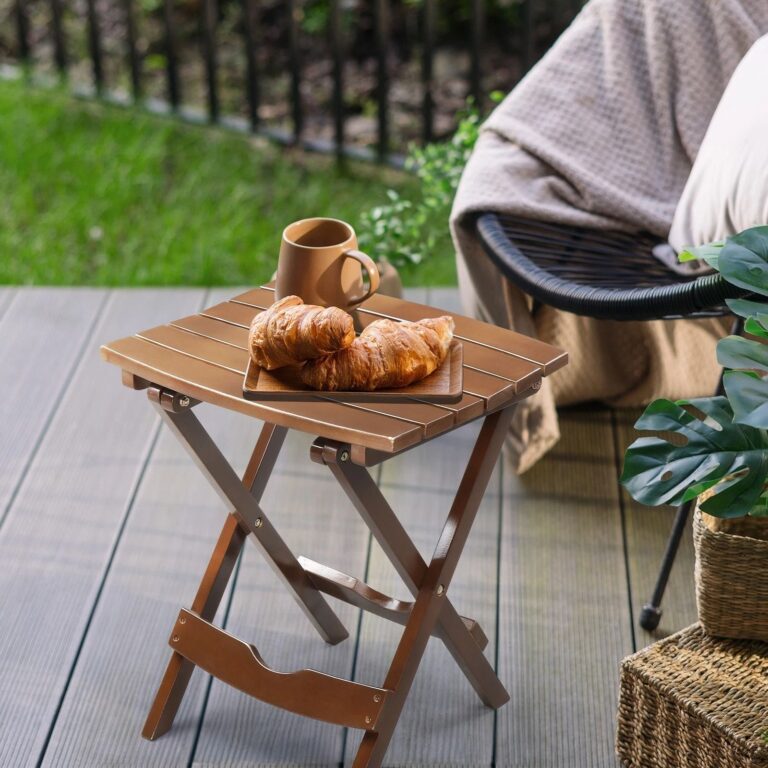
 Aisha's pickMetal Accent Tables That Hide the Odd Scratch
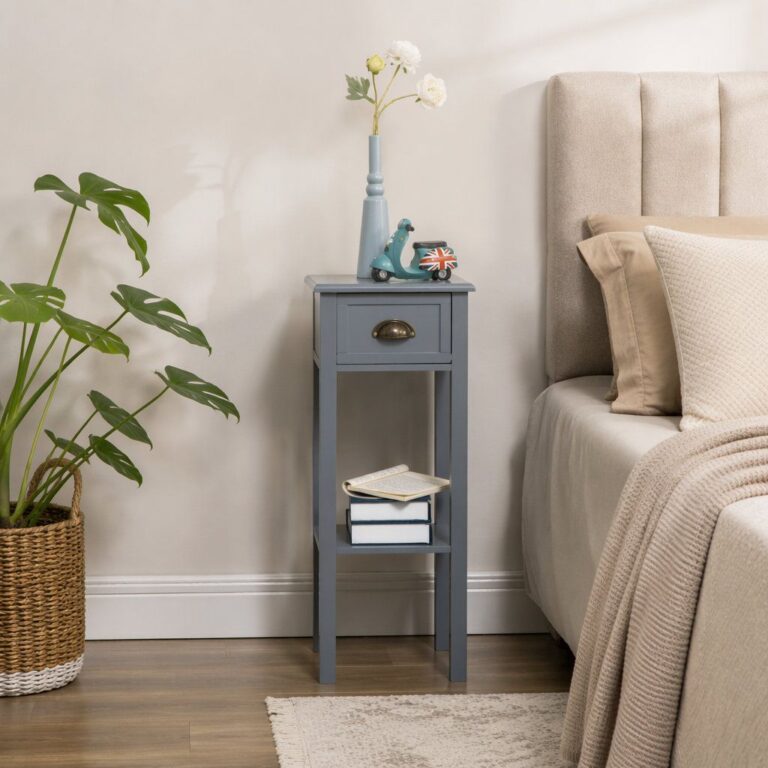 Aisha's pickAccent Tables with Drawer That Hide the Odd Scratch