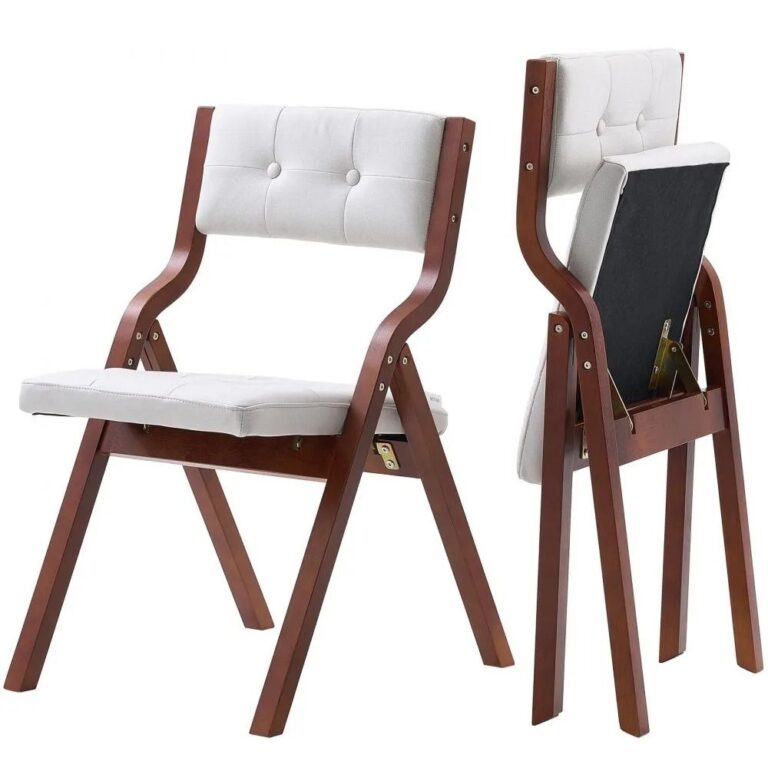
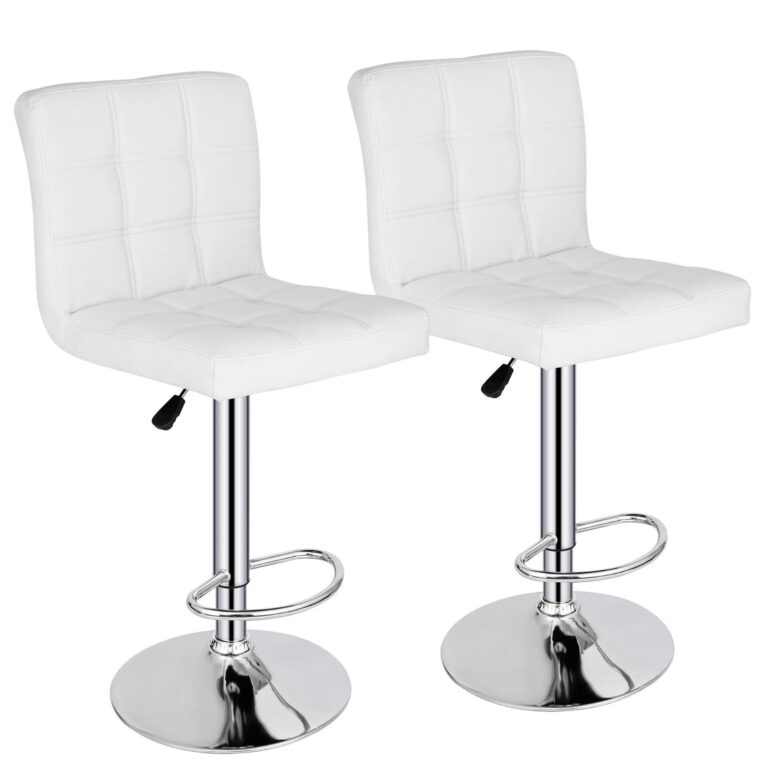
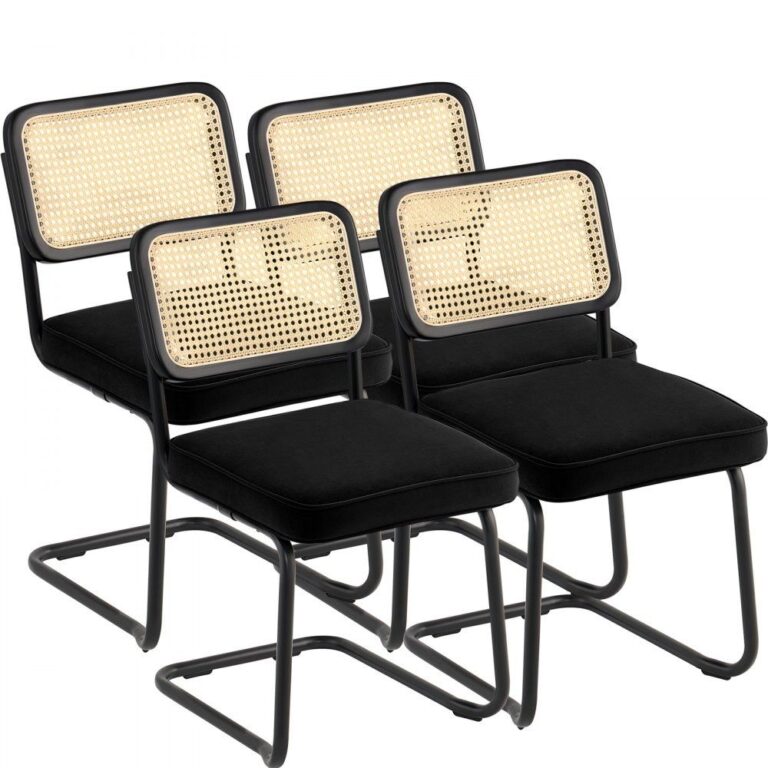
My first set of dining chairs cost almost nothing from a place that's closed now, four of them, molded plastic shells on skinny metal legs, and within a year the legs had scratched a fan pattern into my kitchen floor that's still there if the light hits it right. What that taught me is the legs matter as much as the seat. Nobody tells you that. You're thinking about comfort and looks, and meanwhile the floor is taking a beating every time someone scoots in for seconds.
Over time you'll notice a dining chair either settles into your house or starts announcing itself as a problem. Wood ones develop a nice worn patina on the arms and seat edges where hands land, assuming the finish was decent to start with, and a little furniture wax once or twice a year keeps that going instead of letting it dry out and dull. Upholstered seats show wear fastest at the front edge, where you push back from the table, so a performance fabric or a removable cushion cover saves you from a chair that looks tired after eighteen months of regular use. Metal frames hold up fine but the joints where seat meets leg are the tell, if they creak within the first year under normal weight, that's not going to improve with age, it's going to get louder.
Scale is where most people trip up, myself included, because a chair that looks sleek and low in a showroom photo can crowd a small kitchen table badly once six of them are pulled up around it. You want the seat height to land about ten to twelve inches below your tabletop, and you want at least two feet of width per person so elbows aren't fighting across dinner. Armchairs at the ends of a table need enough clearance to actually slide under, or you'll end up with two chairs permanently pushed back into the walkway, which I did for an embarrassing stretch of time before measuring properly. In a smaller dining nook, a chair with a slimmer profile and no arms lets you fit one more person without the room feeling like a furniture showroom itself.
The difference between a chair that lasts and one that doesn't usually comes down to what you can't see. Dowel joints that are glued and pinned hold up far better than ones just glued, and a solid wood frame under upholstery outlasts a plywood one by years, not months. Run your hand under the seat if you can, a finished underside with no staples poking through is a decent sign someone cared about the whole chair, not just the part facing the table. Cheap versions cut corners at the joints first, because that's the part nobody checks before buying, and it's the part that fails first too.
The one mistake to avoid is buying chairs before you've measured the space around the table with people actually sitting in them, pushed back, arms out, chairs pulled away to stand up. A chair that fits the table on paper can still leave no room to pass behind it once real people are using it.

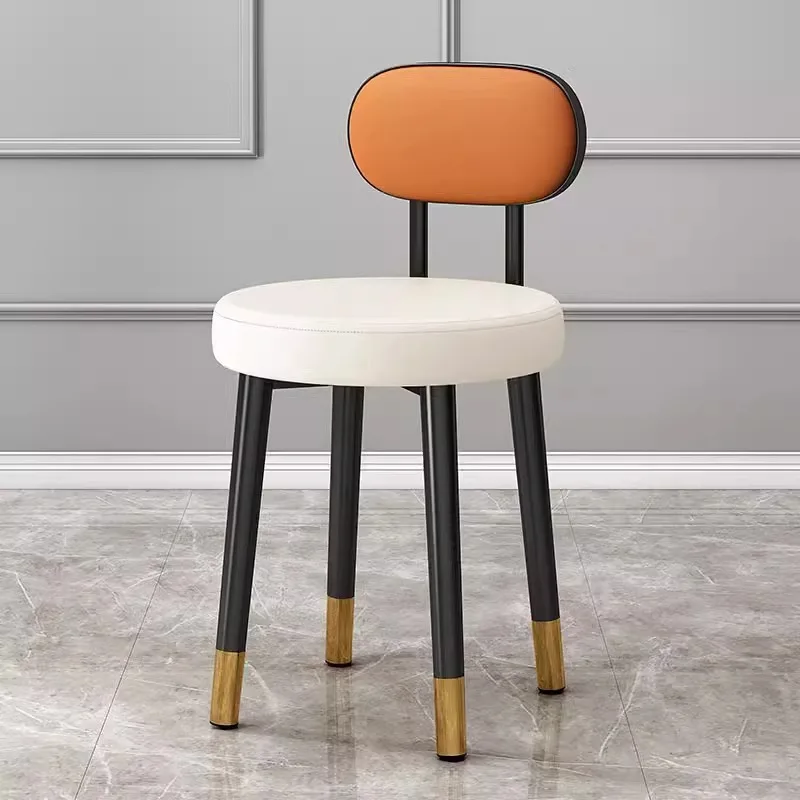 Aisha's pickContemporary Dining Chairs for When the Old Ones Give Up
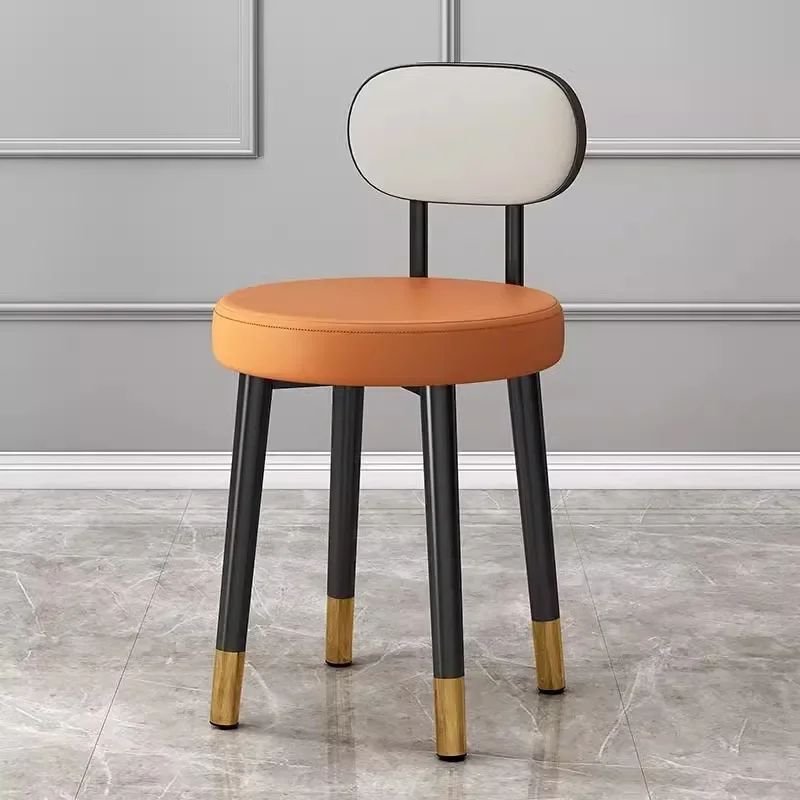
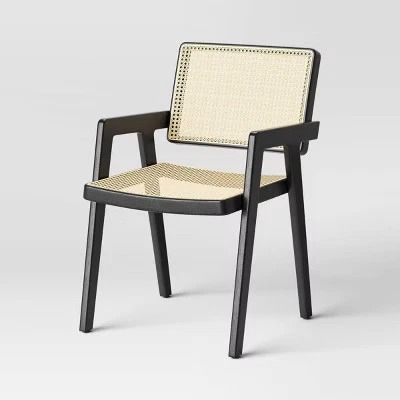
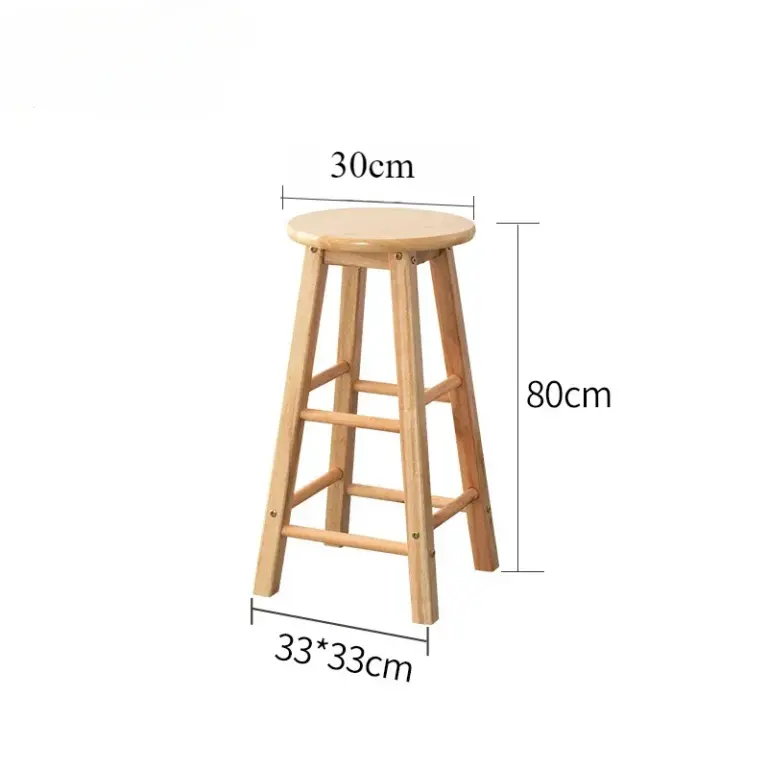 Aisha's pickMinimalist Dining Chairs You’ll Still Like in Five Years
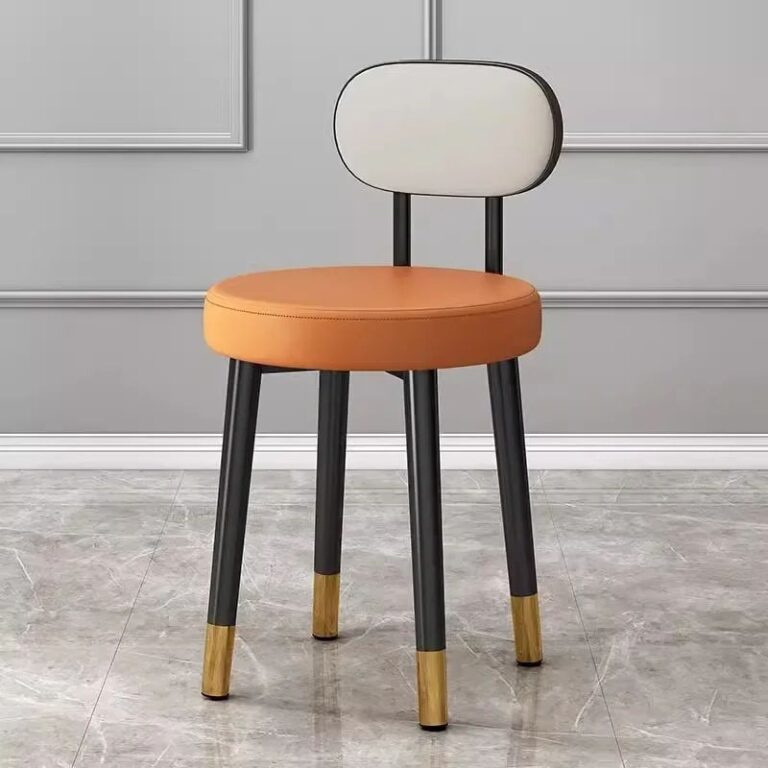
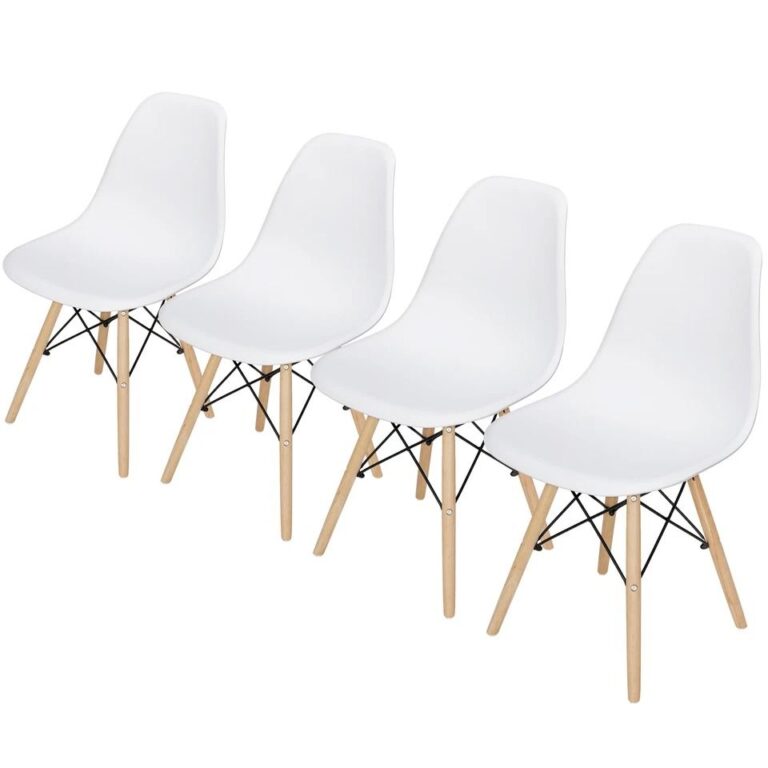 Aisha's pickModern Dining Chairs That Look Better in Real Life
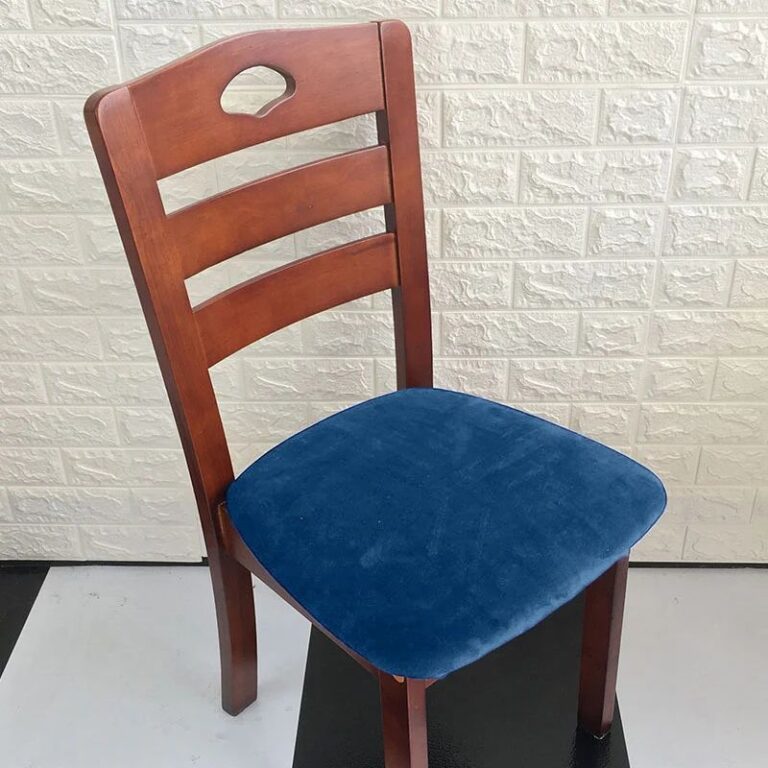
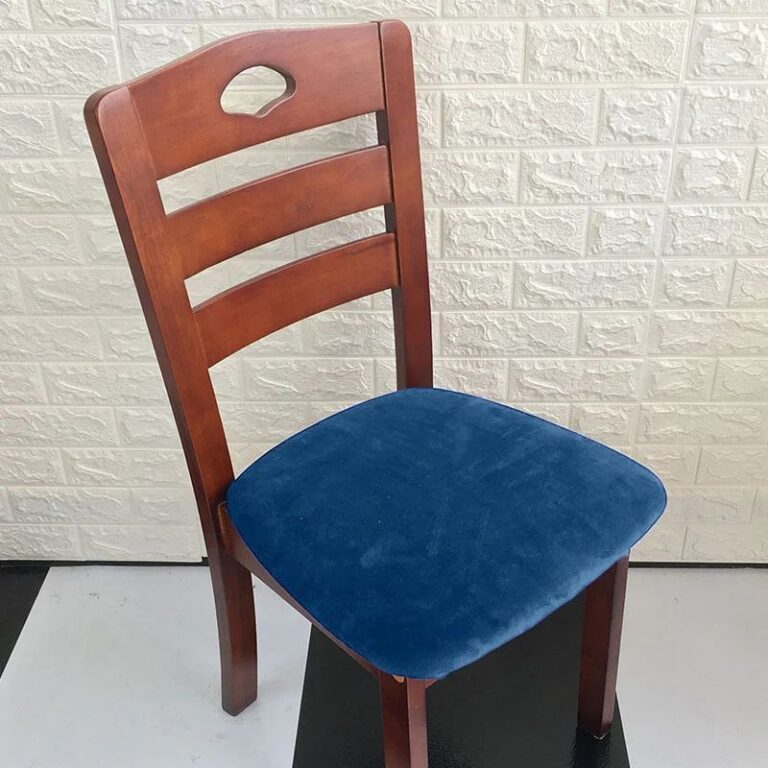
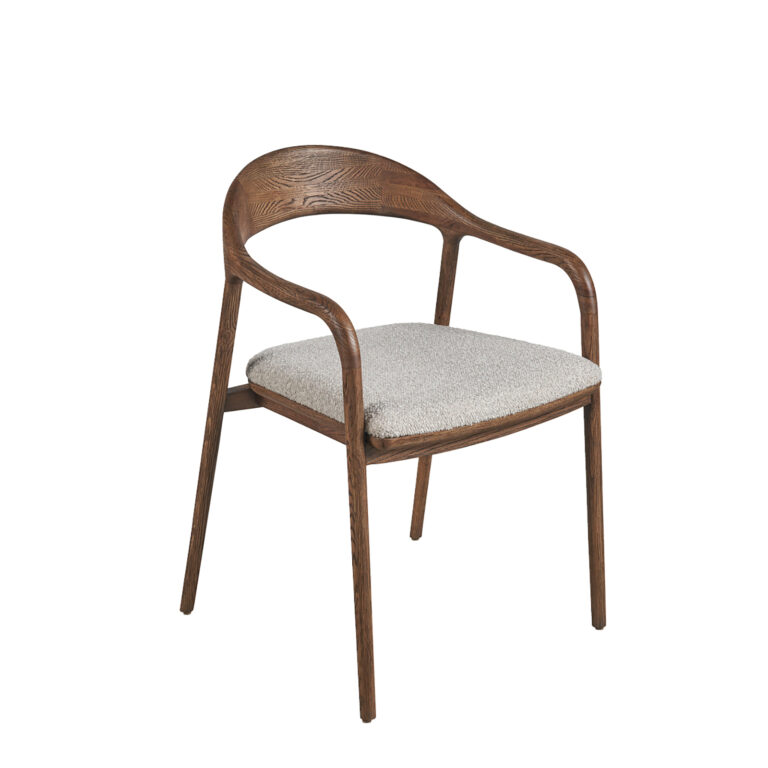 Aisha's pickModern Fabric Dining Chairs Comfy Enough for a Movie Night
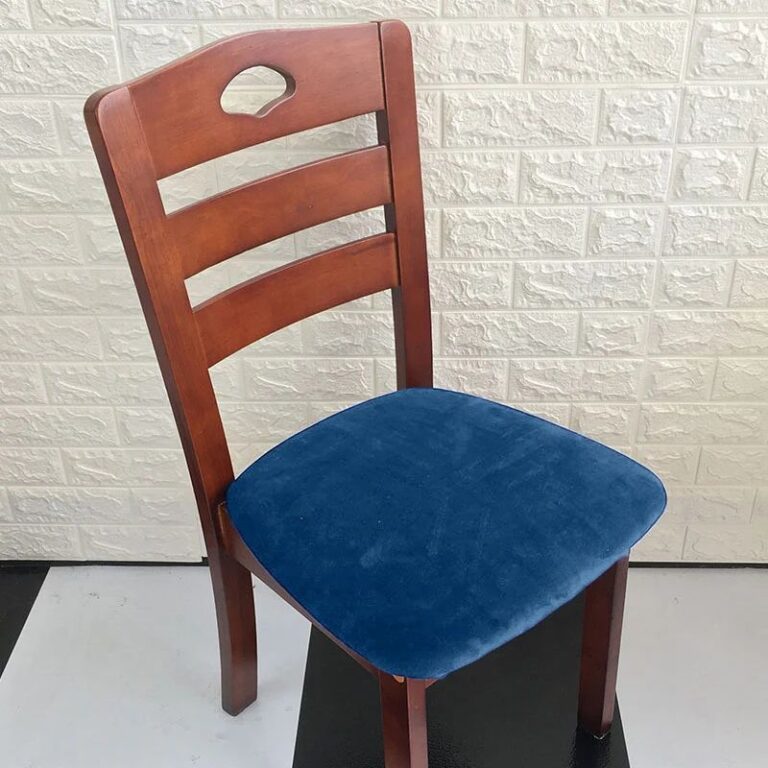
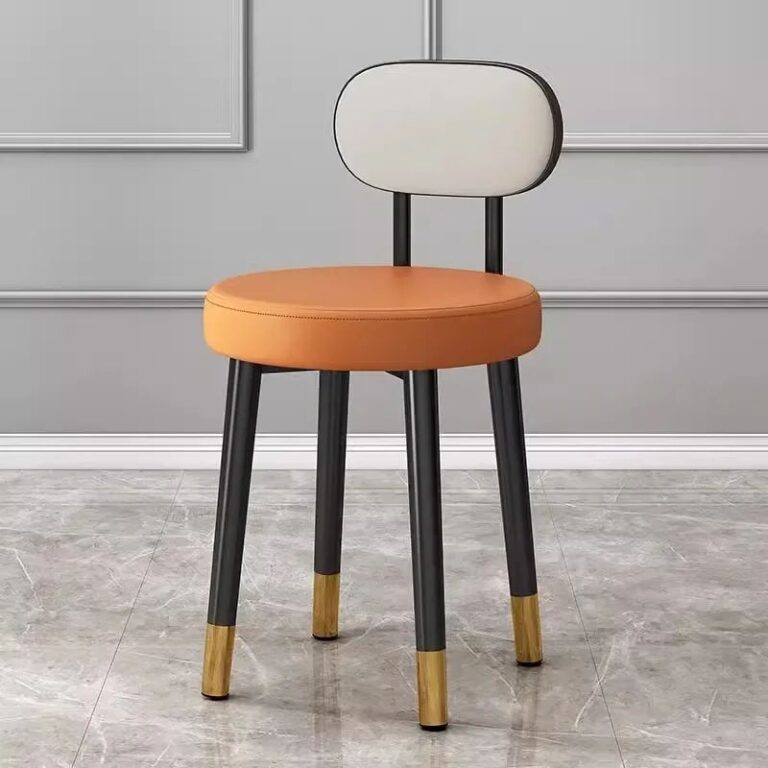
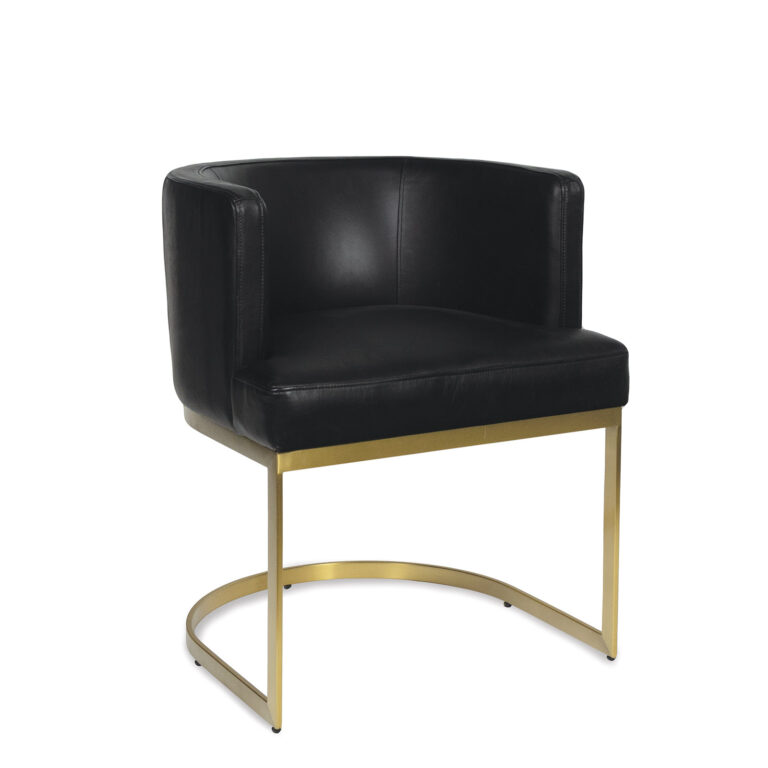 Aisha's pickModern Leather Dining Chairs That Get the Family Around the Table
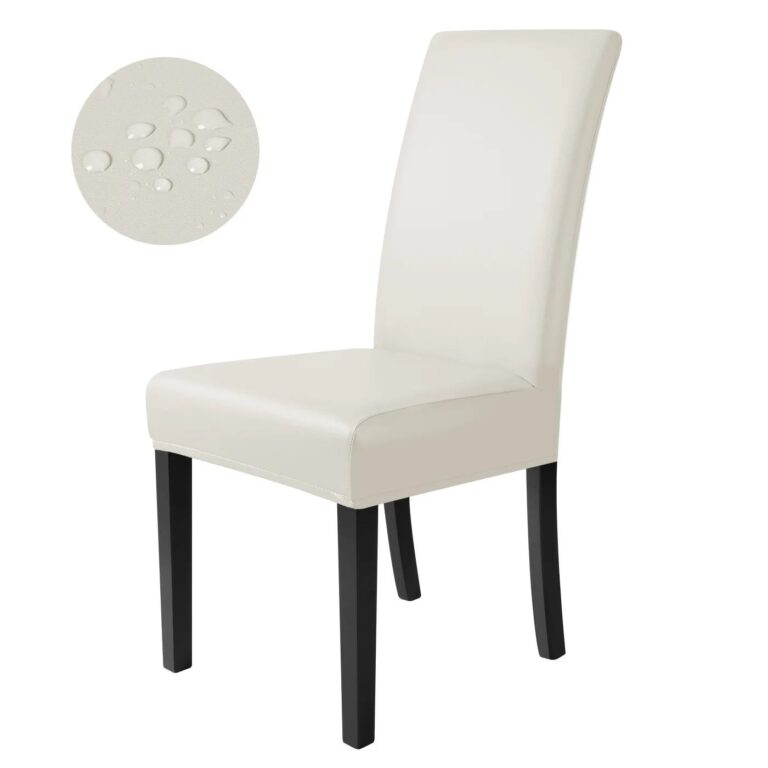
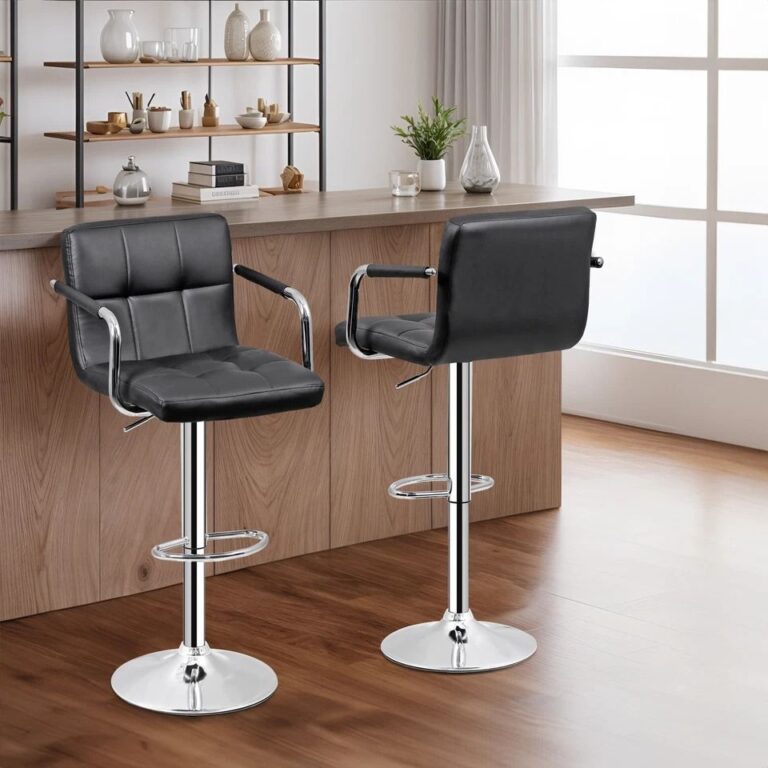
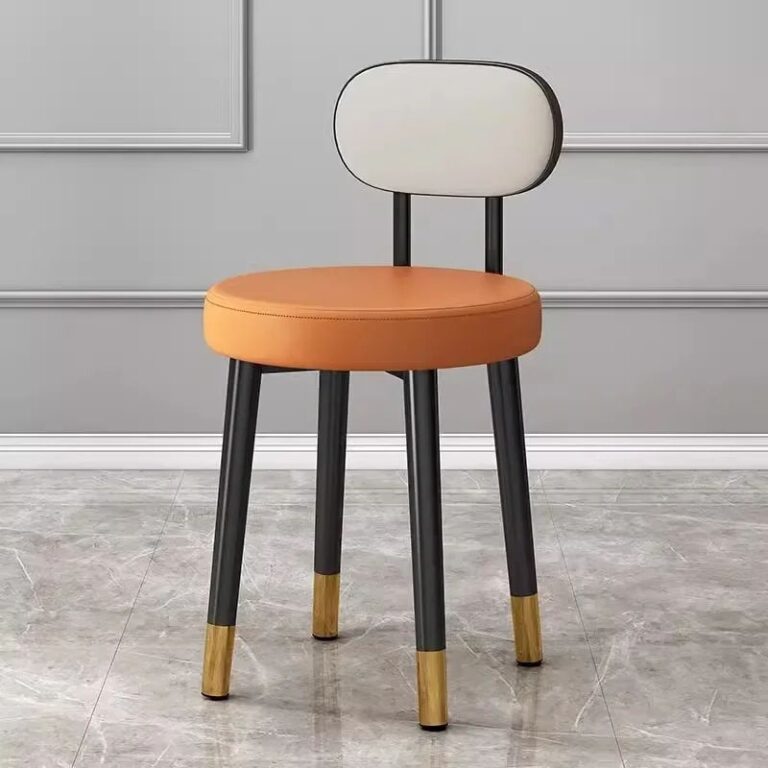 Aisha's pickModern Metal Dining Chairs for Long Sunday Afternoons
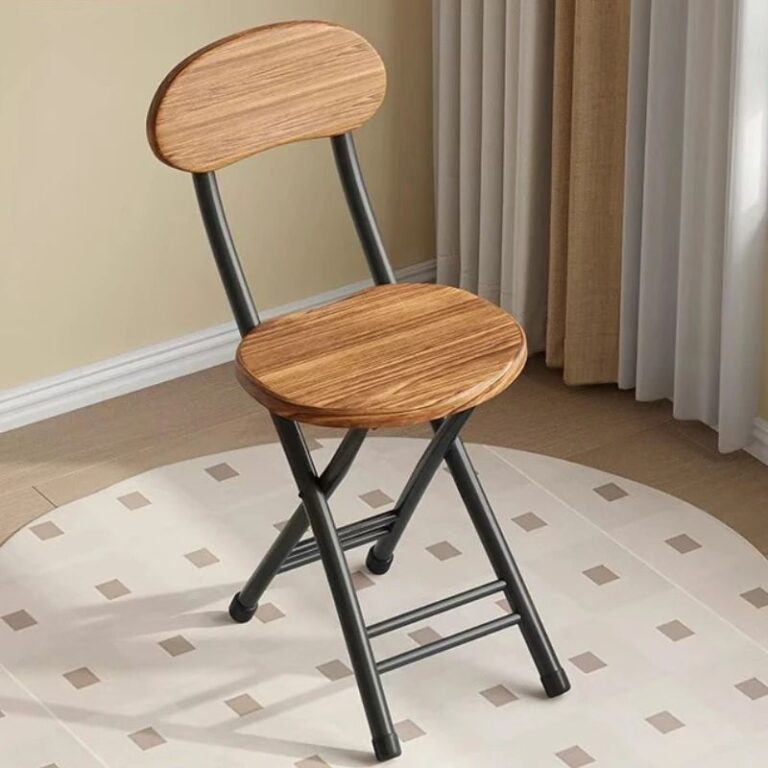
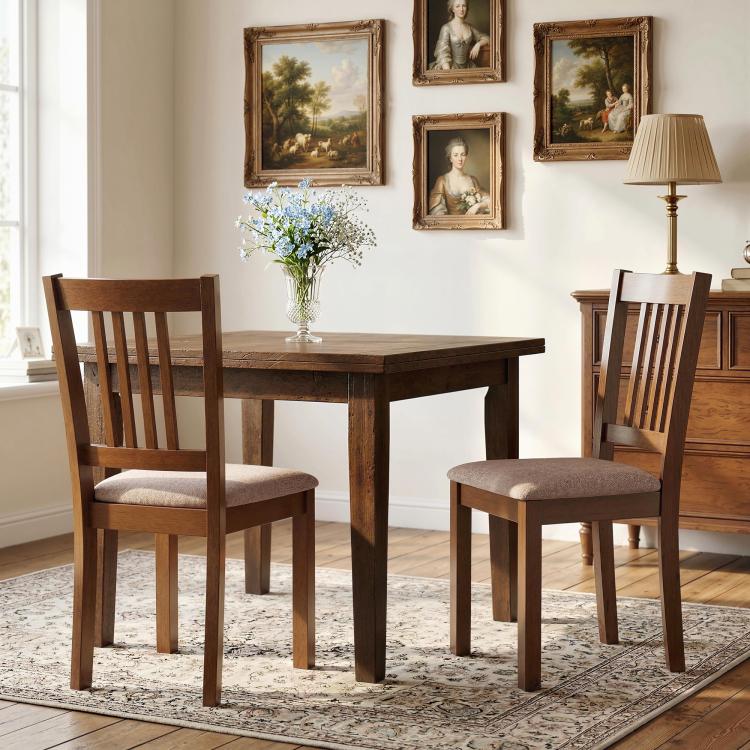 Aisha's pickModern Upholstered Dining Chairs That Get the Family Around the Table
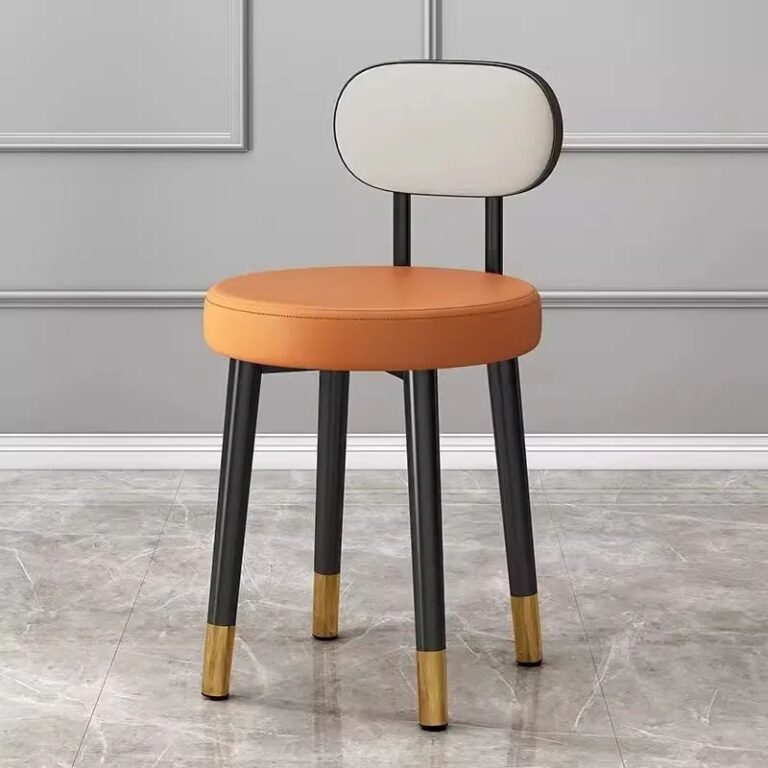
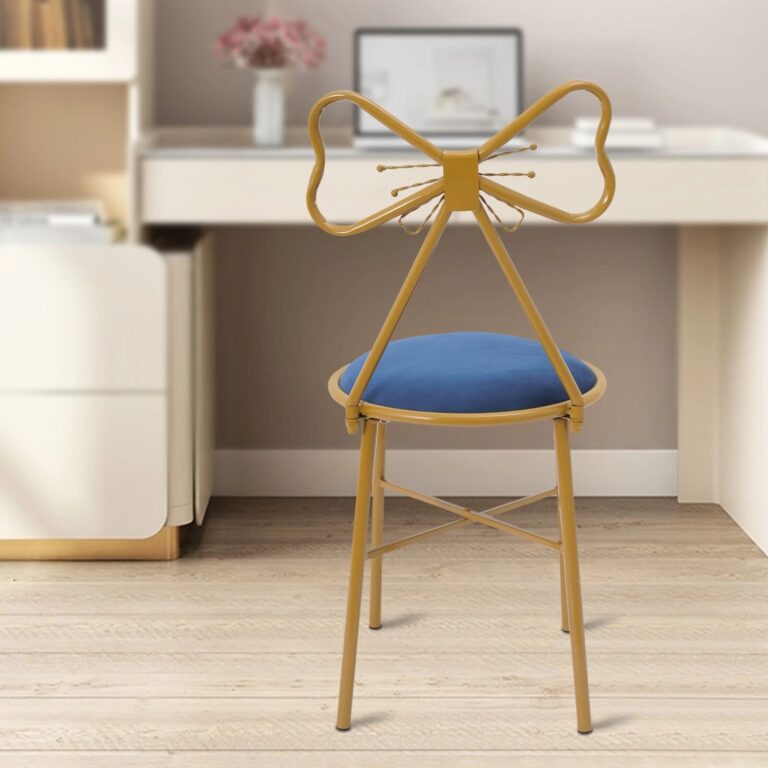 Aisha's pickModern Velvet Dining Chairs That Do the Job RightAlso worth a lookModern ChairsI spent a long time thinking modern meant cold, all hard edges and chrome, something you'd find in a waiting room rather than a kitchen.See the collections →