The thing nobody tells you about chairs is that they lie about their size in photos. Something that looks slim and neat online can eat four square feet of floor you didn't know you were spending, and a room that felt spacious with just a sofa in it can suddenly feel like a waiting room once you add two chairs facing the wrong way. Still, a good chair is often the piece that makes a room feel finished, the one that turns a sofa and a rug into an actual seating arrangement instead of a couch facing a television.
Where chairs go wrong is scale and purpose, not style. A deep lounge chair with a wide arm is glorious on its own in a corner, and a disaster crammed between a sofa and a side table where nobody can get their knees past it. If you've got a small living room, a chair with legs you can see under beats a skirted one every time, because the eye reads open floor space as more room even when the square footage hasn't changed an inch. Measure the actual gap you're filling, not just the width of the chair. You want at least two feet of walking space around it, three if people are going to be stepping past with drinks, and you want to sit in it before you buy it if you can, because a chair that looks right and sits wrong is just a very expensive place to hang a sweater.
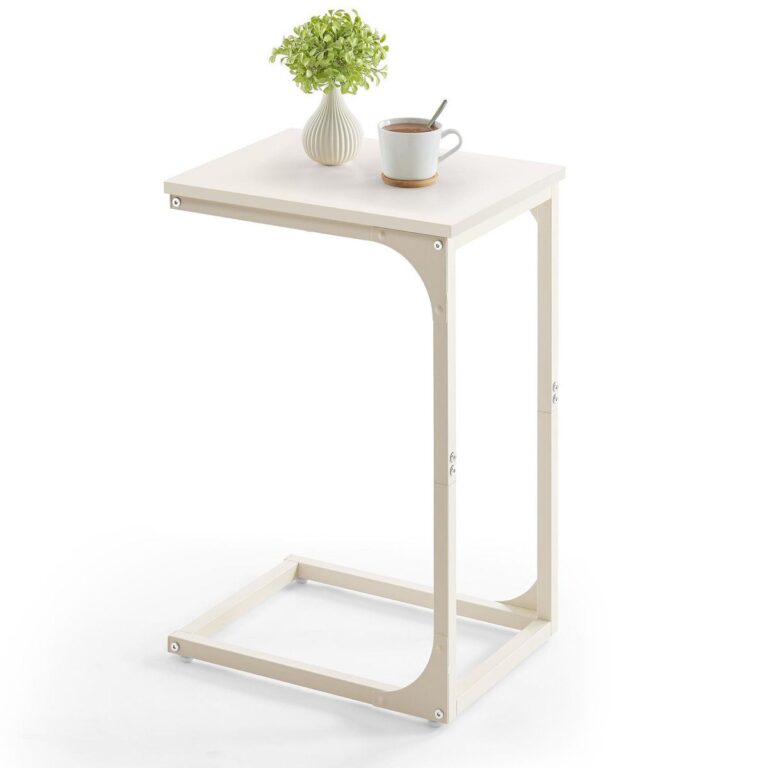
What a chair sits well with is usually simpler than people make it. One good chair near a window, with a small table beside it for a lamp and a mug, does more for a room than a matching pair ever will. Two chairs work when they're facing each other across a low table, not both pointed at the TV like they're waiting for a movie to start. Mixing the chair's material with what's already in the room matters more than matching it, a leather chair against a fabric sofa reads intentional, a chair in the exact same fabric as the curtains reads like you ran out of decisions halfway through. And a swivel base, if the room allows it, solves more conversations than people expect, since nobody wants to physically turn their whole body to talk to someone across the room.
This works best in a home where the living room actually gets used for sitting and talking, not just for walking through on the way to somewhere else.
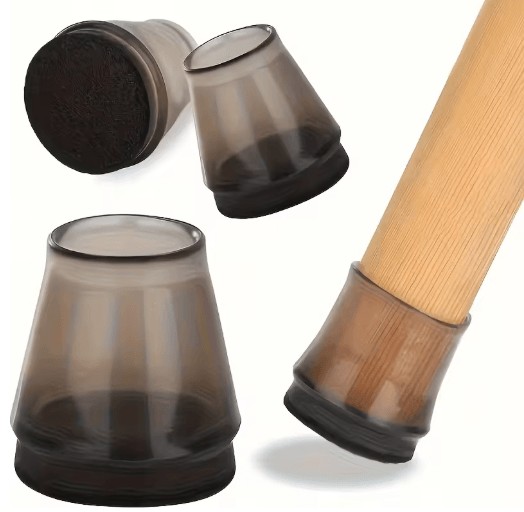 Aisha's pickWhere to Start With Dining Table and 12 Chair Sets
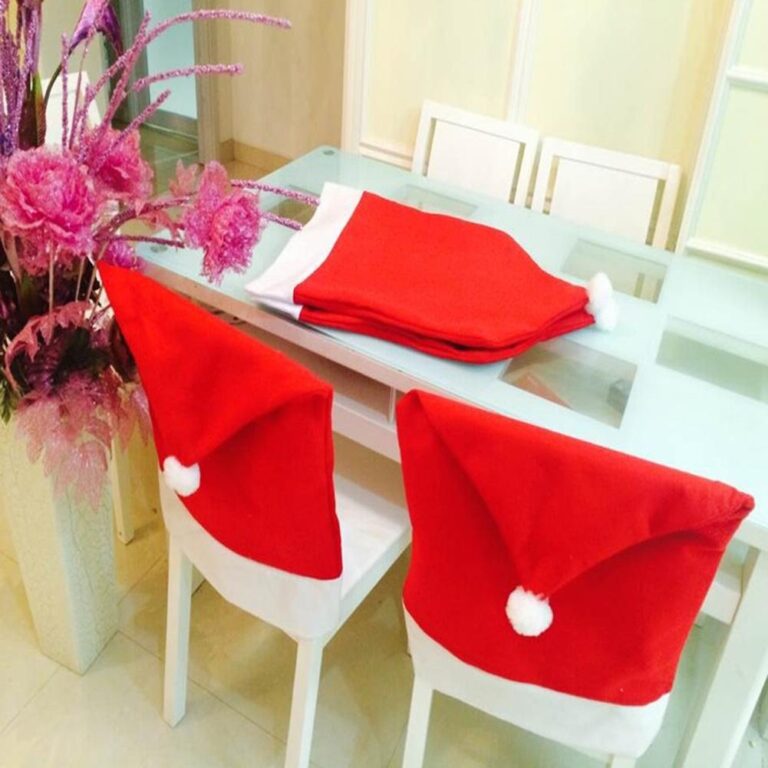
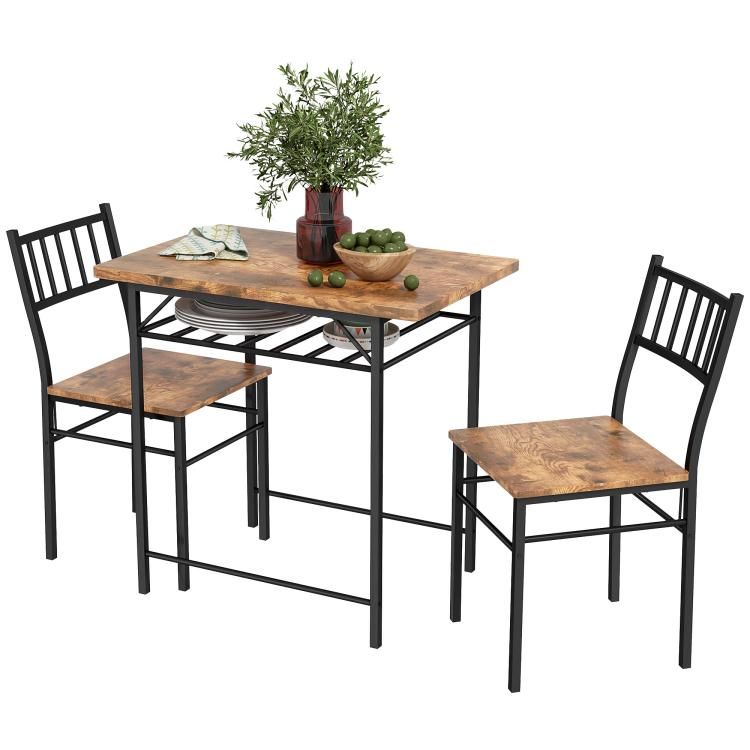
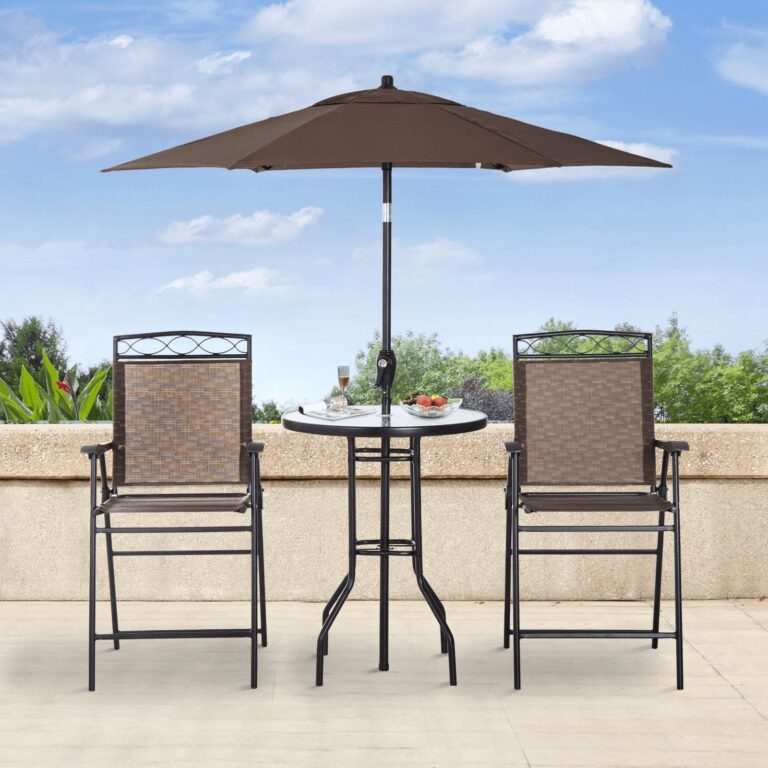 Aisha's pickDining Table and 2 Chair Sets for Long Sunday Afternoons
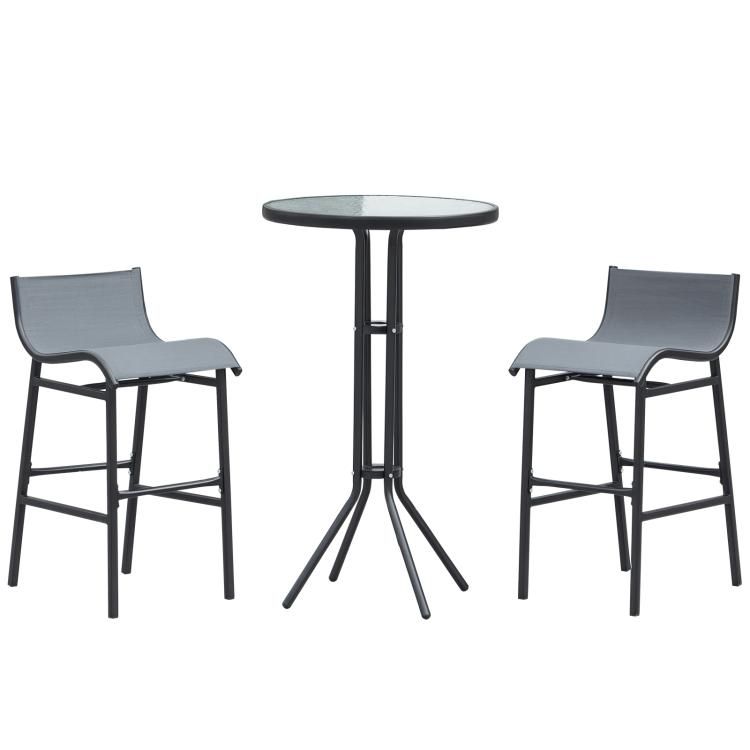
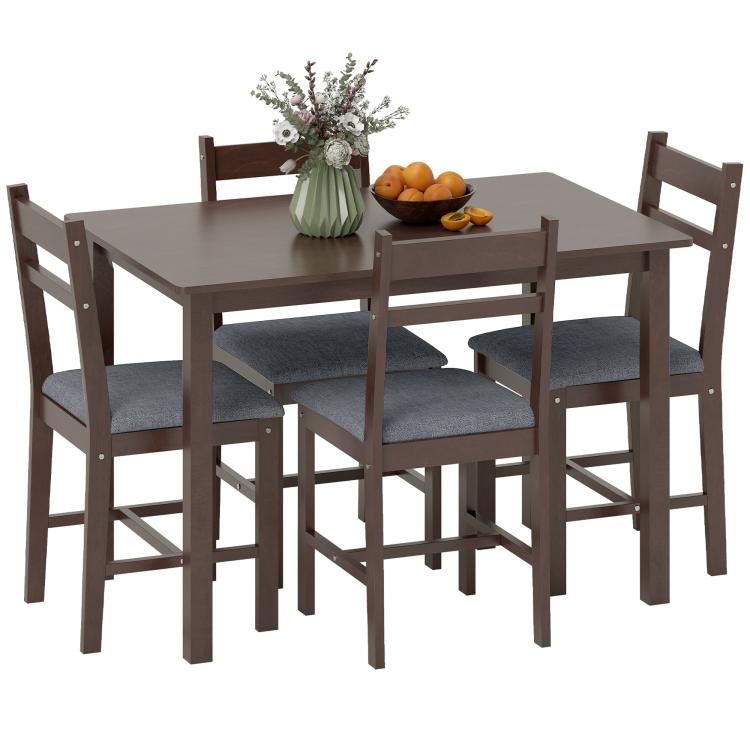
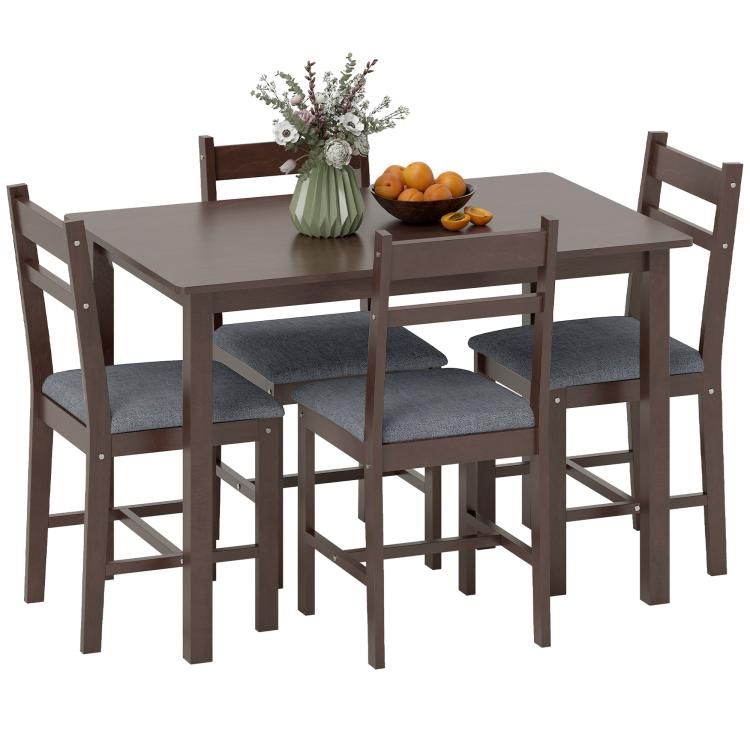 Aisha's pickDining Table and 4 Chair Sets That Get Better With Age
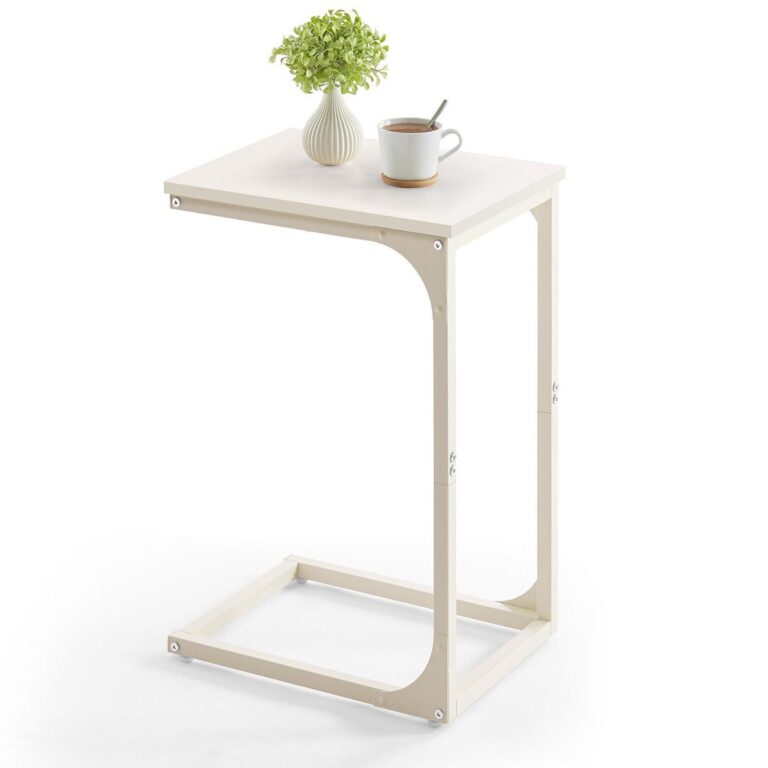
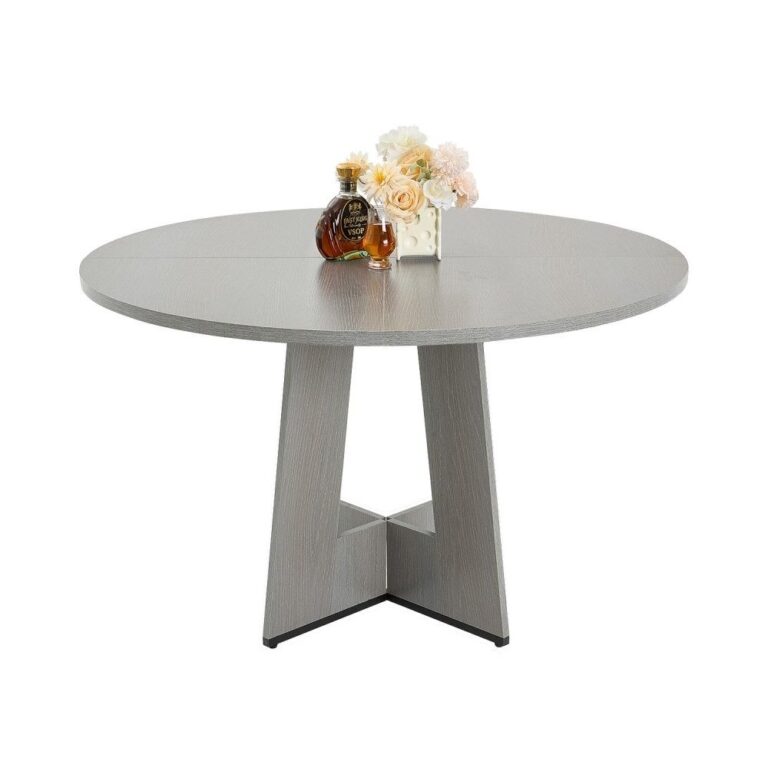 Aisha's pickDining Table and 6 Chair Sets That Don’t Need Babying
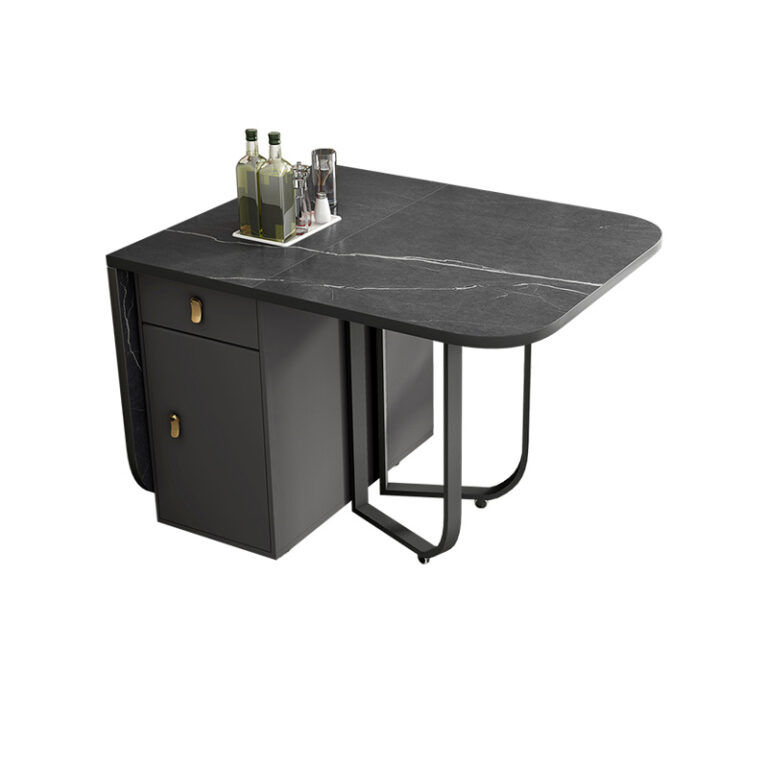
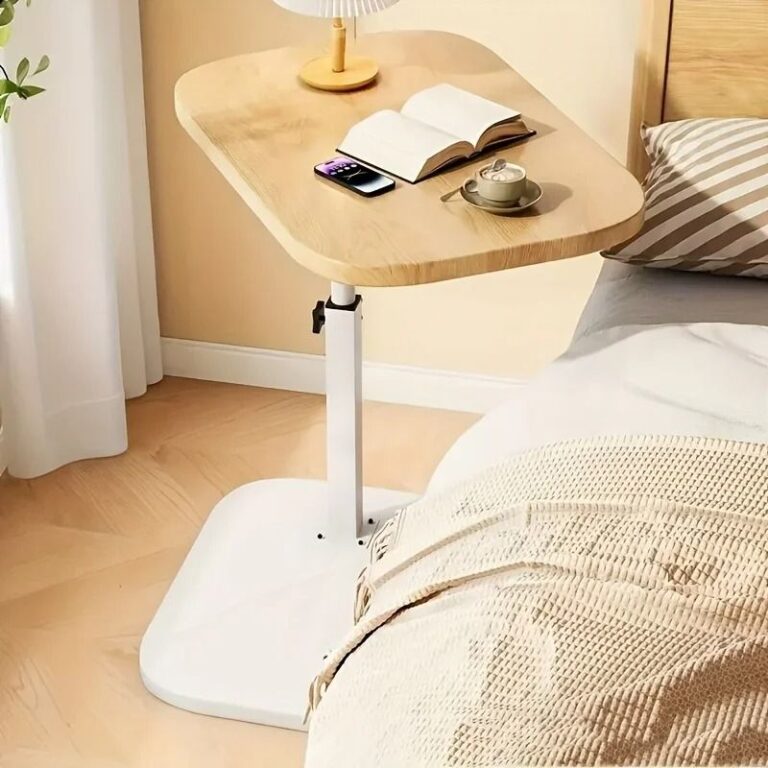 Aisha's pickDining Table and 8 Chair Sets That Are Easy to Keep Clean
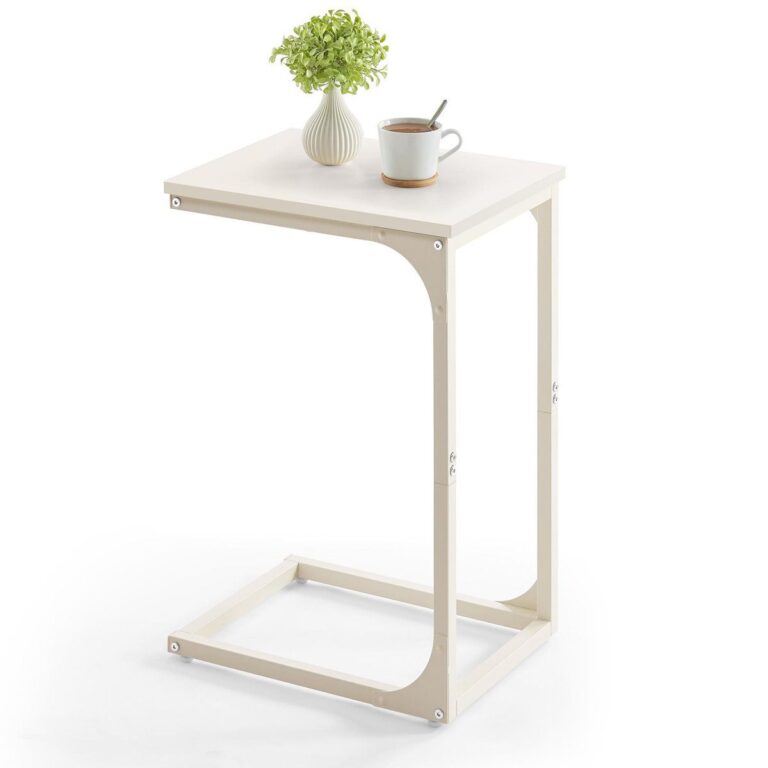
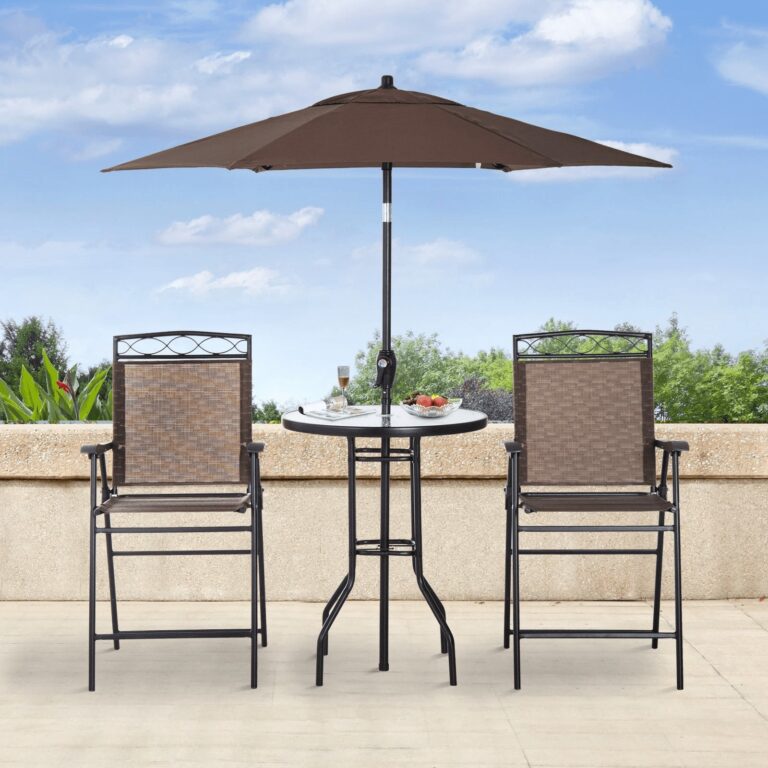 Aisha's pickSmall Dining Table and 2 Chair Sets for Long Dinners With Friends