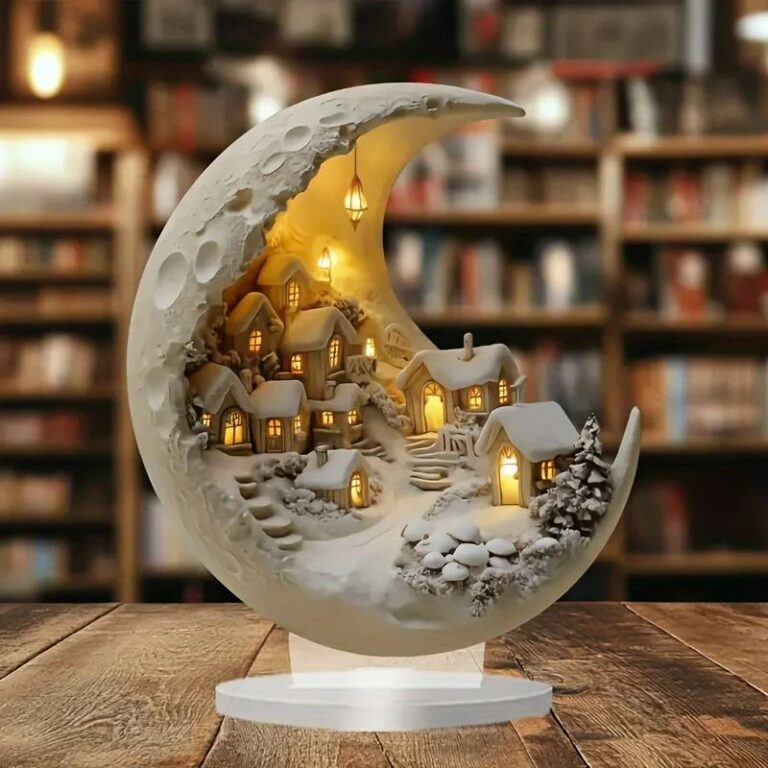
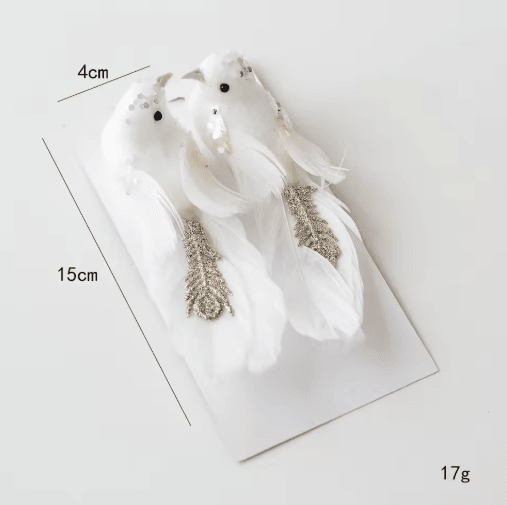
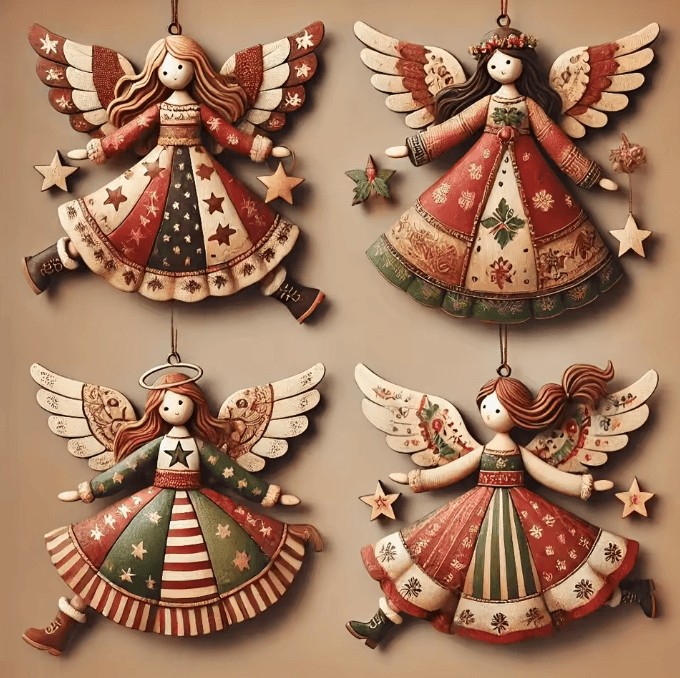
The moment is always the same one, plugging in the lights for the first time and standing back to see what the tree actually looks like with everything on it, not just the bare branches and a string of bulbs. That first look either makes the whole room or tells you you've got some buying to do. I've had both nights, and the good one is better.
If you're starting from nothing, don't buy a box of forty matching ornaments and call it done, that's how you end up with a tree that looks like it belongs in a hotel lobby. Pick one material to anchor things, glass or wood, and build out slowly from there with a few pieces a year. That's genuinely more satisfying anyway, a tree that's half family hand me downs and half stuff you picked out on purpose looks lived in, which is the whole point. Where it goes wrong is mixing finishes that fight each other, a bunch of shiny mirrored glass next to matte painted wood, next to glittery felt, all competing for the same six inches of branch. Pick a lane. Warm metallics with wood and fabric reads calm. All glass and crystal reads formal. Doing both at once just reads like you cleaned out two different relatives' attics in the same afternoon.
The difference between an ornament that lasts and one that's garbage by January shows up fast. Glass ones should have a proper metal cap, crimped on, not just glued, because the glued ones pop off the first time a cat looks at them funny. Wood ornaments should feel like actual wood, some weight to them, not the light balsa stuff that chips if it taps the wall. Painted finishes matter too, a good one is sealed and smooth, a cheap one leaves paint dust on your fingers after one Christmas. I learned that one the hard way with a set of painted birds that basically molted all over the tree skirt by New Year's. Fabric and felt ornaments should have real stitching at the seams, not hot glue holding the whole shape together, because hot glue gives up by year three.
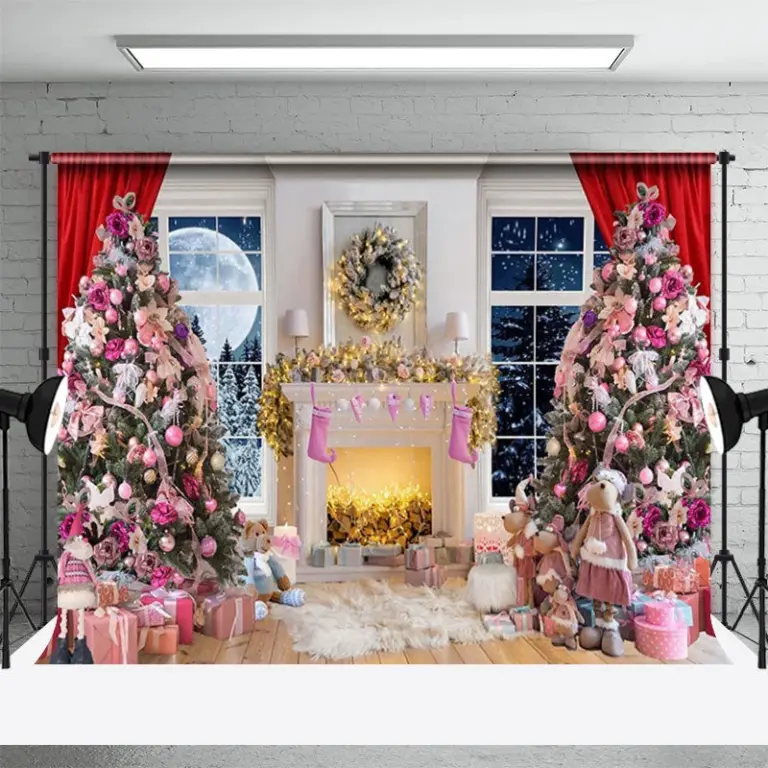
These sit easiest in a room that already has some warmth to it, a wood floor, a wool rug, a mantel with actual stuff on it rather than bare brick. A plain green tree against a plain white wall needs the ornaments to do all the talking, so that's exactly where the good ones versus the cheap ones shows up most.
Next to the tree itself, I'd put a simple tree skirt in a plain fabric, nothing patterned competing for attention down at the bottom.

 Aisha's pickCopper Tree Decorations That Work in Old Houses and New Ones
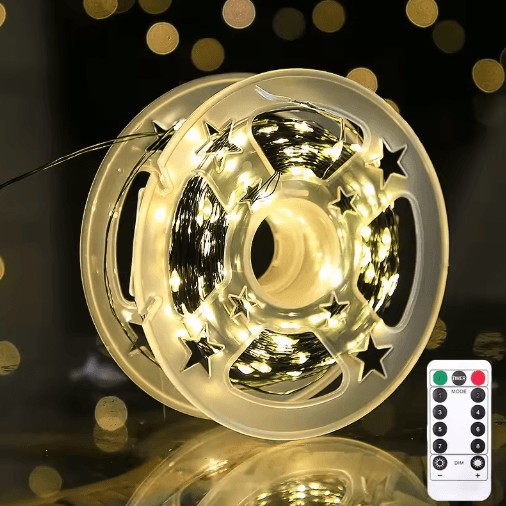
 Aisha's pickPersonalized Tree Decorations for Rooms That Feel a Bit Bare
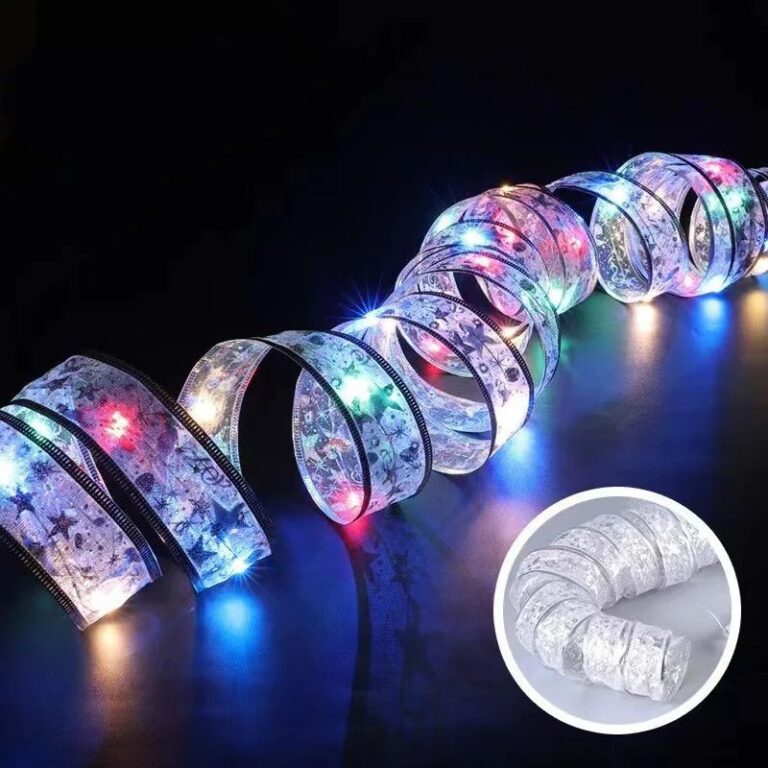
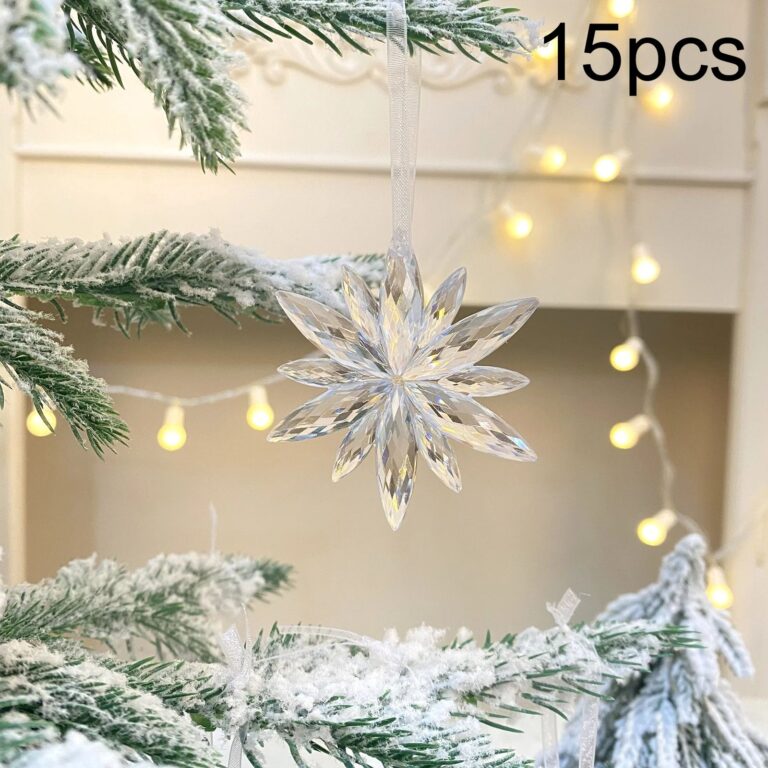 Aisha's pickWhite Tree Decorations That Won’t Let You Down

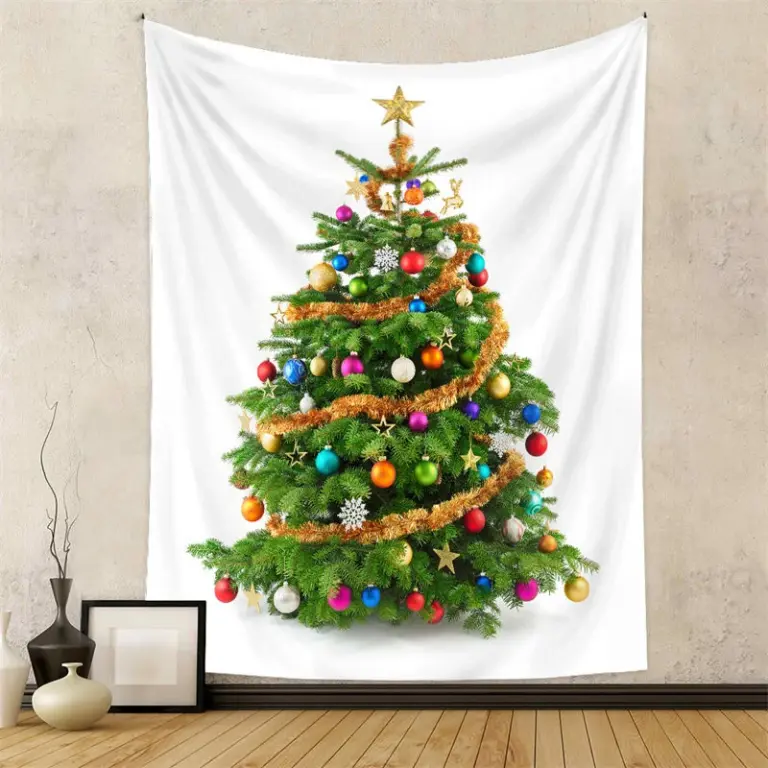 Aisha's pickFabric Tree Decorations That Give a Room Some Personality

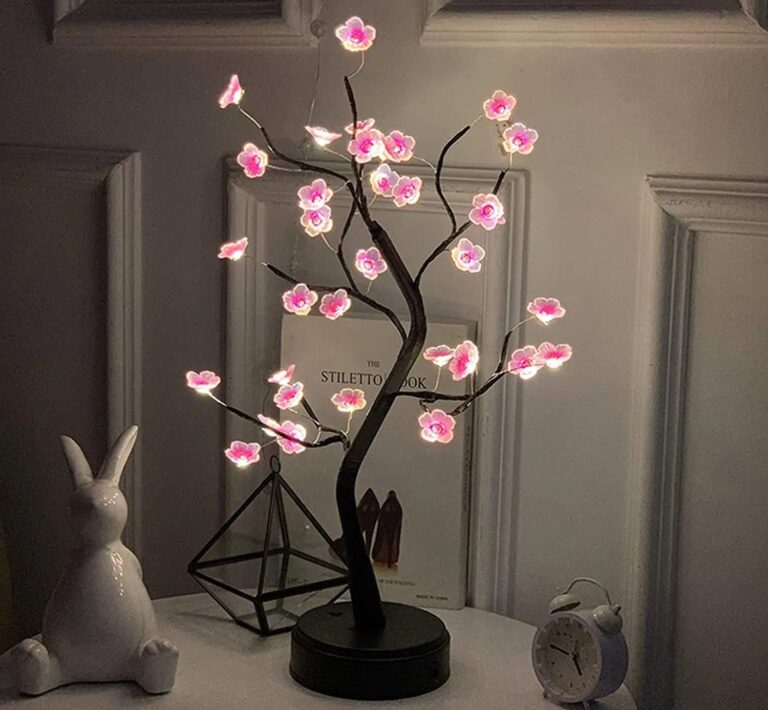 Aisha's pickPink Tree Decorations for Rooms That Feel a Bit Bare

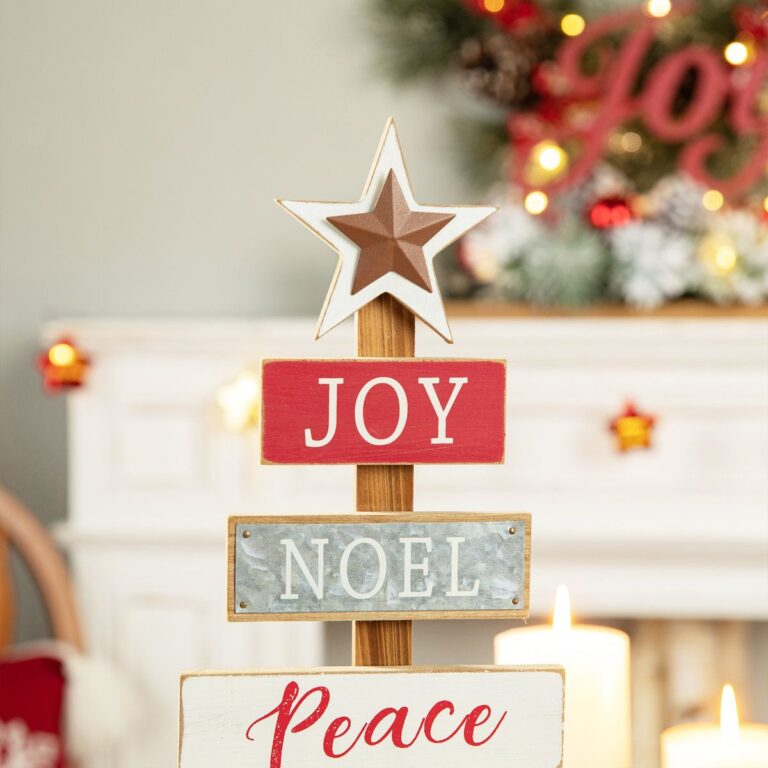 Aisha's pickWooden Tree Decorations That Make Great Housewarming Gifts
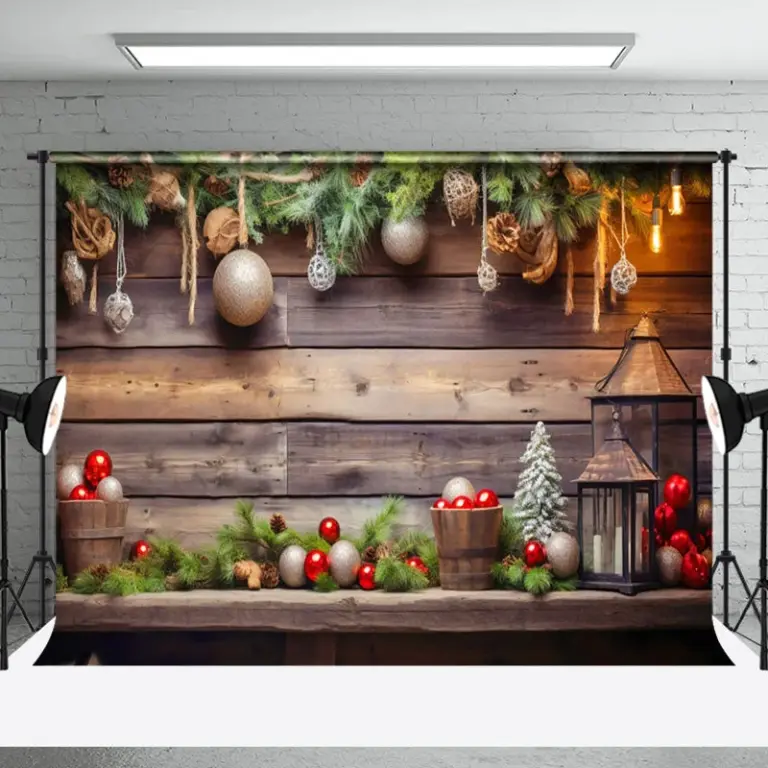
 Aisha's pickFelt Tree Decorations Pulled From Dozens of Stores
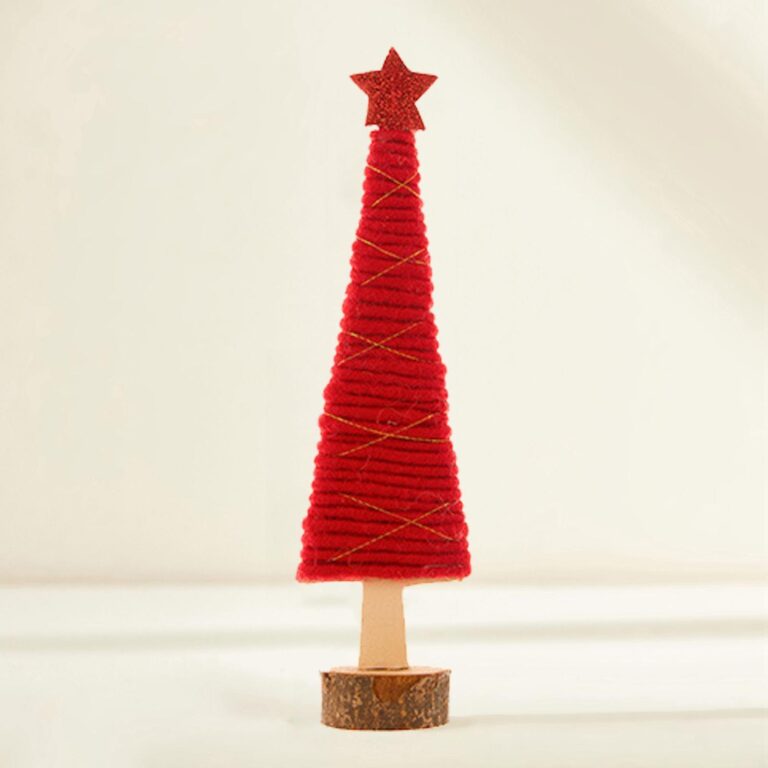
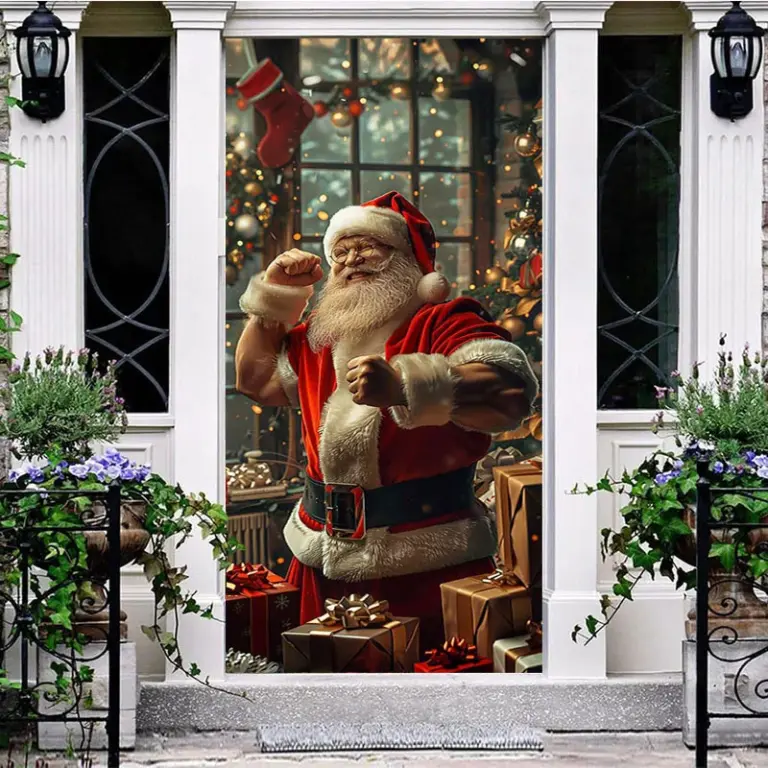 Aisha's pickPlastic Tree Decorations That Feel Personal, Not Store Bought
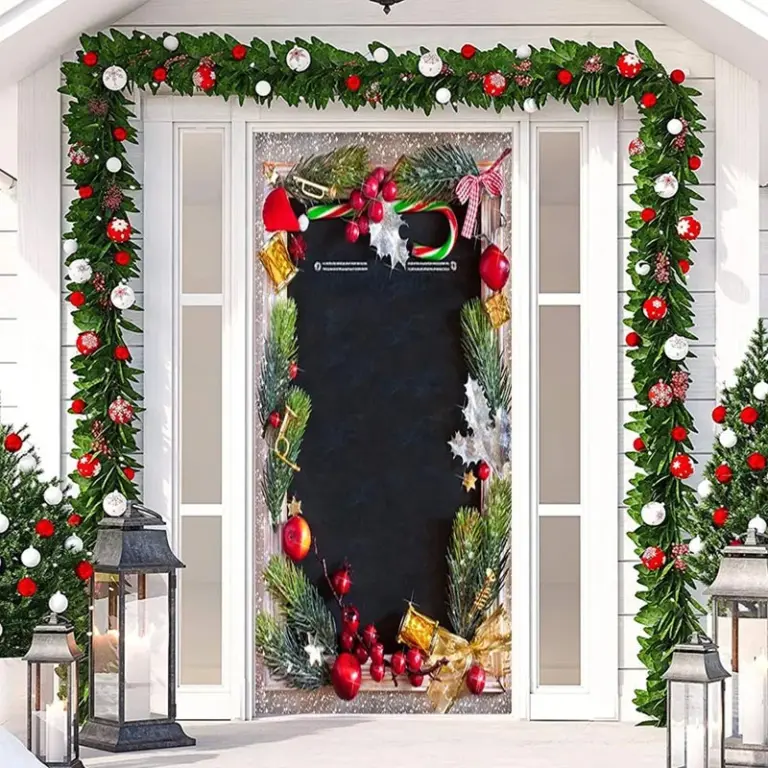
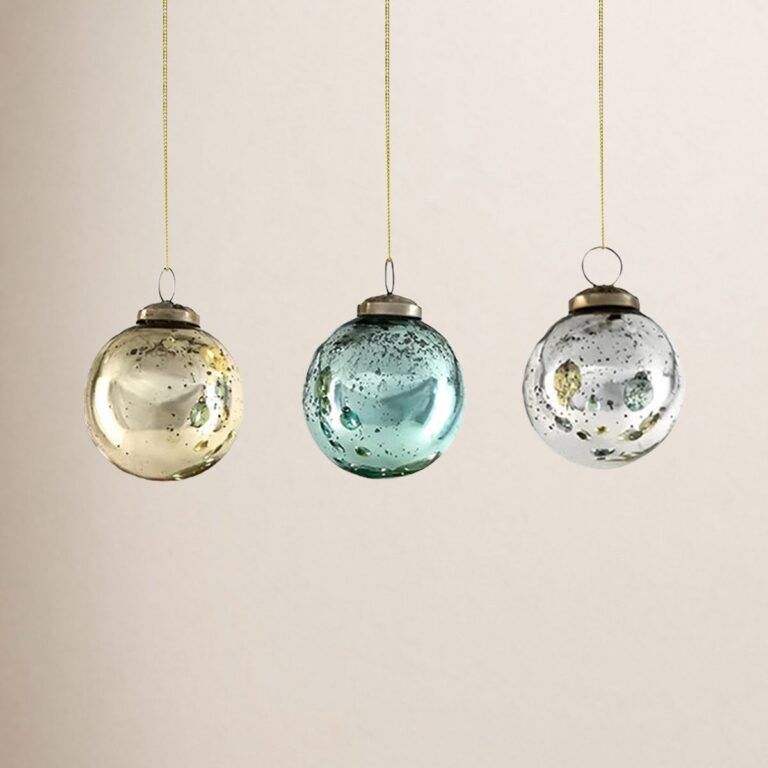 Aisha's pickGlass Tree Decorations Hunted Down So You Don’t Have ToAlso worth a lookWreathsThe front door that made me rethink wreaths was a plain white one on a rental I lived…See the collections →
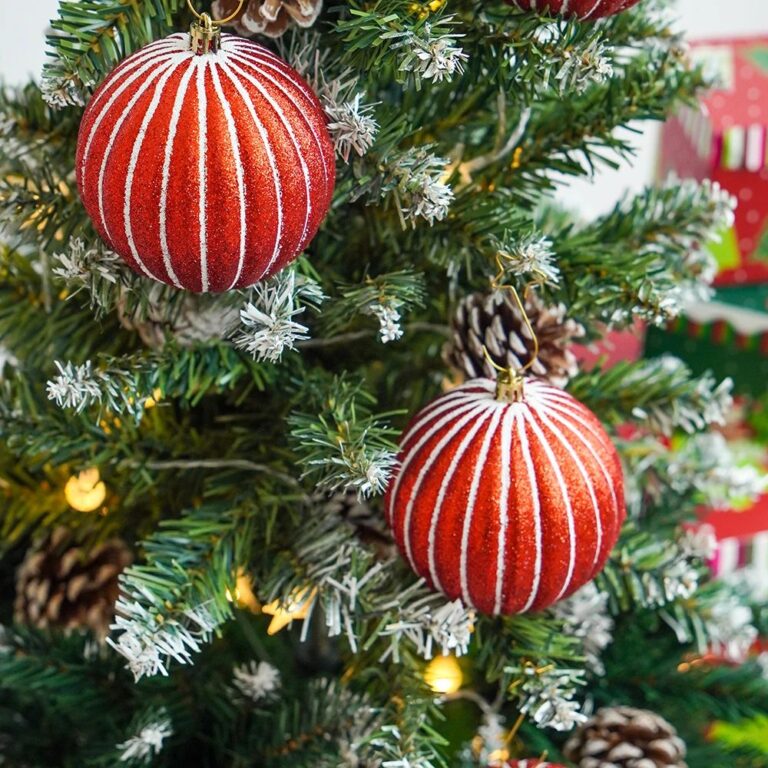
 Aisha's pickRed Tree Decorations That Start Conversations

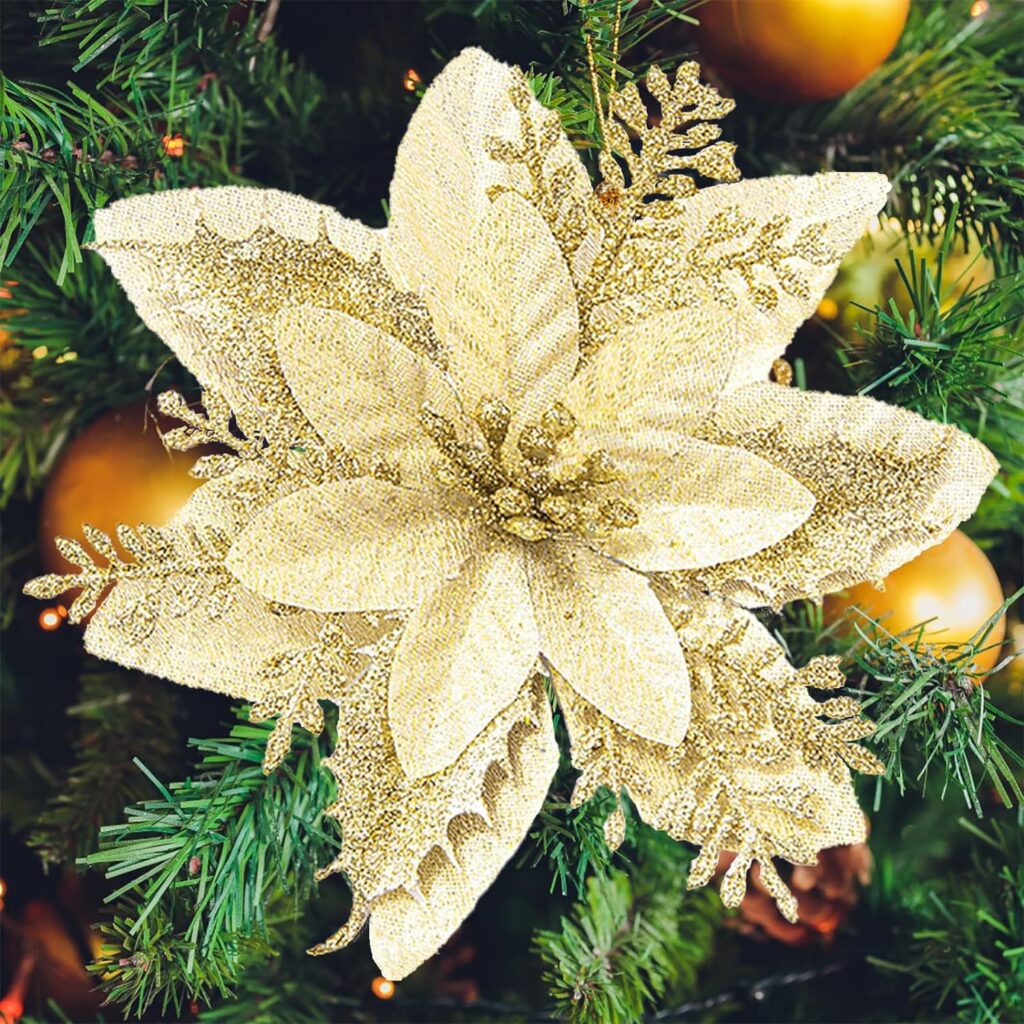 Aisha's pickGlitter Tree Decorations We’d Make Room For
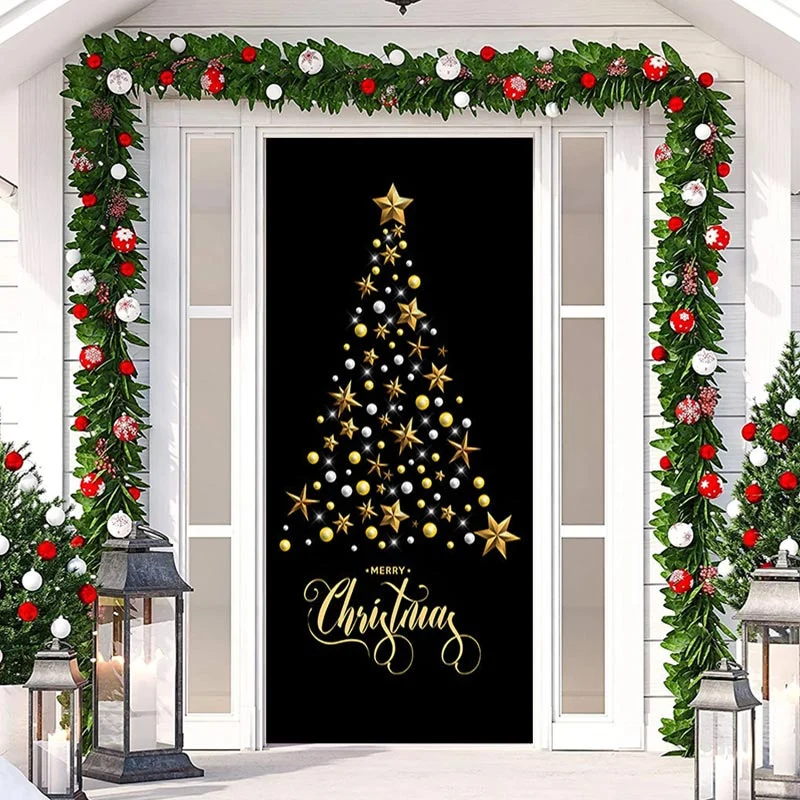
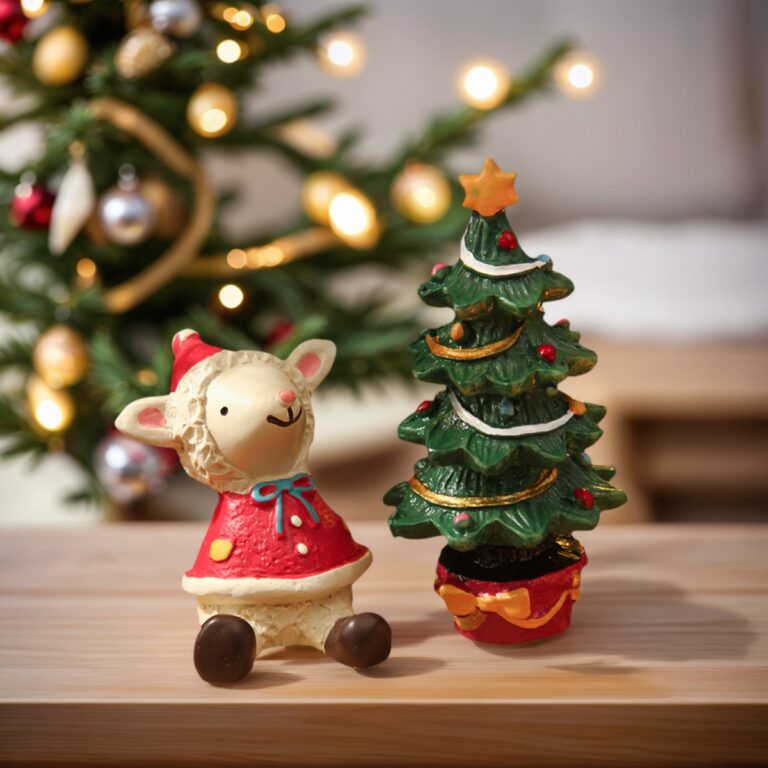 Aisha's pickResin Tree Decorations That Look Like They Cost More
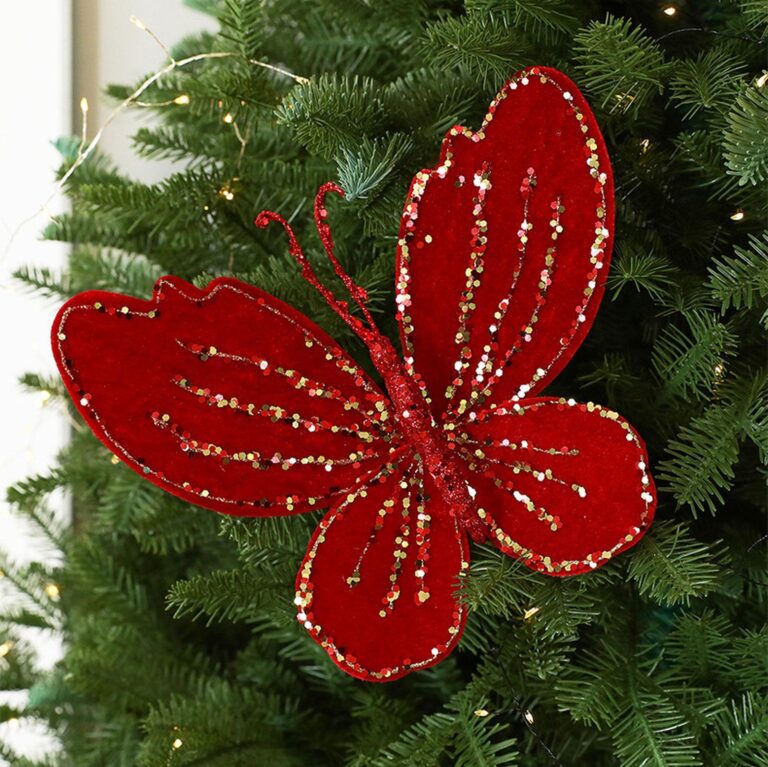 Aisha's pickSimple Gold Tree Decorations Done Well
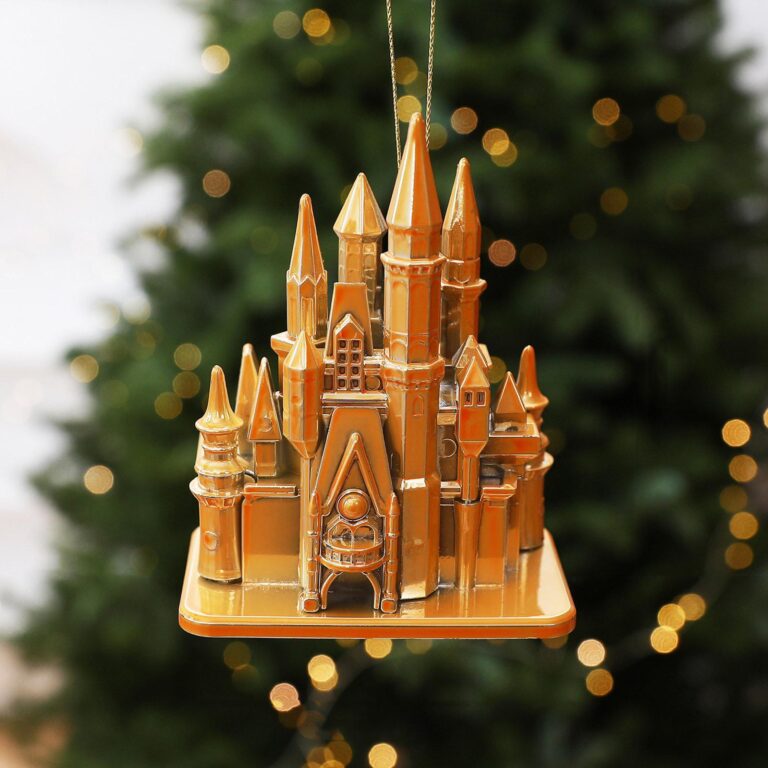
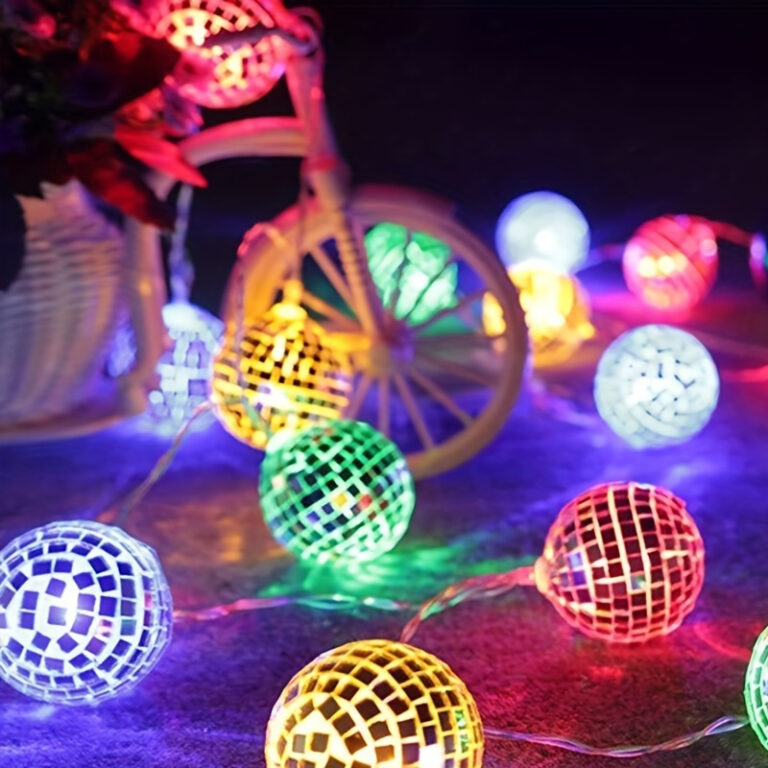 Aisha's pickRetro Tree Decorations That Make a Shelf Look Styled

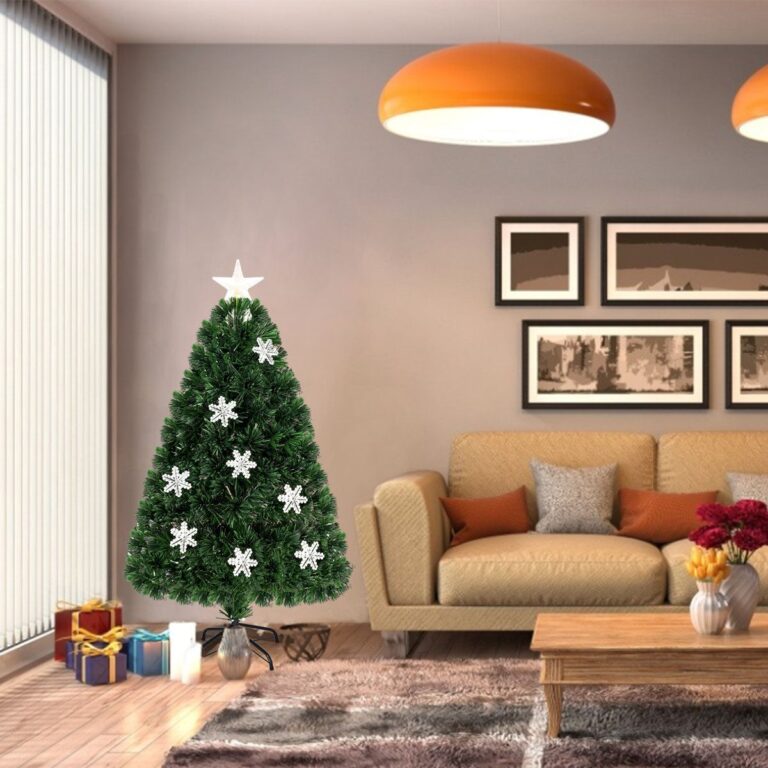 Aisha's pickGreen Tree Decorations That Feel Personal, Not Store Bought
 Aisha's pickRustic Tree Decorations for Rooms That Feel a Bit Bare

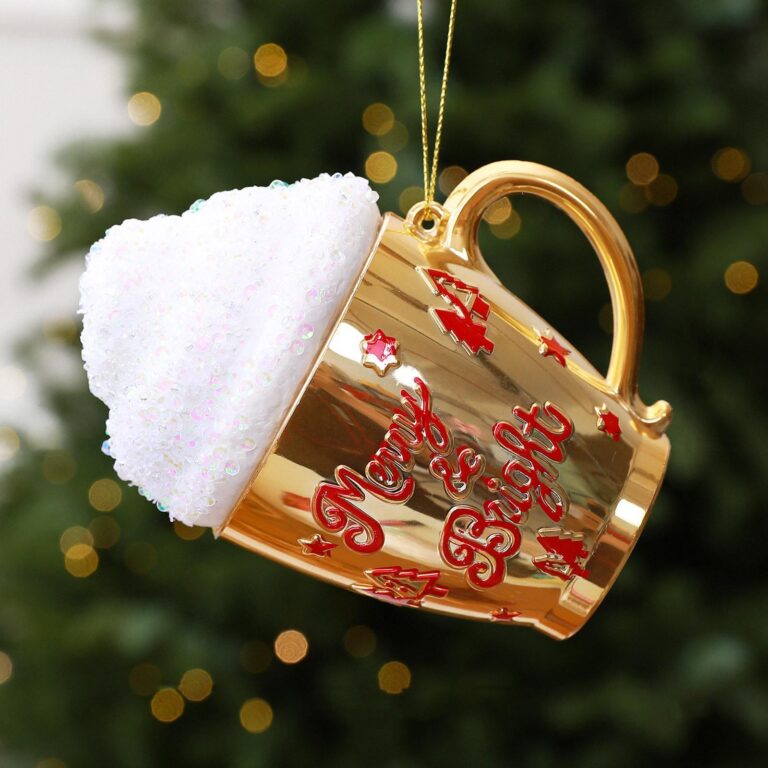 Aisha's pickHanging Tree Decorations for Filling an Awkward Gap

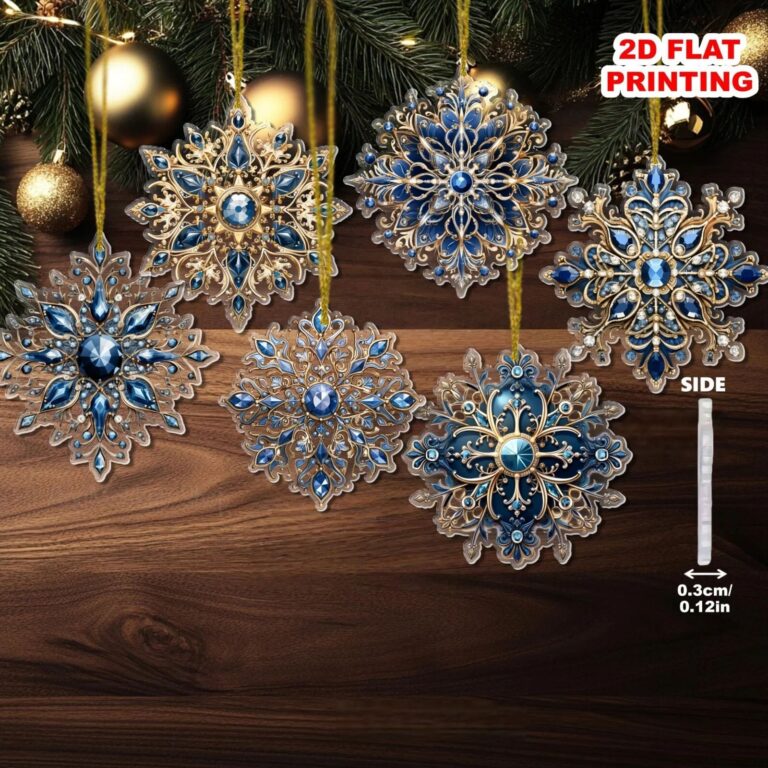 Aisha's pickSilver Tree Decorations You’ll Keep for YearsAlso worth a lookGarlandsThe first thing I check on a garland is how it hangs when you let it go slack for a second, not when you've pulled it taut along a mantel.See the collections →
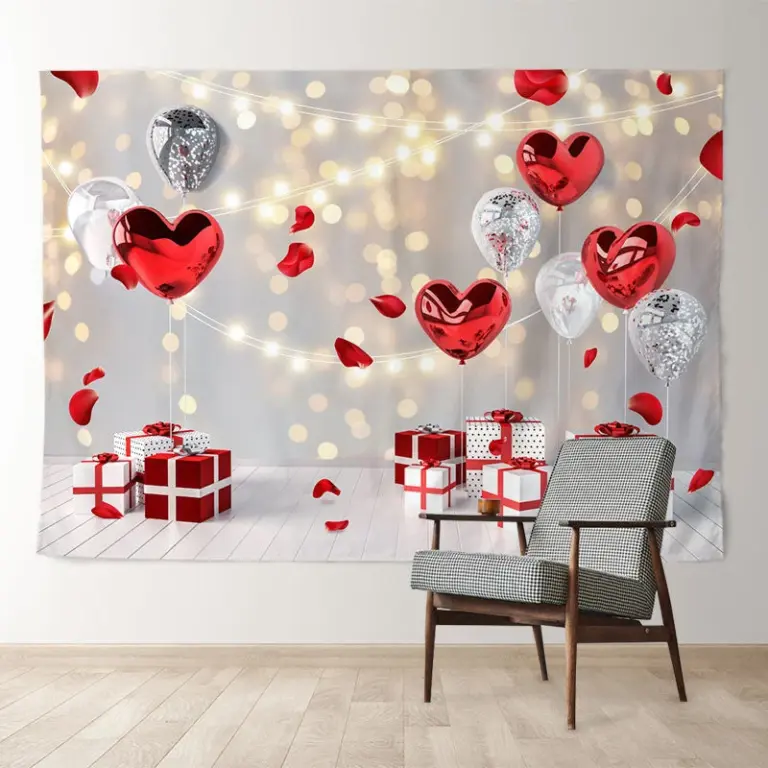
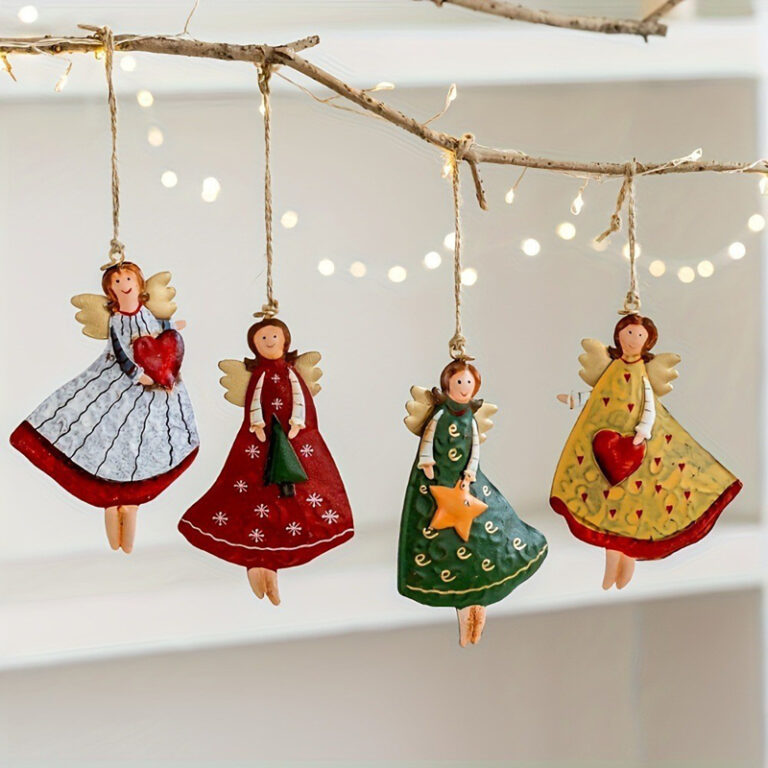 Aisha's pickLarge Tree Decorations Picked by People Who Care Too Much
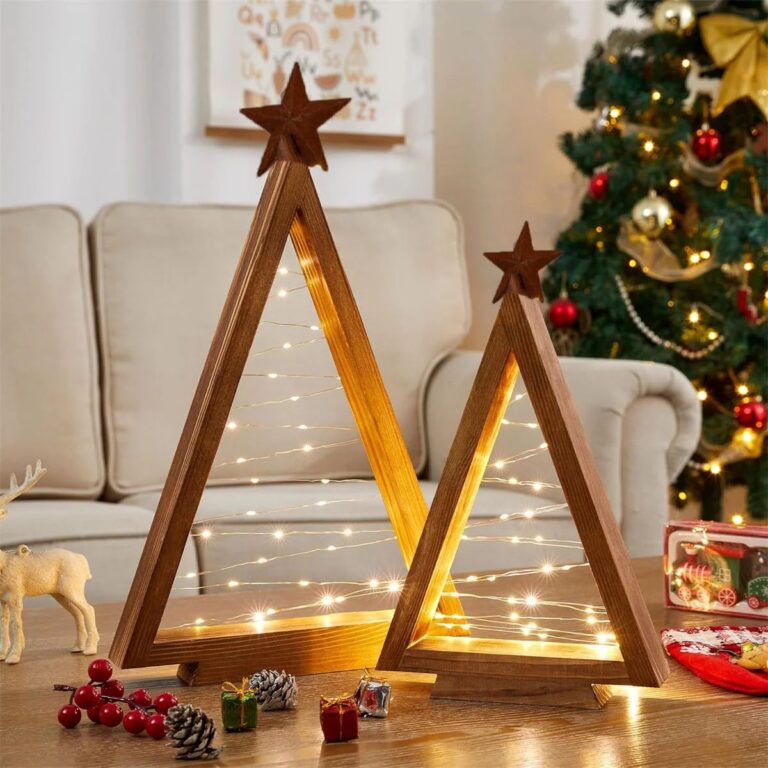
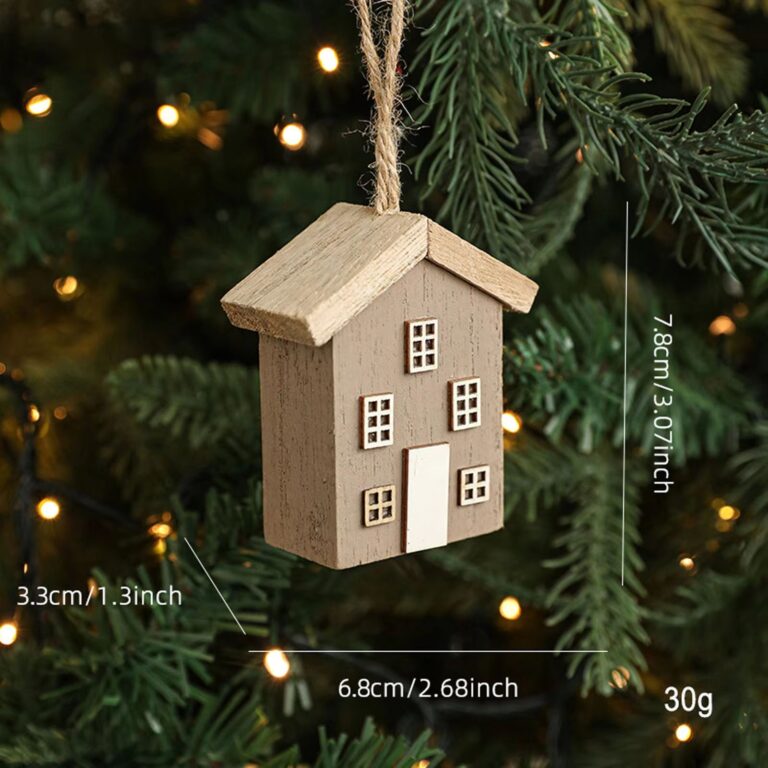 Aisha's pickSmall Tree Decorations That Make Great Housewarming Gifts
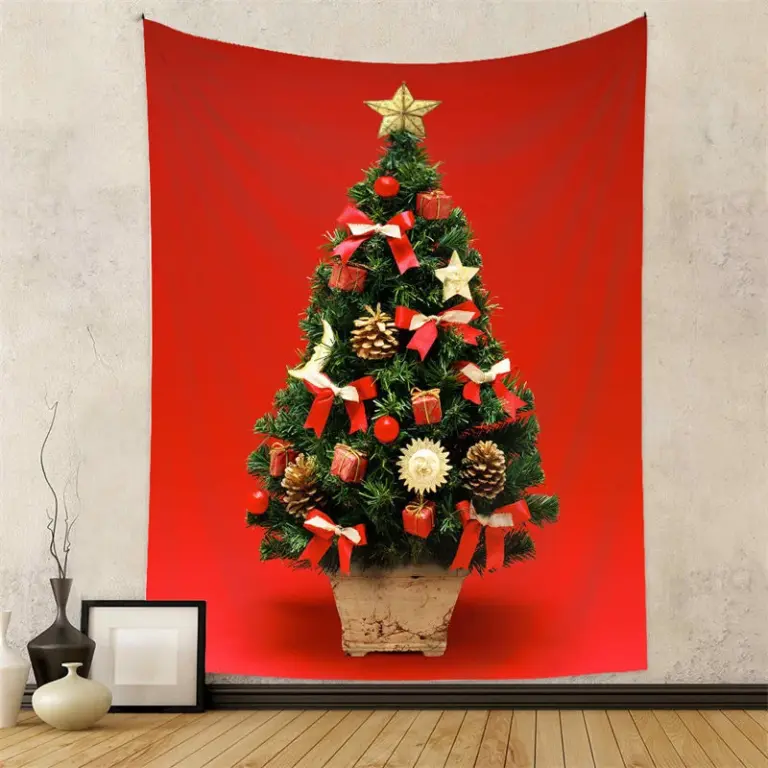
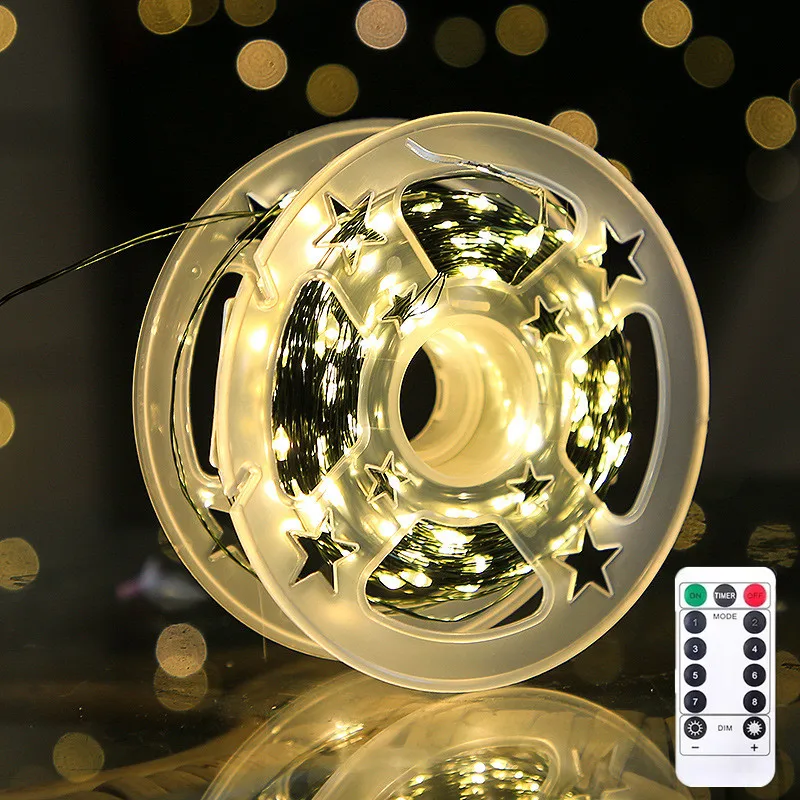 Aisha's pickLED Tree Decorations Pulled From Dozens of Stores
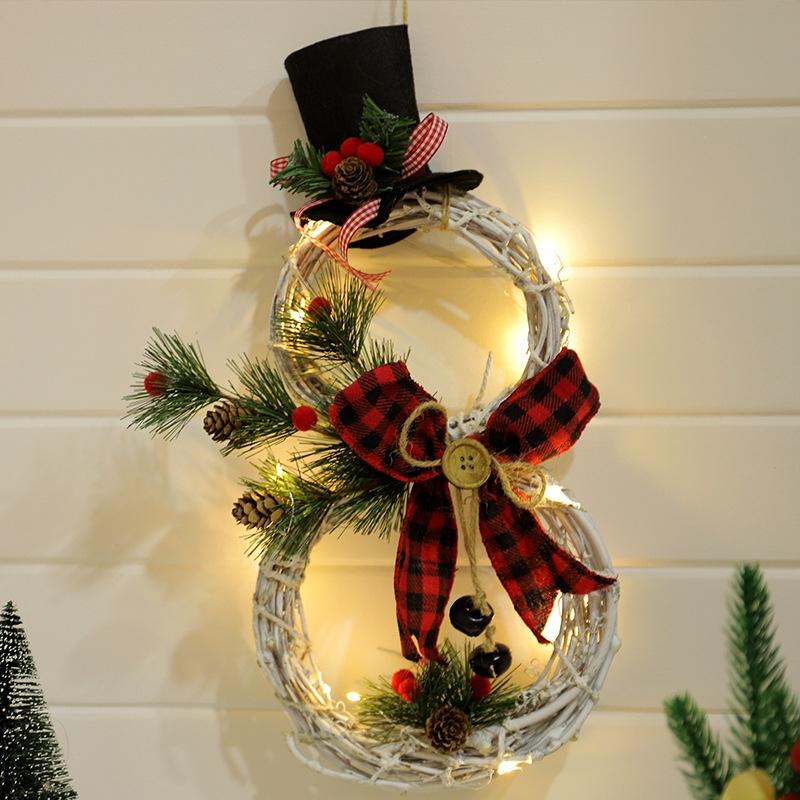
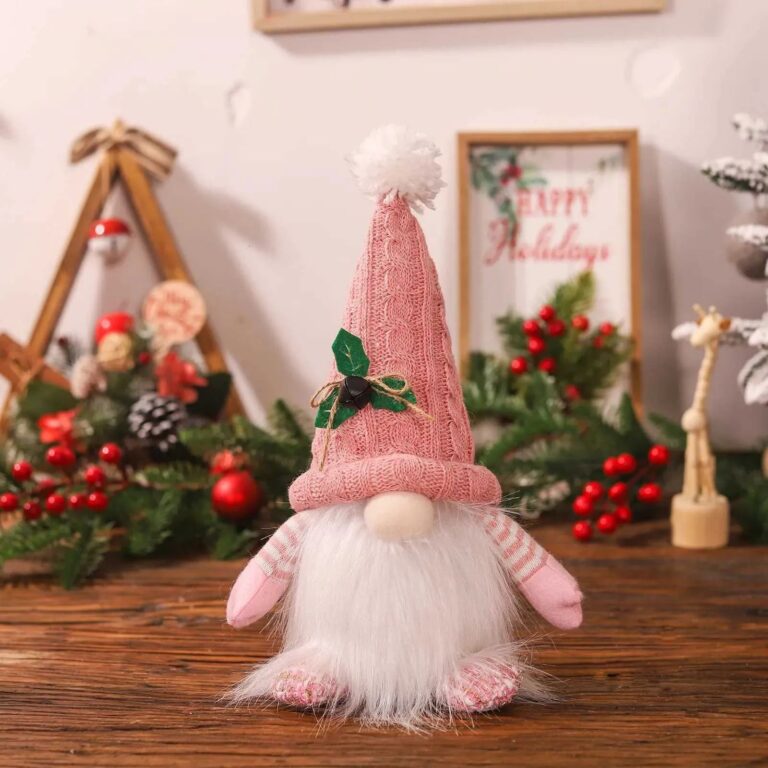 Aisha's pickTall Tree Decorations You Won’t Want to Hide Away
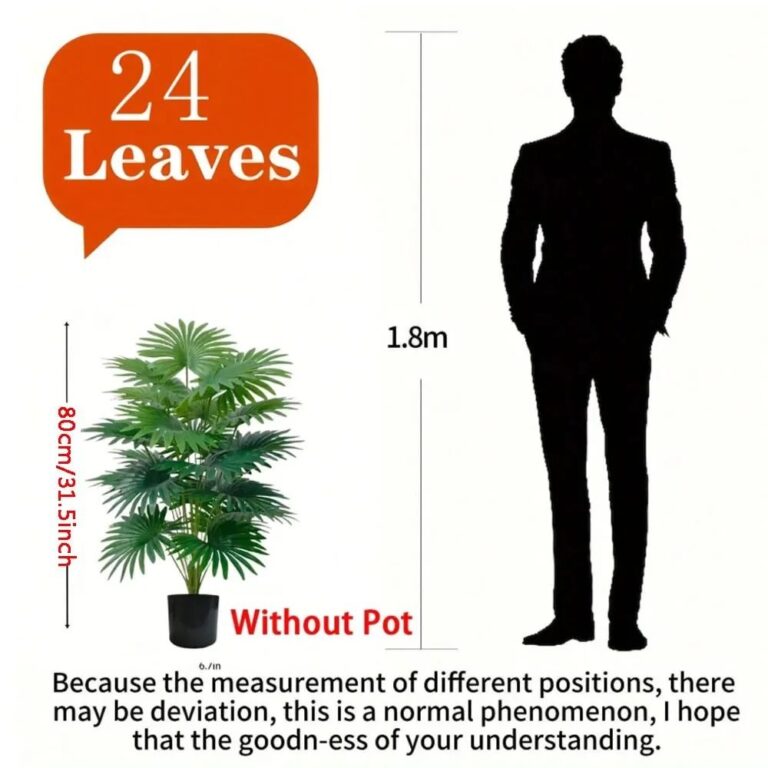
 Aisha's pickLight Up Tree Decorations That Make Great Housewarming Gifts
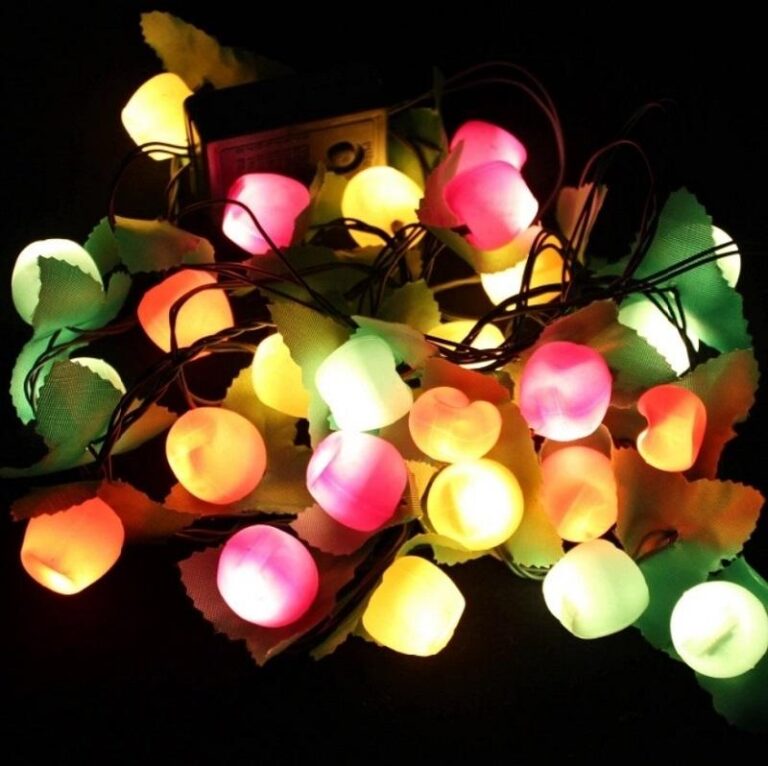
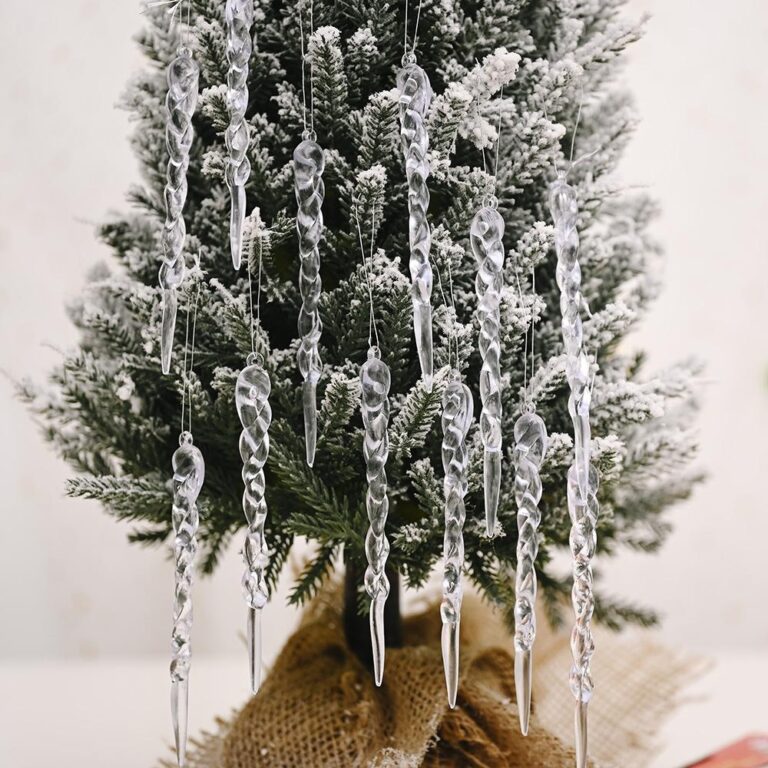 Aisha's pickTraditional Tree Decorations You’ll Still Like in Five Years
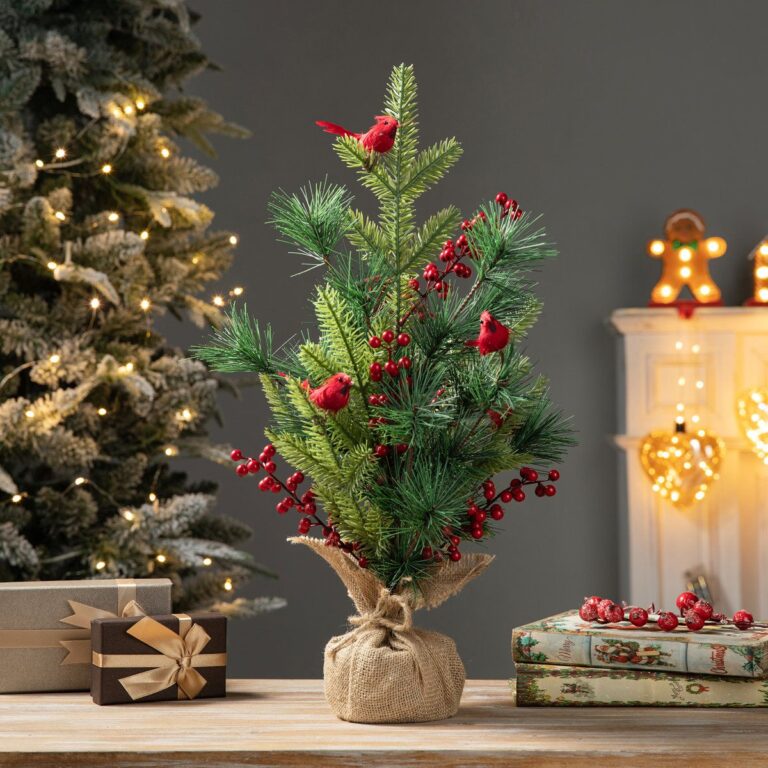
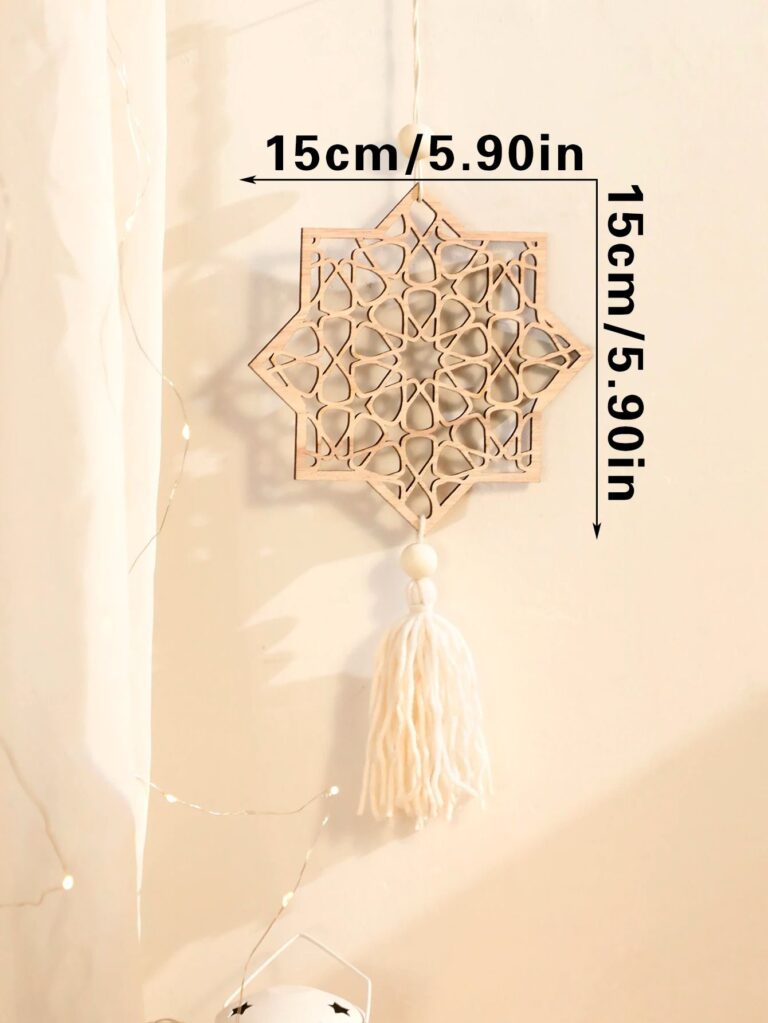 Aisha's pickLuxury Tree Decorations We’d Make Room For
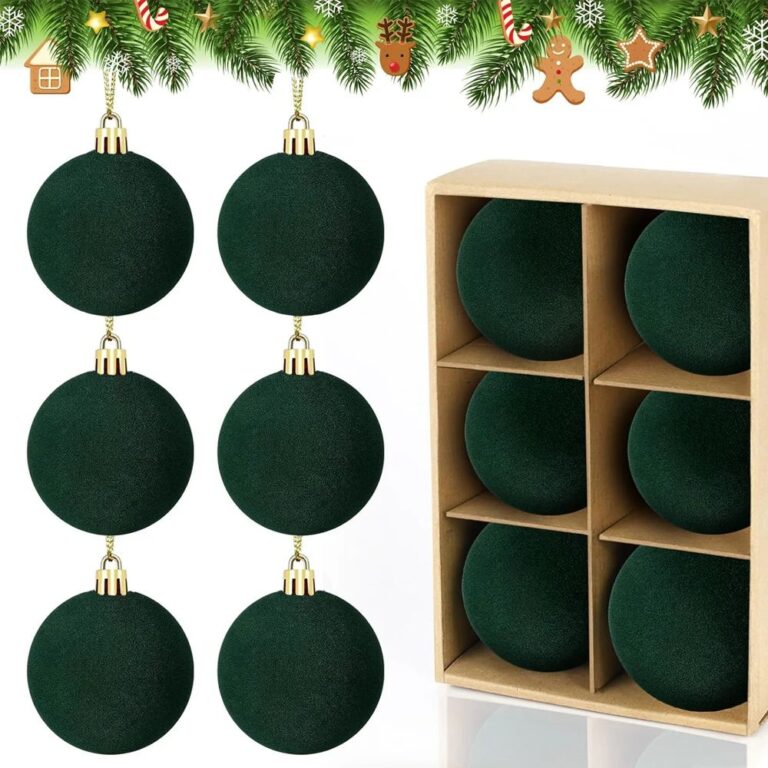
 Aisha's pickTree Decorations That Feel Personal, Not Store Bought
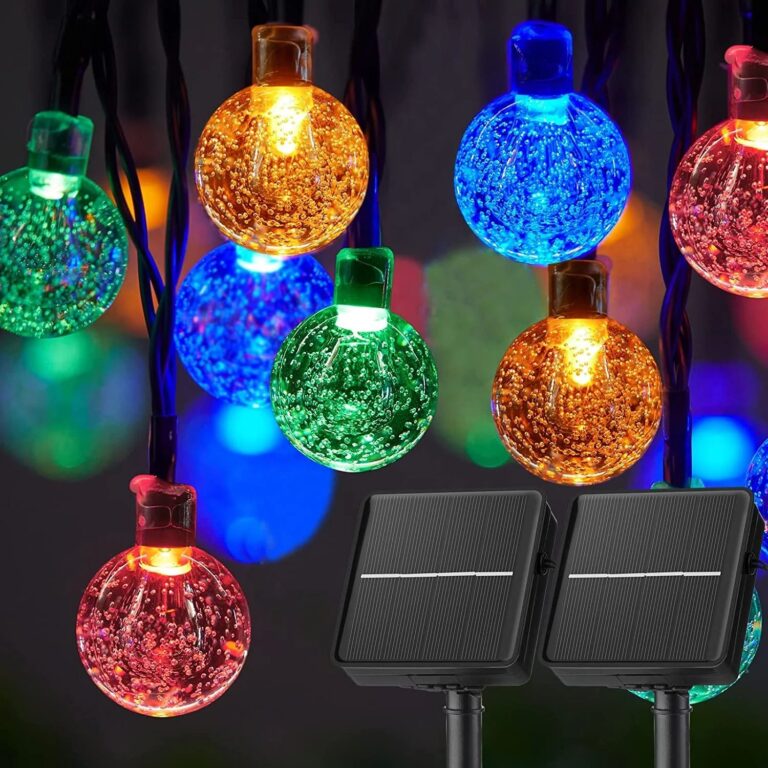
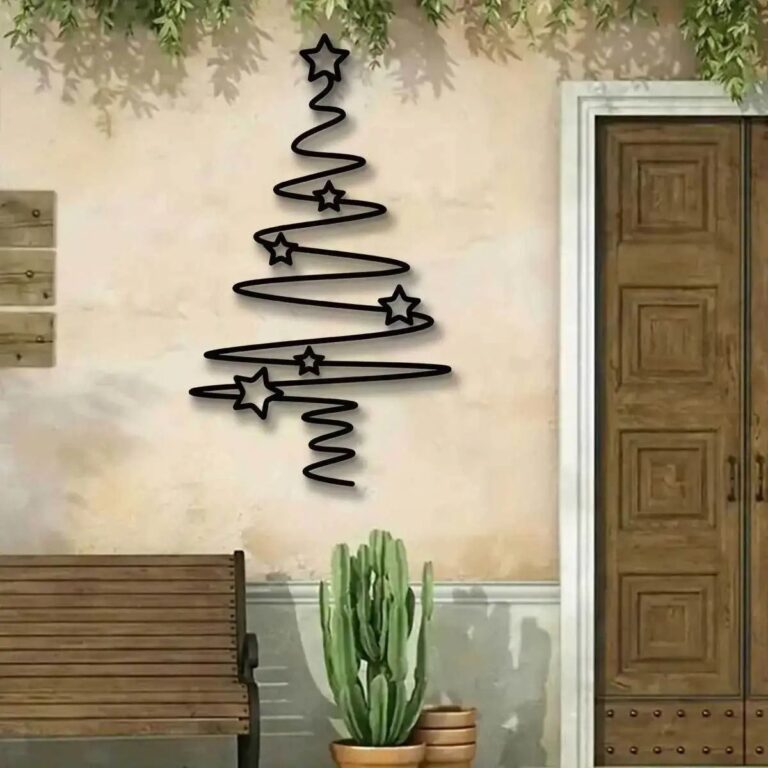 Aisha's pickMetal Tree Decorations for Blank Walls and Empty ShelvesAlso worth a lookWedding DecorationsWedding decorations have a reputation for being a one day wonder, something you unwrap, use for six hours,…See the collections →

 Aisha's pickTree Decorations with Lights That Start Conversations
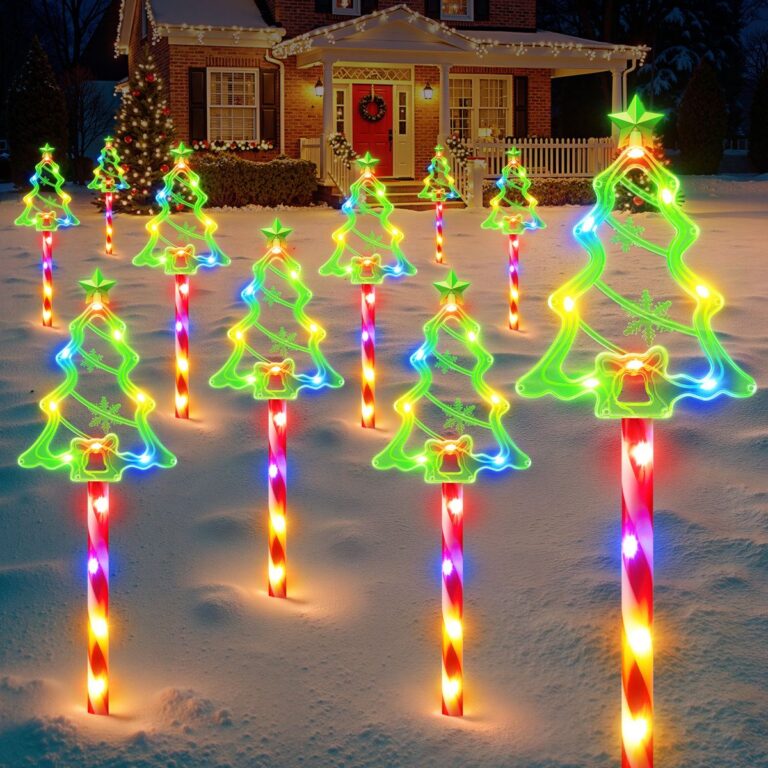
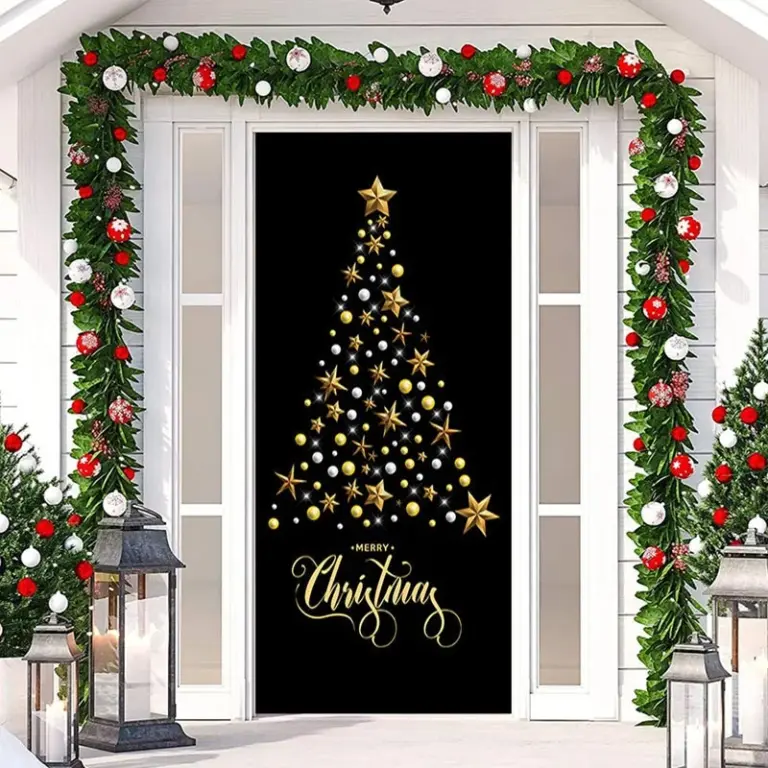 Aisha's pickBlack Tree Decorations That Catch the Eye Without Taking Over

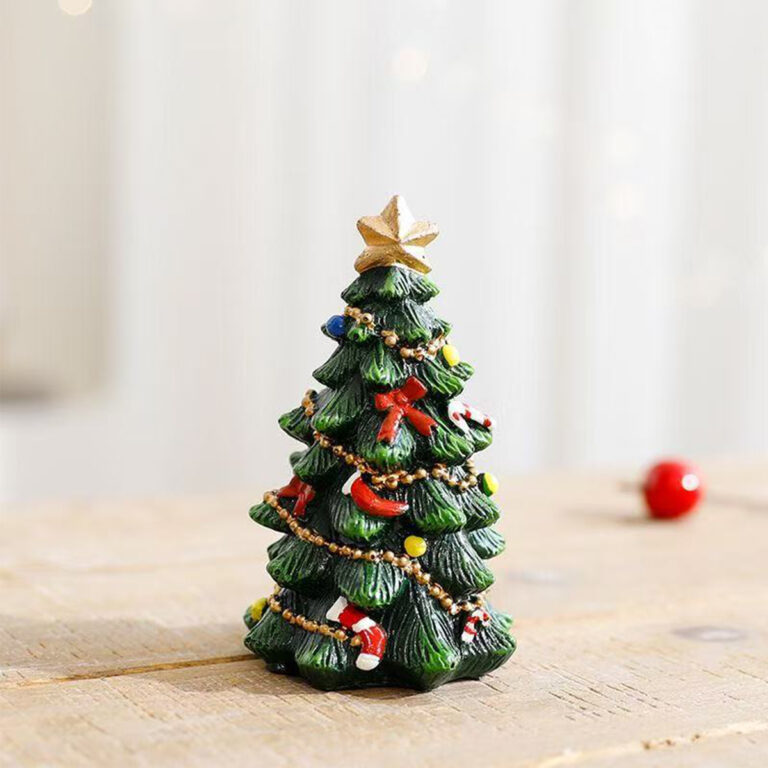 Aisha's pickMini Tree Decorations You’ll Keep for Years
 Aisha's pickTree Decorations with Name at Every Price Point

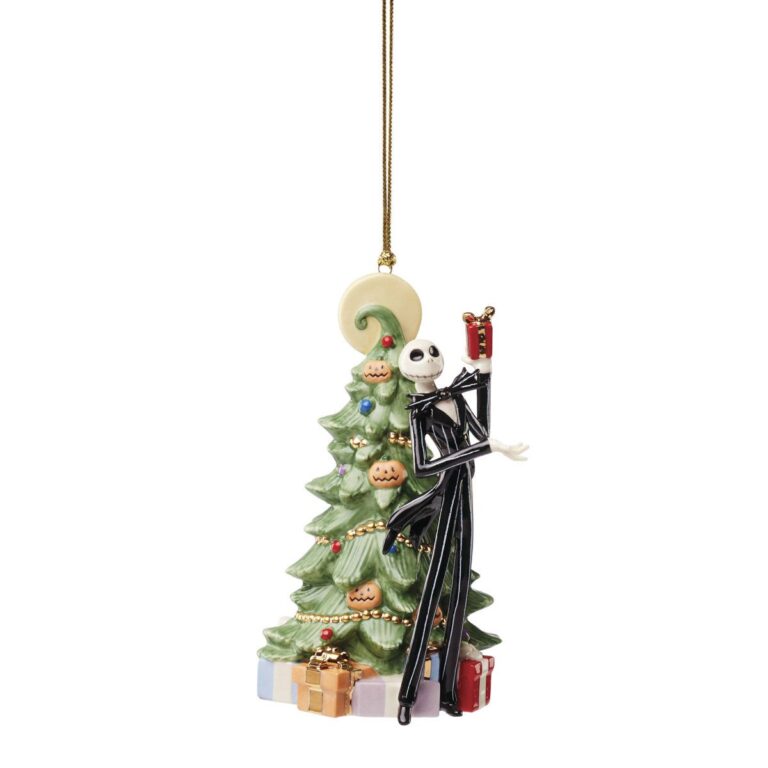 Aisha's pickBlue Tree Decorations That Feel Personal, Not Store Bought

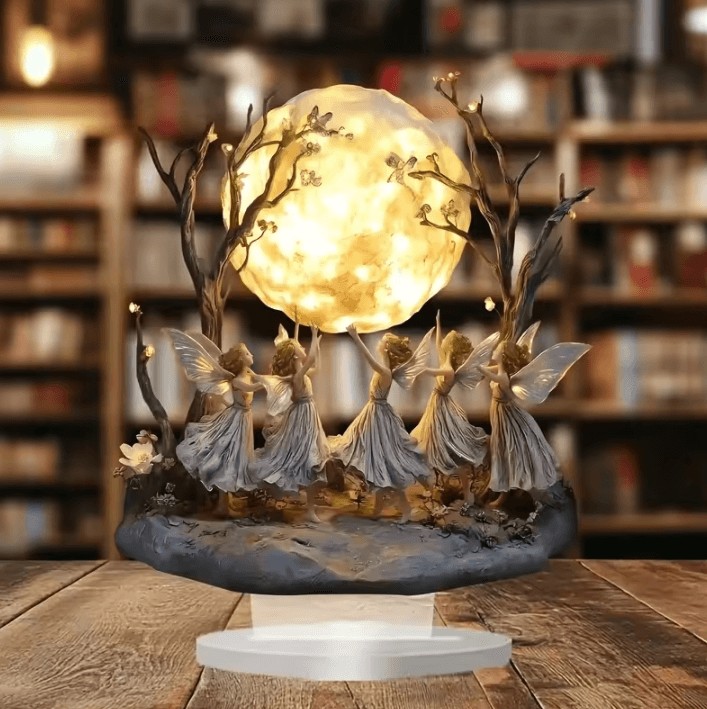 Aisha's pickModern Tree Decorations That Start Conversations
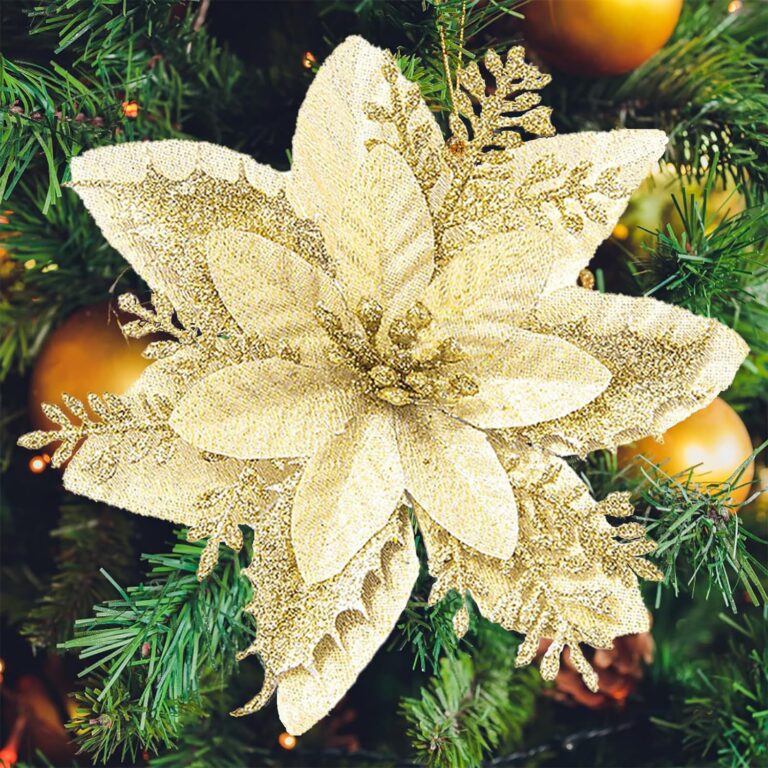
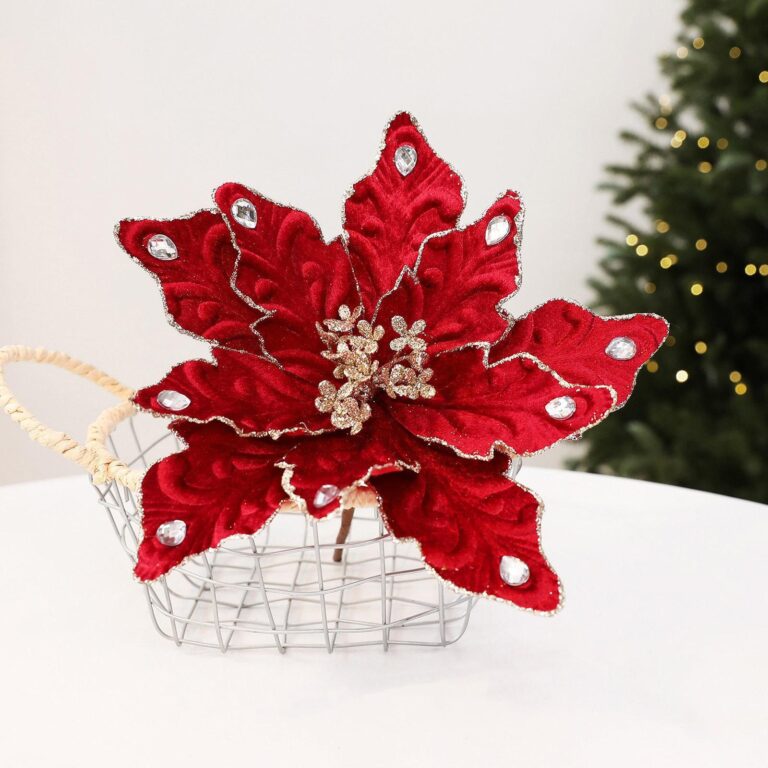
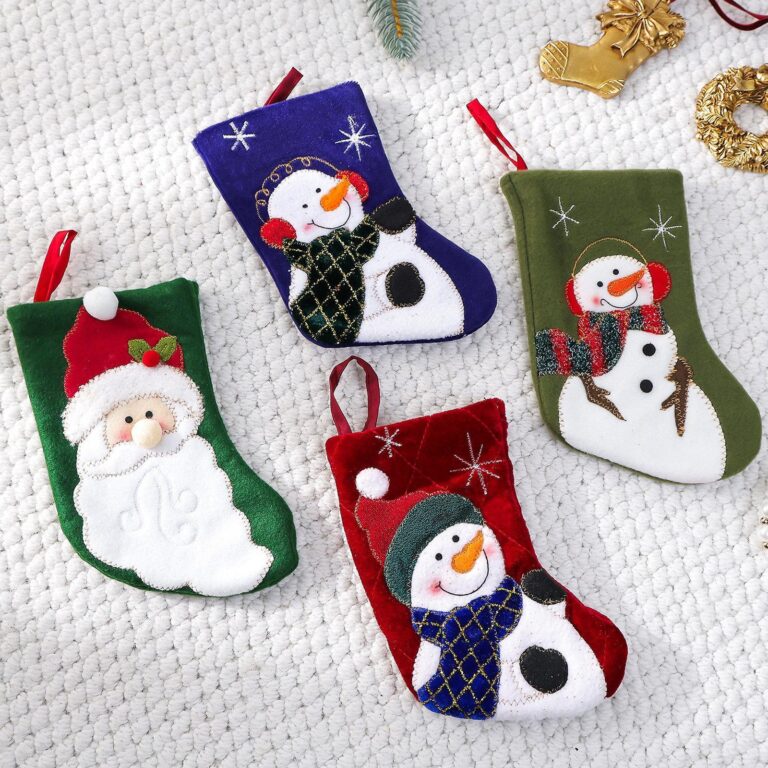 Aisha's pickVelvet Tree Decorations That Make a Shelf Look Styled
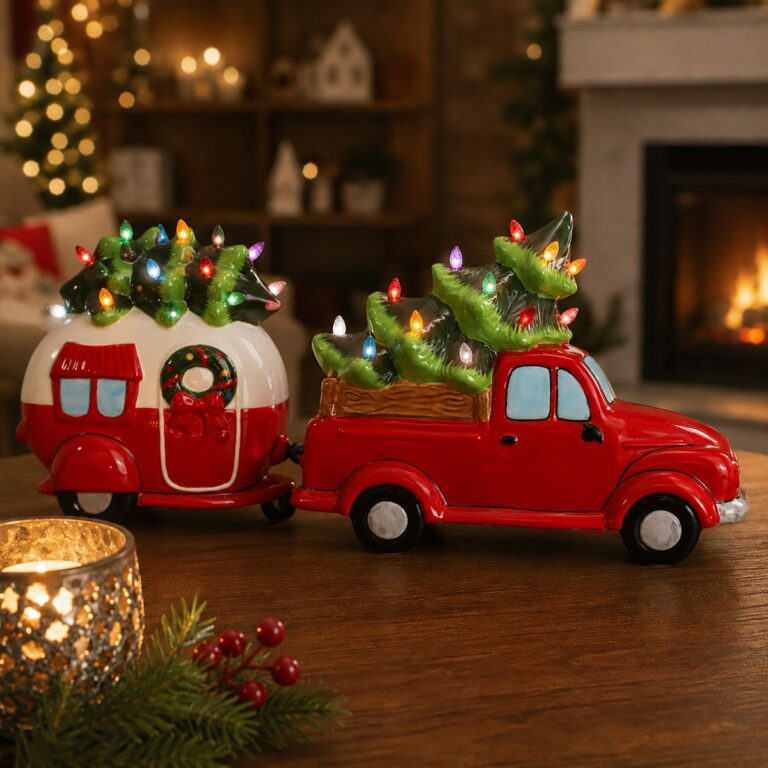 Aisha's pickCeramic Tree Decorations With a Story to Them