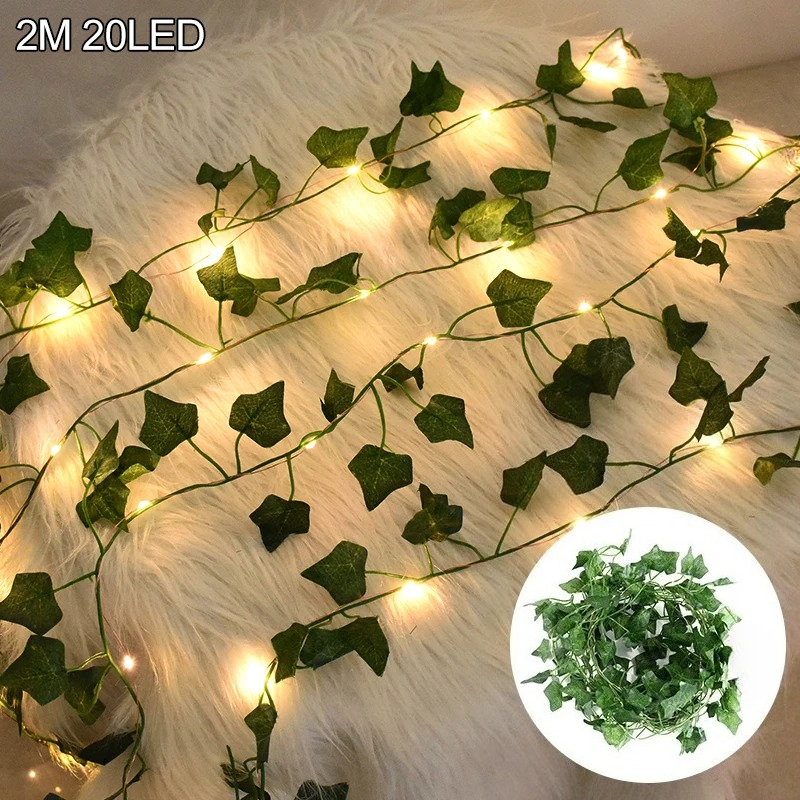
The first thing I check on a garland is how it hangs when you let it go slack for a second, not when you've pulled it taut along a mantel. A good one has some natural droop and movement to it, pine or eucalyptus or even the plain paper kind, because that's what makes it look like it was gathered rather than unrolled off a spool. If it holds one stiff shape no matter how you drape it, that's a sign the wire inside is doing all the work and the material is just along for the ride.
Where garlands go wrong is when they end up fighting the woodwork or the hardware they're hanging near. A heavy, dark fir garland along a mantel with a lot of ornate carving or old molding can bury the detail you actually want someone to notice, and the same goes for draping one over a stair rail that already has a nice shape to it on its own. I made this mistake over a doorway one year with a thick artificial garland studded with pinecones and little bells, and it looked like the doorway was wearing a scarf that didn't fit. Simpler trims, or a thinner, looser garland, let the house underneath still read as itself.
They earn their place most in rooms where people actually gather and look up, a mantel in the main living room, a staircase people walk past every day, a kitchen doorway, a dining room for the one big meal of the season. In an older house with some texture already on the walls, a plainer garland looks right because the room is doing enough of the work on its own. In a newer or more pared back apartment, a fuller, more textured garland can be the thing that makes a rented living room feel dressed for the season without needing to change anything permanent. They suit winter and the big holiday stretch obviously, but a dried or faux foliage version also does a quiet job through late fall, propped along a console table or a bookshelf, well before anything gets strung with lights.
Where they're the wrong choice is small apartments with low ceilings and not much wall to spare, where a garland just adds visual weight to a room that's already working hard to feel open. And in a house with a lot going on already, patterned wallpaper, a busy bookshelf, a mantel full of frames, a garland can be one layer too many rather than the finishing one.
Measure the full length of the space you're draping it over, then buy at least a foot or two longer than that so it can hang with some give instead of looking stretched flat.

 Aisha's pickFall Garlands for Filling an Awkward Gap
 Aisha's pickRealistic Garlands That Give a Room Some Personality
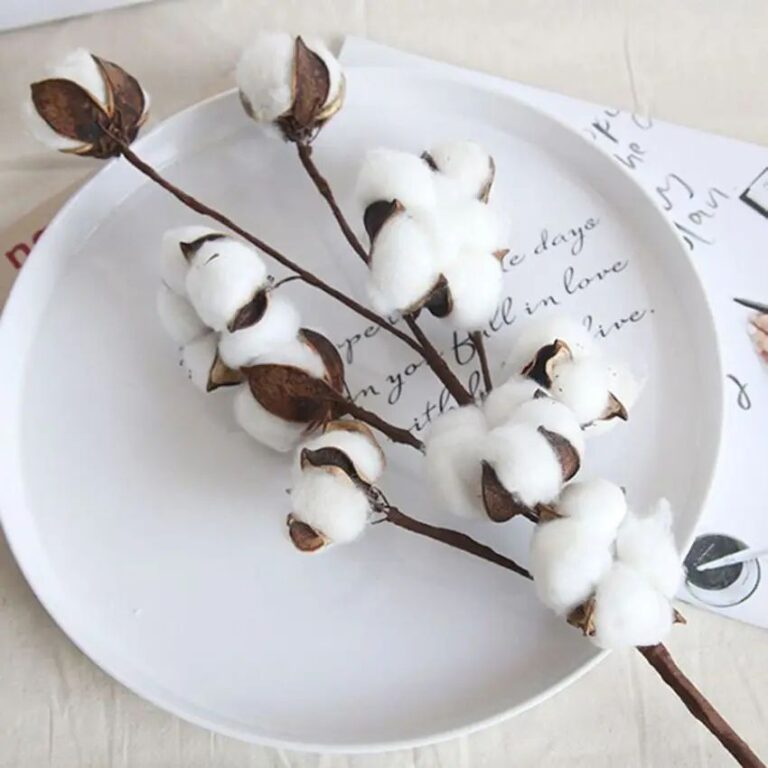
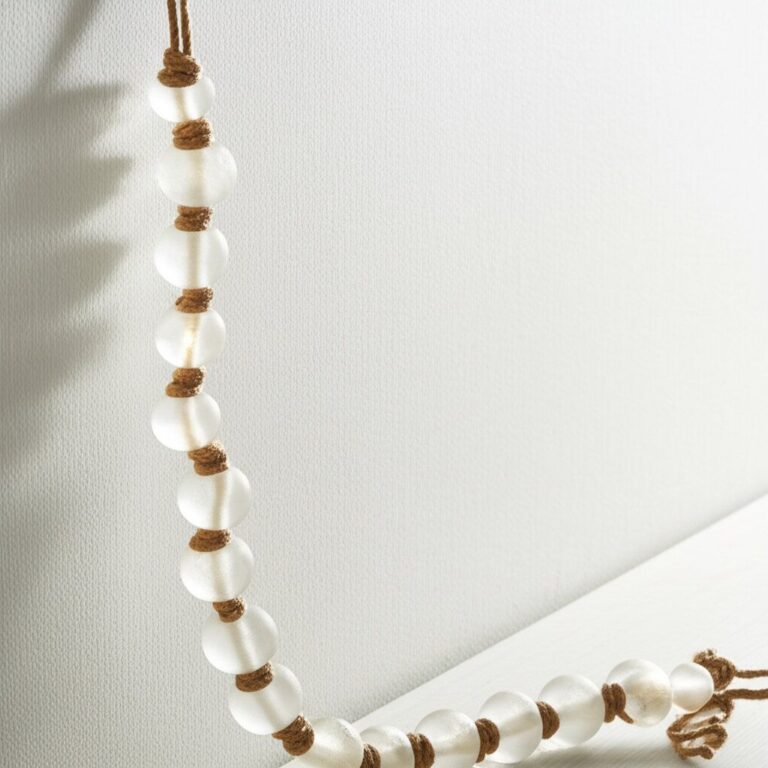 Aisha's pickFarmhouse Garlands That Start Conversations
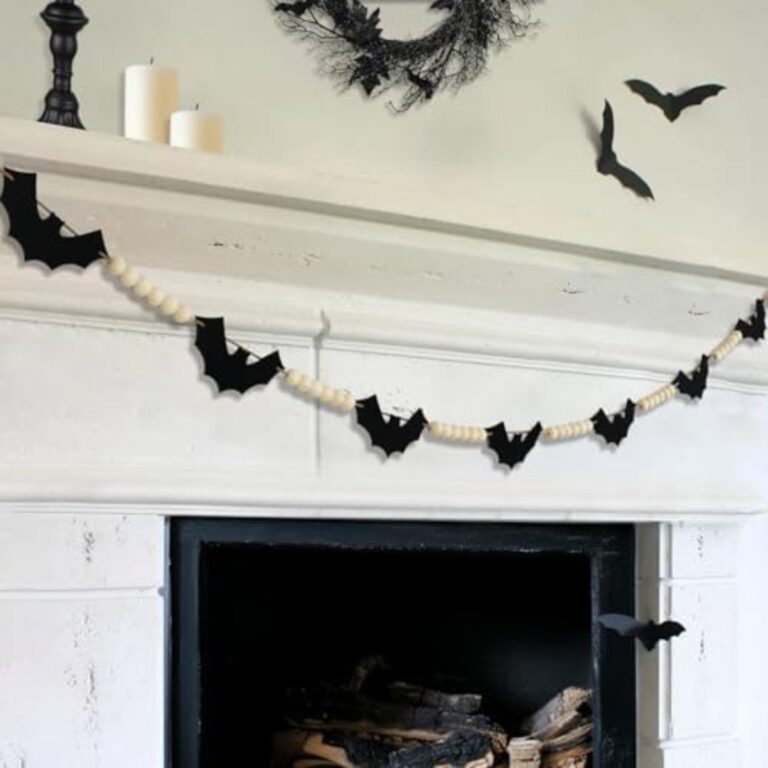
 Aisha's pickRed Garlands That Give a Room Some Personality
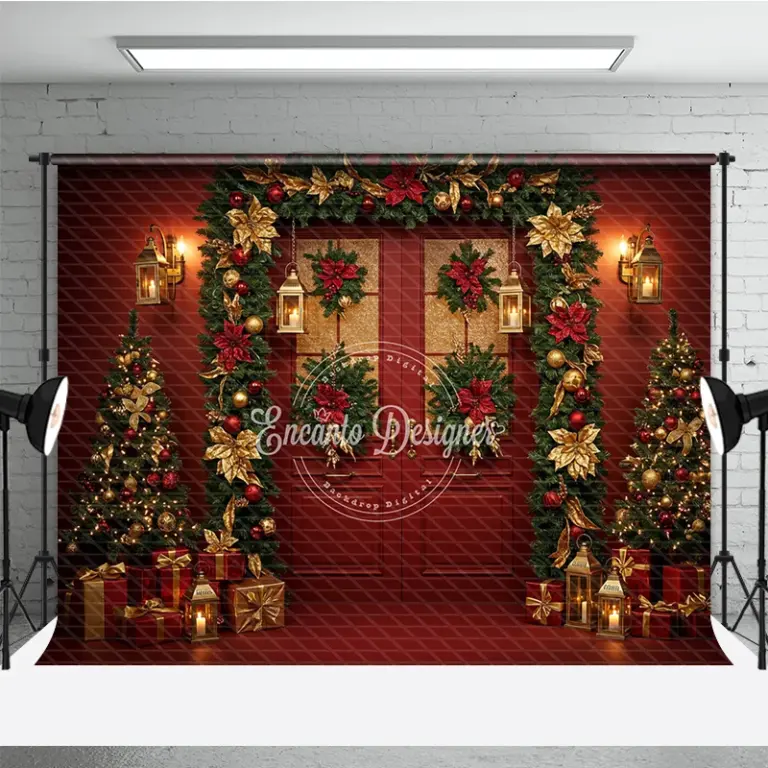
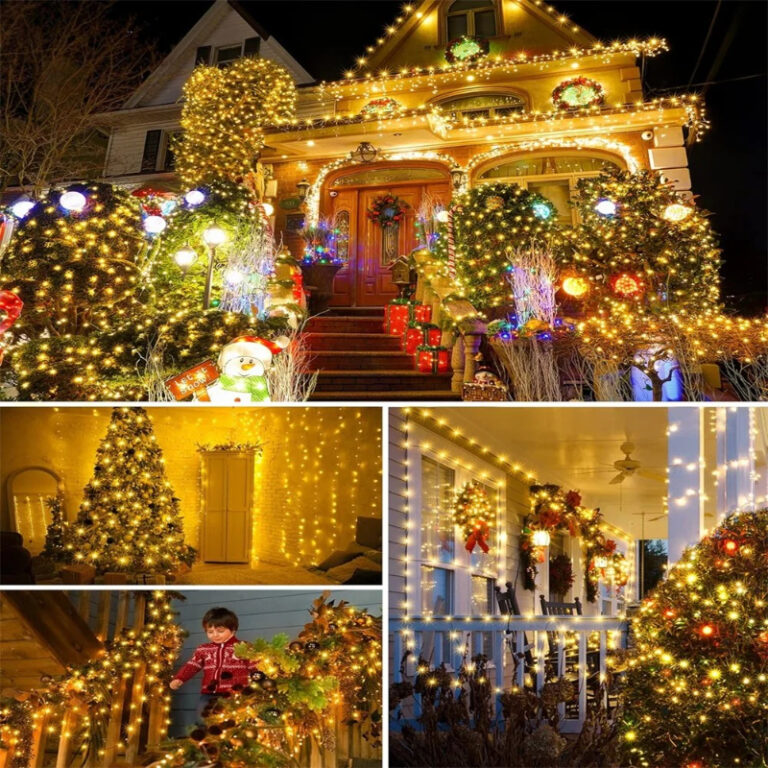 Aisha's pickGarlands That Feel Personal, Not Store Bought
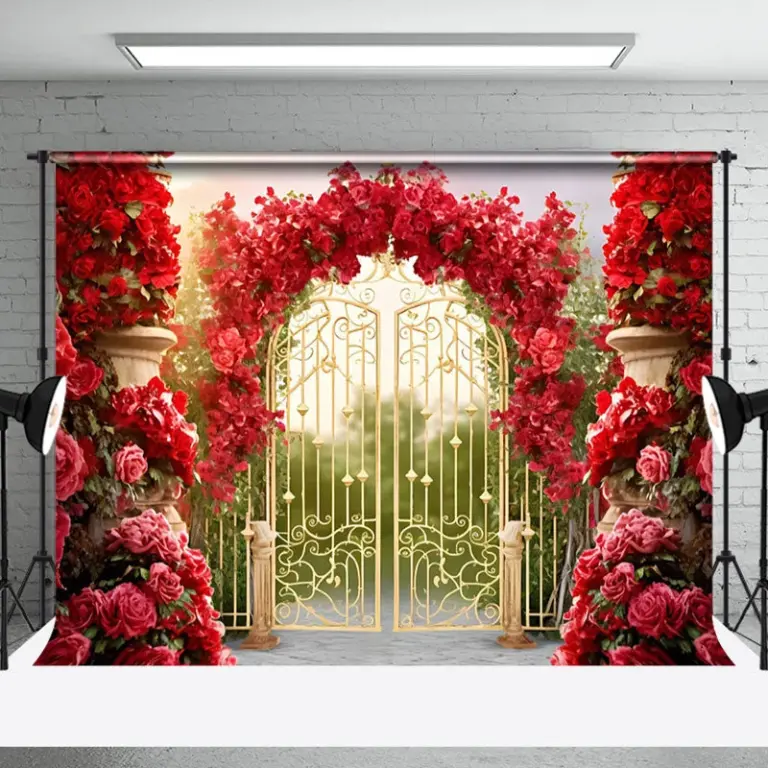
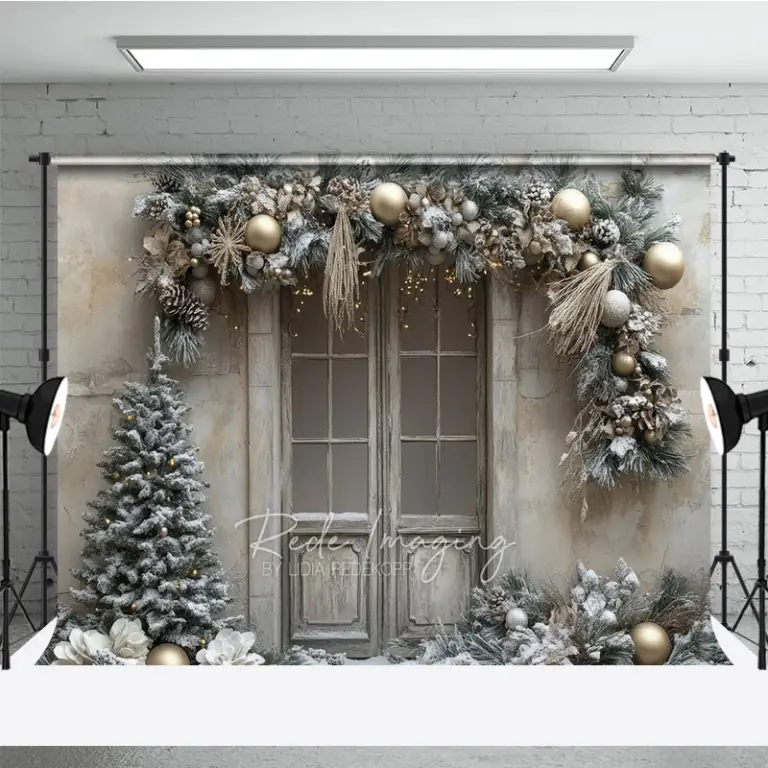 Aisha's pickRustic Garlands That Give a Room Some Personality
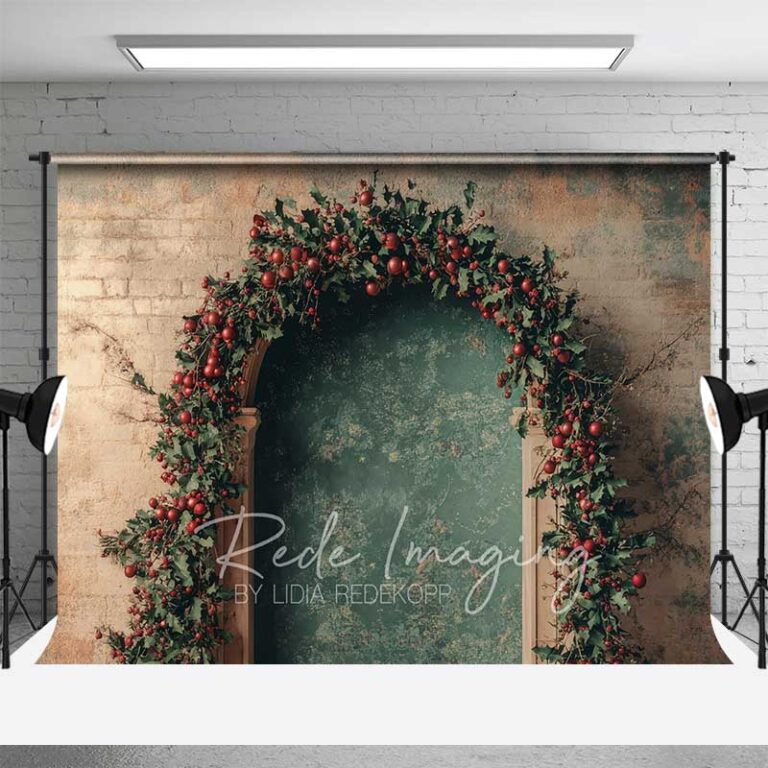
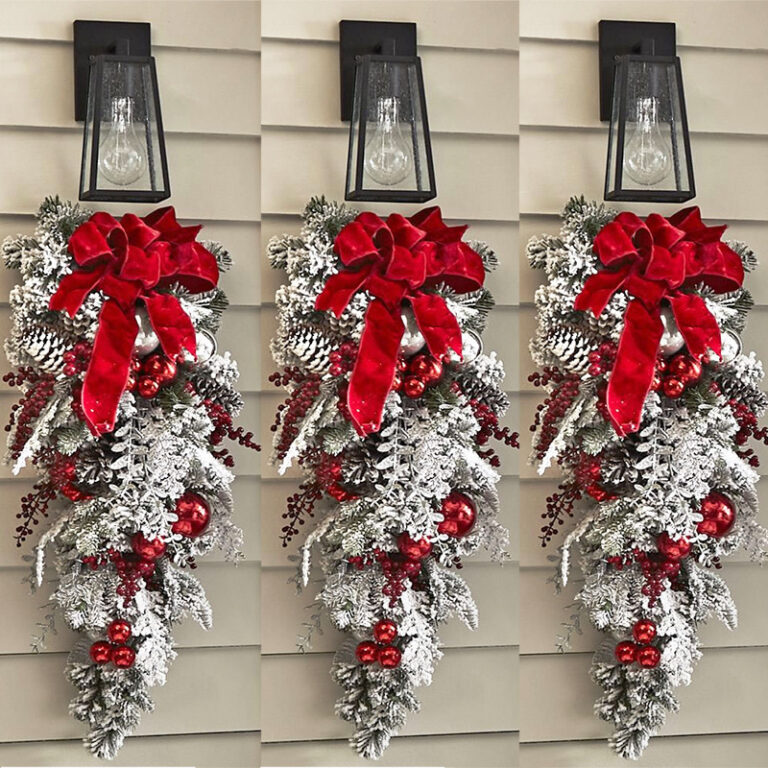 Aisha's pickGarlands for Front Door That Start Conversations

 Aisha's pickSmall Garlands We’d Make Room For
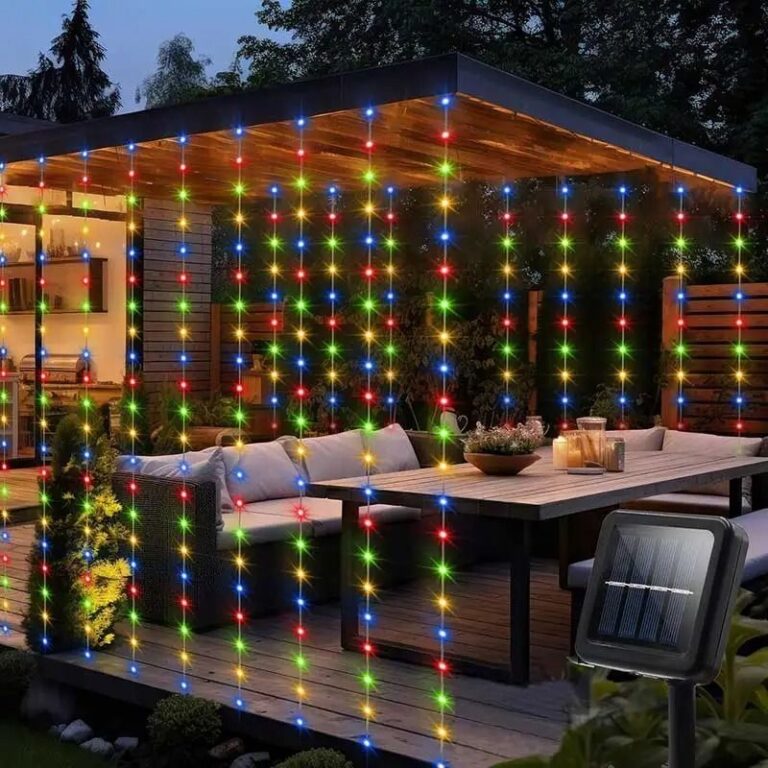 Aisha's pickGarlands for Outdoors That Make a Small Yard Work HarderAlso worth a lookWreathsThe front door that made me rethink wreaths was a plain white one on a rental I lived…See the collections →
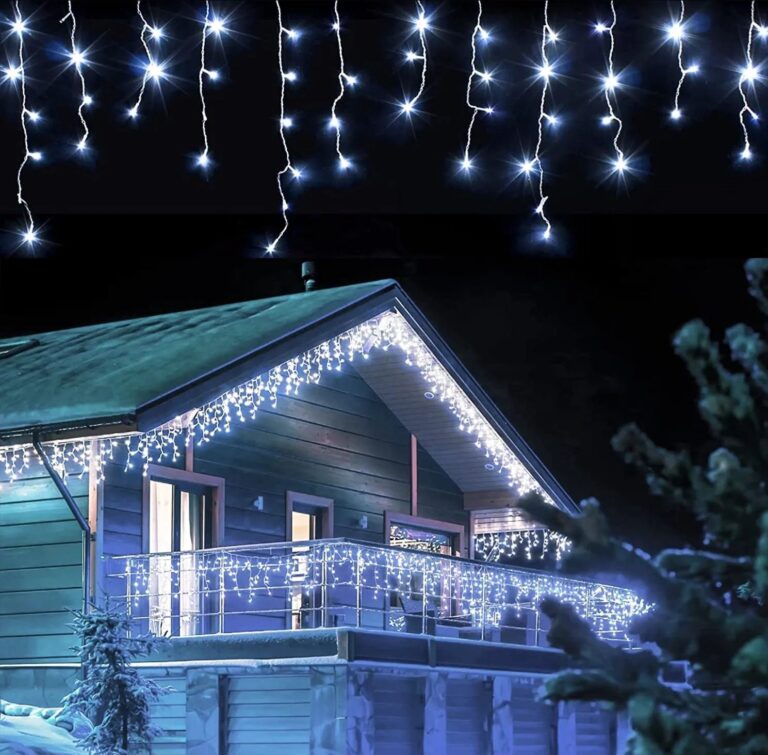
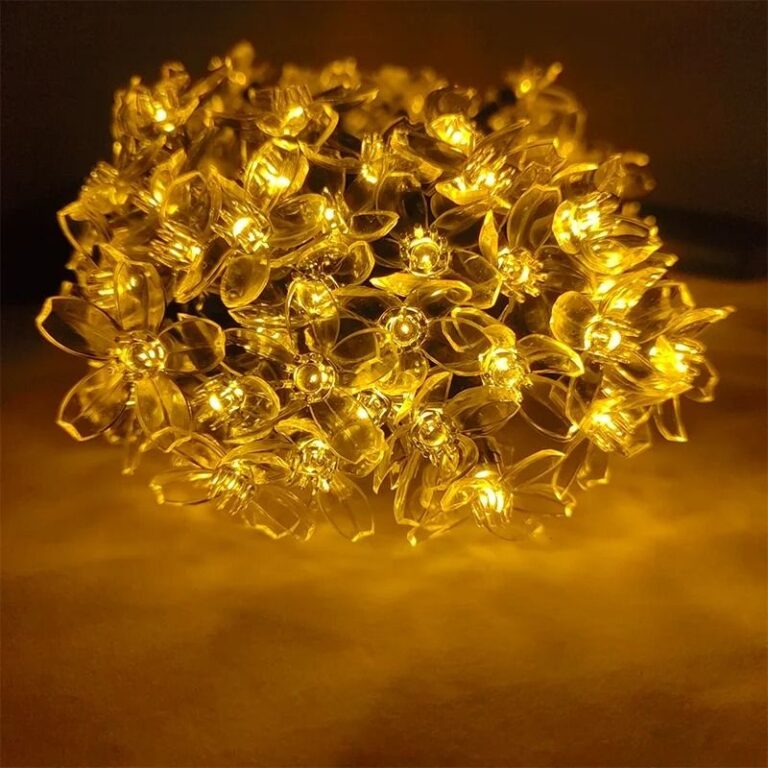 Aisha's pickSpring Garlands That Start Conversations
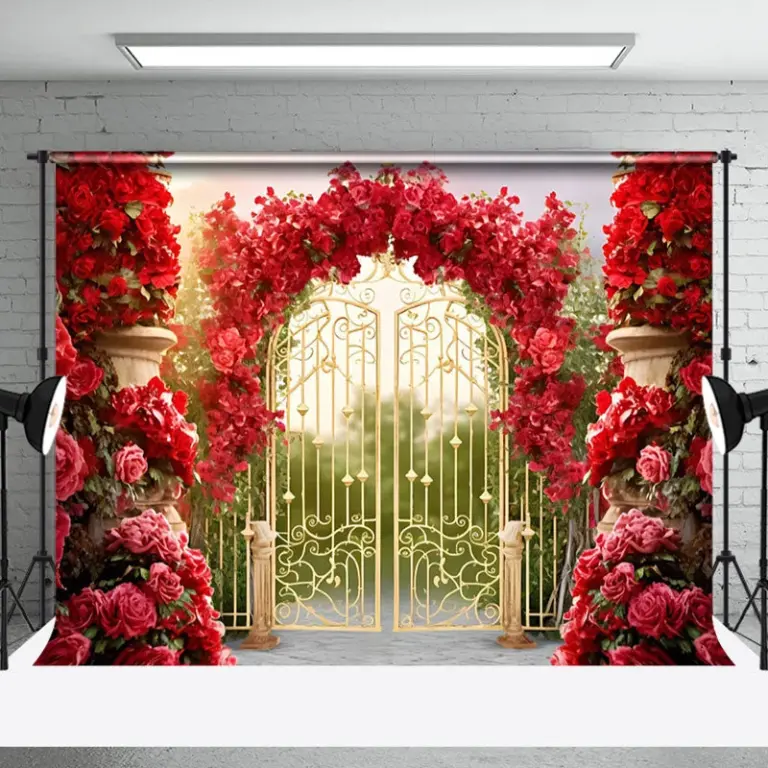
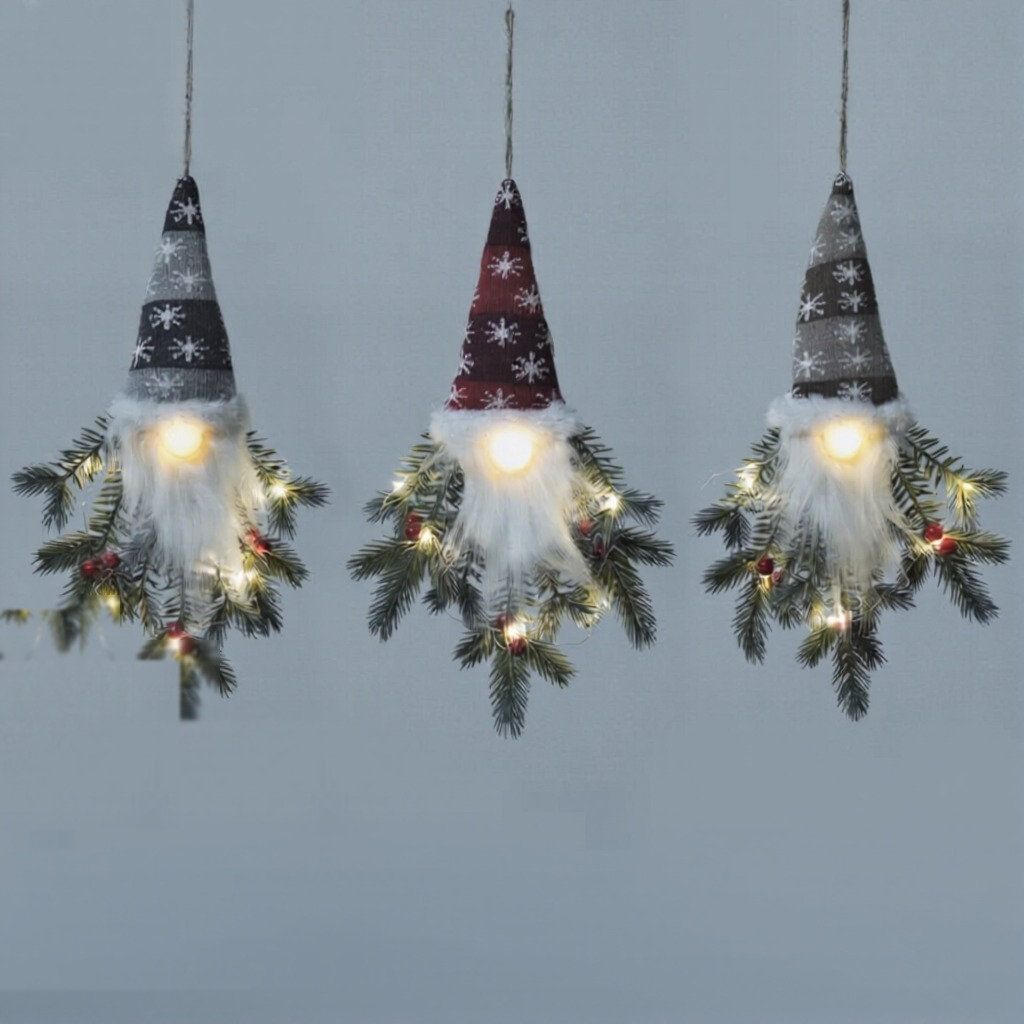 Aisha's pickGreen Garlands We’d Make Room For
 Aisha's pickSummer Garlands That Survive Kids and Pets
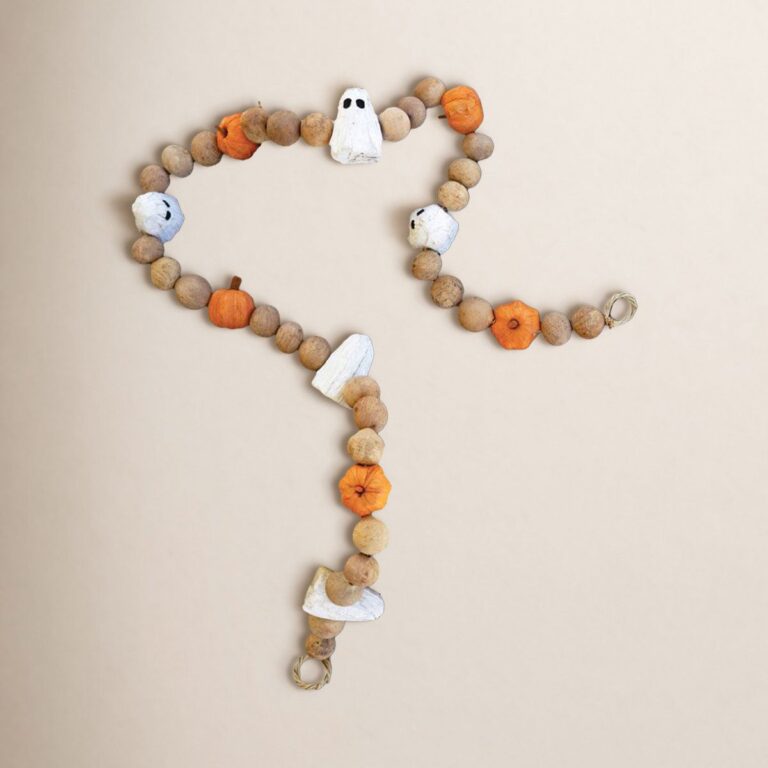 Aisha's pickHalloween Garlands Worth Knowing About
 Aisha's pickWhite Garlands That Feel Personal, Not Store Bought
 Aisha's pickHanging Garlands That Make Great Housewarming Gifts
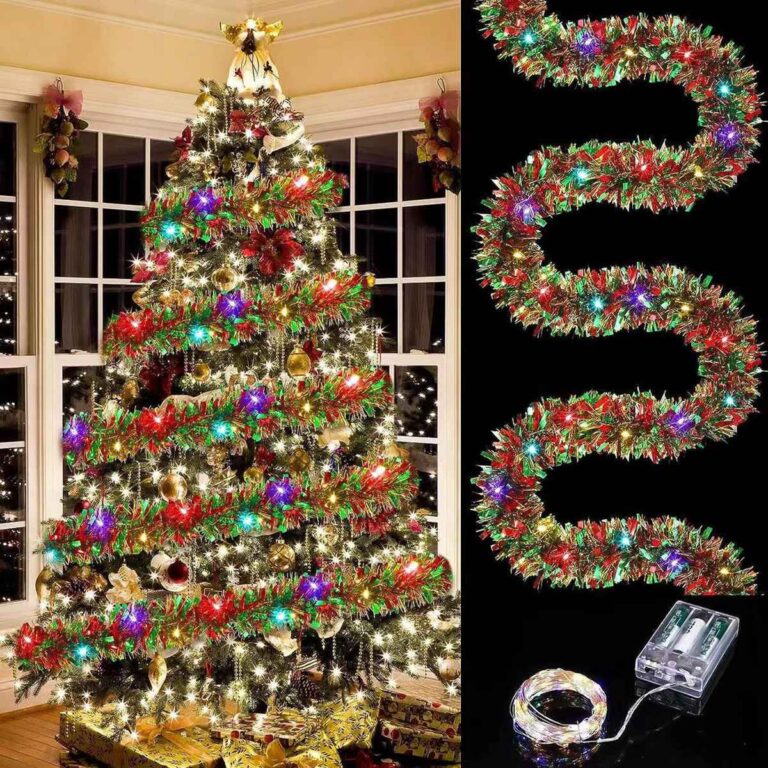
 Aisha's pickYellow Garlands That Look Good Up Close
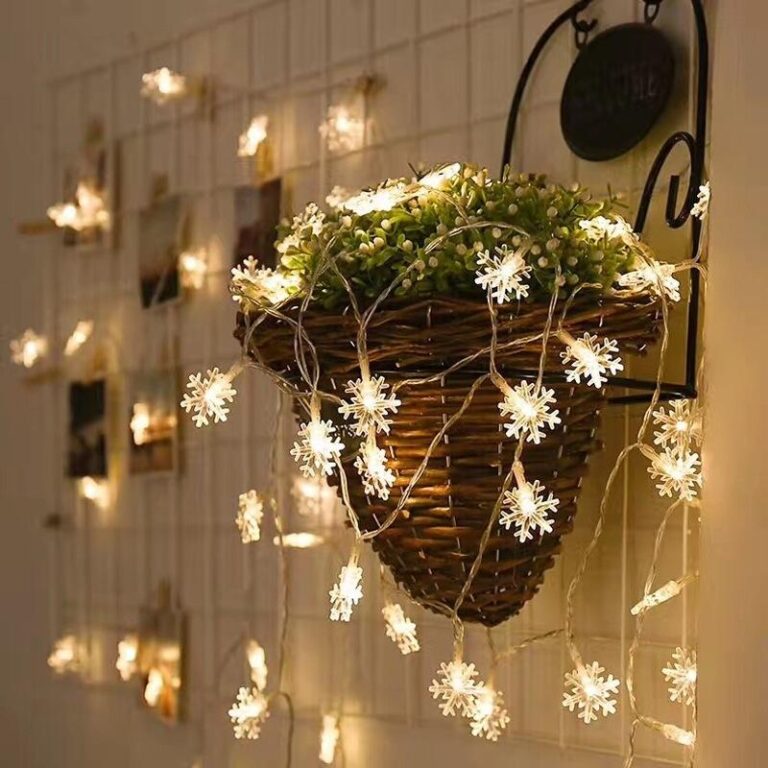 Aisha's pickIndoor Garlands That Start Conversations

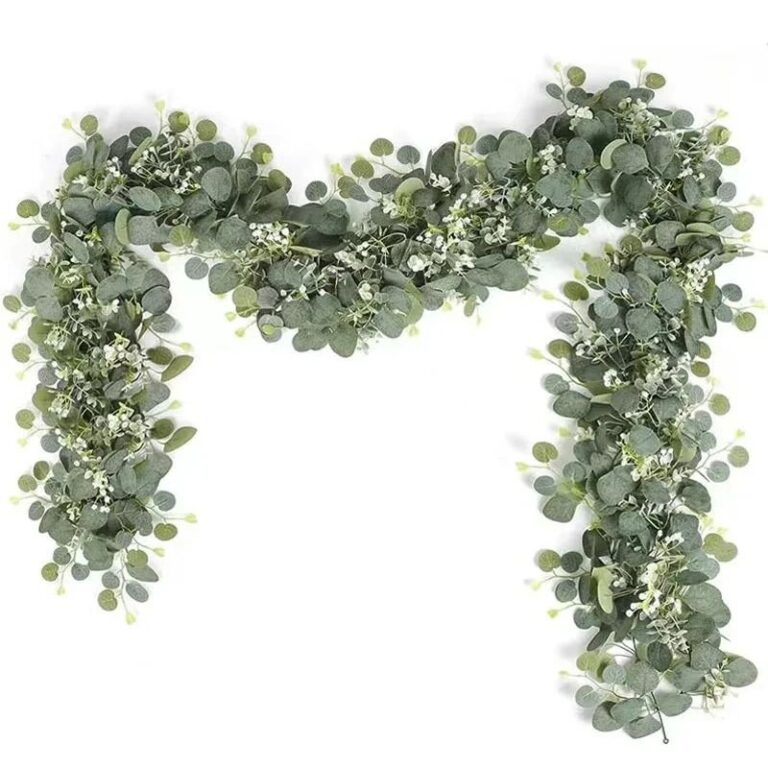 Aisha's pick6ft Garlands That Don’t Look Mass ProducedAlso worth a lookTree DecorationsThe moment is always the same one, plugging in the lights for the first time and standing back…See the collections →
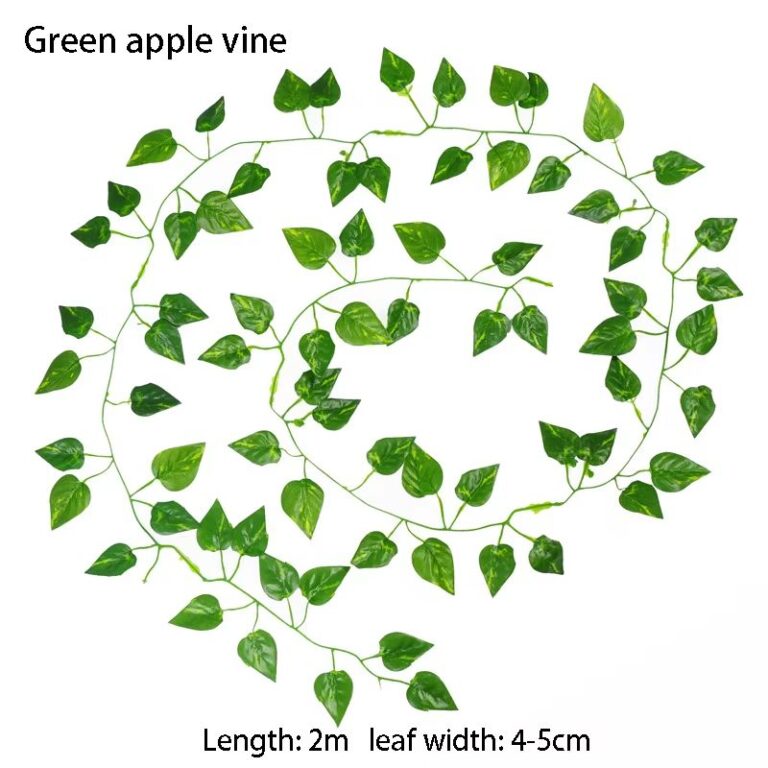
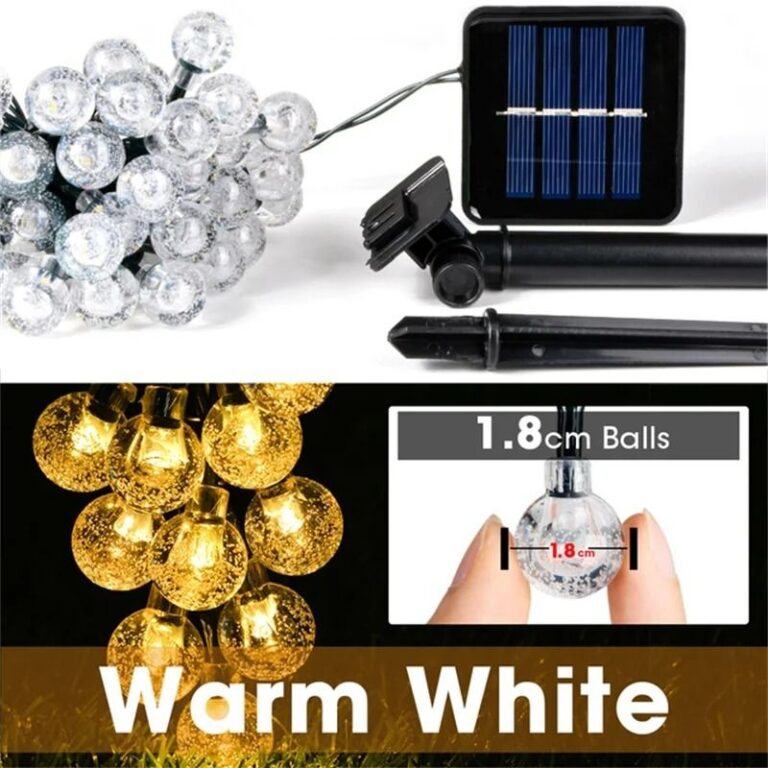 Aisha's pickLarge Garlands That Won’t Let You Down
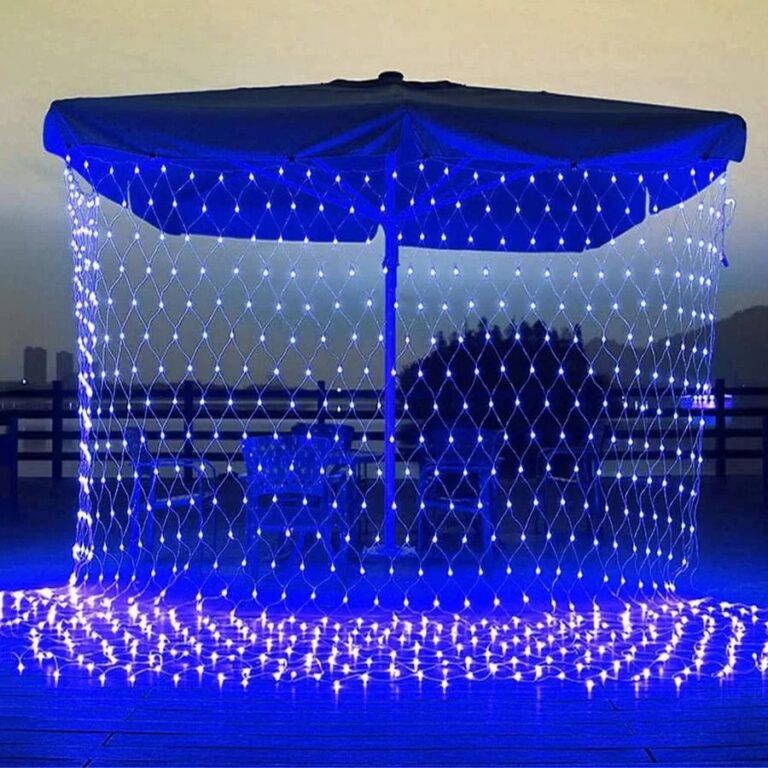
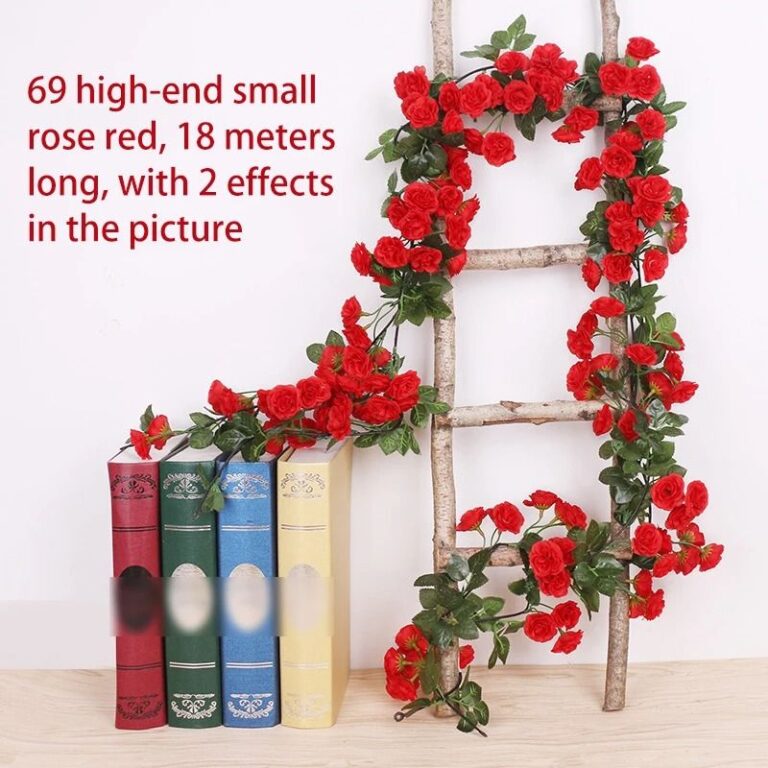 Aisha's pickArtificial Garlands That Catch the Eye Without Taking Over
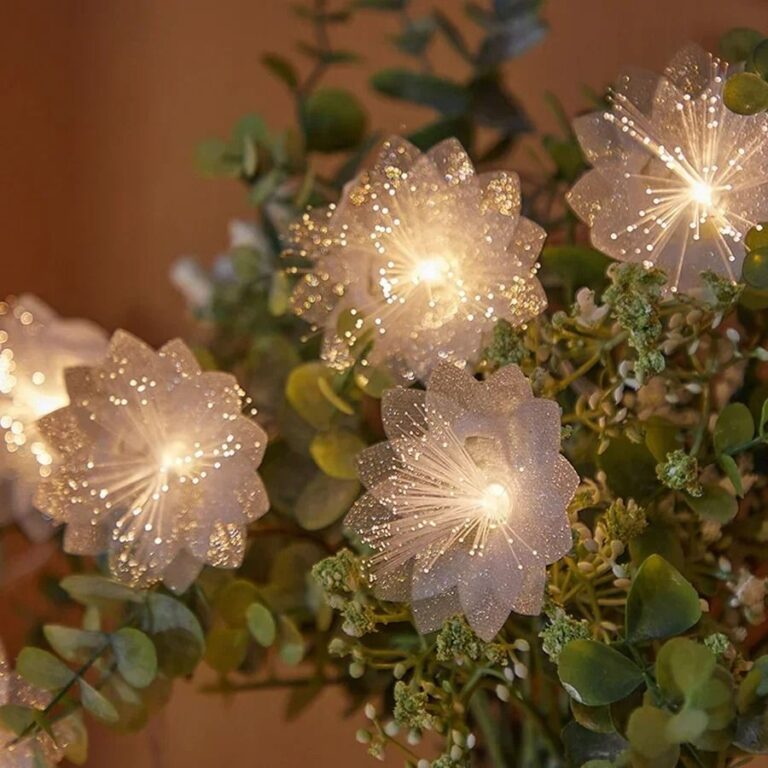
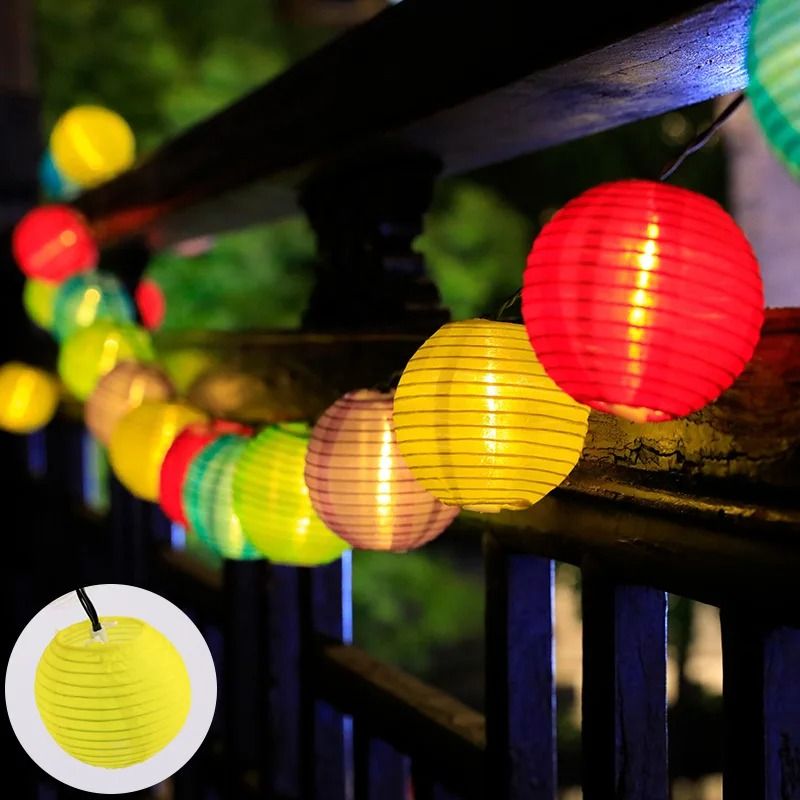 Aisha's pickMini Garlands That Start Conversations
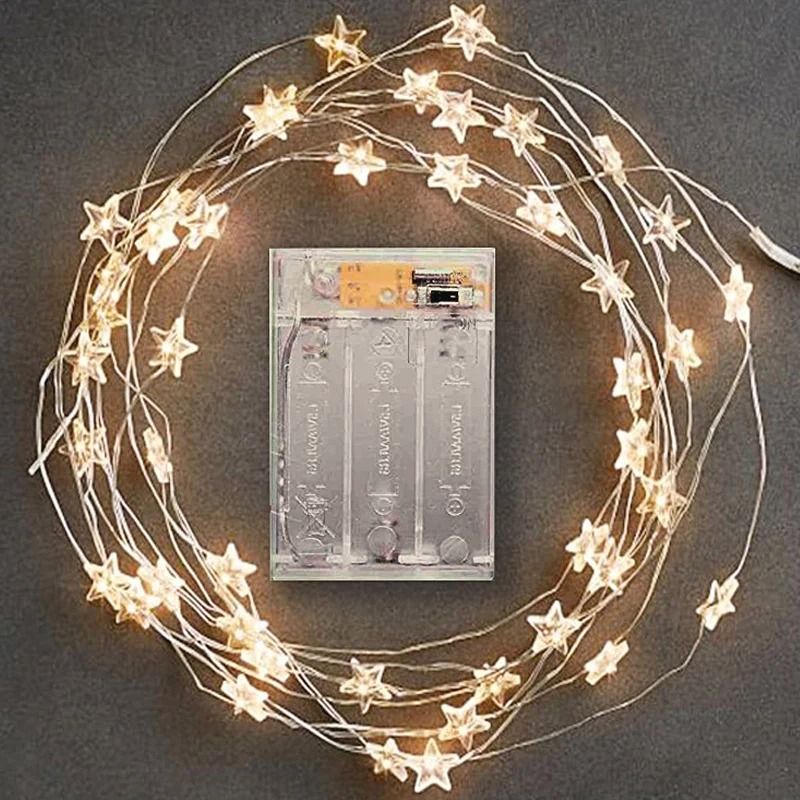
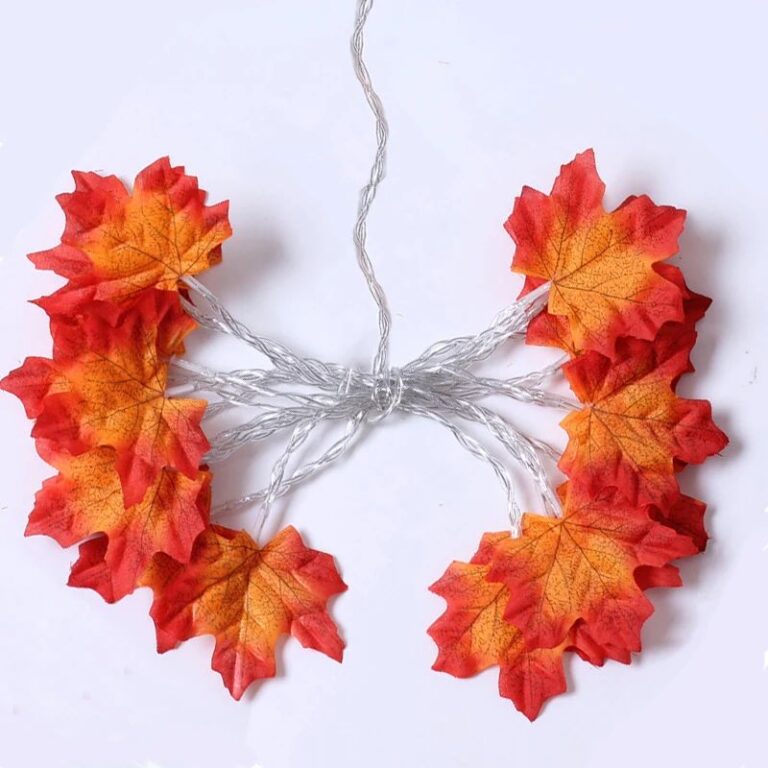 Aisha's pickFall Garlands That Give a Room Some Personality
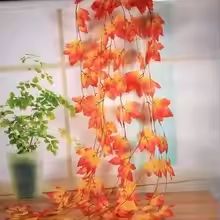
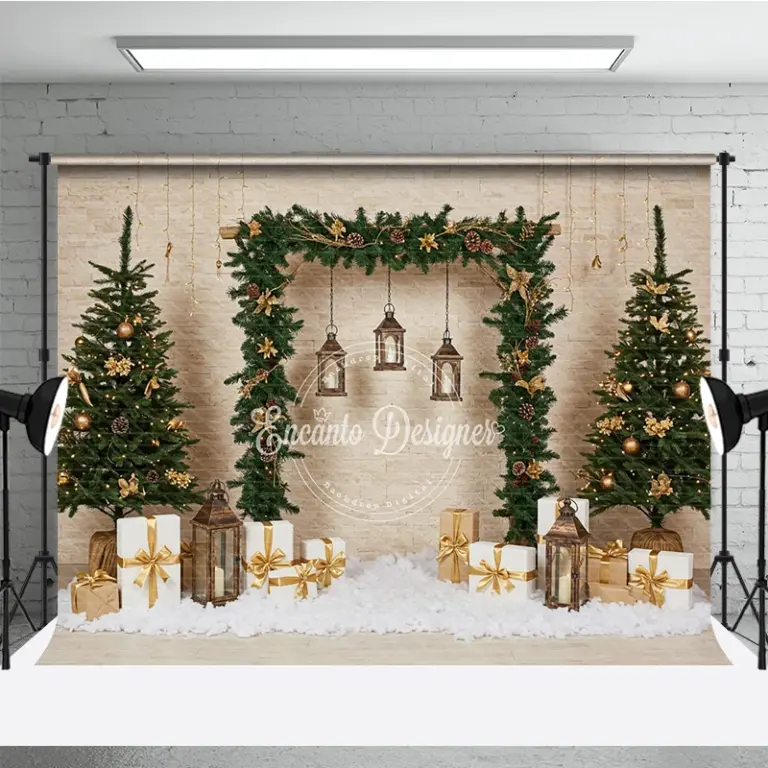 Aisha's pickNatural Garlands That Catch the Eye Without Taking Over

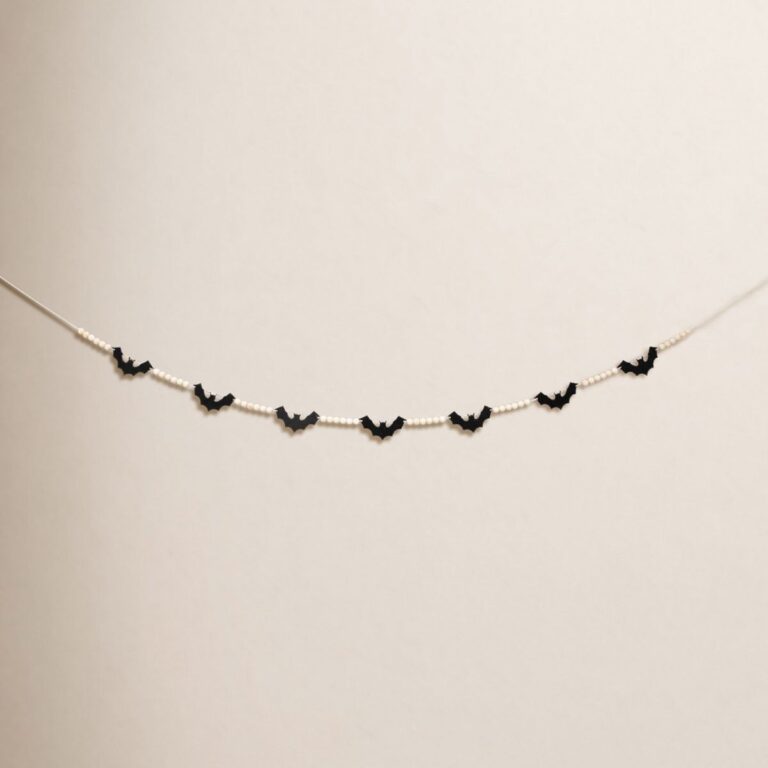 Aisha's pickBlack Garlands for Filling an Awkward Gap
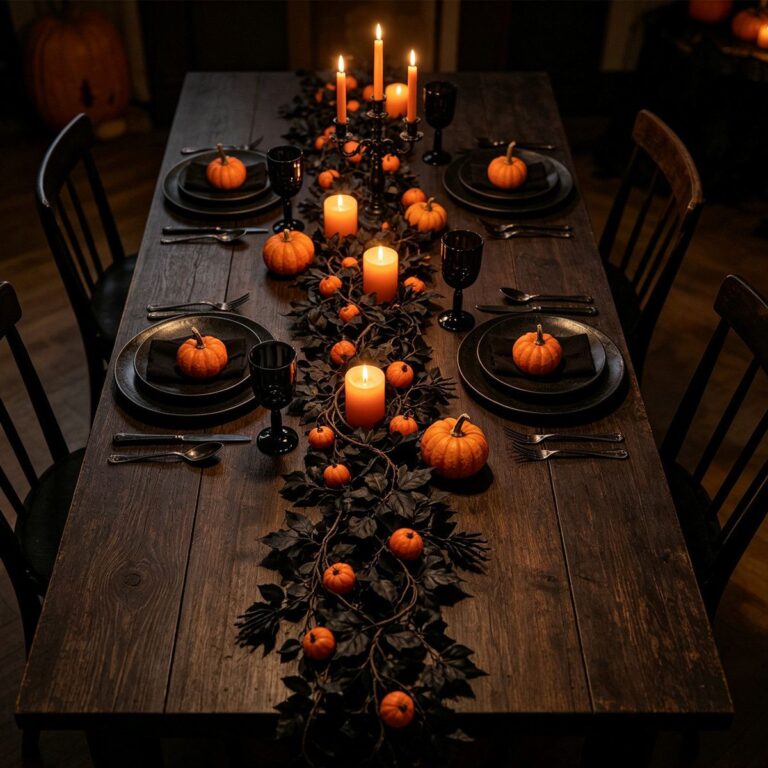
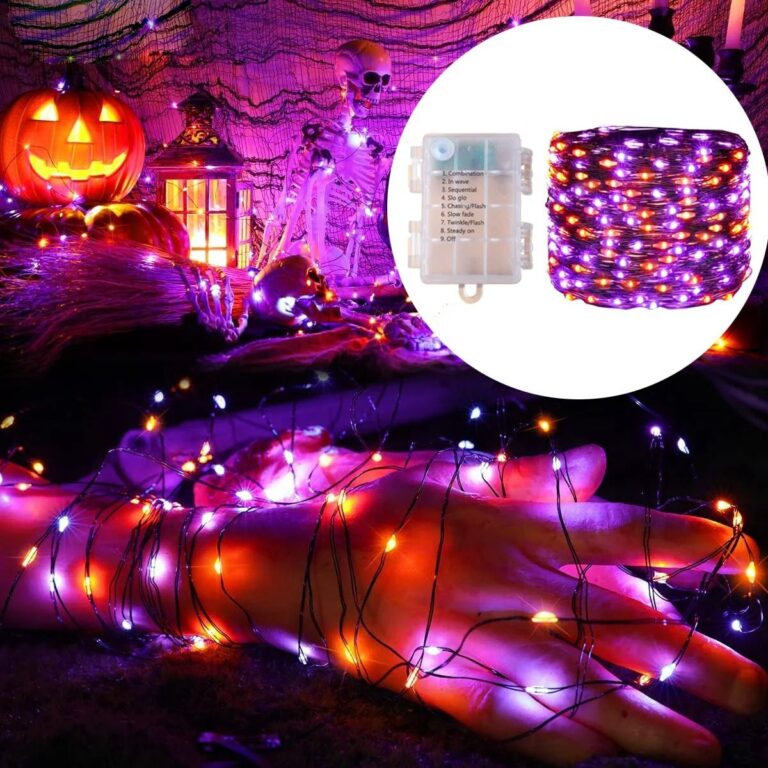 Aisha's pickOrange Garlands You’ll Still Like in Five Years

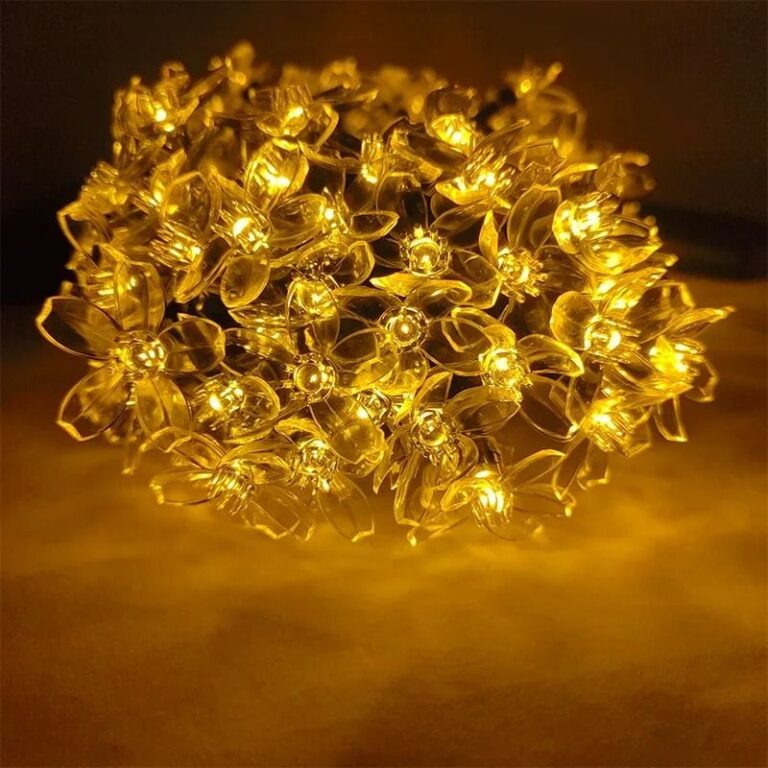 Aisha's pickBlue Garlands That Feel Personal, Not Store Bought

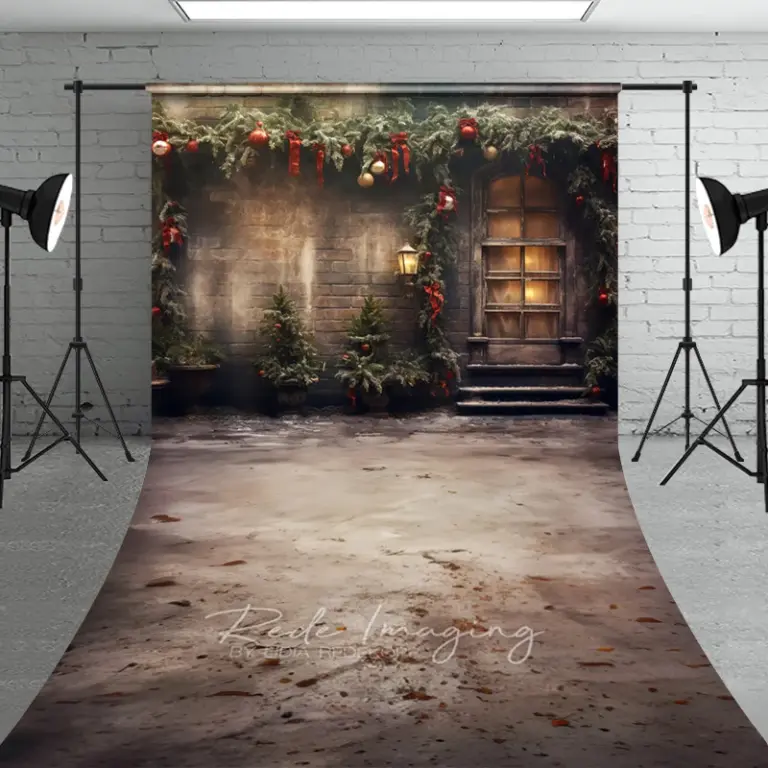 Aisha's pickOutdoor Garlands That Shrug Off the RainAlso worth a lookWedding DecorationsWedding decorations have a reputation for being a one day wonder, something you unwrap, use for six hours,…See the collections →
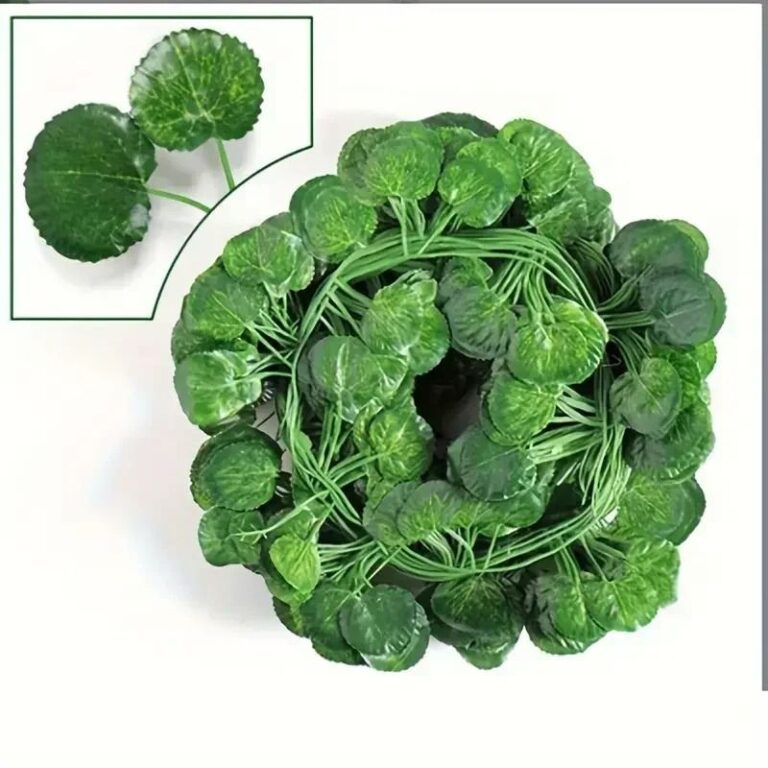
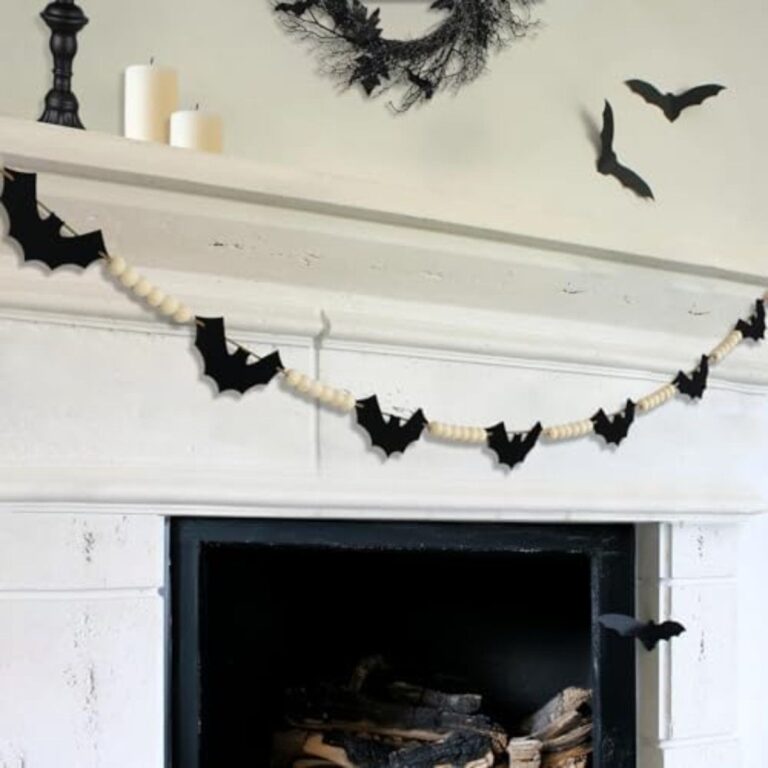 Aisha's pickSimple Boho Garlands Done Well