The mistake is treating black boxes as an afterthought, something you grab in a pack of six without looking too closely, and then wondering why they look like they belong in an office archive rather than on a shelf in the living room. The material and the finish matter more than people assume, because a box is basically furniture that happens to have a lid.
When you are looking at one in a shop or unpacking it the day it arrives, run your hand along the seams and the corners. Cheap boxes have visible glue lines, lids that do not sit flush, and a matte finish that is really just thin paint over cardboard pretending to be something sturdier. A good one has weight to it, a lid that closes with a bit of resistance and a quiet sound rather than a clatter, and corners that are either properly mitered or reinforced, not just folded over and stapled. Check the underside too, since that is where the cheap ones reveal themselves with exposed staples or a fraying edge that will only get worse.
Over time, the difference shows up in how the finish behaves. A painted or lacquered box will hold its black evenly for years if you keep it out of direct sun, which fades the color unevenly and leaves a lighter patch exactly where the light hit hardest. A fabric covered box will pick up dust in the weave, so a dry brush or the soft attachment on a vacuum once a month keeps it looking new rather than gray. Wipe spills immediately, since black shows water marks and dried liquid more than any other color, not less, which surprises people who assume dark hides everything.
Where black boxes go wrong is in rooms already heavy with dark furniture, where they just disappear into a wall of brown and black and stop doing anything useful. They also clash badly with busy patterned shelving, where the eye needs a plain spot to land and a patterned or textured black box adds noise instead of calm. They work best against lighter wood, white shelving, or pale walls, where the contrast gives the room some structure.
For sizing, measure the shelf depth and height before you buy, not just the width, since a box that is two inches too tall will not close under the shelf above it, and I have shoved a lid down trying to force it more times than I will admit. Leave a little clearance, an inch at least, so you can lift the lid without scraping the shelf above. Buying one giant box for everything is the other common error, since you end up digging through a single bin for one specific cable rather than having two or three smaller ones you can actually label and find things in.
If I were starting from nothing, I would go with a matte black in a linen or canvas texture rather than high gloss, since it hides the dust in between cleanings and softens next to a room that already has sharp lines everywhere else.

 Aisha's pickBlack Toy Boxes for Nurseries and Kids’ Rooms
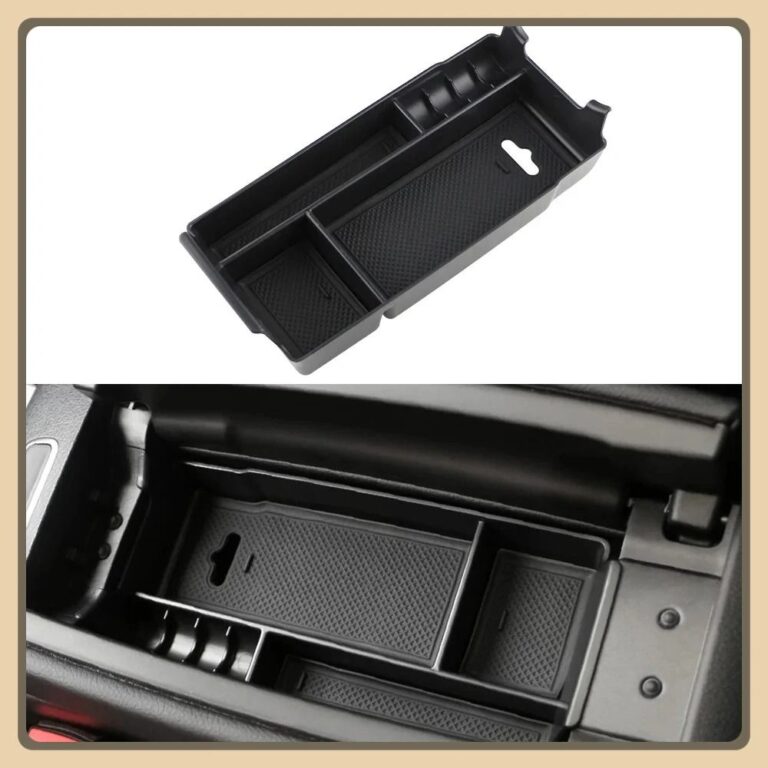 Aisha's pickBlack Cable Boxes for Making a House Feel Like Yours
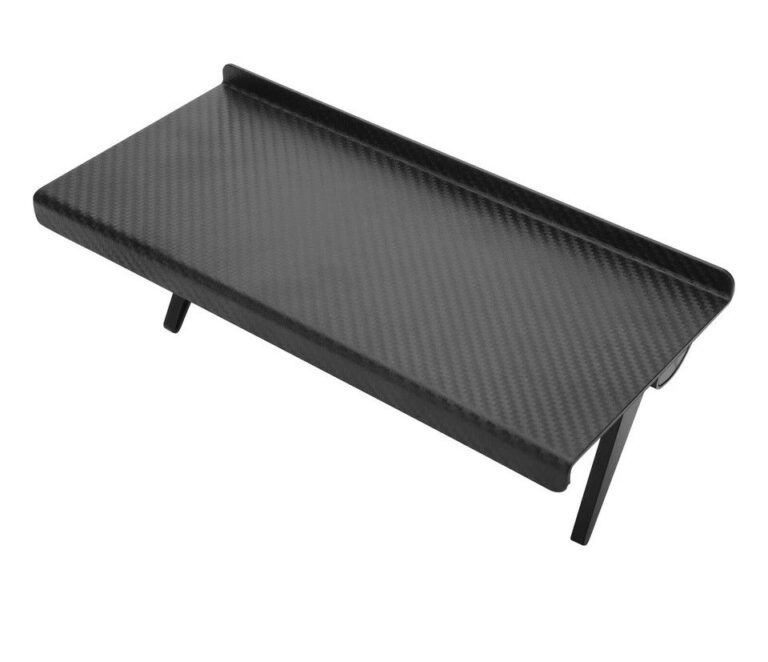
 Aisha's pickBlack Window Boxes That Sort Out the Chaos

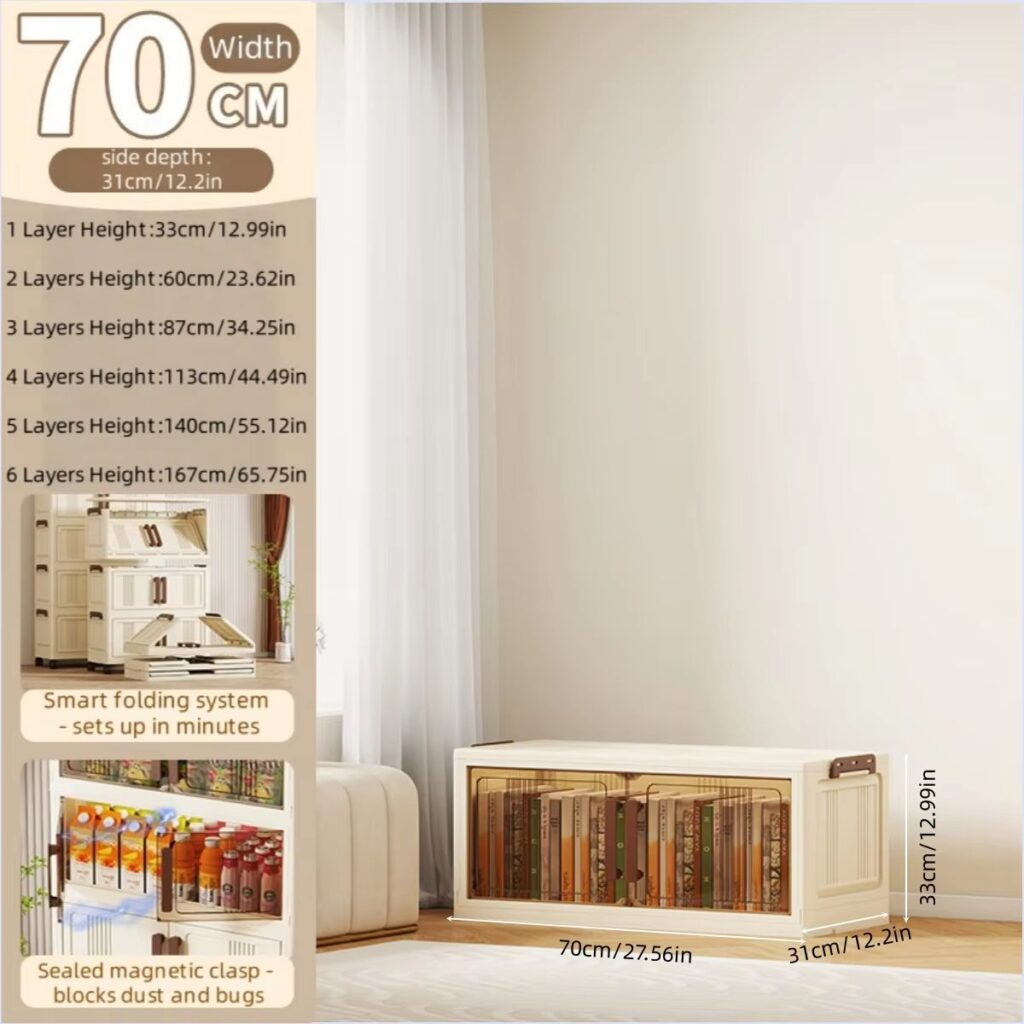
 Aisha's pickBlack Clear Storage Boxes That Make a Room Feel Finished

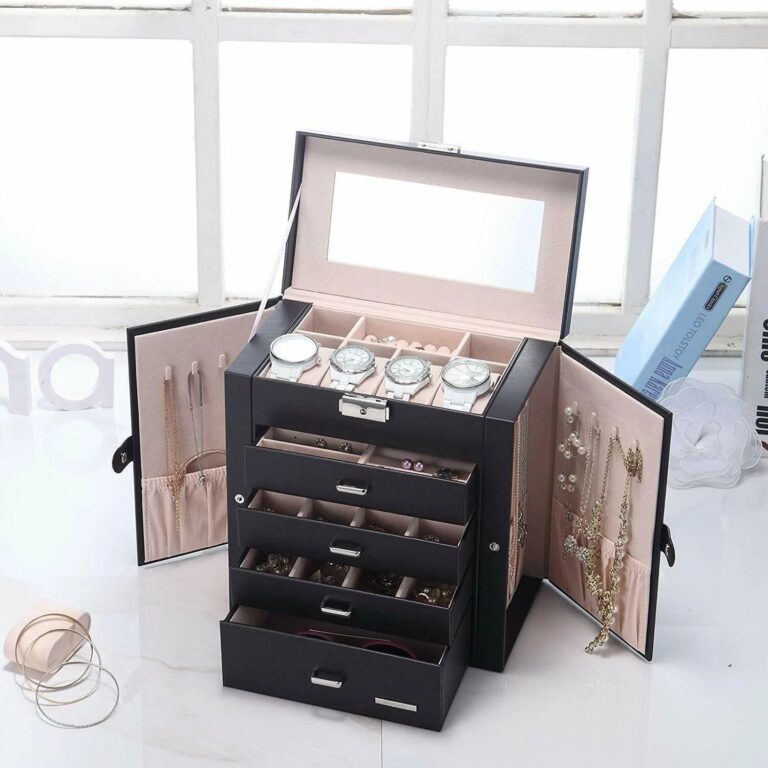 Aisha's pickLarge Black Storage Boxes That Sort Out the Chaos

 Aisha's pickBlack Deck Boxes That Sort Out the Chaos
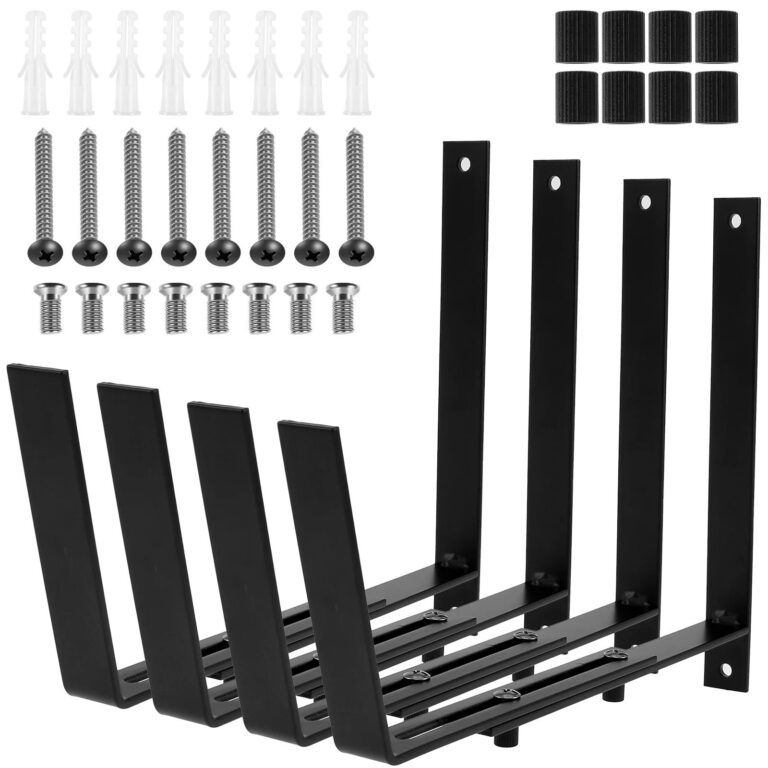
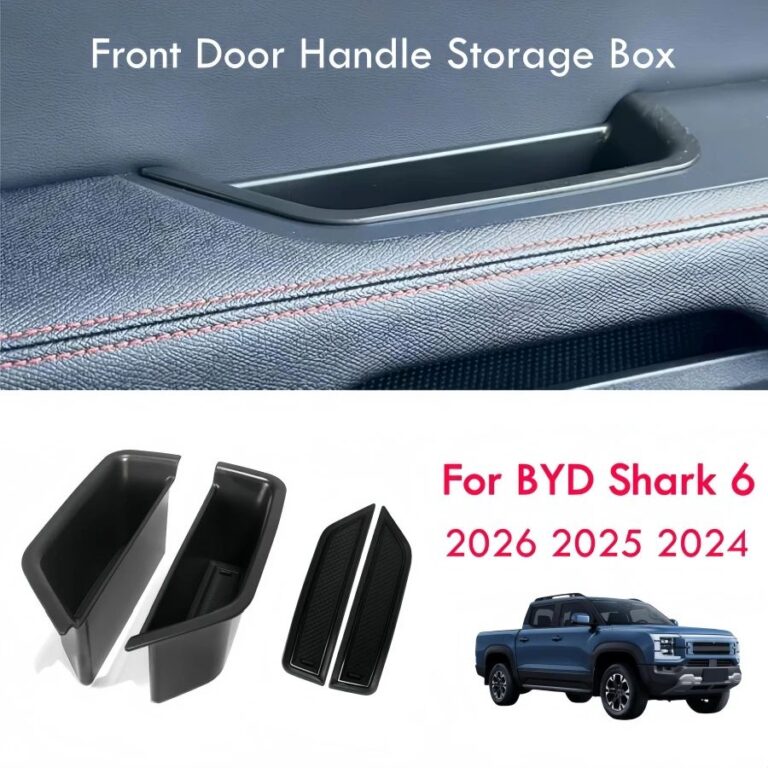 Aisha's pickSmall Black Storage Boxes That Hide the Mess for Good
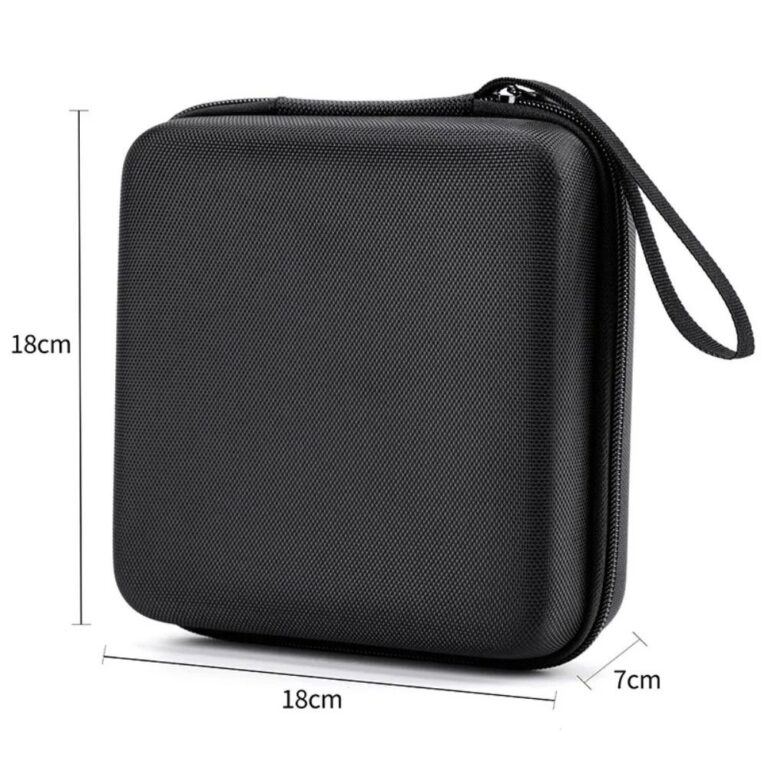
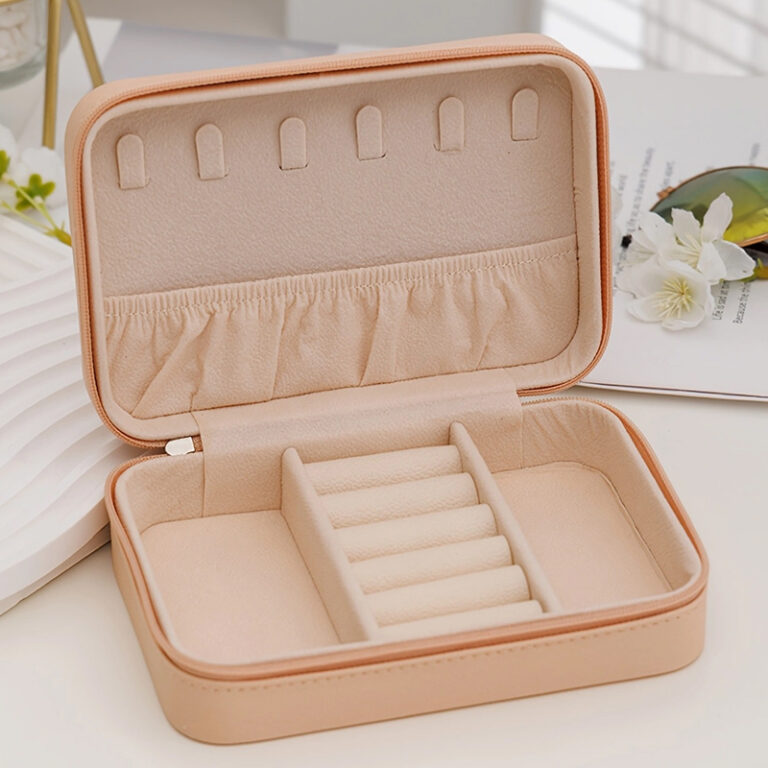 Aisha's pickBlack Decorative Boxes That Look Better in Real Life
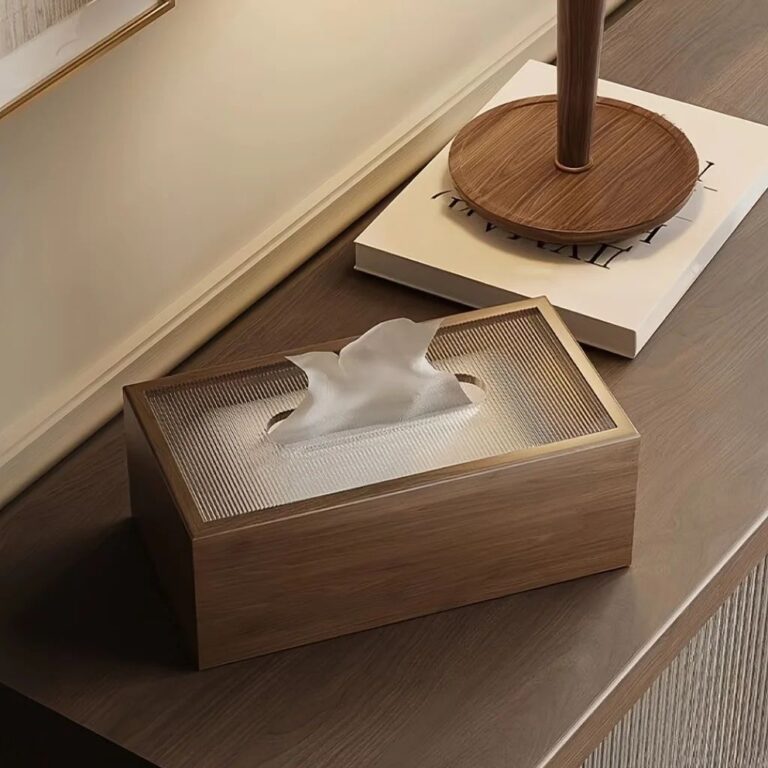
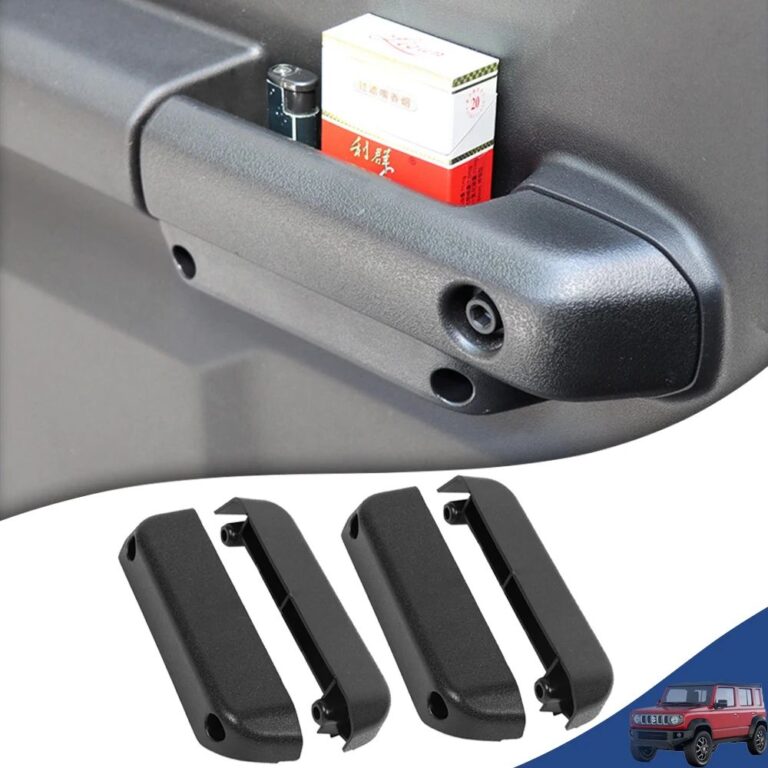 Aisha's pickSmall Black Storage Boxes That Look Good Even When FullAlso worth a lookBlack StorageBlack storage is for the stuff you need close at hand but don't want to look at: remotes,…See the collections →
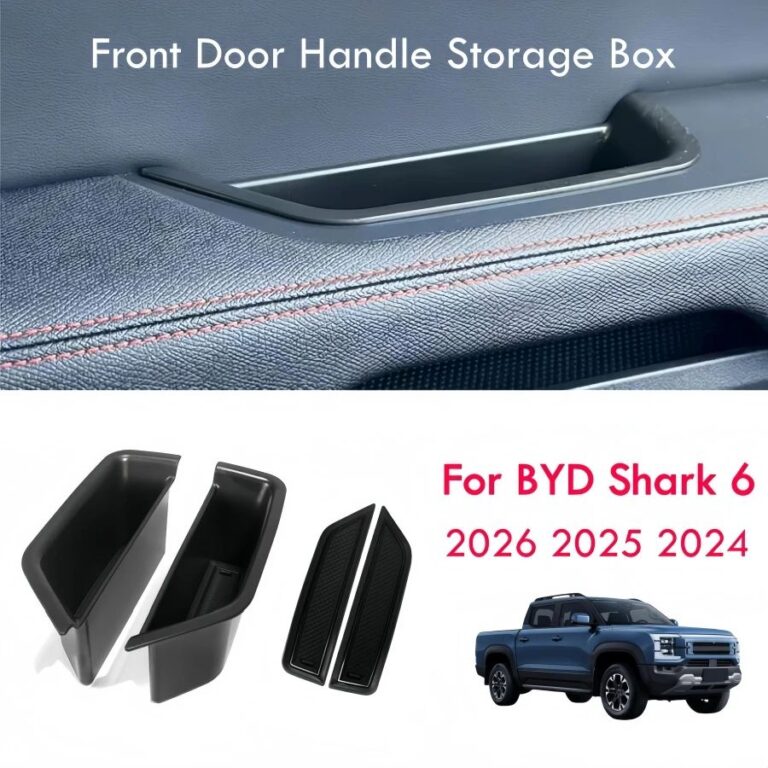
 Aisha's pickBlack Key Boxes That Sort Out the Chaos
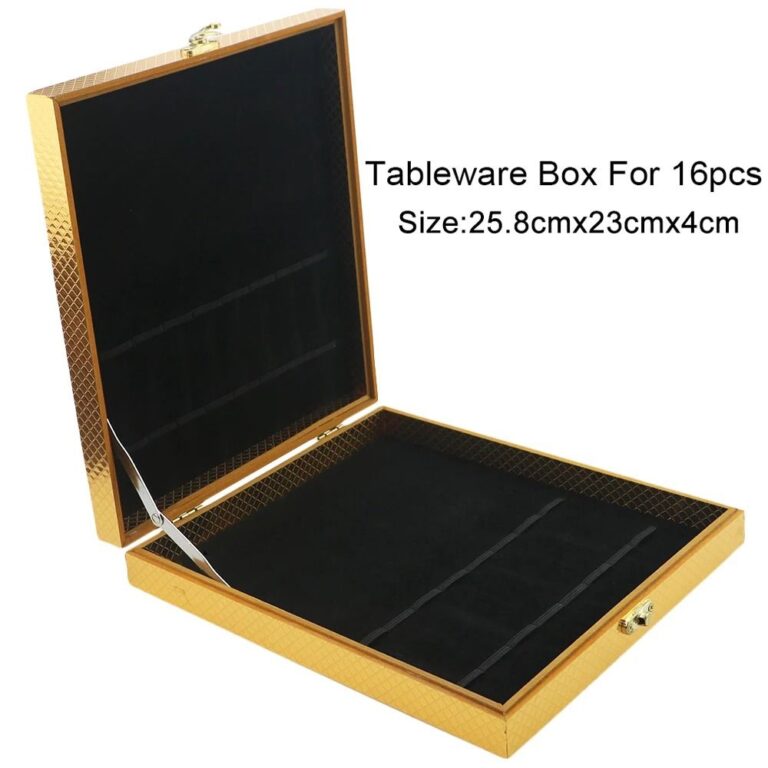
 Aisha's pickBlack Letter Boxes That Swallow the Clutter
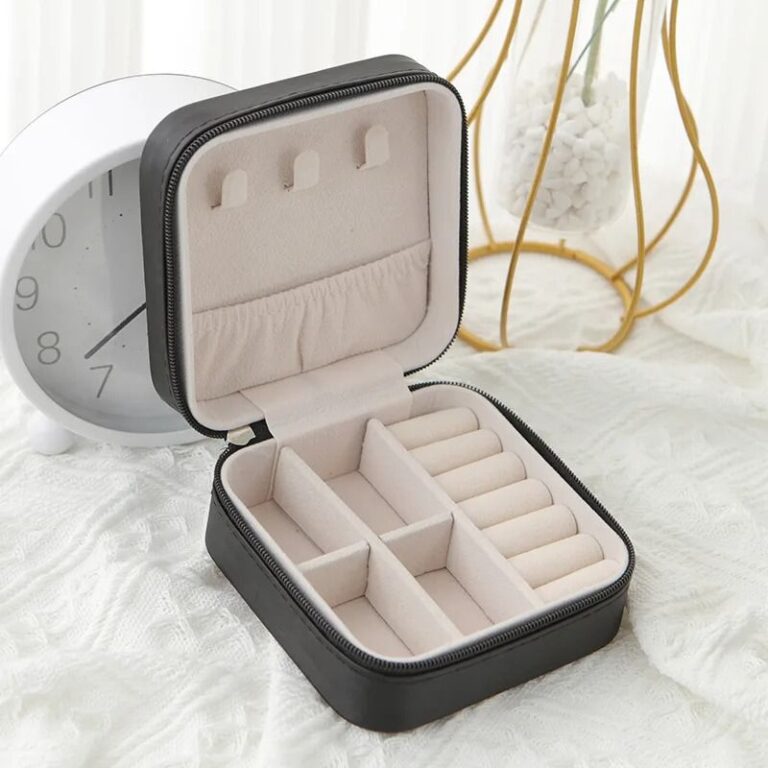 Aisha's pickBlack Metal Key Boxes That Make Tidying Up Quicker
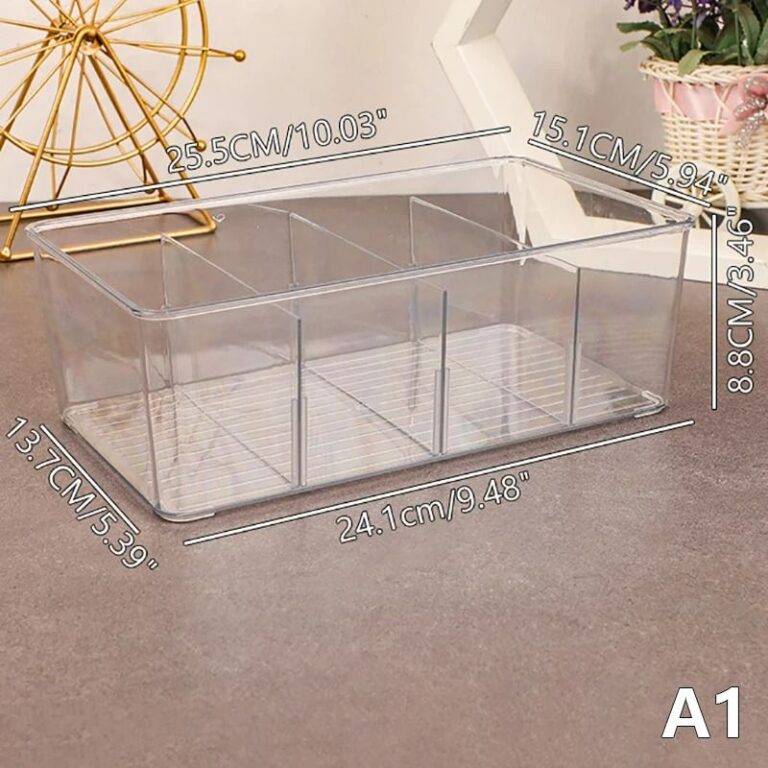 Aisha's pickBlack Plastic Storage Boxes for Homes With Too Much Stuff
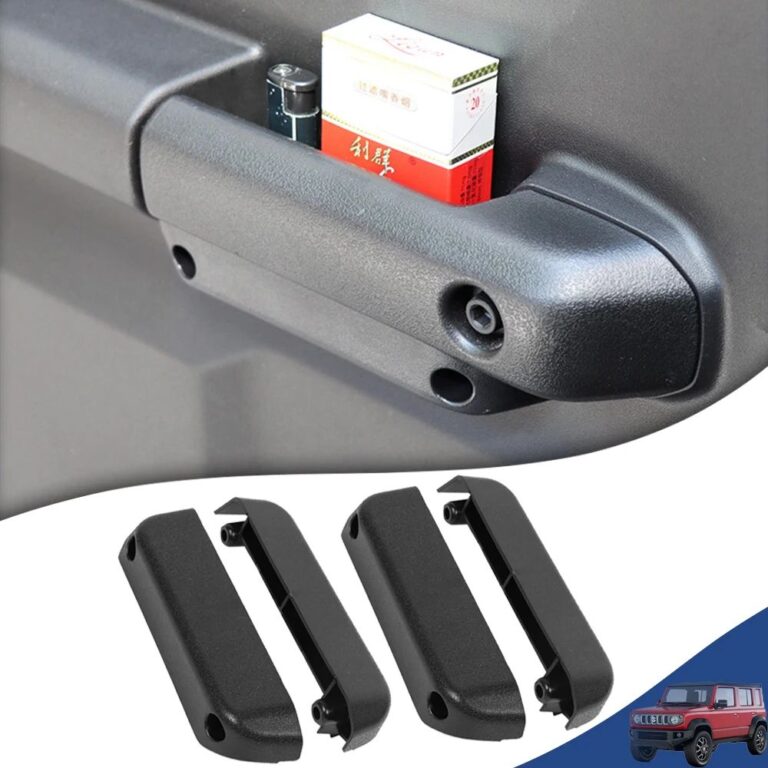
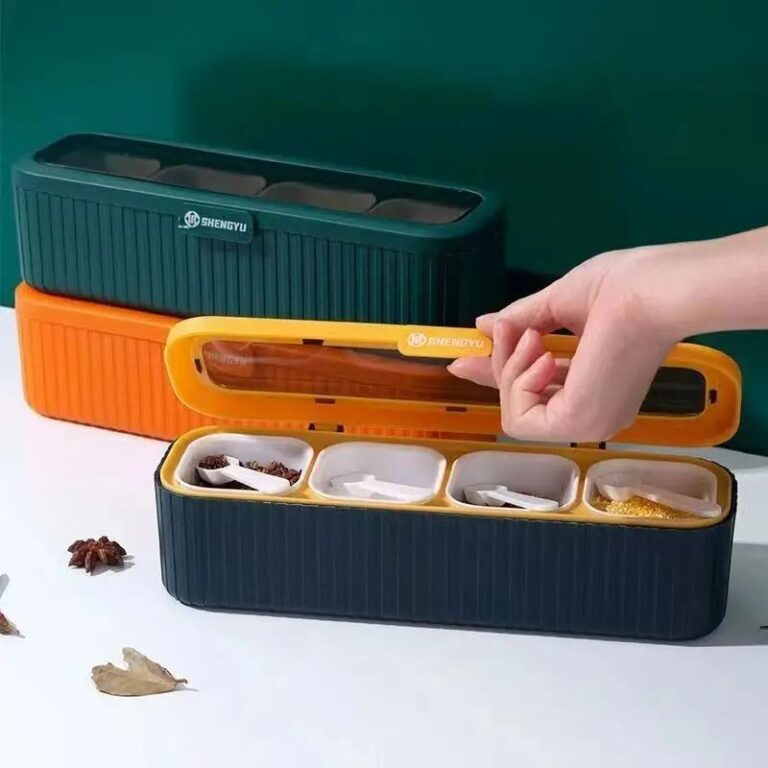 Aisha's pickBlack Plastic Storage Boxes with Lids We’d Buy Again

 Aisha's pickSimple Black Storage Boxes Done Well

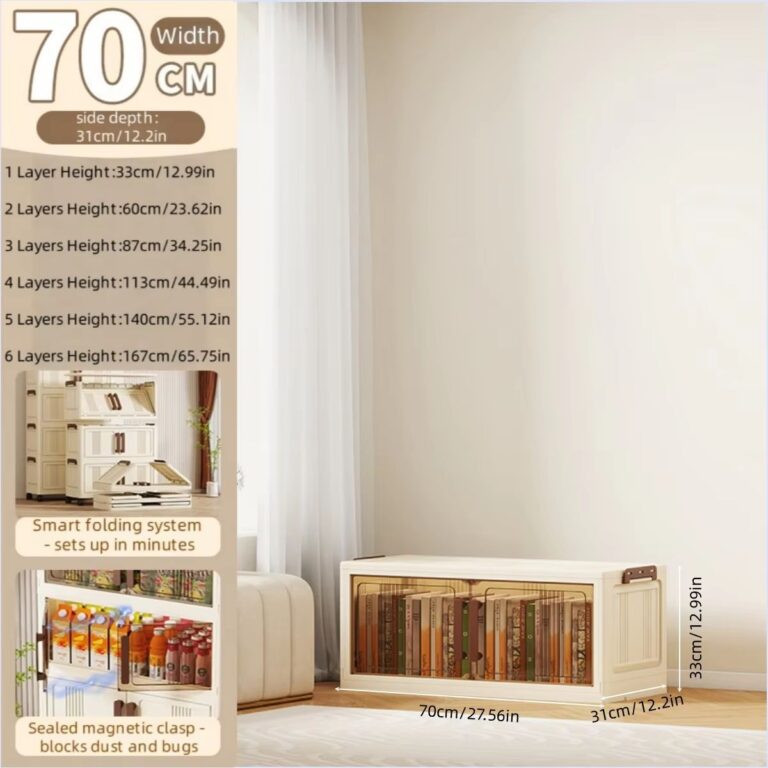 Aisha's pickBlack Storage Boxes with Handles We Wish We’d Bought Sooner

 Aisha's pickBlack Storage Boxes with Lid You’ll Keep for Years