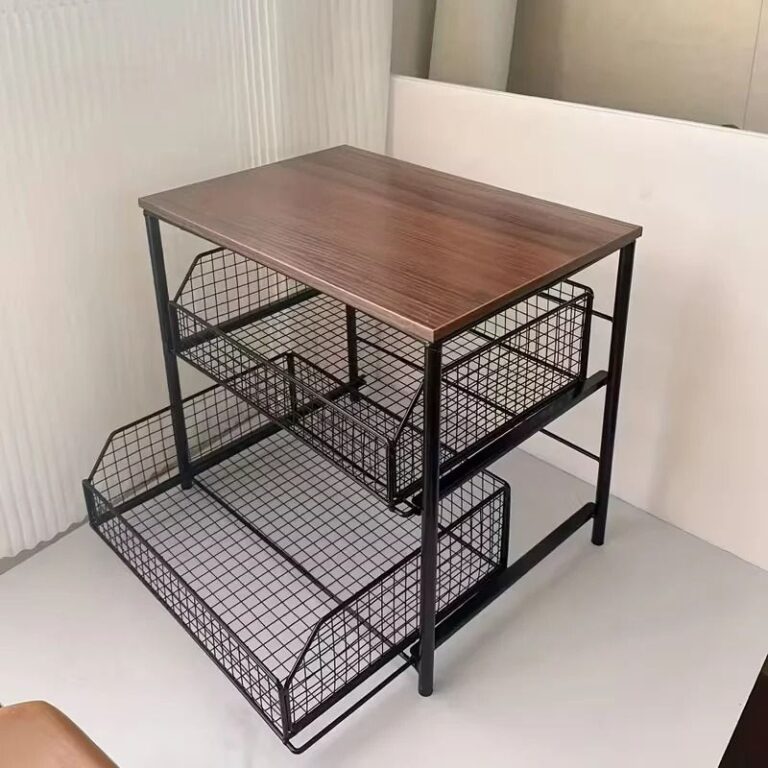
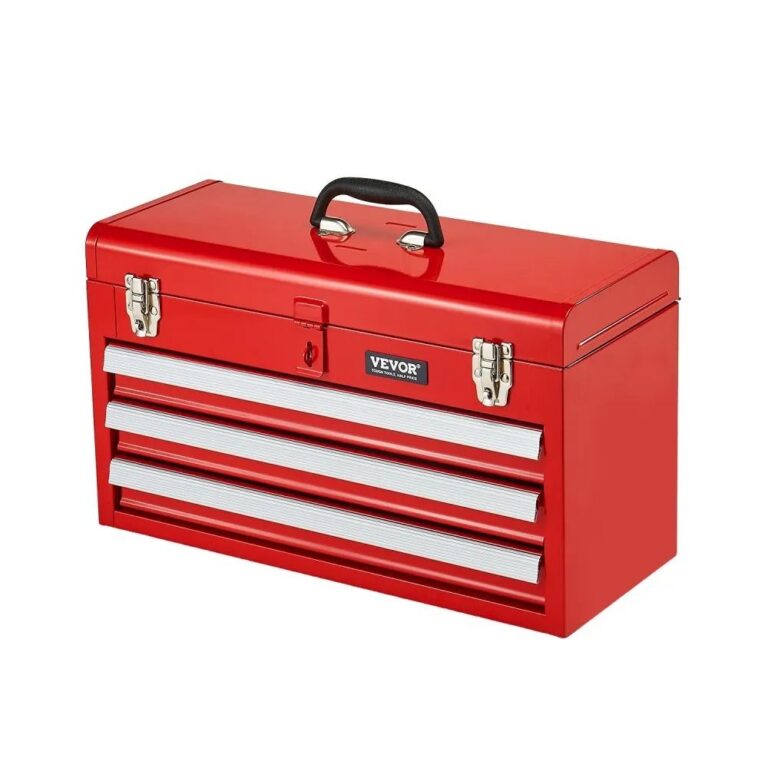
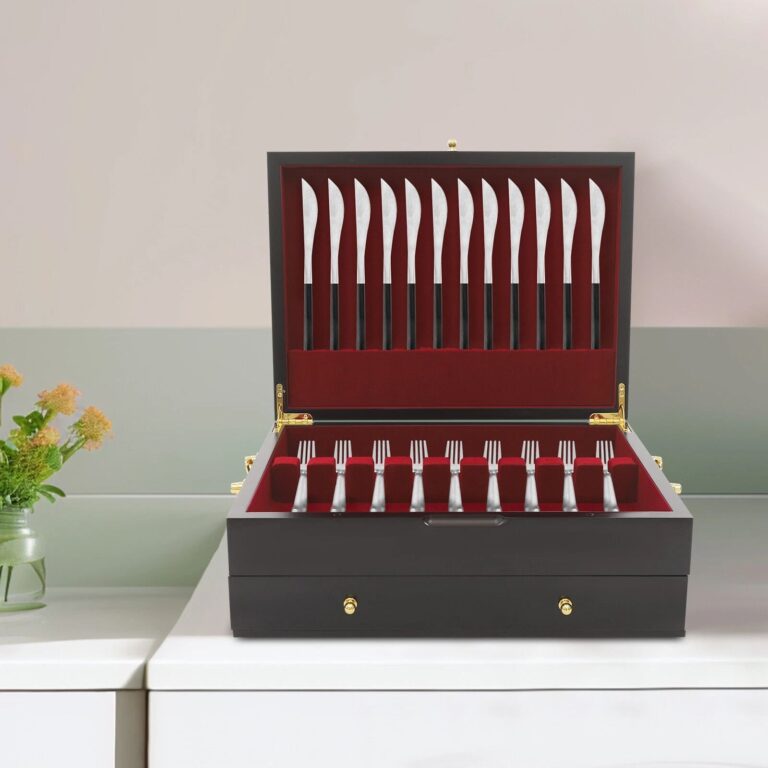
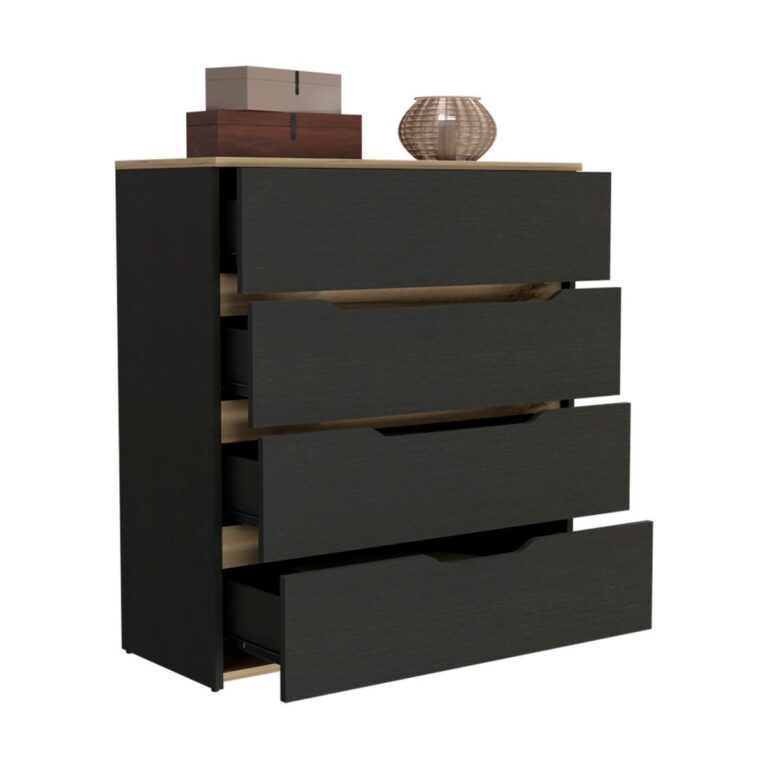
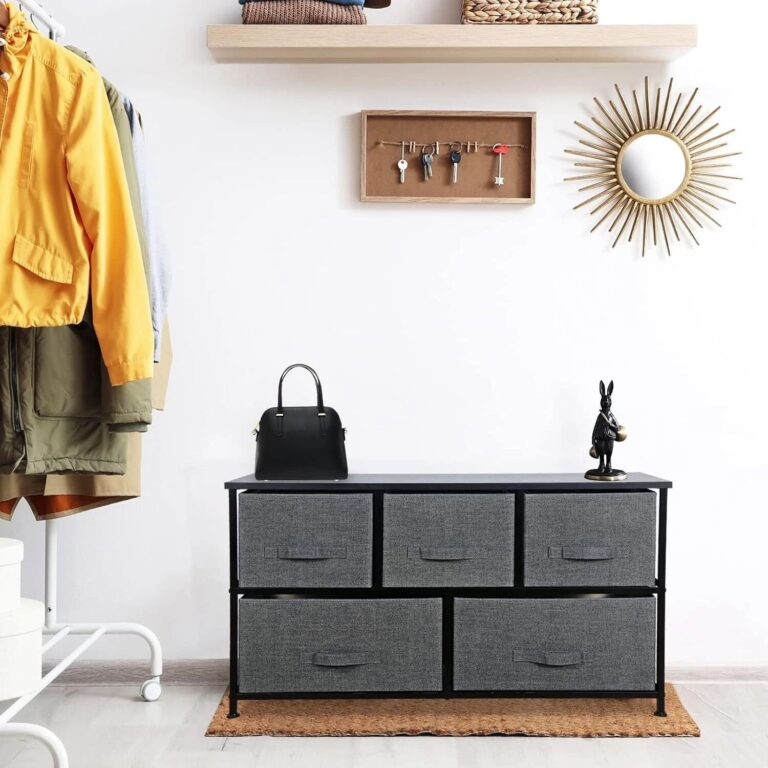
A good drawer dresser opens on the first pull, every time, no yanking, no rattling, no catching on the frame halfway through. You should be able to open it one handed with a cup of coffee in the other, and the drawer should sit flush when it closes, not jut out an inch like it's sulking. Run a hand along the top edge in the shop. If it feels rough or the finish is tacky, that tells you something about the rest of what's underneath.
In most bedrooms it sits best against a wall with a little breathing room on either side, not wedged into a corner where you'll bang a hip on it every morning. A lamp on top does more for the room than an overhead light ever will, especially in a room with one small window, since a dresser lamp gives you a warm pool of light at exactly the height you need when you're getting dressed in the dark half of the year. A mirror above it, leaning or hung, borrows light back into the room and makes a low dresser feel less like a squat piece of furniture and more like part of the wall. If the room already has a lot going on, a bed frame with a headboard, a rug with a pattern, the dresser is one of the easier places to let things rest.
On finishes, honey toned wood and soft white or putty painted fronts are the ones I'd point a friend toward first, because both sit quietly with almost anything you bring in after, whether that's brass hardware or a thrifted lamp with a shade that doesn't quite match. Black can look sharp in a photo and then dominate a small room by four in the afternoon when the light goes flat. Check the drawer boxes themselves, not just the front, pull them all the way out if you can and look at the joints, since a dresser with solid sides and real joinery will outlast one held together mostly by the look of its handles. Check the delivery for a wobble on an uneven floor, and check that every drawer was packed and not just the sample one in the shop.
Over years, a wood dresser tends to take on a bit of the room, some lightening where morning sun hits it, a little smoothing at the drawer pulls from however many years of hands reaching for socks. Painted ones show their age differently, a small chip near a handle, a scuff at the bottom corner where a vacuum has bumped it too many times. None of that ruins it. It just means the piece has been used the way it was meant to be.
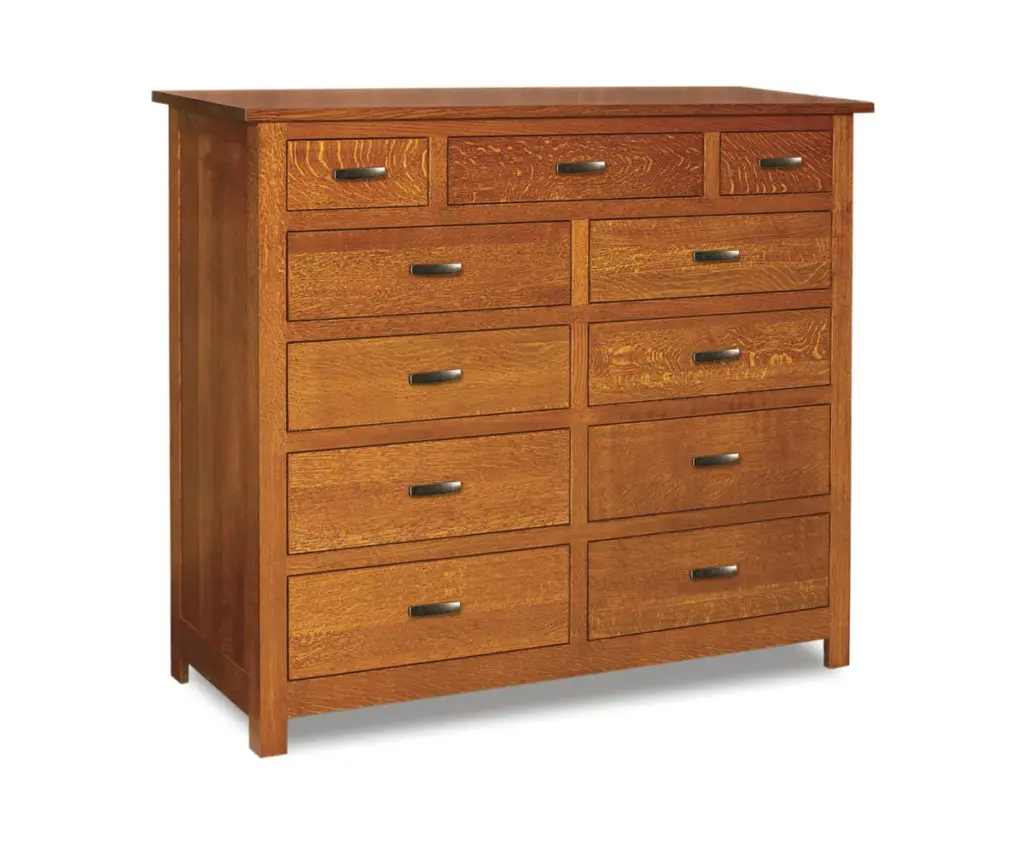 Aisha's pickDrawer Dressers That Go With Most Rooms
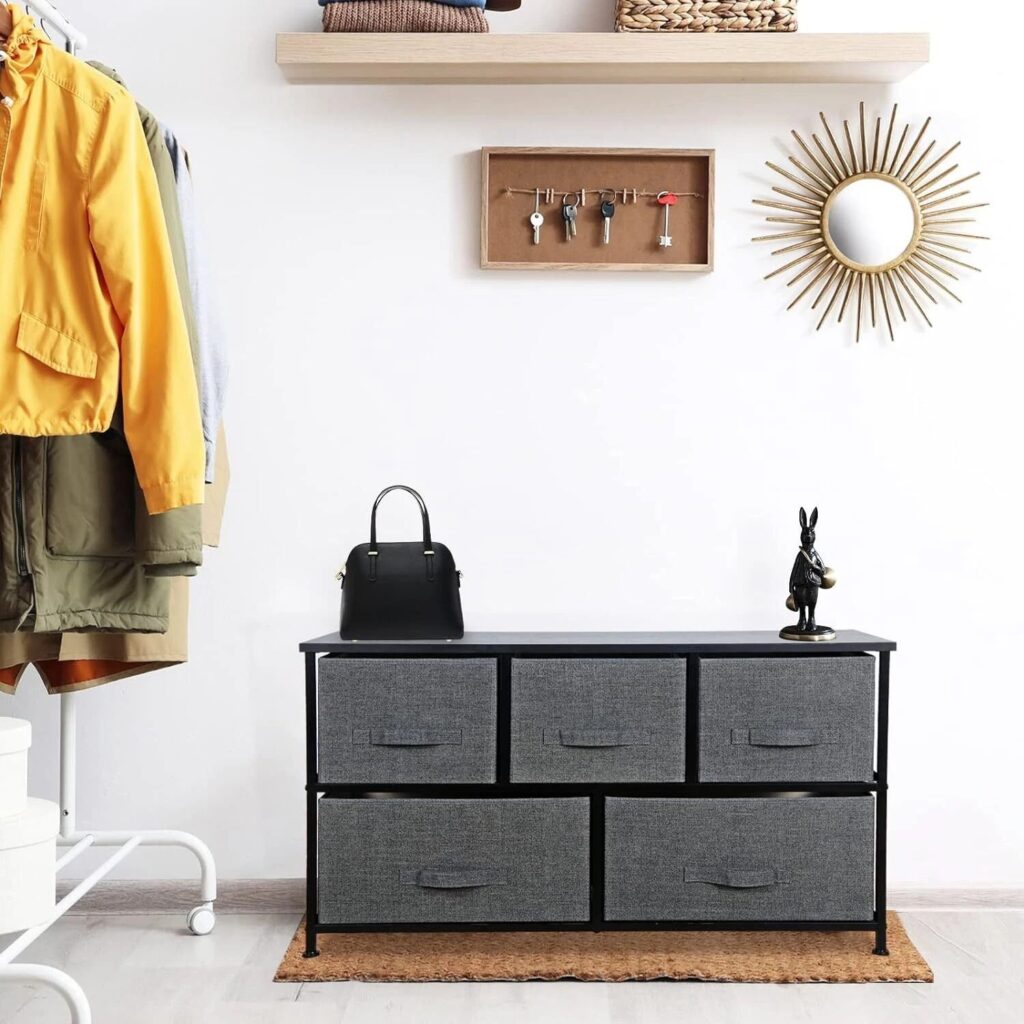
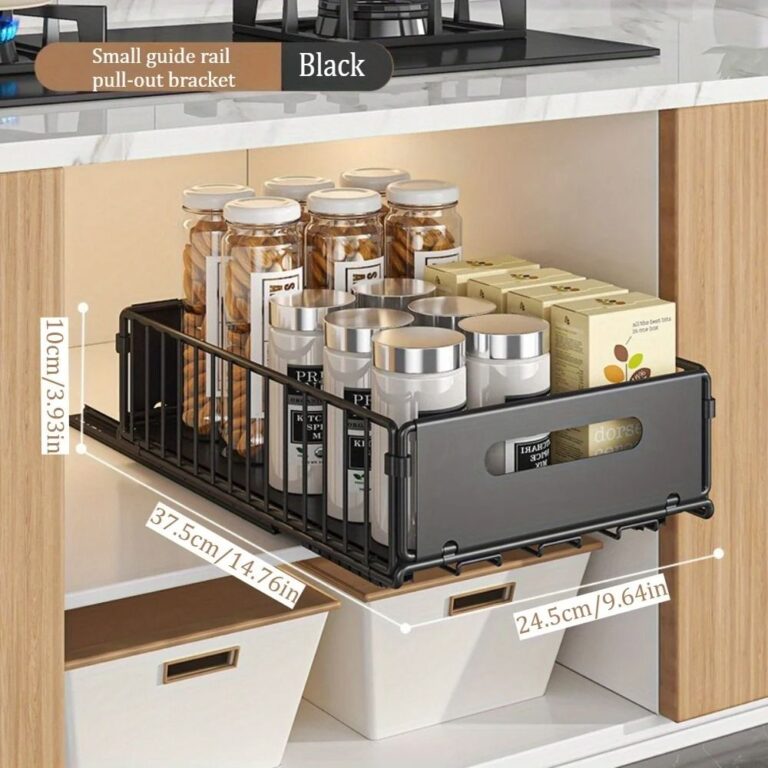 Aisha's pickDrawer Towers That Hide the Mess for Good
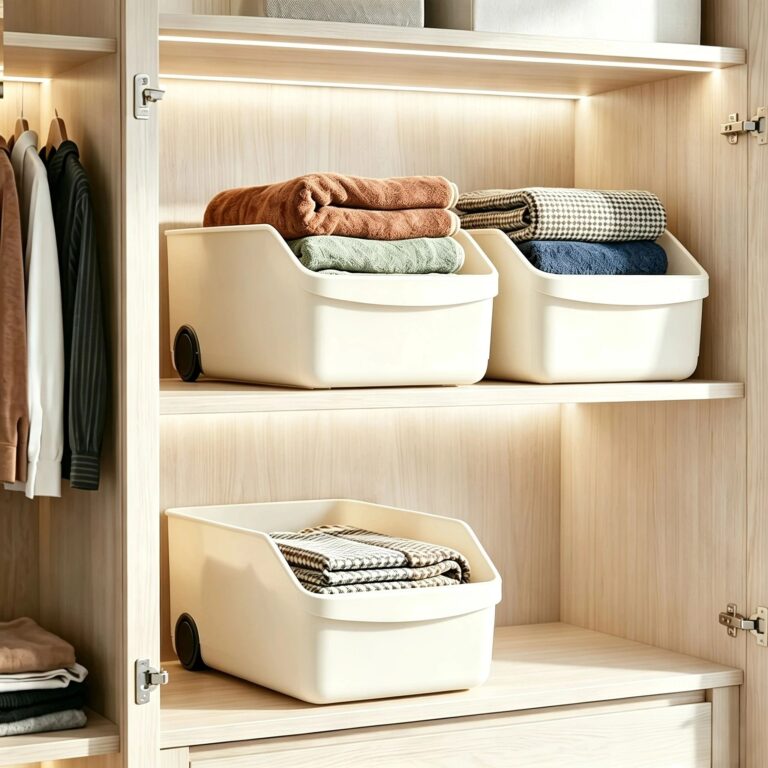
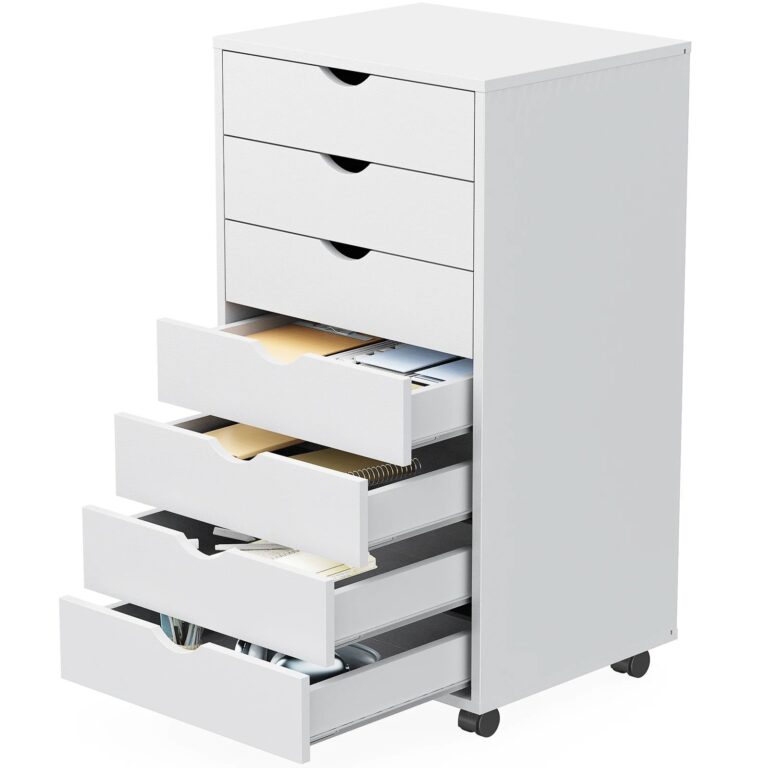 Aisha's pickMetal Drawer Dressers You’ll Still Like in Five Years
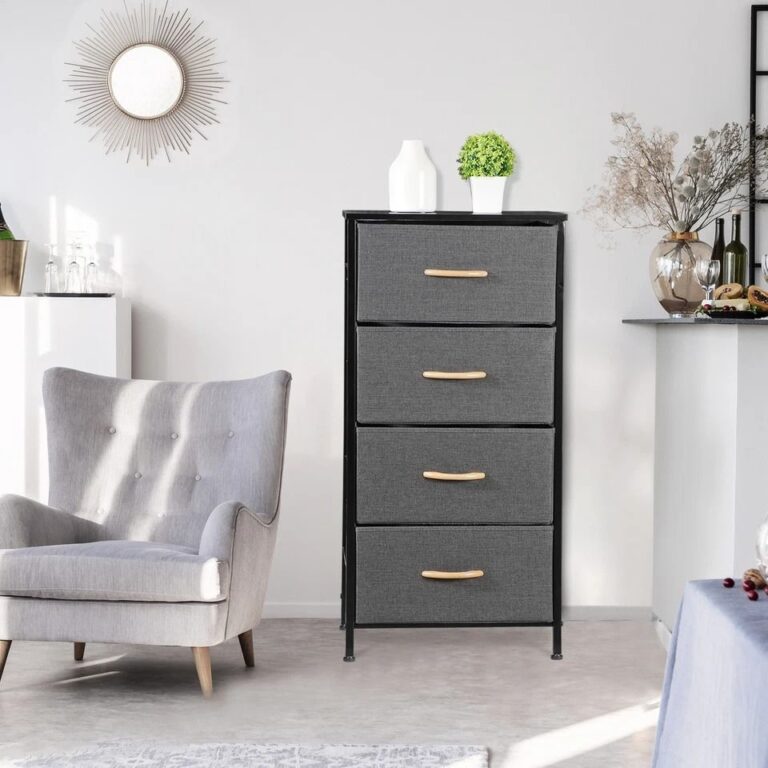
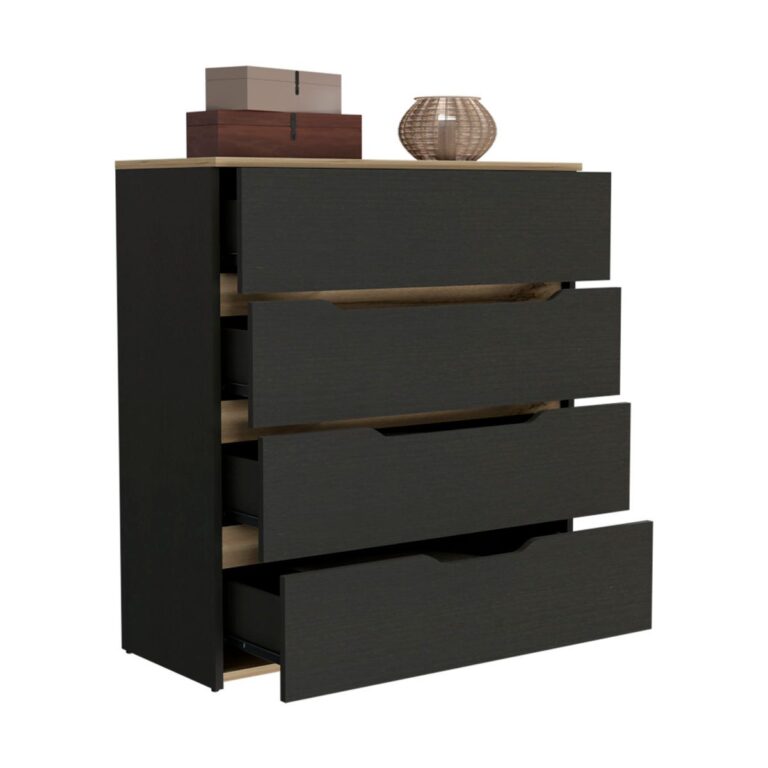 Aisha's pickModern Drawer Dressers Pulled From Dozens of Stores
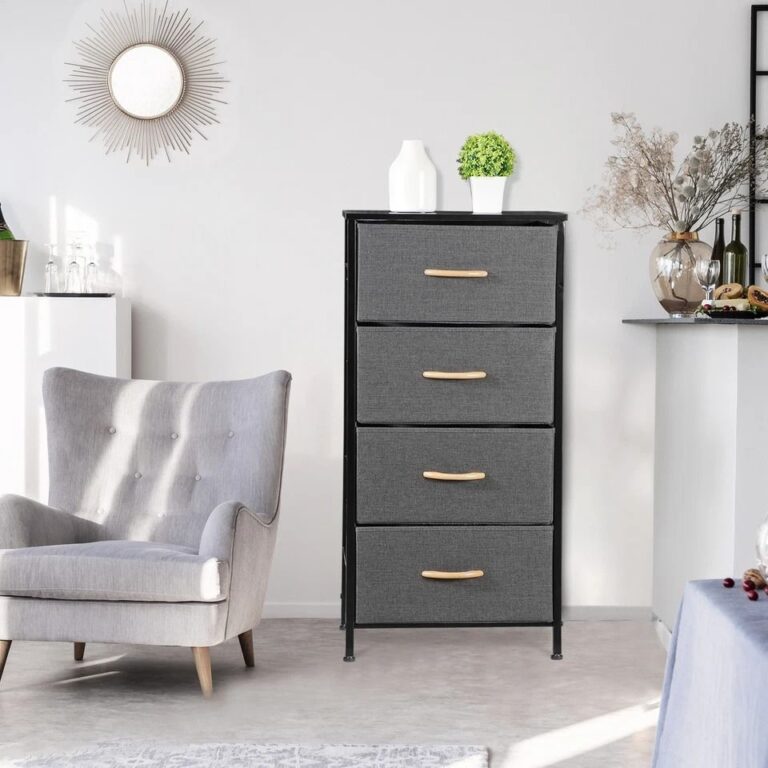
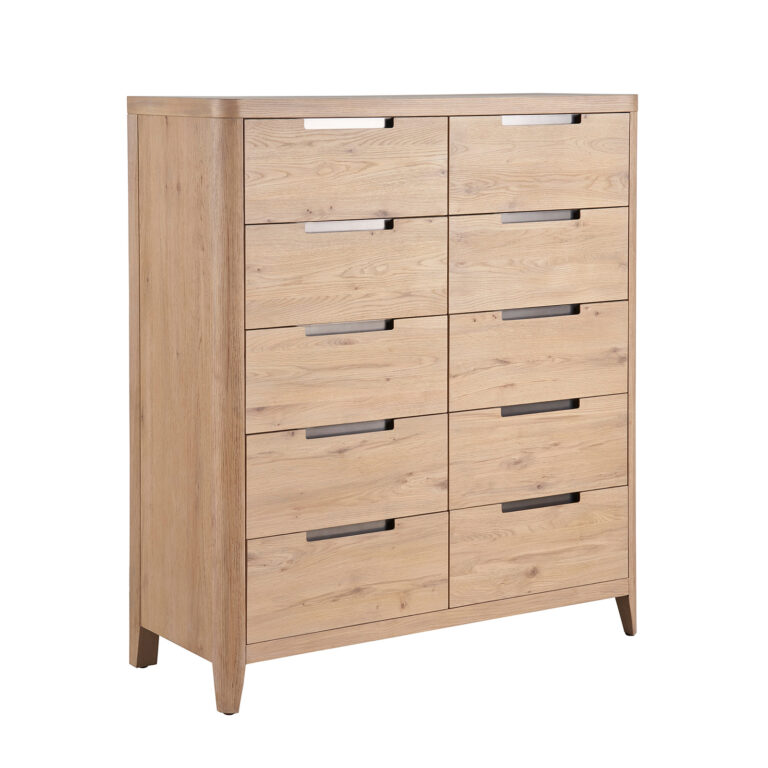 Aisha's pickOak Drawer Dressers That Hide the Mess for Good
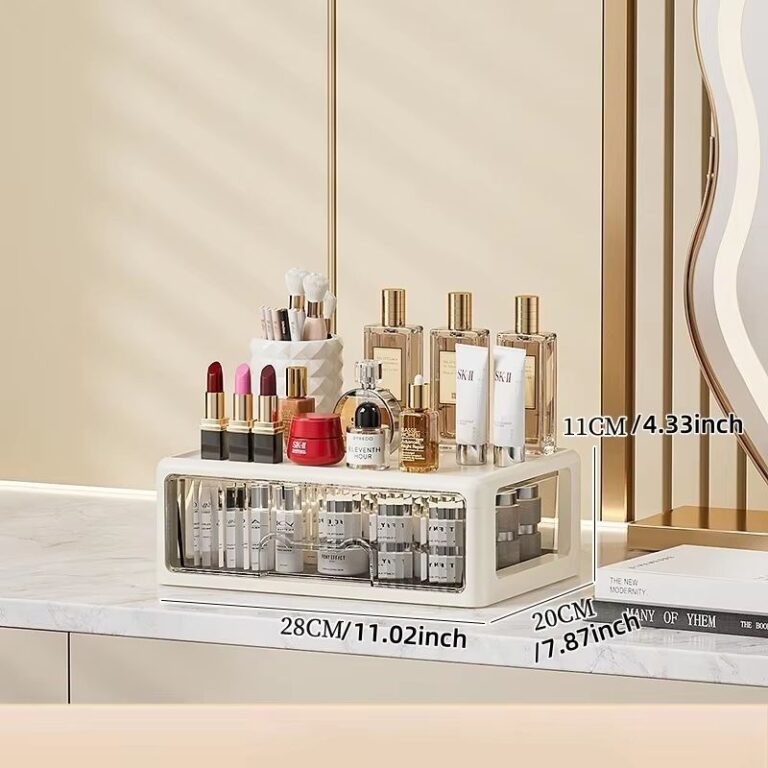 Aisha's pickPlastic Drawer Towers With Room for More Than You’d Think
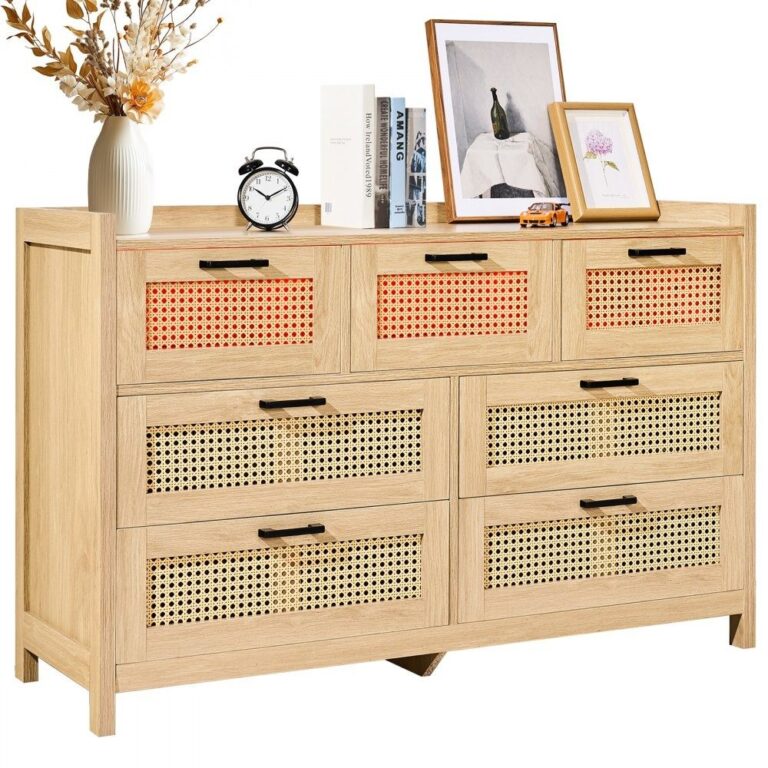 Aisha's pickRattan Drawer Dressers That Sort Out the Chaos
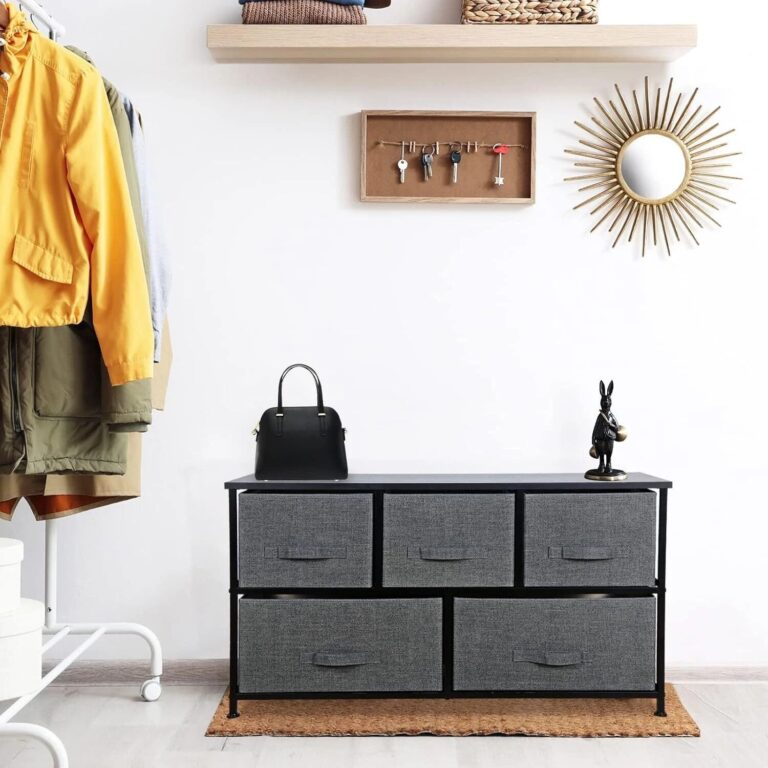 Aisha's pickSmall Drawer Dressers We Wish We’d Bought Sooner
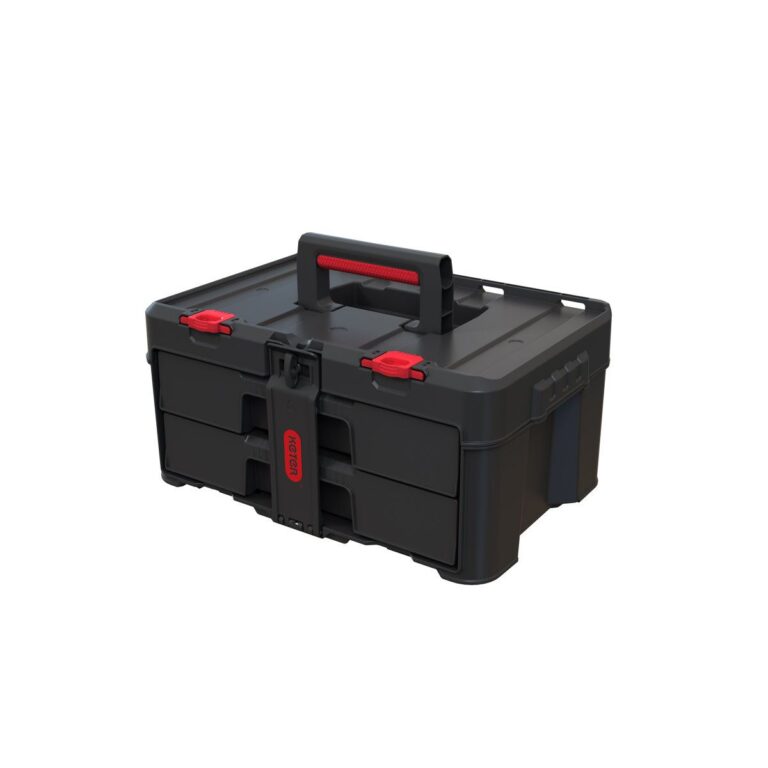
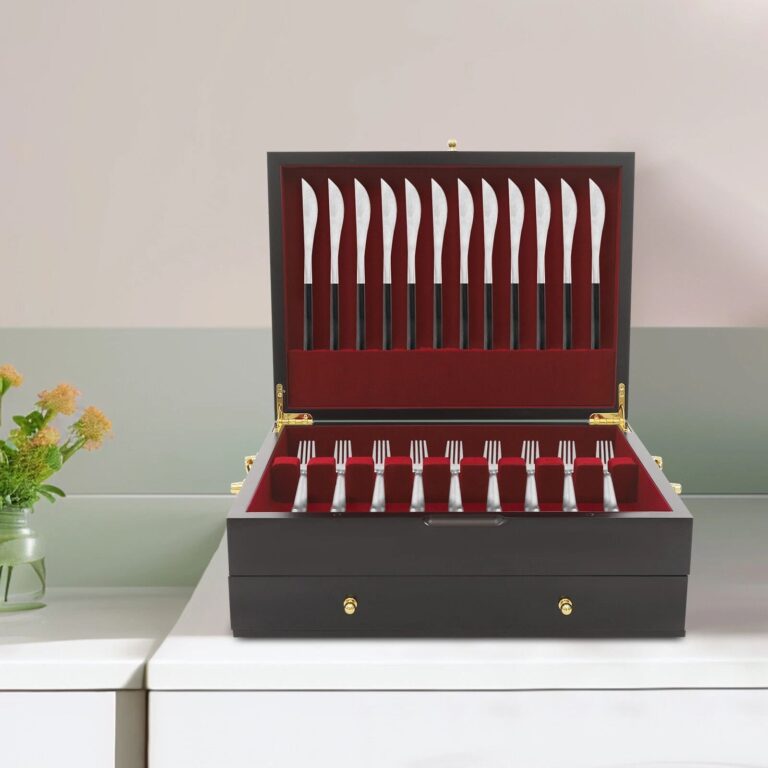 Aisha's pickVintage Drawer Dressers That Get Better With AgeAlso worth a lookStorage DrawersStorage drawers make the most sense in a house where things actually pile up, sweaters in the fall,…See the collections →
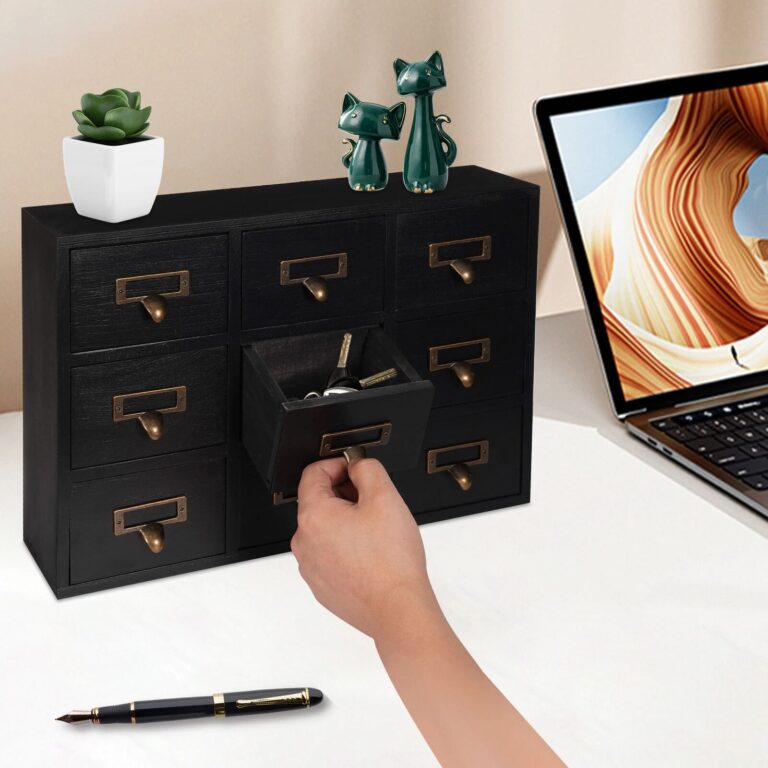
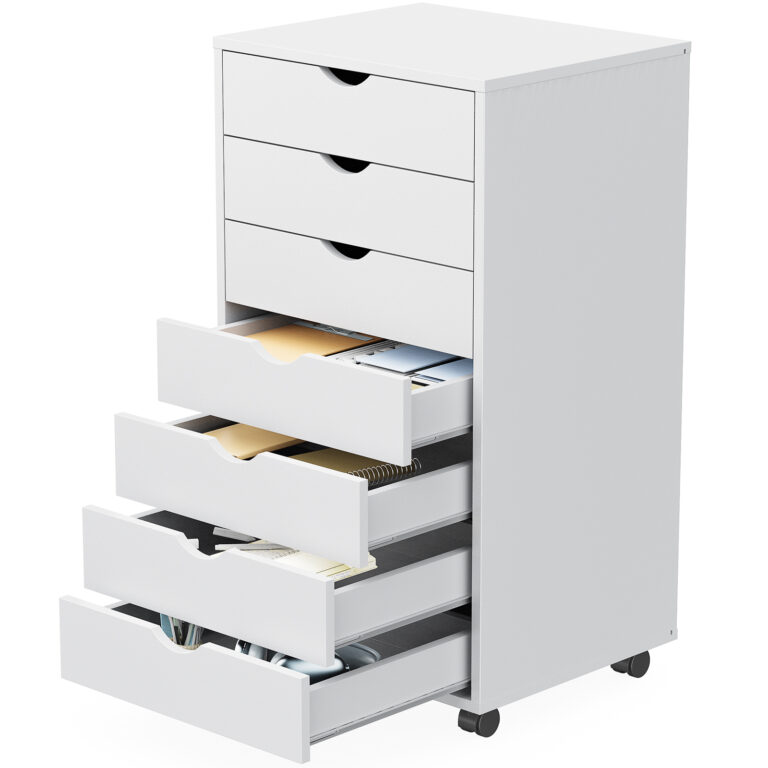 Aisha's pickWooden Drawer Dressers That Squeeze Into Awkward Corners
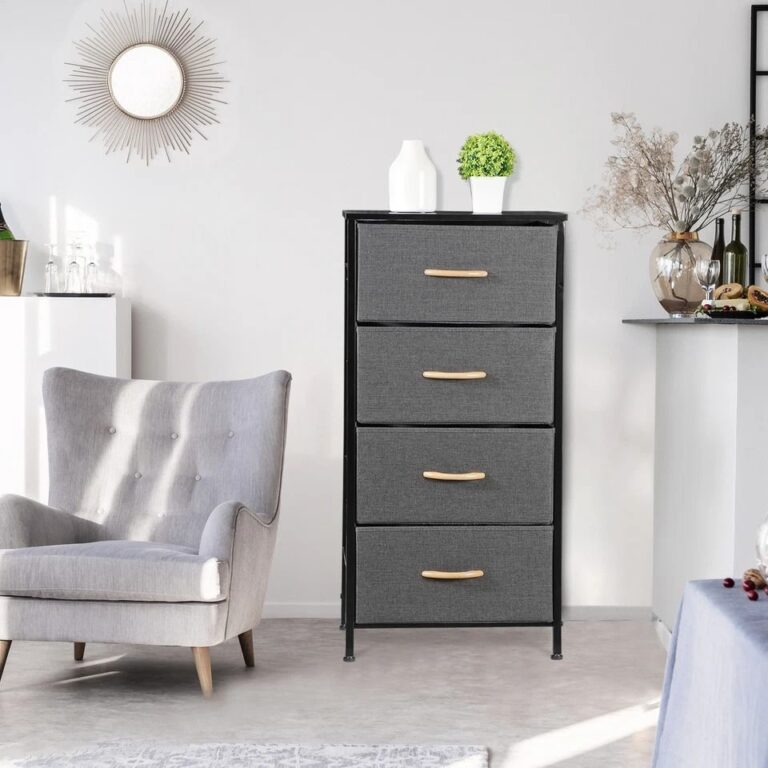
 Aisha's pickClear Drawer Towers for When the Old Ones Give Up