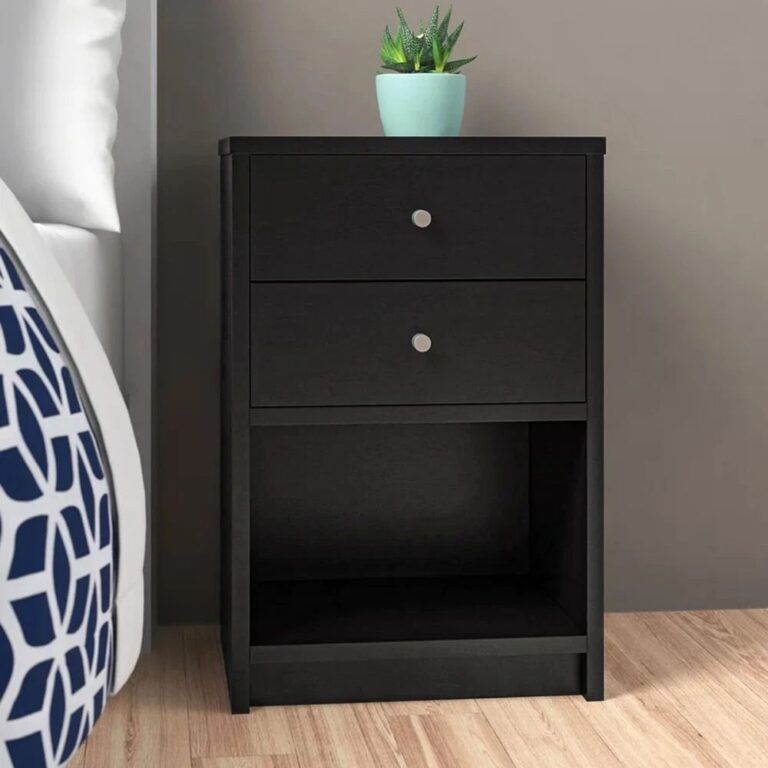
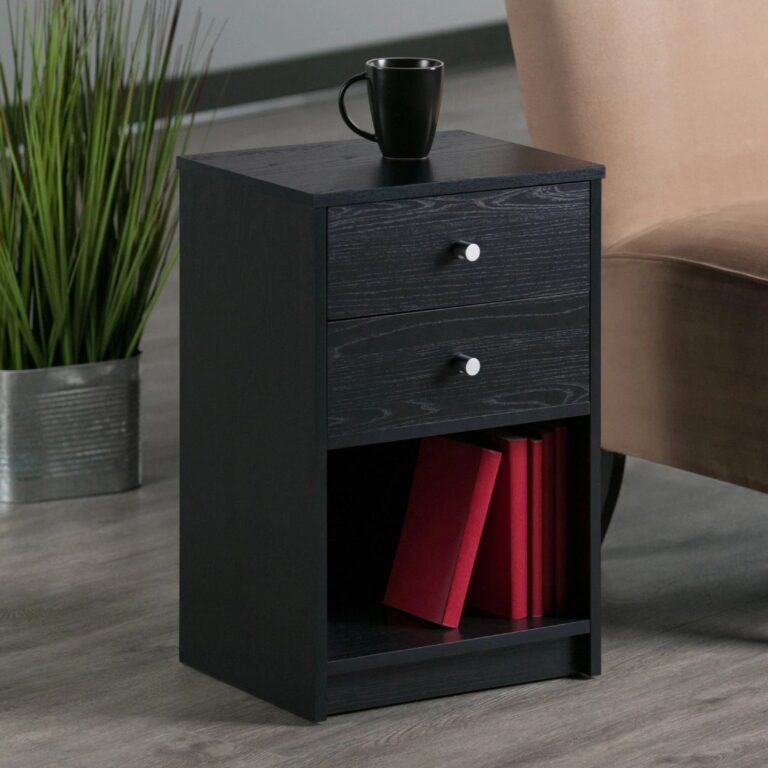
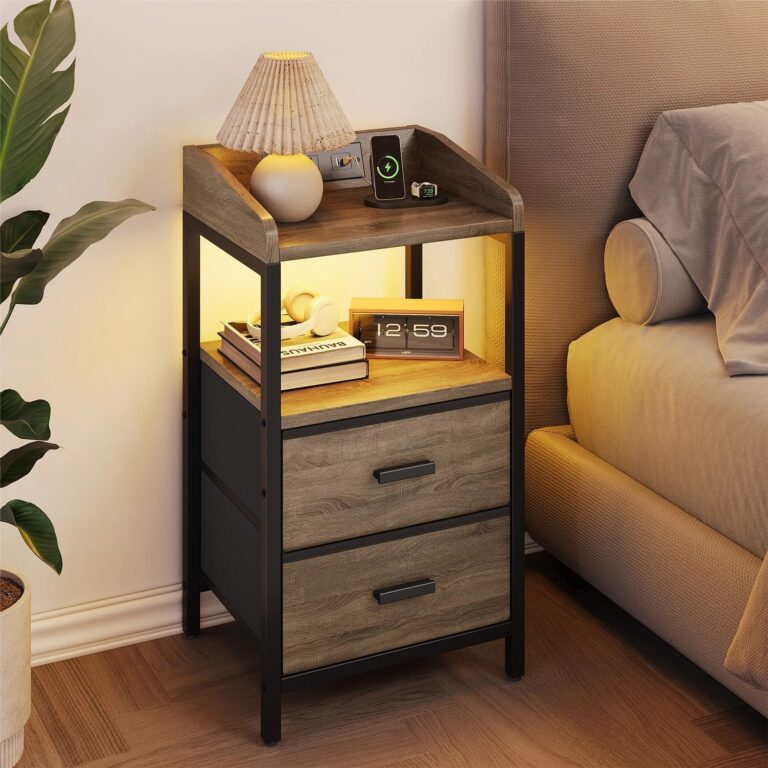
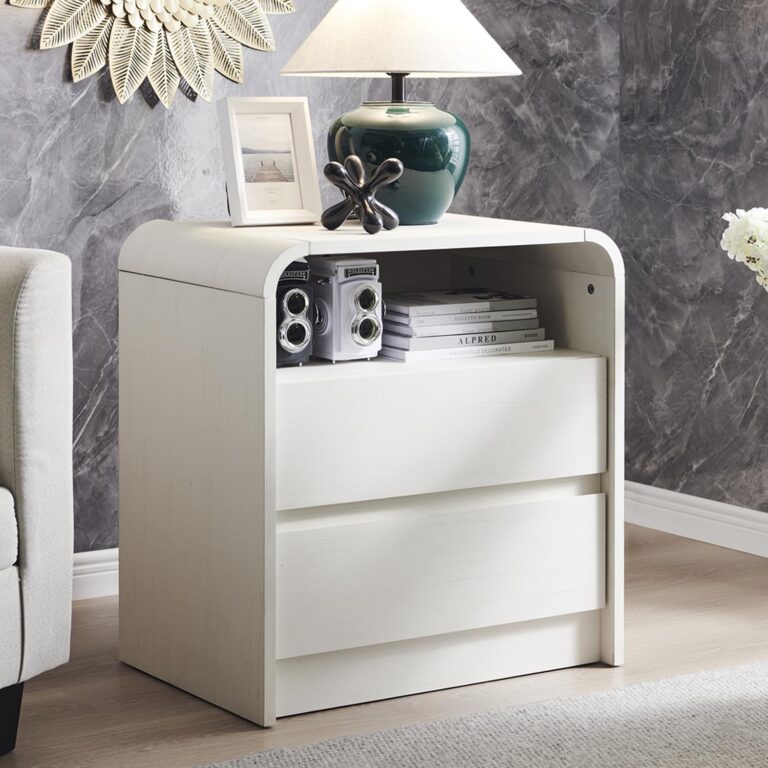
The question I get most about bedside drawers is whether you actually need the drawers at all, or if a flat topped table does the job. My answer is drawers, every time, unless your nightstand is purely decorative. A surface collects whatever you set down before bed and never picks up again. A drawer at least hides it. One shelf and one drawer is the minimum I'd settle for, because the shelf holds the book you're mid way through and the drawer holds the stuff you don't want a guest to see when they put their phone charger down.
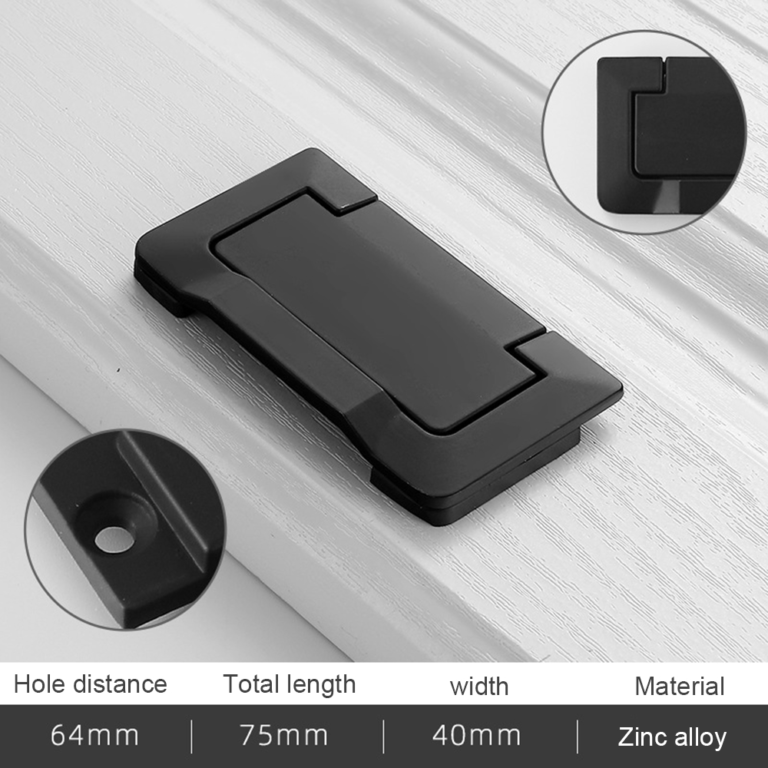
Check the drawer runners before anything else, in a shop or the second it arrives. Pull them all the way out, not just an inch, because that's where cheap runners stick or tilt. Look at what's actually holding the drawer front on, some are glued and pinned and will loosen within a year of normal use, nightstand drawers get opened and shut more than almost anything else in a bedroom. Run a hand over the top surface too. Veneer over particleboard is fine and common and completely respectable at this price point, but you want to know that's what you're getting rather than finding out when a water glass leaves a ring on day one.
Measuring matters more here than people expect from something this small. You want the top within a couple of inches of your mattress height, lower is fine, a nightstand that sits well above your mattress means you're reaching up and over every time you turn off a lamp, which gets old fast. Leave enough room beside the bed to open the top drawer fully without the bed frame blocking it, I learned this one the hard way with a chest that had the drawer pull facing the wrong way for my room and I didn't catch it until it was already up two flights. Depth matters too, a deep piece eats into the walking space around a bed faster than you'd guess from a tape measure alone.
Where it goes wrong is scale against the bed itself. A tall four drawer chest beside a low platform bed looks like it's about to tip over onto you. A dainty one drawer table beside a high bed with a big headboard just disappears, like it got left there by accident.
Solid wood ones mellow with age in a way that's genuinely nice to watch, the color deepens, corners round off slightly from decades of hands and hips bumping past in the dark. Veneer ones don't age so much as hold steady until the day the edge starts to lift, which is the one thing to watch for down the line.
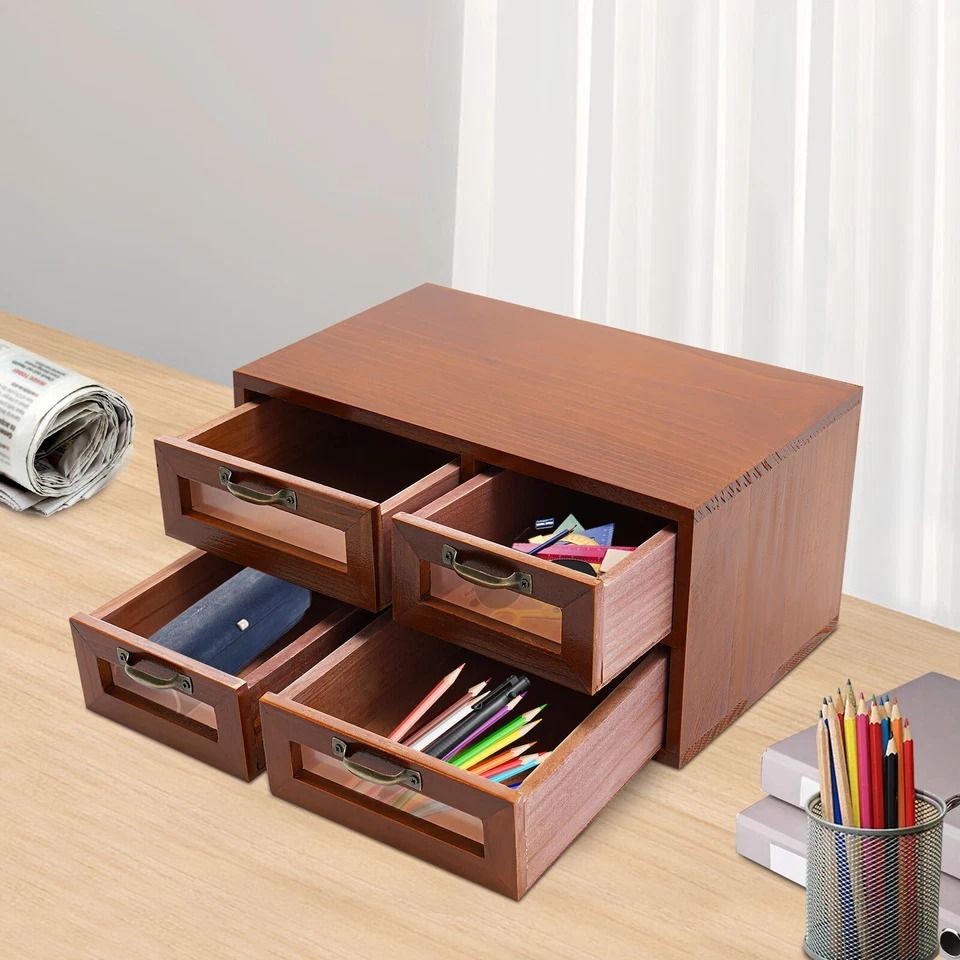 Aisha's pickModern Nightstands for Bedrooms Big and Small
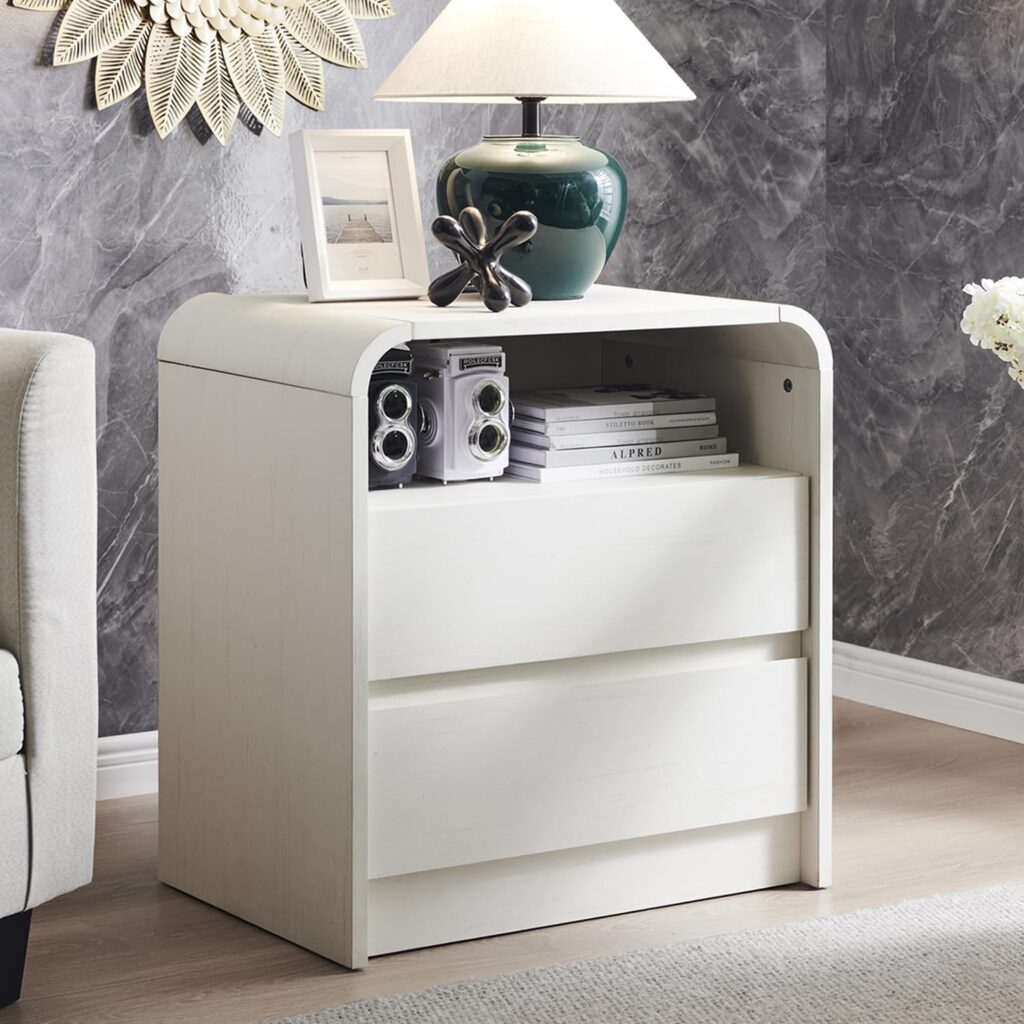
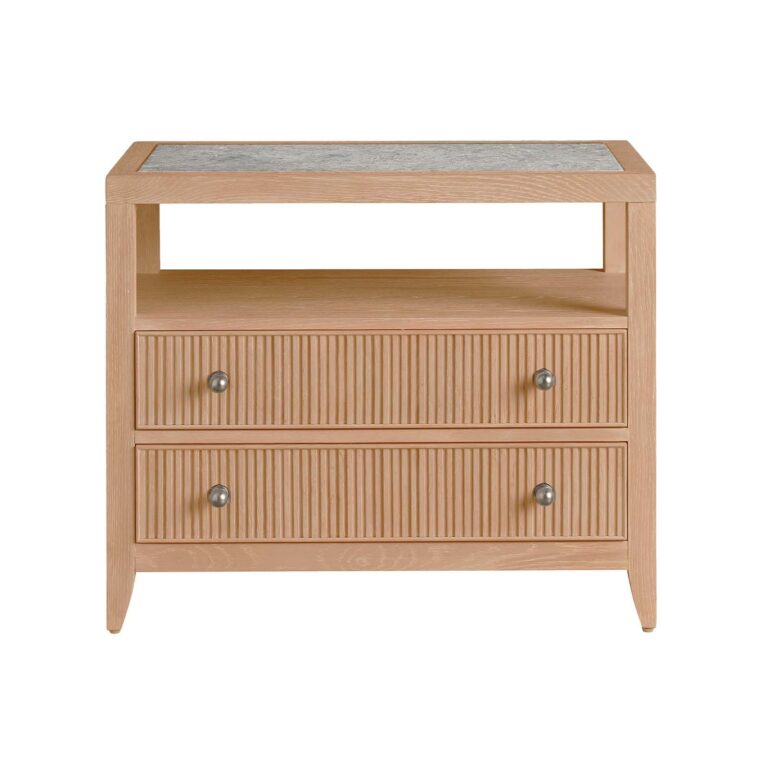 Aisha's pickOpen Shelf Nightstands That Make the Bedroom Feel Finished
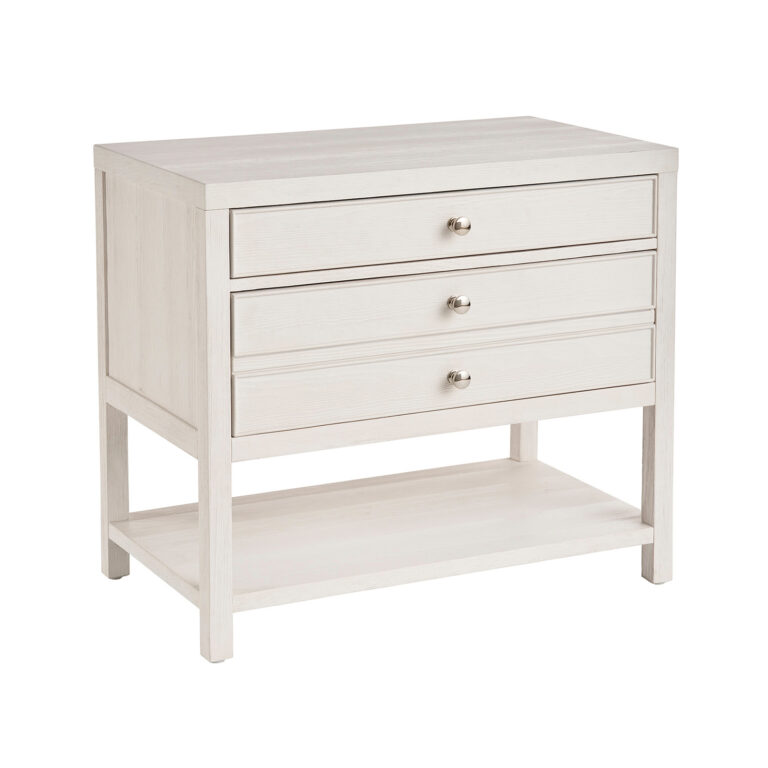
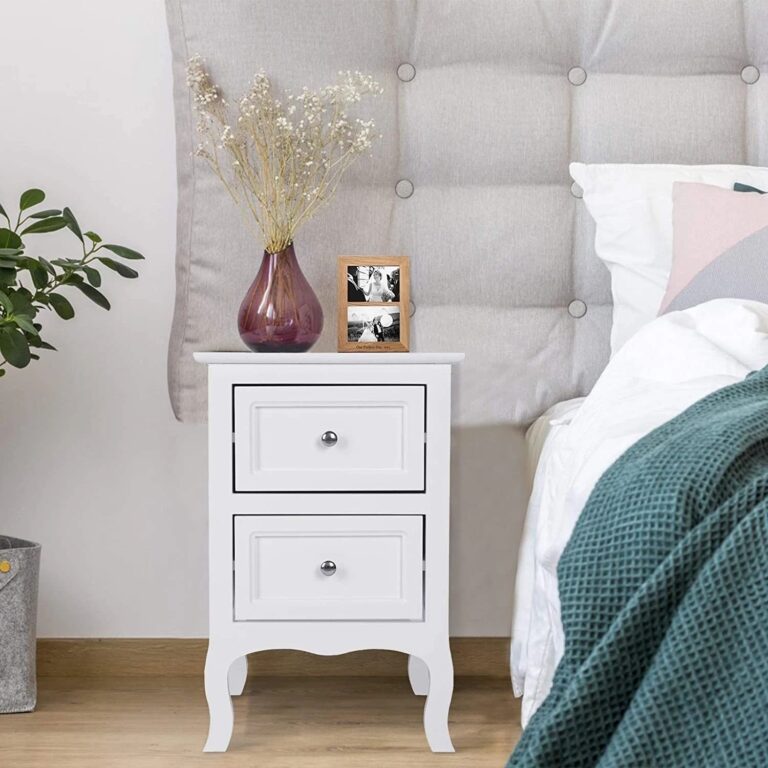 Aisha's pickRustic Nightstands You Won’t Want to Hide Away
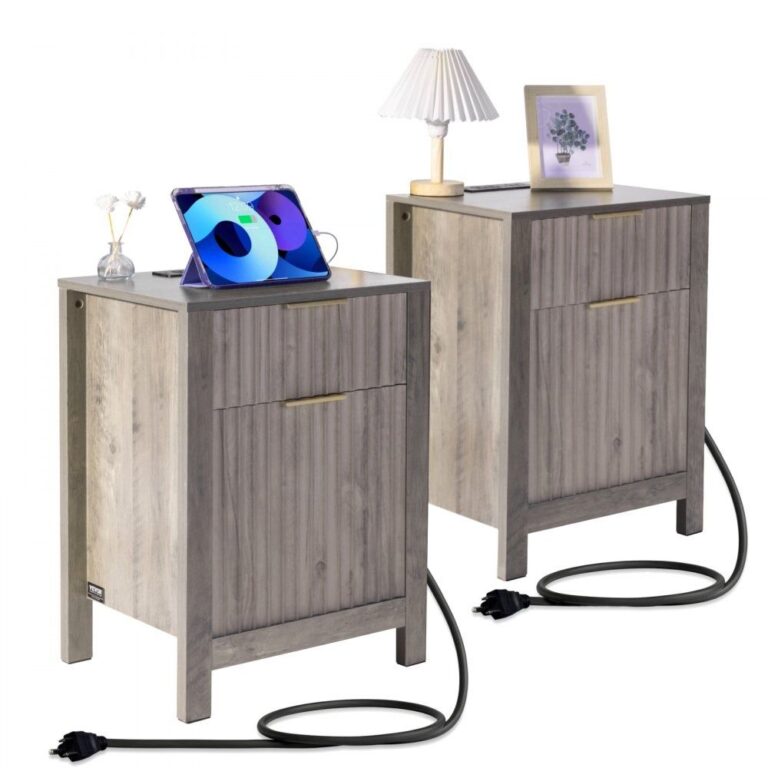
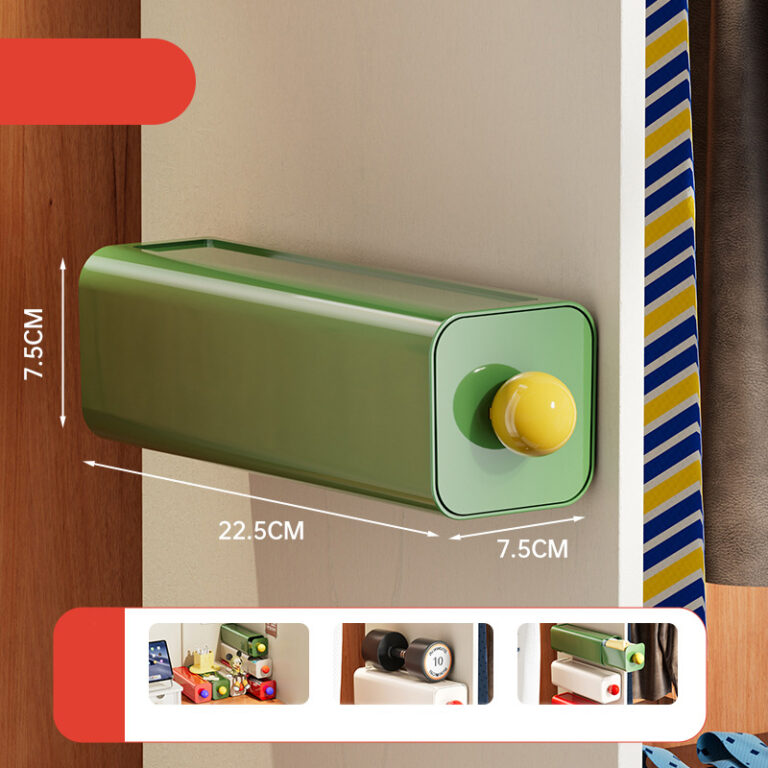 Aisha's pickSlim Nightstands That Do the Job Right
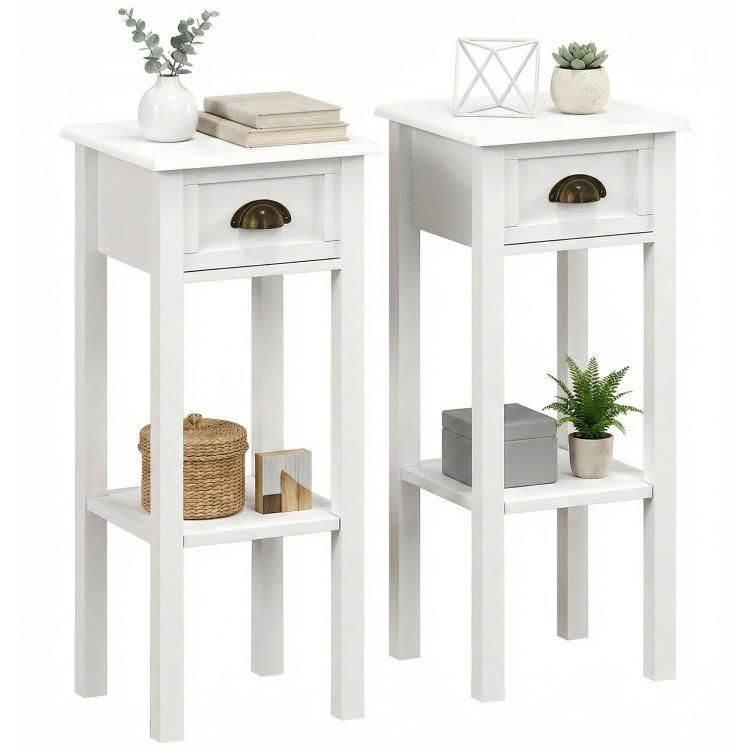
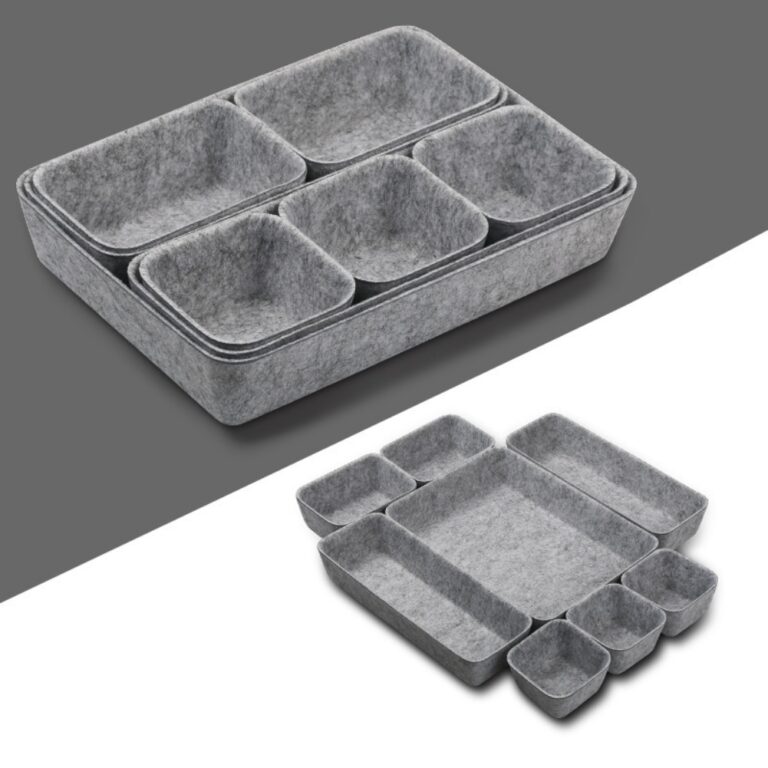 Aisha's pickSmall Nightstands That Don’t Need Babying
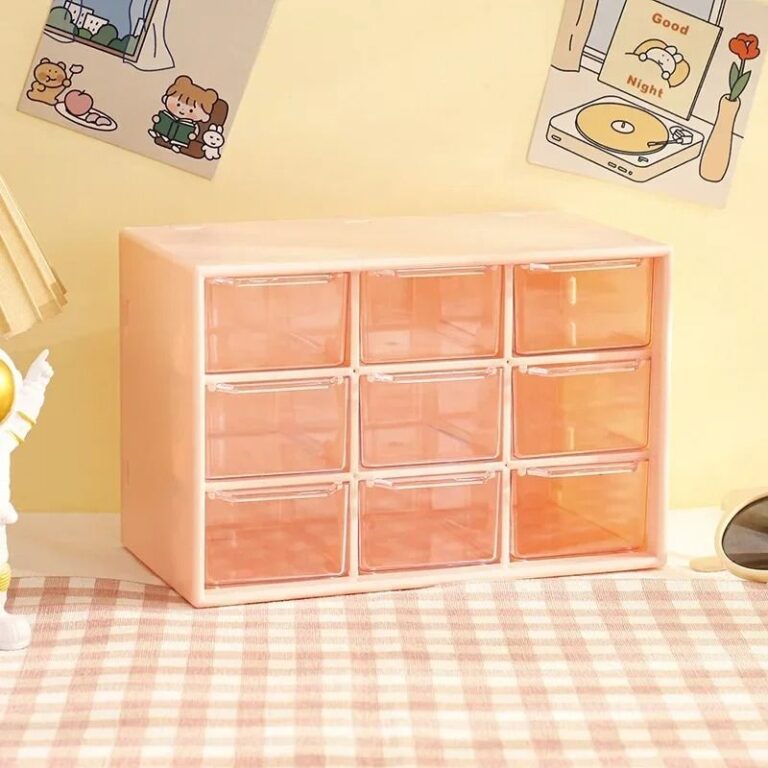
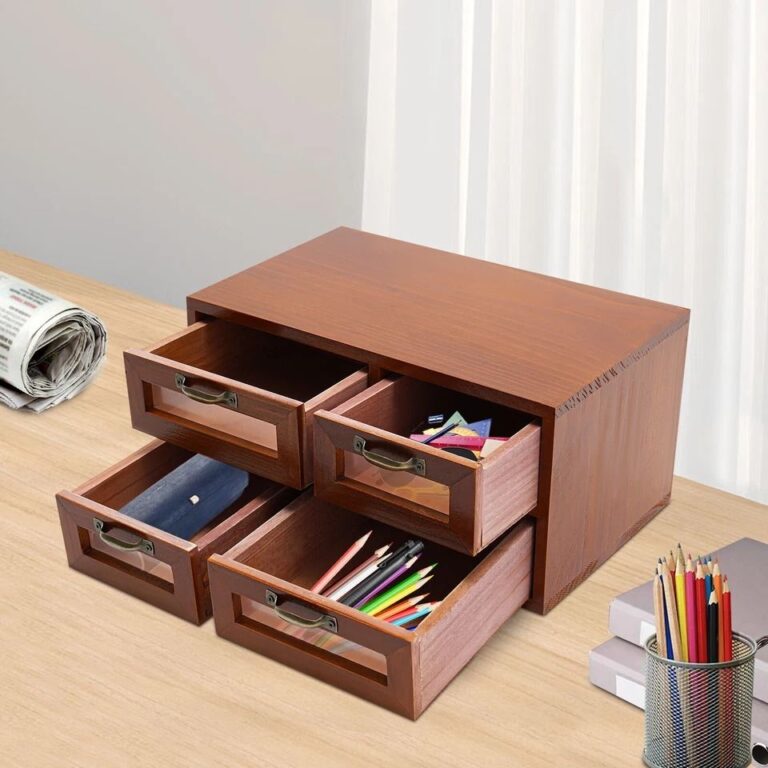 Aisha's pickVintage Nightstands for Bedrooms Big and Small
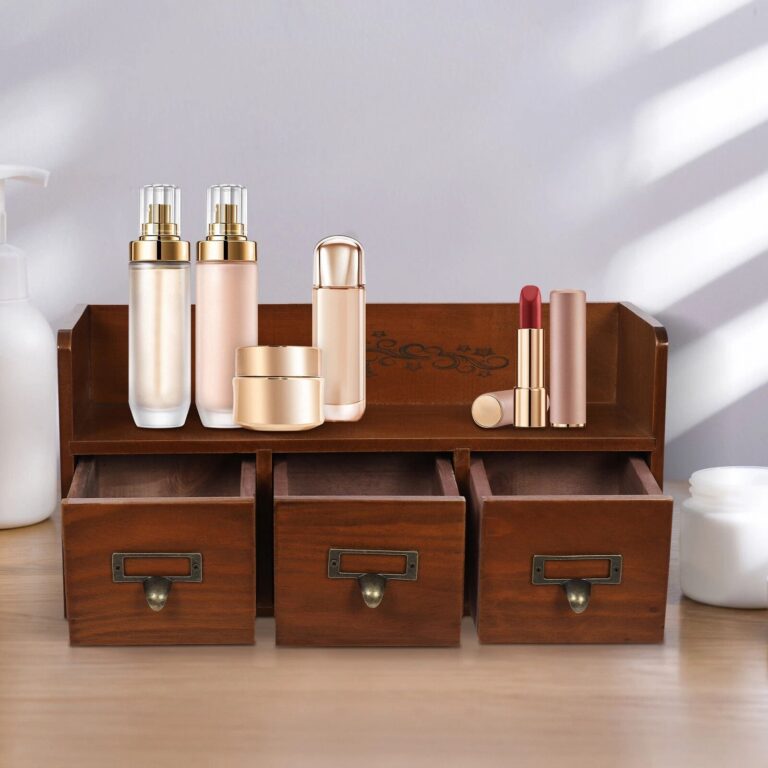
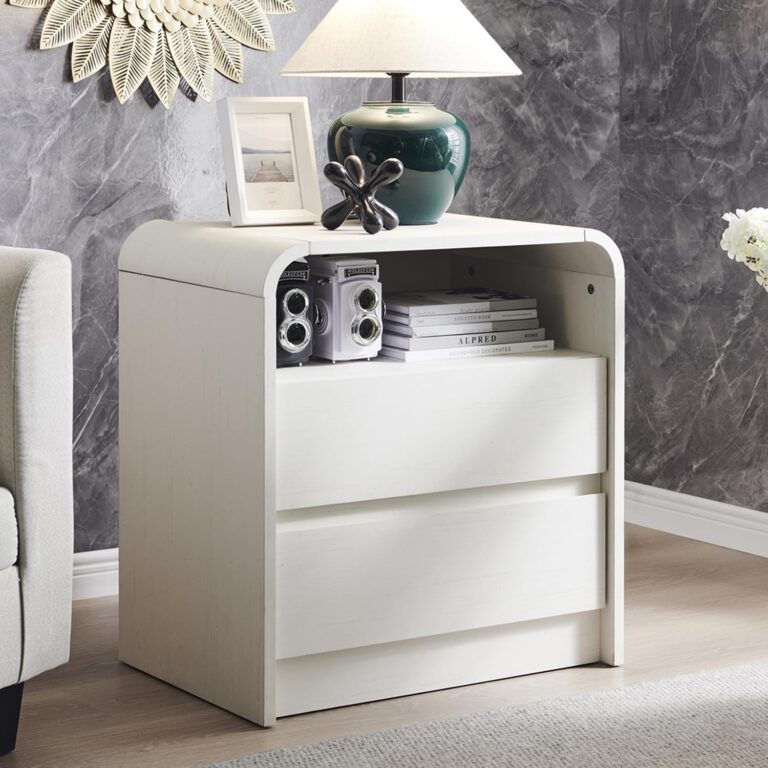 Aisha's pickWide Nightstands That Make the Bedroom Feel Finished
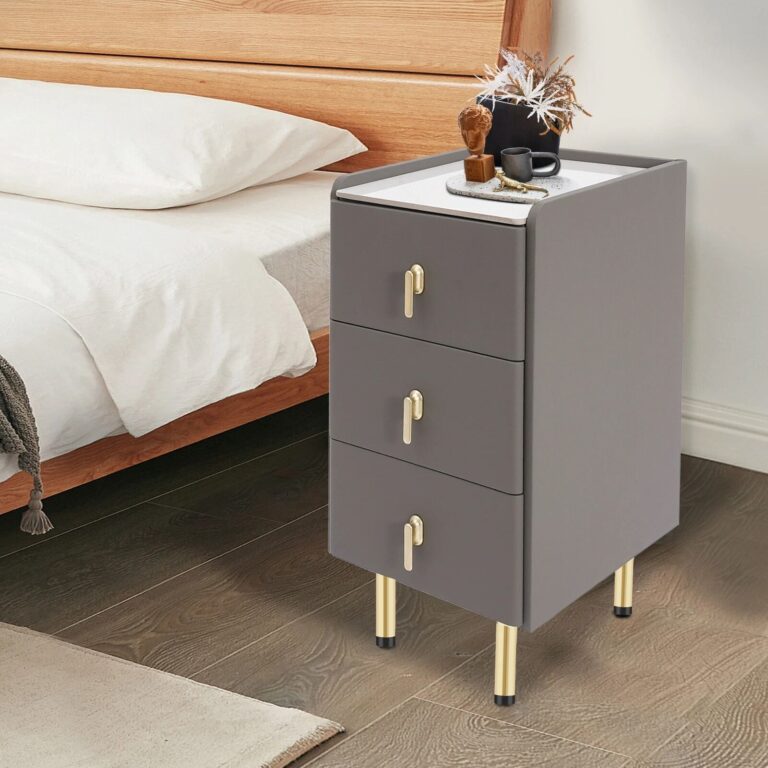
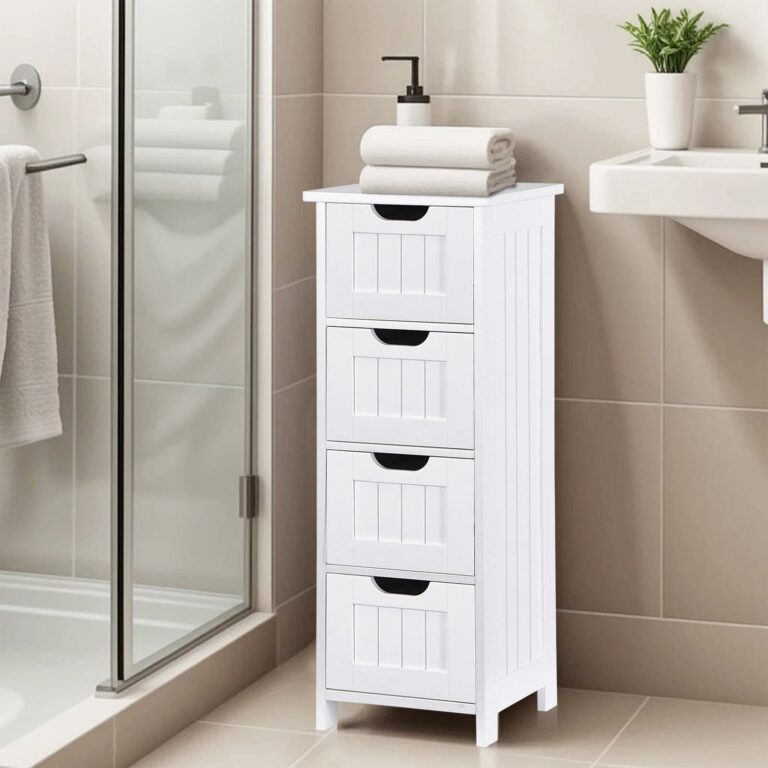 Aisha's pickWooden Nightstands That Make the Bedroom Feel Finished
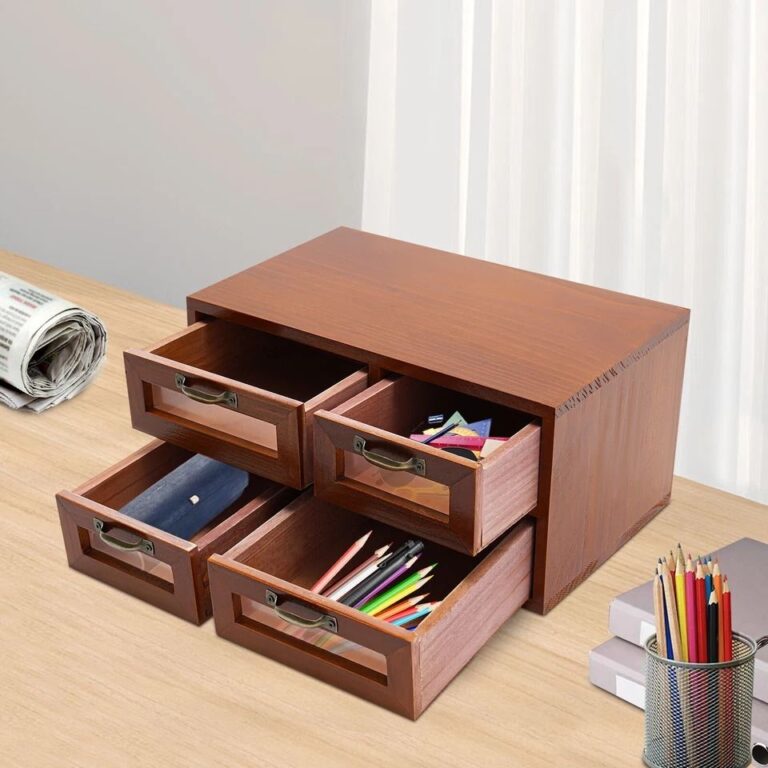
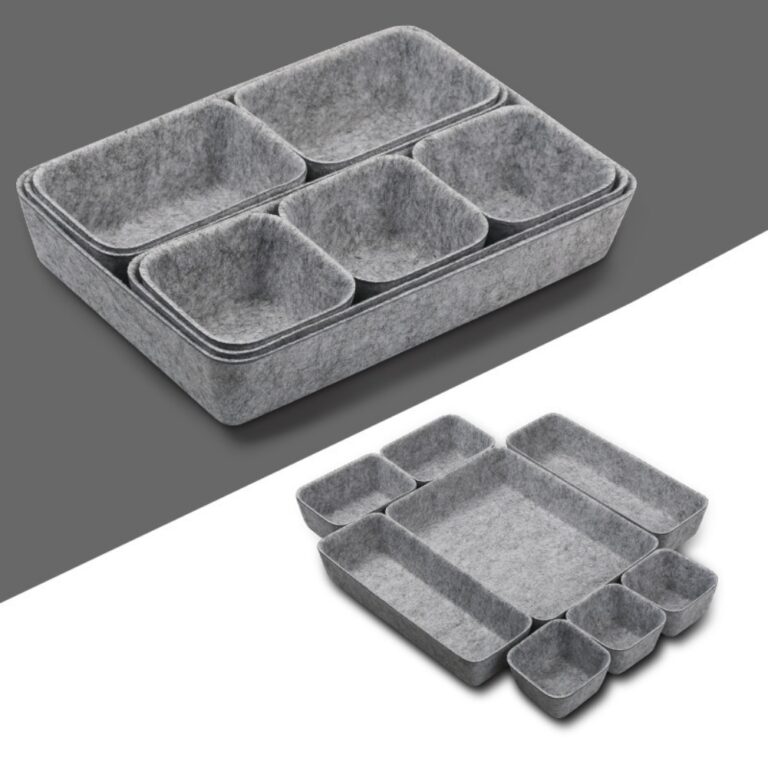 Aisha's pickNightstands for Homes With Too Much StuffAlso worth a lookStorage DrawersStorage drawers make the most sense in a house where things actually pile up, sweaters in the fall,…See the collections →
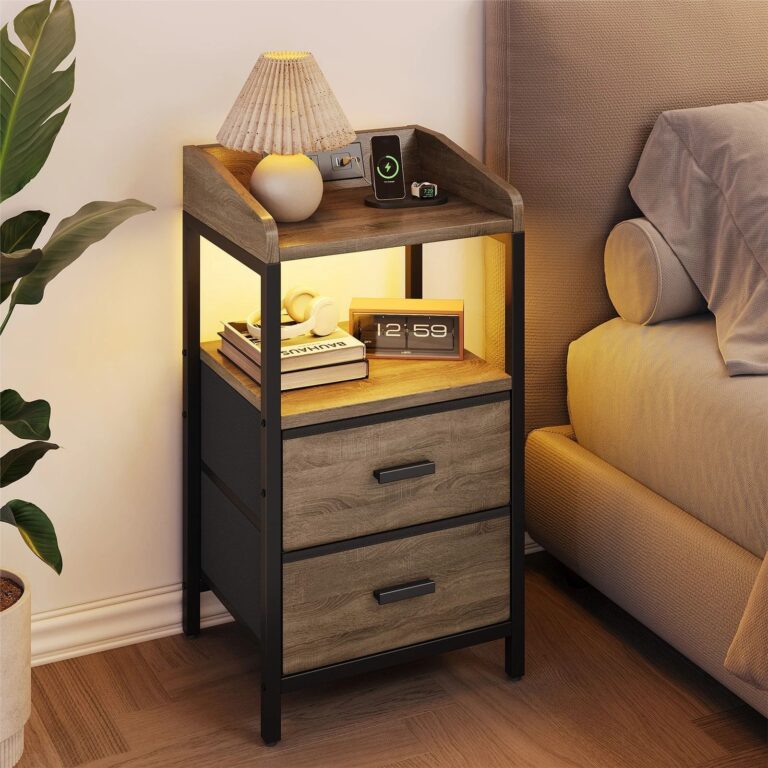
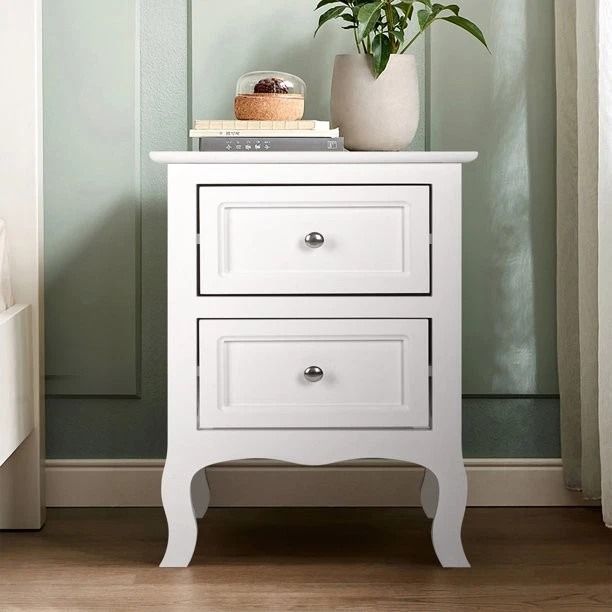 Aisha's pickNightstands for Small Spaces That Look Good Up Close
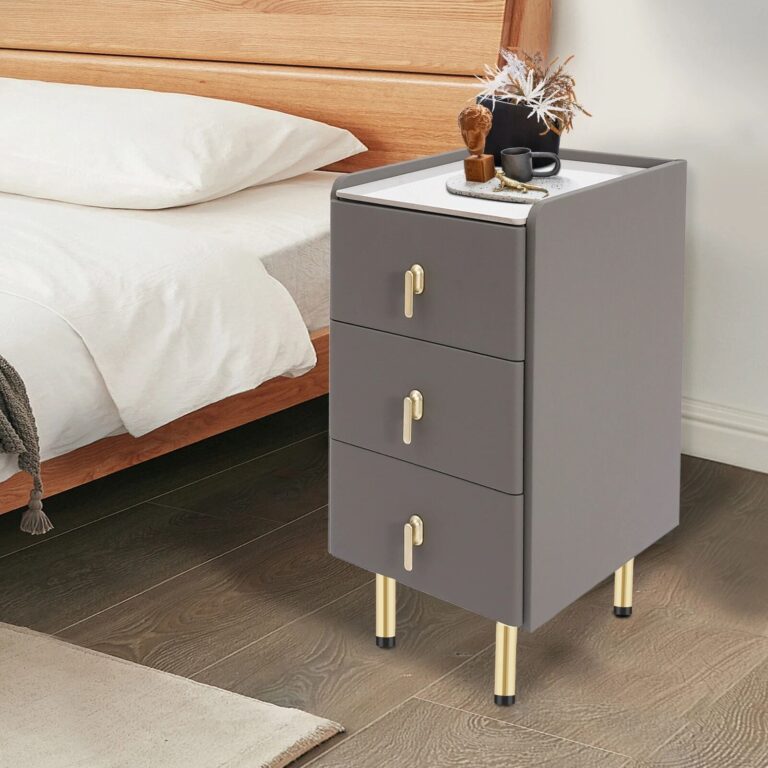
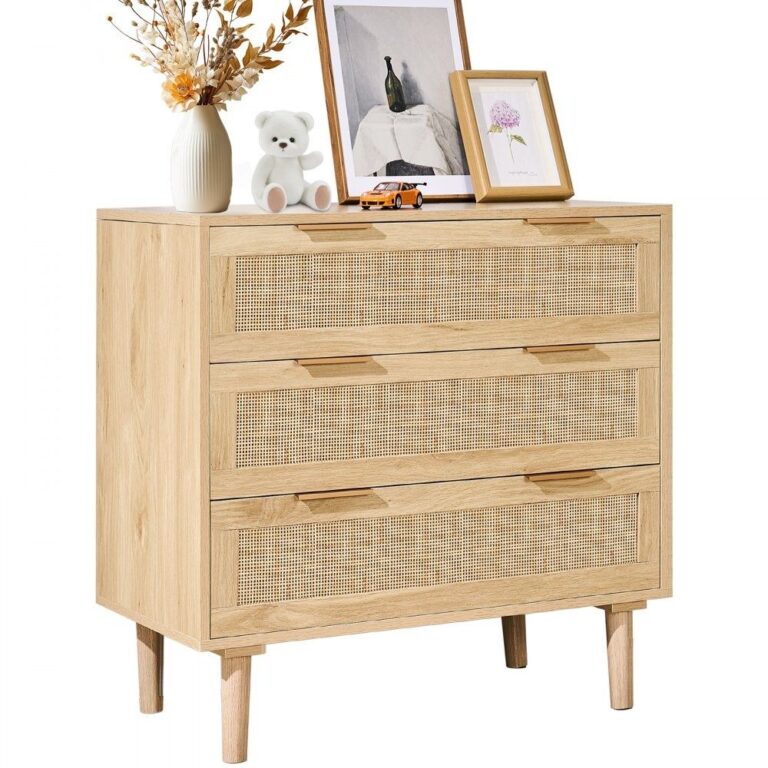 Aisha's pickNightstands with Metal Legs That Make Tidying Up Quicker
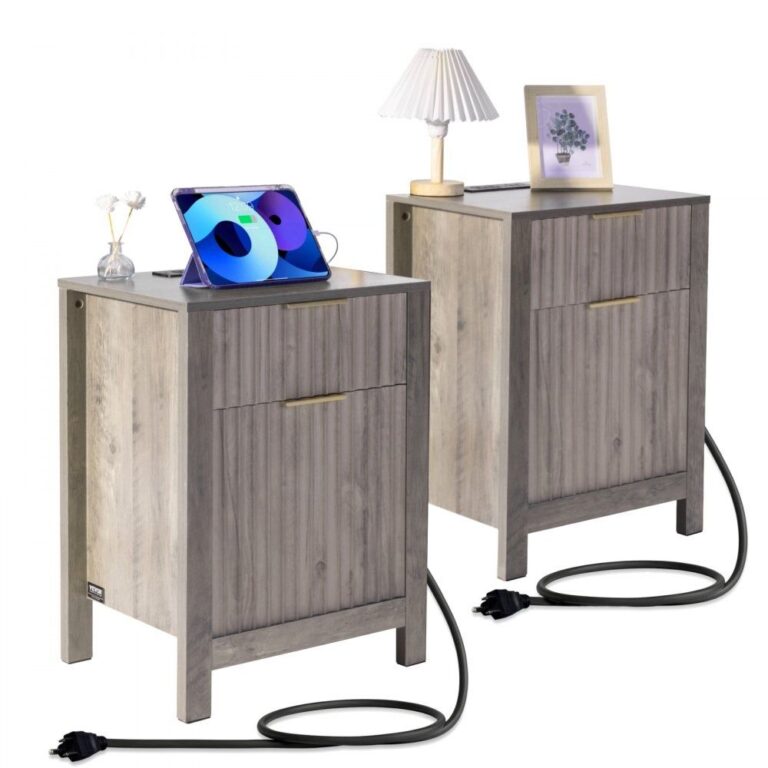
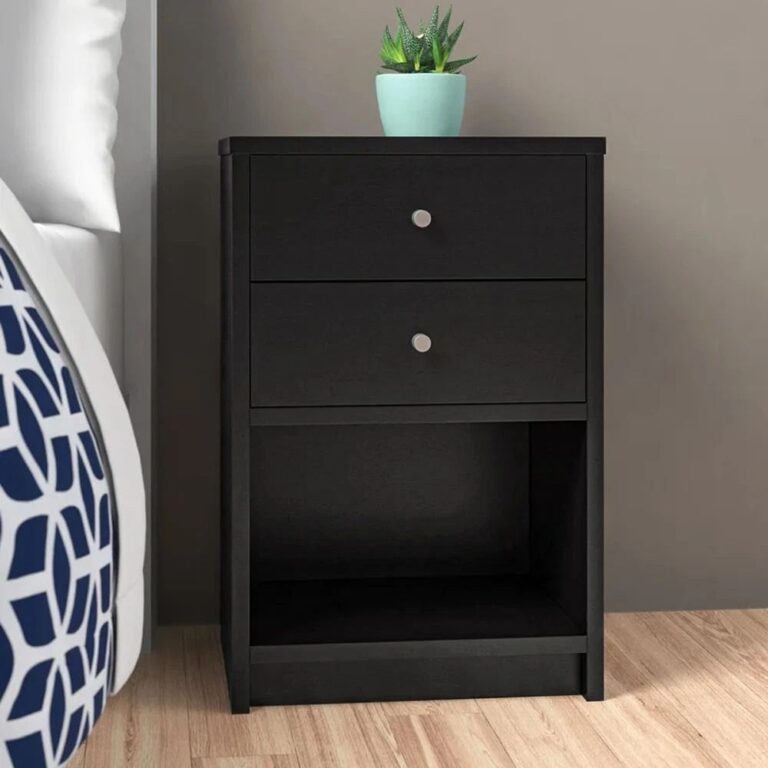 Aisha's pickNightstands with Shelf That Swallow the Clutter