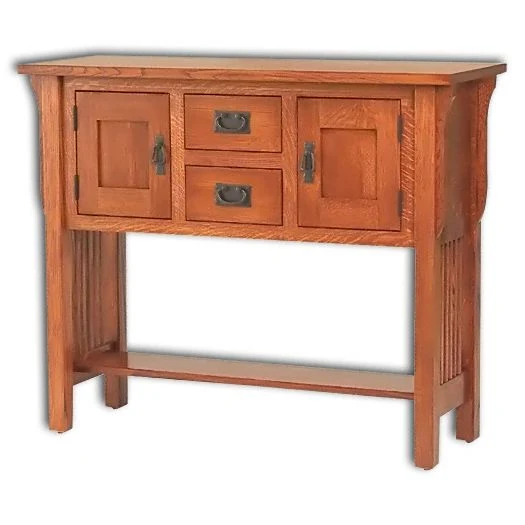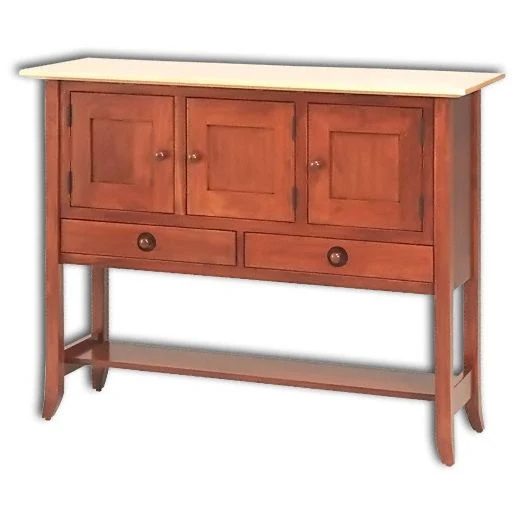
A sideboard makes the most sense for a dining room or entry that needs somewhere to hide the clutter of daily life, the mismatched placemats, the extra chargers, the good napkins you only use twice a year. If your dining area is already tight on walking room, or you live somewhere you expect to move in a year or two, a long low sideboard might be more furniture than the space can forgive.
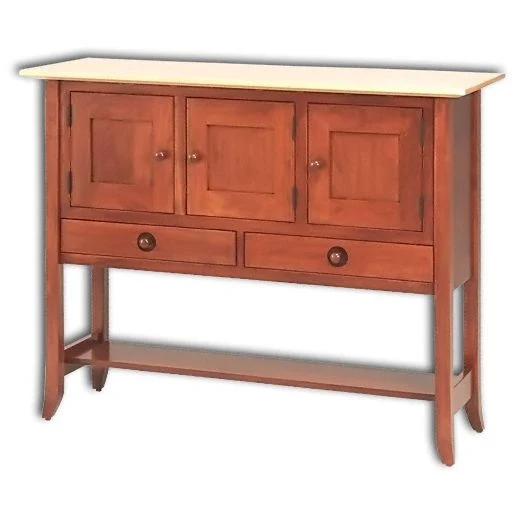
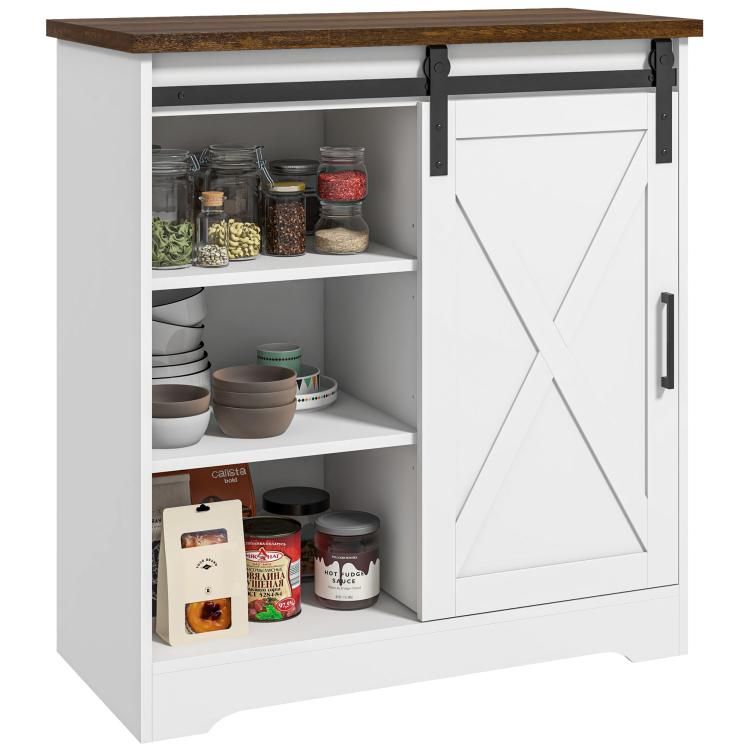
The finishes that wear best over years of actual use tend to be the ones that don't show every fingerprint and water ring right away. A warm wood tone with some grain still visible hides daily wear better than a flat matte white or a high gloss lacquer, both of which look wonderful on day one and start showing scuffs by the second dinner party. Painted pieces in deeper colors, a muted green or a soft charcoal, age more gracefully than anything pale, since the small dings read as character rather than damage. When you're looking at one in person, or the moment it comes off the truck, open every door and drawer slowly and listen to it. A good drawer slides with a quiet, even sound and closes with a soft thud, not a rattle. Check that the doors sit flush and don't need to be lifted slightly to latch, run your hand along the top for any give or flex, and look at how the piece is finished on the back and underside, not just the front, since that tells you how much care went into the parts nobody photographs. Push on it a little side to side. A sideboard that wobbles on a showroom floor will wobble more once it's loaded with dishes and a decade of use.
Where a sideboard falls short is in smaller apartments where every inch of floor space is doing double duty, or in homes where storage needs change often, since these pieces are heavy and not easy to shuffle around once they're full. They're also the wrong call if you need something that can take direct sun for most of the day, as most wood finishes will fade unevenly over the years, lighter on one end than the other, no matter how good the piece started out.
What I like most is how a decent sideboard only gets better looking with time. The surface picks up small marks from glasses and keys and the edges of plates, the wood deepens a shade or two, and within a few years it stops looking like something you bought and starts looking like something that was simply always there.