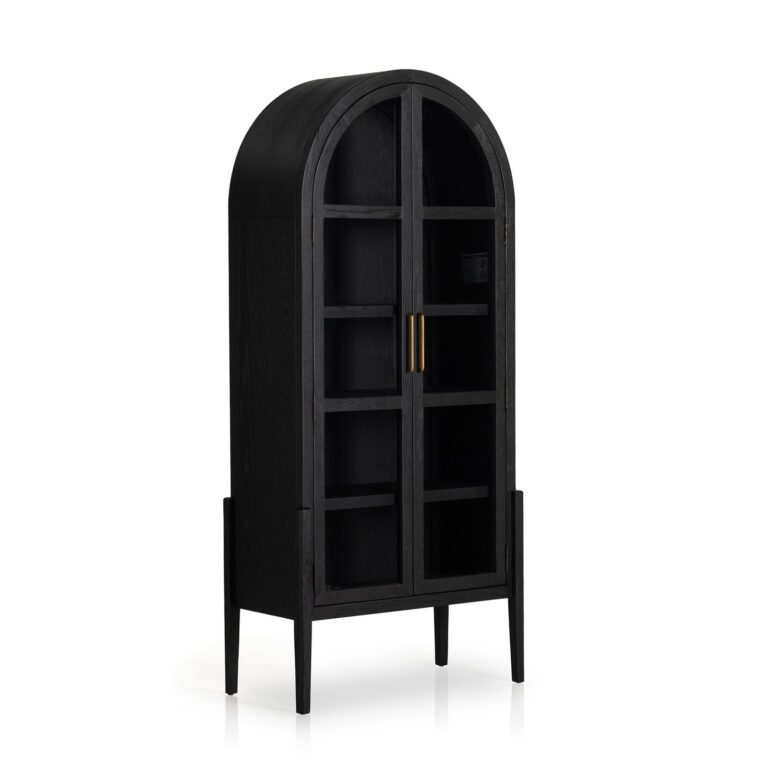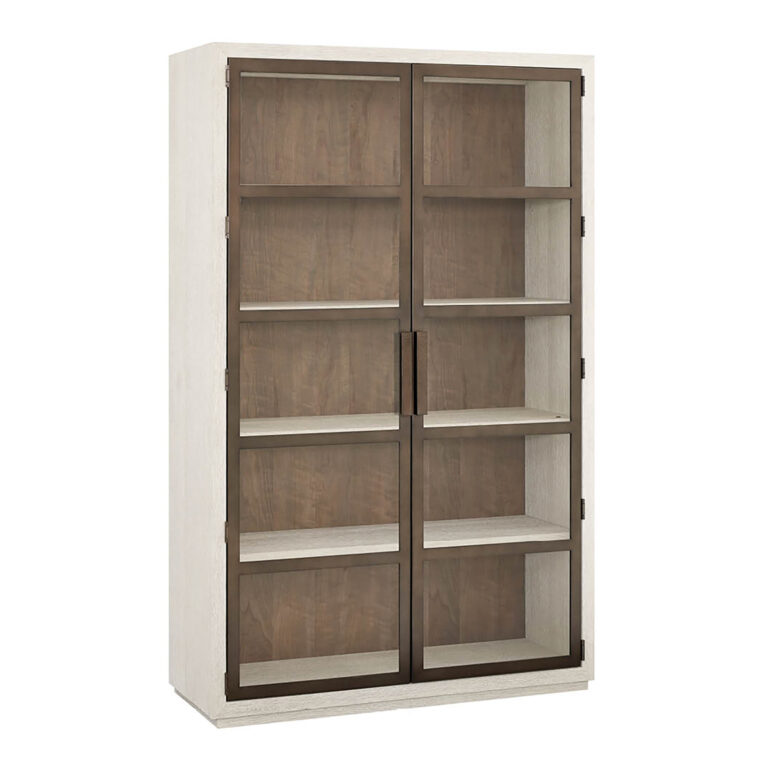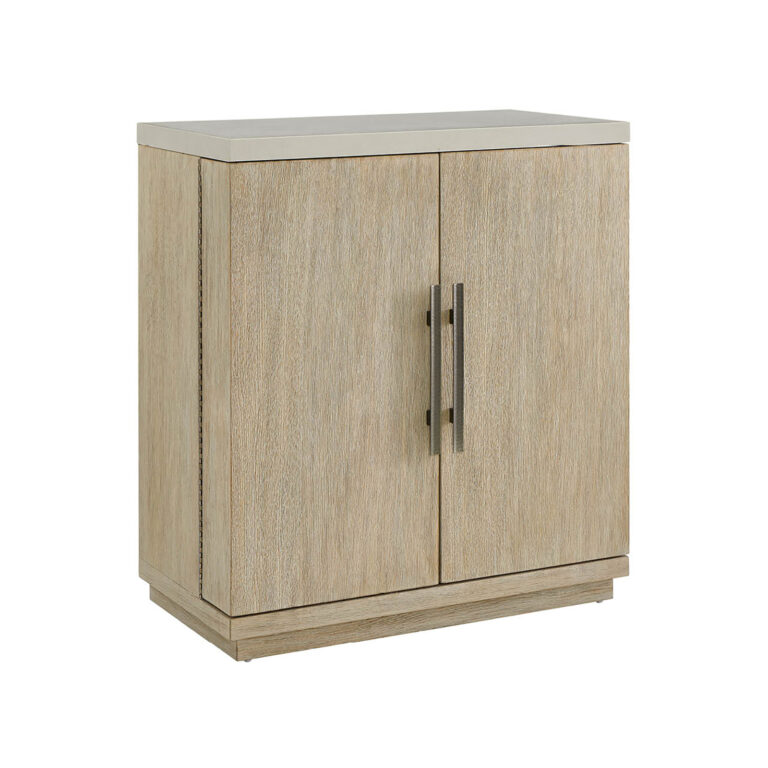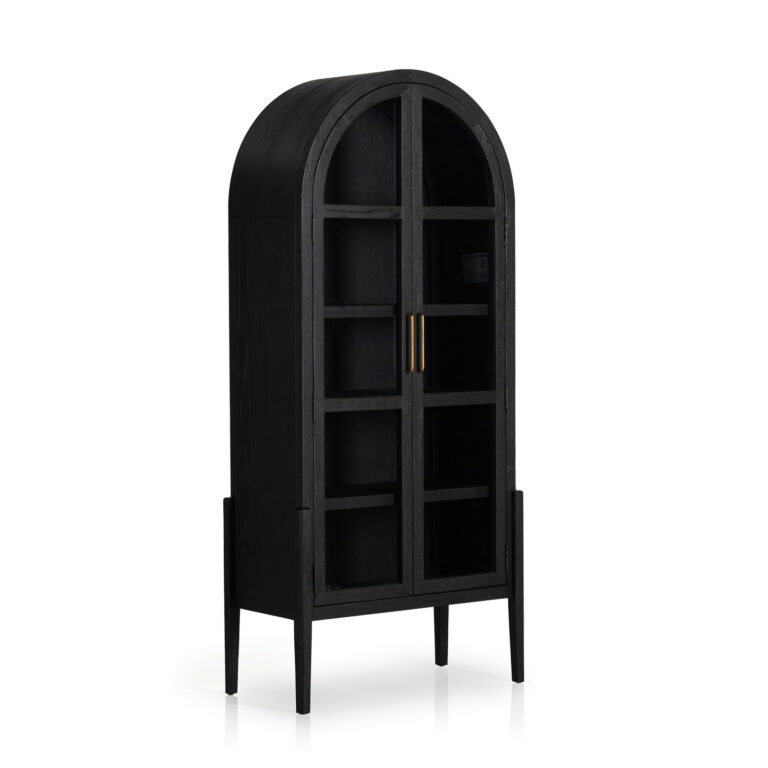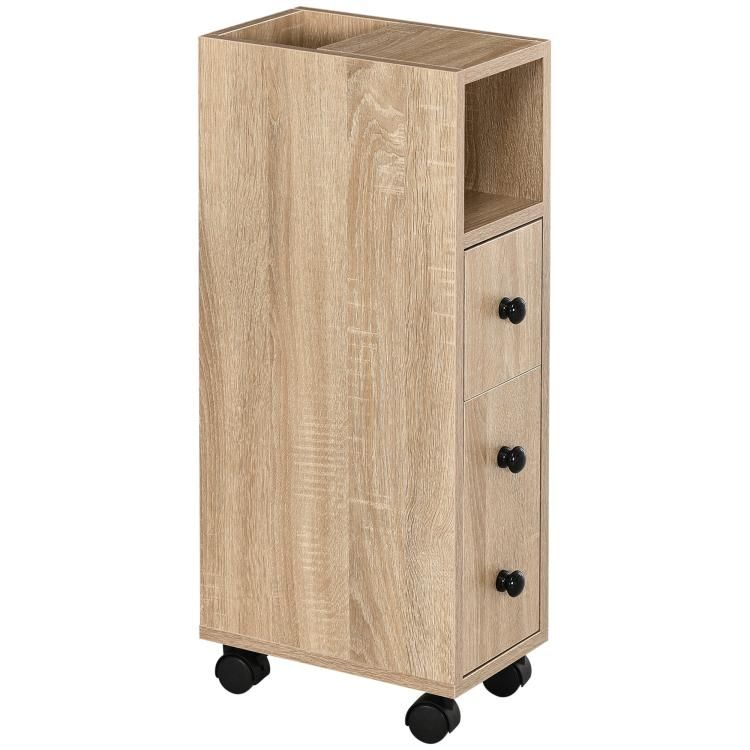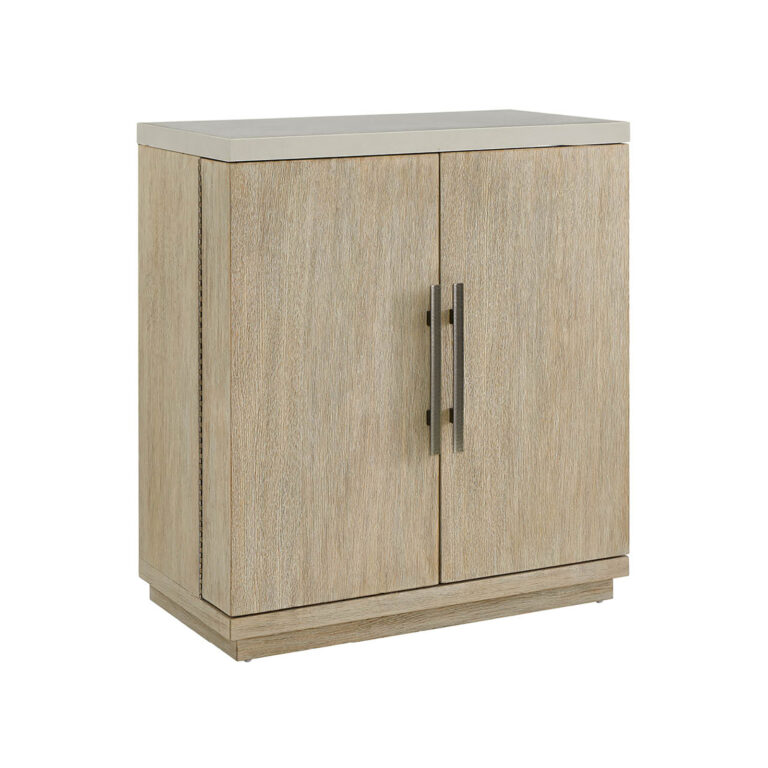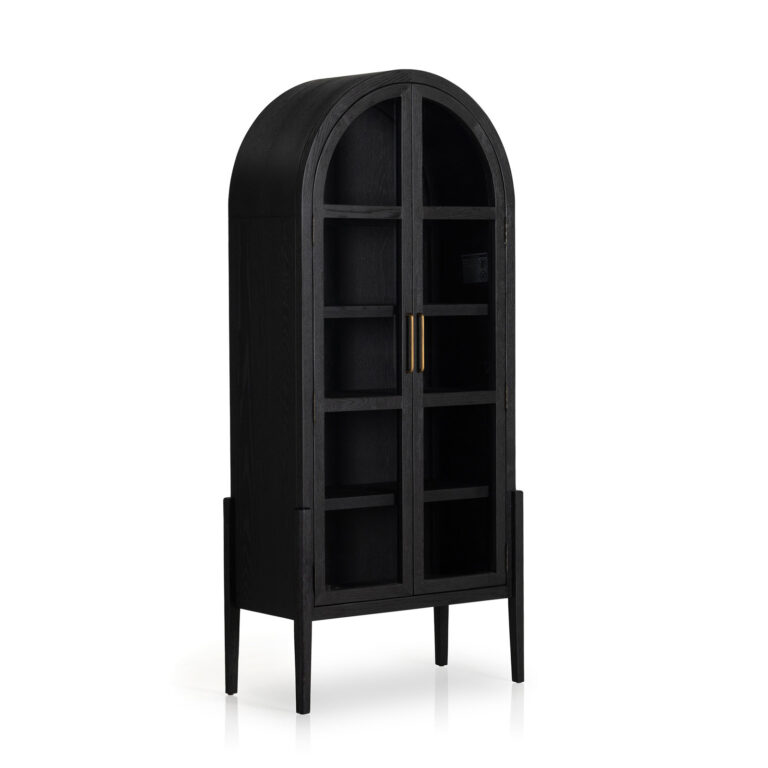
You can tell a good oak cabinet from across a room, and it has nothing to do with how shiny it is. Walk up to the cheap one and the door feels hollow, a little thwack when you close it, like knocking on a hotel room. The good one shuts with a soft, solid clunk, and the whole piece doesn't rock when you lean on a corner.
If you own nothing in oak yet, start with something closed, a cabinet with doors rather than open shelving, because oak is a statement texture and you want to live with the grain before you commit to showing off everything inside it too. A low sideboard style cabinet in a hallway or dining room is the easiest first piece, since it doesn't need to coordinate with a big sofa or a bed frame, just a wall and some floor space. On finish, go lighter and more natural if your place already has a lot of warm wood or honey tones elsewhere, and go for a darker, more amber stain if your floors are pale or gray, because two different undertones of wood in the same room is the thing that quietly makes a space feel unfinished even when you can't say why. Raw or lightly oiled oak, where you can still see and feel the open grain under your hand, wears better over years than a thick glossy lacquer, which chips at the corners and then looks worse than if you'd never bothered. For measuring, don't just eyeball the wall, measure the full width including handles, then measure the depth and think about the door swing, because an oak cabinet is heavy and dense enough that once it's in position, shifting it six inches to fix a door that won't open past a radiator is not a five minute job, it's a two person, sore back kind of job. Leave at least a foot of clearance in front of any cabinet with doors that open outward, more if there's foot traffic.
Oak reads heavy and warm, so it tends to clash with anything cold and high gloss nearby, chrome legged glass tables, white lacquer units, that sort of thing, the two finishes end up competing instead of sitting together. It also struggles in a small, low ceilinged room if you go for a tall, wide piece, since oak's density makes a room feel smaller the bigger the cabinet gets, in a way lighter woods don't.
Keep it away from direct radiator heat too, oak cabinets can warp or crack at the joints over a few winters if they're pressed right against a heat source.