Measure the opening on your television stand before you fall in love with the one in the picture, because every media unit I have ever bought or built has one job that matters more than the wood grain, and that is clearing the cable box and the game console with an inch to spare on top of the actual height of the box, not the height it says on the website. Get that wrong and you either leave the doors open forever, which defeats the point, or you buy a whole new unit eight months later. Past that one practical trap, though, a good media unit is one of the most useful pieces of furniture you can own, because it is doing storage and surface and visual anchor all at once in a room that otherwise has nothing to organize itself around.
Where it falls short is in small apartments where you are tempted to buy one that is wider than the wall really wants, just because it looks substantial in a showroom. I did this in my first place, a unit so long it blocked a radiator, and I spent a winter mad at myself every time the heat came on. It is also the wrong call if you are mounting the television on the wall and do not actually need a surface under it. In that case a slim floating shelf does the job better and a big low cabinet just becomes a place where remote controls go to die.
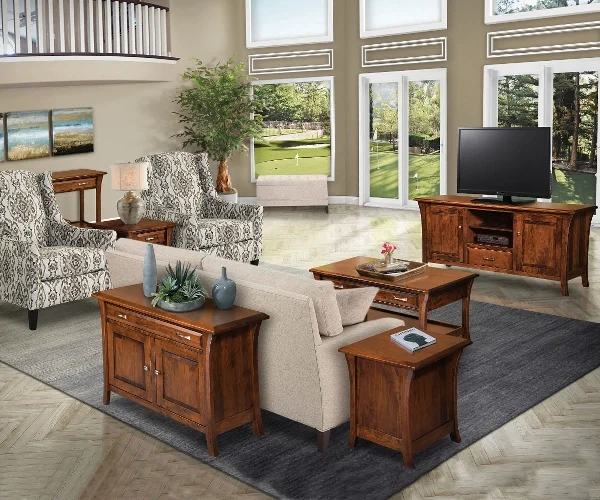
It earns its keep best in a living room that people actually sit in through all four seasons, not a formal front room nobody uses. Open plan spaces like it especially, because a solid, well proportioned media unit gives the television wall some weight and stops the whole room from feeling like furniture happened to it by accident. Family houses with kids and a dog benefit from one with doors rather than open shelving, since closed storage hides the mess of chargers and controllers that otherwise multiplies on its own.
What separates a unit worth keeping for fifteen years from one you will be embarrassed by in three comes down to what you find when you pull a drawer all the way out and look underneath it. Real doweled or dovetailed joints, drawer runners that glide without rattling, a back panel screwed in rather than stapled, and legs bolted into a solid frame rather than screwed straight into particleboard, which strips out the first time you drag the thing across a rug. Veneer over real plywood is fine and honest. A thin photograph of wood grain glued to chipboard is not, and you will know within a year when the edges start to bubble. Tap the top with a knuckle, too. A hollow, cheap rattle tells you everything the price tag was trying not to.
 Aisha's pickWhere to Start With Media Cabinets
 Aisha's pickMedia Cabinets for Living Room That Visitors Always Ask About
 Aisha's pickMedia Cabinets with Doors That Look Good Even When Full

 Aisha's pickMedia Cabinets with Shelves From Stores Big and Small
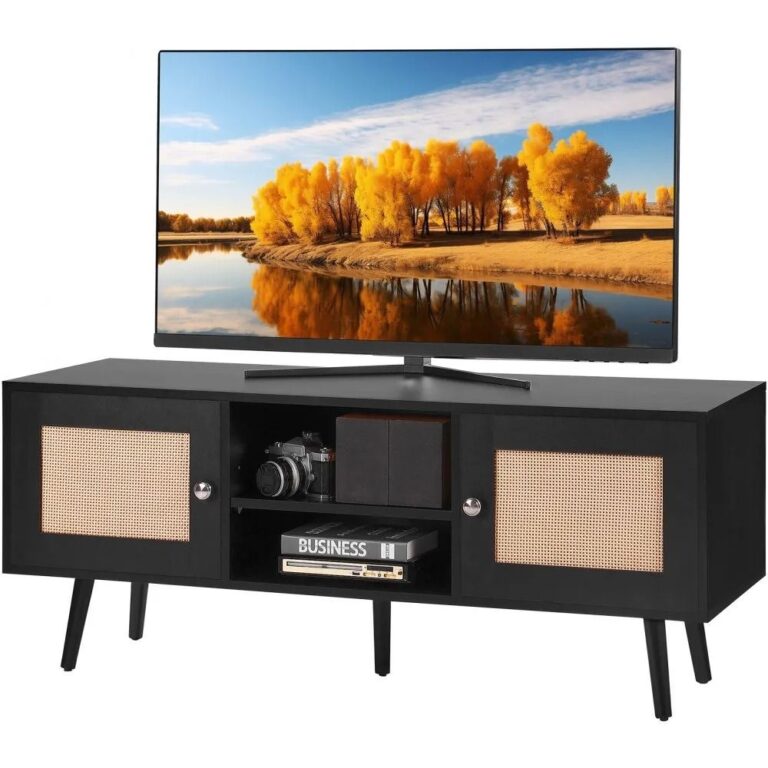 Aisha's pickMedia Cabinets with Storage That Swallow the Clutter
 Aisha's pickMedia Units for the Living Room