The moment you know a large storage cabinet earns its keep is the one where someone is coming over in twenty minutes and you need every stray cable, board game box and winter coat to disappear at once. A cabinet with real depth does that without you having to think about where any of it goes.
Check it over properly before the delivery van leaves, not after. Open and close every door and drawer, because a cabinet that looks flush in the showroom can arrive with a door that swings an inch out of true, and that's much harder to argue about once it's in your hallway. Run a hand along the back panel too, since a lot of large cabinets get a thin sheet of hardboard back there that can bow in transit, and you want to catch that before you've spent an afternoon loading shelves with books and plates. Give the shelves a push, see if they flex, and check whether they're adjustable or fixed at heights that might not suit what you actually own. Smell it as well. A cheap finish or particleboard core will often announce itself before you've even opened a drawer properly.
Over time a cabinet like this takes the knocks of daily life, vacuum cleaners bumping the base, kids leaning on the doors, mugs set down on top without a coaster, so the finish matters more than it seems to at first. Solid wood or a proper veneer will take a scratch and still look like furniture after five years, where a sprayed laminate tends to chip at the corners and never quite recovers. Wipe it down with a slightly damp cloth rather than anything with ammonia in it, keep it out of direct sun if the wood can fade, and give hinges an occasional drop of oil if they start to creak, which they will eventually. The difference between a cabinet that feels worth keeping and one that feels like it's on borrowed time usually comes down to the joints. Dovetailed or dowelled drawers, solid backs, doors that sit flush and stay that way, those are the things a disappointing cabinet skips to hit a lower price, and you feel it within a year, not a decade.
Where it struggles is in a room that's already busy with pattern or a lot of small, fussy furniture, since something this large reads best against a calmer backdrop. It also has no business in a narrow hallway where it will eat the walking space.
Next to it, I'd put a low bench or a single chair with nothing else competing for attention, and let the cabinet be the only big thing in the room.
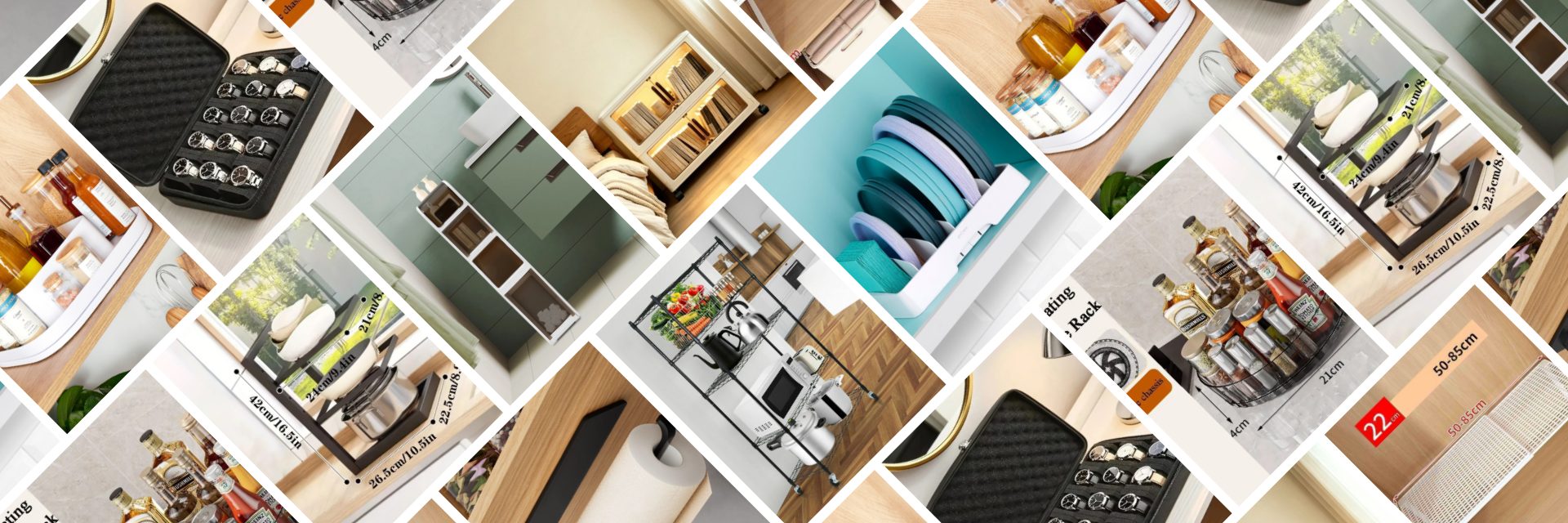
 Aisha's pickLarge White Storage Cabinets We Wish We’d Bought Sooner

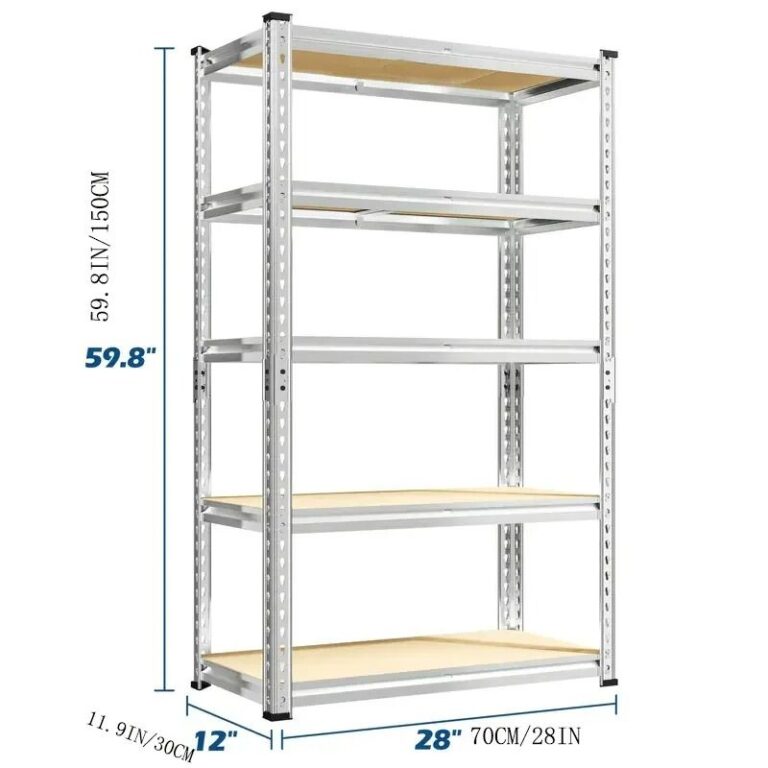 Aisha's pickExtra Large Plastic Storage Units That Look Good Even When Full
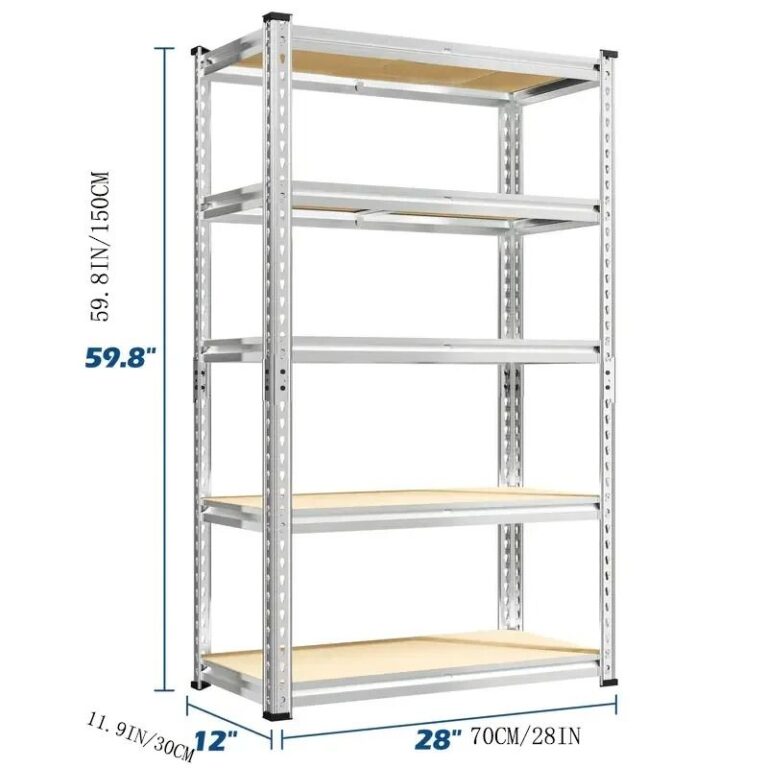
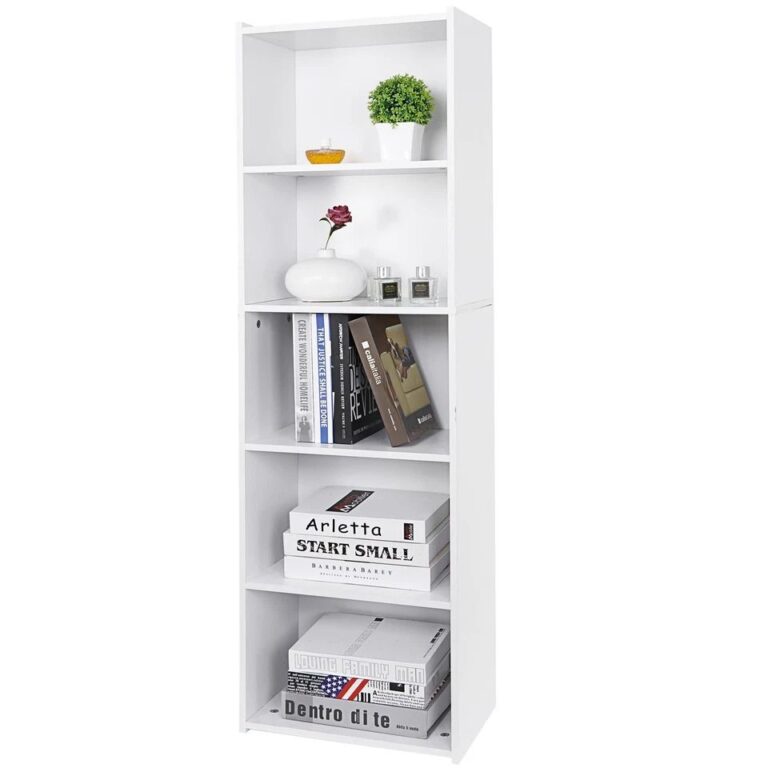 Aisha's pickLarge White Storage Units That Make a Room Feel Finished
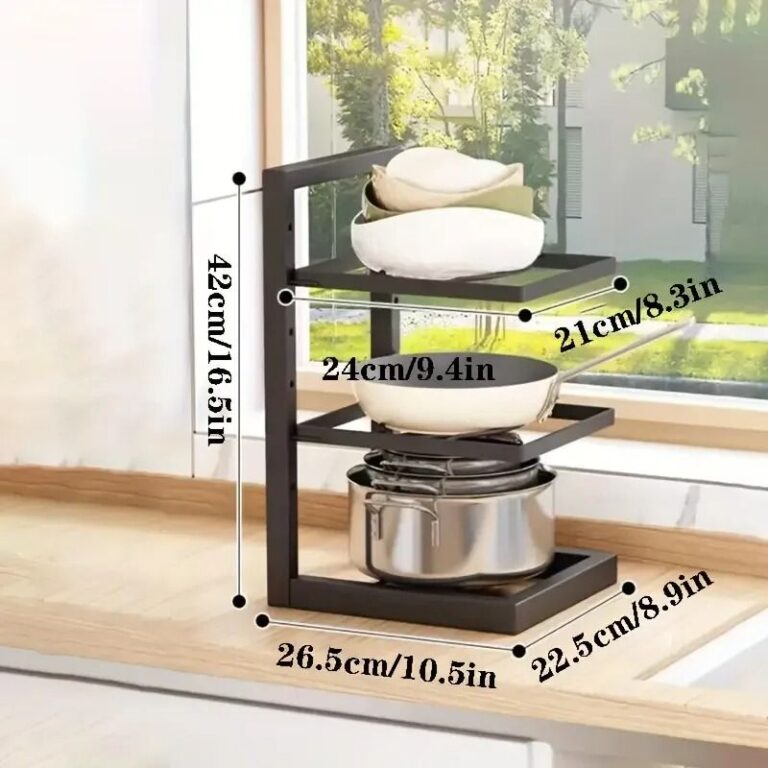 Aisha's pickNo Fuss Extra Large Steel Storage Cabinets
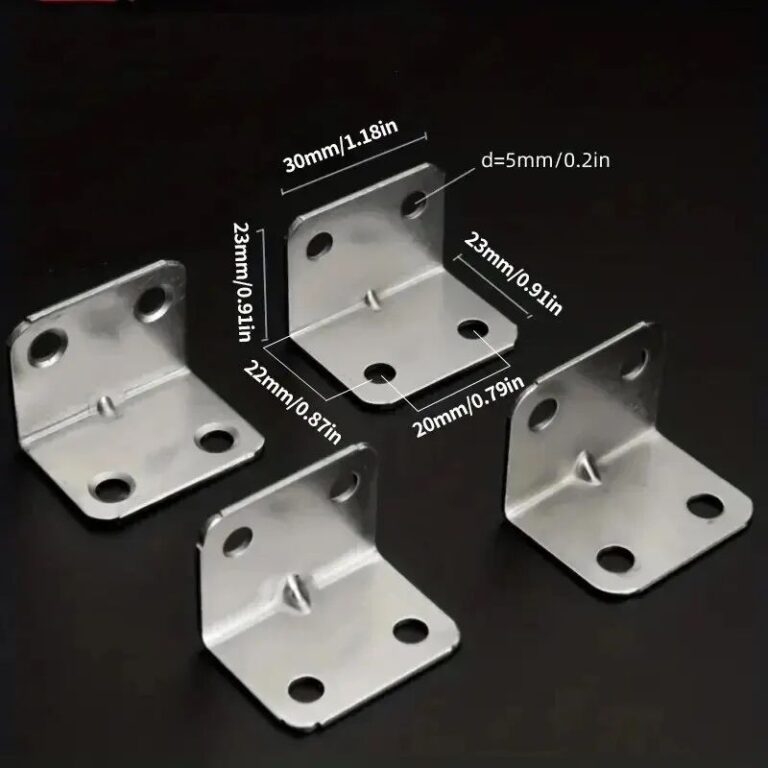
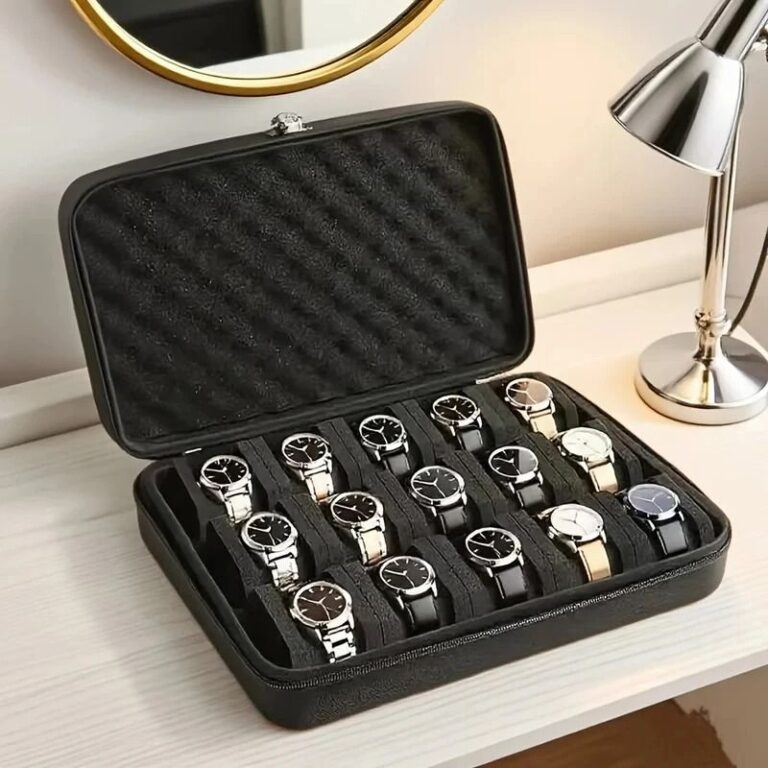 Aisha's pickLarge Wooden Storage Cabinets That Work in Old Houses and New Ones
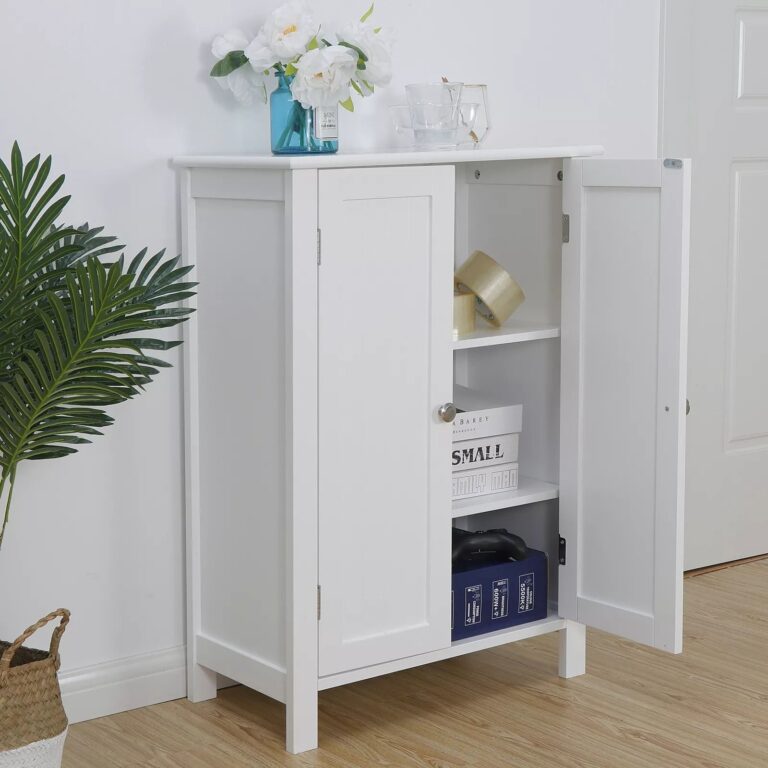
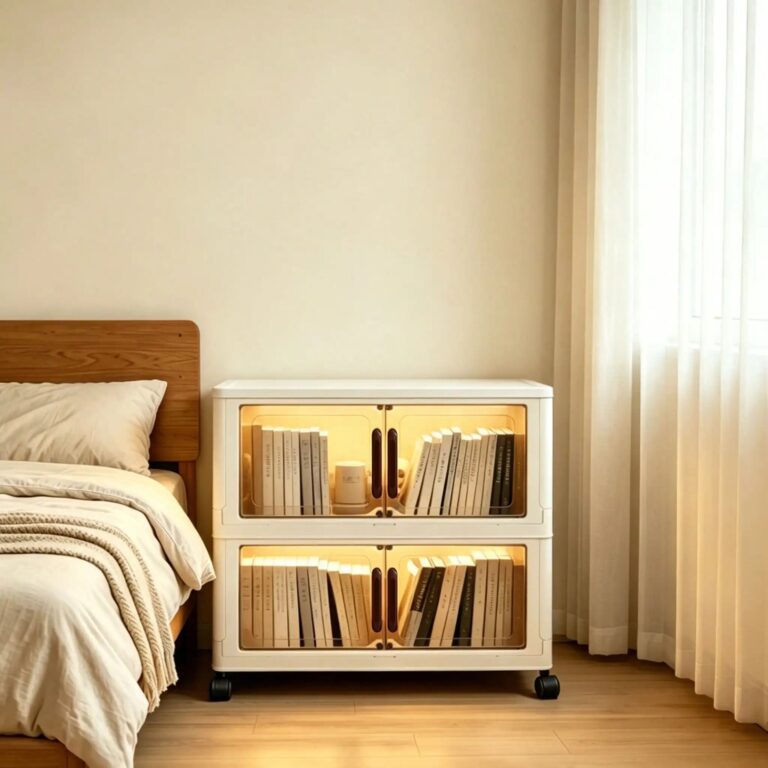 Aisha's pickExtra Large Storage Cabinets Hunted Down So You Don’t Have To
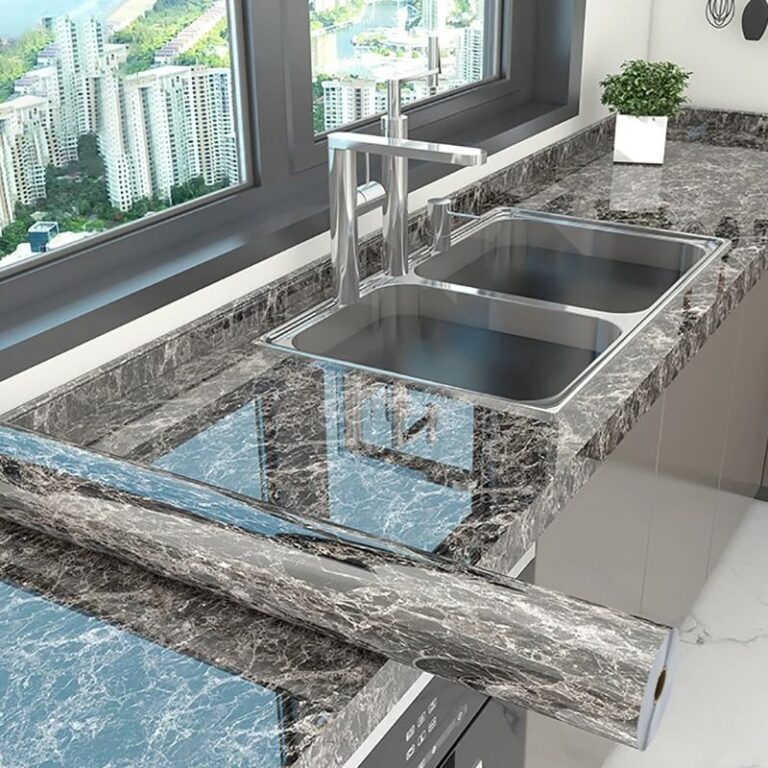
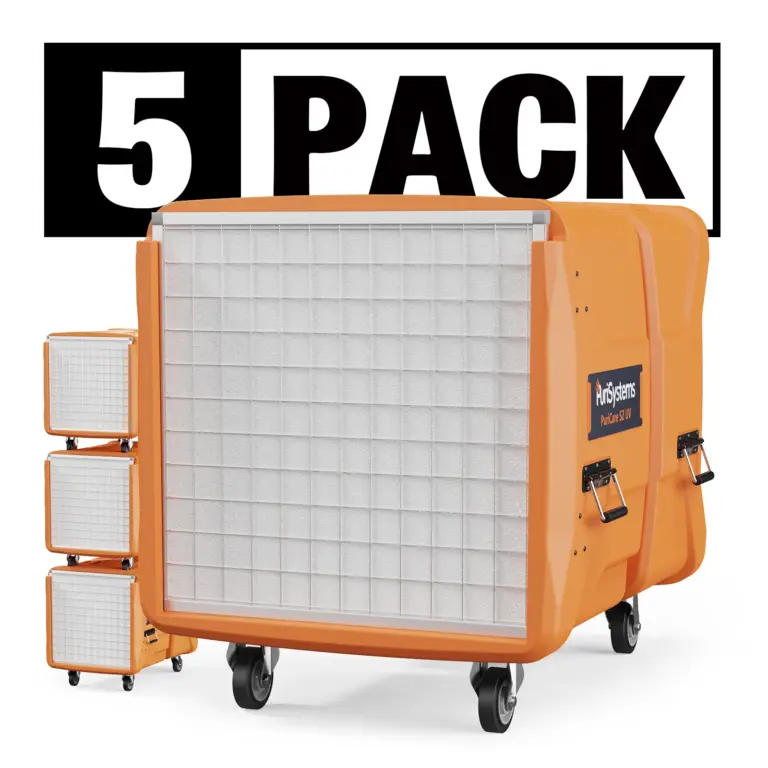 Aisha's pickExtra Large Storage Units That Swallow the Clutter
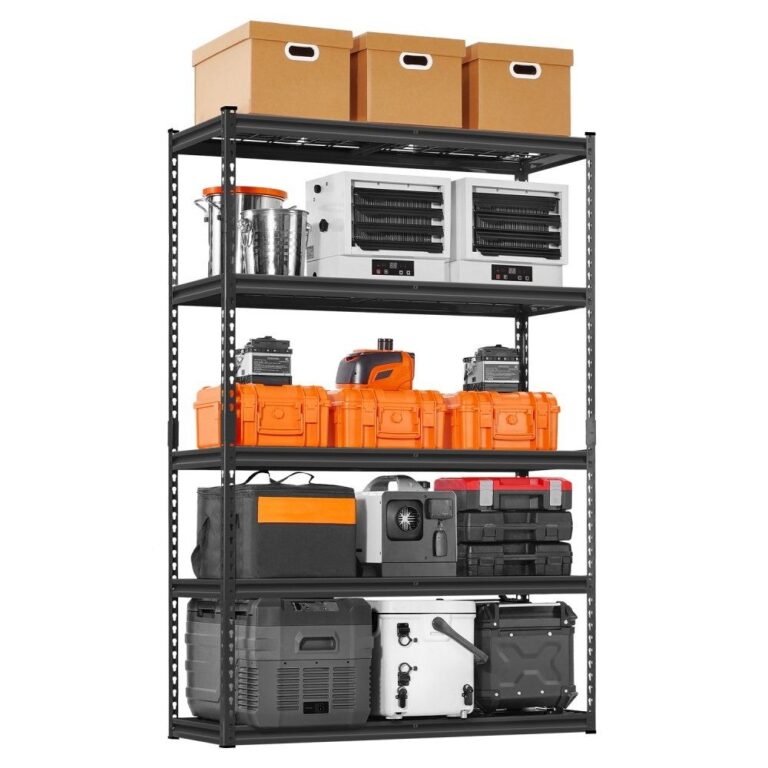
 Aisha's pickLarge Bathroom Storage Cabinets Picked From the Stores We Trust

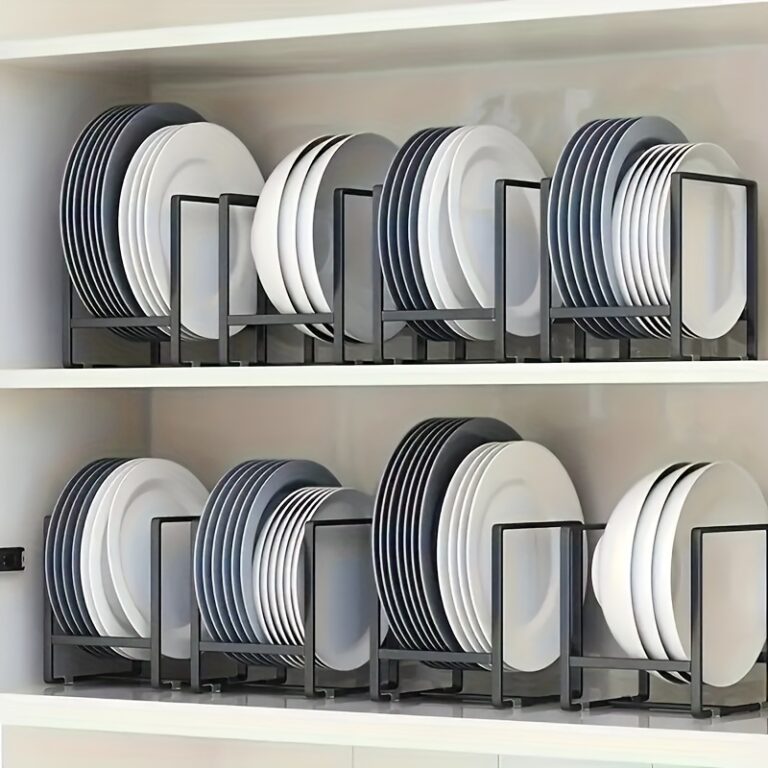 Aisha's pickLarge Black Storage Cabinets That Keep Surfaces ClearAlso worth a lookLarge UnitsThe one thing that will save you a world of trouble is measuring the doorway and the stairwell…See the collections →
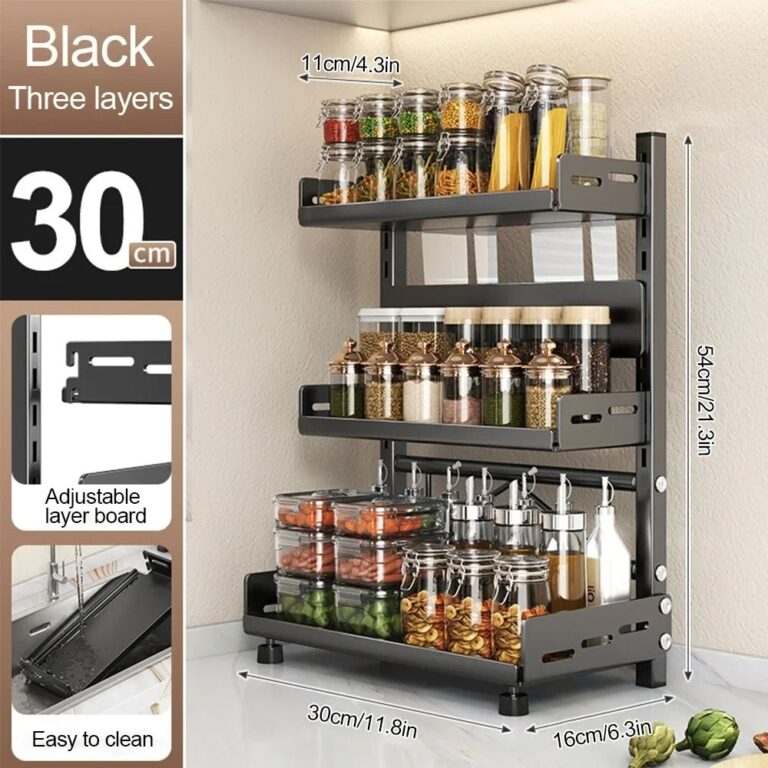
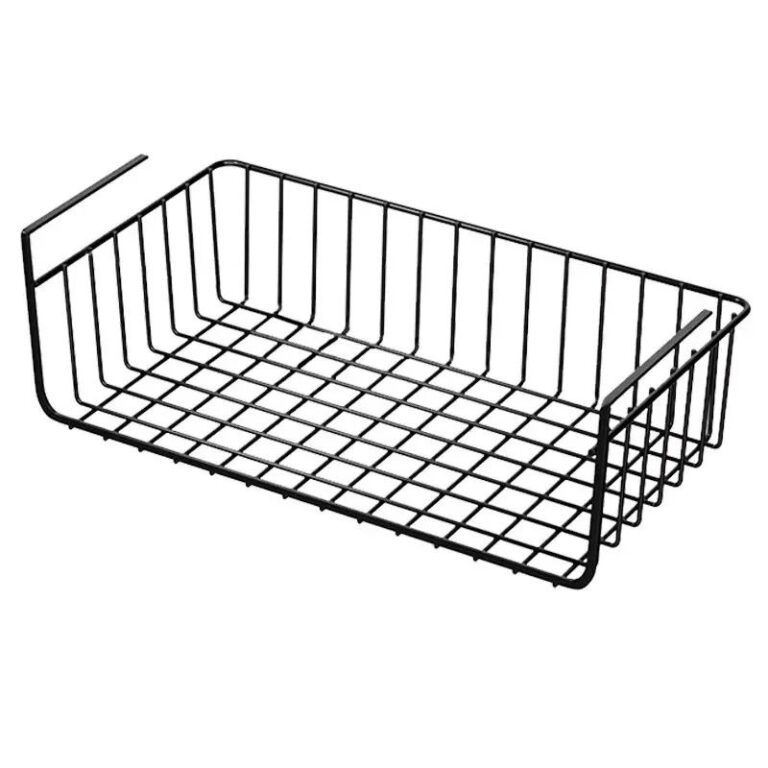 Aisha's pickLarge Kitchen Storage Cabinets for Making a House Feel Like Yours
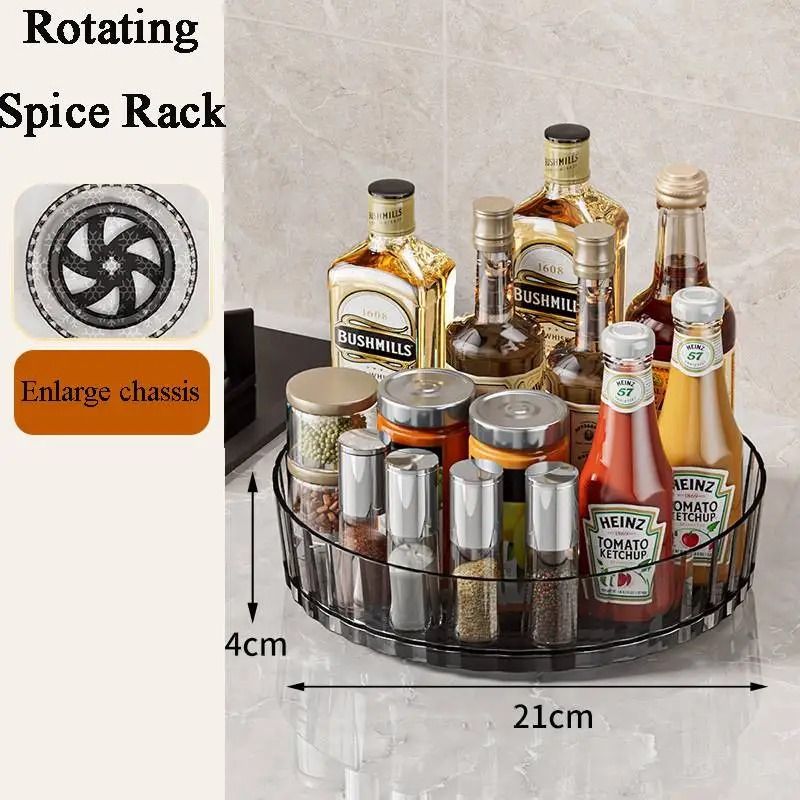
 Aisha's pickLarge Metal Storage Cabinets That Hide the Mess for Good
 Aisha's pickLarge Metal Storage Units You’ll Still Like in Five Years
 Aisha's pickLarge Plastic Storage Cabinets for Homes With Too Much Stuff
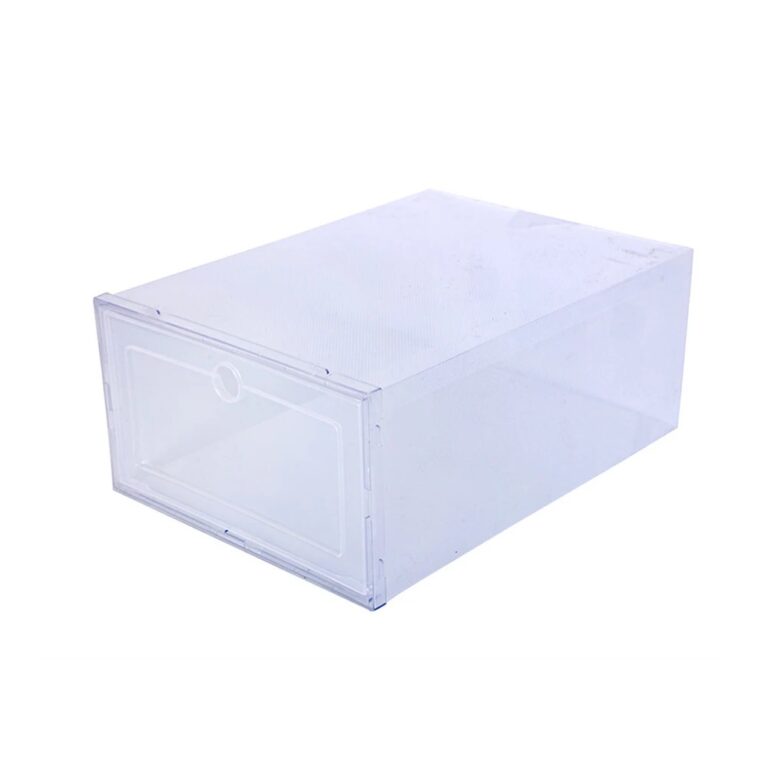 Aisha's pickLarge Shoe Storage Cabinets We Wish We’d Bought Sooner

 Aisha's pickLarge Steel Storage Cabinets That Sort Out the Chaos

 Aisha's pickLarge Steel Storage Units for the Bits That Never Have a Home