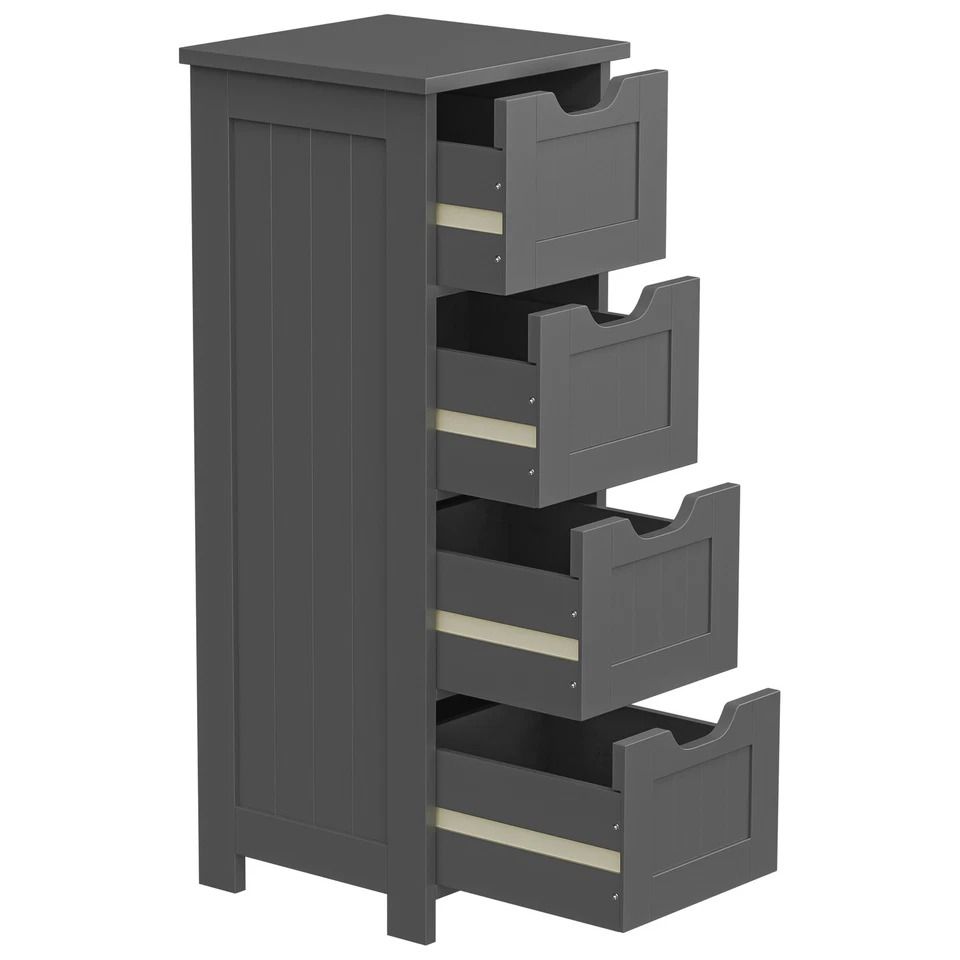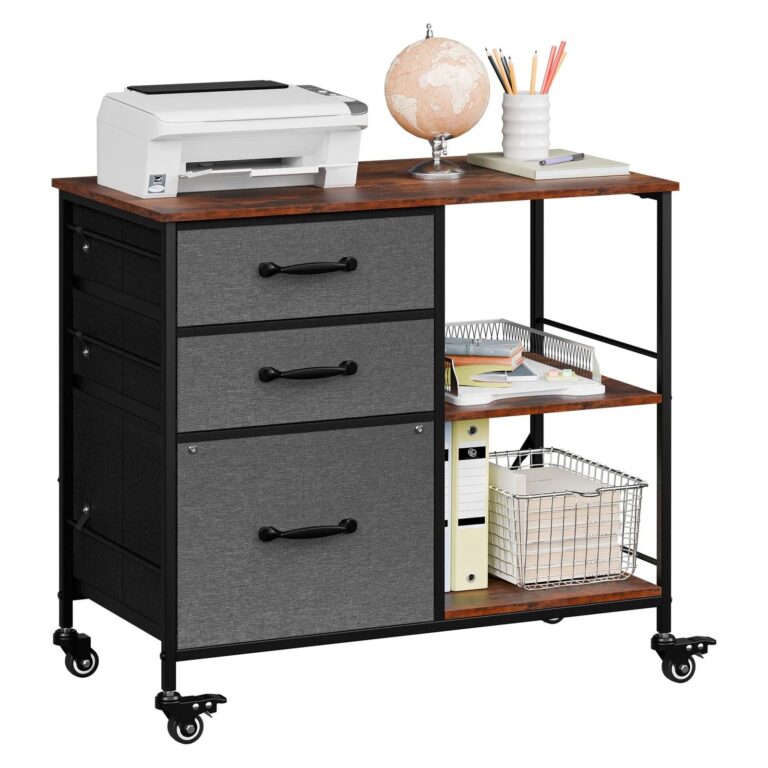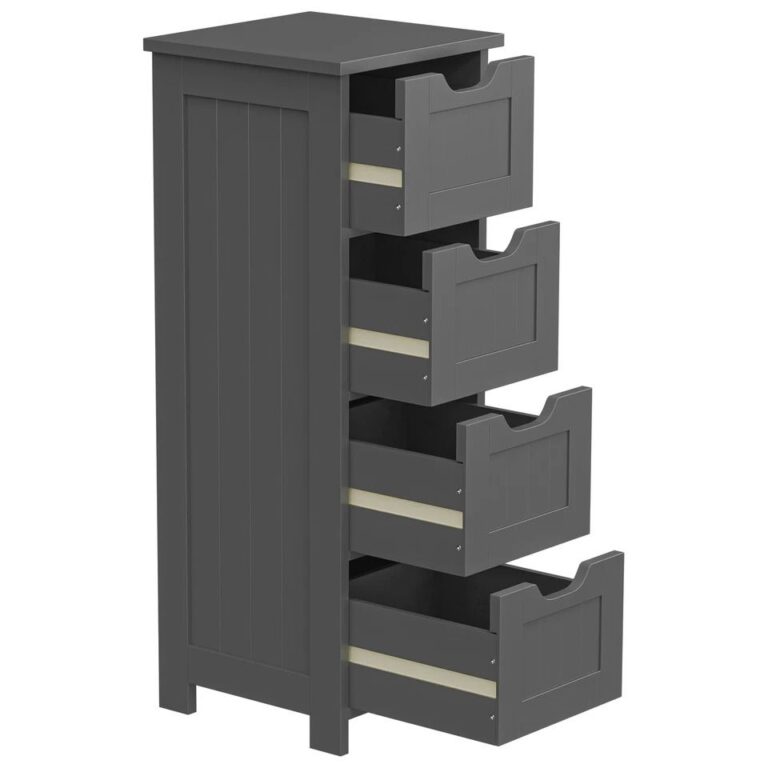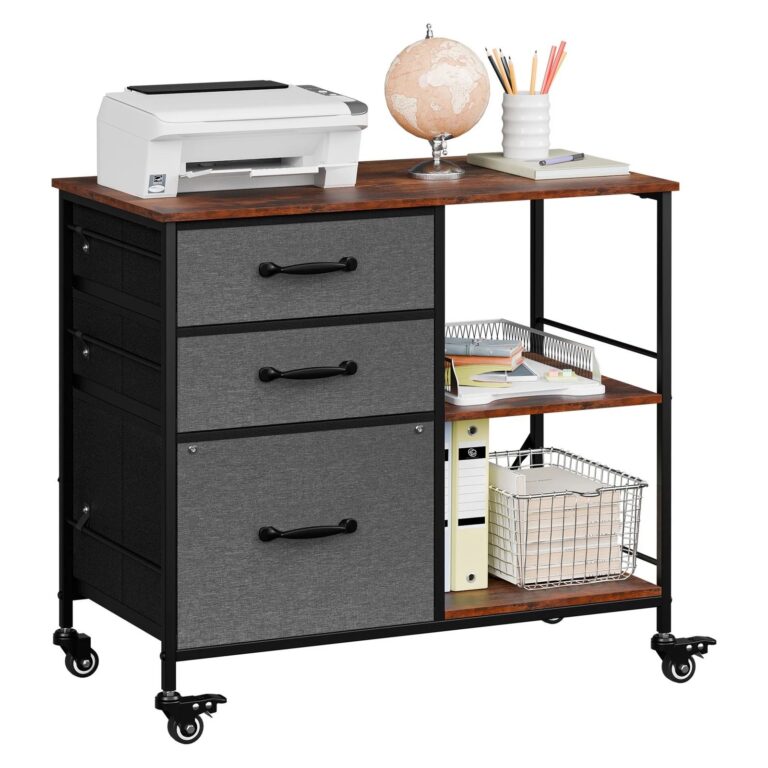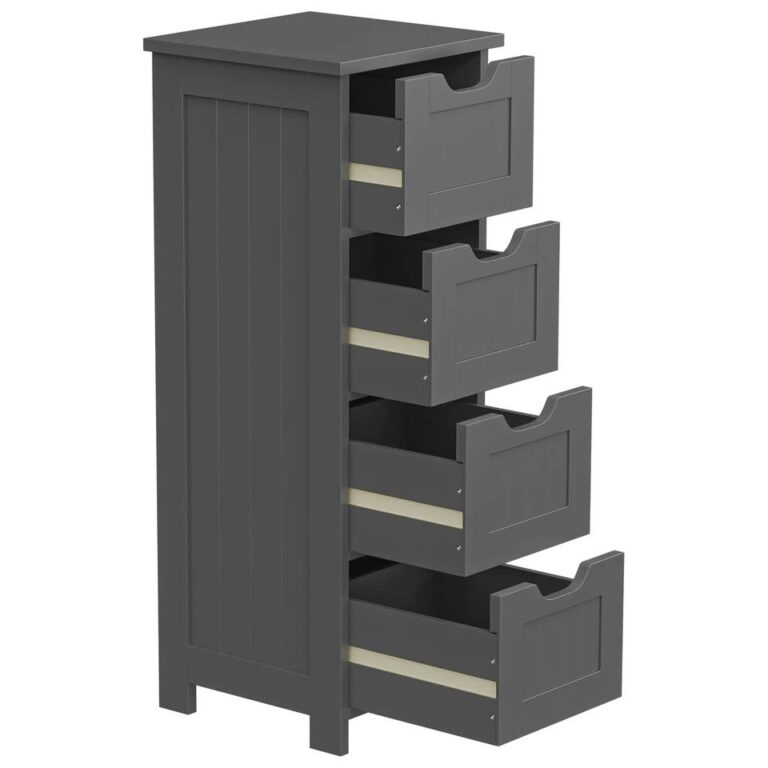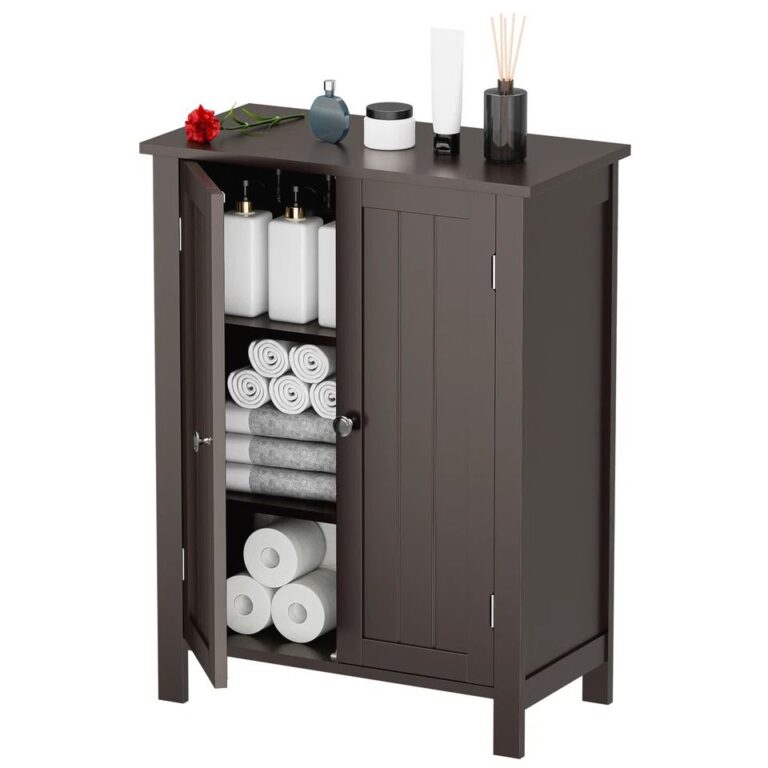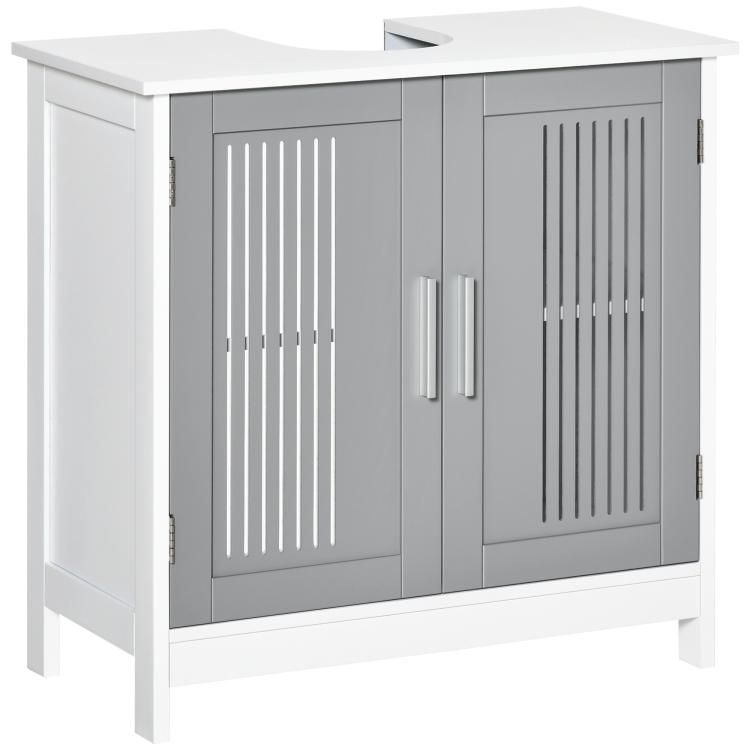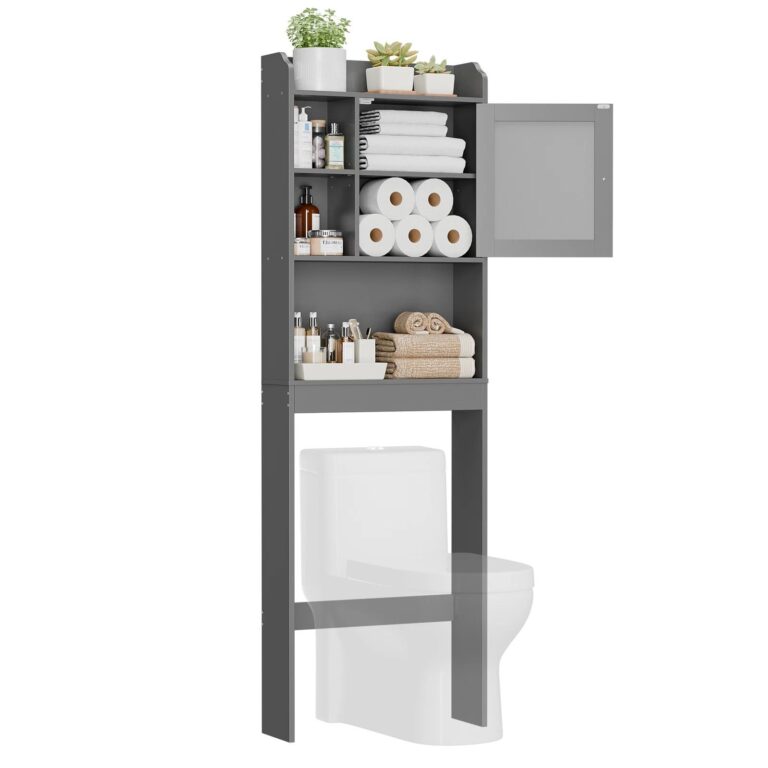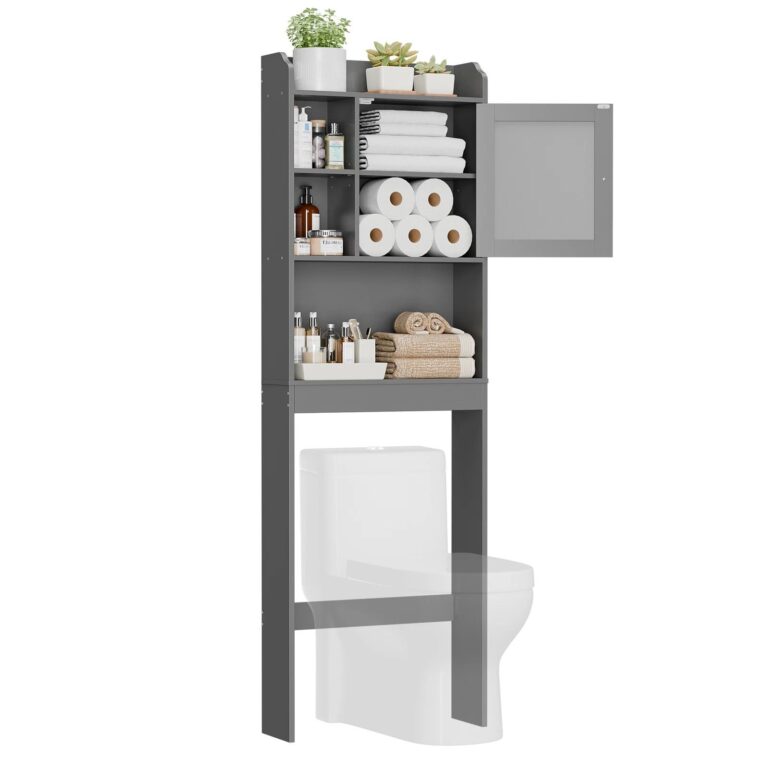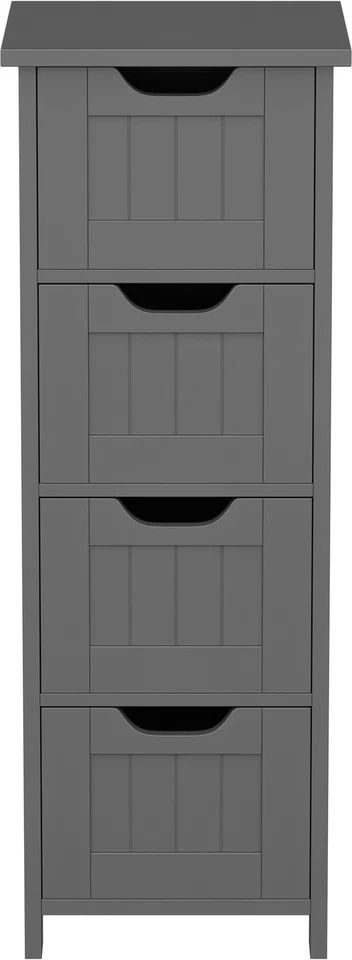
A good gray cabinet sits in a room like it was always meant to be there, quiet and solid, the kind of thing you lean on without thinking. A bad one reads as an afterthought the second you walk in, too blue or too cold, looking like leftover paint from a bathroom job rather than a real color choice made on purpose.
If you are starting from nothing, go for a plain cabinet with simple doors over anything with glass fronts or busy hardware, since gray already does a lot of visual work and you do not want the shape fighting it too. A medium gray with a slight warmth to it, something closer to stone or driftwood than steel, is the easiest to live with over time. True cool grays can turn almost lavender under warm bulbs, which is a strange thing to discover at ten at night when you are just trying to put your keys down. Warmer grays, the ones with a touch of brown or green hiding in them, sit happily next to wood floors, brass handles, black metal, almost anything, and they do not date the way a very trendy blue gray can. Charcoal is its own category, heavier and more dramatic, and it works best as one strong piece in a room rather than paired with other dark furniture, or the whole room starts to feel like it is sulking.
Check the finish with your hand before anything else. Painted gray cabinets should feel smooth and a little cool, almost chalky in a good way, not sticky or thin feeling under your fingers, because a thin finish shows every scuff within a month. Open and close every door and drawer on the showroom floor or the second it is delivered. Good hinges feel weighted and close with a soft, solid sound, not a hollow bang or a loose rattle. Run your hand along the back edge where it meets the wall, and check the feet or base for any wobble on an uneven floor, since older homes rarely have floors as flat as they look. Drawers should slide out fully without tipping forward, and the inside shelves should feel sturdy enough that you are not nervous putting real weight on them.
A gray cabinet works especially well in entryways, dining rooms and living rooms where you want storage that does not shout, and it suits almost any season, since gray does not read as summery or wintery the way white or deep red can. It is a particularly good choice for older homes with a lot of wood trim, where a gray finish breaks things up without clashing, and for renters who want furniture that will still make sense in the next apartment.