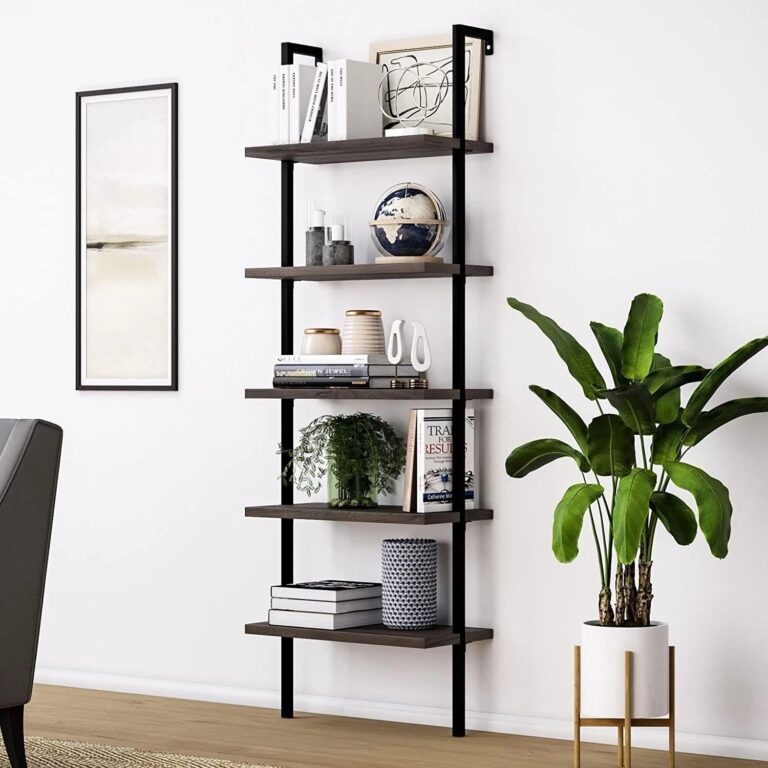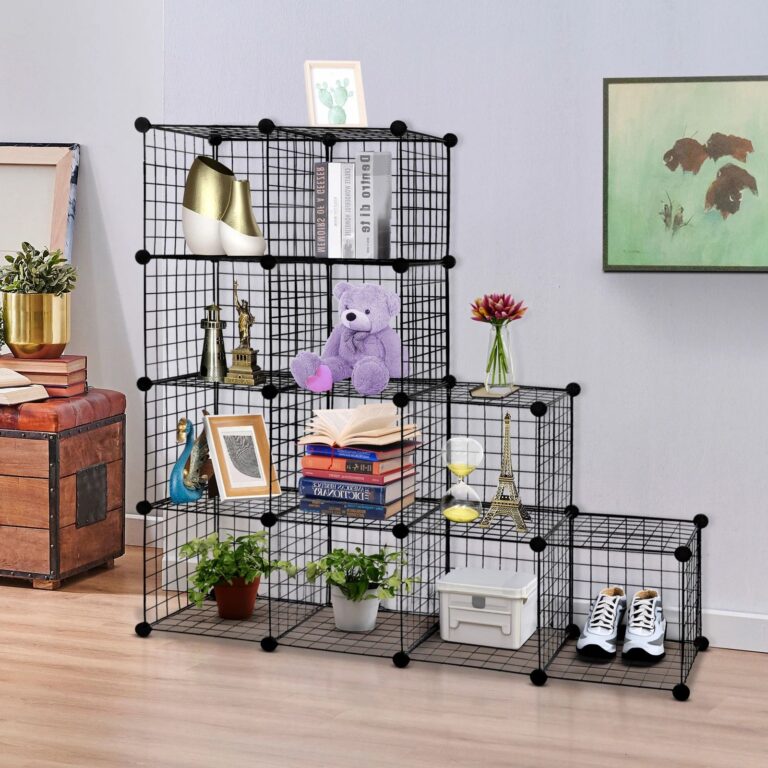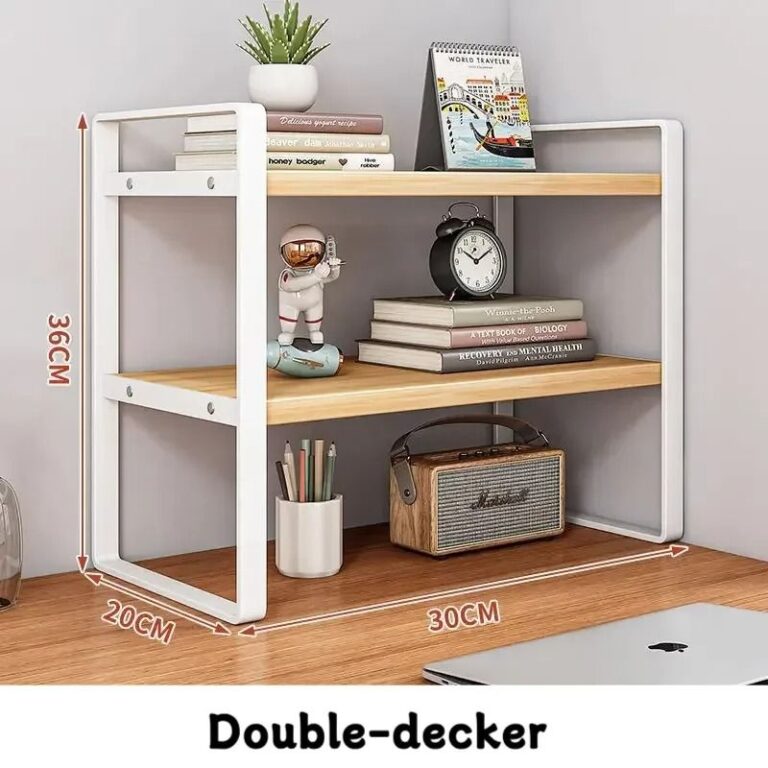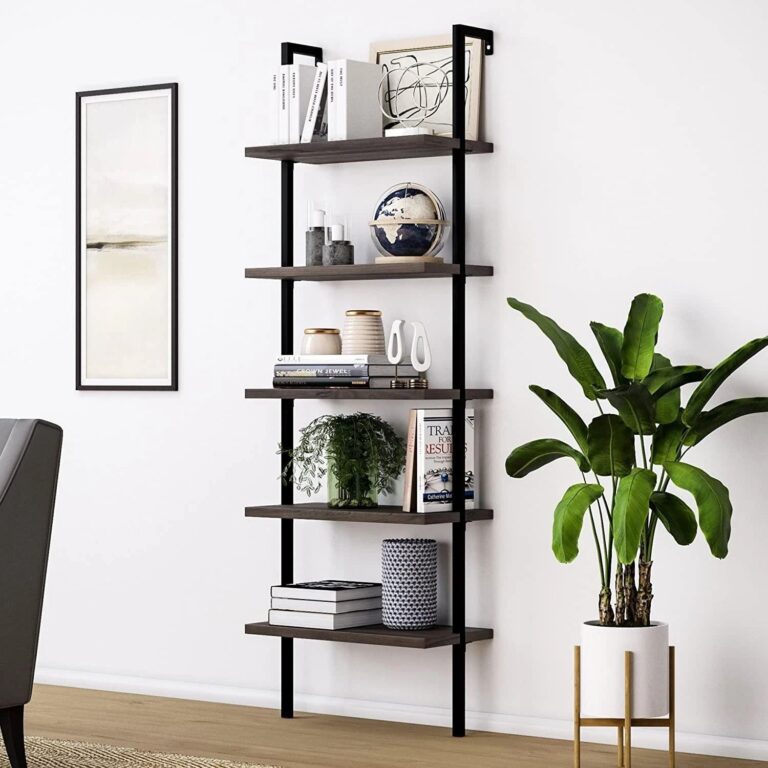
You can tell a good display unit from a bad one before you even walk all the way in. The good one has a few things on it that you actually look at, glass or open shelves that catch light, a back panel that isn't trying to be the star of the show. The bad one is just a bookshelf wearing a fancier coat, stuffed with whatever didn't fit in the closet, and you can feel the clutter from the doorway even if every shelf is technically tidy.
In an ordinary room, a display unit works best next to furniture that stays quiet. A plain sofa, a rug without a loud pattern, walls in one color. It gives the room one thing to focus on instead of competing with the couch cushions and the lamp and the art all fighting for attention at once. I put mine against a wall that had nothing else going on, no window, no doorway, and it made that whole corner feel like it had a job instead of just existing.
These do best in living rooms and dining rooms, in houses where people actually sit for a while and have time to look at things, rather than hallways where everyone's moving through. They suit a home that's past the cardboard box stage, where you've collected a few things worth looking at rather than just owning furniture to fill space. Fall and winter, when the lamps are on more and the room gets looked at in the evening, is when a good one really shows off, lit shelves doing something for a dark room that a bare wall never will.
Where they fall short is in small apartments or rooms you're still moving out of in two years. They're heavy, awkward on stairs, and not something you want to disassemble more than once. If you're renting and know you're leaving by next summer, a display unit becomes a problem you carry rather than a piece you enjoy. I'd also skip one if you don't actually have anything worth displaying yet. An empty display unit looks worse than an empty shelf.
They clash hardest in small bedrooms, where they just read as a big wooden block nobody asked for, and in already busy rooms with patterned wallpaper or a gallery wall, where there's nothing left for it to anchor.
What it gives a room you already have is a place for your eye to land, and a reason to stop decorating by accident.